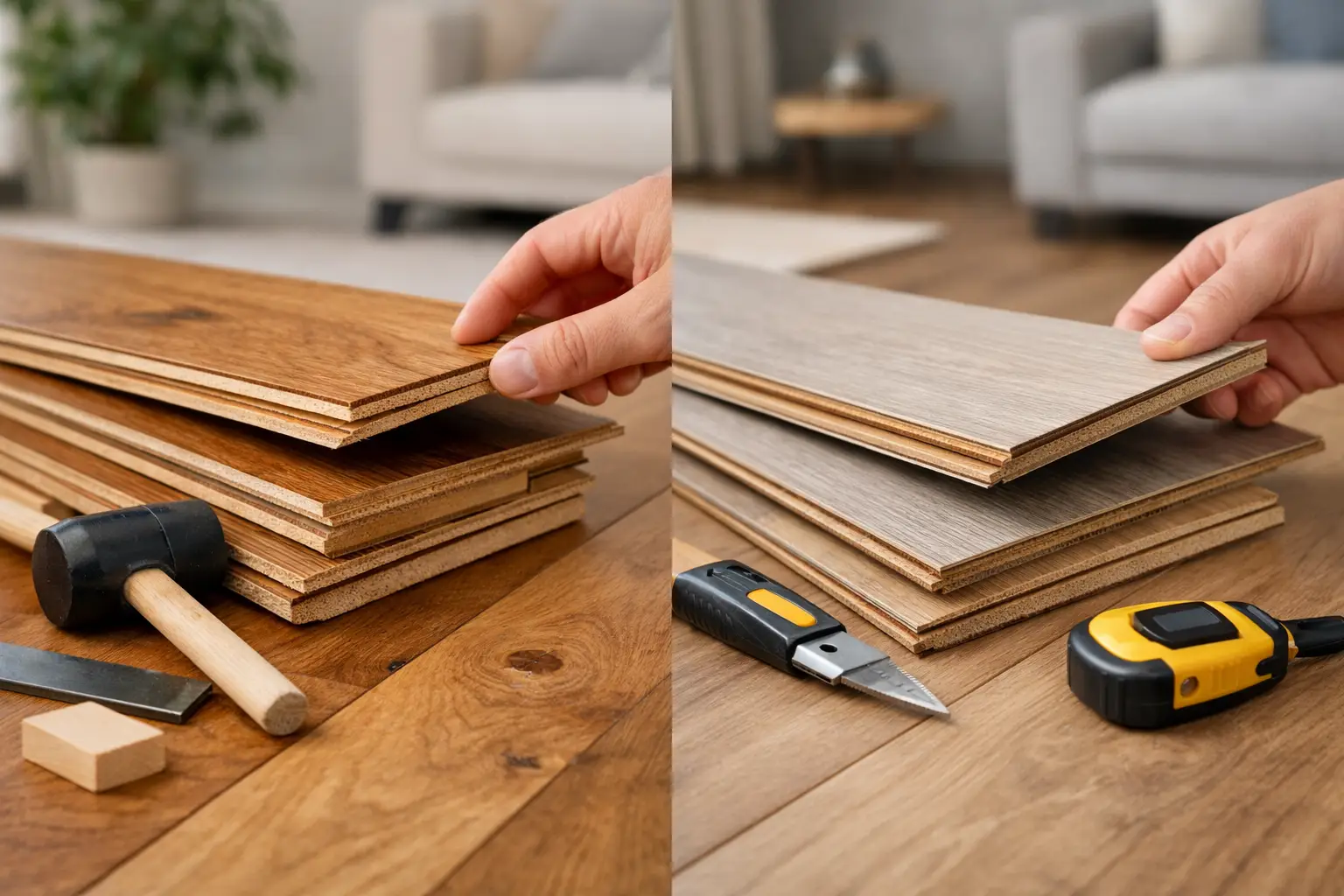
Choosing between engineered timber and laminate flooring comes down to budget, appearance, durability, and long-term value. Engineered timber features a real hardwood surface that delivers a natural look and feel, while laminate provides a cost-effective alternative with strong scratch resistance and low maintenance. Engineered timber can be refinished and often adds greater value to a property, whereas laminate is easier on the budget and suitable for busy households. Understanding the differences in water resistance, lifespan, comfort underfoot, and maintenance requirements will help you select the best flooring option for your Melbourne home.
You usually notice the difference between floors at ground level, not on a sample board. One feels warmer and more natural underfoot. The other is often tougher on day-to-day wear and easier on the budget. When clients ask us about engineered timber vs laminate, they are usually not asking which one is better in general. They want to know which one will work better in their home, with their budget, traffic, subfloor and expectations.
That is the right way to look at it. Both products can look excellent when they are chosen properly and installed over a well-prepared subfloor. Both can also disappoint if the decision is based only on price or showroom appearance.
Table of Contents
Engineered timber vs laminate: what is the real difference?
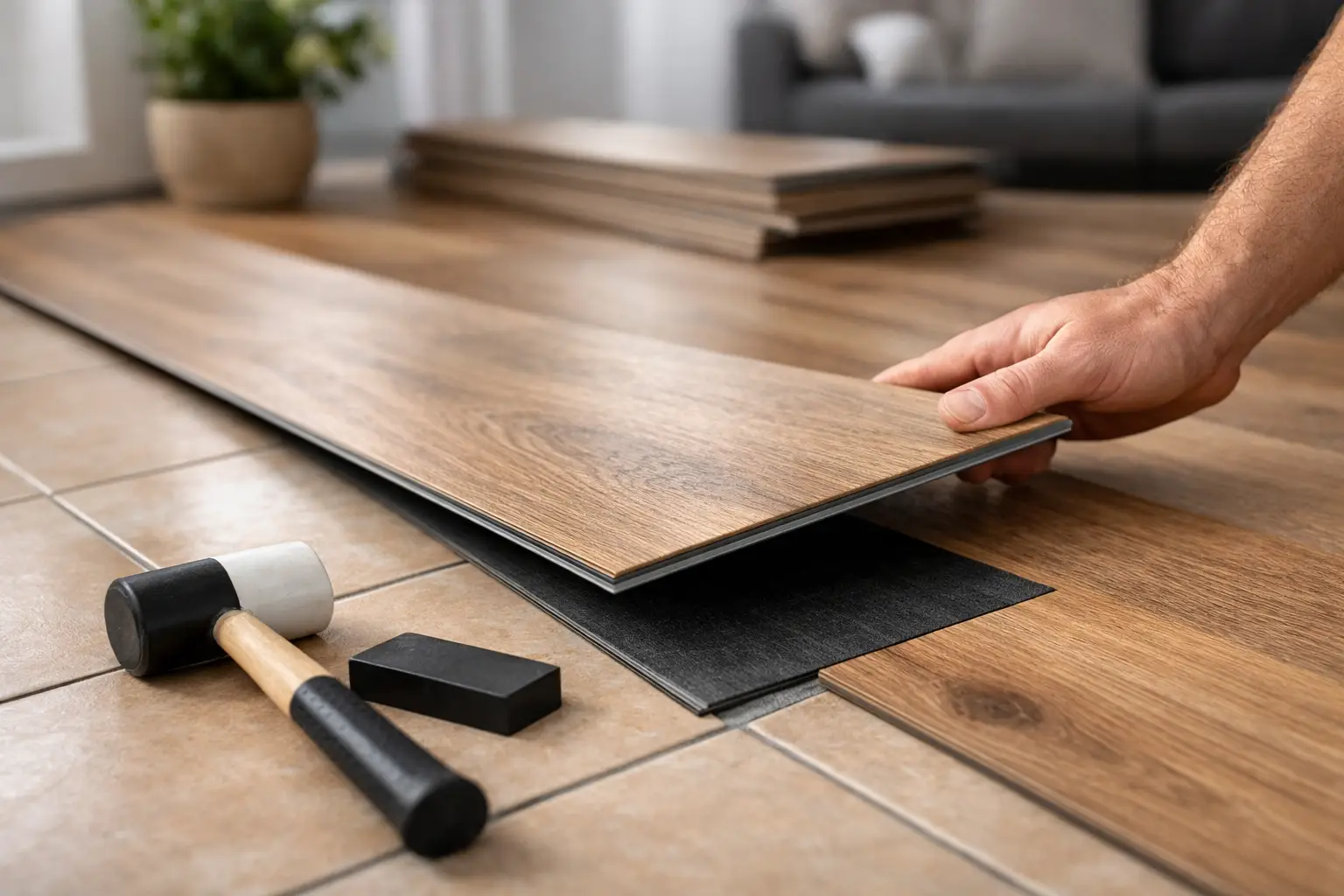
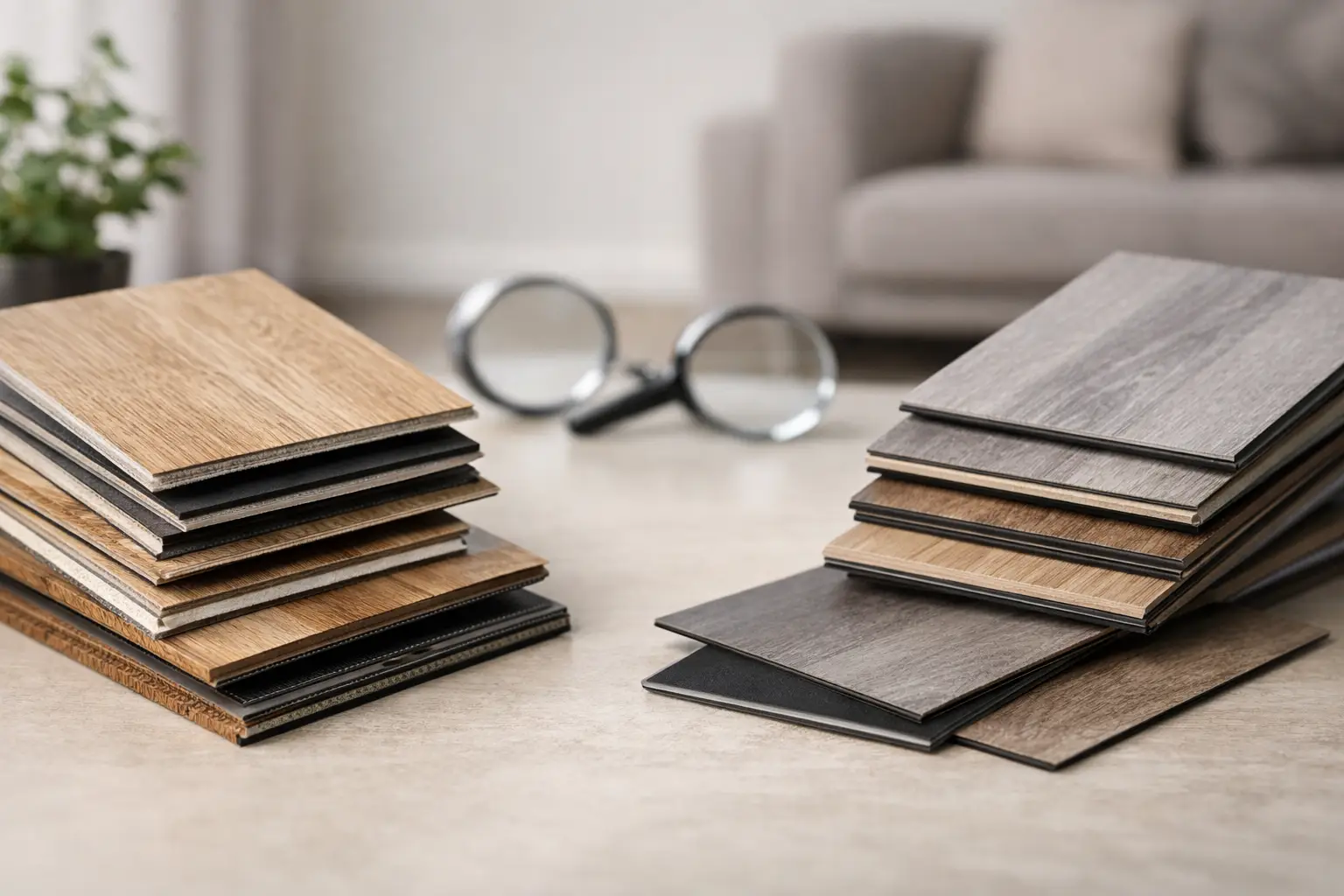
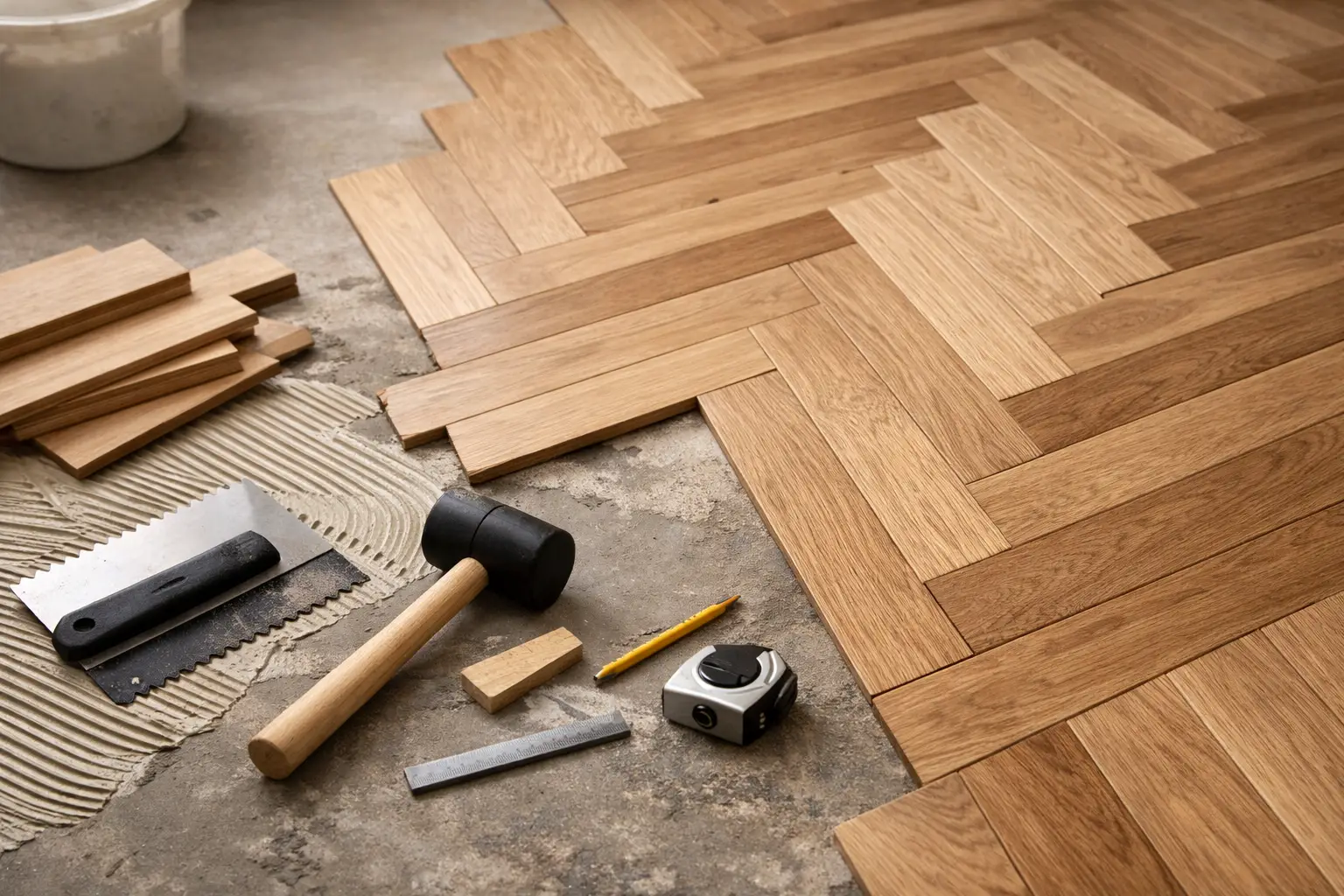
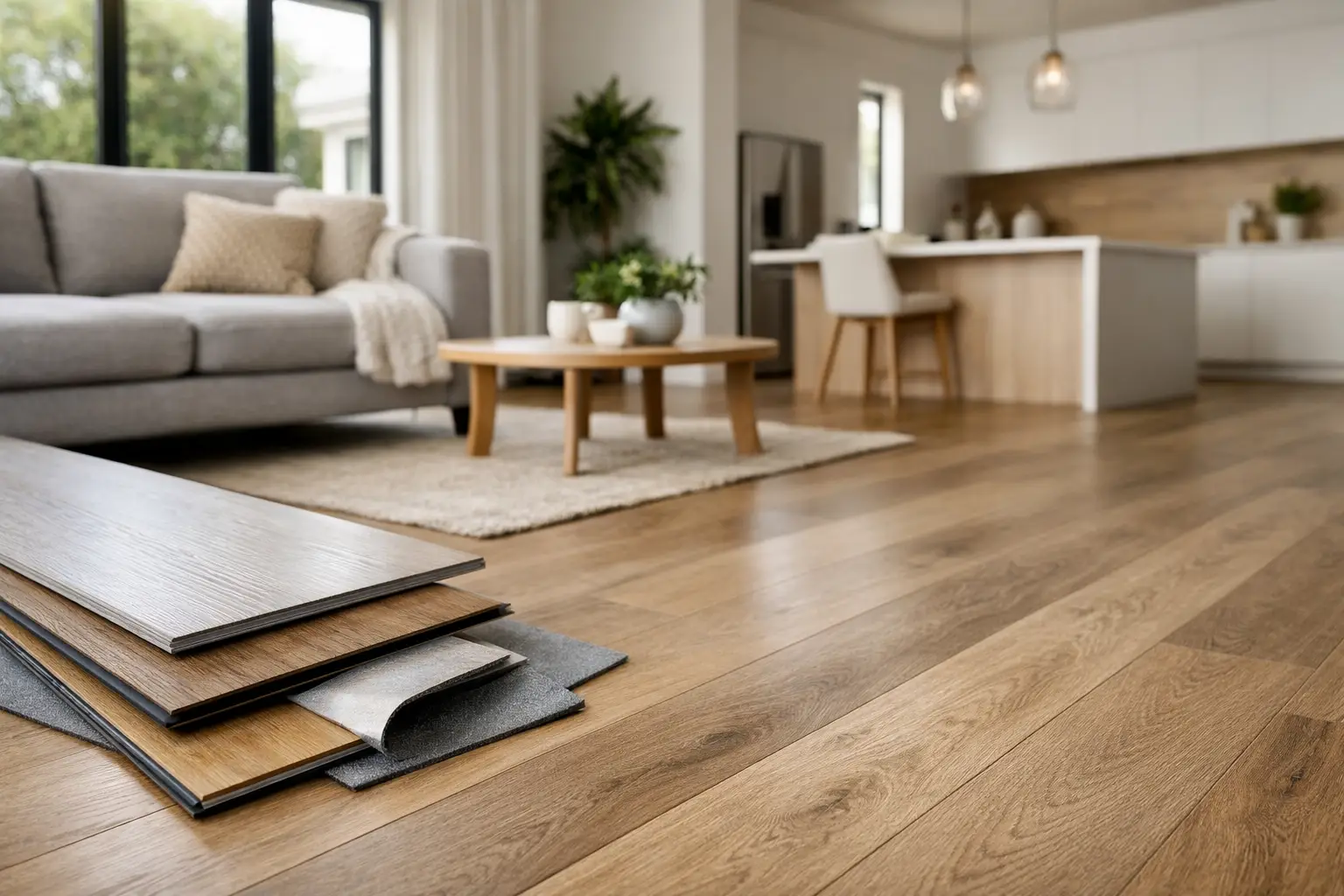
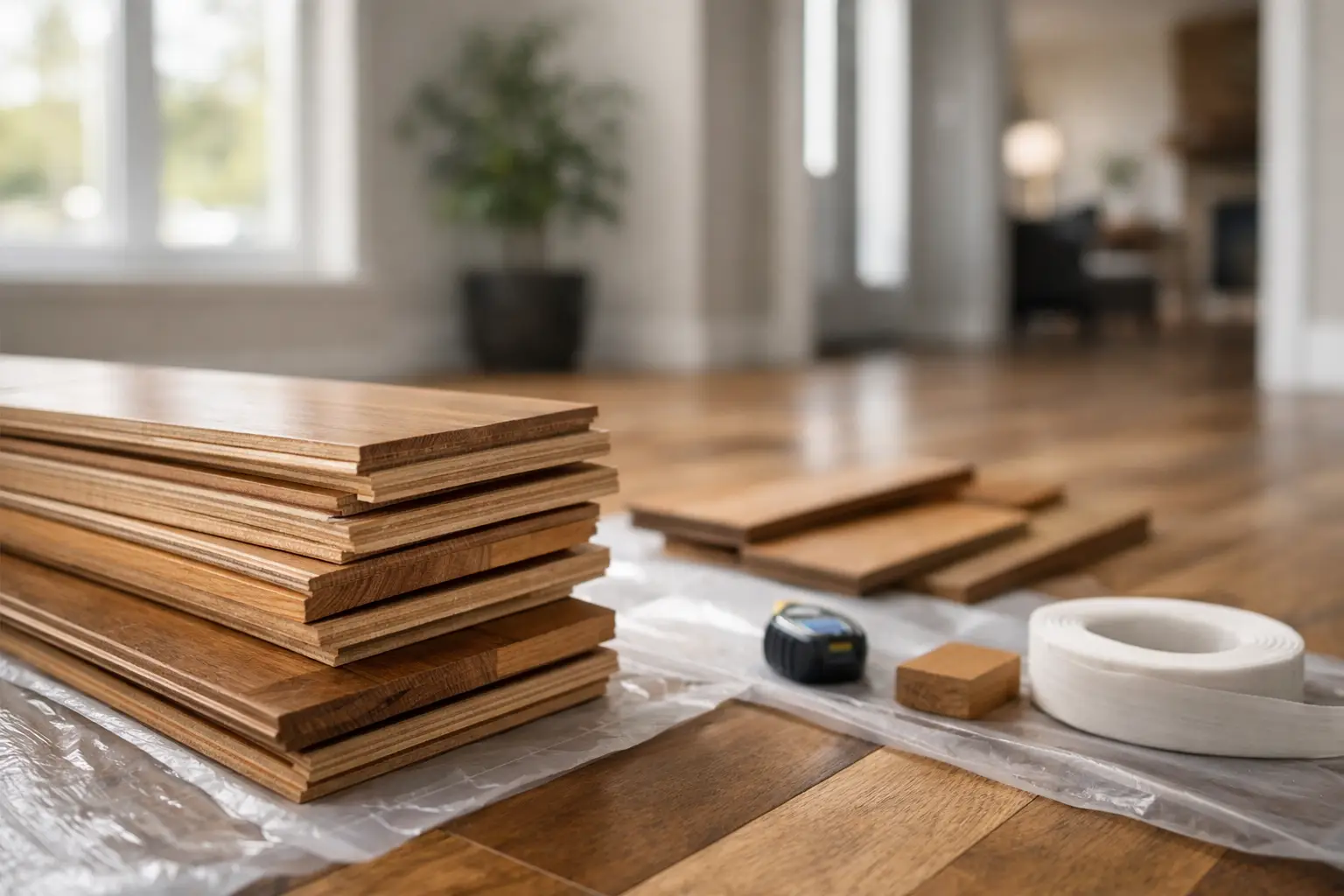
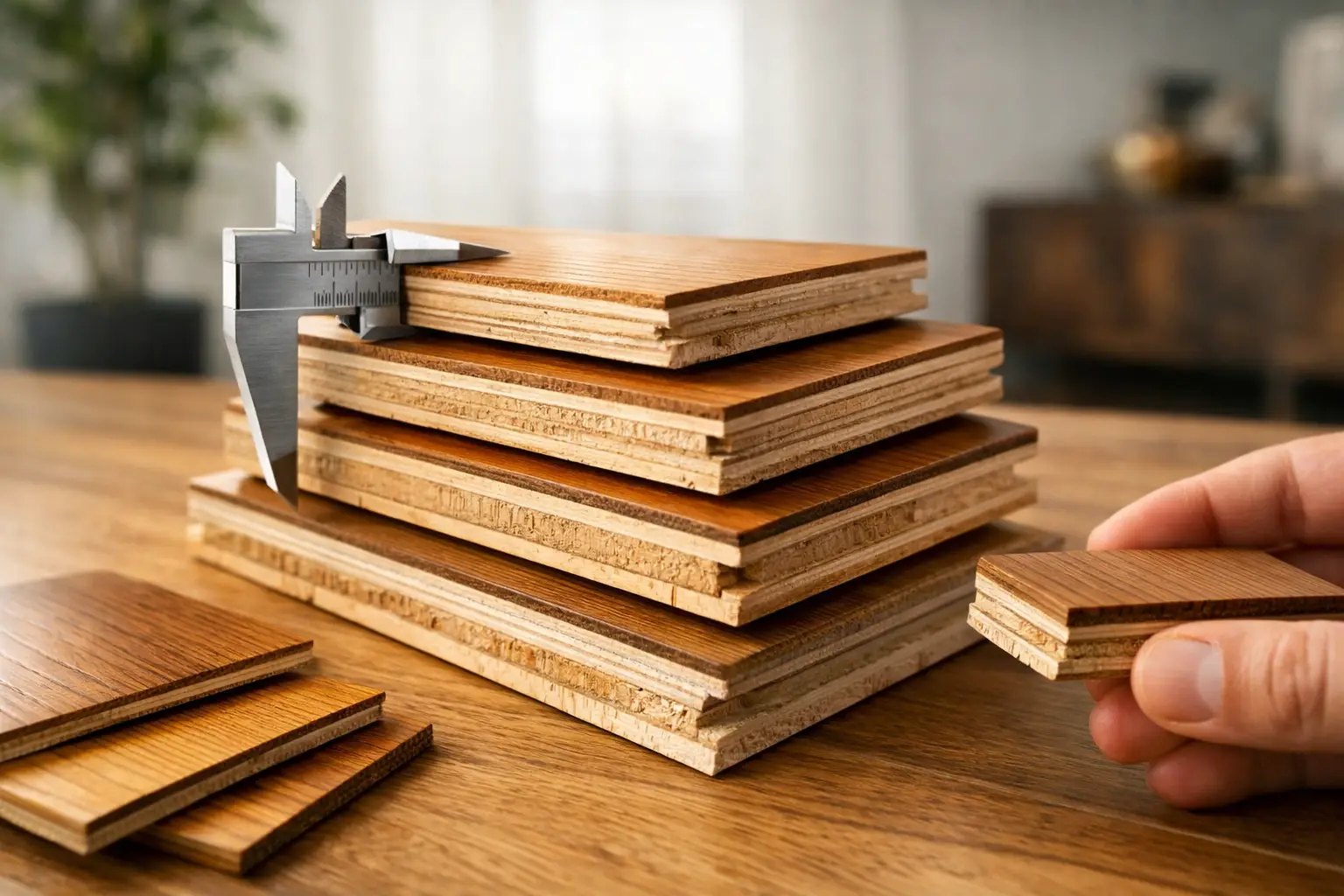
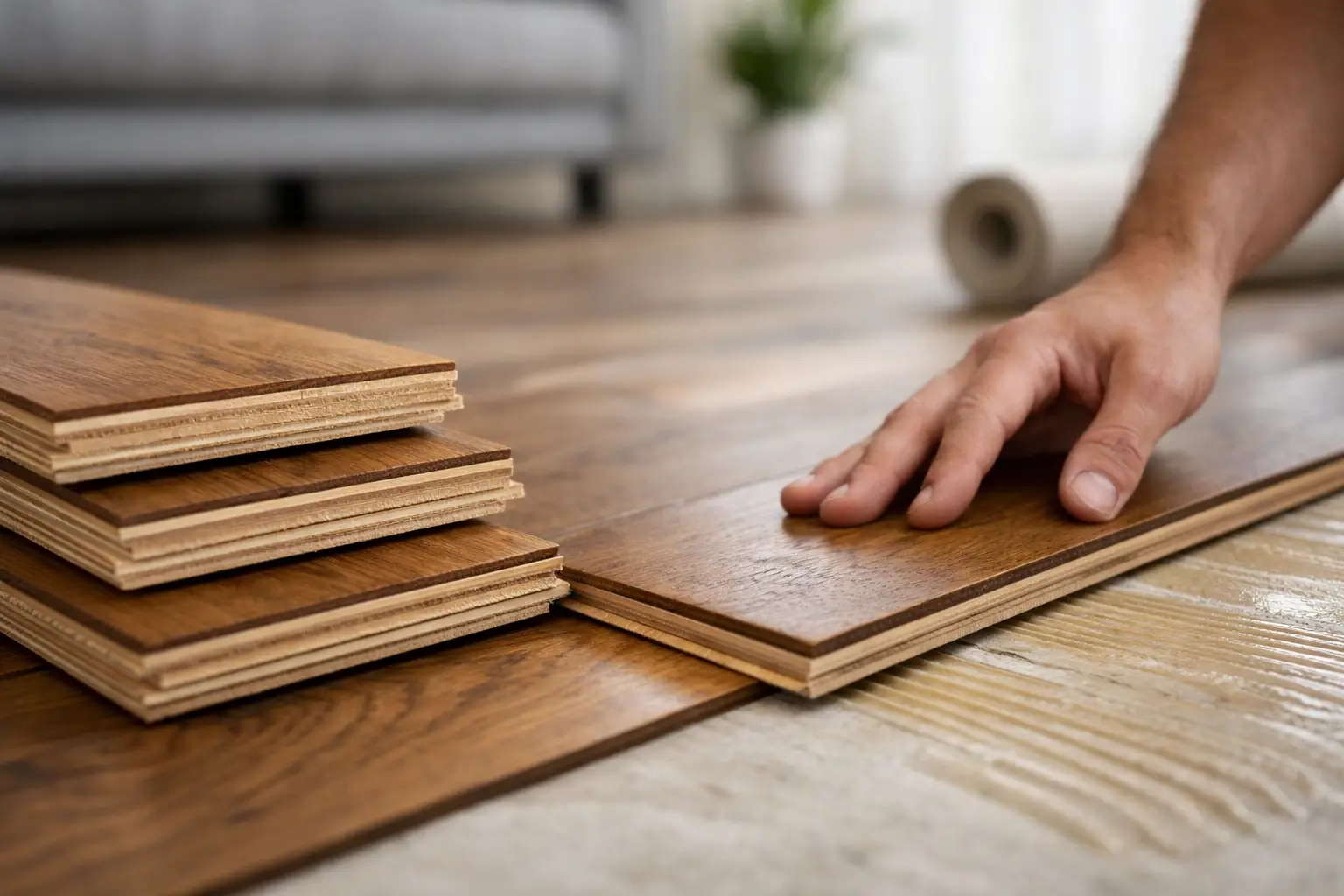
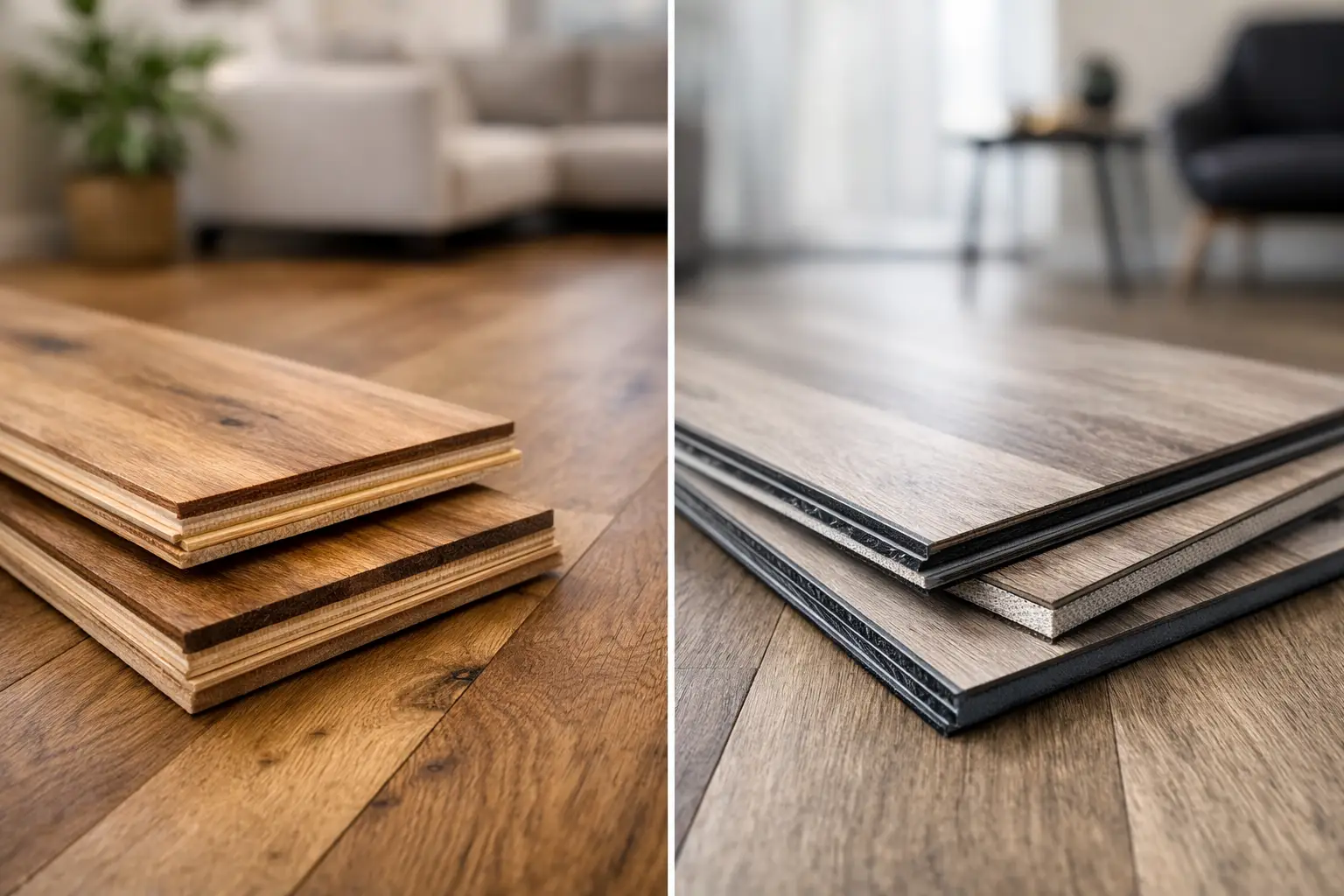
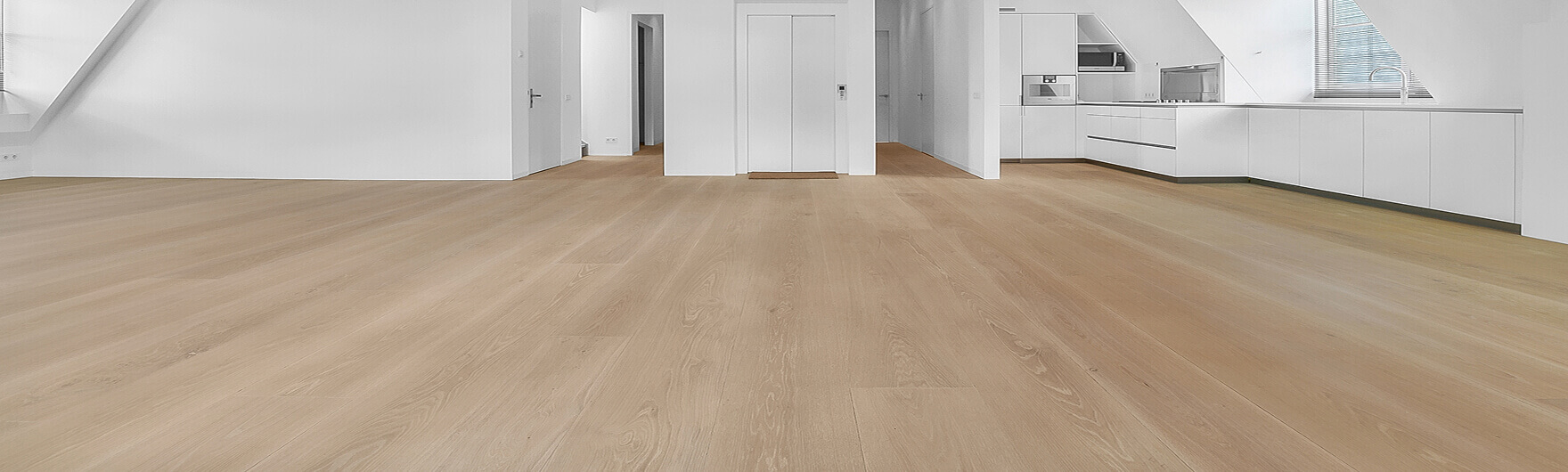
Engineered timber is a real timber flooring product. It has a genuine hardwood veneer on top, with a layered core beneath it designed to improve stability. That means you get the look, grain variation and feel of actual timber, but with better structural performance than a traditional solid timber board in many indoor settings.
Laminate is different. It is not real timber on the surface. It uses a printed decorative layer that sits under a hard-wearing top coat, usually over a dense fibreboard core. Good laminate products have come a long way in appearance, and from a standing position many people are surprised by how convincing they can look. Up close, and especially underfoot, they still do not feel quite the same as real timber.
That difference matters more to some buyers than others. If you want authenticity and natural variation, engineered timber has a clear edge. If your main focus is wear resistance and value, laminate often makes a strong case.
Appearance and feel underfoot
This is where engineered timber usually wins.
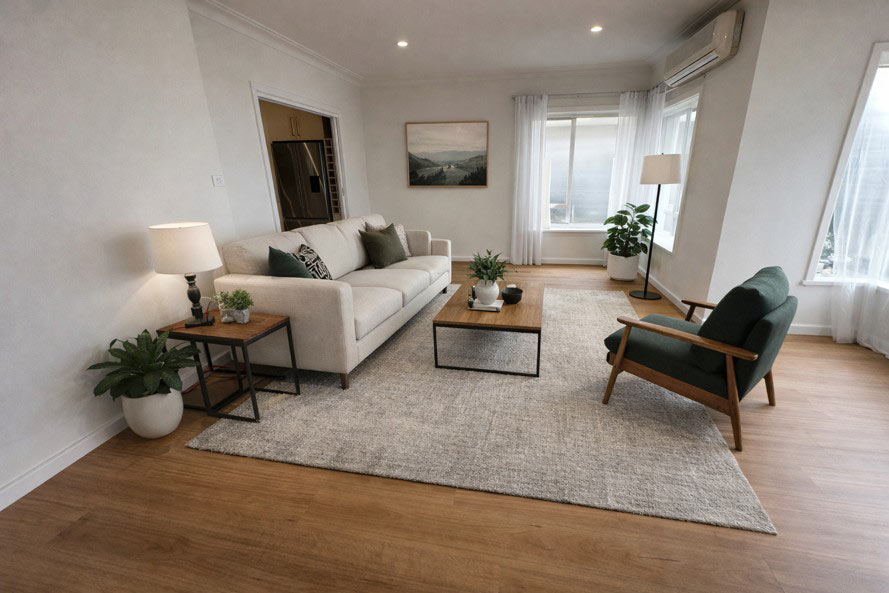
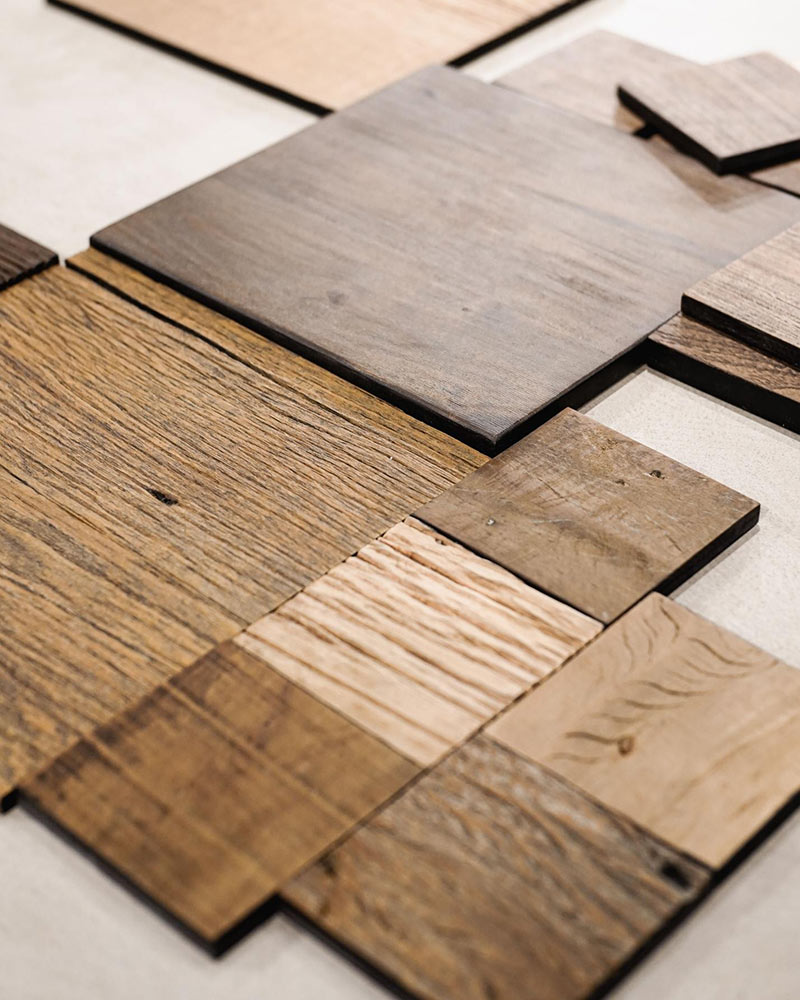
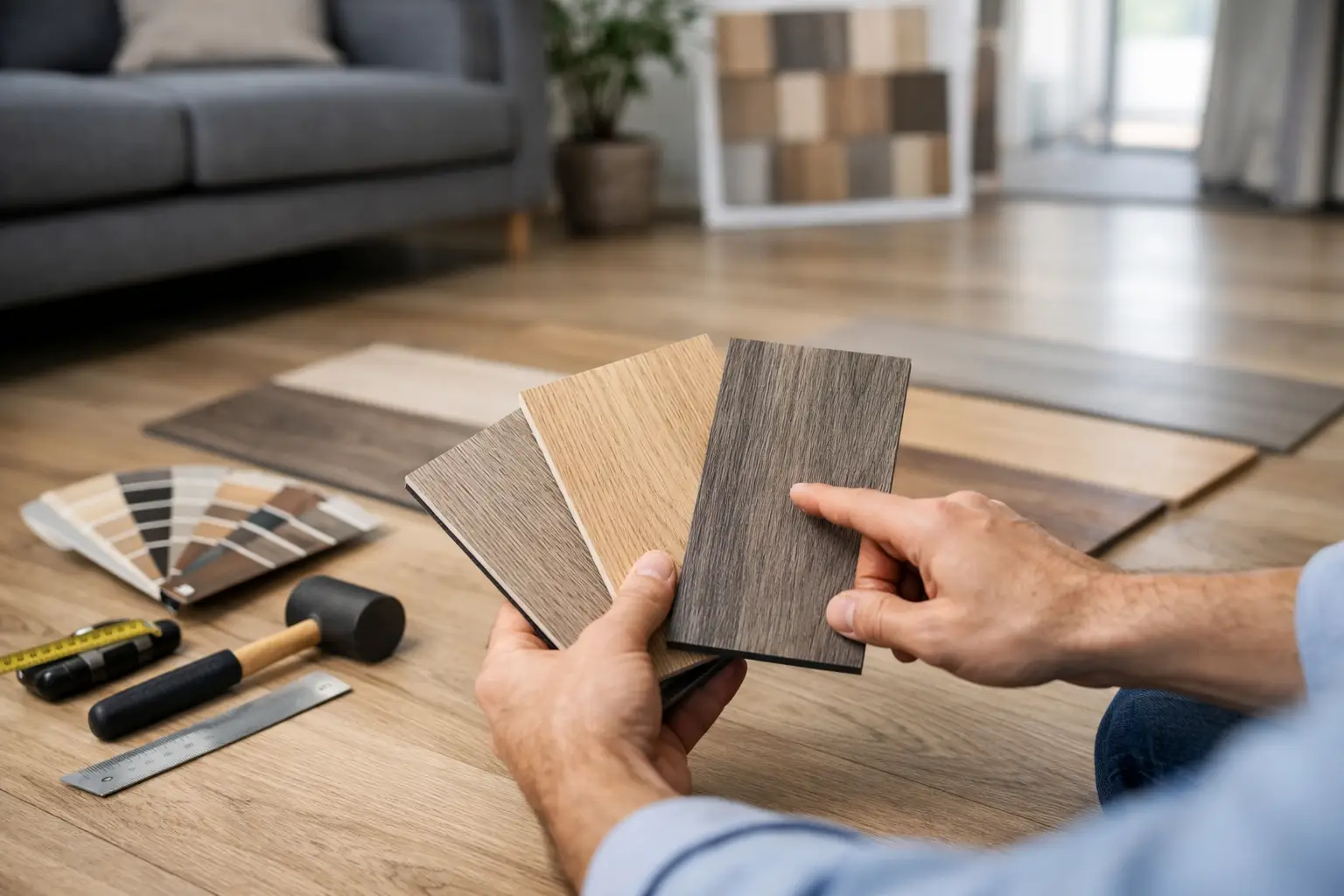
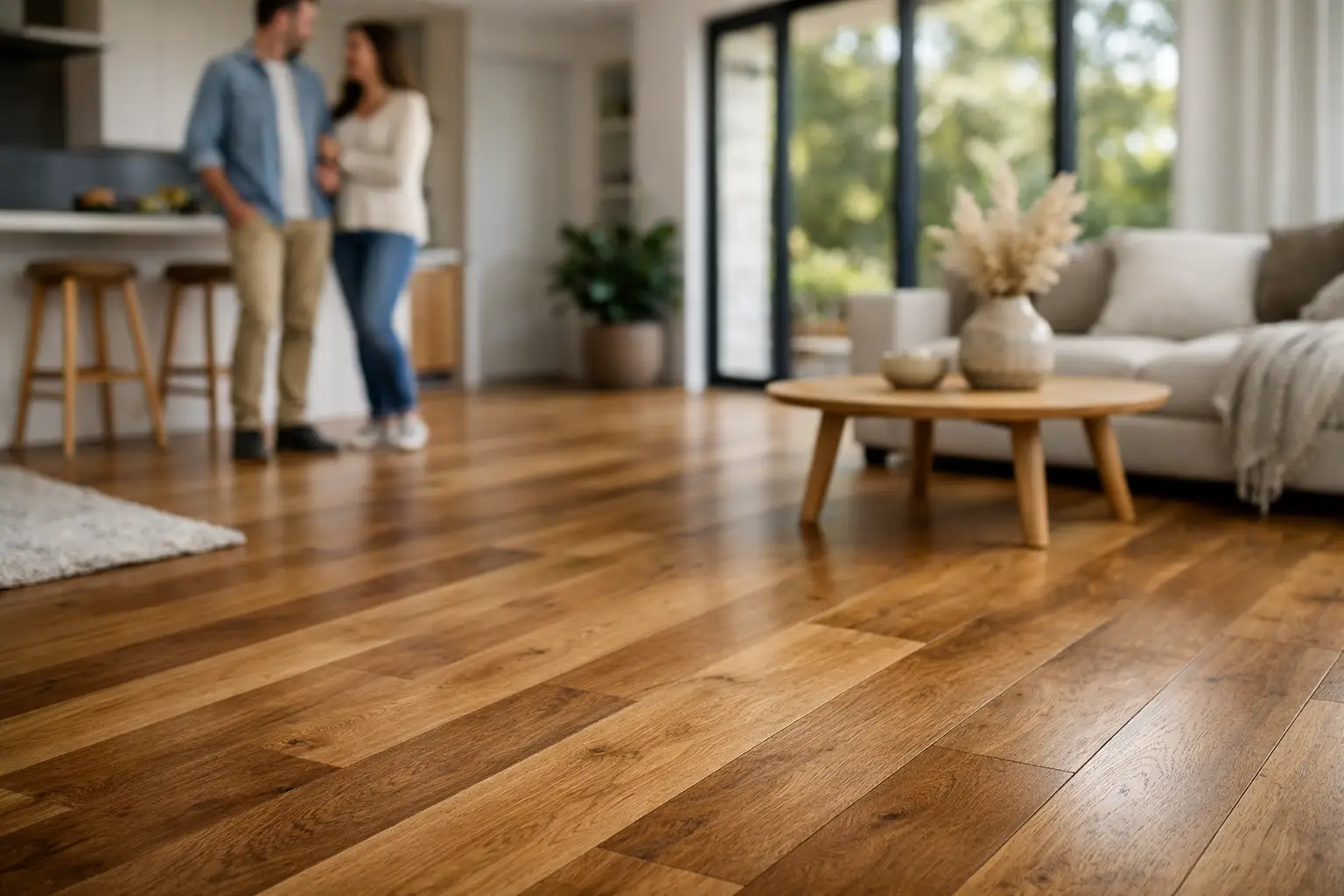
Because the top layer is real wood, no two boards are exactly the same. You get natural grain movement, variation in tone, and the sort of texture that gives a floor character over time. In better ranges, especially European oak styles, the finish tends to suit both modern and classic interiors without looking forced.
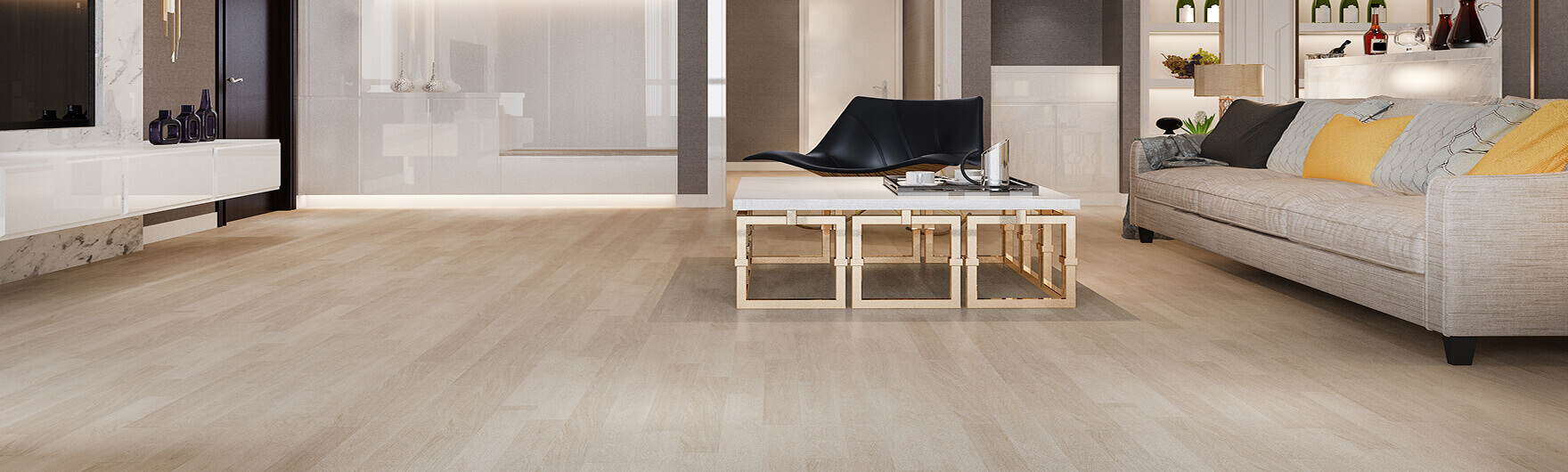
Laminate is more uniform. That can actually be a benefit if you prefer a cleaner, more controlled look. Some homeowners want consistency from board to board, especially in apartments, investment properties or commercial spaces where practicality comes first. The trade-off is that laminate can repeat patterns across the floor, and that repetition becomes easier to spot in larger open areas.
Underfoot, engineered timber feels more like what it is – timber. Laminate is generally firmer and can sound a little harder depending on the product, underlay and subfloor condition. A lot of customers underestimate how much subfloor preparation affects this. Even a quality floor will not feel right if it is laid over an uneven base.
Why installation quality changes the result
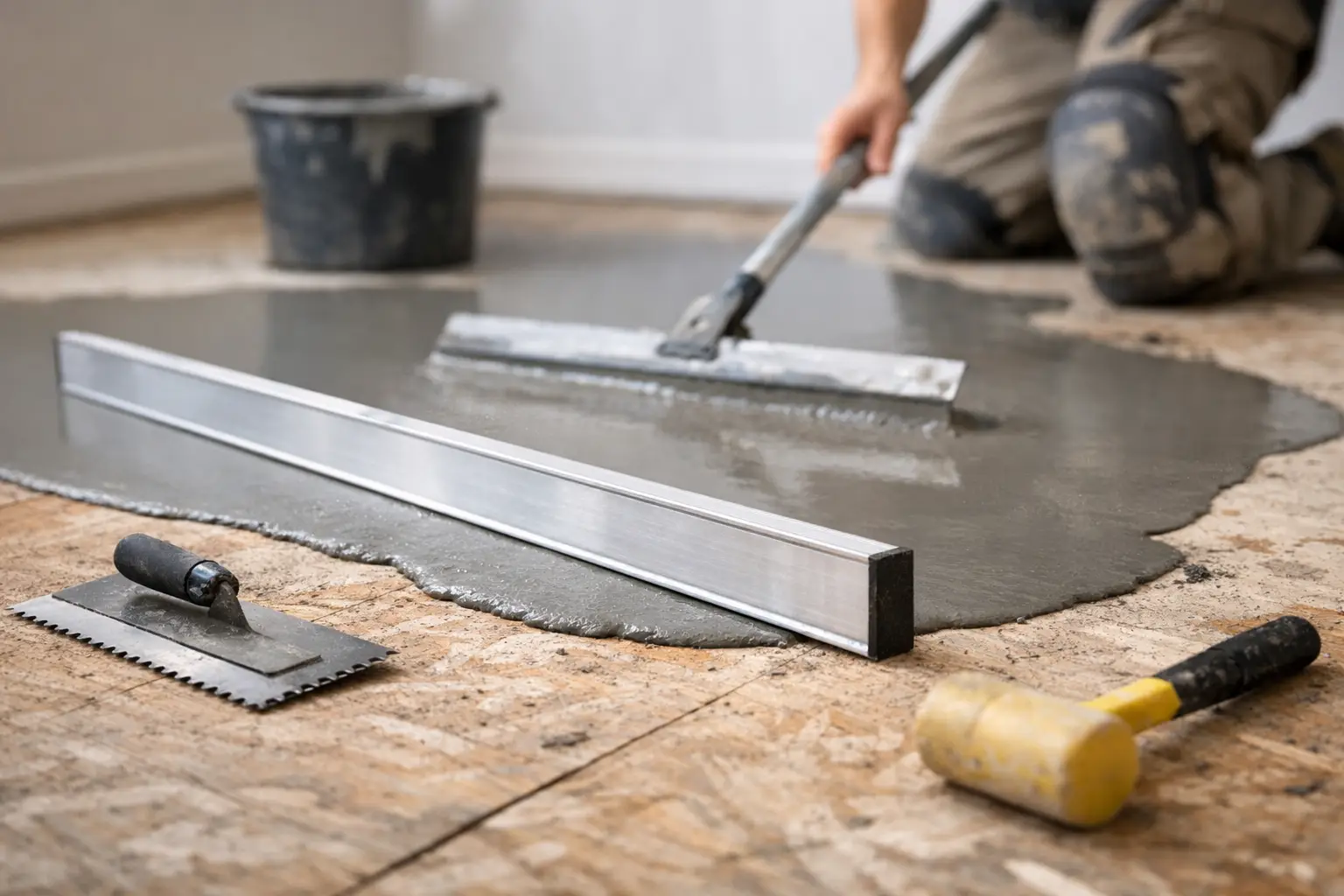
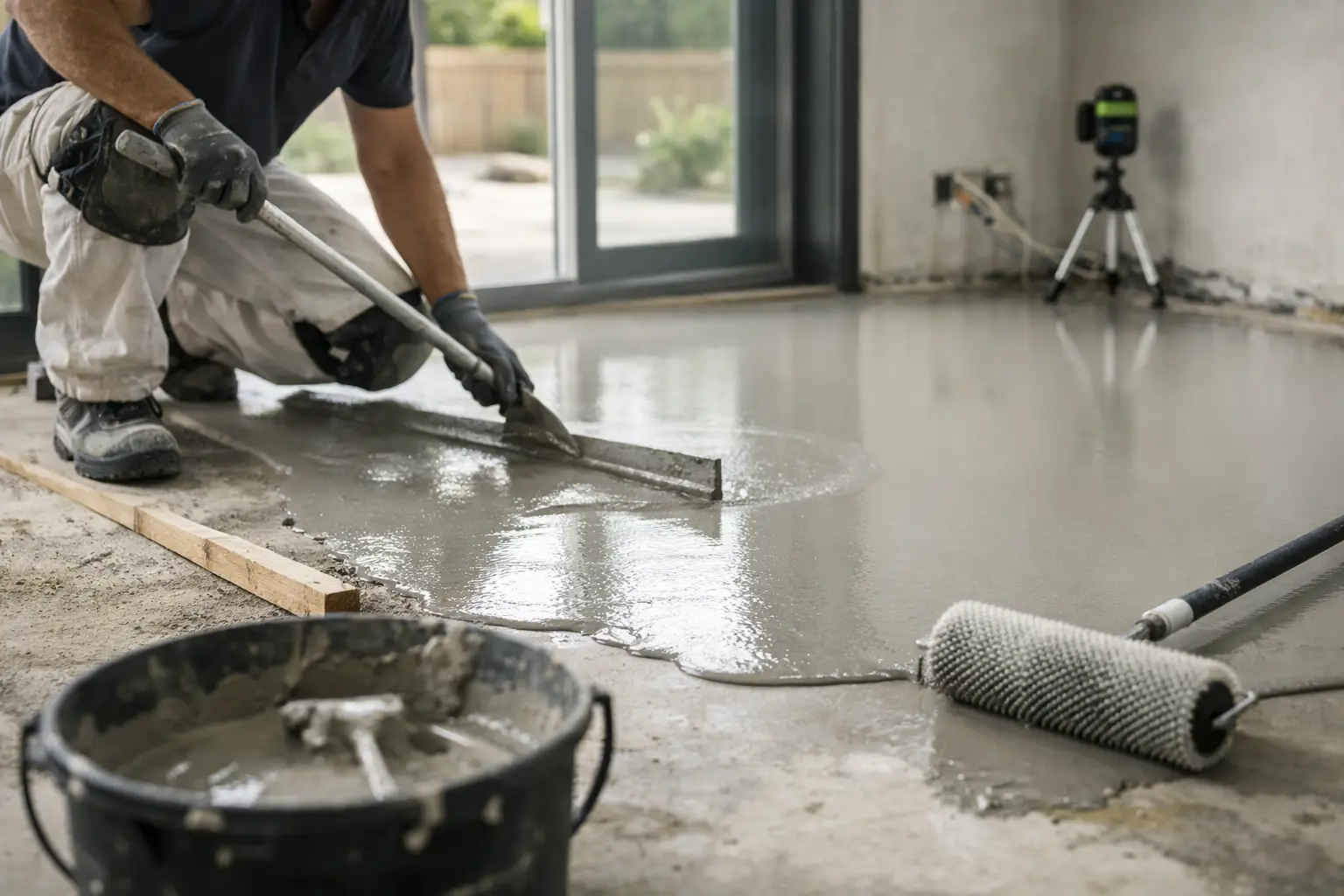
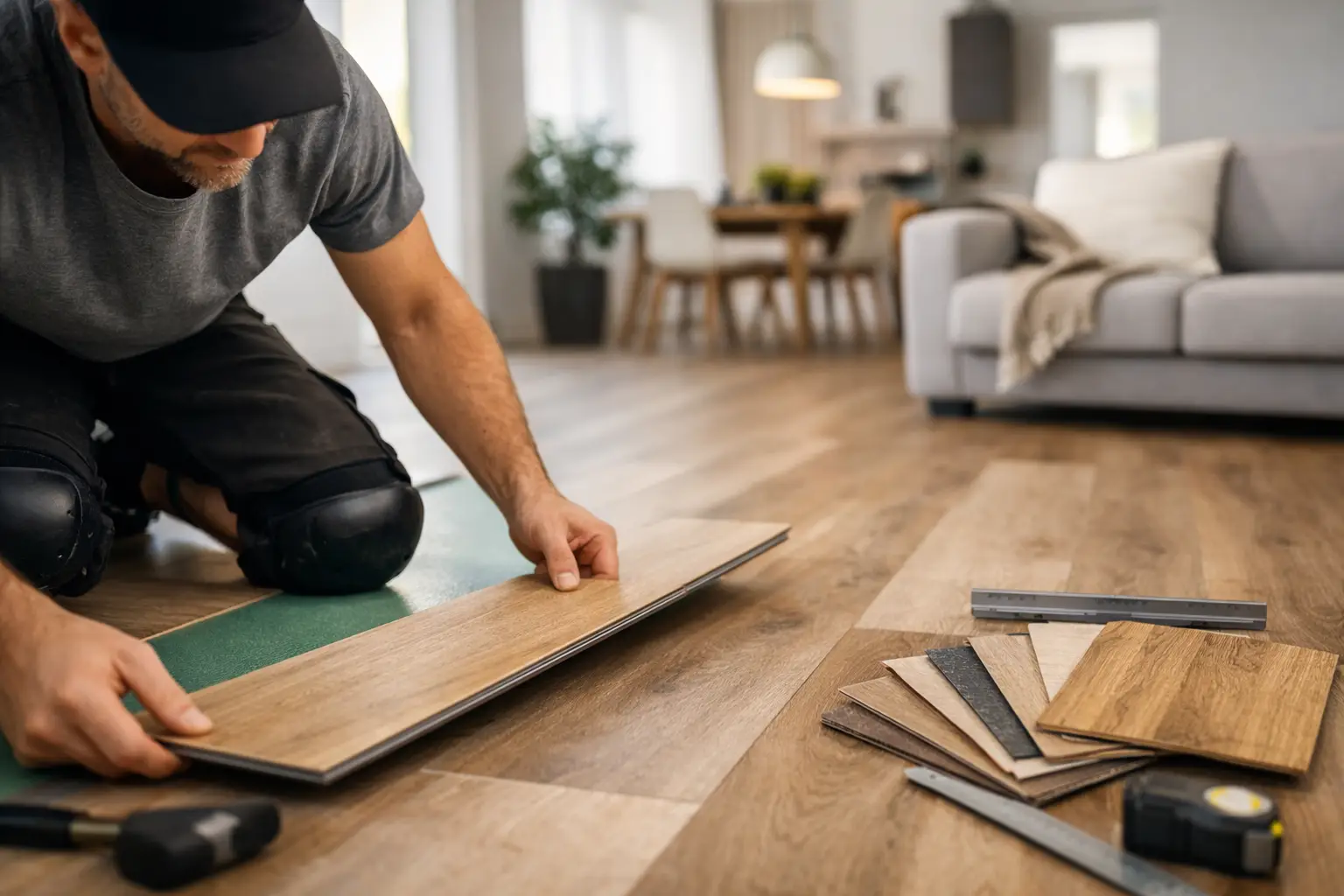
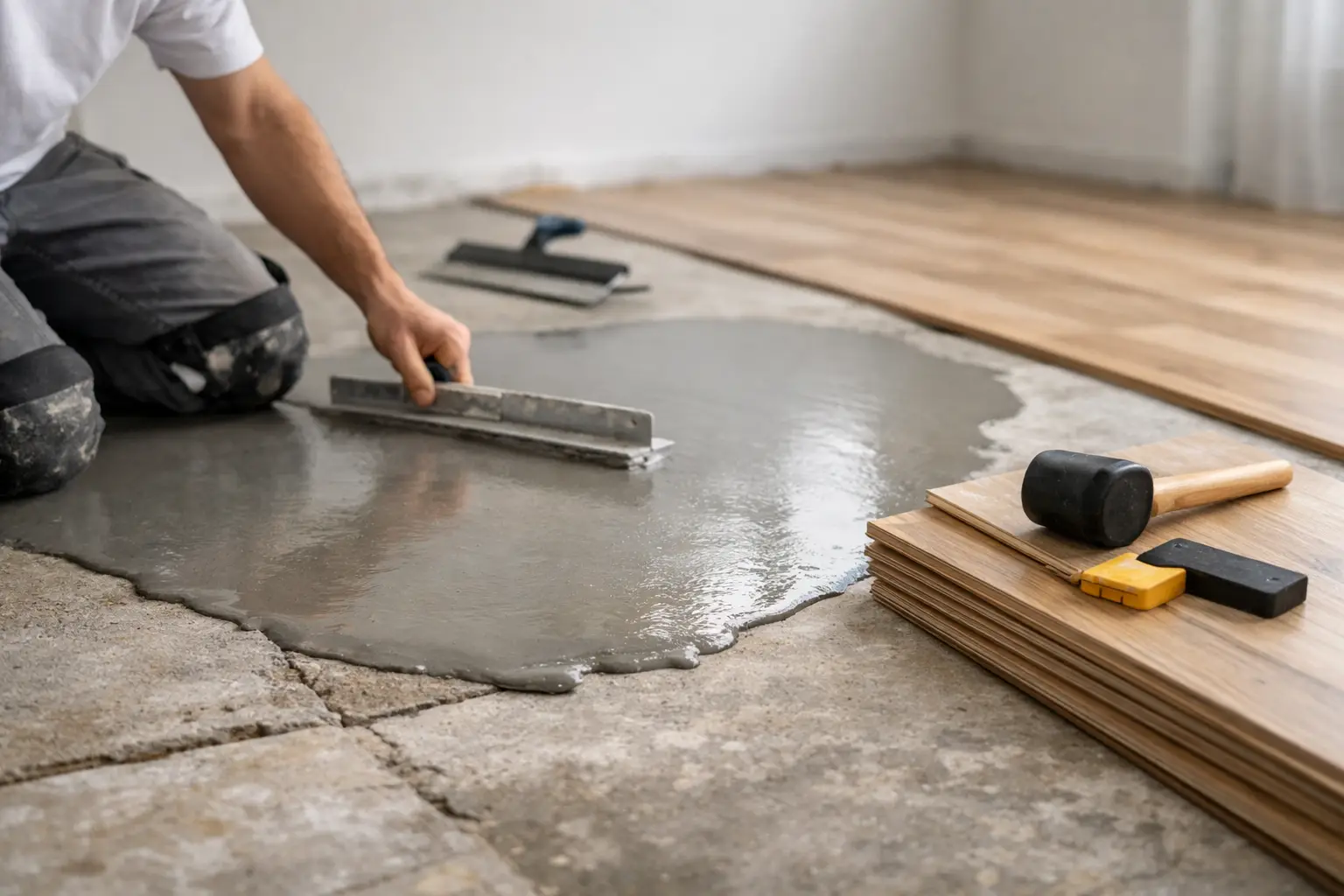
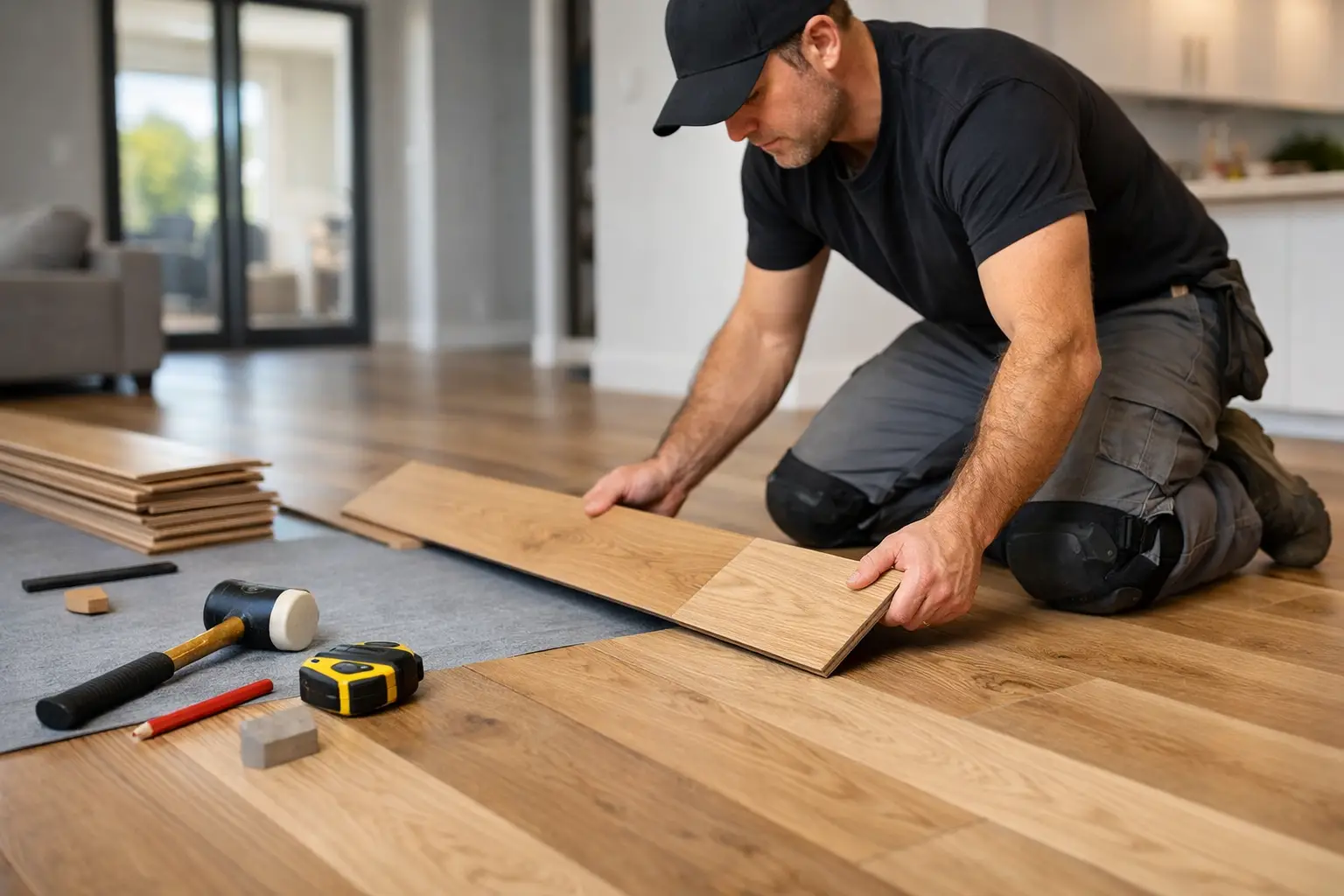
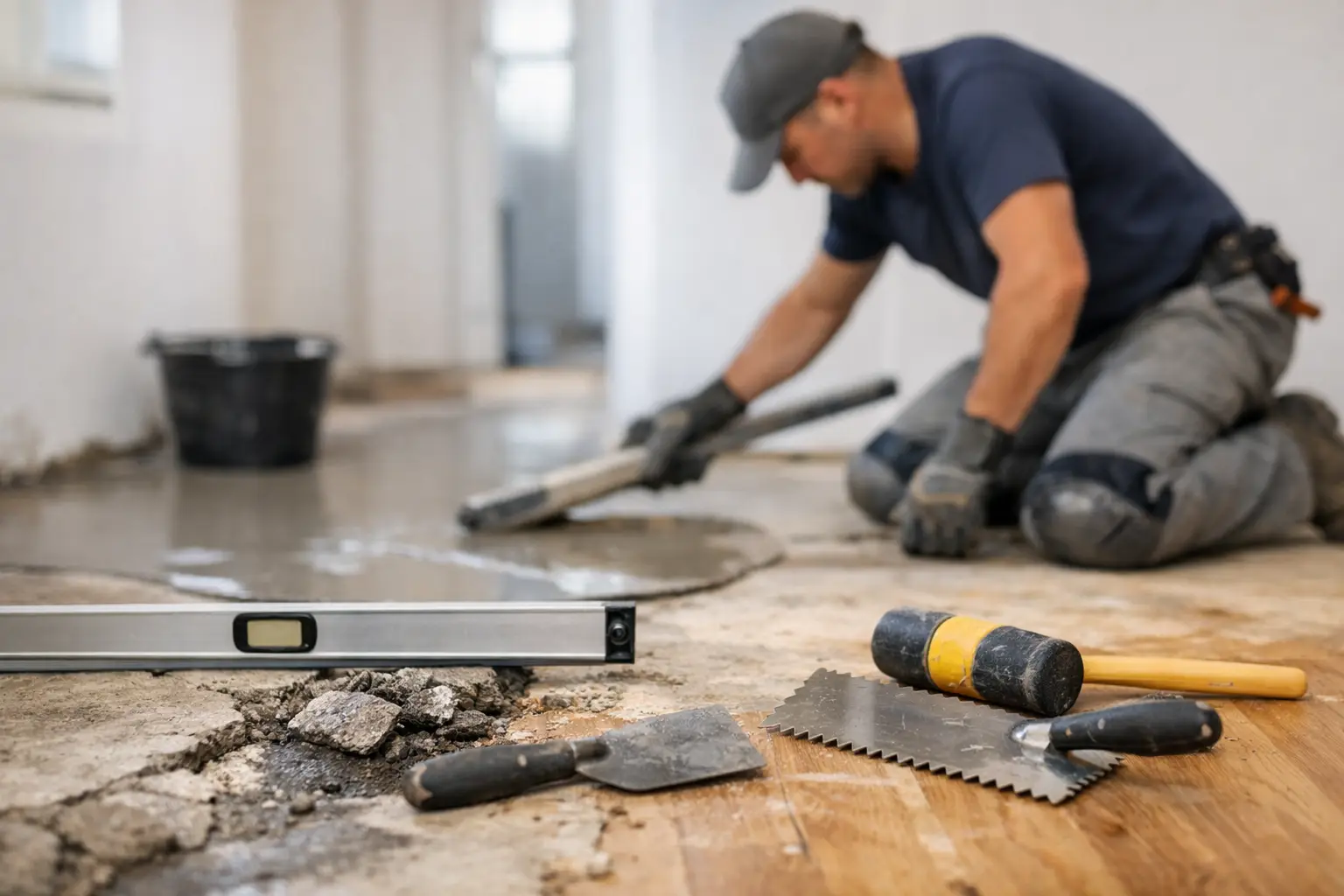
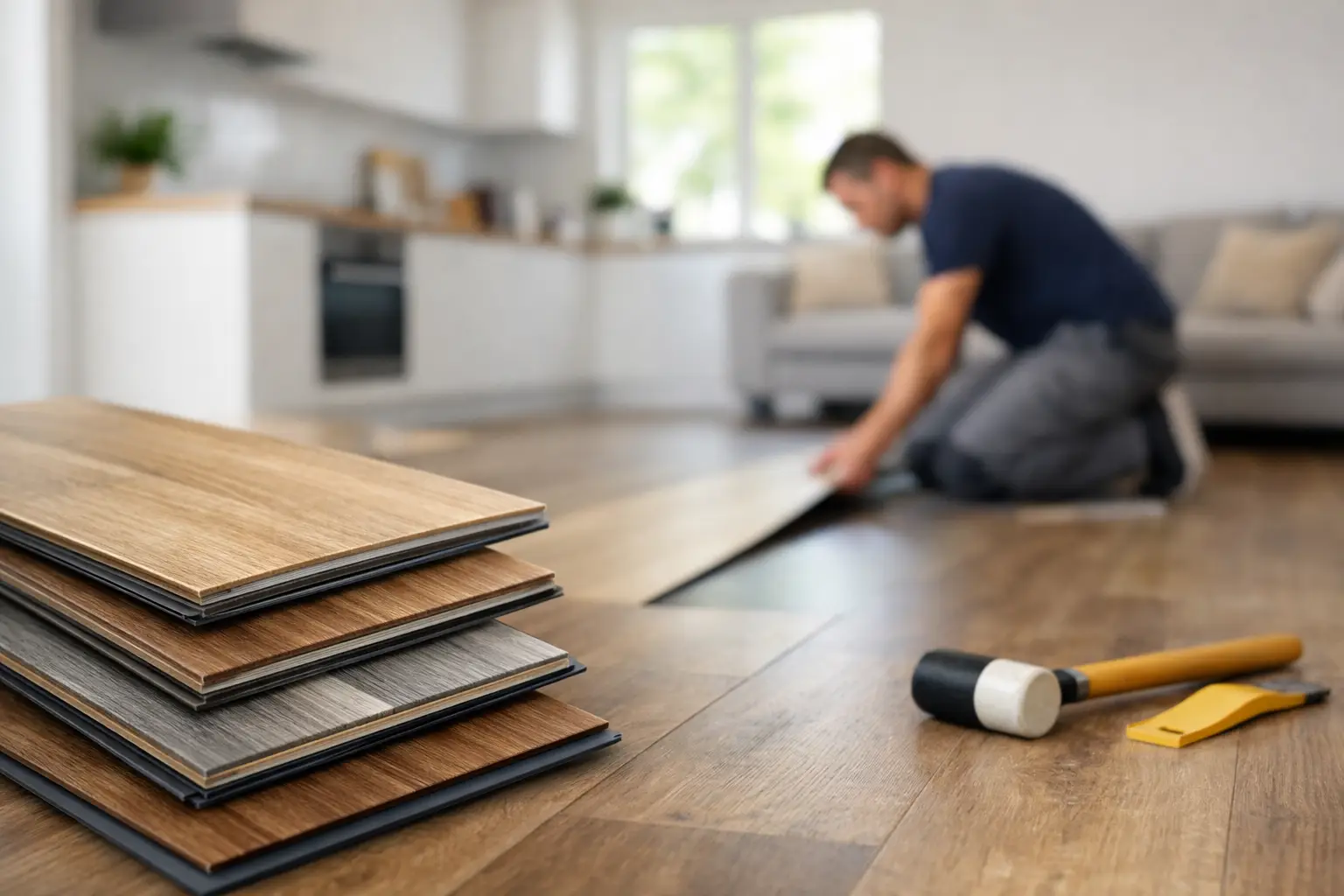
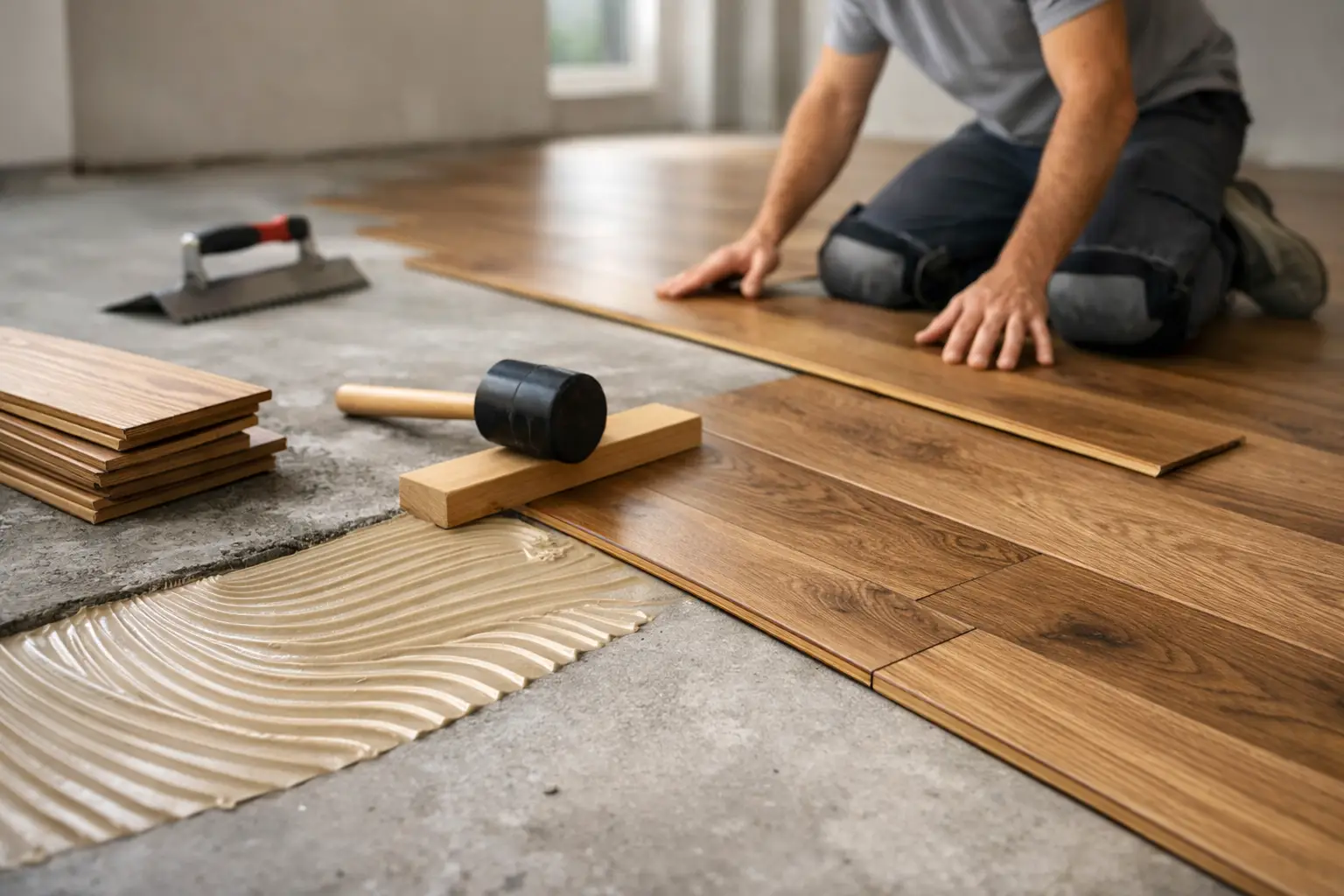
Flooring is never just about the board itself. A premium product over a poor subfloor can still creak, flex or wear badly. Proper levelling and preparation help both engineered timber and laminate perform the way they should. This is one reason experienced installation advice matters before product selection, not after.
Durability in busy homes
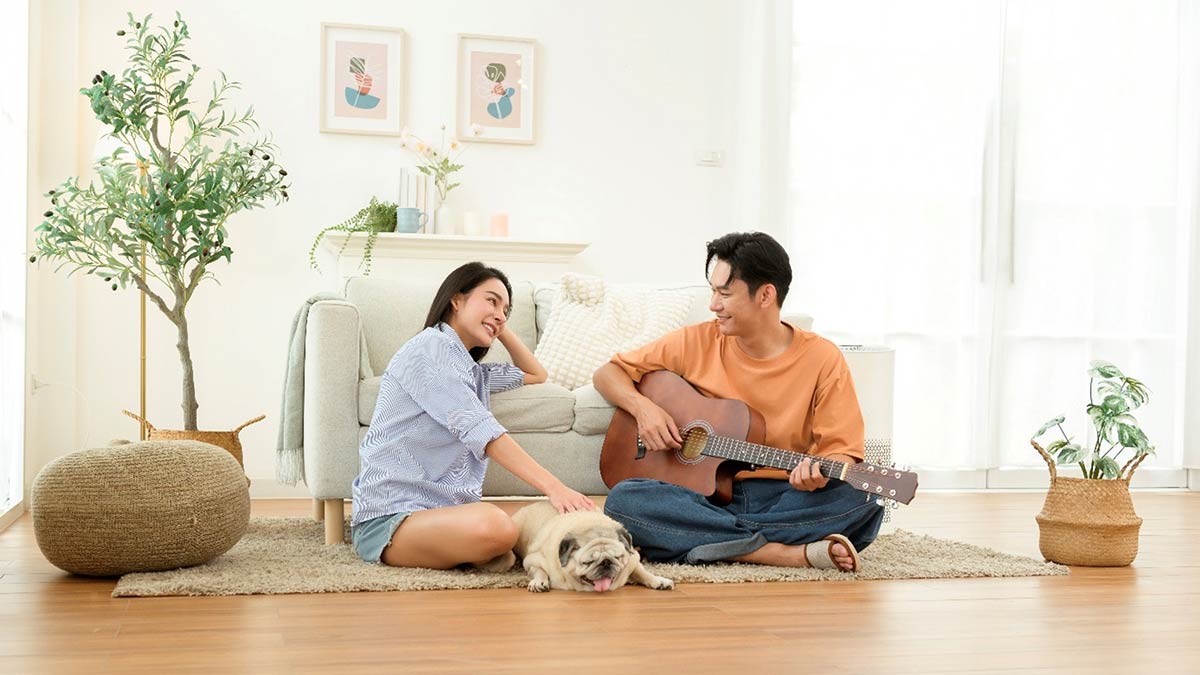
If you have kids, pets, frequent visitors or furniture moving around regularly, durability becomes a priority very quickly.
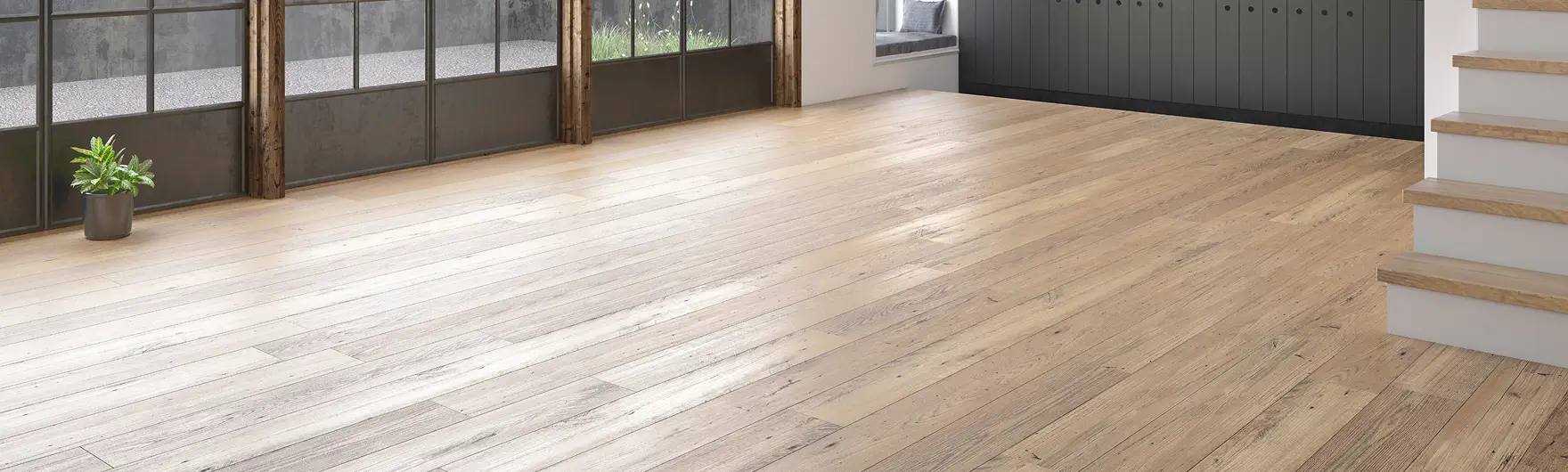
Laminate is often the more scratch-resistant option on the surface. Its wear layer is designed to handle everyday traffic well, which makes it popular in busy family homes and some commercial settings. If you have dogs with active claws or a household that is hard on floors, laminate can be a practical choice.
Engineered timber is durable too, but it behaves like real wood because it is real wood. It can mark, dent or scratch more naturally, particularly in softer species or lower-grade finishes. Some homeowners see that as part of timber’s appeal. Others find it frustrating if they are expecting a floor that stays looking untouched.
The key point is this: engineered timber ages, laminate resists. Whether that is a positive or a negative depends on what sort of finish you want to live with over the next five to ten years.
Water resistance and moisture concerns
This is an area where customers need straight answers.
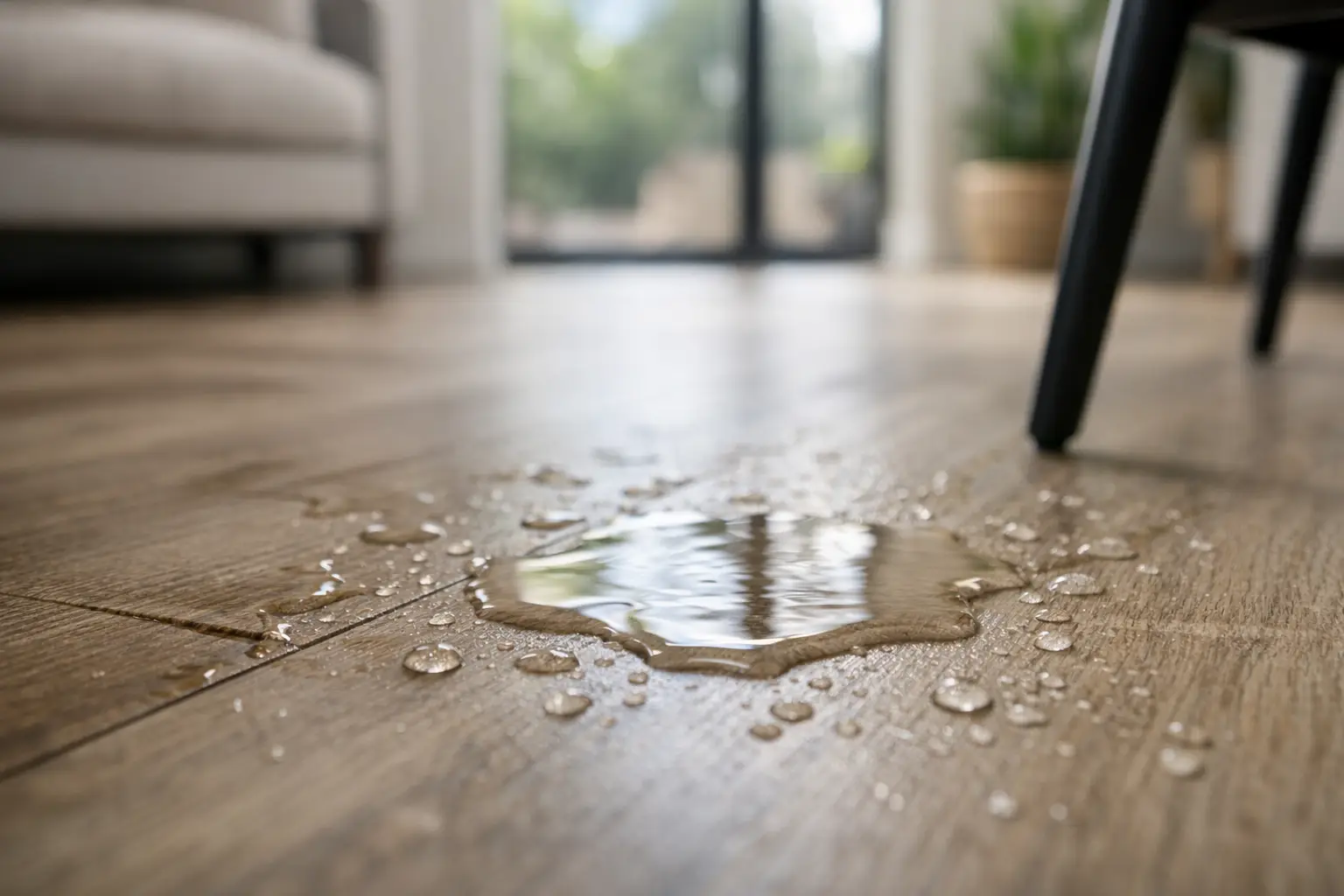
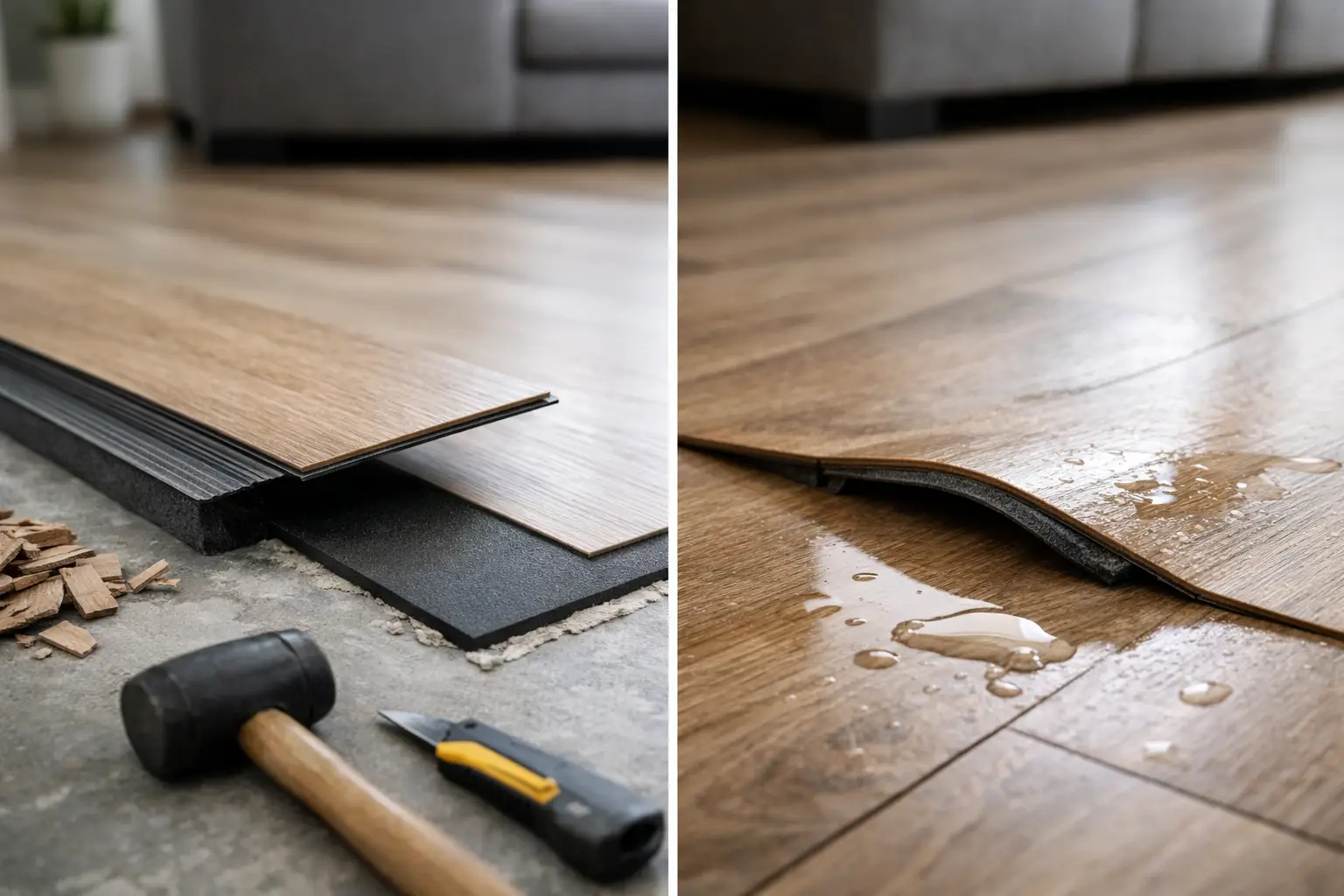
Neither engineered timber nor standard laminate should be treated as fully waterproof. Both can be affected by moisture if water is left to sit, if there are leaks, or if the subfloor has unresolved moisture issues. That said, some laminate products offer better short-term water resistance than some engineered timber products, particularly those designed for modern family living.
Engineered timber is more sensitive to moisture movement because timber is a natural material. It expands and contracts with environmental changes. In well-controlled interior spaces, that is manageable. In areas with moisture risk, poor ventilation or inconsistent conditions, it needs more careful product selection and installation detail.
Laminate can also swell if water gets into the joins or core. It is not immune. People often hear that laminate is low maintenance and assume that means carefree around spills. It does not. You still need to clean up water promptly and avoid over-wetting the floor.
For kitchens, living areas and bedrooms, either product can work well if the right range is chosen. For wet areas or homes with known moisture concerns, the conversation often shifts towards hybrid rather than engineered timber or laminate.
Price: upfront cost vs long-term value
If budget is driving the shortlist, laminate usually comes in lower on upfront product cost than engineered timber.
That makes it attractive for investment properties, cosmetic renovations, and larger projects where covering more area matters. You can still get a sharp, modern result without stretching the budget too far.
Engineered timber sits higher in the market because of the real timber veneer and the premium finish it delivers. For many homeowners, that extra spend is worth it. It adds warmth, perceived value and a more authentic architectural look. In owner-occupied homes, that can make more sense than choosing the cheapest option now and wishing you had gone one step higher later.
Installation cost can vary depending on board size, layout, subfloor condition and finishing requirements. This is where online price comparisons can get misleading. A floor that looks cheaper on paper can end up costing more once subfloor rectification, trims, transitions and labour are factored in.
Which one gives better value?
Laminate often gives better short-term value. Engineered timber often gives better lifestyle and presentation value. They are not the same thing, and that is where a lot of buying mistakes happen.
Maintenance and repair
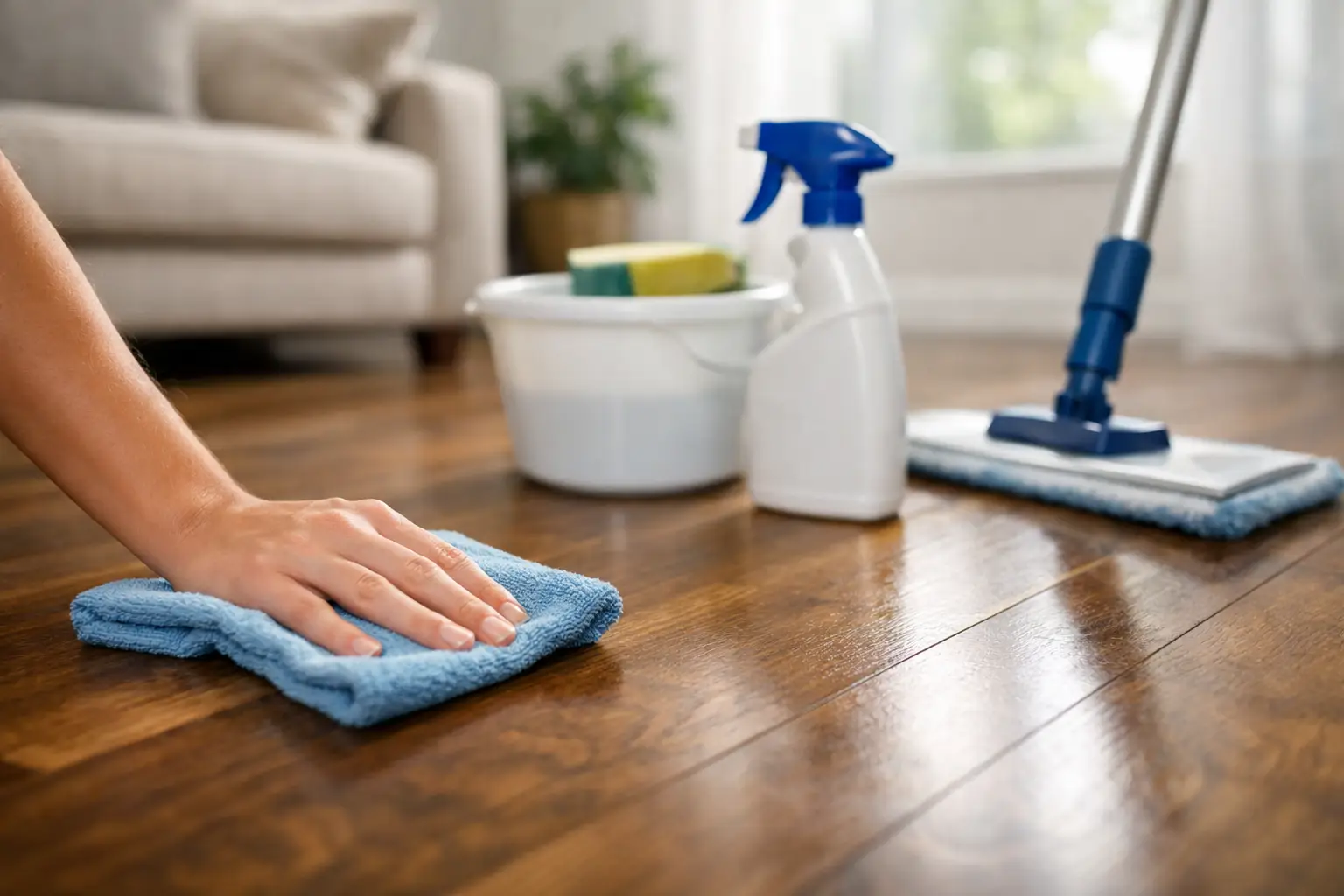
Both options are relatively straightforward to maintain if you use the right cleaning methods. Dry debris removal, light damp mopping and avoiding harsh chemicals will go a long way.
Laminate is simple to live with, but once damaged, repairs can be less forgiving. A chipped edge or swollen board typically means board replacement rather than restoration.
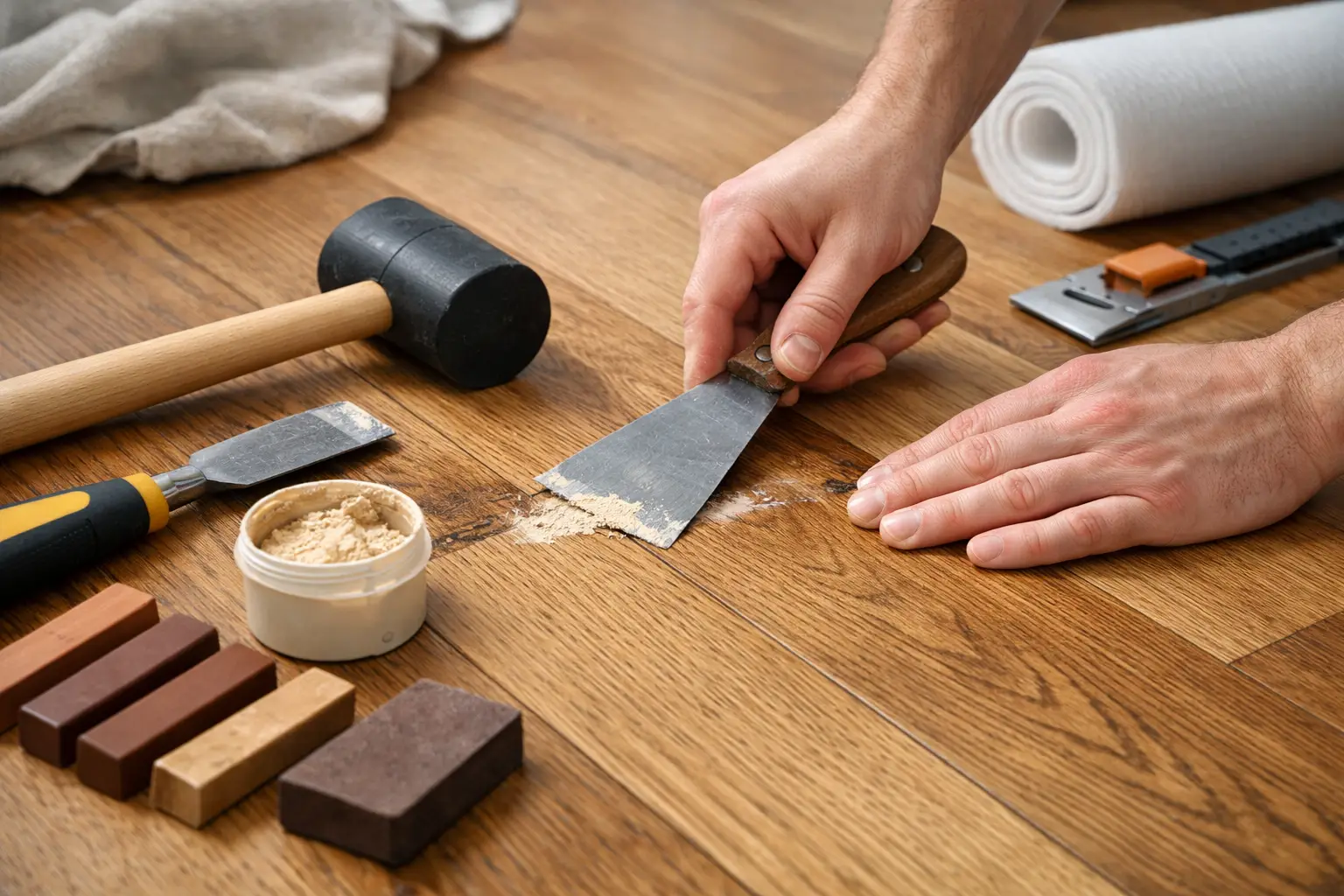
Engineered timber also needs care, but depending on the wear layer thickness and the type of damage, some products offer more scope for refinishing or improving appearance over time. Not all engineered boards can be sanded back significantly, so this depends on the product specification rather than the category alone.
For buyers thinking long term, that detail is worth asking about before making a decision.
Who should choose engineered timber?
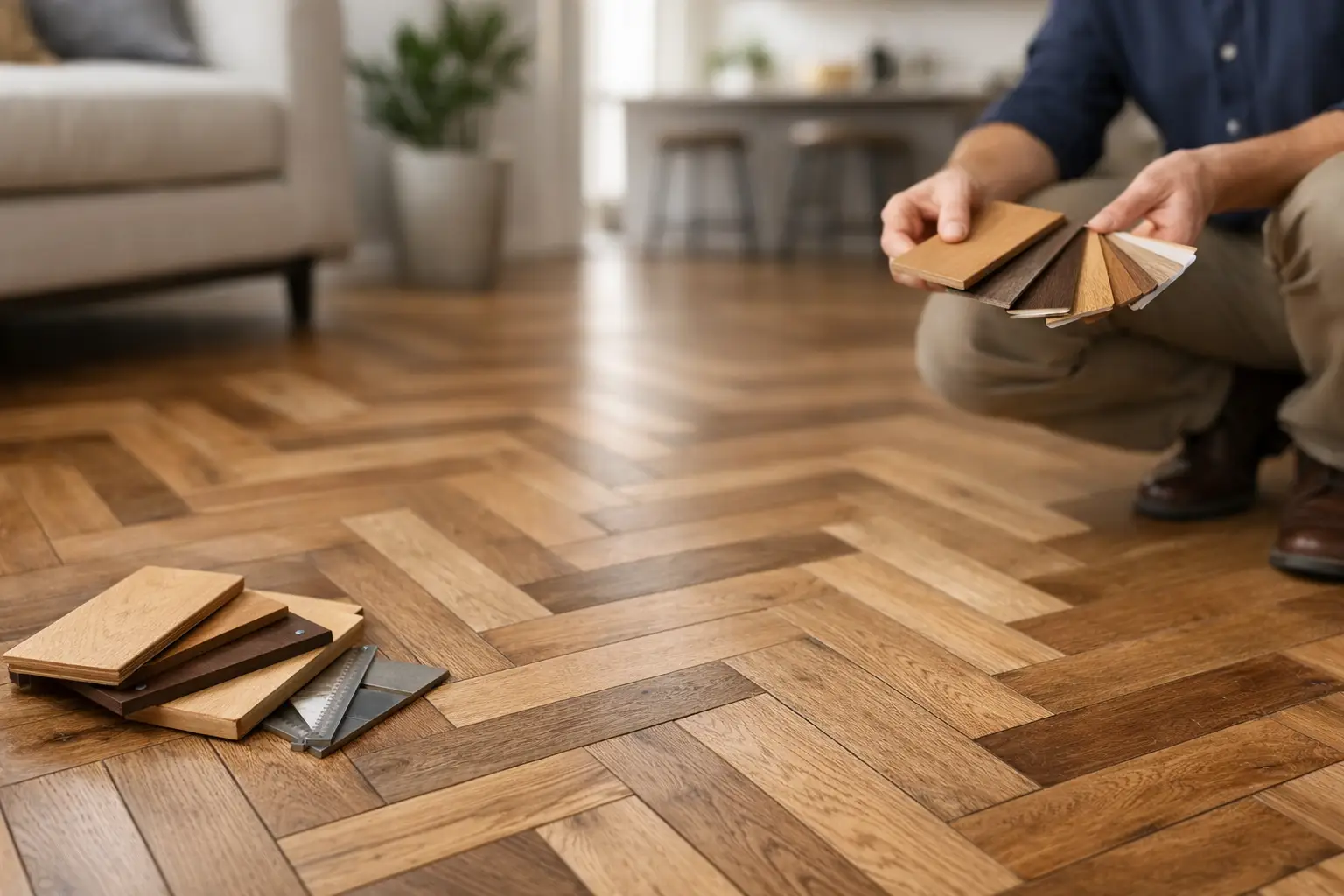
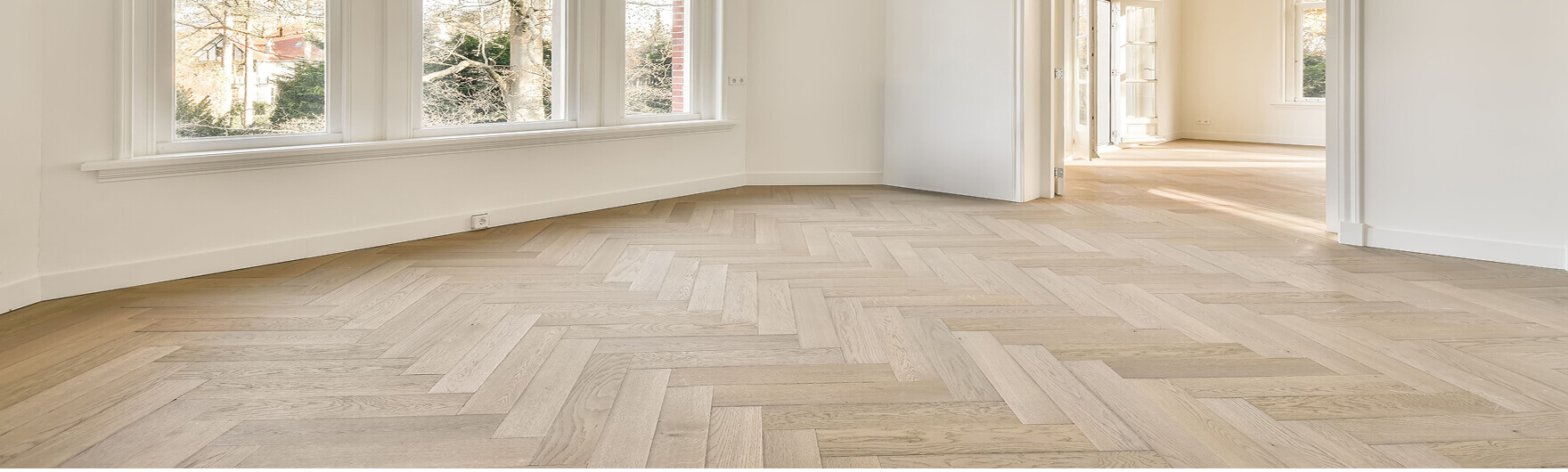
Engineered timber suits buyers who care about natural materials, interior finish and the feel of a genuine timber floor. It is often the better fit for renovated family homes, premium apartments, herringbone installations and spaces where the floor is meant to be a feature rather than just a practical surface.
It also suits clients who understand that real timber has variation and character. If a few marks over time are acceptable in exchange for a more authentic finish, engineered timber is usually the stronger choice.
Who should choose laminate?
Laminate suits buyers who want a durable, attractive floor without stepping into the higher price bracket of real timber. It works well for busy households, rentals, investment updates and commercial projects where wear resistance and cost control matter.
It can also be the right call when you want the timber look but do not need the natural timber construction underneath. There is nothing wrong with that. A good flooring decision is about suitability, not status.
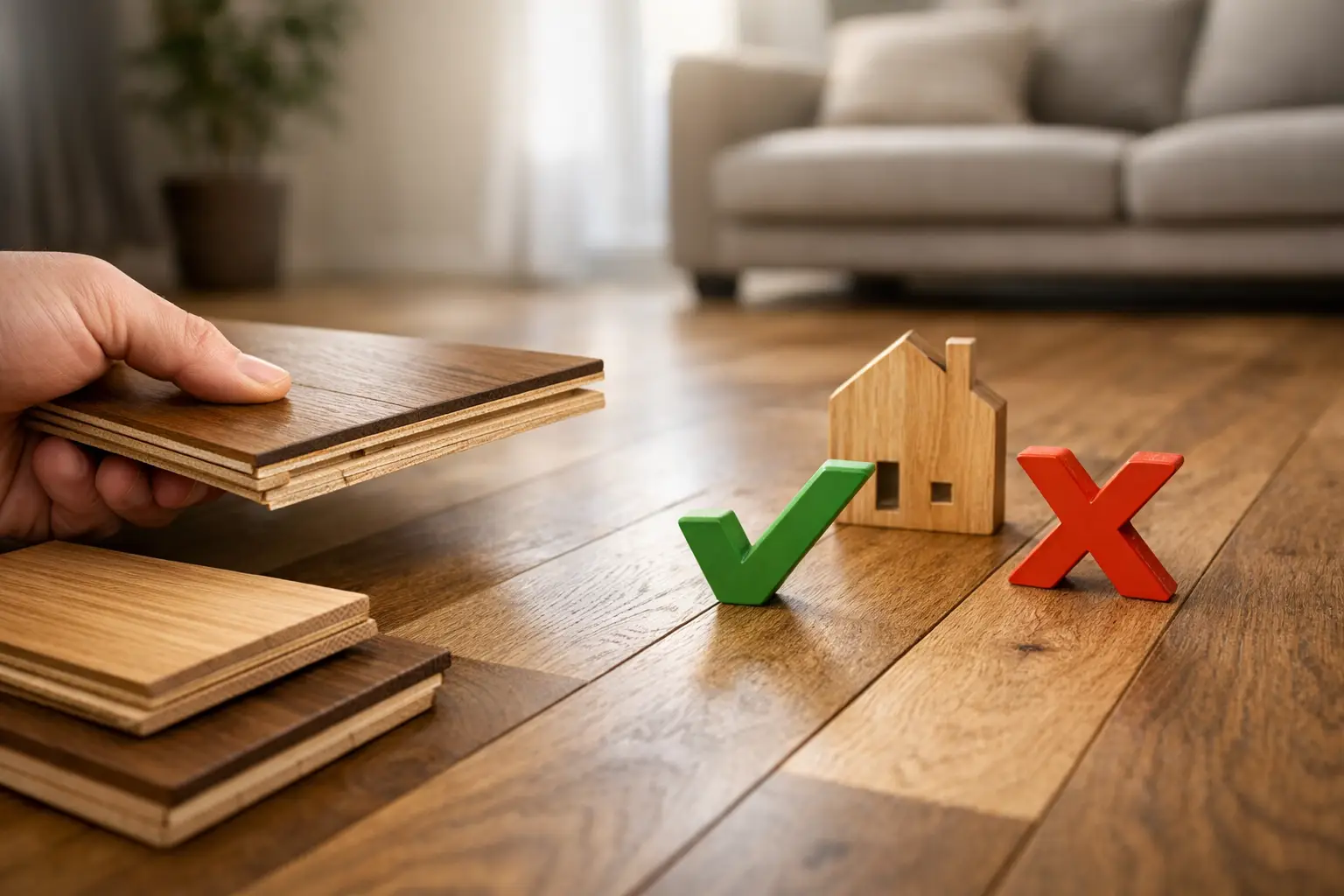
The better question than engineered timber vs laminate
The better question is not which floor wins overall. It is which floor matches the way you live.
If you want authenticity, warmth and a more premium finish, engineered timber usually justifies the spend. If you want practical performance, lower upfront cost and strong wear resistance, laminate can be the smarter option. In both cases, the final result depends heavily on the quality of the product, the condition of the subfloor and the standard of installation.
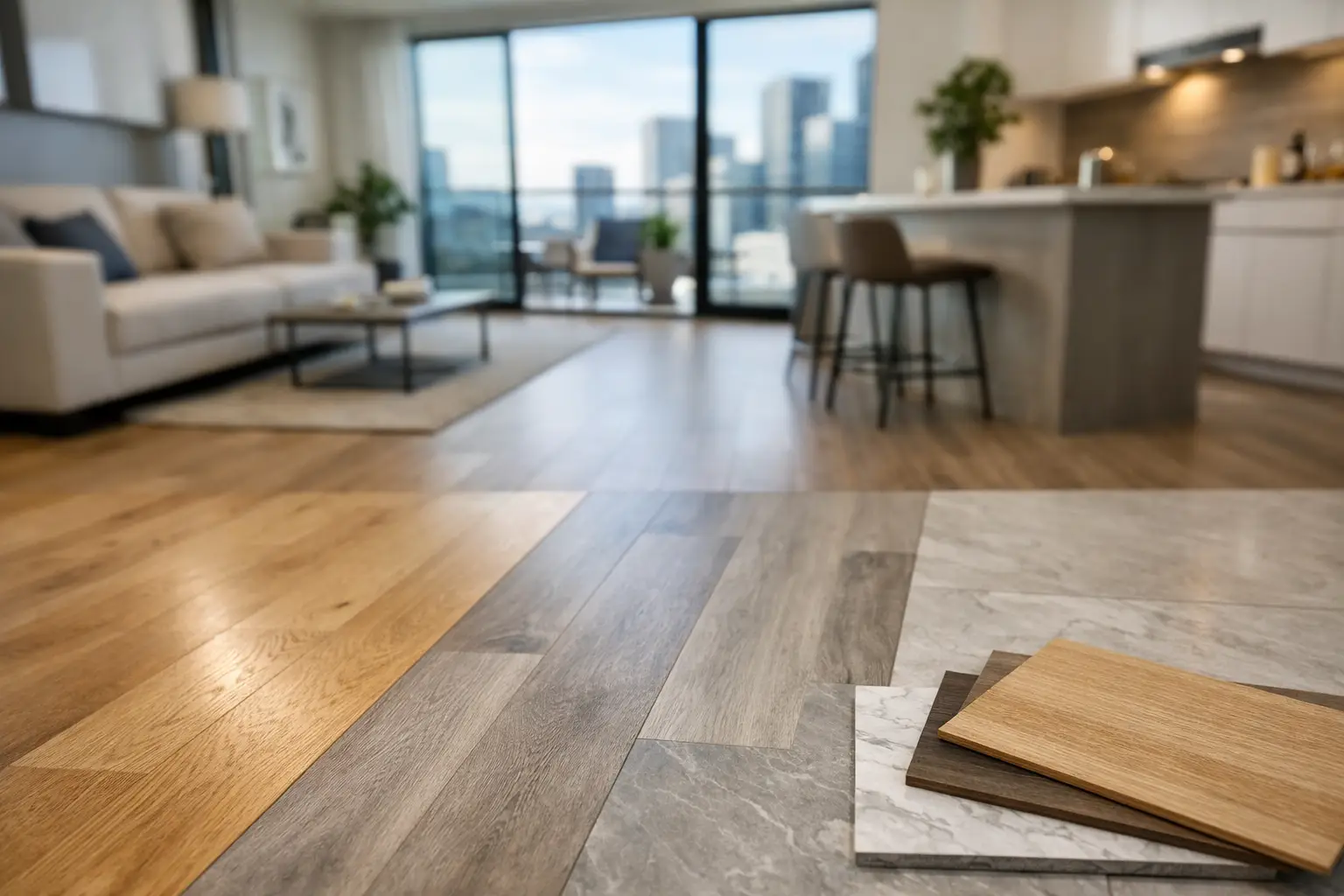
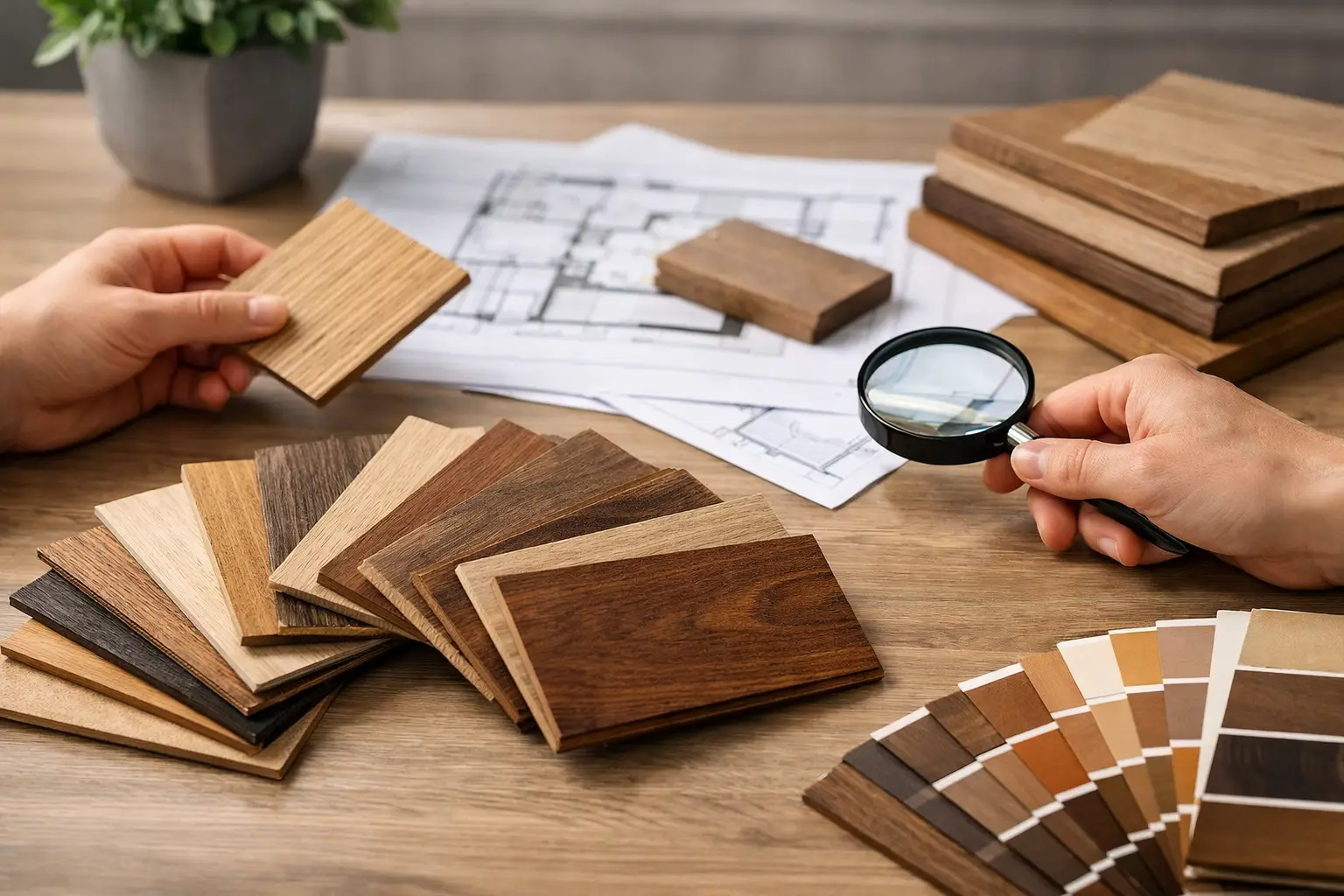
That is why the best advice usually comes before you buy, not after the boxes arrive. A floor should suit the room, the traffic and the property – not just the sample that looked good under showroom lights.