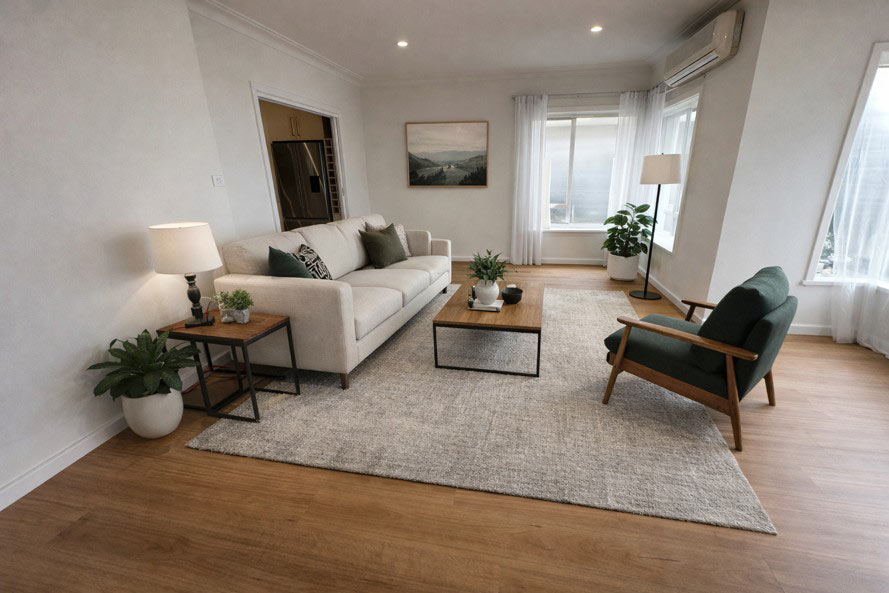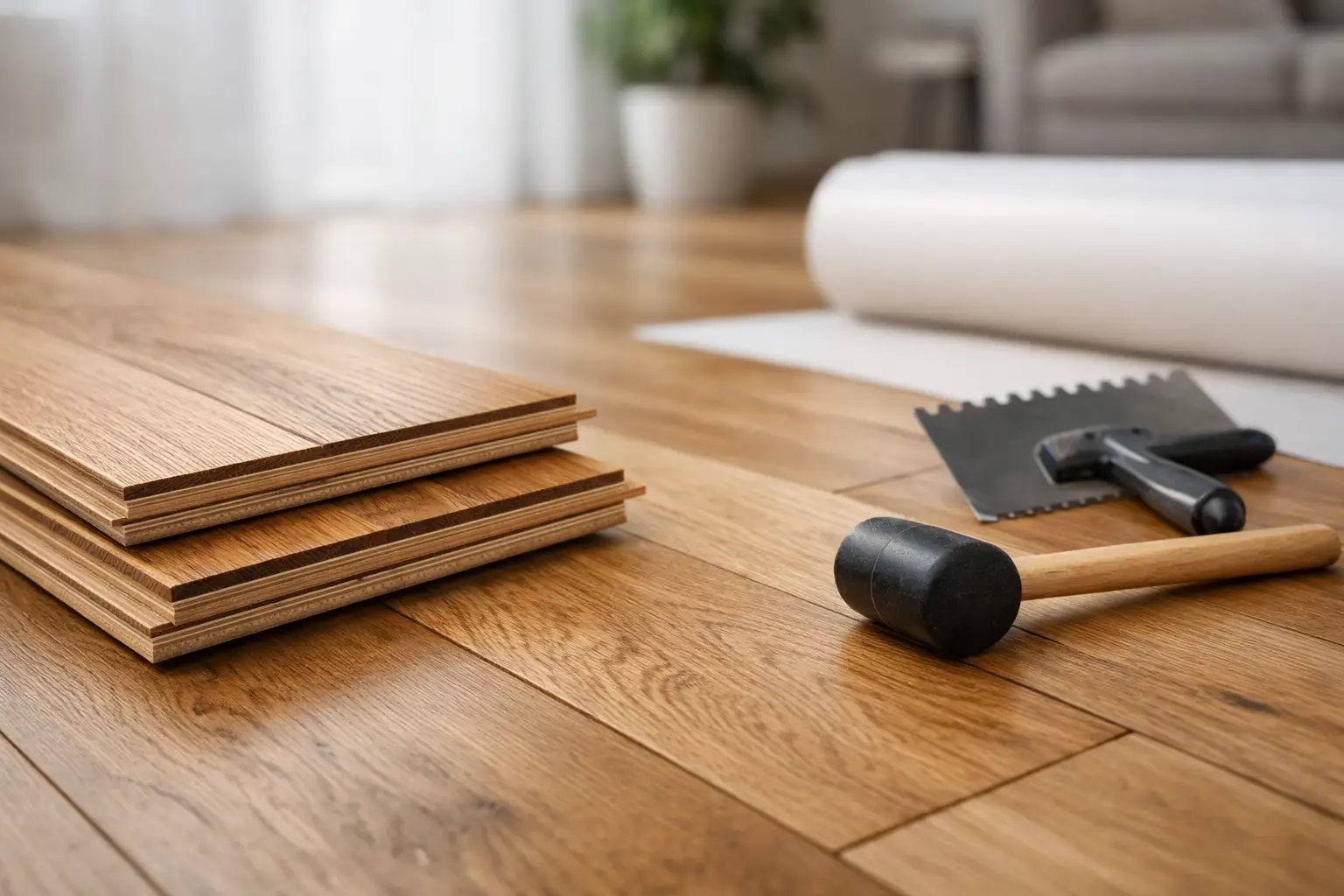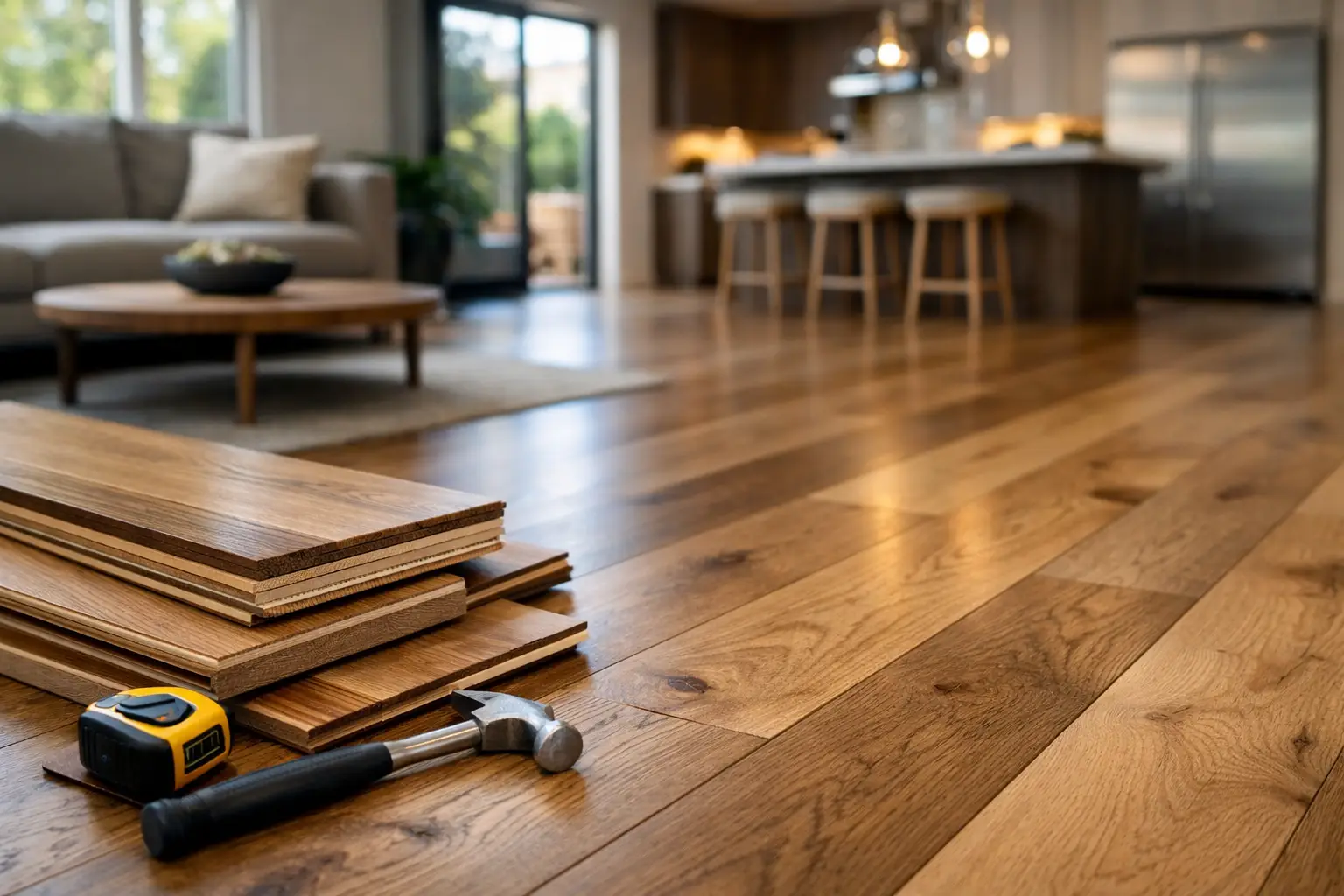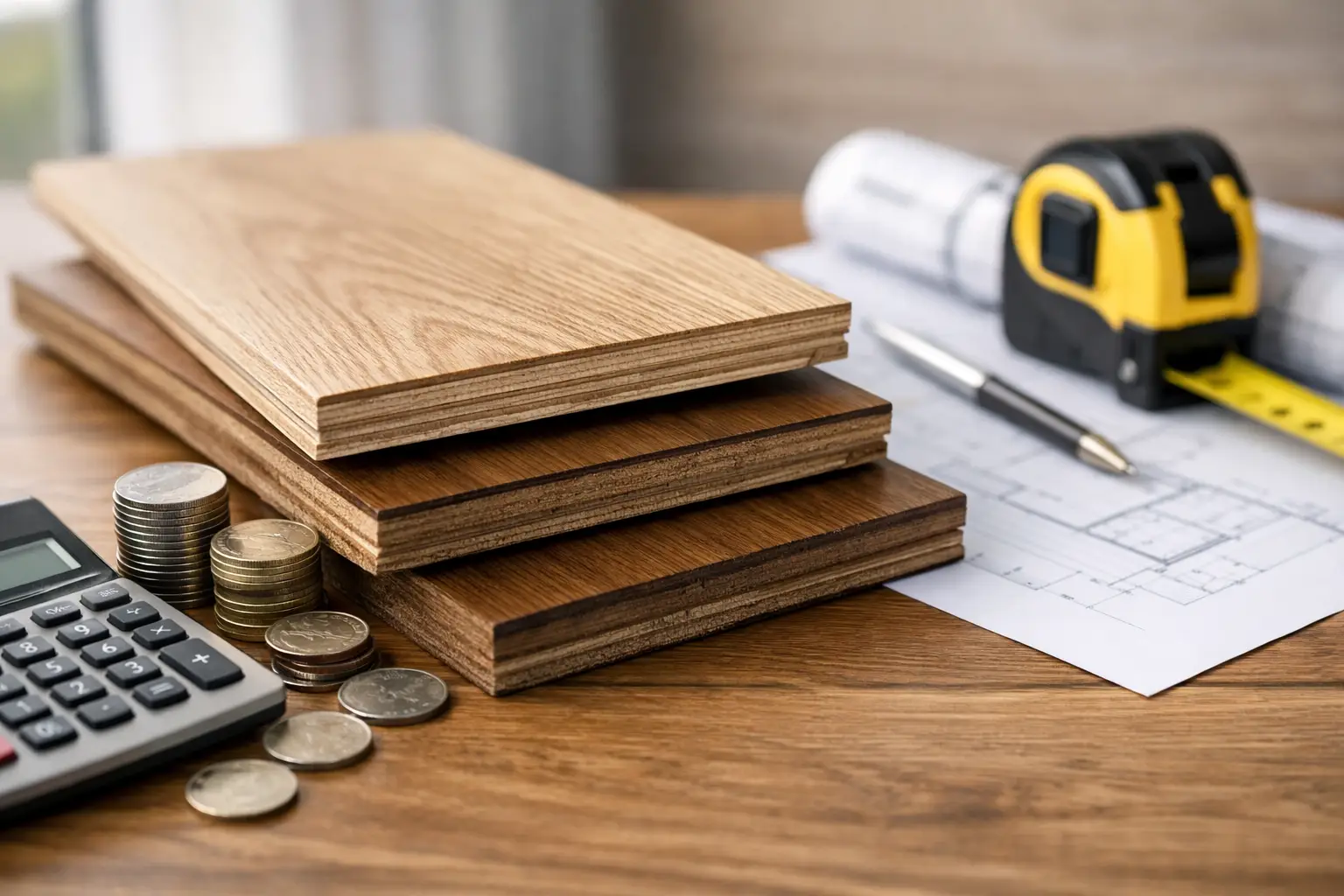
A floor can look perfect in a showroom and still be the wrong choice once it meets real life – heating and cooling, kids, pets, apartment rules, uneven subfloors, and the daily wear that comes with a busy home or commercial space. That is exactly why choose engineered hardwood flooring becomes such a common question. For many properties, it gives you the natural look of timber with more stability, more installation flexibility, and fewer surprises after the job is done.
Table of Contents
Why choose engineered hardwood flooring over solid timber?
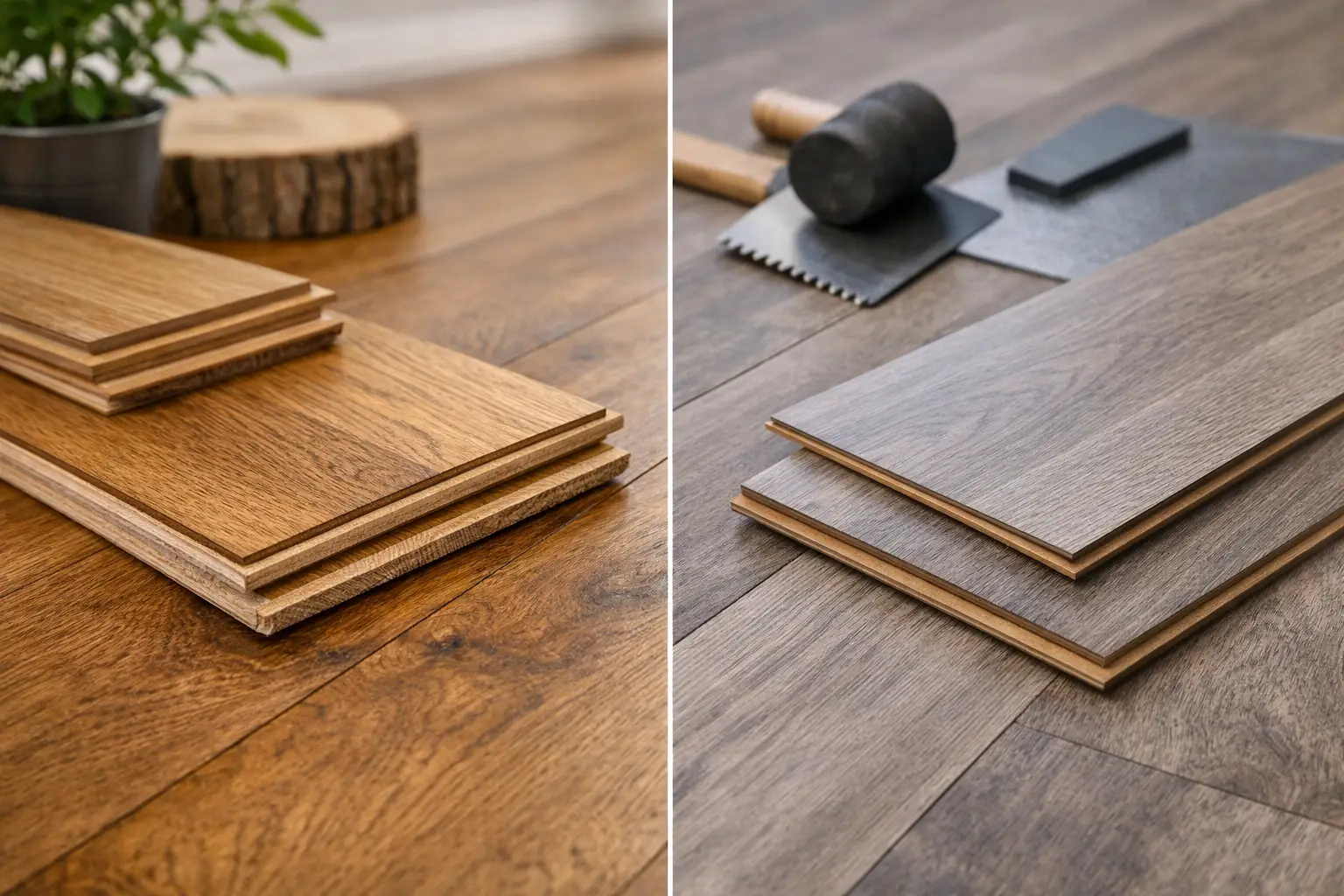
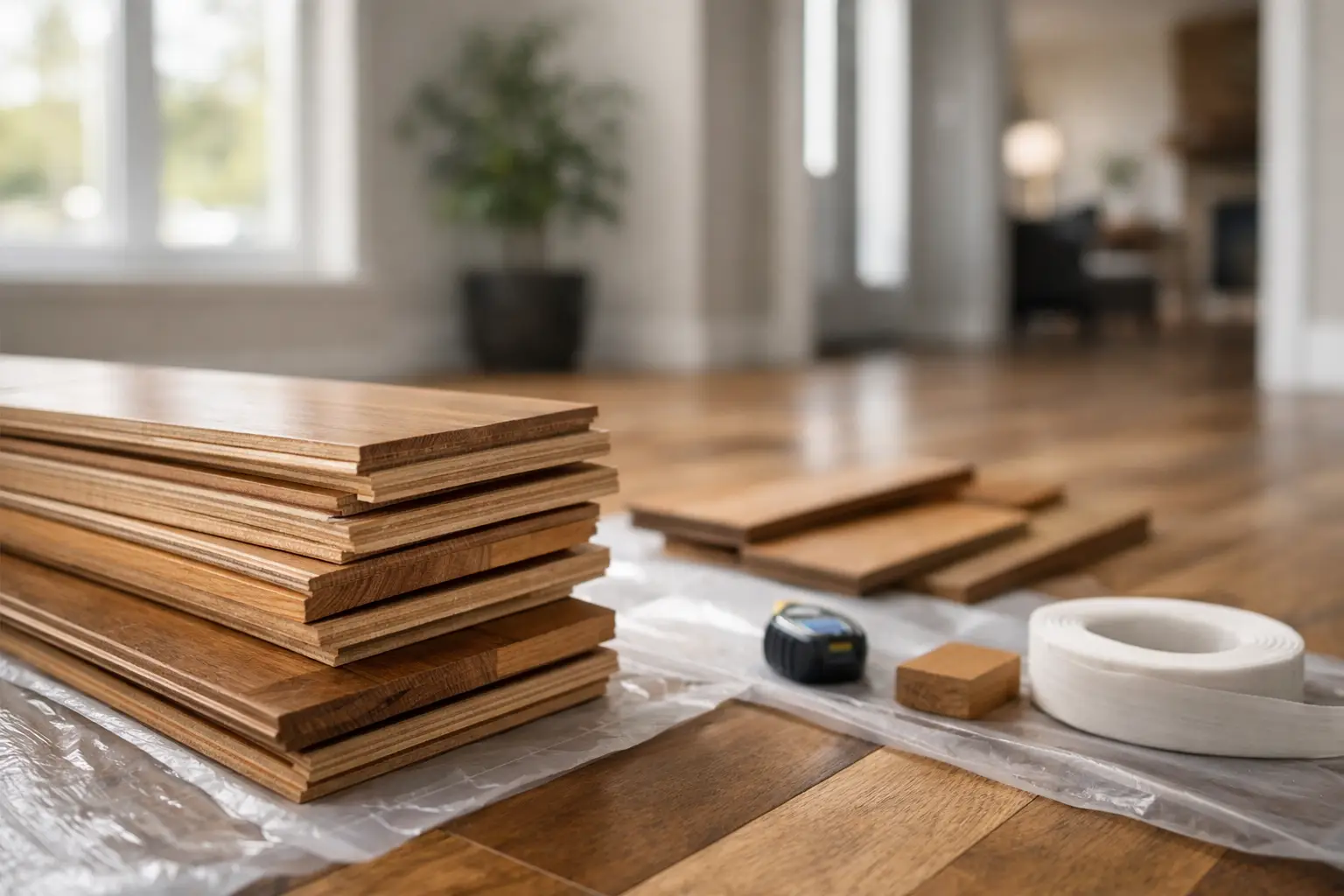
The short answer is stability. Engineered hardwood flooring uses a real timber veneer on top, backed by layers that are designed to reduce movement. Solid timber expands and contracts more as temperatures and humidity change. In Melbourne conditions, that matters.
If you want wide boards, a European oak look, or a cleaner finish with less seasonal movement, engineered timber often makes more sense than solid timber. It is not about calling one product good and the other bad. It is about choosing the one that suits the site, the subfloor, and the way the space is used.
That is where many buyers get caught out. They focus on the look and overlook the technical side. A beautiful board installed over the wrong subfloor, or in a setting where movement is likely, can lead to gaps, lifting, or noise underfoot. A better product match usually delivers a better long-term result than simply choosing the most expensive option.
The real advantages of engineered hardwood flooring
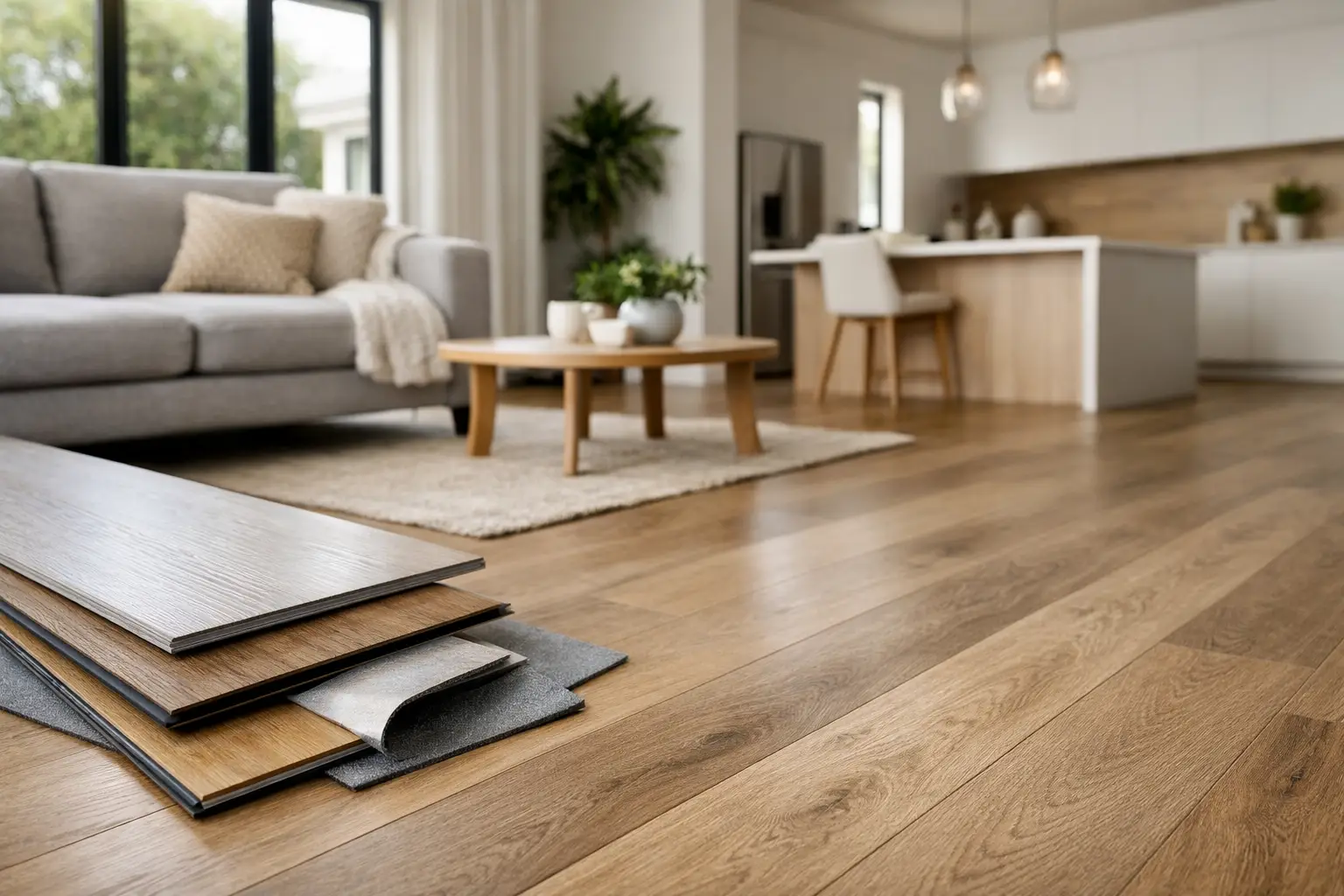
The biggest reason people choose engineered timber is that it balances appearance with practicality. You still get a real timber wear layer, so the floor has authentic grain, texture, and warmth. It does not try to imitate timber – it is timber, just built in a more stable format.
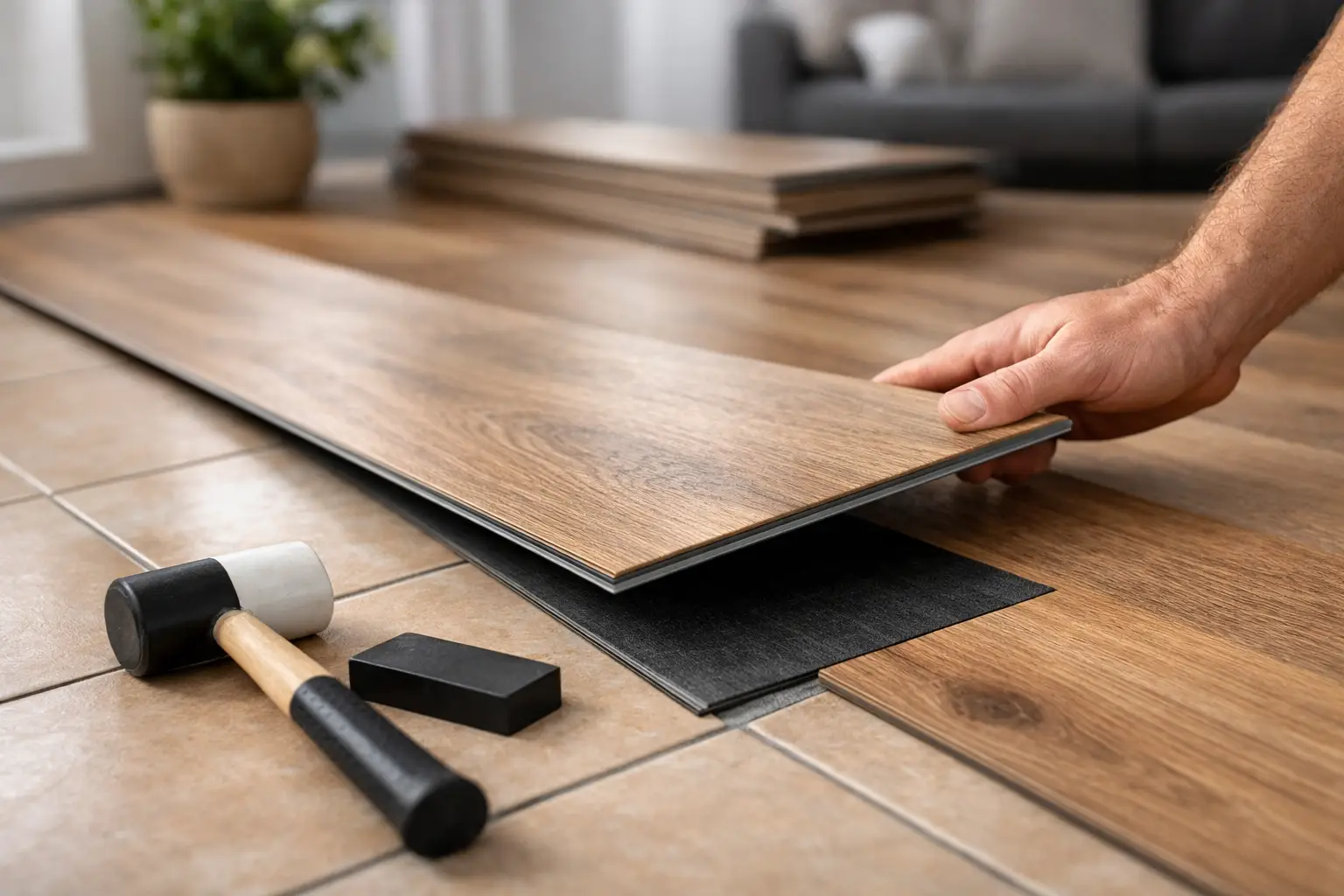
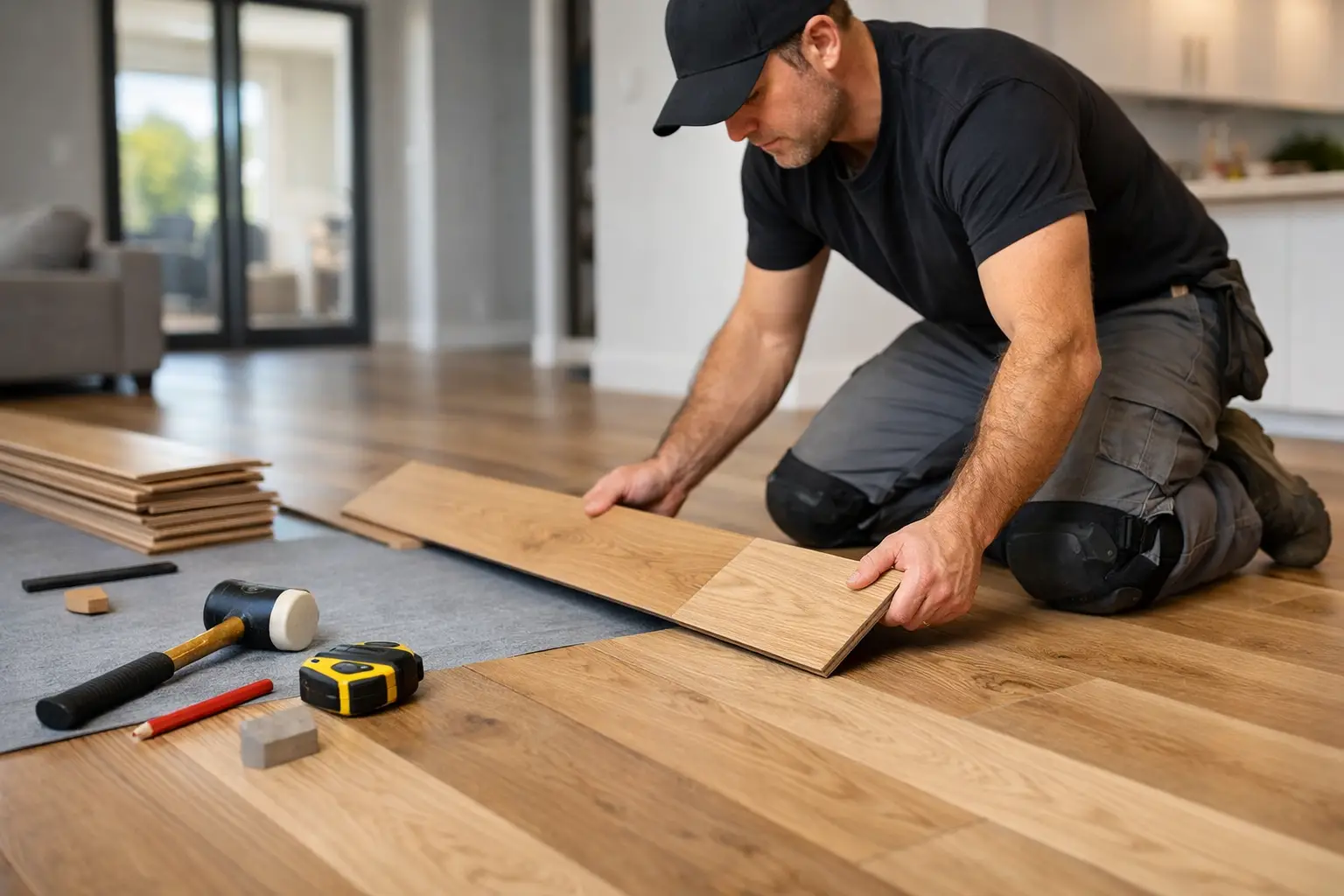
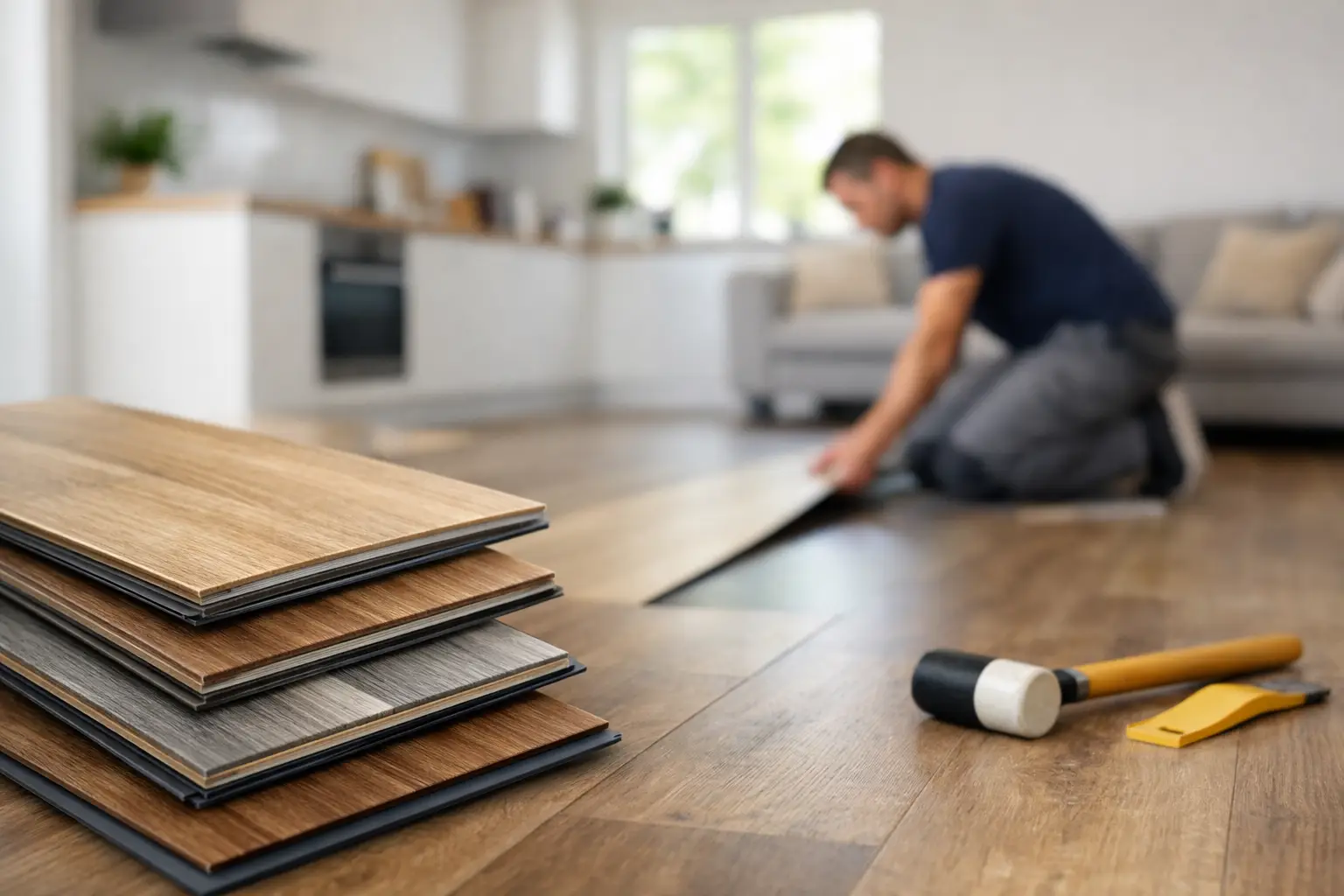
That stability opens up more installation options. Engineered boards can suit concrete subfloors, which is a major advantage in apartments, townhouses, and many modern builds. They can also work well over properly prepared existing surfaces, depending on the product and site conditions. For renovators, that can make the project simpler and more cost-effective.
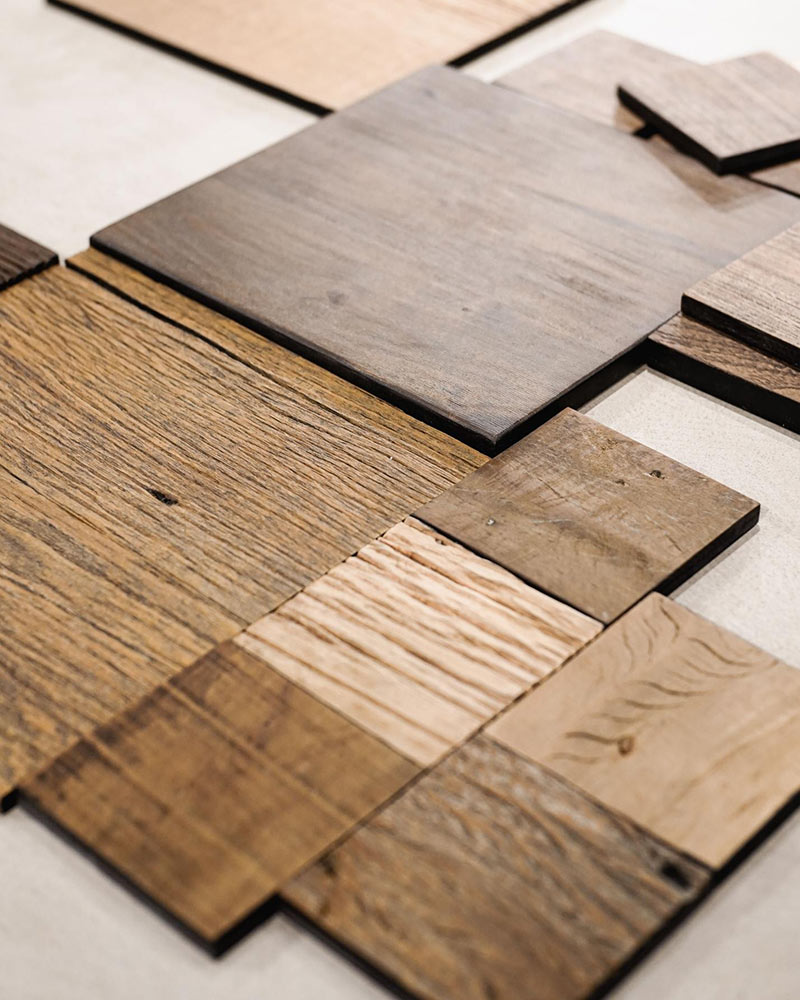
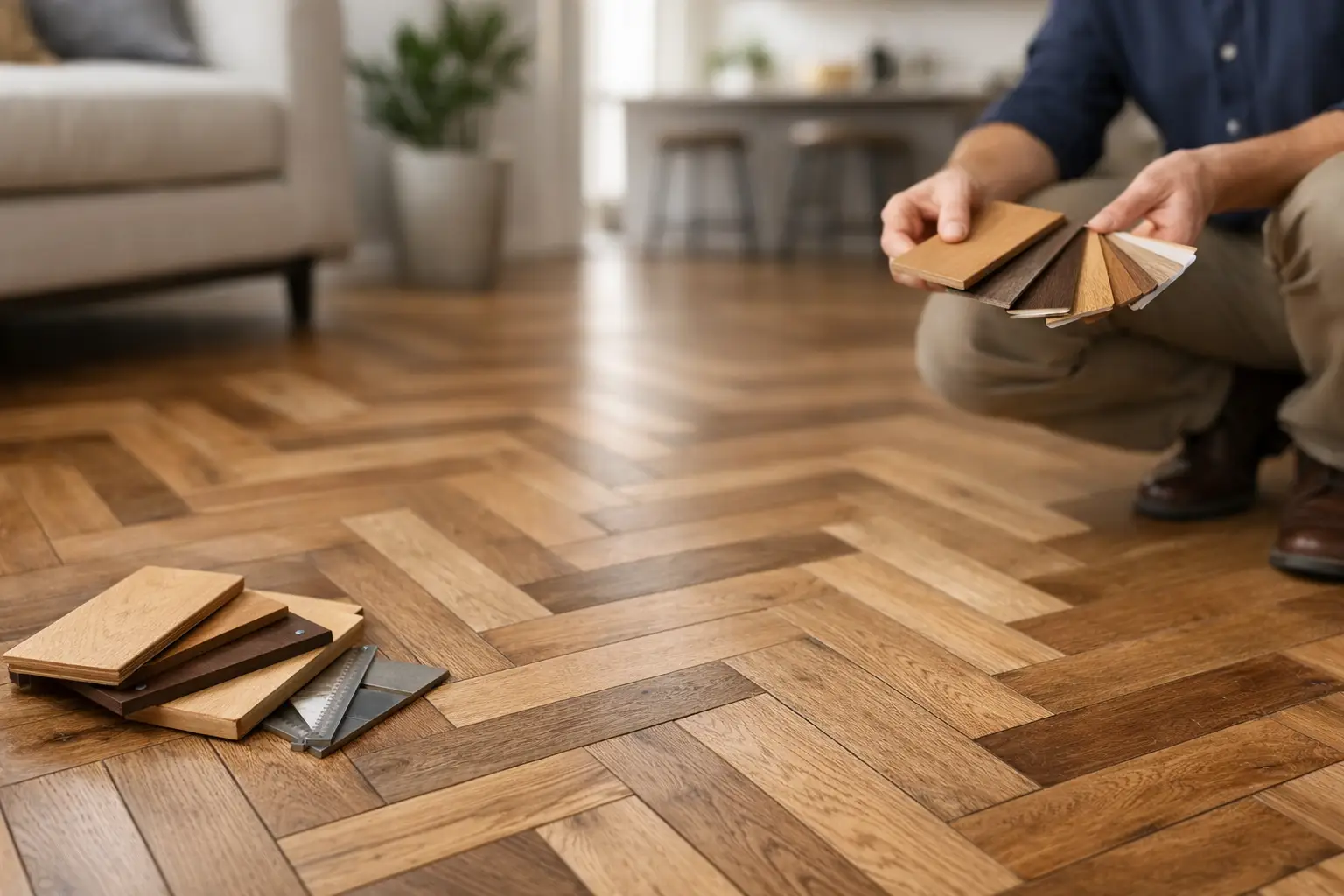
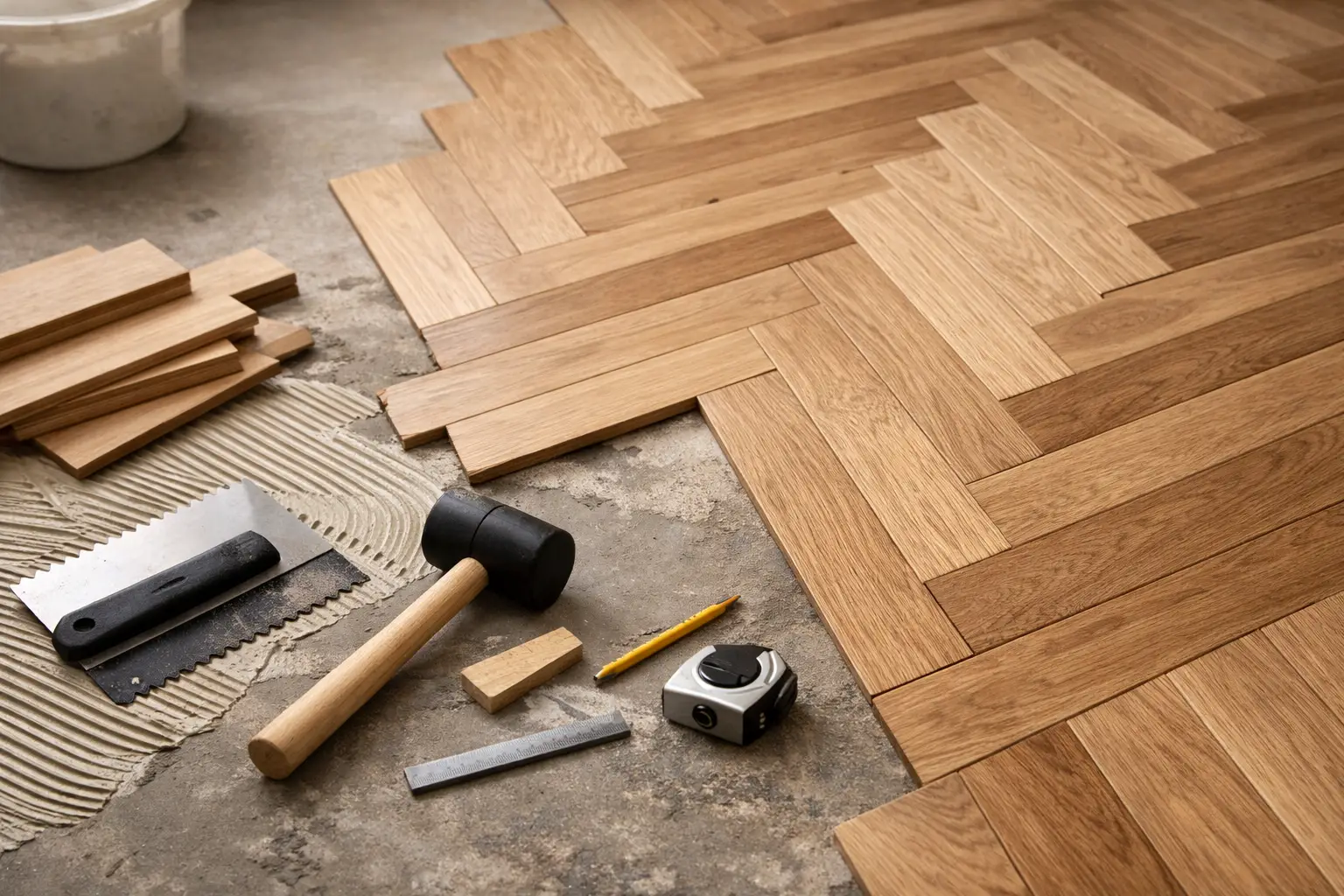
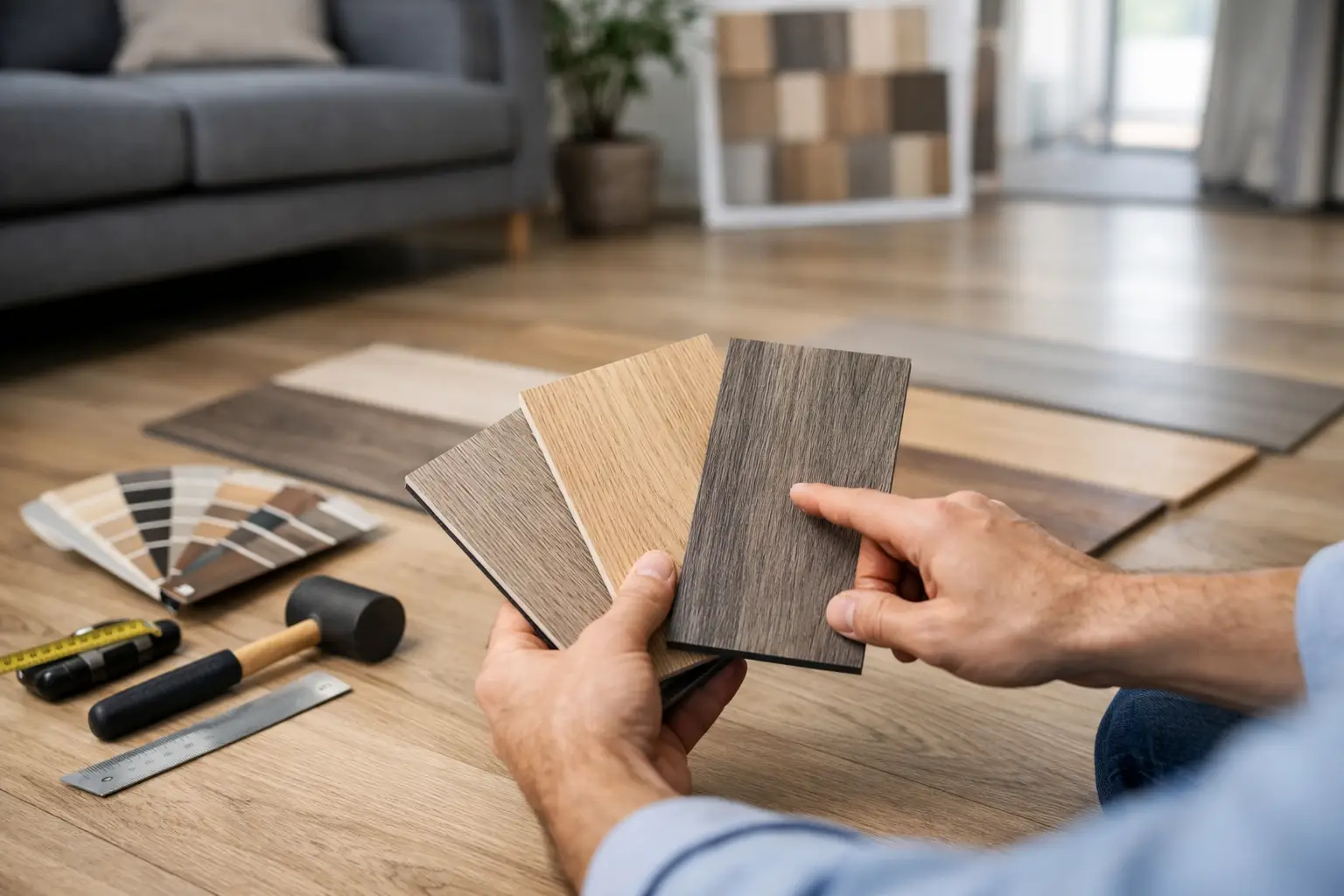
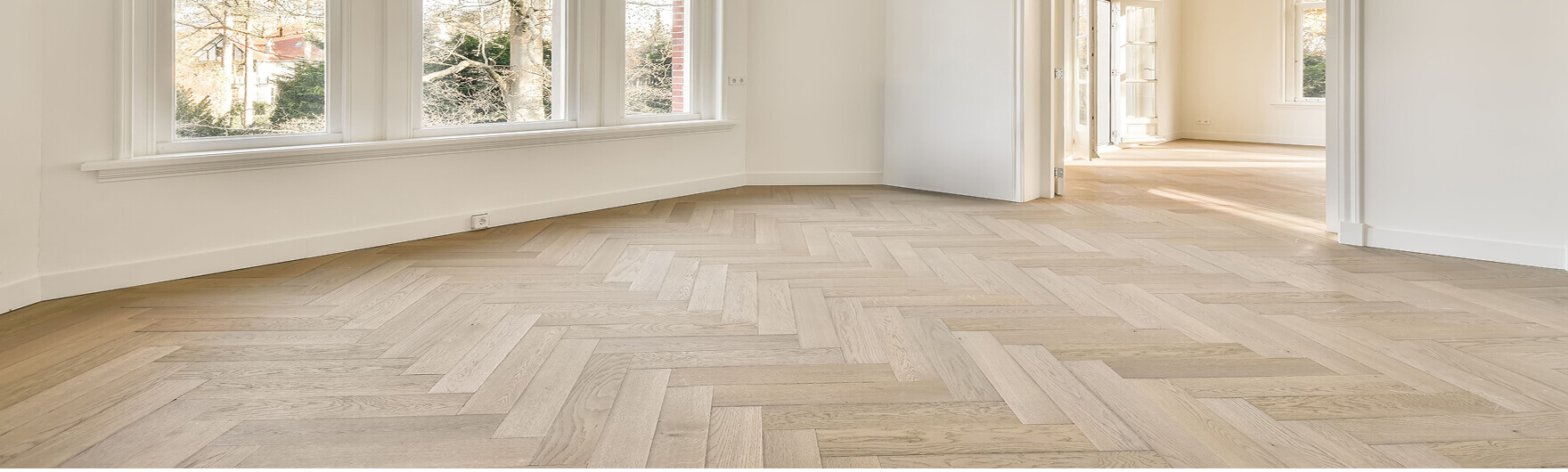
It is also a strong choice when design matters. Engineered timber is available in a wide range of colours, finishes, board widths, and patterns, including herringbone. If you want a premium look without the extra movement risk that can come with solid timber, engineered gives you more confidence.
There is also a comfort factor. A well-installed engineered timber floor feels solid, warm, and high-end underfoot. In living areas, bedrooms, and commercial interiors where presentation counts, that matters just as much as technical performance.
Where engineered timber performs especially well
Engineered hardwood flooring is often a smart fit for homes that need a premium finish without the complications of a traditional solid timber installation. Apartments are a good example. Concrete slabs are common, acoustic requirements may apply, and space conditions can vary from one room to another. Engineered products are often better suited to that environment.
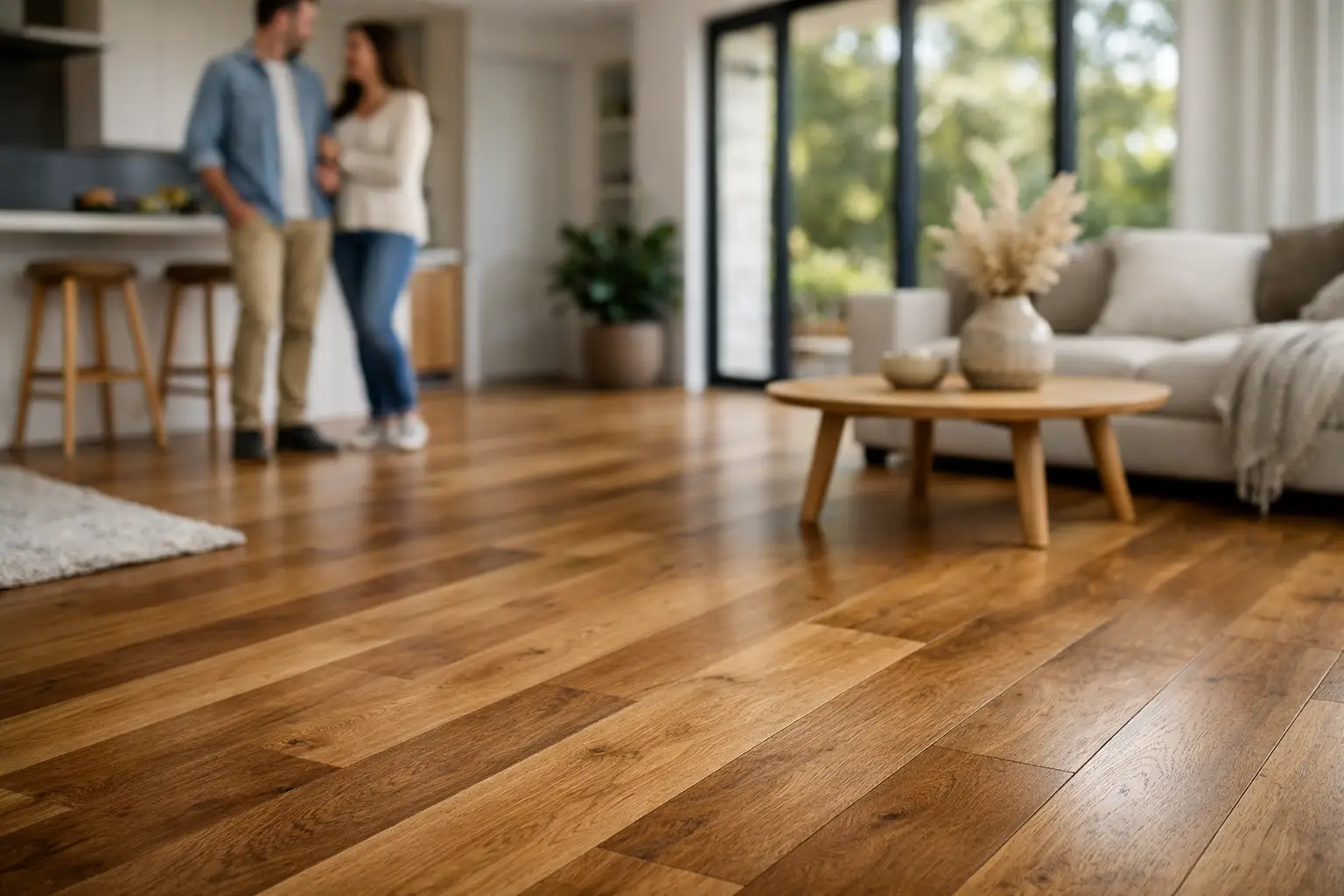
It also works well in family homes where owners want a natural timber look but need something practical for everyday use. That does not mean it is indestructible. No timber-based floor is. But when the right coating, board construction, and installation method are chosen, engineered timber can handle normal residential wear very well.
Commercial spaces can also benefit, particularly boutique offices, retail fit-outs, and meeting areas where appearance matters. The key is specifying the right product for the traffic level and making sure the subfloor is properly assessed before installation starts.
It is not just the board – installation matters
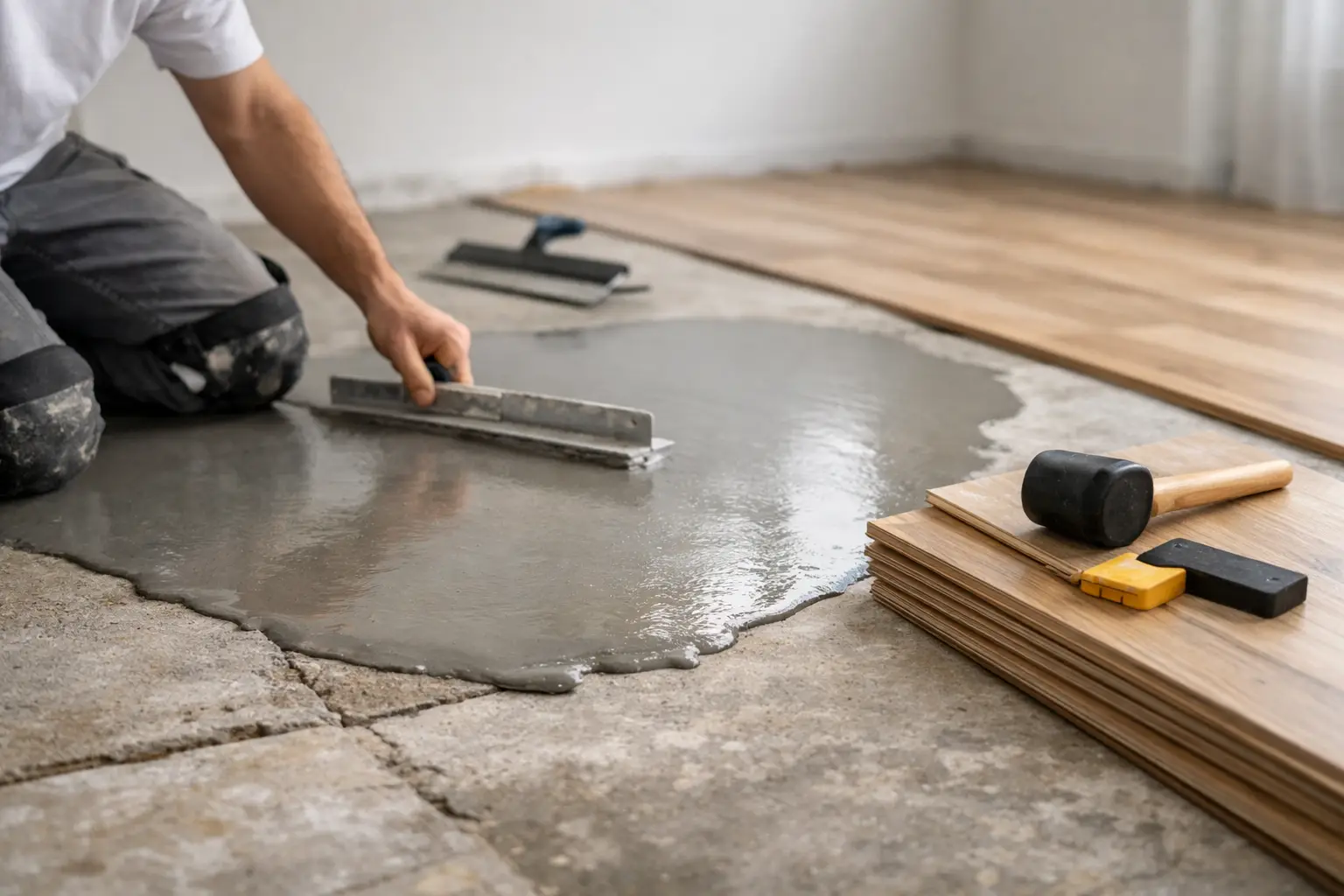
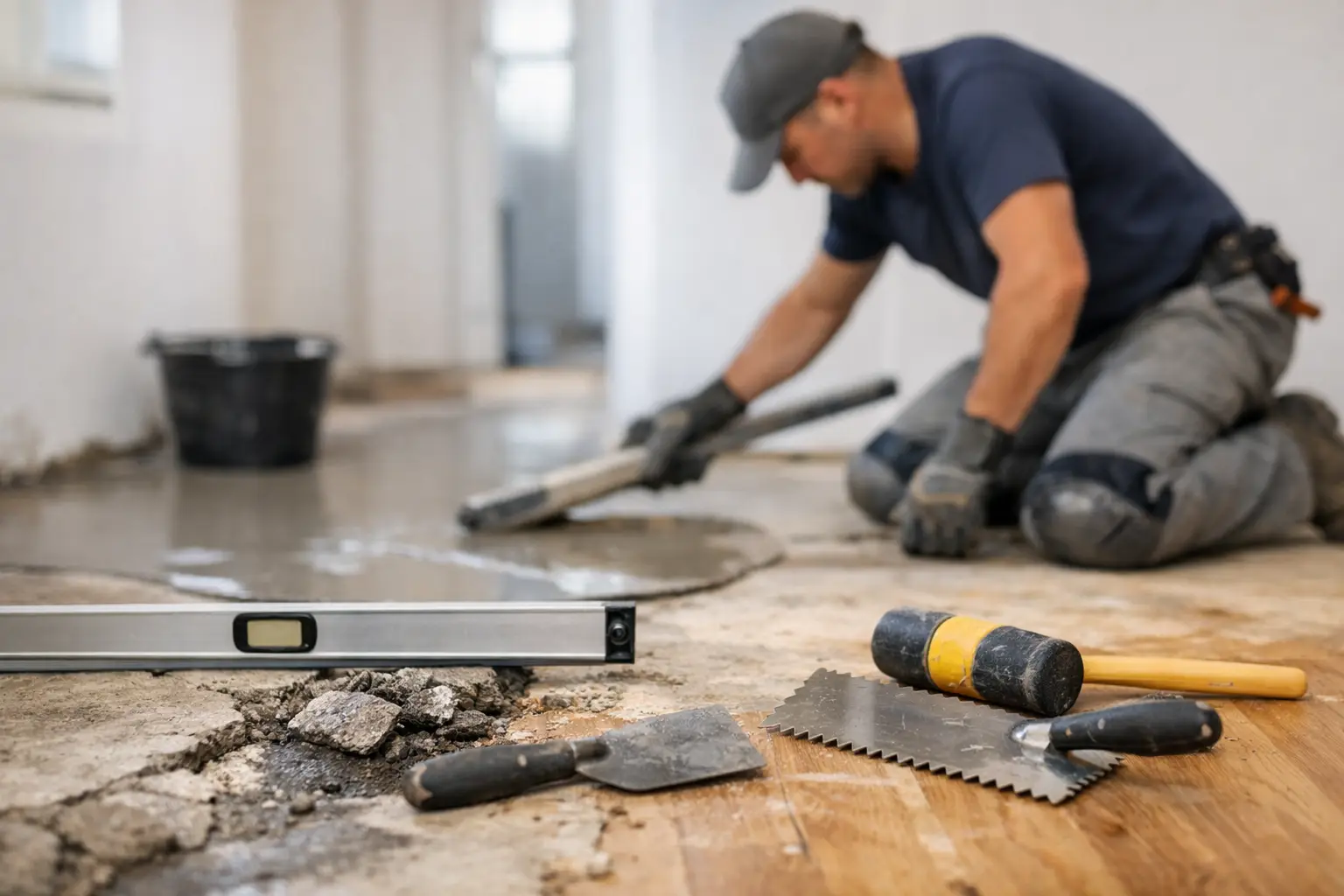
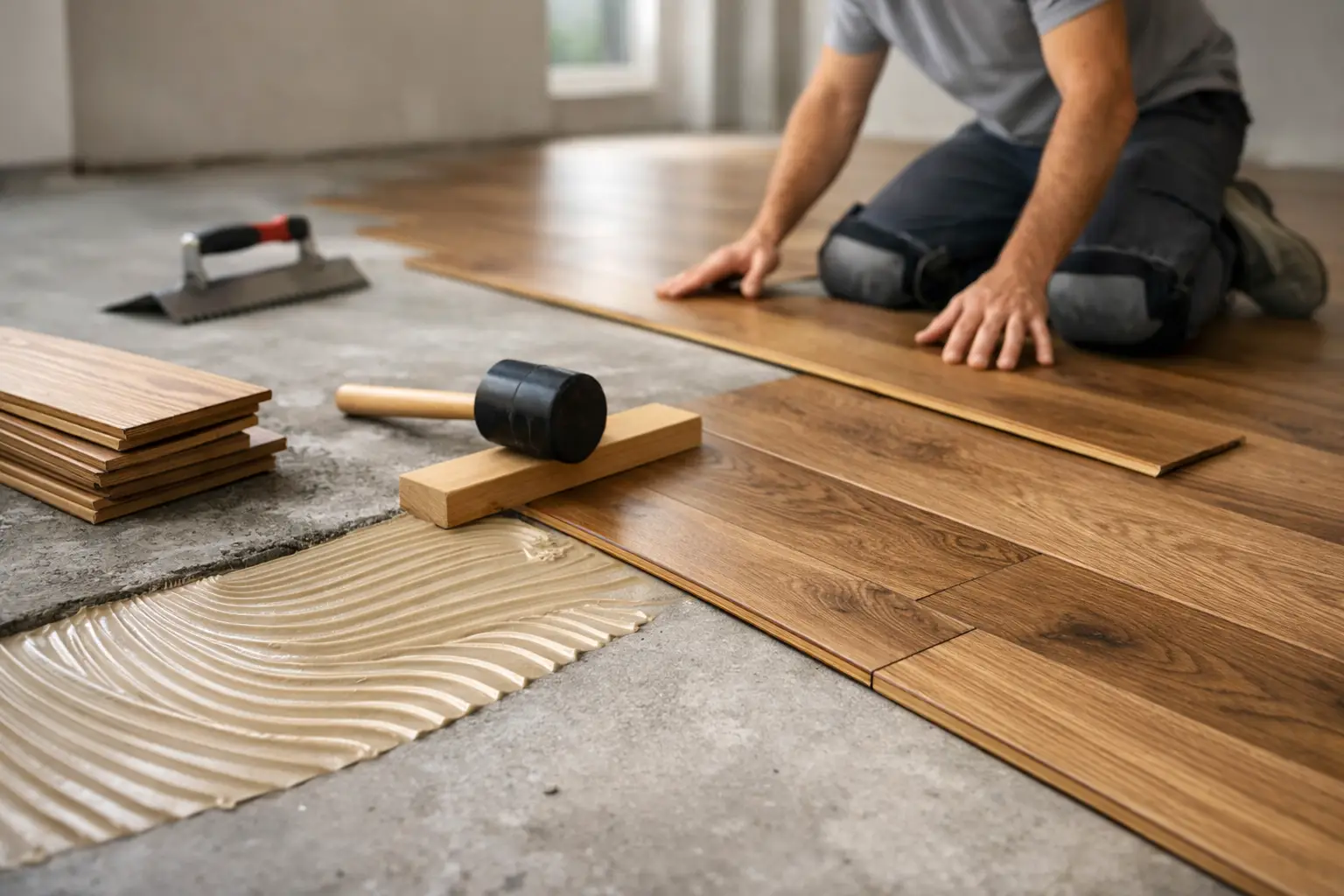
One of the biggest mistakes people make is comparing flooring products without looking at what sits underneath. Even a premium engineered board can fail early if the subfloor is not level, dry, and prepared correctly.
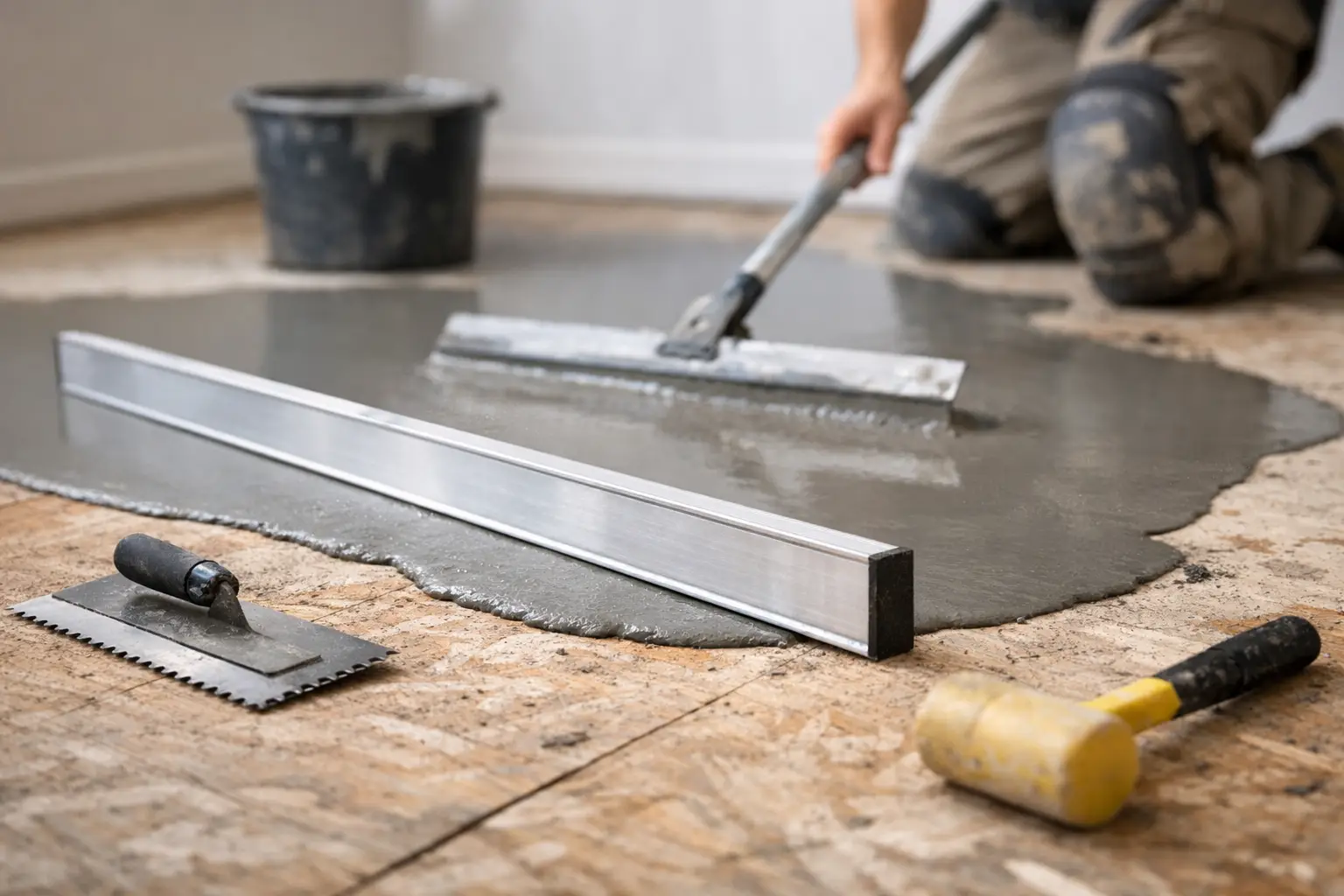
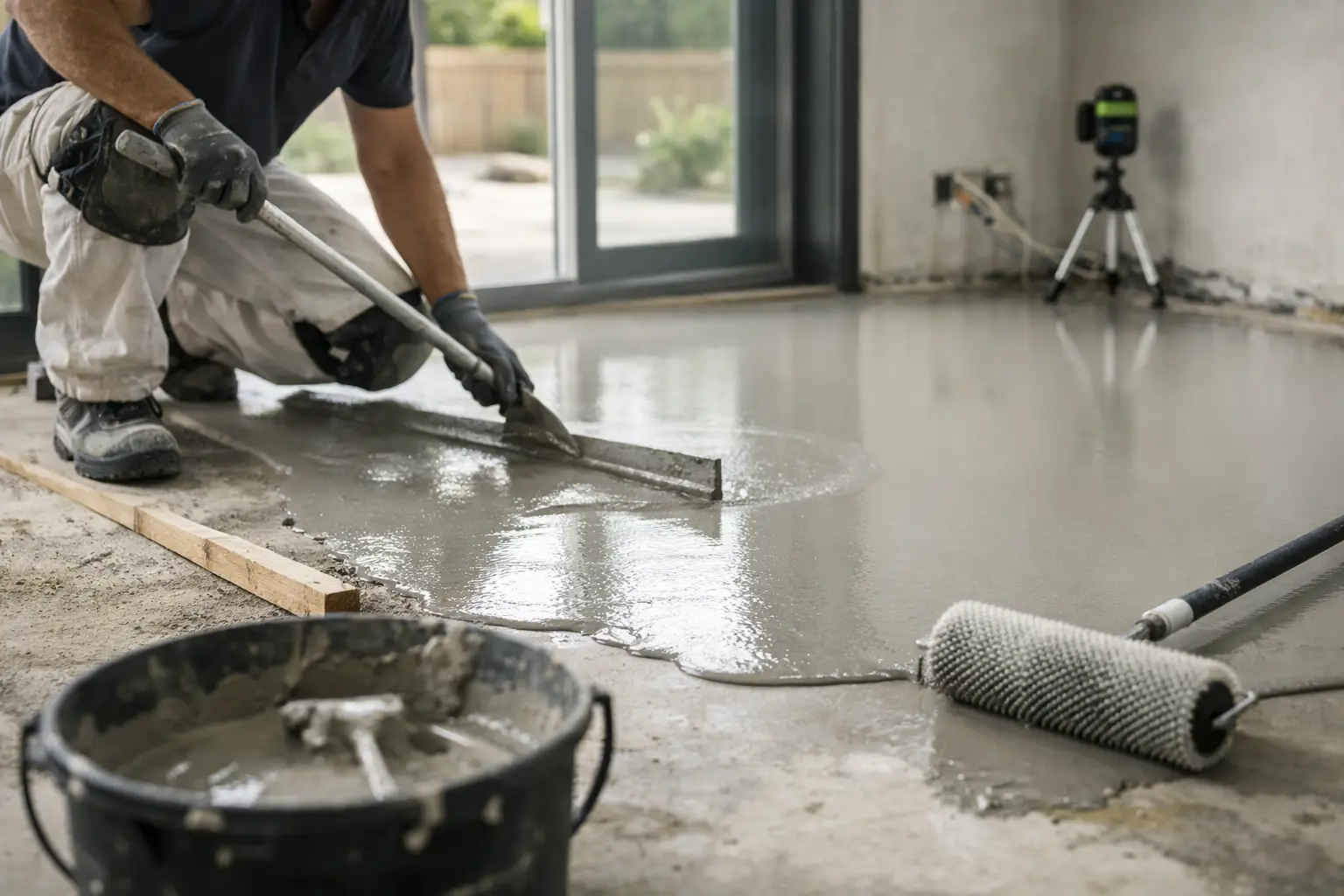
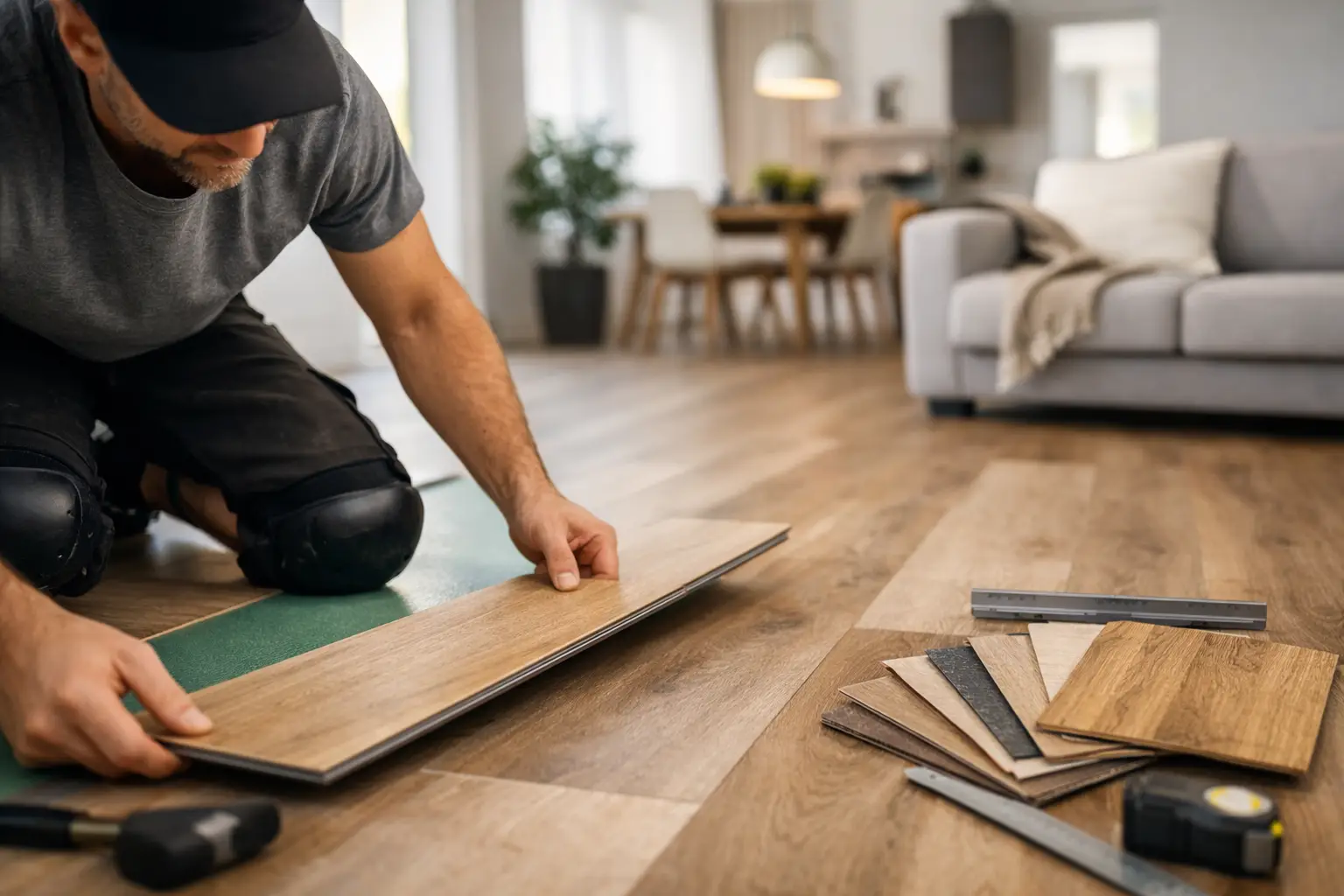
This is where trade experience matters. A proper site assessment should look at moisture, flatness, existing floor levels, transitions between rooms, and how the flooring will finish against skirting, stairs, or cabinetry. If the subfloor needs levelling, that should be addressed before the boards go down, not ignored to save time.
In many cases, subfloor preparation is what separates a floor that looks good on day one from a floor that still performs well years later. Hollow spots, squeaks, movement, and visual imperfections are often linked to rushed prep, not the flooring itself.
That is why a practical recommendation is worth more than a sales pitch. Good advice should cover the full system – product, underlay or adhesive, subfloor prep, and installation method – because those parts all affect the final result.
What are the trade-offs?
Engineered hardwood flooring is a strong option, but it is not automatically the right option for every job. If you are comparing it with laminate or hybrid flooring, the price is usually higher. You are paying for a real timber surface and a more premium finish.
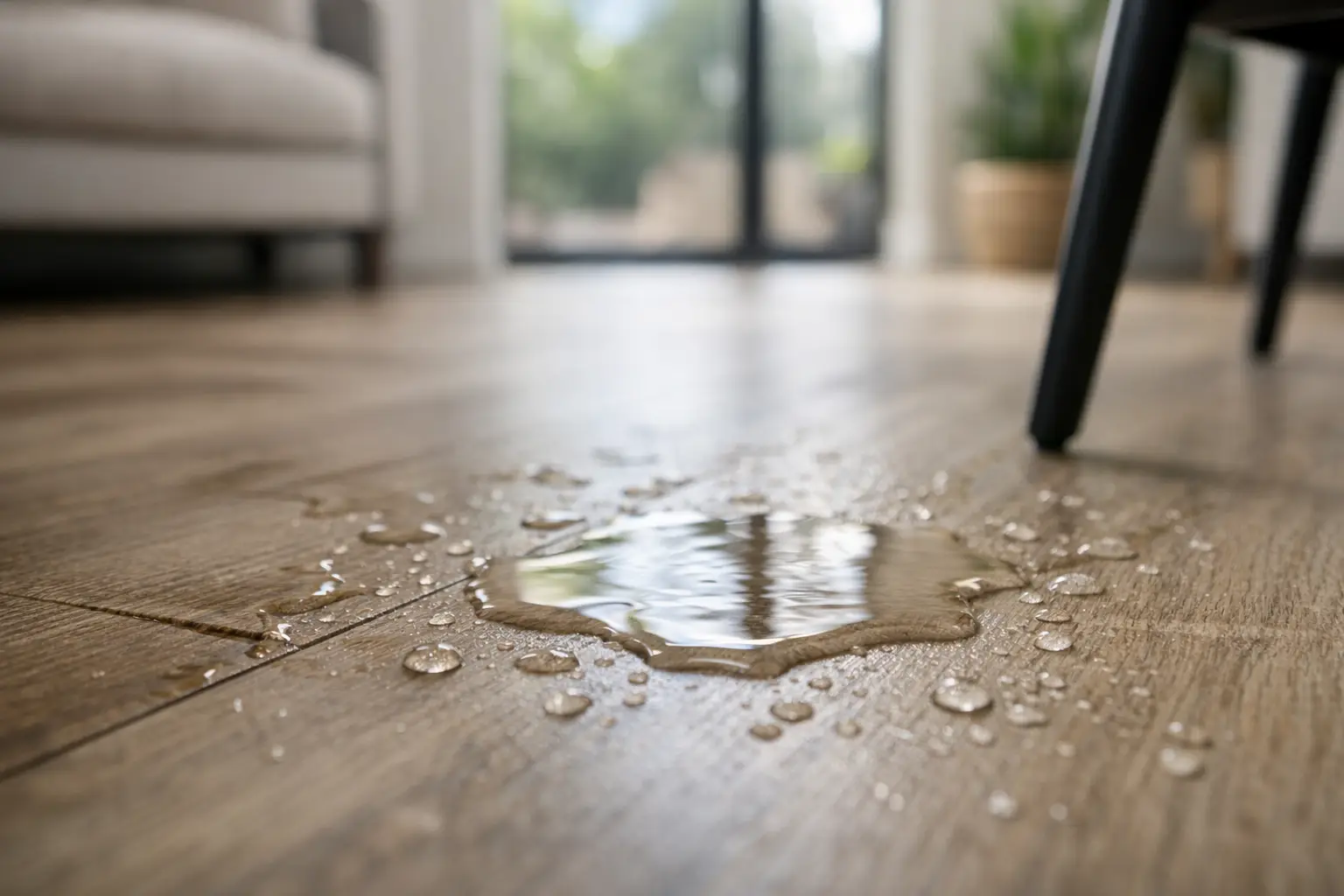
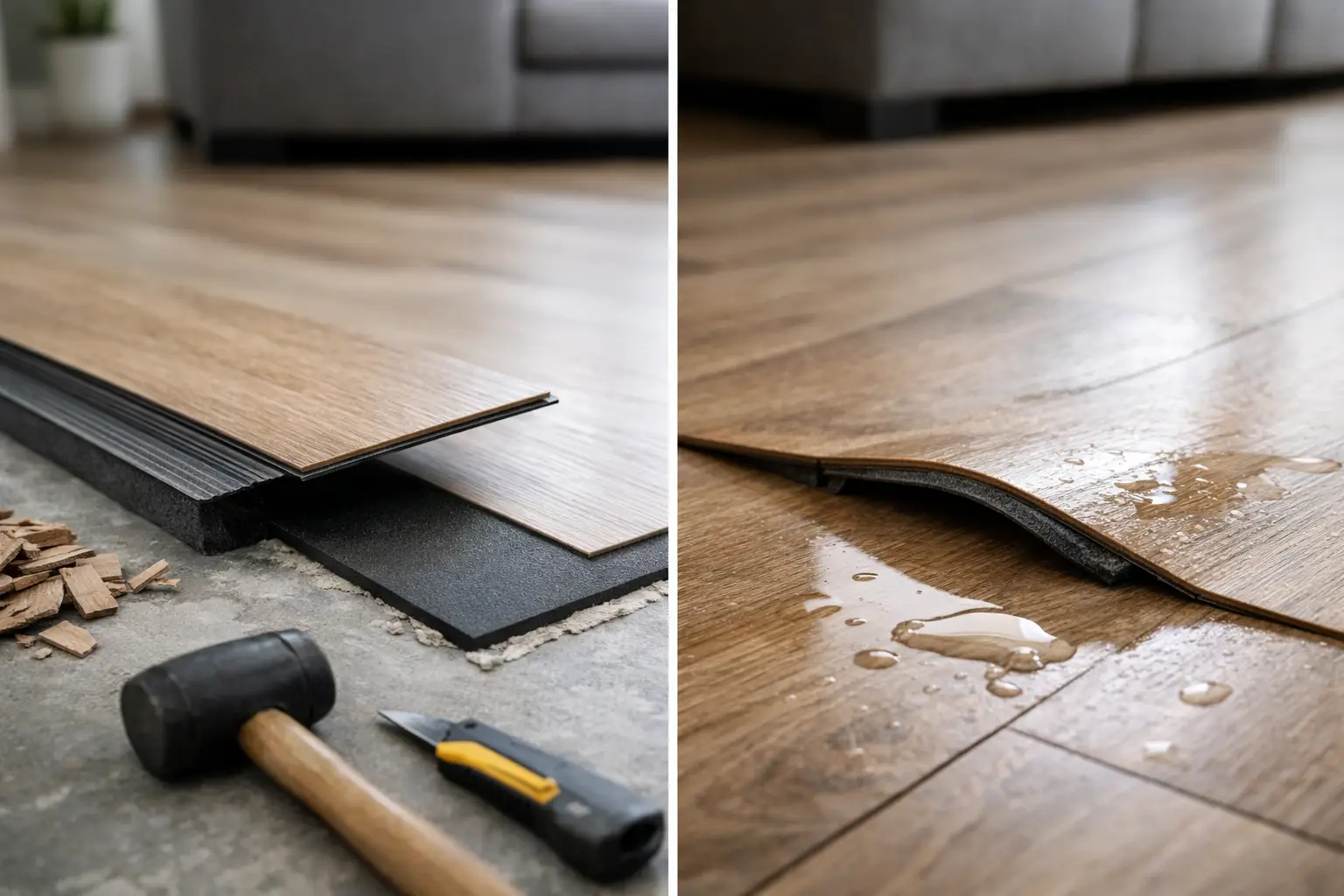
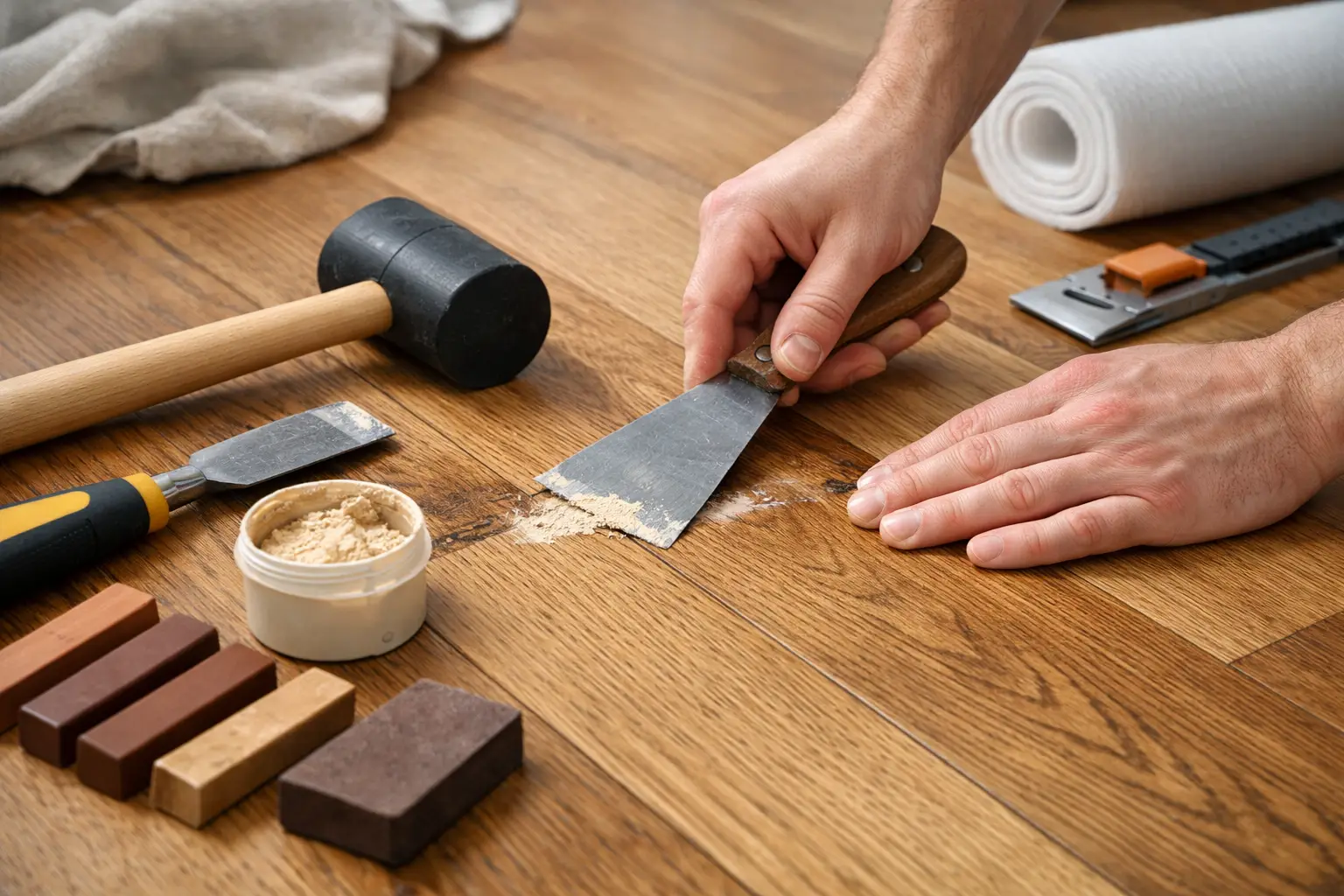
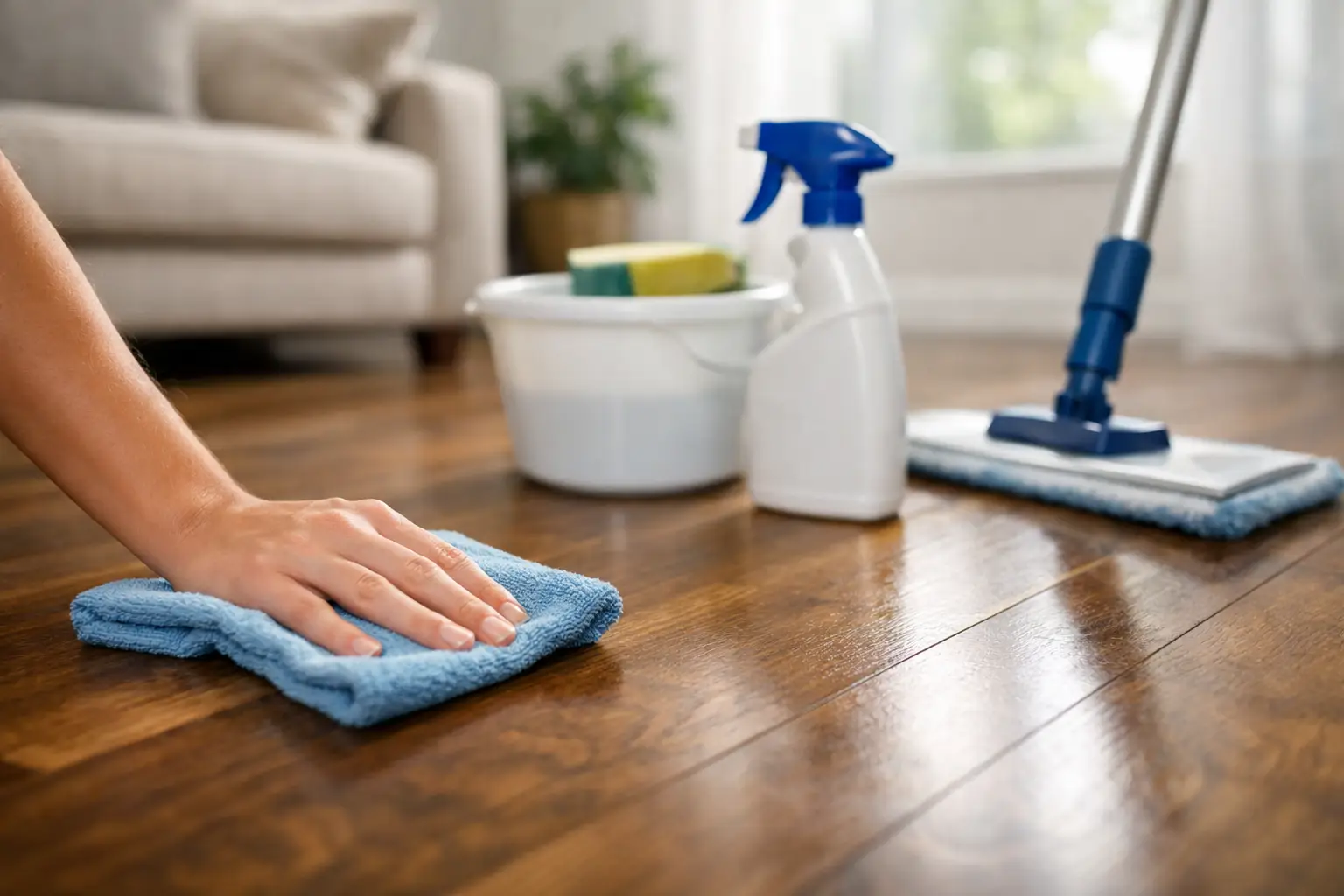
It also requires realistic care. Engineered timber handles day-to-day living well, but it is still a timber product. Large amounts of water, repeated scratching from grit, or heavy furniture dragged across the floor can cause damage. In wet areas like bathrooms or laundries, another flooring type may be more suitable.
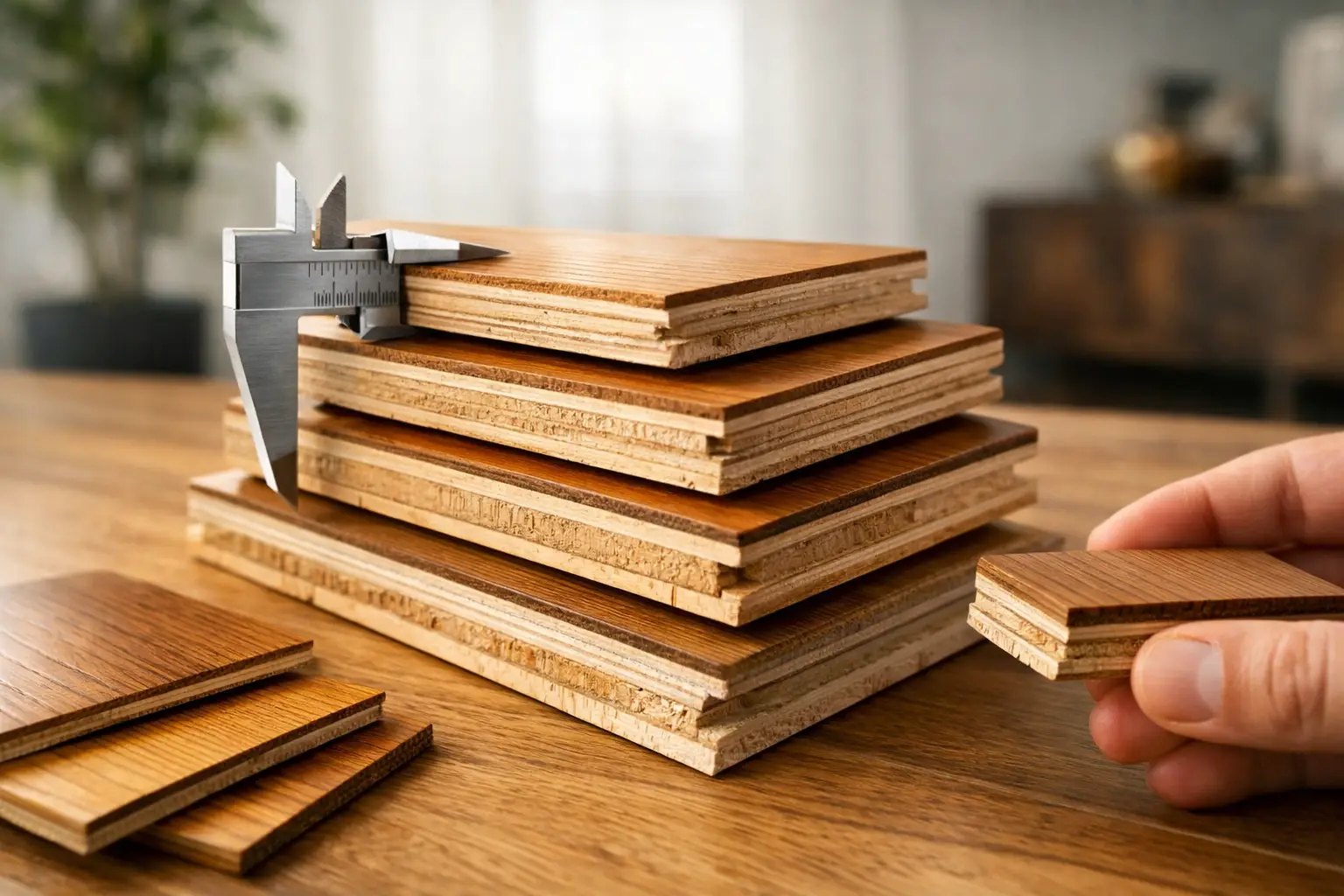
The thickness of the top veneer also matters. Not all engineered boards are built the same. A higher-quality product with a decent wear layer will generally offer a better lifespan and, in some cases, the ability to be lightly refinished. Cheaper options may look similar at first glance but deliver less value over time.
So the better question is not just why choose engineered hardwood flooring. It is which engineered flooring product is right for this property, this budget, and this level of use.
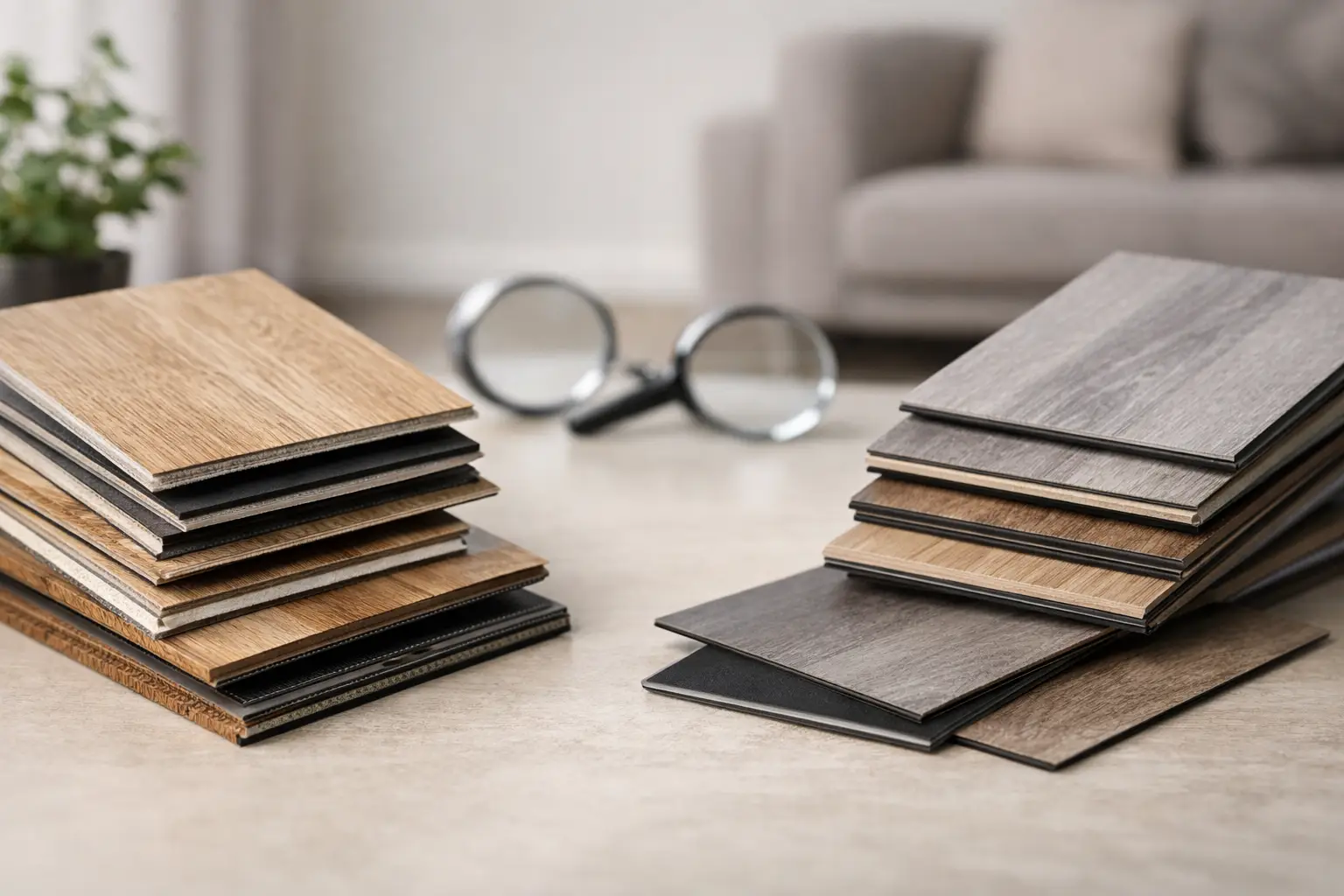
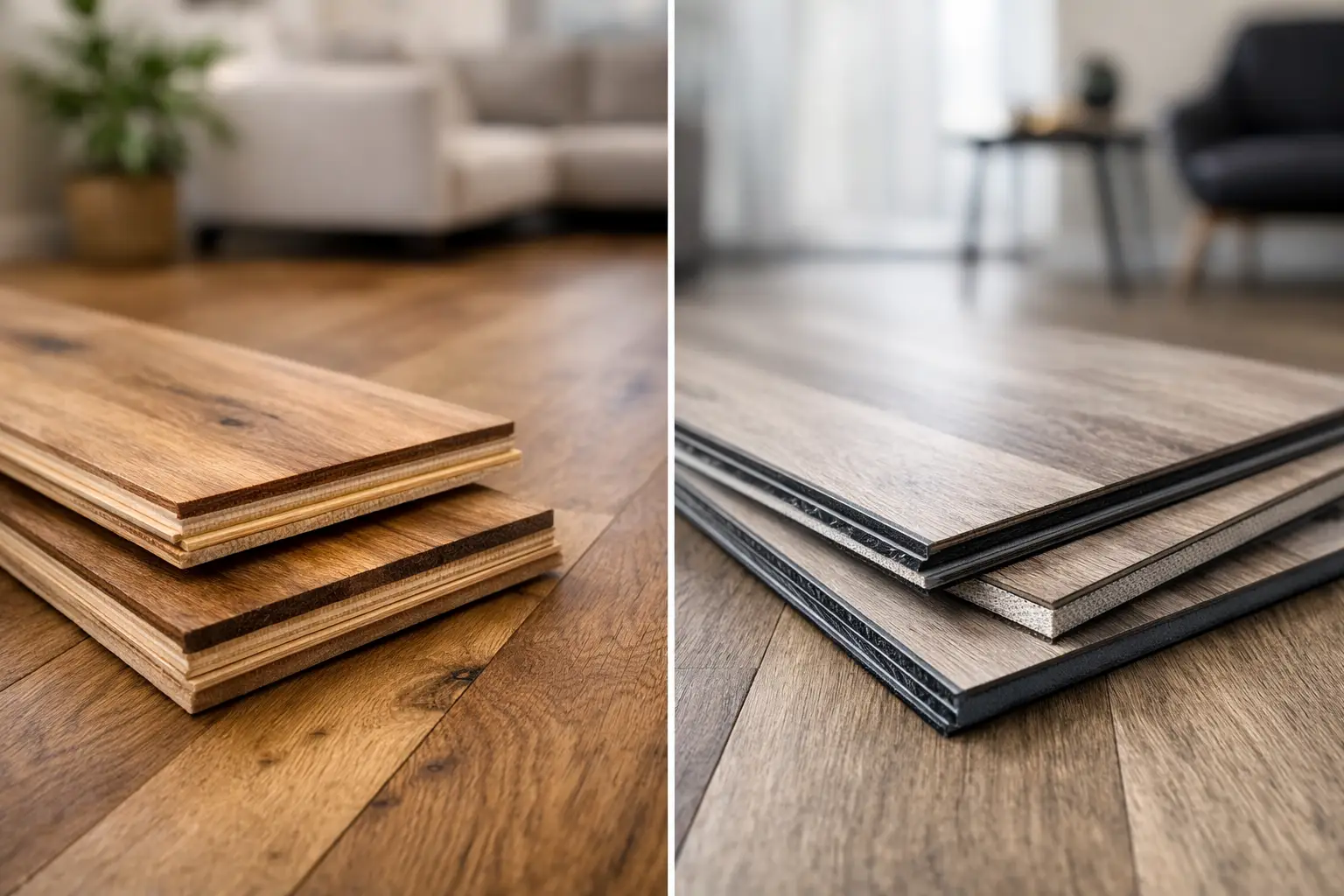
How engineered timber compares with hybrid and laminate
If you are still weighing up options, the comparison usually comes down to priorities.
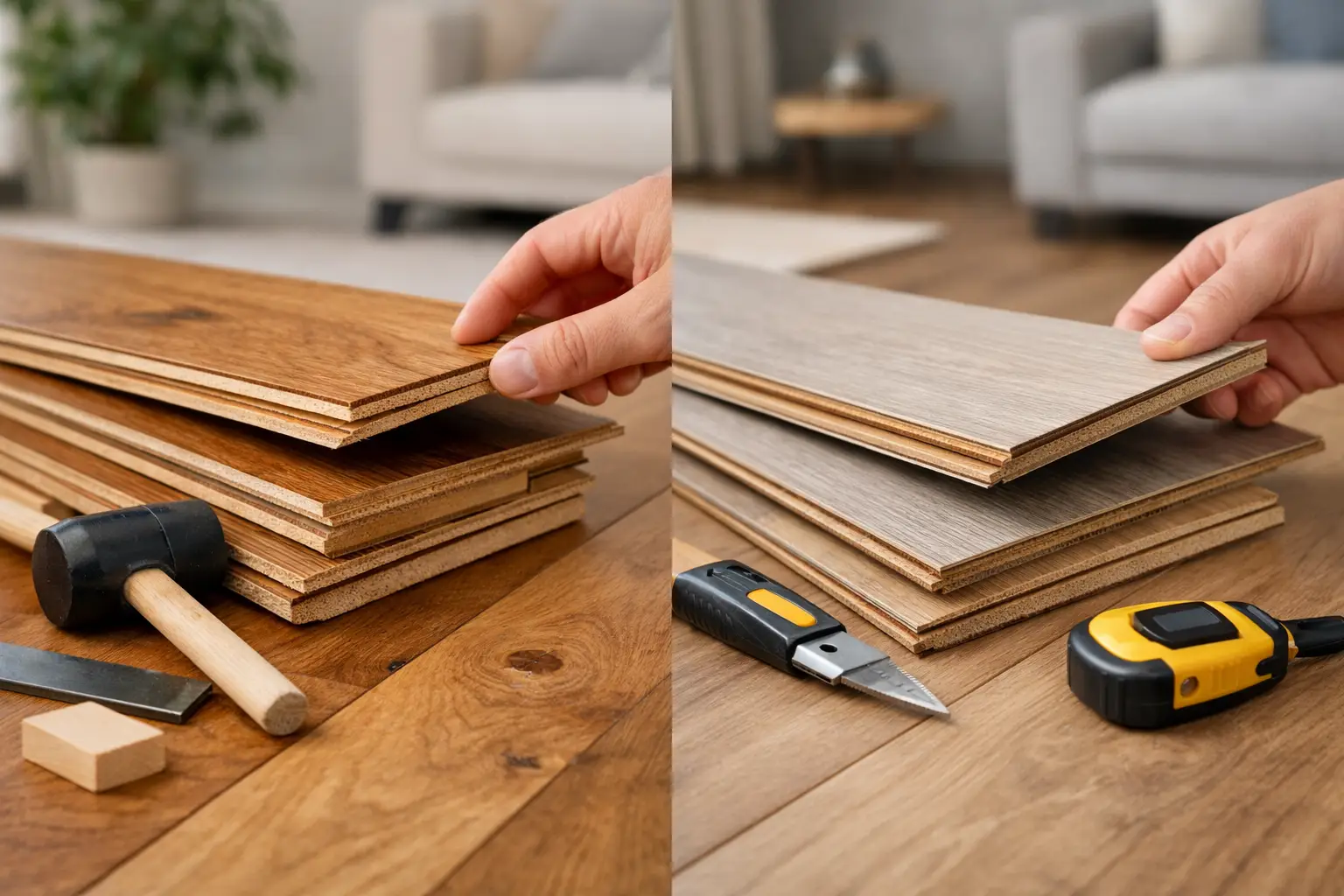
Engineered timber wins on authenticity. It has the natural grain, warmth, and variation that only real wood provides. If visual quality is your top priority, it usually sits above laminate and hybrid.
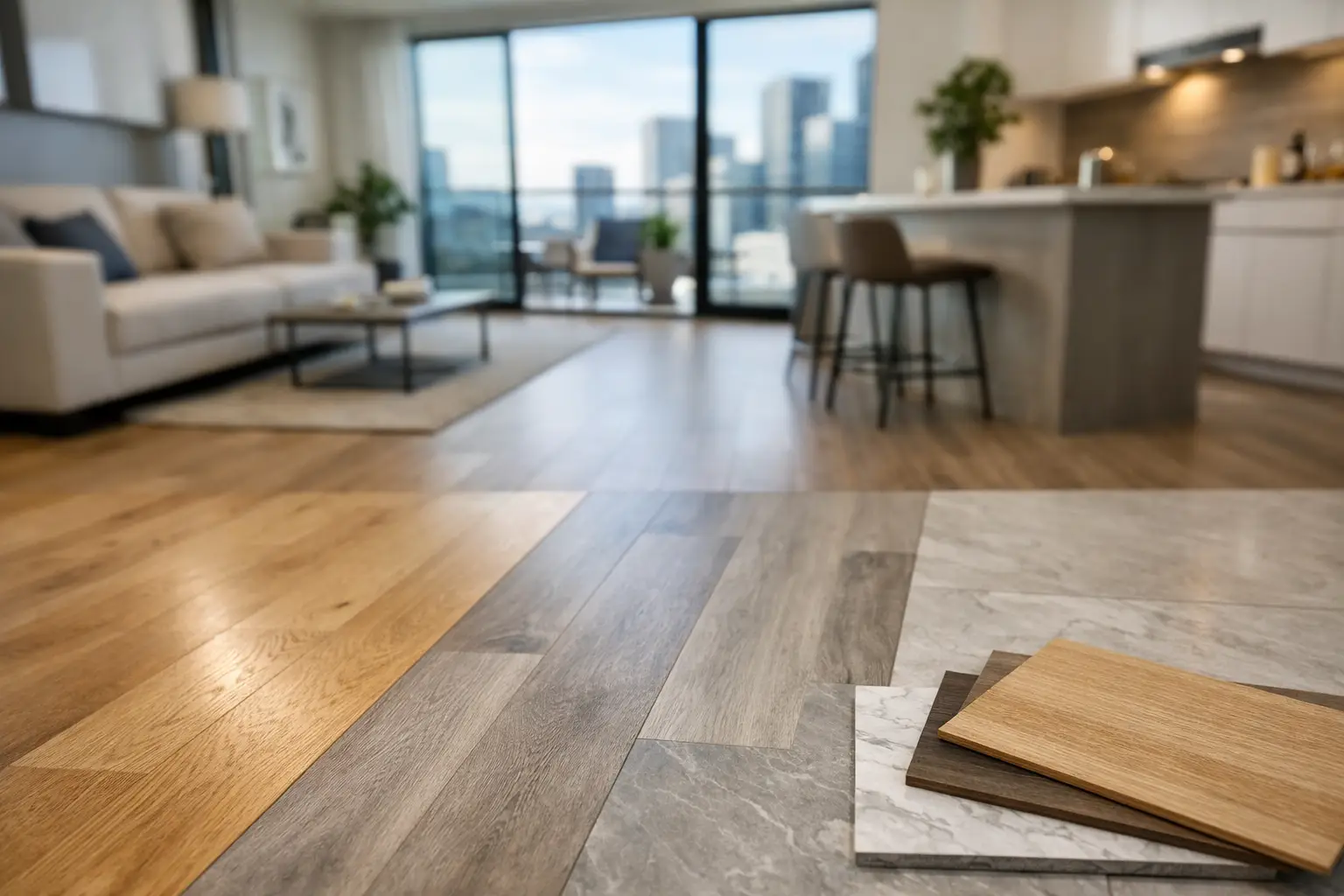
Hybrid flooring has the edge when water resistance is the main concern. That can make it better suited to homes with higher spill risk or areas where moisture is a bigger issue. Laminate can be a value-driven choice for certain projects too, particularly if budget matters more than having a real timber surface.
But if you want a floor that feels premium, adds genuine character to the space, and suits a wide range of interior styles, engineered timber is often the standout. It is especially popular in open-plan living areas, high-end renovations, and properties where resale presentation is part of the thinking.
What to check before you commit
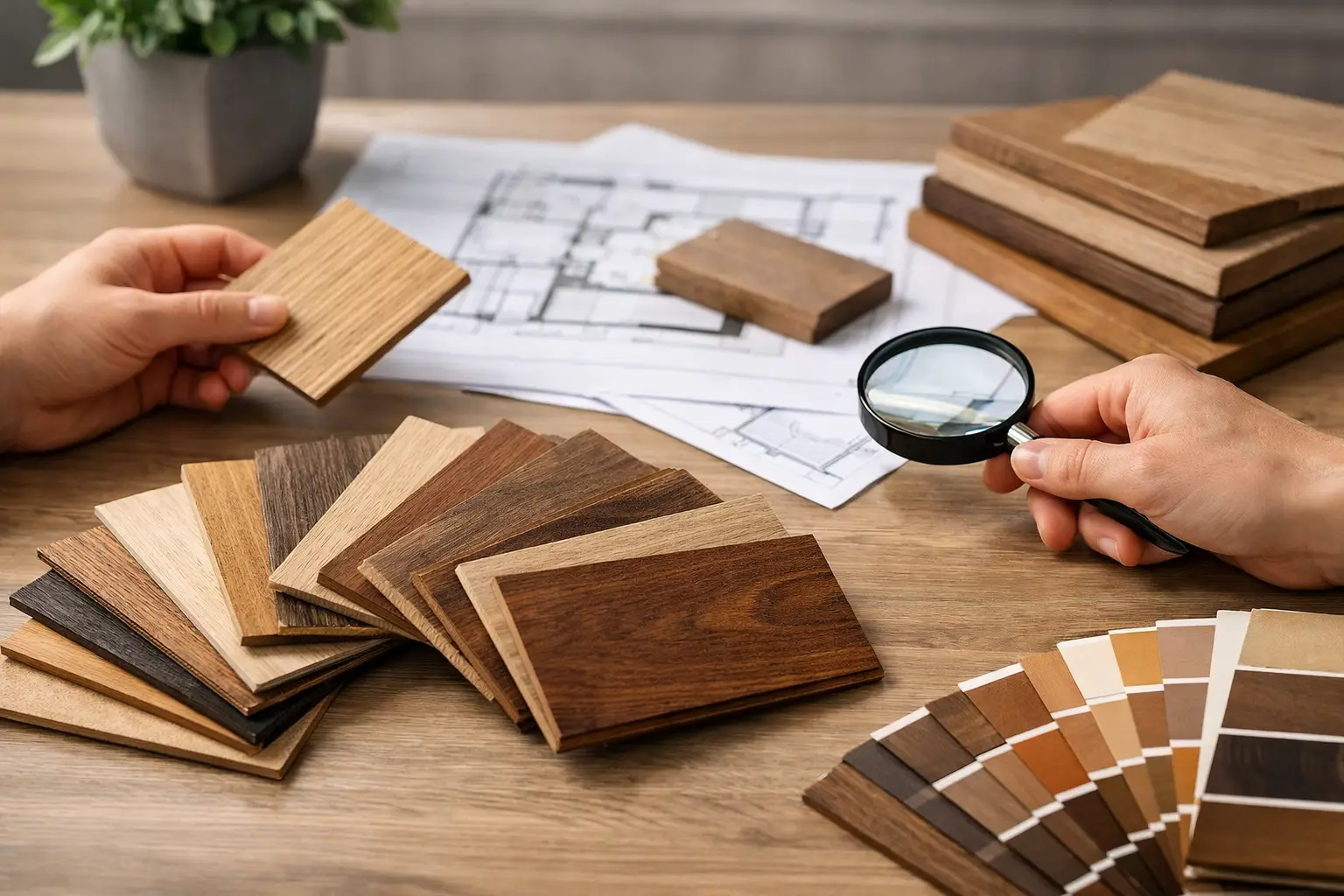
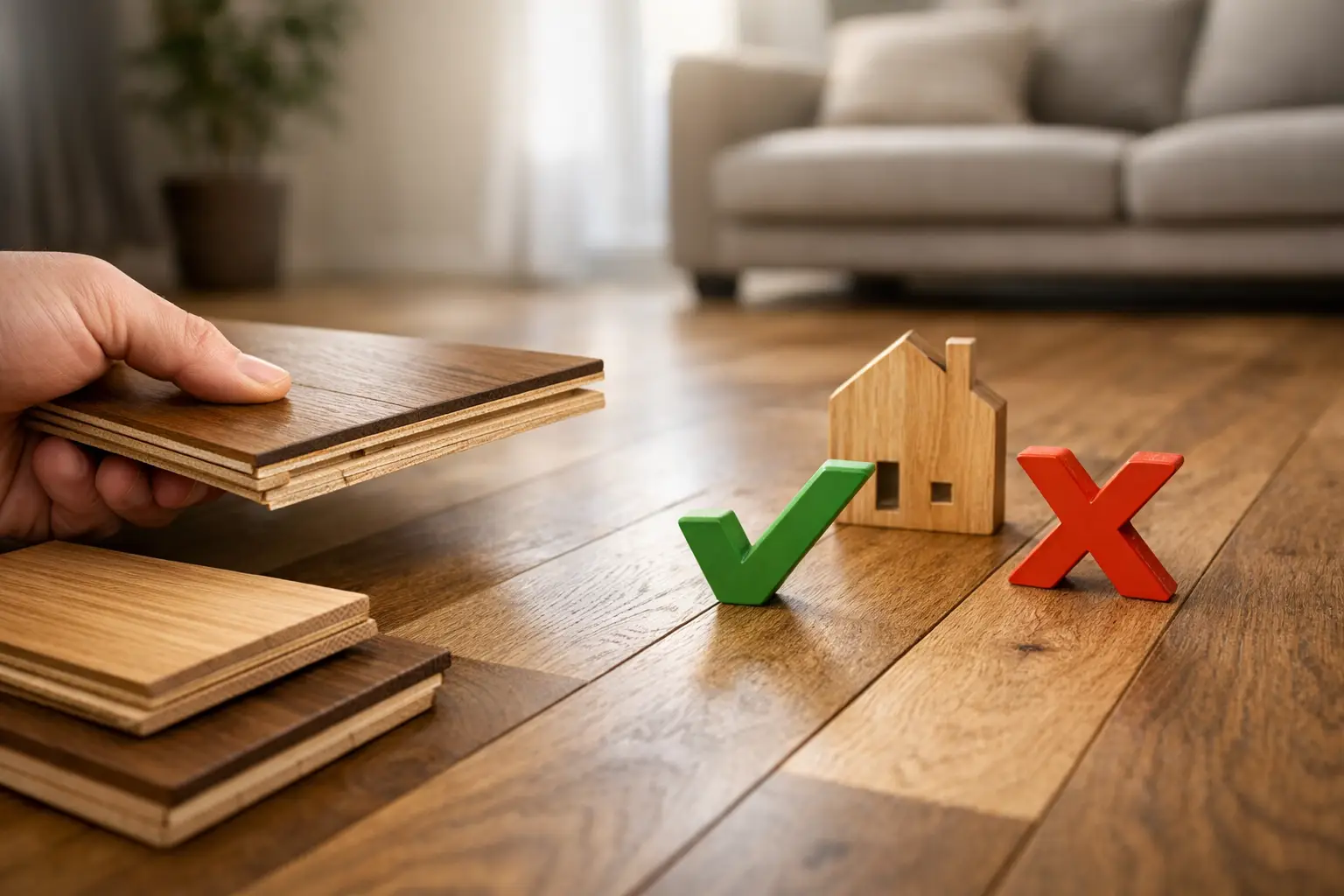
Before choosing any engineered hardwood flooring, ask about the board construction, the thickness of the wear layer, the coating system, and the recommended installation method. Ask what prep the subfloor needs and whether that has been allowed for in the quote.
You should also think about how the room is used. Do you have large dogs, heavy traffic, direct sunlight, or furniture that is moved regularly? Are you fitting out an apartment with body corporate acoustic requirements? Are you trying to match an existing staircase or create a herringbone feature in an entry? These details affect product selection.
For many clients, the best outcome comes from dealing with people who understand both the showroom side and the installation side. Former installers tend to spot issues earlier, explain trade-offs more clearly, and recommend products based on suitability rather than guesswork.
That practical approach is one reason engineered timber remains such a popular choice across Melbourne projects. It offers the finish people want, with fewer limitations than solid timber in many modern properties.
If you want a floor that looks premium, performs reliably, and suits the realities of Australian homes and commercial spaces, engineered hardwood flooring is often the smart middle ground – not the compromise, but the better fit.