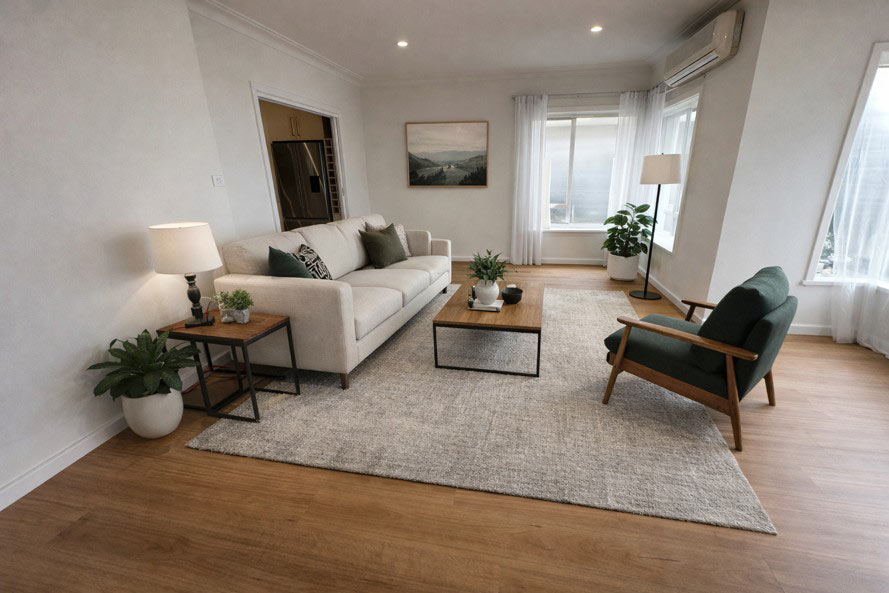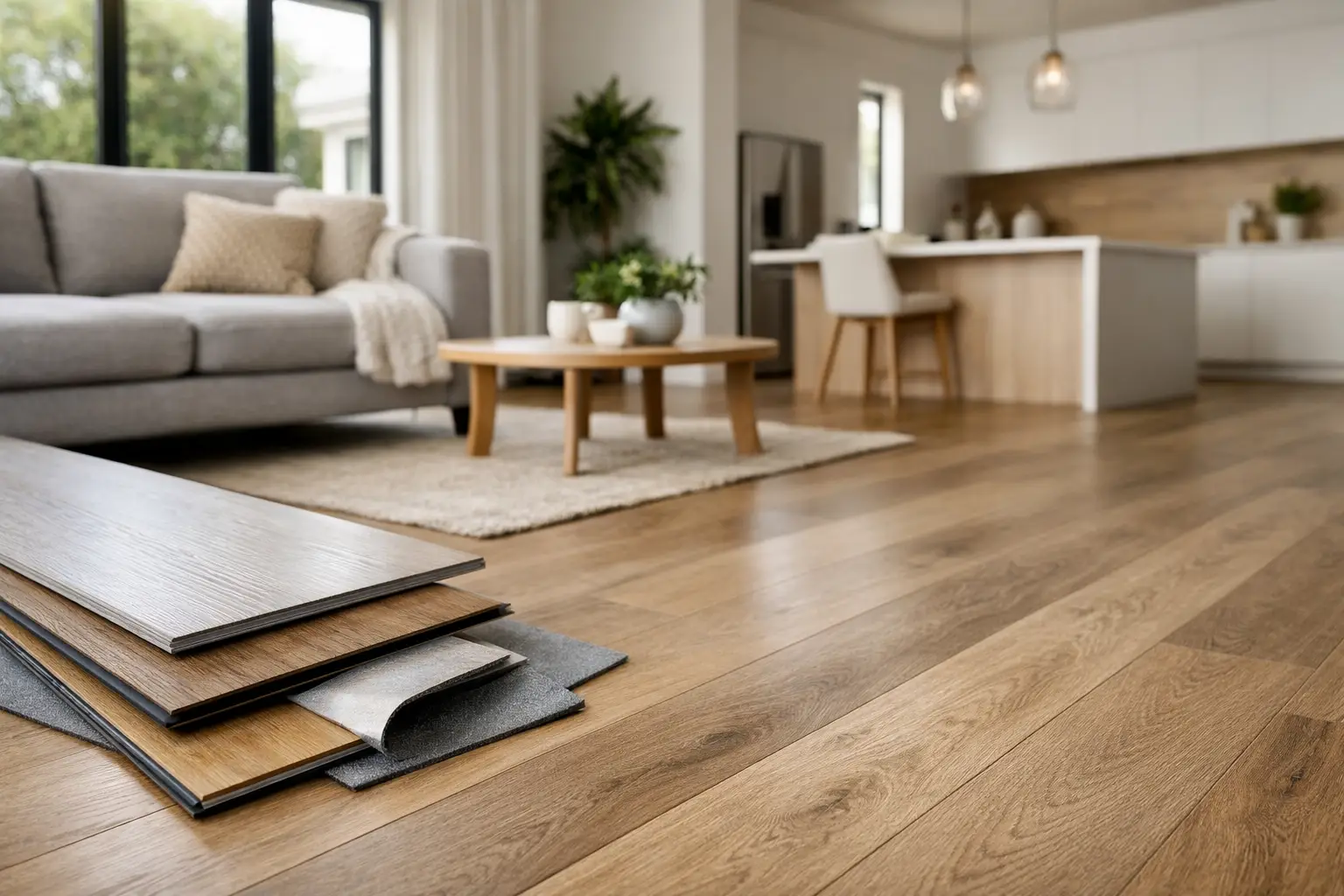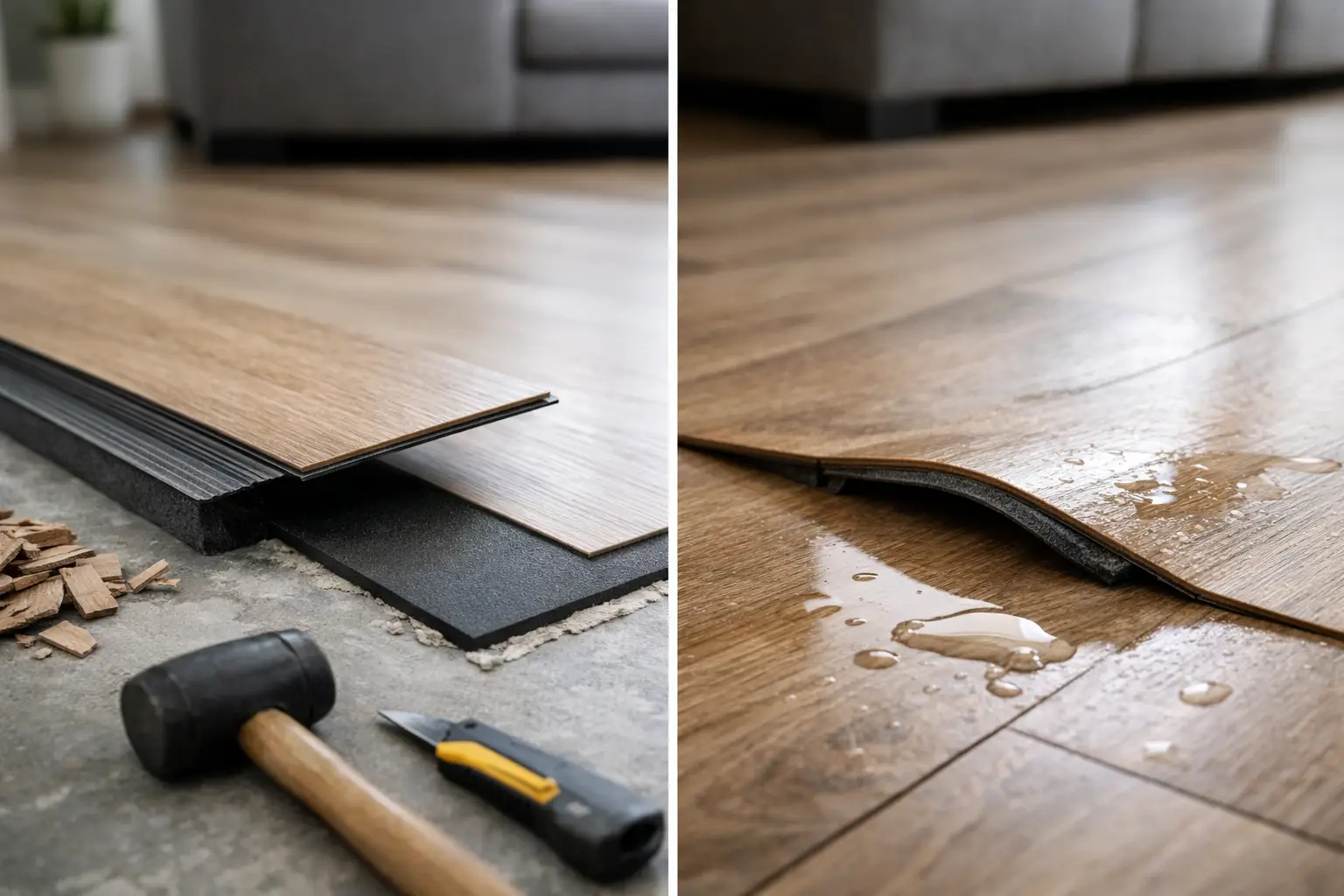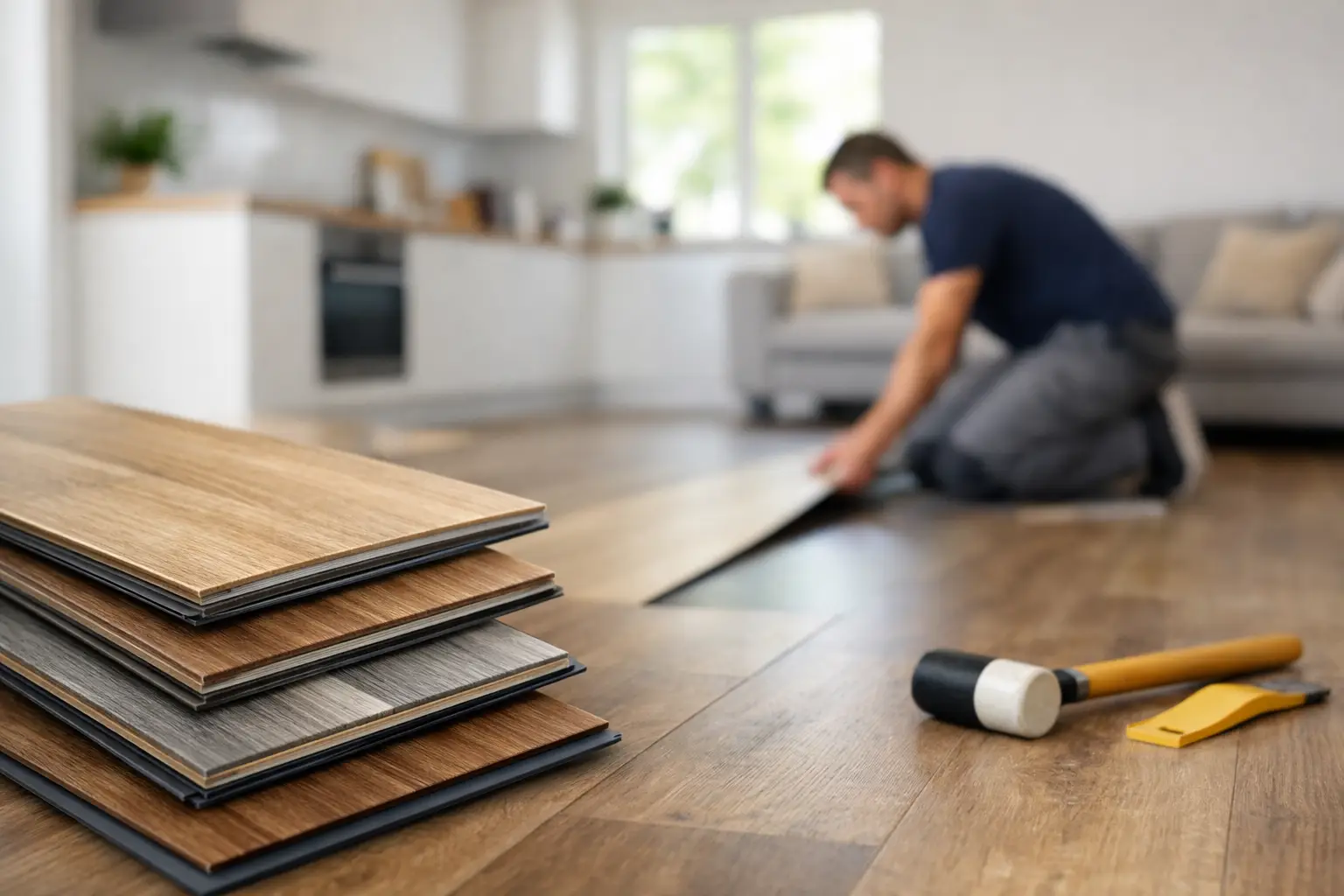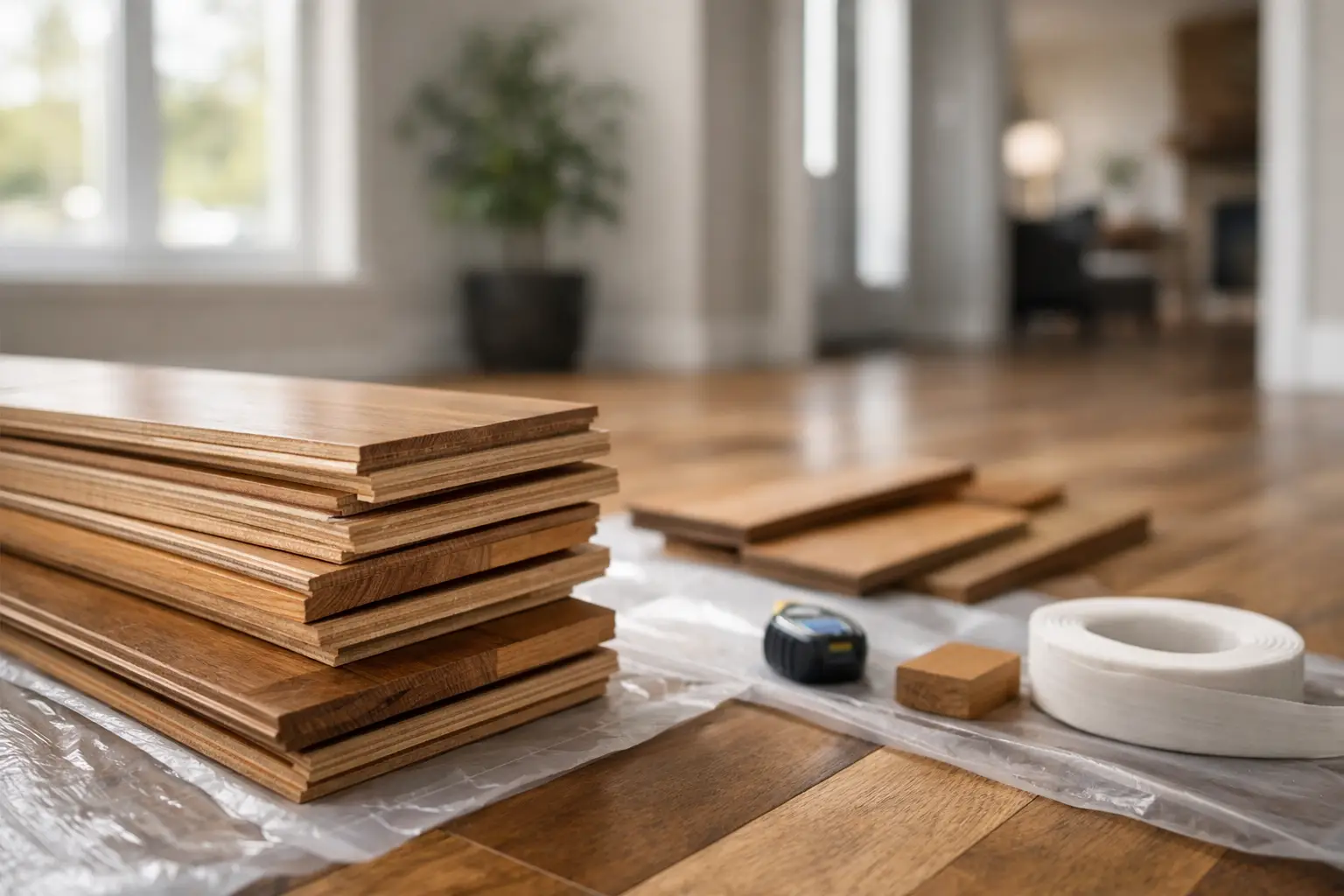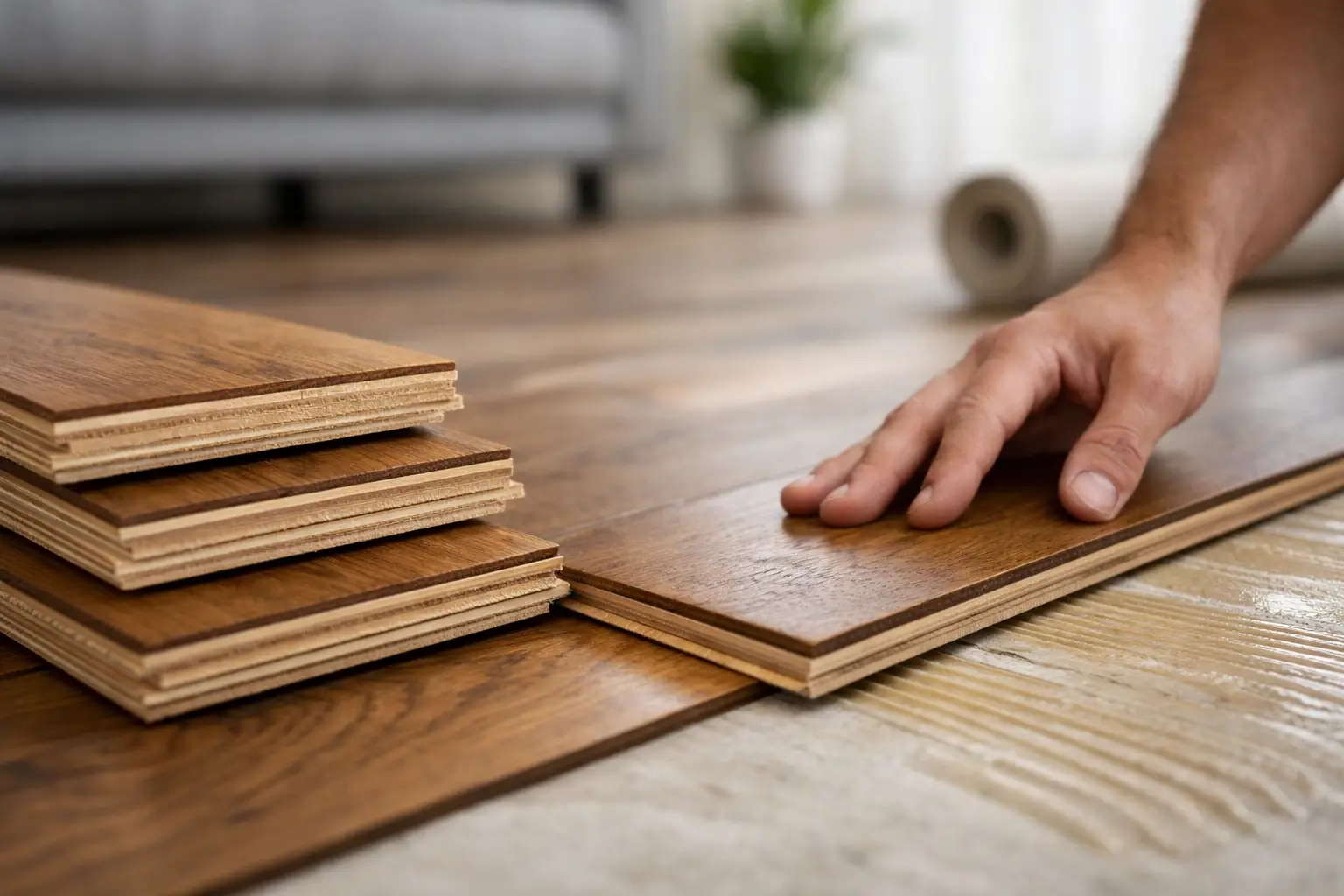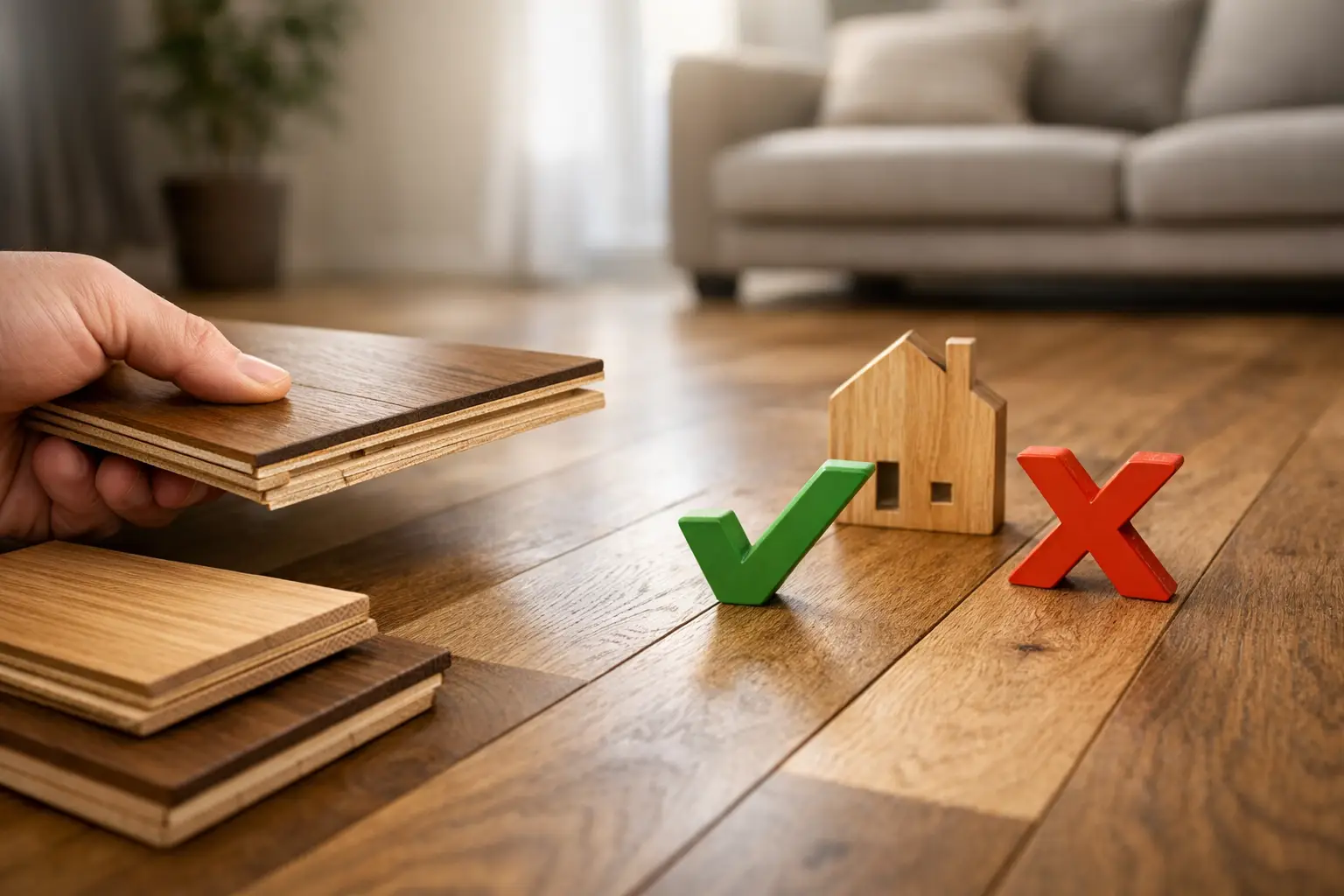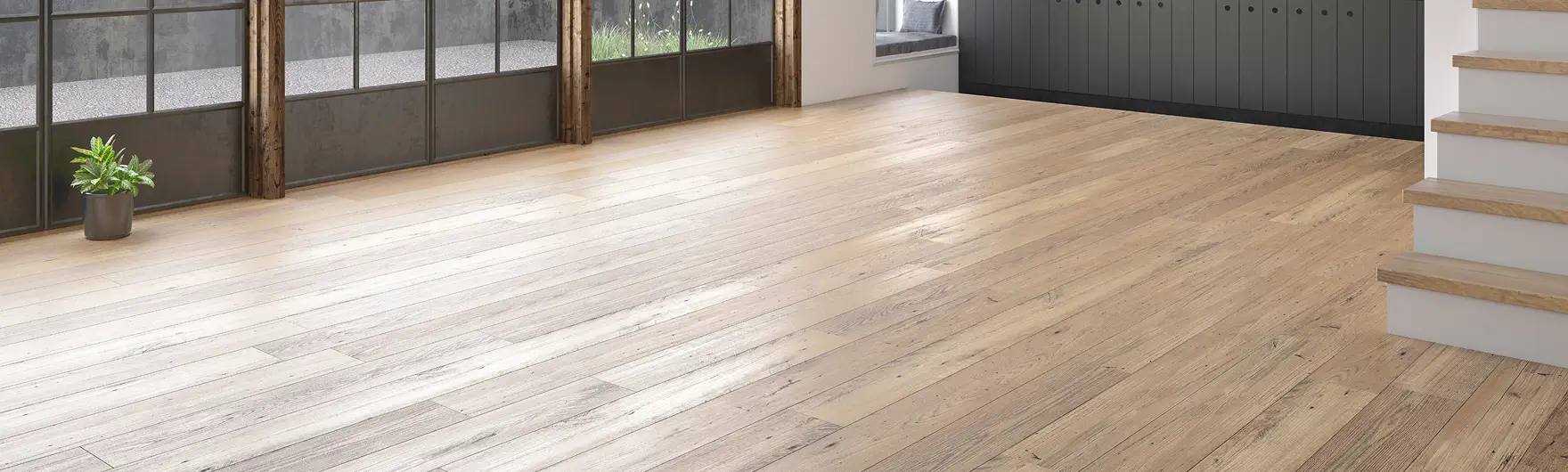
Timber flooring remains one of the most sought-after flooring choices for Melbourne homes because it combines natural beauty, long-lasting performance, and timeless appeal. At Melbourne QTF, quality craftsmanship and attention to detail are at the centre of every flooring project. Understanding the cost of timber flooring is an important first step before making a decision. This guide explains the key pricing factors, popular timber options, installation costs, and practical tips to help achieve outstanding results while making the most of any flooring budget.
Table of Contents
Key Takeaways
- Timber species influences the overall price.
- Installation costs vary by project complexity.
- Solid and engineered timber suit different needs.
- Proper maintenance extends the floor’s lifespan.
- Professional installation improves long-term value.
Why Timber Flooring Continues to Be Popular in Melbourne
Timber flooring has earned a strong reputation for its warmth, durability, and versatility. It complements traditional Victorian homes, modern apartments, and newly built residences alike. Unlike many flooring materials, timber develops character over time while maintaining its elegant appearance.
Melbourne’s changing climate also makes selecting the right flooring material important. Choosing suitable timber products and professional installation techniques helps improve stability throughout seasonal temperature and humidity changes. According to the Australian Building Codes Board, quality building materials and compliant installation contribute to better long-term performance in residential properties.
Factors That Affect Timber Flooring Costs
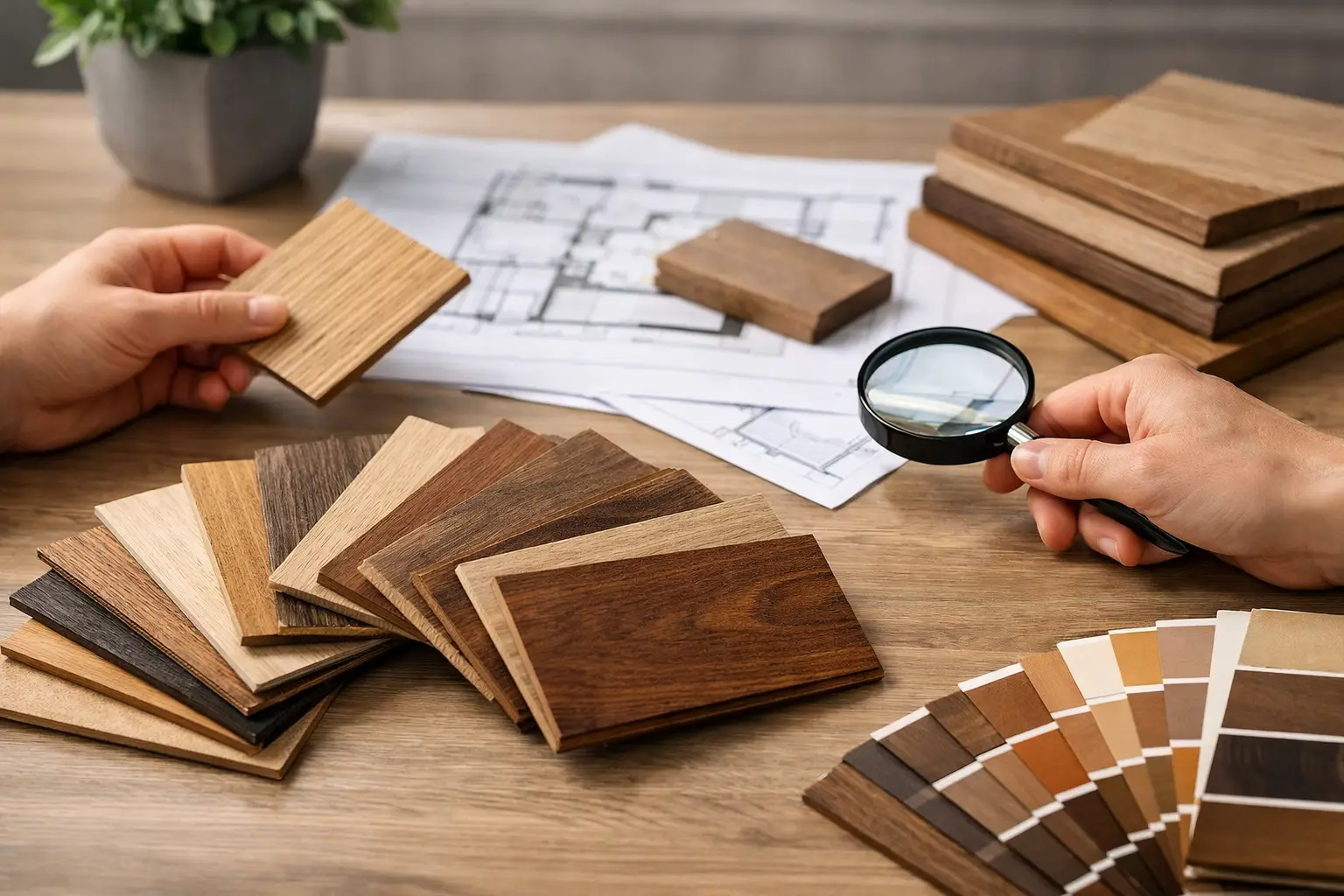
Type of Timber
- The timber species has the greatest impact on pricing.
- Popular Australian hardwoods such as Blackbutt, Spotted Gum, and Tasmanian Oak generally cost more than imported alternatives due to durability and appearance.
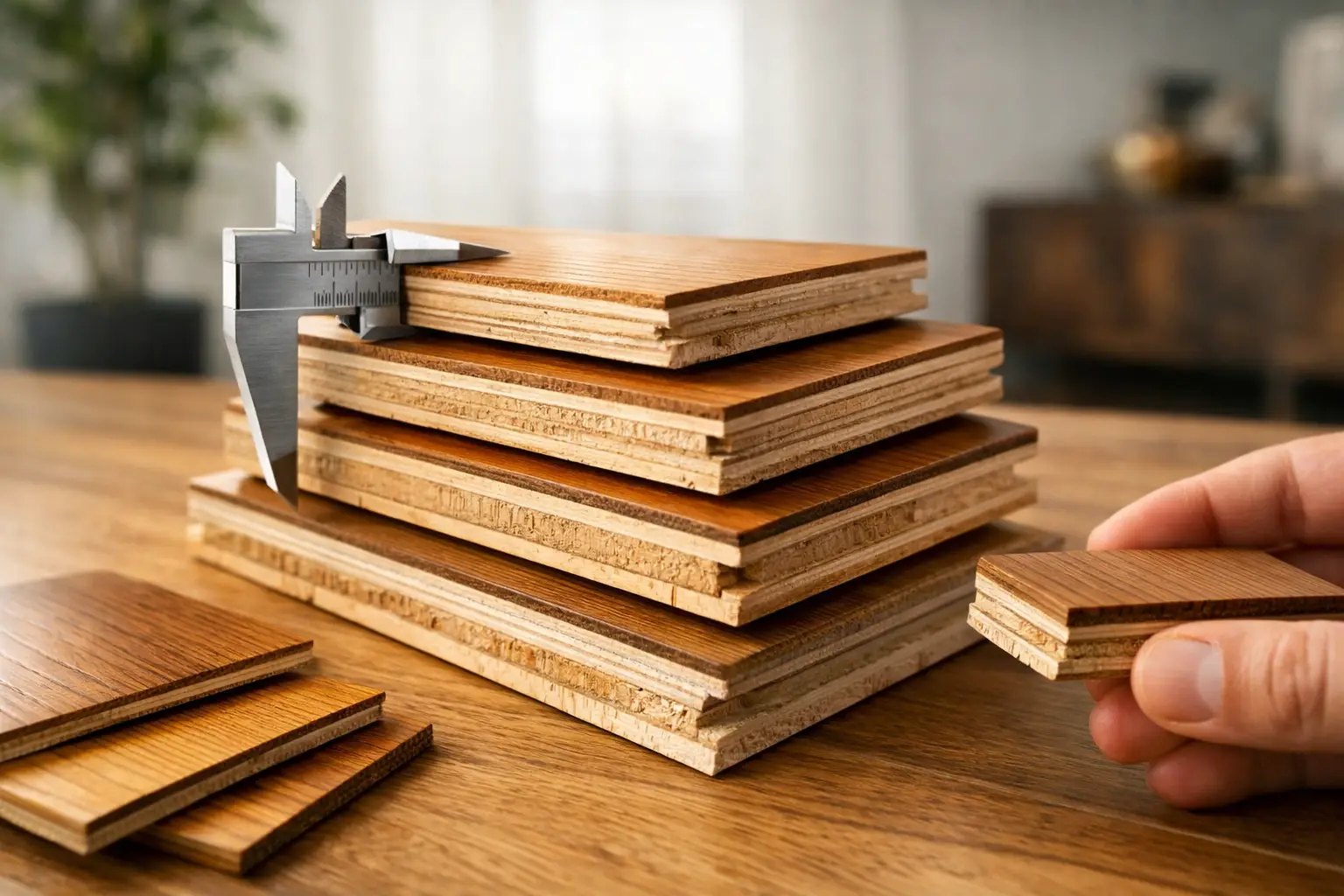
- Engineered timber offers a natural timber surface while providing greater dimensional stability, making it a popular choice for many Melbourne properties.
Room Size
Larger areas generally reduce the installation cost per square metre because labour becomes more efficient. Smaller rooms often involve more cutting, trimming, and detailed finishing.
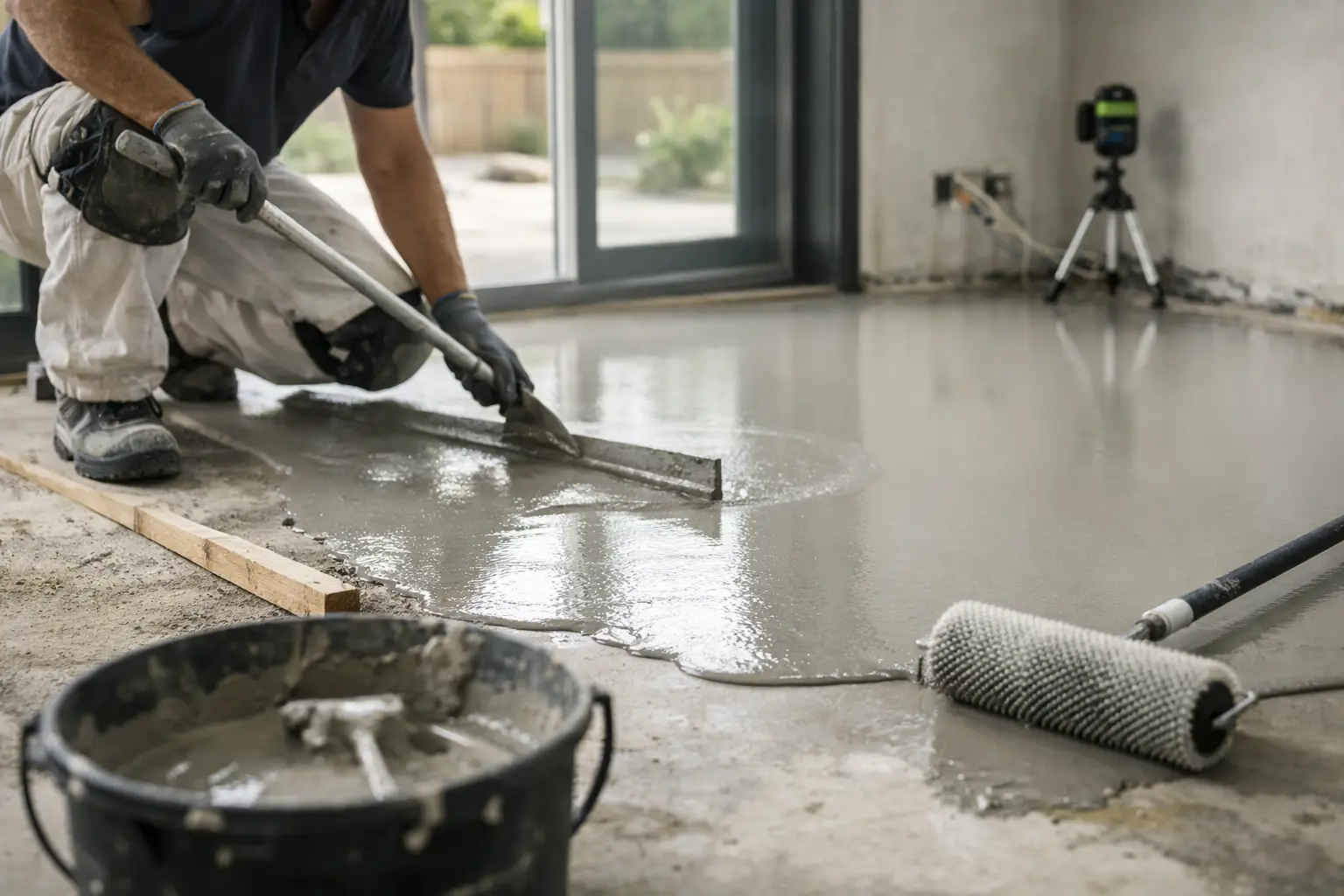
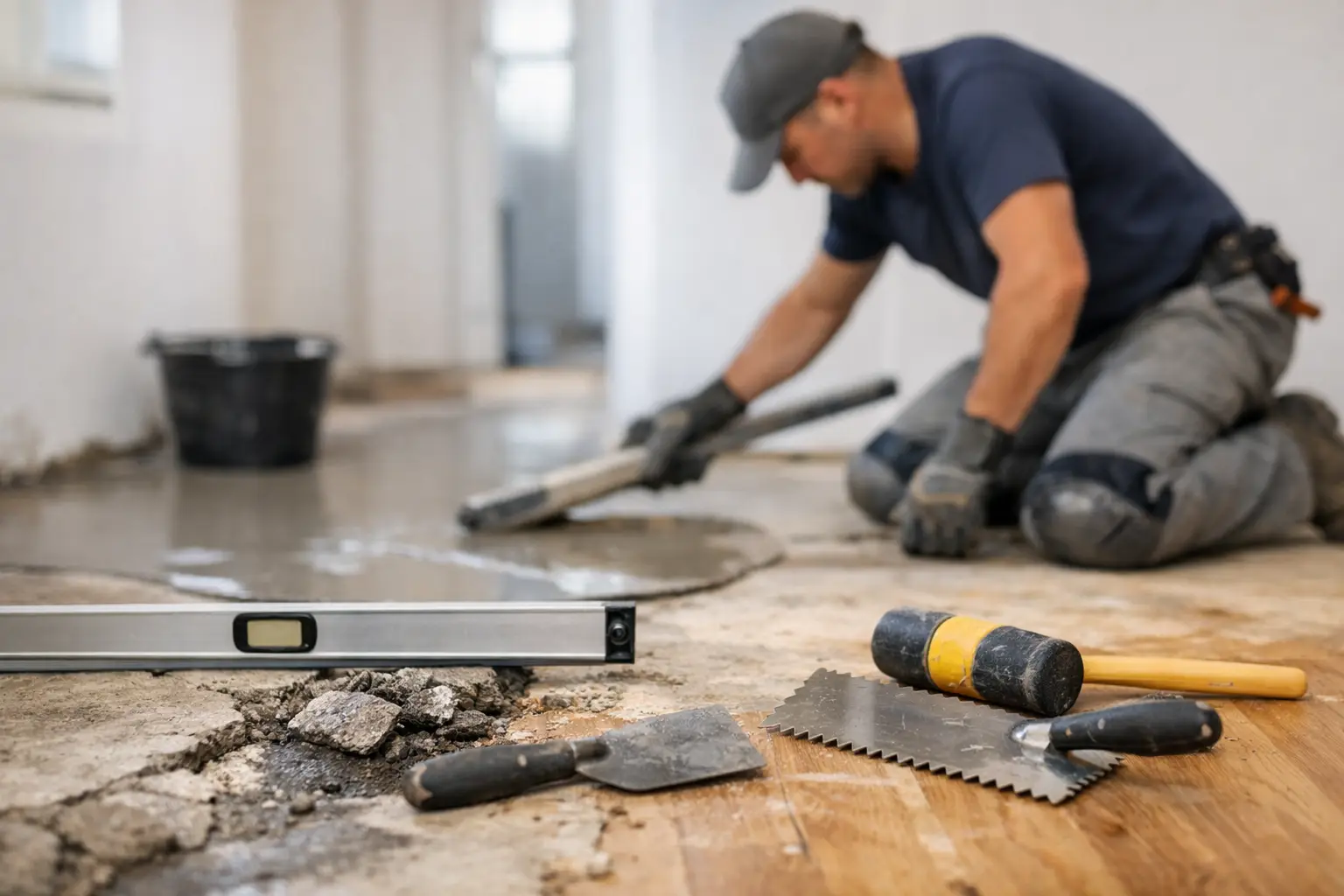
Existing Floor Preparation
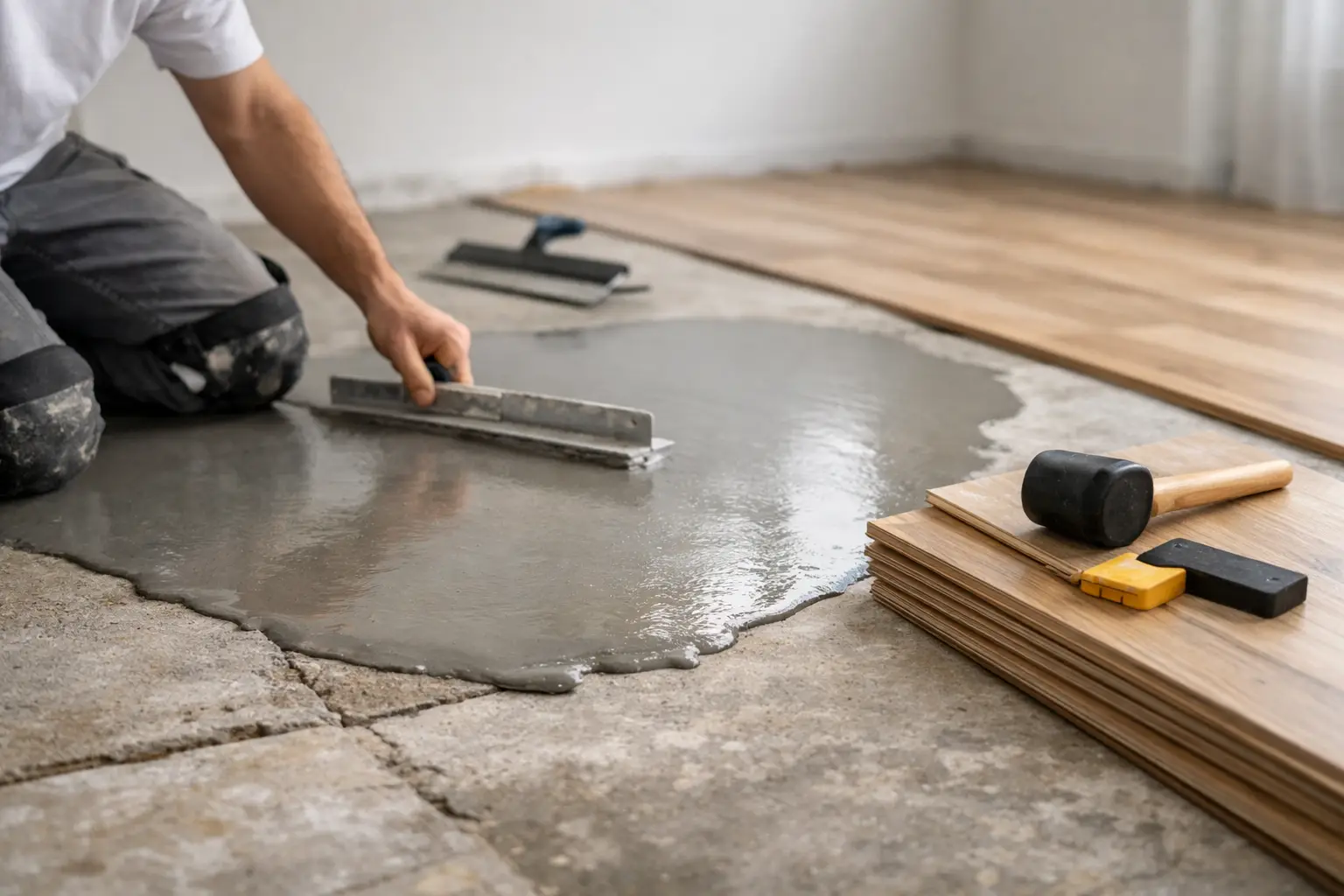
Older homes sometimes require additional preparation before installation begins.
Preparation may include:
- Removing existing flooring
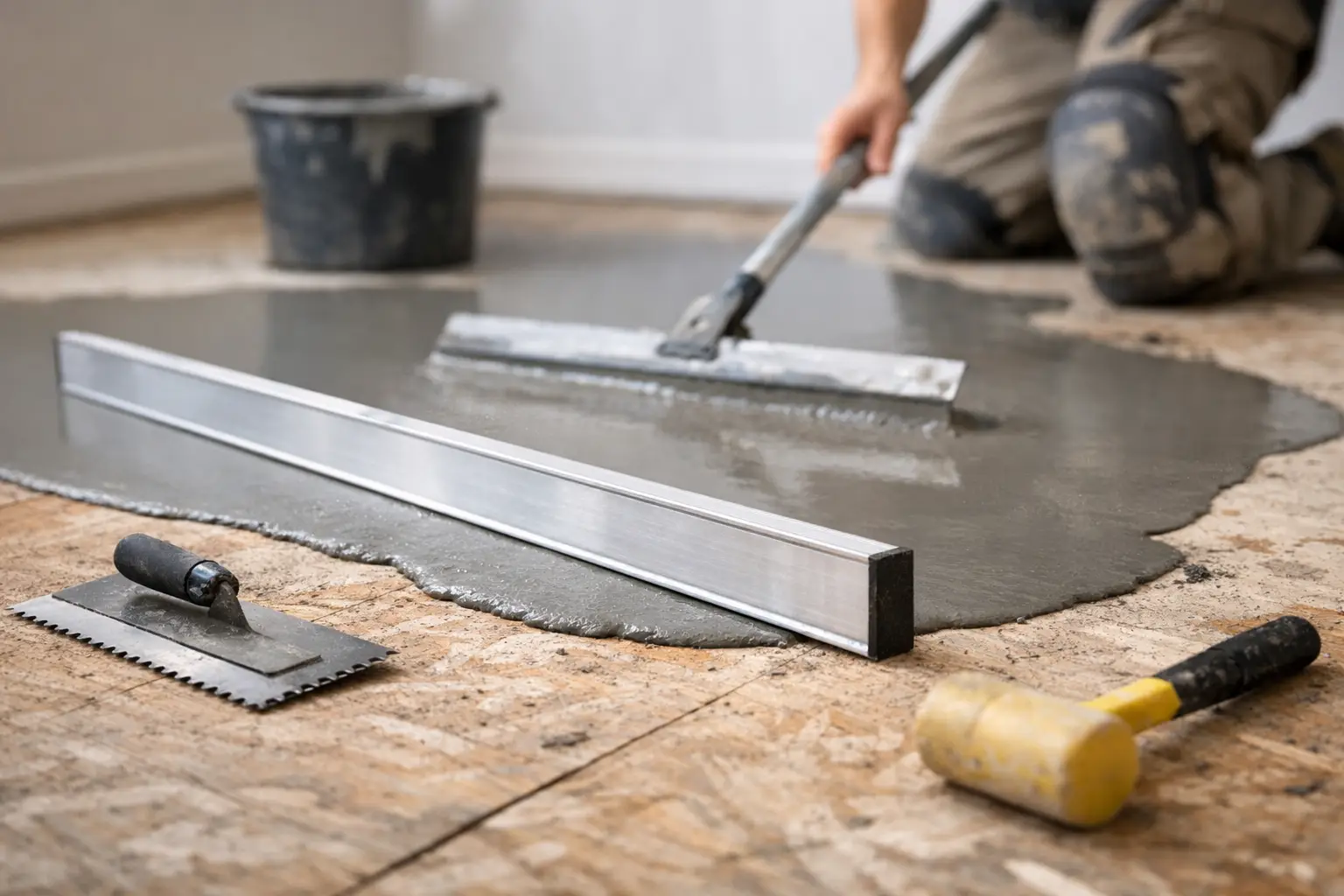
- Levelling uneven subfloors
- Moisture testing
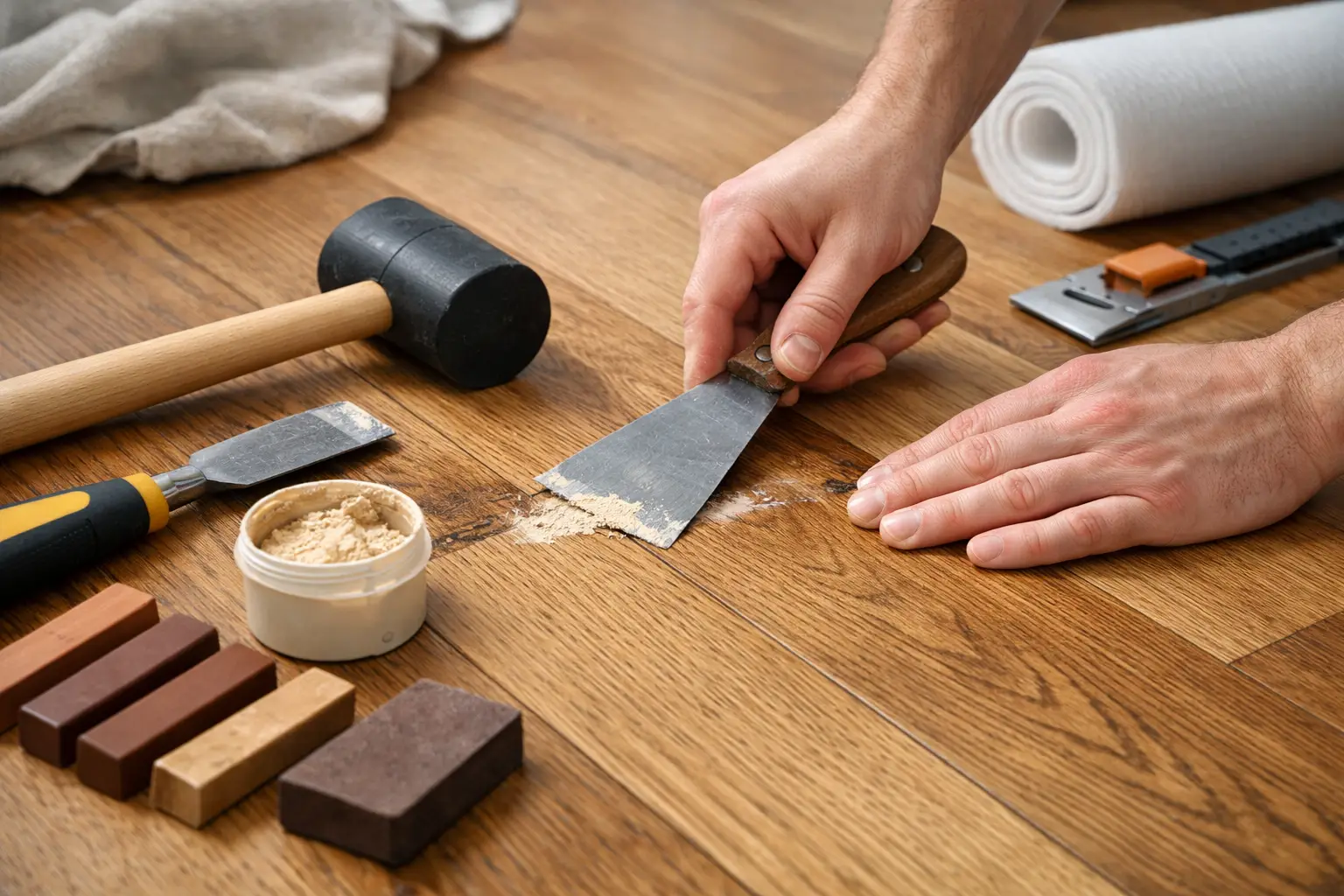
- Repairing damaged surfaces
These tasks increase labour time but help create a stronger foundation for the new floor.
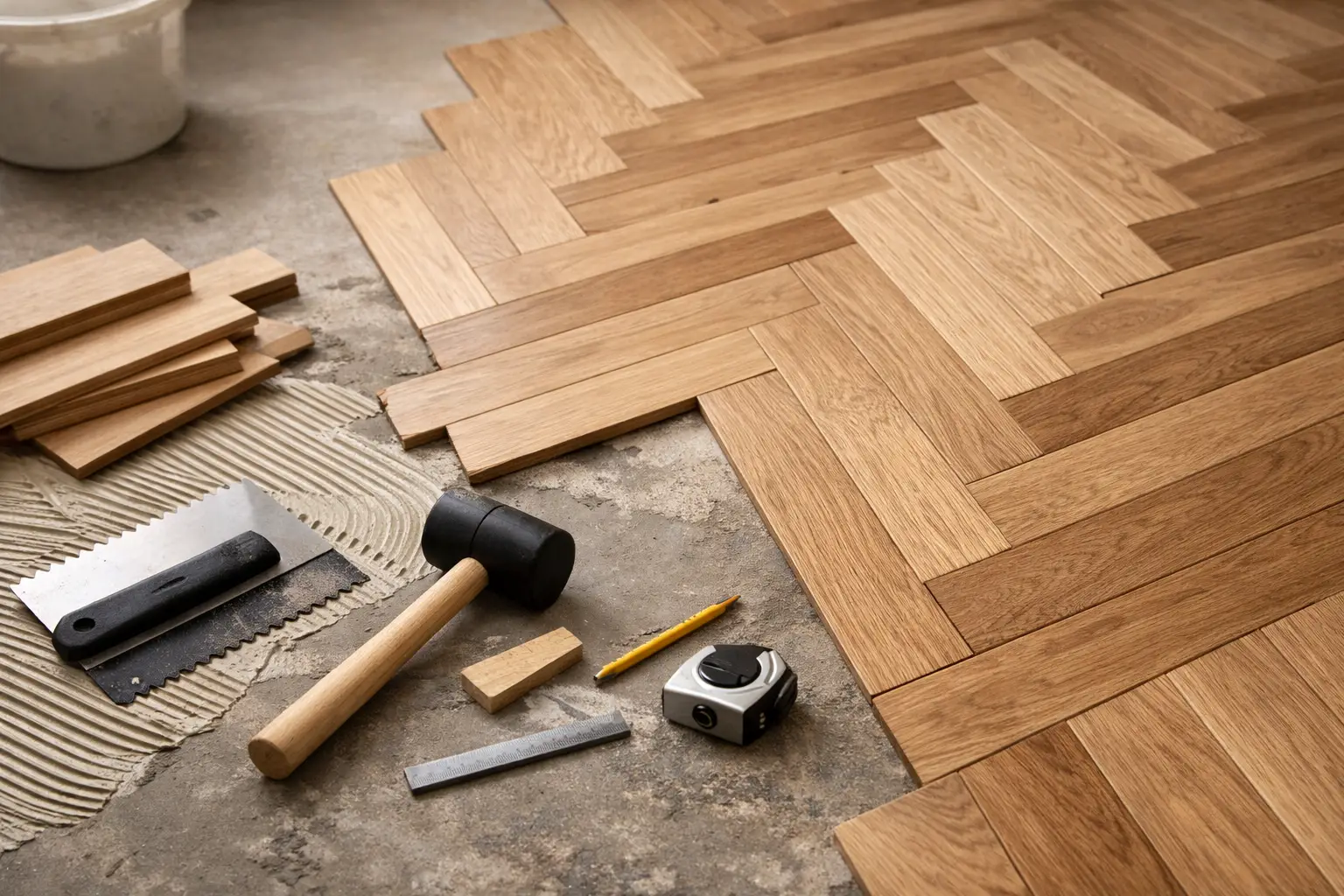
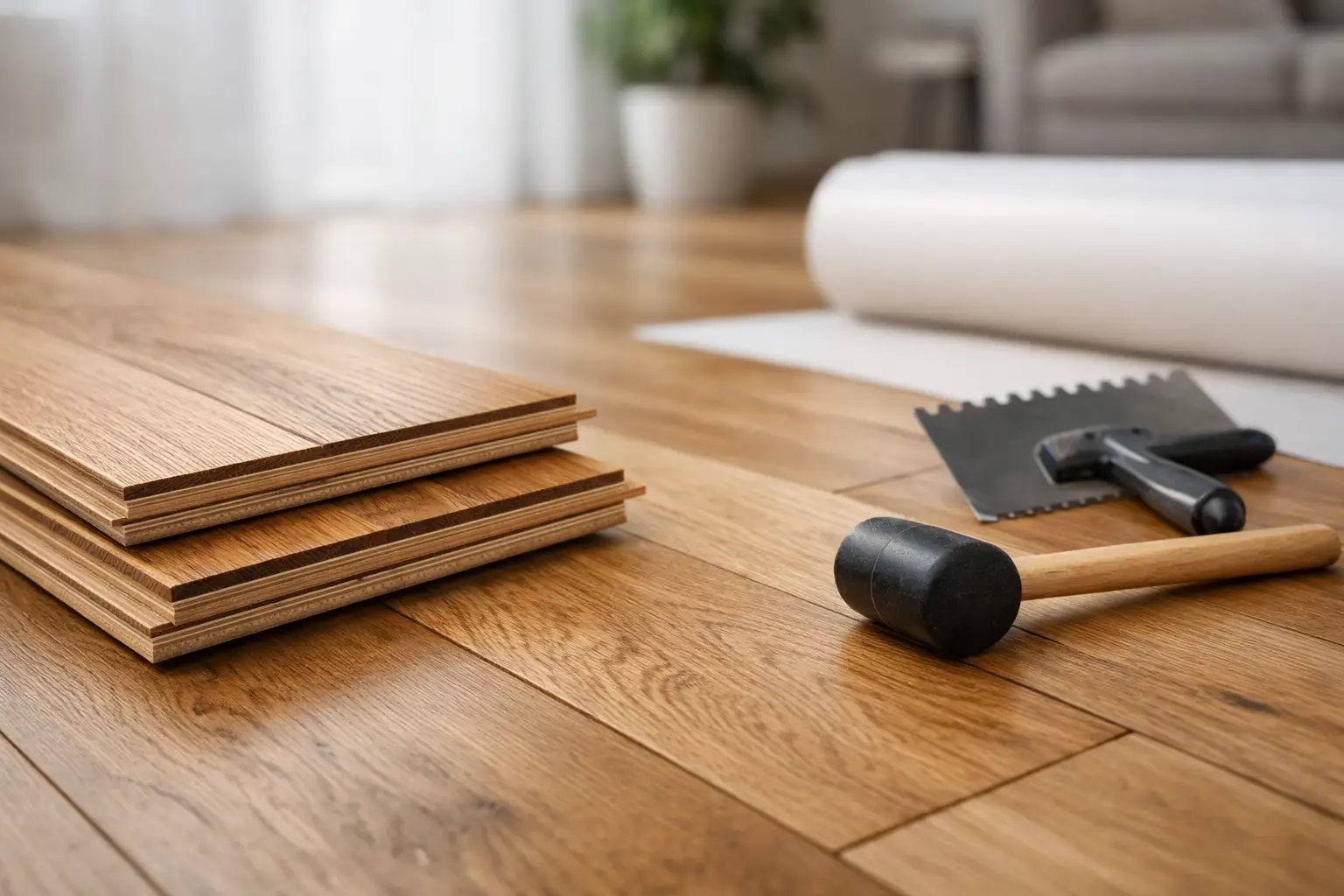
Installation Method
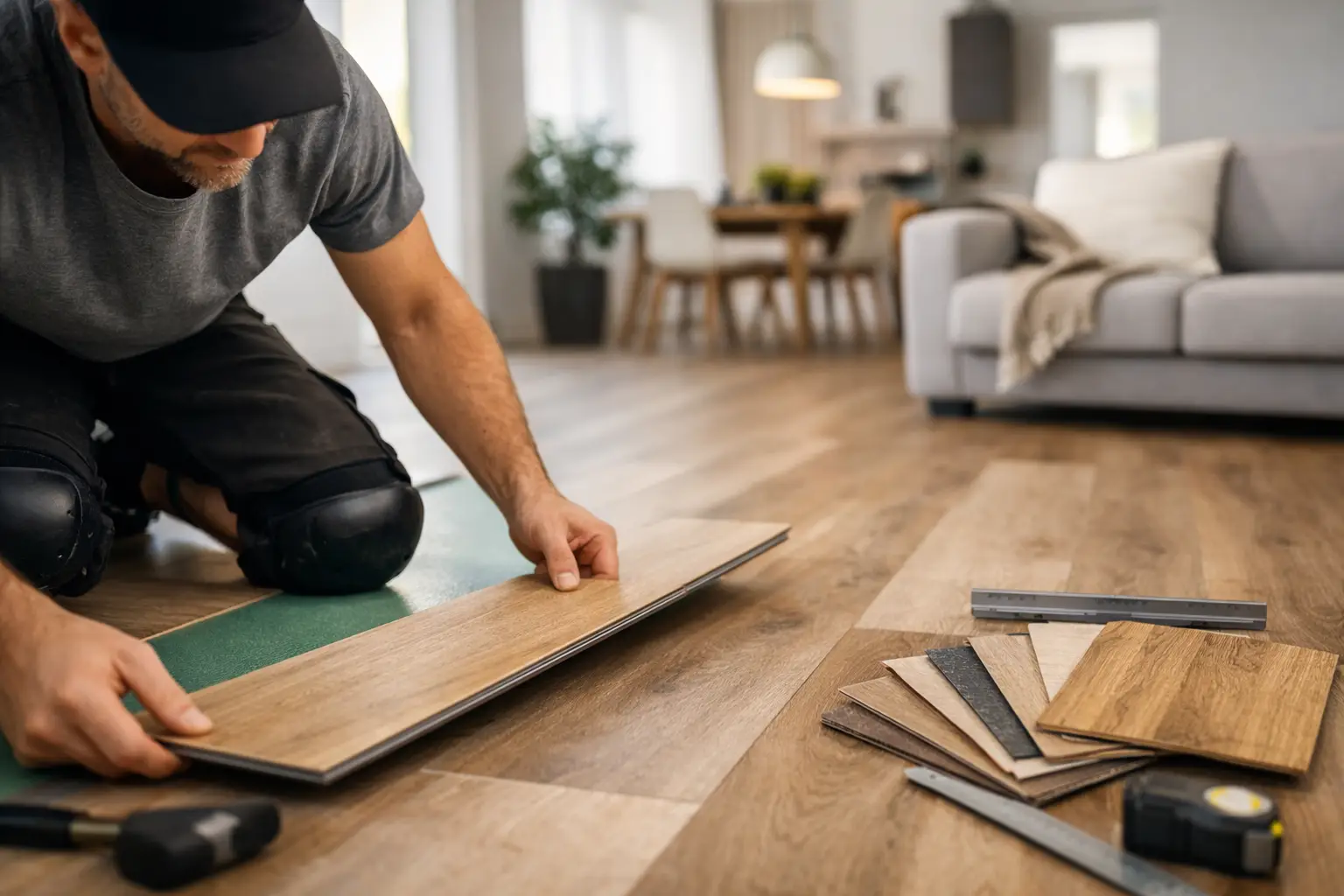
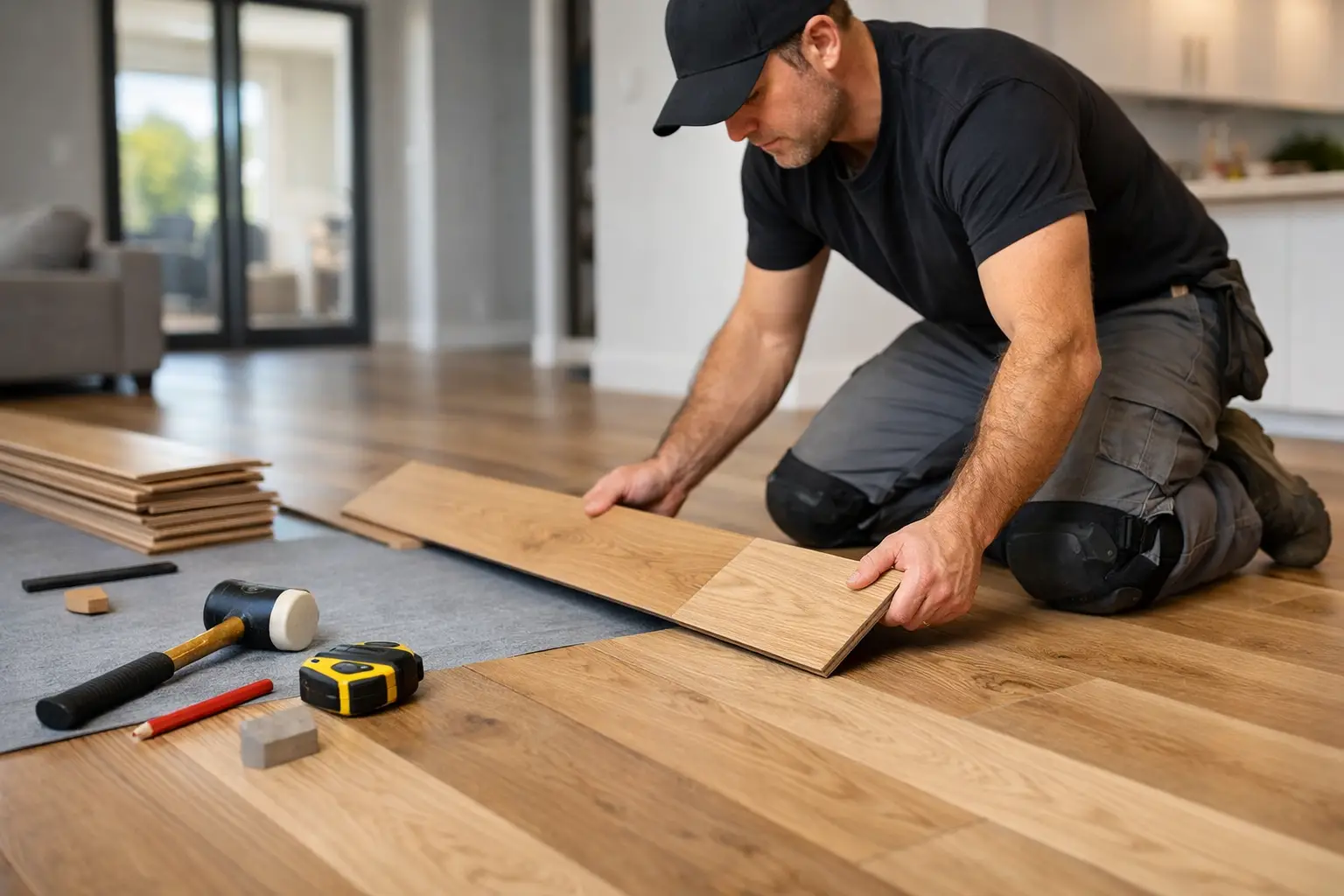
Installation costs depend on the selected method.
Common installation methods include:
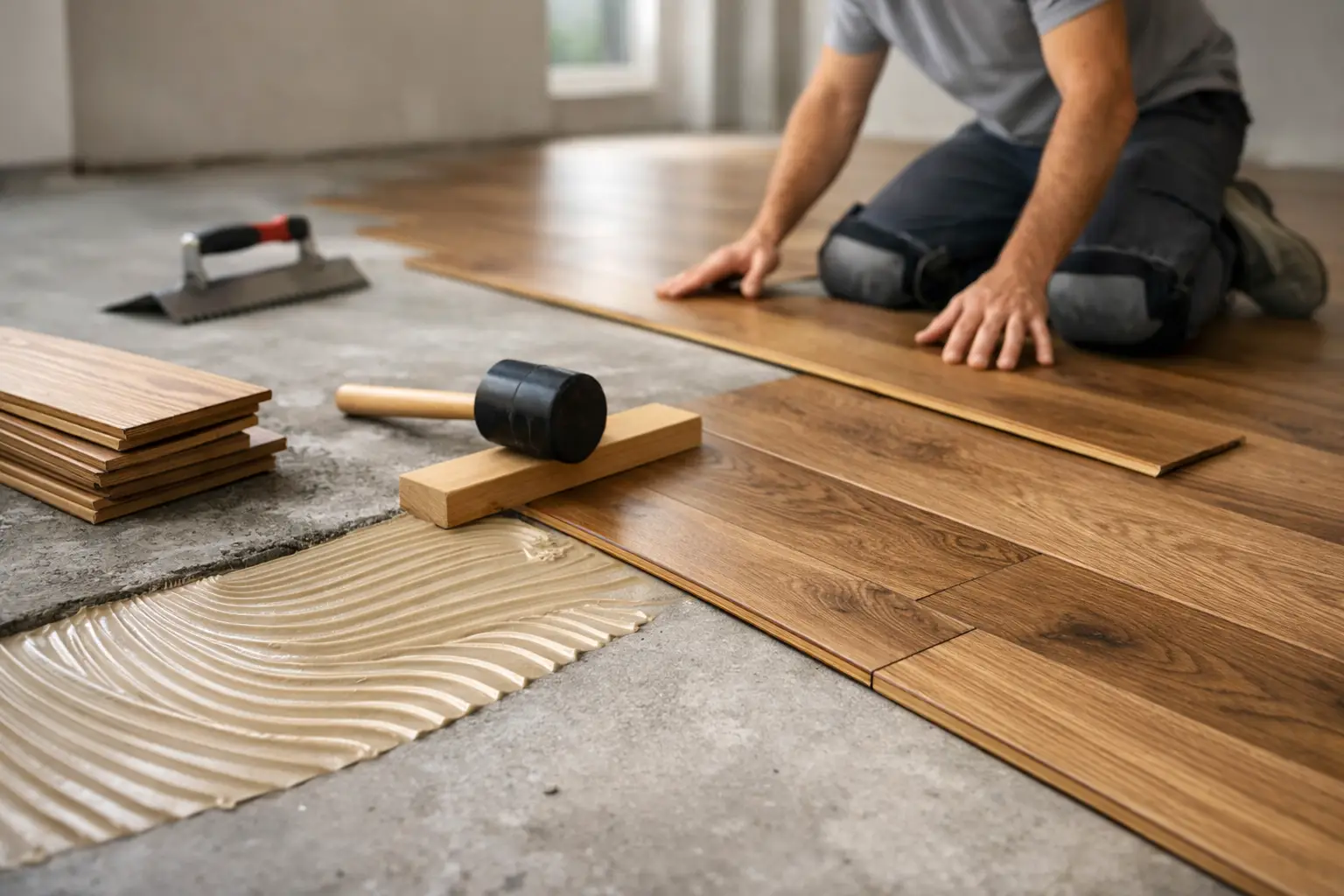
- Glue-down installation
- Nail-down installation
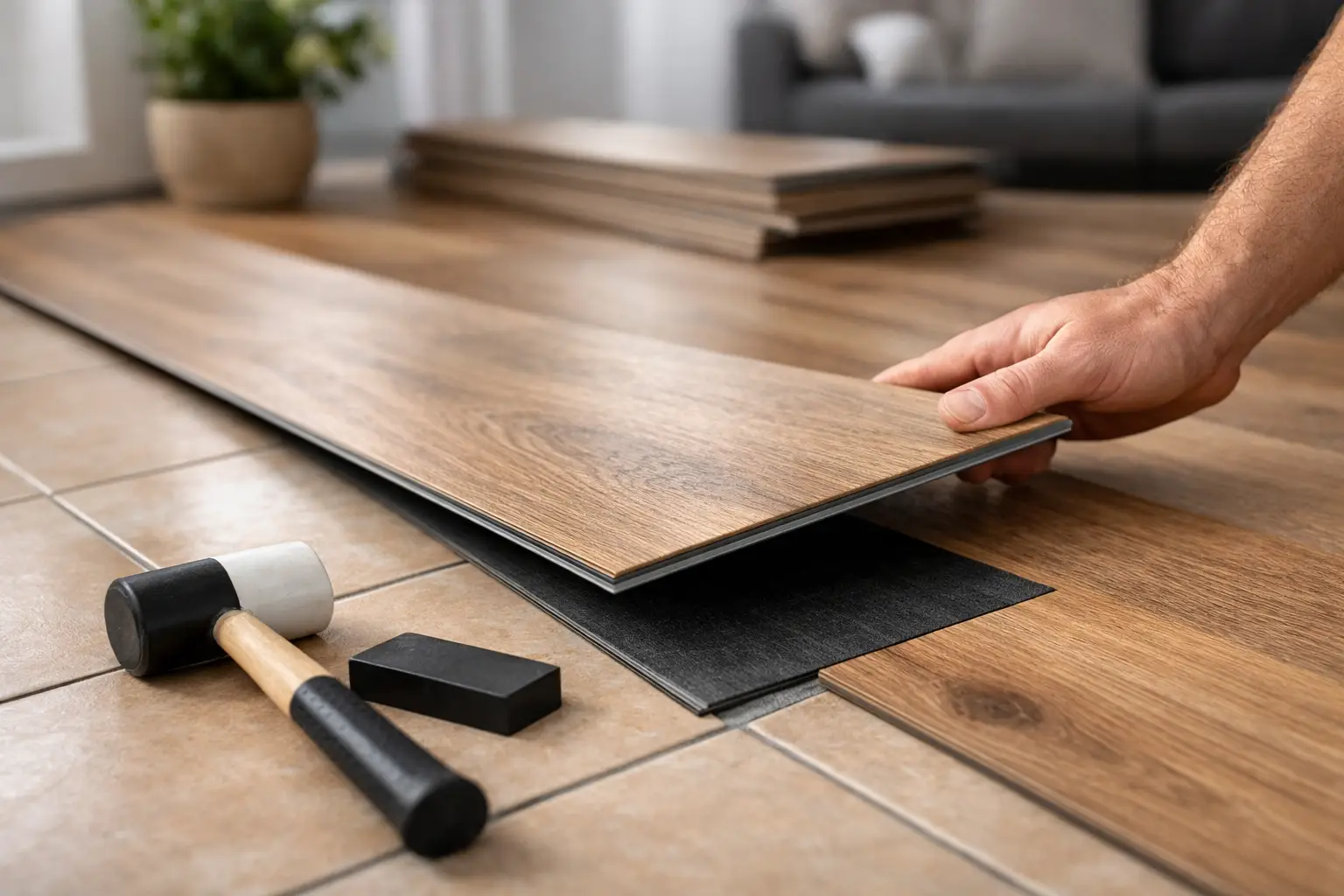
- Floating floor installation
Each option offers different advantages depending on the property and flooring product.
Finishing Requirements
Some timber flooring arrives pre-finished, while unfinished solid timber requires sanding, staining, and protective coating after installation.
Additional finishing increases labour but allows greater customisation of colour and sheen.
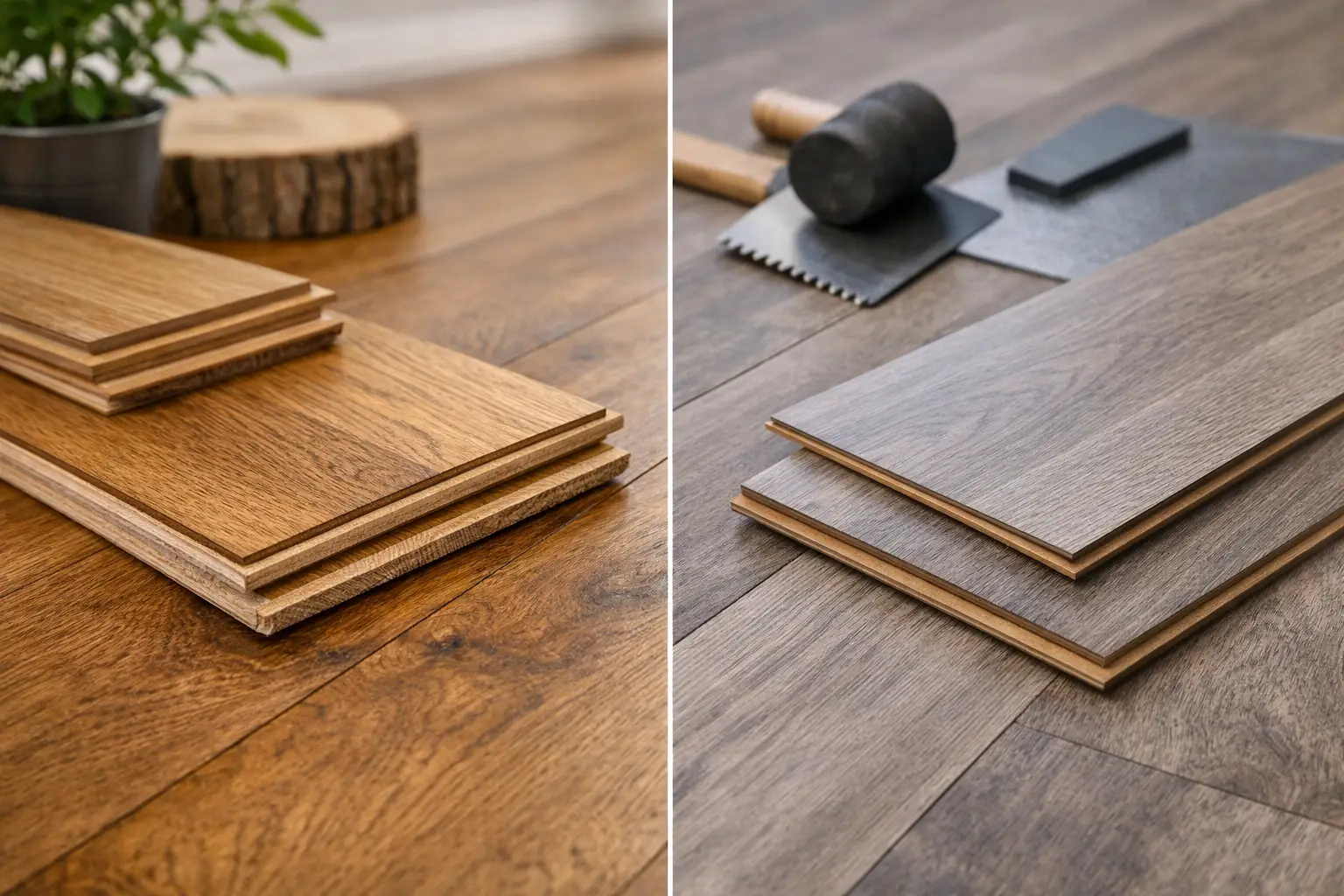
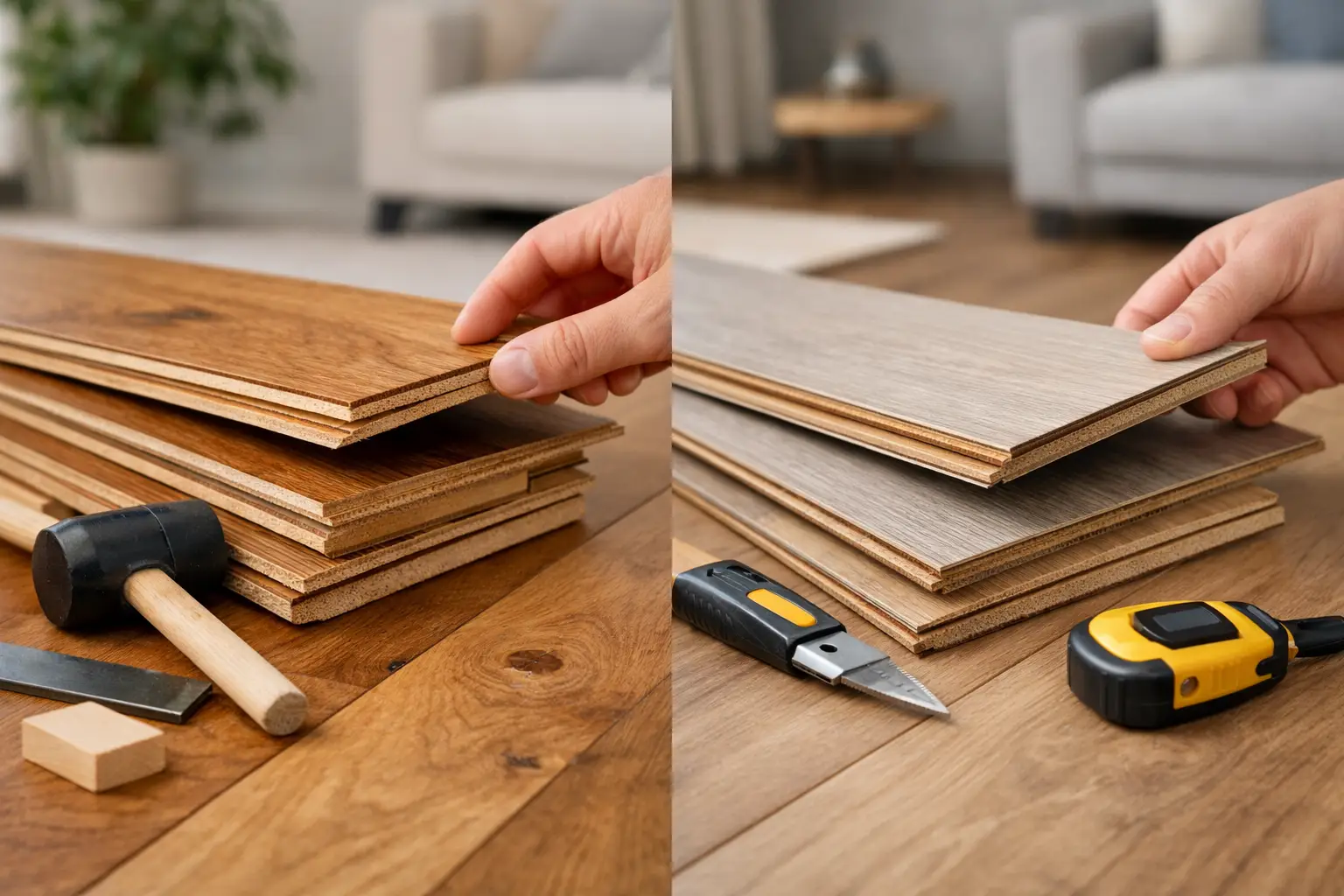
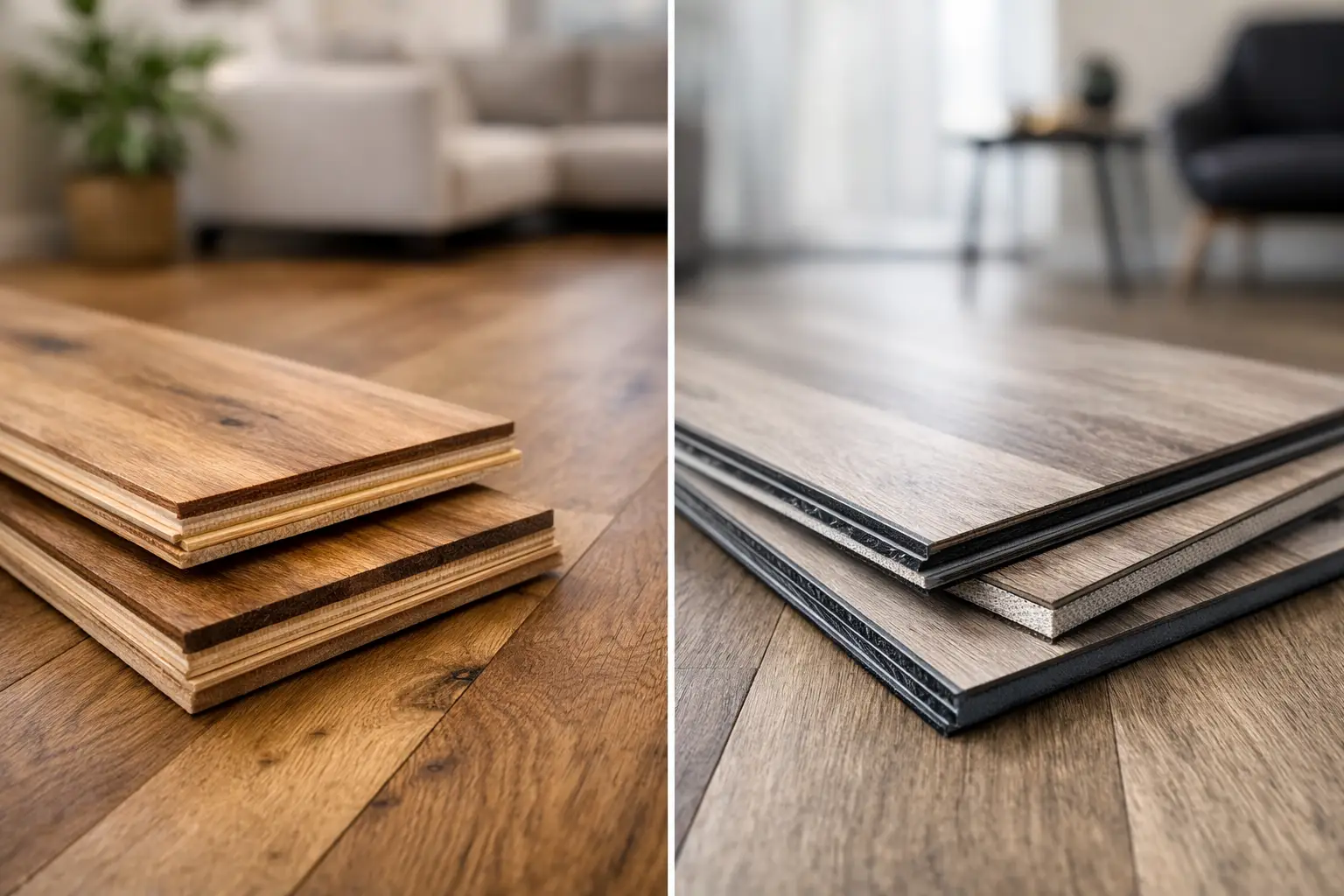
Solid Timber vs Engineered Timber
Choosing between solid and engineered timber often comes down to budget, lifestyle, and property requirements.
Solid Timber Flooring
Advantages include:
- Exceptional lifespan
- Can be sanded and refinished multiple times
- Premium natural appearance
- Excellent long-term investment
Potential considerations include:
- Higher upfront cost
- Longer installation process
- Greater sensitivity to moisture
Engineered Timber Flooring
Benefits include:
- More affordable installation
- Better dimensional stability
- Faster installation
- Suitable for many modern homes
Both flooring options provide excellent visual appeal when installed correctly.
Additional Costs to Consider
Flooring quotations may include more than simply supplying timber boards.
Additional expenses can include:
- Furniture removal
- Old flooring disposal
- Staircase installation
- Acoustic underlay
- Moisture barriers
- Floor trims and skirting
- Custom borders or patterns
Understanding these items before work begins helps avoid unexpected costs.
Is Timber Flooring Worth the Investment?
Many property owners view timber flooring as a long-term investment rather than a short-term expense.
Timber floors offer several lasting benefits:
- Attractive appearance
- Strong durability
- Easier cleaning
- Better indoor air quality compared with some carpeted surfaces
- Potential to increase property appeal during resale
Regular maintenance and professional installation contribute significantly to the lifespan of timber flooring. According to the National Construction Code, selecting suitable building products and following proper installation standards contribute to better building performance and safety.
Tips for Getting the Best Value
Selecting flooring based only on the lowest quote rarely delivers the best outcome.
Instead, consider:
- Compare flooring materials carefully.
- Request a detailed written quotation.
- Confirm installation experience.
- Understand warranty coverage.
- Choose timber suited to Melbourne’s climate.
- Invest in professional installation for lasting performance.
Quality workmanship often reduces future repair and maintenance costs.
Choosing the Right Timber Flooring for Your Property
Every property has different flooring requirements. Lifestyle, interior design, foot traffic, and maintenance expectations all play a role in selecting the most suitable option.
For example:
- Engineered timber is an excellent choice for apartments and contemporary homes because of its stability.
- Solid hardwood suits homeowners looking for a premium finish with exceptional longevity.
- Australian hardwood species provide natural character and are well suited to local conditions.
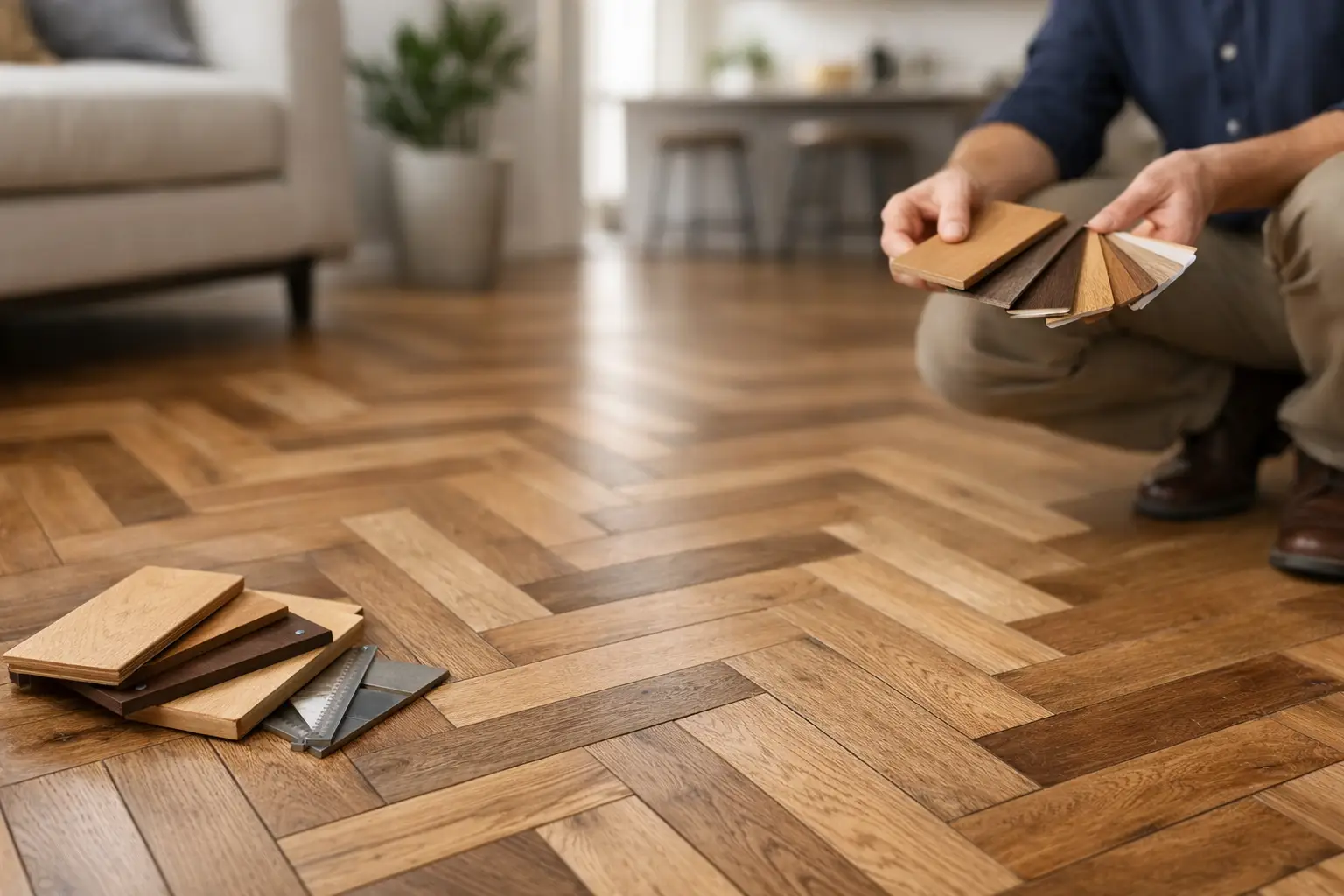
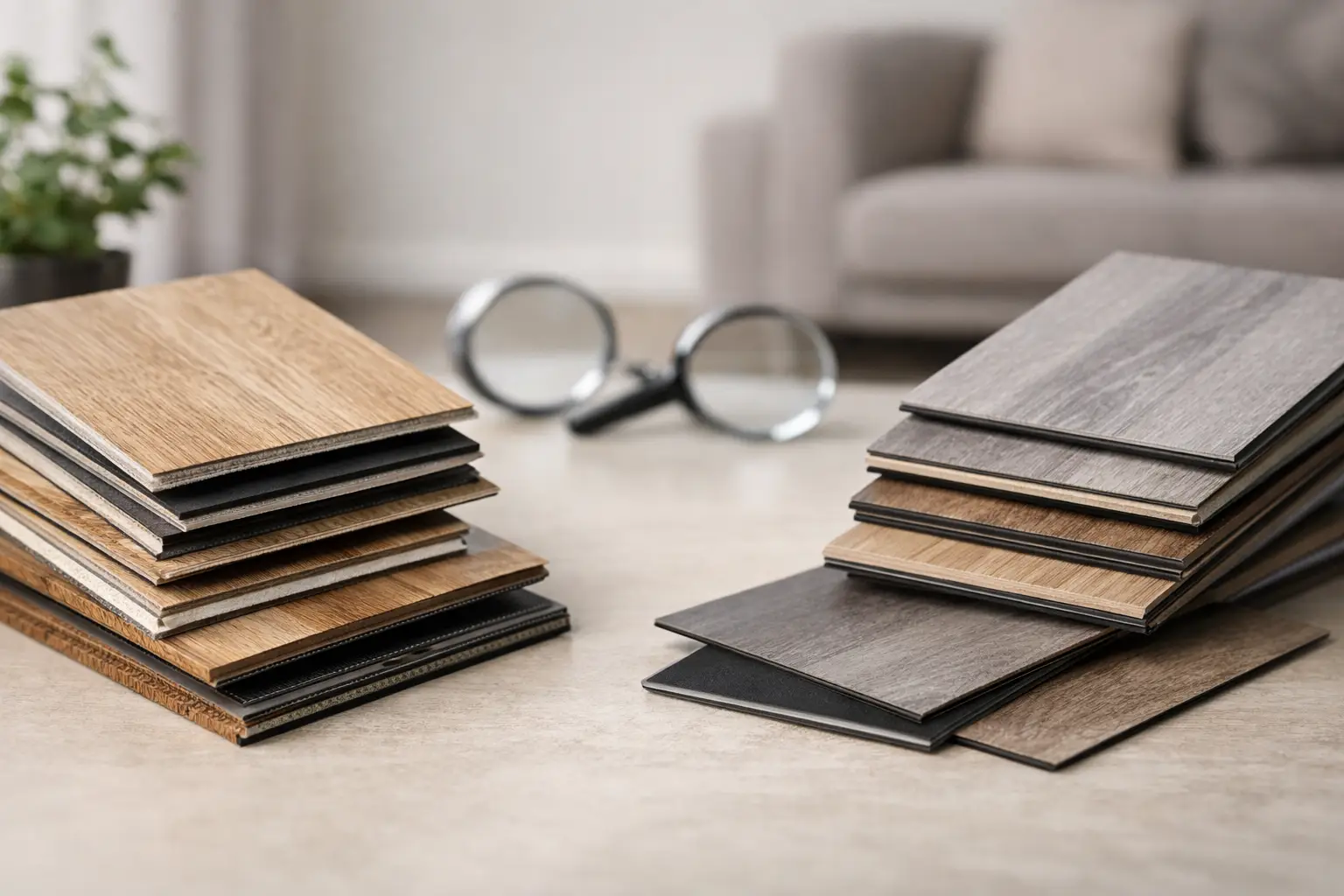
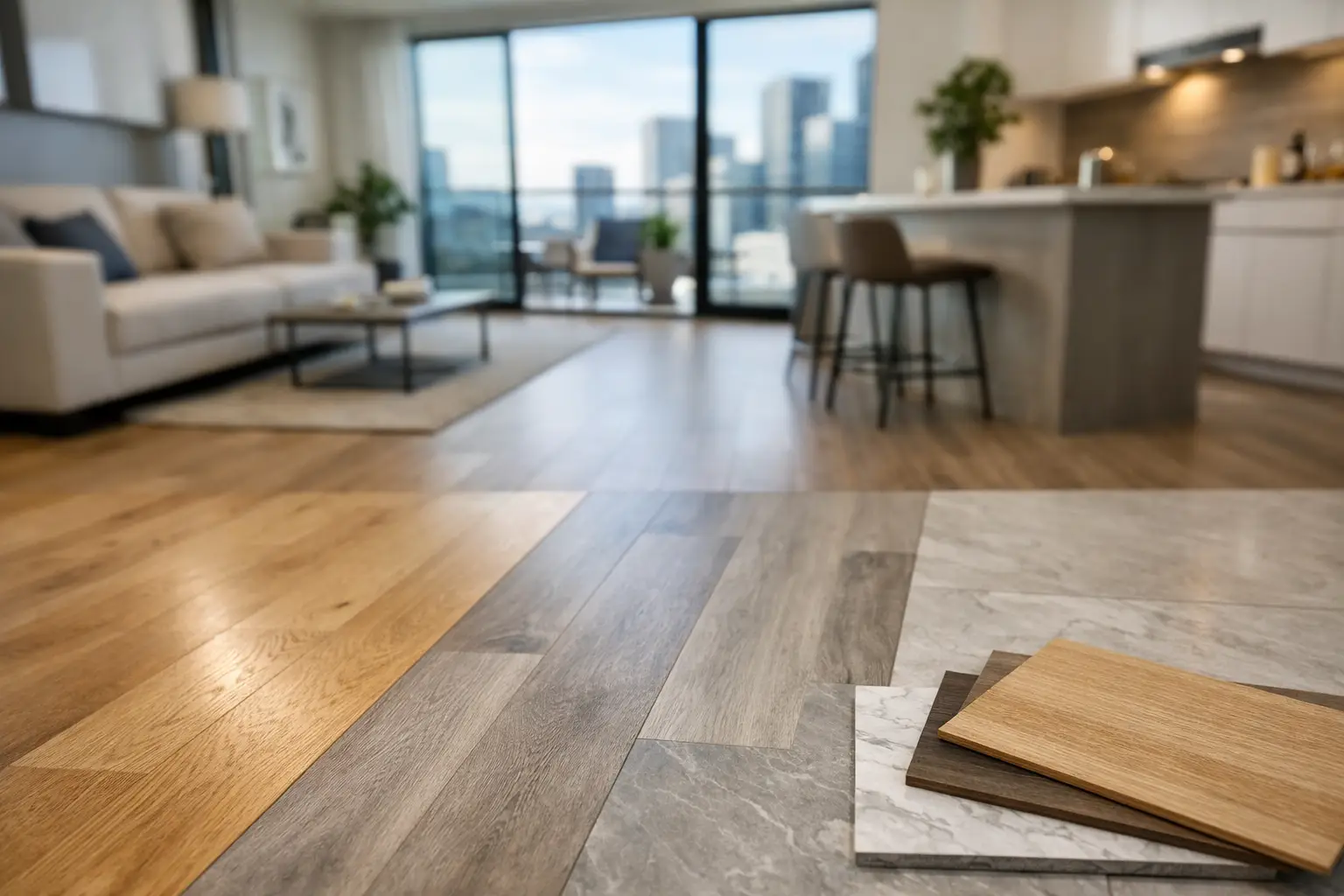
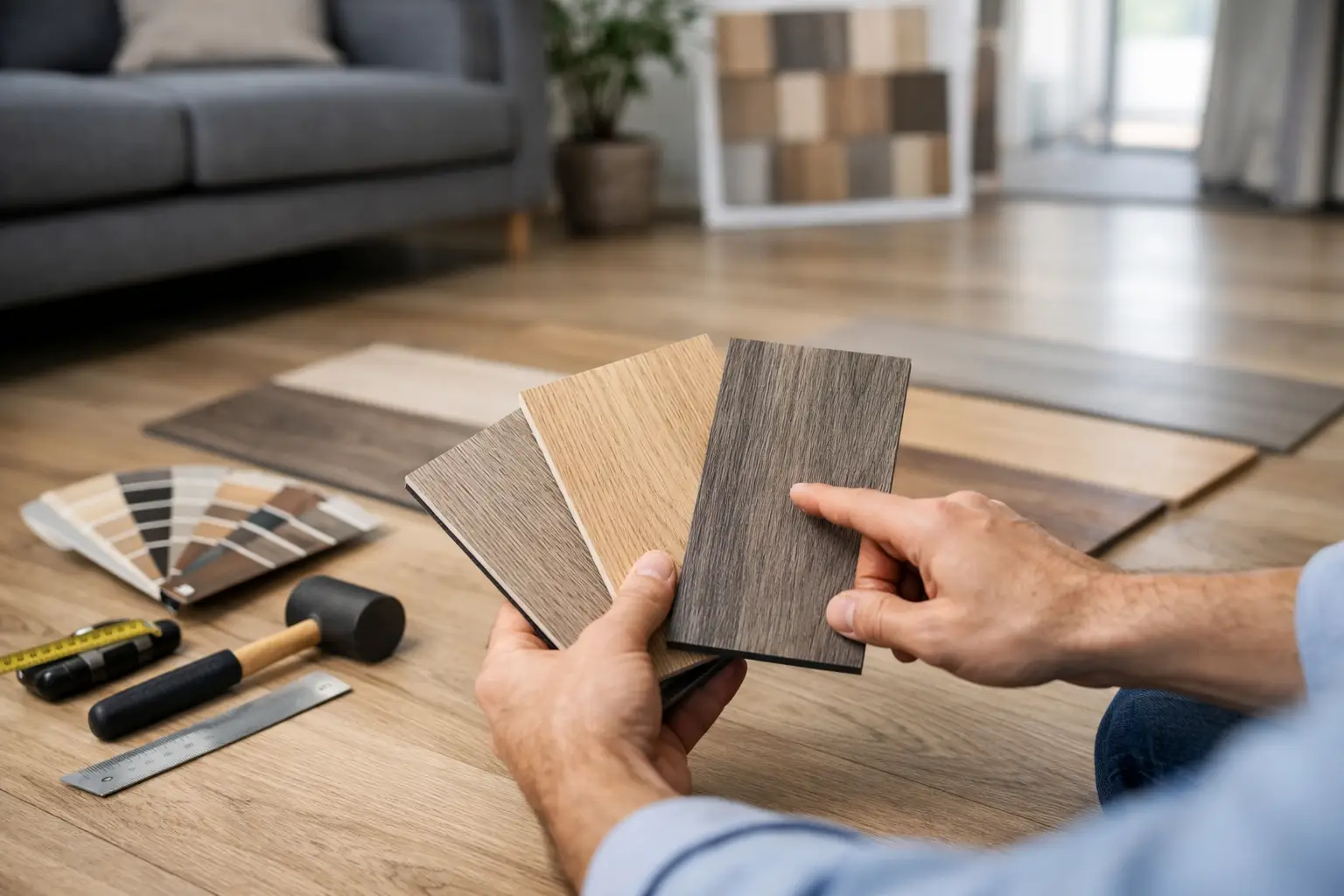
Requesting samples before making a final decision allows colours and grain patterns to be viewed under natural lighting.
How to Maintain Timber Flooring
Proper maintenance helps preserve the appearance of timber flooring for many years.
Simple maintenance practices include:
- Sweep or vacuum regularly to remove dust and grit.
- Clean using products designed for timber floors.
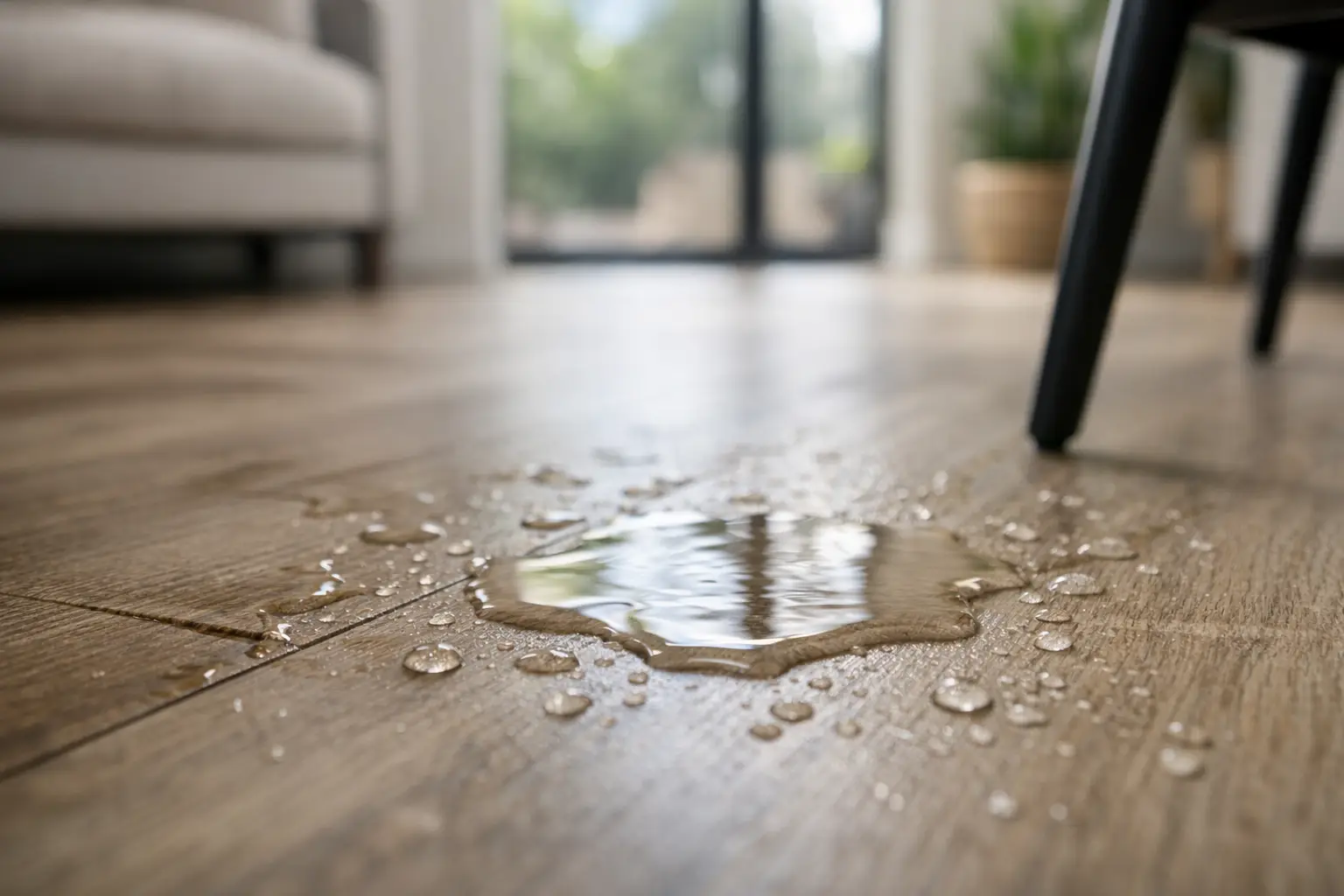
- Wipe spills promptly to minimise moisture exposure.
- Place felt pads under furniture legs.
- Use entry mats to reduce dirt entering the home.
- Maintain suitable indoor humidity levels where possible.
Routine care reduces wear and keeps the floor looking its best.
Choosing an Experienced Flooring Installer
Professional installation is just as important as selecting quality timber.
Before proceeding, consider:
- Experience with timber flooring installation
- Product knowledge
- Transparent quotations
- Warranty coverage
- Previous project portfolio
- Customer reviews
An experienced installer can recommend flooring that matches both the property’s requirements and the available budget.
Conclusion
Choosing timber flooring involves more than comparing prices. Material quality, installation expertise, room preparation, and long-term durability all contribute to the overall value of the investment. A carefully planned flooring project can enhance comfort, appearance, and property value for many years. At Melbourne QTF, professional advice and quality workmanship help clients choose flooring solutions that suit both lifestyle and budget. Get in touch with Melbourne QTF today to discuss the project and receive expert guidance tailored to your flooring requirements.
FAQs
1. How much does timber flooring cost per square metre in Melbourne?
Most timber flooring projects range from $80 to over $250 per square metre installed, depending on the timber species, installation method, and preparation work required.
2. Is engineered timber cheaper than solid timber?
Yes. Engineered timber generally has a lower installation cost and often provides a more budget-friendly option while still offering the appearance of genuine timber.
3. How long does timber flooring last?
With proper installation and maintenance, quality timber flooring can last for several decades. Solid timber can also be refinished multiple times, extending its lifespan even further.
4. Does timber flooring increase property value?
Quality timber flooring is widely regarded as a desirable feature that can improve the overall presentation and appeal of a property to prospective buyers.
5. Which timber flooring is best for Melbourne homes?
The ideal choice depends on the property’s layout, budget, and lifestyle. Popular Australian hardwoods and engineered timber are both excellent options for Melbourne conditions.
6. What factors affect the total installation cost?
The final price depends on several factors, including the timber selected, room size, floor preparation, installation method, finishing requirements, and any additional features such as stairs or trims.