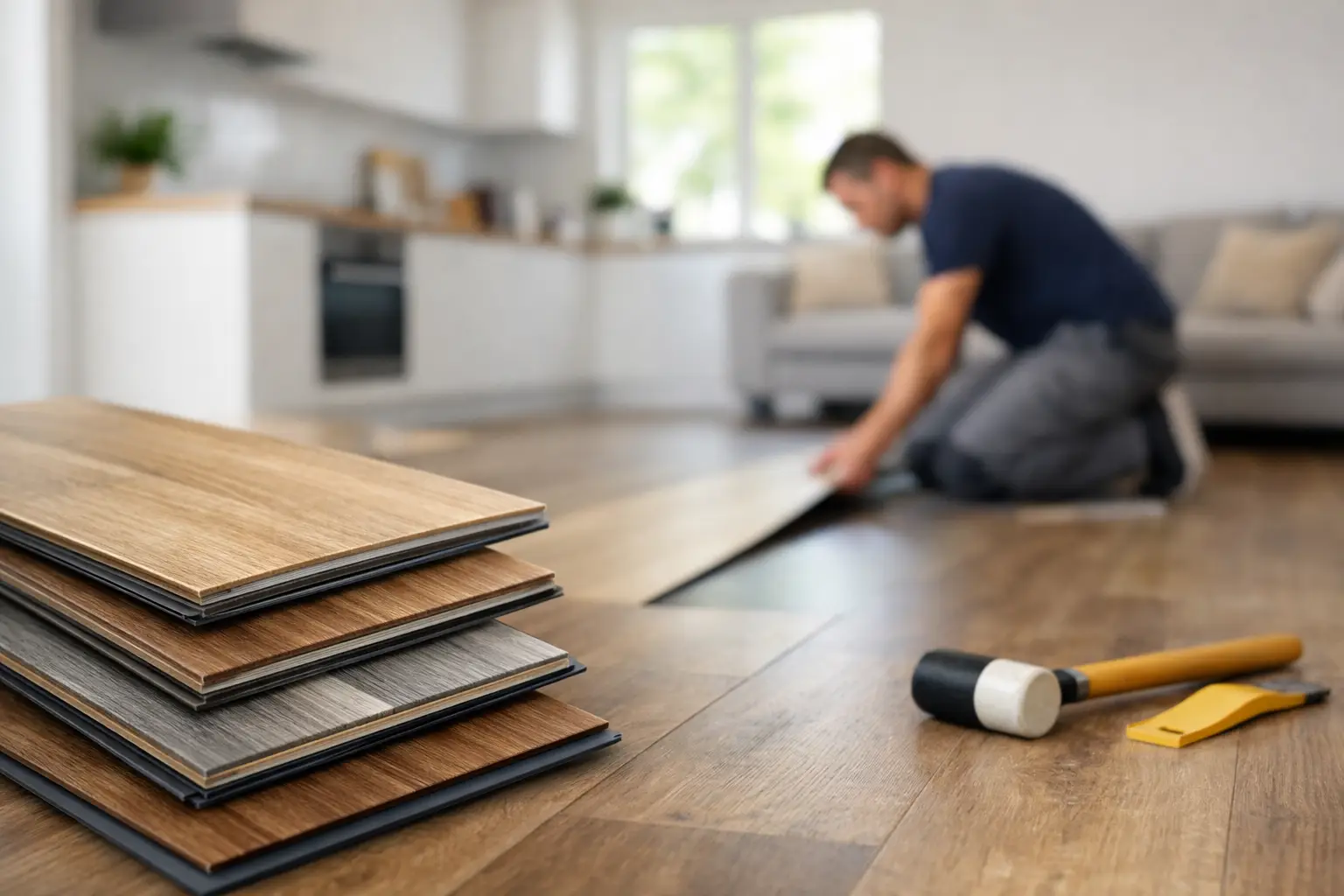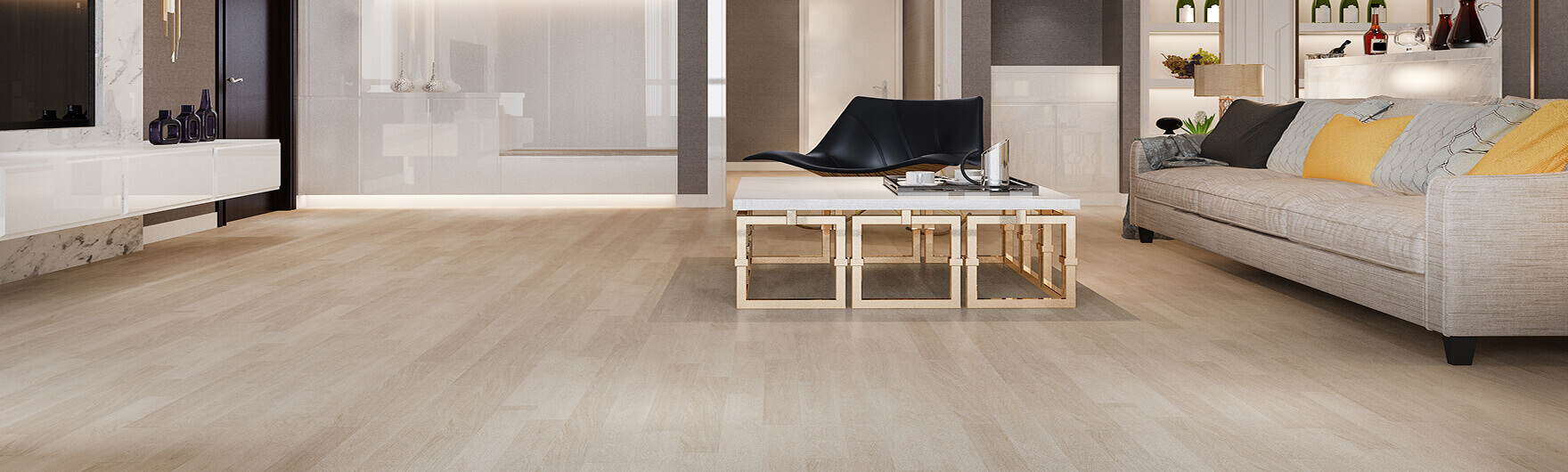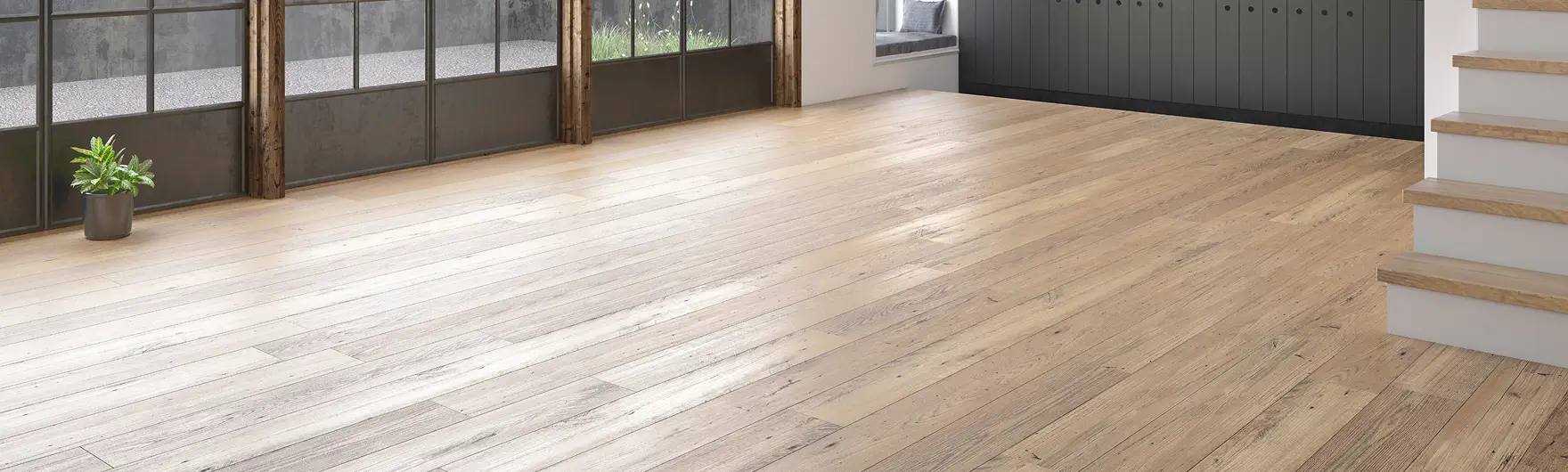
You can usually tell when someone has been talked into the wrong floor. They come in asking for “timber”, but what they really need is something that handles kids, pets, apartments, or a tighter budget without headaches later. That is where the question comes up – what is engineered hardwood flooring vs laminate, and which one actually suits the way you live?
The short answer is simple. Engineered hardwood is real timber on the surface, built in layers for stability. Laminate is a synthetic floor with a photographic timber-look design on top of a fibreboard core. Both can look good. Both have their place. But they feel different underfoot, wear differently over time, and suit different homes, budgets, and expectations.
Table of Contents
What is engineered hardwood flooring vs laminate in practical terms?
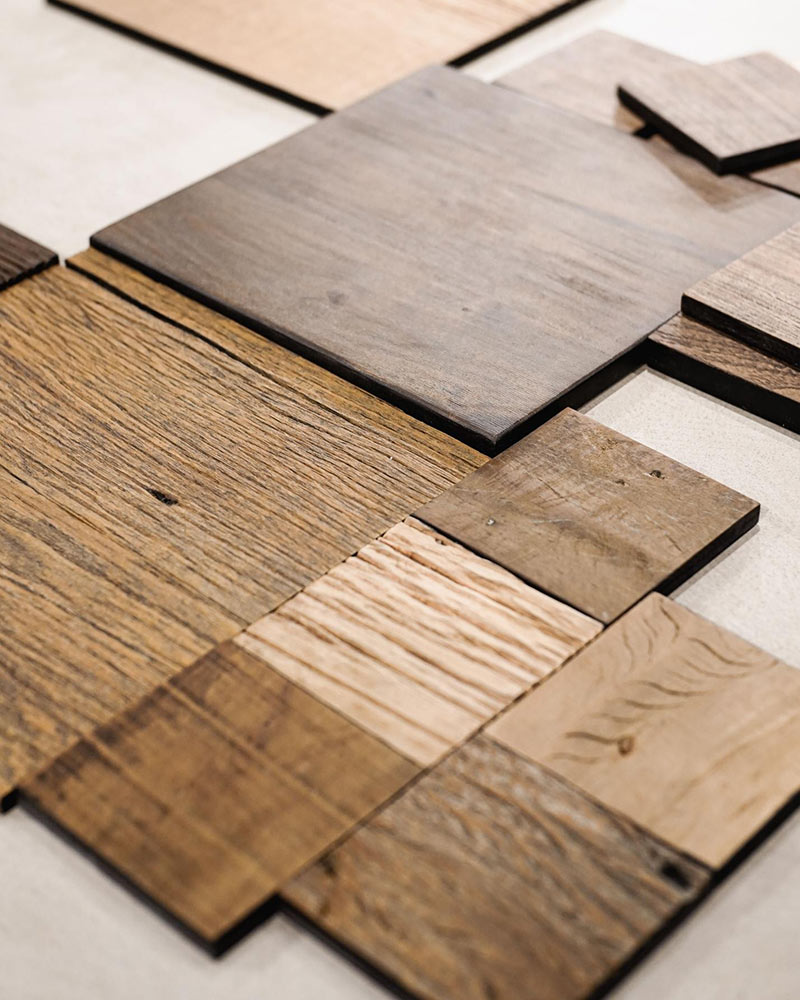
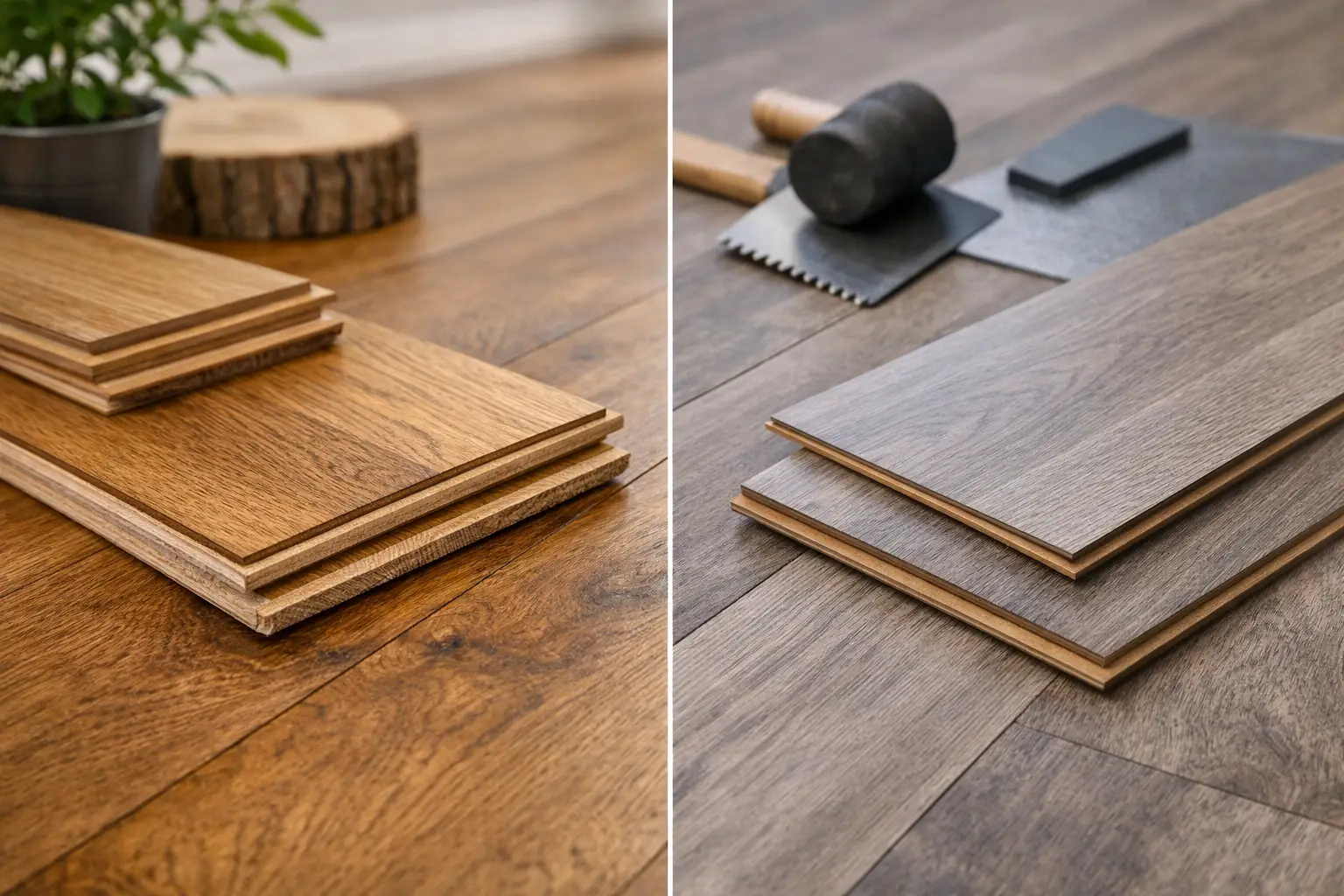
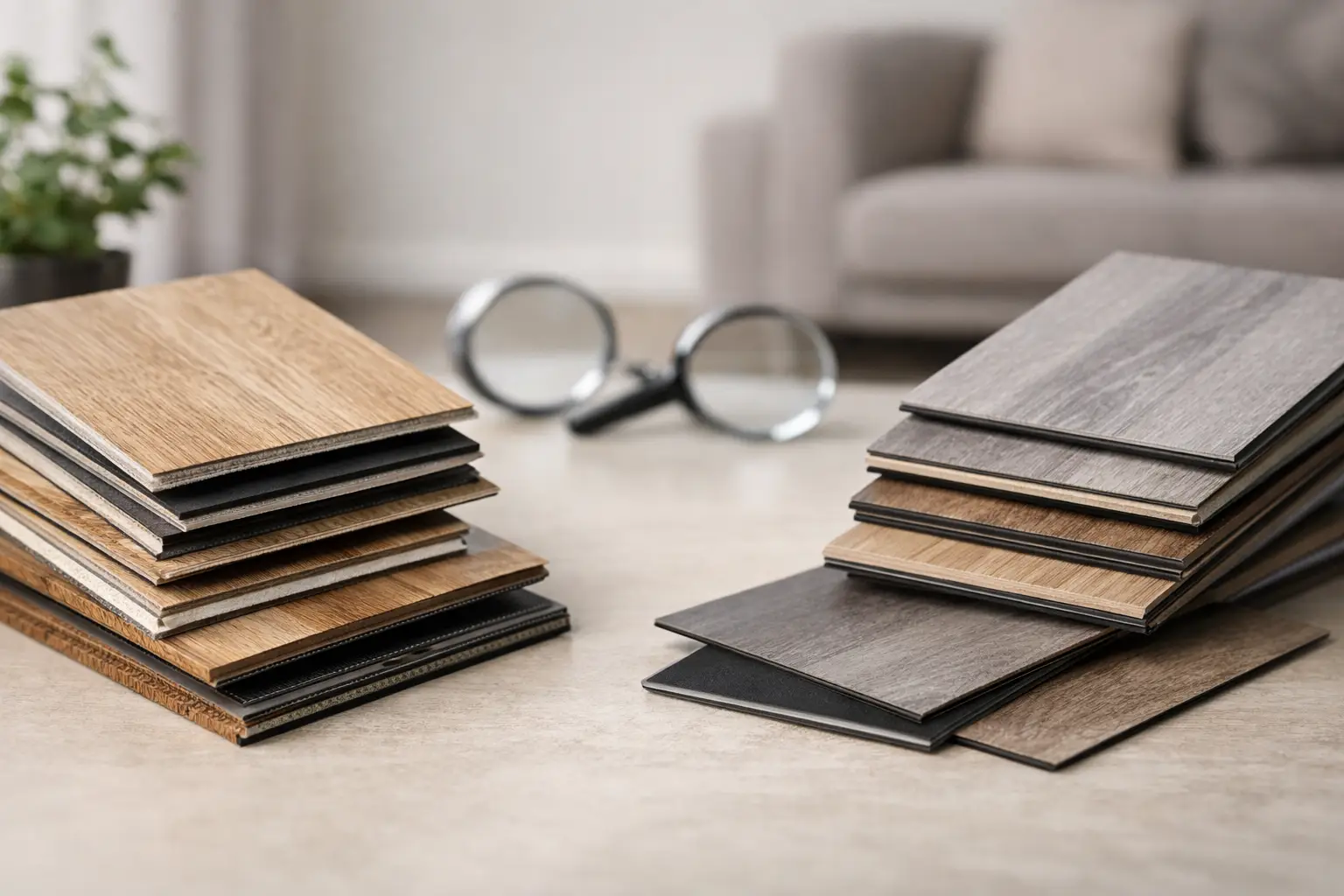
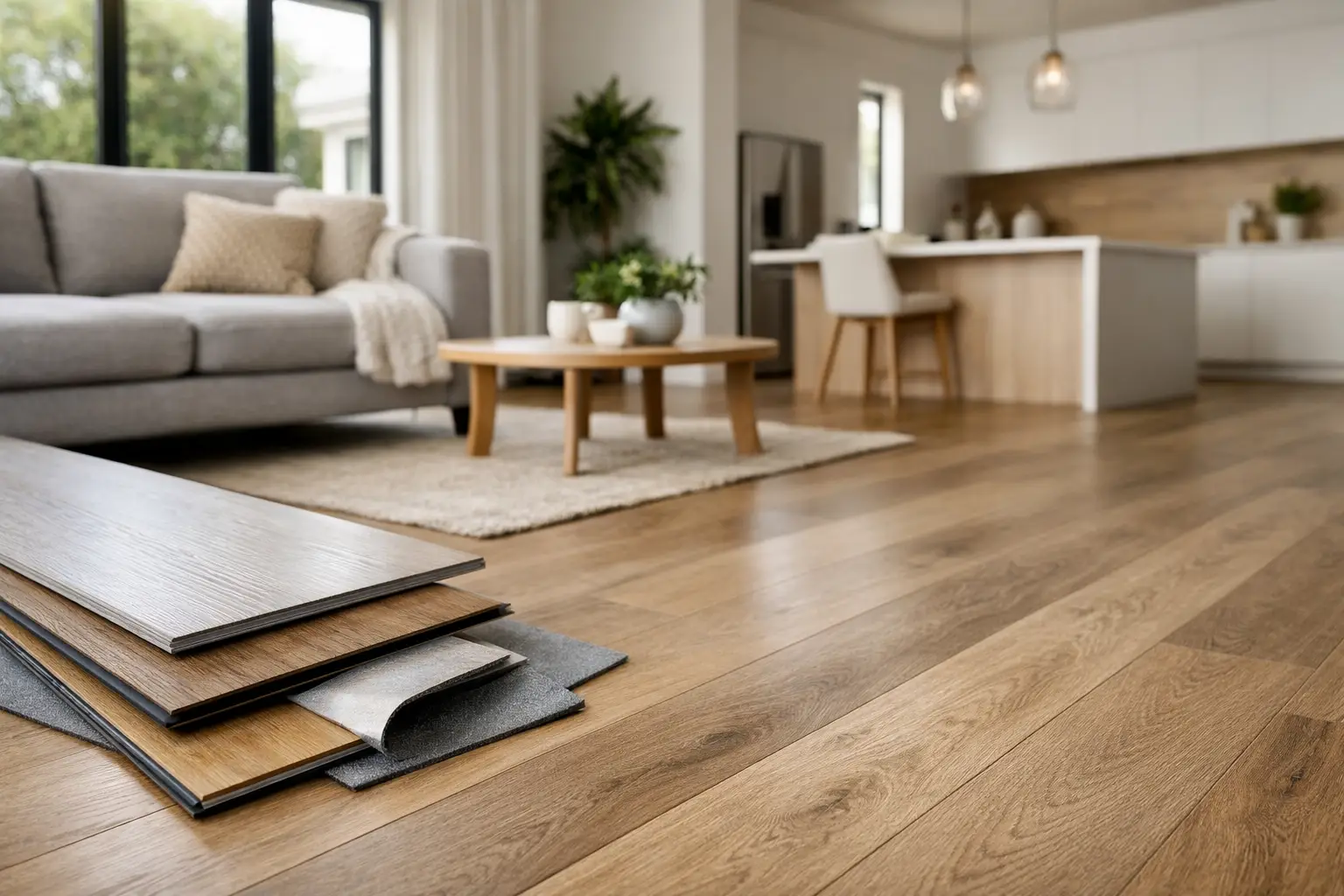
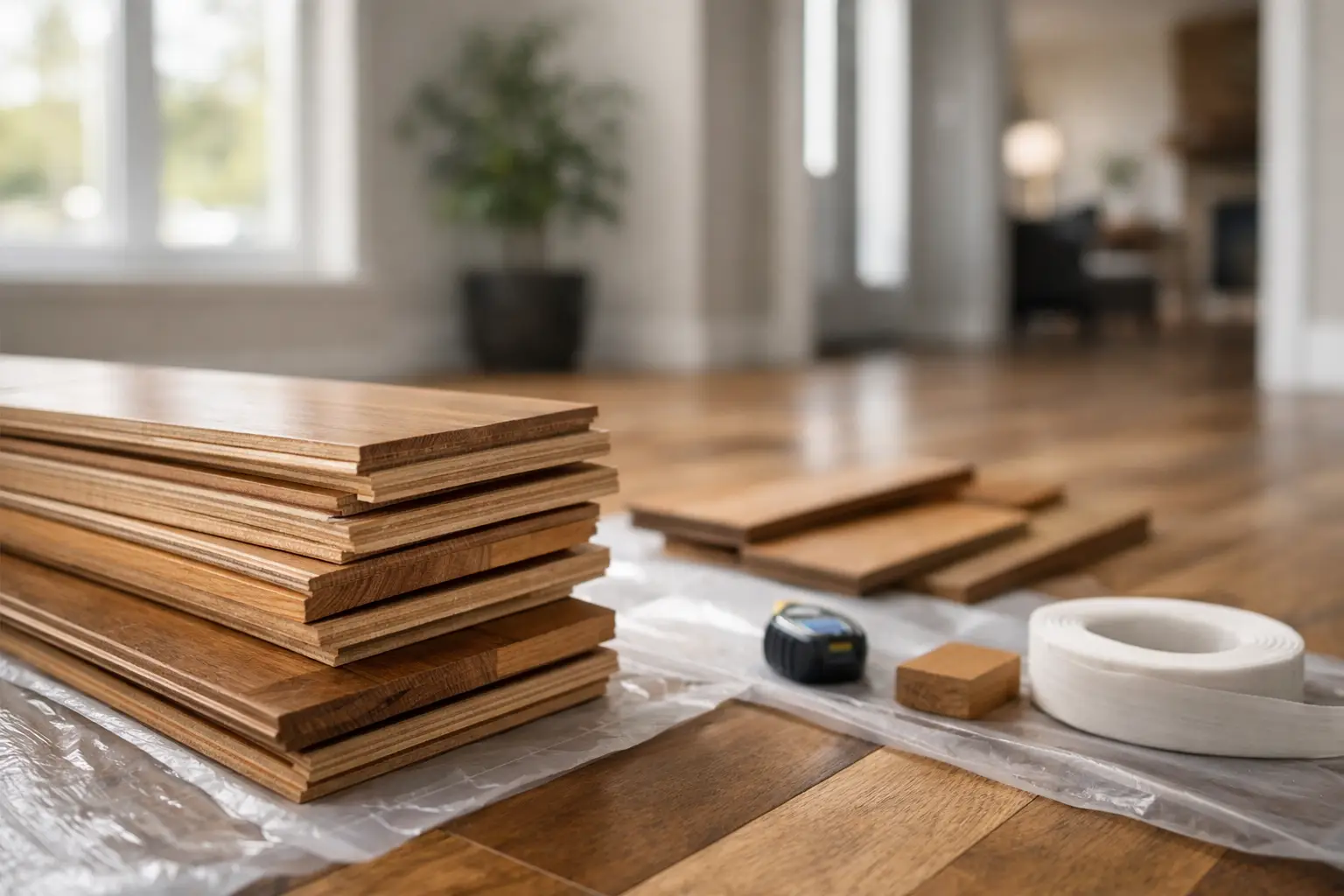
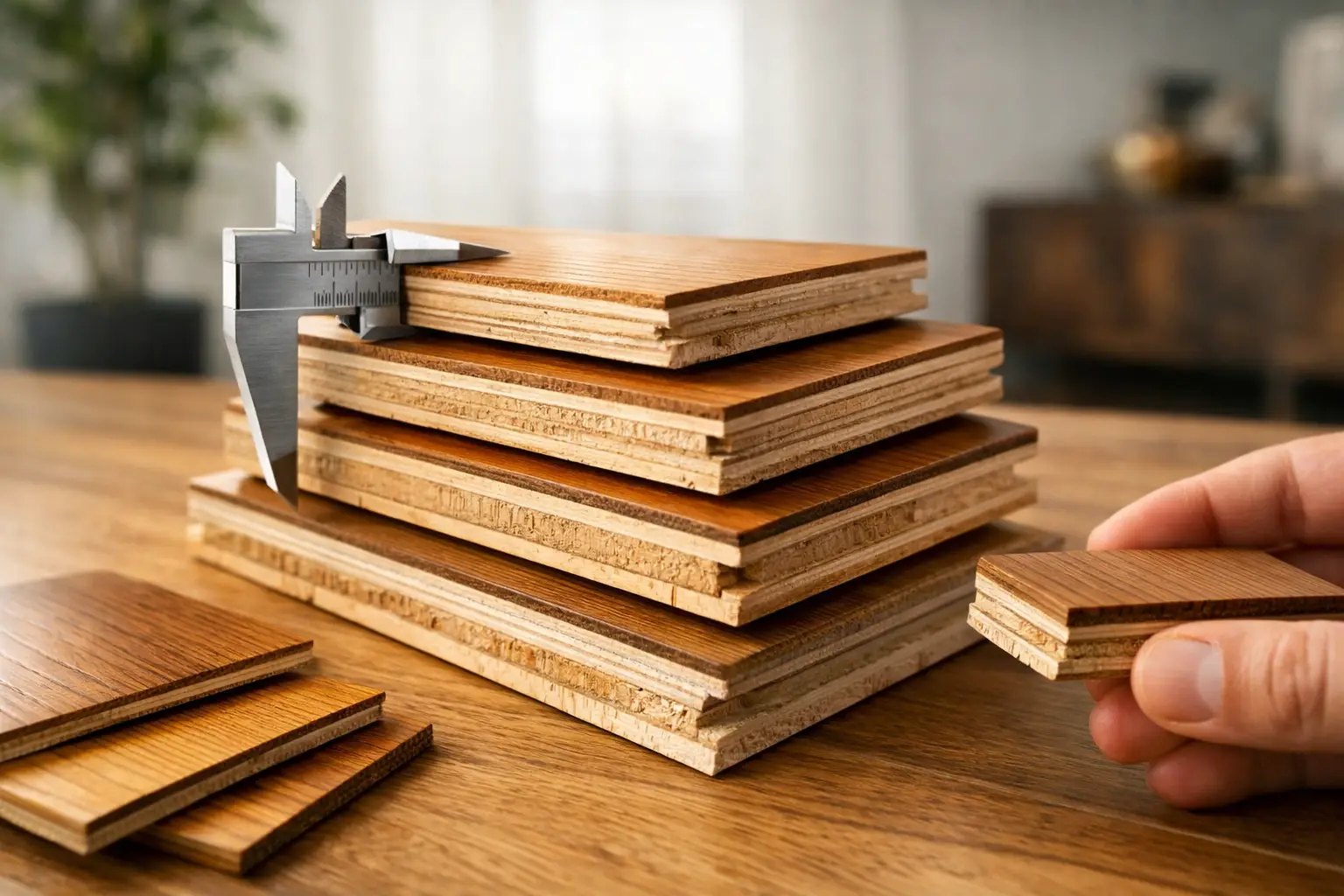
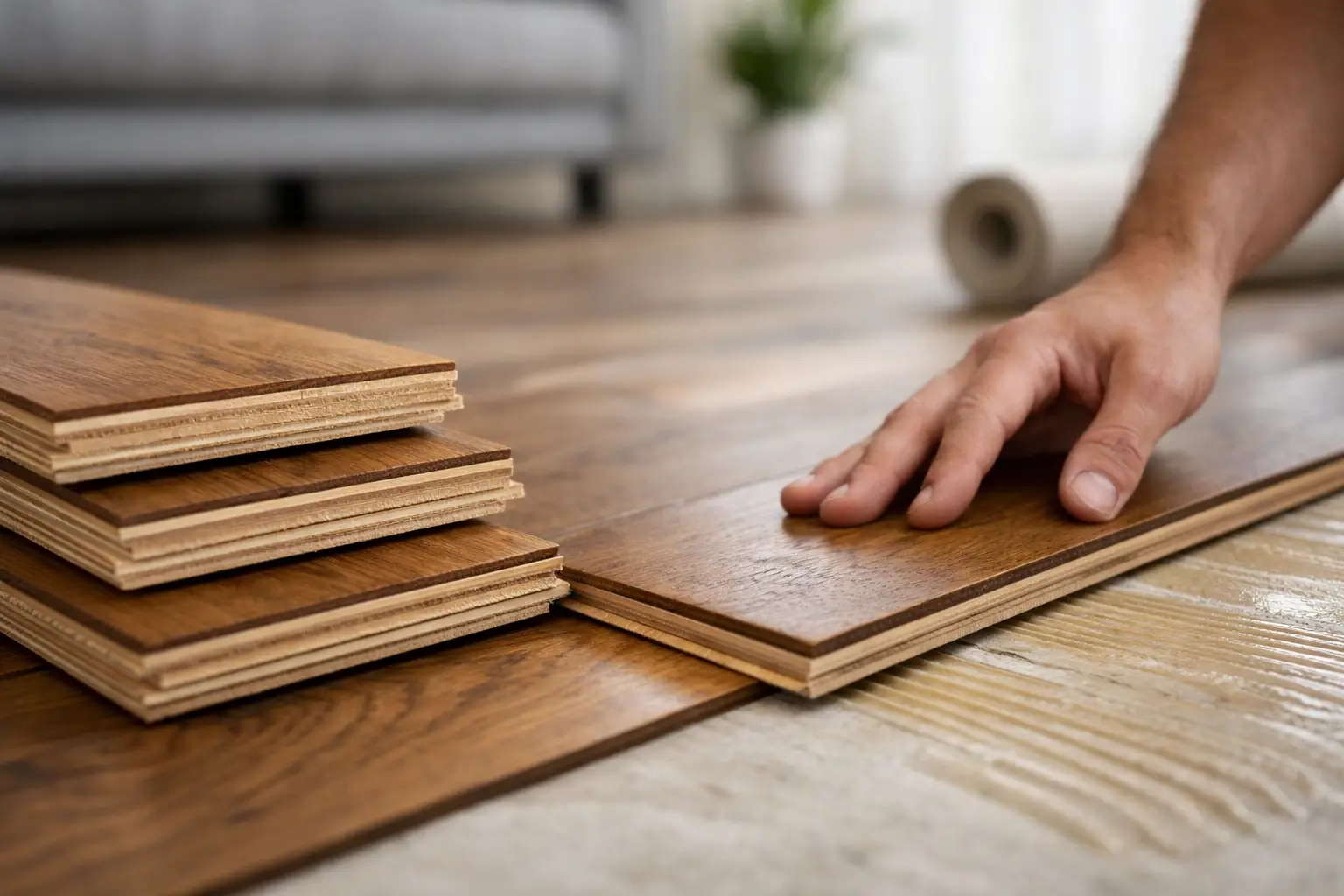
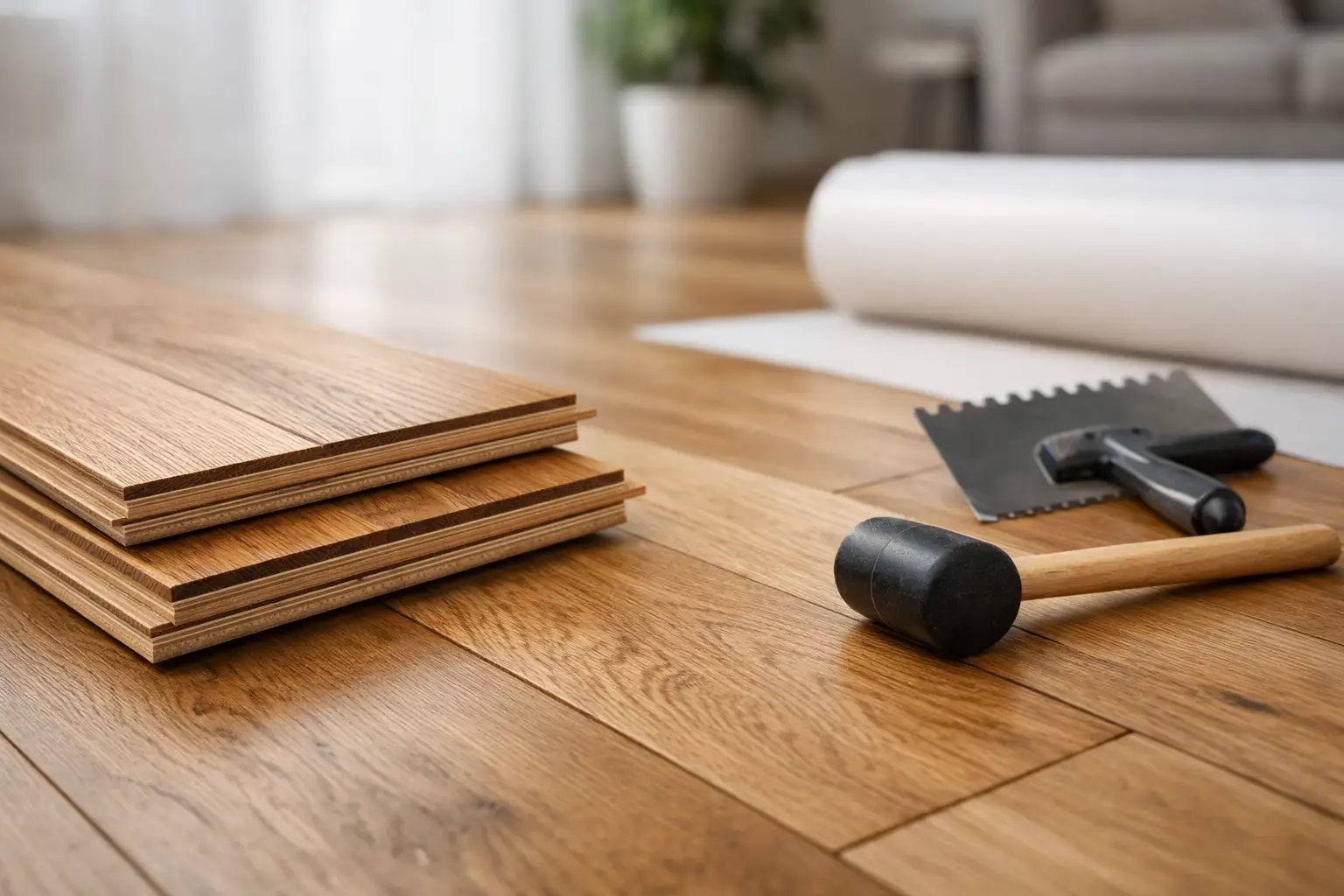
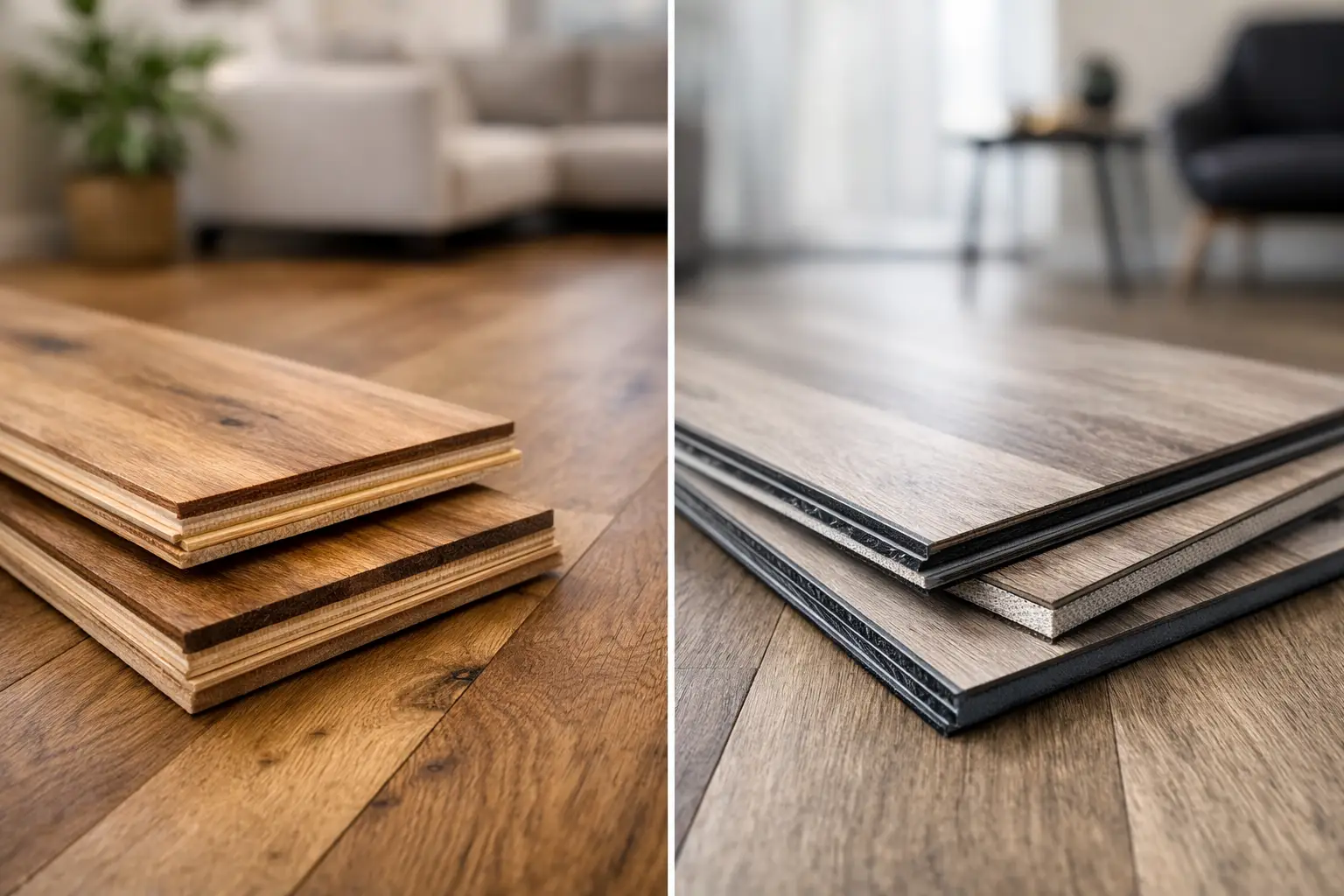
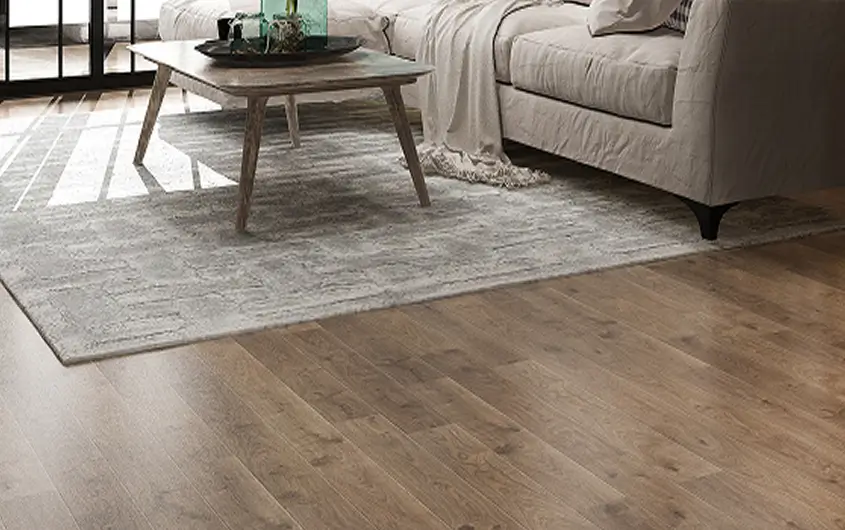
Engineered hardwood flooring is made with a real hardwood veneer on the top layer, usually over a plywood or multi-layer timber core. That top layer is genuine timber, so each board has natural grain variation, texture, and character. It is designed to give you the look and feel of solid timber, but with better dimensional stability.
Laminate flooring is made differently. It has a printed decorative layer that mimics timber, stone, or other finishes, protected by a clear wear layer. Under that is typically a high-density fibreboard core. It is not real wood on the surface, even if the print is convincing from a standing position.
That construction difference matters more than most people think. It affects how the floor sounds, how it handles moisture, whether it can be repaired, and how premium it feels in the room.
Appearance and feel
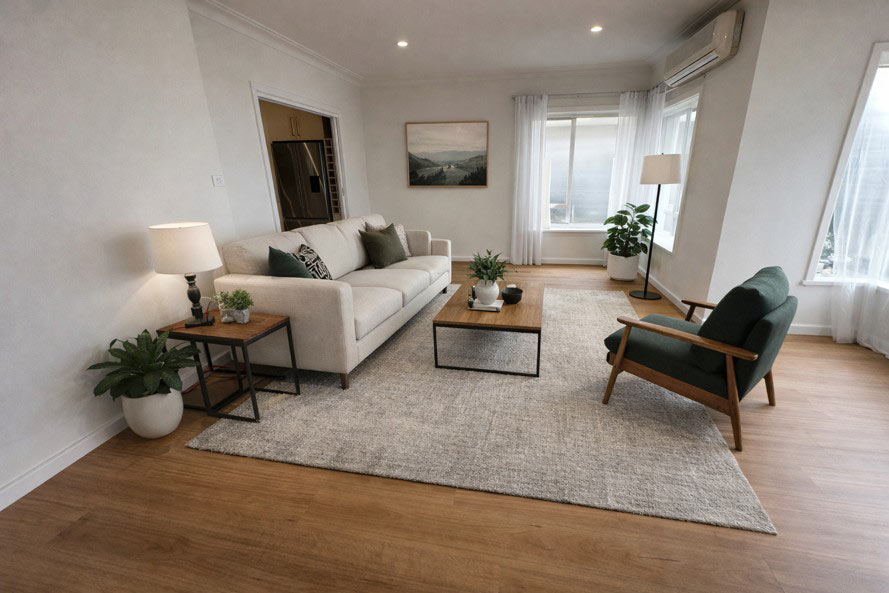
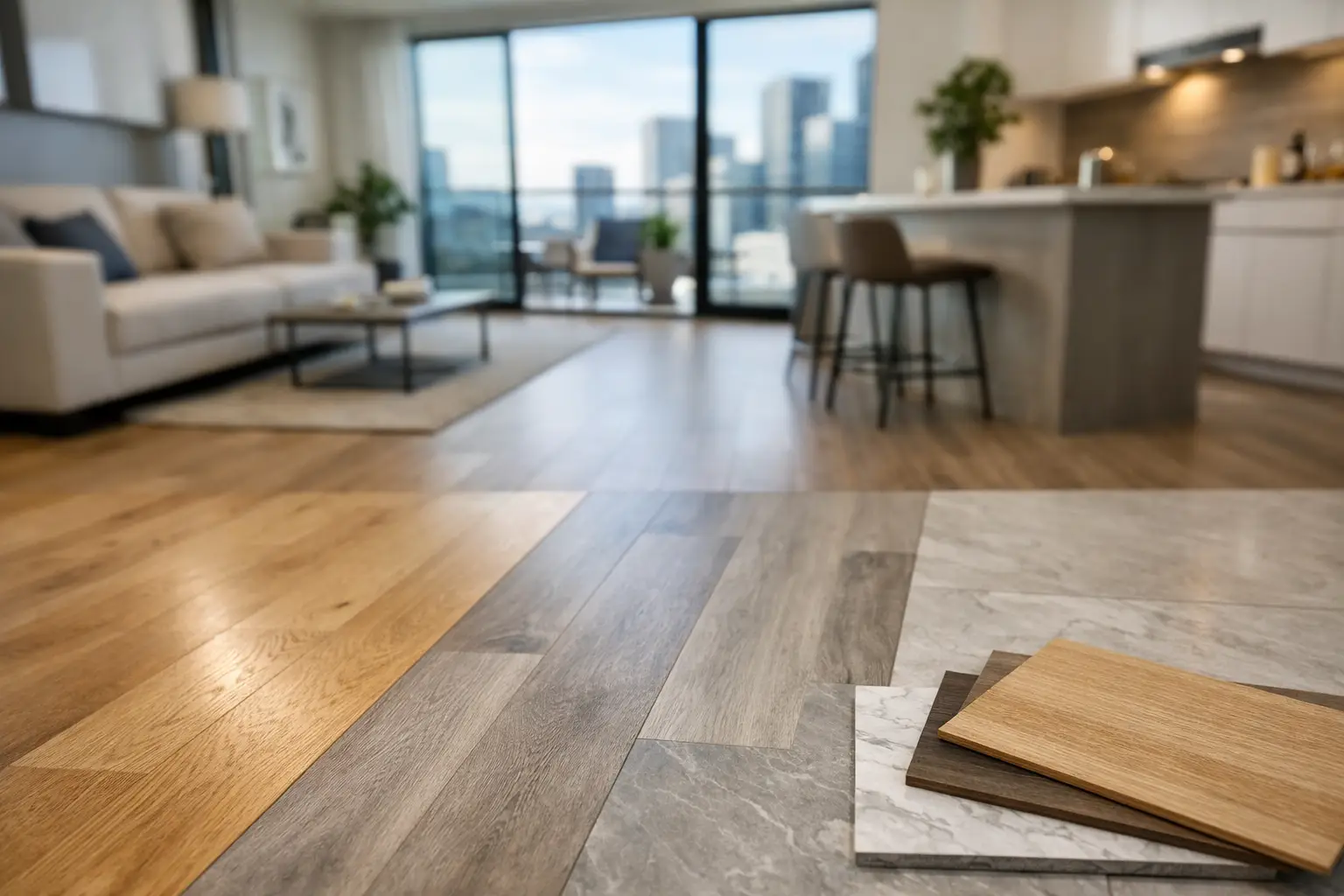
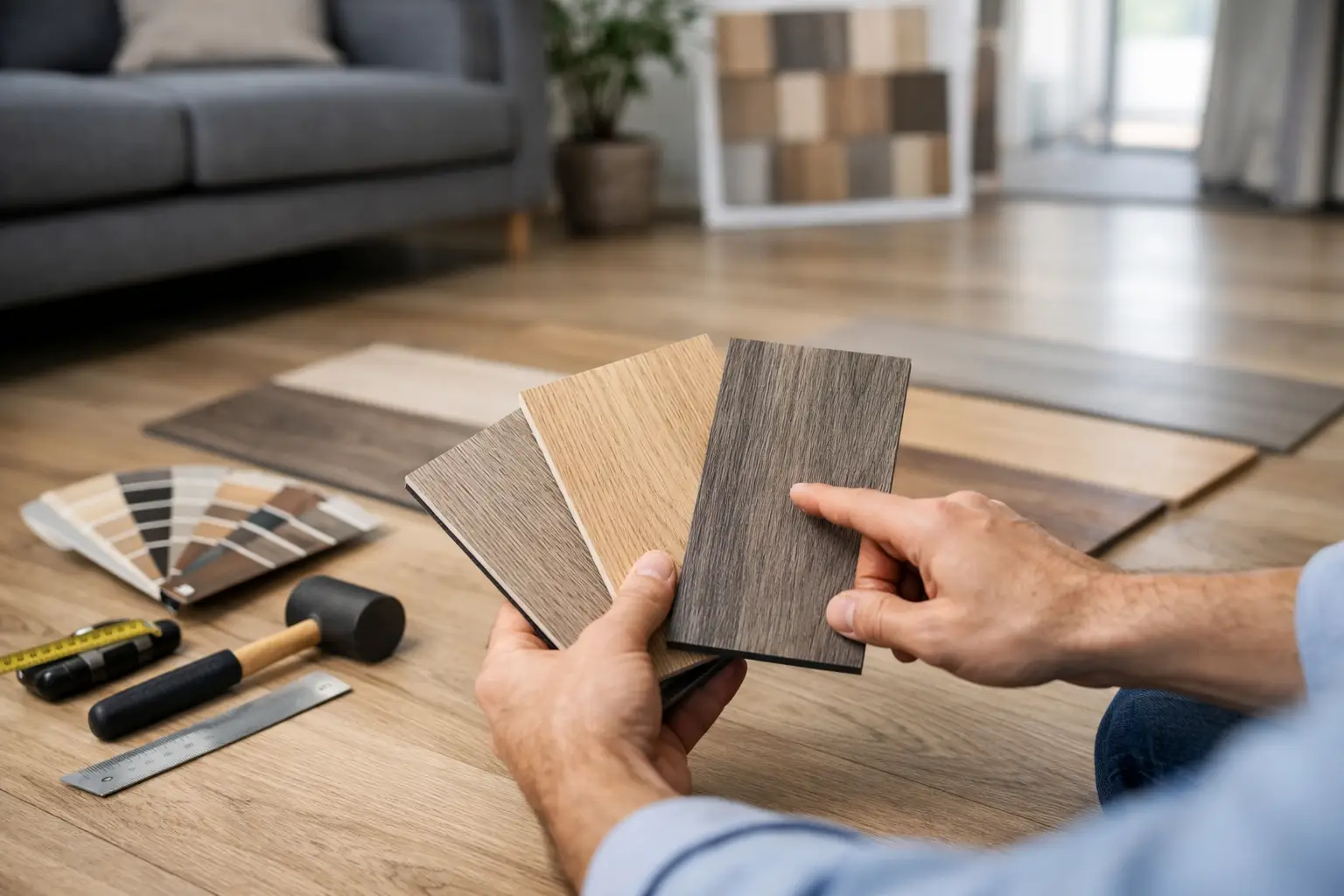
If your priority is the closest thing to real timber without going to solid hardwood, engineered timber is the stronger option. Because the surface is actual wood, it has depth, variation, and a more natural response to light. In open-plan living areas, higher-end renovations, and homes where finish matters, that difference is easy to notice.
Laminate has improved a lot over the years. Better products now have embossed textures and more realistic board patterns. From a distance, some ranges look excellent. But up close, the pattern repeat and surface finish can still give it away, especially in brighter rooms or larger spaces.
Underfoot, engineered timber generally feels warmer and more solid. Laminate can feel slightly harder or more hollow depending on the underlay and subfloor preparation. That does not mean laminate is poor quality. It just means it delivers a different result.
Durability is not one simple answer
A lot of buyers assume “harder” means “better”, but flooring durability depends on what kind of wear you are talking about.
Laminate is often very good at resisting scratches, scuffs, and day-to-day abrasion. In homes with pets, active kids, or frequent traffic, this can make laminate a practical choice. The wear layer is designed to take punishment, and many people like that lower-maintenance aspect.
Engineered timber is durable too, but it behaves more like wood because it is wood. It can mark, dent, or scratch more naturally depending on the species, finish, and board thickness. The trade-off is that those small changes can also be part of the floor’s character rather than a failure.
There is also a long-term difference. Some engineered timber floors can be lightly sanded and recoated, depending on the veneer thickness and product specification. Laminate cannot. Once the surface is badly damaged, replacement is the only real fix.
So if you want a floor that shrugs off everyday abuse, laminate can be a smart option. If you want a floor with a longer design life and the appeal of real timber, engineered timber often holds more value.
Water resistance and moisture performance
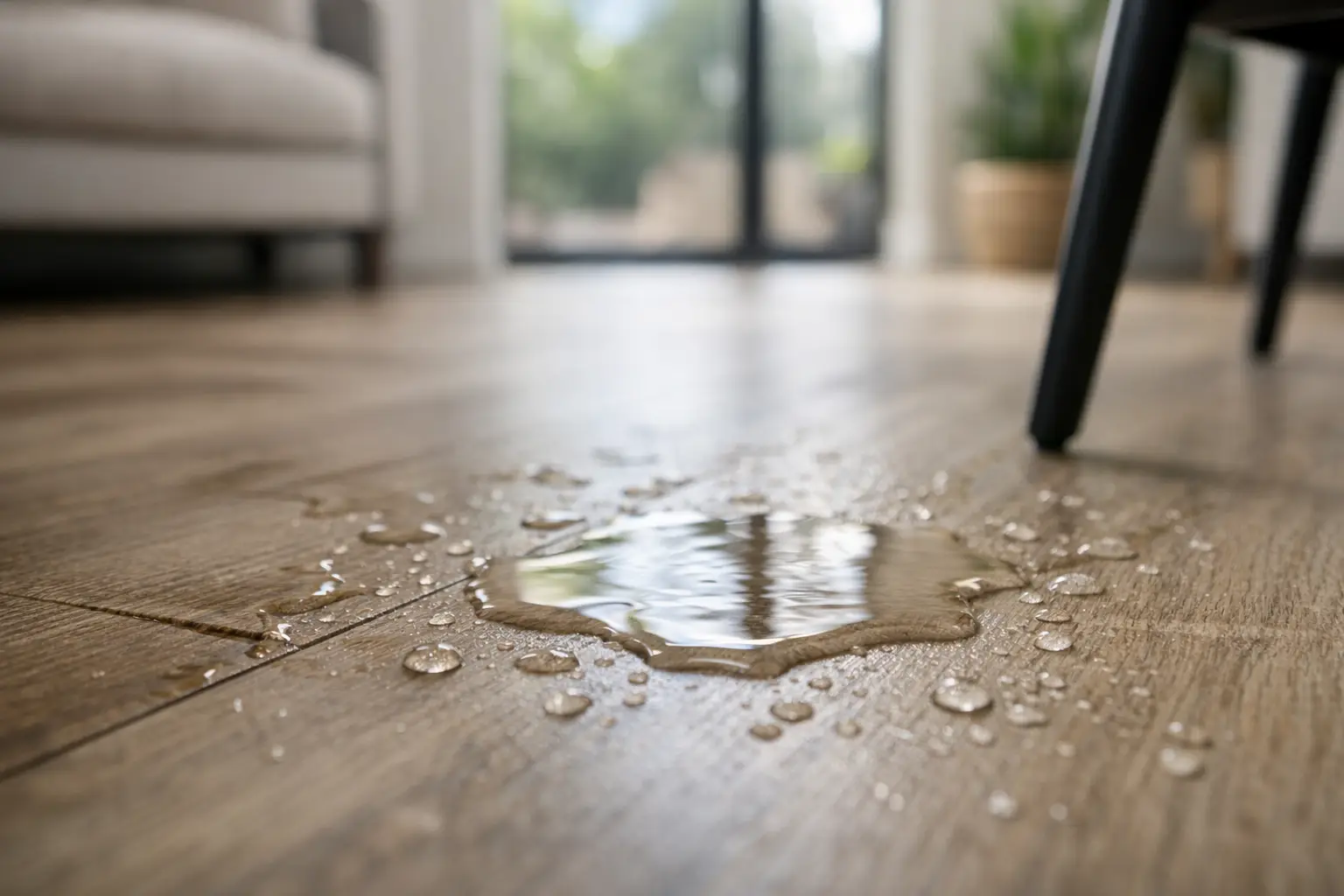
This is where product choice needs to be handled carefully. Neither standard engineered timber nor standard laminate should be treated like a waterproof floor. Spills should be cleaned up promptly. Ongoing moisture issues need to be addressed properly, not covered over.
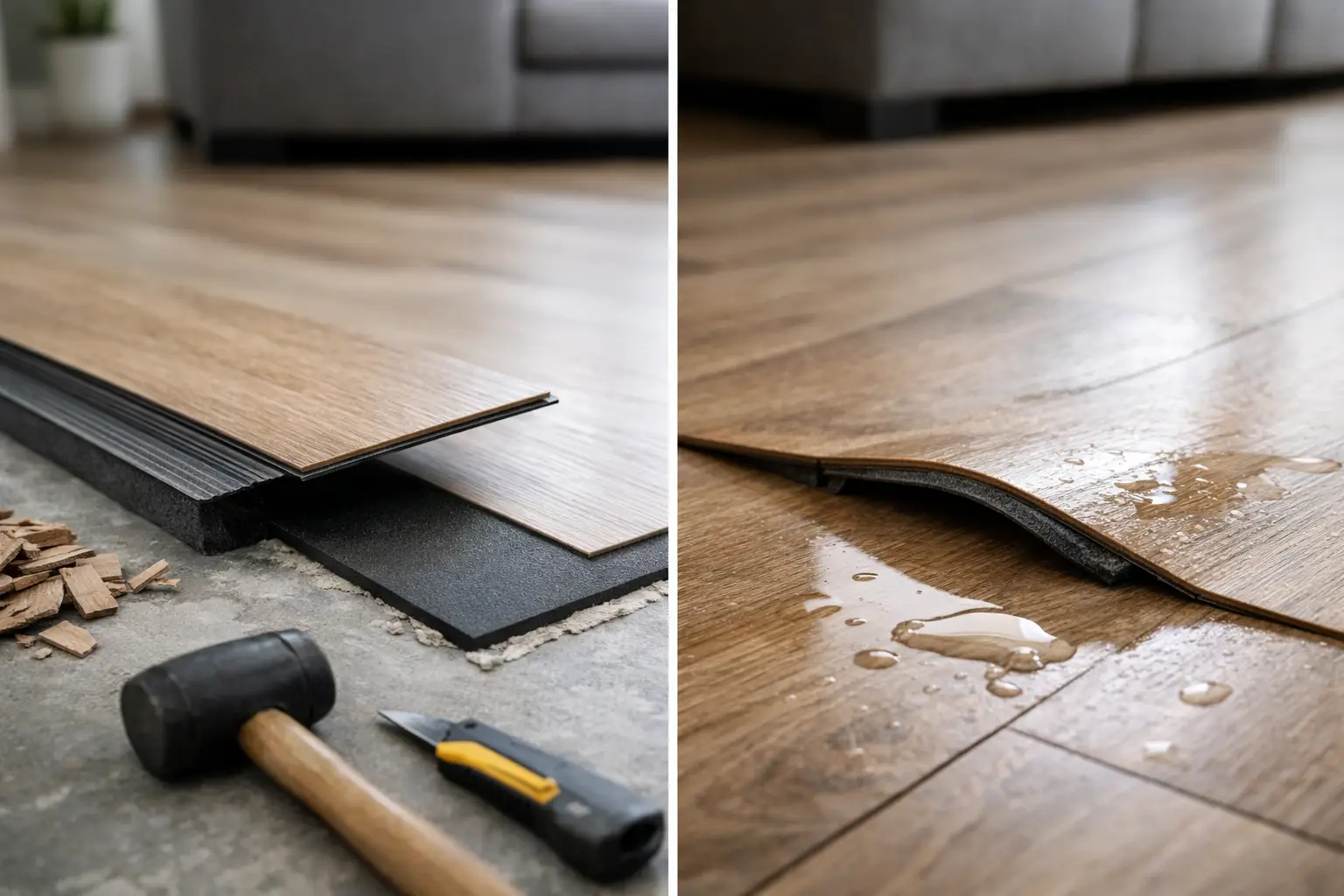
That said, laminate and engineered timber respond differently to moisture. Laminate’s fibreboard core can swell if water gets into the joints or edges. Once swelling happens, it usually cannot be reversed.
Engineered timber is more dimensionally stable than solid timber, but it is still a timber-based product with a real wood surface. Excessive moisture can still cause movement, cupping, or finish issues. In apartments, kitchens, and homes with inconsistent subfloor moisture, proper assessment matters just as much as the product itself.
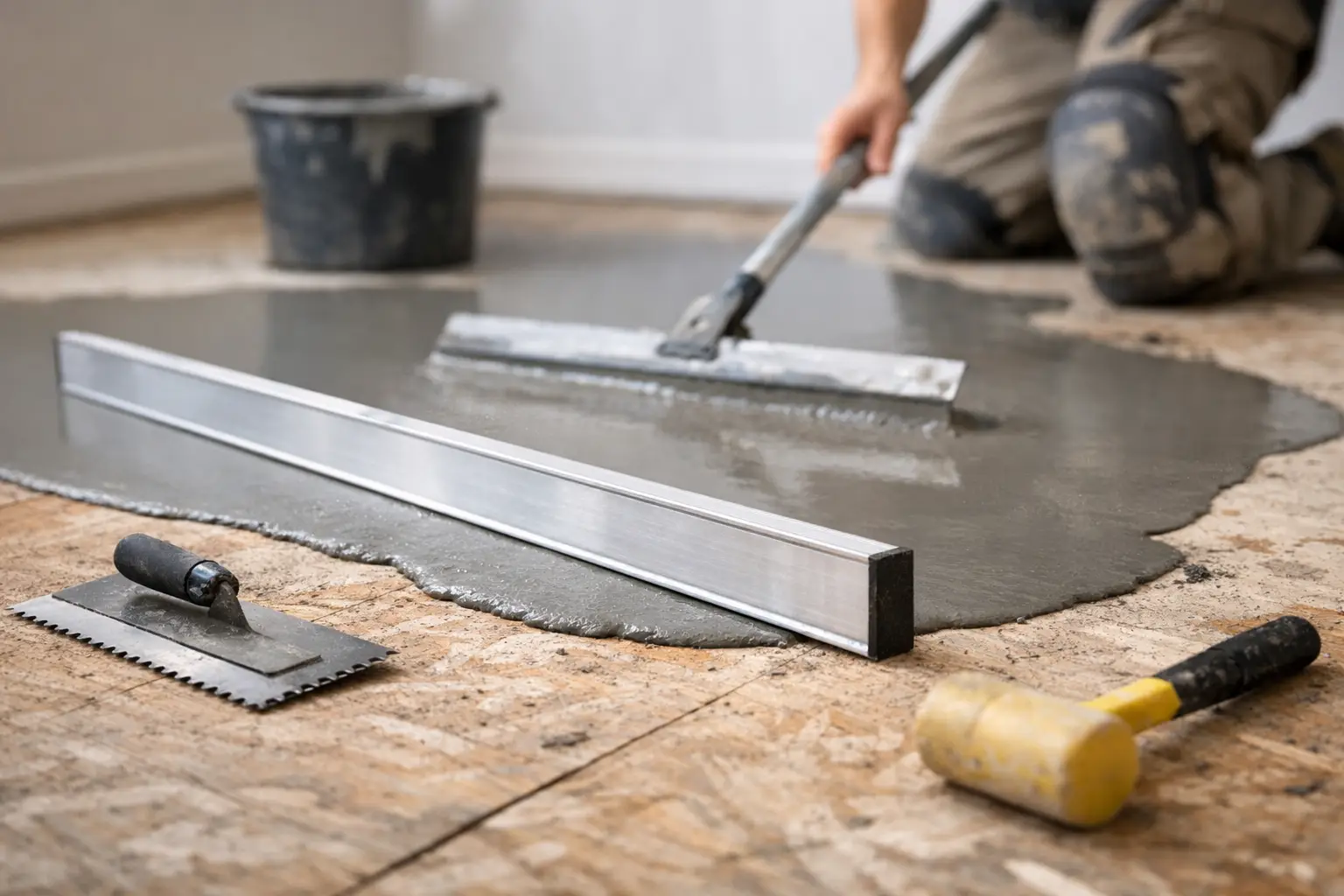
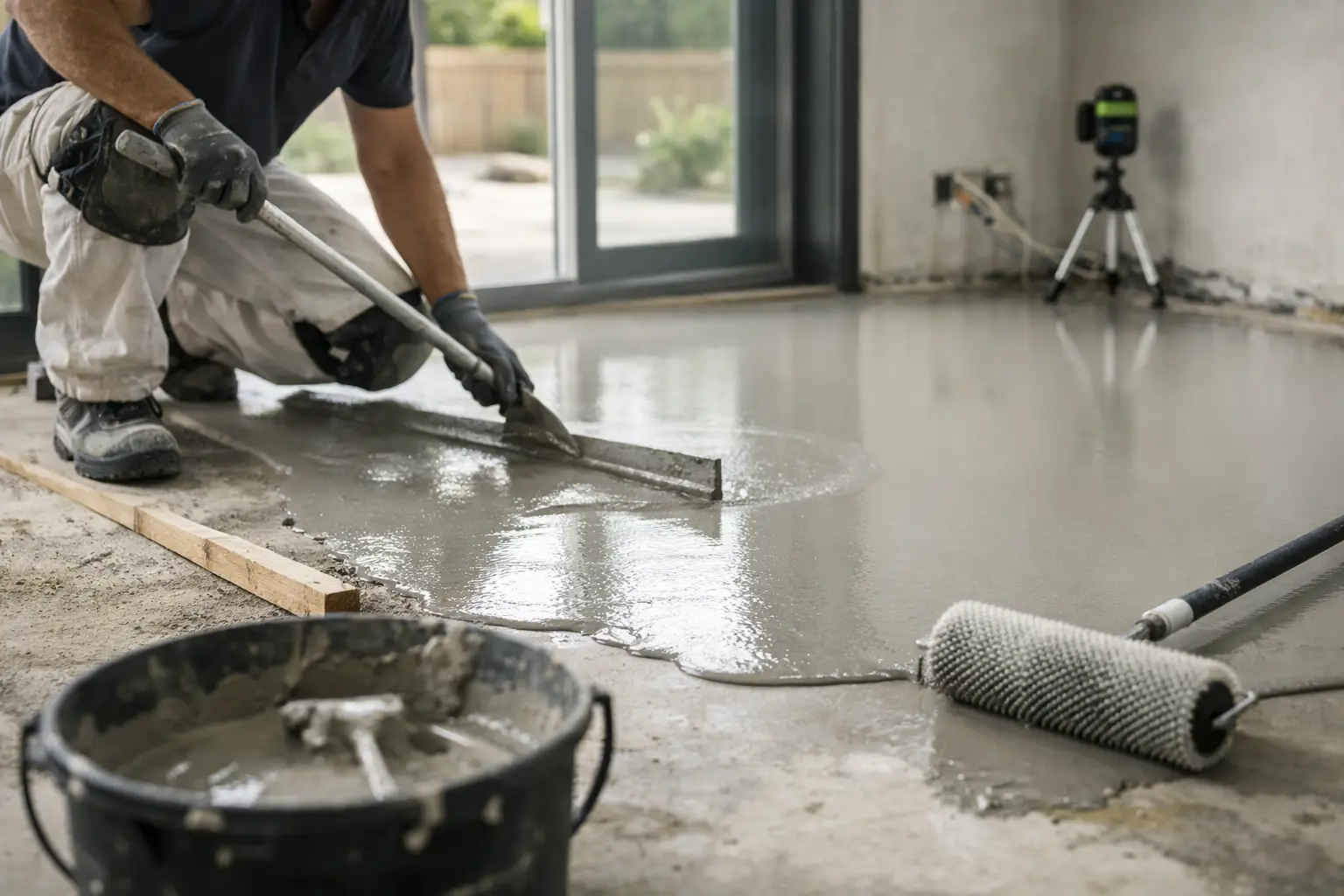
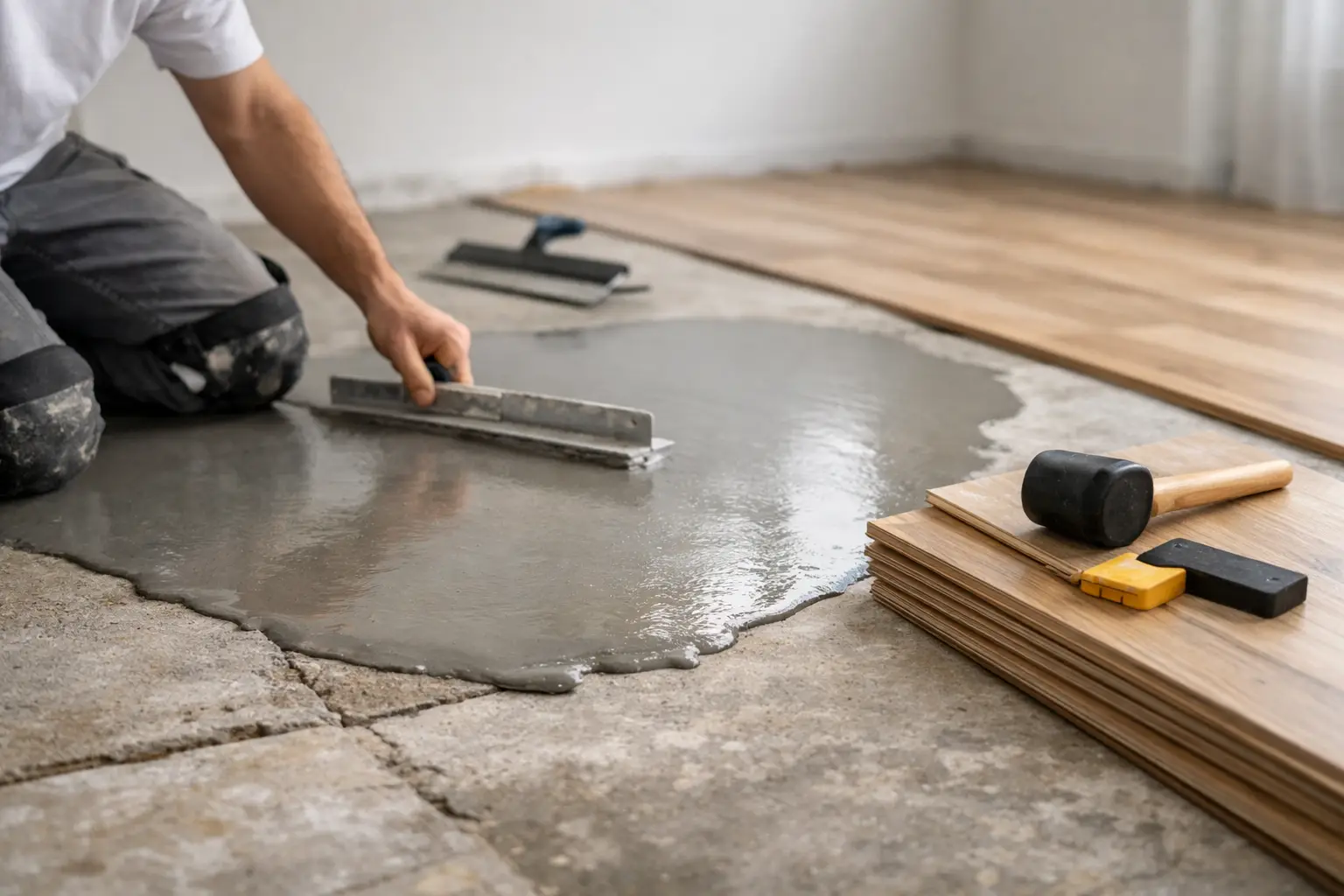
This is one reason trade advice matters. A floor can fail because the wrong product was chosen, but just as often it fails because the subfloor was not prepared correctly. Levelling, moisture testing, and installation method are not small details. They are what help the floor perform the way it should.
Cost and value
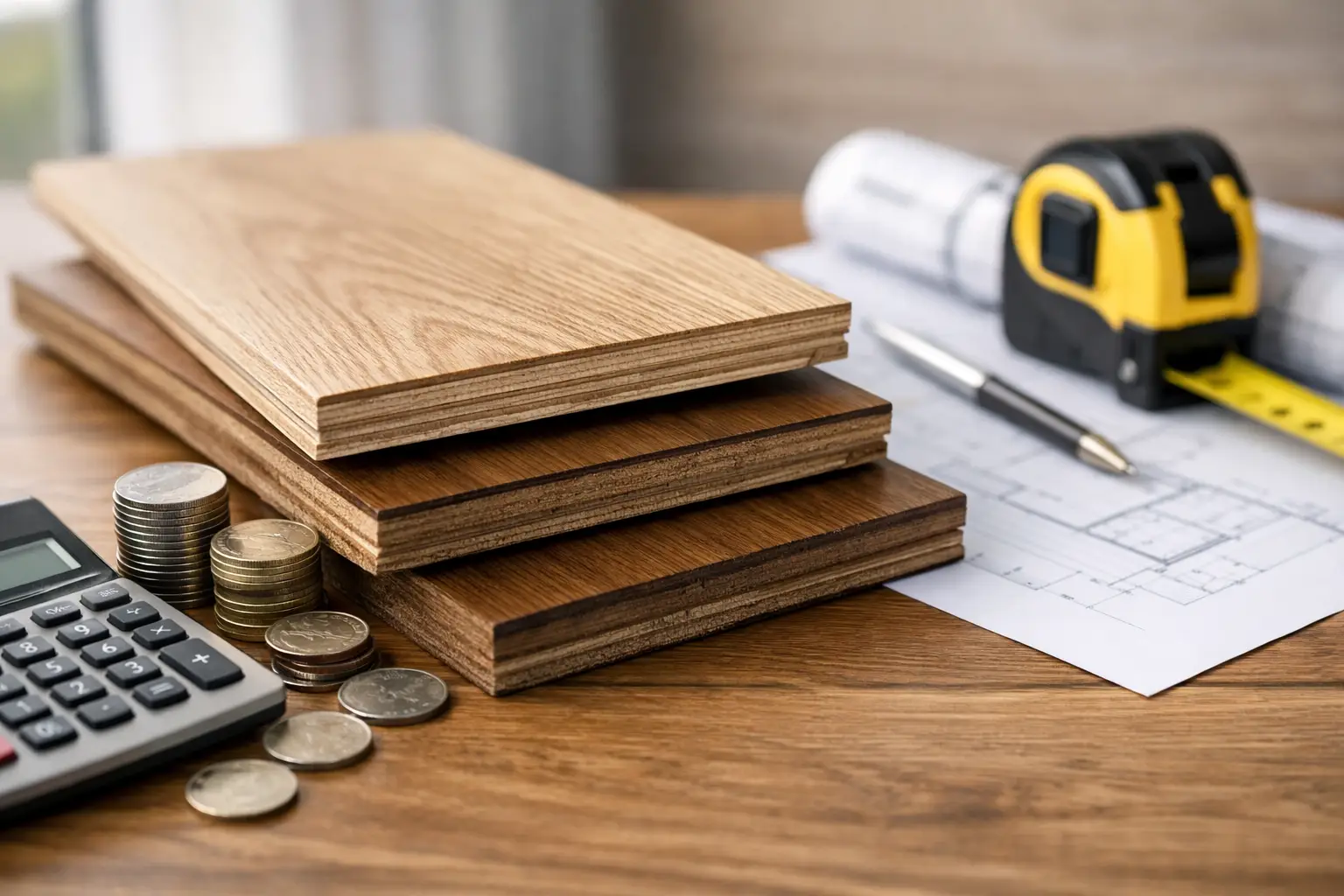
If budget is driving the decision, laminate is usually the more affordable entry point. Material costs are generally lower, and it can be a strong option for investment properties, rental upgrades, and projects where appearance matters but budget is fixed.
Engineered timber usually sits higher in price because you are paying for a real timber surface and a more premium finish. In many homes, that cost is justified by the look, feel, and resale appeal. Buyers who want European oak tones, wider boards, or a more elevated finish often end up favouring engineered timber for that reason.
The better question is not just “which one is cheaper?” but “which one gives the right result for this property?” A well-chosen laminate floor can outperform a poorly chosen engineered floor for the space. The reverse is also true.
Installation makes a major difference
When people compare products, they often overlook installation quality. Yet this is where a lot of flooring problems start.
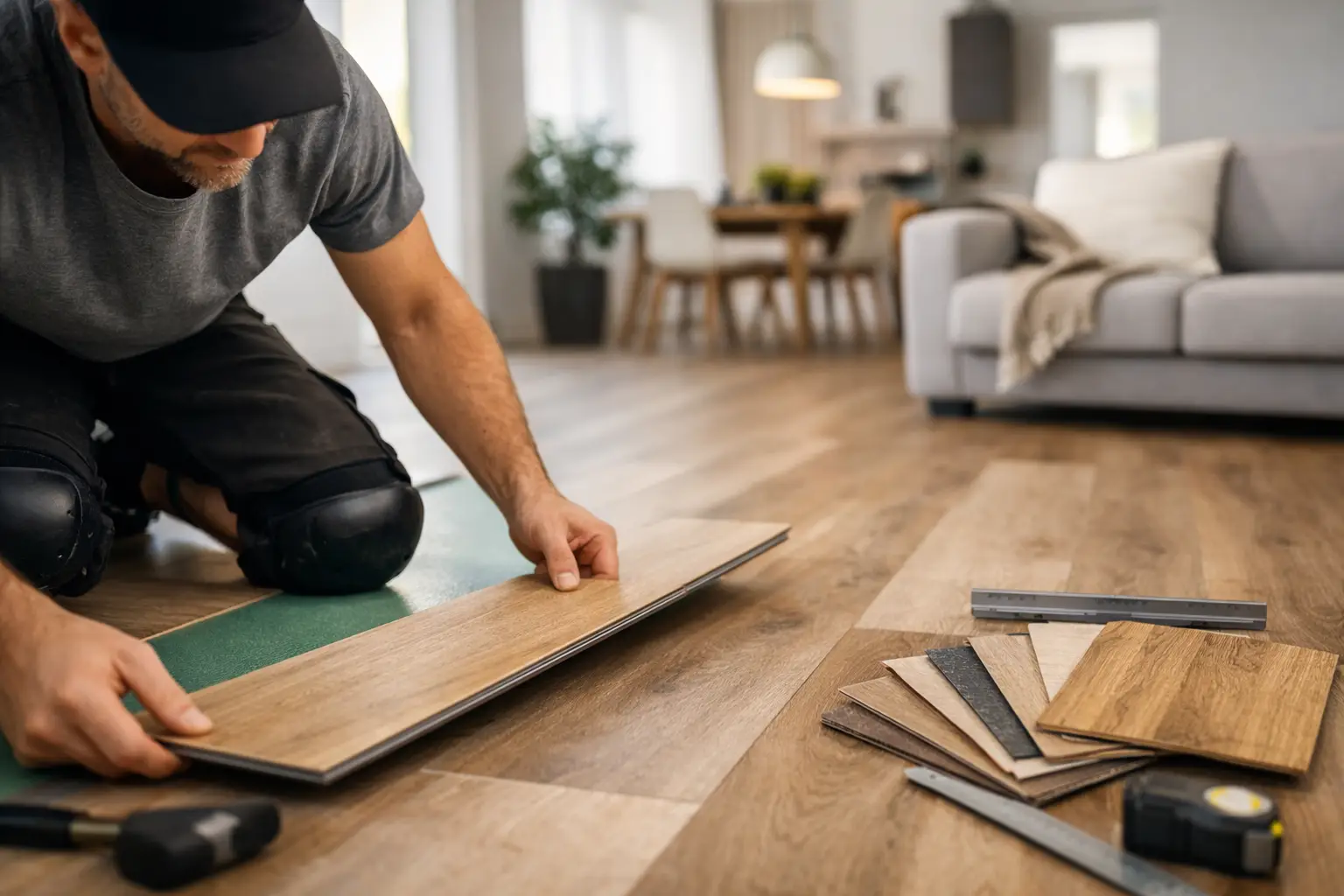
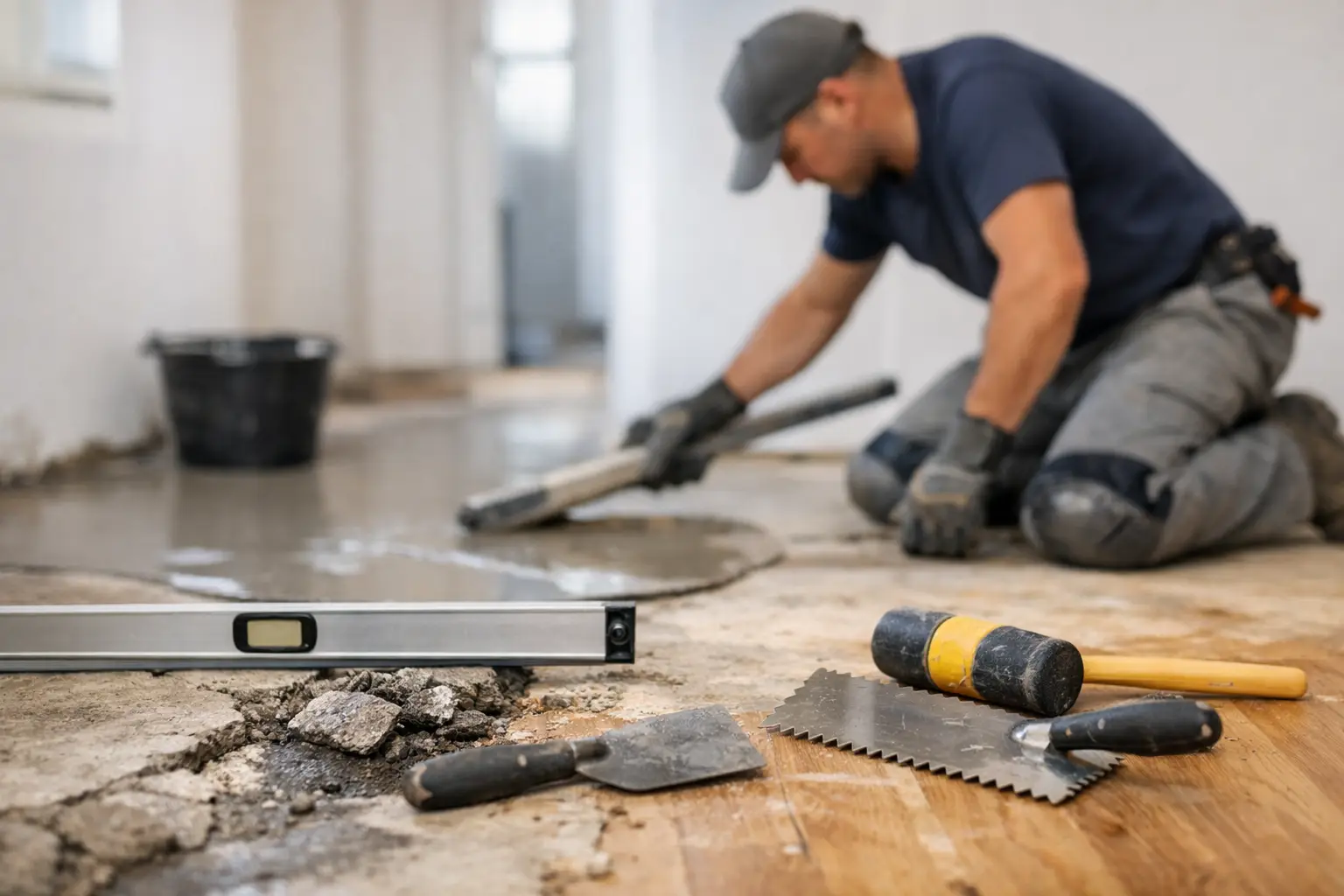
Both engineered timber and laminate need the right subfloor conditions. If the floor underneath is uneven, soft, or has moisture issues, the finished result can move, sound hollow, wear unevenly, or fail early. A premium board laid over a poor subfloor is still a poor flooring job.
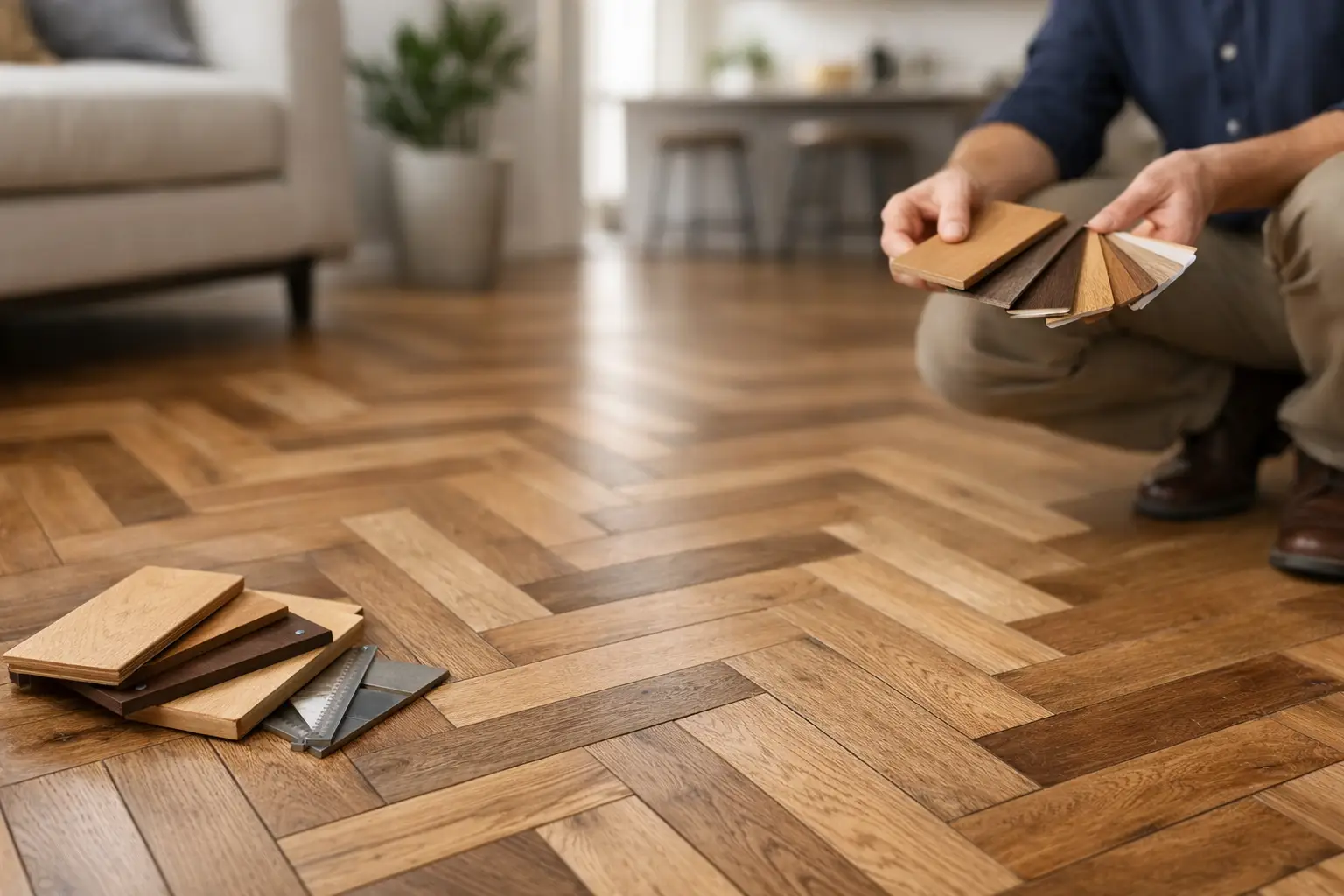
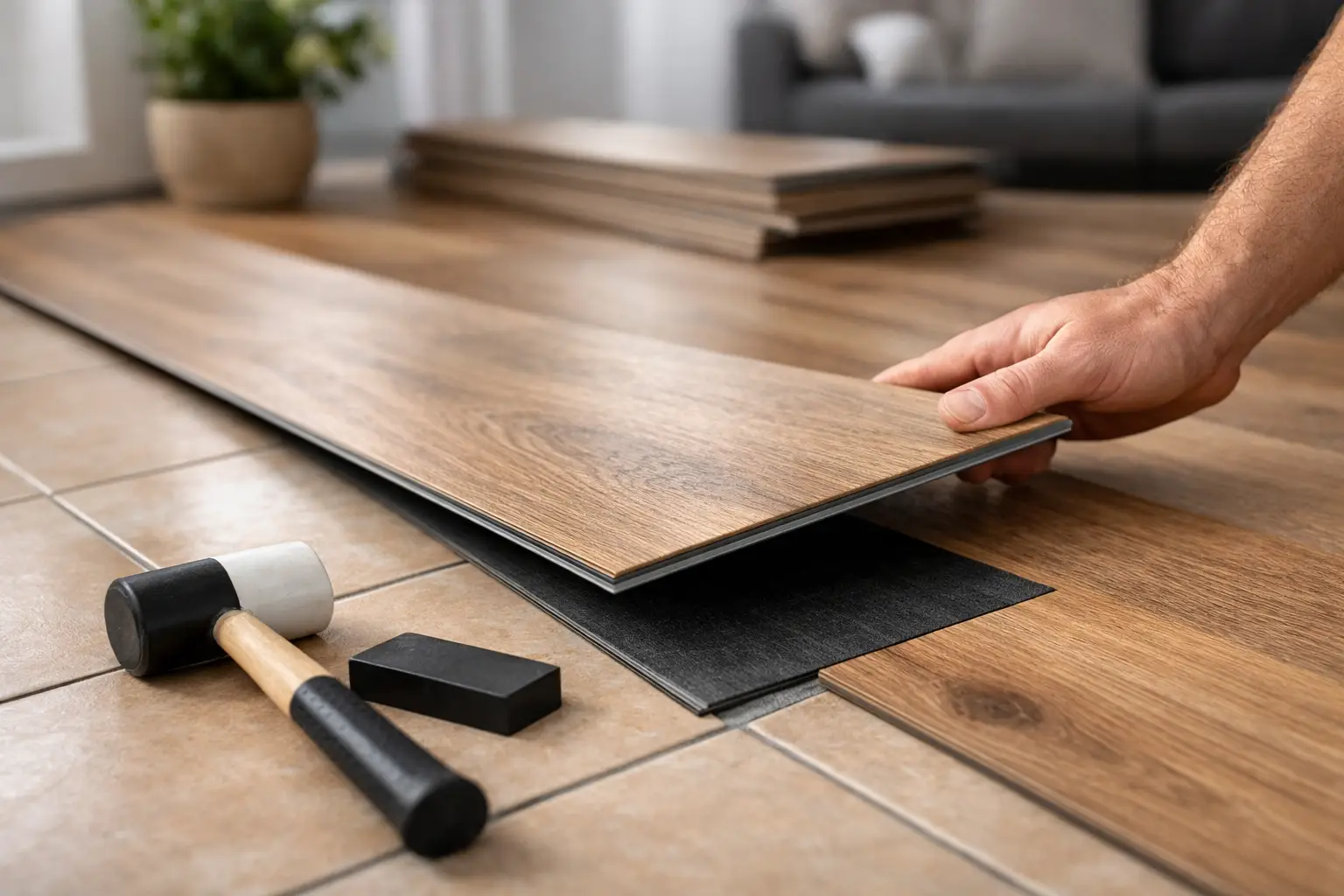
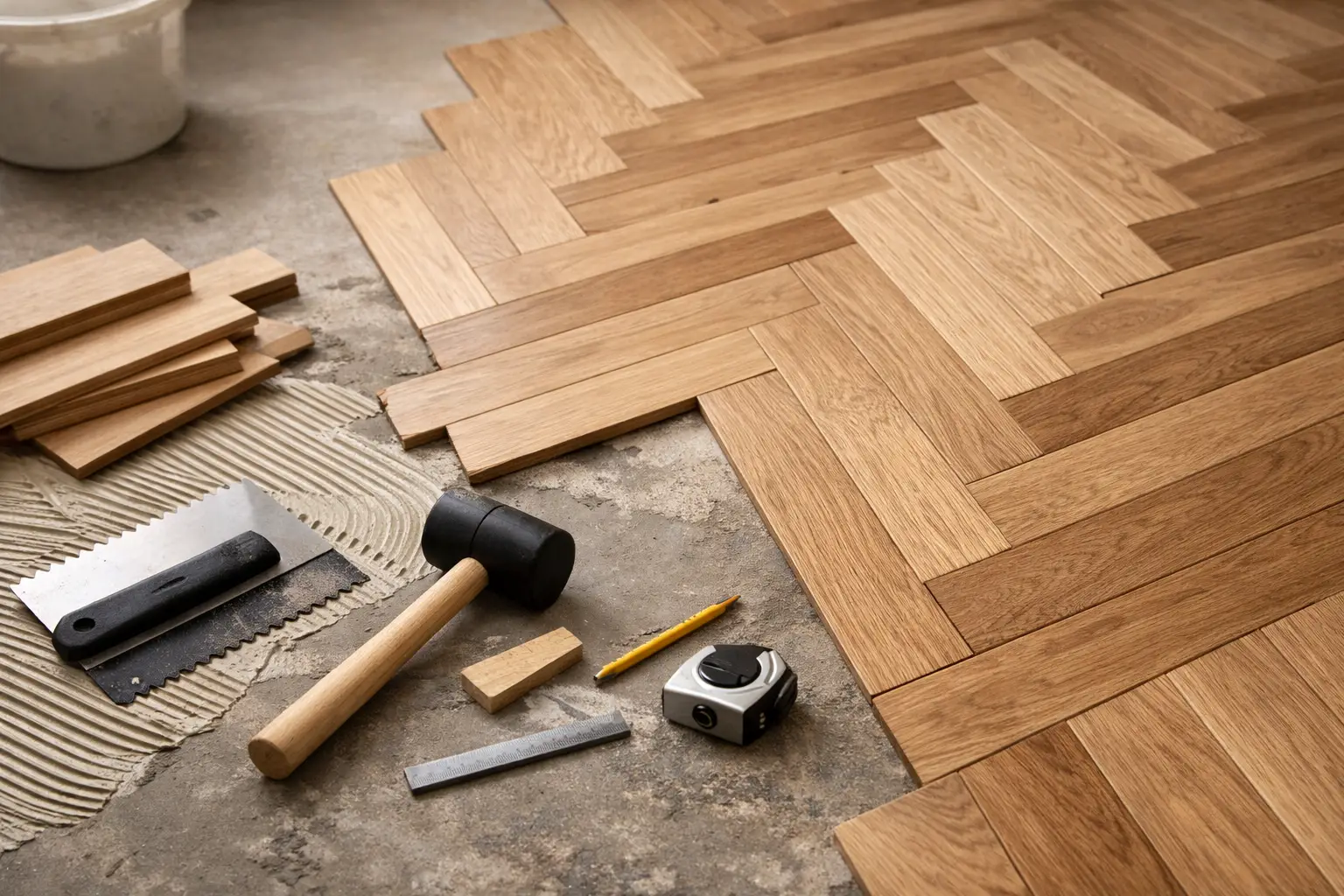
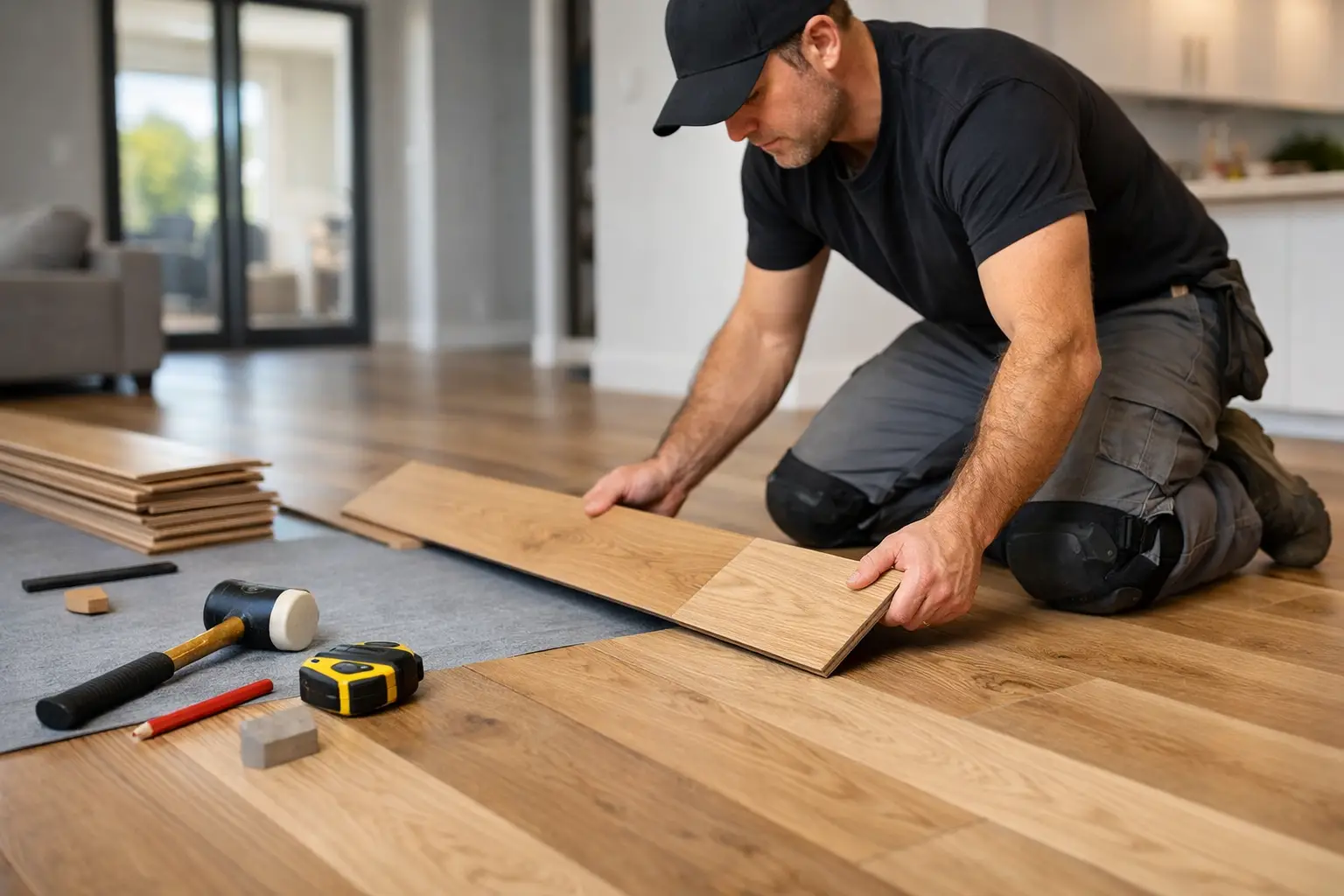
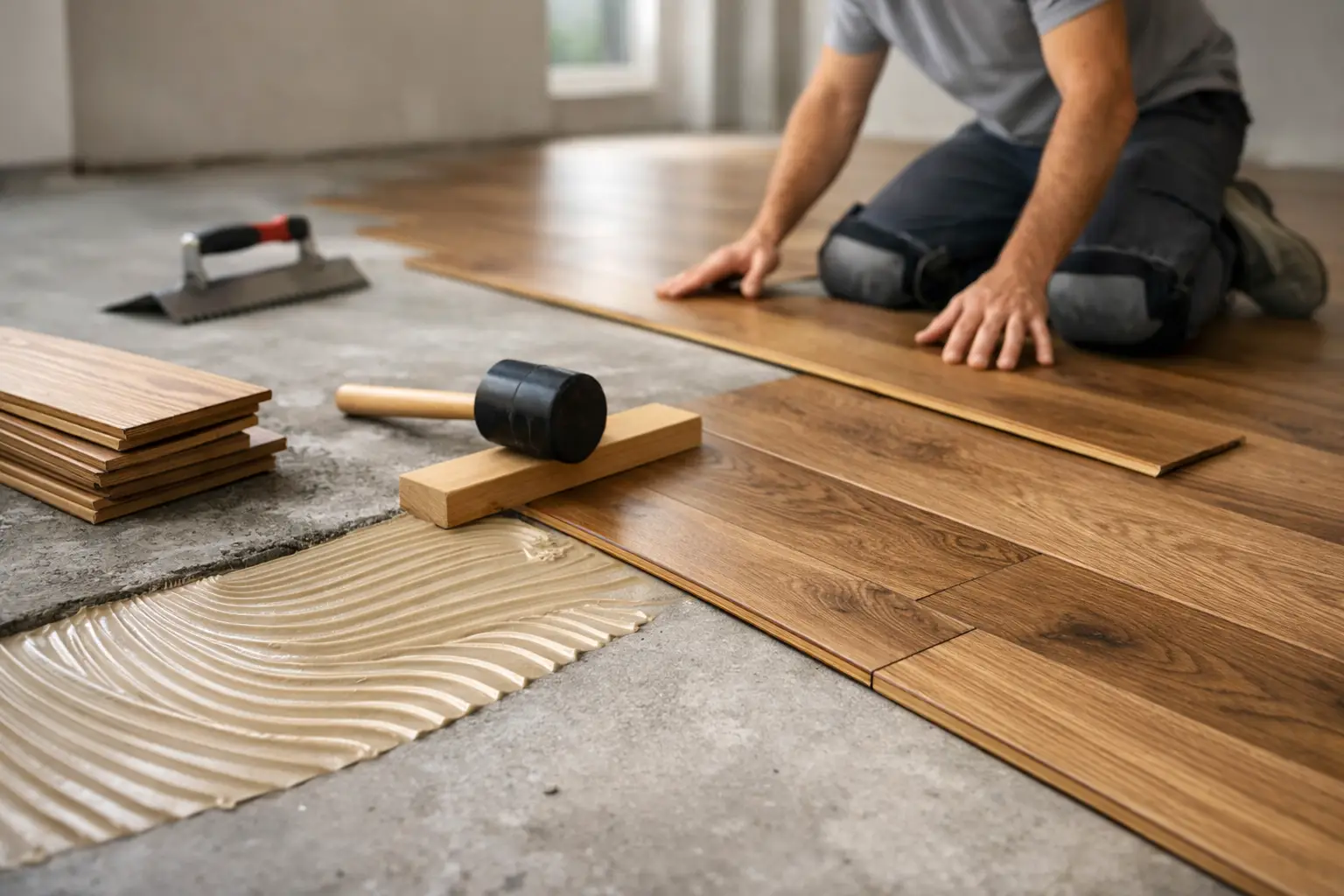
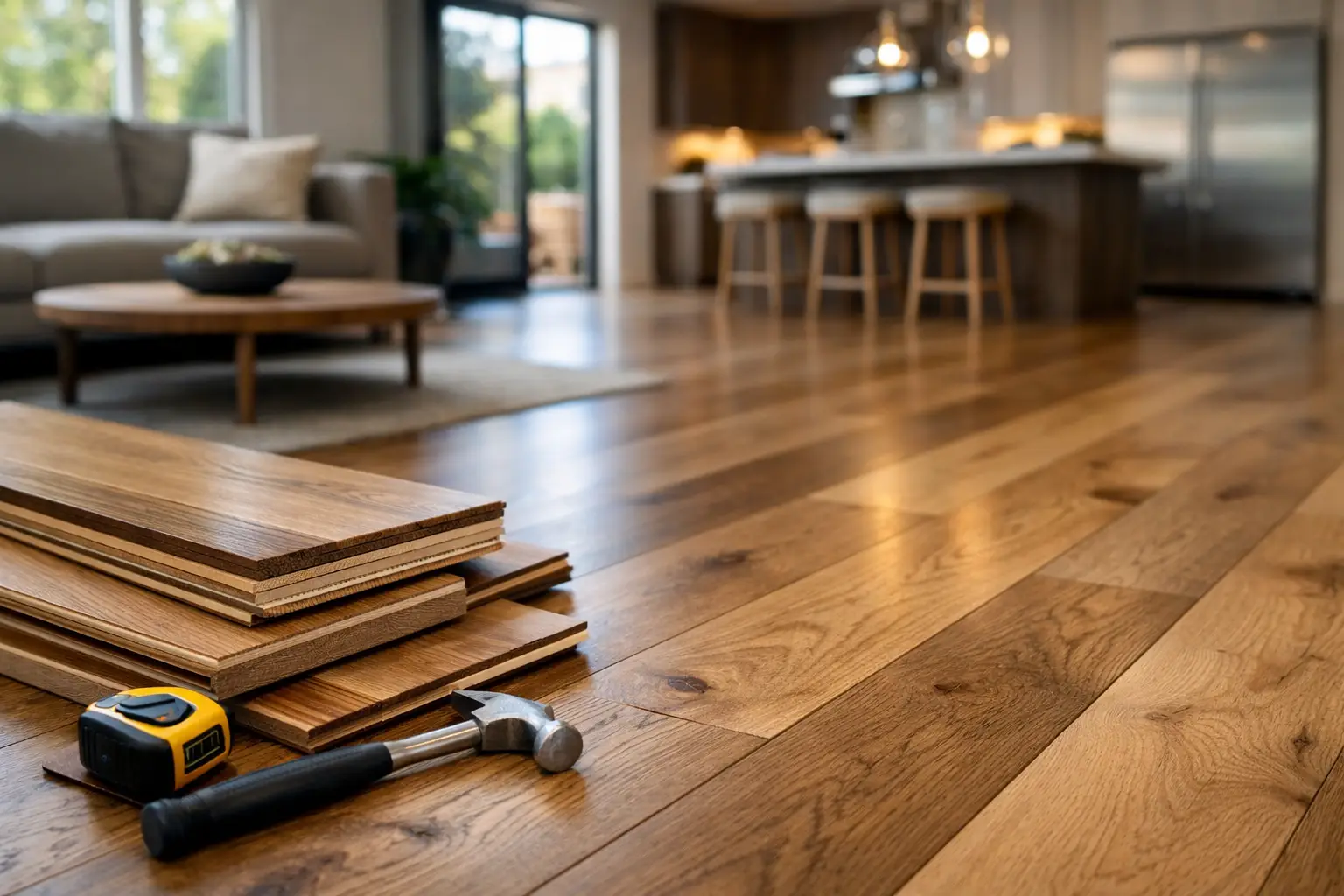
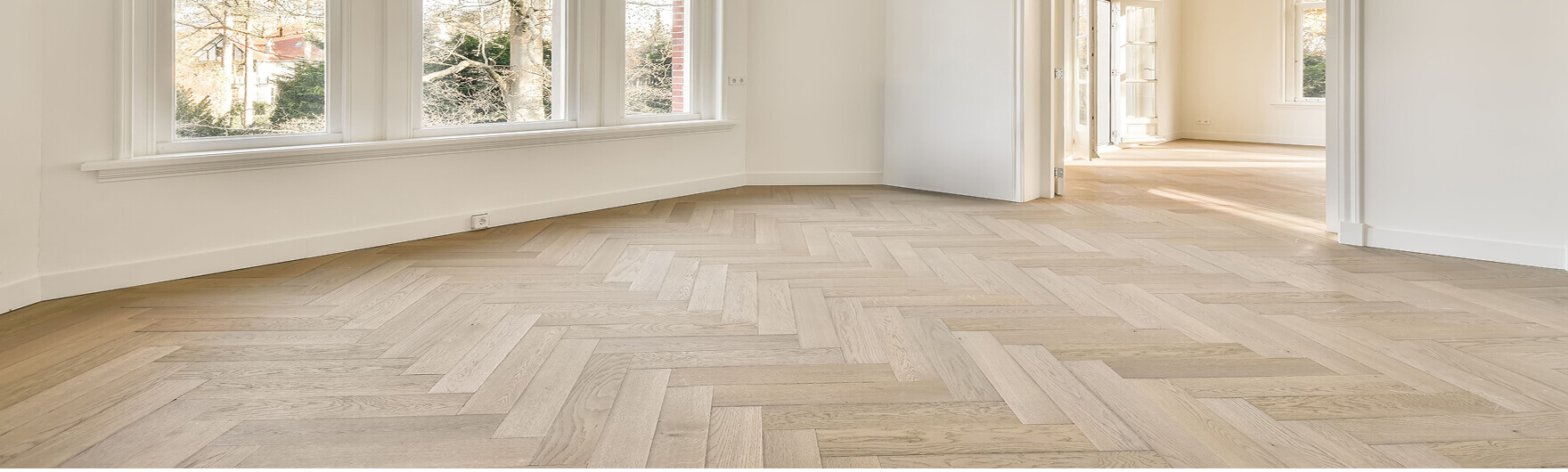
Laminate is commonly installed as a floating floor. Engineered timber can be floated, glued down, or installed in specific patterns such as herringbone depending on the product and site conditions. Glue-down engineered timber often feels firmer and quieter, but the right method depends on the subfloor, building type, and board format.
For many Melbourne homes, especially older properties and apartments, subfloor preparation is where the real work is. It is not the exciting part of the quote, but it is often the part that protects the finish you are paying for.
Which suits different types of homes?
For a family home with pets and heavy daily traffic, laminate can be a very sensible choice if you want a durable timber-look floor without stretching the budget. It is also popular in bedrooms, rental properties, and quicker cosmetic renovations.
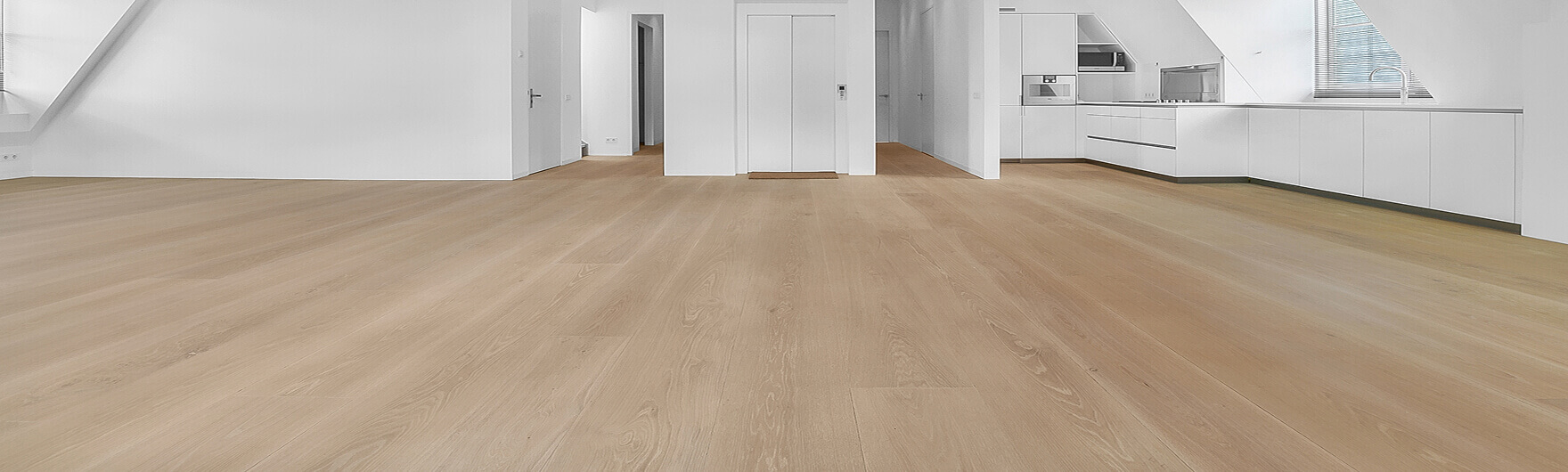
For owner-occupiers who want a more premium feel, engineered timber is usually the better fit. It suits living areas, dining rooms, high-end renovations, and interiors where warmth and authenticity matter. If you are after wide-plank European oak looks or a more architectural finish, laminate rarely gives the same result.
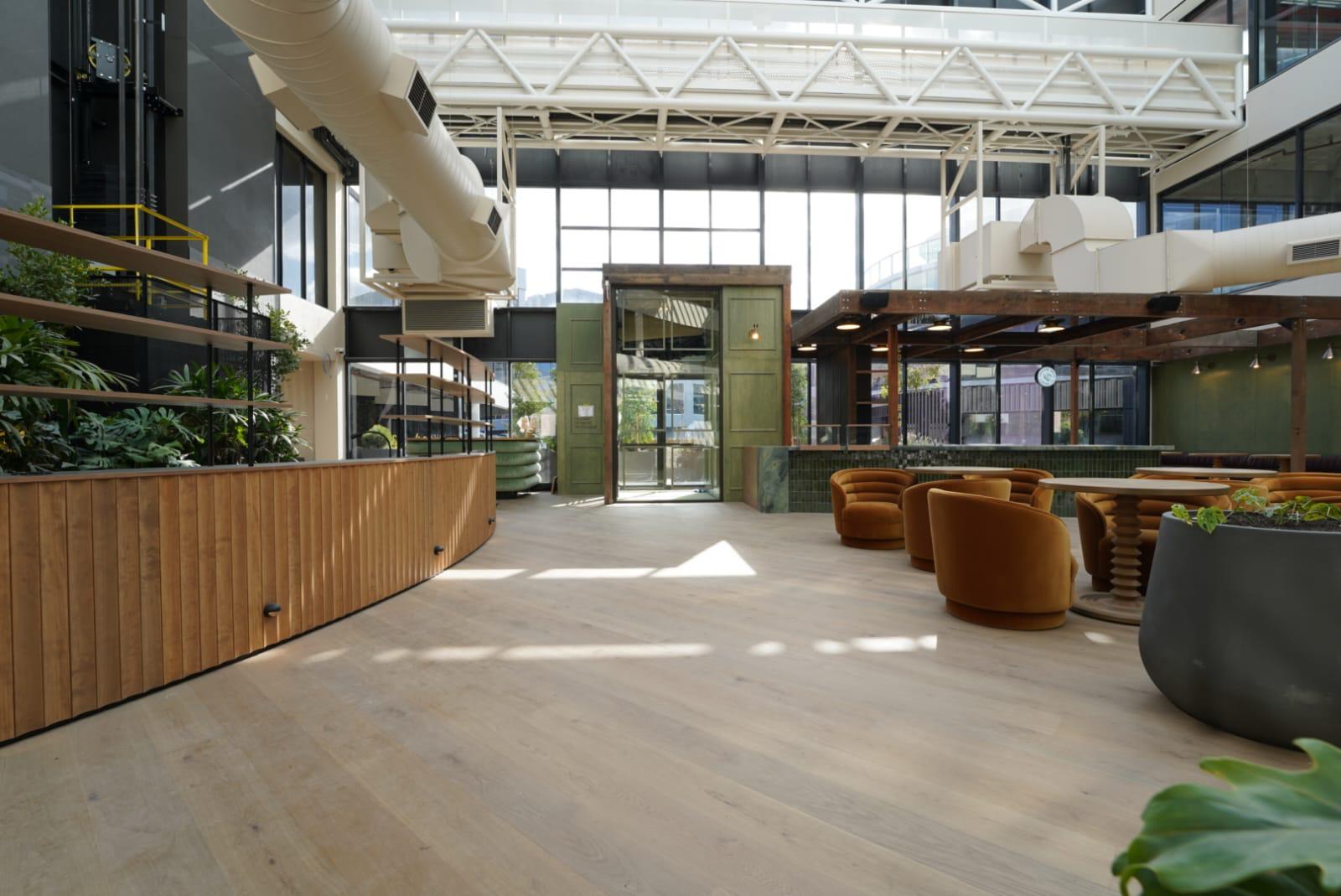
For commercial spaces, the answer depends on the use case. Some offices, retail spaces, and fit-outs benefit from laminate’s wear resistance and cost efficiency. Others need the finish and brand impression that real timber provides.
What is engineered hardwood flooring vs laminate when resale matters?
If you are thinking long term, engineered timber generally carries stronger perceived value. Buyers understand real timber. Agents and homeowners often see it as a premium upgrade, especially when the colour, board size, and installation style suit the property.
Laminate can still present very well, and in the right home it can absolutely improve saleability compared with tired carpet or outdated flooring. But it is usually seen as a practical finish rather than a premium one.
That distinction matters most in homes where finishes influence the overall market appeal.
The better question is which one suits your property
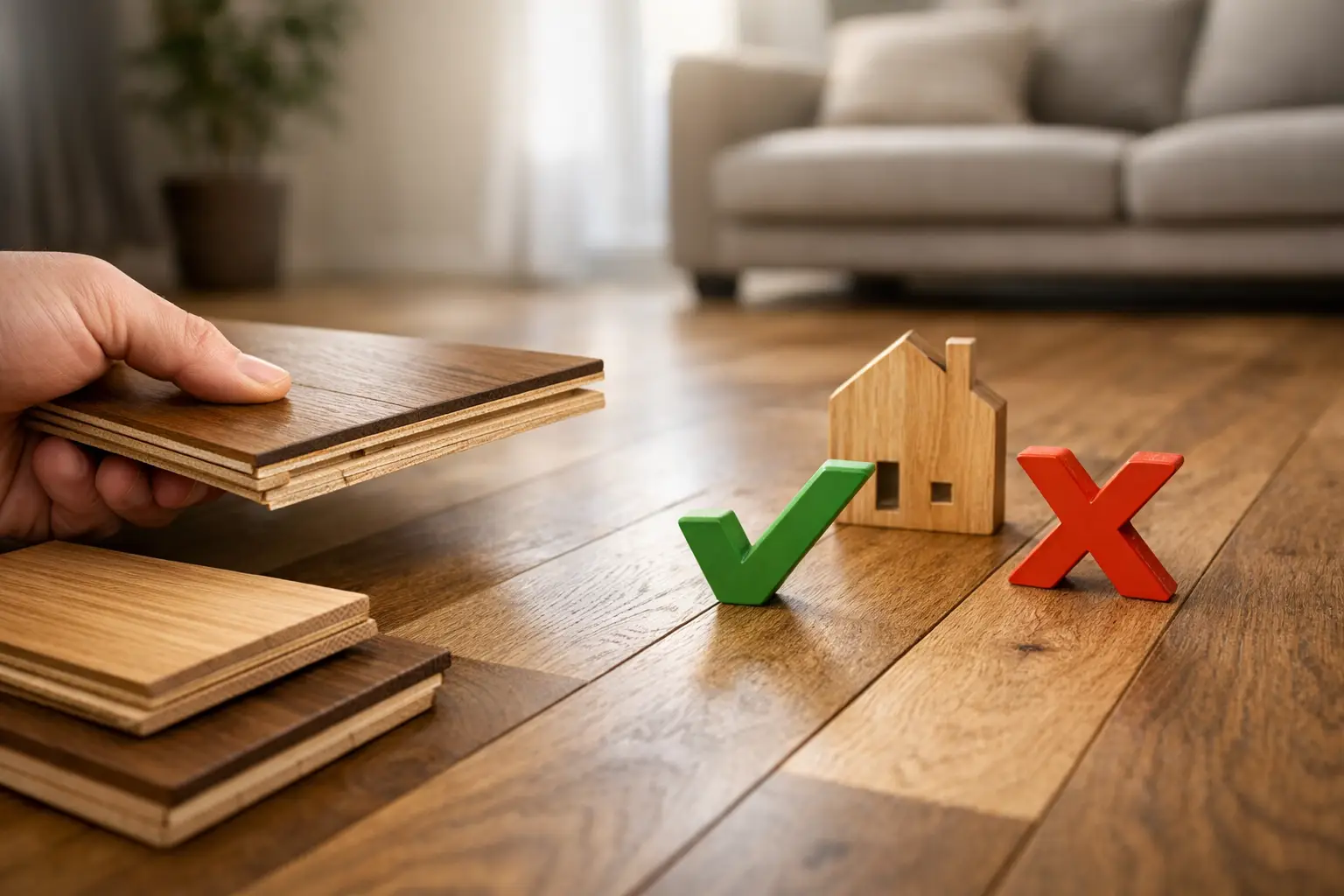
There is no blanket winner here. If you want the closest look and feel to real timber, engineered hardwood is the clear step up. If you want a cost-effective floor that handles busy day-to-day life well, laminate can be an excellent choice.
The right decision comes down to your subfloor, your budget, your expectations, and how the space is actually used. That is why straightforward advice matters. Former installers tend to look at flooring differently from a standard showroom pitch. They look at what will work on site, what will last, and what is likely to cause problems later.
A good floor should still look right after the furniture is back in, the dog has run through the hallway, and real life starts again. That is the standard worth buying to.