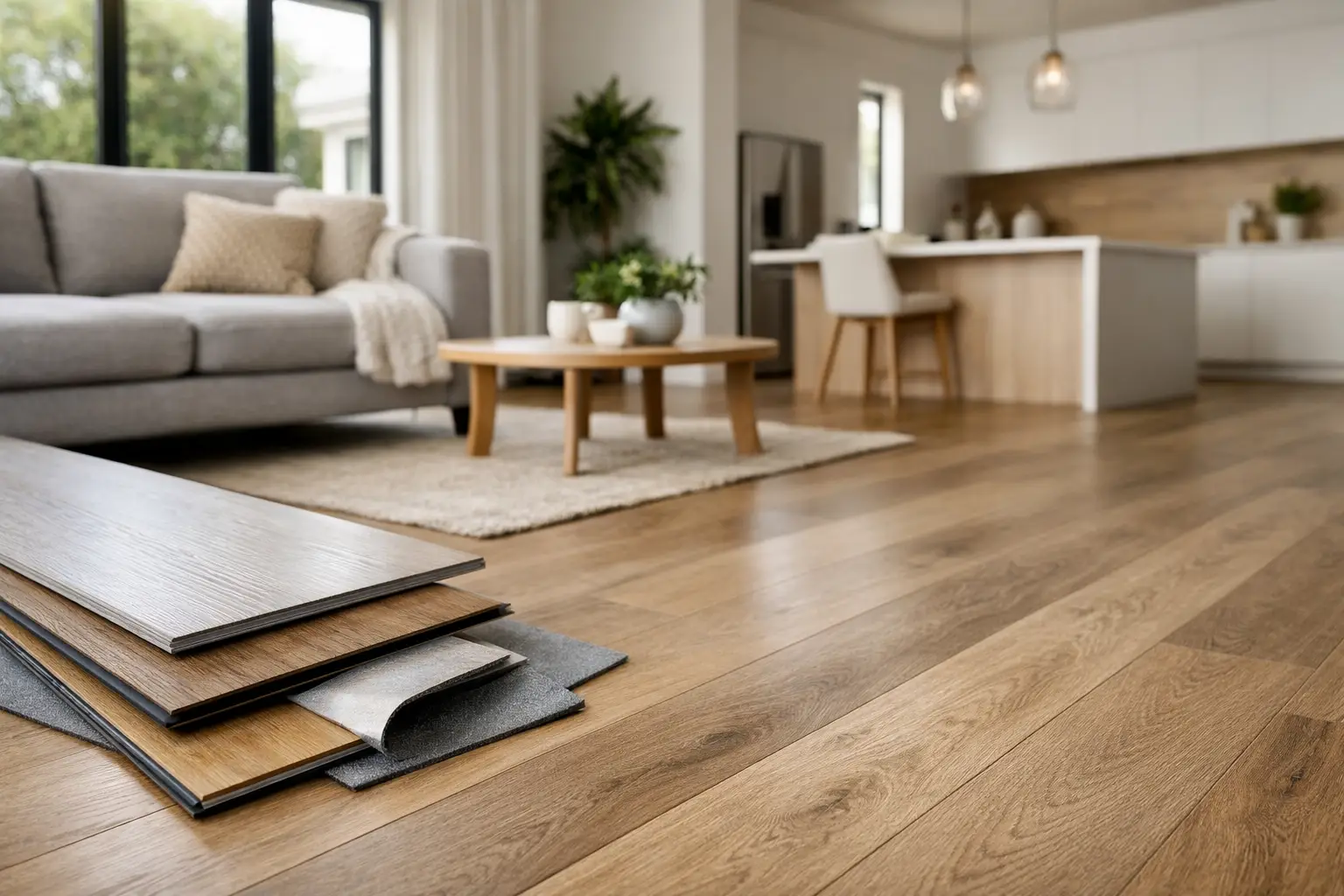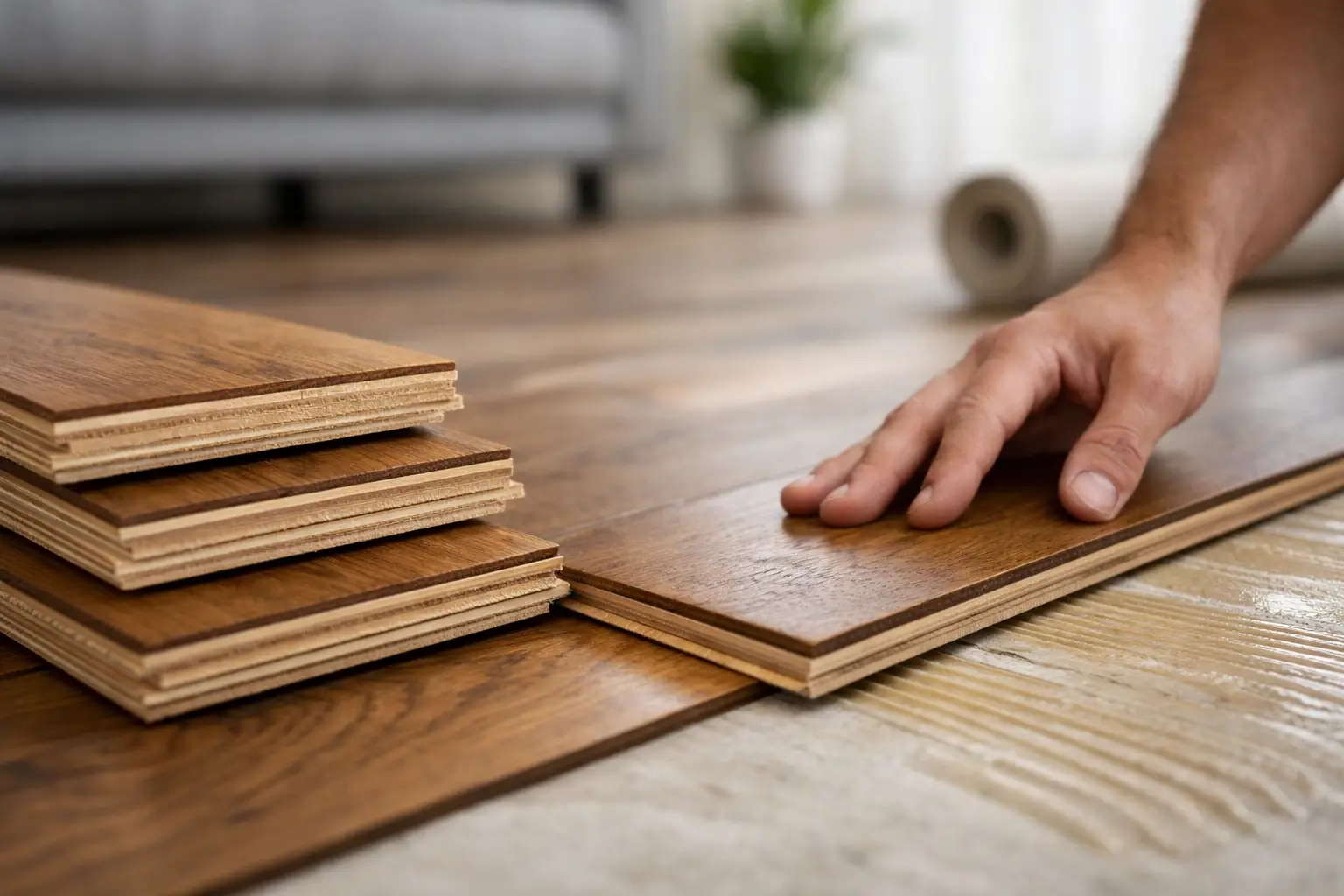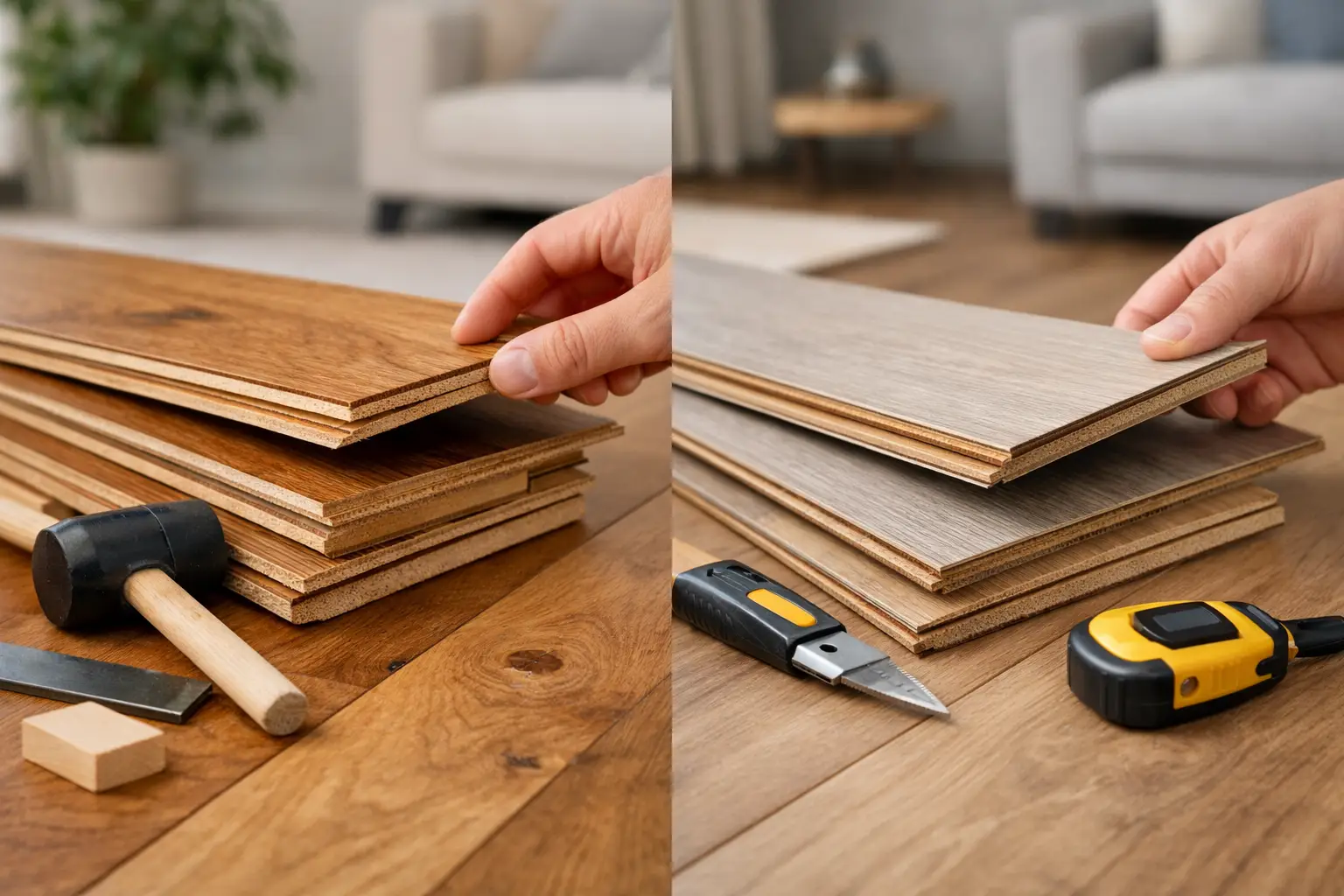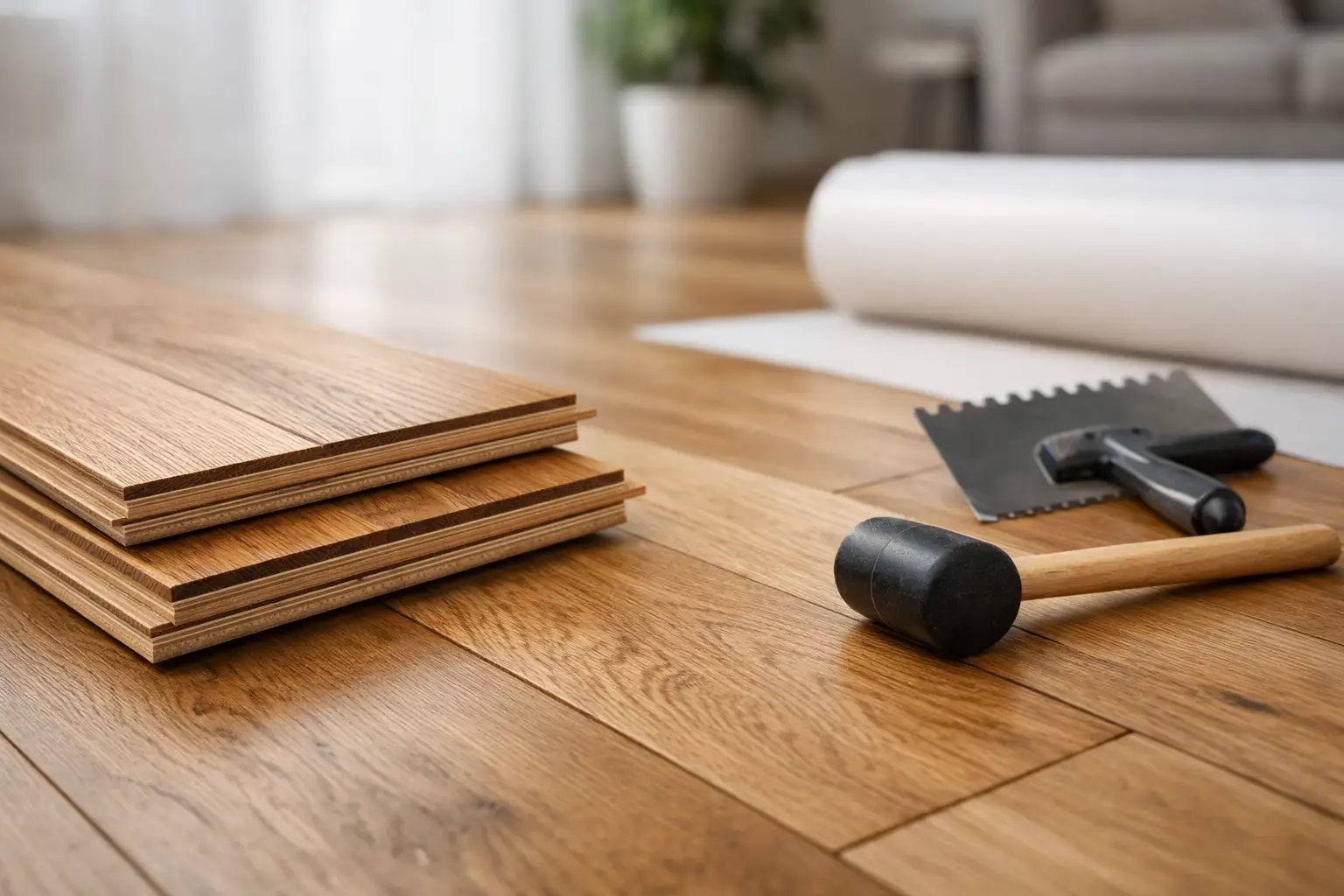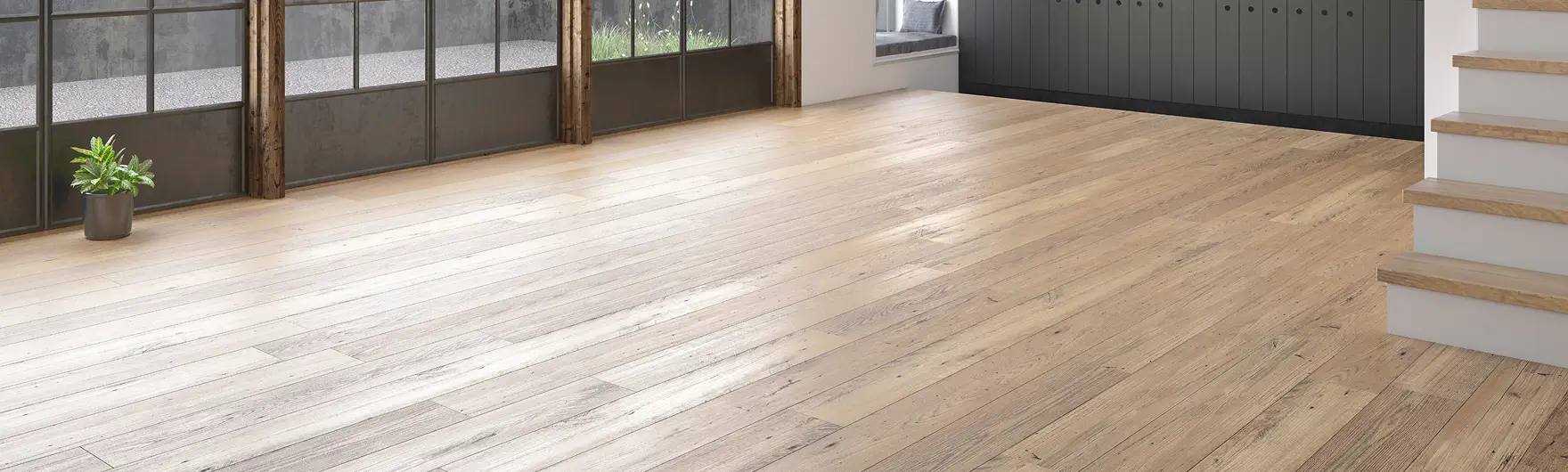
The fastest way to waste money on new floors is to choose by sample board alone. A plank can look perfect under showroom lights, then feel too hollow underfoot, show every speck of dust, or fail early because the subfloor was never right in the first place. If you are working out how to choose hybrid flooring, the best approach is to look past colour first and focus on where it is going, how it will be used, and what is happening underneath it.
Hybrid flooring has become a popular option for Melbourne homes, apartments and commercial spaces because it combines timber-look style with practical performance. It is generally water-resistant or waterproof, more stable than traditional timber in problem areas, and easier to maintain than some other hard flooring types. But not every hybrid floor is built the same, and not every property is suited to the same product.
Table of Contents
How to choose hybrid flooring without getting caught by the basics
A good hybrid floor should suit the room, the traffic, the subfloor and the finish you actually want to live with. That sounds simple, but this is where many buyers get stuck. They compare thickness, chase a low price, or assume all waterproof floors perform the same.
The better way to assess hybrid flooring is to look at the full system. That means the plank construction, surface durability, acoustic performance, locking system, warranty terms and installation requirements. A floor can have a strong top layer but still perform poorly if it is installed over an uneven subfloor. Likewise, a beautiful wide plank can be the wrong fit for a small apartment if acoustics are a concern.
Start with the room, not the product
Before you compare brands or colours, think about what the room demands from the floor. Kitchens, living areas and hallways usually need something durable, easy to clean and stable through daily temperature changes. Bedrooms can be more forgiving. Investment properties often need a balance between price and wear resistance. Commercial settings need tougher specifications again.
If you have kids, pets or heavy foot traffic, a hard-wearing surface matters more than a trend-driven finish. If you are fitting out an apartment, acoustic requirements may narrow your options quickly. If the space gets a lot of natural light, board colour and texture become more important because some finishes show dust, scratches and glare more than others.
This is why a practical recommendation should never begin and end with, “That one is popular.” Popular does not mean suitable.
Check the core construction and wear layer
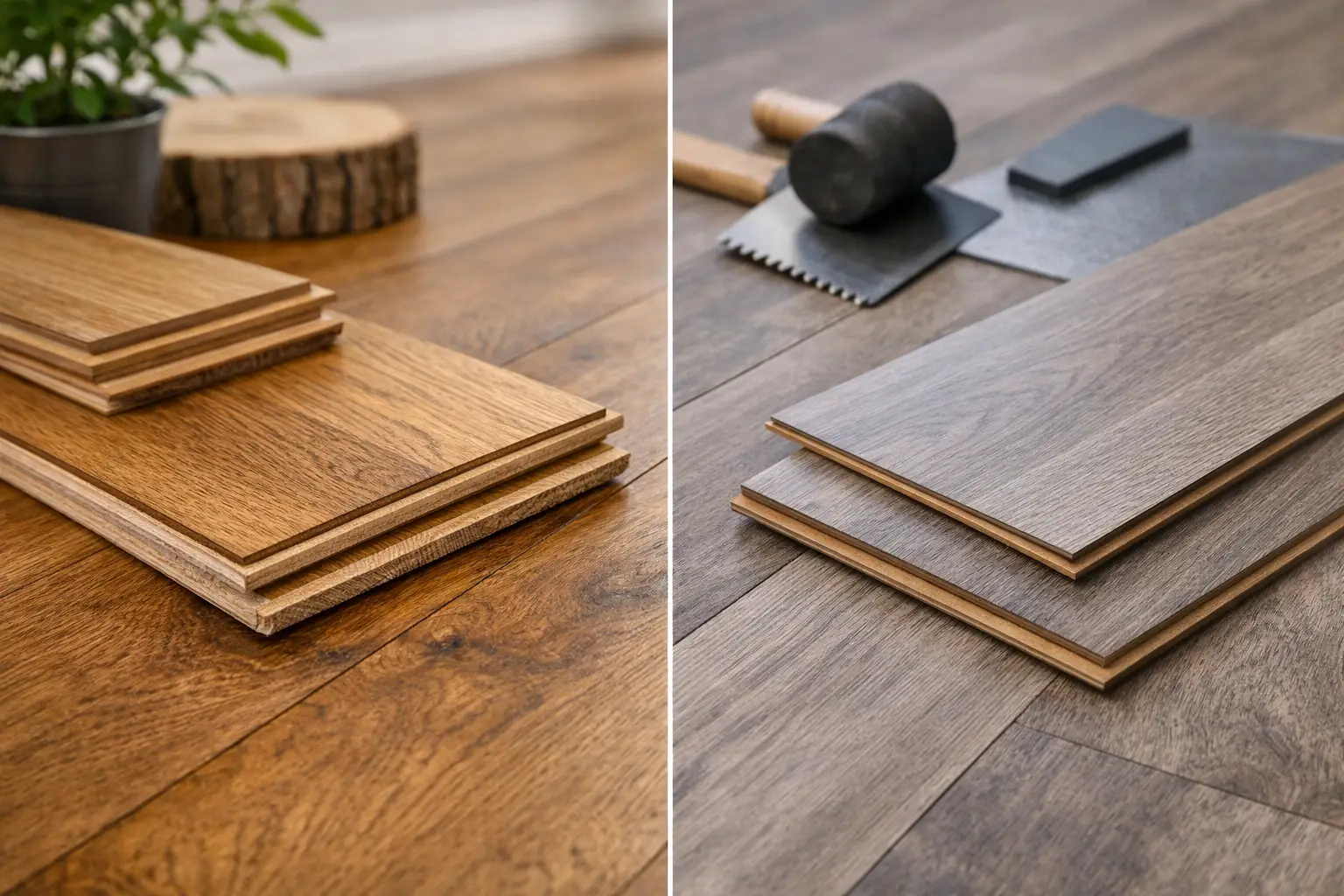
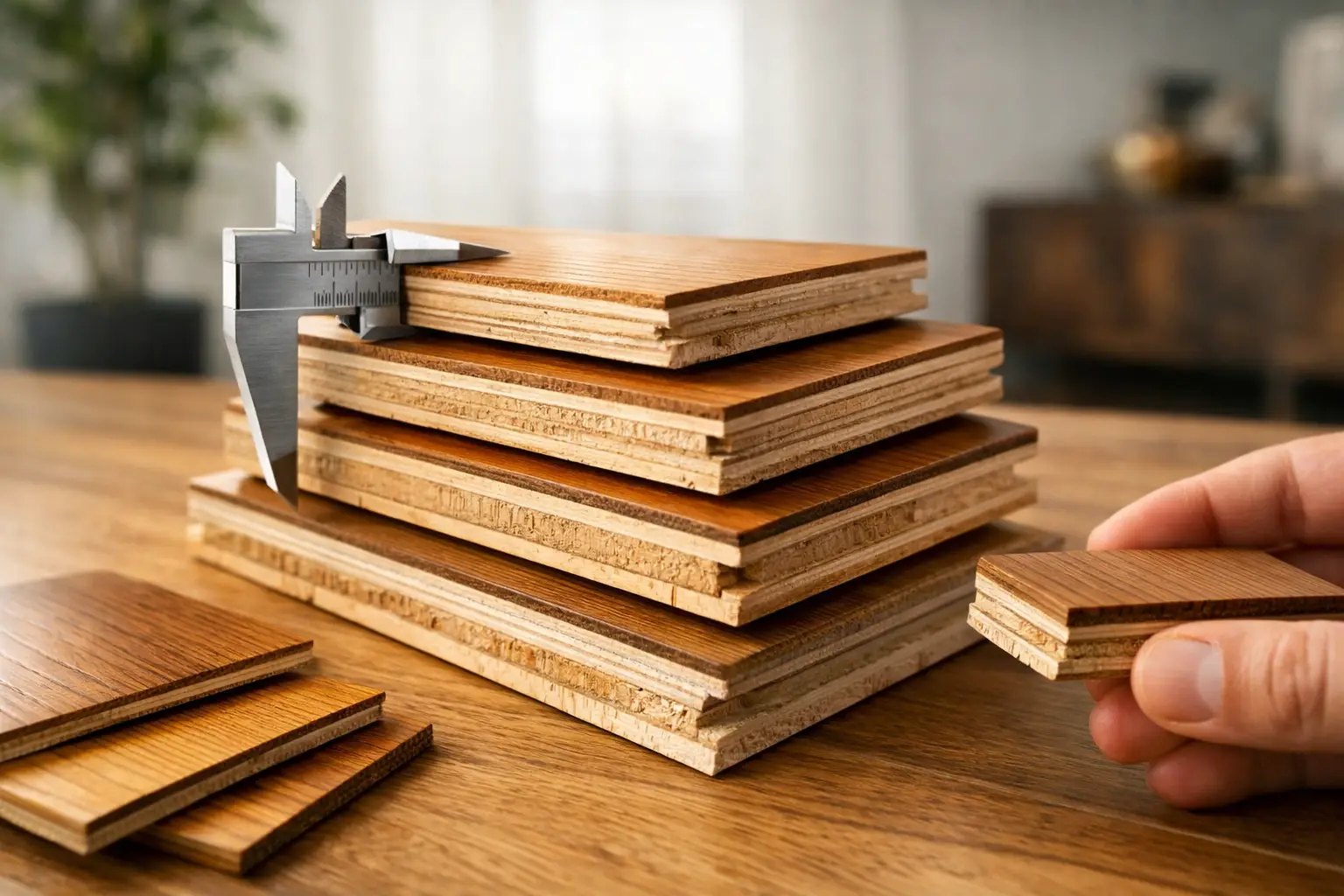
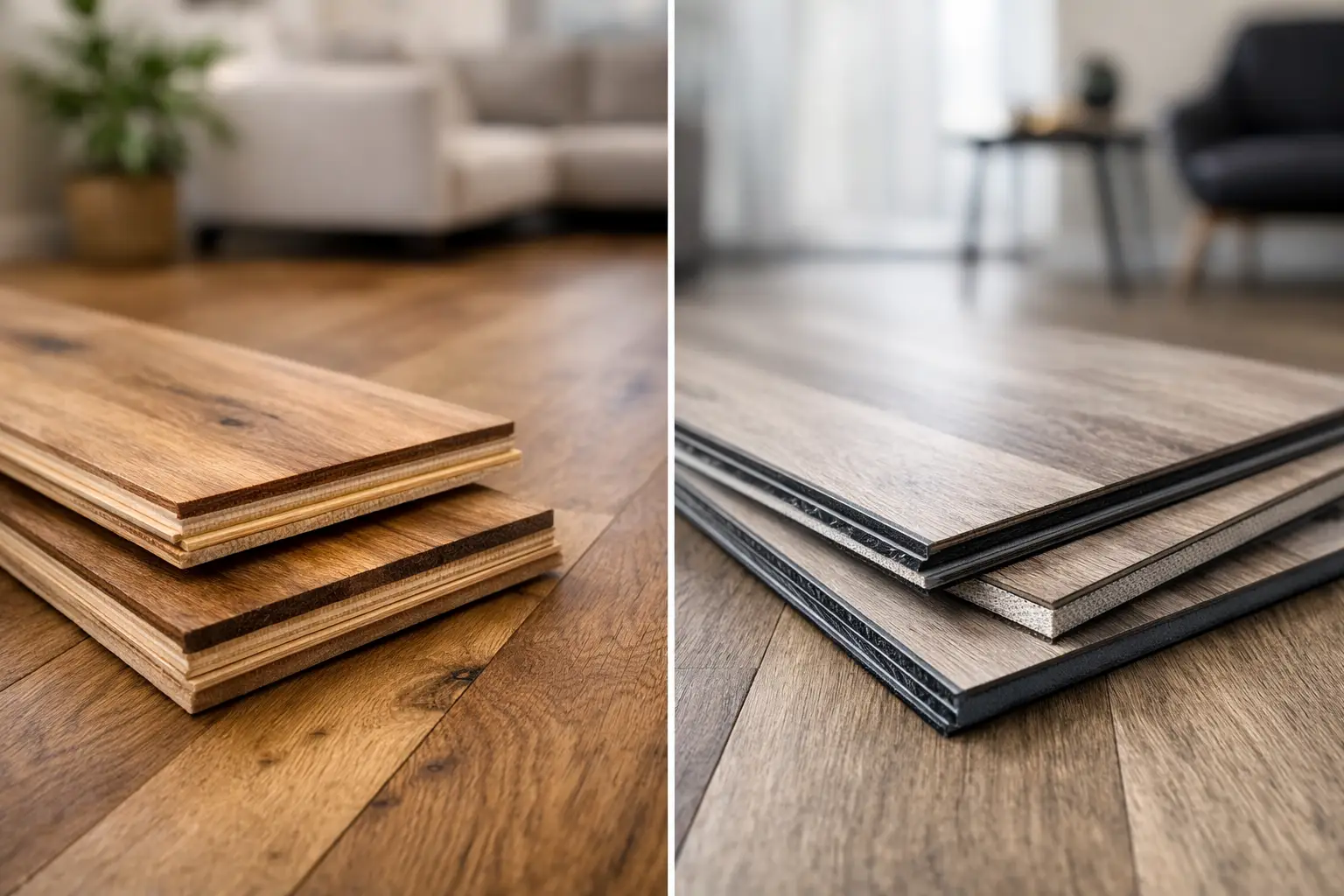
Not all hybrid flooring products are equal in build quality. A stronger, more stable core helps the floor handle everyday movement, temperature changes and impact. The wear layer is the surface protection that takes the punishment from shoes, chairs, pets and general use.
A thicker board is not automatically better, but quality construction usually feels more solid underfoot and performs better over time. You also want a reliable click system. Cheap locking mechanisms are one of the first places inferior products let people down, especially if the floor is installed across larger open-plan areas.
It is also worth asking how the product is designed to handle expansion and contraction. Hybrid flooring is often chosen because it is more dimensionally stable than some alternatives, but there are still installation rules around perimeter gaps, layout and room size. Ignore those and even a good product can run into trouble.
Waterproof does not mean problem-proof
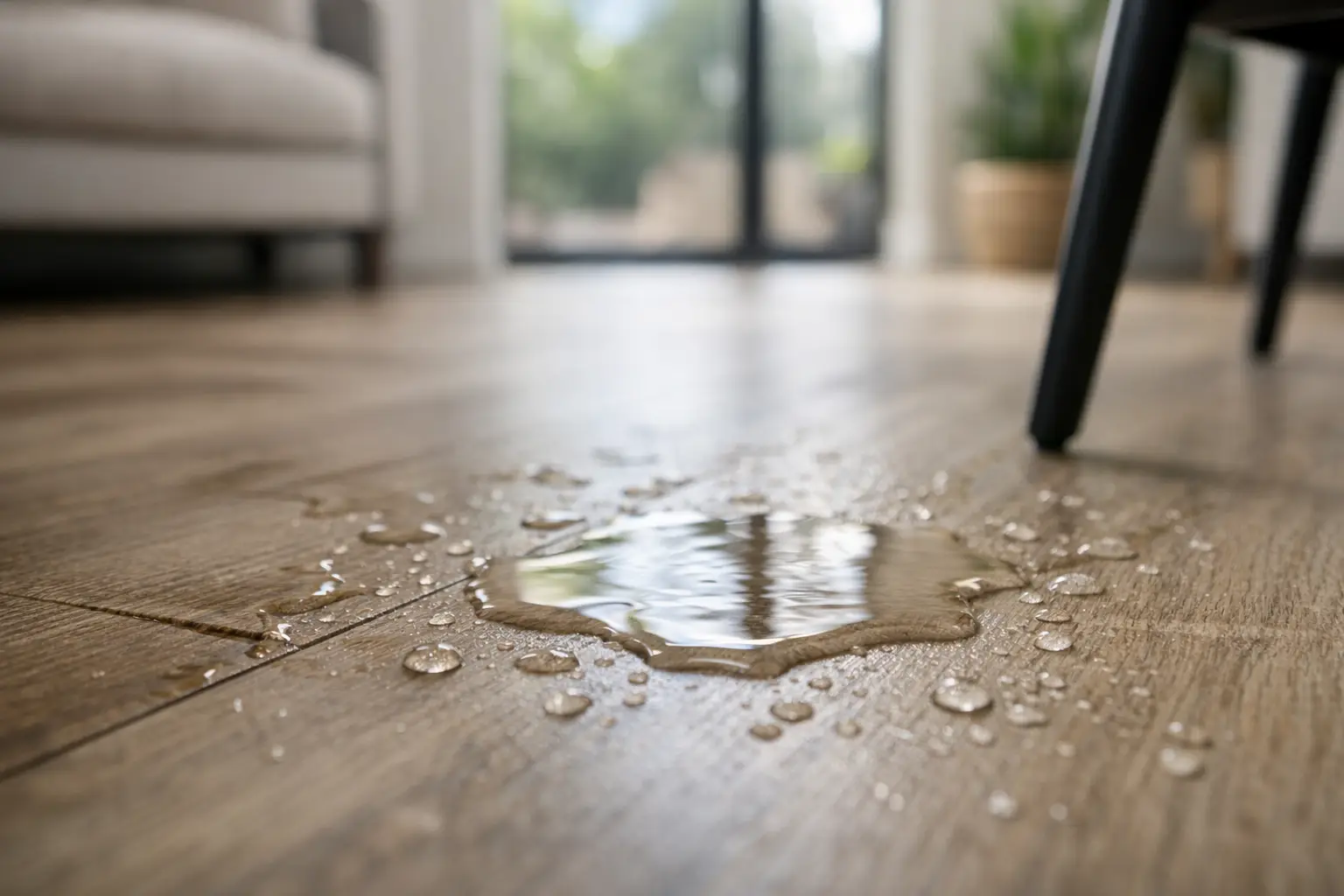
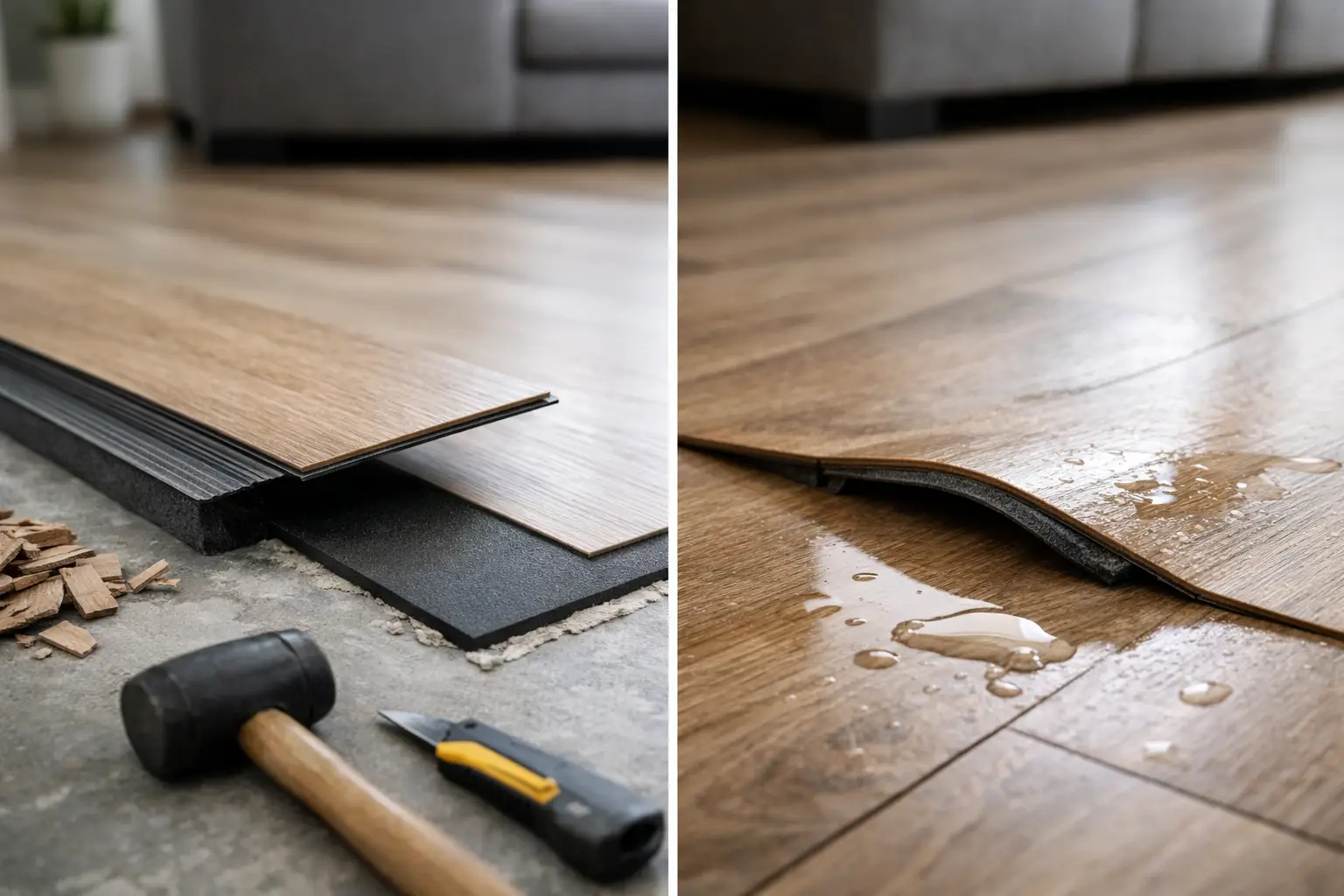
A lot of people hear “waterproof” and assume the floor can go anywhere without risk. That is not quite how it works. Hybrid flooring is a strong option for homes where spills, wet shoes or pet accidents are part of normal life, but waterproof planks do not solve moisture issues coming from below.
If your subfloor has moisture problems, leaks or rising damp, that needs to be dealt with properly before installation. Otherwise, you are treating the symptom, not the cause. In practical terms, the product may survive surface water, but the overall floor system can still fail if the site conditions are wrong.
The subfloor matters more than most buyers realise
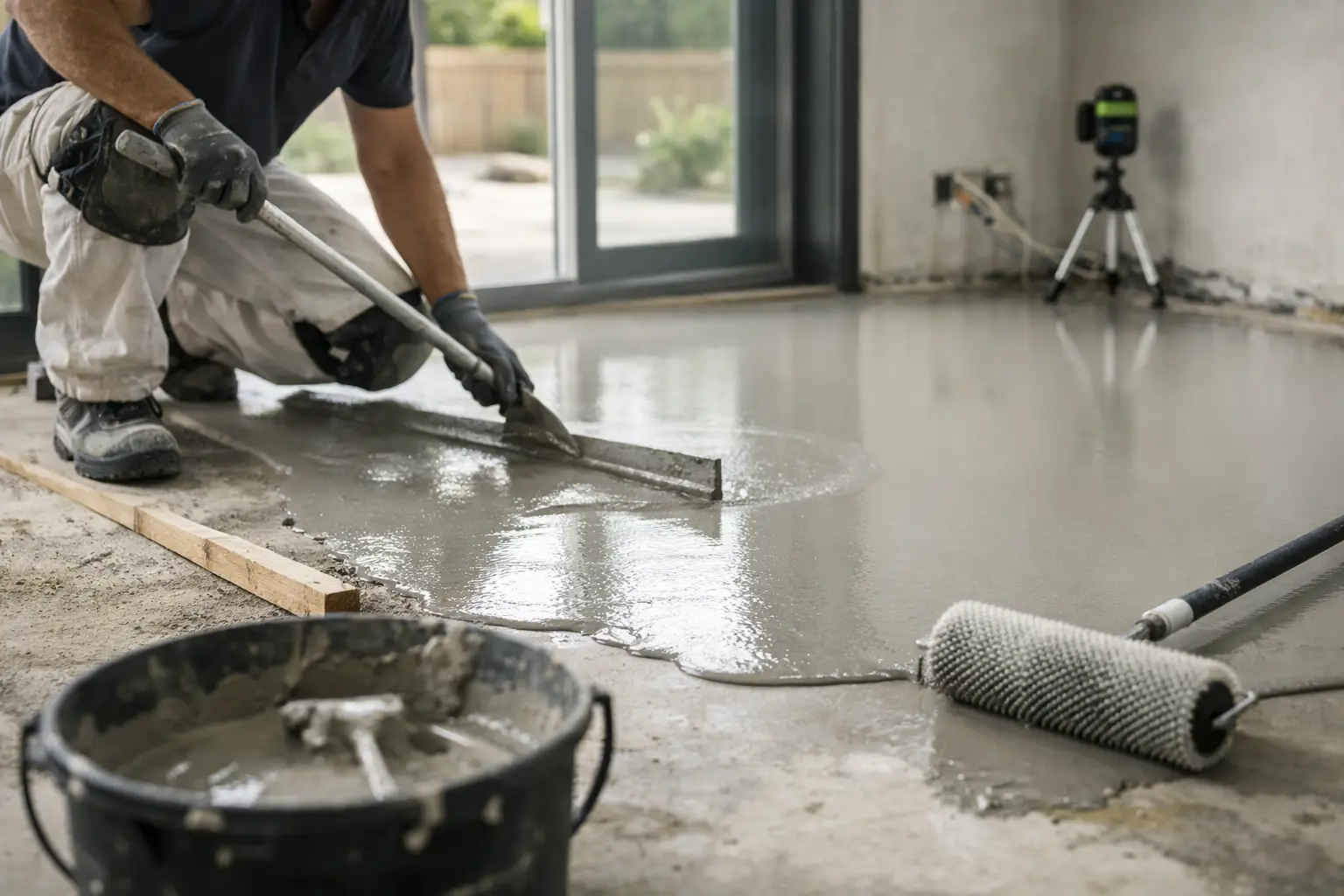
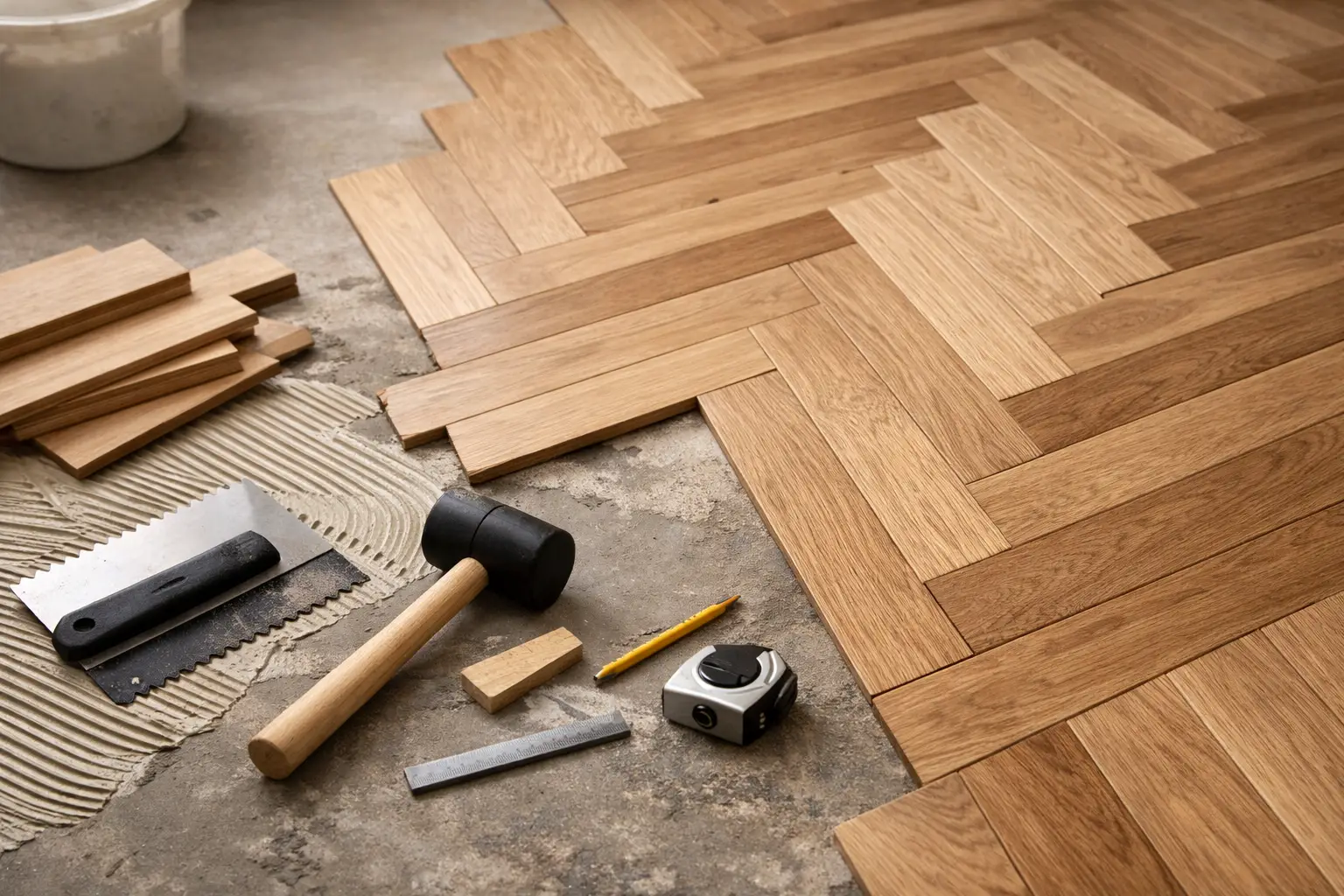
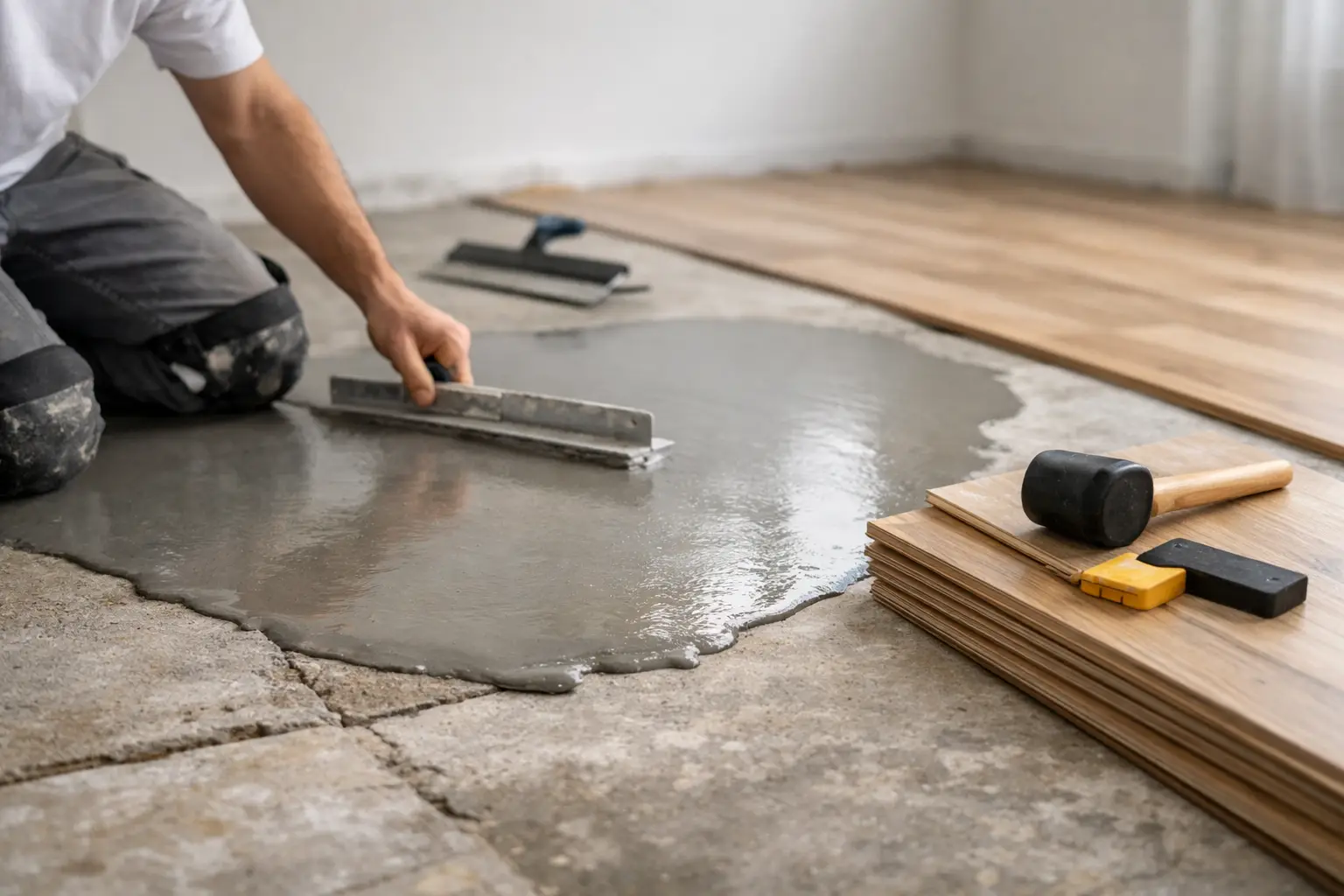
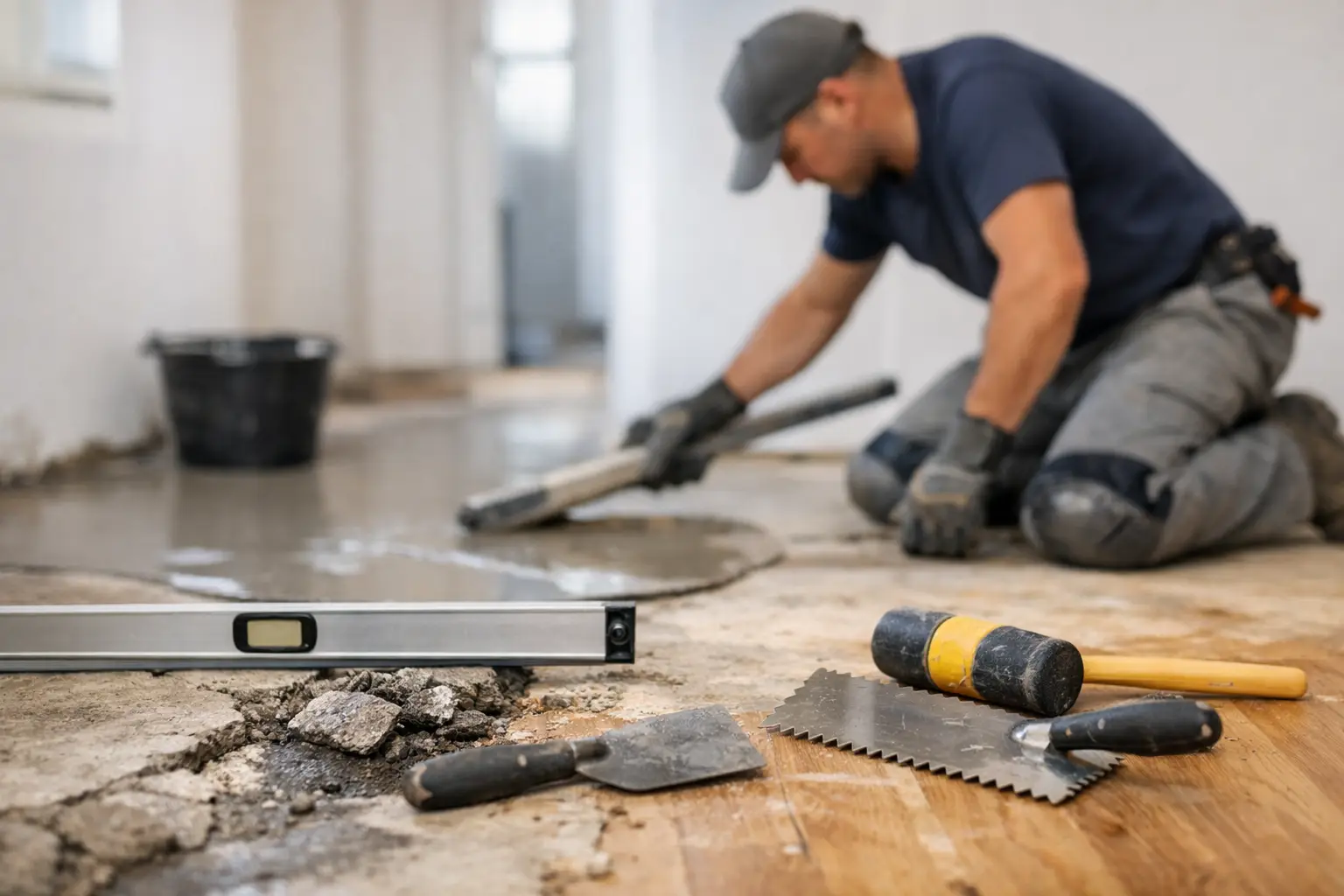
If there is one area where trade experience makes a real difference, it is subfloor preparation. Uneven concrete, old adhesive residue, dips, high spots and movement in the base can all affect how hybrid flooring performs. Hollow sounds, joint stress, movement underfoot and premature wear often trace back to poor preparation rather than the plank itself.
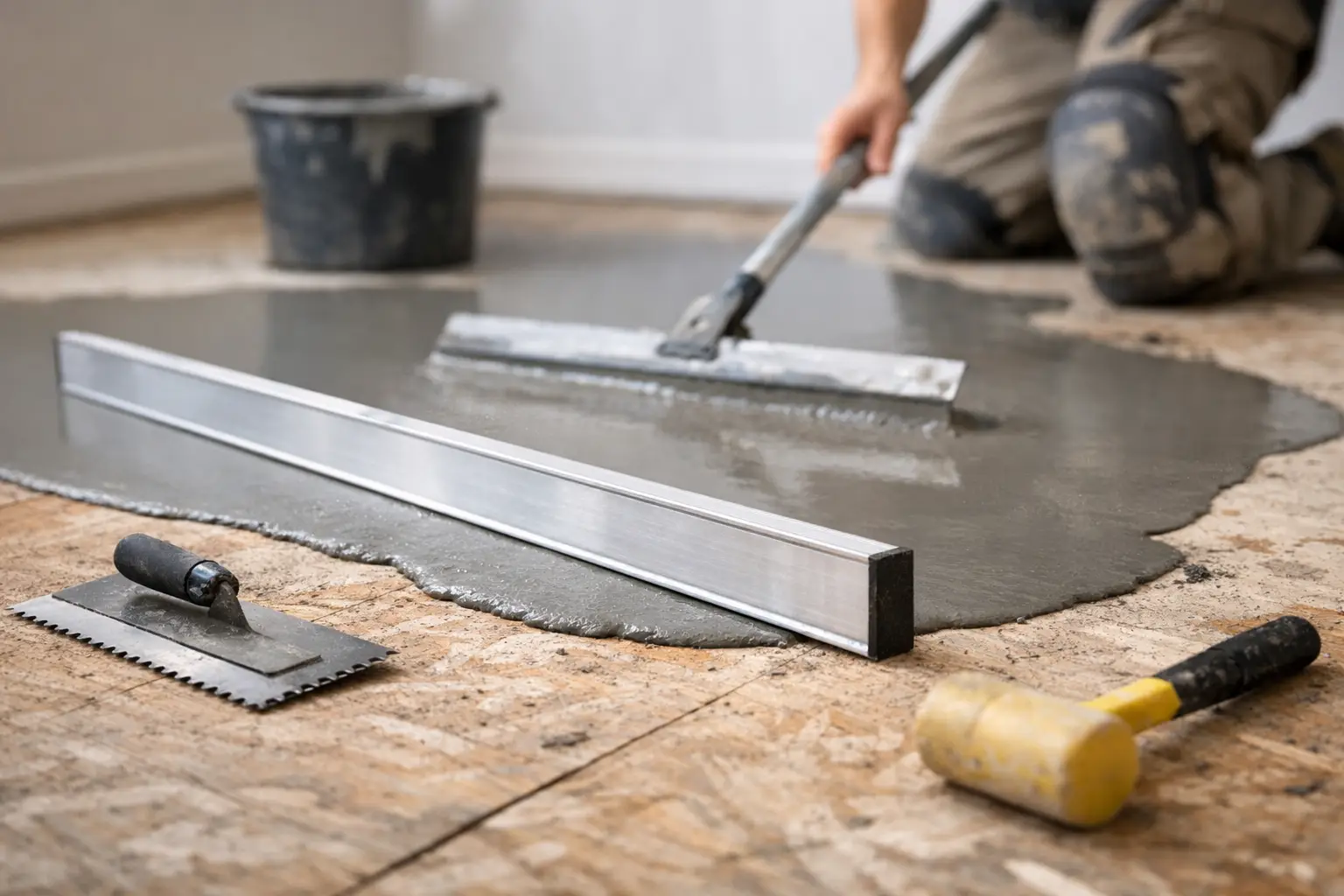
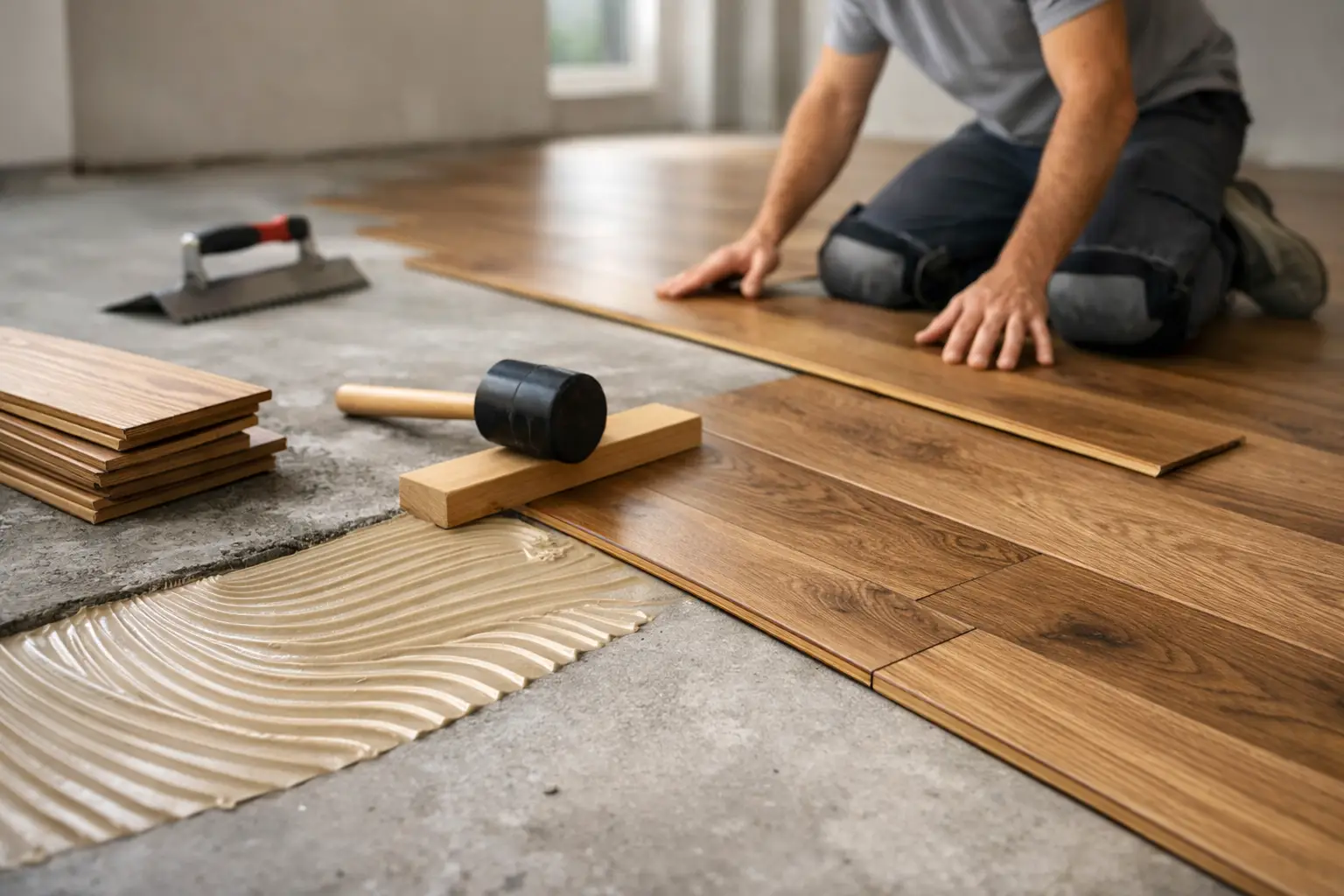
This is why experienced flooring specialists spend time checking levels and surface condition before they recommend installation. On concrete, self-levelling products are often needed to create a flat, stable base. On timber subfloors, movement and sheet condition need to be assessed properly.
A cheaper quote can look attractive until it leaves out the prep work. Then the same floor that seemed like a bargain becomes expensive to fix.
Choose a finish you can actually live with
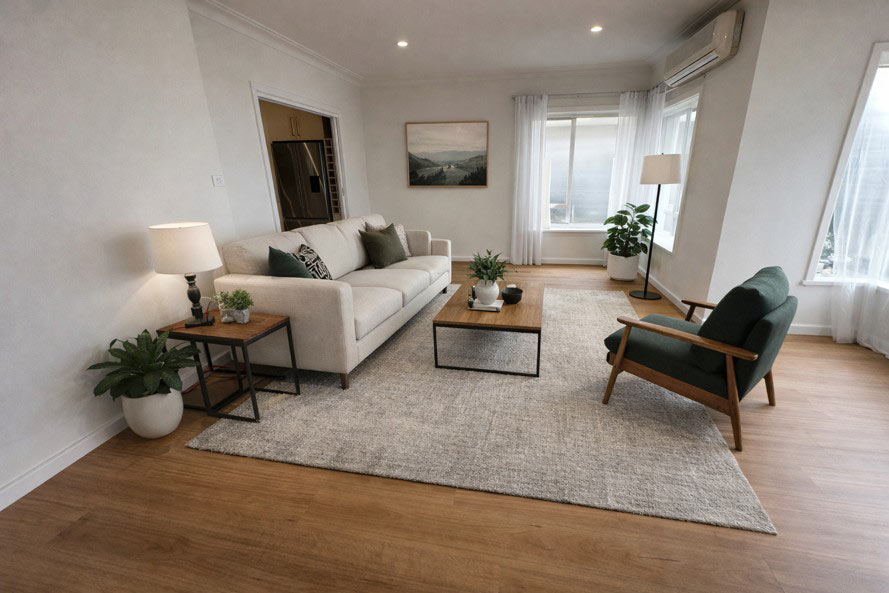
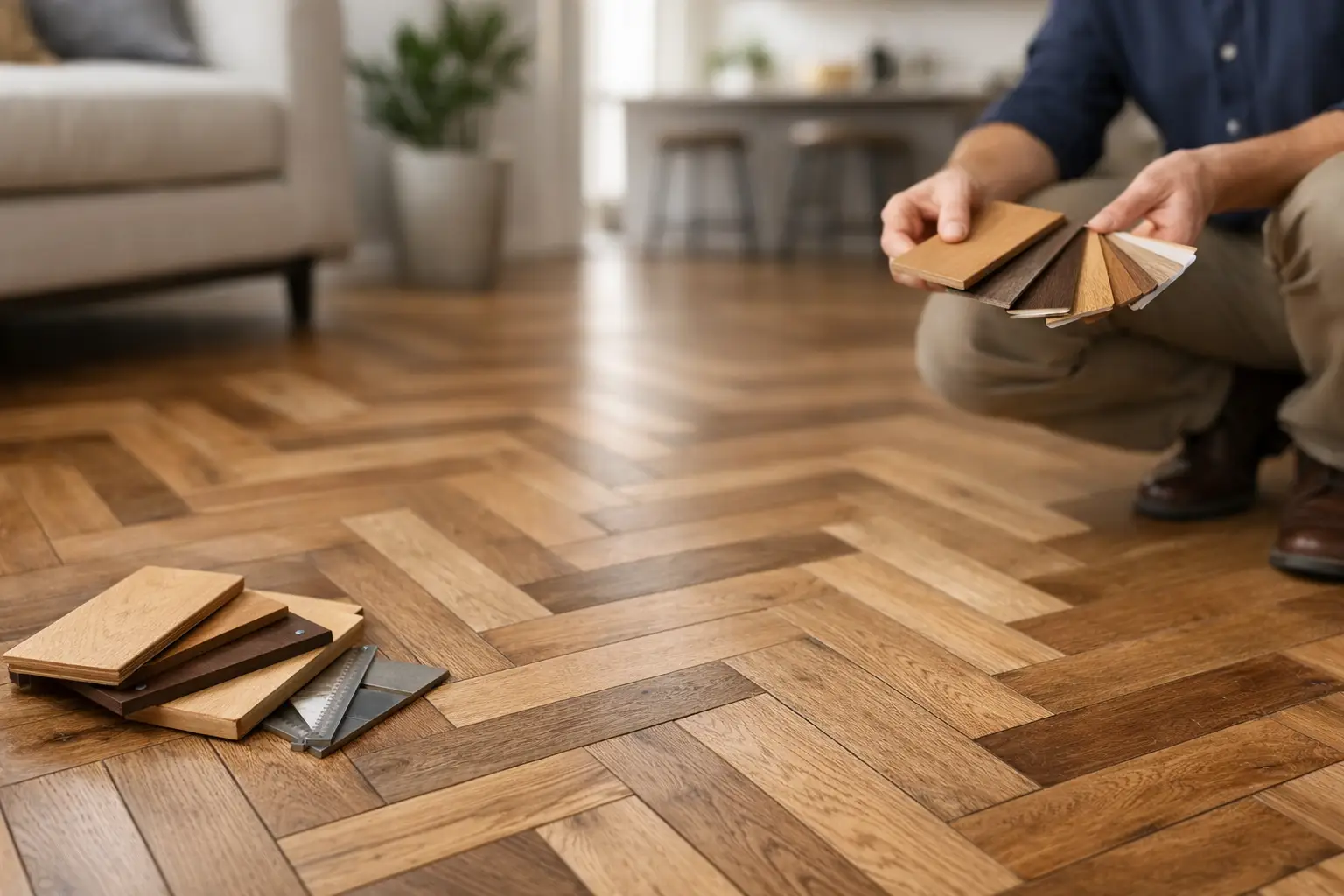
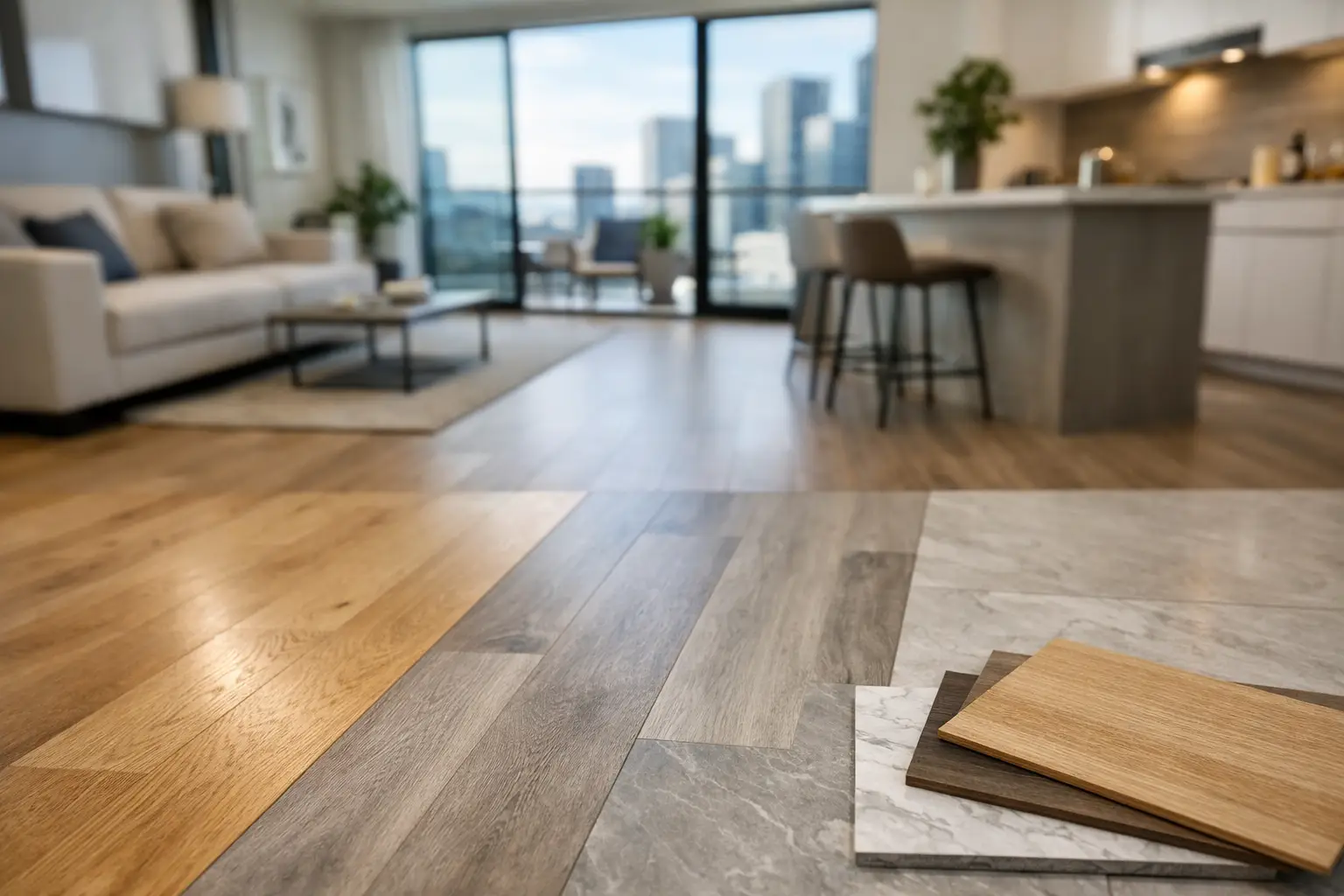
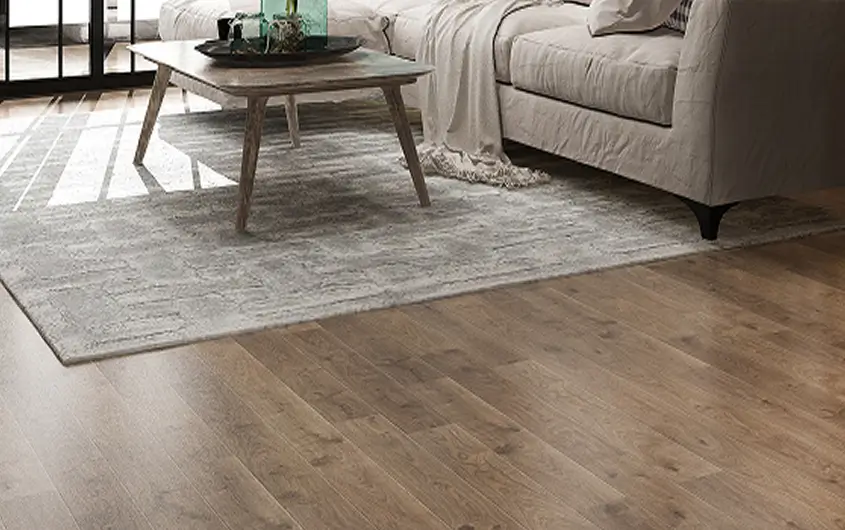
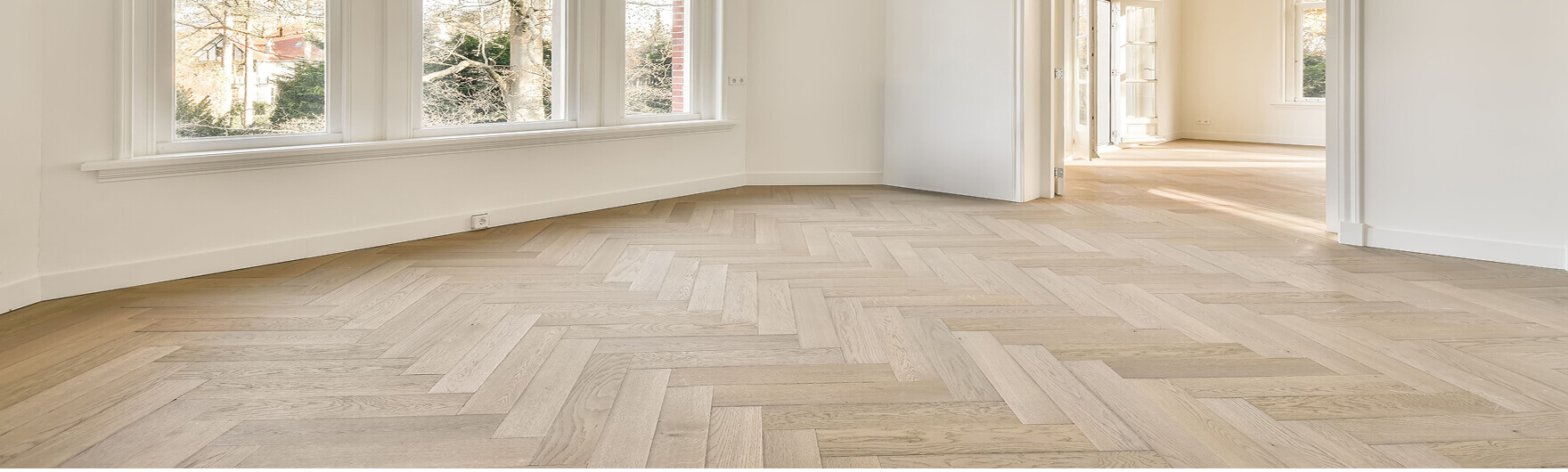
Once the technical side stacks up, then you can focus on the look. Hybrid flooring is available in a wide range of timber-look tones, grains and plank sizes, from light European oak styles to deeper contemporary colours.
Lighter colours can make a room feel more open and are often easier to live with visually, especially in busy family homes. Mid tones tend to hide dust and everyday marks well. Very dark floors can look striking, but they often show fluff, footprints and scratches more clearly. Very smooth or high-contrast finishes can also make daily mess more obvious.
Texture matters too. An embossed or more natural-looking surface can give a better timber appearance and help disguise minor wear. If you want the floor to feel premium over the long term, this detail is worth paying attention to.
Board size changes the whole look
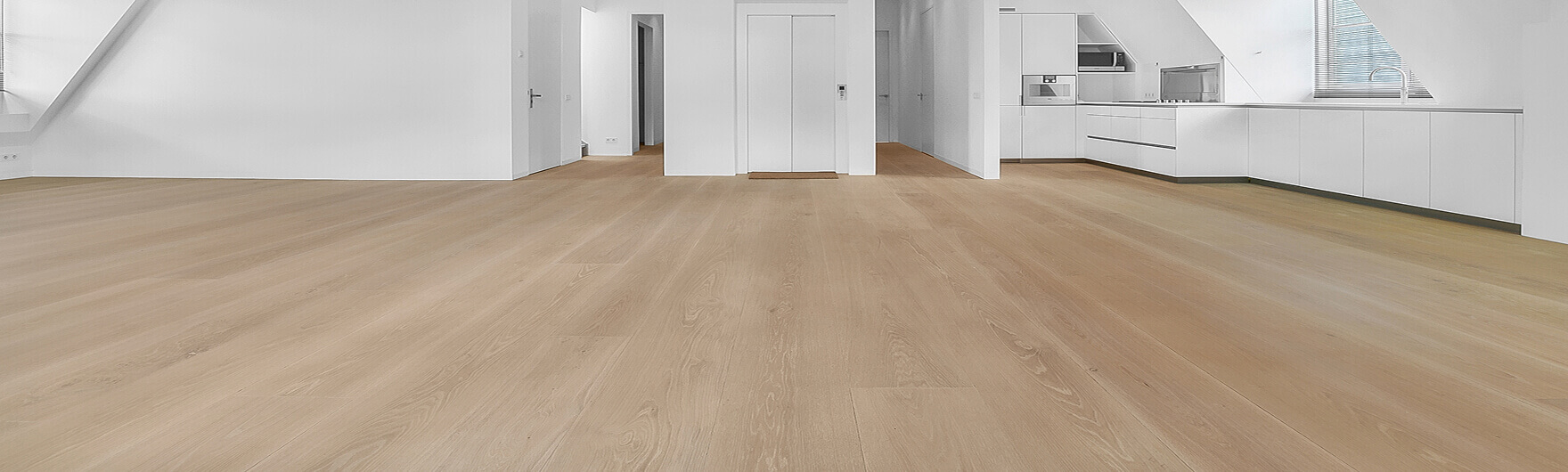
Wide planks can make a space feel more modern and high-end, particularly in open-plan homes. Shorter or narrower boards may suit smaller rooms or more budget-conscious projects. The right size depends on the scale of the space and the style you are aiming for.
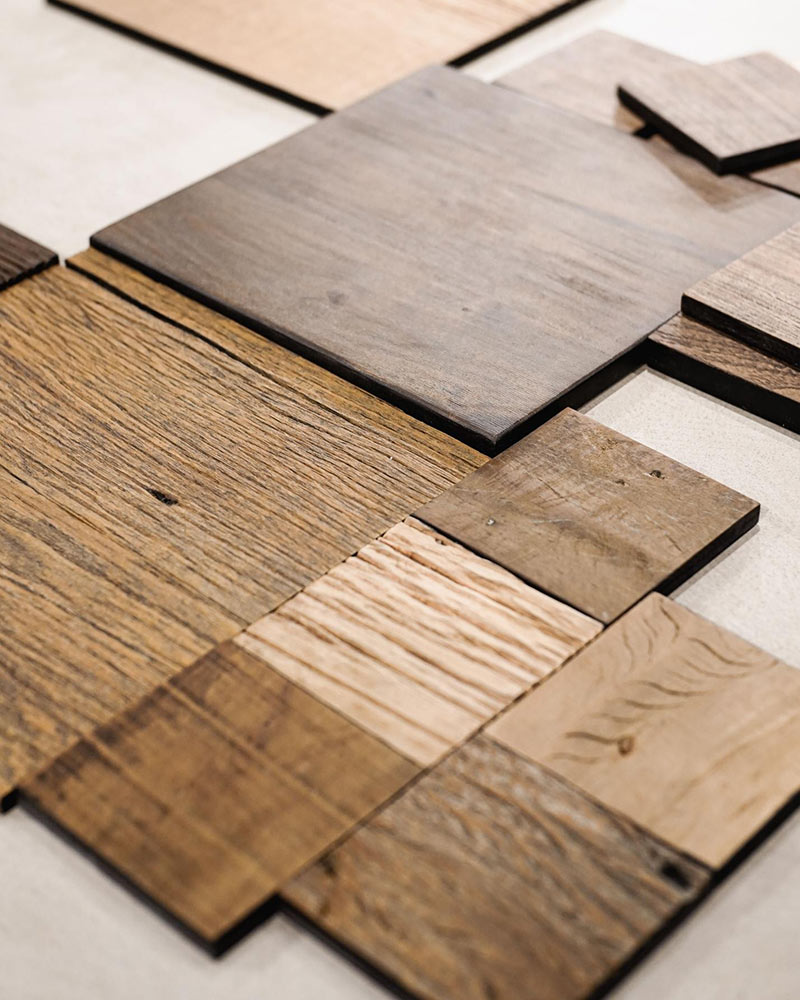
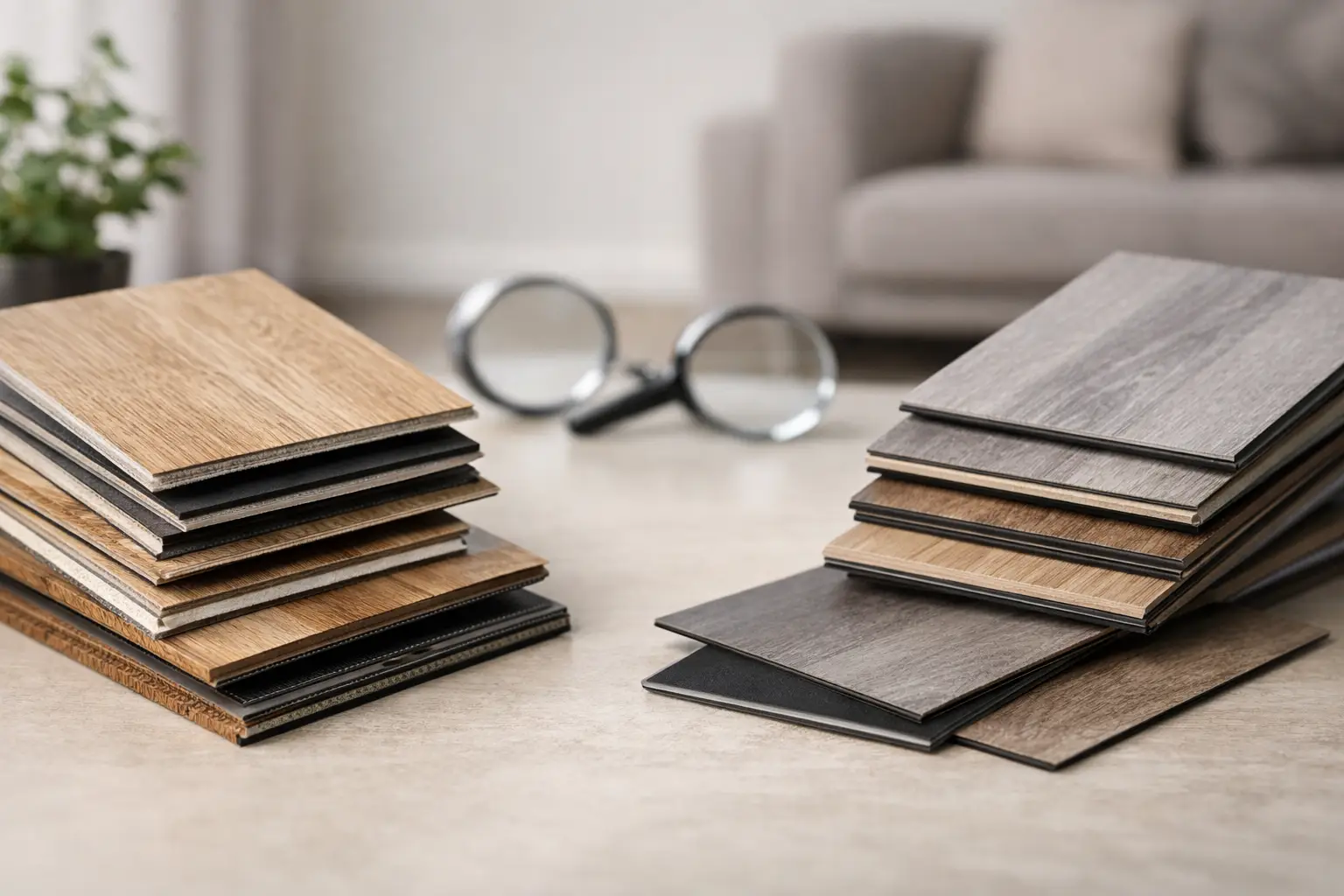
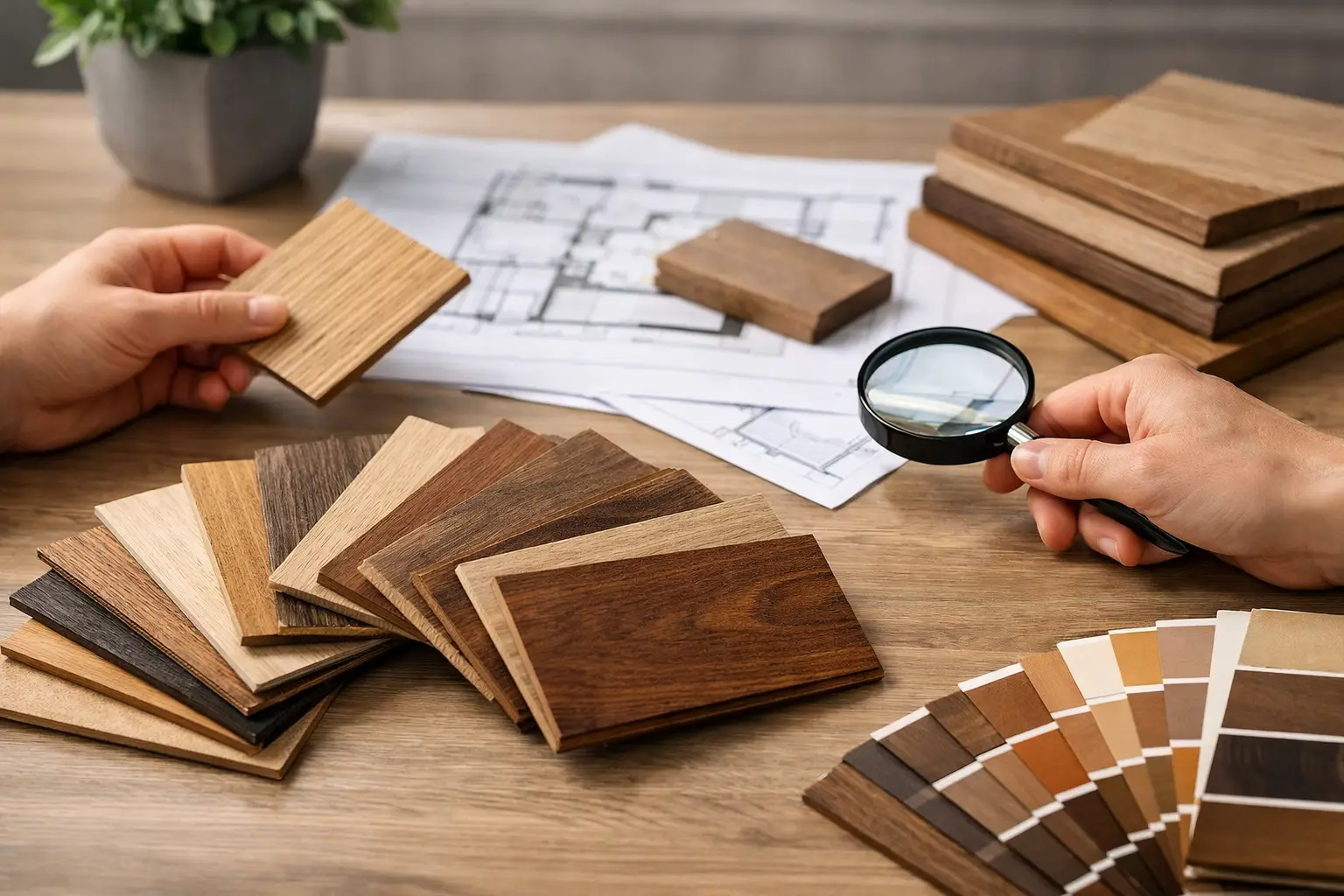
This is one of those areas where samples can be misleading. A small hand sample tells you the colour, but it does not always tell you how the board proportion will sit across a full room.
Think about acoustics and underfoot feel
Hybrid flooring is generally firmer underfoot than engineered timber, and that can be a positive or a drawback depending on the property. In apartments and multi-level homes, acoustic performance can be a major factor. Some products come with attached underlay, while others rely on the full flooring system and subfloor condition to deliver better sound control.
If noise transfer matters, ask specific questions. Do not assume every hybrid floor will meet body corporate or building requirements. Likewise, if you want a softer, quieter feel, compare products in person and consider how the floor will sound in a large room rather than just a small display area.
Installation quality is part of the product
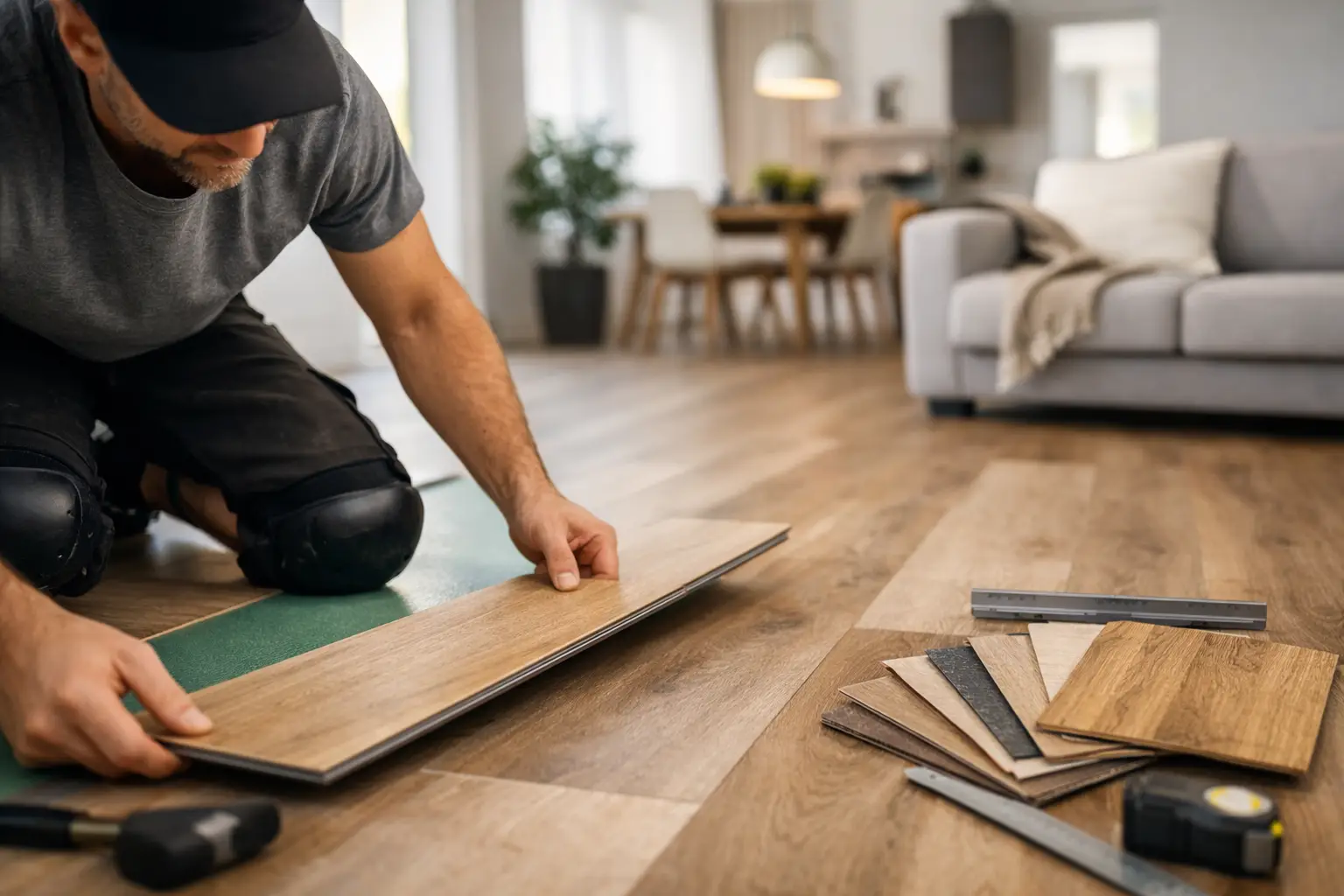
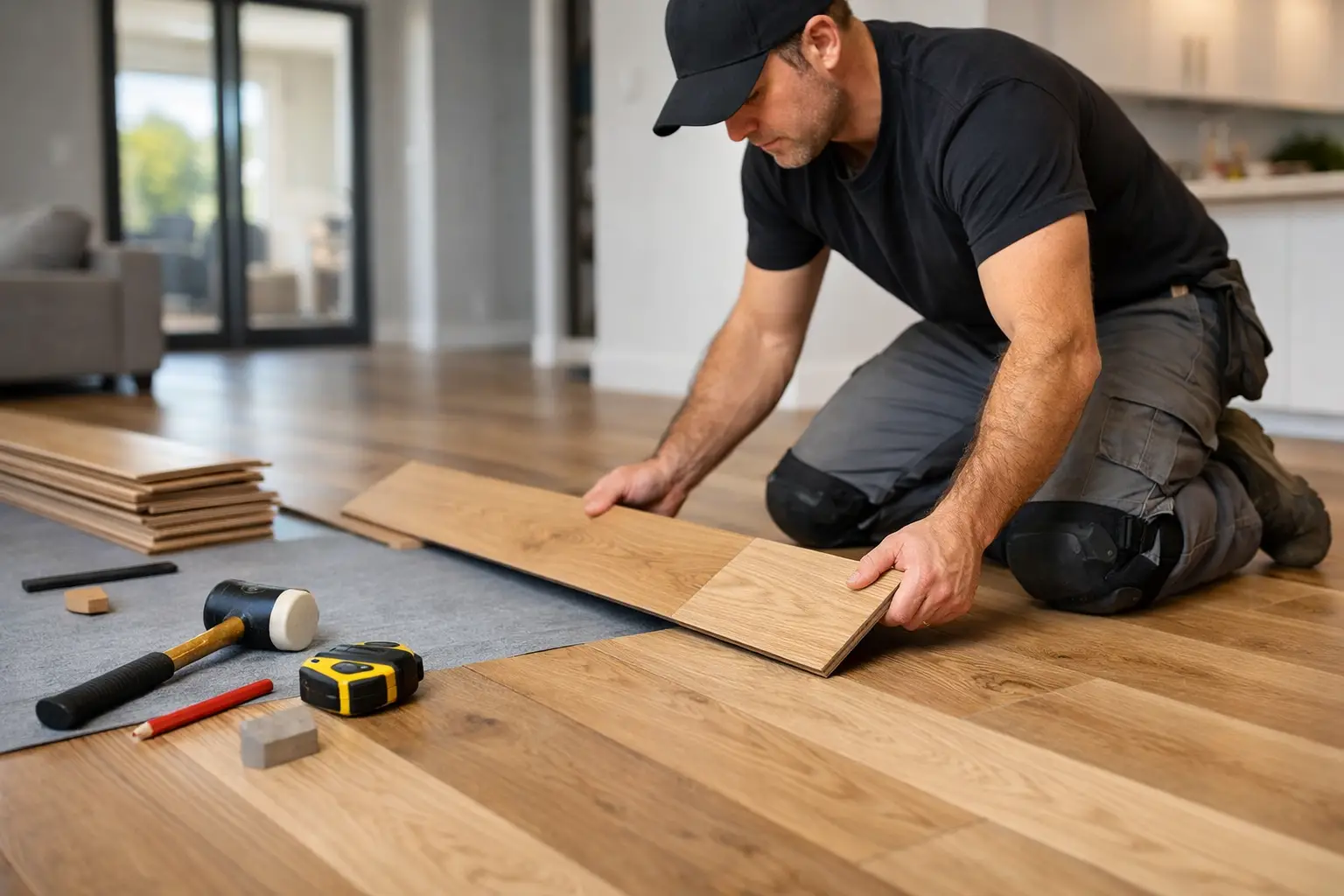
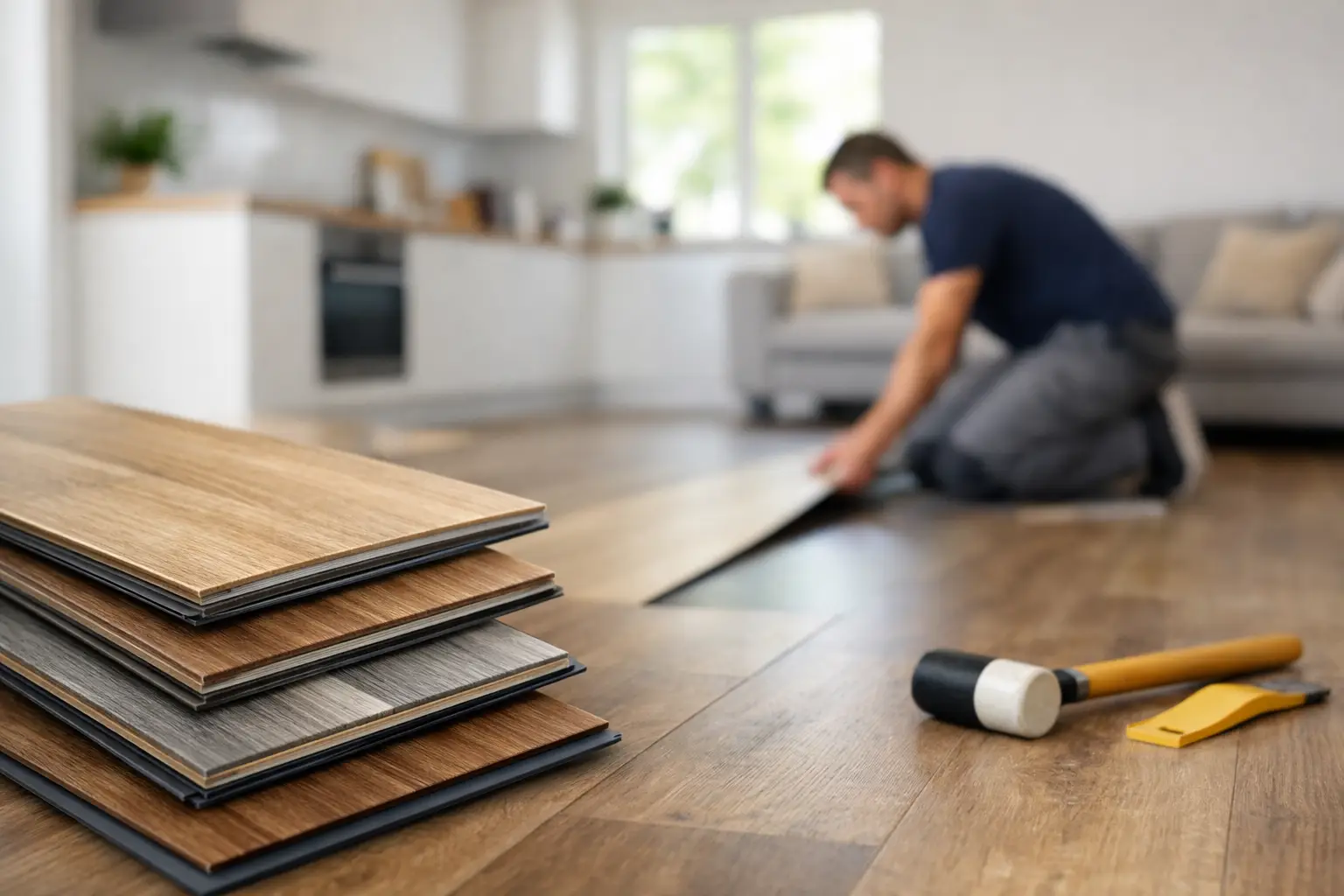
When people compare flooring quotes, they often treat installation as a separate line item. In reality, installation quality is part of the floor’s performance. A premium hybrid board fitted badly will not stay premium for long.
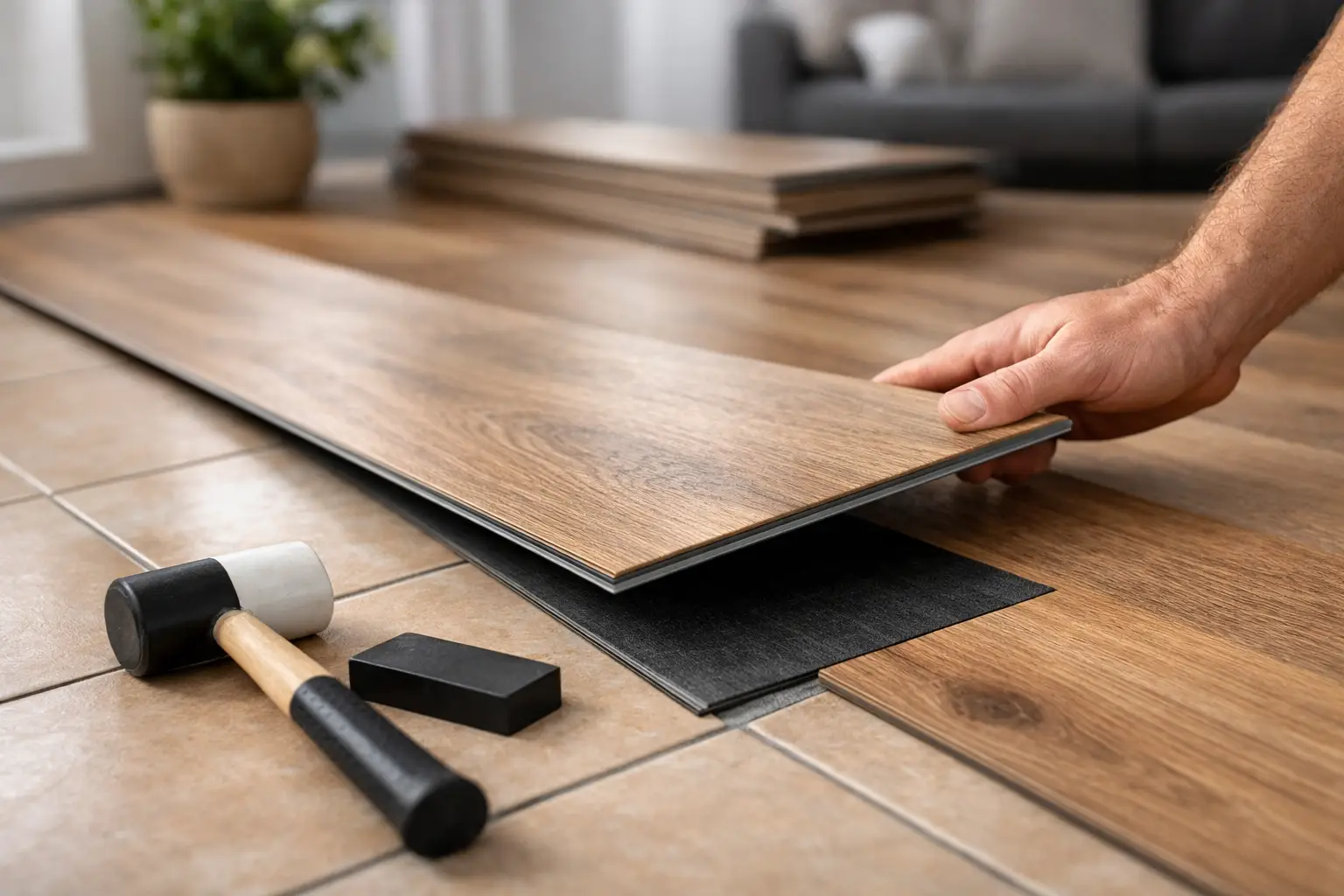
Good installation starts with an honest site assessment. That includes checking moisture, levels, access, transitions to other floor coverings, skirting details and whether doors or cabinetry need adjustments. It also includes being clear about what prep is required before the first plank goes down.
This is where former installers, not just salespeople, bring real value. The recommendation is usually more practical because it comes from people who understand what can go wrong on site and how to avoid it.
Price matters, but value matters more
Everyone has a budget, and that should shape the options. But hybrid flooring is not a category where the cheapest box usually wins. A lower upfront price can mean a weaker click system, a less convincing finish, more visible repetition in the printed pattern, or installation shortcuts that show up later.
A better question is what you are paying for. Are you getting a floor that suits your property, lasts well under your level of traffic, and is backed by proper prep and fitting advice? Or are you only getting a low square metre rate with risks pushed into the fine print?
For many buyers, the sweet spot is not the cheapest or the most expensive product. It is the one that balances appearance, durability and installation reliability for the way the space will actually be used.
How to choose hybrid flooring with confidence
If you want to choose well, ask to see more than colour boards. Ask how the product performs in busy family homes, apartments or commercial settings similar to yours. Ask what subfloor preparation is likely to be required. Ask what makes one range better than another apart from price. Those questions usually reveal very quickly whether you are getting real guidance or a sales pitch.
At Melbourne Quality Timber Flooring, that practical side matters because the best flooring decisions are made on site conditions as much as product brochures. The right recommendation should make sense for your space, your budget and the result you want five years from now, not just on installation day.
A good hybrid floor should look right from the start. A great one still feels like the right choice after years of daily use, and that usually comes down to choosing with your eyes open.