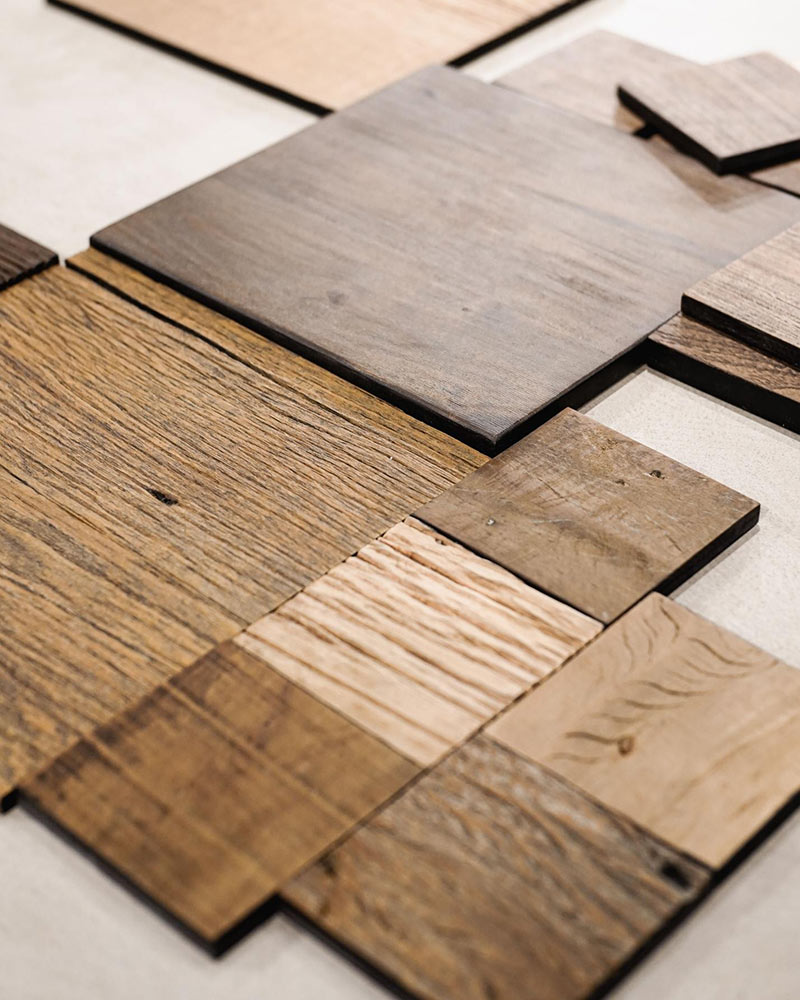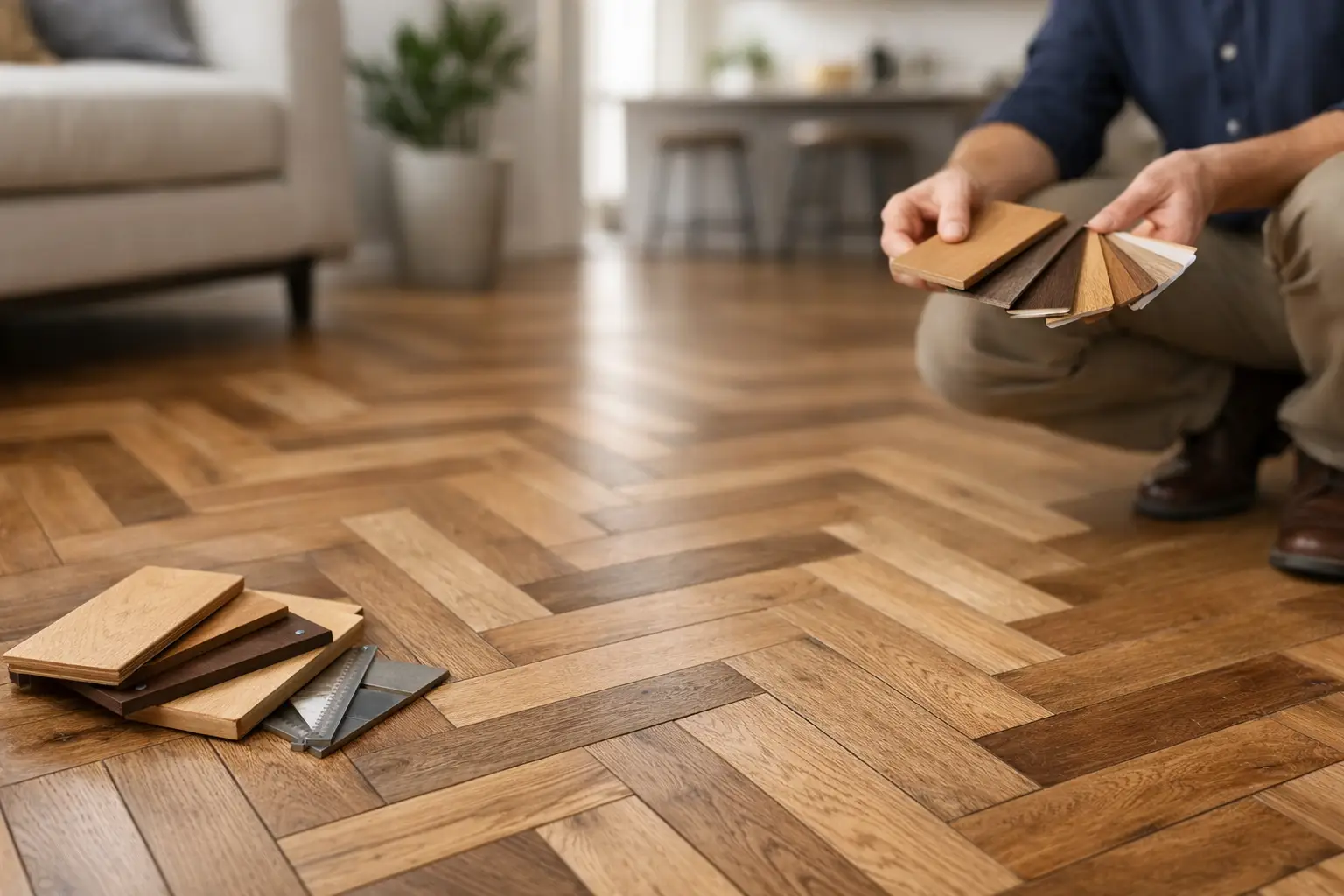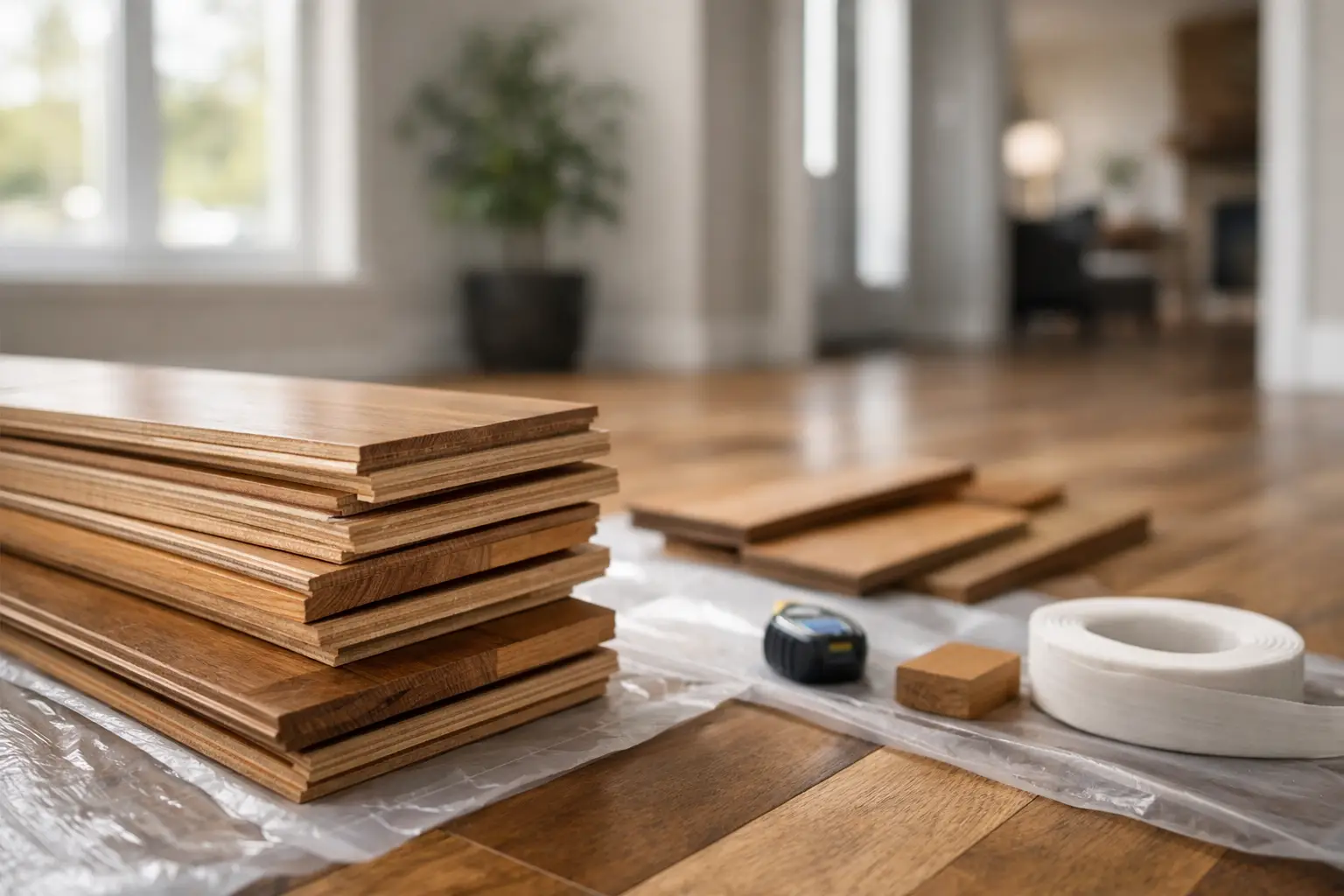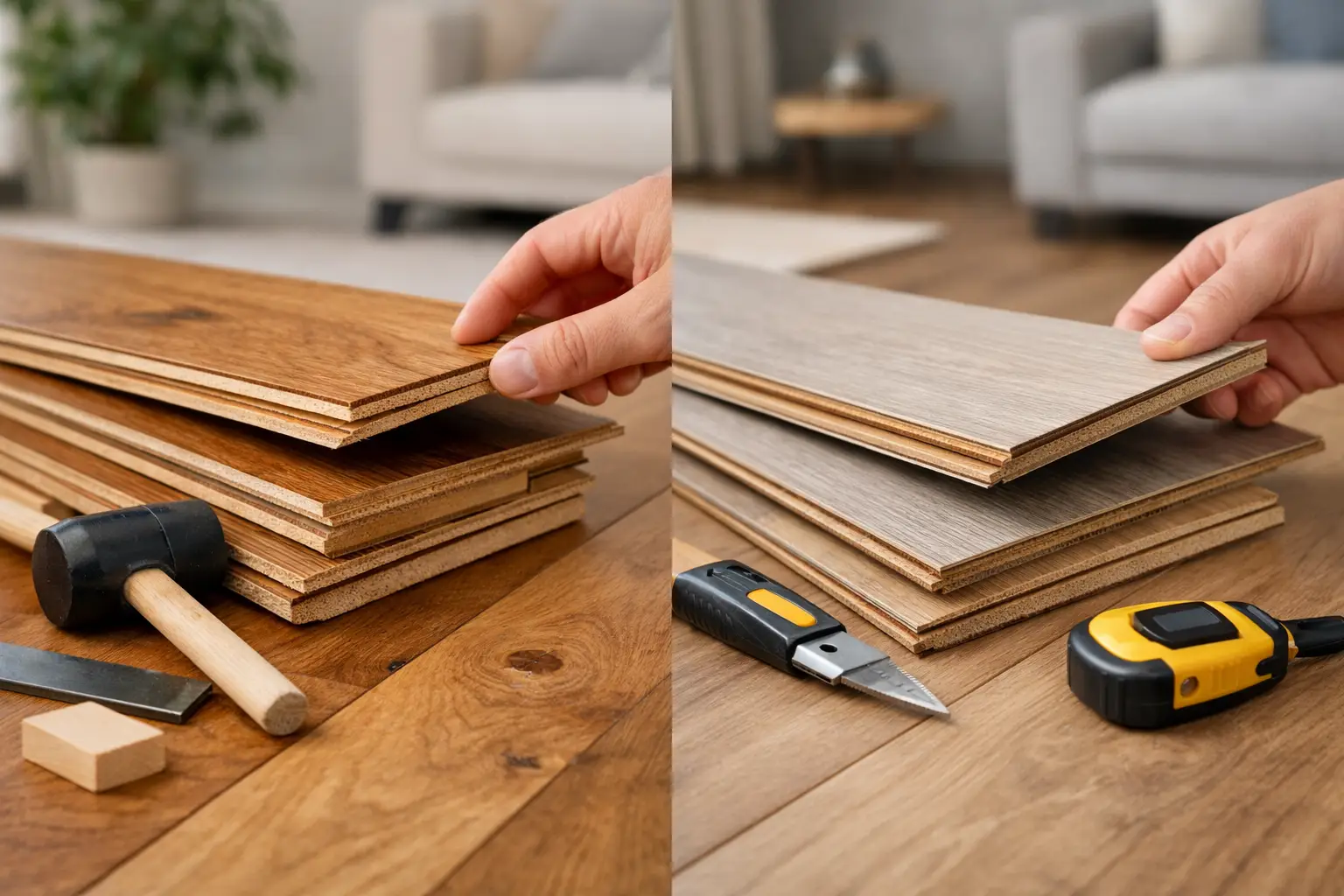
A scratched board near the kitchen, a chipped edge by the hallway, or a section that sounds hollow underfoot – engineered timber flooring can usually be repaired, but only if the problem is diagnosed properly first. If you are looking for how to repair engineered timber flooring, the biggest mistake is treating every mark or movement as the same issue. Surface wear, moisture damage, board failure and subfloor movement all need different fixes.
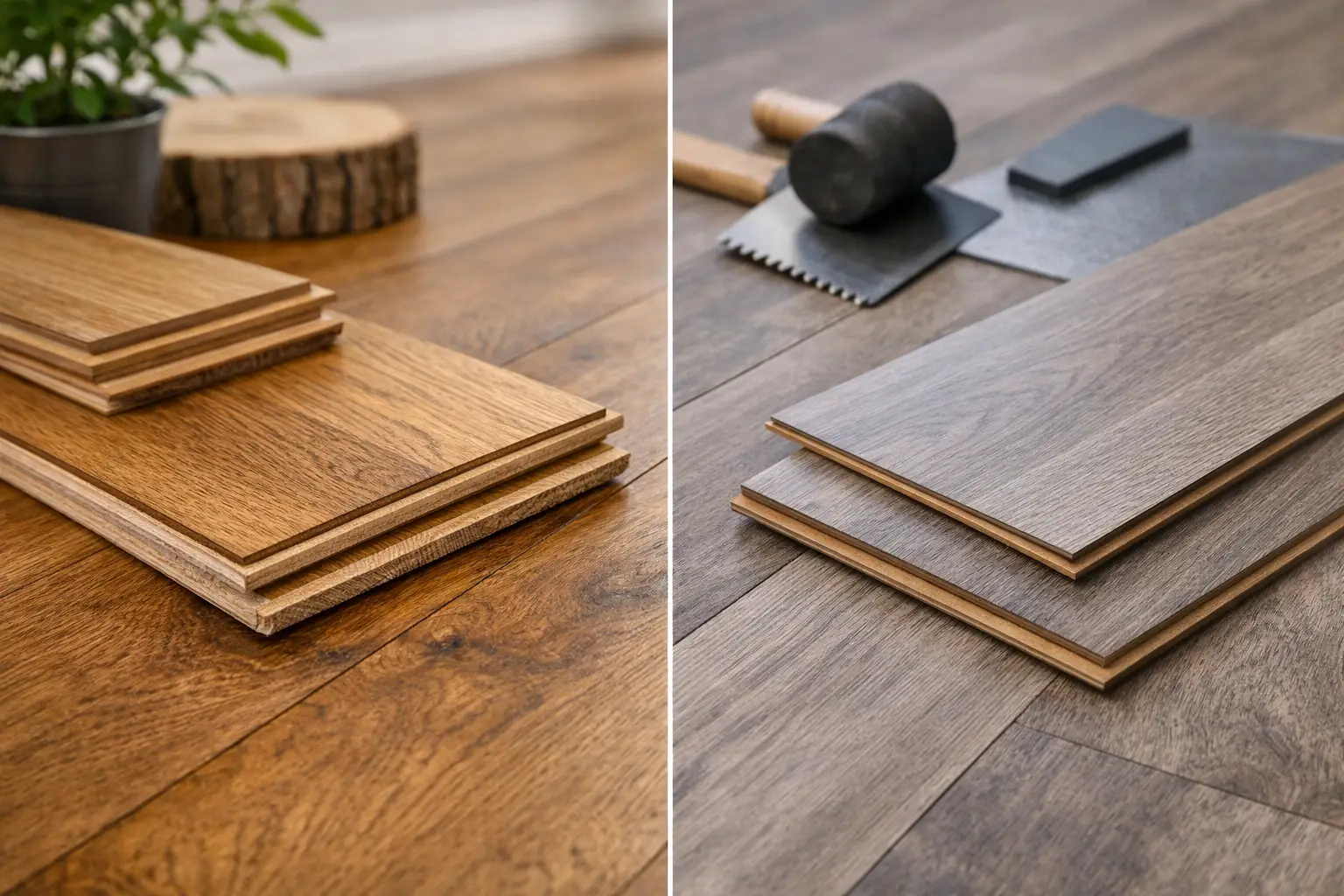
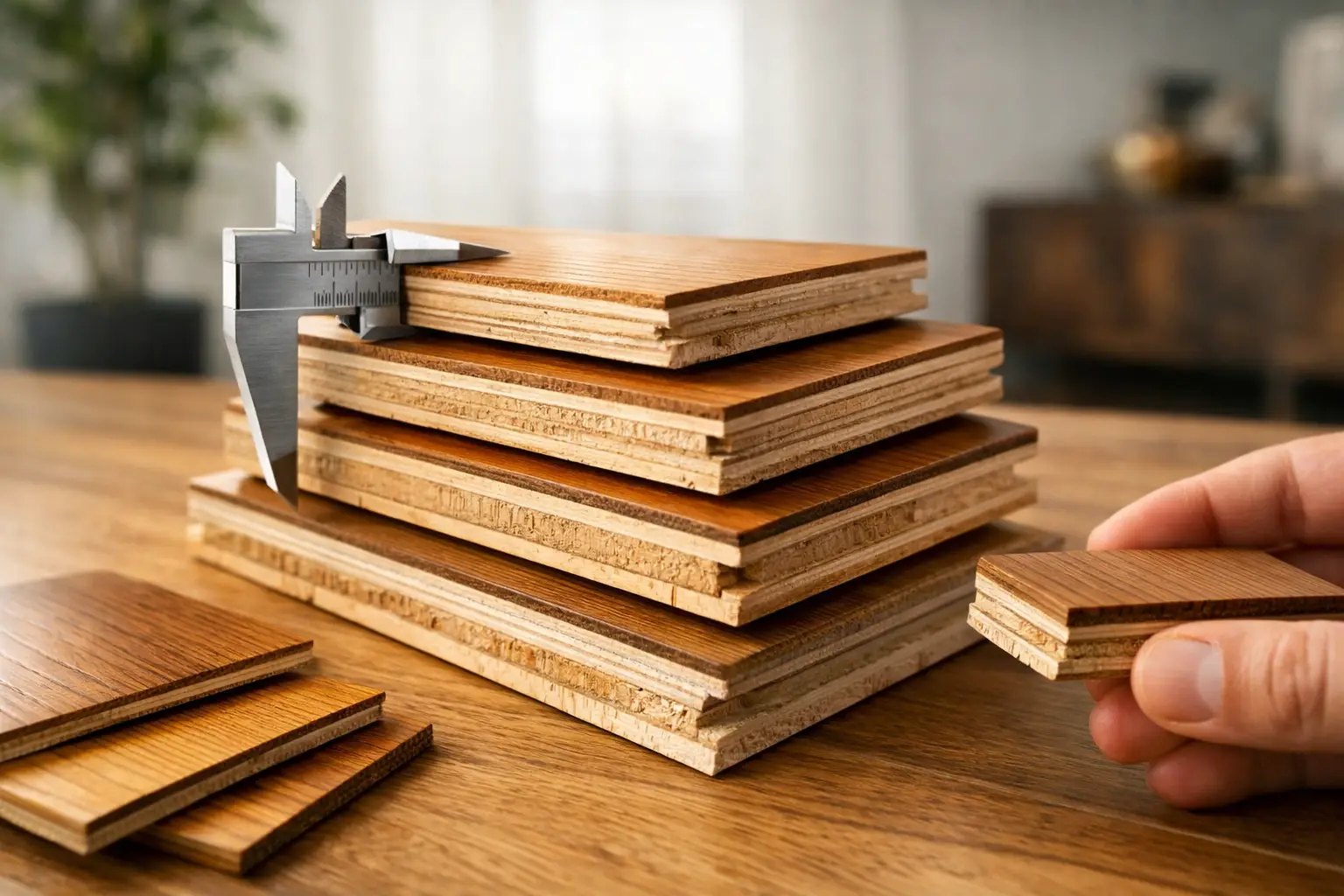
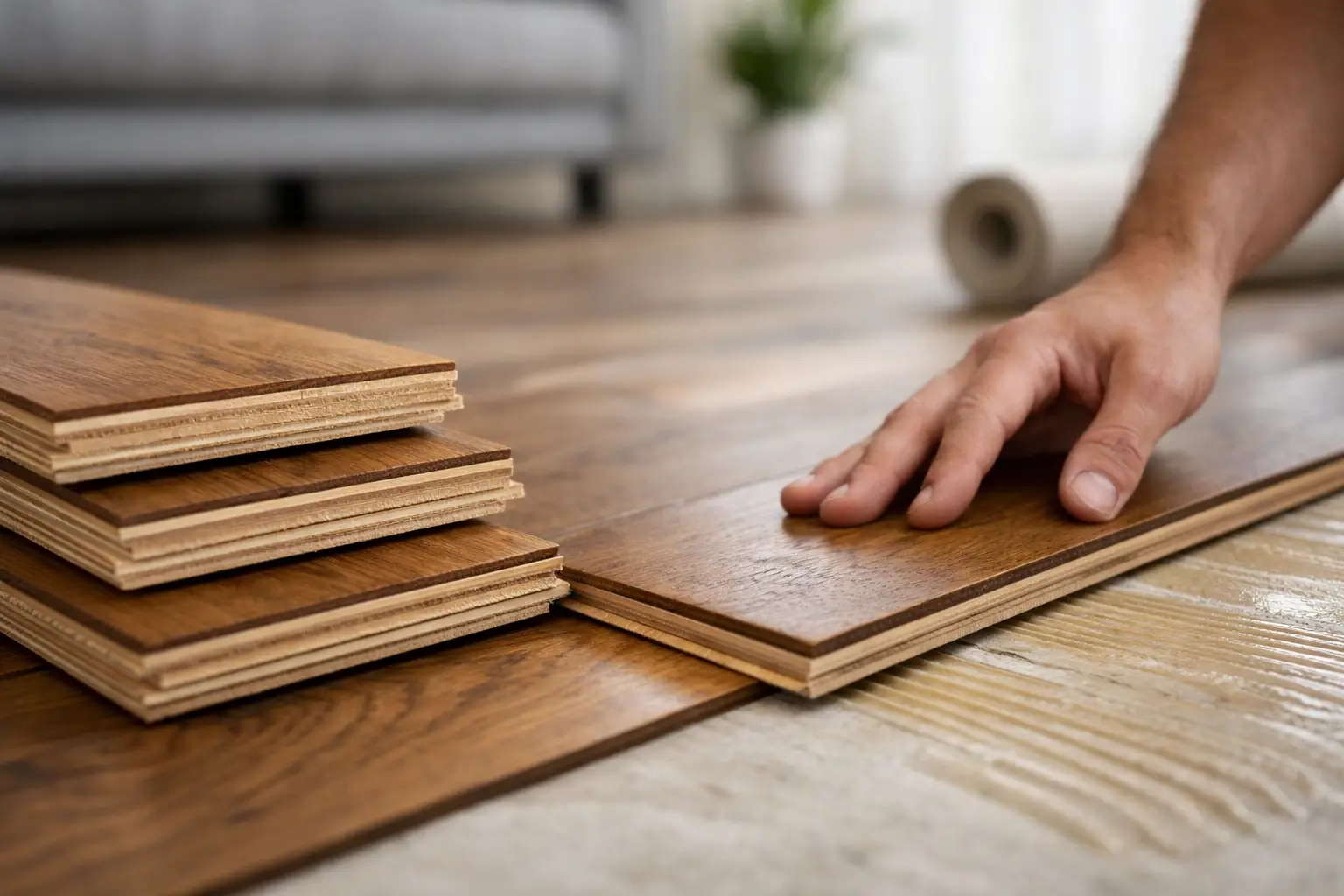
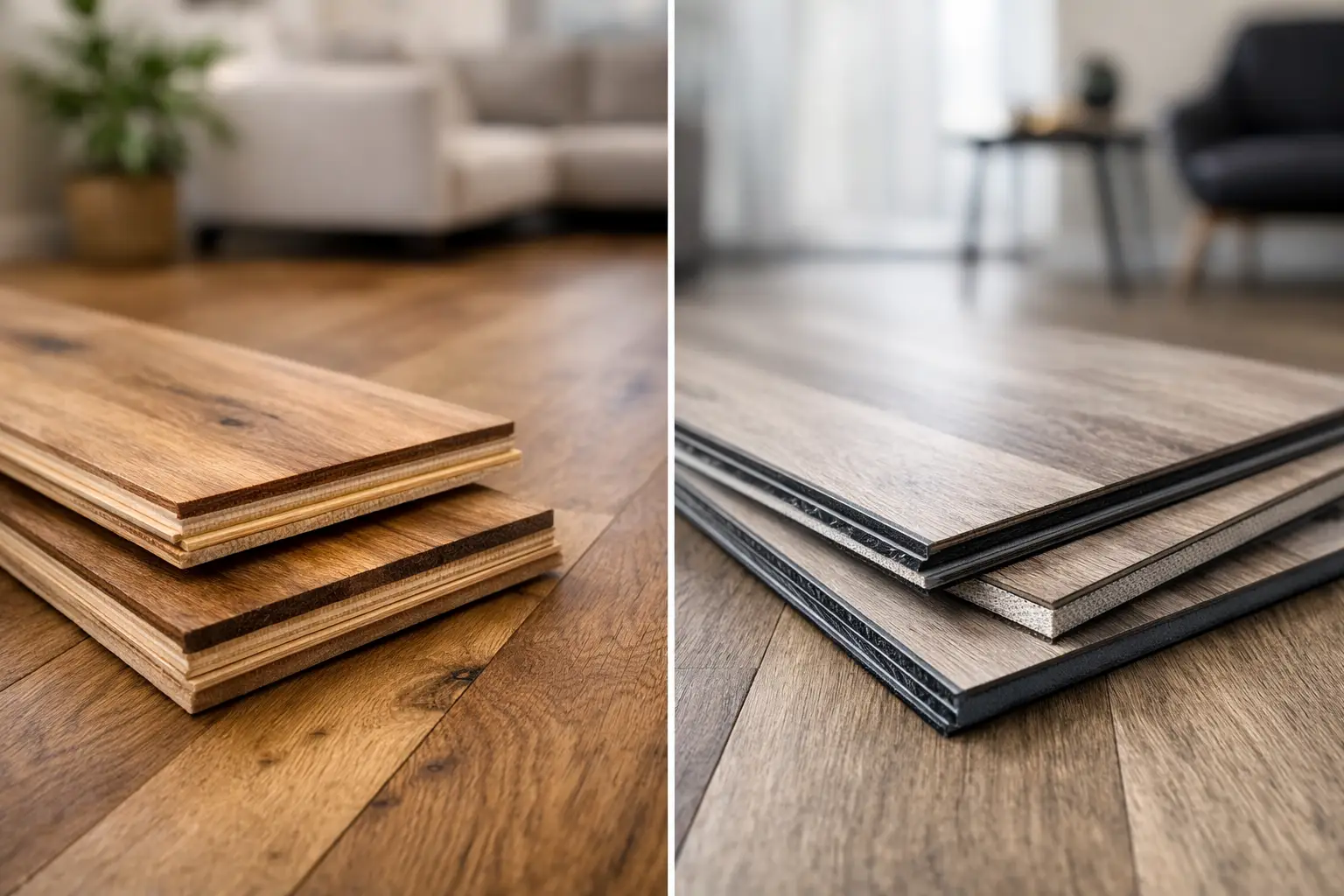
Engineered timber is built differently to solid timber. It has a real timber wear layer on top, bonded over a stable core. That construction makes it less prone to movement than solid boards, but it also means repair options depend heavily on the depth of the damage and the thickness of the top layer. Some issues can be handled neatly on site. Others need board replacement, not patchwork.
Table of Contents
How to repair engineered timber flooring without making it worse
Before reaching for filler, sandpaper or adhesive, work out what has actually failed. A light surface scratch in the coating is very different from a gouge through the timber veneer. Likewise, a board lifting at the edge may be caused by moisture, poor expansion allowance, or subfloor irregularities. If you repair the symptom and ignore the cause, the same section will fail again.
Start by checking four things: how deep the damage is, whether the board is stable underfoot, whether moisture is involved, and whether the issue is isolated or spreading. If the damaged area is dry, localised and cosmetic, repair is often straightforward. If the boards are cupping, peaking, swelling or separating across a wider zone, the problem usually runs below the surface.
Surface scratches and minor scuffs
This is the most common repair and the least invasive. If the scratch sits in the finish only, the board itself may be intact. In that case, a touch-up product matched to the floor colour can reduce the mark significantly. For very light scuffs, a professional clean and recoat may be enough, depending on the product and finish.
The key is restraint. Over-sanding one spot can cut through the wear layer or create a dull patch that stands out more than the original mark. Engineered boards are not as forgiving as solid timber when it comes to aggressive sanding. If the floor has a thin veneer, spot sanding is a risk, not a shortcut.
For shallow scratches, clean the area first, remove dust and residue, and use a manufacturer-suitable repair pen, wax or colour-matched filler. Once cured, the repair should blend into the surrounding grain rather than sit on top like a blob. Good repairs are subtle. If you can clearly see the patch from across the room, it has probably been overdone or mismatched.
When a scratch is too deep for a touch-up
If the mark has cut through the finish and into the timber layer, a simple surface repair may not hold its appearance. Deep gouges can sometimes be filled and coloured, but in premium floors, especially with matte European oak looks, the repair can remain visible. In those cases, replacing the individual board often gives a better long-term result.
Chips, dents and edge damage
Chips usually happen around doorways, furniture impact points or board edges. Dents are common where heavy furniture has sat without protection. The best repair depends on whether the board is structurally sound.
A small chip on a stable board can often be repaired with hard wax or a two-part filler, then colour blended to match the grain and finish. This is skilled work. Engineered timber is chosen for its appearance as much as its durability, so a rough patch repair can cheapen the whole floor visually.
If the chip is on a locking edge or the tongue-and-groove joint has broken down, cosmetic filler will not solve the movement. Once the joint is compromised, the board may keep shifting, lifting or opening up. That usually means replacement is the proper fix.
Loose, hollow or moving boards
A hollow sound does not always mean the board is faulty. Sometimes it points to small gaps between the flooring and subfloor, especially if the subfloor was not prepared properly. Other times it means the adhesive bond has failed, or a floating floor section is flexing because the base is uneven.
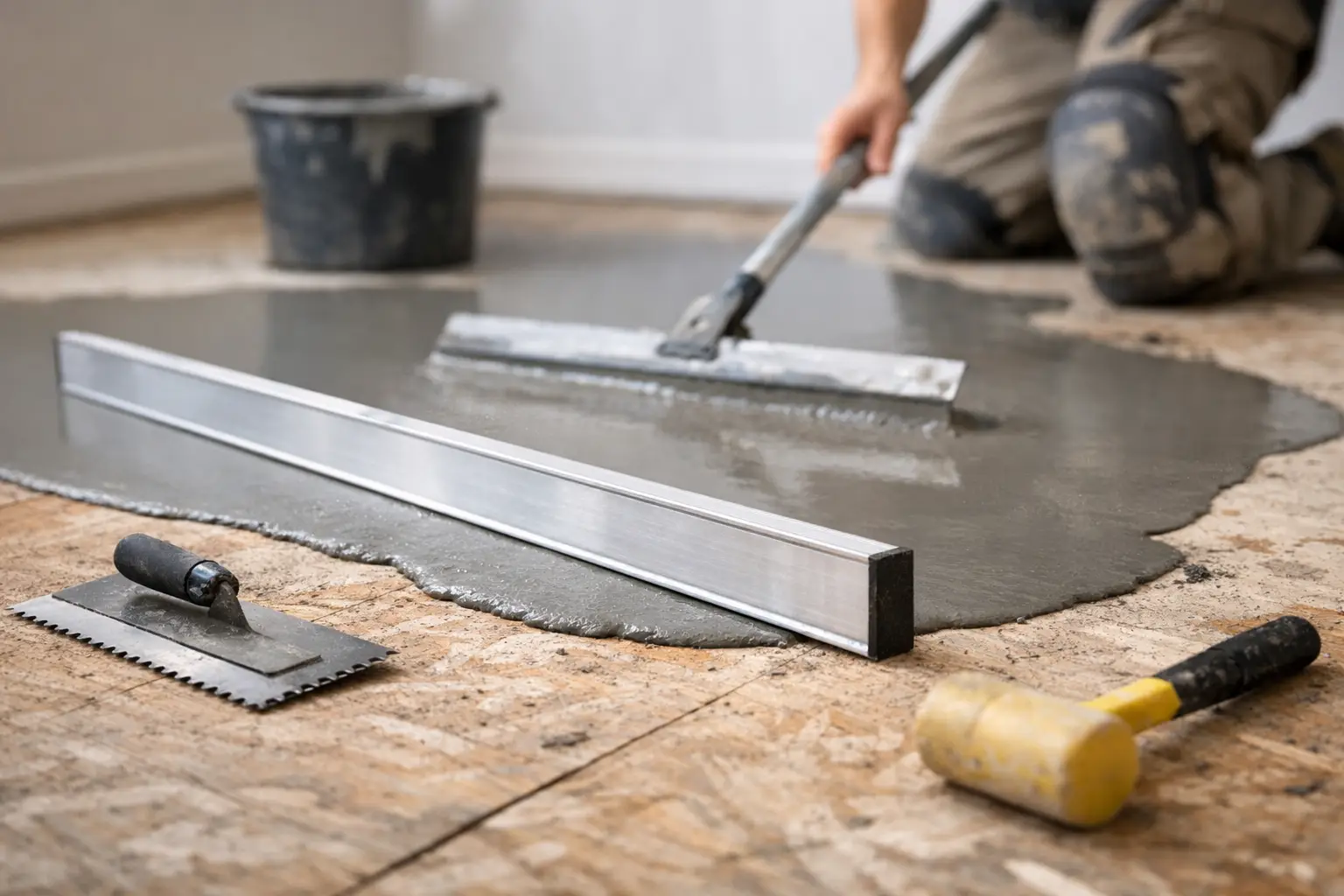
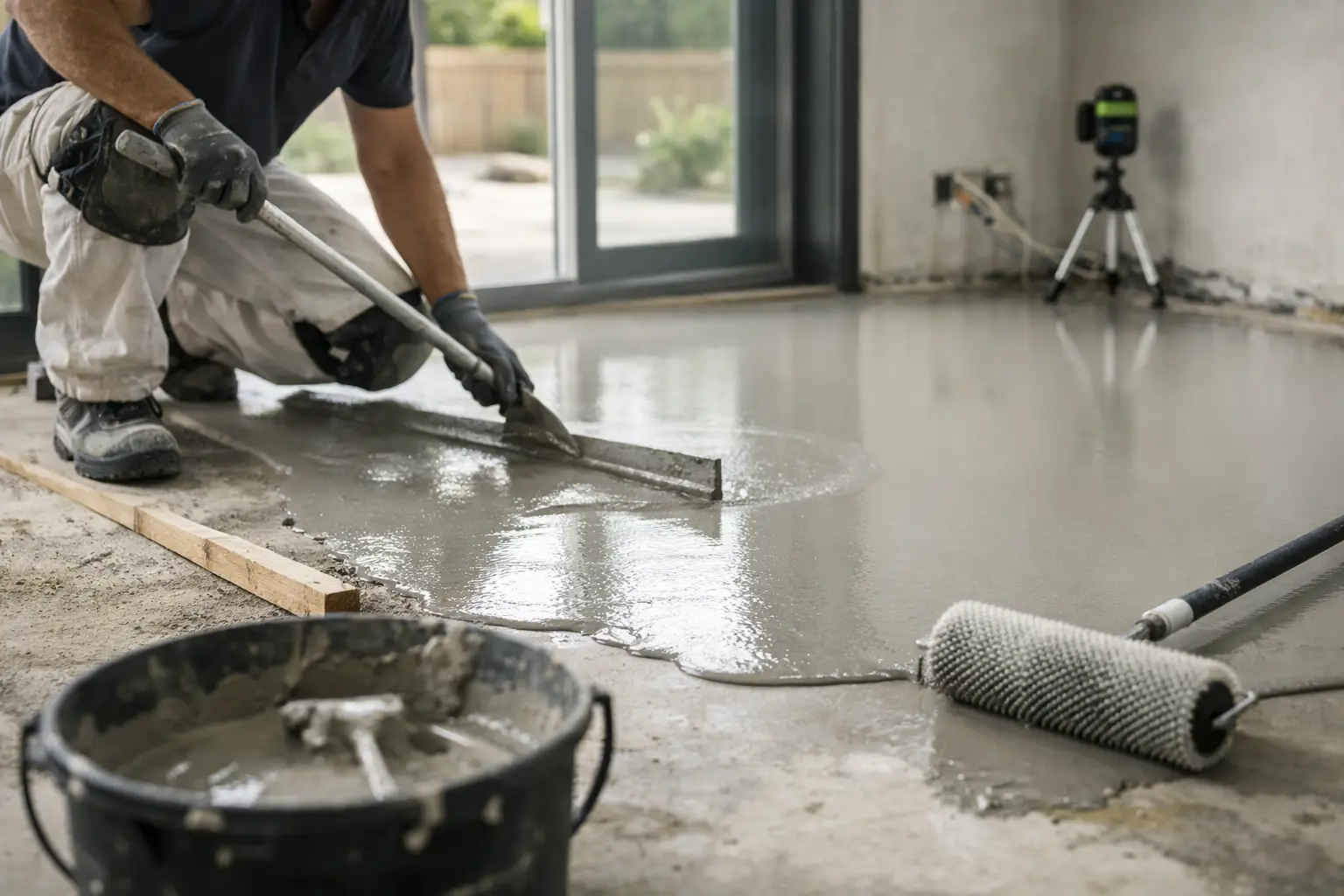
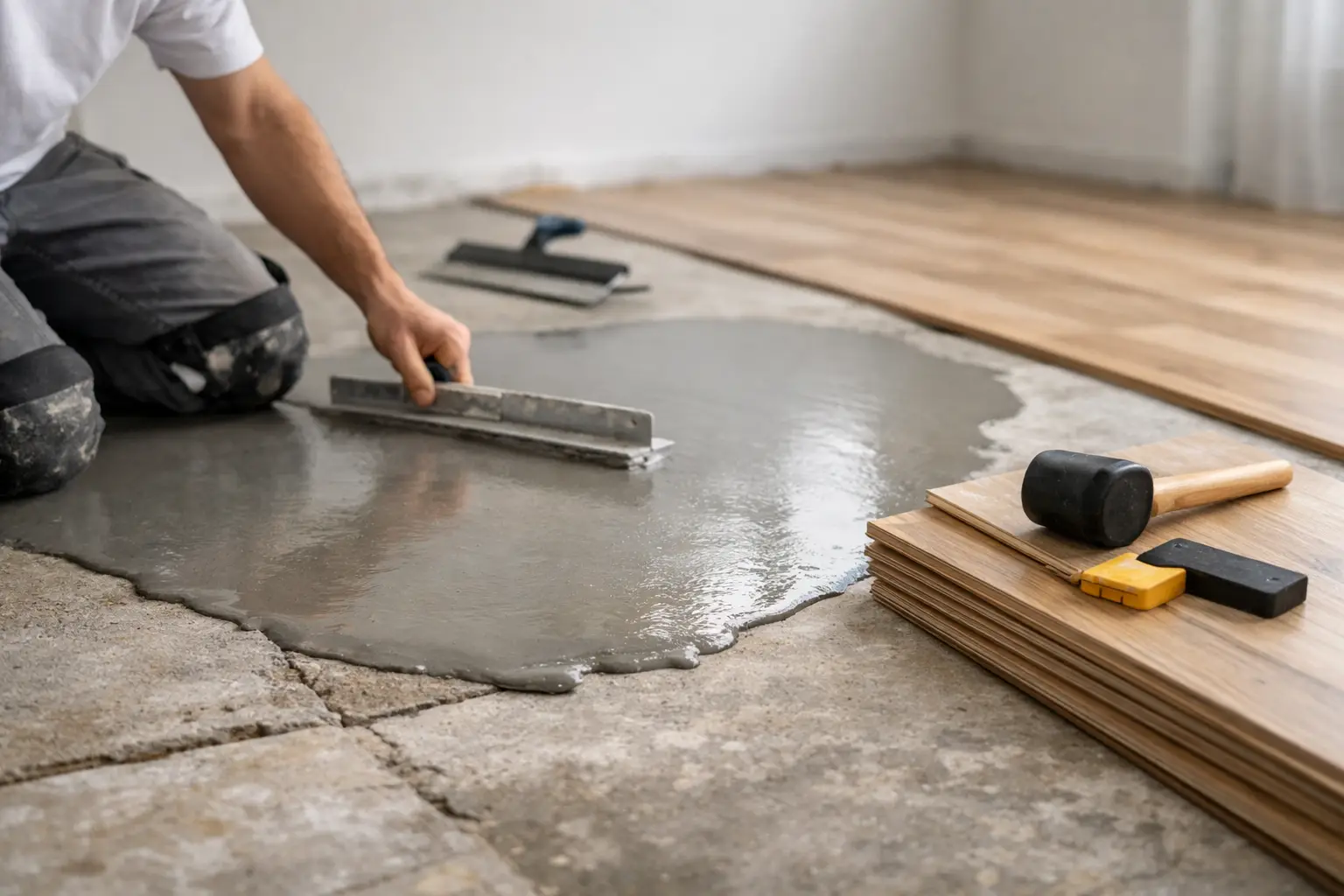
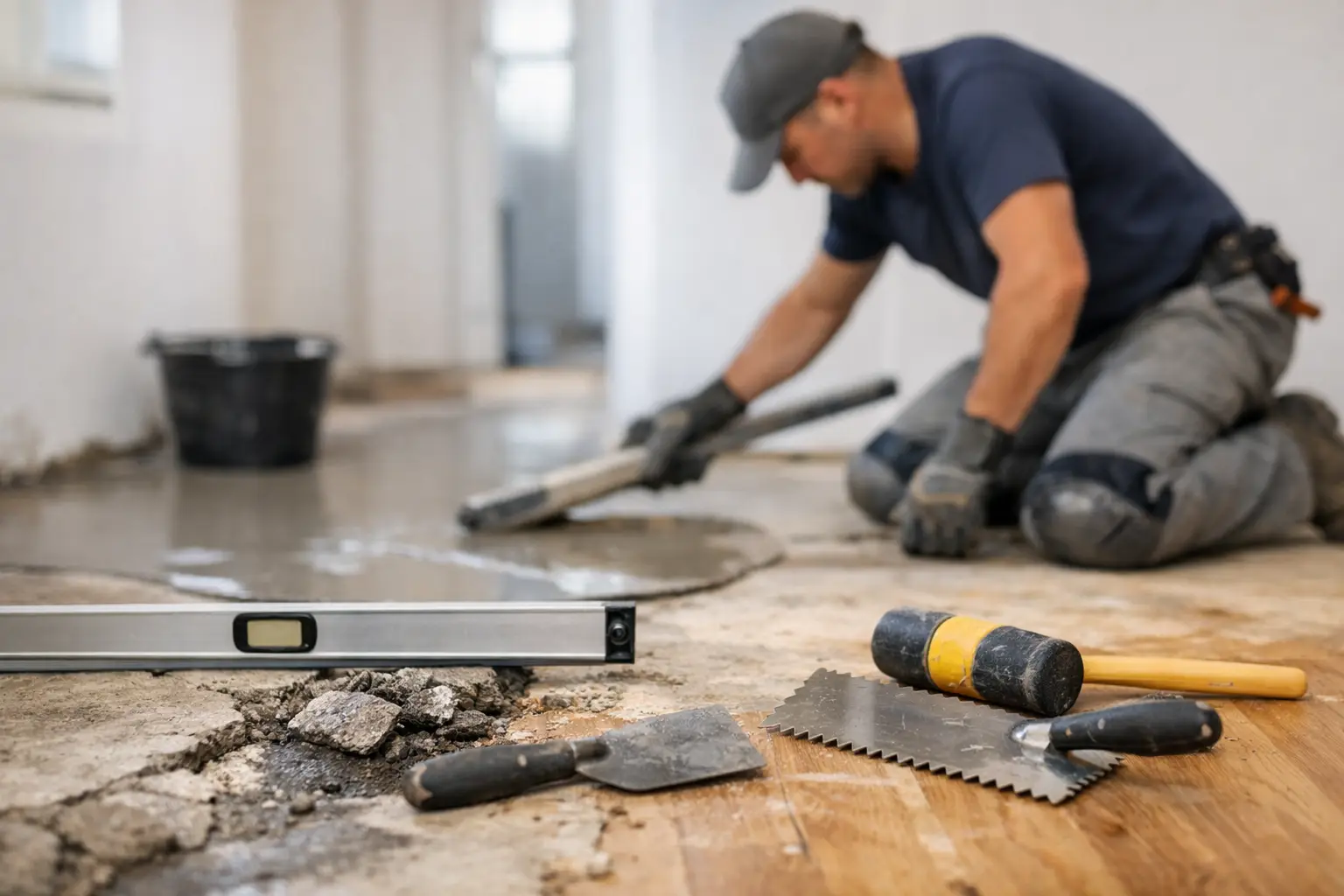
This is where trade experience matters. Floors fail from underneath more often than people expect. If the subfloor has dips, high spots or residual moisture, the repair should start there, not at the visible board surface. In many jobs, what looks like a flooring defect is really a preparation issue.
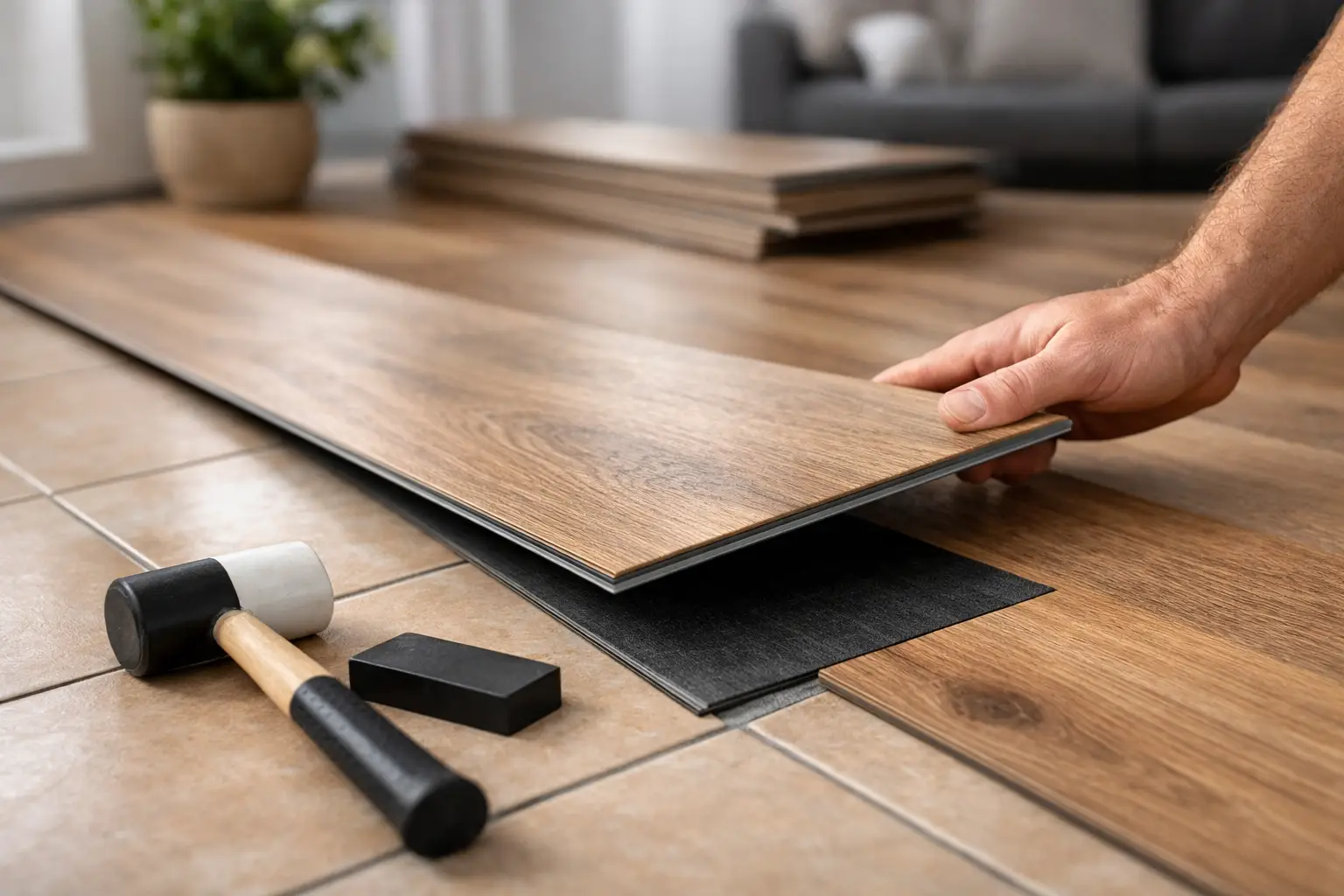
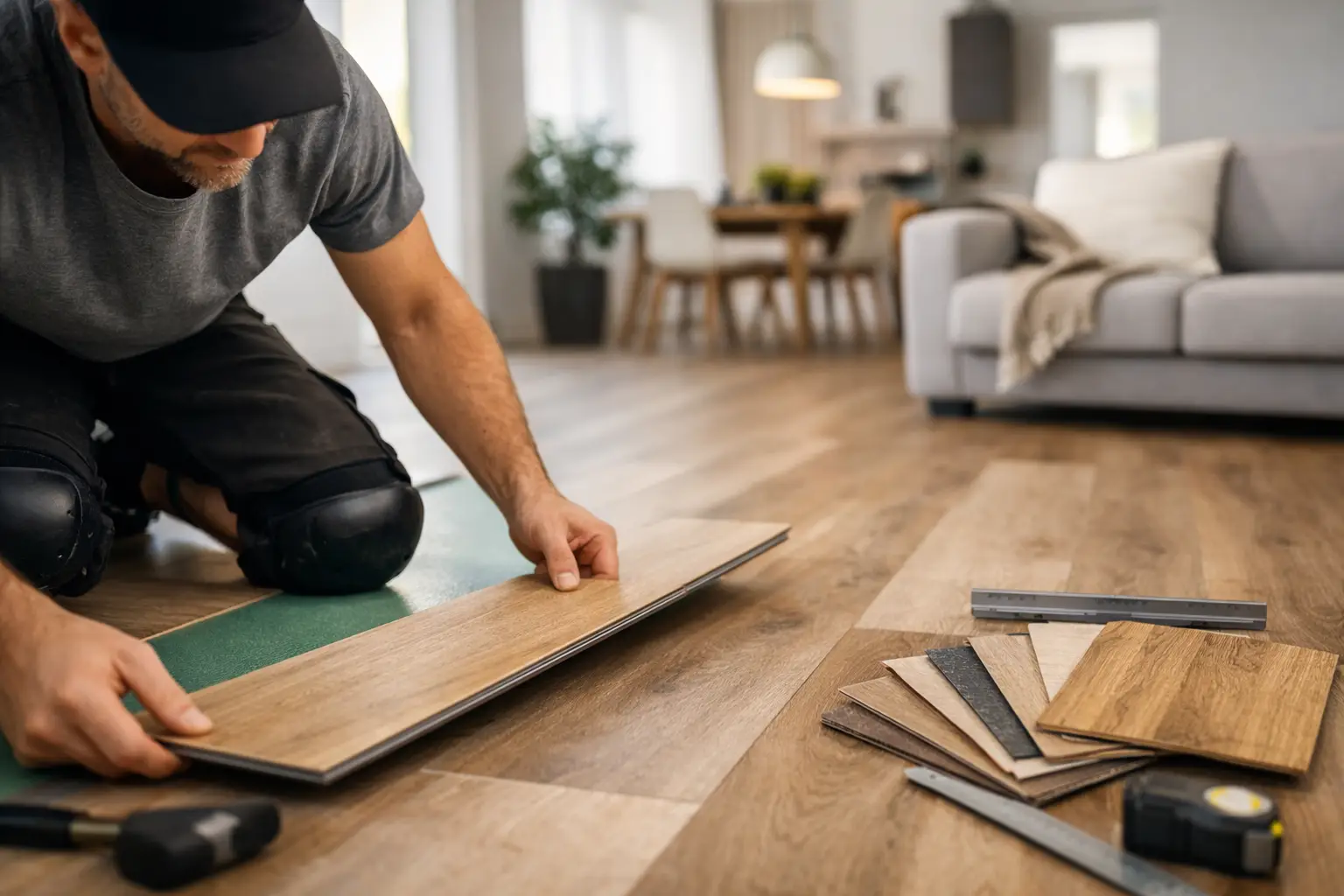
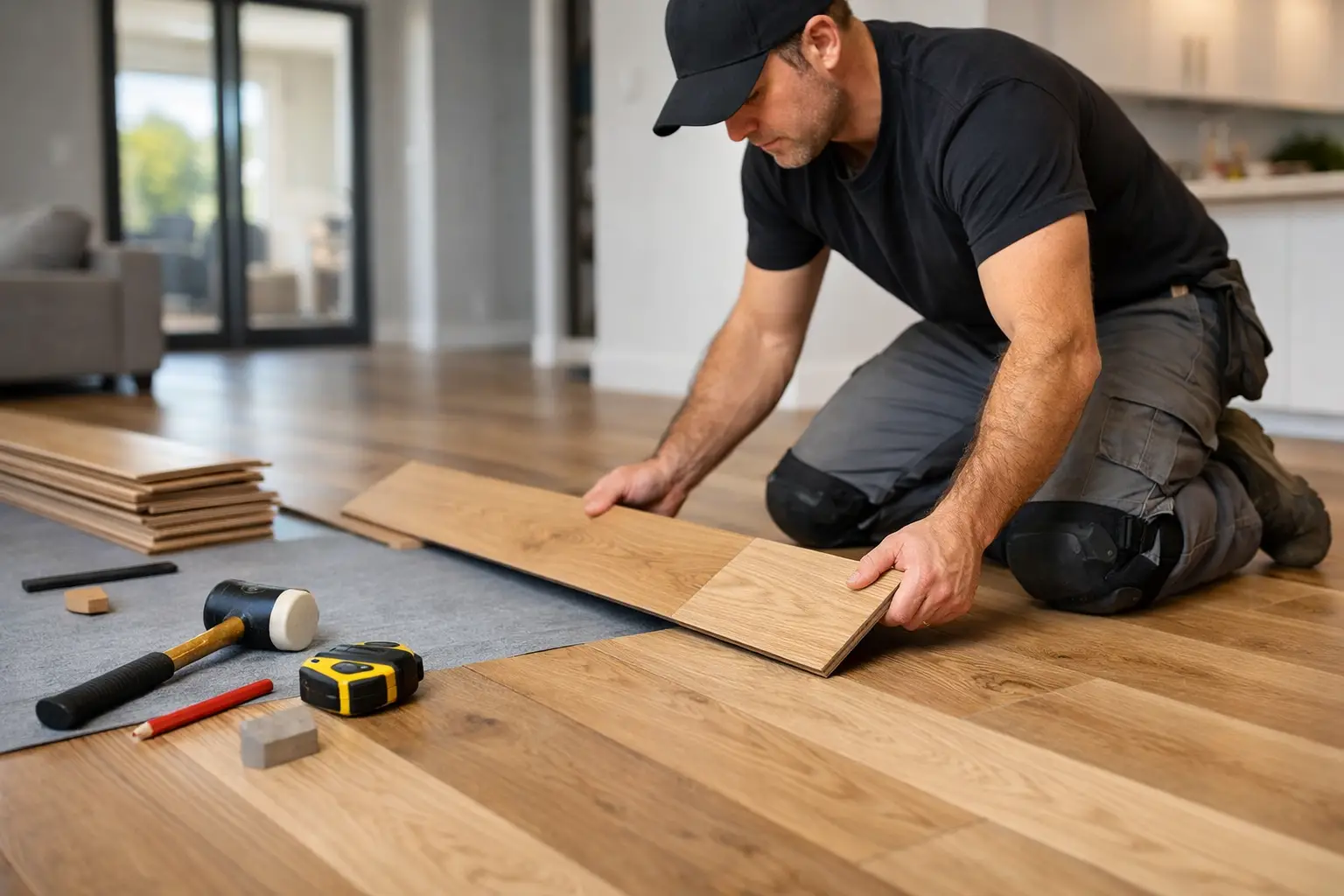
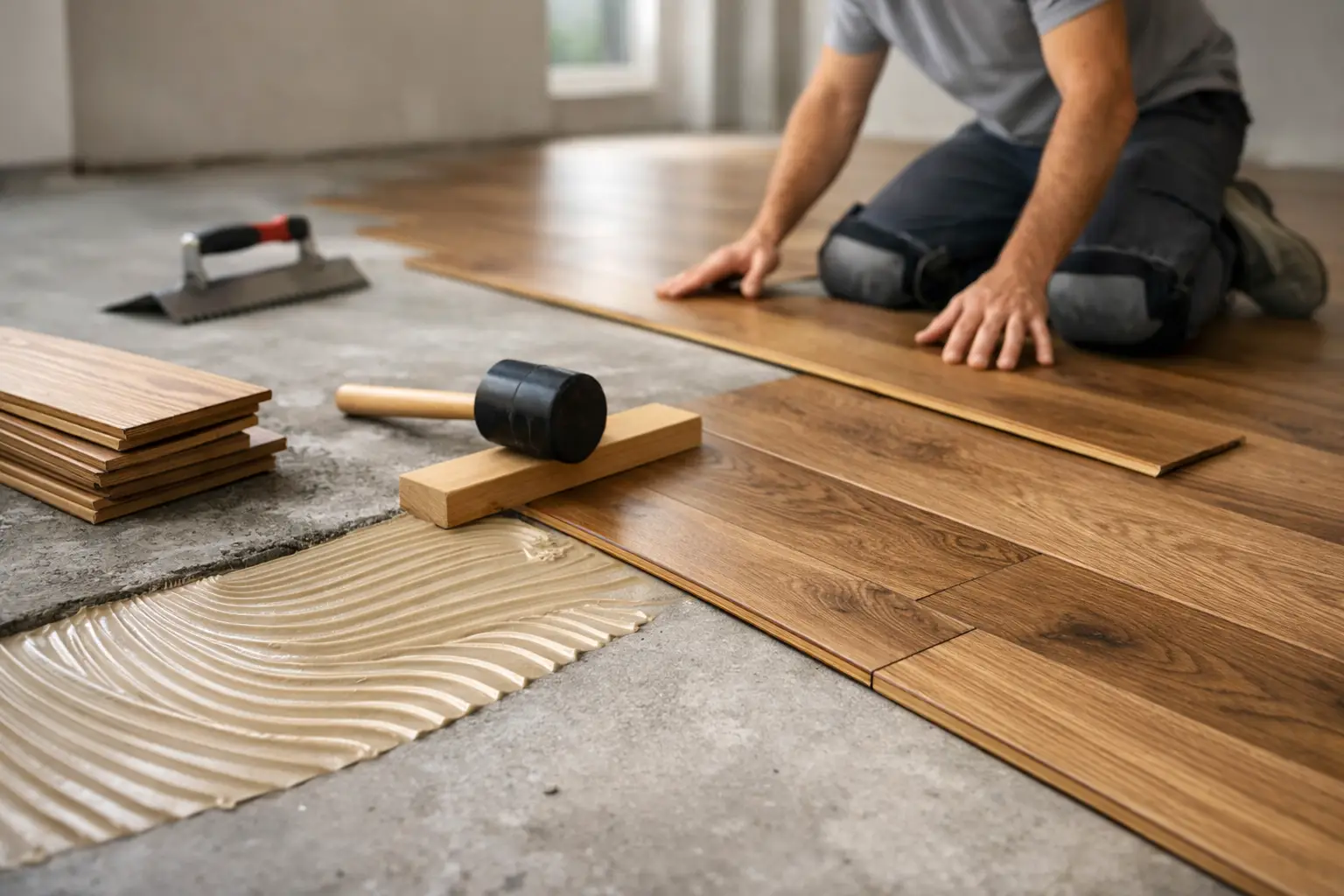
For isolated movement, a professional may be able to resecure the board, depending on the installation method. For a glued floor, that could involve lifting and re-bonding the affected board. For a floating floor, sections may need to be carefully dismantled and relaid. There is no one-size-fits-all fix here. The board profile, installation system and access all matter.
Why DIY adhesive fixes often fail
Injecting random adhesive into a moving or hollow section sounds easy, but it can create more trouble than it solves. The wrong adhesive can stain the board, interfere with movement tolerances, or fail to bond properly. Worse, it may lock one area too tightly while the rest of the floor continues to move, which shifts the stress elsewhere.
How to repair engineered timber flooring after water damage
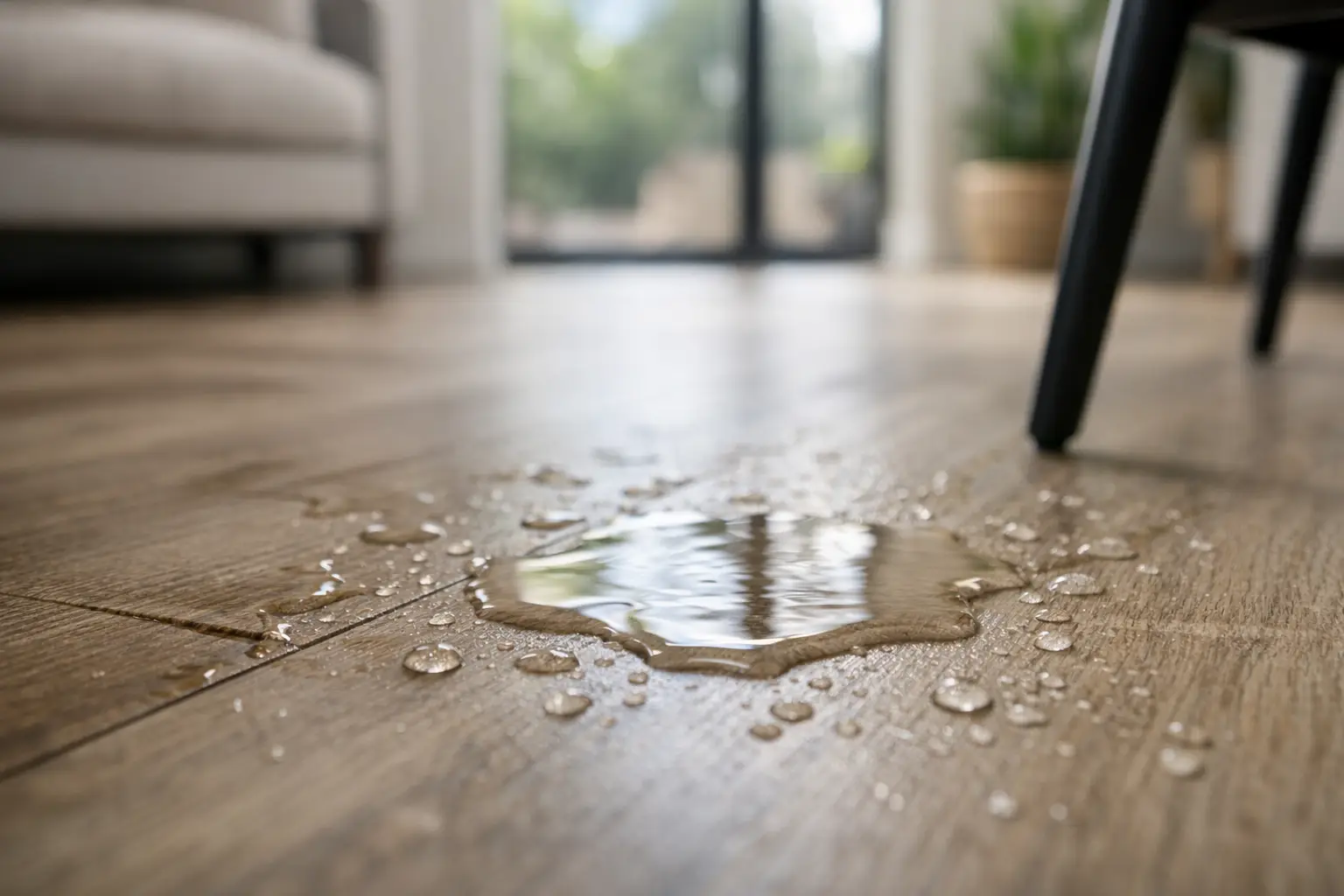
Water damage is where repair decisions become less cosmetic and more structural. A small spill wiped up quickly is rarely a major issue. Ongoing moisture from a leaking dishwasher, wet slab, balcony door or plumbing fault is a different story.
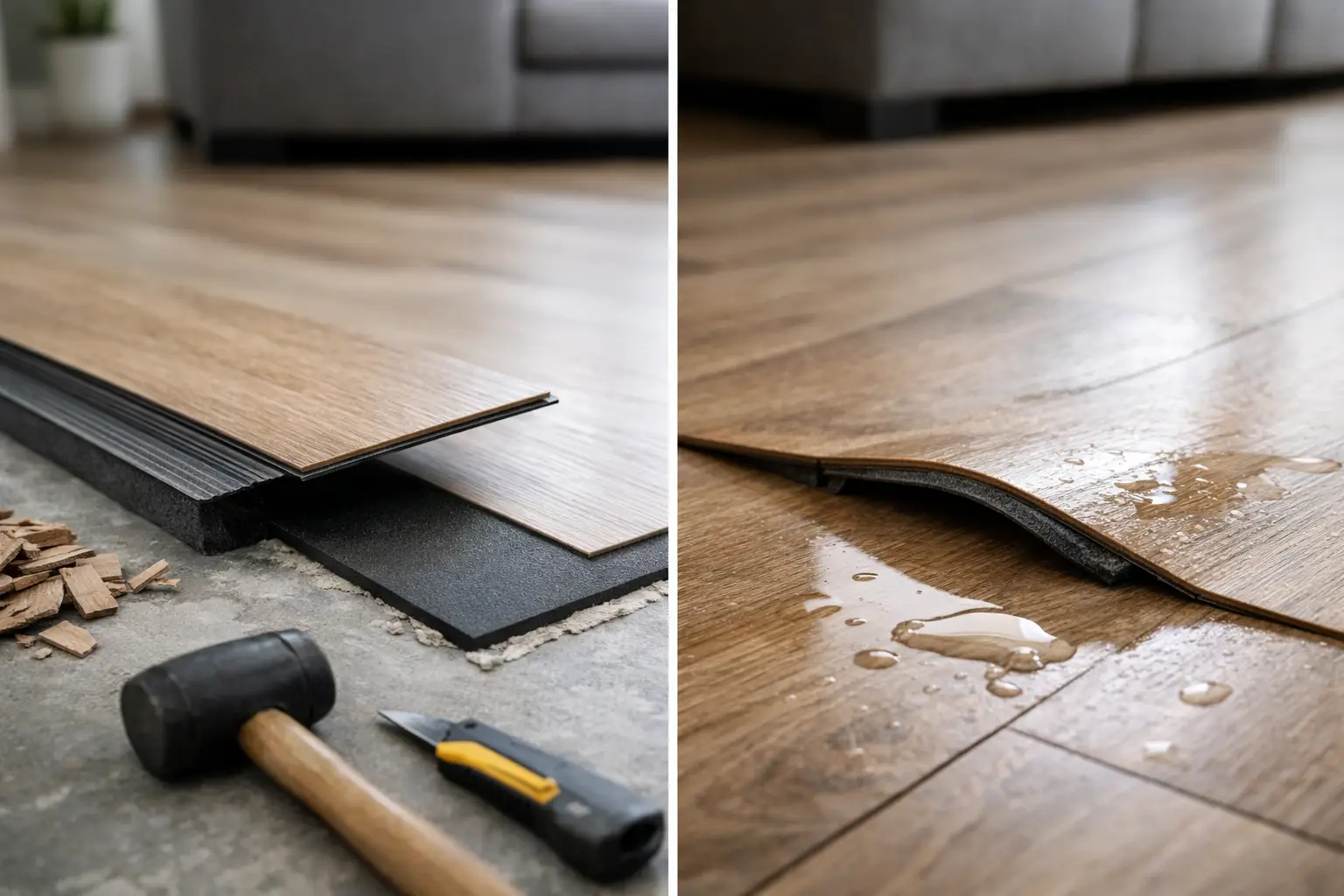
Signs of water damage include board swelling, blackening, edge lift, cupping, delamination and a soft feel underfoot. Once moisture reaches the core or affects the adhesive, the board may not return to normal even after drying. Engineered timber handles seasonal change well, but persistent water is still its weak point.
The first job is to stop the moisture source. There is no value replacing boards if the leak or damp subfloor is still active. After that, the area needs time to dry properly and be assessed. Some localised damage can be solved by replacing the affected boards only. If moisture has travelled under adjoining rows, the repair zone may need to extend further than expected.
In severe cases, particularly where the subfloor condition has deteriorated, a proper repair may involve lifting sections of flooring, correcting the base, and reinstalling or replacing boards. It is more work upfront, but it prevents repeat failure.
Can engineered timber be sanded and refinished?
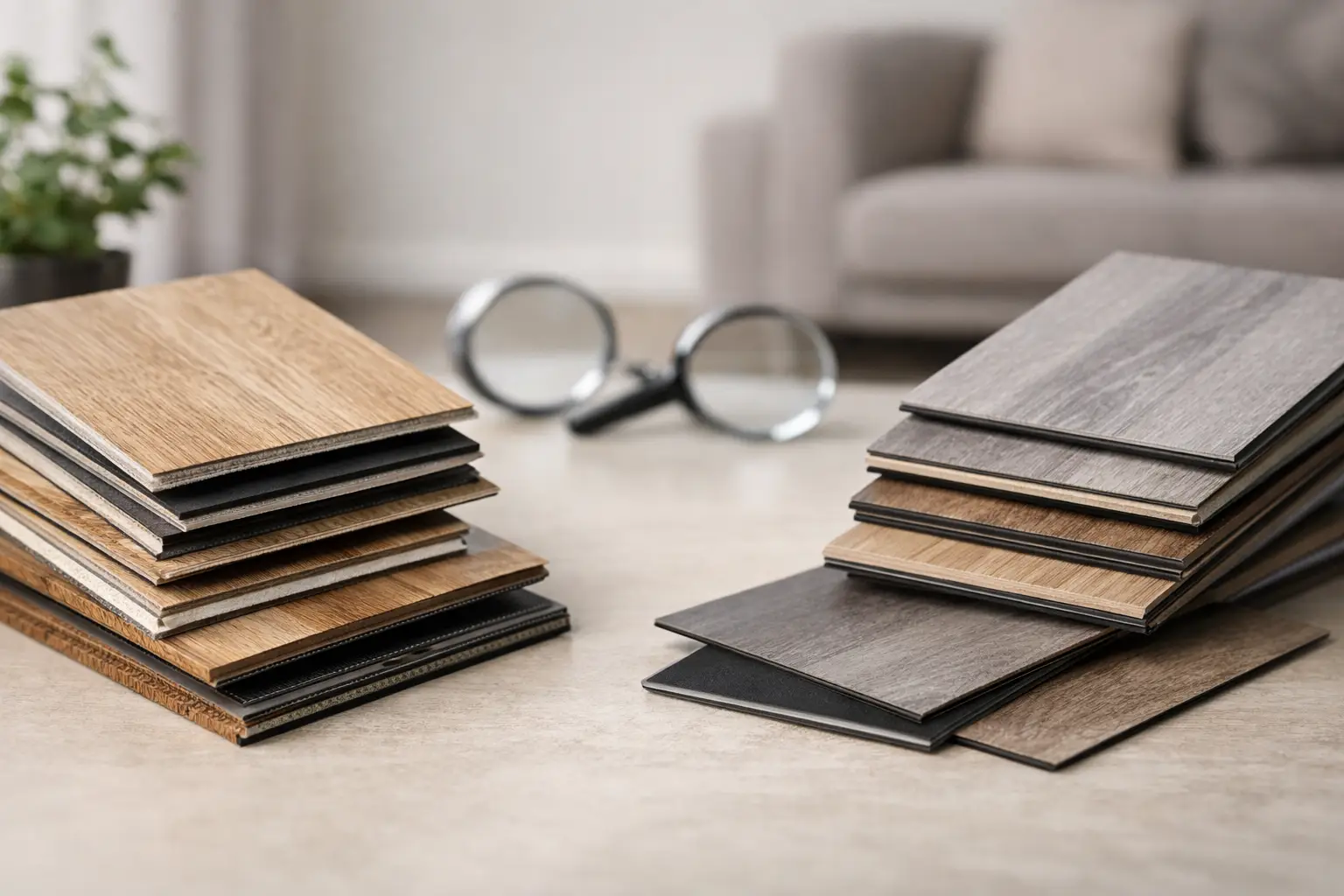
Sometimes, but not always. This depends on the thickness of the real timber wear layer and the product specification. Some engineered boards can handle a light sand and refinish once or twice. Others are better treated as replacement products if badly damaged.
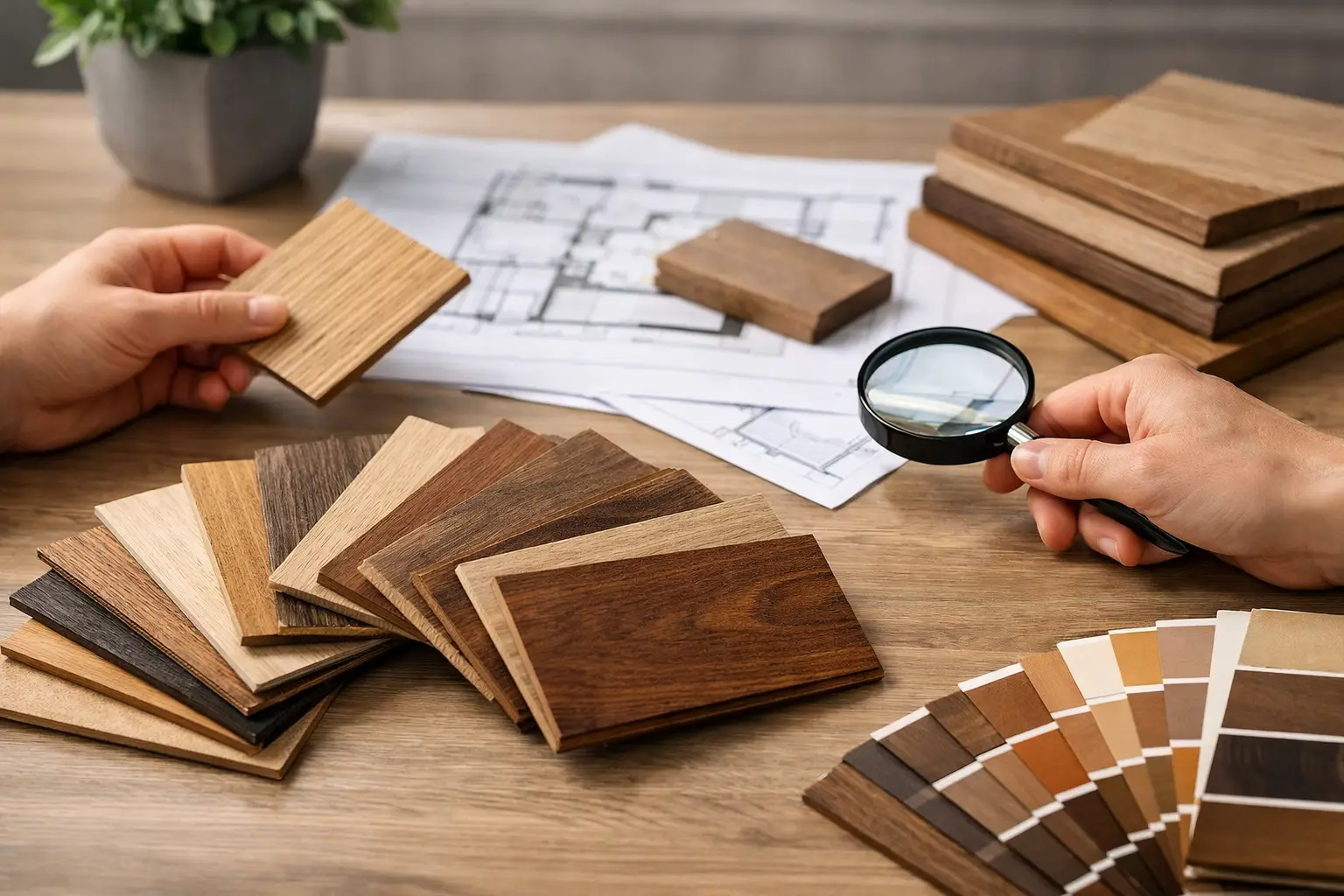
That is why product knowledge matters before any repair begins. If you sand through the veneer, the board is ruined. For quality engineered floors with a suitable wear layer, professional refinishing can improve widespread surface wear, minor scratches and dullness. It is not the answer for swollen boards, broken joins or core damage.
When board replacement is the smarter option
Homeowners often assume replacement is the most expensive path, but for localised damage it can be the cleanest and most cost-effective result. One damaged plank in a visible area can stand out more after a poor repair than after a precise board swap.
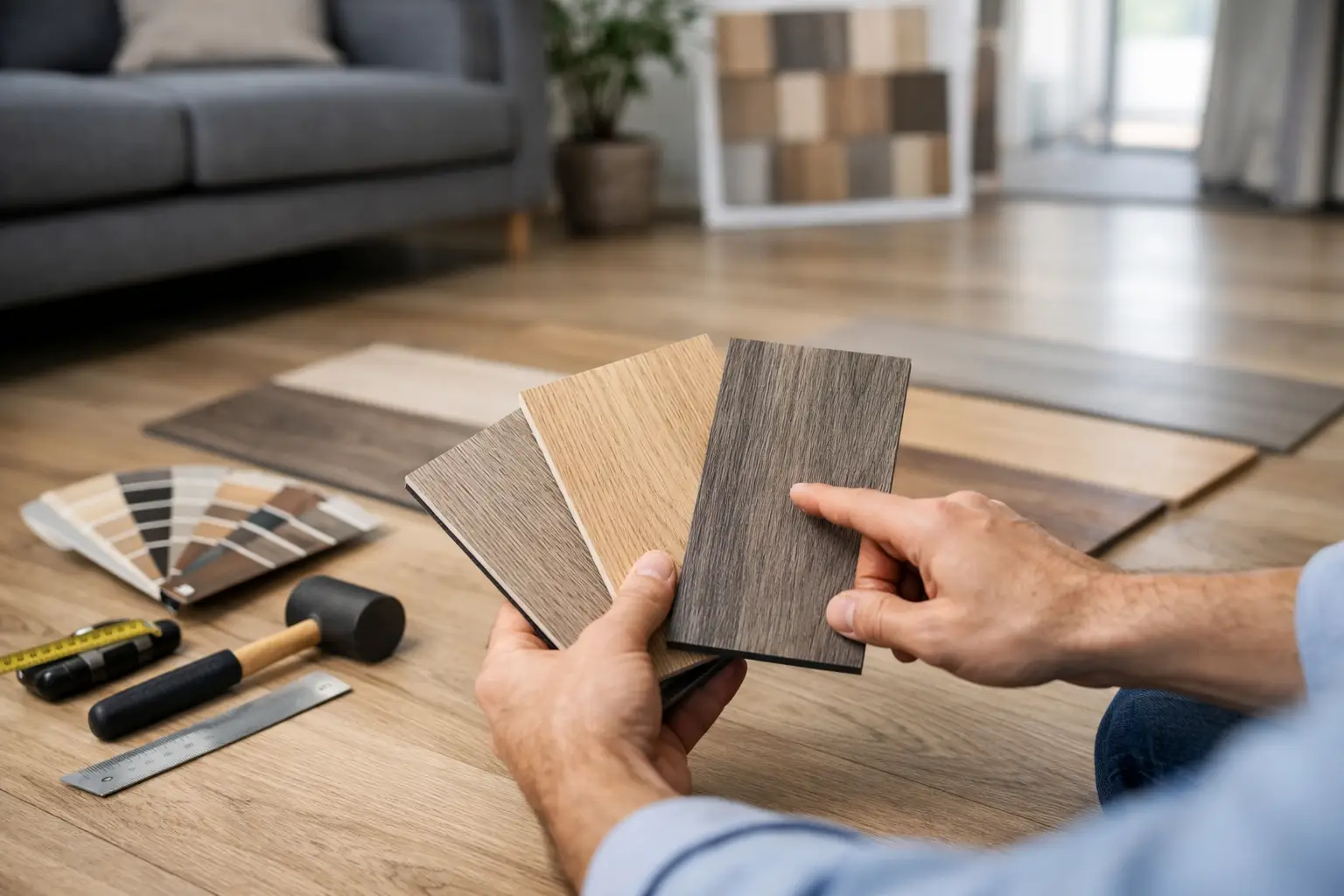
Replacement is usually the better option when the damage runs through the veneer, when edges are broken, when water has caused swelling, or when movement suggests joint failure. The challenge is matching the existing floor. Colour variation, ageing, batch differences and finish sheen all affect how seamless the result will be. That is another reason to keep spare boards after installation if possible.
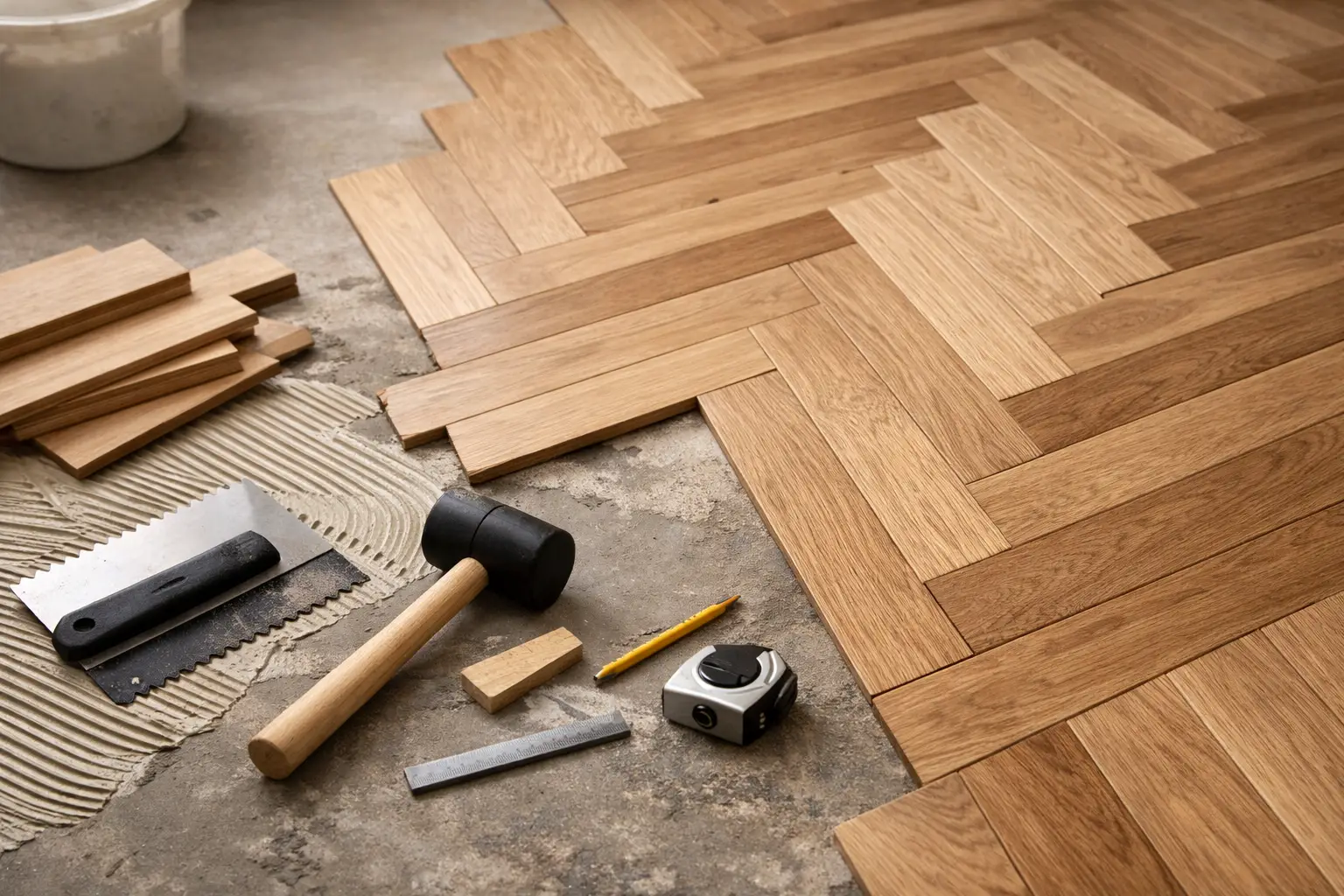
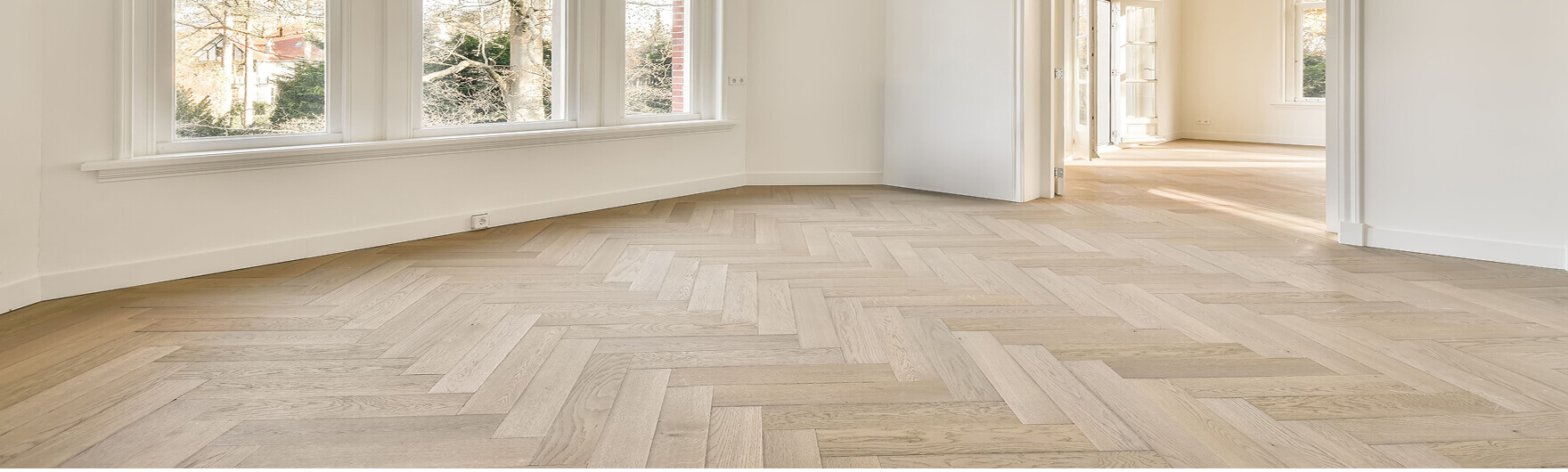
In premium projects, especially herringbone or wider-format engineered boards, the repair method has to protect the layout and surrounding boards. Rushing it can turn one damaged piece into a much bigger rectification job.
Know when the floor needs an expert, not a quick fix
If the issue involves moisture, repeated movement, subfloor irregularities or multiple boards failing together, it is time for a proper site assessment. A good flooring repair is not just about making the mark disappear. It is about making sure the floor performs properly after the repair.
That is where an installer-led approach makes a difference. At Melbourne Quality Timber Flooring, the practical view is simple: get the diagnosis right, respect the product limits, and fix the cause as well as the board. That is how you avoid spending twice.
Engineered timber flooring is built for durability, but it still rewards careful treatment. If the damage is minor, a neat repair can restore the look without much disruption. If the problem runs deeper, the best result usually comes from being honest about what the floor needs, rather than forcing a shortcut that was never going to last.