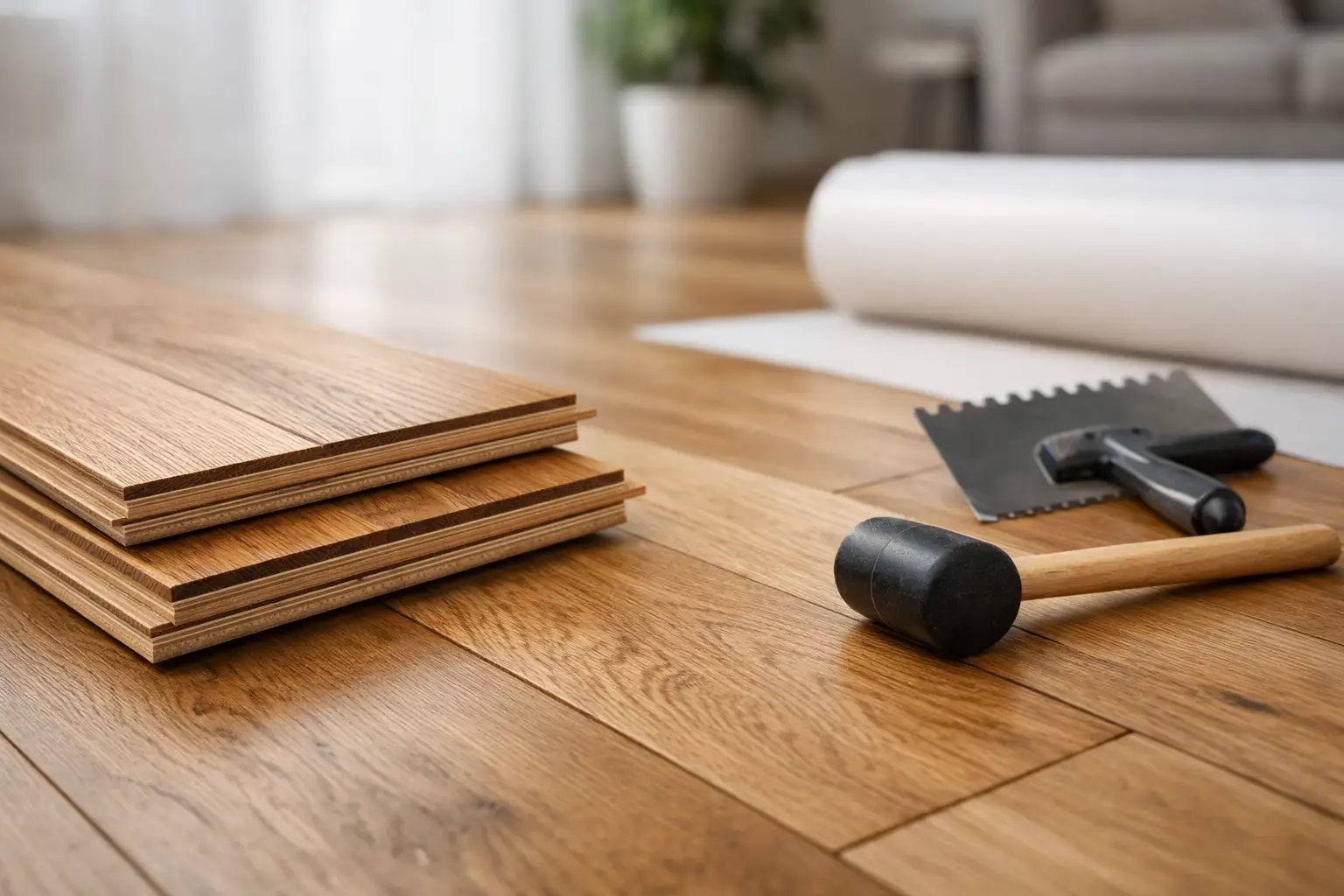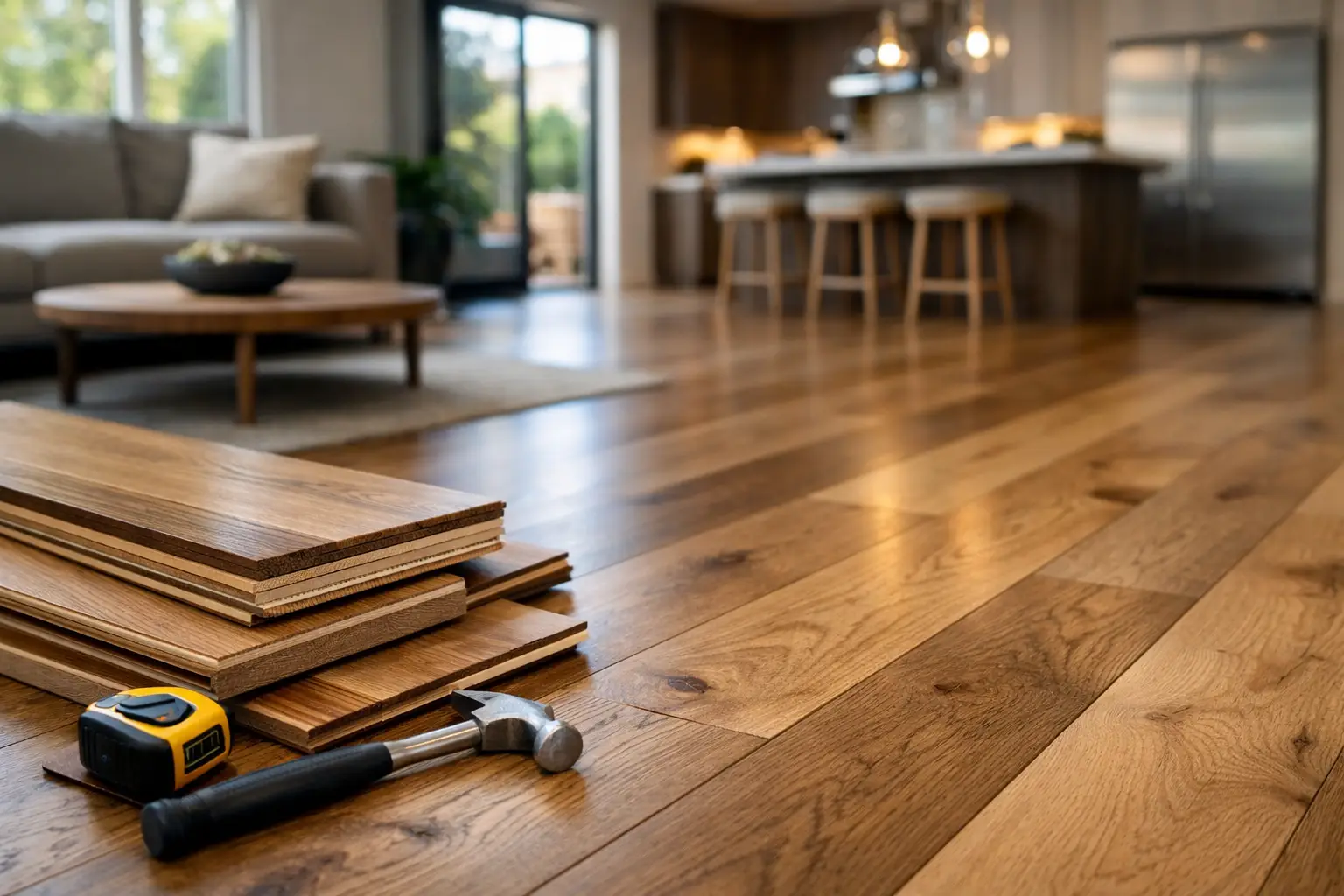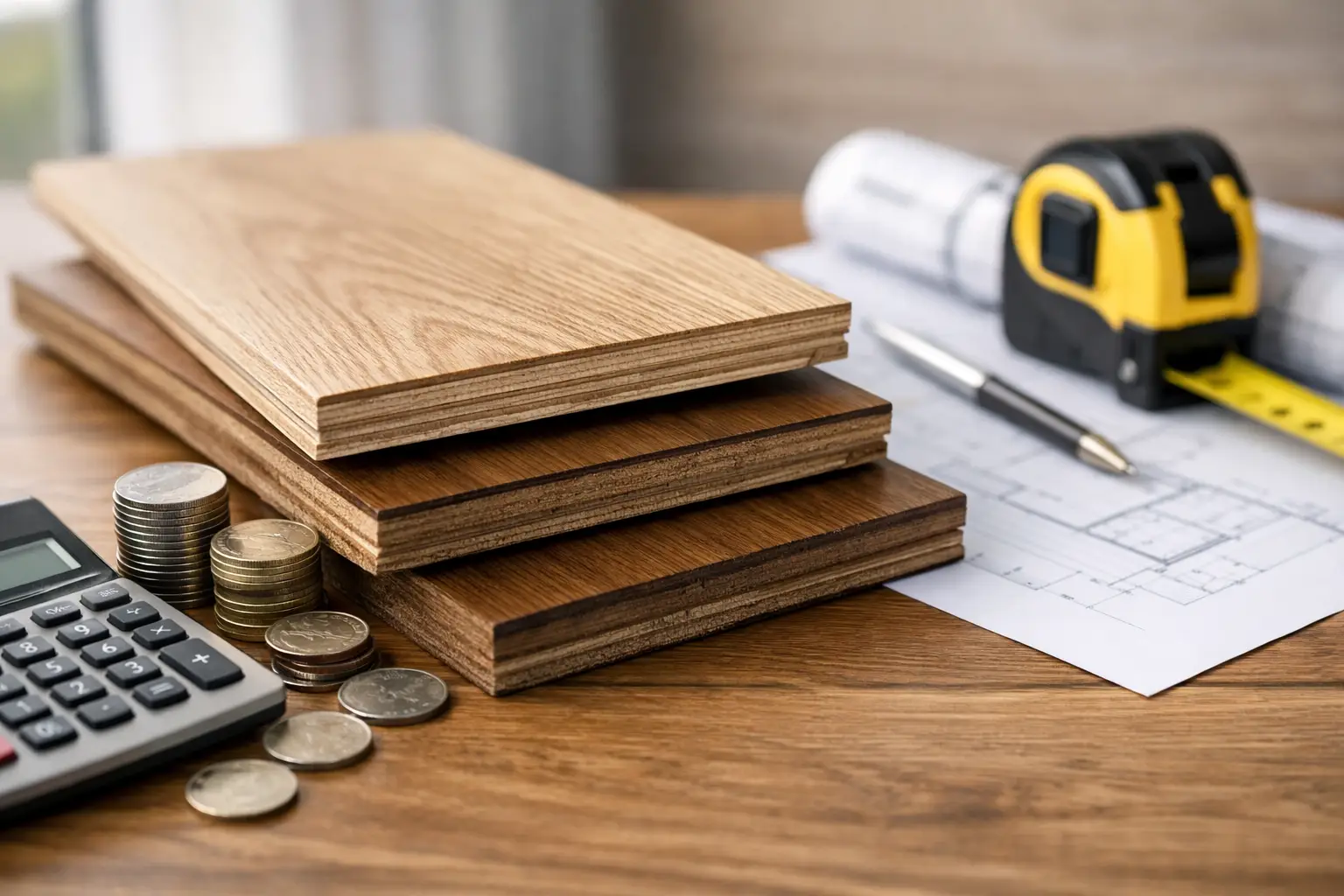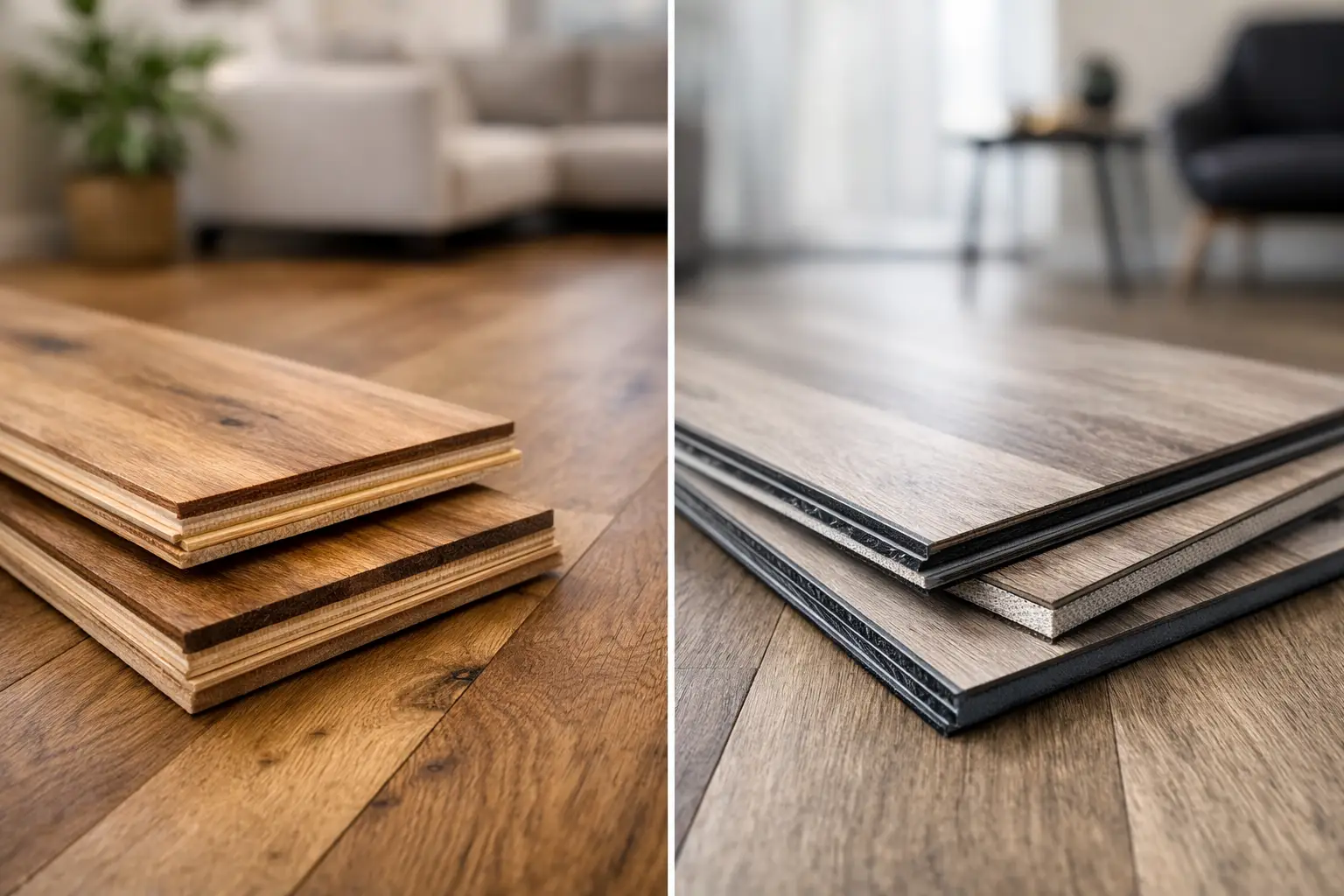
You usually notice the difference between hybrid and vinyl flooring after it has been installed, not in the showroom. One feels firmer underfoot, one may handle minor subfloor issues better, and one can make more sense depending on how busy your home or commercial space really is. When customers ask about hybrid flooring vs vinyl, the right answer is rarely about which one is “best” overall. It is about which one suits the room, the subfloor, the level of traffic, and the finish you want to live with long term.
Both products are popular for good reason. They are practical, timber-look options that can handle modern family life better than many people expect. But they are not the same product with different labels, and treating them that way can lead to a poor result.
Table of Contents
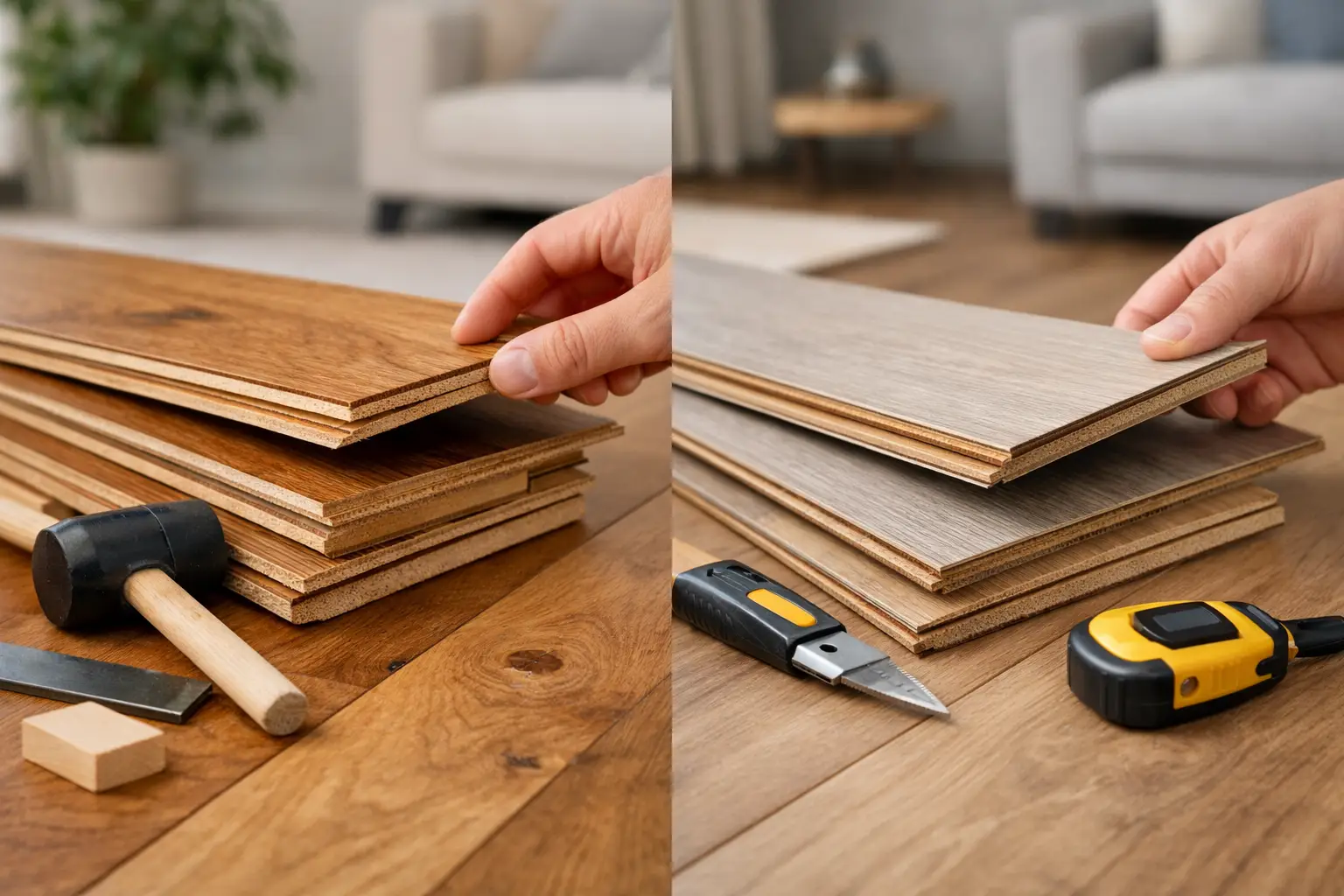
Hybrid flooring vs vinyl: the core difference
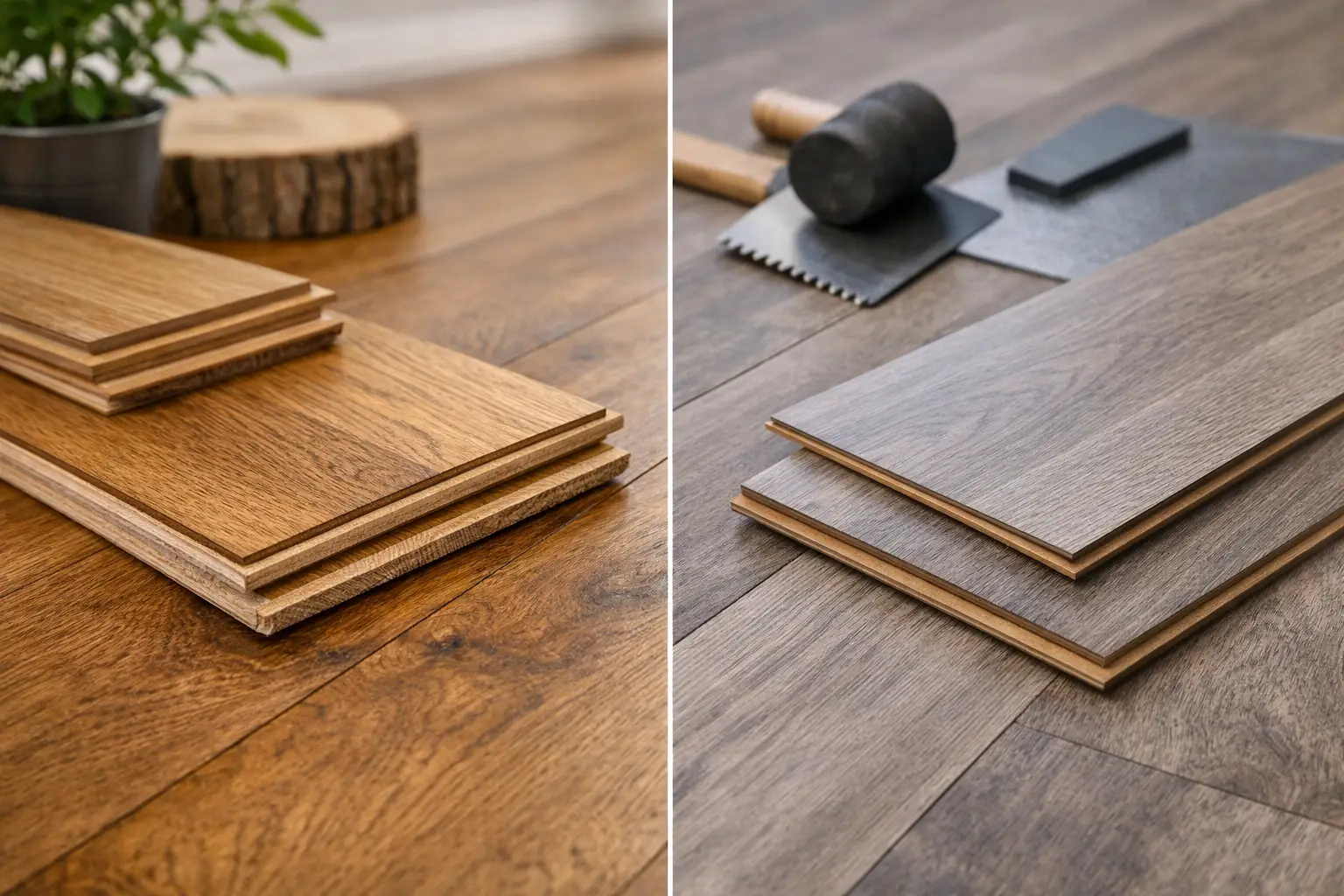
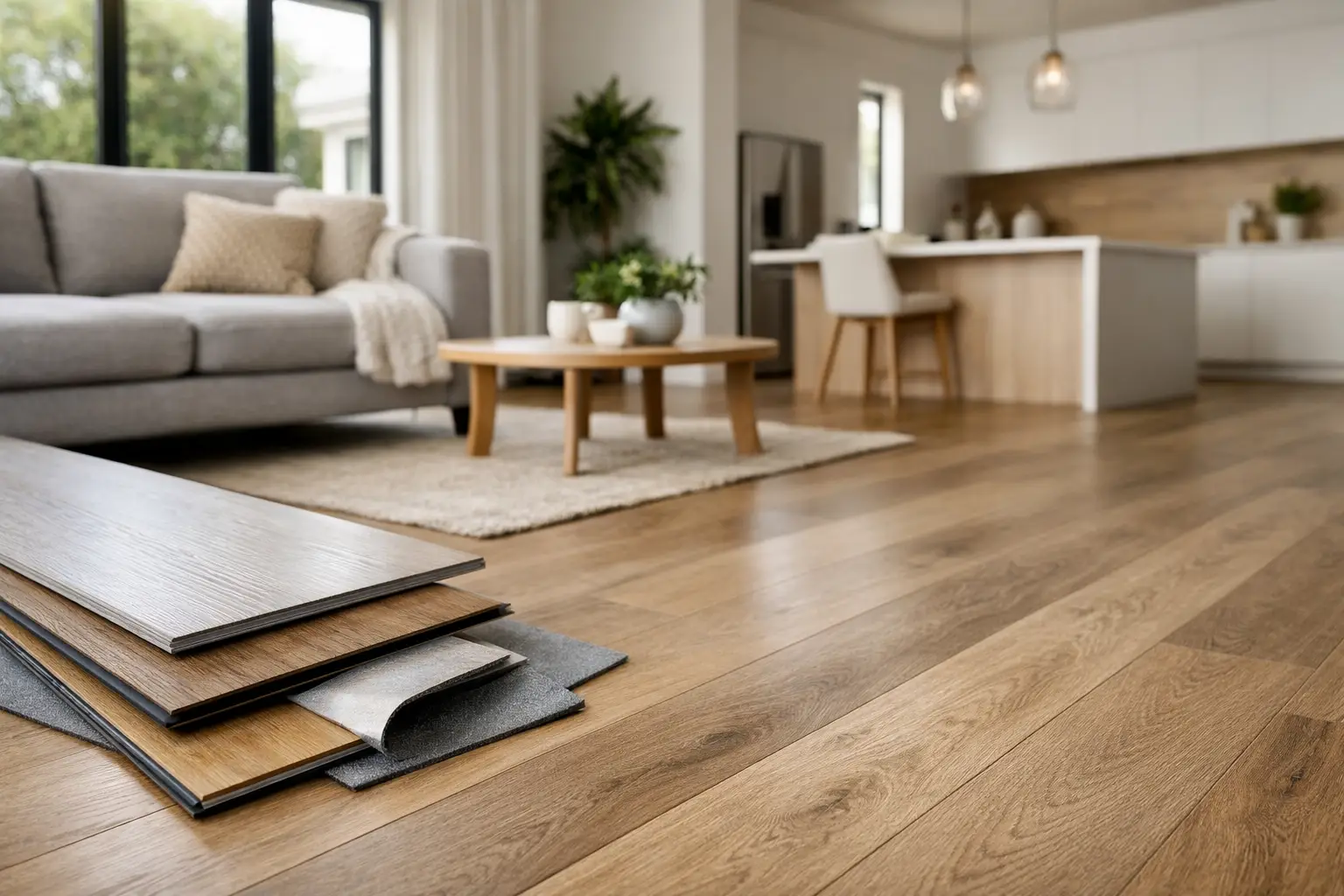
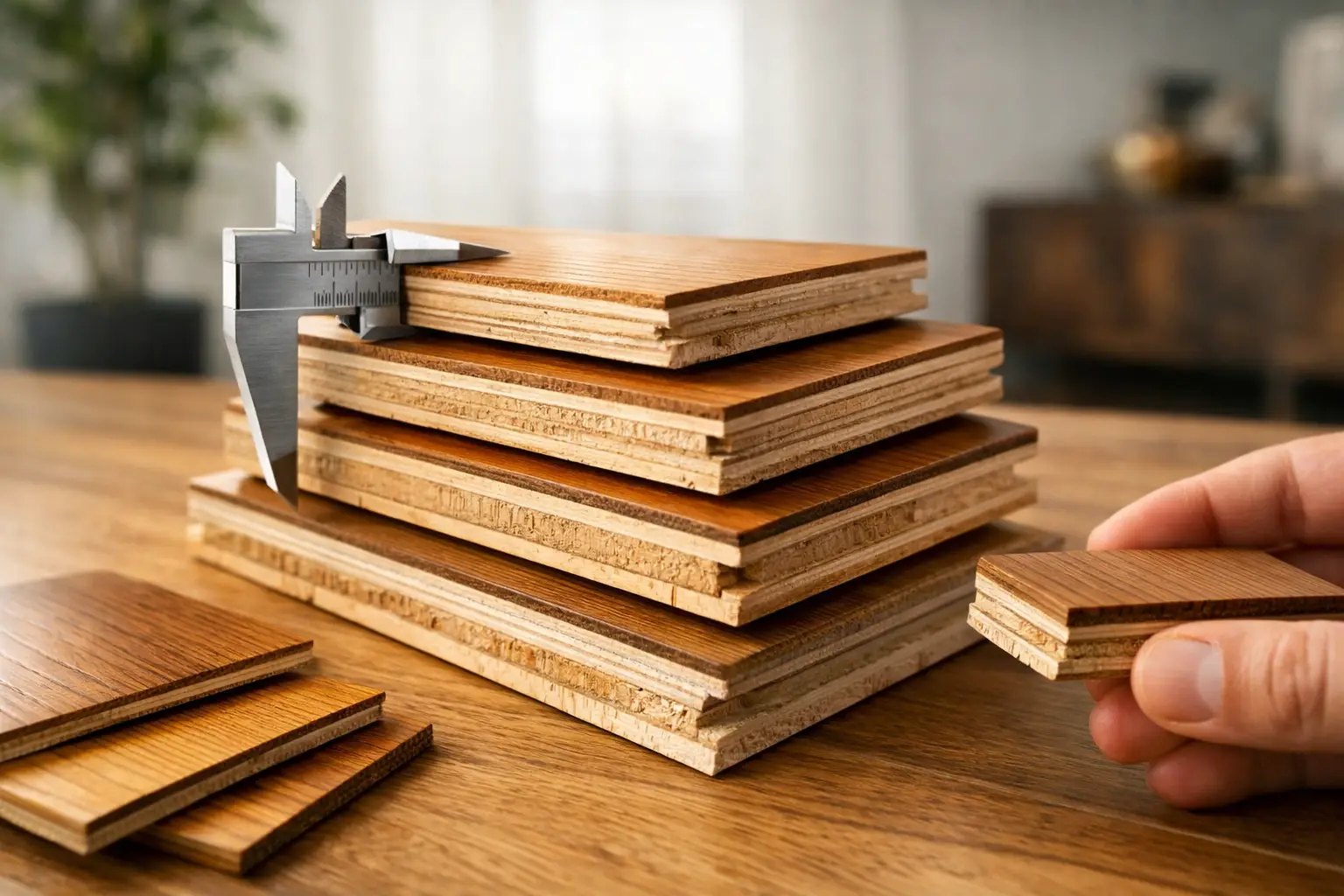
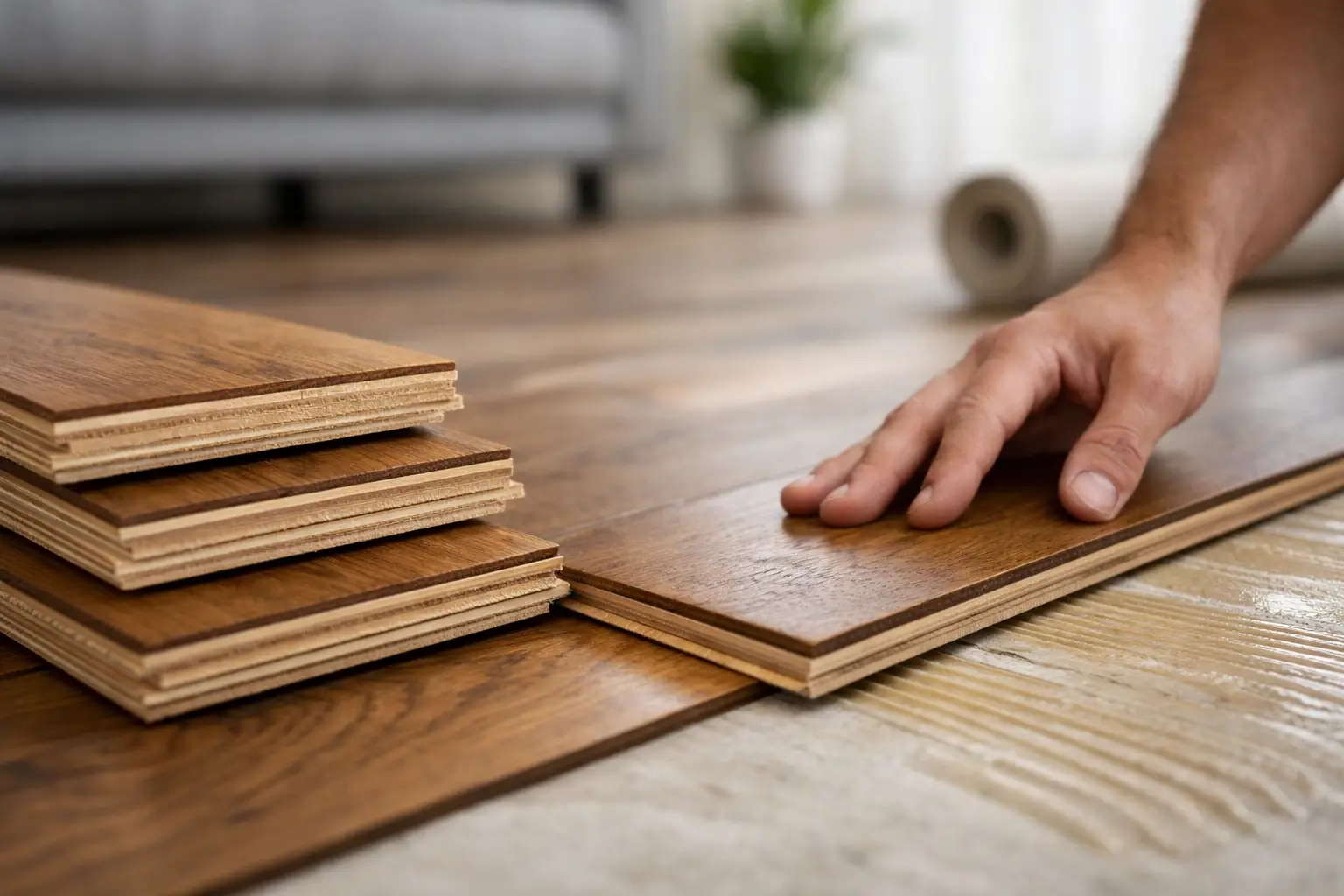
The simplest way to separate the two is by construction. Hybrid flooring is a rigid plank product, usually built with a limestone composite or similar rigid core. Vinyl flooring is generally more flexible and comes in a few forms, including loose lay, glue-down and vinyl plank.
That construction changes how each floor performs. Hybrid tends to feel more solid and can bridge over slight imperfections better than some vinyl products. Vinyl, especially glue-down vinyl, is thinner and more flexible, so it follows the subfloor more closely. That can be an advantage in some projects, but it also means subfloor preparation matters even more if you want a clean finished look.
This is where product advice needs to be practical, not generic. A floor can look great in a sample board and still be the wrong choice for the site.
How they compare in everyday use
Water resistance
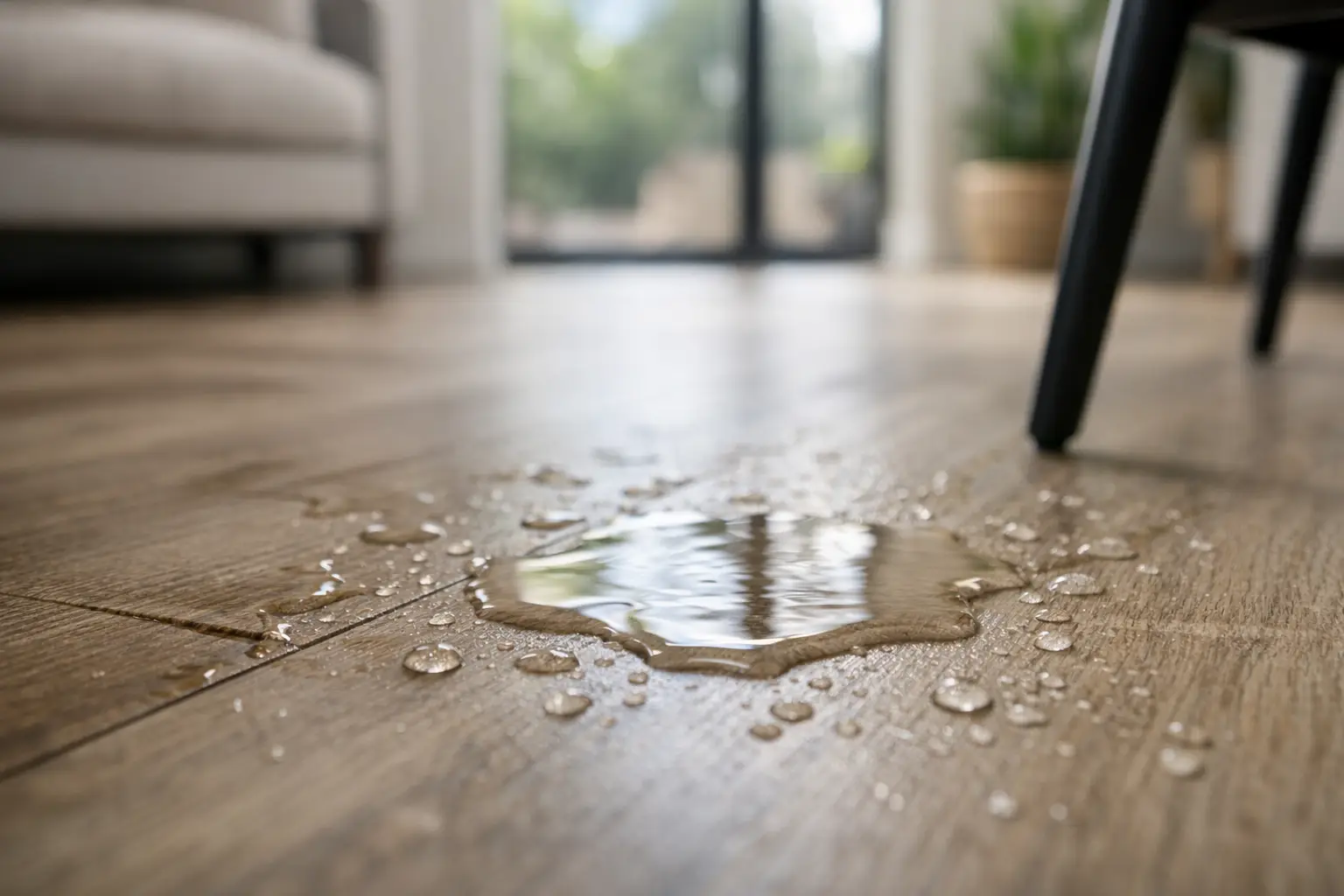
Both hybrid and vinyl are strong performers in areas where spills are common. Kitchens, living areas, apartment spaces and many commercial interiors can all suit these products. Hybrid flooring is often marketed as fully waterproof, and many vinyl options offer similar water-resistant performance.
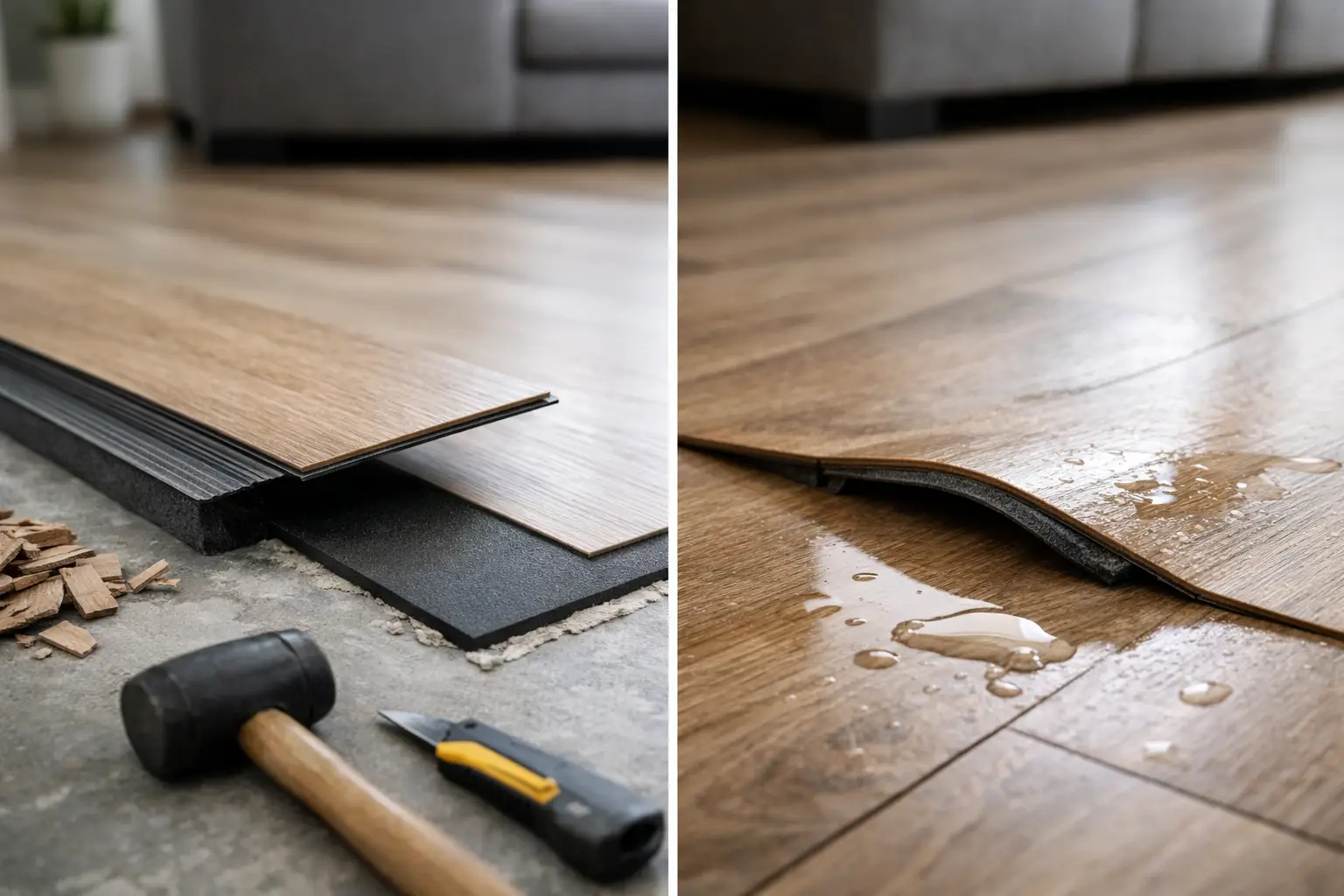
The catch is that waterproof planks do not cancel out the need for correct installation. Moisture issues coming up through the subfloor are a separate problem. If the slab is not tested properly or the floor is installed over an unsuitable base, the product itself may survive while the installation fails.
Durability and wear
For busy households with kids, pets and frequent foot traffic, both can work well, but the detail matters. Wear layer quality, board thickness, surface coating and brand standards all have a bigger impact than the label alone.
Hybrid often appeals to homeowners who want a more substantial feel underfoot and good dent resistance from a rigid board. Vinyl can still be highly durable, particularly quality commercial-grade options, but some softer vinyl products may mark or telegraph subfloor flaws more easily.
If you are fitting out an investment property or commercial tenancy, it is worth looking beyond the sales language and asking how the floor will cope with chairs, rolling loads, pet claws and day-to-day cleaning.
Comfort and sound
Vinyl usually has a slightly softer, quieter feel underfoot, especially in glue-down or softer plank formats. Hybrid, being more rigid, can feel firmer. Some customers prefer that because it feels more like a stable floating floor. Others notice the hardness more in spaces where they stand for long periods, such as kitchens.
Acoustics can also vary depending on underlay, slab type and apartment requirements. In multi-residential settings, this can become a deciding factor rather than a nice-to-have.
Appearance
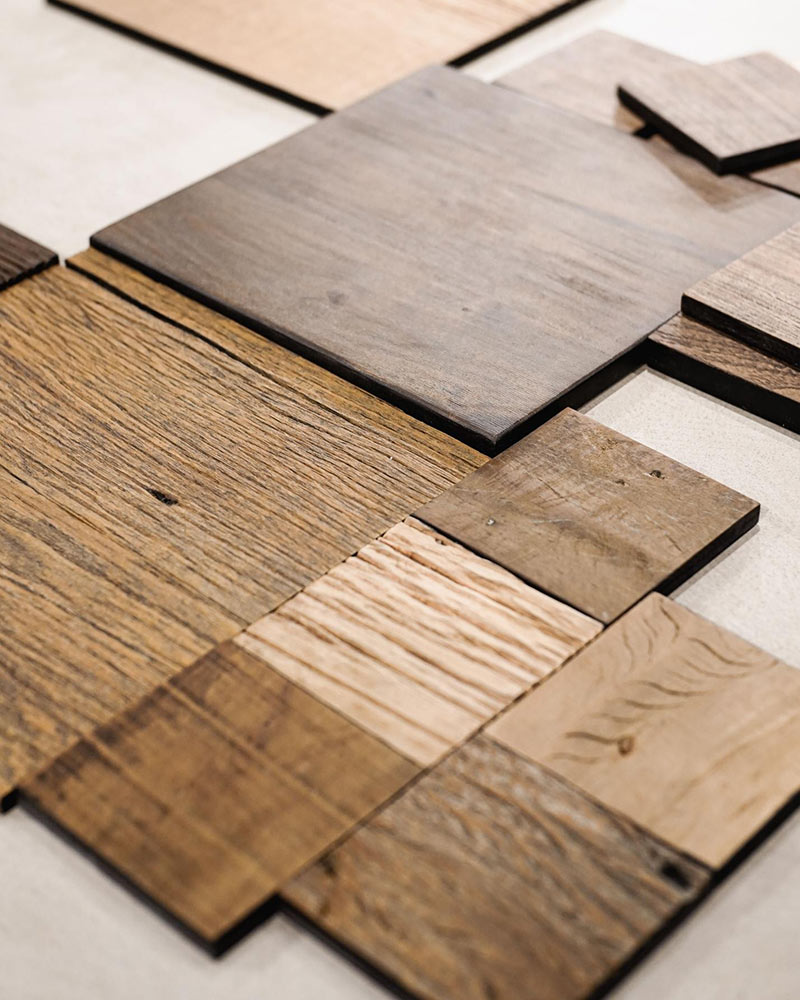
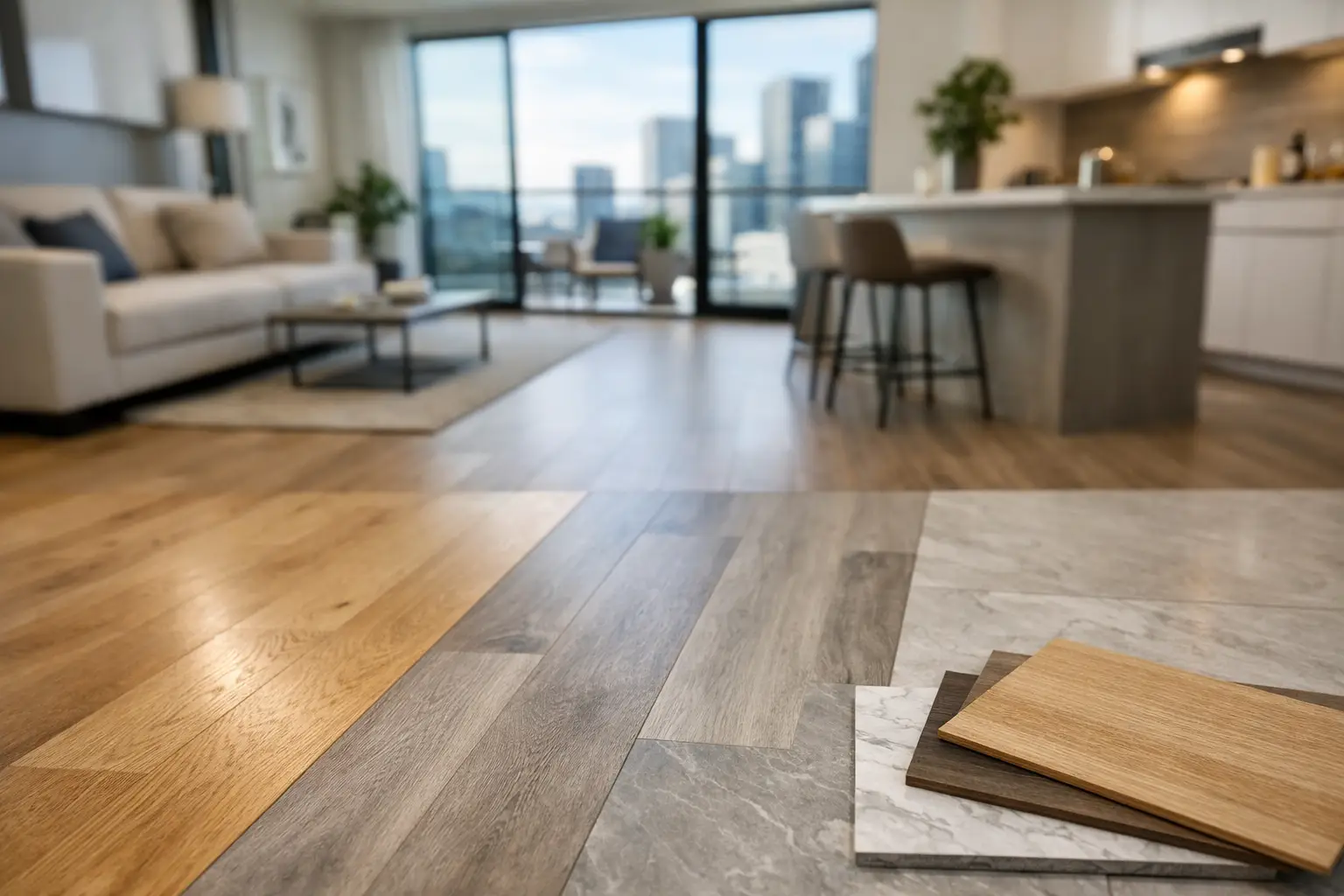
Both categories now come in convincing timber-look finishes, and both have improved significantly in design. Wider boards, matte textures and realistic grain patterns are common. Hybrid often wins favour with customers who want a premium timber-look floor without stepping into engineered timber pricing.
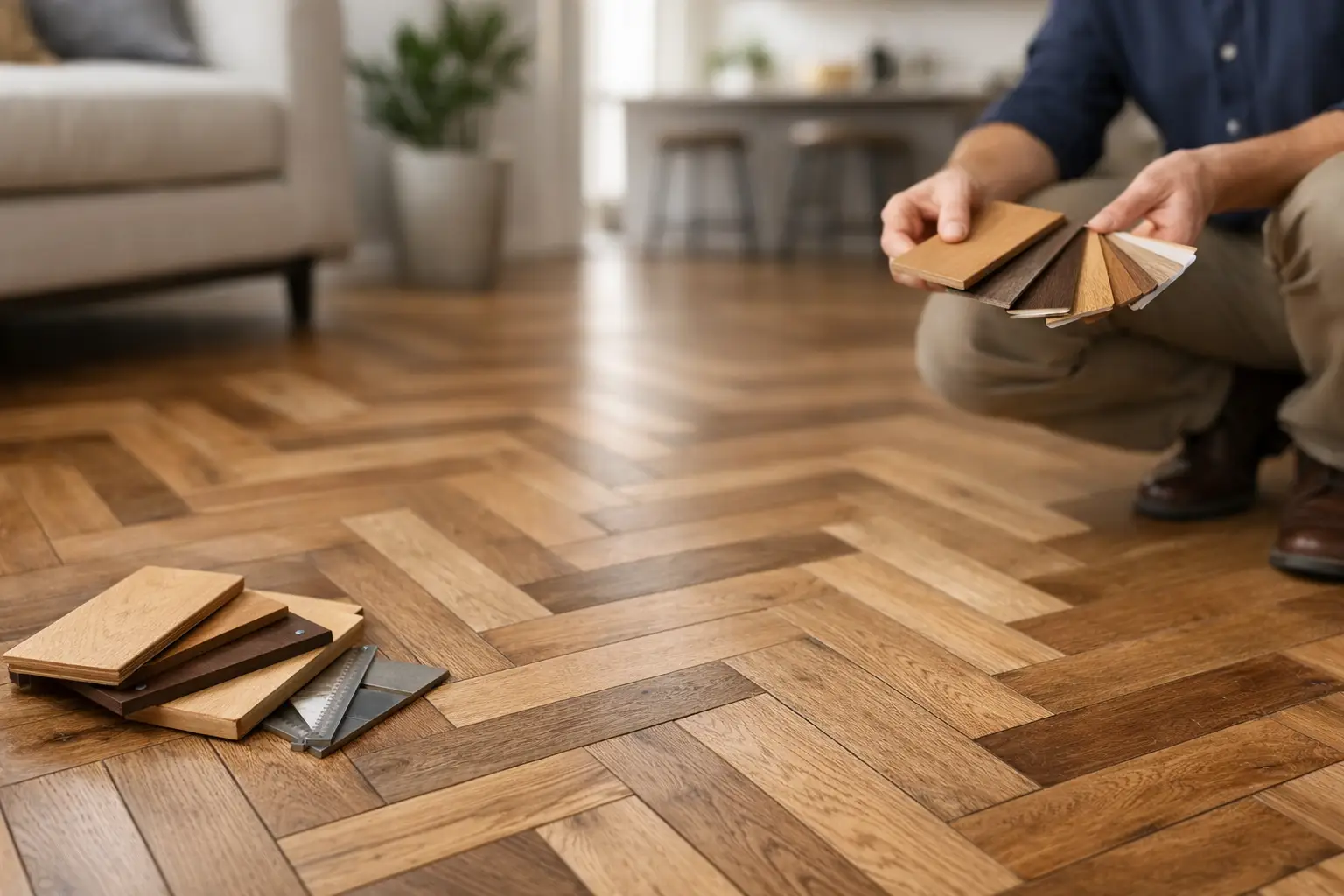
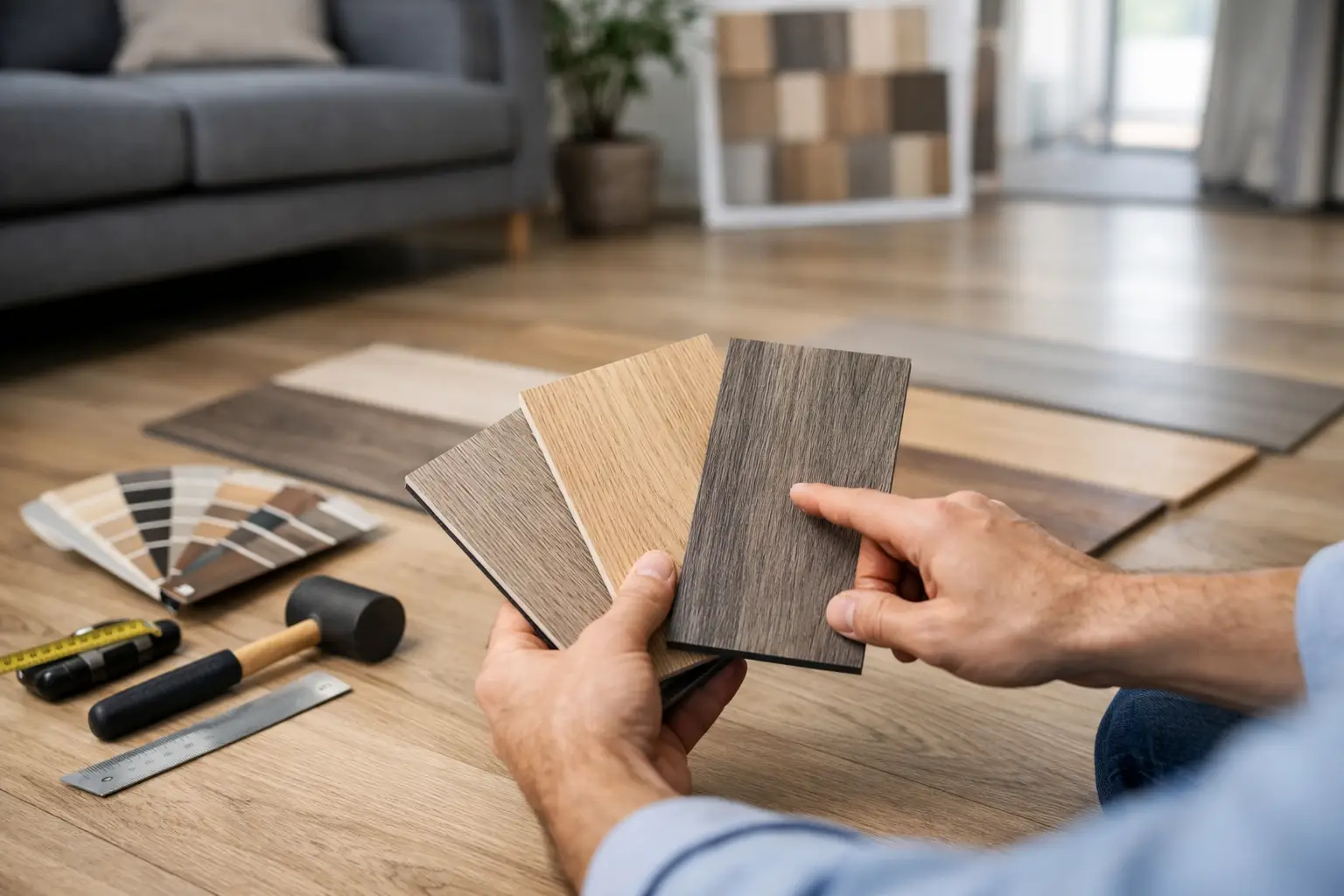
That said, not every hybrid or vinyl range looks equal. Board repeat, embossing quality and colour variation can make a major difference once the whole floor is laid. A sample can only tell you so much.
Installation is where the decision really gets tested
A lot of flooring problems get blamed on the product when the real issue is preparation. In a straight comparison of hybrid flooring vs vinyl, installation method is one of the biggest practical differences.
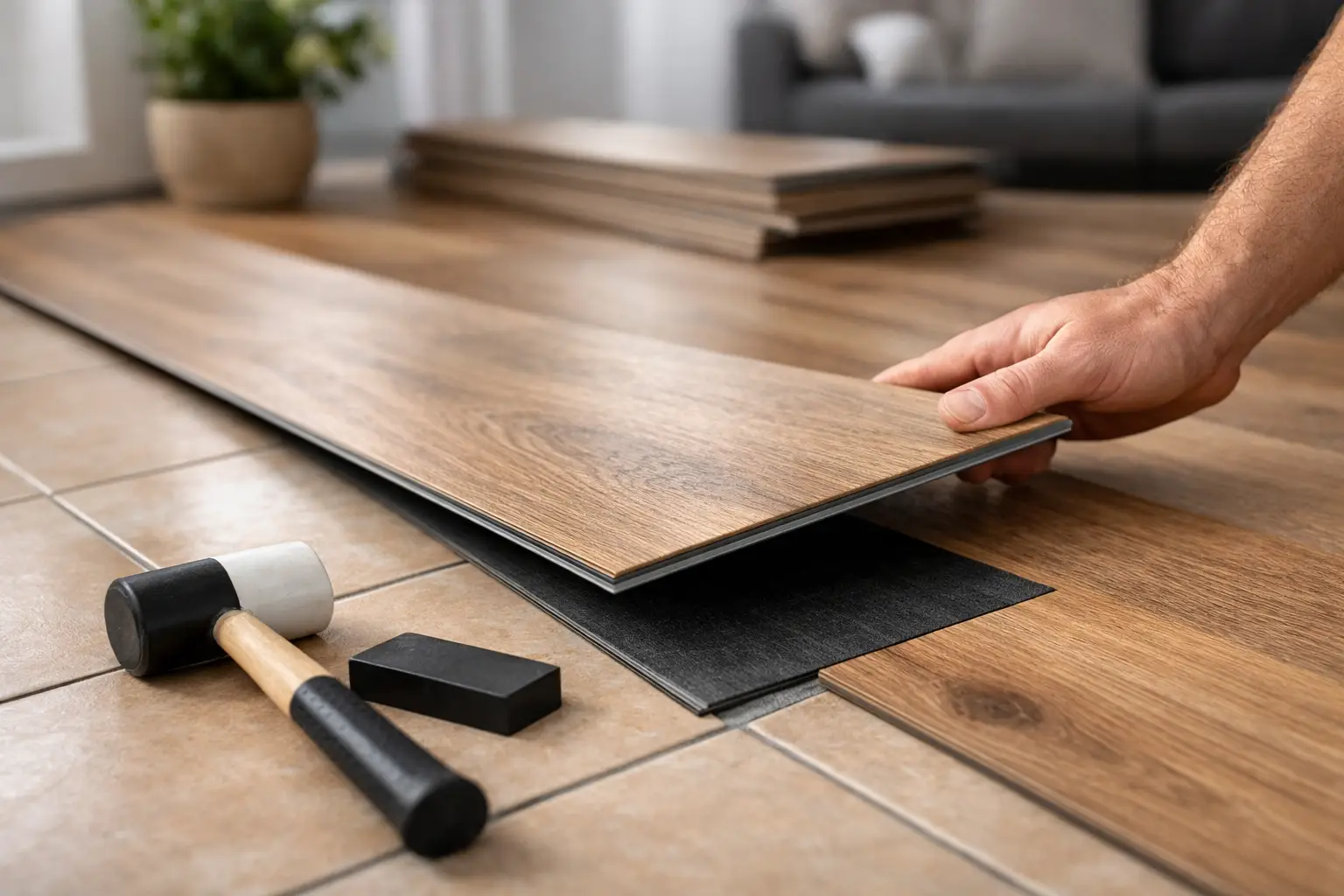
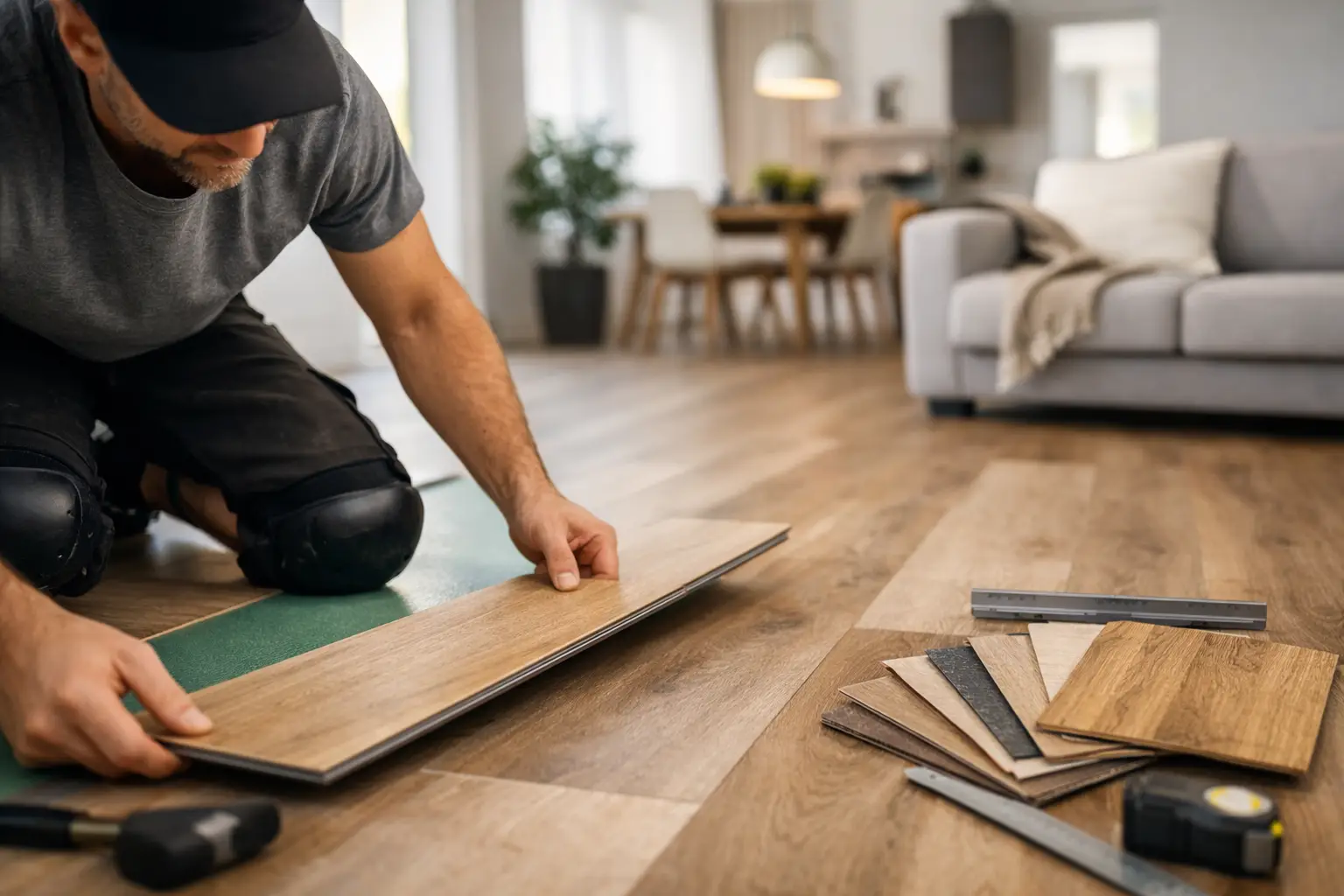
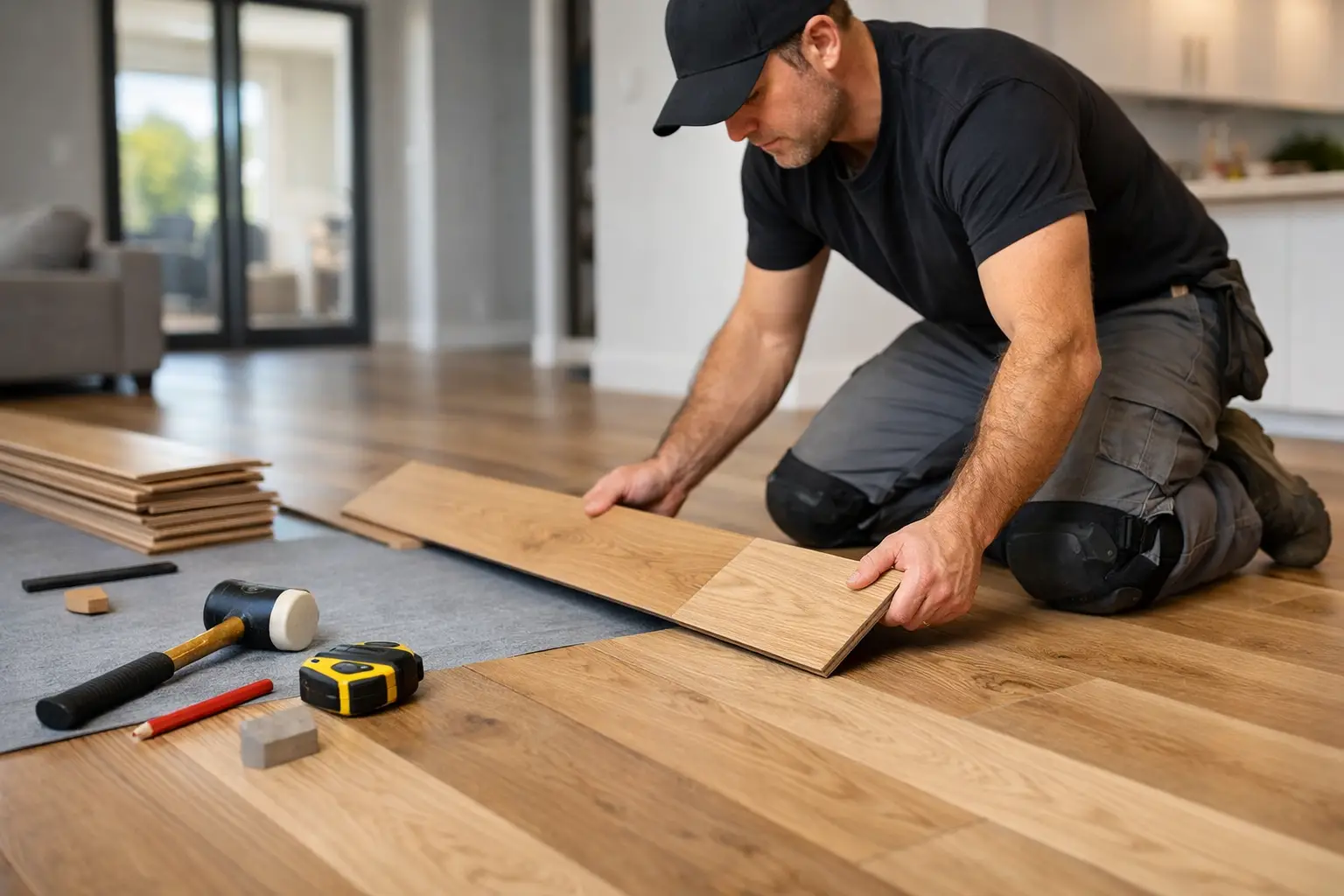
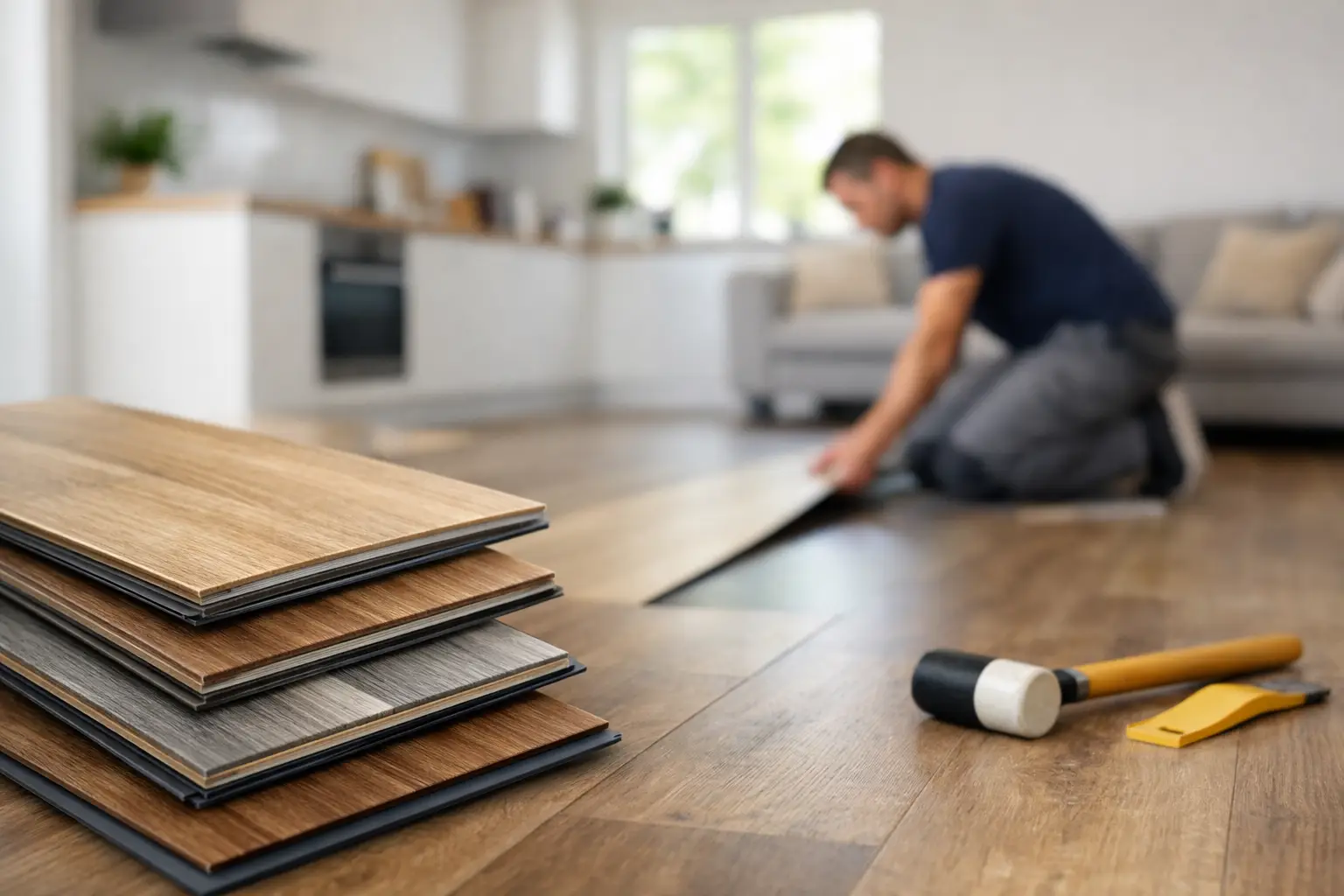
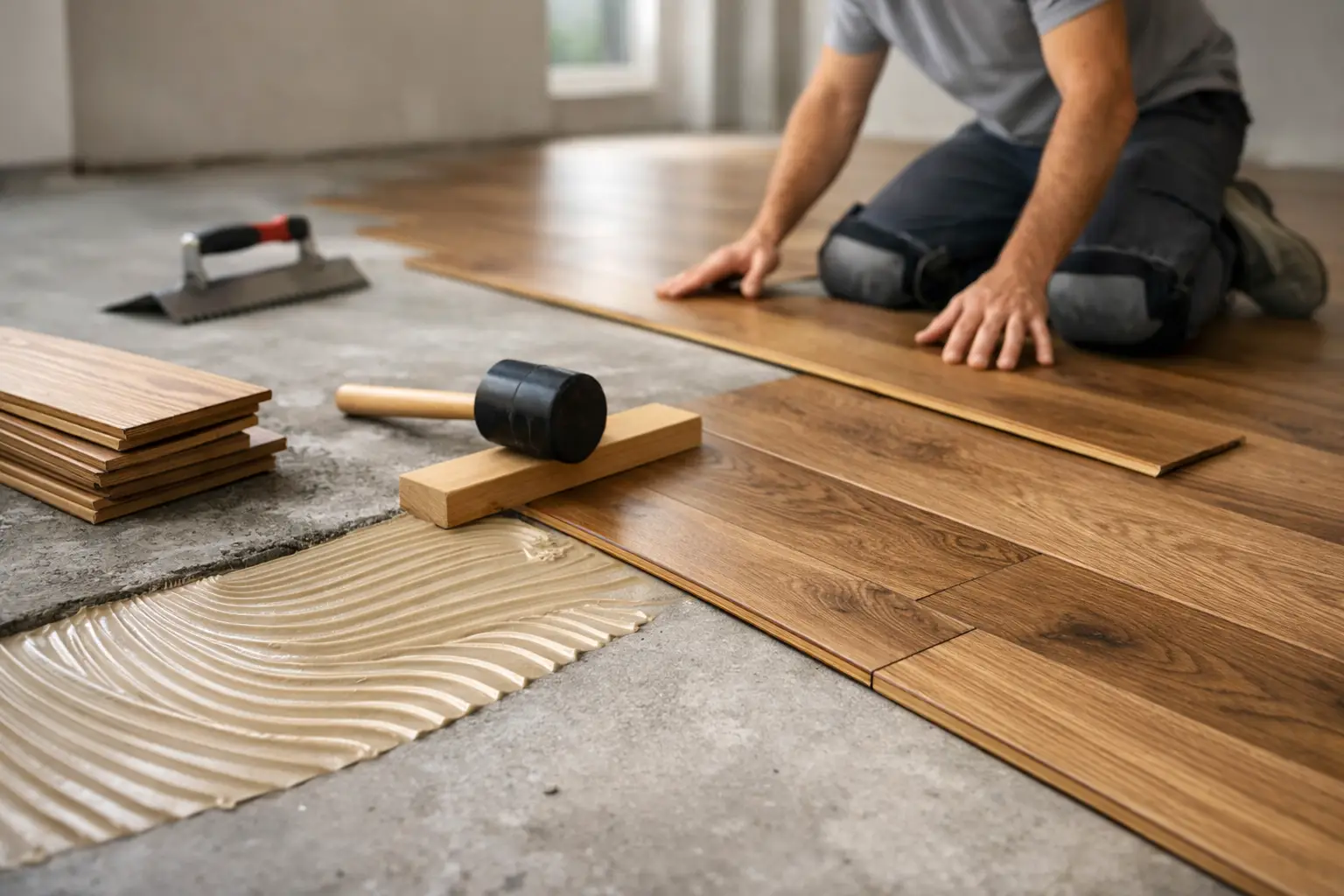
Hybrid is typically installed as a floating click system. That makes it efficient in many homes and often less disruptive than fully glued alternatives. It can be a good option for renovations where speed matters and where the subfloor is generally sound.
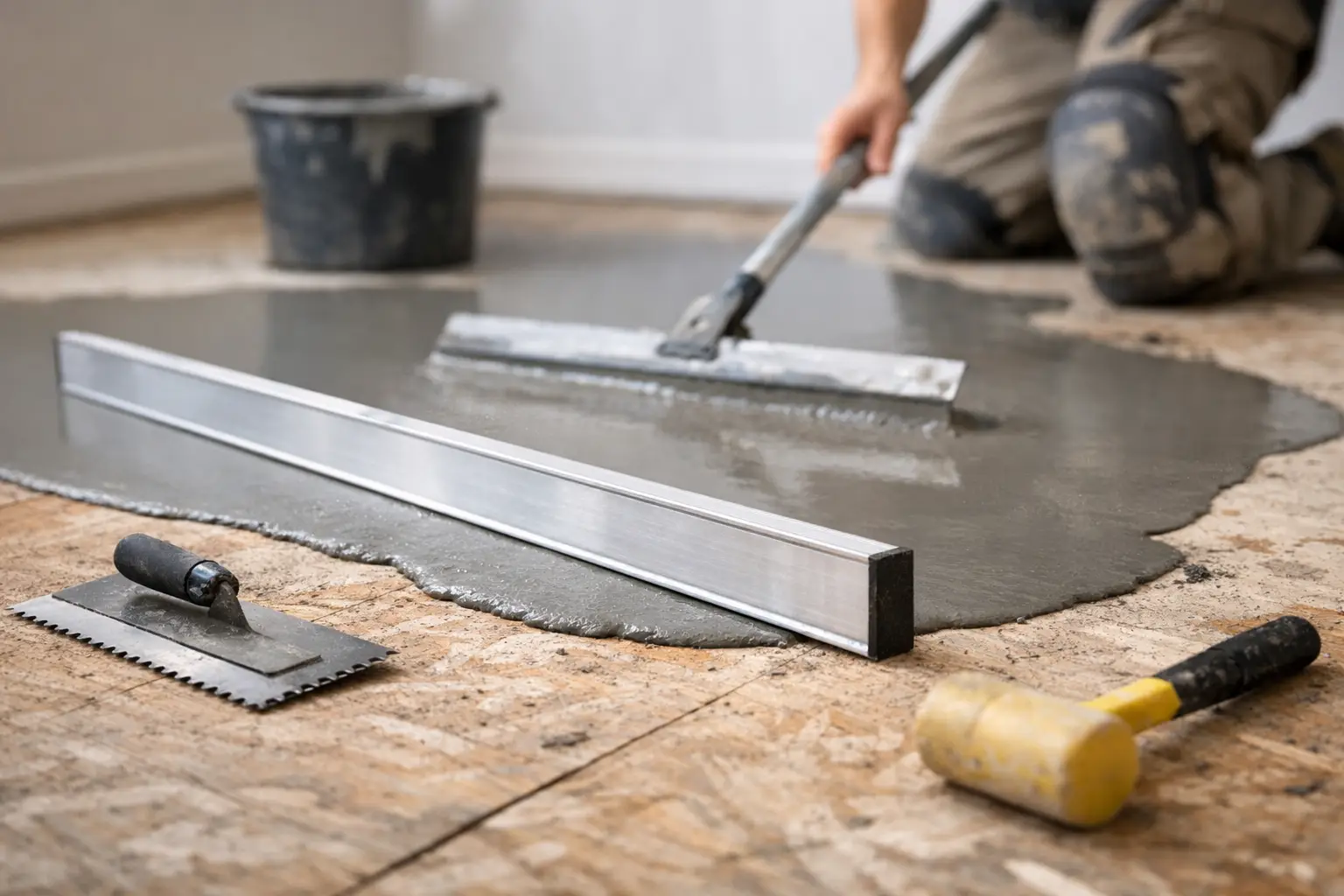
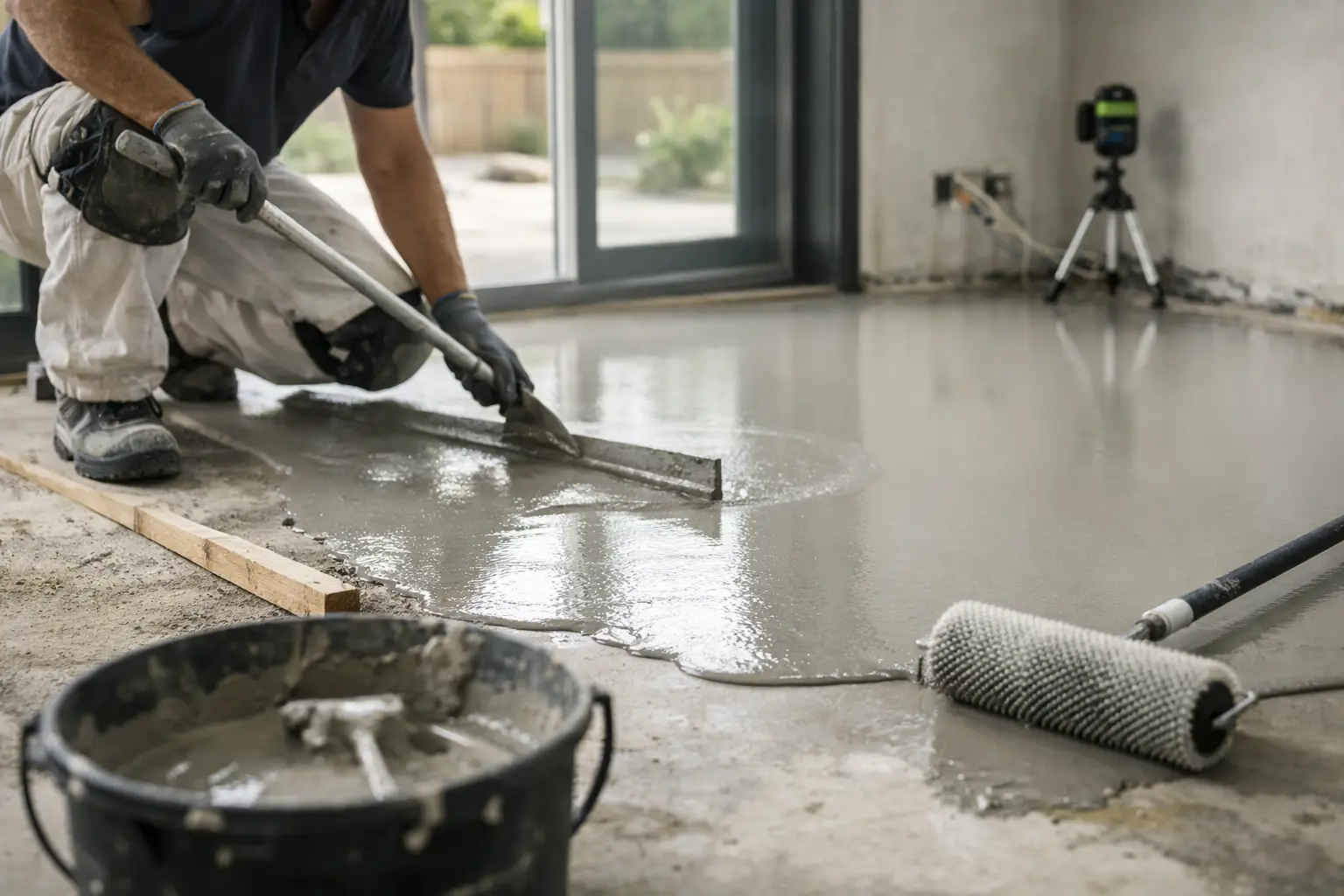
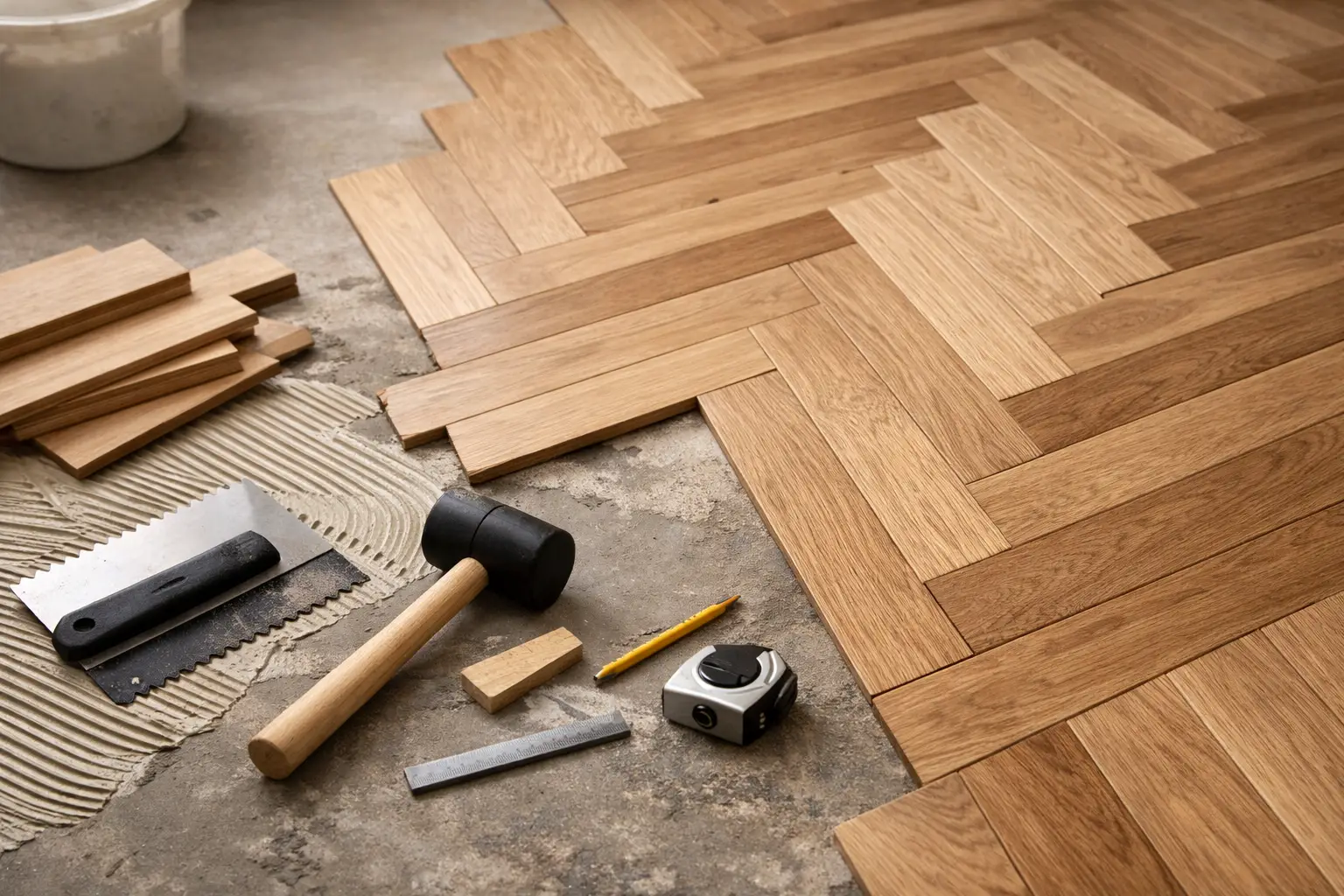
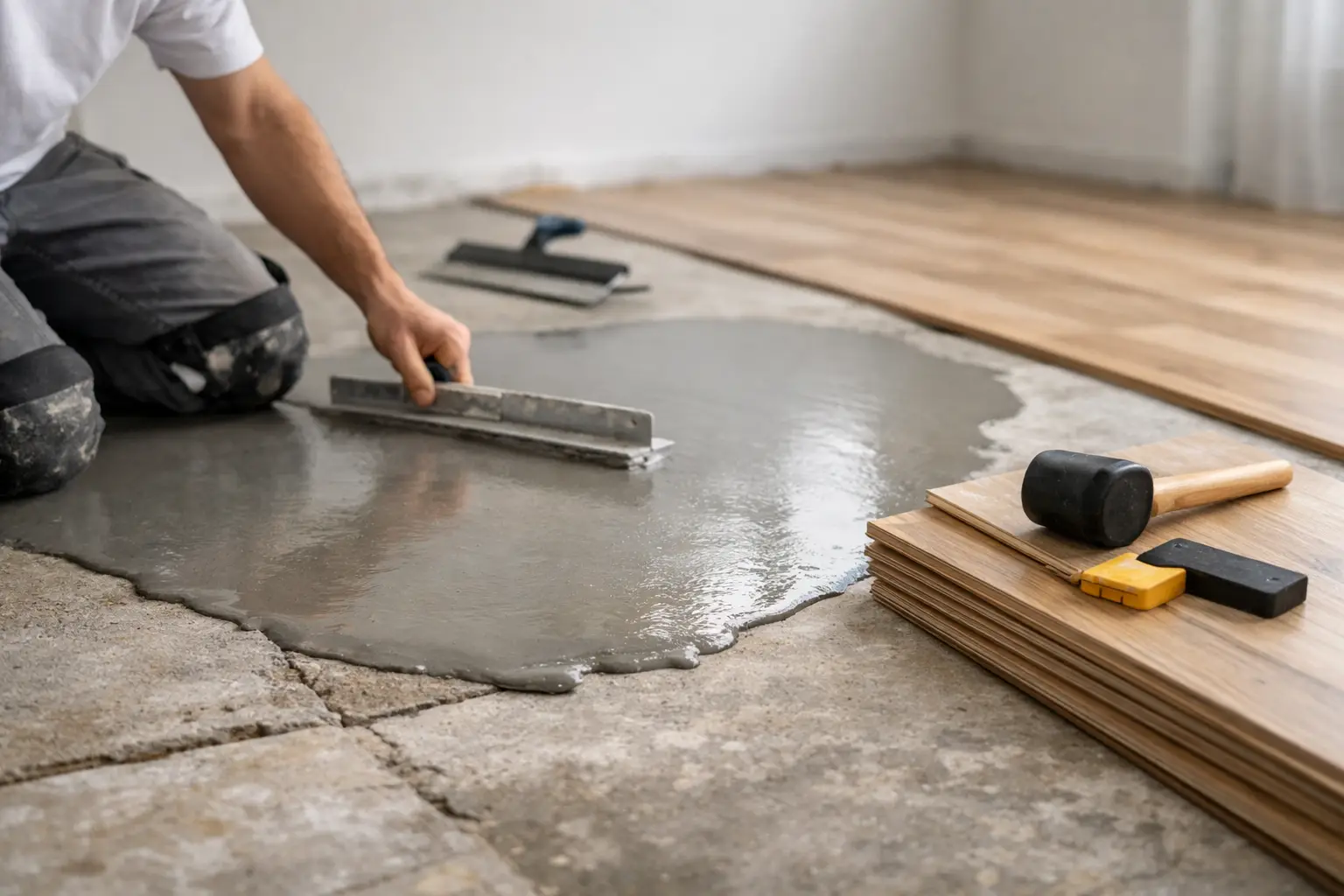
Vinyl can be floating, loose lay or glue-down depending on the range. Glue-down vinyl, in particular, demands a very flat, properly prepared subfloor. If there are dips, ridges or rough patches underneath, they will often show through or affect the finish over time.
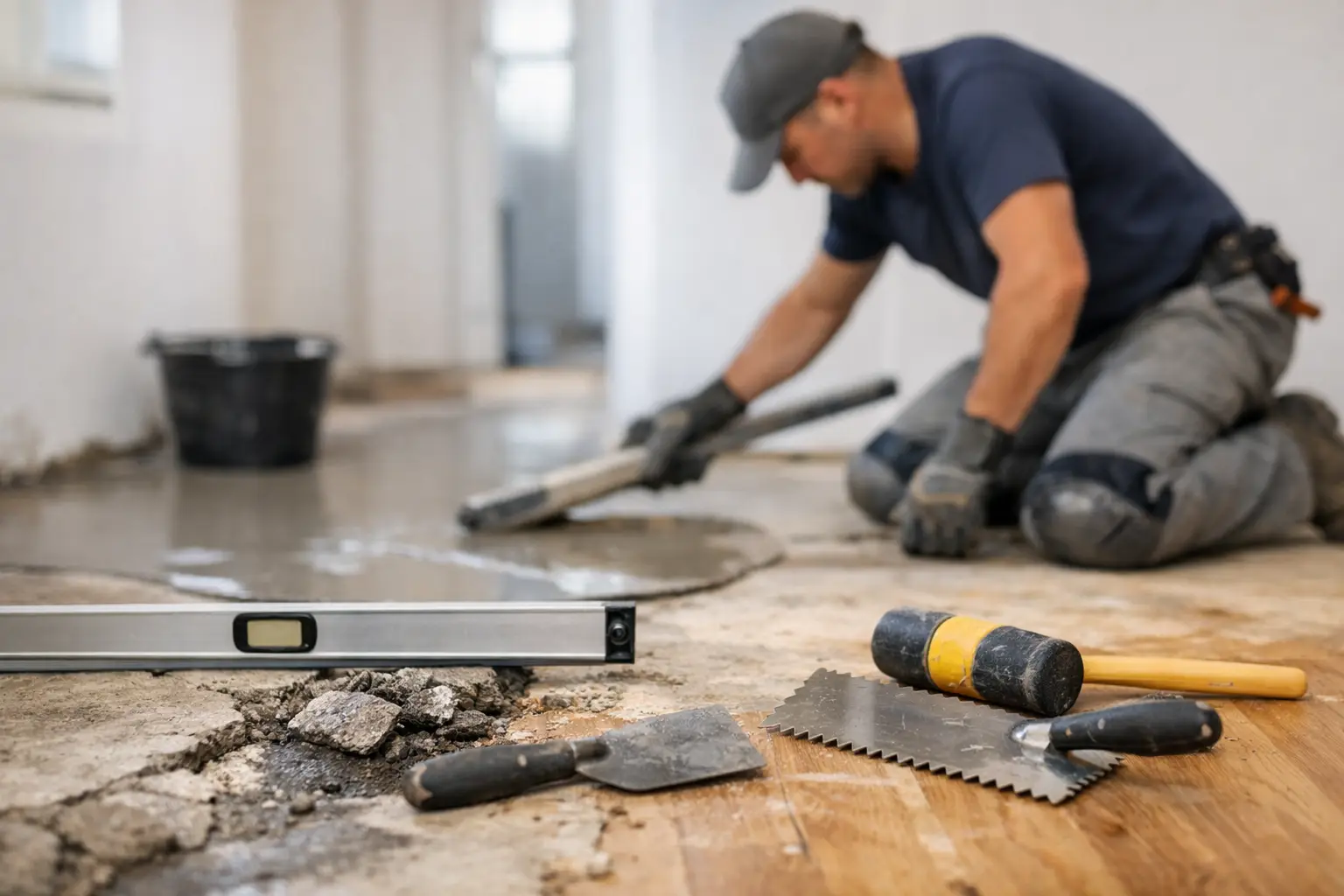
This is why experienced site assessment matters. A floor is only as good as what sits beneath it. Proper levelling and preparation are not optional extras. They are part of getting the result you paid for.
Which is better for different spaces?
Family homes
For general family living, hybrid is often the easier choice when customers want durability, water resistance and a timber-look finish with minimal fuss. It suits open-plan living well and generally offers a strong balance of performance and value.
Vinyl still makes sense in homes, particularly where a softer feel or lower profile floor is preferred. In some renovations, the thinner build of certain vinyl products can help with transitions to existing rooms.
Apartments
Apartments often come down to height restrictions, acoustic requirements and subfloor condition. Vinyl may be the better fit where floor height is limited or body corporate rules need to be considered carefully. Hybrid can also work well, but it depends on the build-up and the compliance requirements.
This is a good example of why there is no one-size-fits-all answer. The same product that works perfectly in a freestanding house may not be the smartest choice in a third-floor apartment.
Commercial spaces
For retail, office and light commercial projects, both are used regularly. The better option usually depends on traffic patterns and maintenance expectations. Glue-down vinyl has long been a reliable commercial choice because of its stability and range of specifications. Hybrid is increasingly used where fast installation and a premium residential-style look are priorities.
Commercial jobs also leave less room for error. Product suitability, site prep and installation quality all need to line up from the start.
Cost: what are you actually paying for?
Price comparisons can be misleading if you only look at the box cost. Hybrid and vinyl can sit in similar price brackets, but the installed cost may shift depending on preparation, underlay, adhesive requirements and labour.
Hybrid can be cost-effective to install in the right setting because of its click system. Vinyl may look cheaper upfront in some cases, but if the subfloor needs extensive smoothing or levelling, the final figure can change quickly. On the other hand, if you need a thinner floor to avoid trimming doors or adjusting transitions, vinyl may save money elsewhere in the project.
The better question is not which one is cheaper. It is which one gives you the right result without cutting corners on prep.
Hybrid flooring vs vinyl: what should you choose?
Choose hybrid if you want a rigid, durable timber-look floor with strong water resistance and a straightforward floating installation. It is often the practical choice for busy homes, renovations and customers who want a premium look without moving into timber.
Choose vinyl if your project needs a thinner profile, a softer feel underfoot, or a specific glue-down solution for residential or commercial use. It can be an excellent product when matched properly to the site and installed over a well-prepared subfloor.
If you are still weighing up hybrid flooring vs vinyl, the smartest next step is not guessing from samples. It is having the subfloor, room use and installation conditions assessed properly. That is where former installers, not just salespeople, bring real value, because the right recommendation comes from how the floor will perform after six months, not how it looks under showroom lights.
A good floor should suit the way you live, wear well, and stay looking right long after handover. That is the standard worth buying to.