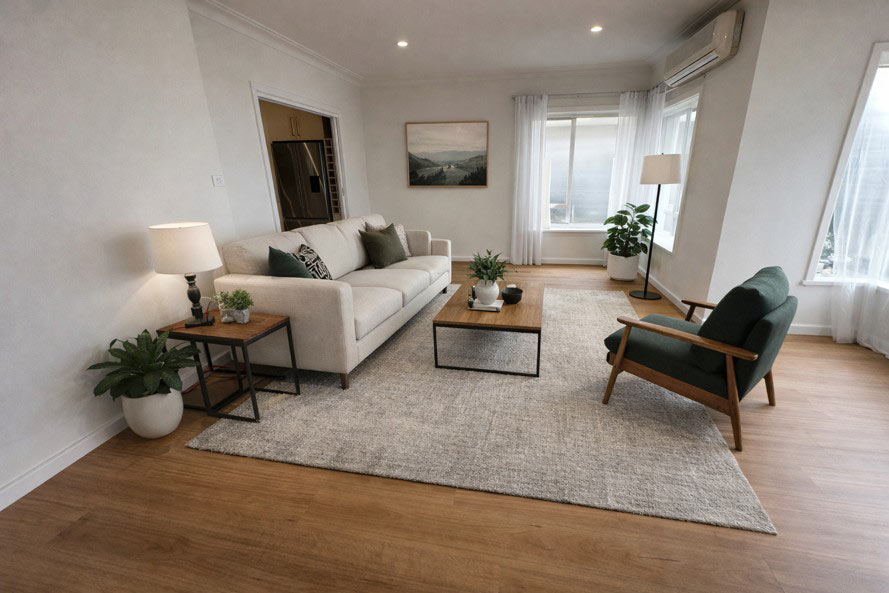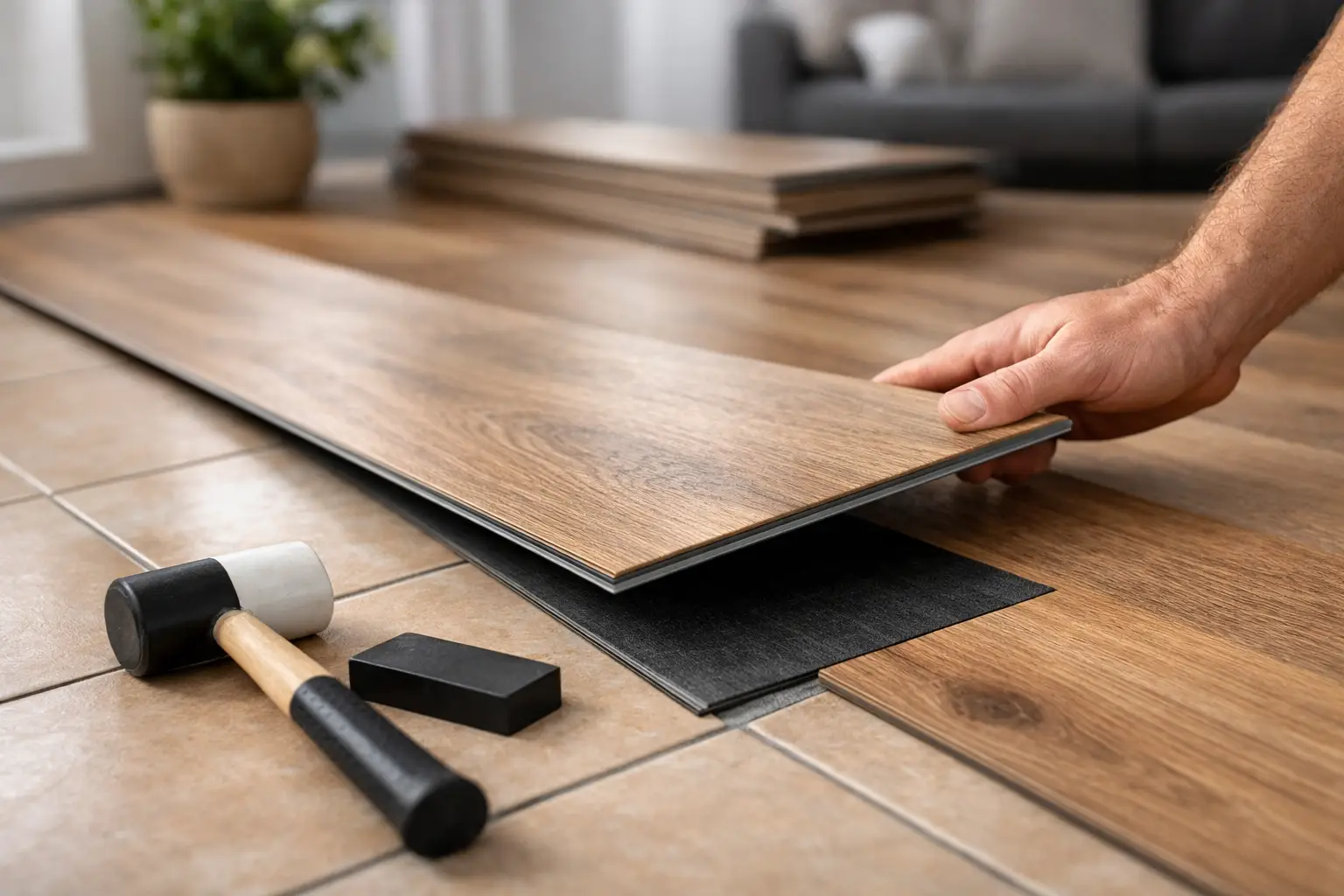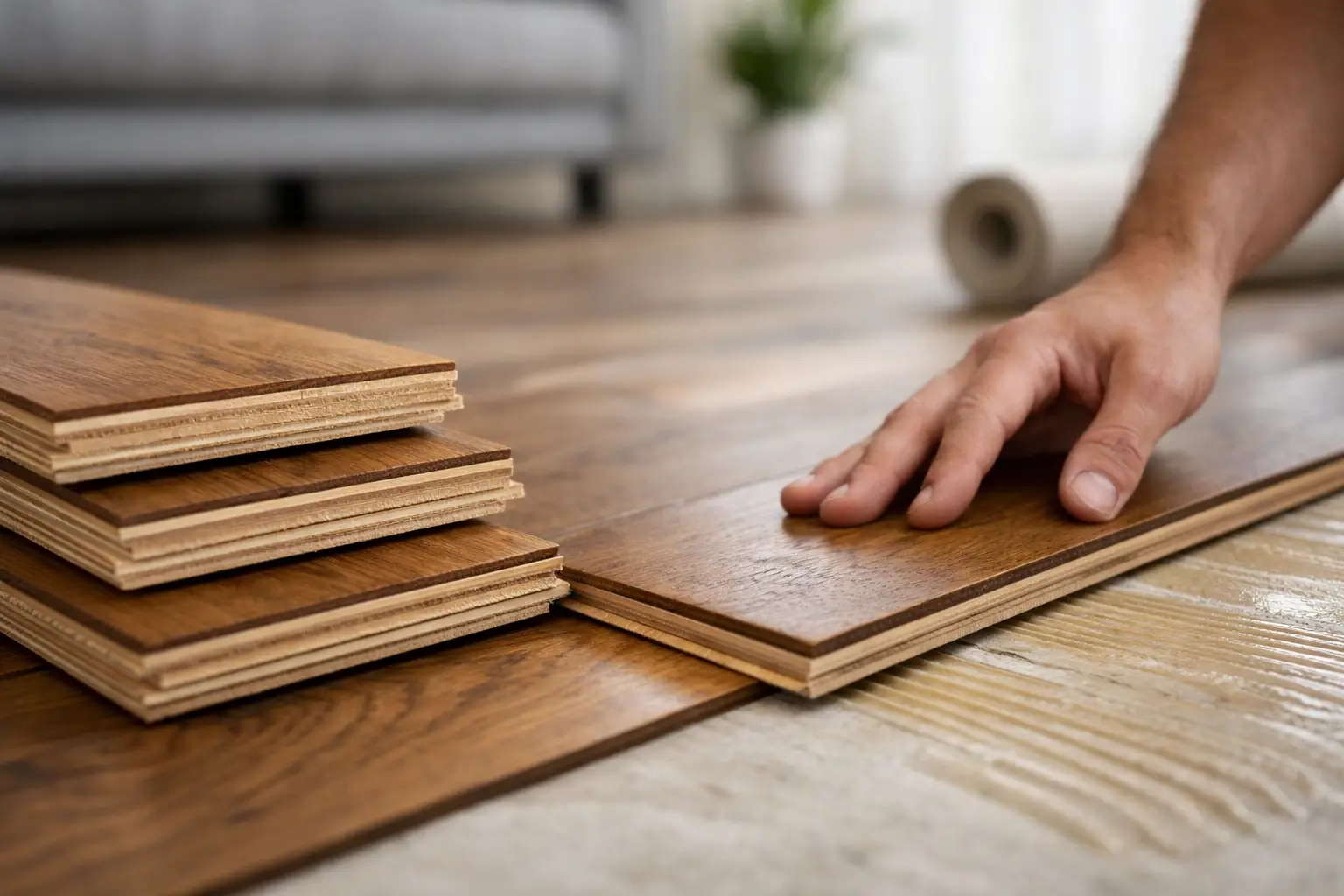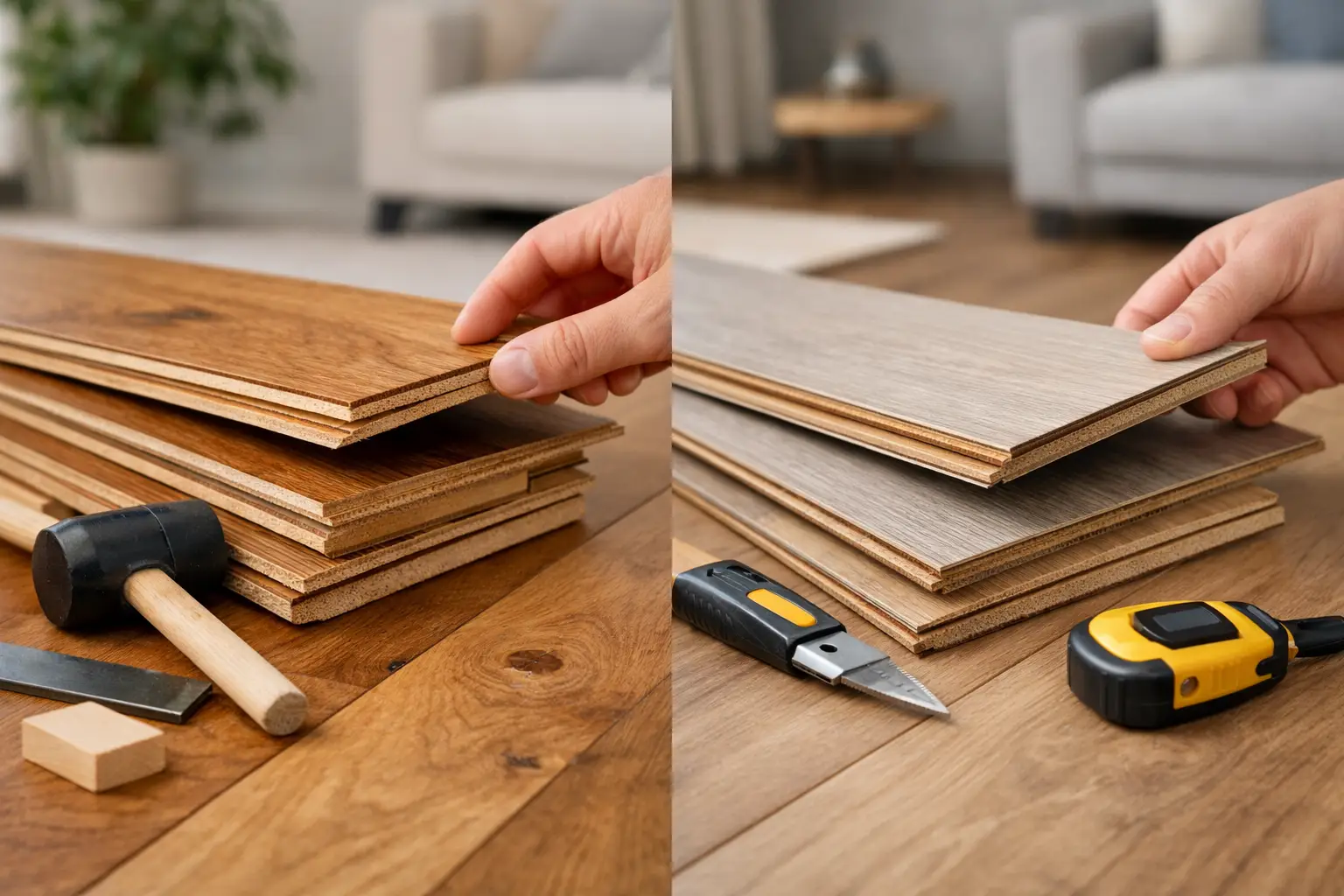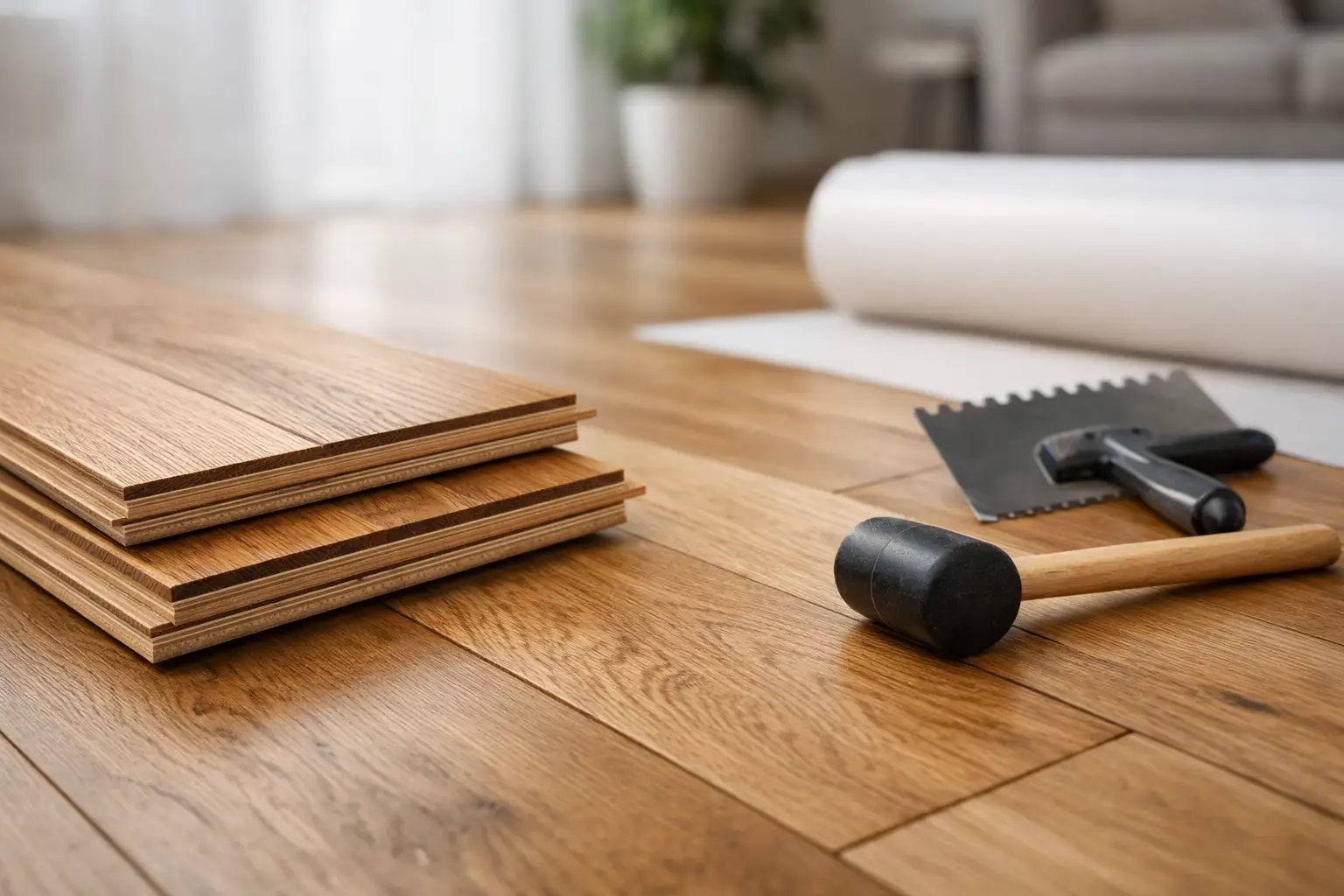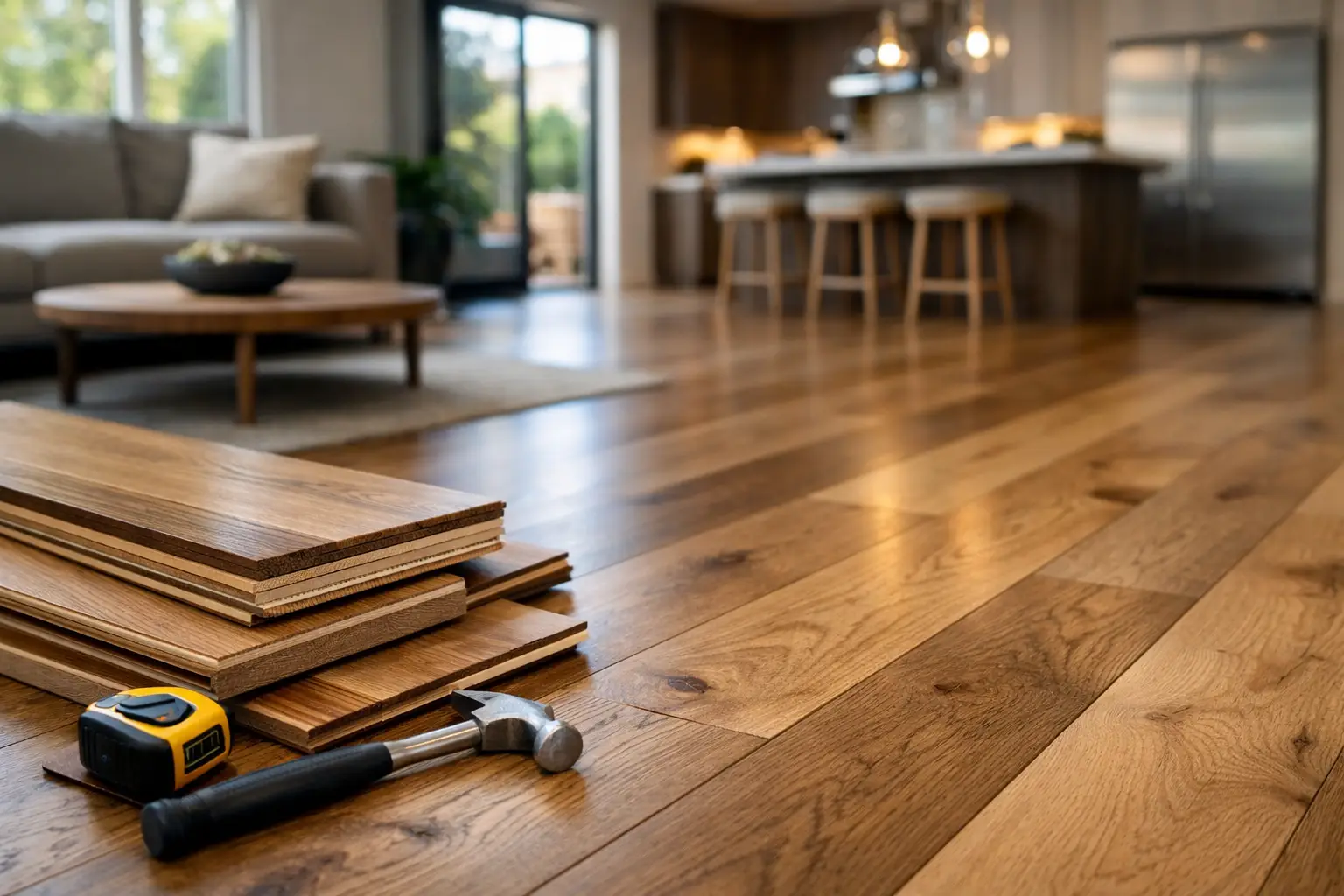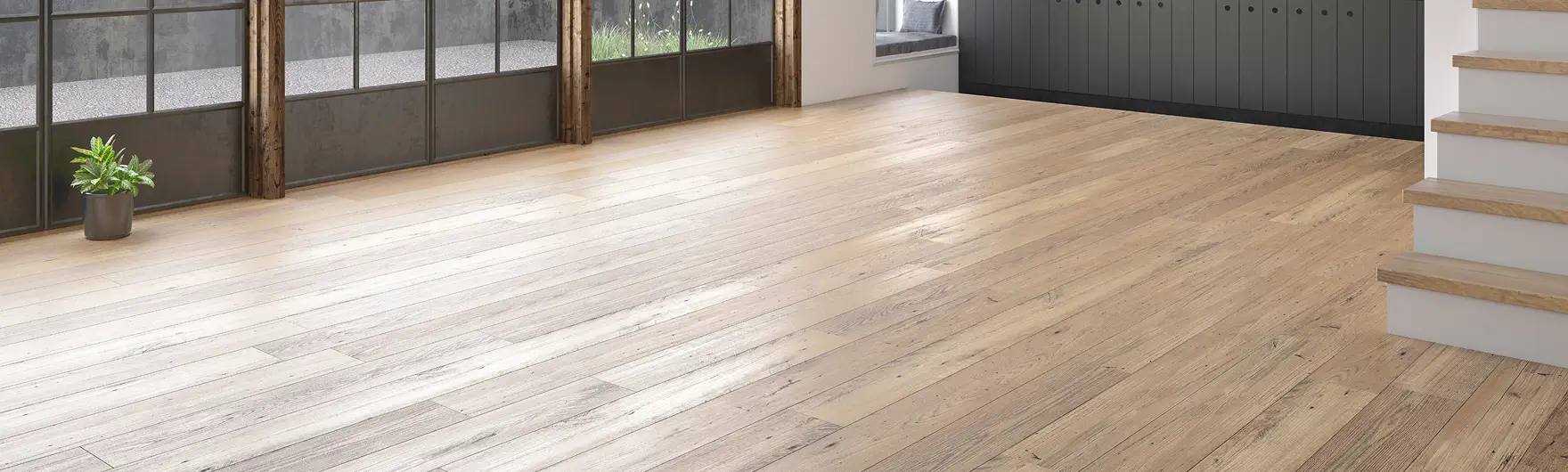
A floor can look perfect in a showroom and still fail in a real Melbourne property. That usually comes down to two things – the wrong product for the space, or poor installation underneath it. When people start searching for timber flooring Melbourne options, they are usually comparing colours and board widths. Fair enough. But the result you live with every day depends just as much on what sits below the boards as what you see on top.
That is where experience matters. Flooring is not only a style choice. It is a practical decision that affects comfort, maintenance, noise, durability and long-term value. If you are fitting out a family home, updating an apartment or specifying a commercial space, the best outcome comes from matching the flooring type to the site conditions, not forcing a product into a job it does not suit.
Table of Contents
What makes timber flooring in Melbourne different?
Melbourne homes are not all built the same, and neither are their subfloors. Some properties have concrete slabs with minor movement or uneven patches. Others have existing tiles, old timber bases or apartment requirements around acoustics. Add changing temperatures, indoor heating and general day-to-day wear, and it becomes clear why flooring advice should never be one-size-fits-all.
This is why genuine product guidance should start with the site, not the sample board. A floor that works beautifully in a detached home may not be the right fit for a high-rise apartment. A finish that looks great in a quiet formal lounge may be harder to maintain in a busy household with kids and pets. Good advice is not about upselling. It is about knowing where each product performs best.
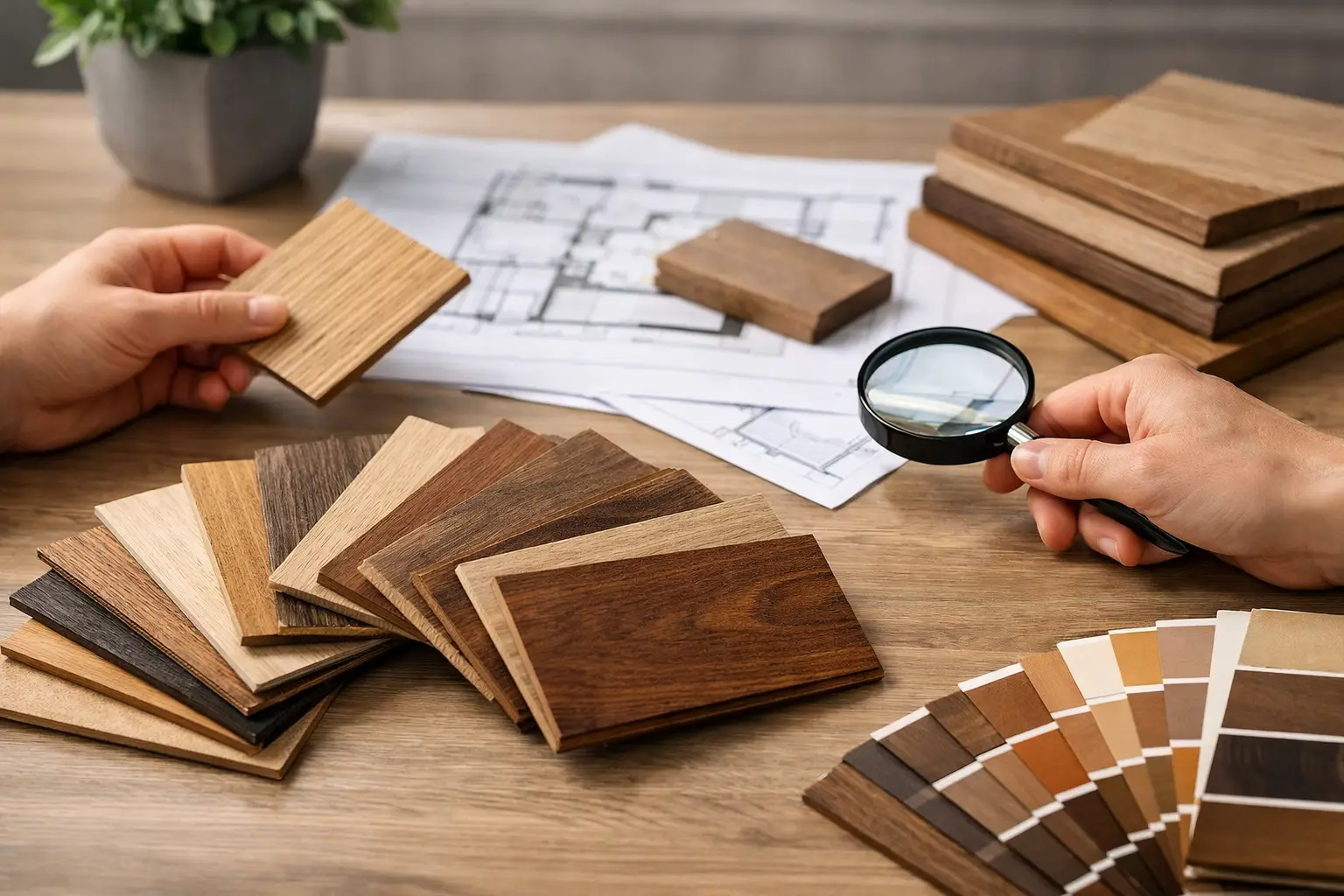
Choosing the right timber flooring Melbourne product
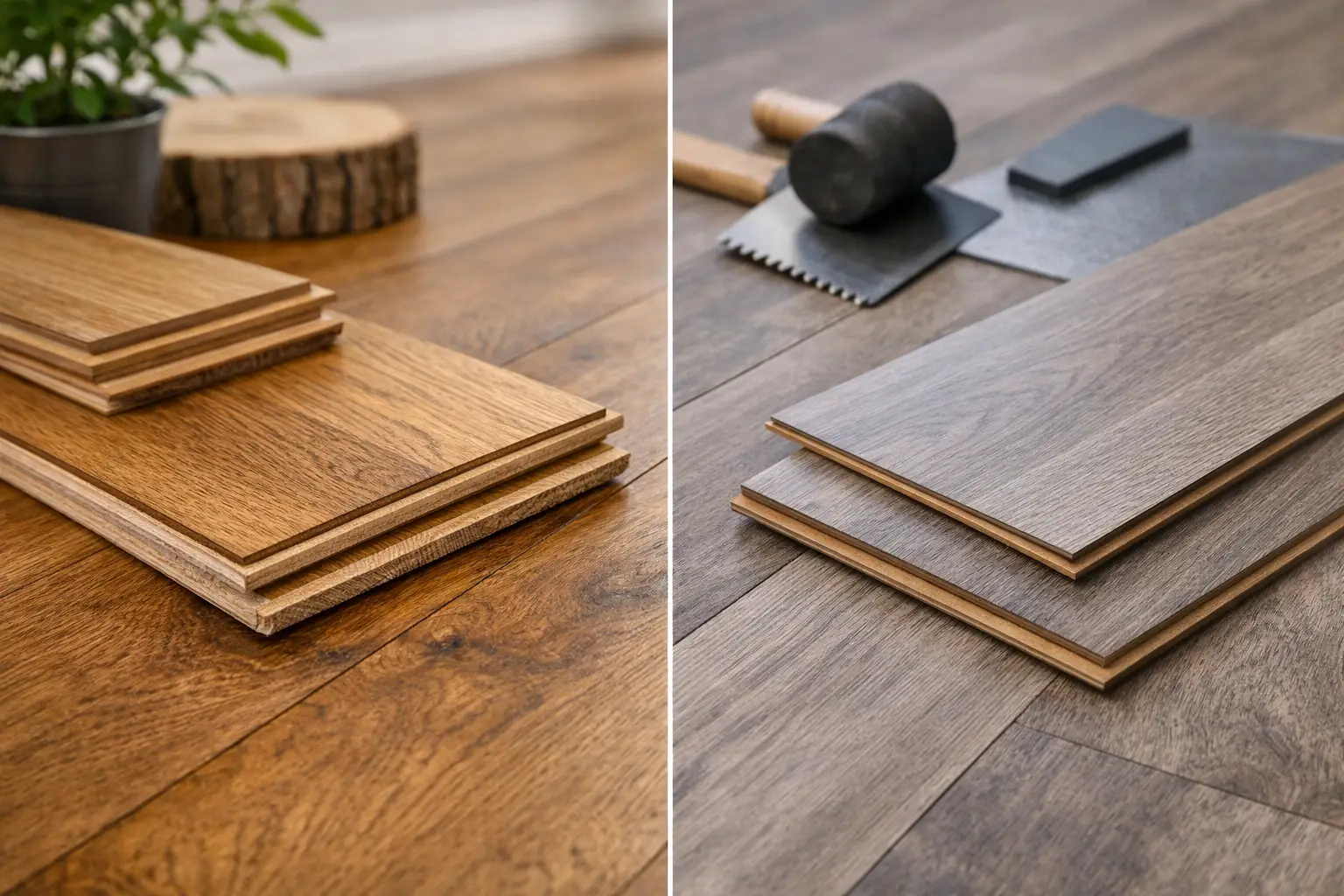
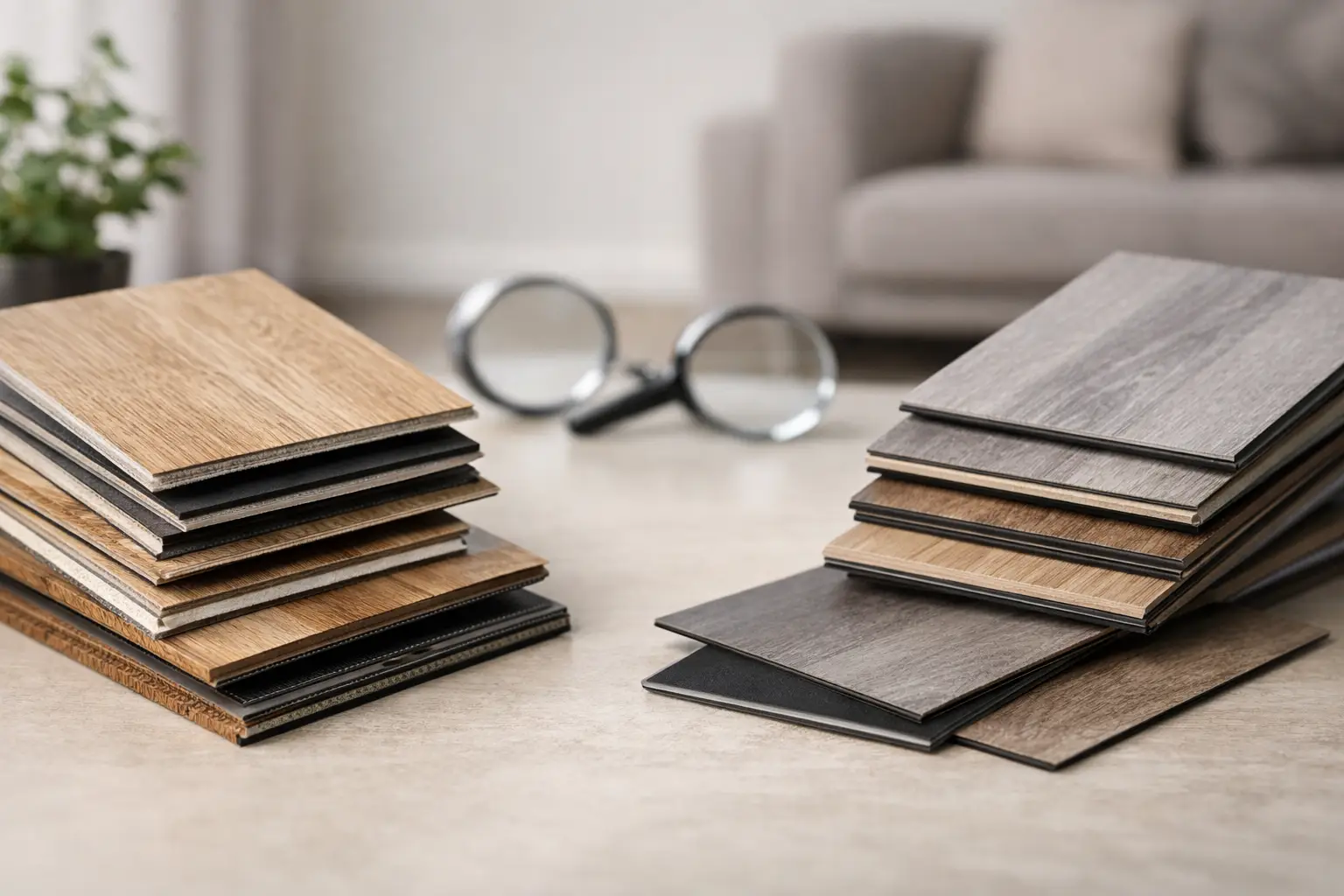
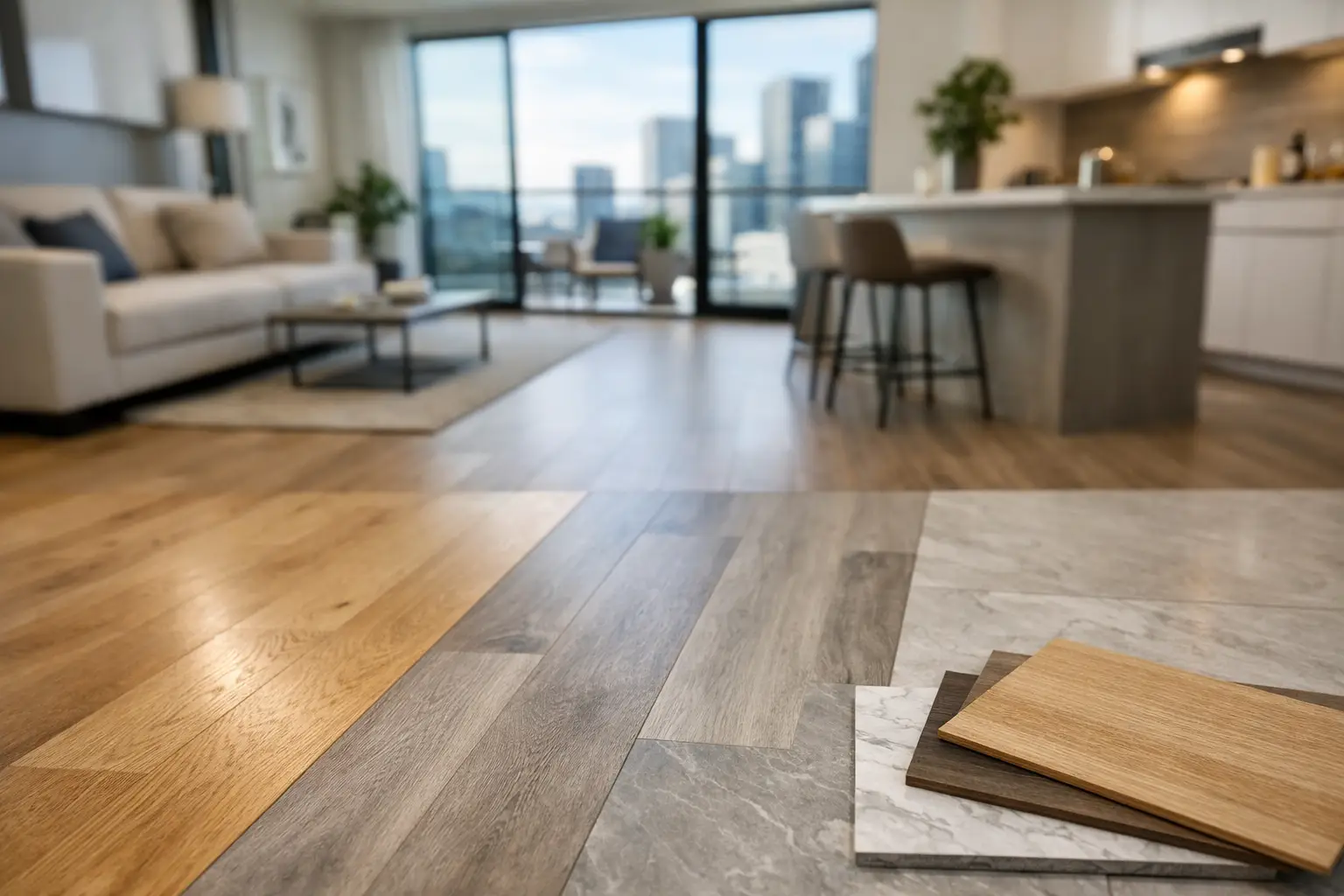
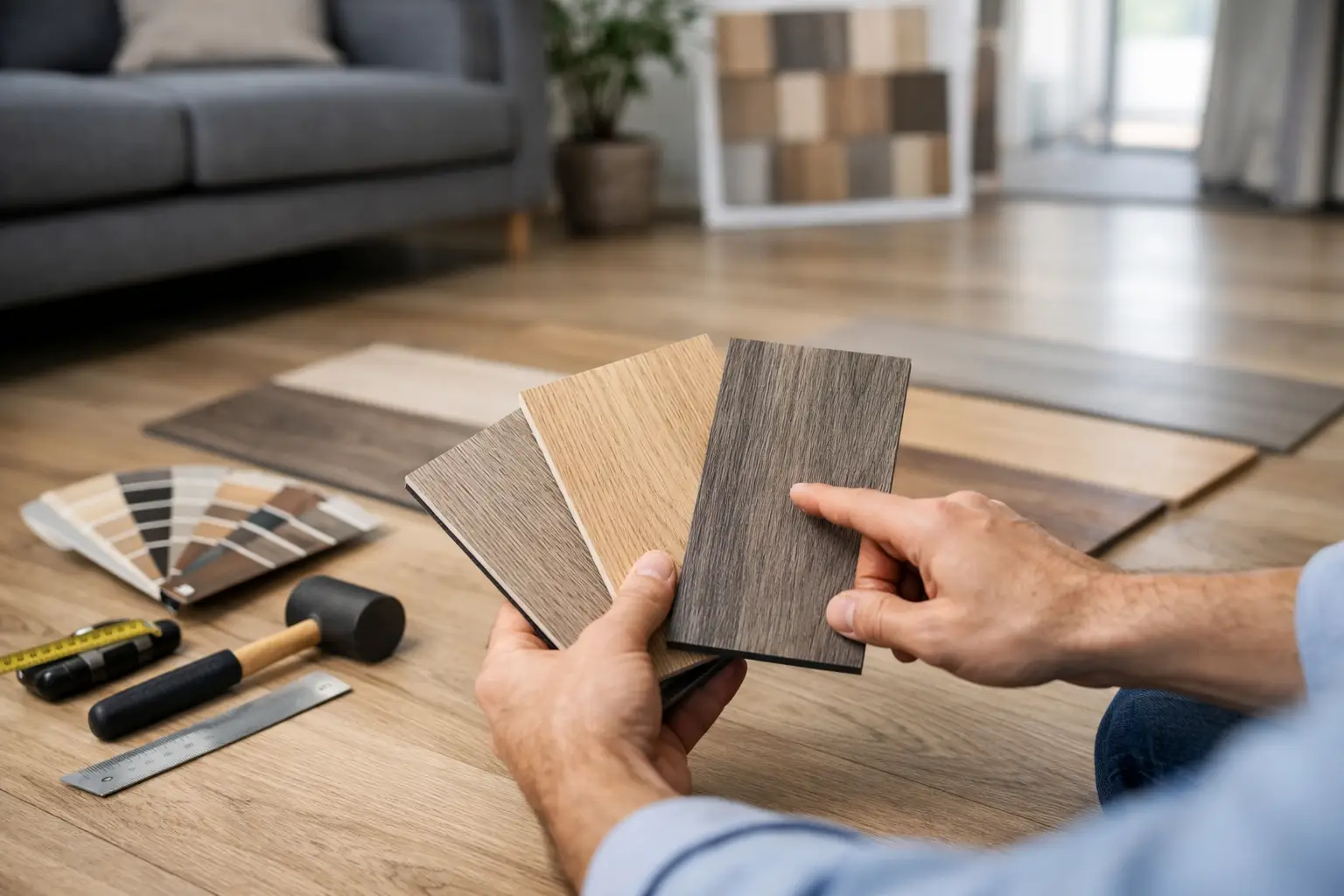
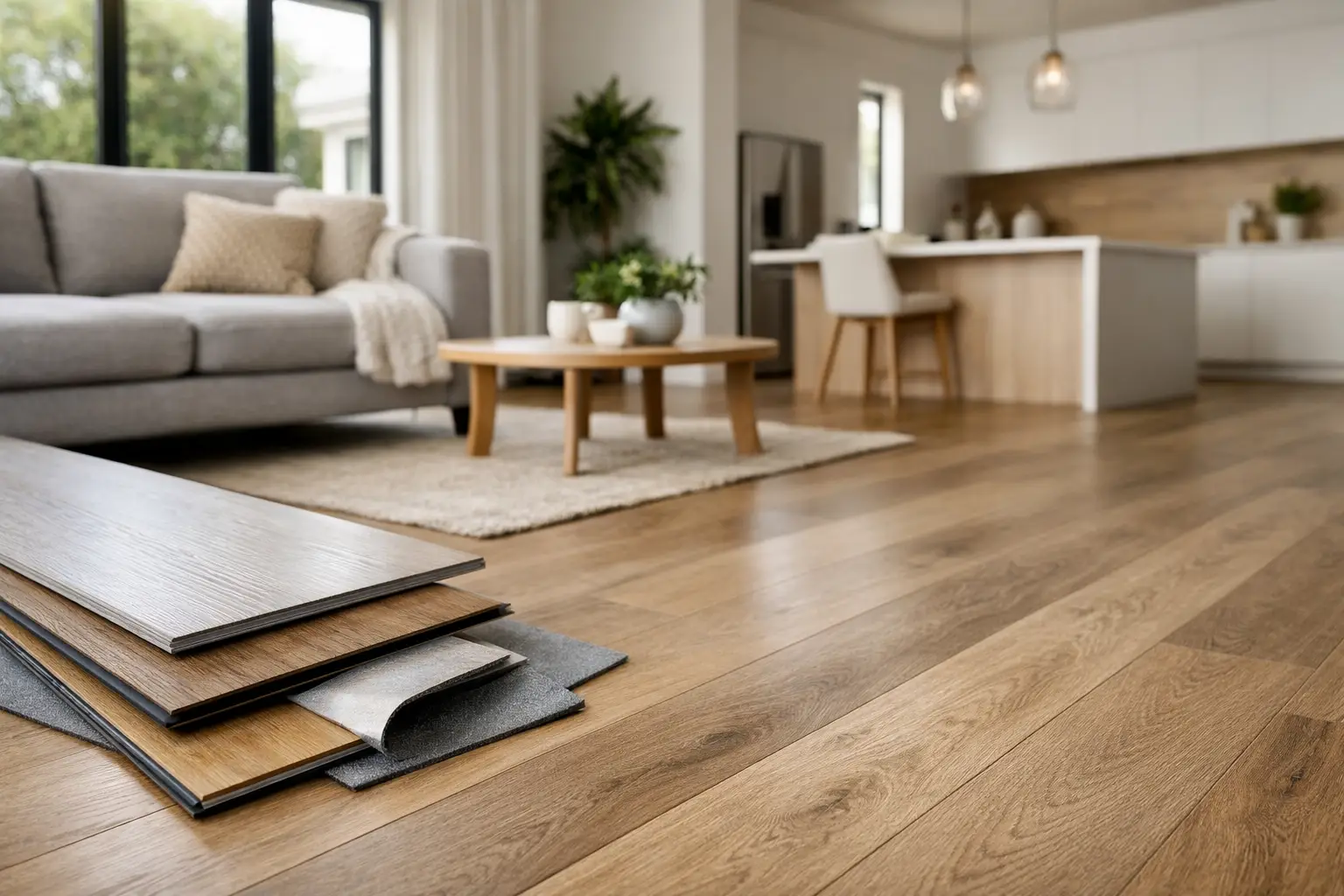
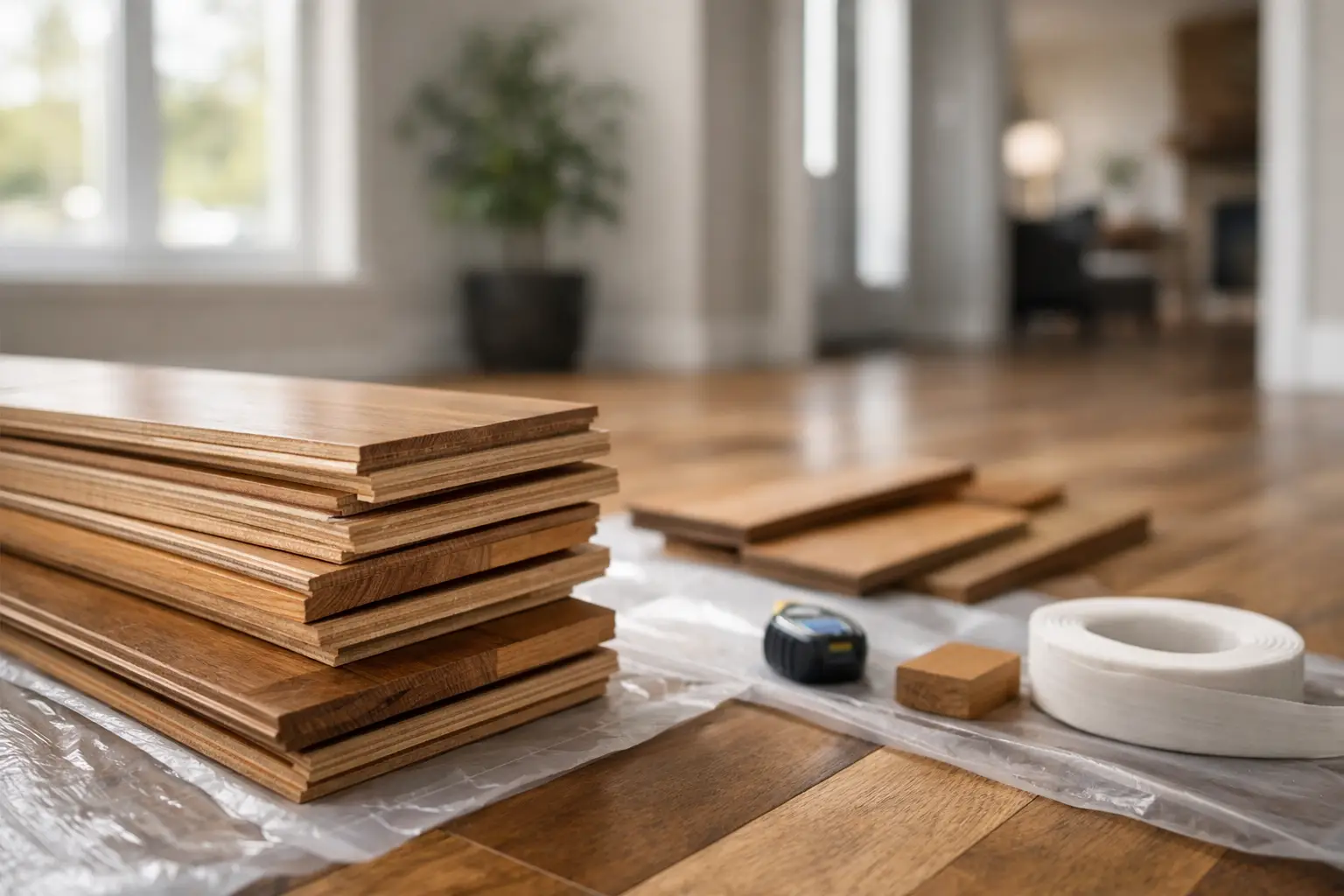
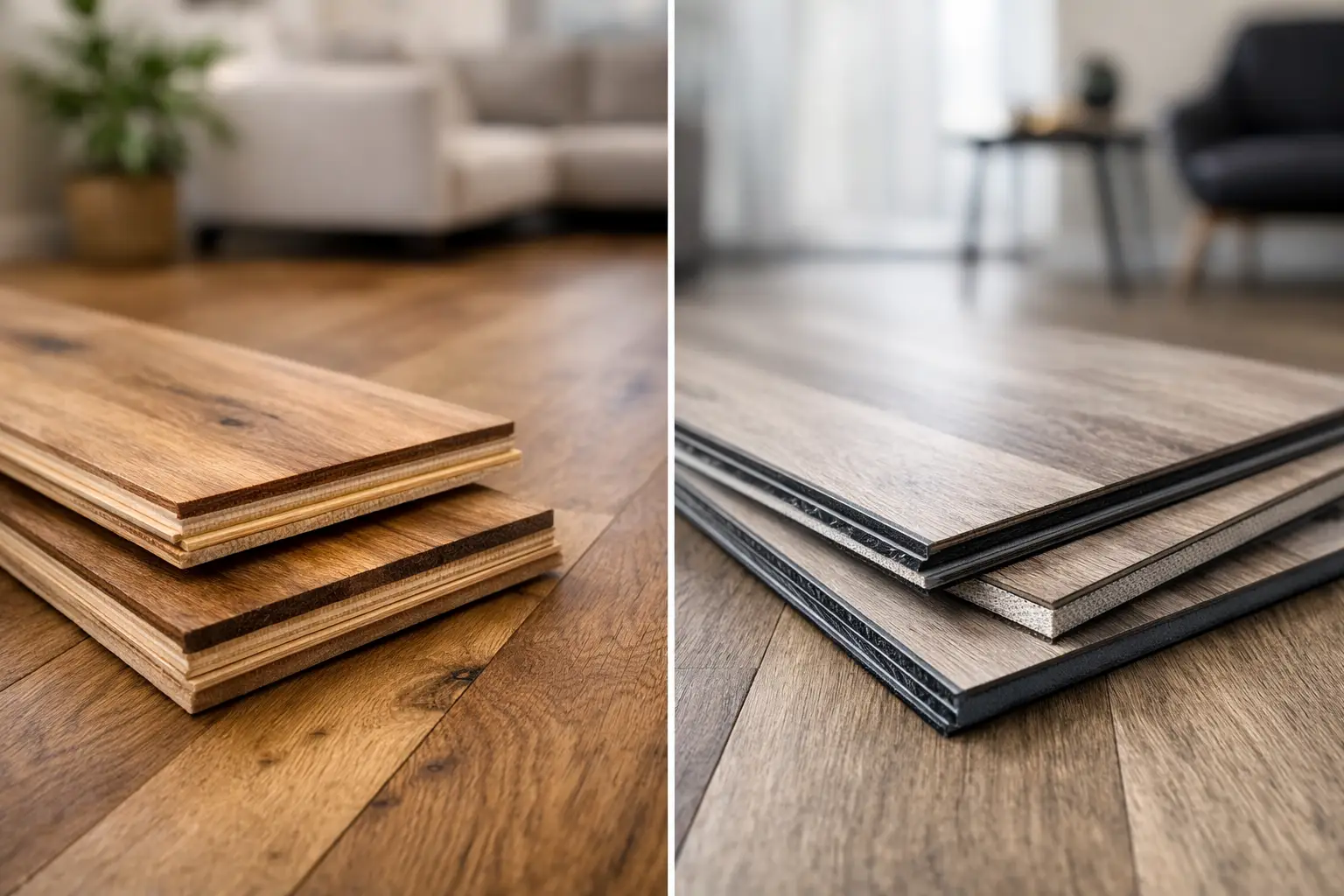
The term timber flooring covers several different categories, and each has its place. Solid timber has a classic appeal, but it is not always the most practical option for modern homes or fast-moving renovation projects. Engineered timber, hybrid and laminate have become the preferred choice for many Melbourne buyers because they offer the timber look with more flexibility in installation and everyday use.
Engineered timber for a premium natural finish
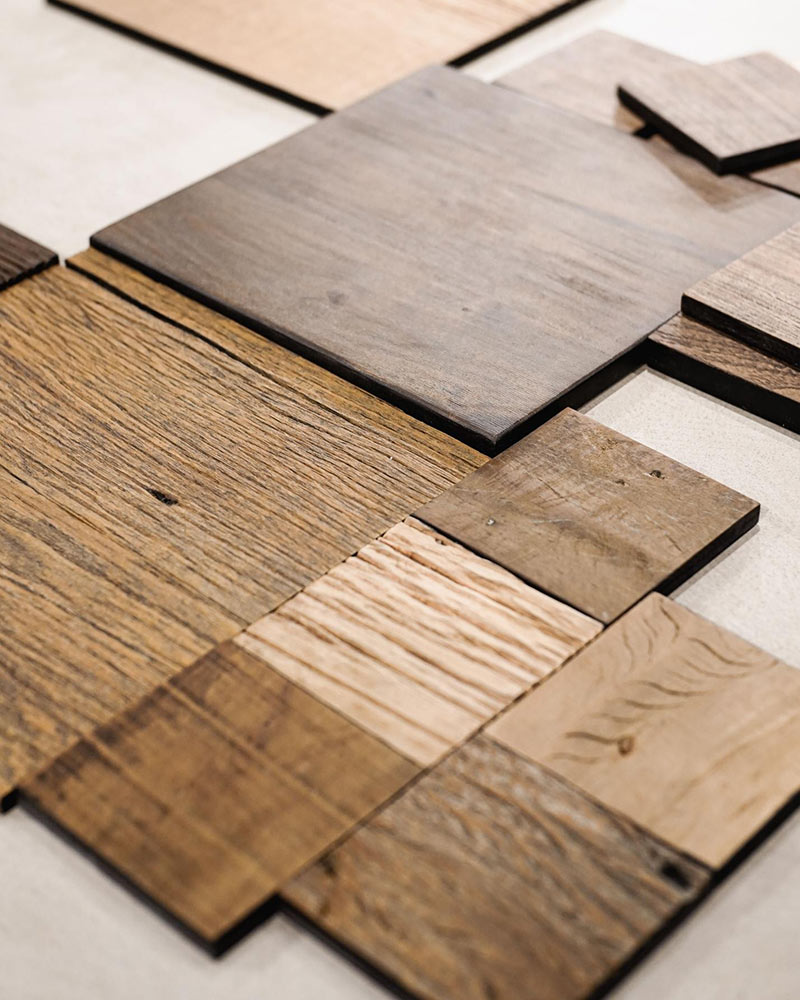
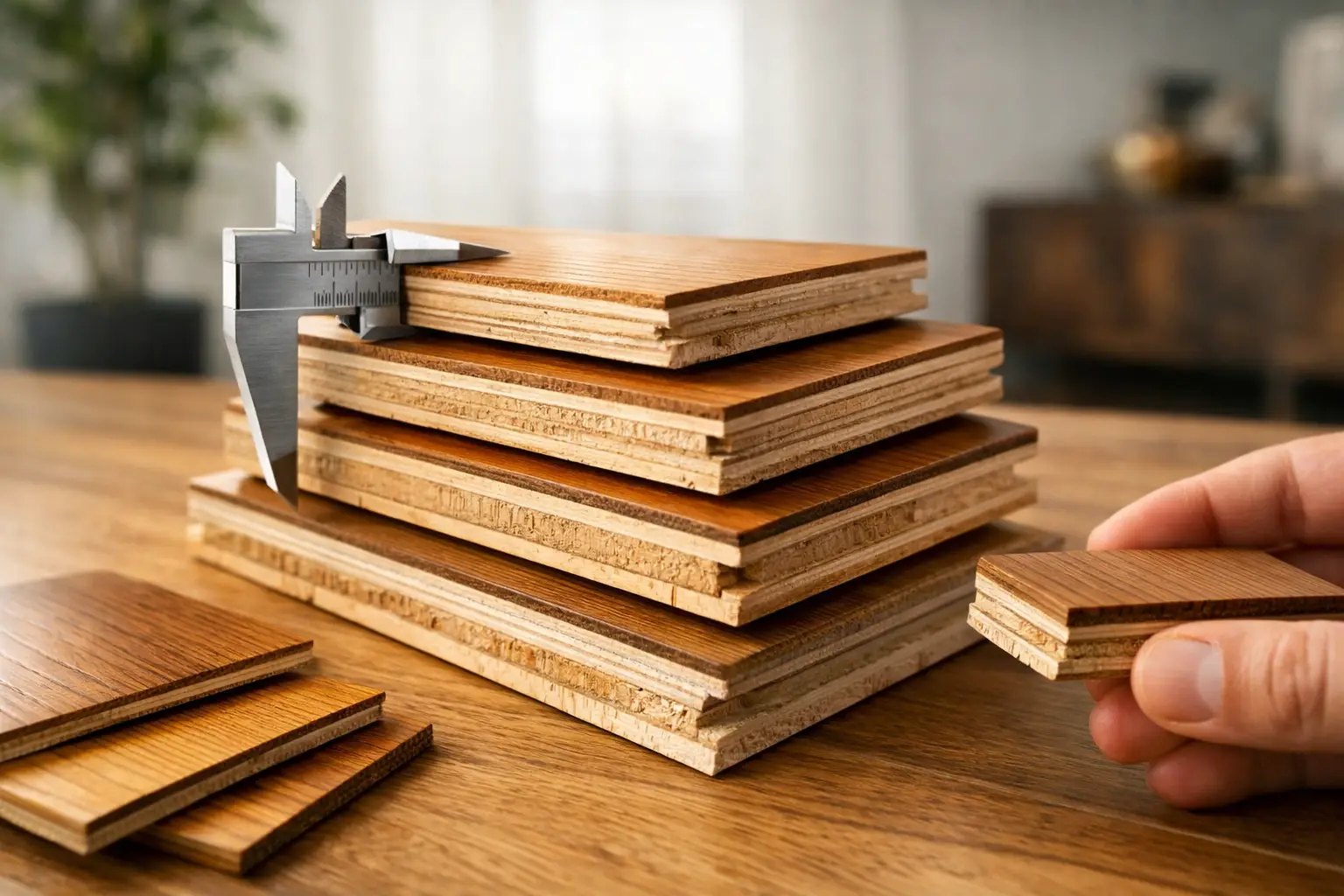
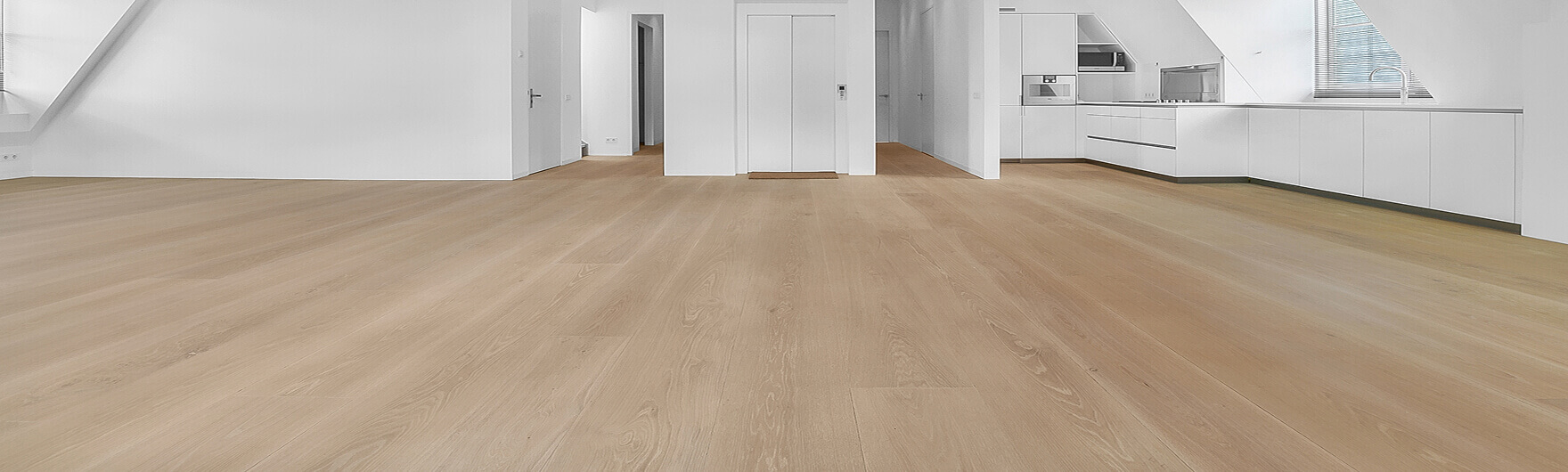
Engineered timber is the closest option to traditional hardwood in look and feel. It uses a real timber veneer on top, often in sought-after styles like European oak, over a stable core construction. That gives you an authentic finish with better dimensional stability than solid timber.
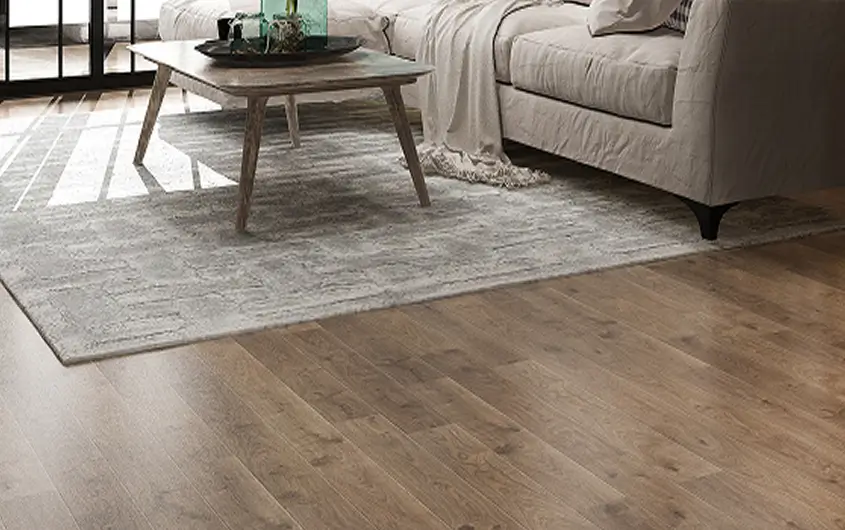
For homeowners who want warmth, grain variation and a premium result, engineered timber is often the front-runner. It suits living areas, bedrooms and open-plan spaces particularly well. It also comes in a wide range of colours and surface treatments, so you can go from pale, contemporary tones to deeper, richer finishes depending on the interior style.
That said, engineered timber is still a premium product. It usually sits higher on price than laminate or hybrid, and not every board is equal. The thickness of the wear layer, core quality and coating system all make a difference.
Hybrid flooring for busy households
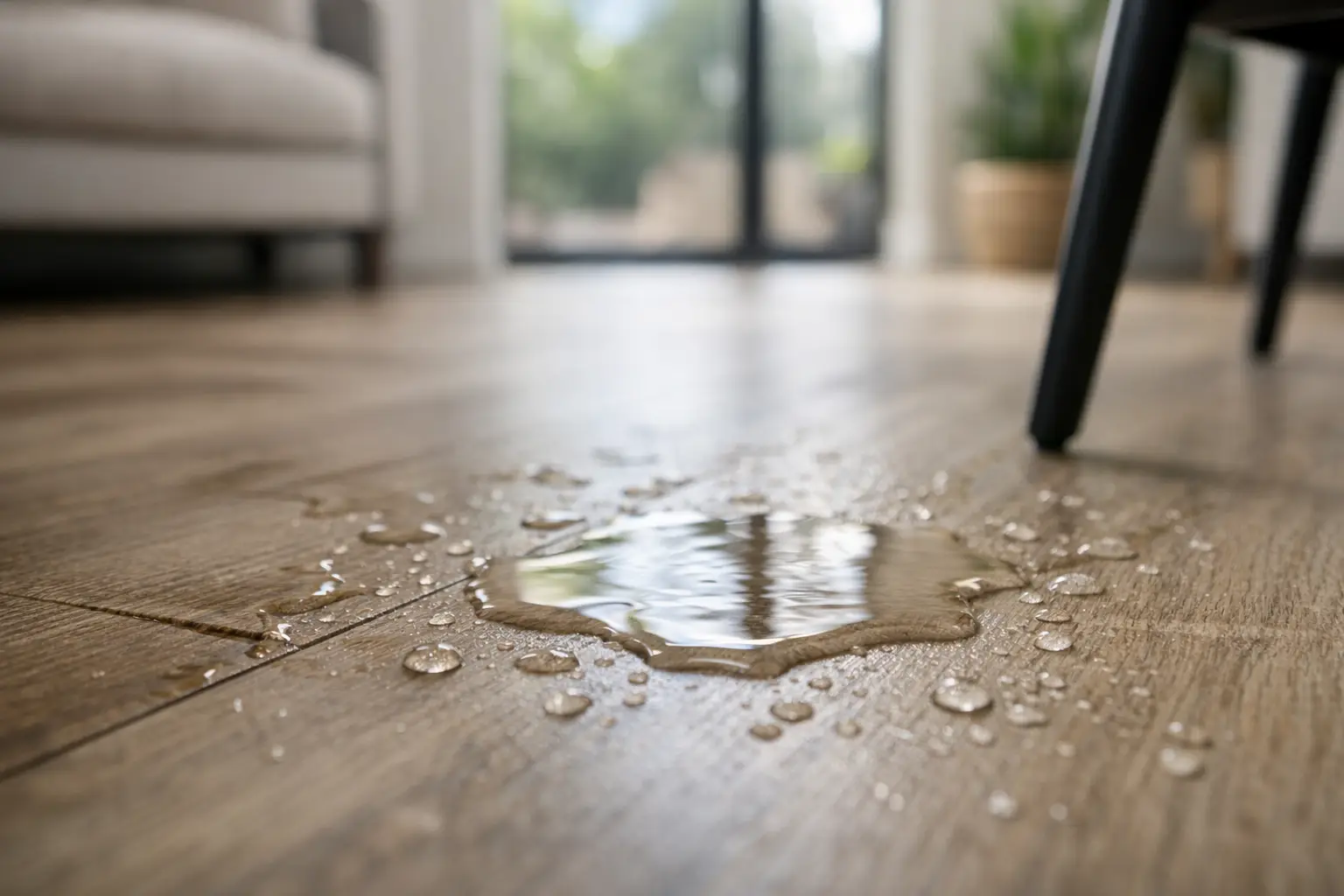
Hybrid flooring is popular for good reason. It is durable, water-resistant and generally well suited to homes where practicality matters just as much as appearance. For families, investors and clients wanting a strong all-round performer, hybrid often makes sense.
It handles day-to-day traffic well and can be a smart option for kitchens, living zones and other active areas. It also tends to be easier for clients who want a timber-look finish without stepping into the higher cost bracket of engineered timber. The trade-off is that it does not have the same natural surface and character as real timber. If authenticity is your top priority, engineered timber may still be the better choice.
Laminate for value and wear resistance
Laminate remains a solid option when budget is important but appearance still matters. Modern laminate flooring has improved significantly, with better textures, stronger locking systems and more convincing timber visuals than many people expect.
For rental properties, investment upgrades and projects where value is front of mind, laminate can be an effective choice. The key is selecting a quality product and making sure the subfloor is prepared properly. Even a good laminate floor will show problems quickly if it is laid over an uneven base.
Herringbone for a more architectural look
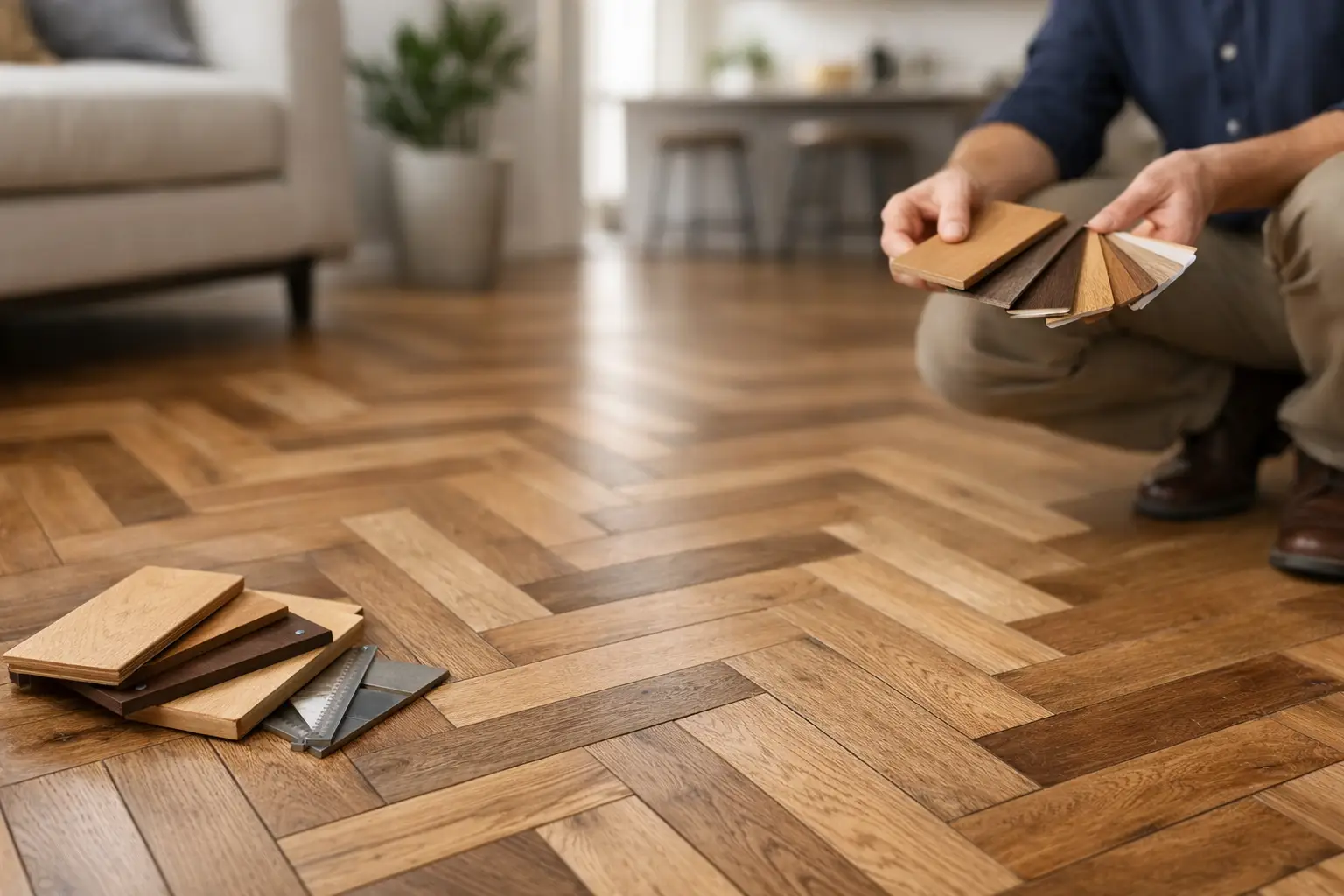
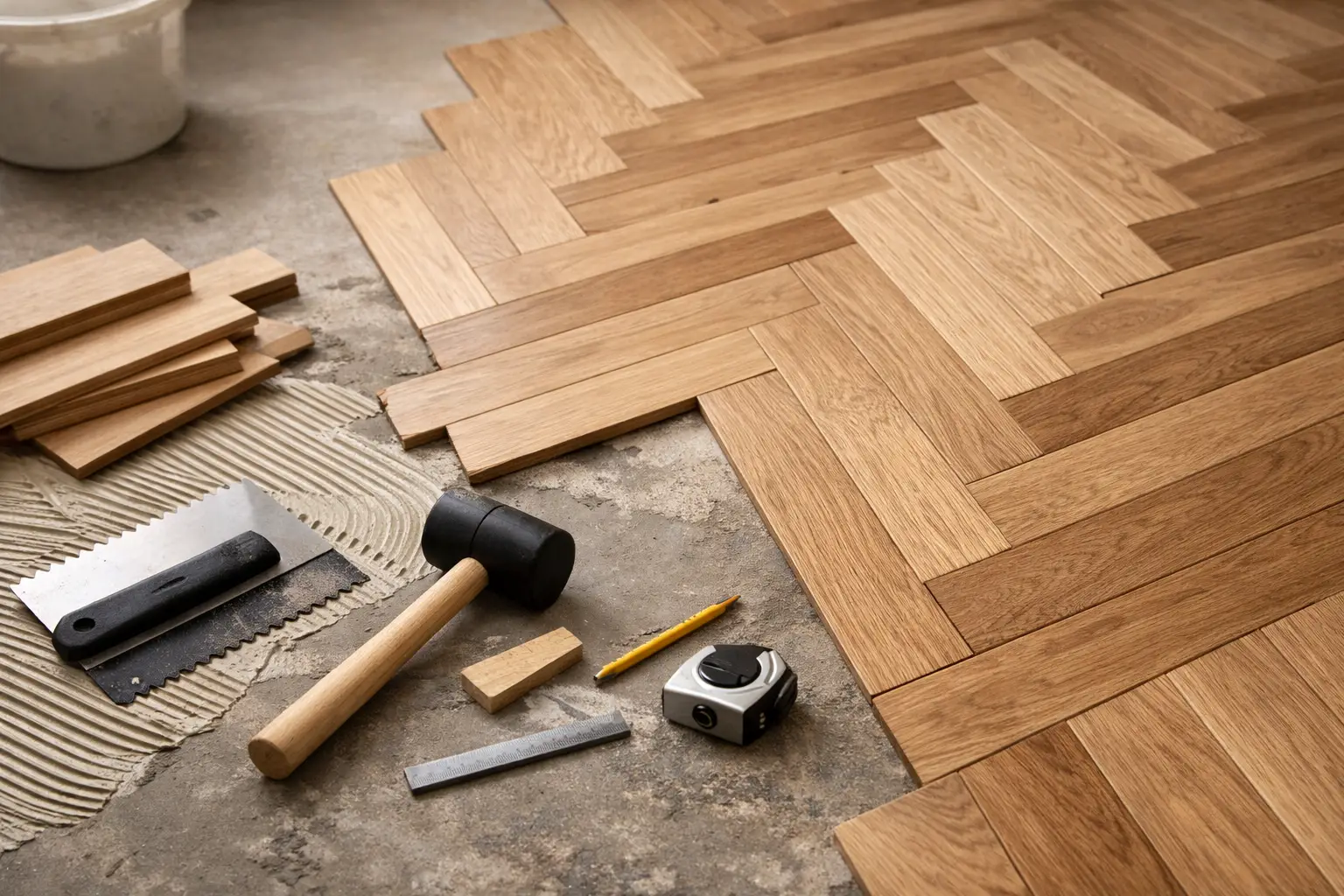
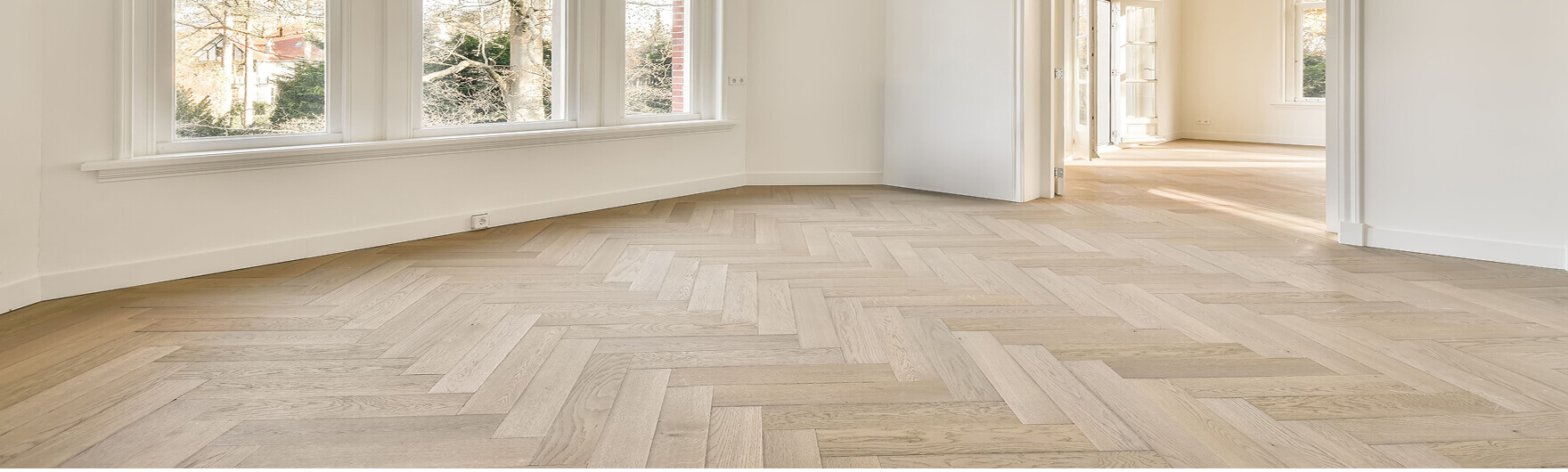
If you want the floor to make a stronger design statement, herringbone is worth considering. It adds detail, rhythm and a more custom feel to a space, whether in engineered timber, laminate or selected hybrid ranges.
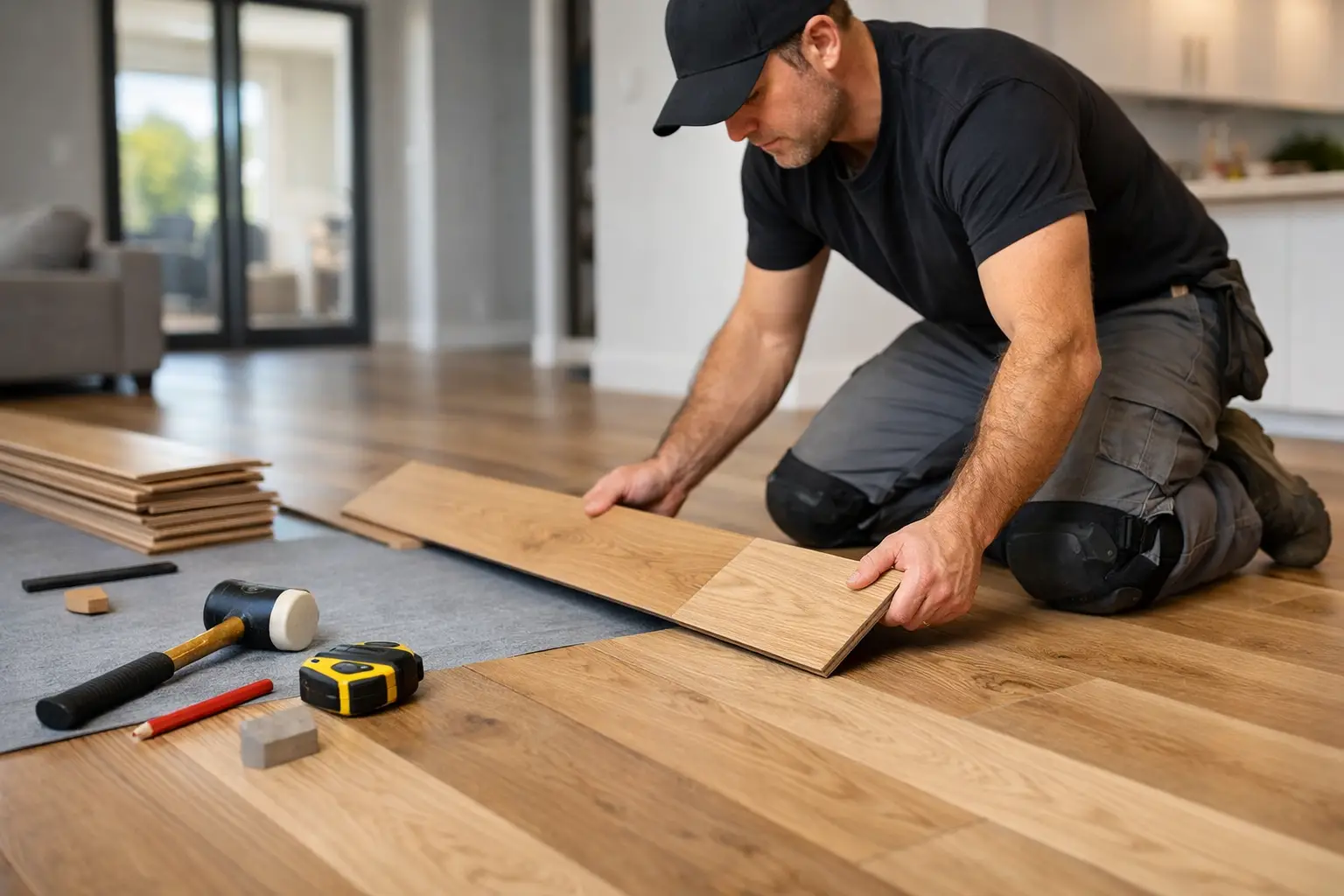
Herringbone is especially popular in entryways, living spaces and higher-end renovations. It does, however, require careful planning and skilled installation. Pattern floors leave less room for error, so set-out and subfloor preparation become even more important.
Why subfloor preparation matters more than most people realise
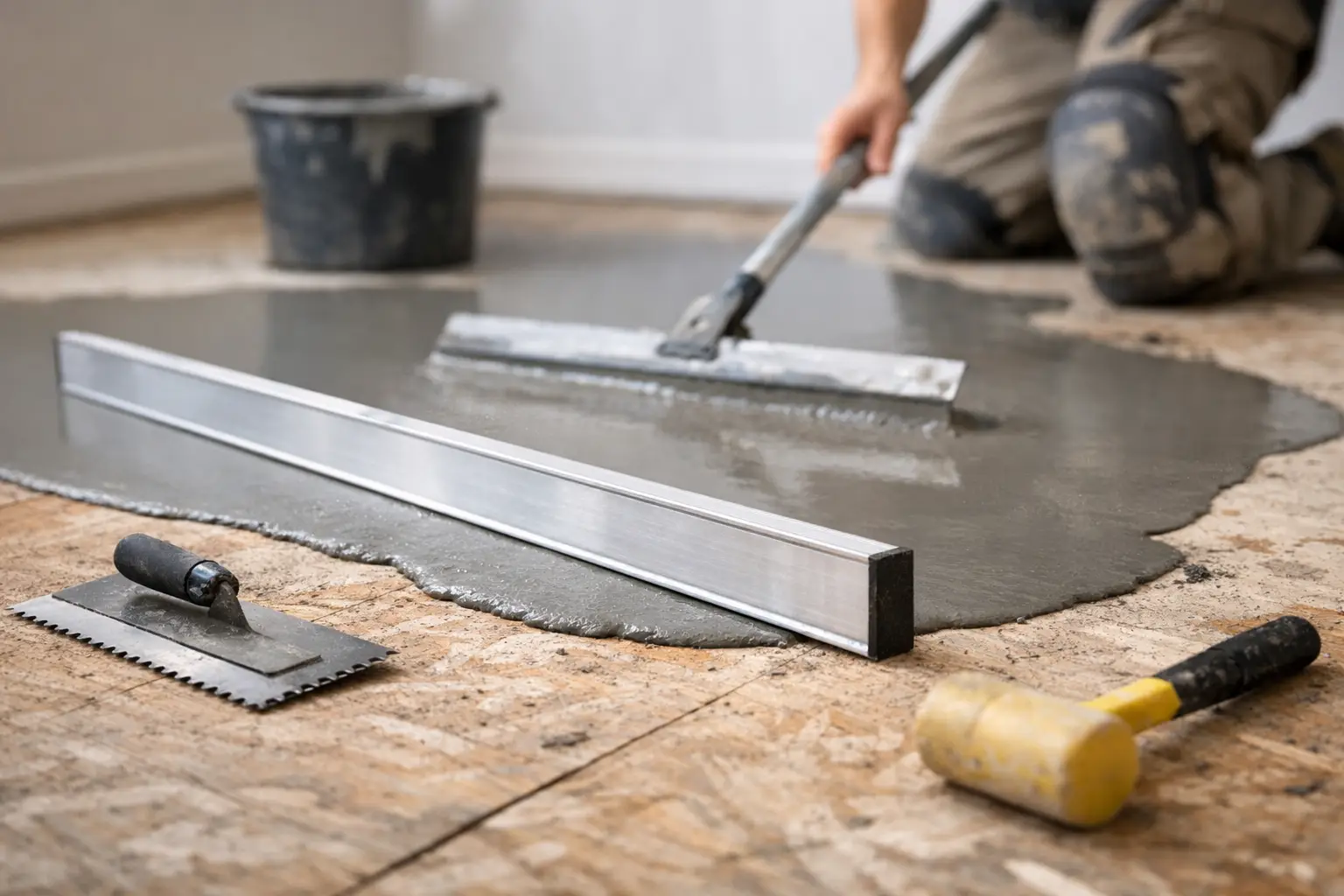
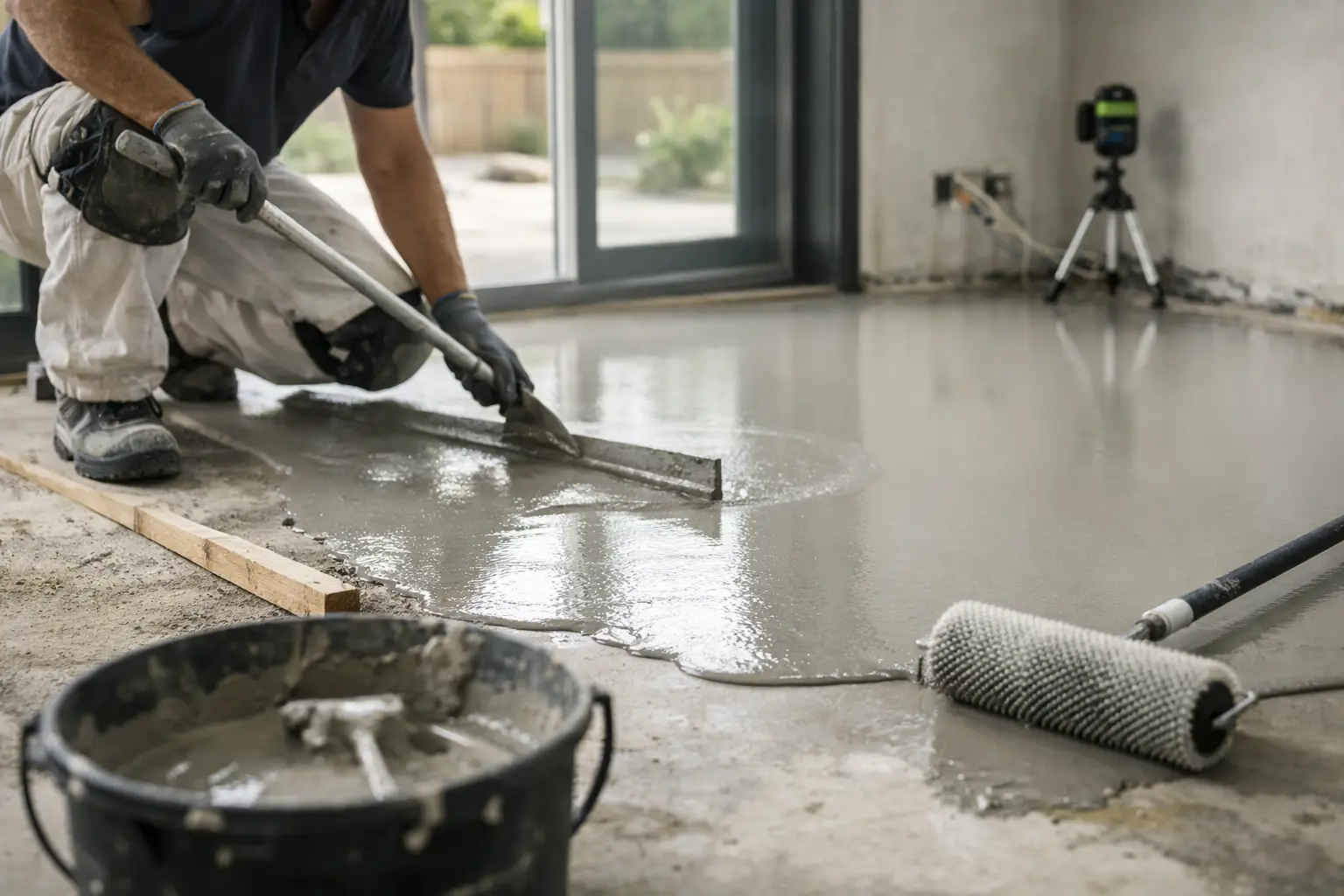
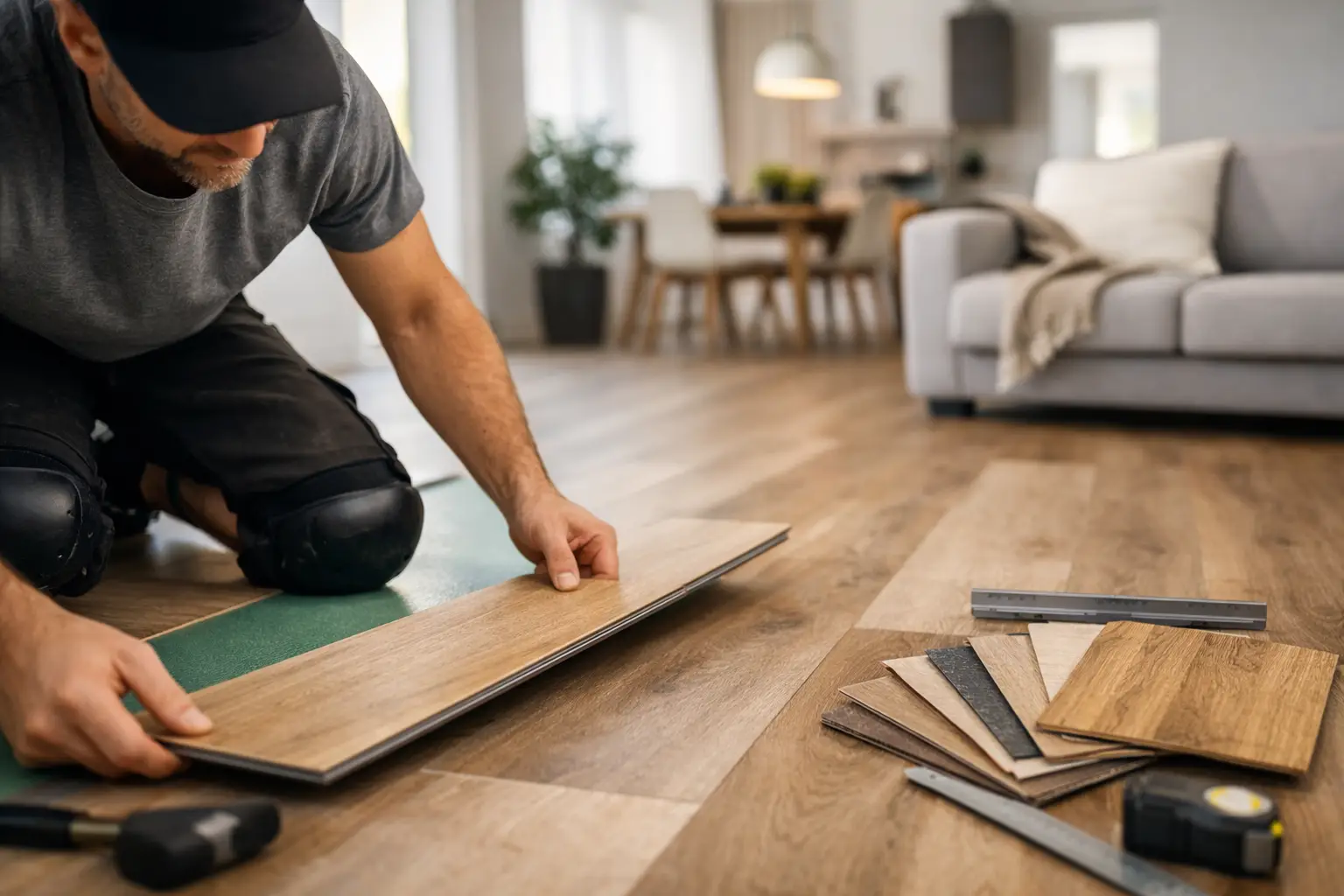
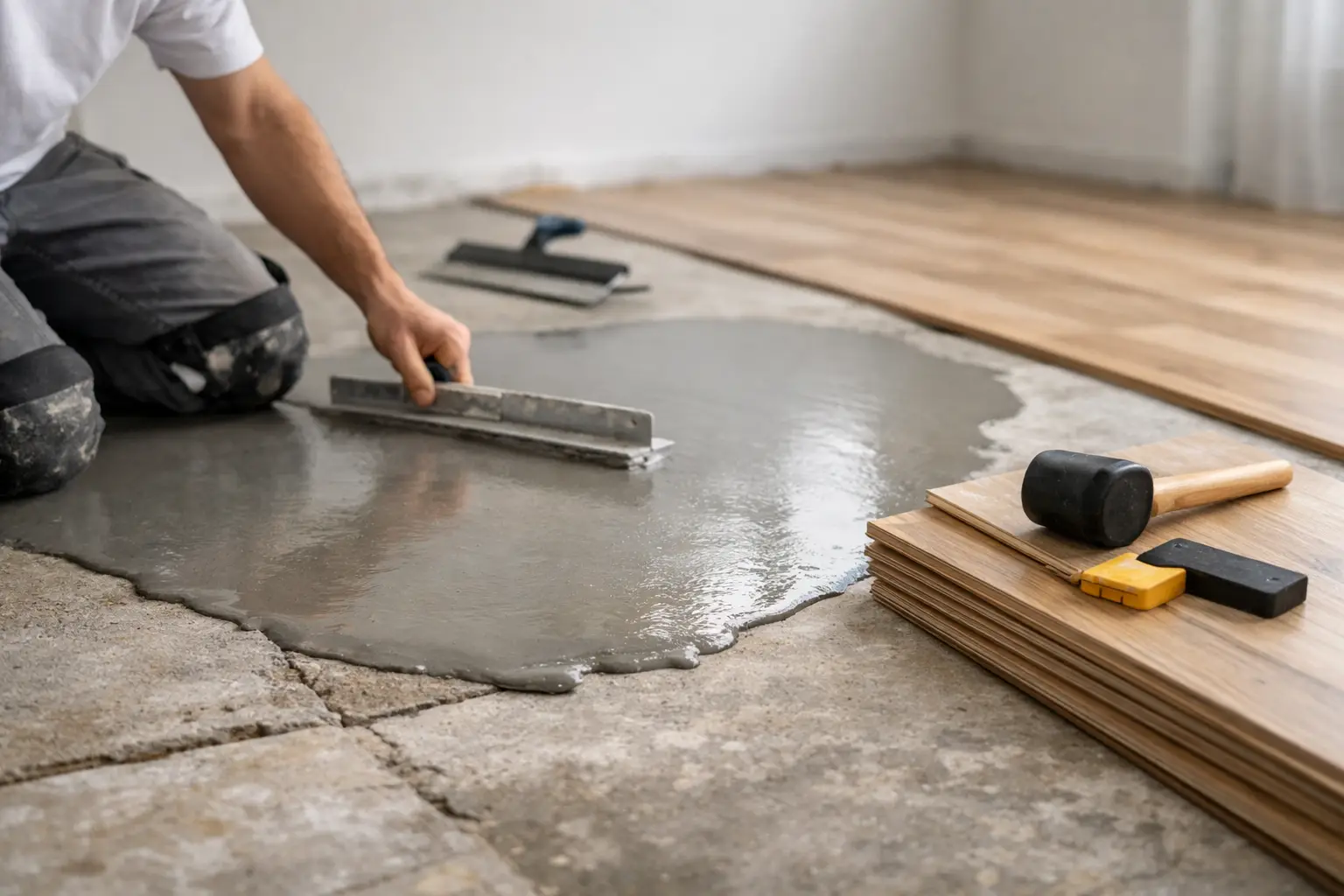
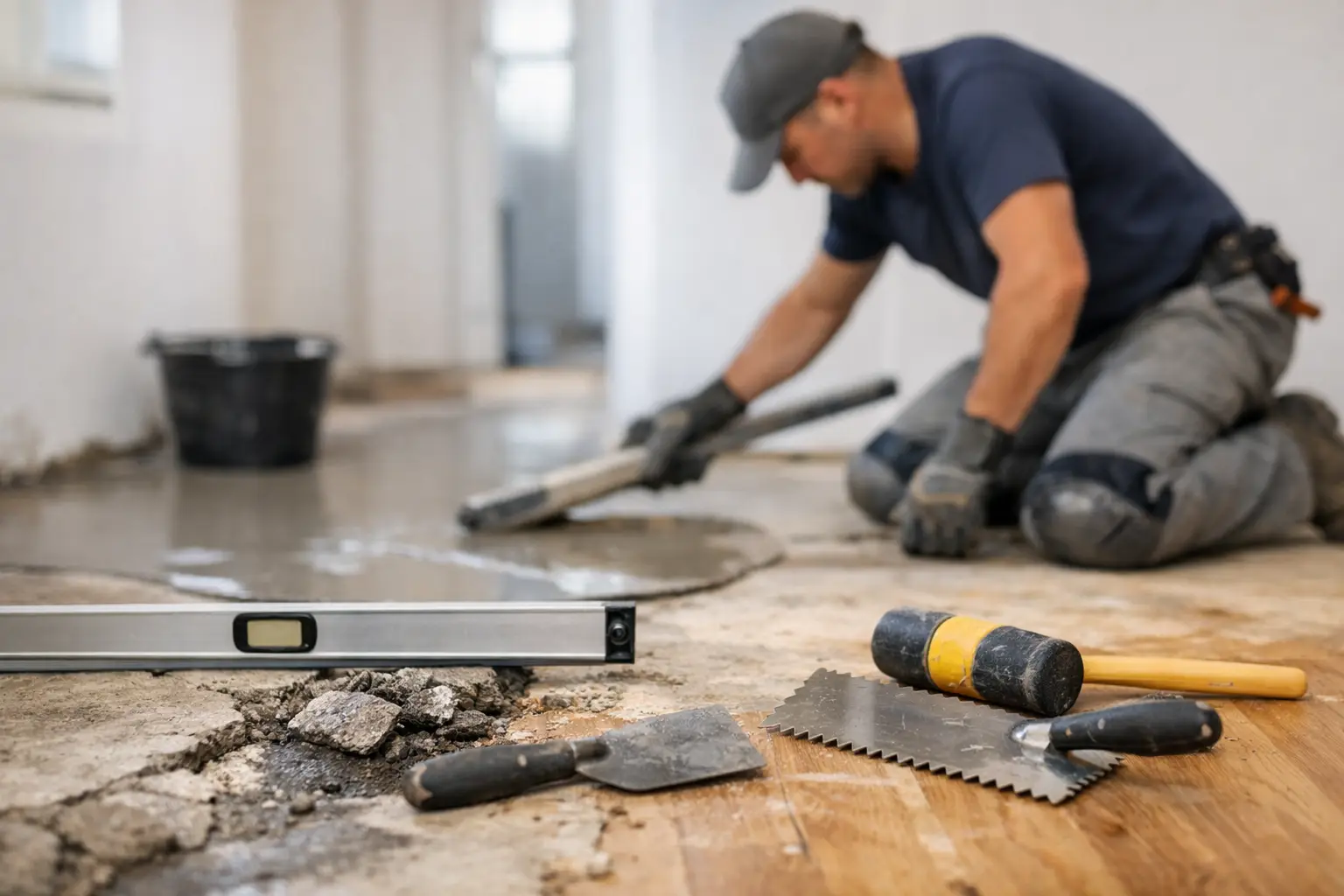
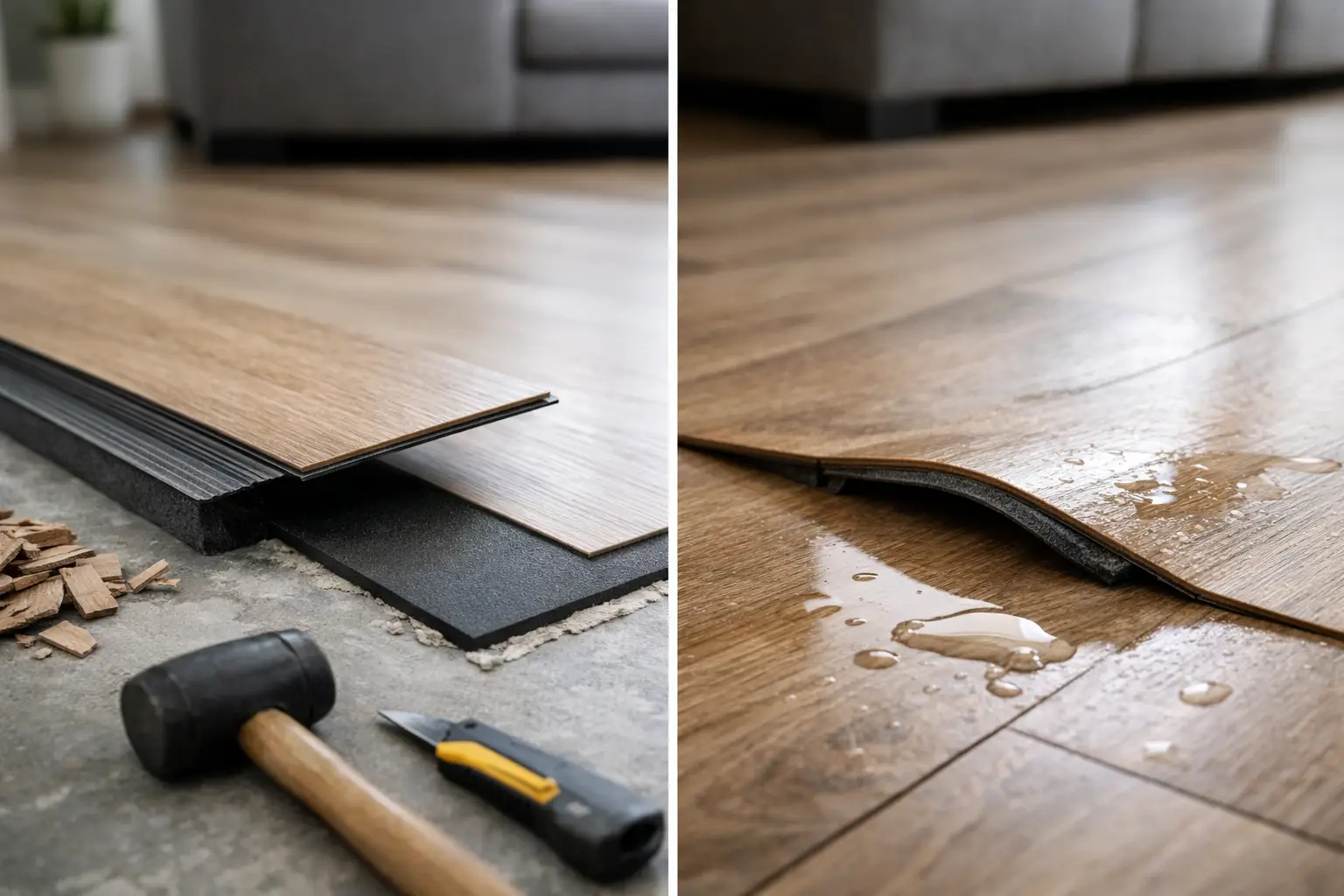
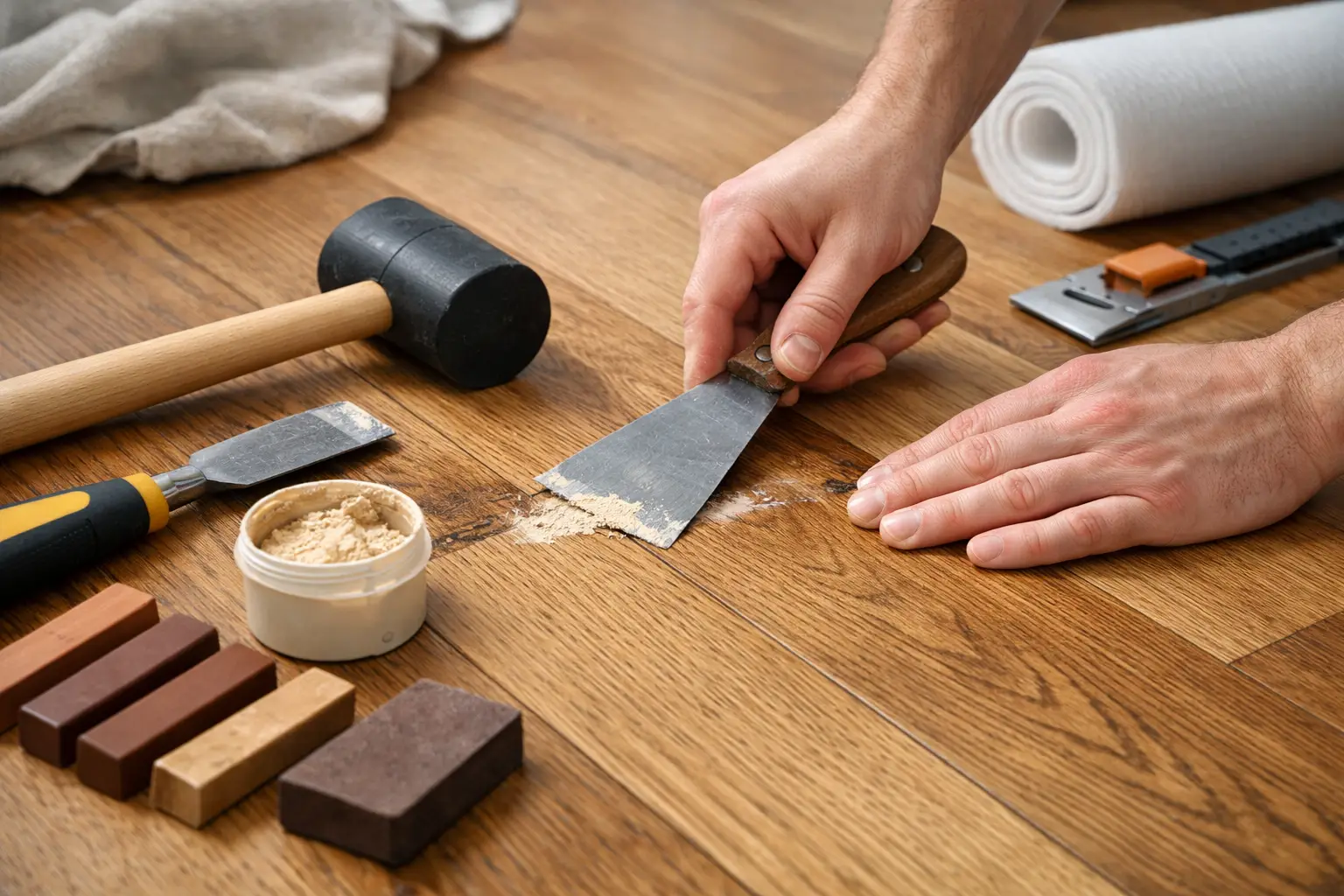
The floor you see is only part of the job. One of the biggest causes of disappointing flooring results is poor preparation. If the subfloor is not level, clean, dry and fit for installation, problems can show up as movement, gaps, noise, premature wear or visible imperfections.
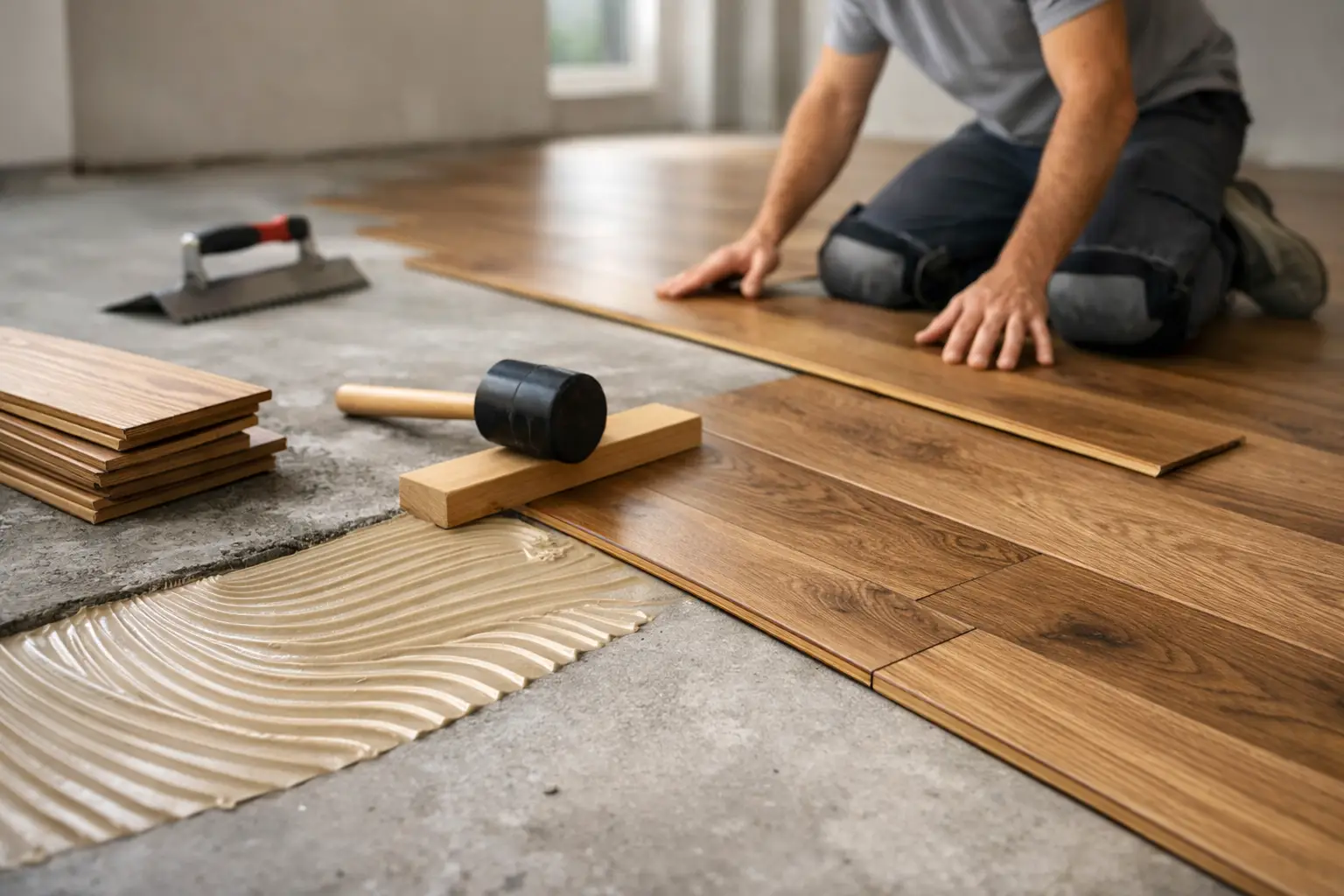
This is where trade experience makes a real difference. Former installers know what can go wrong because they have seen it on site. They understand that a smooth finish starts before the first board is laid. In many projects, self-levelling compounds are needed to correct uneven concrete and create the flat base required for a stable install.
Skipping this step might save money upfront, but it often costs more later. A quality floor laid over a poor subfloor is still a poor job. The opposite is also true – a well-prepared base gives the flooring its best chance to perform properly for years.
How to compare flooring quotes properly
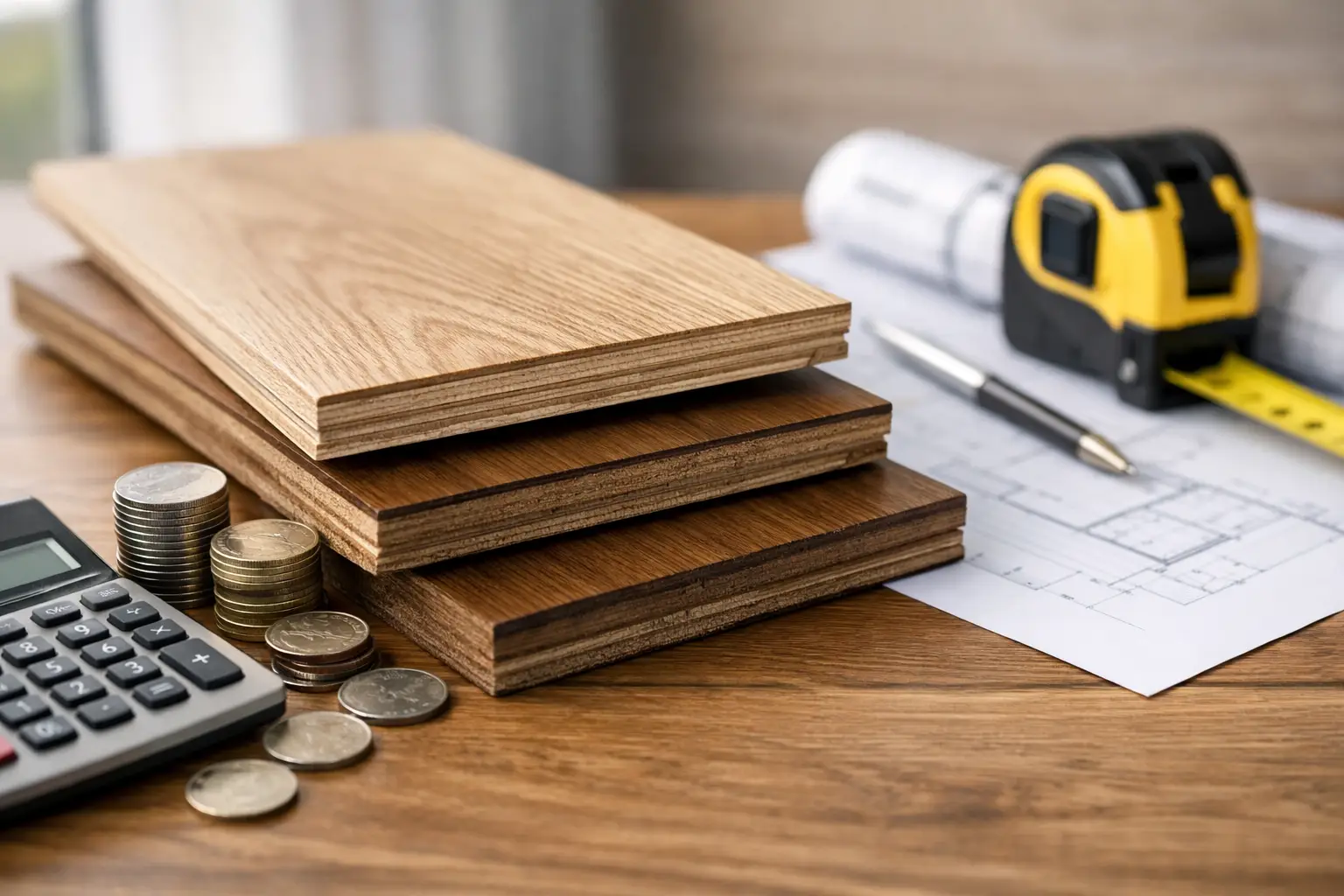
Not all quotes cover the same scope, which is why the cheapest number on paper is not always the best value. A proper flooring quote should account for product suitability, site conditions, preparation work, trims, underlay where needed and installation requirements specific to the property.
If one quote is much lower than the rest, ask what has been left out. Has subfloor levelling been included? Are acoustic requirements for apartments covered? Is furniture moving excluded? Are skirting and scotia being handled clearly? These details matter because they affect both the finish and the final cost.
A good supplier-installer will also explain where a certain product fits your budget and where it does not. Straight advice is worth more than a polished sales pitch.
What homeowners should look for in a flooring company
A broad product range is helpful, but product range on its own is not enough. The better question is whether the team understands installation as well as sales. That practical knowledge helps avoid mismatched recommendations, especially when a project has site limitations or time pressures.
Look for a company that can assess the property properly, explain the trade-offs between products and be upfront about preparation. If a floor is not suitable for your needs, you should hear that early. If extra work is required to get the result right, that should be made clear before the job starts.
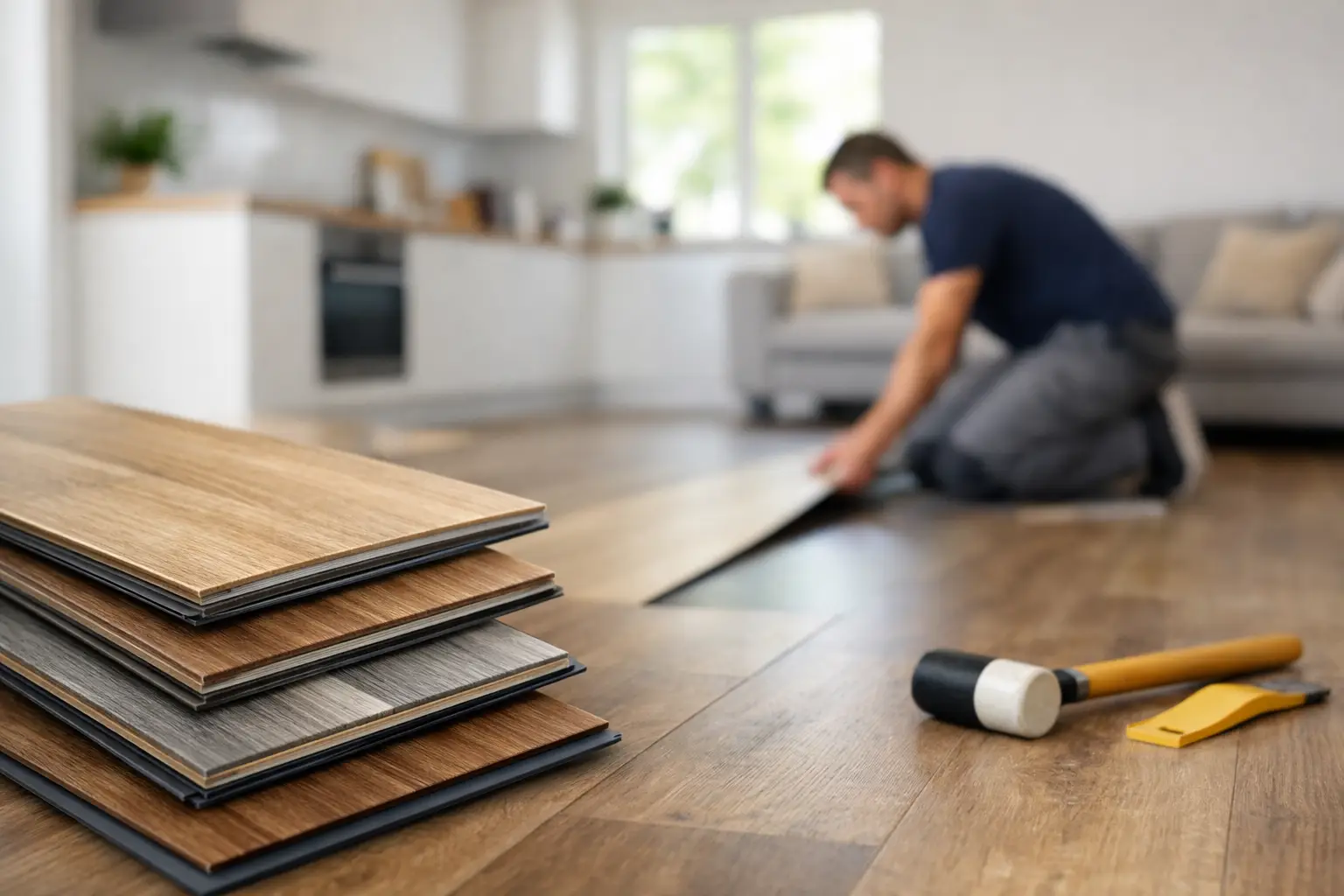
This is one reason many Melbourne clients prefer an end-to-end service. When the same business handles product selection, measuring, preparation and installation, there is less room for confusion. Accountability stays clear, and the advice tends to be more practical.
Making the right choice for your space
The best timber flooring Melbourne solution is the one that suits how the property is actually used. A growing family may need durability and easier maintenance. An owner-occupier renovating a forever home may prioritise premium engineered boards and a more refined finish. A commercial fit-out may need a balance of visual impact, wear resistance and installation efficiency.
There is no single best flooring type for everyone. There is only the best fit for the site, the budget and the outcome you want. That is why it pays to work with people who understand flooring beyond the sample rack.
If you are weighing up options, start with the practical questions first. What is the subfloor like? How much traffic will the area get? Do you want natural timber character or a hard-wearing timber-look alternative? Once those answers are clear, the right product usually becomes much easier to see.
A good floor should still look right years after installation, not just on quote day. That is the standard worth aiming for.