If you own a rental property in Melbourne, flooring is one of the most important
decisions you’ll make as a landlord. Get it right and you’ll have a floor that lasts
through multiple tenancies with minimal maintenance. Get it wrong and you’ll be replacing
it far sooner than expected — at significant cost.
This guide covers what to look for when choosing flooring for a Melbourne investment
property, which products hold up best in a rental context, and how to get the most value
out of your flooring budget.
Table of Contents
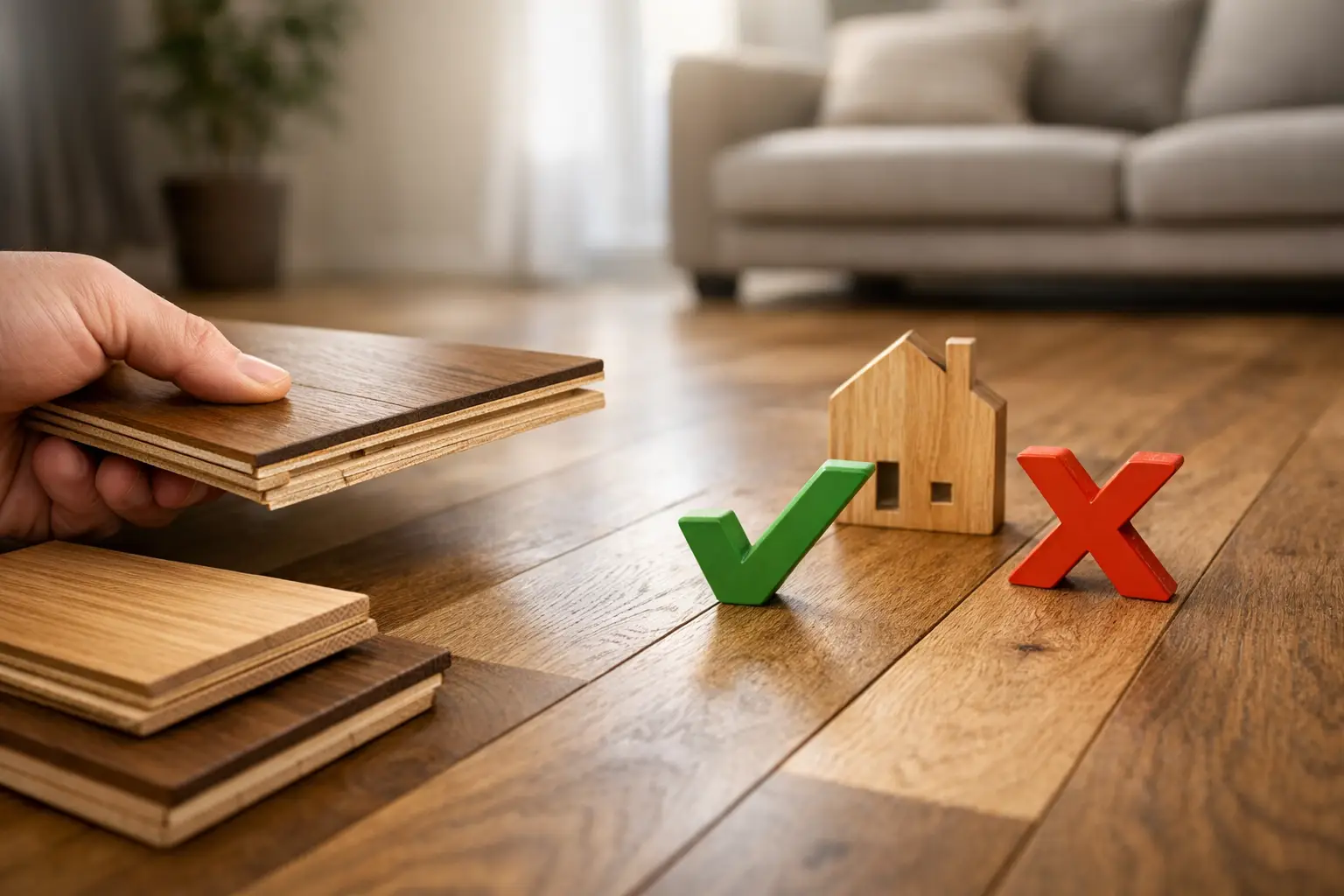
What Makes a Good Rental Property Floor?
The priorities for a rental property floor are different from a home you live in
yourself. You need to think less about personal taste and more about:
- Durability — the floor needs to handle different tenants, varying levels of care, and high foot traffic over many years
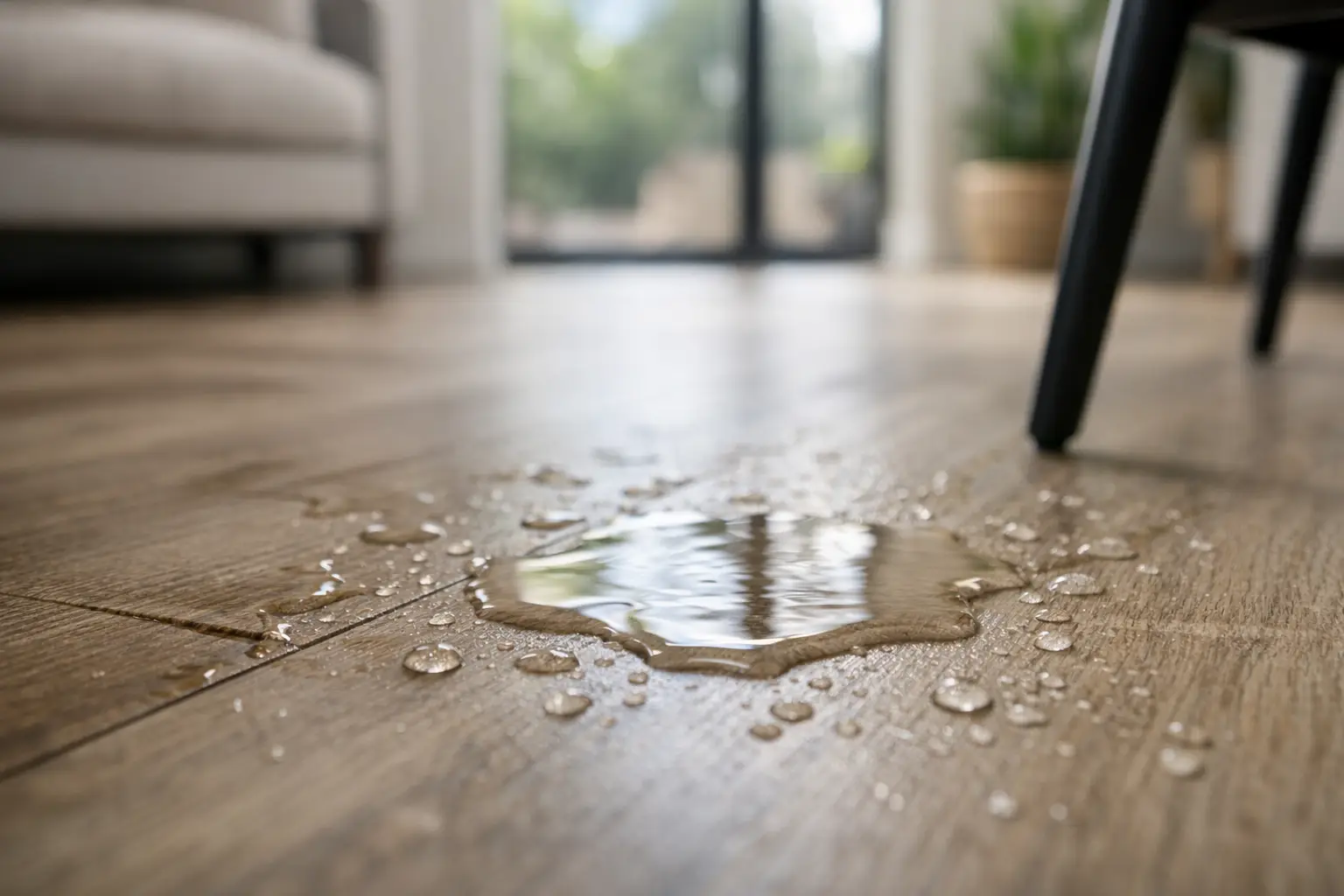
- Waterproofing — accidental spills, mopping, and moisture from kitchens and bathrooms are a constant risk in tenanted properties
- Ease of cleaning — a floor that’s easy to clean between tenancies keeps your vacancy periods short
- Scratch and stain resistance — pets, furniture, and general daily wear will test your floor’s surface constantly
- Cost-effectiveness — strong ROI matters more than premium aesthetics when you’re investing across multiple properties
The Best Flooring Options for Melbourne Rental Properties
1. Hybrid Flooring — The Top Pick for Most Rentals
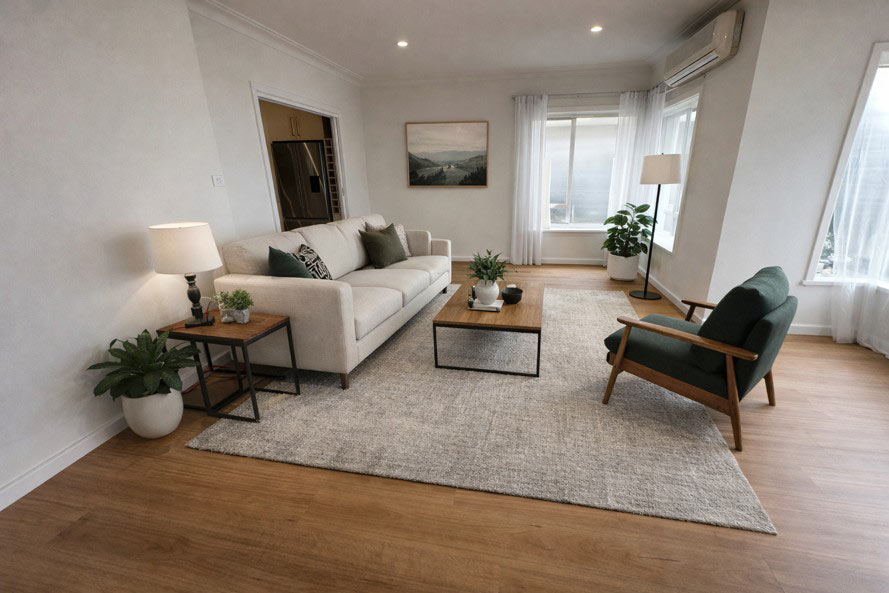
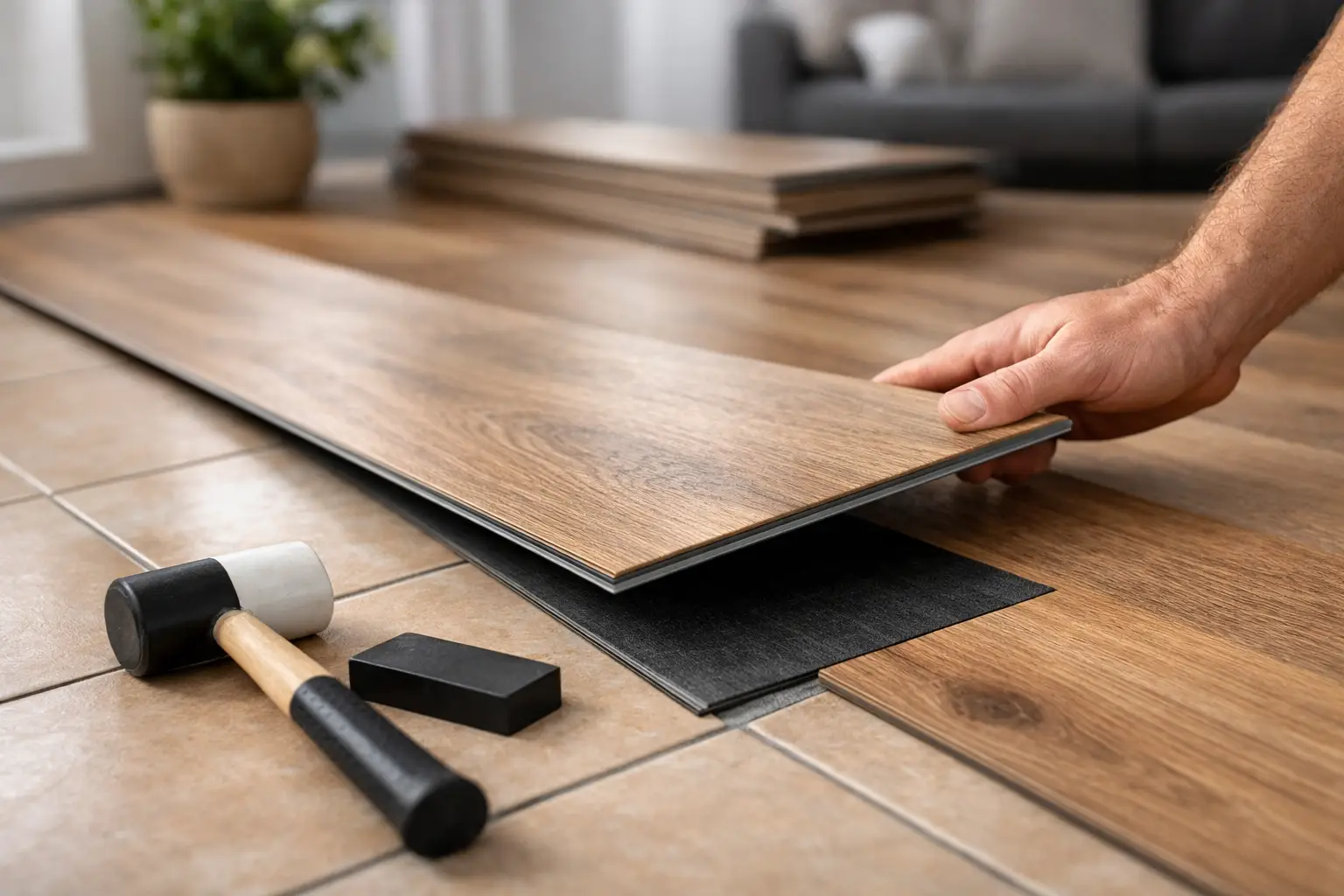
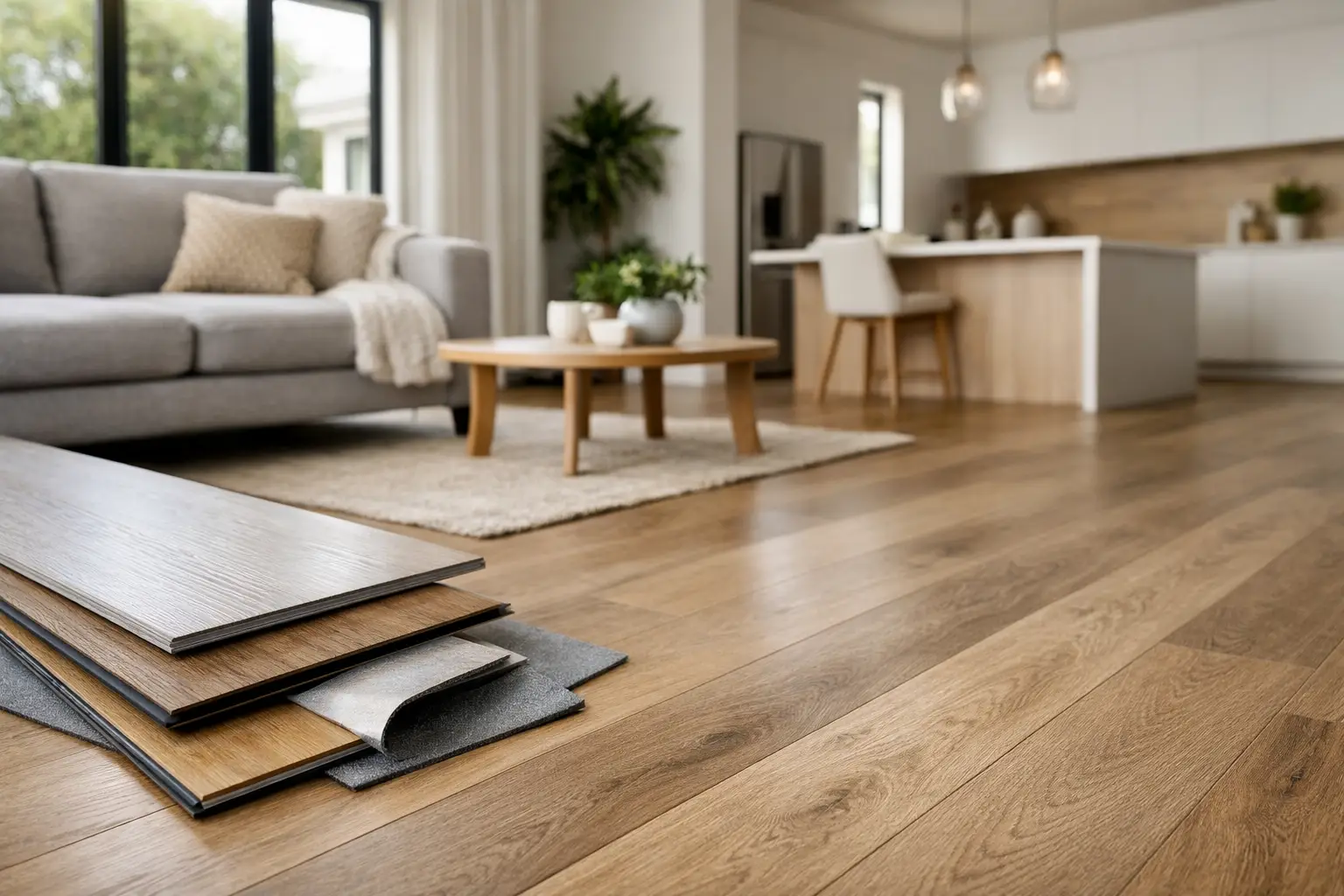
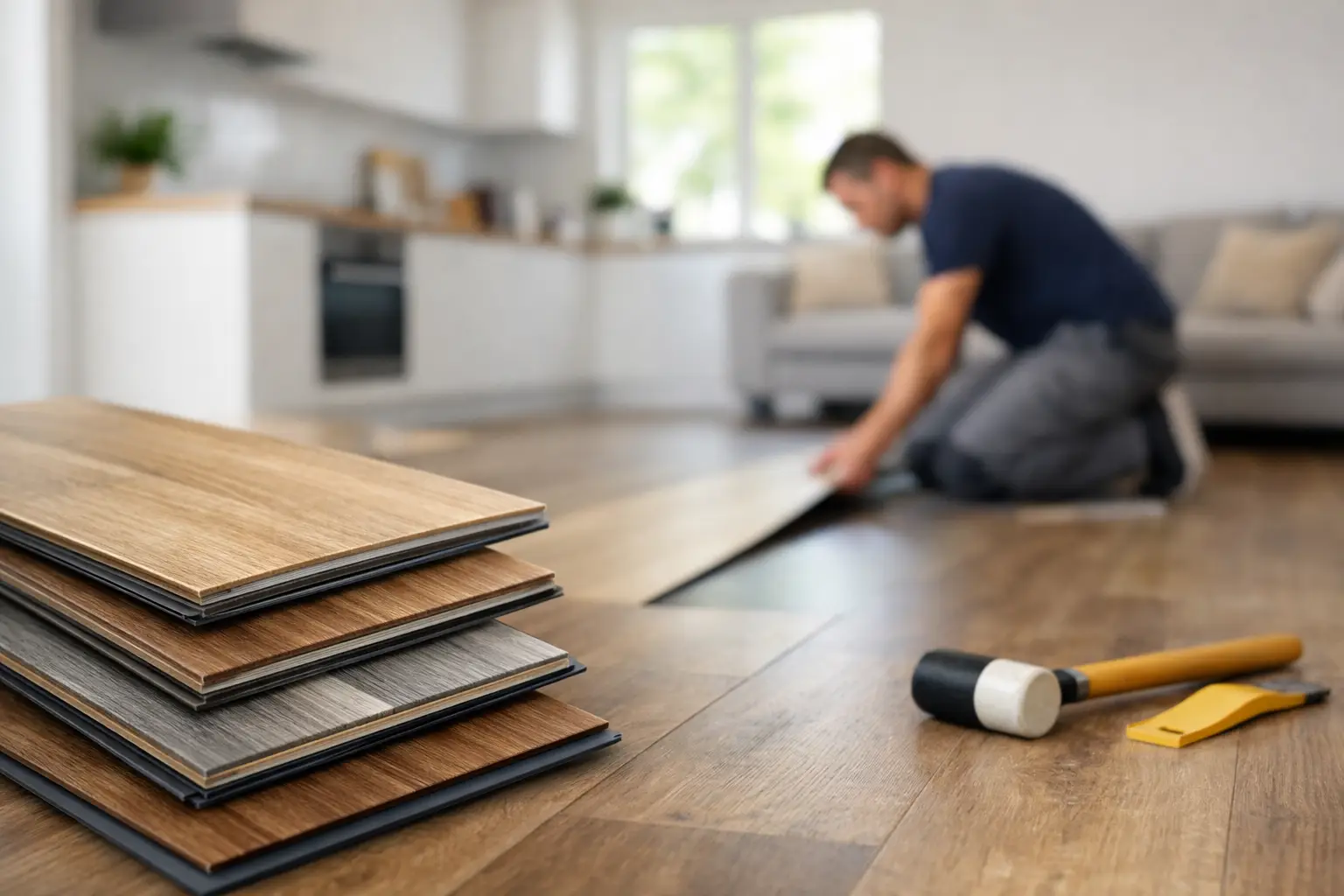
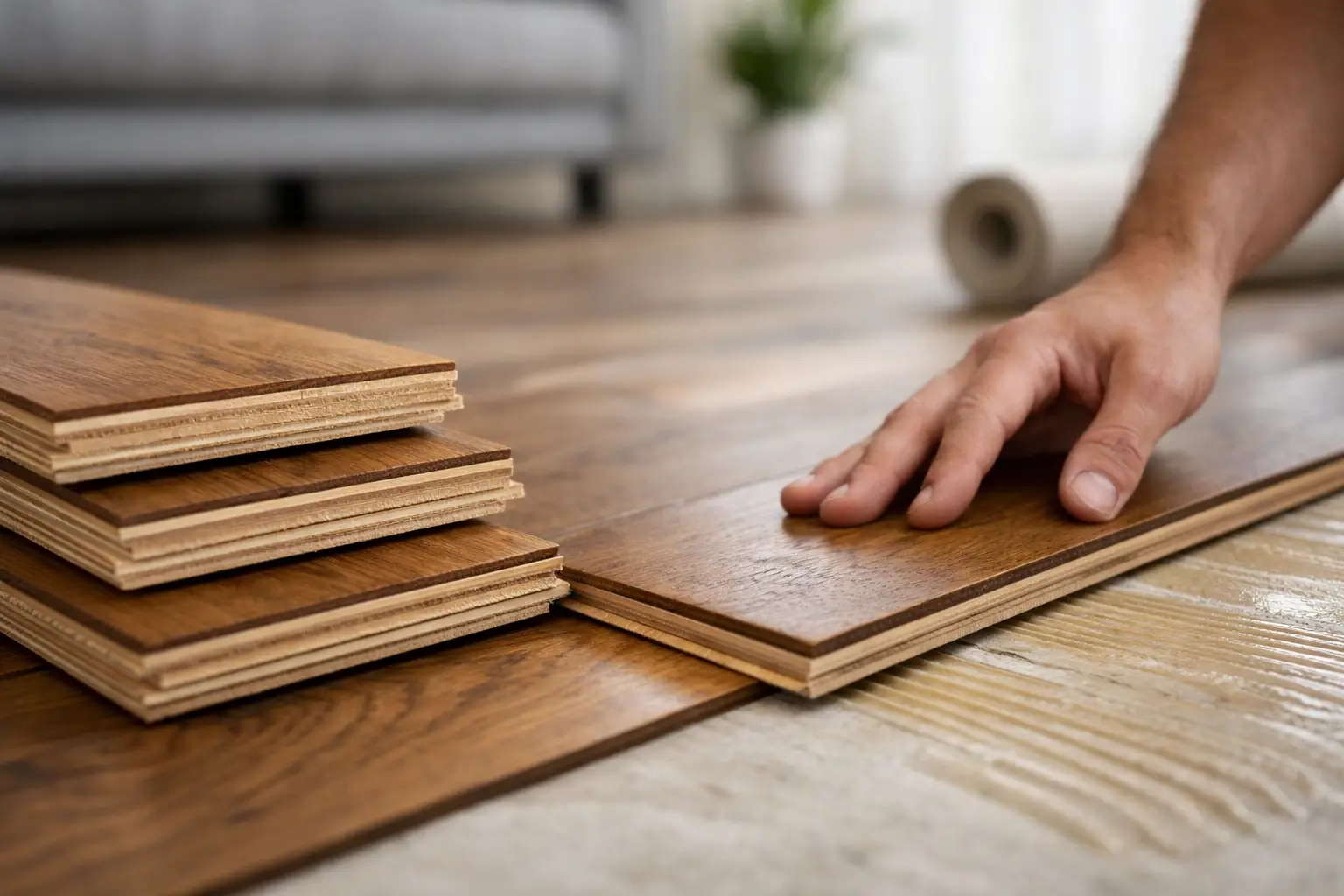
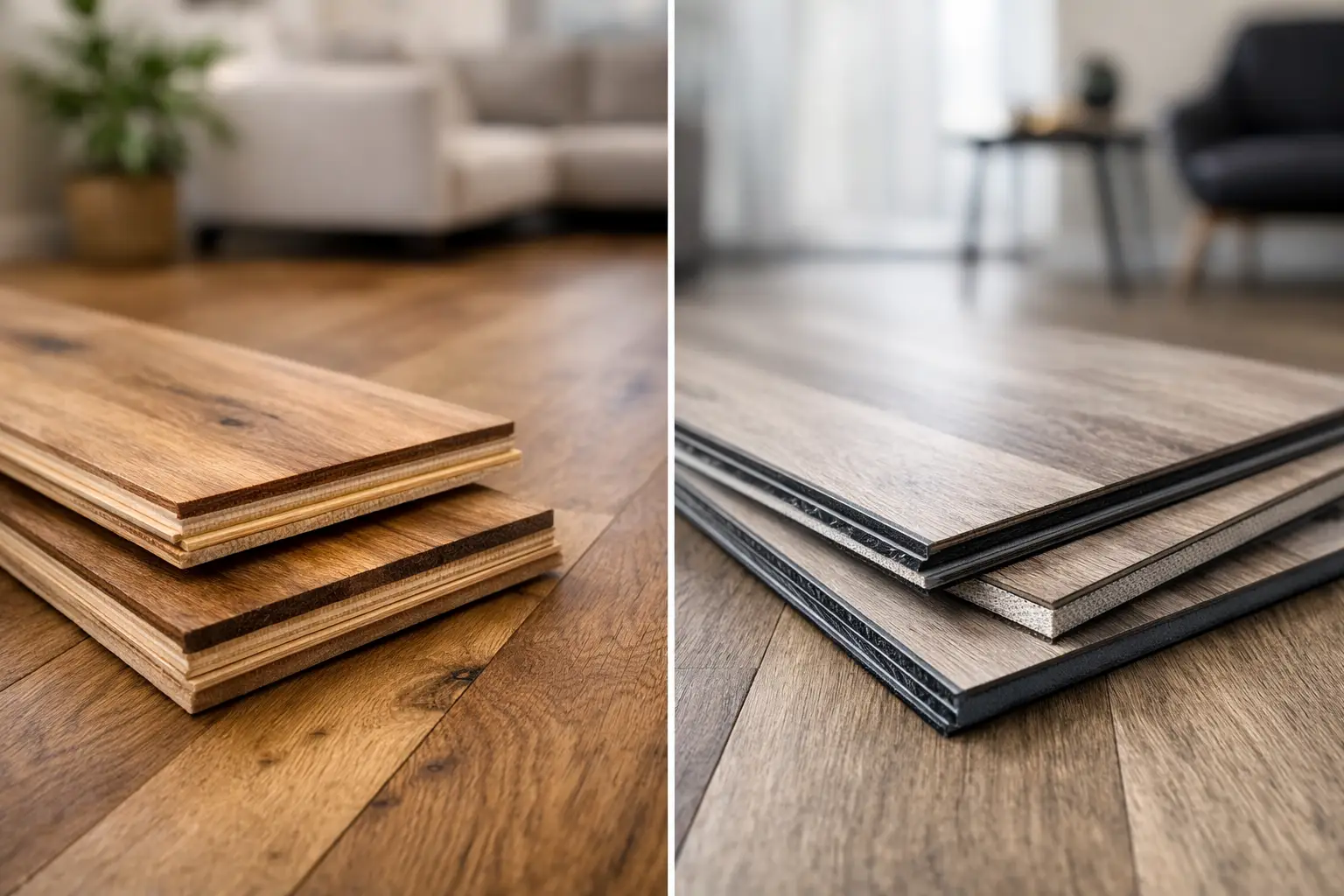
Hybrid flooring is the standout choice for rental properties across Melbourne,
and it’s what we recommend to the majority of our investment property clients. Here’s
why:
- 100% waterproof — safe for kitchens, bathrooms, and open-plan areas without the risk of water damage between tenancies
- Extremely scratch and dent resistant — the rigid SPC core handles furniture, pets, and heavy foot traffic without showing wear quickly
- Easy to clean — sweep and mop is all that’s required, making end-of-lease cleans straightforward
- Affordable — materials typically range from $30–$50 per m², making it cost-effective across larger floor areas
- Consistent appearance — modern hybrid floors look excellent and appeal to a wide range of tenants, helping with leasing speed
For landlords managing properties in areas like Sunshine, Hoppers Crossing, or
Werribee, hybrid flooring offers the best balance of durability and affordability. For
premium rental properties in suburbs like Toorak or Hawthorn, hybrid flooring’s improved
aesthetics still hold up well while keeping replacement costs manageable.
2. Laminate Flooring — Budget-Friendly with Good Durability
Laminate flooring is another popular choice for rental properties, particularly
where budget is the primary concern. It’s scratch and fade-resistant, easy to maintain,
and gives a clean timber-look finish that appeals to tenants.
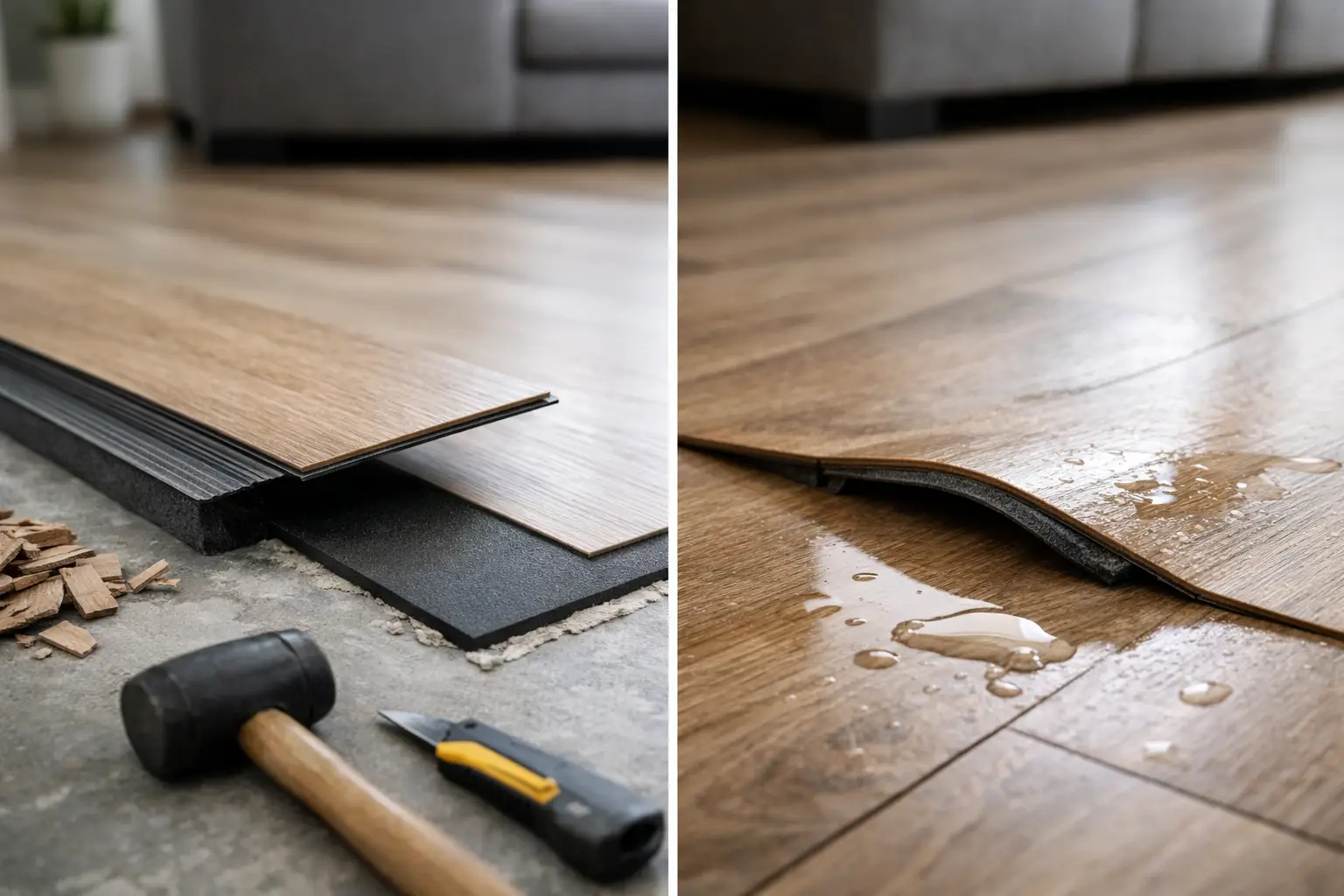
The main limitation to be aware of is that standard laminate is not waterproof. While
many modern laminate products offer 24–72 hour water resistance, prolonged moisture
exposure — such as a slow leak under a sink — can cause swelling and damage. For this
reason, it’s generally better suited to bedrooms and living areas rather than kitchens
and bathrooms.
If you’re working with a tight budget and the property doesn’t have open-plan
kitchen/living areas, laminate can be a very practical and cost-effective option.
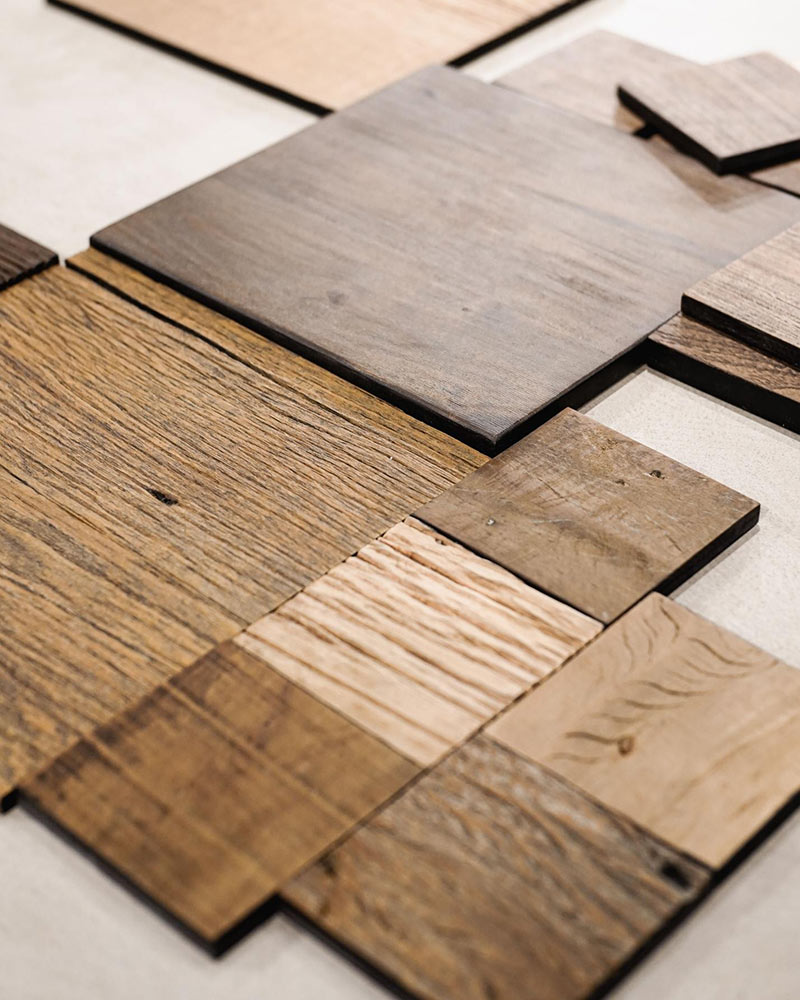
3. Engineered Timber Flooring — Best for Premium Rentals
For higher-end rental properties — particularly in sought-after inner Melbourne suburbs
like Toorak, South Yarra, or Armadale —
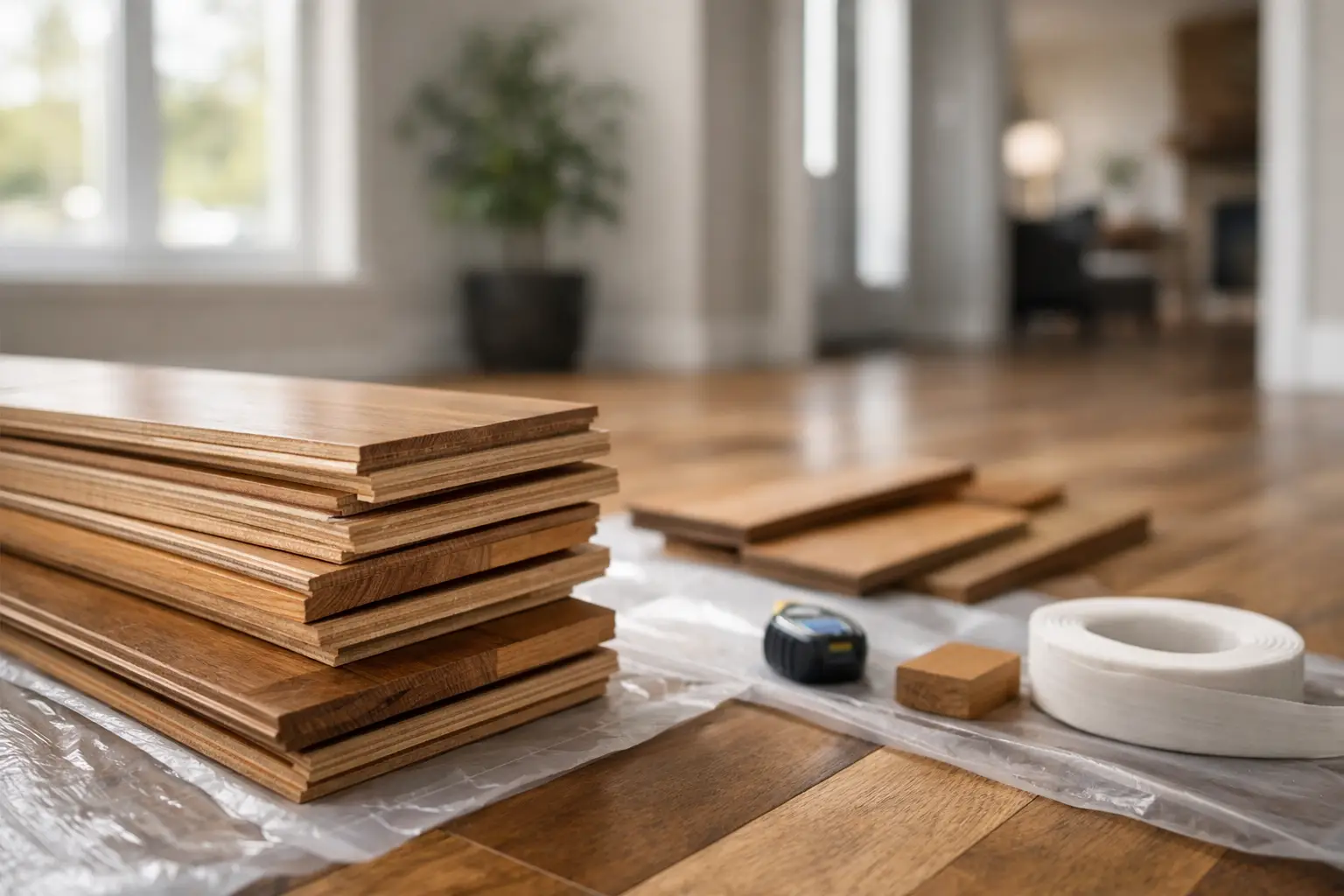
engineered timber flooring can be worth the additional investment. Premium tenants
expect premium finishes, and a well-chosen engineered timber floor can justify higher
weekly rent and attract longer-term tenants.
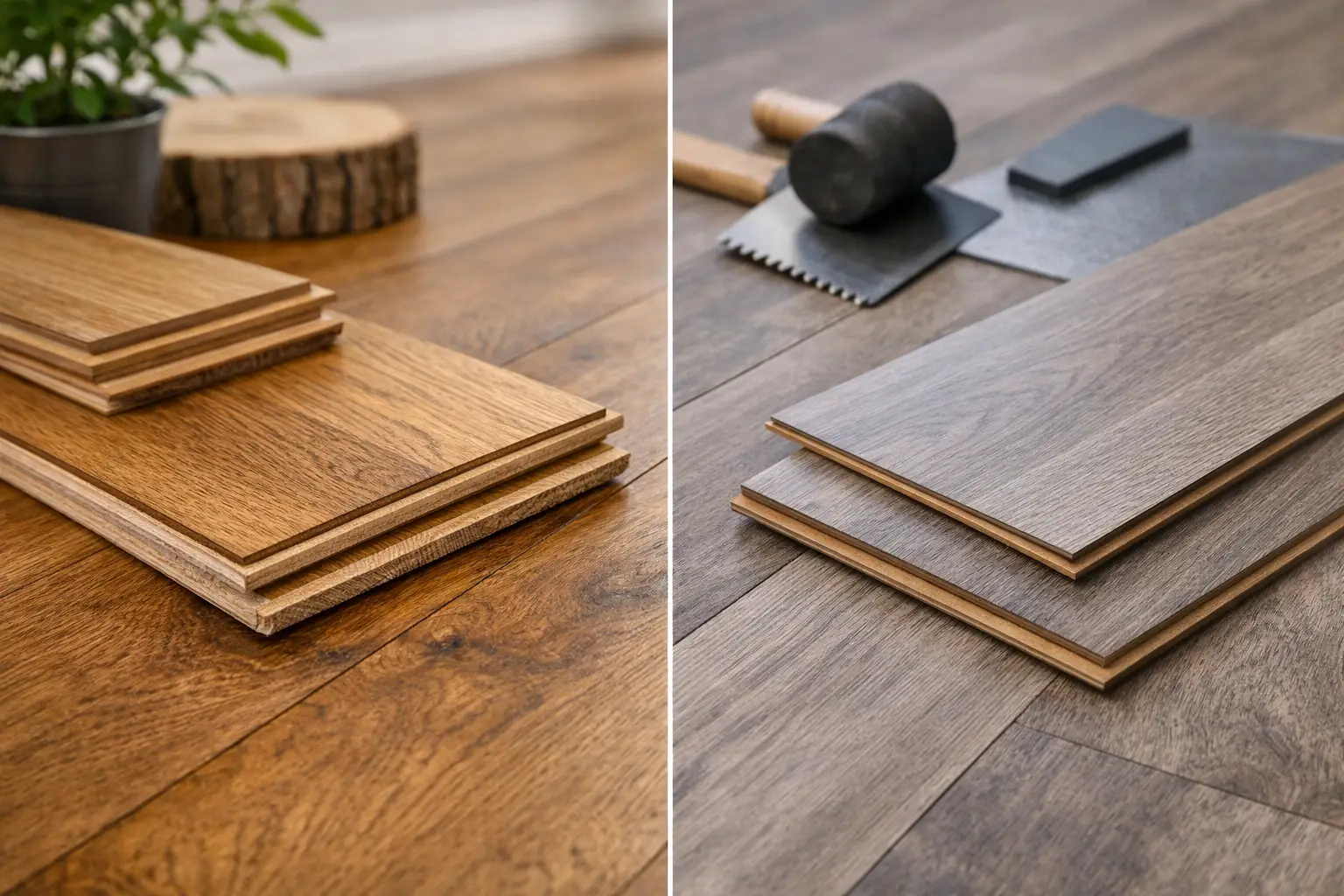
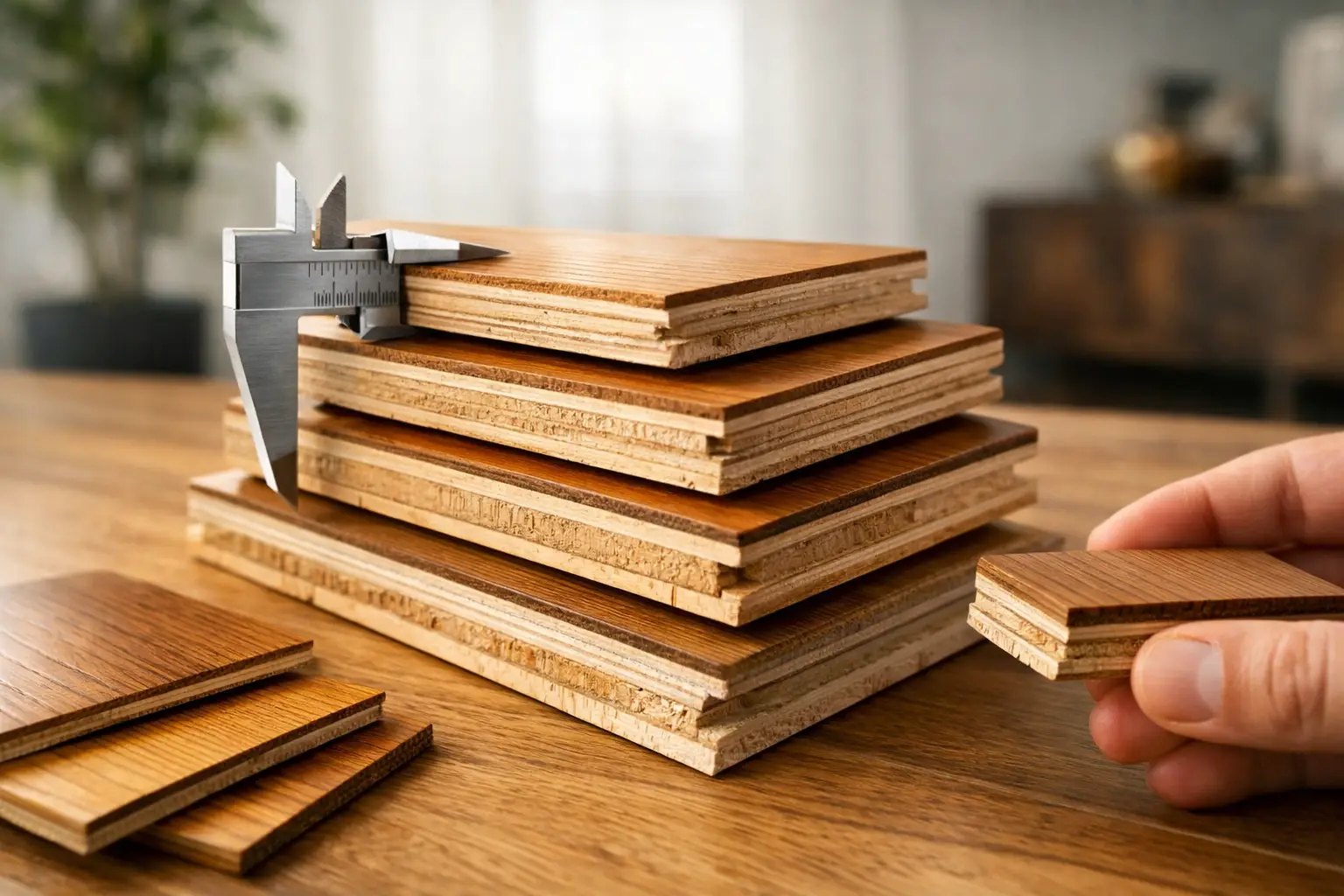
Engineered timber is more durable than solid timber and handles Melbourne’s climate
better. It is water resistant (though not fully waterproof), so it’s best used in
living and sleeping areas rather than wet zones.
The ability to sand and refinish engineered timber once or twice during its lifespan
is also a practical advantage for landlords — rather than replacing the floor after
years of wear, a light sand and reseal can restore it to near-original condition.
What to Avoid in Rental Properties
- Carpet — stains easily, traps odours, requires professional cleaning between tenancies, and typically needs replacing every 7–10 years
- Solid timber — expensive, expands and contracts with Melbourne’s climate, and can be damaged easily by moisture or heavy furniture
- Tiles in living areas — cold underfoot, hard, and expensive to replace if cracked or chipped
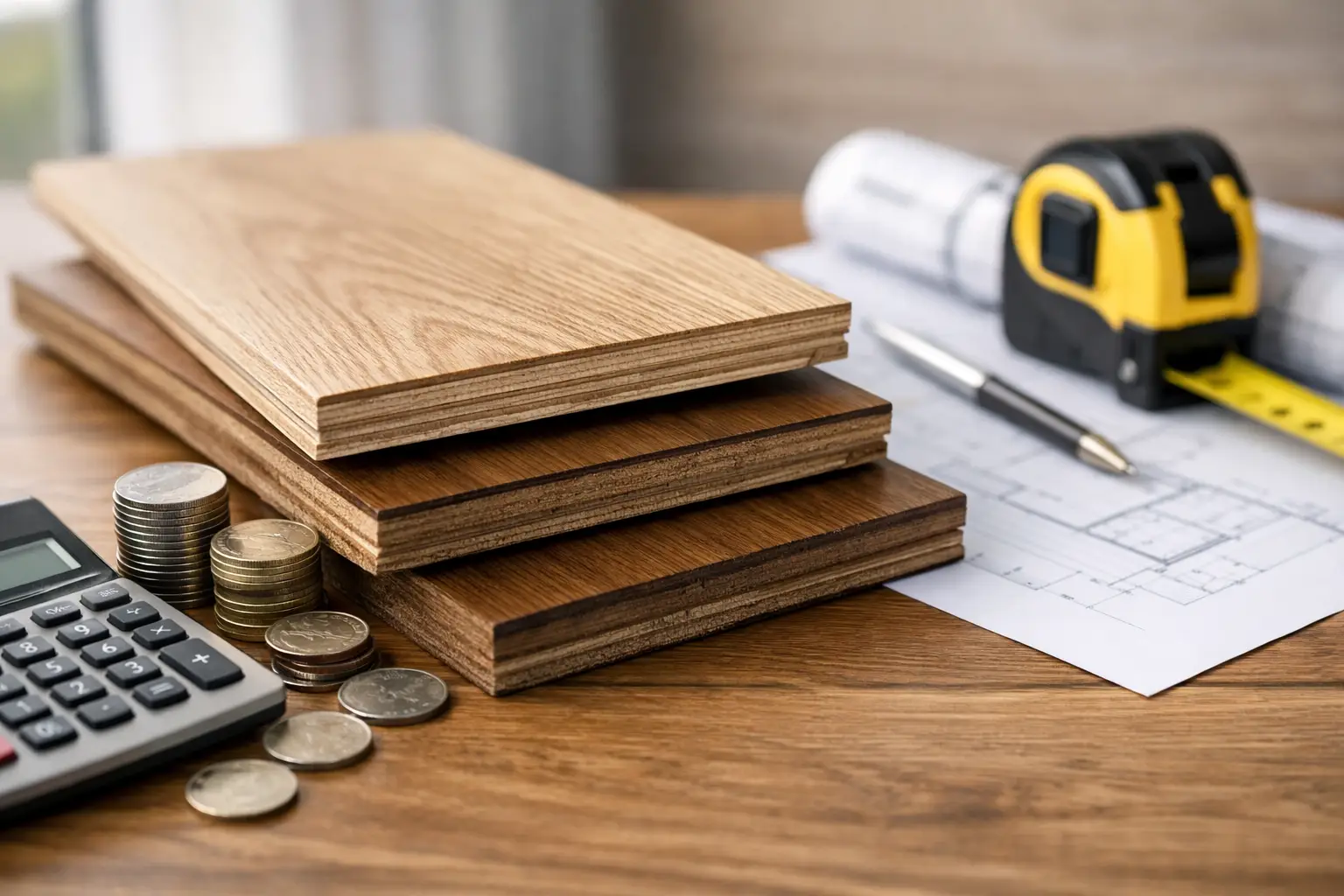
How Much Should You Budget for Rental Property Flooring?
As a general guide for Melbourne investment properties:
- Hybrid flooring: $30–$50 per m² (materials) + $18–$30 per m² (installation)
- Laminate flooring: $20–$50 per m² (materials) + $18–$30 per m² (installation)
- Engineered timber: $70–$130 per m² (materials) + $40–$70 per m² (installation)
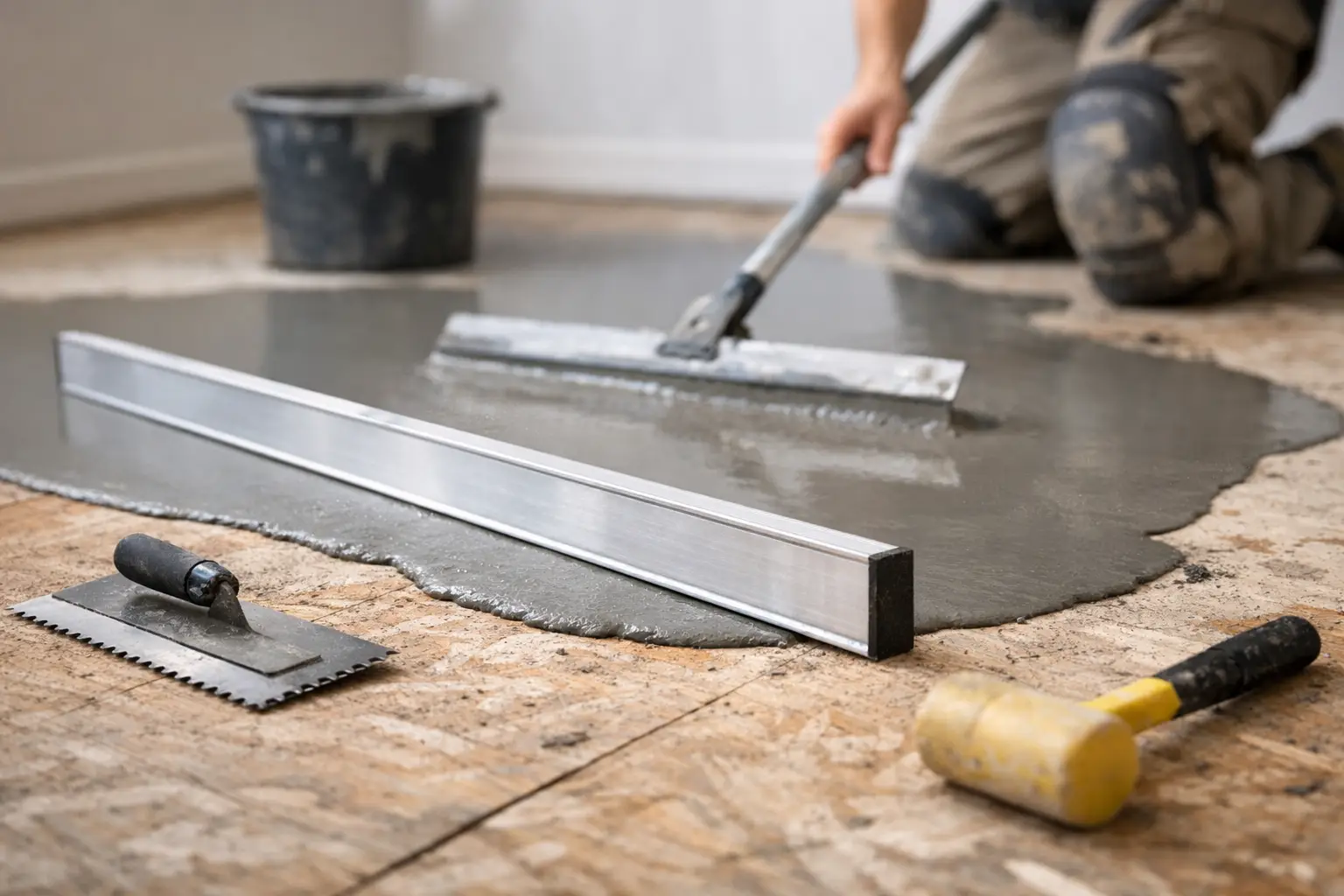
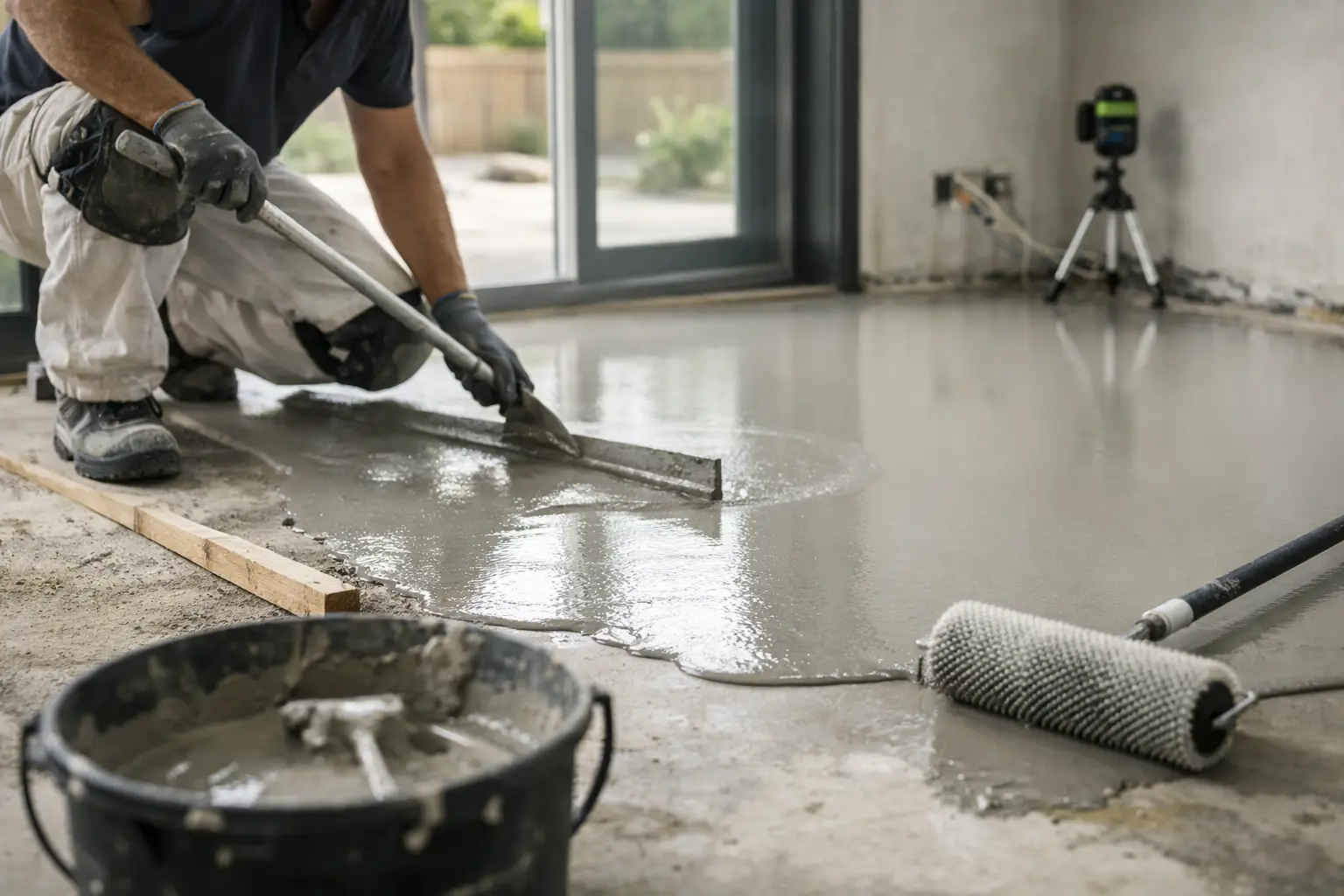
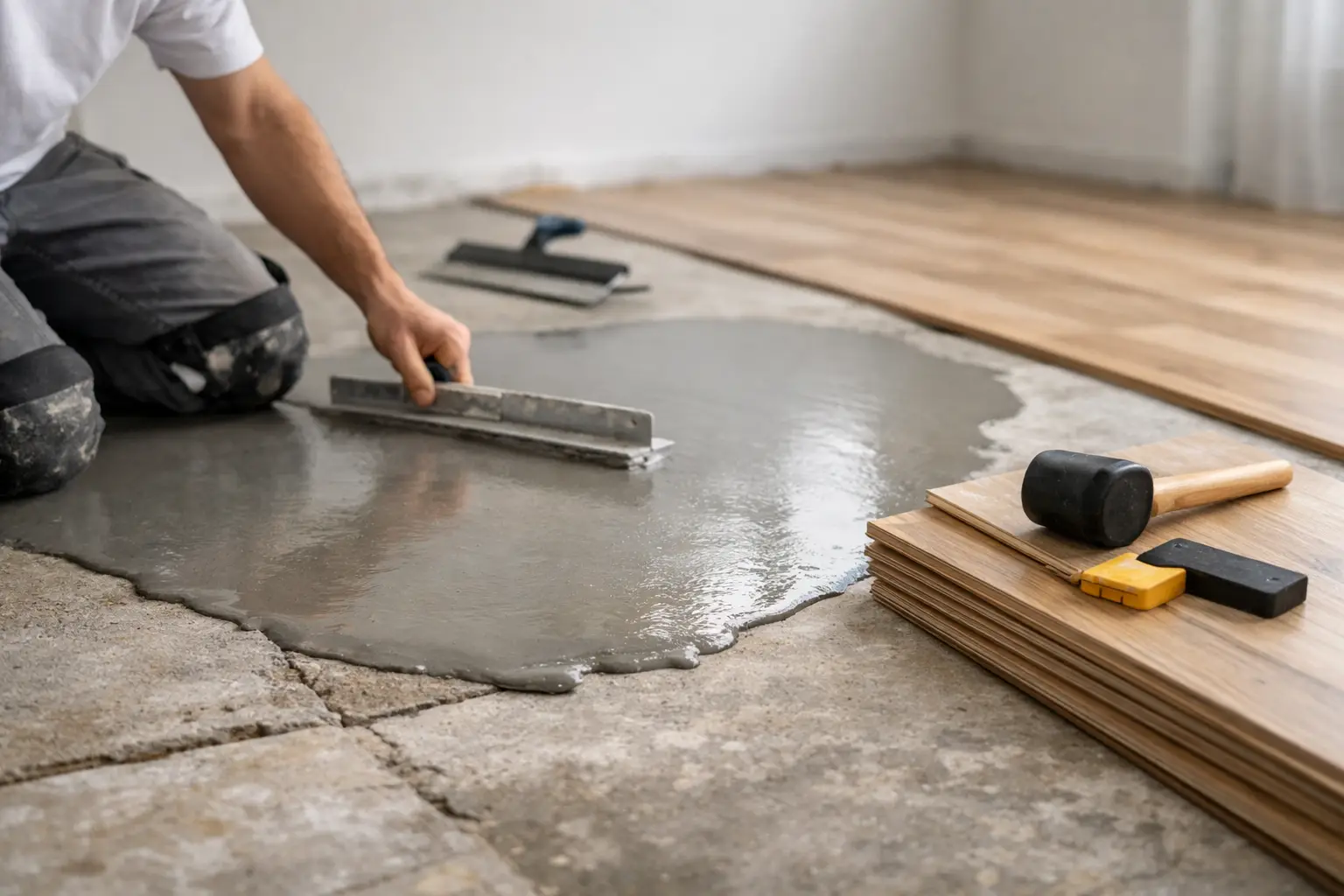
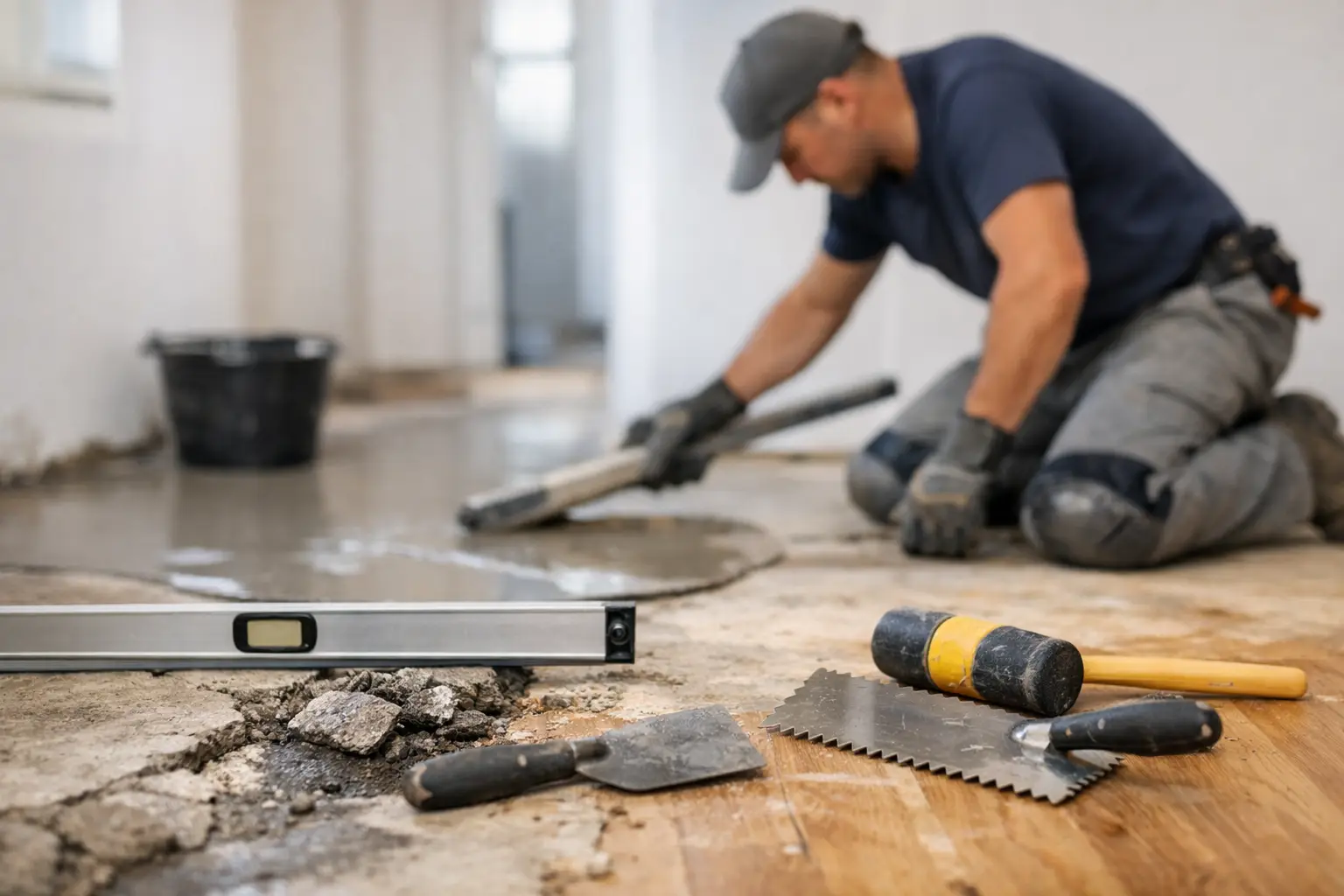
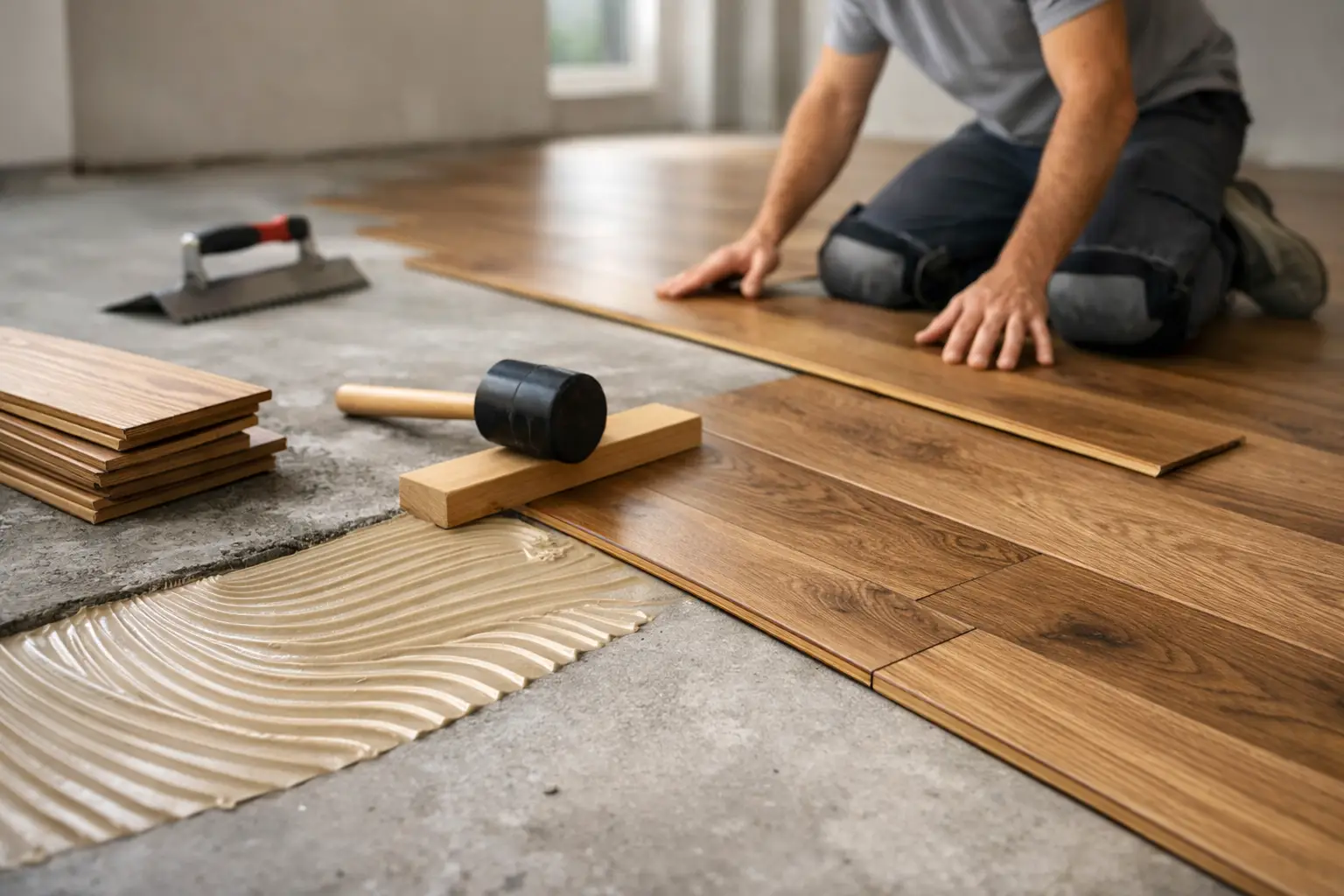
Additional costs to factor in include subfloor levelling, carpet removal and disposal,
and skirting board replacement. Melbourne QTF offers free on-site measures and
obligation-free quotes — so you’ll know exactly what you’re up for before committing.
Talk to Melbourne QTF About Your Investment Property
We work with Melbourne landlords and property investors regularly, helping them choose
flooring that holds up, looks great, and keeps maintenance costs down across the life
of the tenancy.
Whether you’re renovating a unit in Sunshine, refreshing an apartment in Toorak, or
updating a house in the western suburbs, our team can help you find the right product
at the right price.