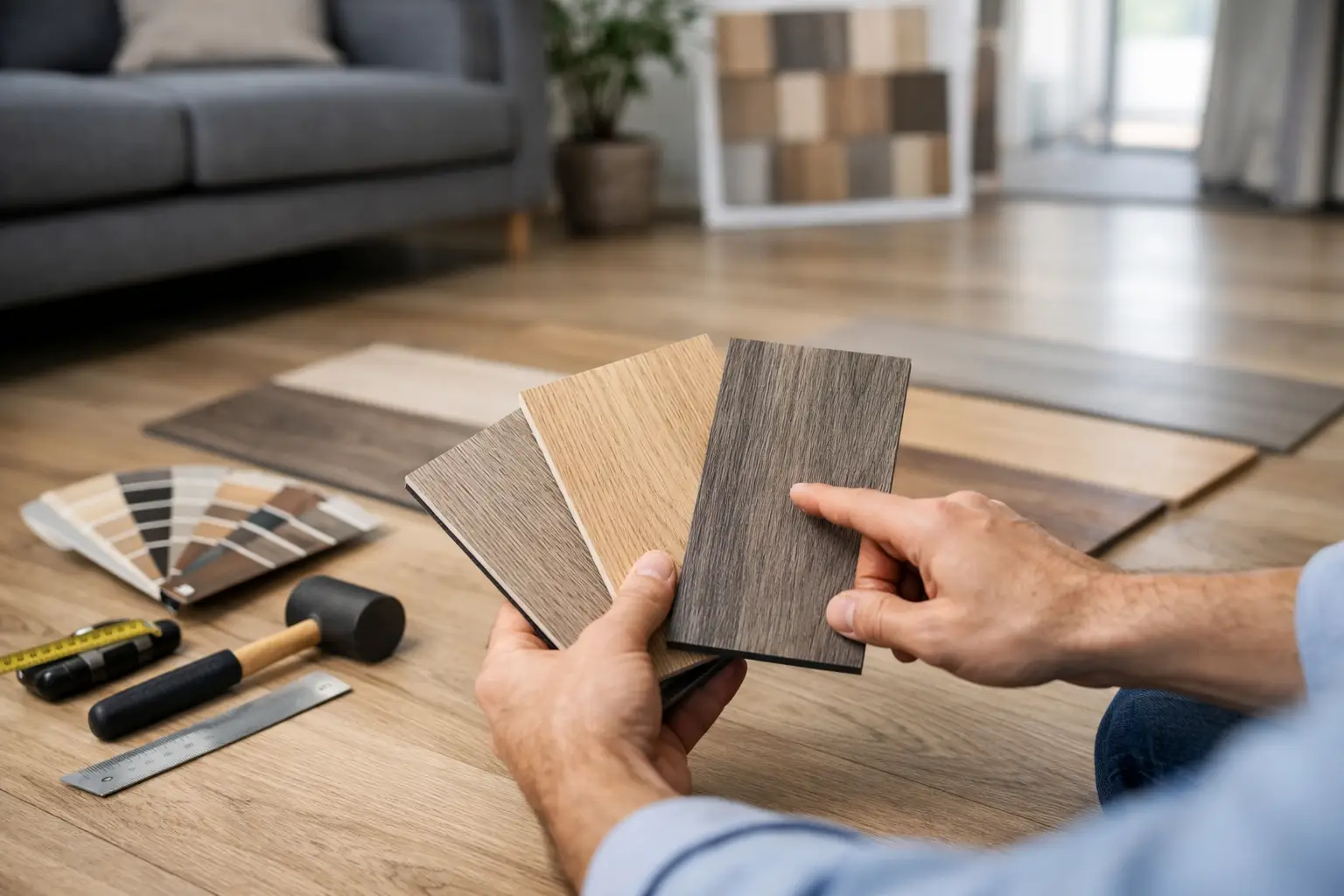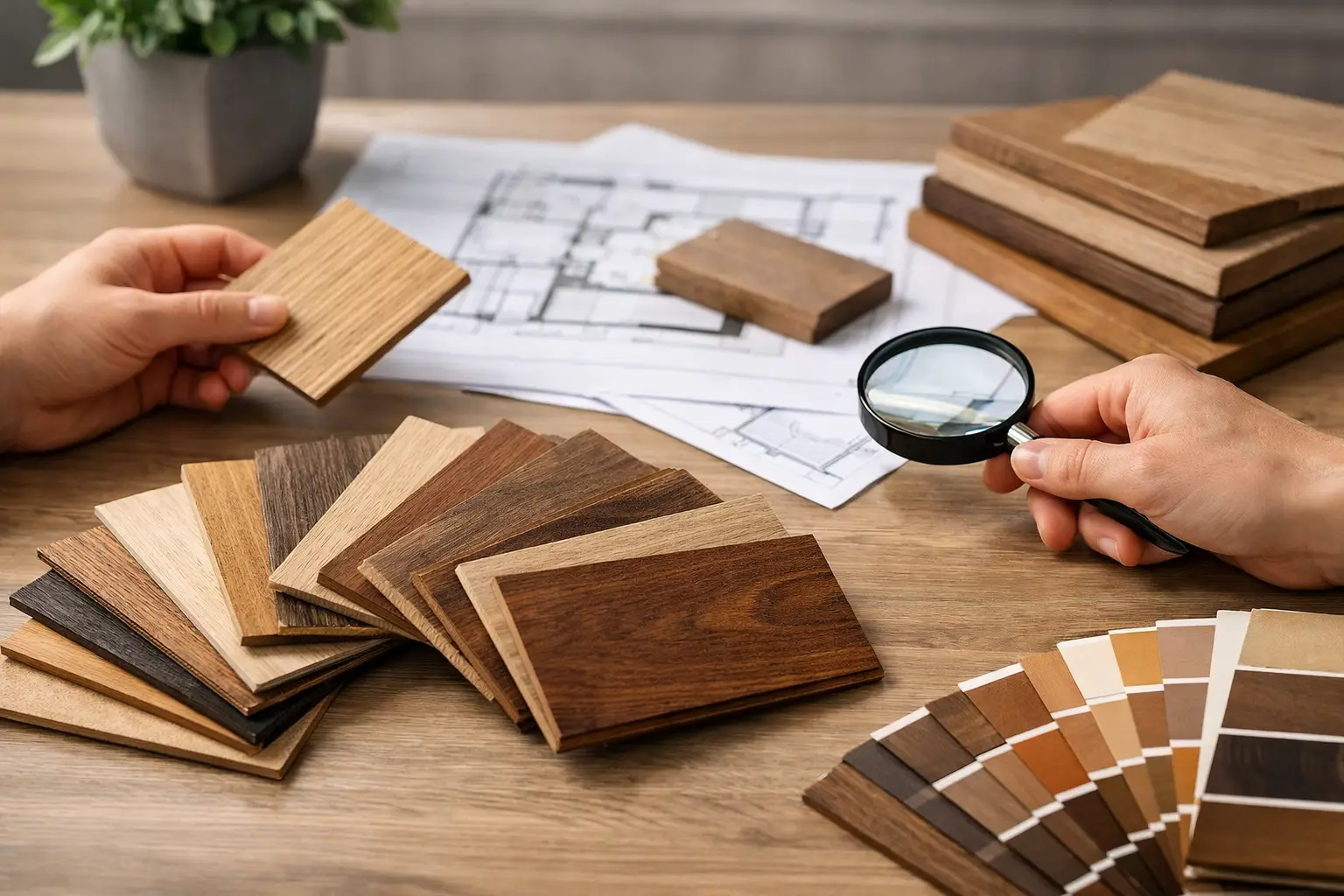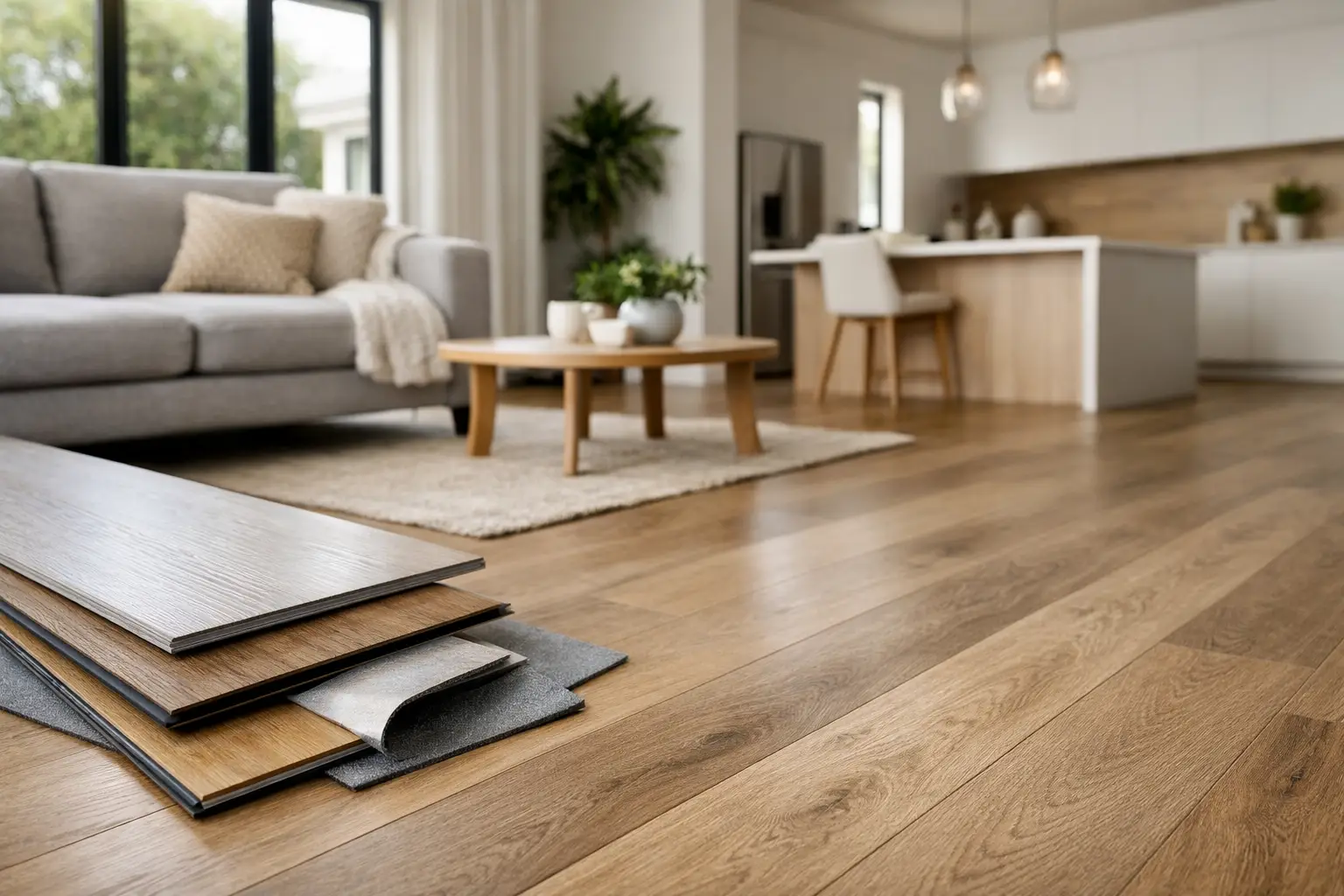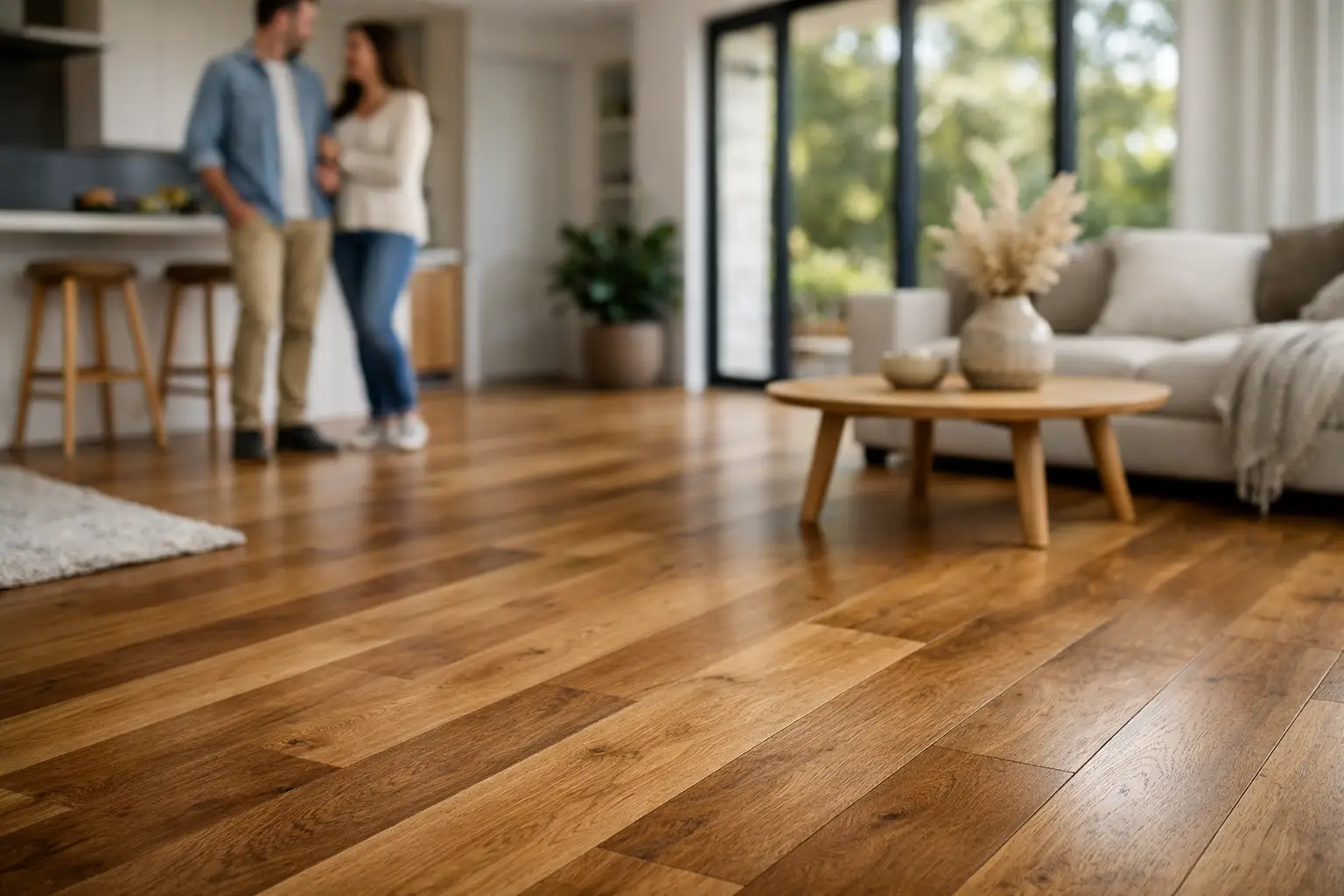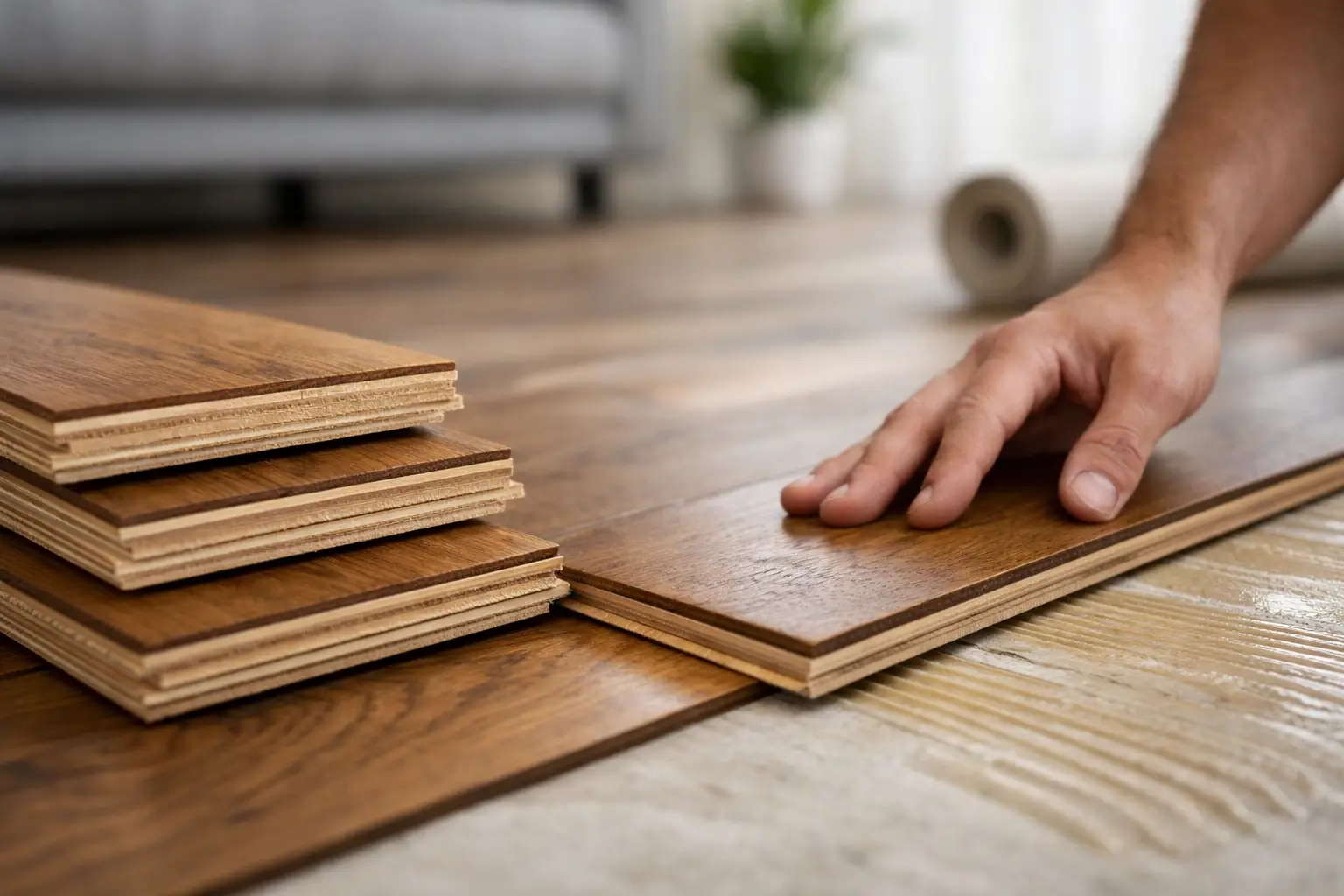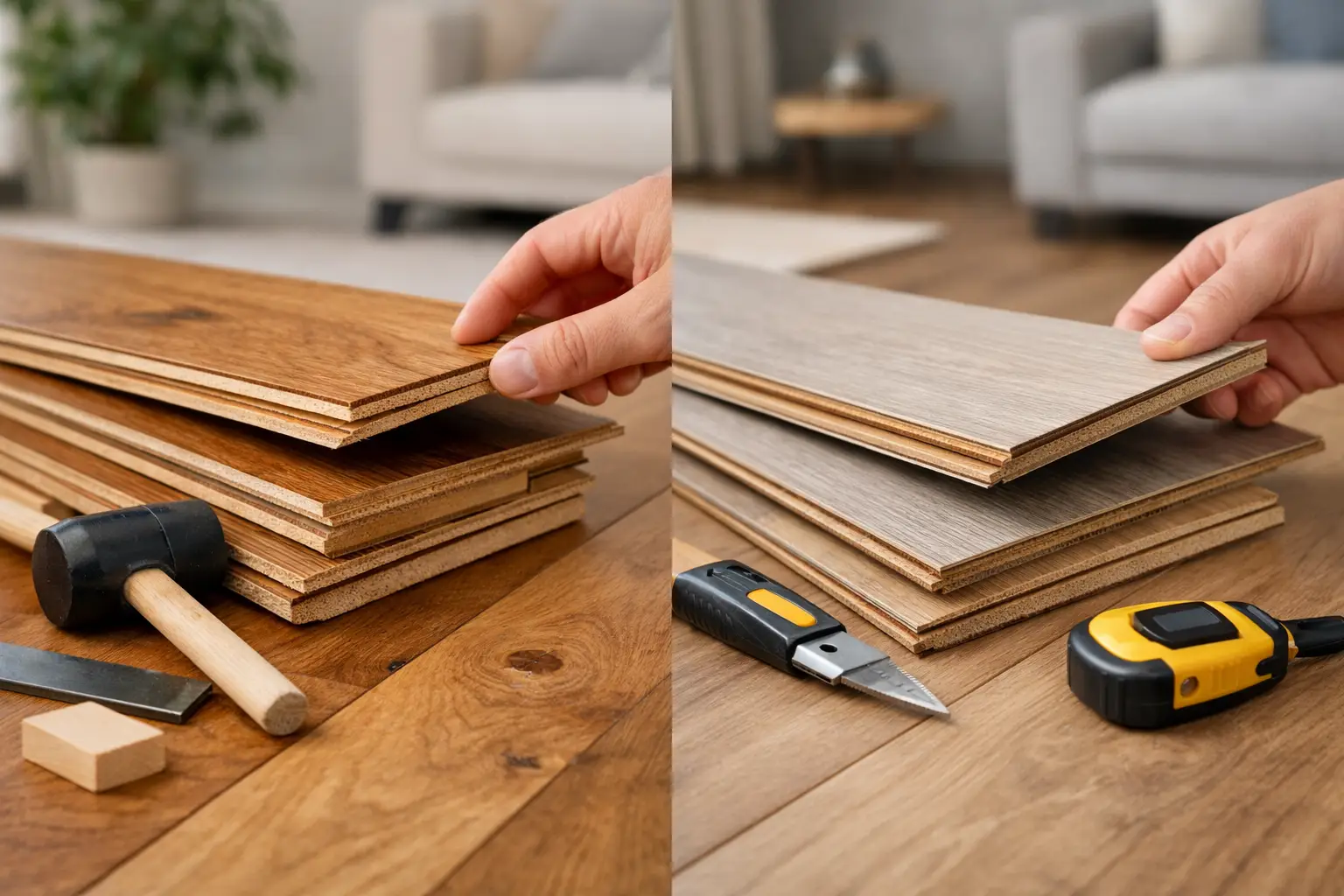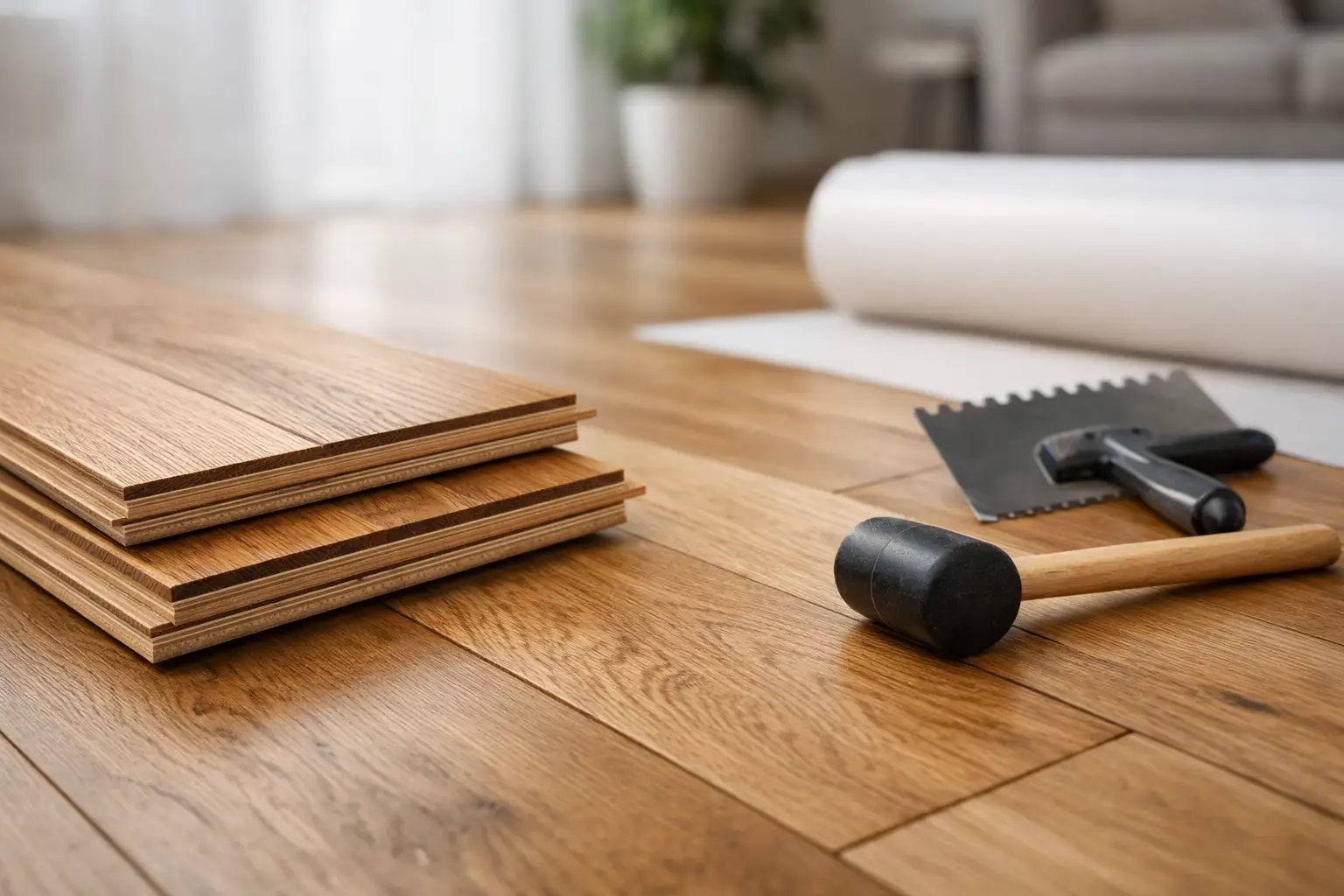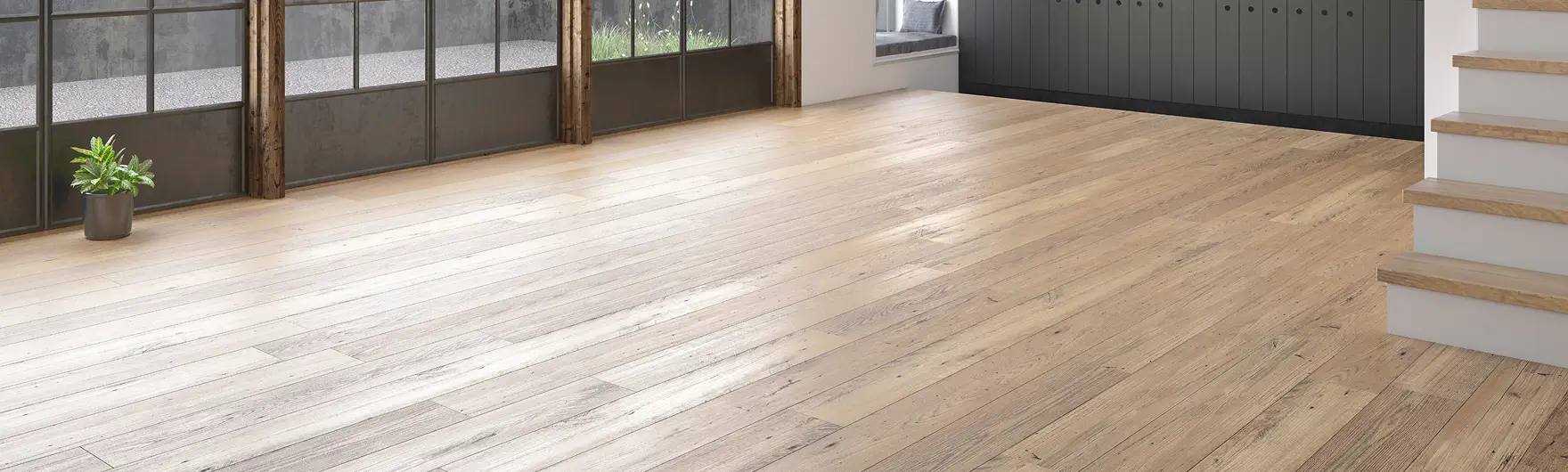
A lot of flooring problems start with one simple assumption. Someone hears that hybrid is a good choice for kitchens, laundries or busy family homes, and takes that to mean it can handle anything. So, is hybrid flooring waterproof? In most cases, the board itself is highly water resistant or waterproof on the surface, but that does not mean every part of the floor system is immune to water damage.
That distinction matters. The product may cope well with spills, wet shoes and the day-to-day mess of family life, but performance still depends on where it is installed, how the subfloor is prepared and whether water is left sitting where it should not be.
Table of Contents
Is hybrid flooring waterproof in real-world use?
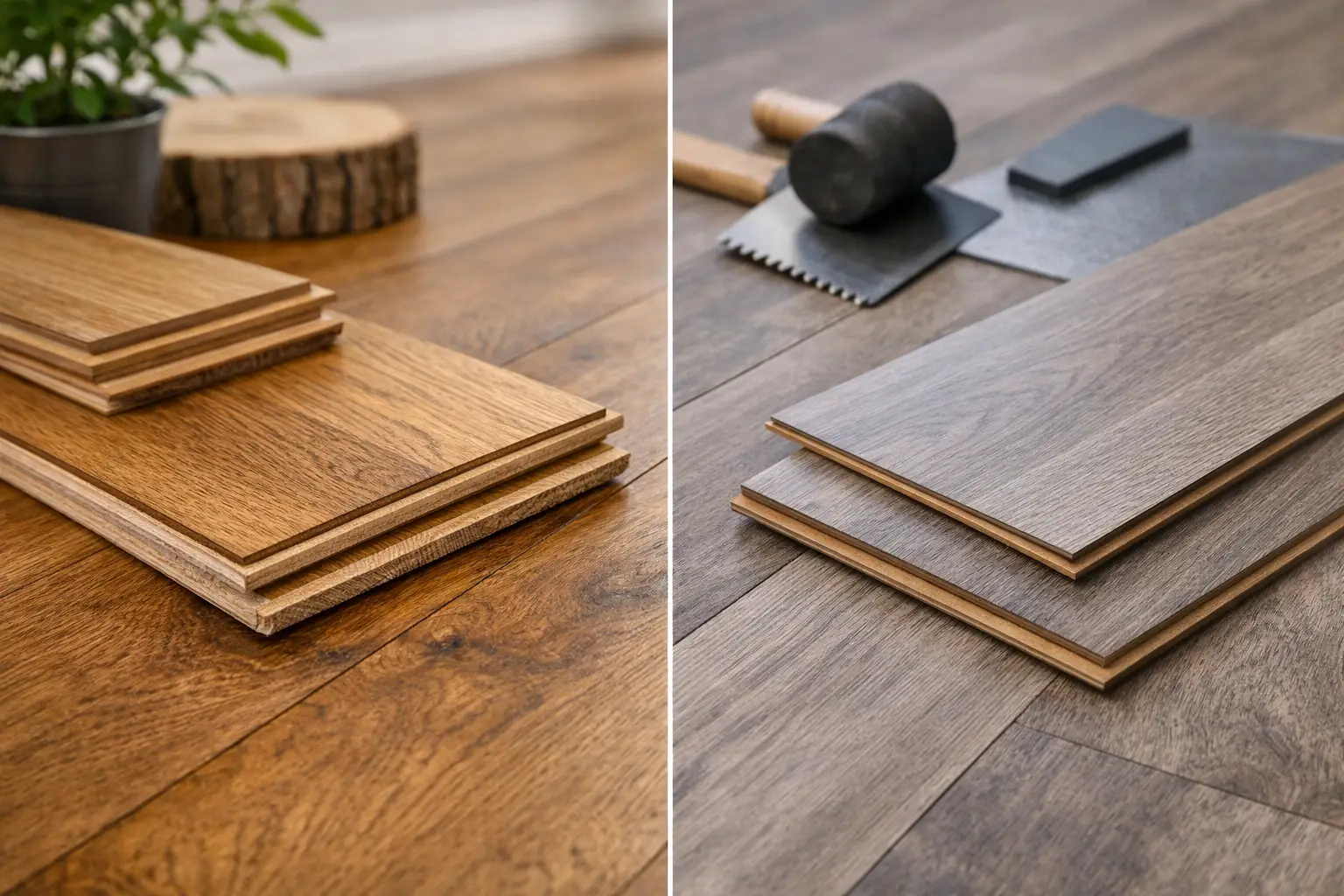
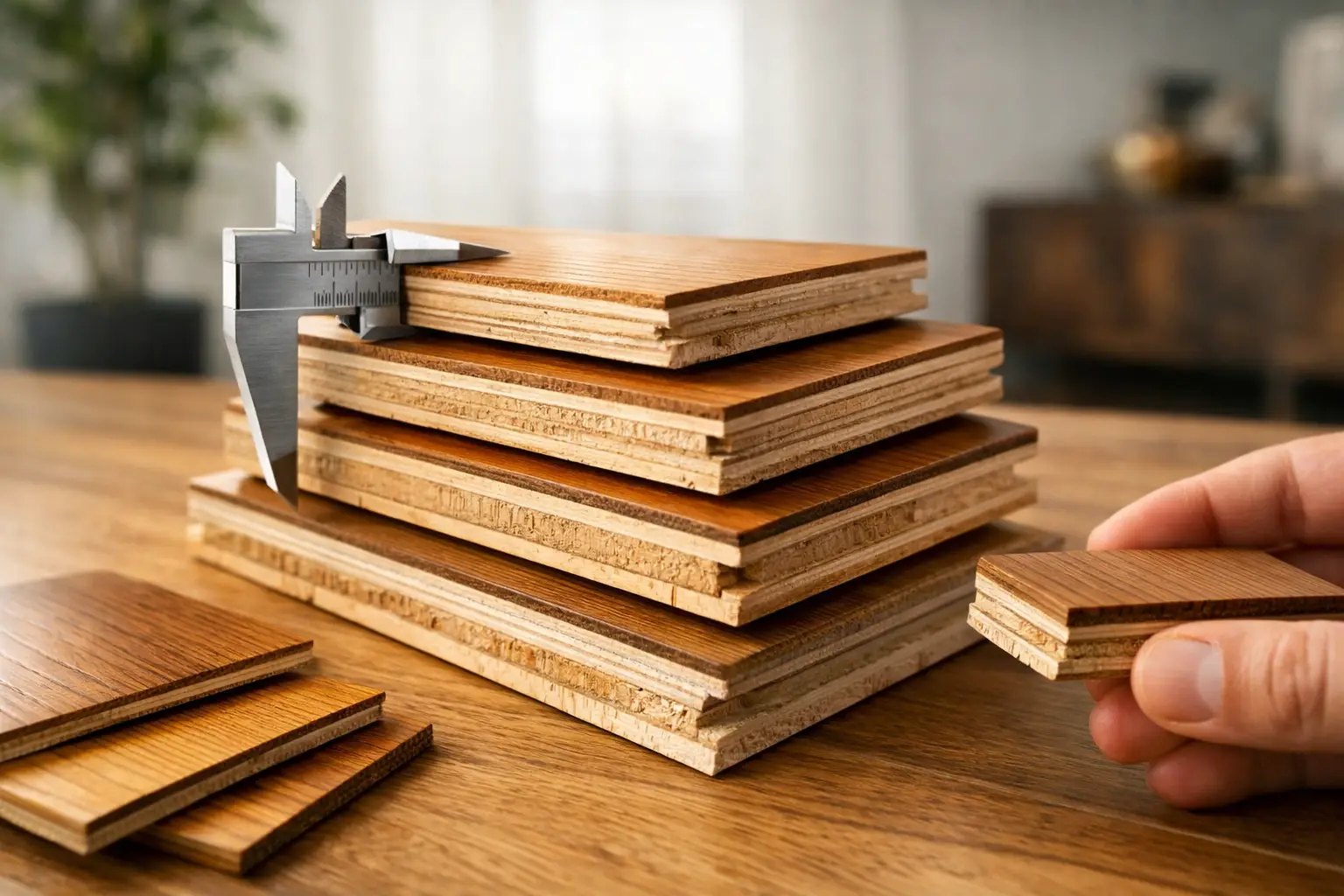
Hybrid flooring is designed to deal with moisture better than traditional laminate and many timber-based products. Most hybrid boards have a rigid core and a protective wear layer that make them far less vulnerable to swelling from surface moisture. That is a big part of their appeal in Australian homes.
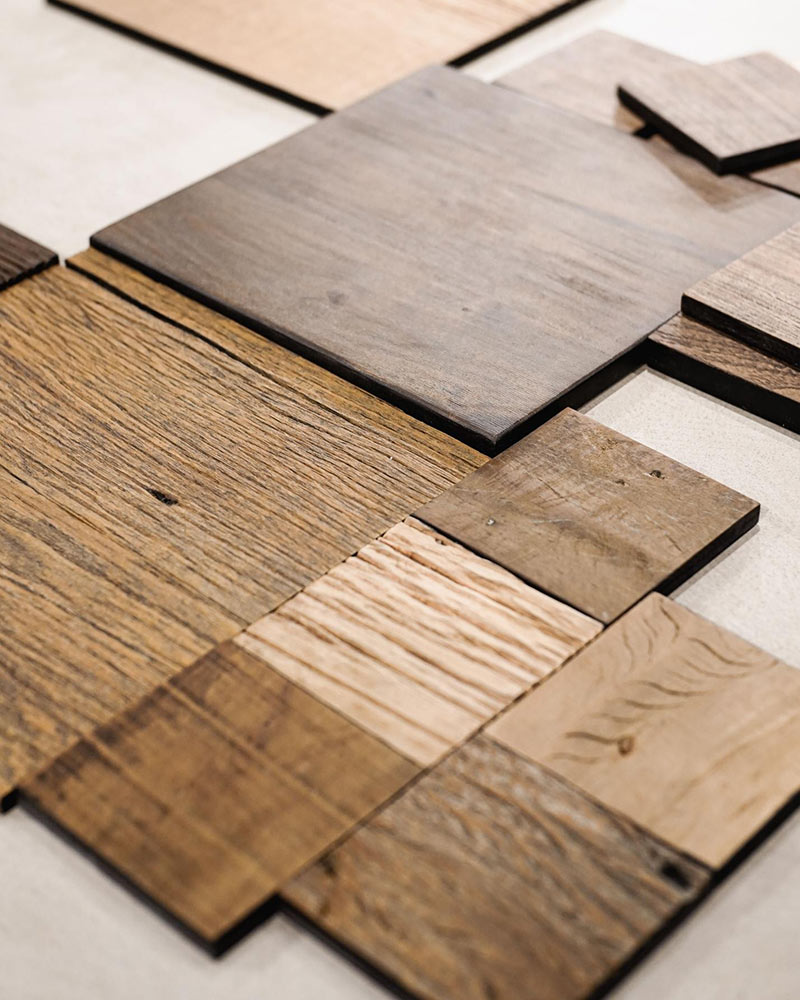
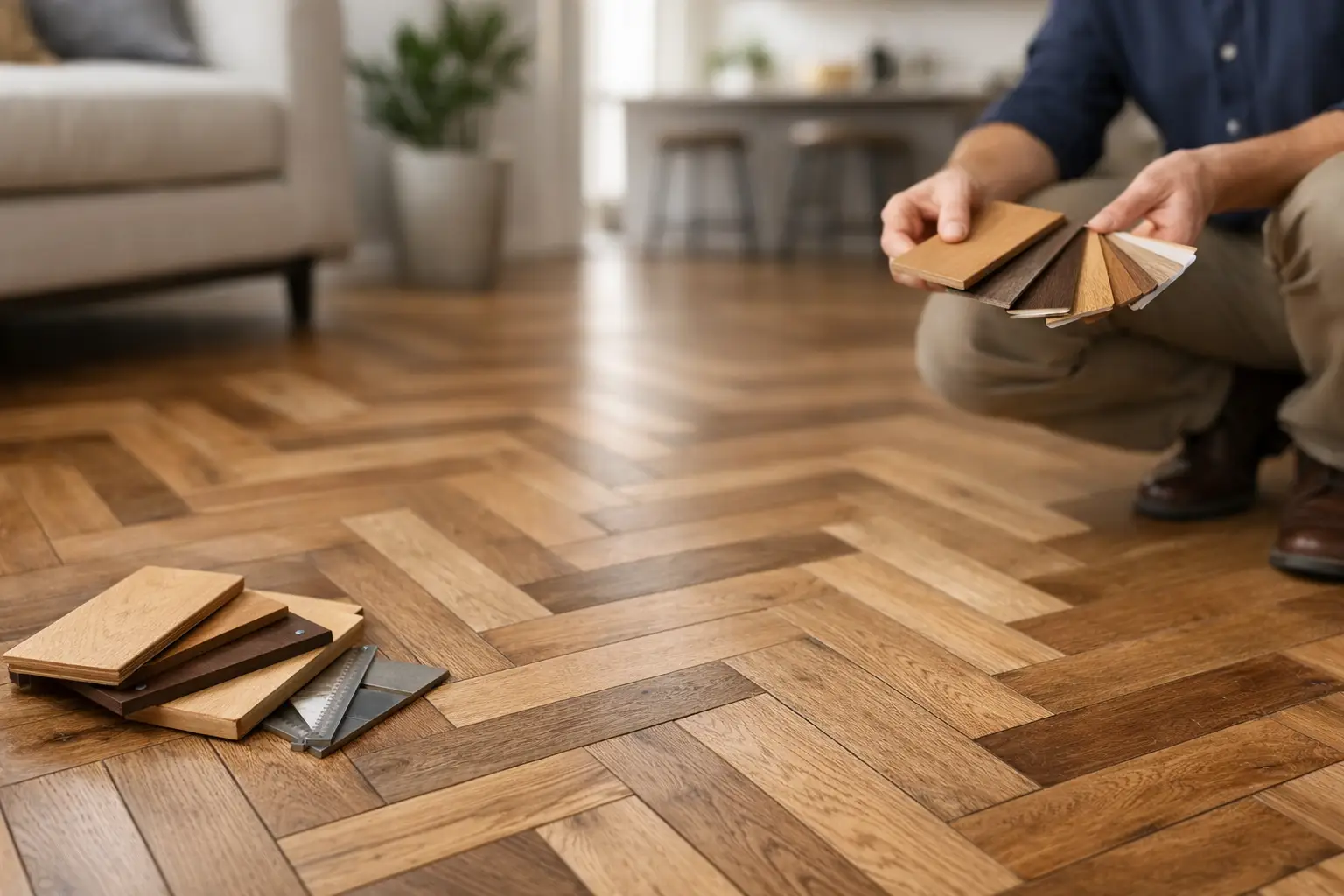
In practical terms, hybrid flooring is usually a strong option for open-plan living areas, kitchens and entry points where spills happen. It is also popular in apartments and investment properties because it offers the timber-look finish many buyers want, without the same sensitivity to moisture as natural timber.
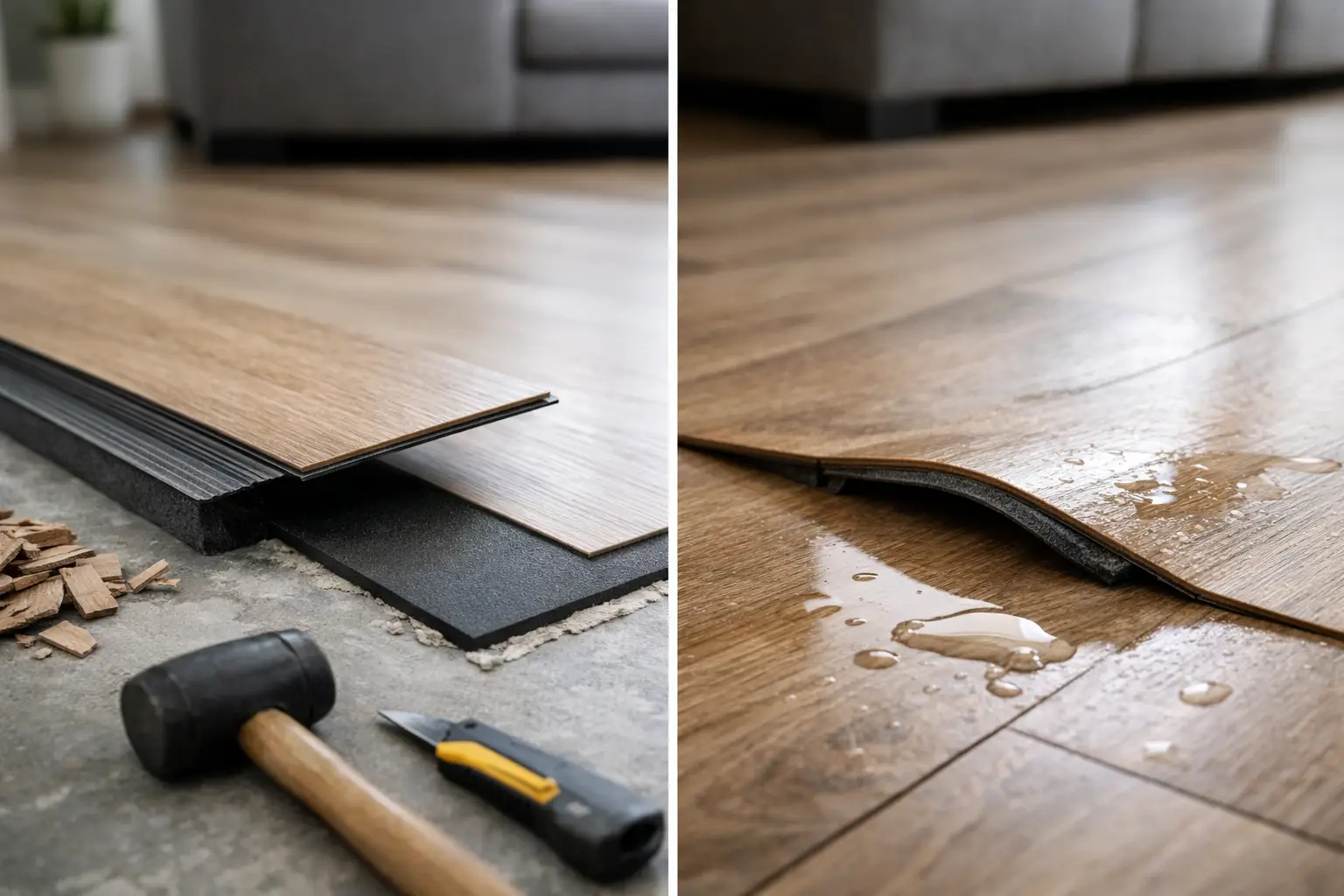
But there is a catch. Waterproof claims often apply to the plank itself, not automatically to the full installed floor. Joints, perimeter gaps, transitions and the subfloor beneath all affect how the floor performs when exposed to water over time.
What “waterproof” actually means for hybrid flooring
This is where a lot of marketing can muddy the water. A hybrid plank may be sold as waterproof because its core will not easily absorb water the way laminate or particleboard-based flooring can. That is useful, but it is not the same as saying the whole room becomes a waterproof surface once the boards are laid.
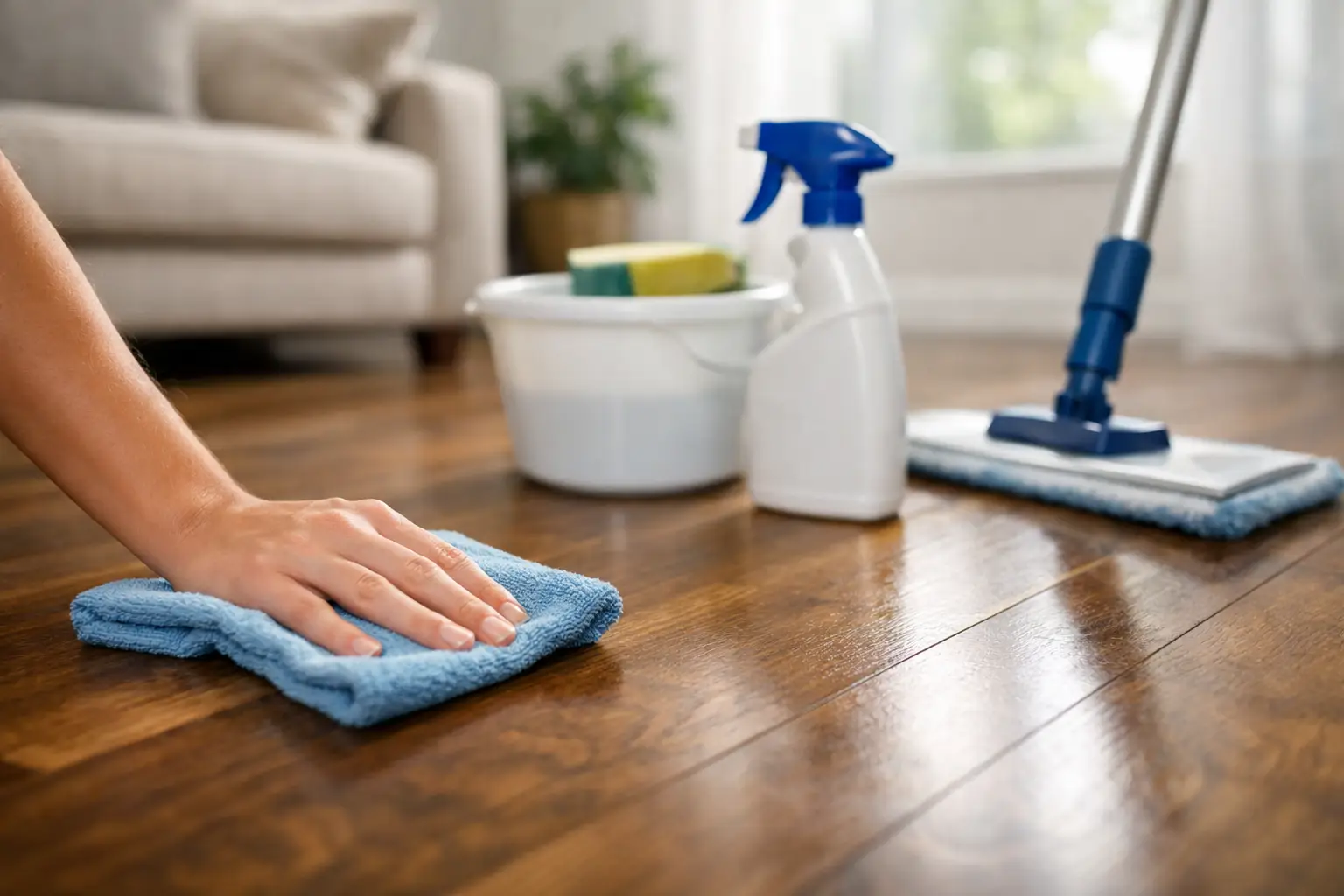
If a drink spills on the floor and gets cleaned up in a reasonable time, hybrid flooring generally handles that well. If kids come in from the backyard with wet feet, or the dog bowls splash over, that is usually not a problem either.
Where issues can start is with repeated water exposure, large leaks, poor sealing around edges, or moisture rising from underneath. Water can work its way into joins, under skirting, around cabinetry or through weak points in the installation. Once moisture gets trapped underneath the boards, you are dealing with a different issue from a simple surface spill.
Where hybrid flooring performs well
For many homes, hybrid is a practical middle ground between appearance, durability and ease of maintenance. It suits households that want a timber-look floor without the upkeep or moisture sensitivity of solid timber.
It tends to perform well in living rooms, hallways, kitchens and bedrooms. In these areas, the key risks are usually normal household spills rather than constant wet conditions. Hybrid is also a good fit for homes with pets and children because it is generally tougher underfoot and easier to clean than some other flooring types.
Commercial settings can also benefit, especially in low to medium traffic fit-outs where you want a durable floor with a cleaner, more premium look than vinyl sheet. Even then, product choice matters. Not every hybrid range is built to the same standard.
Where “waterproof” claims need more caution
Bathrooms are the obvious one. Some people assume hybrid flooring can go anywhere because it handles moisture better than laminate. That is not always the right call.
Bathrooms involve more than the occasional spill. You have regular steam, pooled water, wet bath mats, shower overspray and plumbing fixtures. In these spaces, the issue is less about whether the board can survive a splash and more about whether the entire floor build-up is suitable for a consistently wet environment.
The same caution applies to laundries, powder rooms and any area with a higher chance of leaks or standing water. If there is a washing machine hose failure, a blocked drain or a slow leak that goes unnoticed, even a waterproof plank cannot fully protect an installation that allows water underneath.
That is why experienced advice matters. A flooring recommendation should be based on the room, the subfloor and the risk profile, not just the product label.
Why installation matters as much as the product
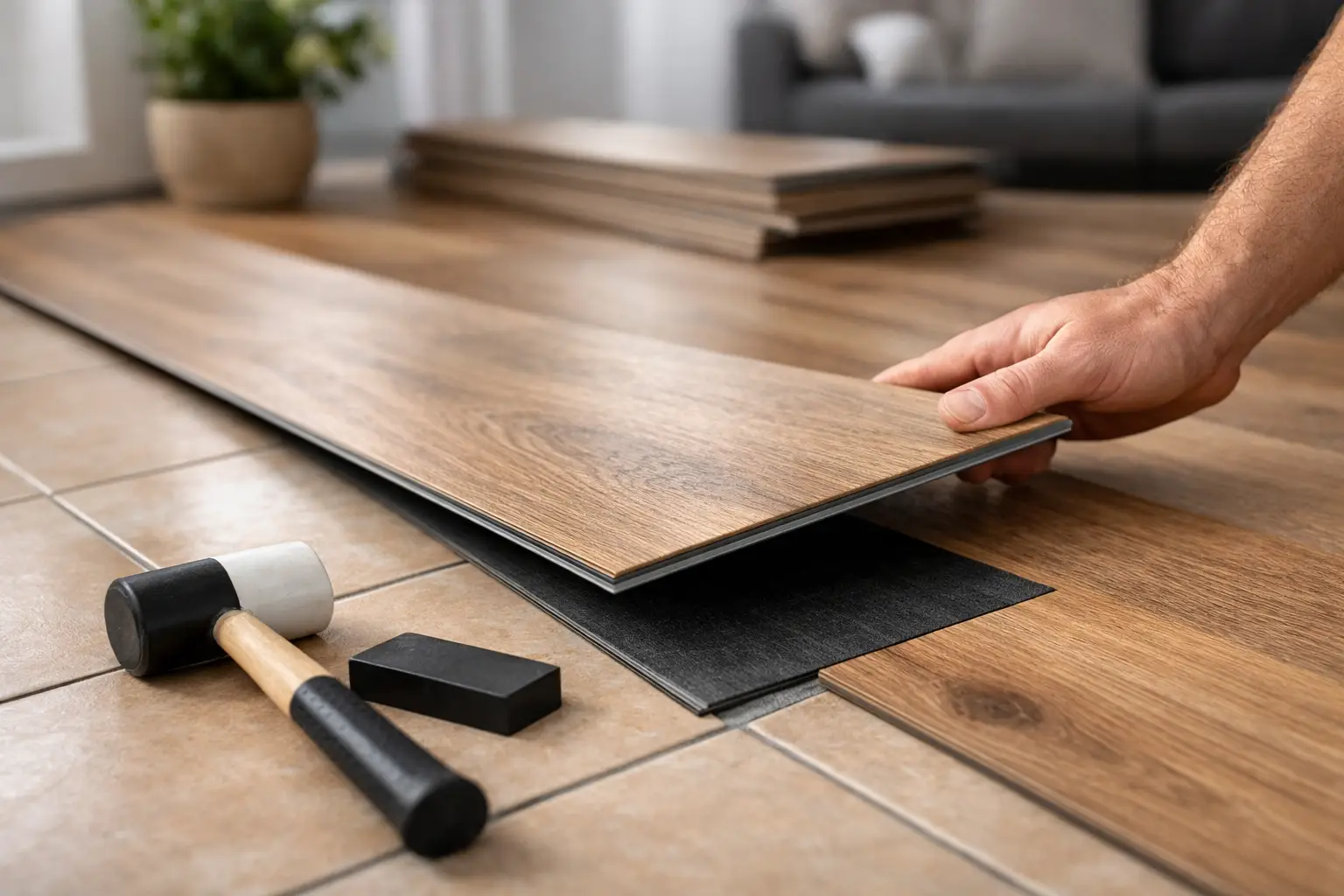
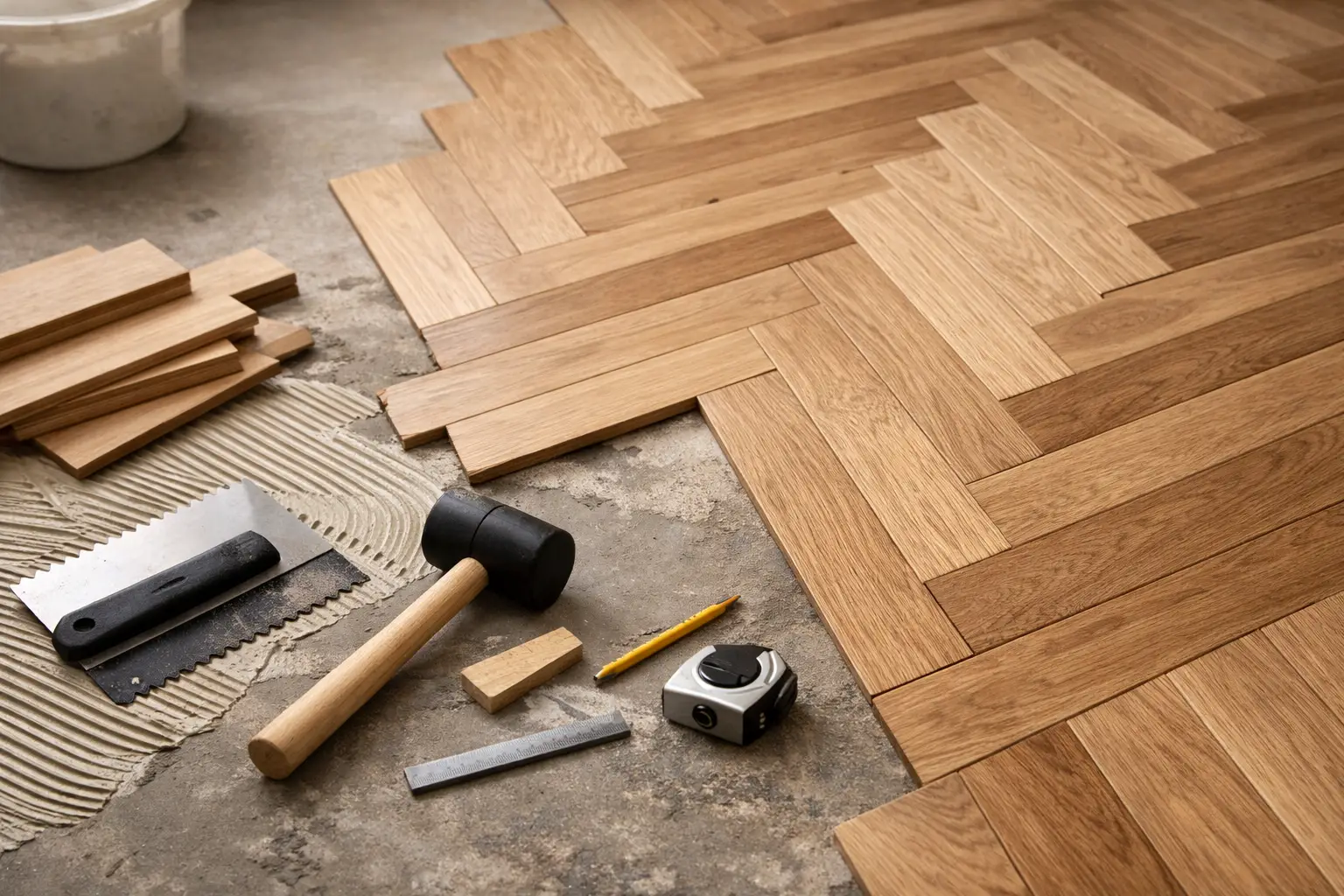
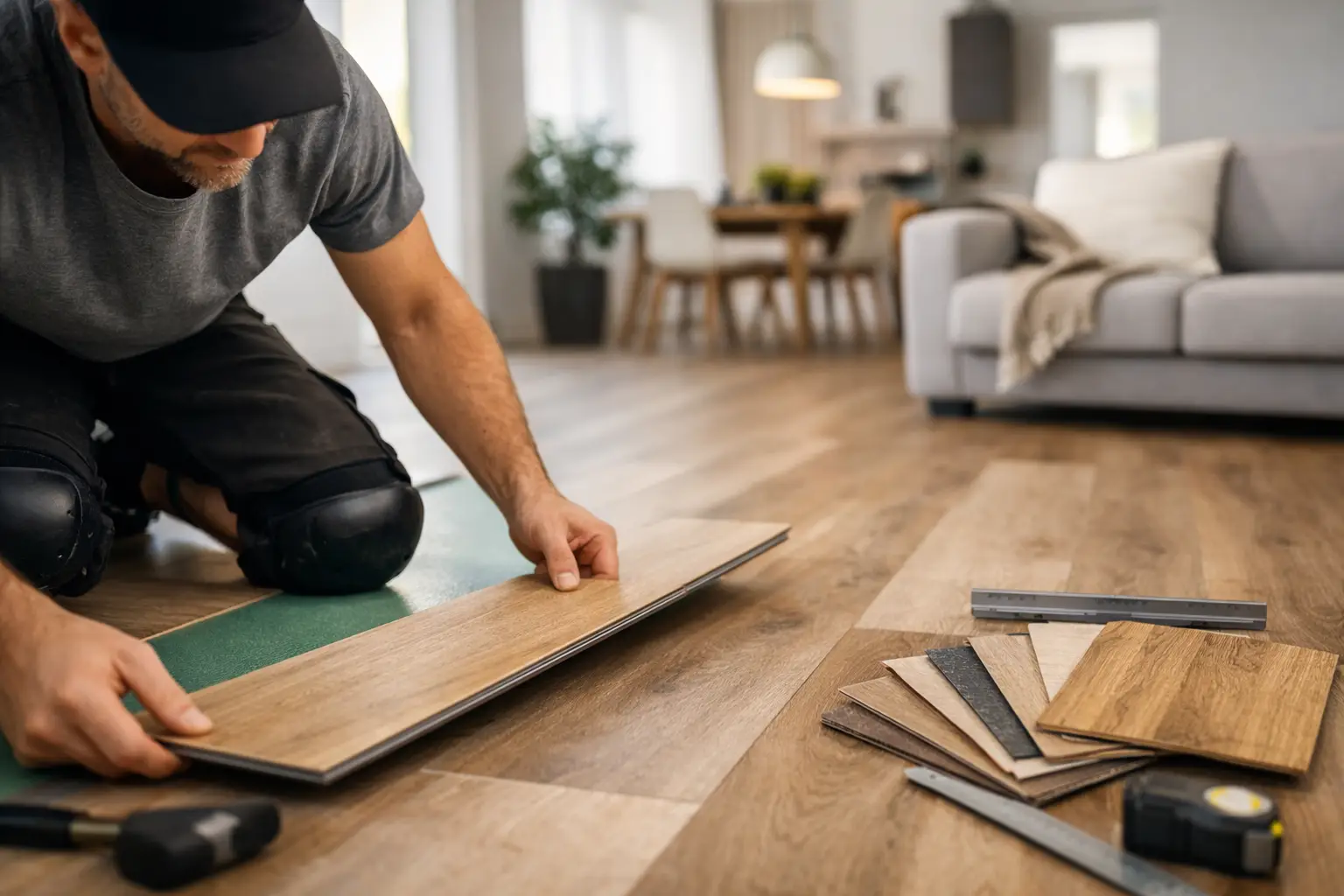
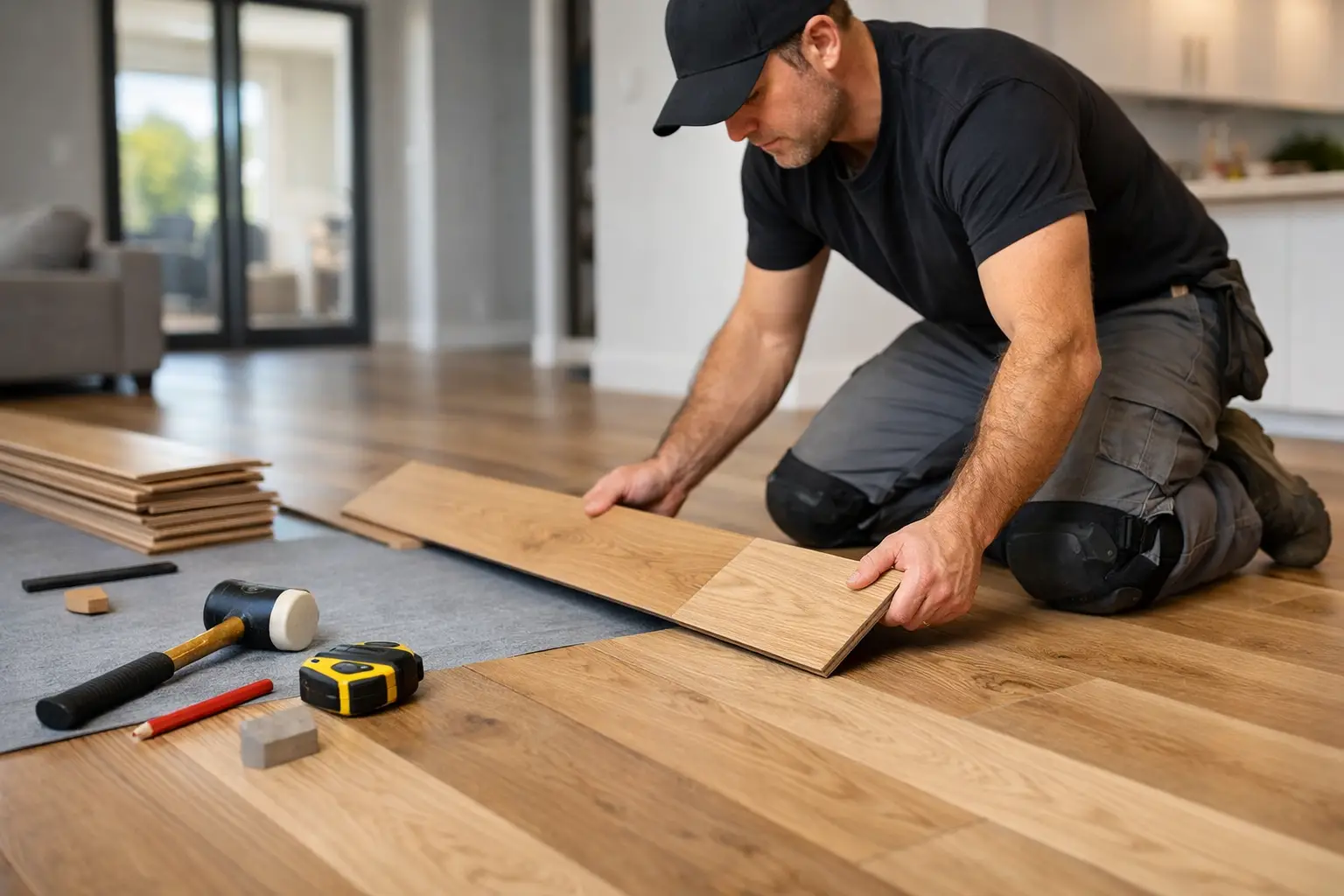
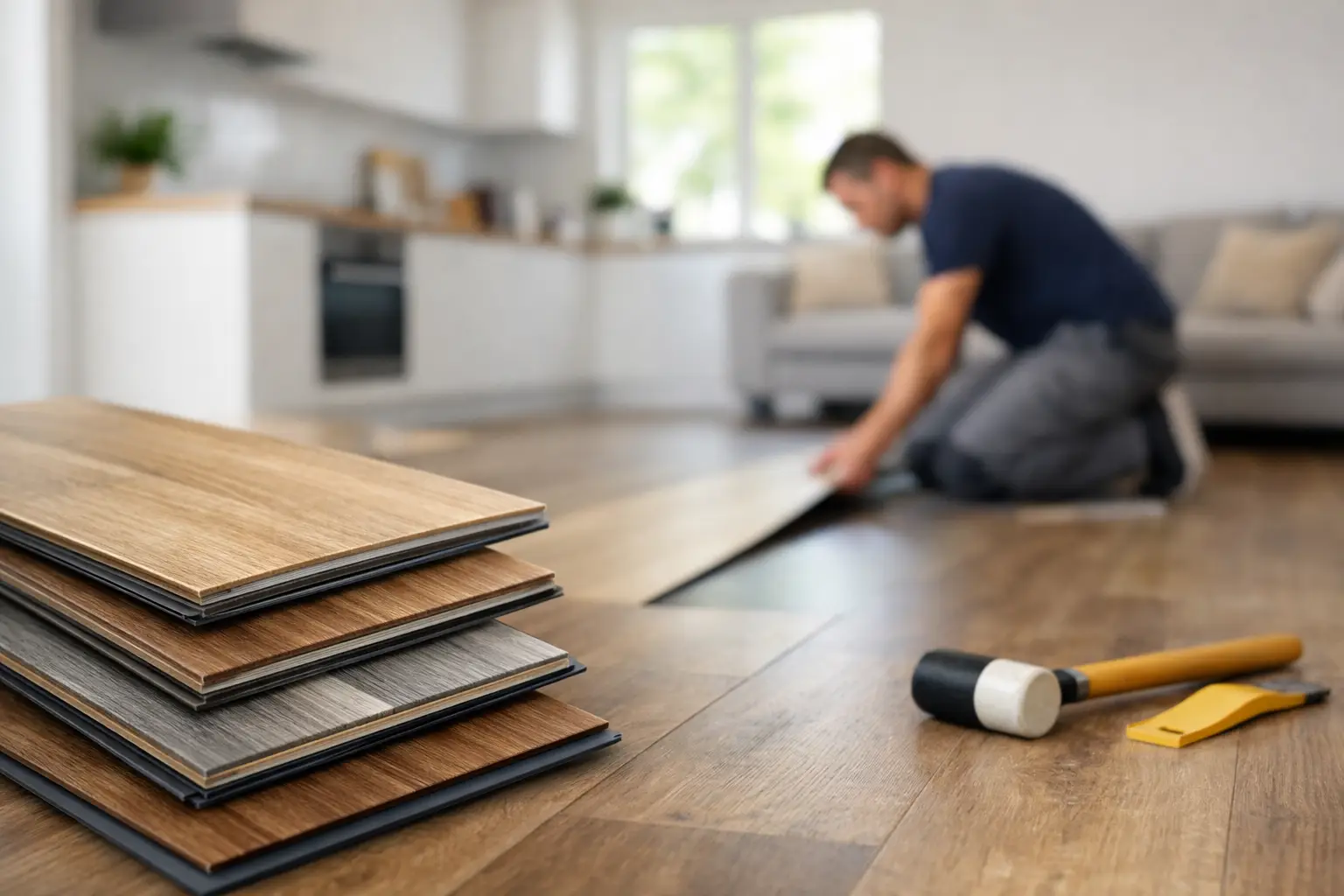
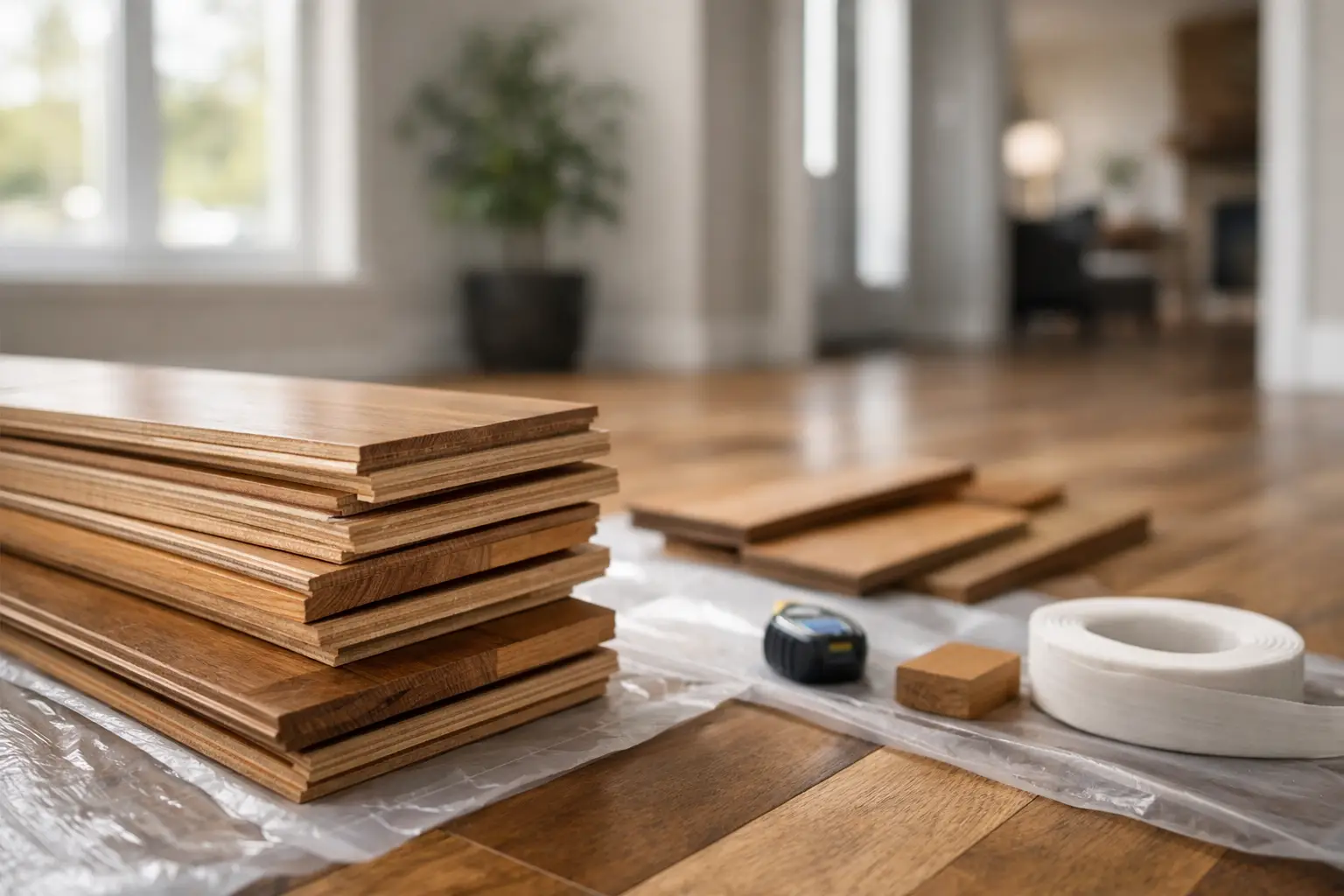
A well-made hybrid board still needs correct installation to perform properly. This is one of the biggest differences between showroom advice and trade-informed advice.
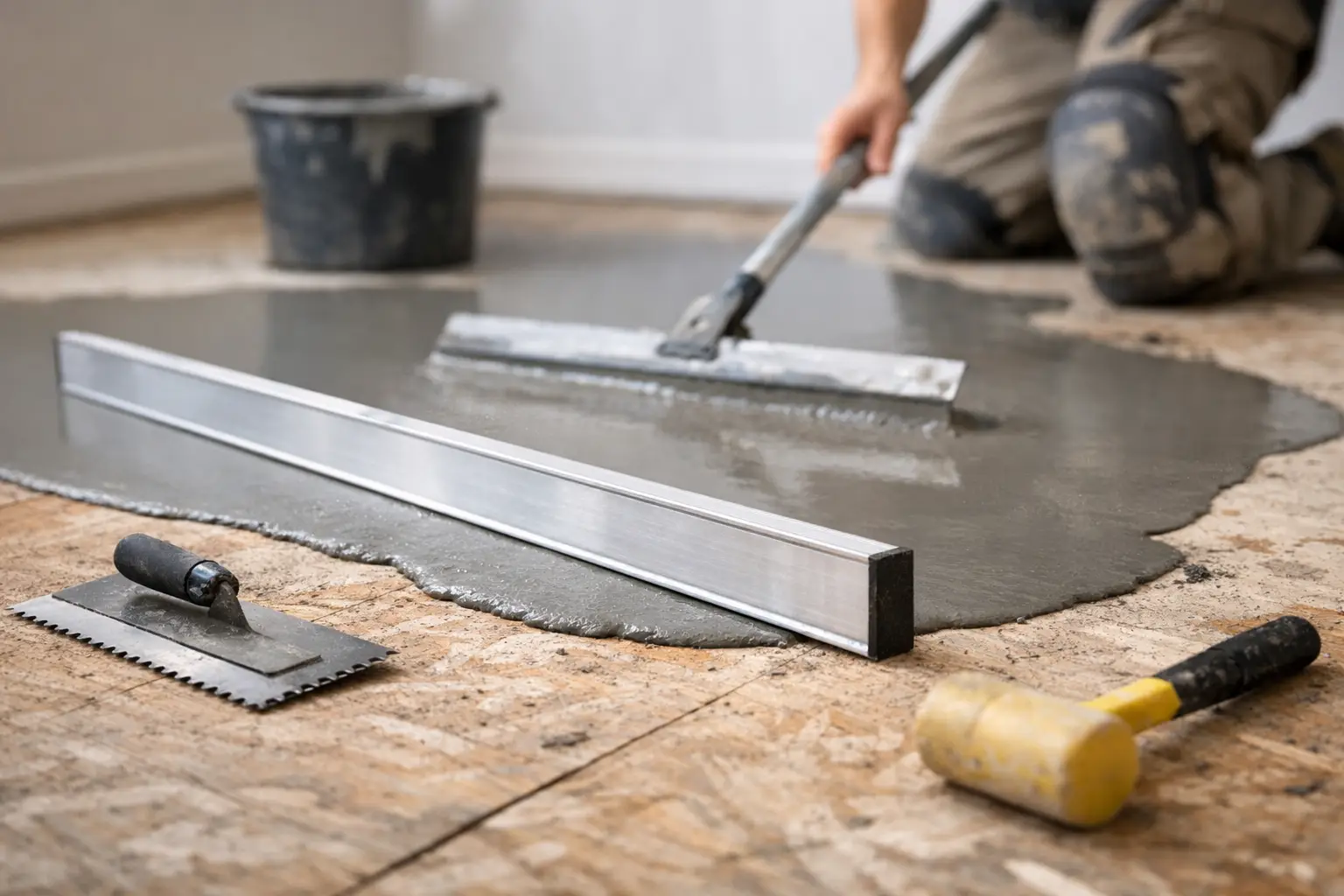
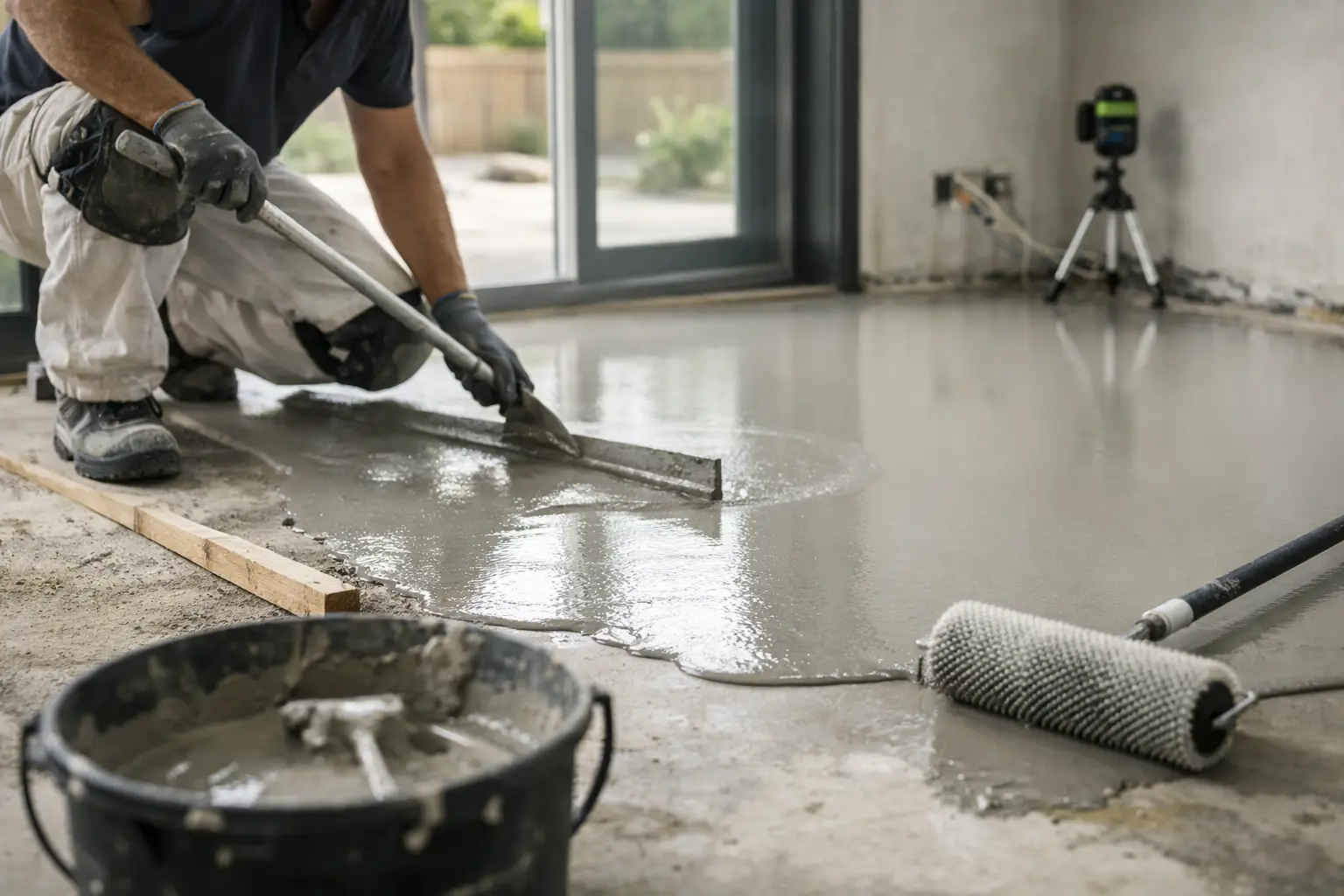
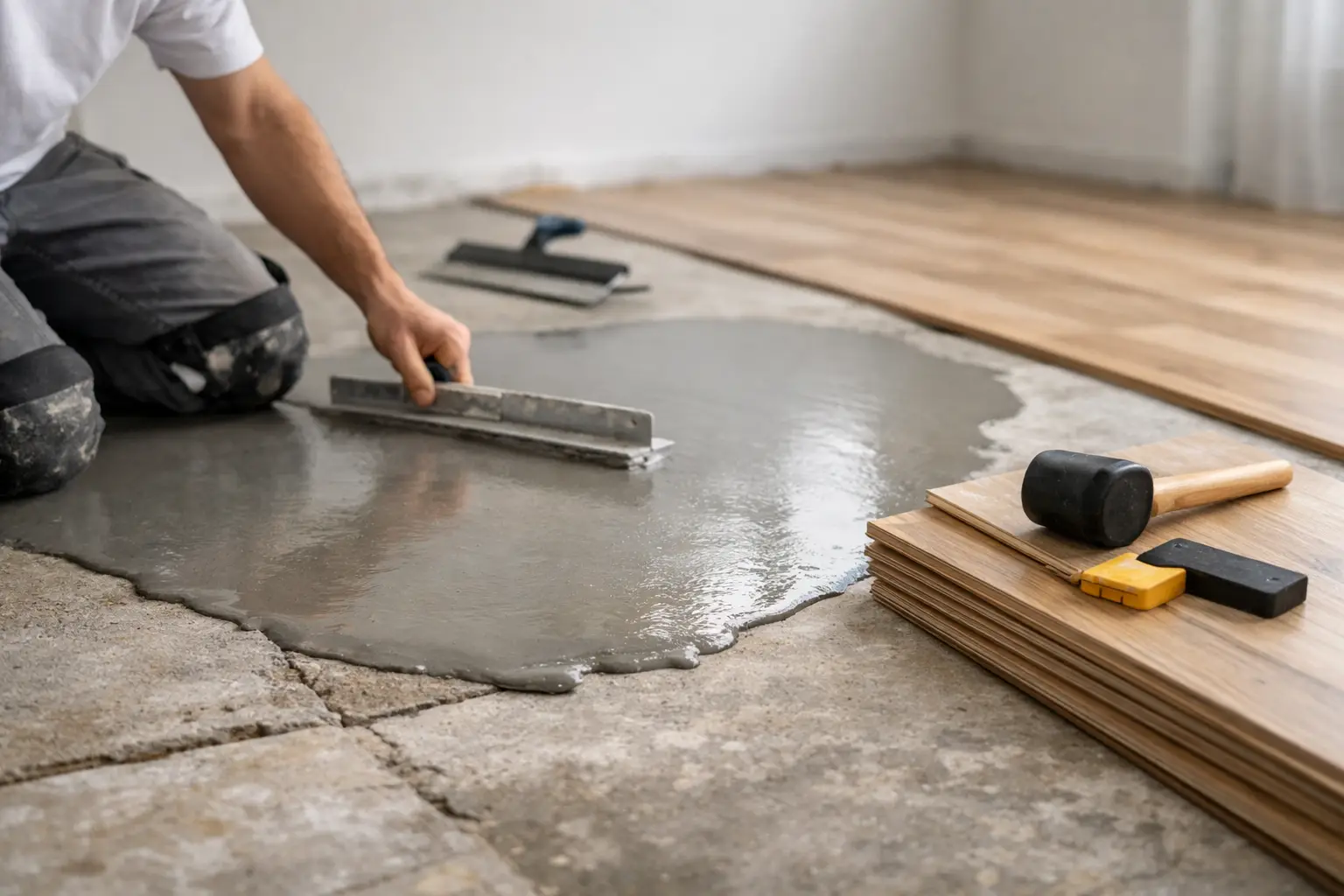
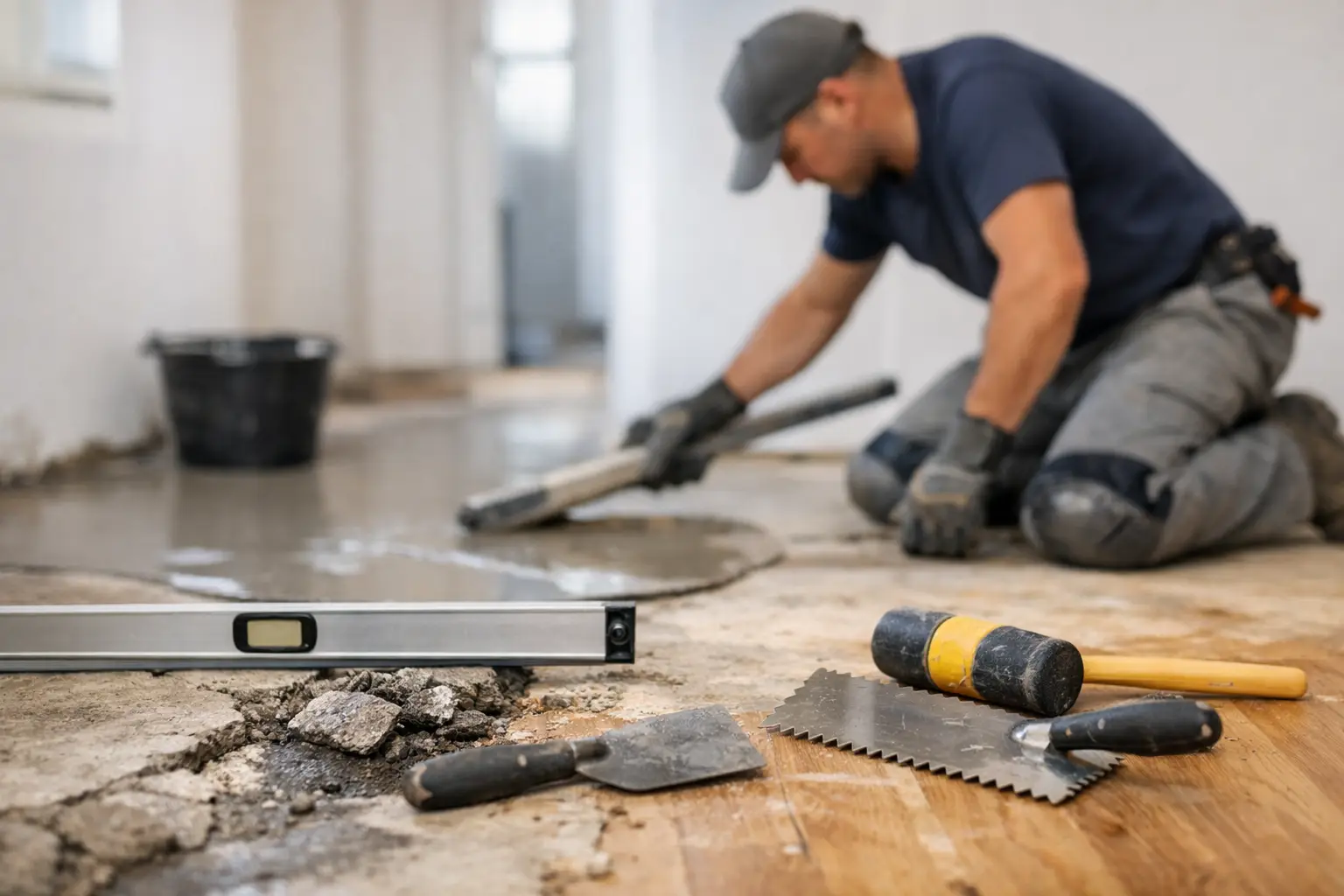
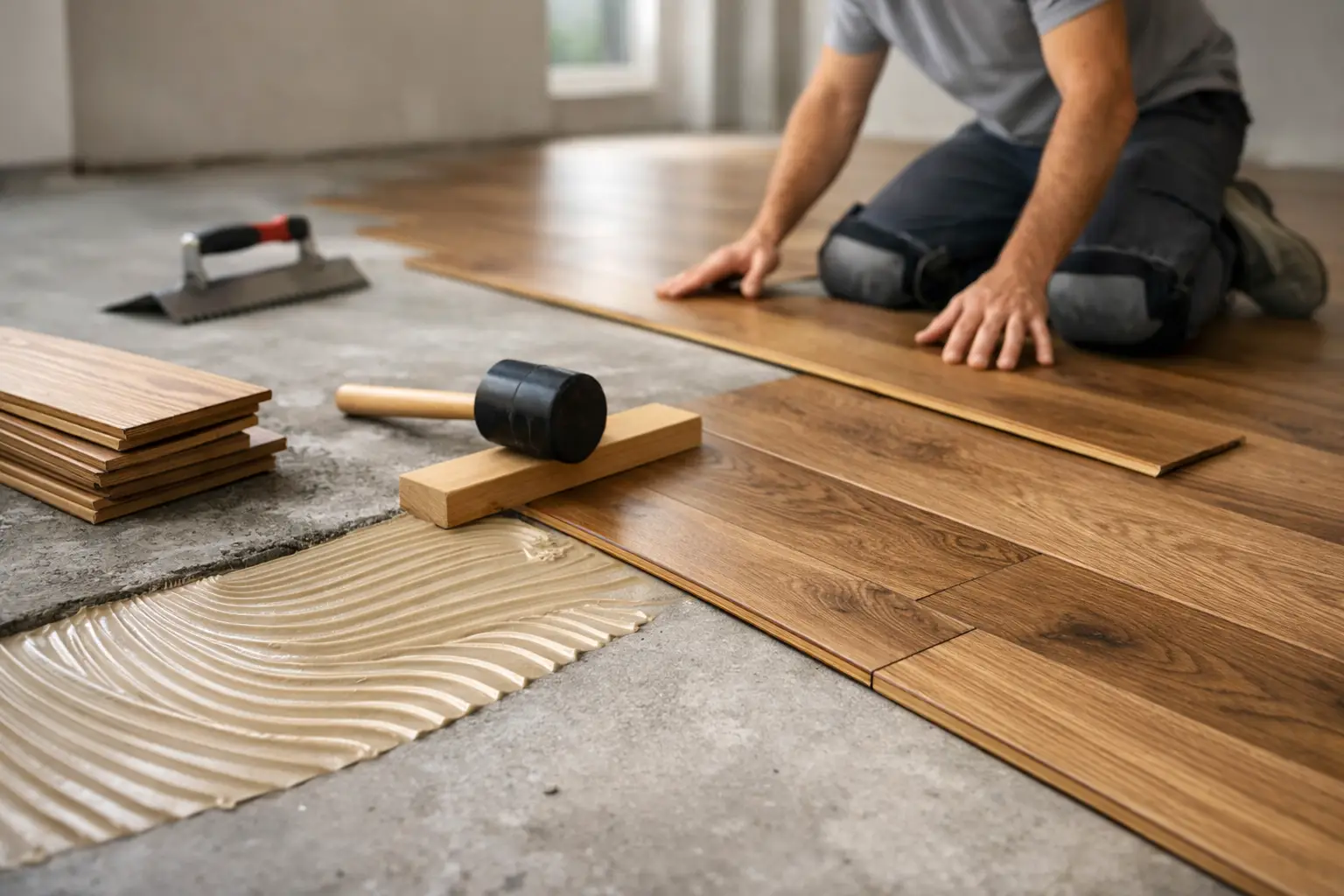
Subfloor preparation is a major part of the job. If the subfloor is uneven, damp or not properly assessed, boards can move, gaps can open up and moisture issues can become more likely. On concrete, moisture testing is critical. If moisture is present in the slab and not addressed, the floor may not fail immediately, but problems can develop later.
Flatness matters too. Hybrid flooring has a rigid structure, which helps hide some minor imperfections, but it is not a cure for a poor subfloor. If there are hollows, peaks or inconsistent levels, the locking system can be put under stress. That affects both feel underfoot and long-term durability.
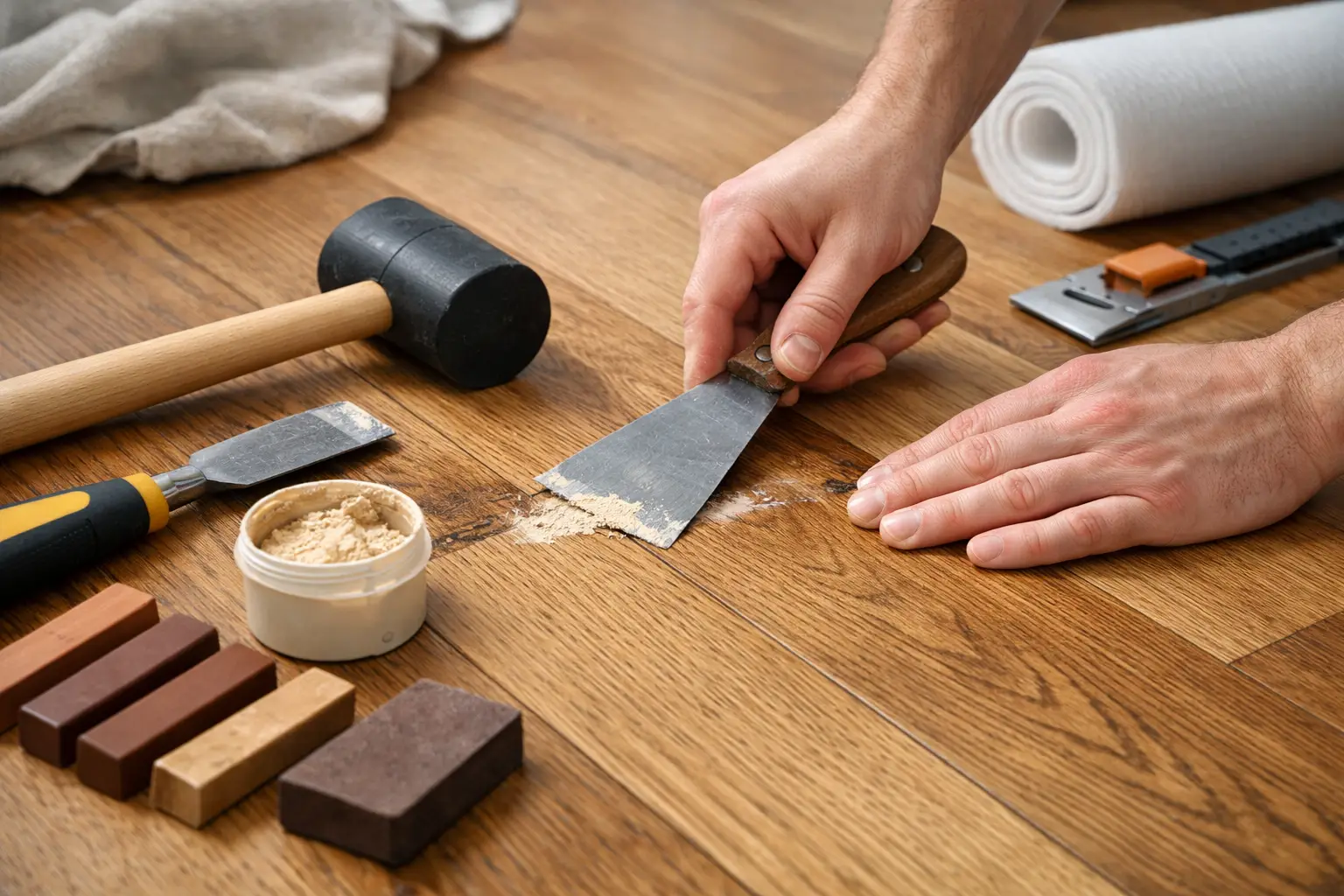
This is also why proper levelling products and prep methods are not an optional extra. They are part of getting a floor that looks right, feels solid and lasts.
Is hybrid flooring waterproof compared with laminate and timber?
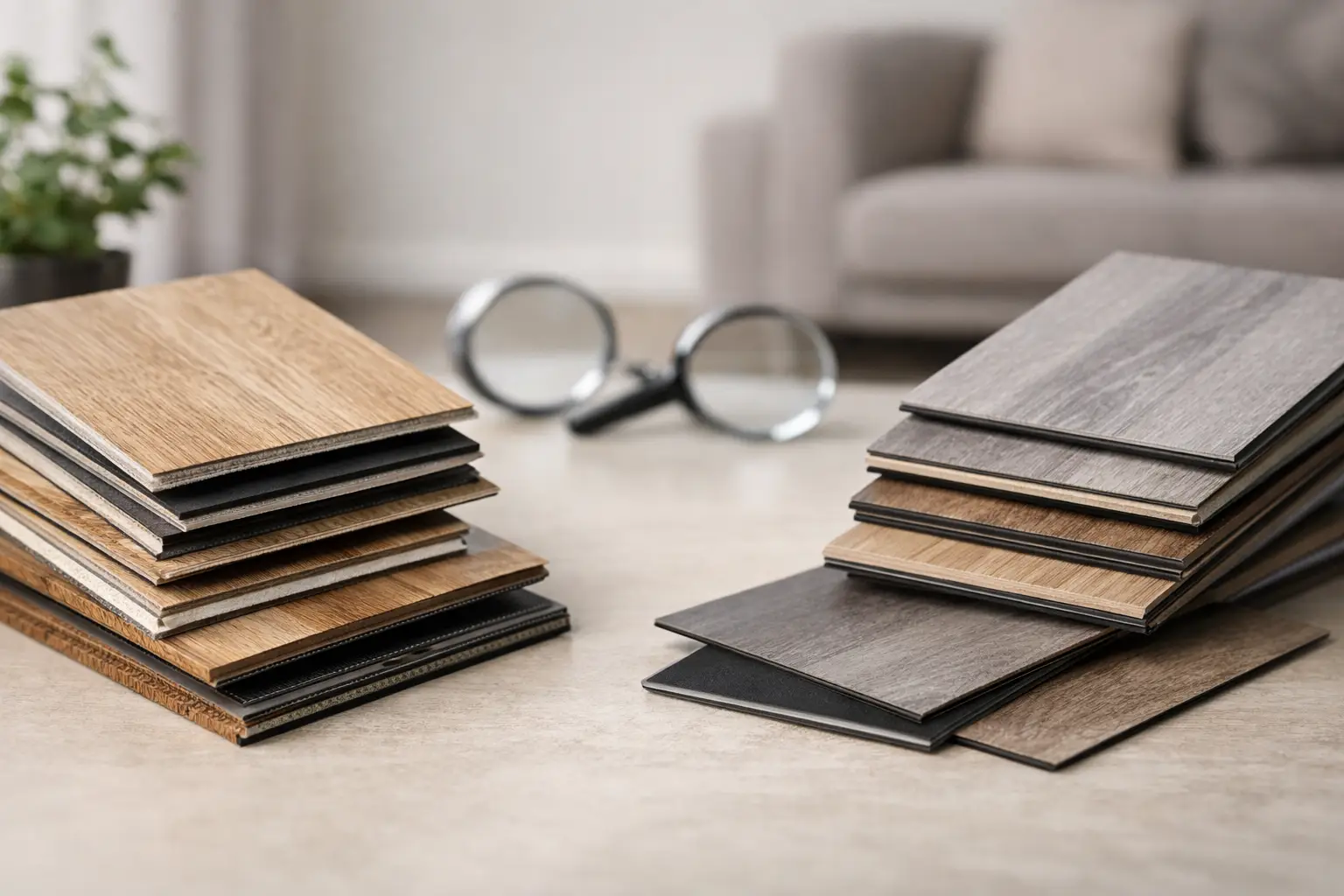
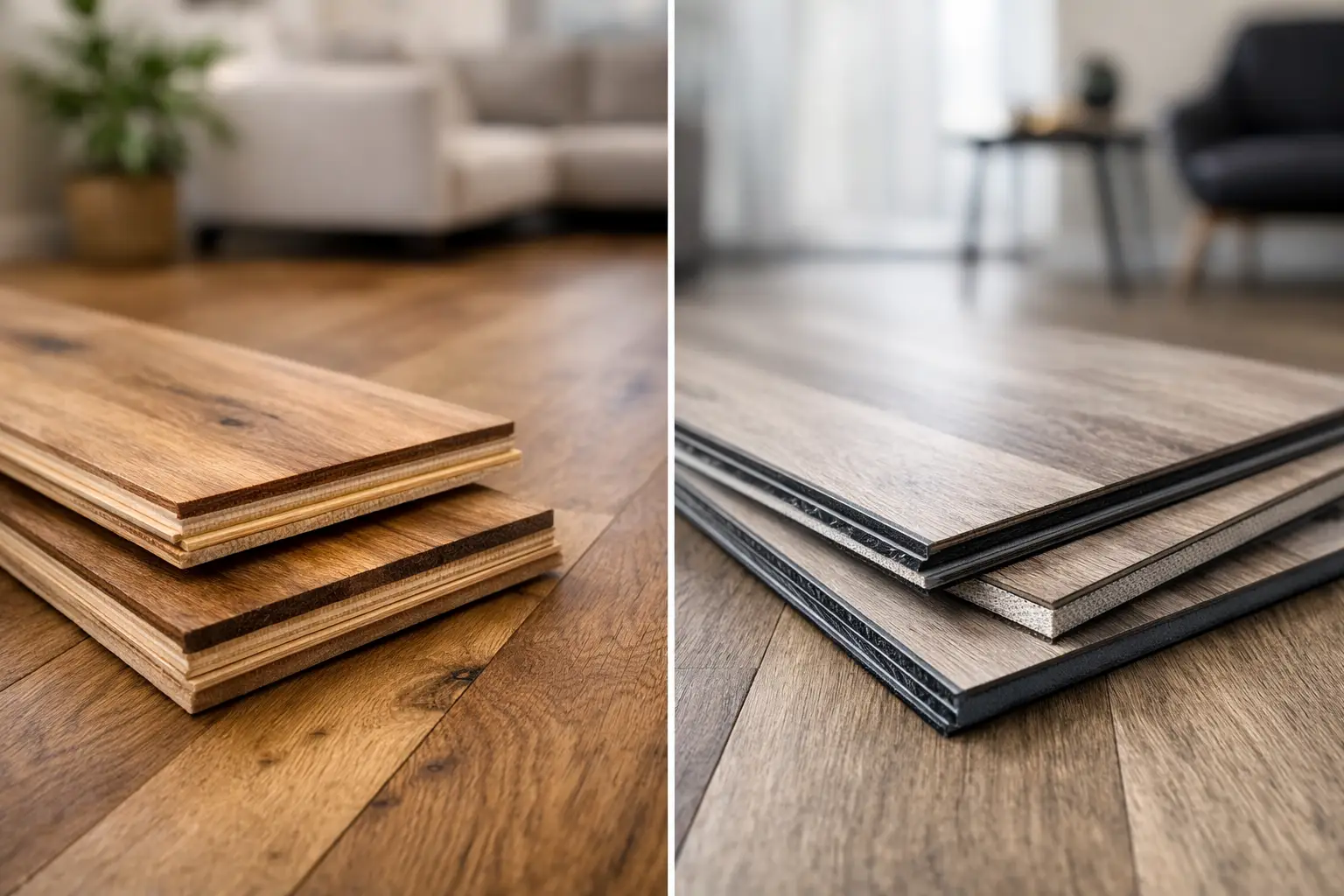
Compared with laminate, hybrid usually has the edge for moisture resistance. Laminate often has a wood-based core, which can swell if water gets into the joins or edges. Newer laminate products are better than older ones, but hybrid is still generally the safer choice where spills are expected.
Compared with engineered timber, hybrid is usually more forgiving around moisture. Engineered timber gives you a more natural timber construction and often a higher-end feel, but it still contains real timber layers. That means it needs more care around water and humidity.
Compared with sheet vinyl or tiles, the answer depends on the setting. In fully wet areas, tiles remain a more reliable option because the complete system can be designed for water exposure. Hybrid can work very well in many parts of the home, but it is not automatically the best answer for every room.
What homeowners should ask before choosing hybrid
If you are weighing up hybrid flooring for your home or project, it helps to ask practical questions rather than relying on broad claims. Ask whether the product is suitable for the specific room, what the manufacturer warranty actually covers, and what preparation the subfloor needs before installation.
You should also ask what happens at doorways, perimeters and joins to adjoining surfaces. These small details often decide whether a floor performs well over time. A board may be sold as waterproof, but if water can track under the floor through poor finishing or a badly planned install, the claim has limited value.
For Melbourne homes, slab condition and site moisture are especially worth checking. Seasonal changes, ground moisture and older subfloors can all affect performance. A proper site assessment gives you a clearer answer than a product brochure ever will.
The honest answer: yes, but only up to a point
So, is hybrid flooring waterproof? As a product category, it is one of the better choices for homes that need strong moisture resistance and low-maintenance performance. For everyday spills and general household use, it does the job very well.
But waterproof is not a free pass. It does not mean flood-proof, bathroom-proof or problem-proof. It does not cancel out the need for moisture testing, careful subfloor preparation or a realistic recommendation based on the room.
That is why many clients are better served by straightforward advice than by big claims. At Melbourne Quality Timber Flooring, the difference is that recommendations come from people who understand how floors behave after installation, not just how they look under showroom lights.
If you want a floor that handles real life well, hybrid is often a smart option. Just make sure the decision is based on where it is going, what sits underneath it and how well the job is done from the start.