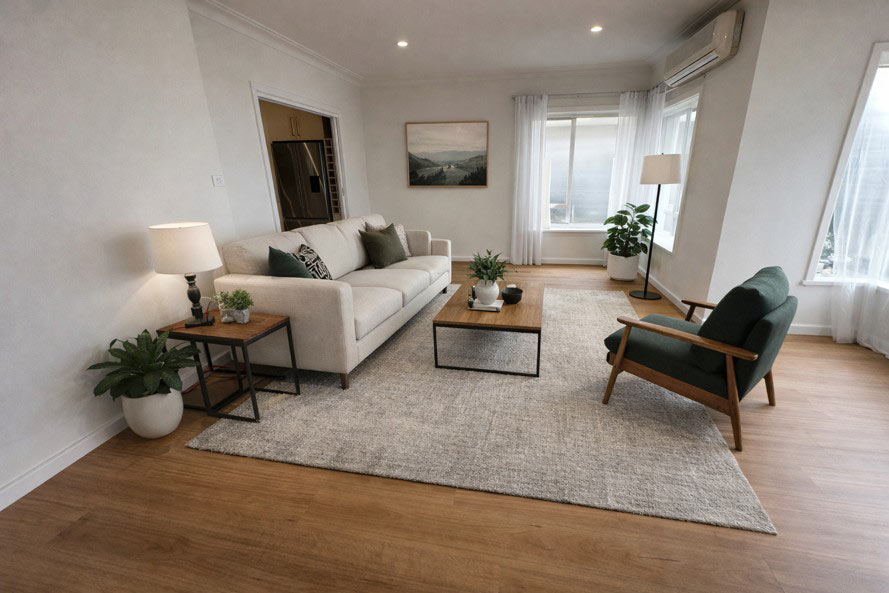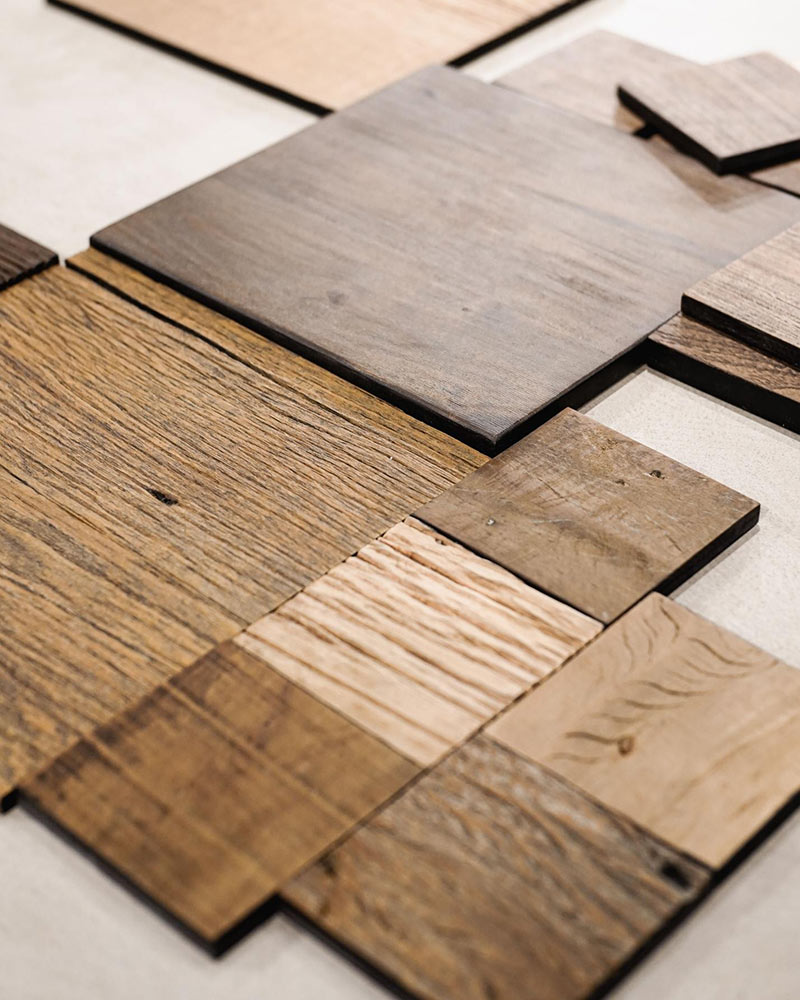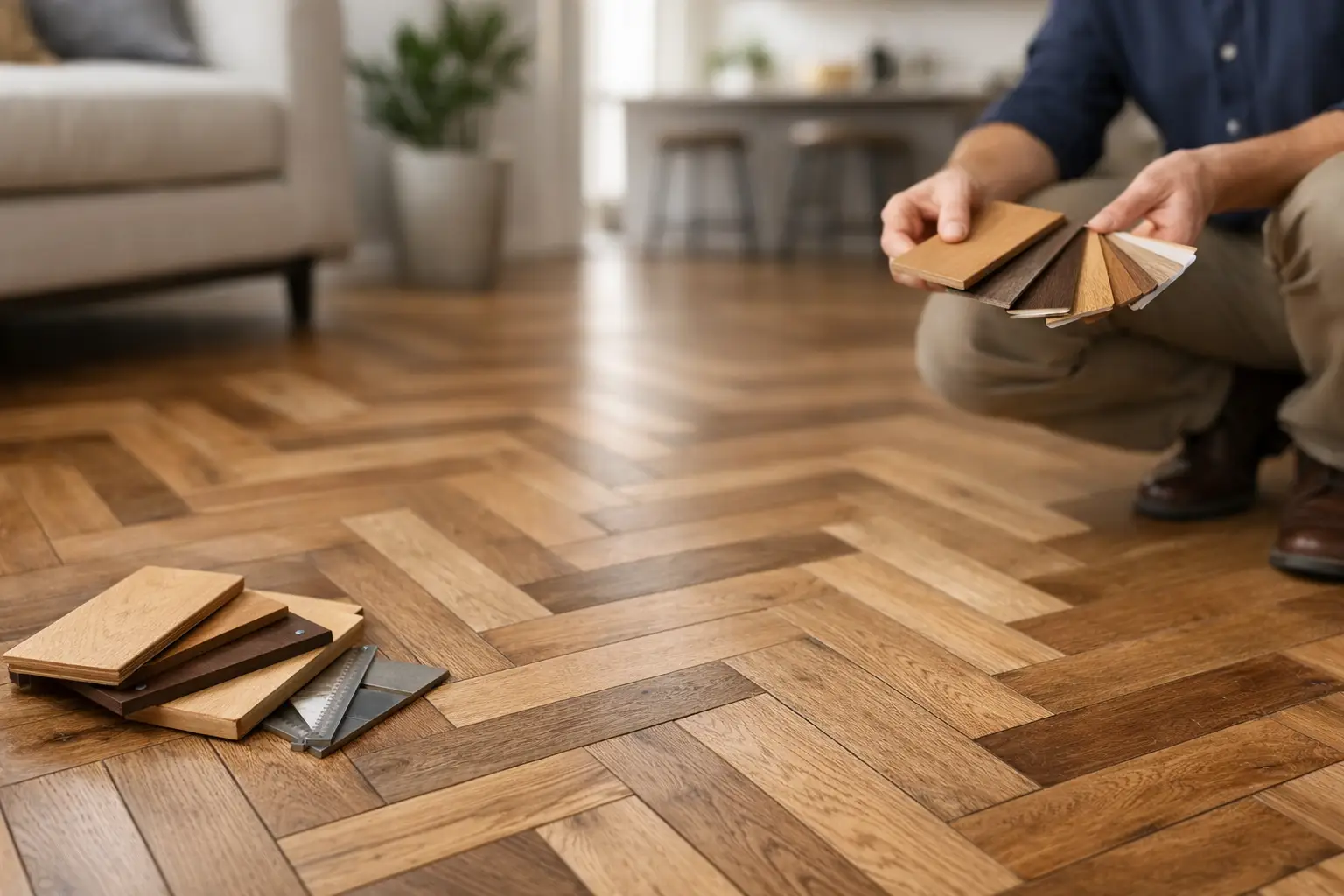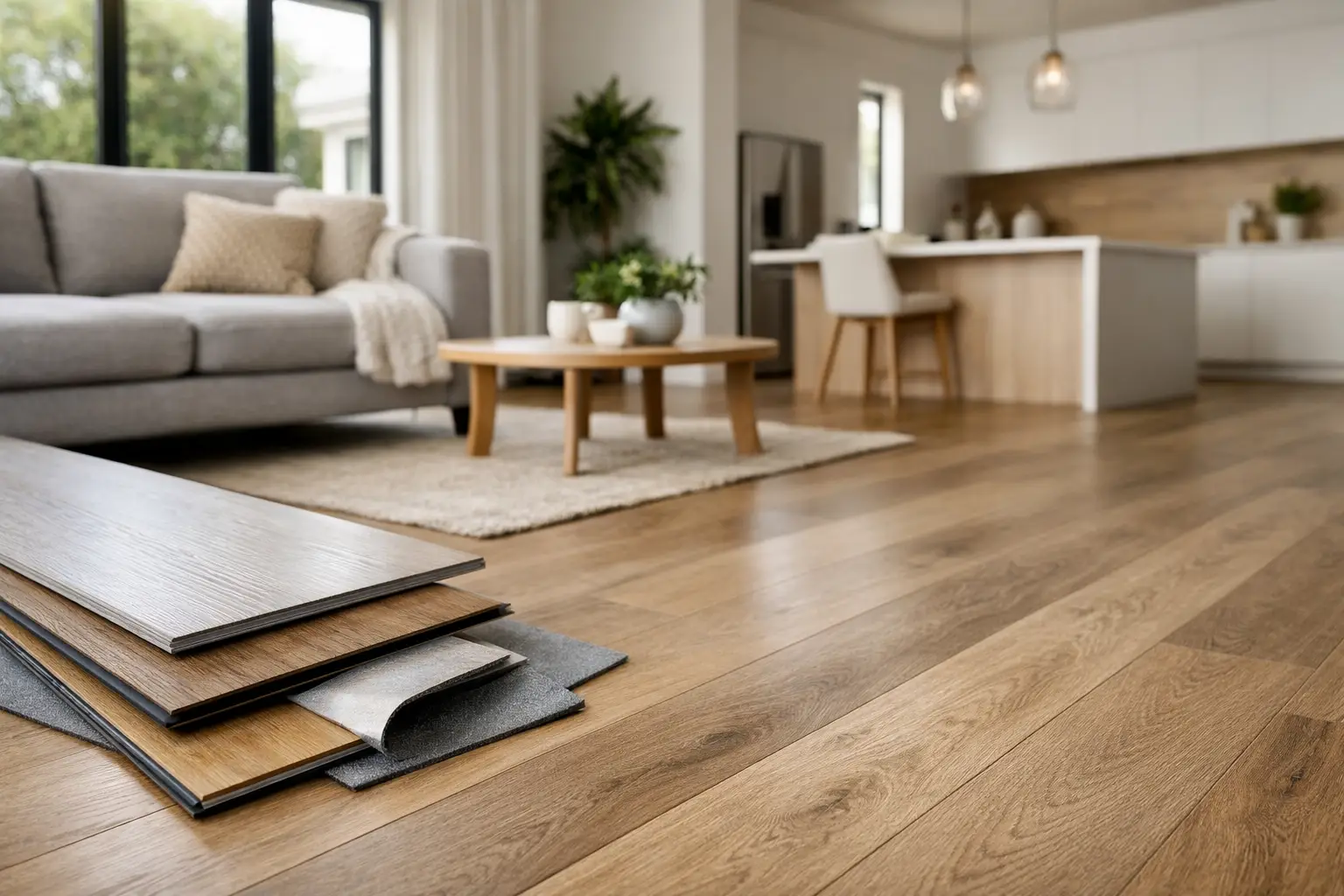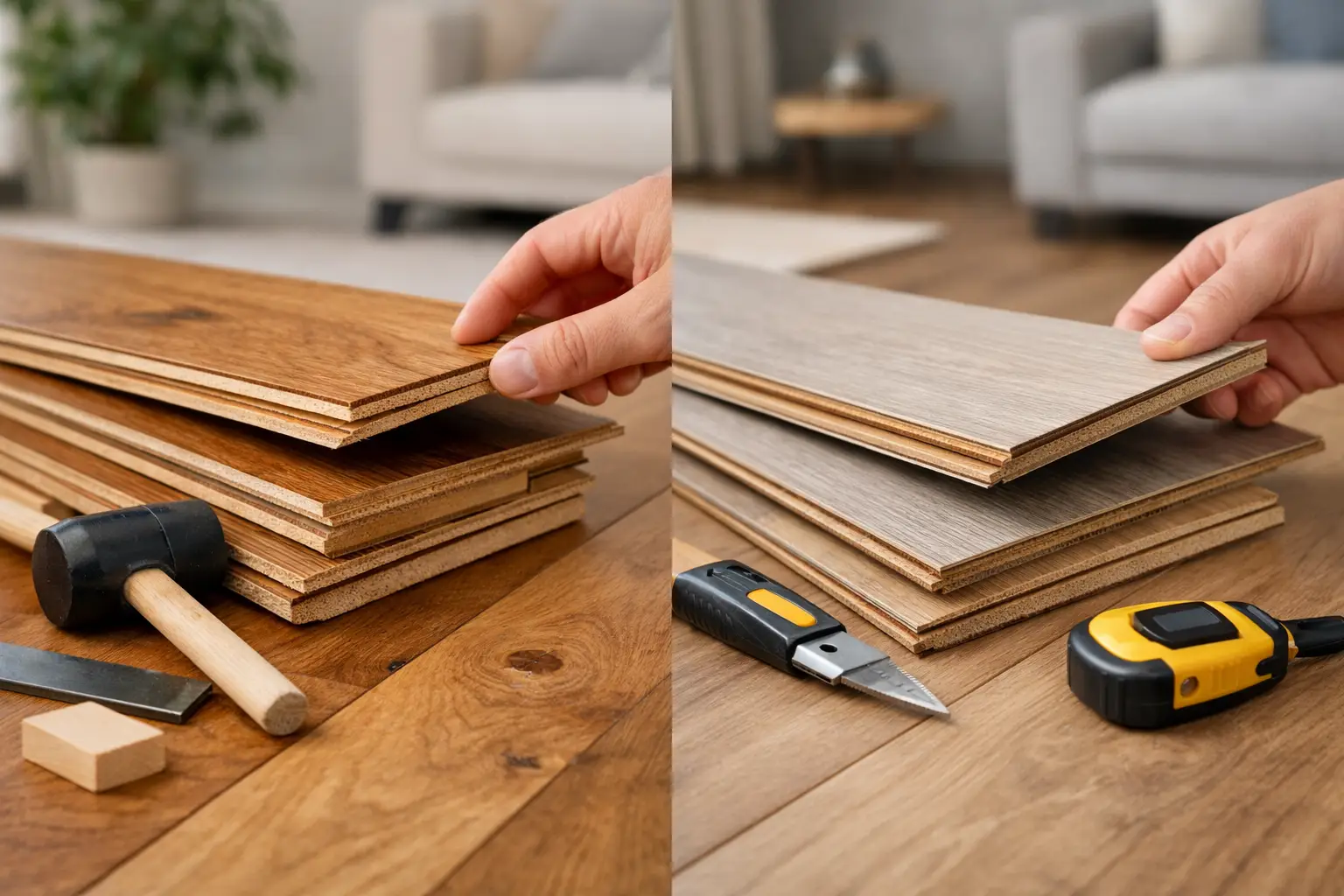
Hybrid and laminate flooring look nearly identical on display in a showroom. Both come in click-lock planks, both replicate timber grain beautifully, and both are far more affordable than natural timber. The difference that matters most is invisible until something goes wrong. At Melbourne Quality Timber Flooring, we supply and install both. Here is an honest, room-by-room comparison to help you choose correctly.
Table of Contents
Key Takeaways
- Hybrid flooring is 100% waterproof. Laminate flooring is water-resistant but not waterproof.
- Laminate offers superior scratch resistance in dry areas due to its AC-rated wear layer.
- Hybrid suits whole-home installation including wet zones. Laminate is best in dry rooms.
- Both products are floating floors with click-lock installation and similar price ranges.
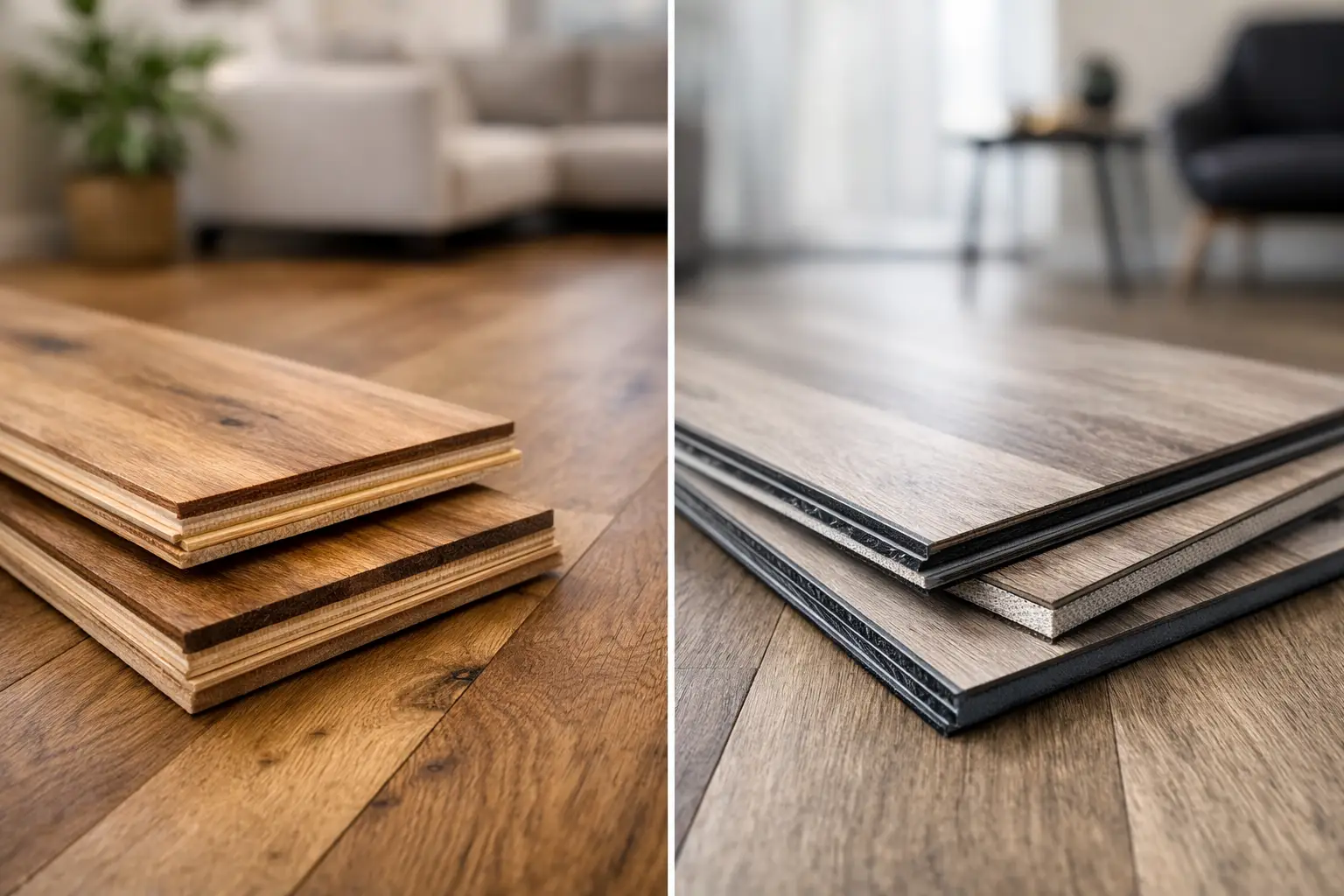
The Core Difference: What These Products Are Actually Made From
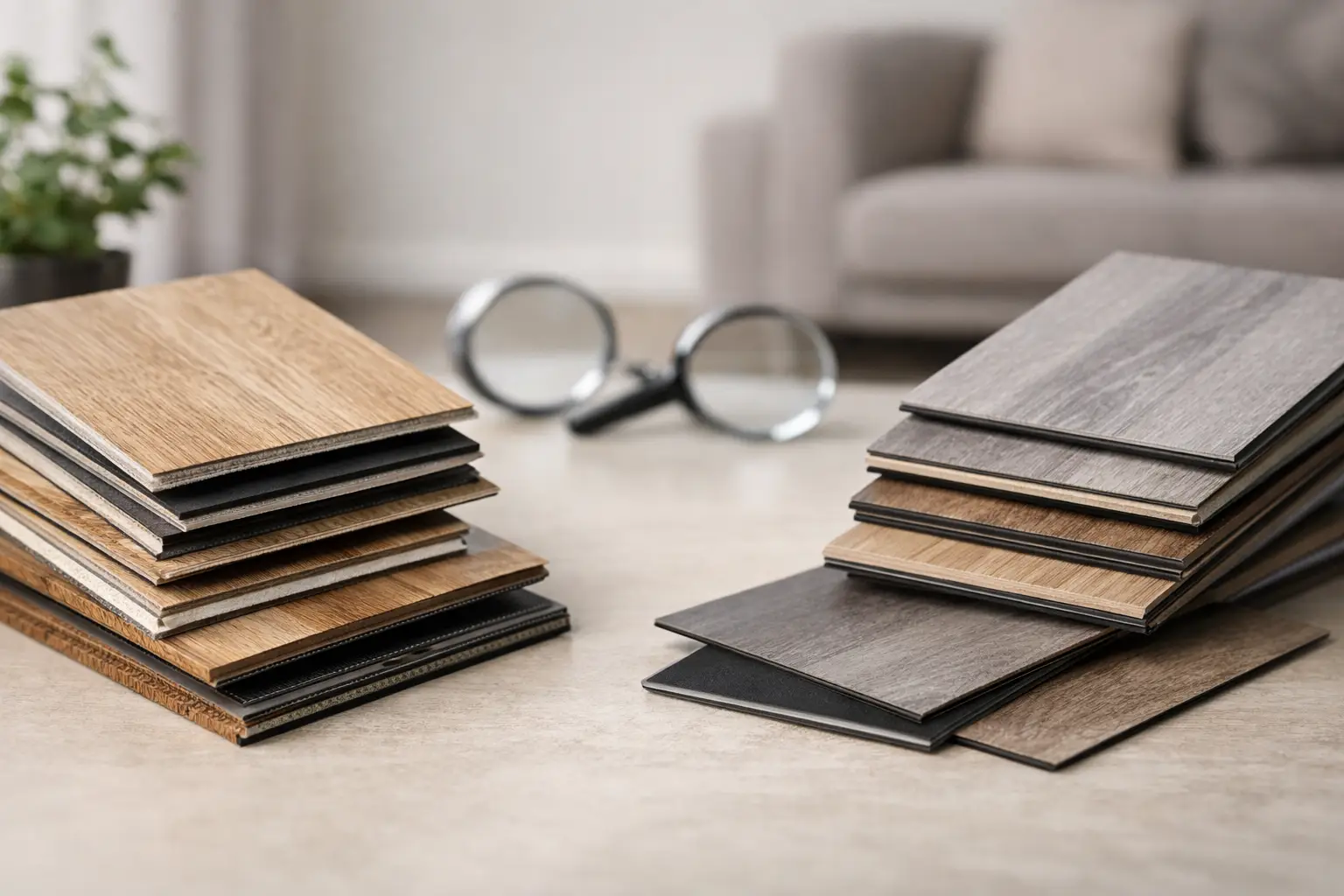
Most people shopping for a new floor do not realise how differently these two products are constructed. The look can be identical. The core is not.
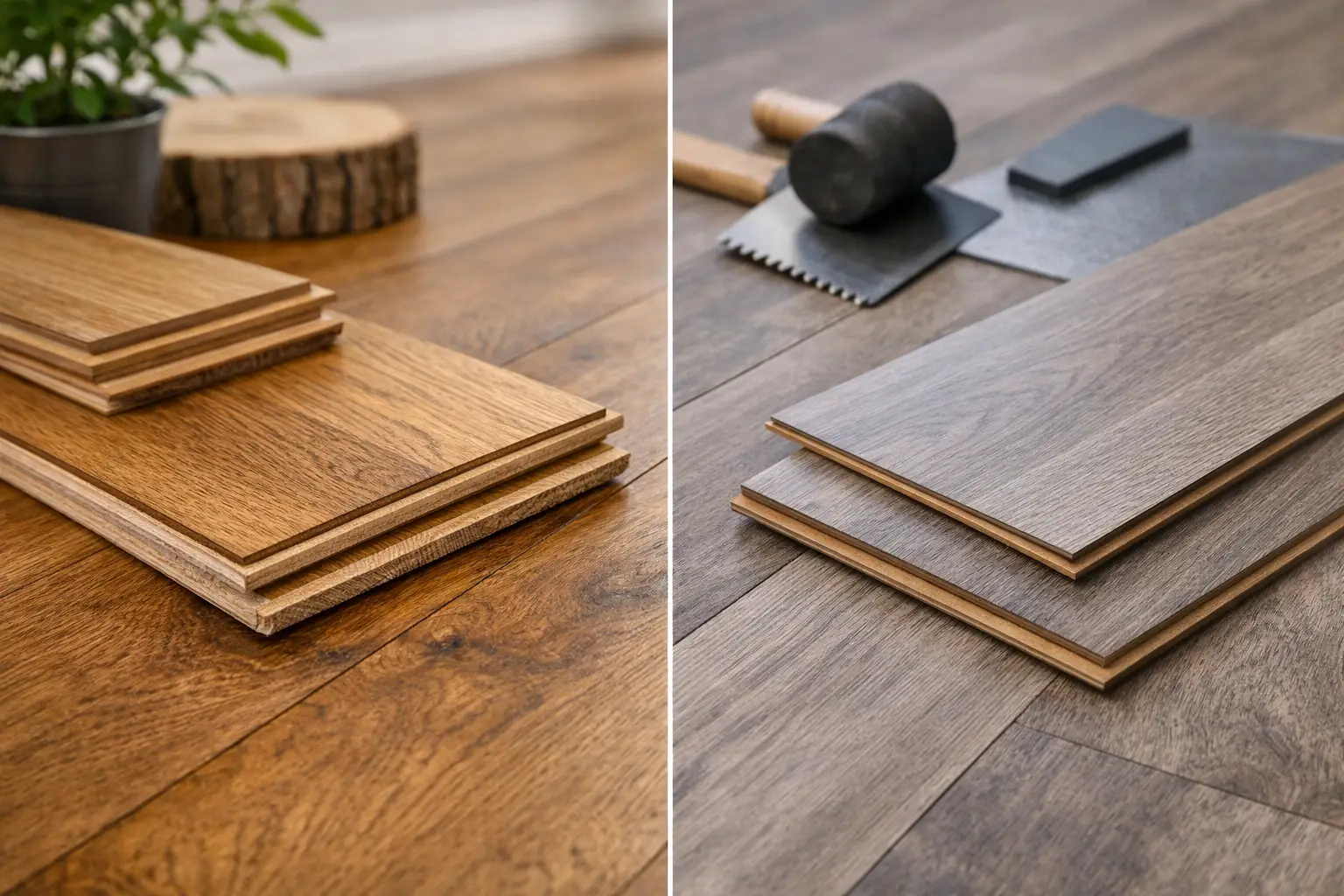
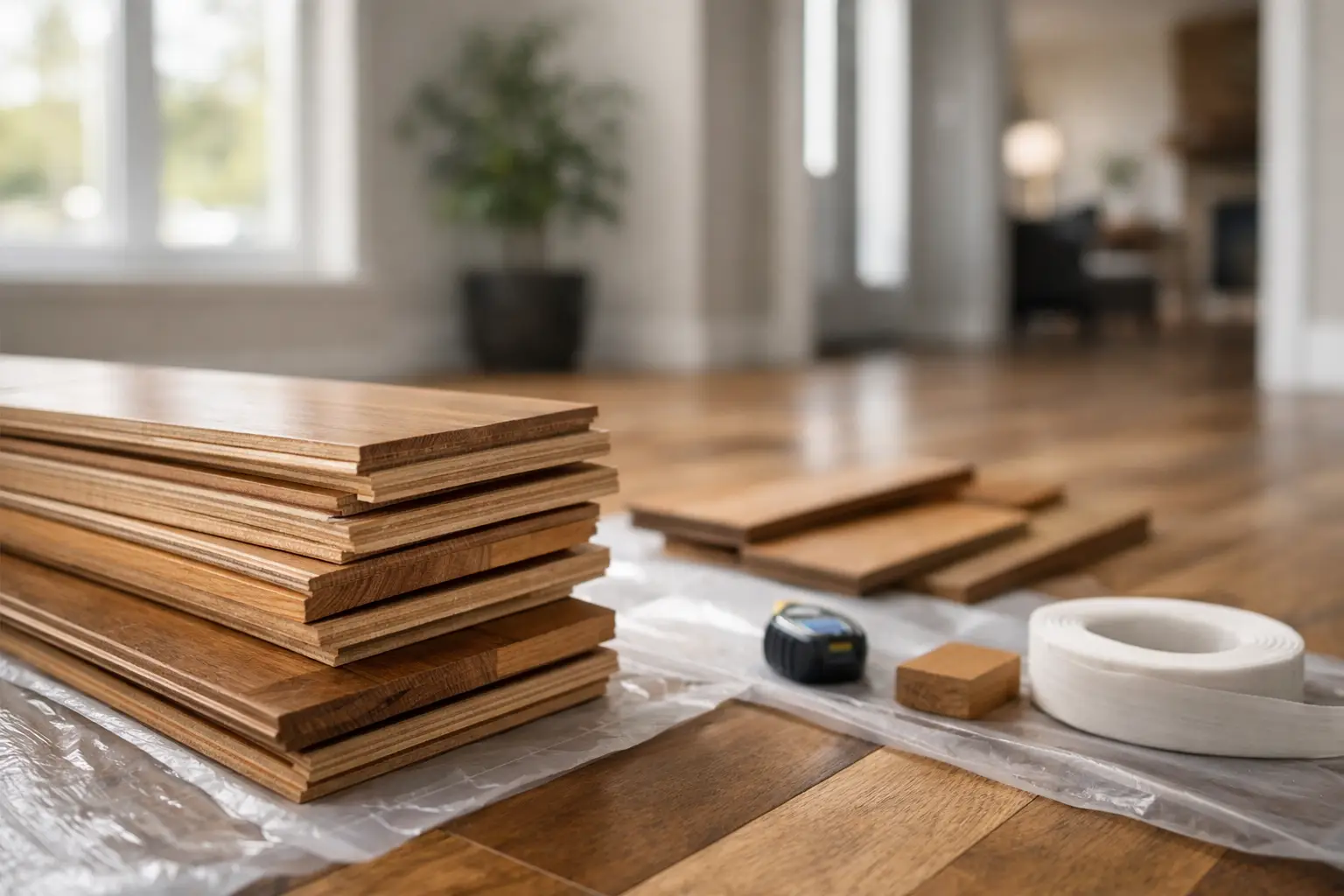
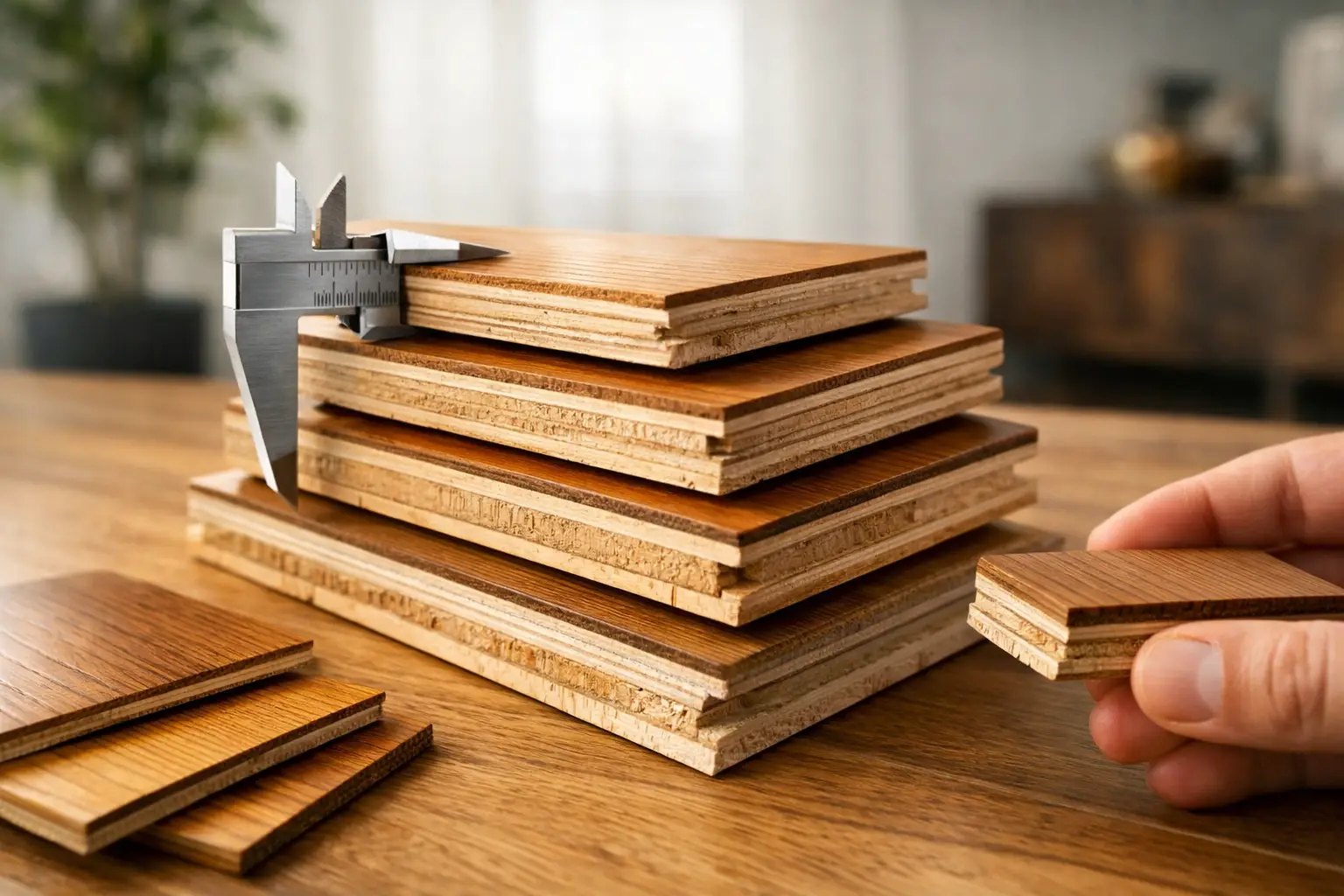
Laminate flooring has a wood-fibre core, typically high-density fibreboard (HDF). This core is compressed, dense, and very hard, which is why laminate resists surface scratches so well. On top of it sits a decorative image layer, protected by a resin wear layer rated to an AC (Abrasion Class) standard.
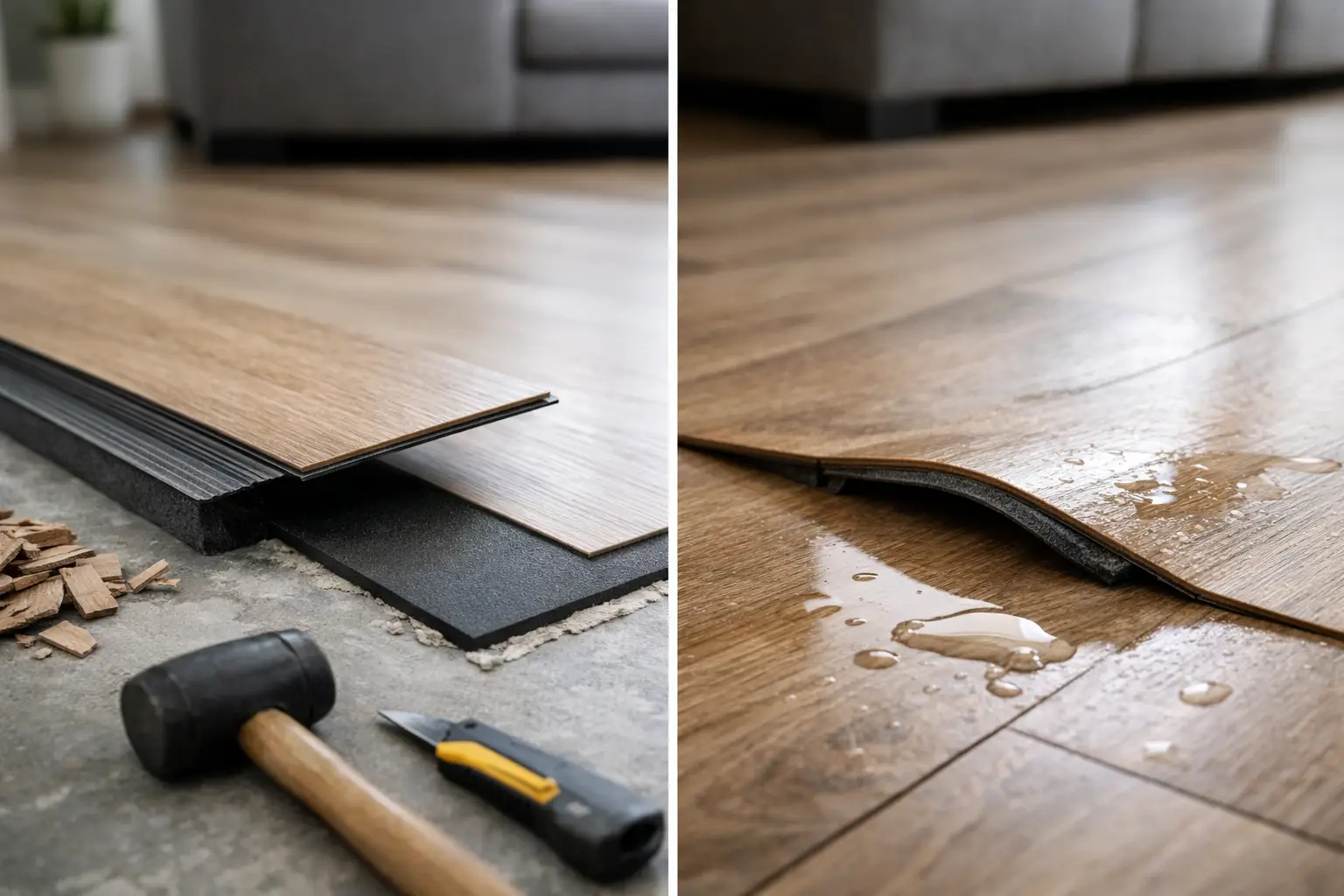
Hybrid flooring uses a stone-plastic composite (SPC) core. It contains no wood fibre at all. This core is 100% waterproof, dimensionally stable, and rigid enough to install over minor subfloor imperfections without the same preparation that laminate sometimes demands.
The practical consequence of this structural difference is summarised well by The Conversation on indoor air quality and building materials, which notes that formaldehyde emitted from resins in particleboard and laminates is one of the more aggressive VOCs found in residential interiors. Premium laminate products are typically E1 or E0 rated for formaldehyde emissions, but it is worth confirming when selecting a product.
Waterproofing: The Deciding Factor
This is where the two products part ways entirely.
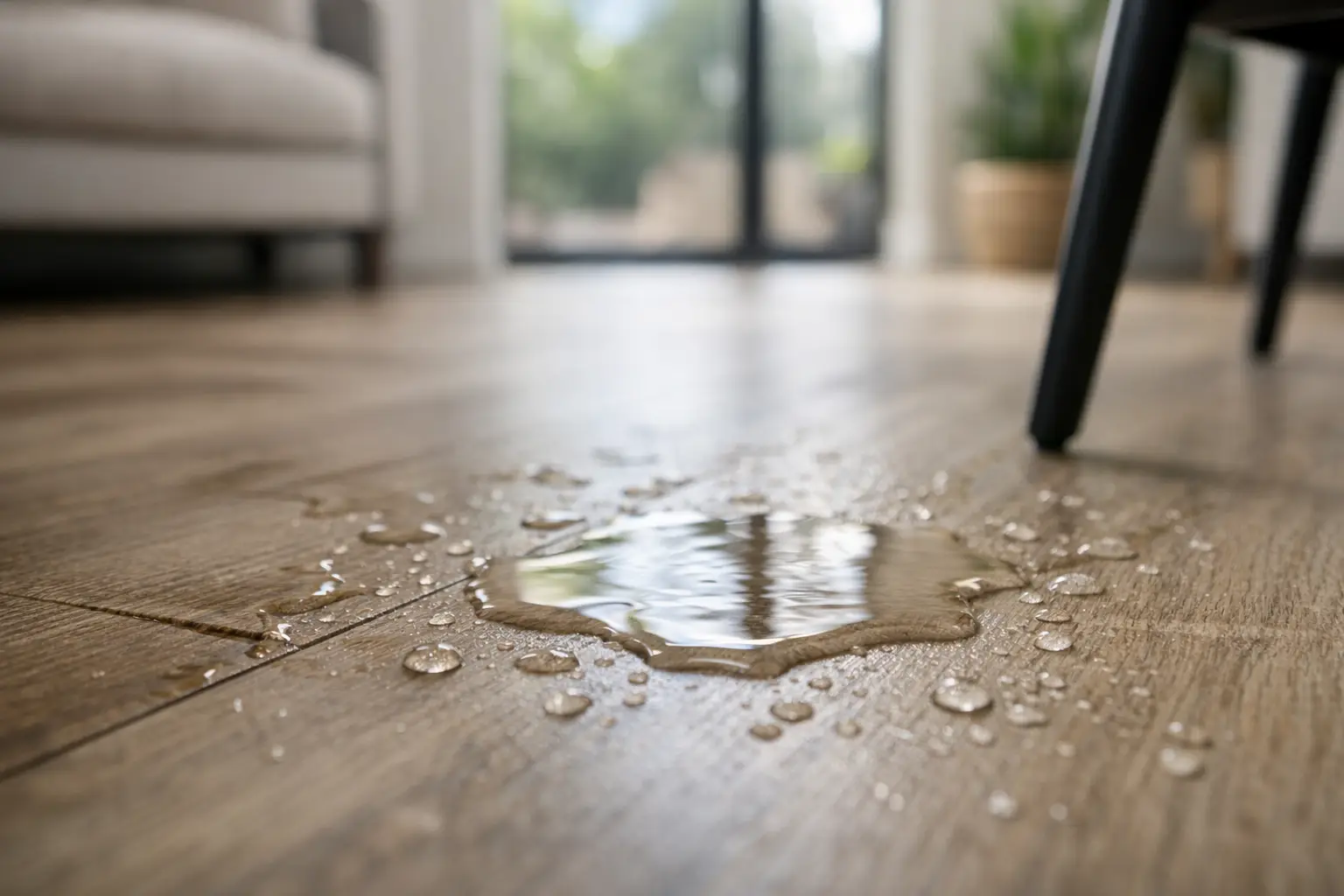
Hybrid flooring is genuinely waterproof throughout the entire plank. Water can sit on the surface, seep into click joints, or come from a burst pipe underneath, and the hybrid core will not swell, warp, or delaminate. This makes it the right choice for kitchens, bathrooms, laundries, and any room where moisture is a realistic possibility. It also supports compliance with waterproofing requirements in wet areas, making it a practical flooring solution for moisture-prone environments.
Laminate flooring is water-resistant on the surface, not waterproof throughout. Quality laminate can handle a spill wiped up promptly, but sustained moisture exposure or water ingress through joints will cause the HDF core to swell. Moisture infiltration into building materials can contribute to mould growth, which carries health implications beyond simple floor damage.
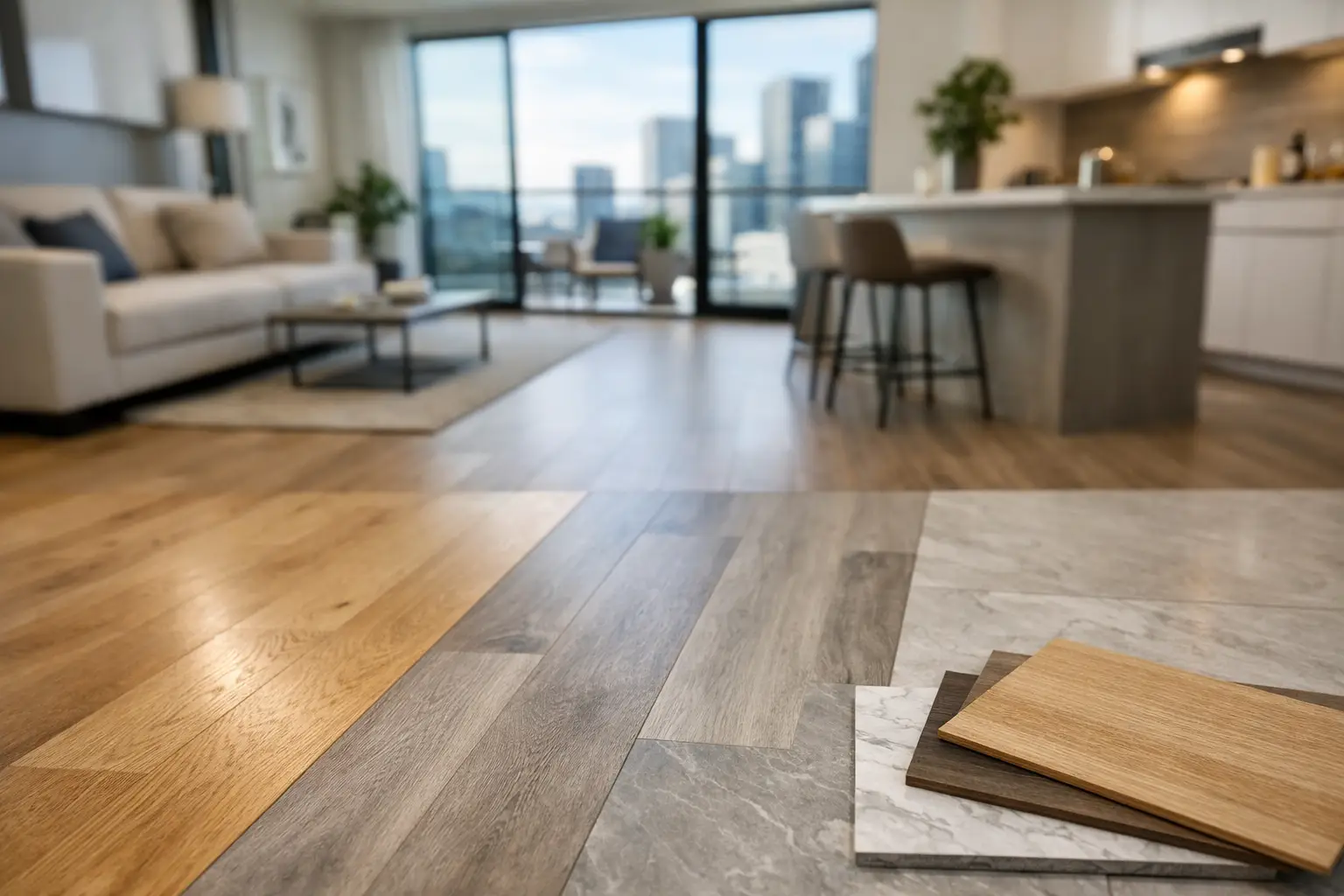
For Melbourne’s open-plan homes where the kitchen flows into the living area, hybrid provides the flexibility to use one floor throughout. Laminate requires you to either change products at the kitchen threshold or accept the risk.
Scratch Resistance and Durability
This is one area where laminate can have an edge in the right application.
Quality laminate flooring is rated to an AC standard from AC1 through to AC5. AC3 rated laminate is the highest level designated for domestic residential use and is durable enough for more than 95% of Australian homes, including areas with pets and children.
Hybrid flooring also has a hard wear layer, rated in millimetres rather than AC class. Premium hybrid products carry a 0.5mm or thicker wear layer, which handles everyday scratching well. However, on a like-for-like basis, a high-quality laminate in a dry area will often outperform a hybrid in surface hardness.
The practical recommendation: in a dry bedroom or study without moisture risk, a quality laminate at AC3 or above will be very durable. In a kitchen, hallway, or living area with pets and children, hybrid’s waterproofing advantage is worth more than any marginal scratch resistance difference.
Underfoot Comfort and Sound
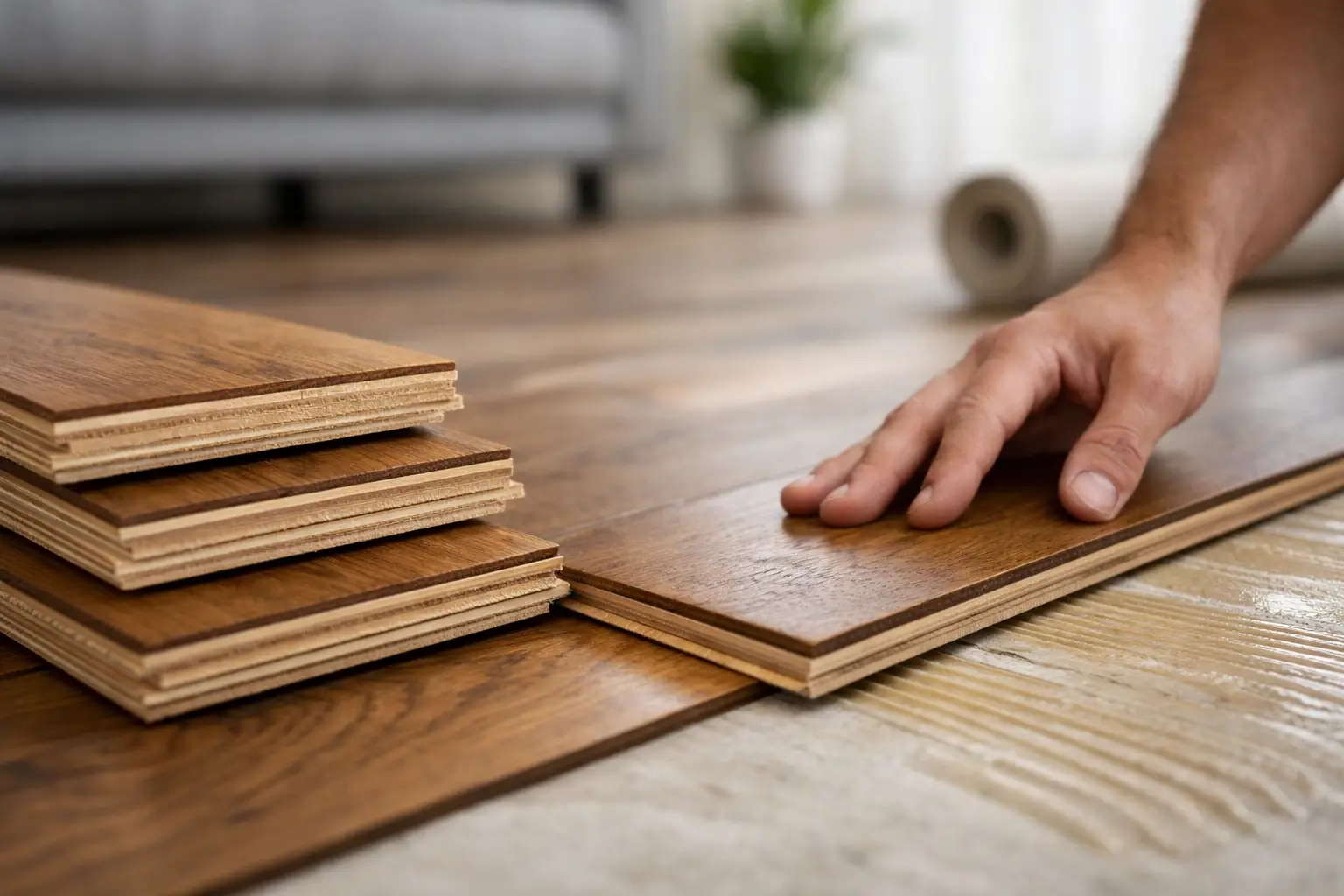
Hybrid flooring typically feels slightly softer underfoot due to its acoustic backing. Most hybrid products include an attached IXPE or EVA foam underlay that provides cushioning, reduces noise from foot traffic, and softens the feel of a hard floor.
Laminate also requires an underlay, but this is usually purchased and installed separately. The total feel depends on which underlay is selected. With a quality acoustic underlay, laminate can feel very comfortable. Without adequate underlayment, it tends to feel harder and can be noisier.
For multi-storey Melbourne homes or apartments where noise transmission between levels is a concern, hybrid’s built-in acoustic properties can be a practical advantage.
Installation: What Both Products Require
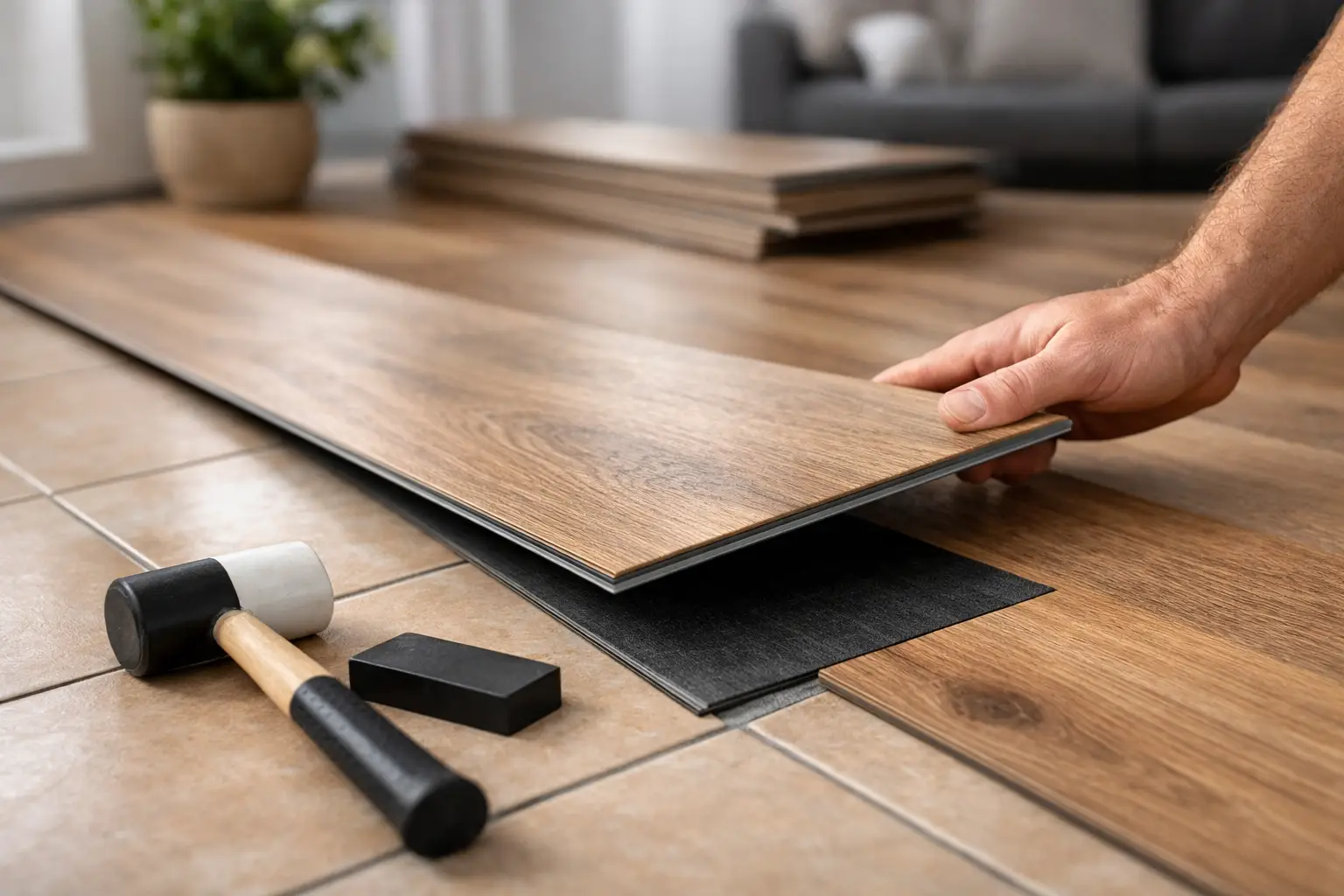
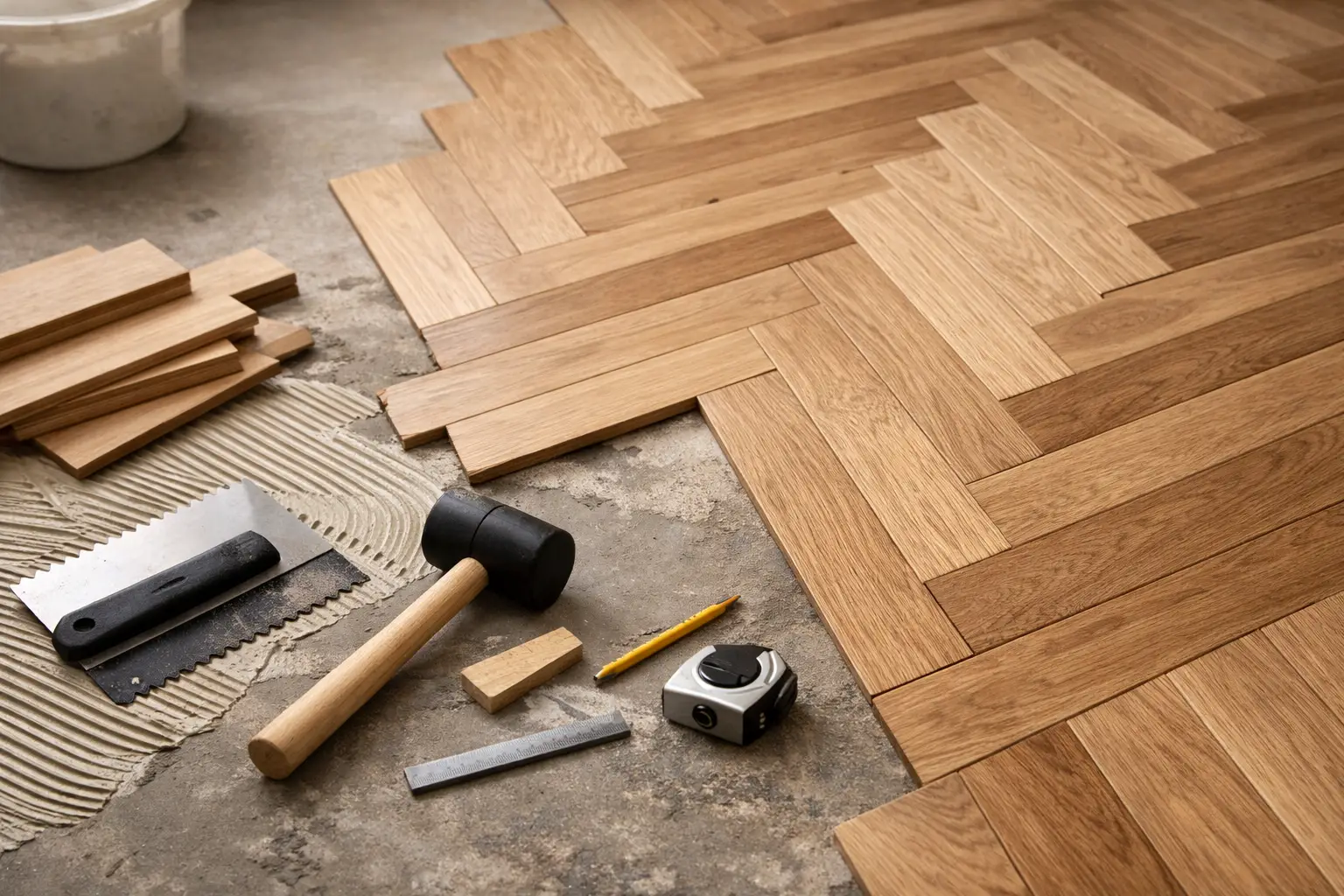
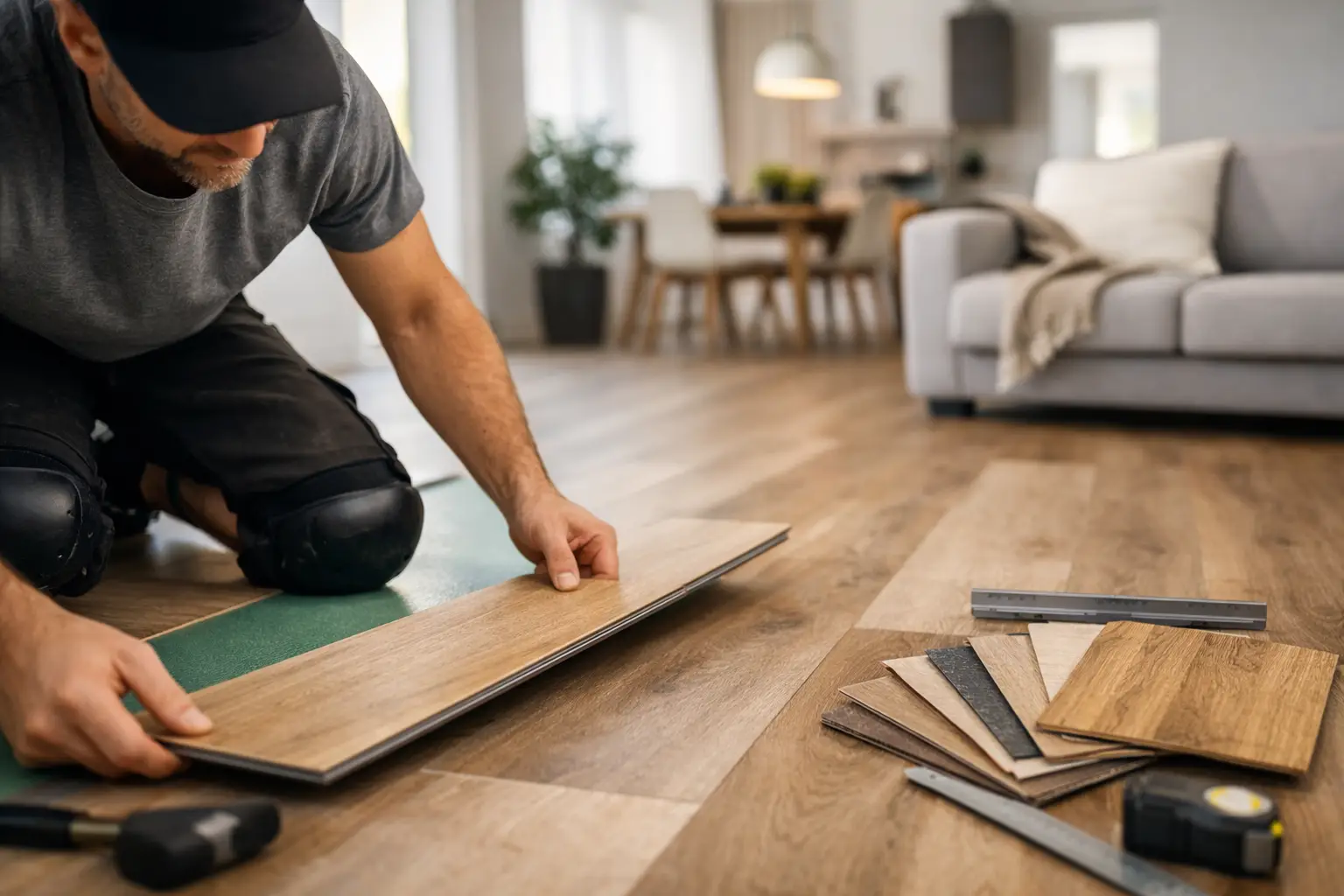
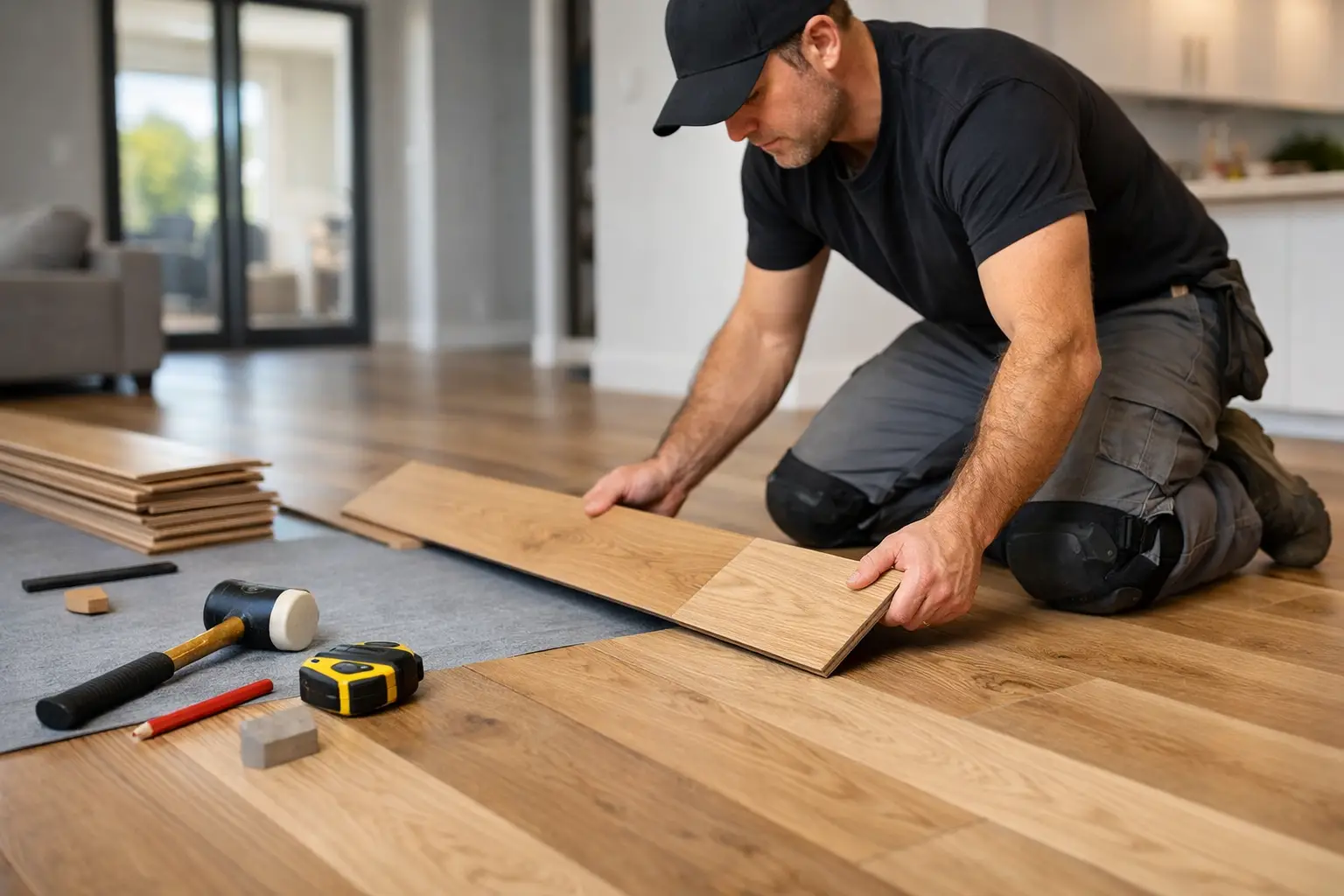
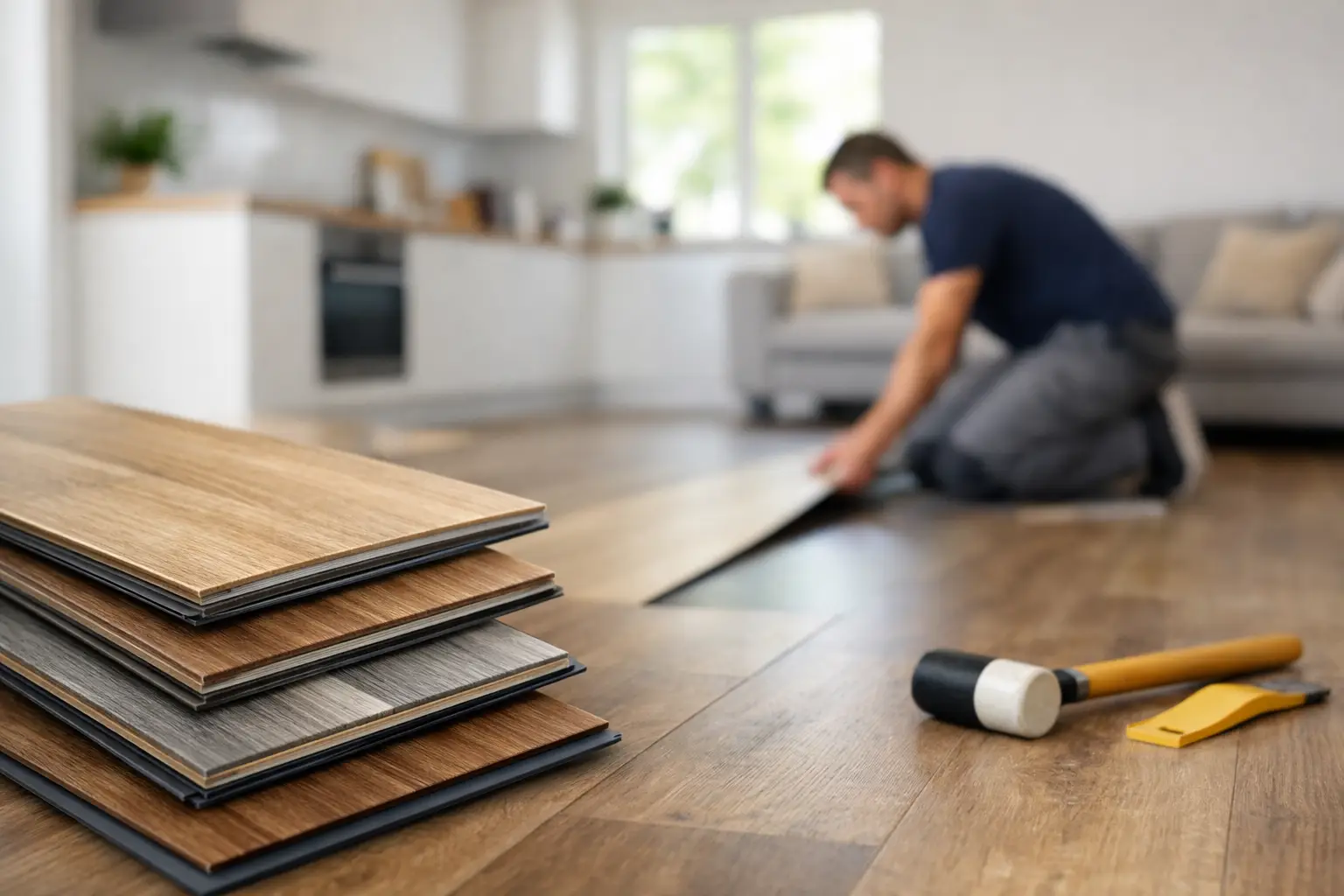
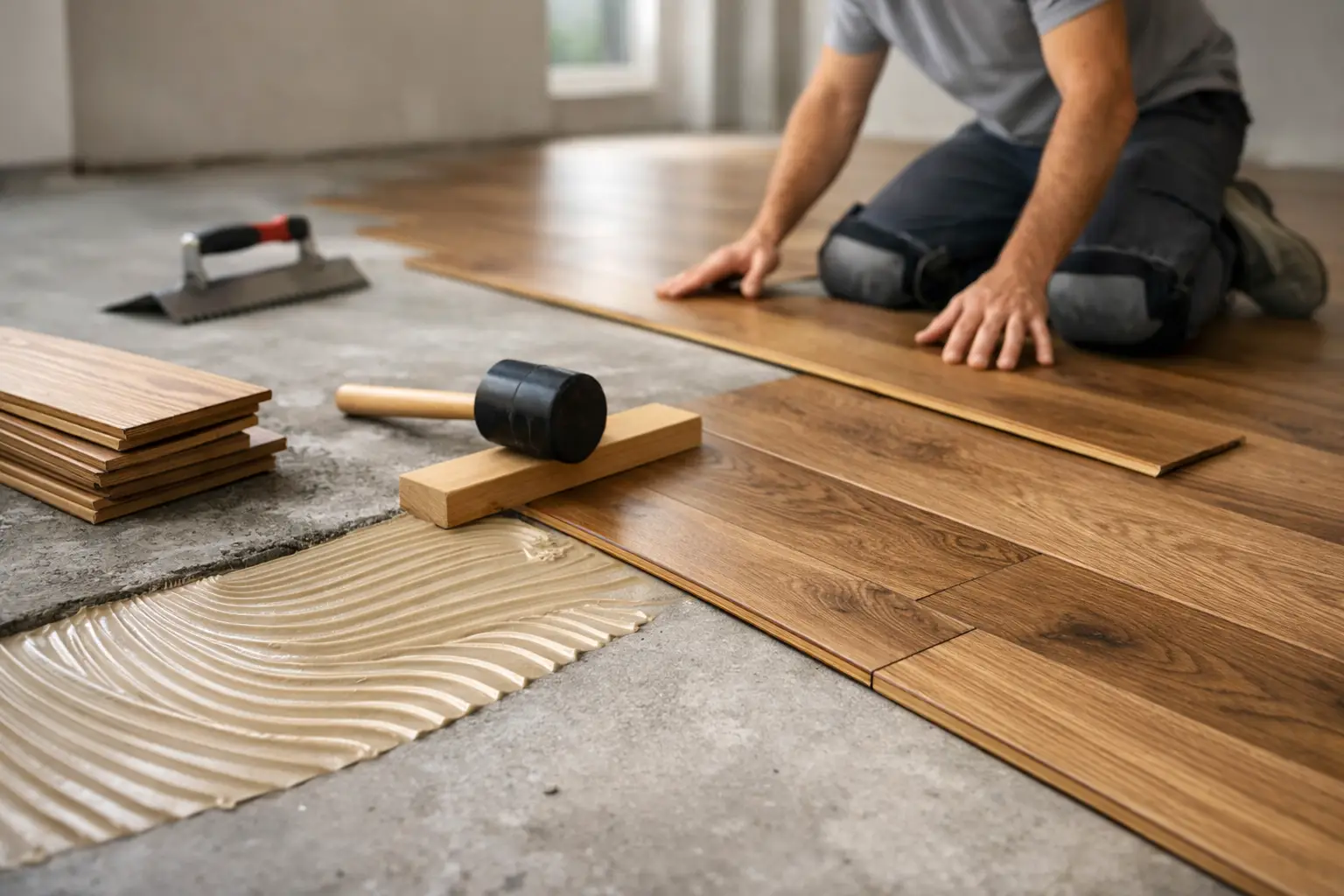
Both hybrid and laminate are floating floors installed using a click-lock system. Neither is glued to the subfloor, which makes future removal relatively straightforward. Both require a flat, dry, clean subfloor to perform correctly. Hybrid flooring Melbourne range at Melbourne Quality Timber Flooring is available in thicknesses from 6.5mm to 10.3mm, with thicker boards tolerating more minor subfloor unevenness.
The key difference is that hybrid’s rigid SPC core bridges minor subfloor humps and dips better than laminate, which can create hollow spots if the subfloor is uneven. For older Melbourne homes with less-than-perfect concrete slabs, hybrid often reduces the amount of subfloor preparation required.
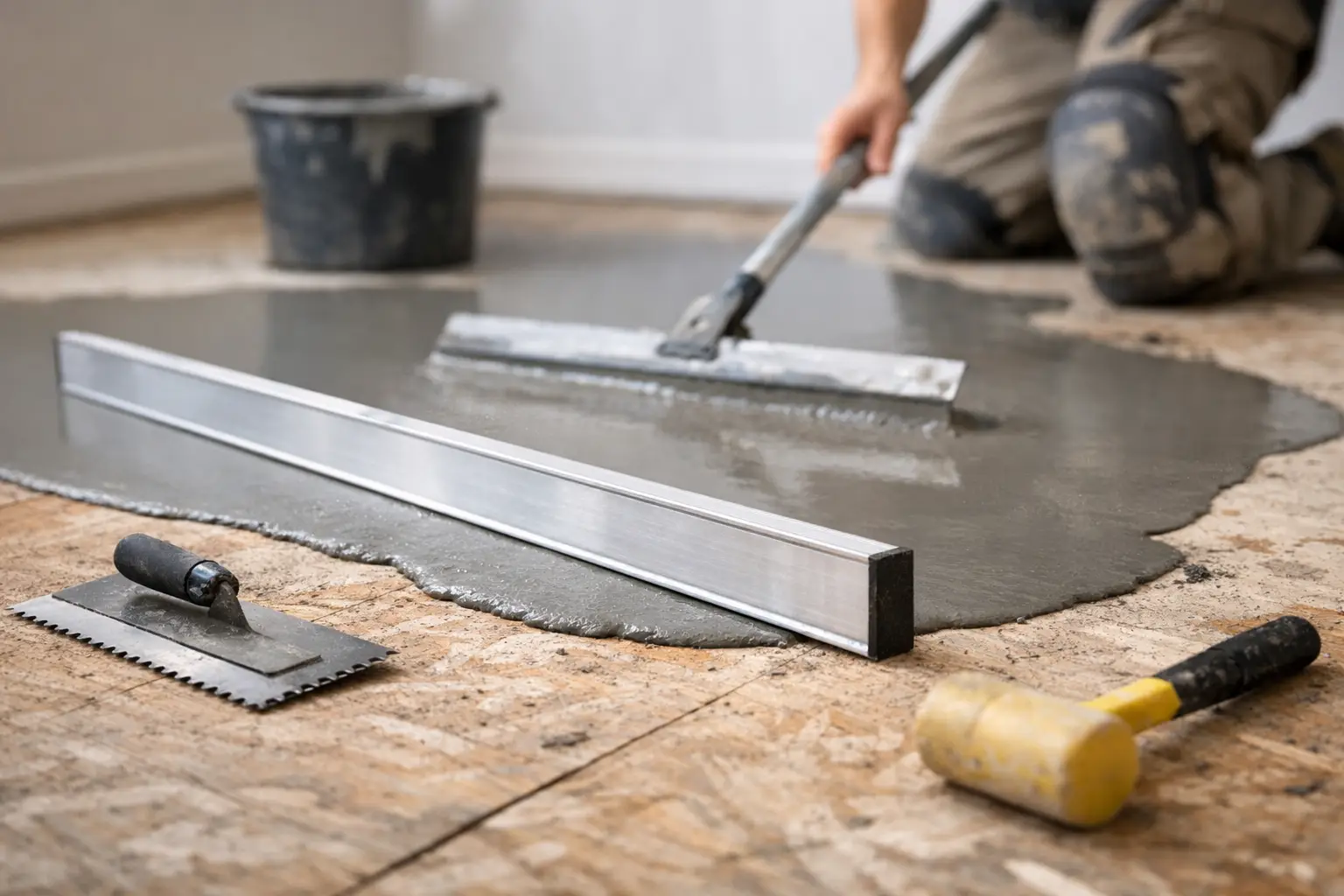
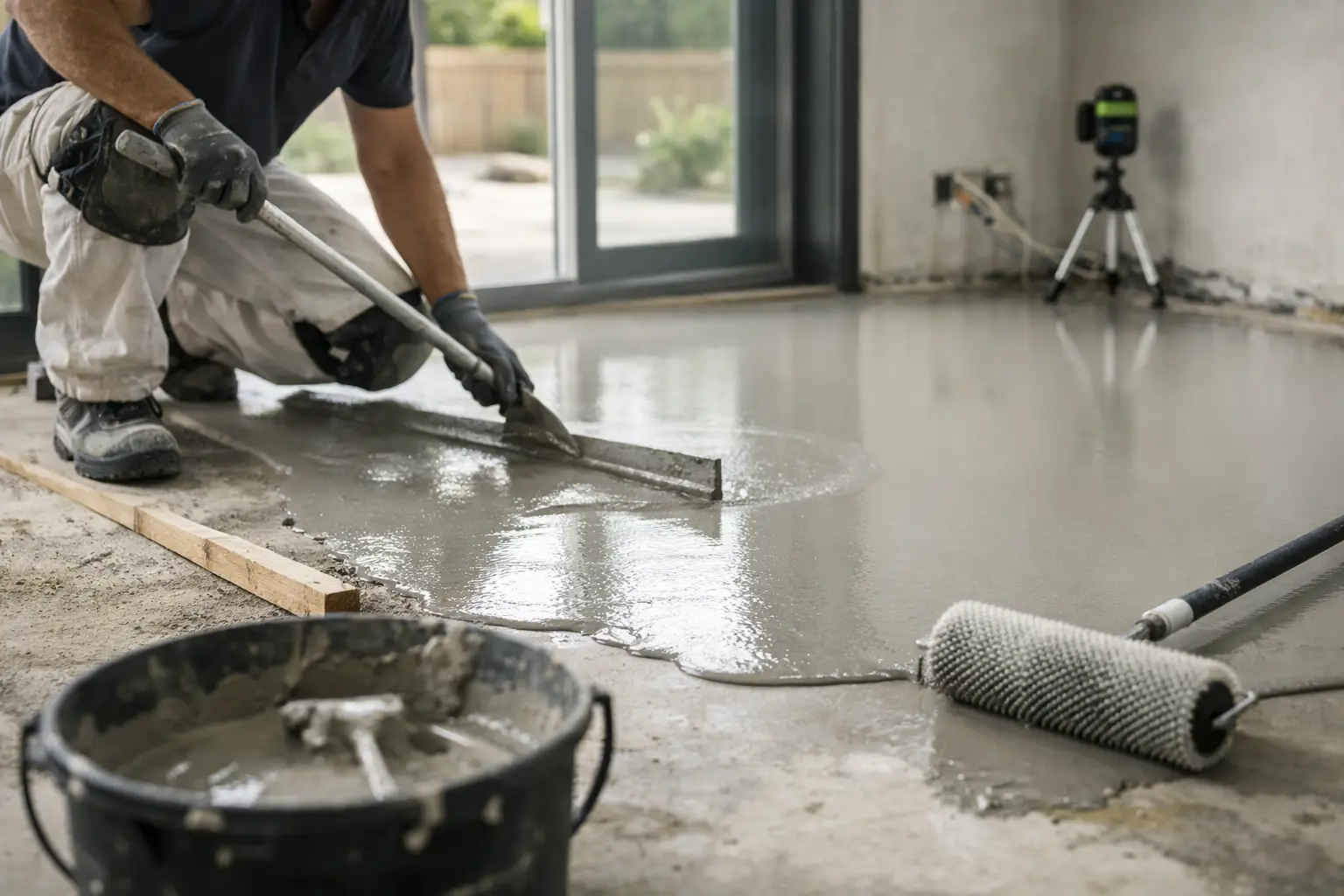
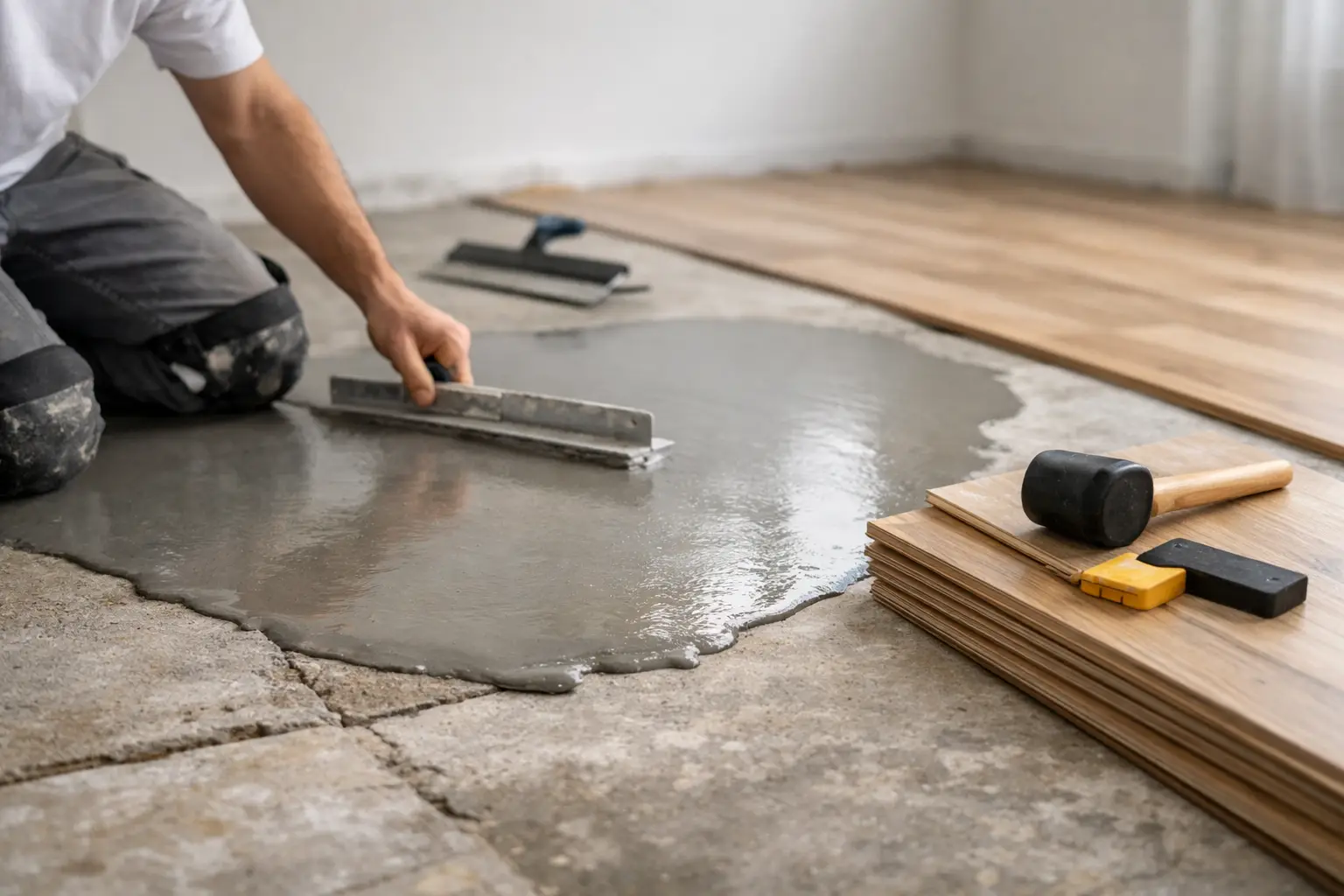
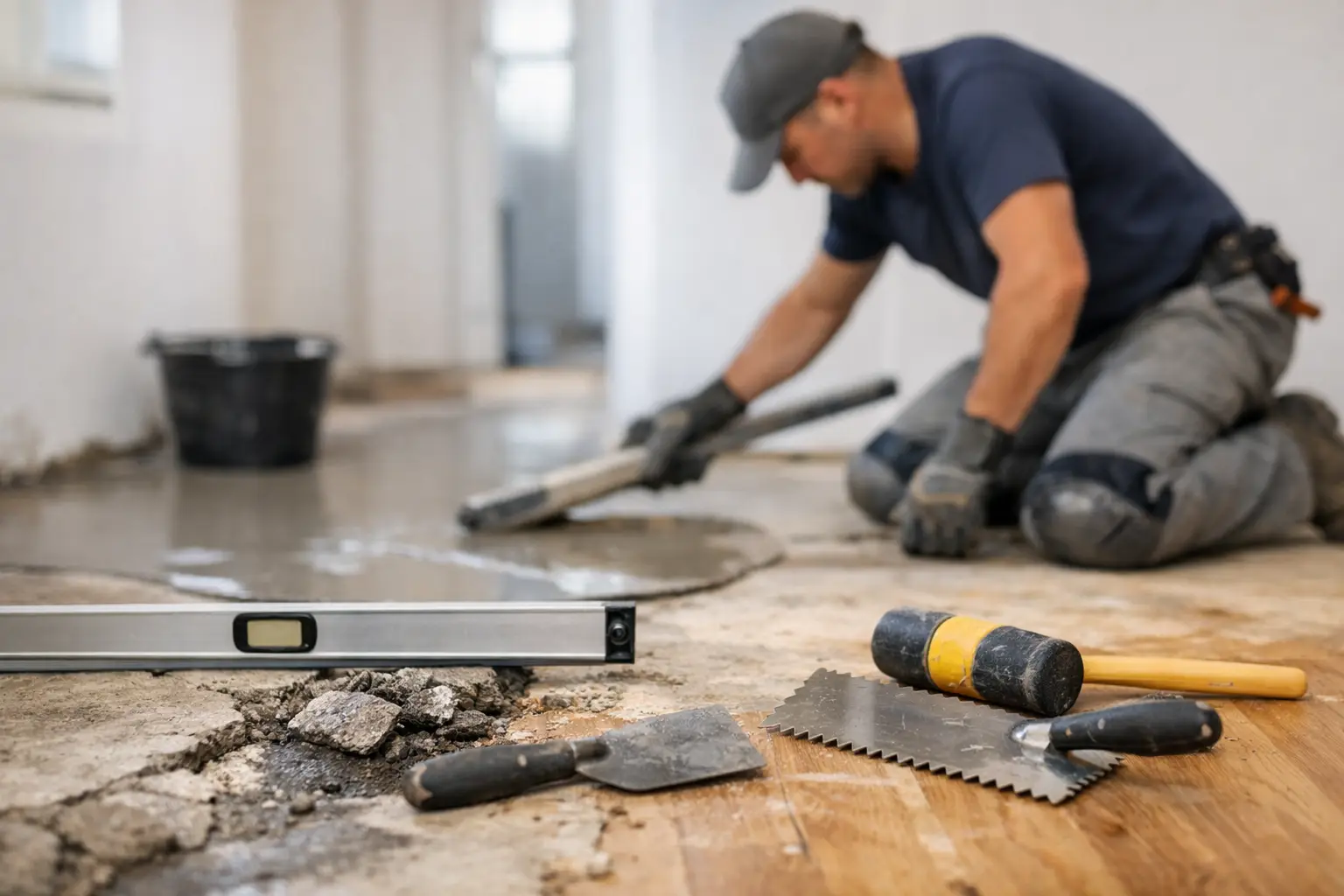
That said, at Melbourne Quality Timber Flooring we always level the subfloor with Cemimax self-levelling compound where needed, regardless of which product is being installed. Skipping this step is the most common reason installations develop problems over time.
Price: Which One Costs More?
Both products occupy a similar price bracket in the Australian market, and the gap has narrowed in recent years.
Laminate is generally the more budget-friendly option on supply, particularly at the entry-level end. However, you also need to account for the separate underlay cost that laminate requires but hybrid often does not.
Hybrid carries a modest premium on supply but includes the acoustic backing and typically offers a longer warranty period from Australian suppliers. When you add up total installation cost including preparation, underlay, and supply, the final price per square metre is often similar.
Both products are well-suited to Melbourne’s renovation market. As Domain’s analysis of home renovation trends in Australia notes, homeowners are increasingly prioritising durable, practical flooring solutions that can withstand the demands of Australian family life while adding real value to the property.
Maintenance: Day-to-Day Differences
Both products are low-maintenance by design. Neither requires polishing, sealing, or refinishing.
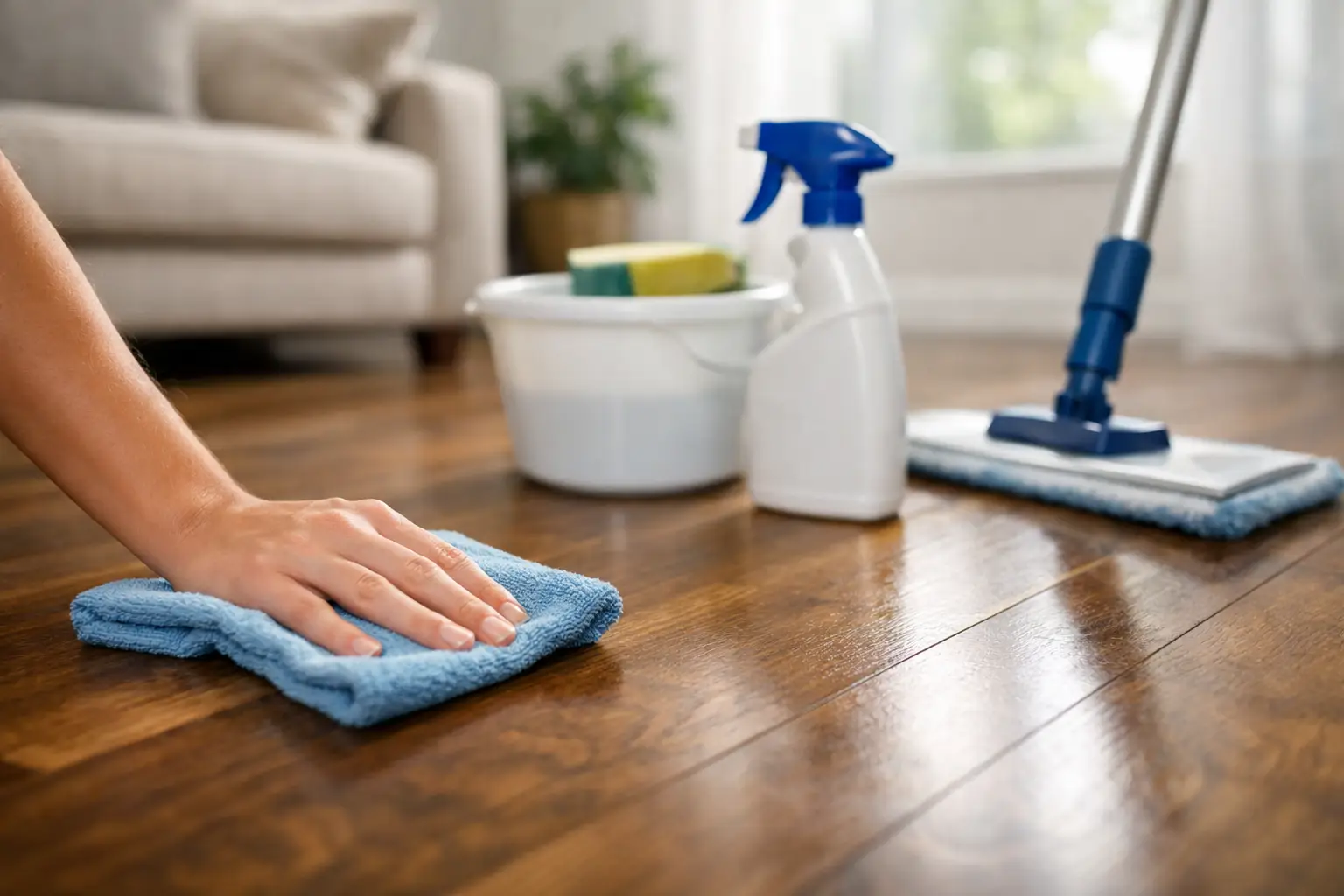
Hybrid flooring is easier to clean because of its full waterproofing. You can damp-mop or wet-clean a hybrid floor without concern. Spills from pets, cooking, or children are a simple wipe-up.
Laminate requires more care around moisture. You can sweep, vacuum, or lightly damp-mop, but you should avoid saturating the joints. Using too much water on a laminate floor is one of the most common causes of premature edge swelling, particularly in high-use areas like hallways and kitchens.
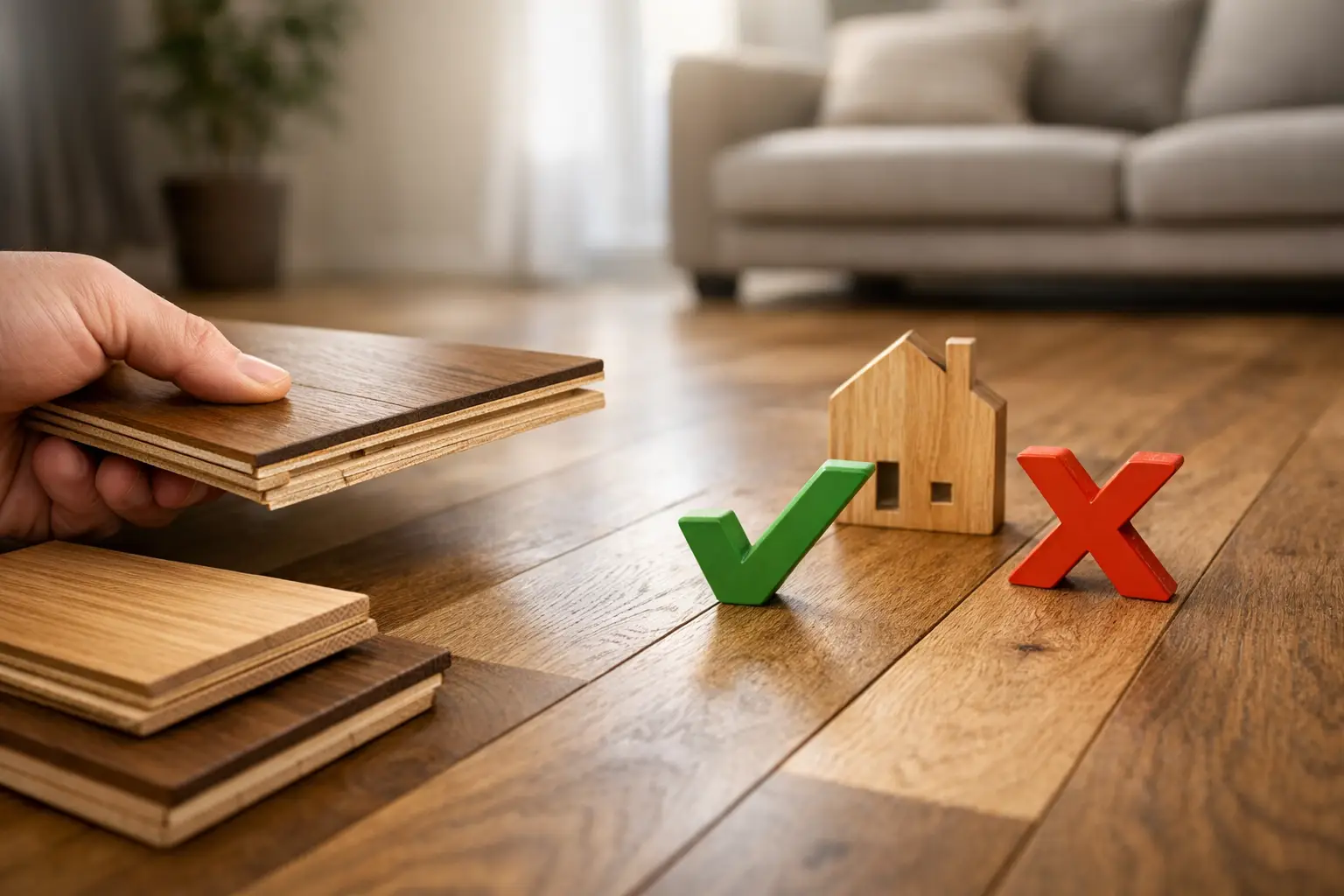
Which One Should You Choose?
Choose hybrid flooring if:
- You want one floor throughout the home, including the kitchen and bathroom.
- Your household includes pets, young children, or high-traffic areas with spill risk.
- You want built-in acoustic underlay without the need for a separate purchase.
- You are laying floor over a concrete slab with minor unevenness.
Choose laminate flooring if:
- You are covering bedrooms, studies, or living areas away from moisture.
- You want maximum scratch resistance in a dry-area application.
- Budget is a primary consideration, and the floor is not in a moisture-prone zone.
Many Melbourne homeowners choose a combination. Hybrid in the kitchen, hallway, and open-plan living. Laminate in the bedrooms and study. This approach makes good financial sense while ensuring each room gets the right product for its specific conditions.
Conclusion
Both hybrid and laminate flooring are excellent products in the right application. The choice comes down to where they are going and how the space is used. If you are unsure which option suits your renovation, contact us today for a free measure and quote. We will assess your space and recommend the right product for each room.
FAQs:
What is the main difference between hybrid and laminate flooring?
The core difference is waterproofing. Hybrid is 100% waterproof. Laminate has a wood-fibre core that can swell from sustained moisture.
Can laminate flooring be used in kitchens or bathrooms?
Laminate is not recommended for bathrooms and requires careful installation in kitchens, as moisture ingress through joints can cause swelling.
Is hybrid flooring more expensive than laminate?
Hybrid is slightly more expensive on supply but often includes an acoustic backing that laminate requires separately, making total costs comparable.
Which floor is better for homes with pets or children?
Hybrid flooring is the better choice for families with pets or children due to its full waterproofing, stain resistance, and easy damp cleaning.
How long does hybrid flooring last compared to laminate?
Both products typically last 15 to 25 years. Hybrid tends to outlast laminate in moisture- or high-humidity areas over time.
Can hybrid and laminate flooring be installed over existing tiles or concrete?
Yes. Both can float over flat, dry, clean subfloors. Hybrid tolerates minor unevenness better than laminate due to its rigid composite core.