A lot of engineered timber floors get blamed for problems that actually come down to cleaning. Dull patches, swelling at the joins, streaking, and worn-looking boards often have less to do with the product and more to do with how to clean engineered timber flooring properly. The good news is that the right method is simple, and it does not involve soaking the floor or reaching for harsh chemicals.
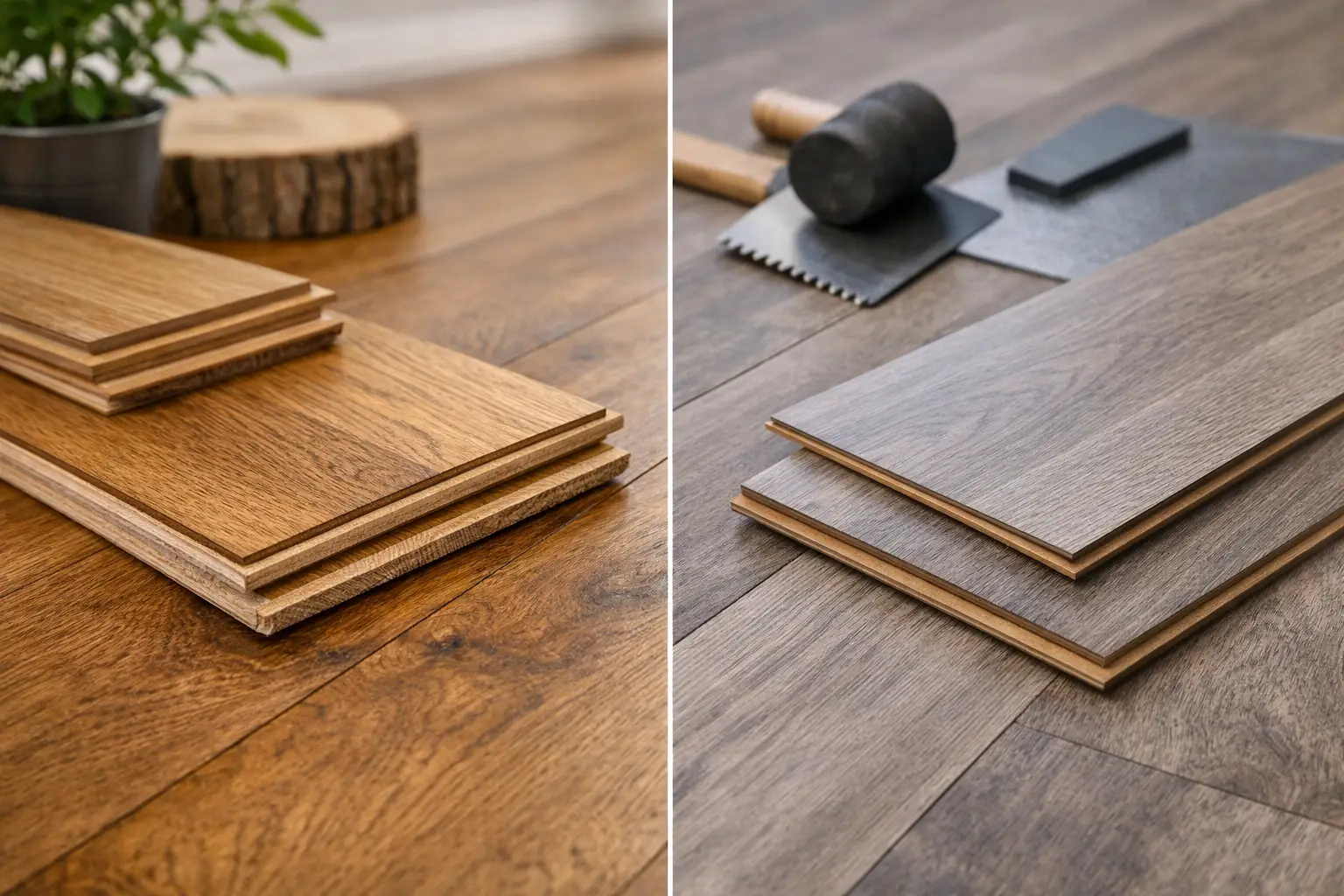
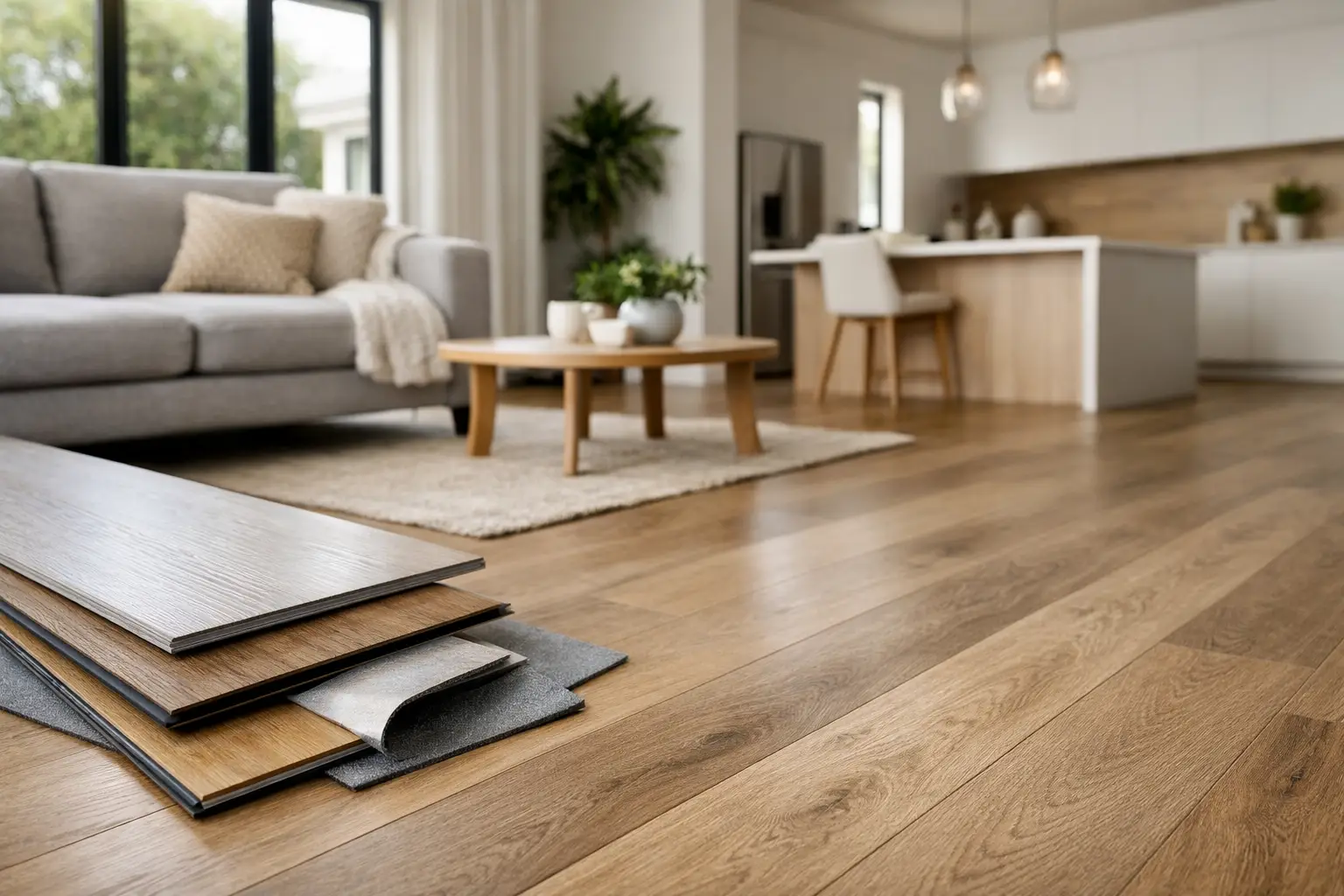
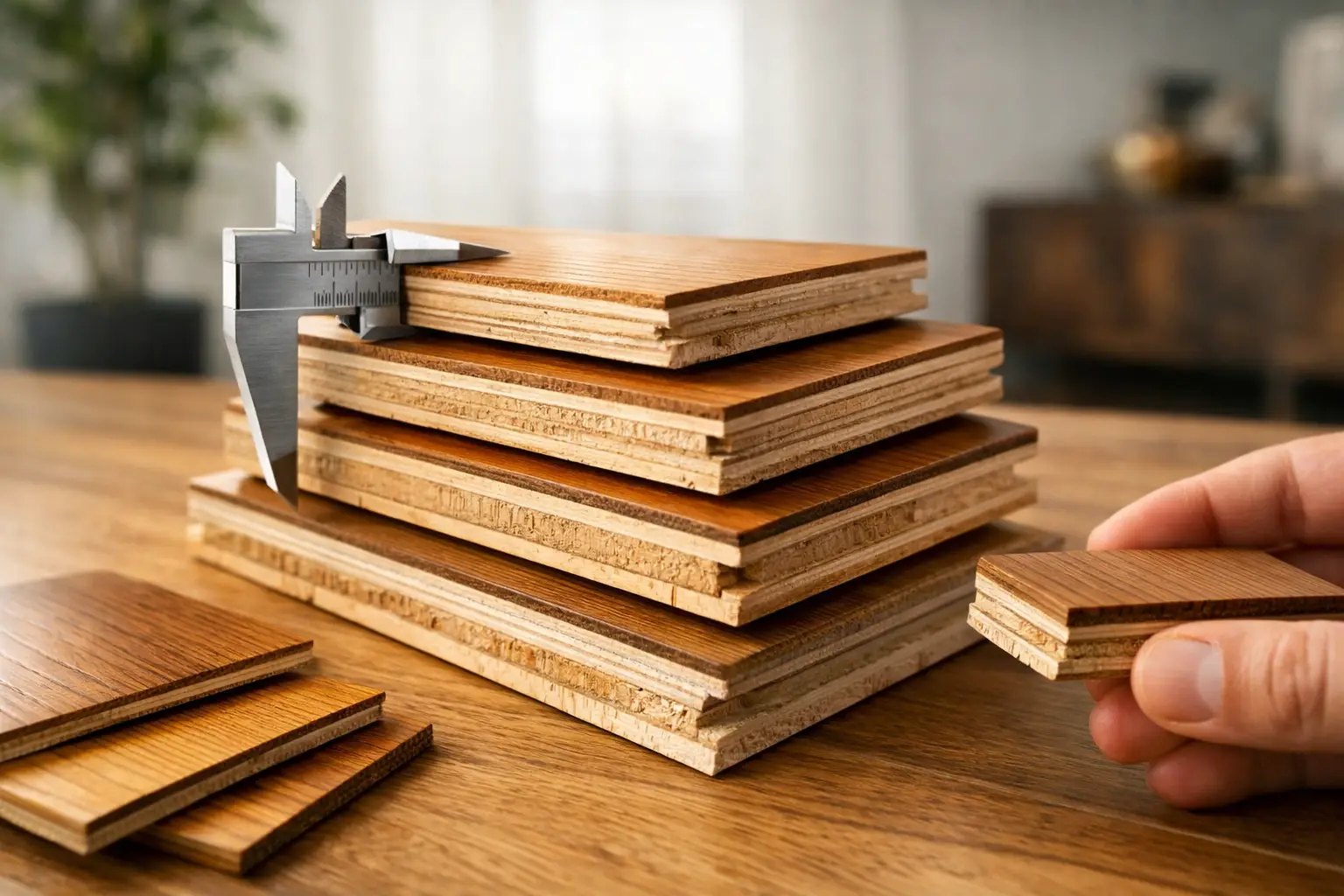
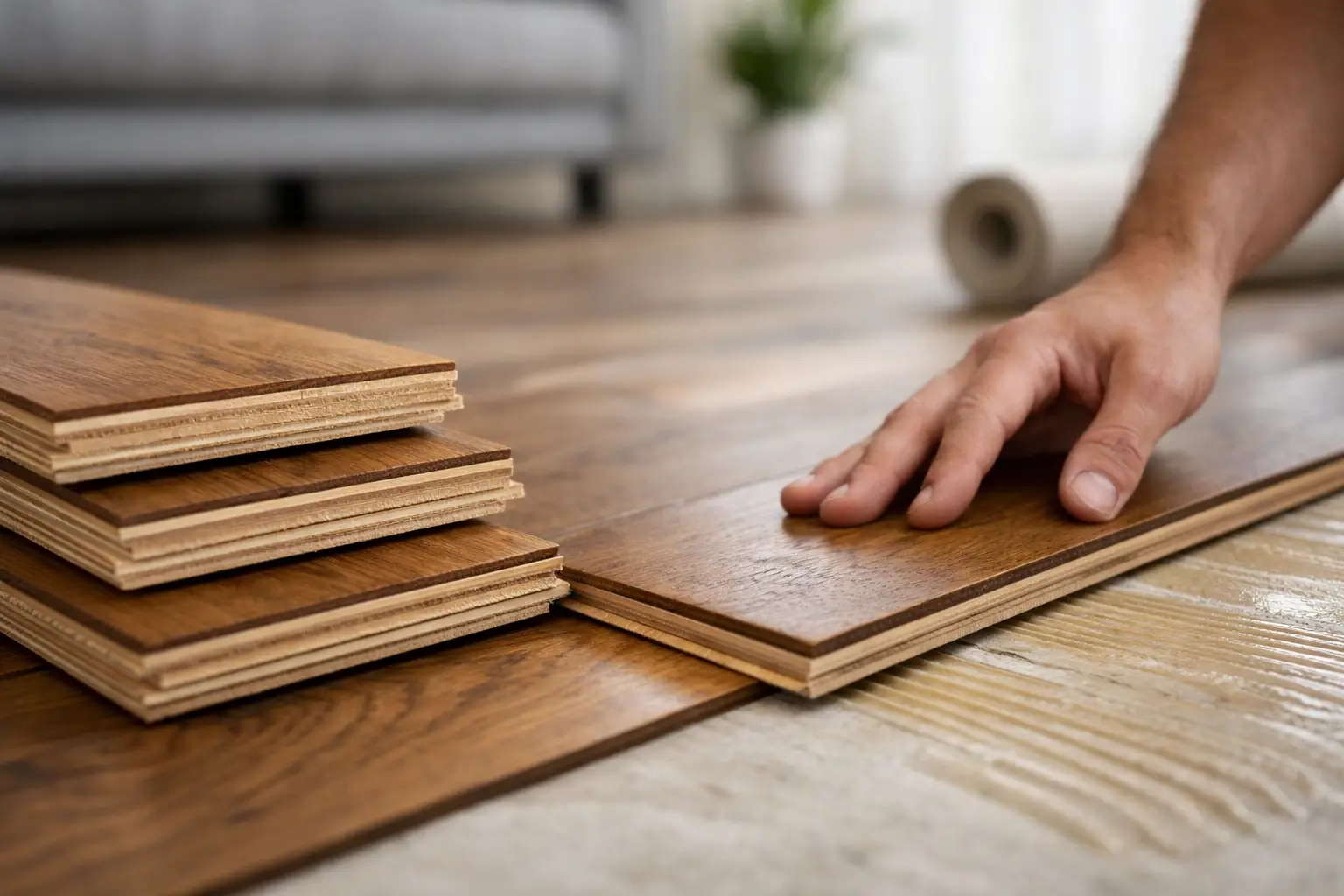
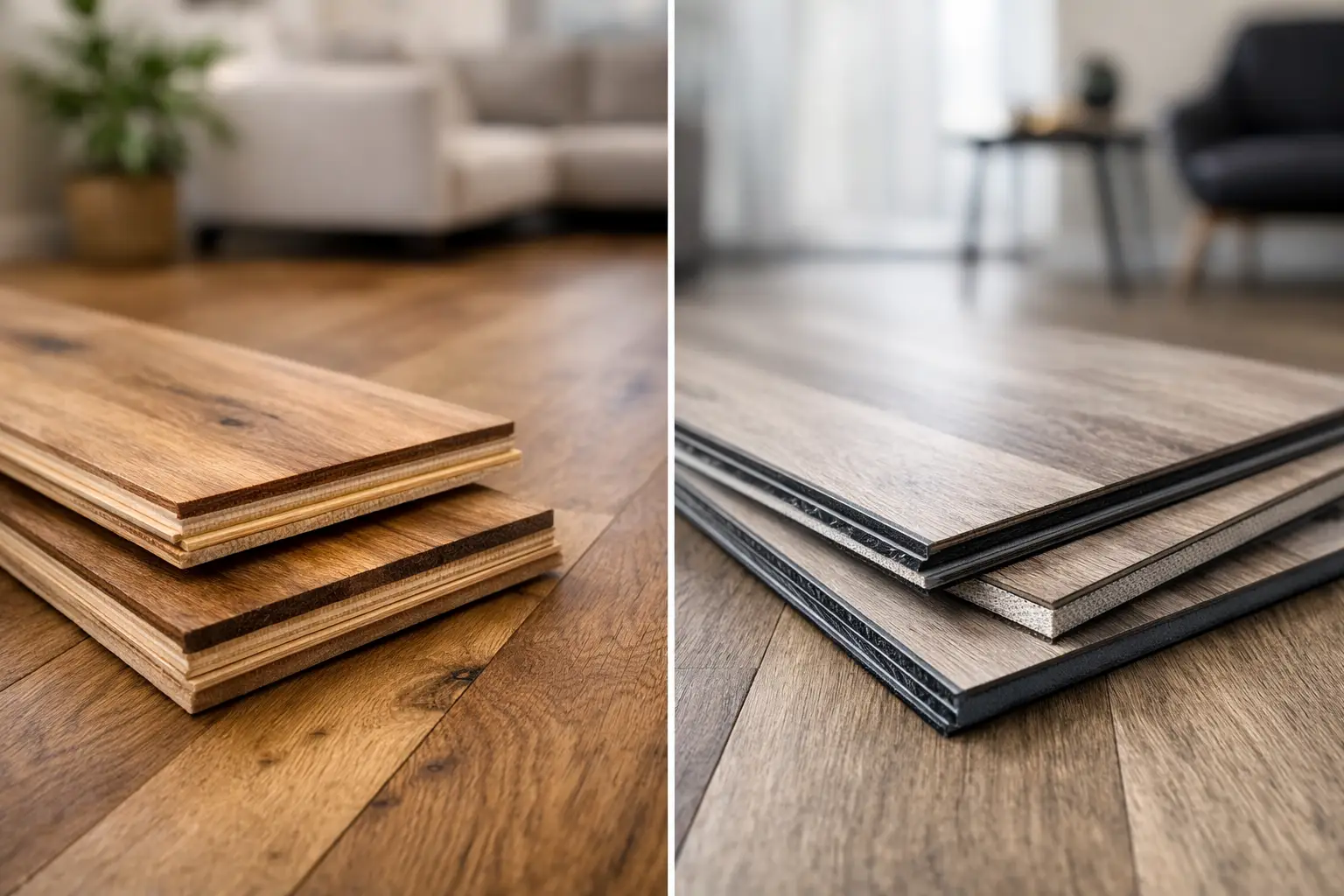
Engineered timber is built differently from solid timber. It has a real timber veneer on top, backed by stable core layers designed to handle movement better than solid boards. That construction makes it a strong choice for many homes and apartments, but the surface still needs the same common-sense care you would give any quality timber finish. Clean it gently, keep moisture under control, and avoid shortcuts that wear down the coating.
Table of Contents
How to clean engineered timber flooring without damage
Start with dry cleaning before anything wet touches the floor. Dust, grit and fine debris act like sandpaper under shoes, dining chairs and pet paws. If that grit sits there for days, it slowly scratches the protective coating and takes the clean, even look off the boards.
A soft microfibre mop, electrostatic dust mop, or vacuum with a hard floor setting will do the job well. The important part is the head or attachment. You want something soft and non-abrasive, not a rotating brush meant for carpet. If your vacuum has a beater bar, turn it off.
Once loose dirt is removed, follow with a slightly damp microfibre mop. Slightly damp is the key phrase here. The mop should feel moist to the touch, not wet enough to leave visible water behind. If you can see puddling or streaks of water, you are using too much.
Use a pH-neutral cleaner made for timber or engineered timber floors if the floor needs more than plain water. Spray the cleaner onto the mop pad or lightly onto a small section of the floor rather than flooding the whole area. Then mop with the grain where possible. This gives you a more even finish and helps avoid patchy marks.
After that, let the floor air dry. You should not need to rinse it, and you definitely should not need to scrub aggressively. If the cleaner leaves a residue, it is usually because too much product was used, not because the floor is still dirty.
What to use and what to avoid
The safest cleaning tools are simple ones. A soft broom can work for quick daily debris, but microfibre usually picks up more dust without pushing it around. For regular cleaning, a spray mop with washable microfibre pads is practical, especially in busy family homes.
Cleaning products are where many people get into trouble. Oil soaps, vinegar solutions, bleach, ammonia-based sprays, and steam mops are all common mistakes. Some leave a dull film. Some slowly break down the floor coating. Others force moisture into board joins and edges, where damage is harder to reverse.
Steam mops deserve a special mention because they are often marketed as easy and hygienic. On engineered timber, they are a risk. Heat and moisture together can affect the coating, the veneer, and in some cases the board stability over time. Even if the floor looks fine at first, repeated use can shorten its lifespan.
If you are unsure about a product, check the flooring manufacturer’s care instructions first. Not every finish is identical. Matte UV lacquer, brushed finishes, and oiled surfaces can have different maintenance requirements. A good rule is this: if the cleaner is not clearly suitable for engineered timber, do not guess.
How often should engineered timber floors be cleaned?
That depends on the home, the traffic, and what gets tracked in. In a low-traffic room, a quick dust mop a few times a week and a damp clean as needed is usually enough. In open-plan living areas, kitchens, hallways and entry points, you may need to remove dust and grit daily.
Families with kids, pets, or backyard access will naturally clean more often. The same goes for commercial spaces or rental properties where foot traffic is heavier and maintenance gets delayed. Cleaning little and often is far better than letting grime build up and then attacking the floor with strong products.
The other factor is Melbourne’s changeable conditions. On dry, windy days, dust can build quickly. In wet weather, tracked-in moisture and grit become the bigger issue. A mat at the entry and a quick wipe-up policy go a long way.
Spot cleaning spills the right way
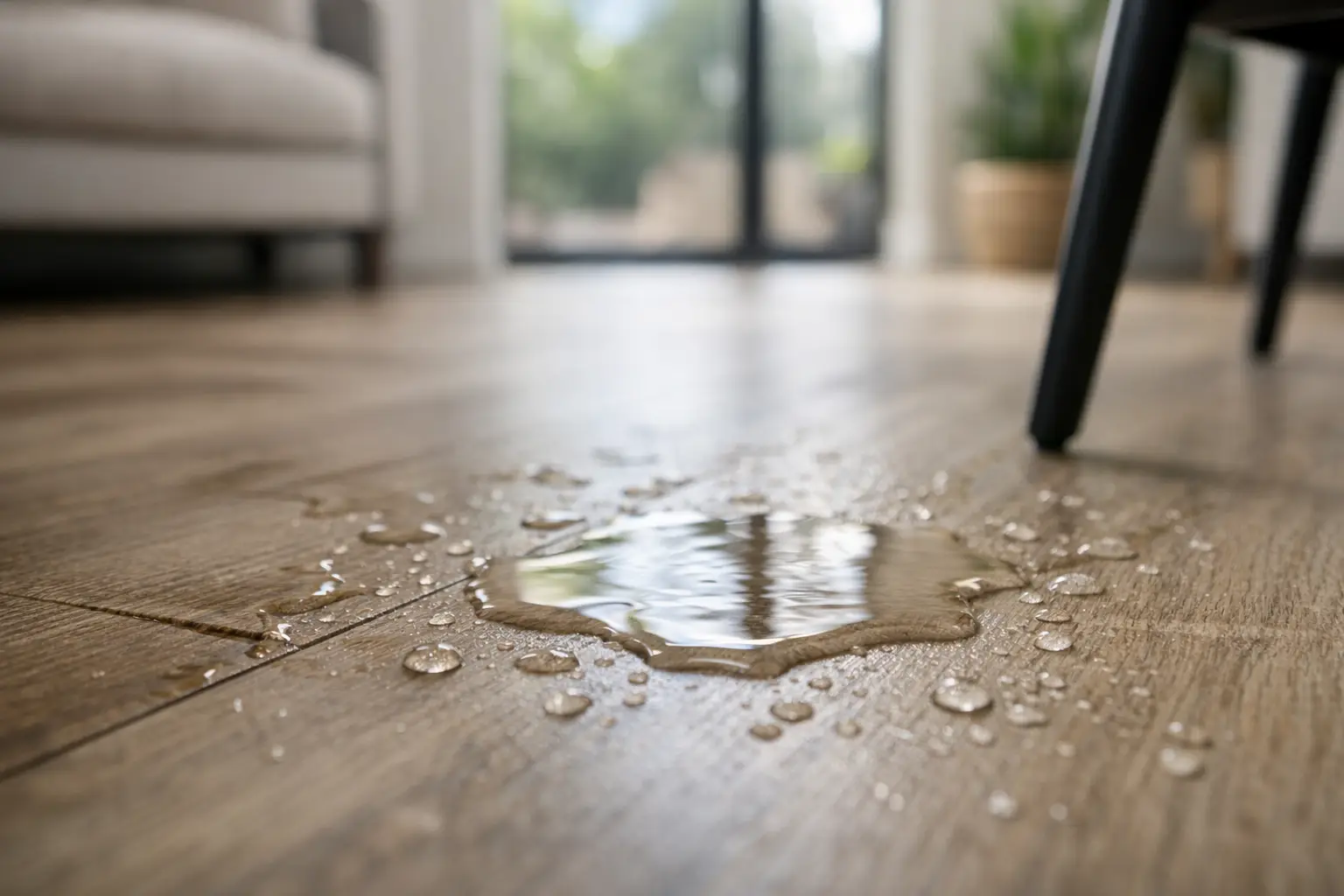
Spills should be cleaned straight away, especially around board joins. Use a dry or slightly damp cloth and blot rather than spread the liquid around. Once the spill is lifted, wipe the area with a clean damp microfibre cloth if needed, then dry it.
This matters most with things like red wine, coffee, pet accidents and anything sugary or acidic. The longer they sit, the greater the chance of staining, swelling, or affecting the surface finish. Engineered timber is durable, but it is not waterproof in the way people sometimes assume.
Common cleaning mistakes that shorten floor life
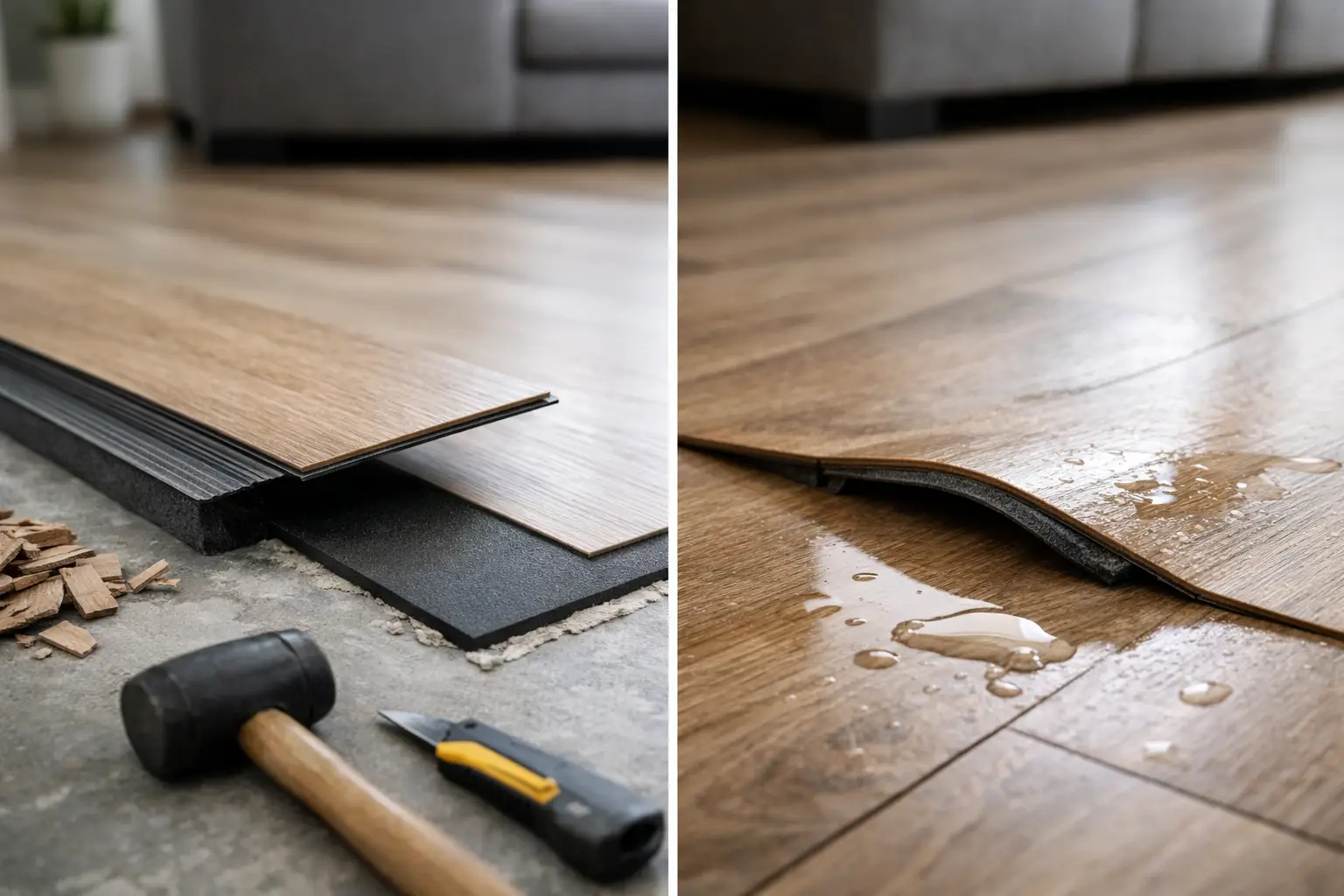
Overwet mopping is the big one. People often think more water means a deeper clean. On engineered timber, more water usually means more risk. Moisture can seep into joins, especially if the floor has minor gaps from seasonal movement or wear.
Using the wrong cleaner is another common issue. General-purpose floor sprays may smell fresh, but many are designed for tile or vinyl, not timber finishes. They can leave a haze that is hard to remove and may make the floor look older than it is.
Then there is abrasion. Dragging furniture, using rough scrub pads, or vacuuming with hard plastic wheels all wear the finish down faster. That damage is gradual, so it often goes unnoticed until the floor loses its consistency and starts showing dull traffic lanes.
Too much product can be just as bad as the wrong product. If a floor always looks smeary after cleaning, there is a good chance it is carrying build-up. Often the fix is not another stronger cleaner. It is using less product, cleaner pads, and a more controlled method.
If the floor already looks dull or streaky
First, work out whether the issue is dirt, residue, or wear. Residue usually causes patchy shine or cloudy marks that shift depending on the light. Wear tends to show in pathways and around kitchen work zones where foot traffic is concentrated.
If it is residue, a proper clean with a manufacturer-approved timber floor cleaner and fresh microfibre pads may improve it. If it is wear, cleaning will only do so much. Some engineered floors can be recoated or lightly sanded depending on the veneer thickness and finish type, while others are more limited. That is where getting trade-informed advice matters, because the wrong fix can make the surface worse.
Practical care beyond cleaning
Cleaning is only part of keeping engineered timber looking sharp. Felt pads under chairs, rugs in high-traffic zones, and trimming pet nails all reduce surface wear. If you move furniture, lift it rather than dragging it.
Humidity also plays a role. Engineered boards are more stable than solid timber, but they still respond to environmental changes. Extreme dryness can open joints slightly, while prolonged moisture can cause movement or edge issues. That is less about day-to-day cleaning and more about protecting the floor over the long term.
Shoes can make a difference too. Soft-soled footwear is usually fine, but grit trapped in shoes or high heels with concentrated pressure can mark a floor faster than people expect. In some homes, a no-shoes policy at the door is the easiest maintenance upgrade you can make.
When to get professional advice
If your floor is lifting, cupping, staining at the joins, or showing widespread coating failure, that is not a standard cleaning issue. It could point to moisture ingress, product mismatch, installation conditions, or a maintenance method that has been too aggressive.
This is also where buying from people who understand flooring beyond the showroom matters. Former installers tend to spot the difference between a dirty floor, a finish issue, and a board problem much faster. If you are in Melbourne and dealing with a floor that never looks right no matter how often it is cleaned, practical advice from a timber flooring specialist can save you from trying the wrong products for another six months.
Engineered timber rewards good habits more than hard work. Keep grit off the surface, use minimal moisture, choose the right cleaner, and deal with spills quickly. That steady approach does more for the look and lifespan of the floor than any miracle product ever will.