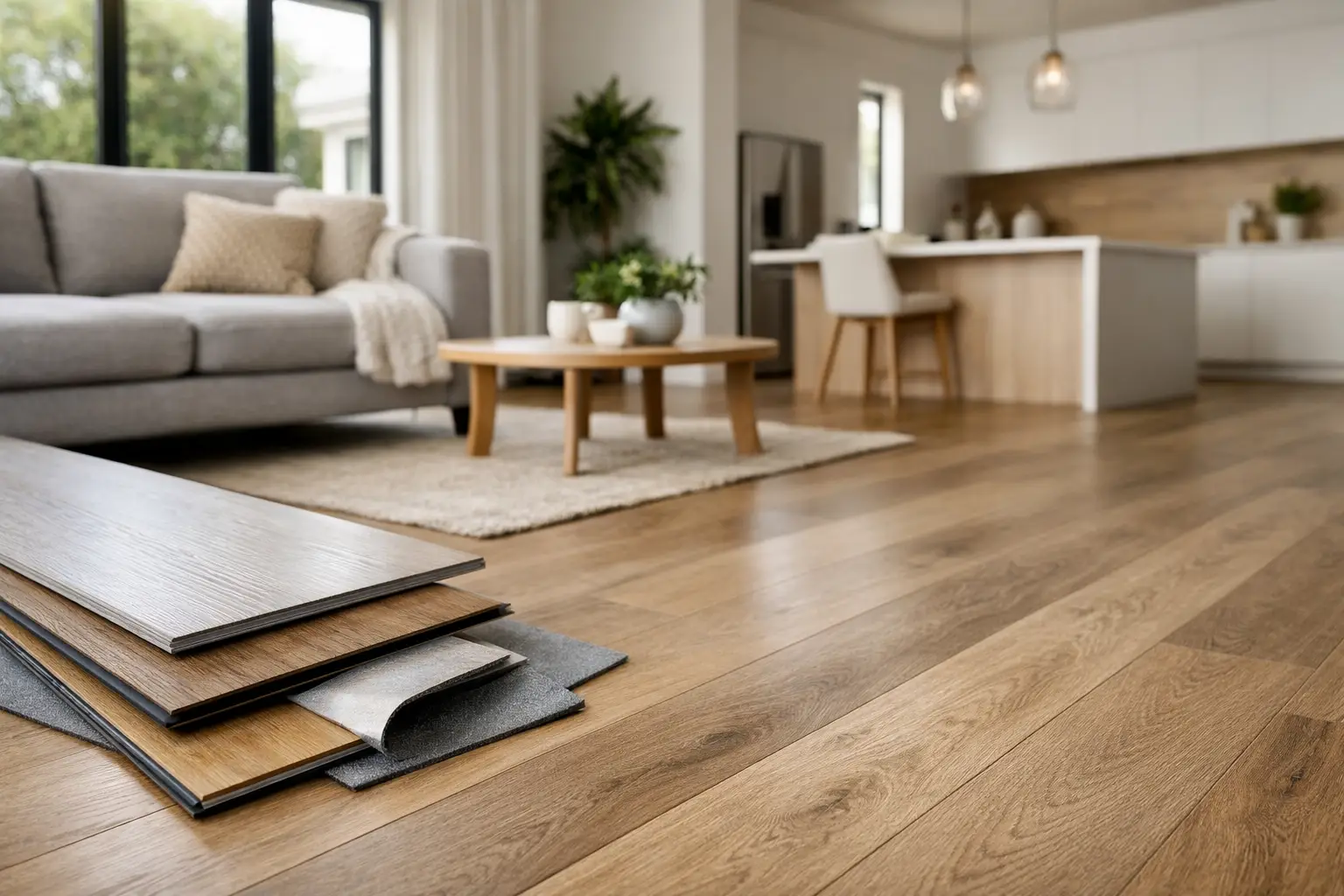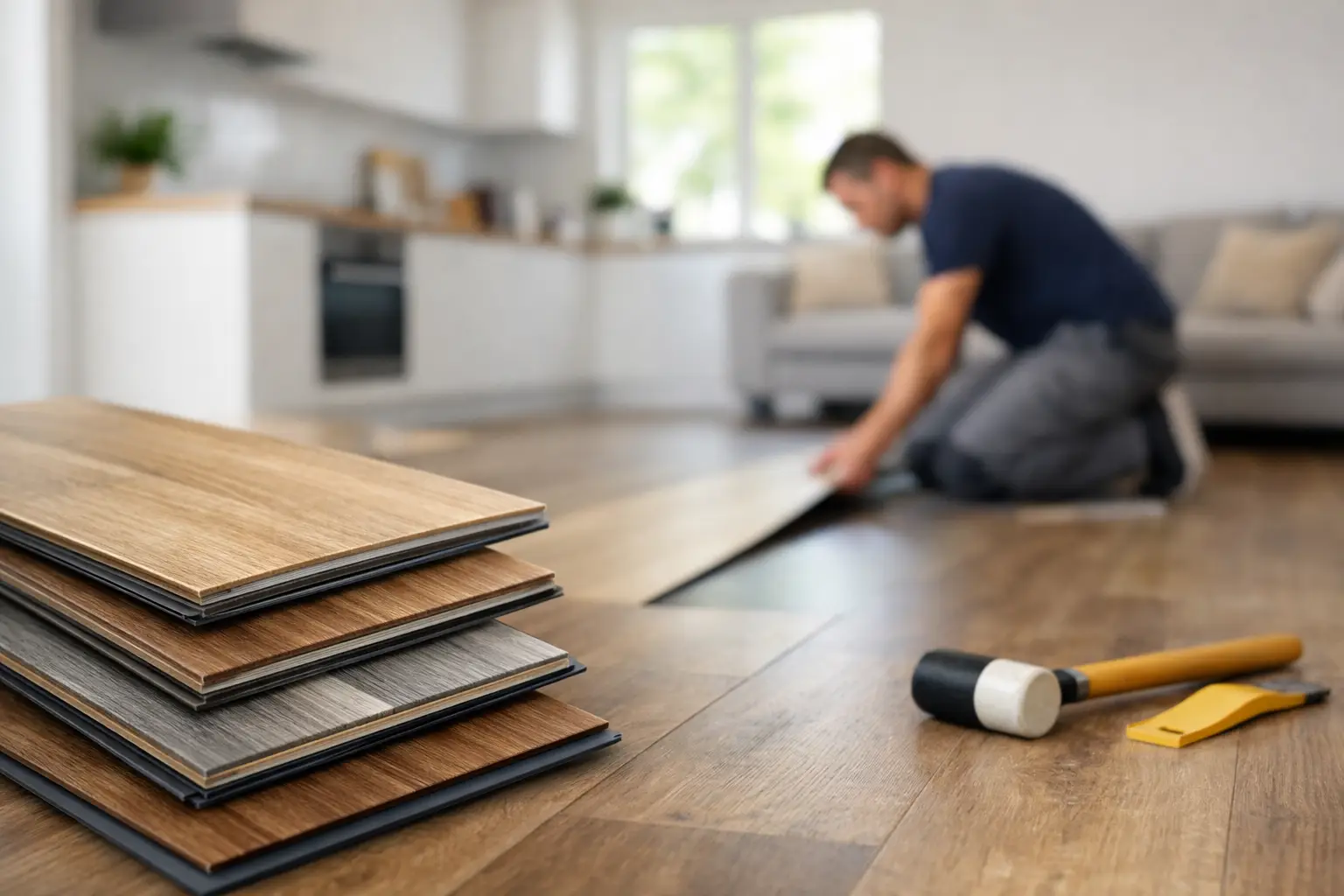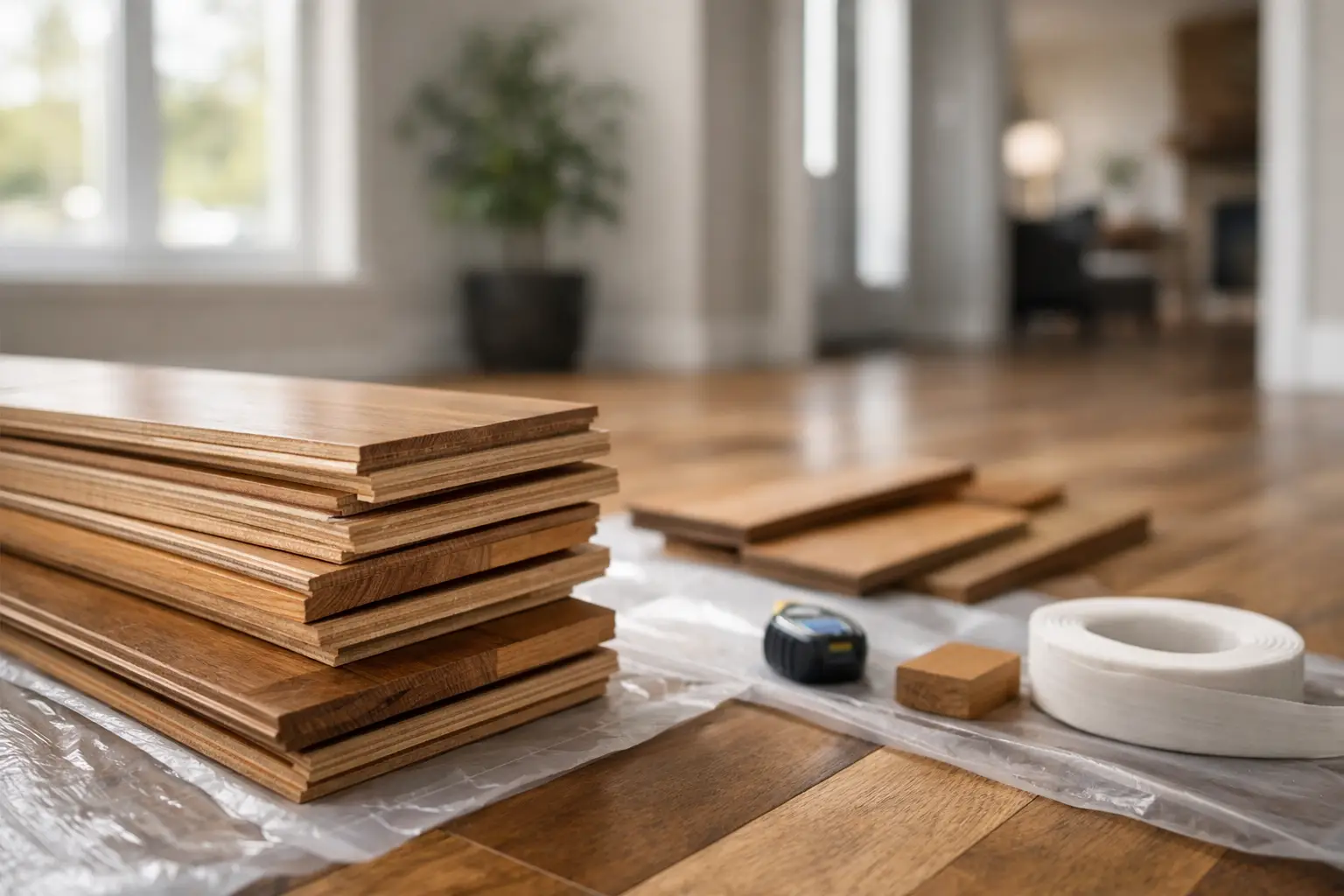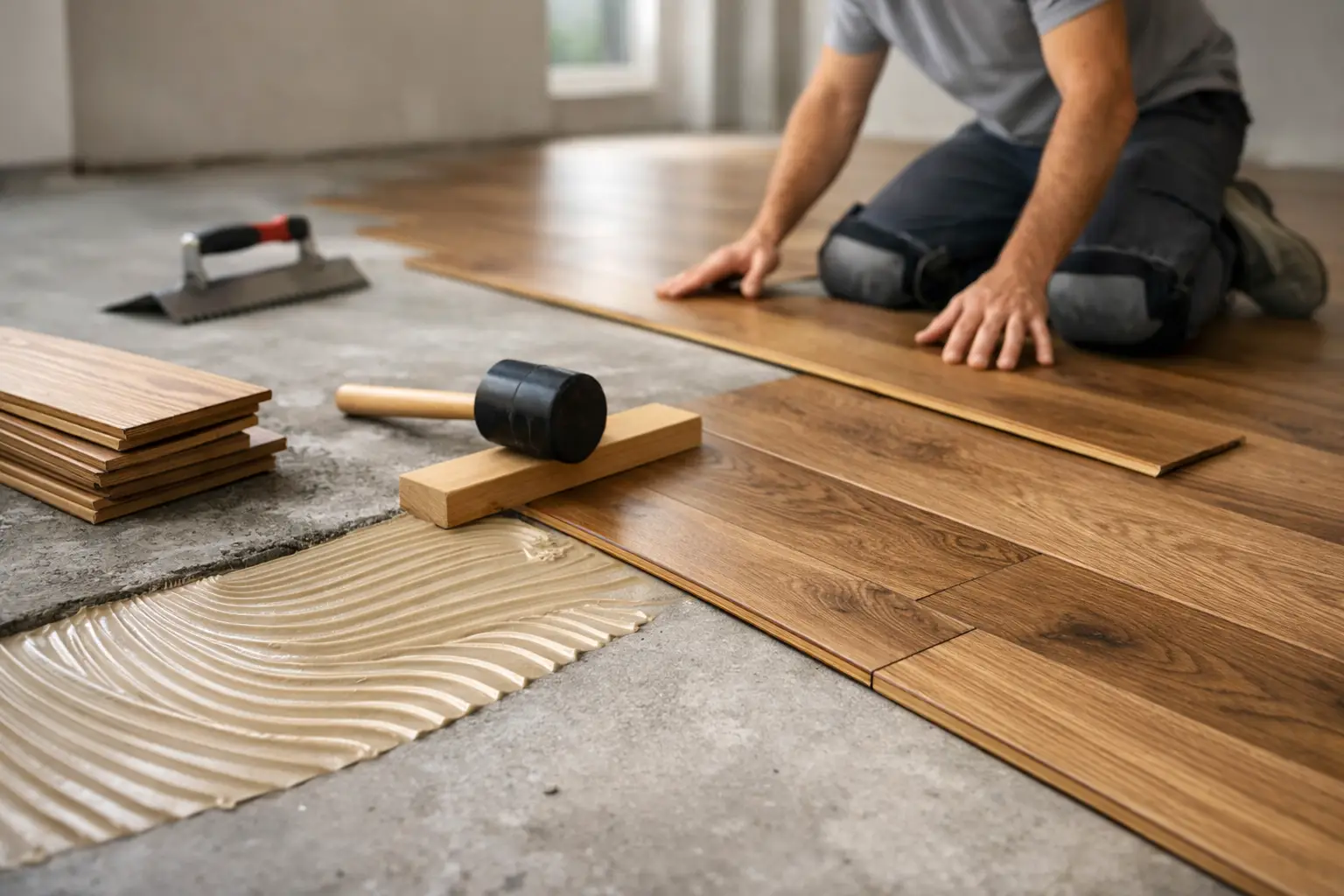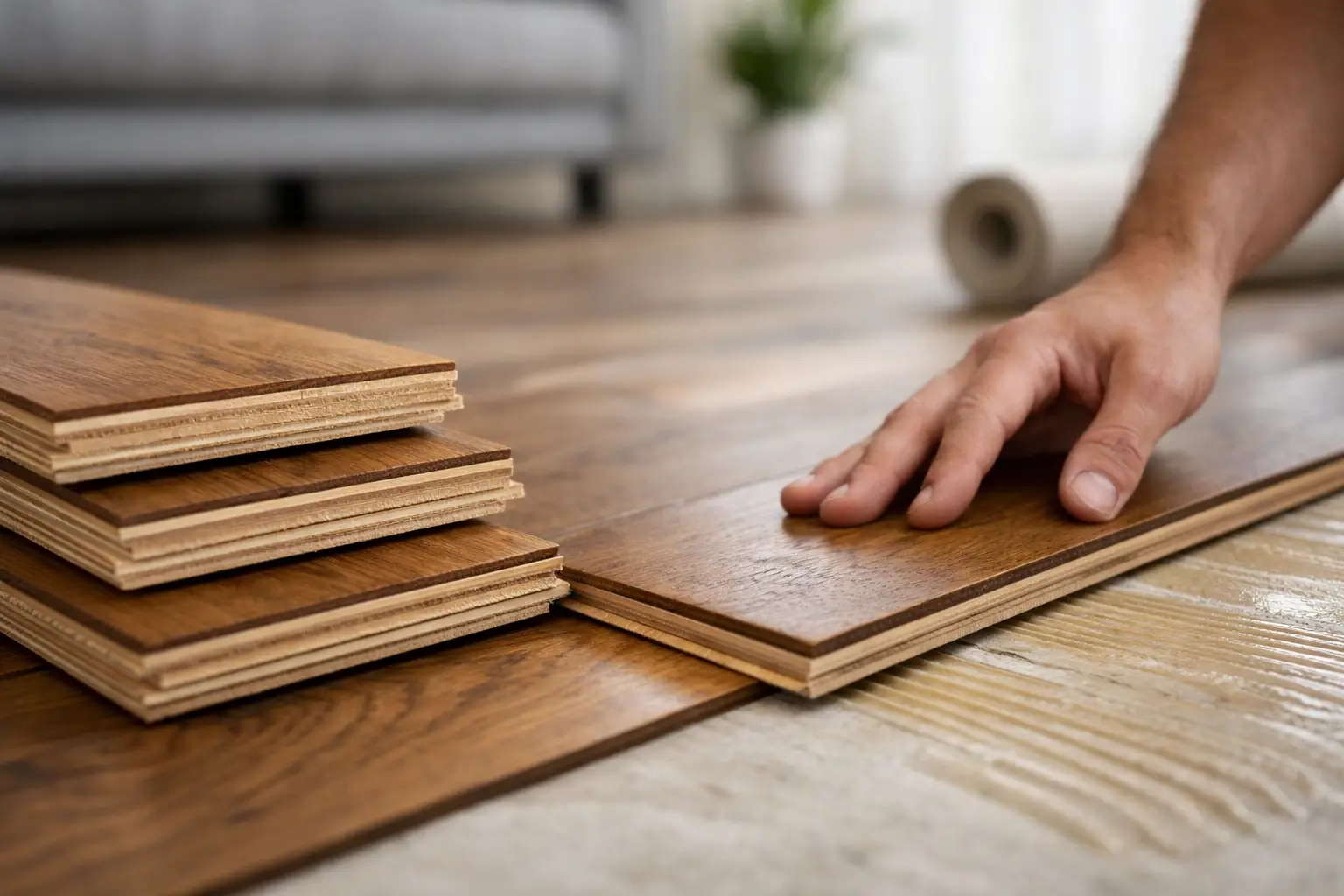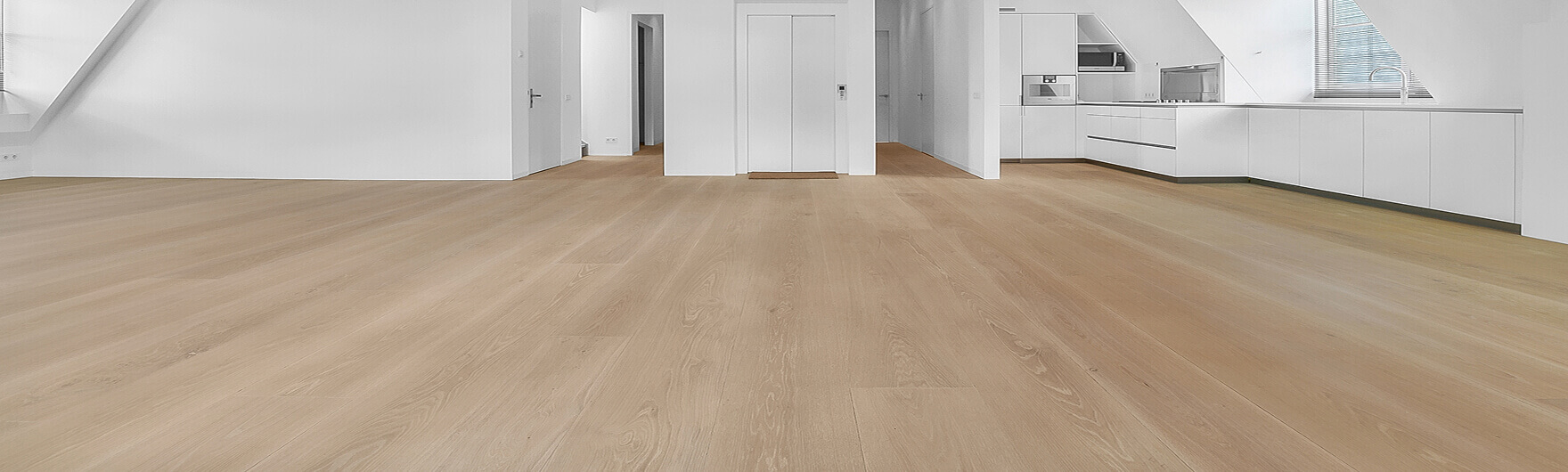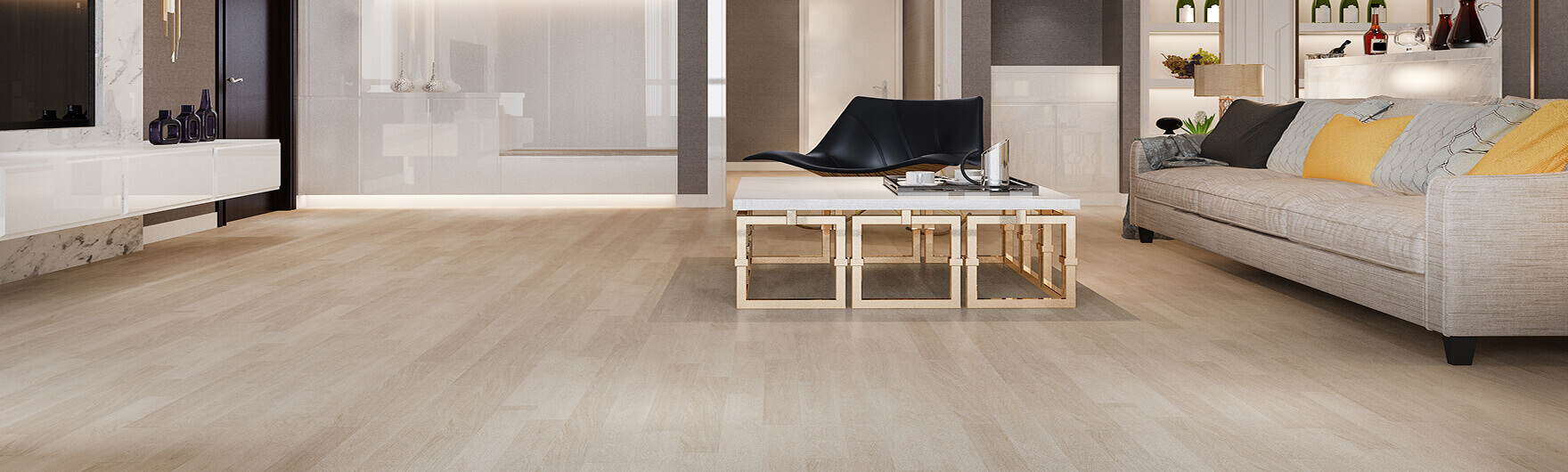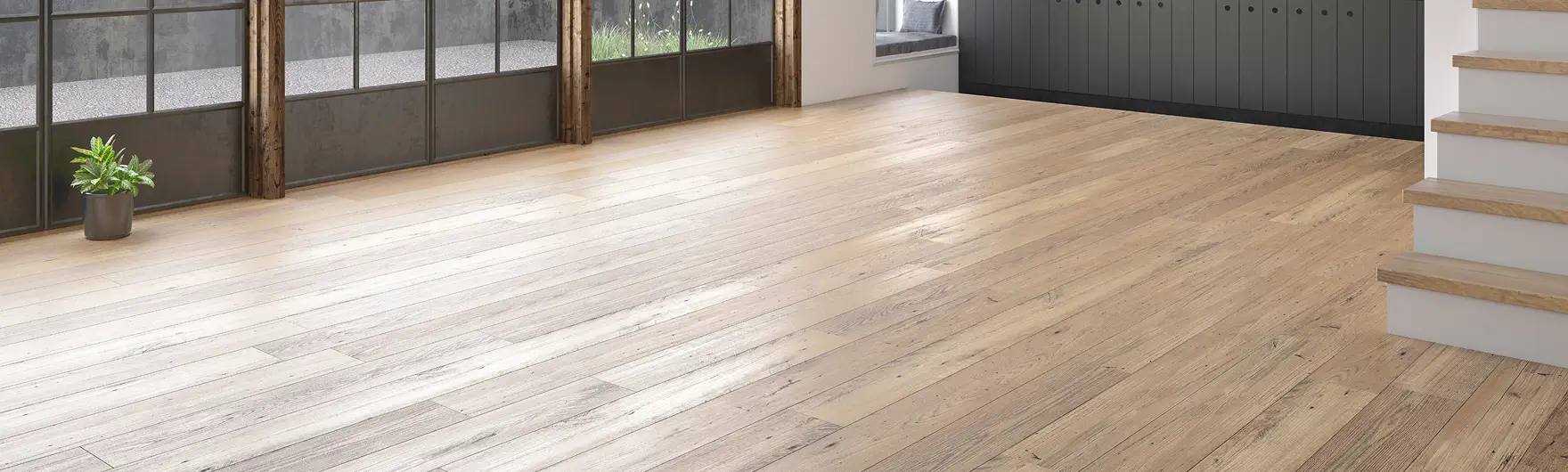
A hybrid floor can look outstanding on day one and still disappoint six months later if the job underneath it was rushed. That is the real difference with hybrid flooring services – not just who supplies the boards, but who checks the slab, manages moisture, allows for movement, and installs it properly from the start.
Hybrid flooring has become a popular choice for Melbourne homes, apartments and commercial fit-outs because it offers the timber-look many buyers want with practical day-to-day durability. It handles busy households well, works in a wide range of interiors, and gives a cleaner, more consistent finish than many older flooring options. But hybrid is not a one-size-fits-all product, and it is definitely not a one-step installation.
Table of Contents
What hybrid flooring services should actually include
A proper service starts well before any planks are laid. The best results come from a process that includes product selection, site inspection, subfloor assessment, preparation, installation, and finishing advice. If a quote skips over the condition of your existing floor, that is usually where problems begin.
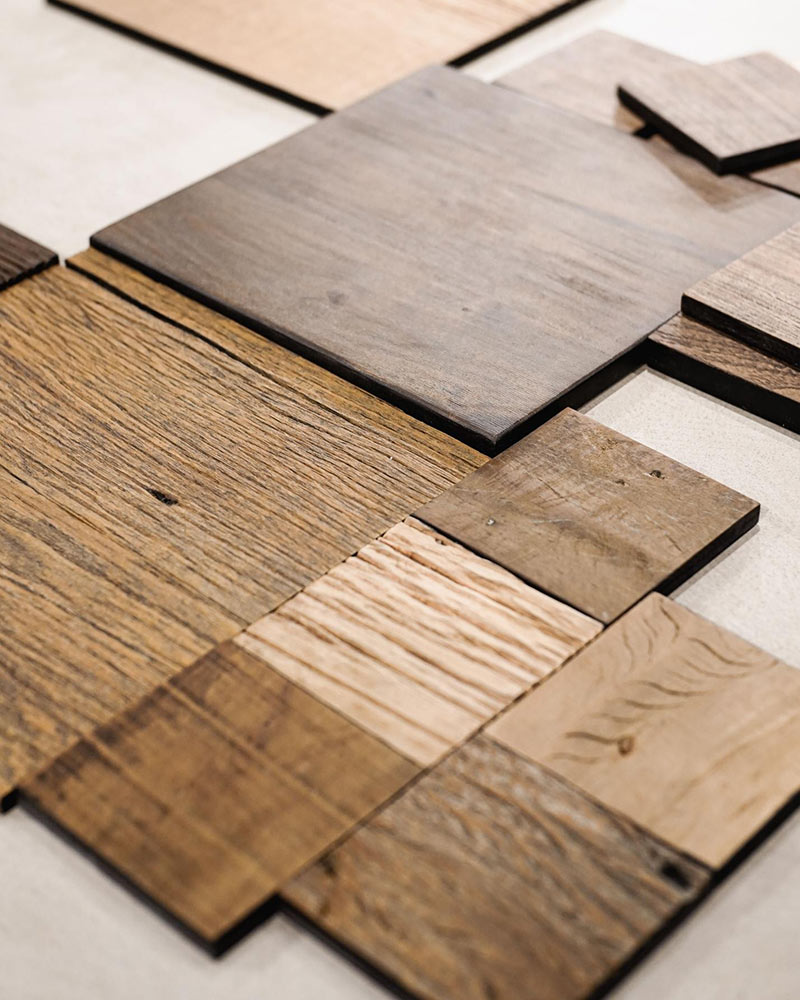
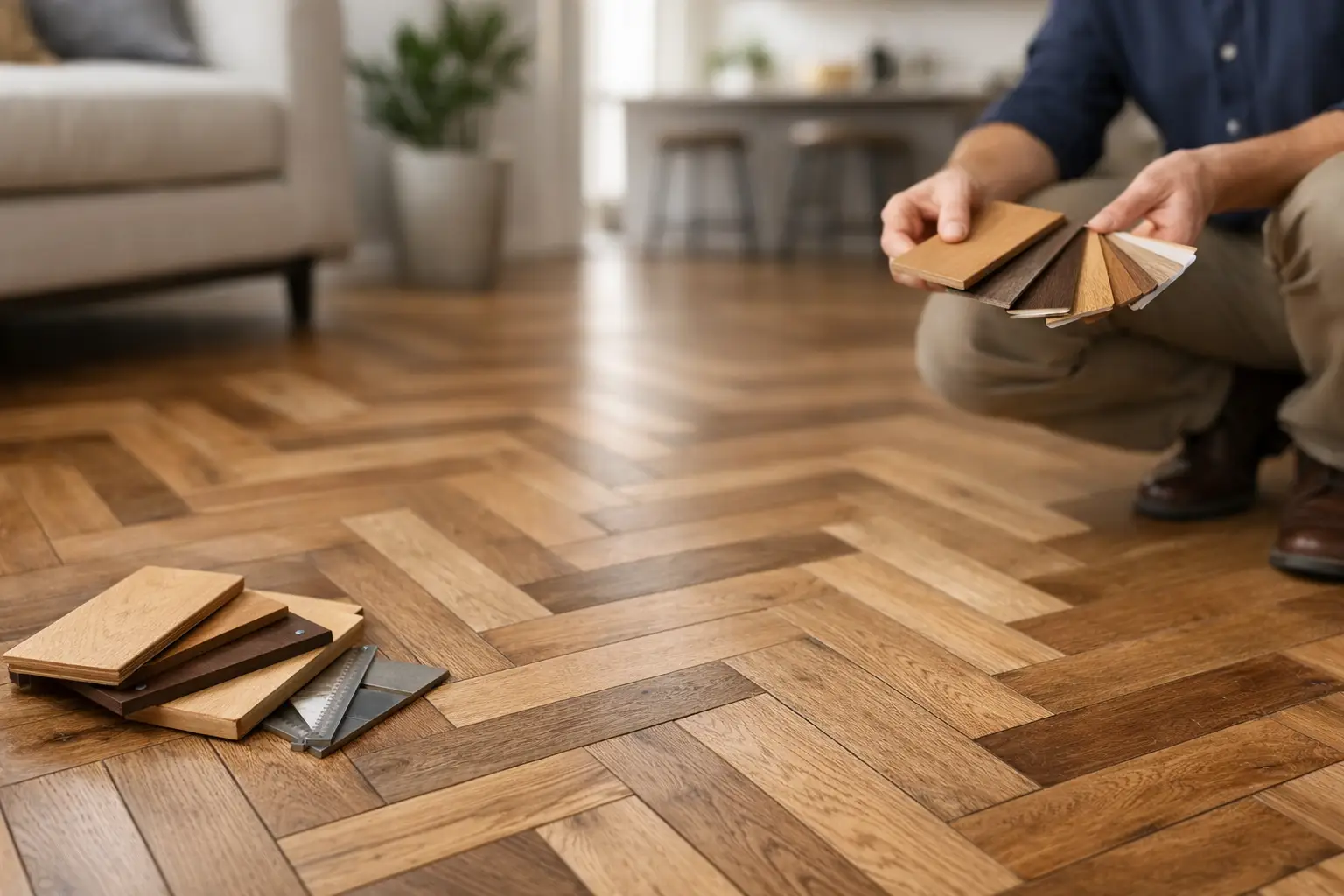
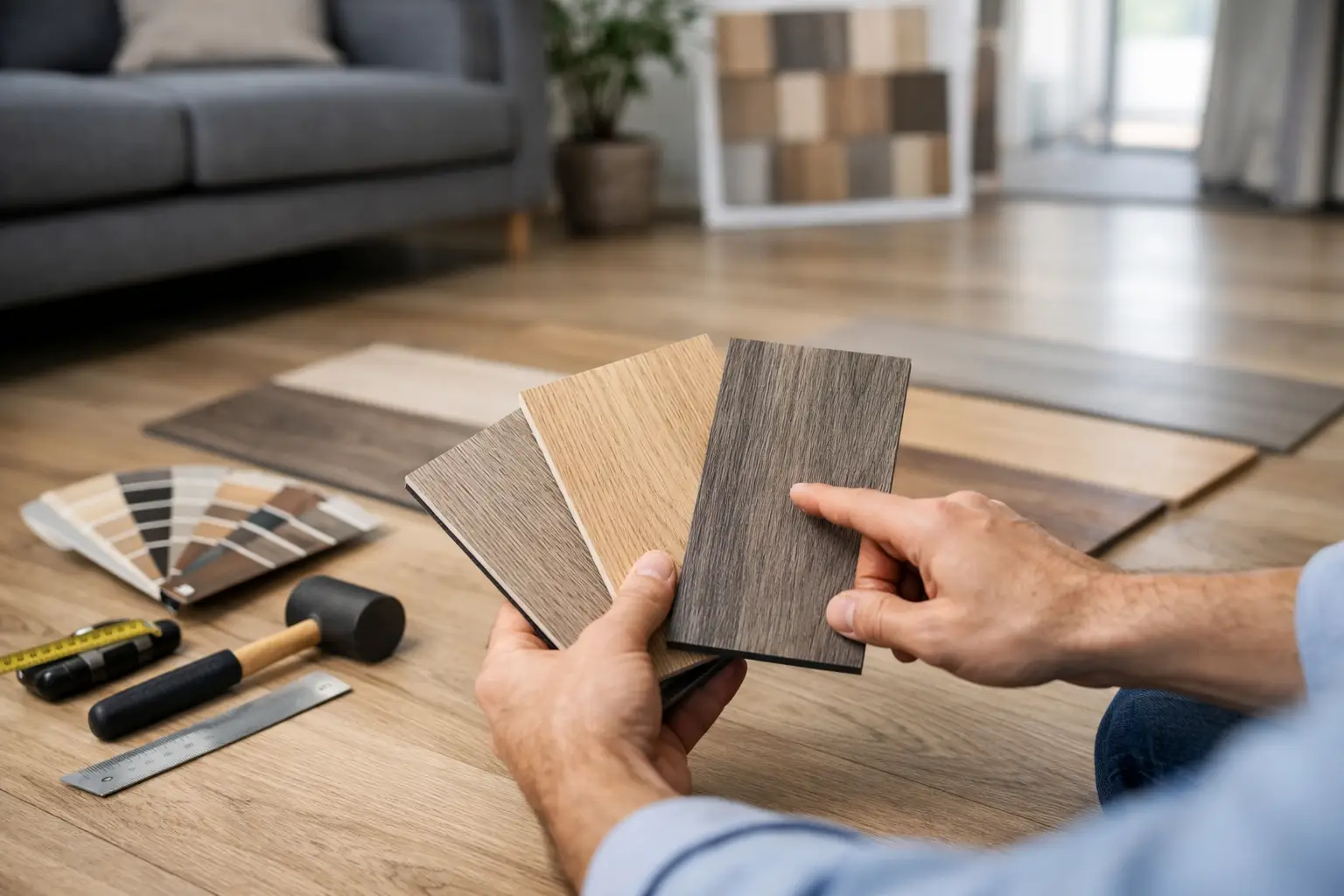
For homeowners, the first part is choosing a product that suits how the space is used. A young family may need a tougher wear layer and a colour that hides dust and daily marks. An apartment owner may be more concerned about acoustic performance, height build-up and body corporate requirements. A retail or office space may need a commercial-grade option with better dent resistance and a layout that handles heavier traffic.
That is why experienced advice matters. A showroom can show you samples, but former installers can usually tell you what will work in your actual property.
Why subfloor preparation matters in hybrid flooring services
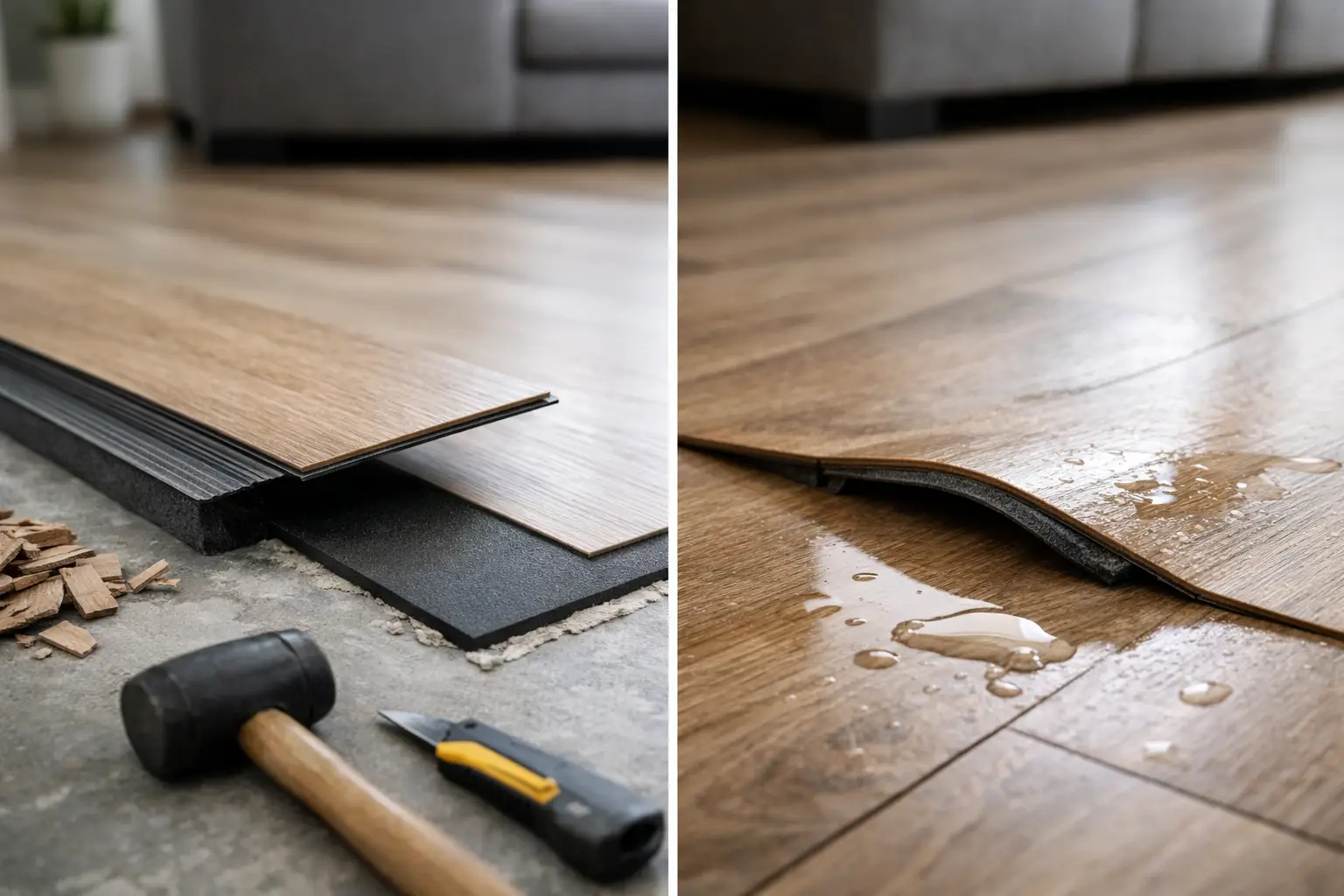
Most flooring failures are not caused by the plank itself. They come from what is underneath.
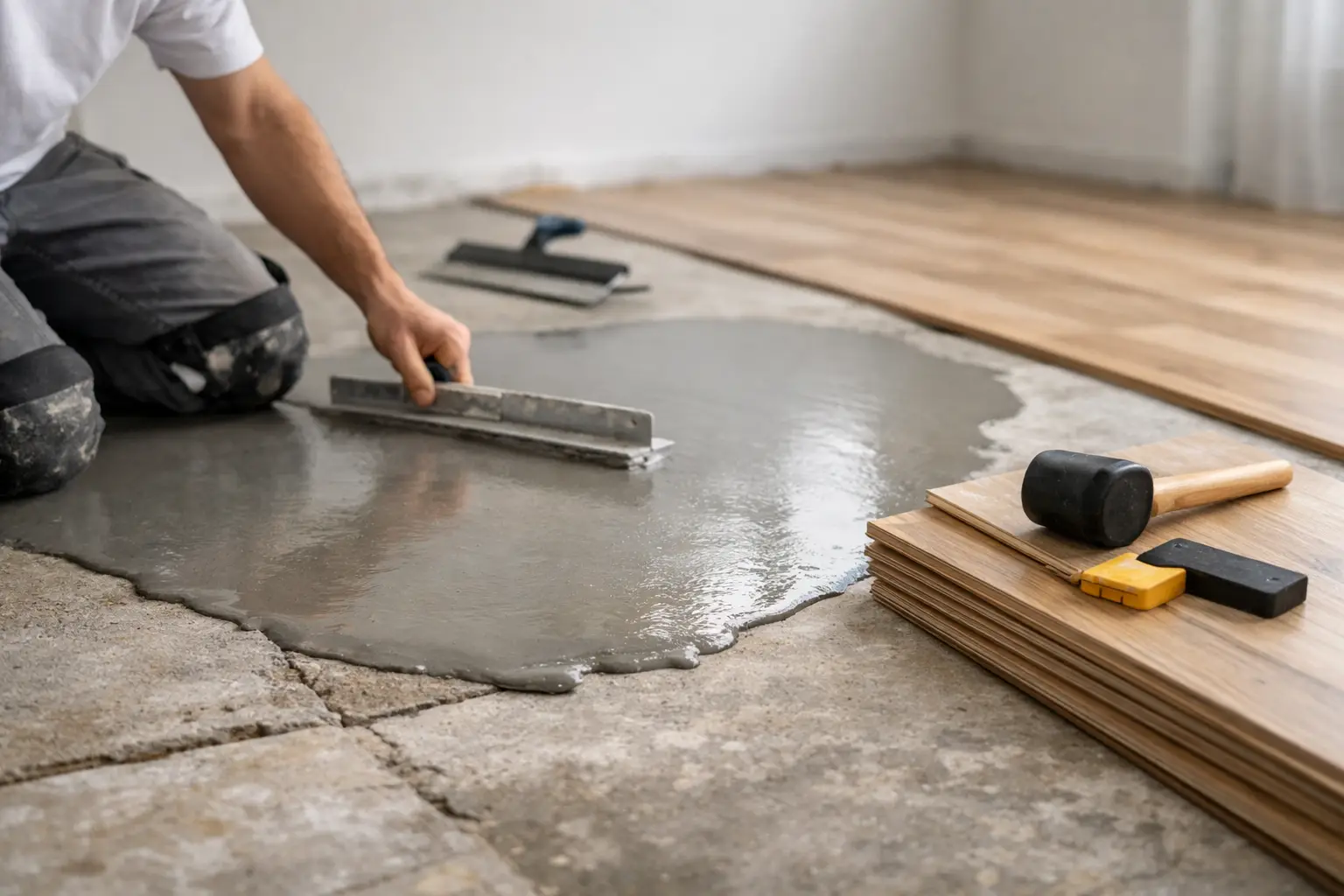
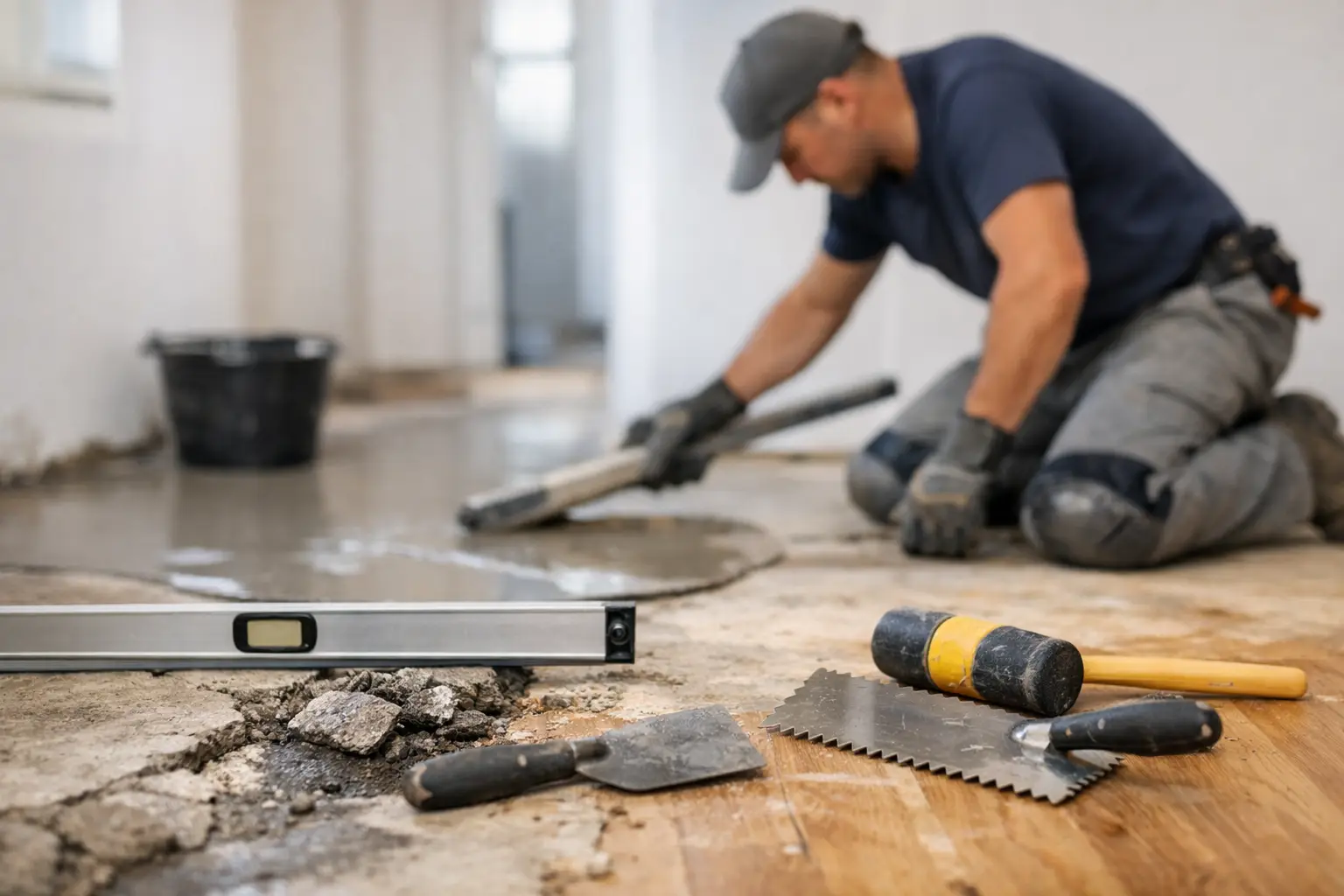
Hybrid flooring is often marketed as forgiving, and compared with some other floor types, it can handle minor irregularities better. But that does not mean it should be laid over an uneven, cracked or poorly prepared subfloor. If the slab has low spots, high spots, leftover adhesive, moisture issues or movement, those defects tend to show up later as bounce, hollow sections, joint stress, peaking or premature wear.
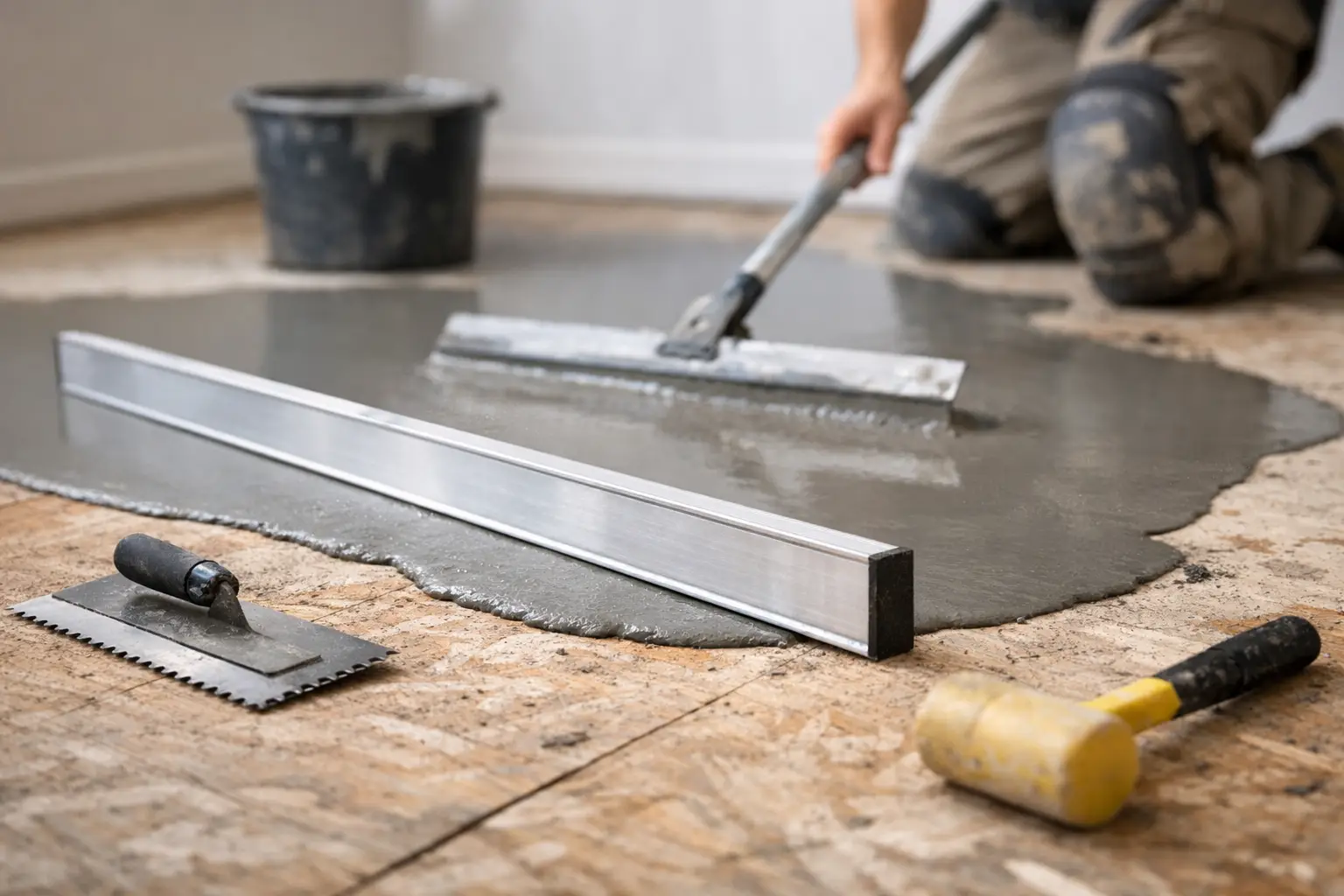
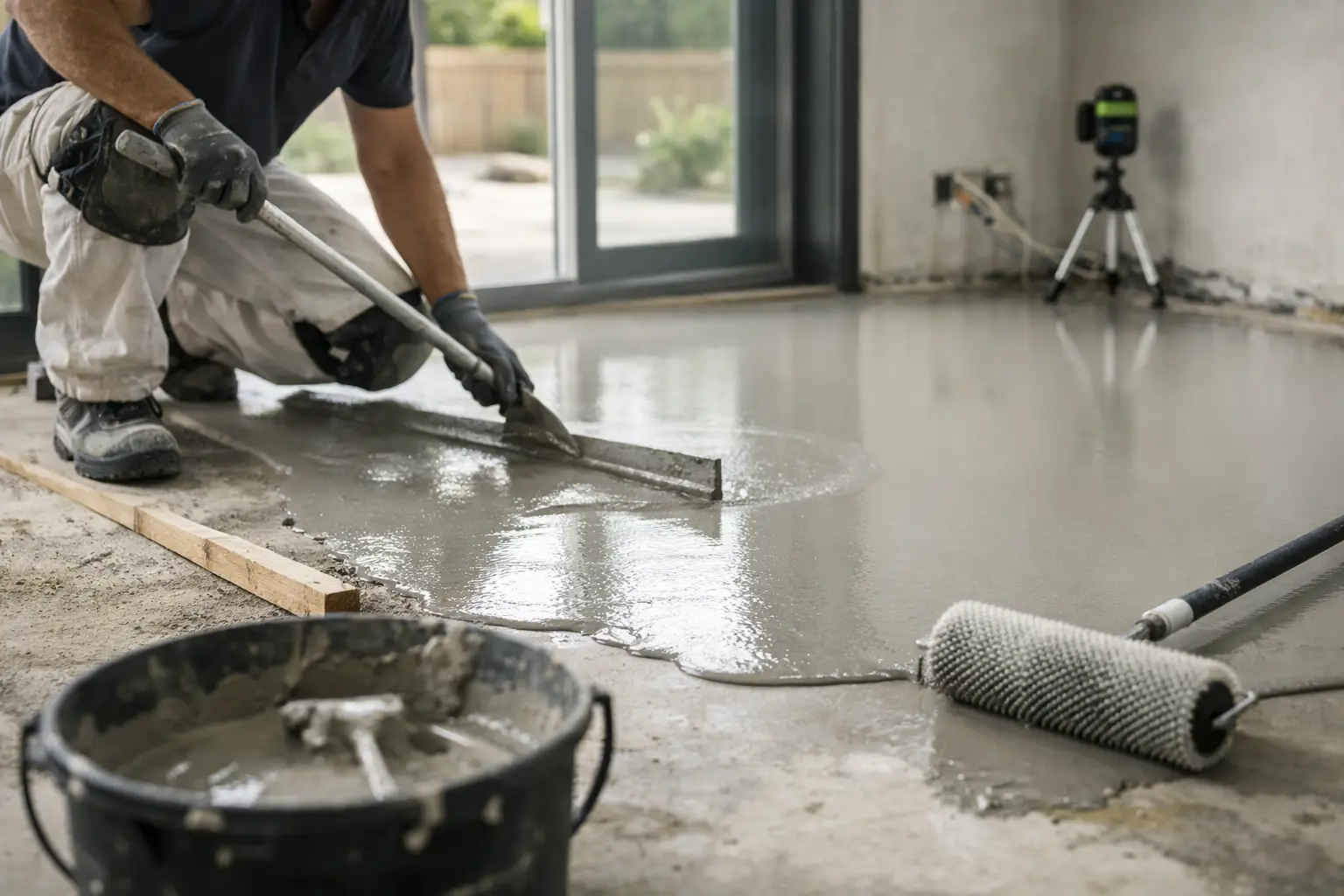
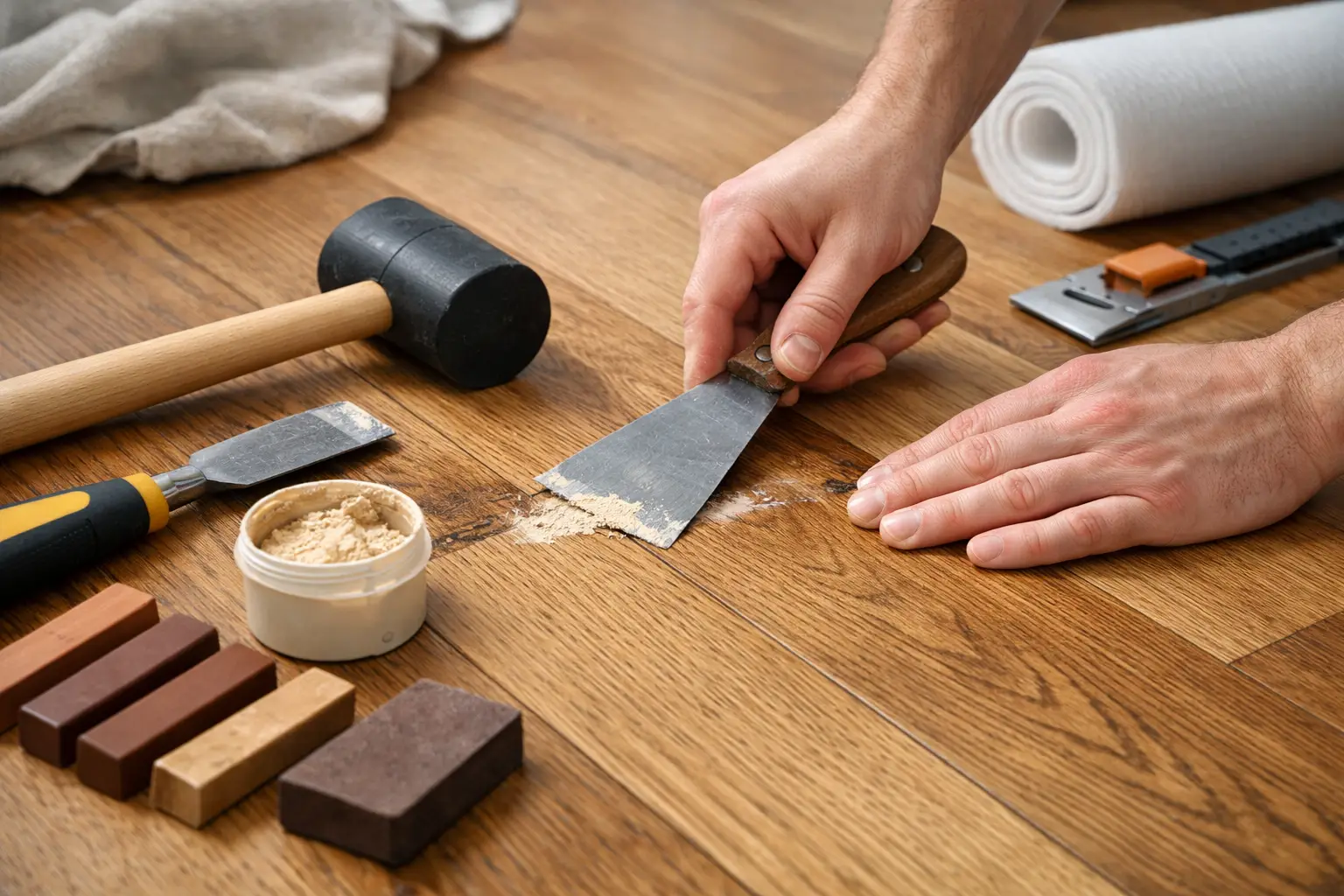
This is where good hybrid flooring services earn their value. A proper installer will test and inspect the subfloor, then recommend the right preparation method rather than trying to install around the issue. In many cases, that means grinding, patching or using a self-levelling compound to create a flatter base. It adds work up front, but it protects the finish and lifespan of the floor.
Customers sometimes hesitate here because prep work is not the part you see. Fair enough. But if you are paying for a premium result, flawless preparation is not an optional extra. It is part of the job.
Choosing the right hybrid product for the space
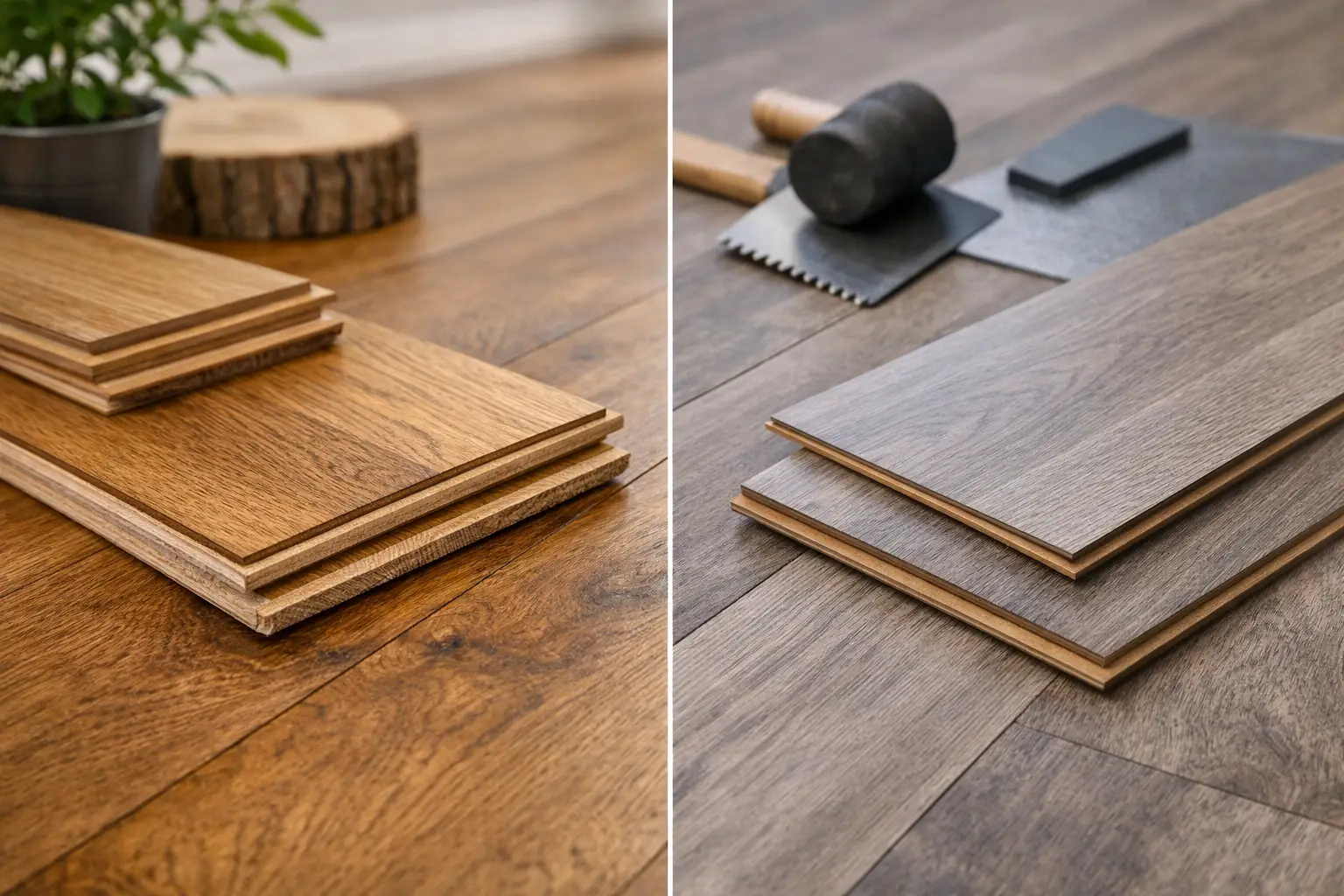
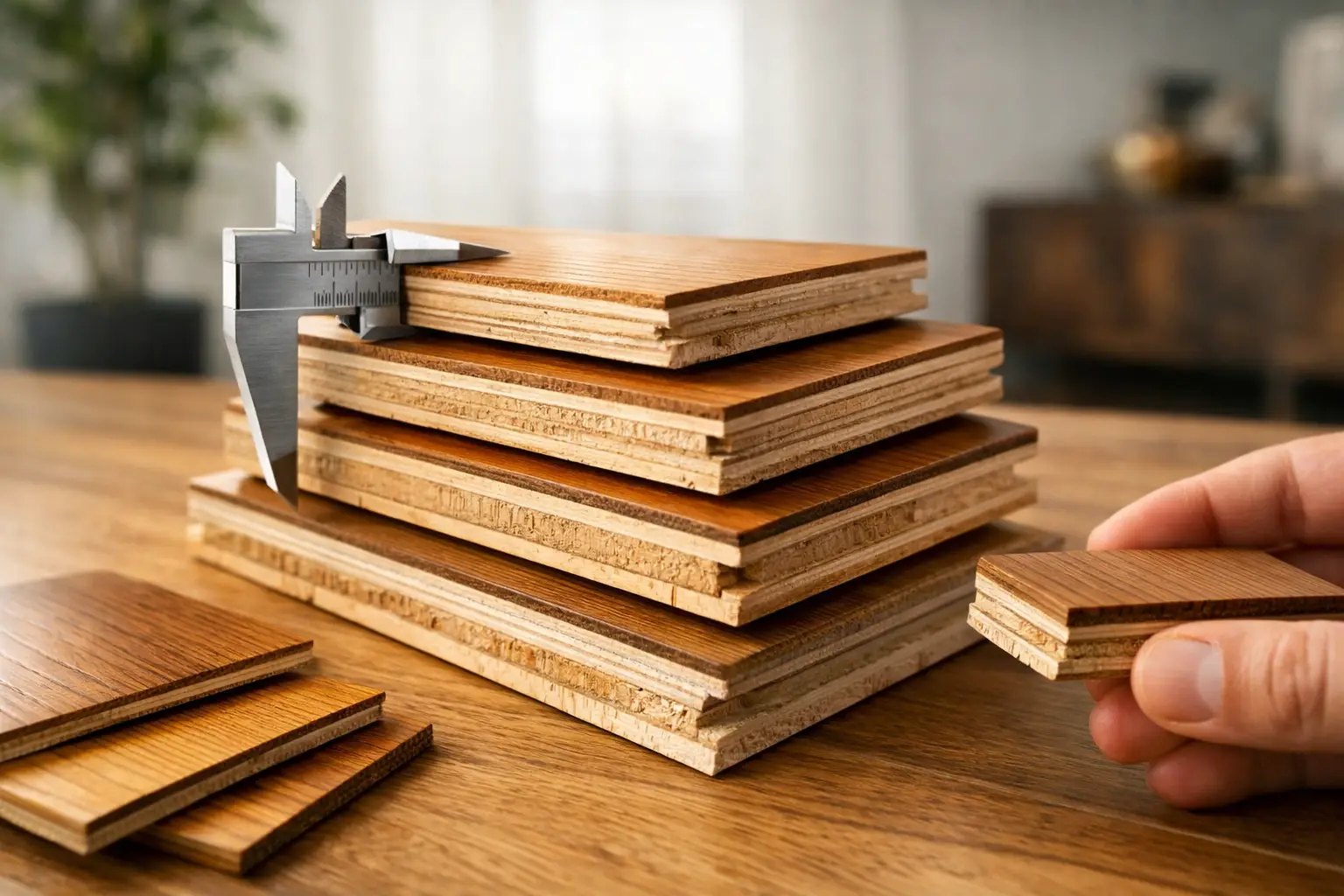
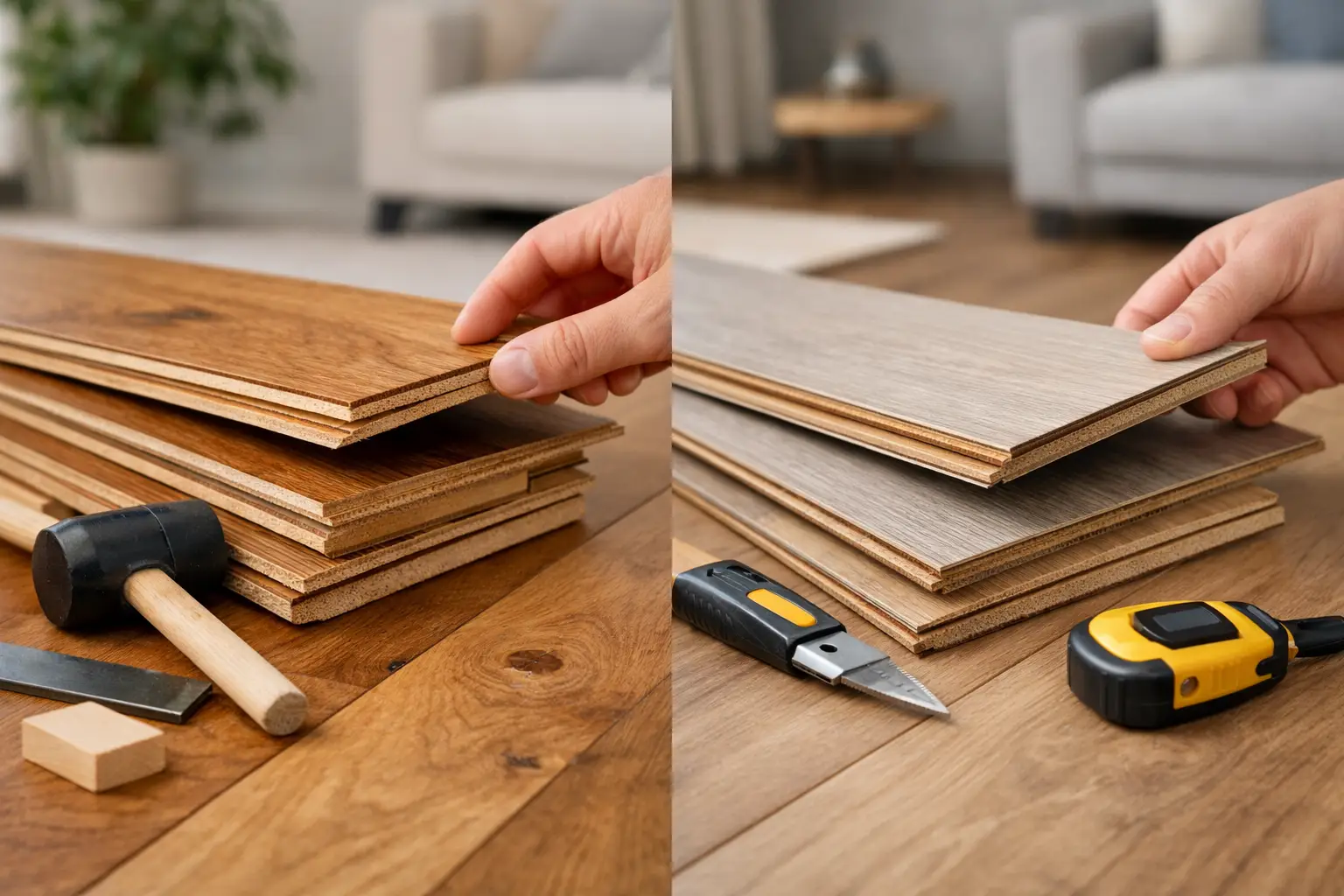
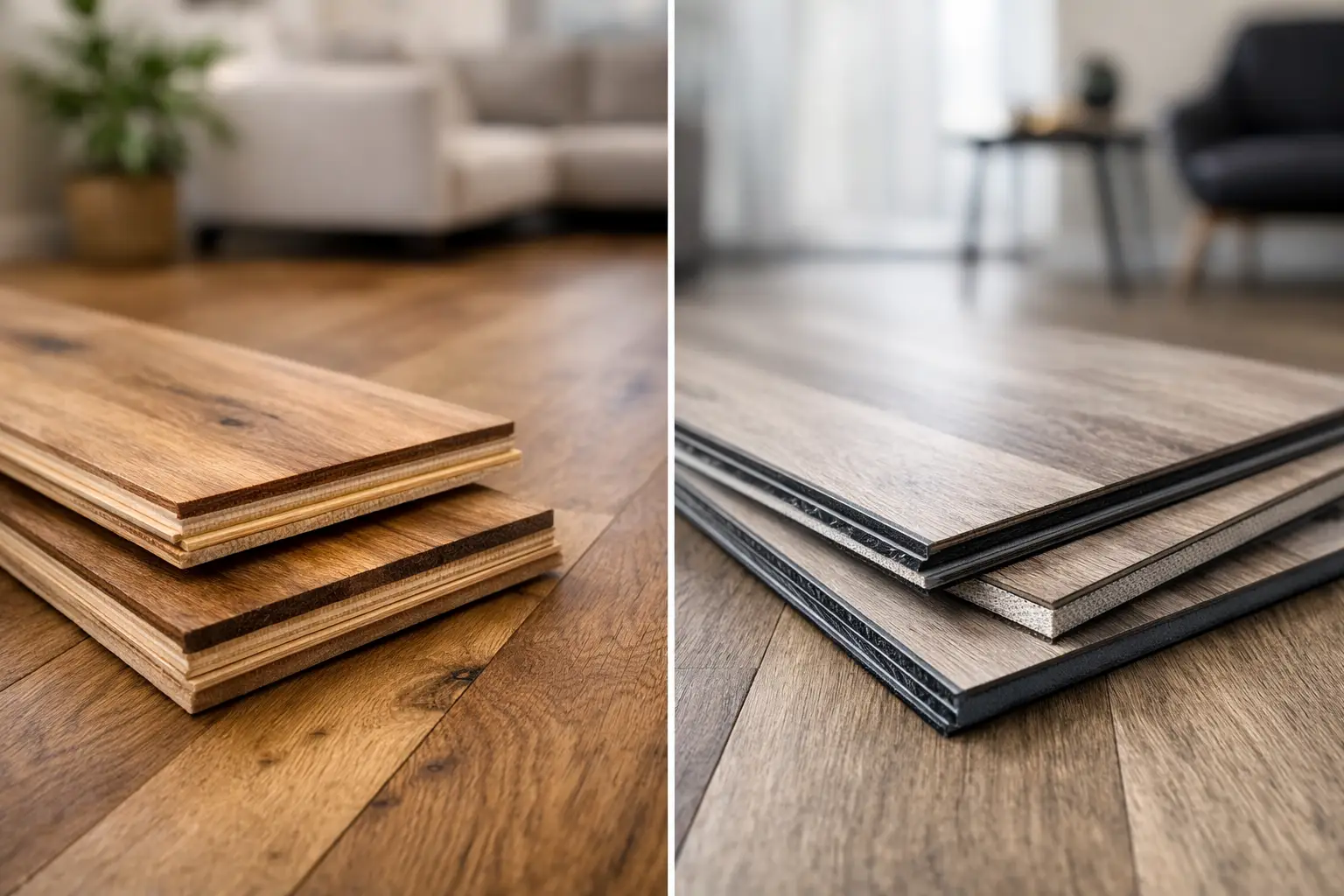
Not all hybrid flooring is built the same. Thickness, core construction, wear layer, acoustic backing and board size all affect how the floor performs and feels underfoot.
In open-plan homes, wider boards can create a cleaner, more contemporary look. In smaller rooms or apartments, a narrower plank or lighter colour can help the space feel less closed in. If the area gets strong natural light, it is worth thinking about how texture and colour variation will look across the day. Some clients want a calm, consistent oak look. Others prefer a more character-grade appearance with stronger grain detail.
There is also the practical side. A floor for a rental property may need to prioritise durability and easy maintenance over highly specific design details. A forever home renovation may justify stepping up to a product with a richer finish and a more premium surface texture. Neither choice is wrong. It depends on the property, the budget and how long you plan to keep it.
Good advice is rarely about pushing the most expensive board. It is about matching the product to the job.
Installation quality is where the result is won or lost
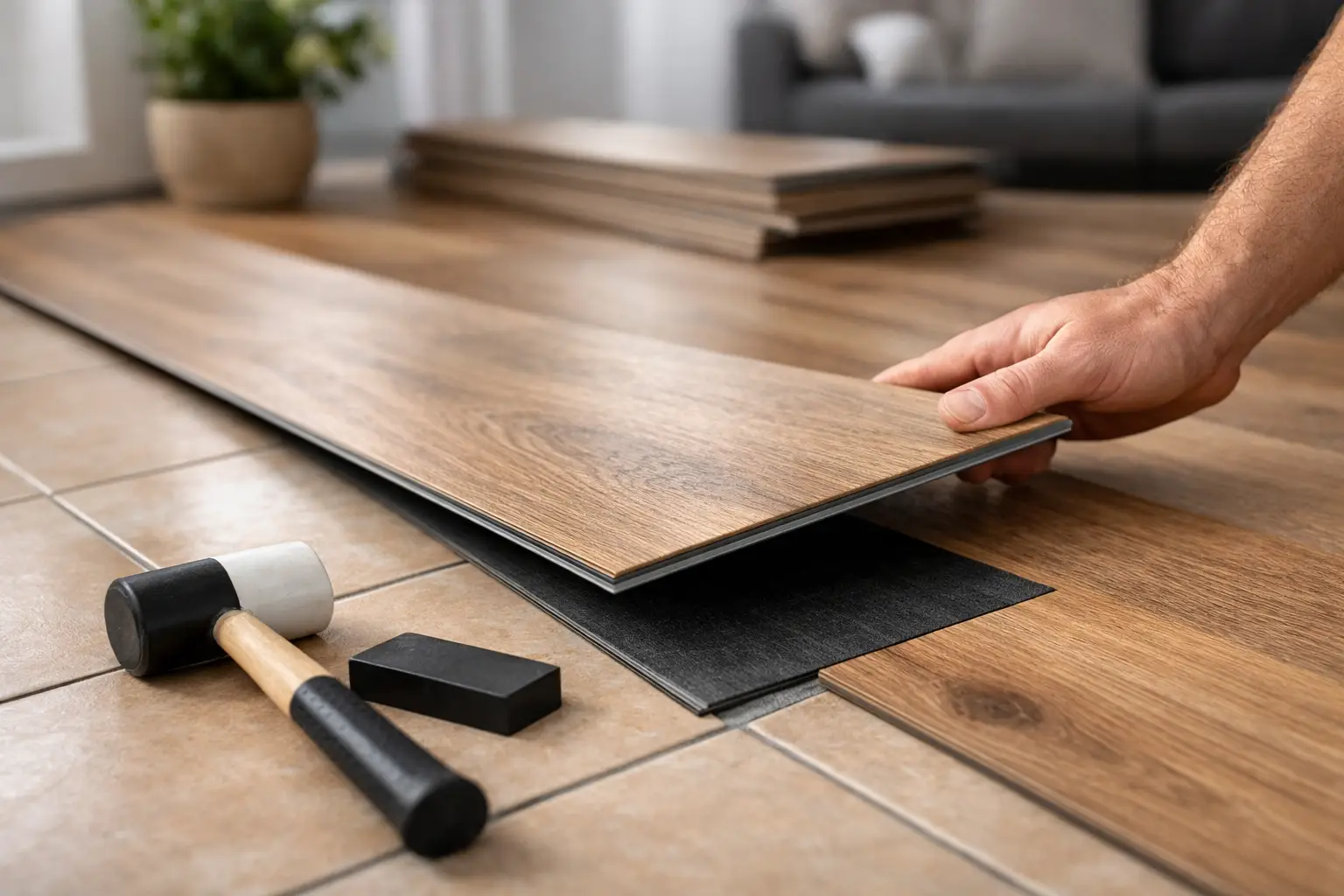
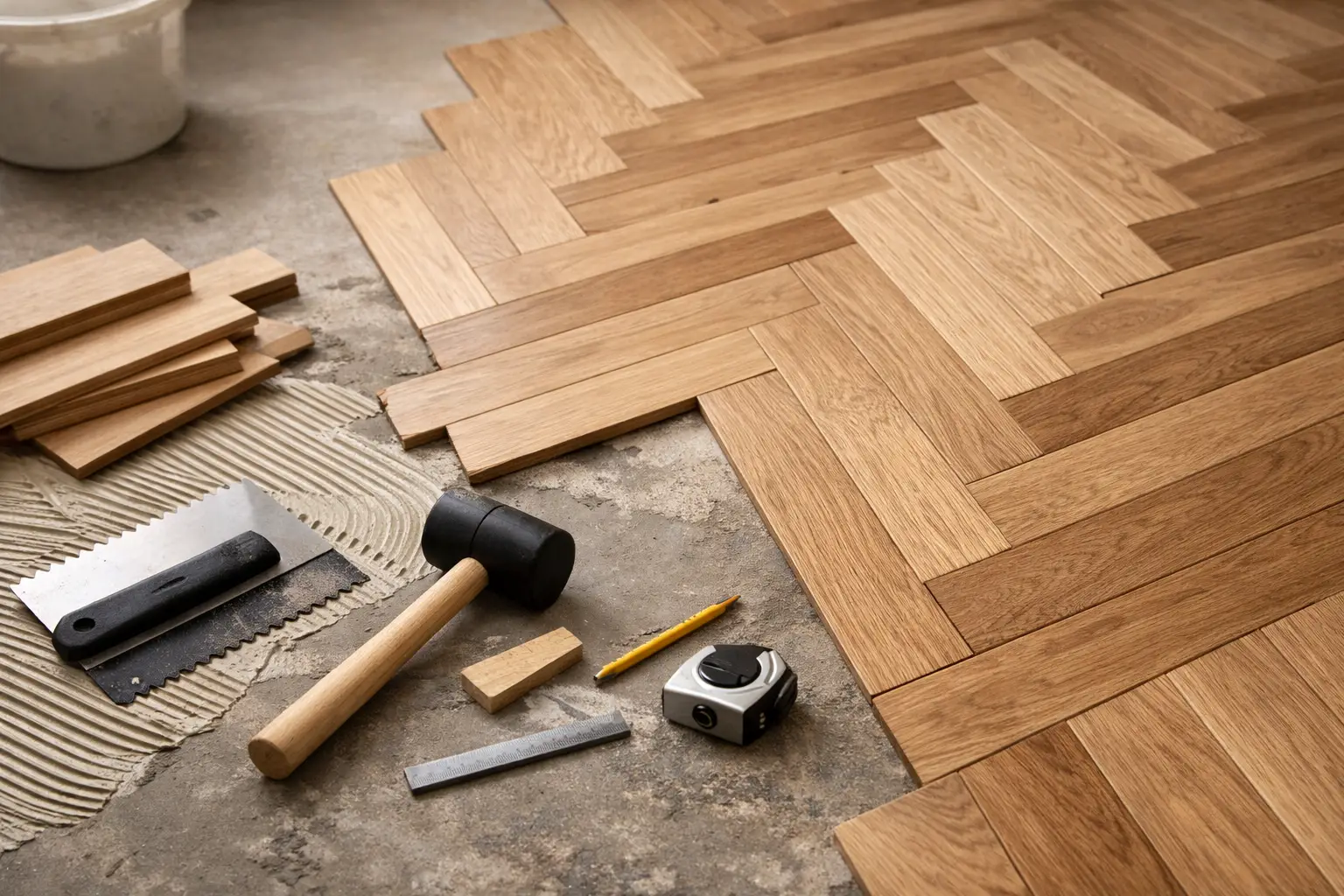
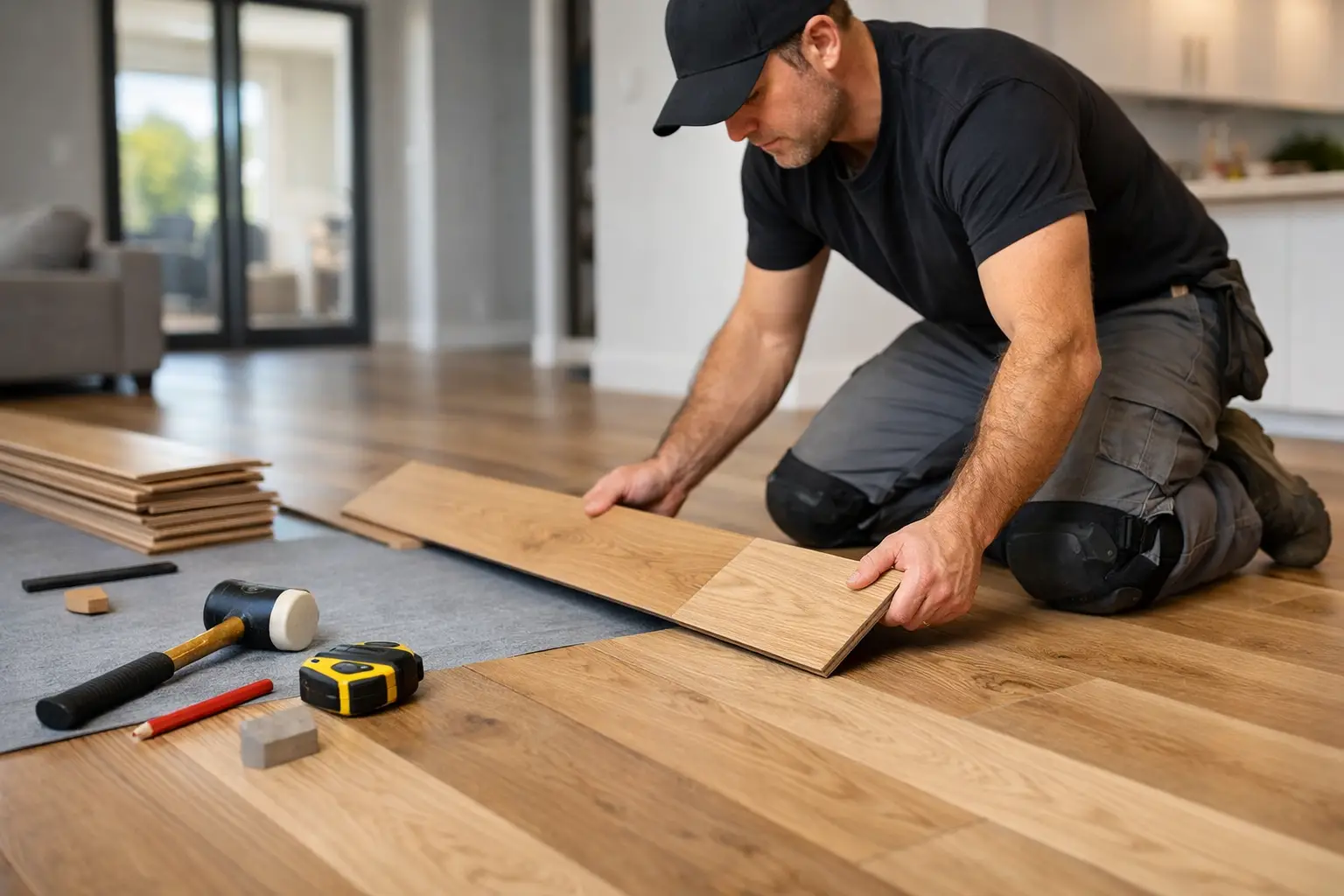
Even a quality hybrid product can underperform if it is installed poorly. Expansion gaps, plank direction, transitions, doorway detailing and stair finishes all matter more than many buyers realise.
A professional installation should feel planned, not improvised. Board layout needs to suit the room proportions. Transitions should be neat and sensible rather than added as an afterthought. Trims and edging should look clean, and any height changes between rooms need to be handled properly. In apartments and renovations especially, small installation decisions can make a big difference to the finished look.
There is also a trade-off to consider between speed and care. Fast installations can be appealing, especially when you want to move back in quickly or minimise business downtime. But if speed comes at the cost of proper preparation or finishing, the floor usually tells the story later. A better service balances efficiency with attention to detail.
Hybrid flooring services for renovations and occupied homes
A lot of flooring work happens in real homes, not empty display spaces. Furniture, existing skirting, uneven substrates, narrow hallways and lived-in schedules all affect how the job should be managed.
For renovation clients, one of the biggest questions is whether the new hybrid floor can go over the existing surface. Sometimes the answer is yes. Sometimes it is technically possible but not the best long-term option. Floor height, door clearances, appliance gaps and subfloor condition all need to be checked before anyone gives a confident answer.
Occupied homes also need practical planning. That might mean staging the installation by area, coordinating around other trades, or advising when furniture should be removed to avoid delays. Clear communication matters here just as much as technical skill.
What to ask before booking hybrid flooring services
Before you accept a quote, ask what is included and what assumptions have been made. A low figure can look attractive until subfloor issues, trimming, uplift or finishing details are added later.
It helps to ask who is assessing the site, who is doing the install, whether moisture and level checks are part of the process, and how they handle subfloor preparation if it is needed. You should also ask about the product itself – where it is suited, what warranty applies, and whether the installer is recommending it because it fits the job or because it is what they have in stock.
If the answers are vague, that is useful information.
By contrast, a consultative approach tends to be more specific. You should come away knowing what product is recommended, why it suits your property, what preparation is likely, and what the finished floor will involve around edges, thresholds and adjoining rooms.
Why experience matters more than a sales pitch
Flooring is one of those trades where product knowledge and installation knowledge need to work together. If they do not, customers can end up with a floor that looked right in the showroom but was wrong for the site.
That is why an installer-led perspective is so valuable. Former installers tend to notice the practical issues earlier. They know which subfloors are likely to need levelling, which room shapes will affect board layout, and which shortcuts usually cause callbacks. That kind of guidance saves time, reduces surprises and leads to a better result.
For clients comparing options across Melbourne, this is often the real separator between basic supply and genuine service. Melbourne Quality Timber Flooring has built its approach around that principle – practical advice first, product and installation second, and no guesswork about what the site actually needs.
When hybrid flooring is the right choice – and when it may not be
Hybrid is a strong option for many properties, but it is still worth being honest about where it fits best.
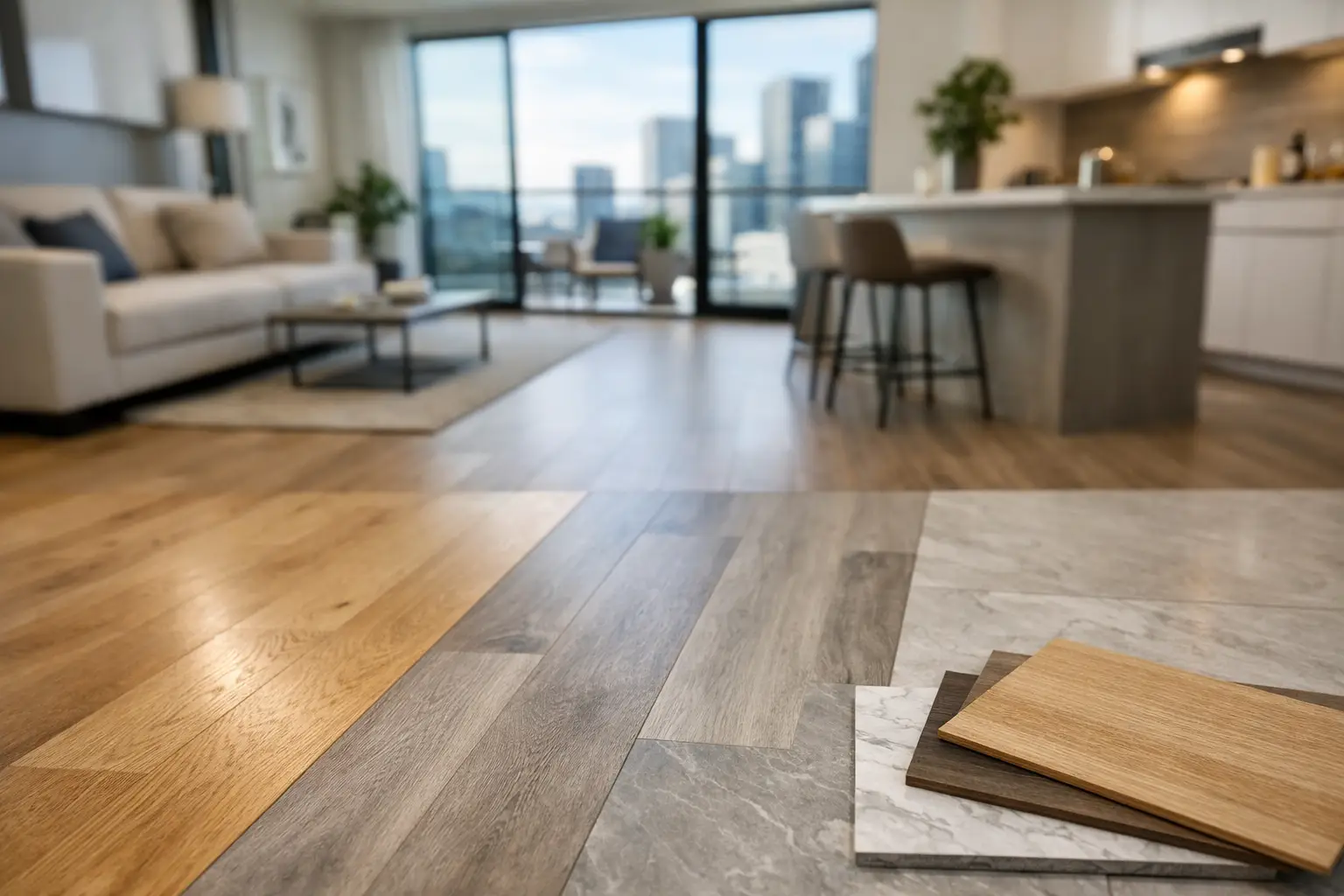
If you want a hard-wearing timber-look floor with straightforward maintenance, hybrid is often an excellent choice. It suits busy family homes, investment properties, many apartments and a range of commercial interiors. It also gives you access to a wide spread of colours and finishes without moving into a full timber price bracket.
If you are chasing the exact feel and natural variation of real timber, engineered timber may be the better fit. If budget is the main driver, laminate may be worth considering as well. Each flooring type has strengths, and the right recommendation depends on your space, not just the trend.
That is the value of proper hybrid flooring services. They should not just sell you a floor. They should help you avoid the wrong one, prepare the site properly, and install it in a way that holds up long after the samples are back on the shelf.
A good floor should make the room feel finished and stay that way. If the advice is honest and the preparation is done properly, hybrid can be one of the smartest upgrades you make.