Concrete catches people out. It looks flat, solid and ready to go, but it is often the reason a timber floor fails. If you are researching how to install engineered hardwood flooring on concrete, the real work is not just laying boards. It starts with moisture, level tolerance and choosing the right installation method for the product and the slab.
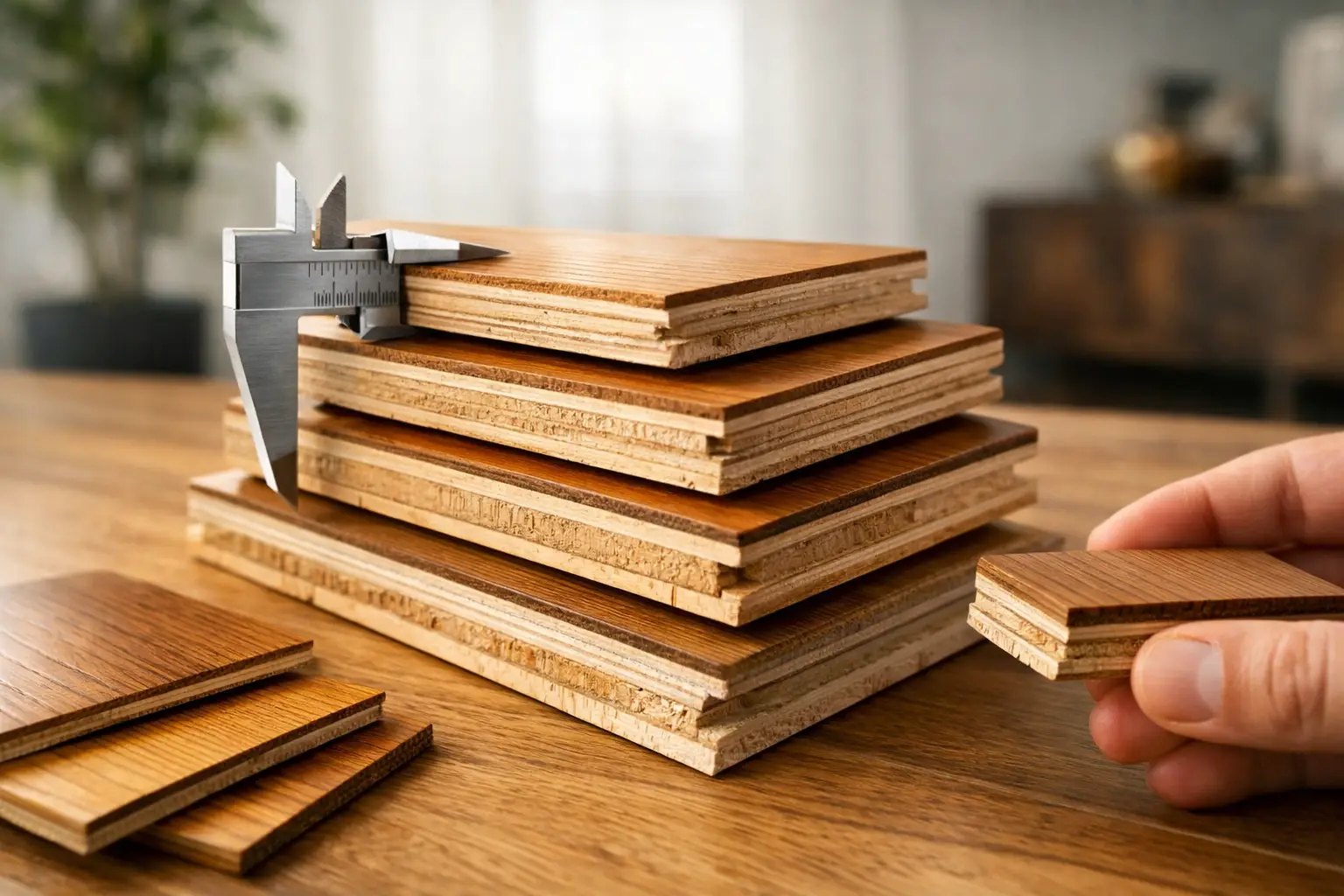
Engineered timber is one of the better flooring options over concrete because it is more dimensionally stable than solid timber. That said, stable does not mean foolproof. If the slab is too damp, too uneven or prepared with the wrong materials, boards can move, drum, gap or lift. A good-looking floor depends on what happens underneath it.
Table of Contents
How to install engineered hardwood flooring on concrete properly
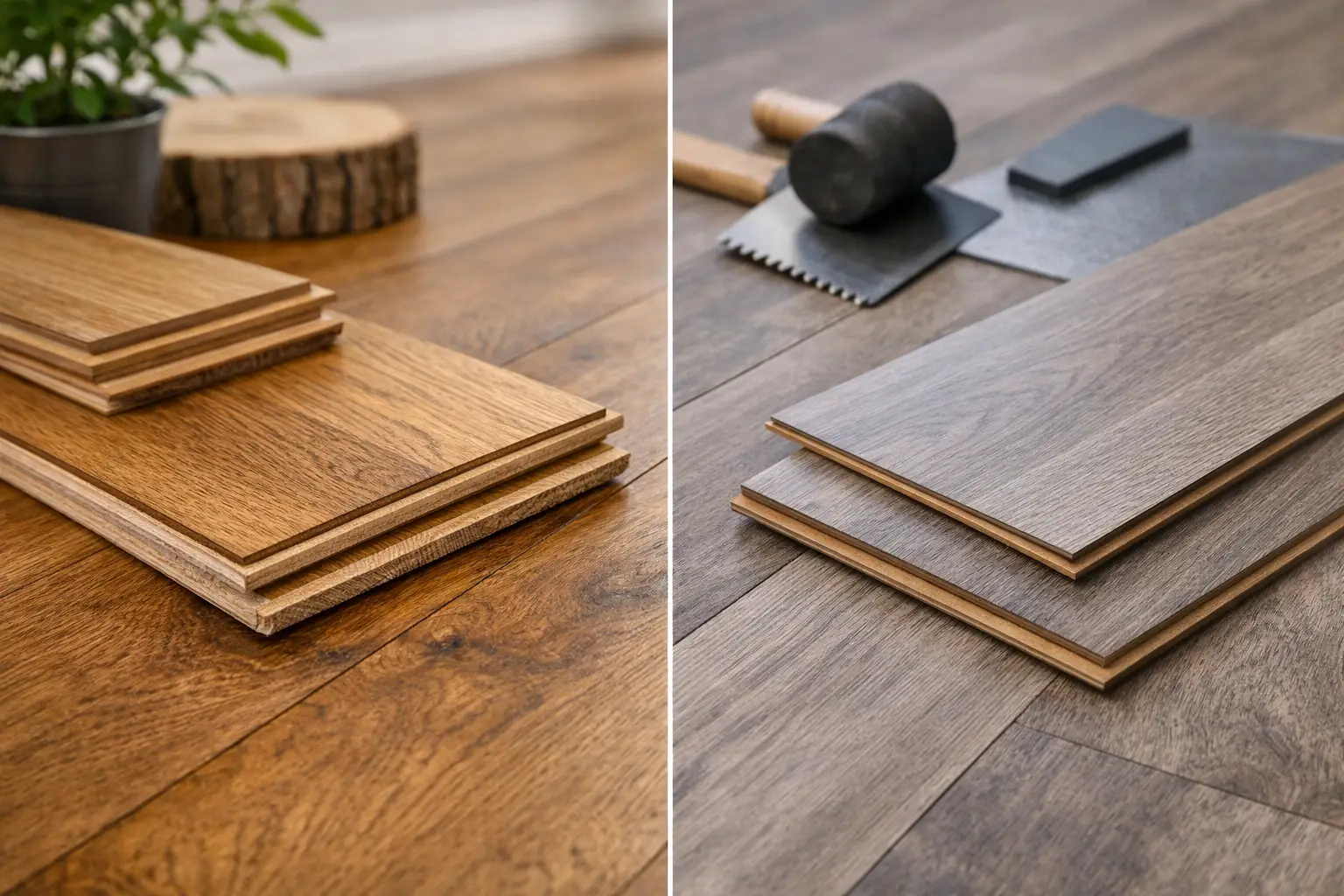
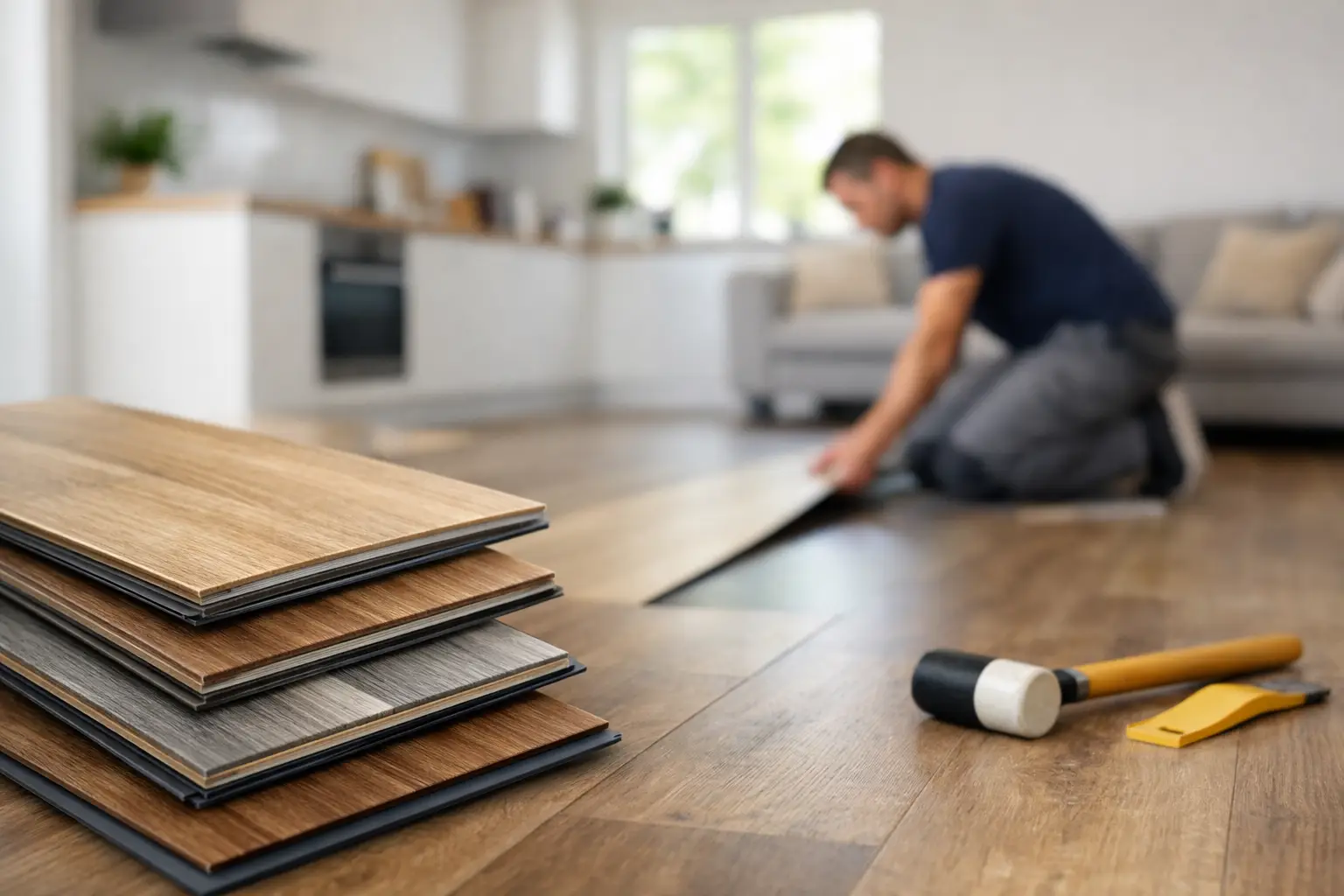
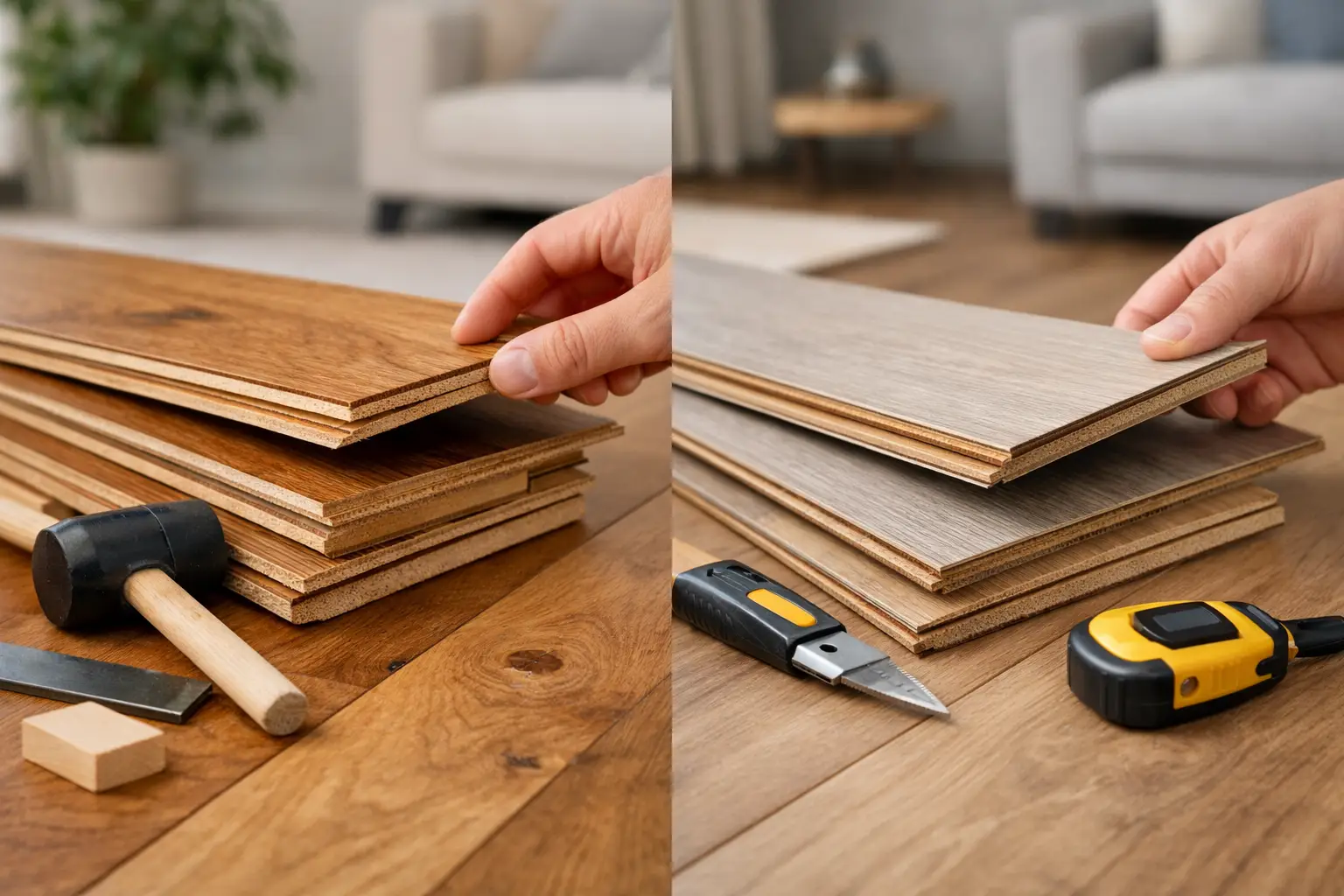
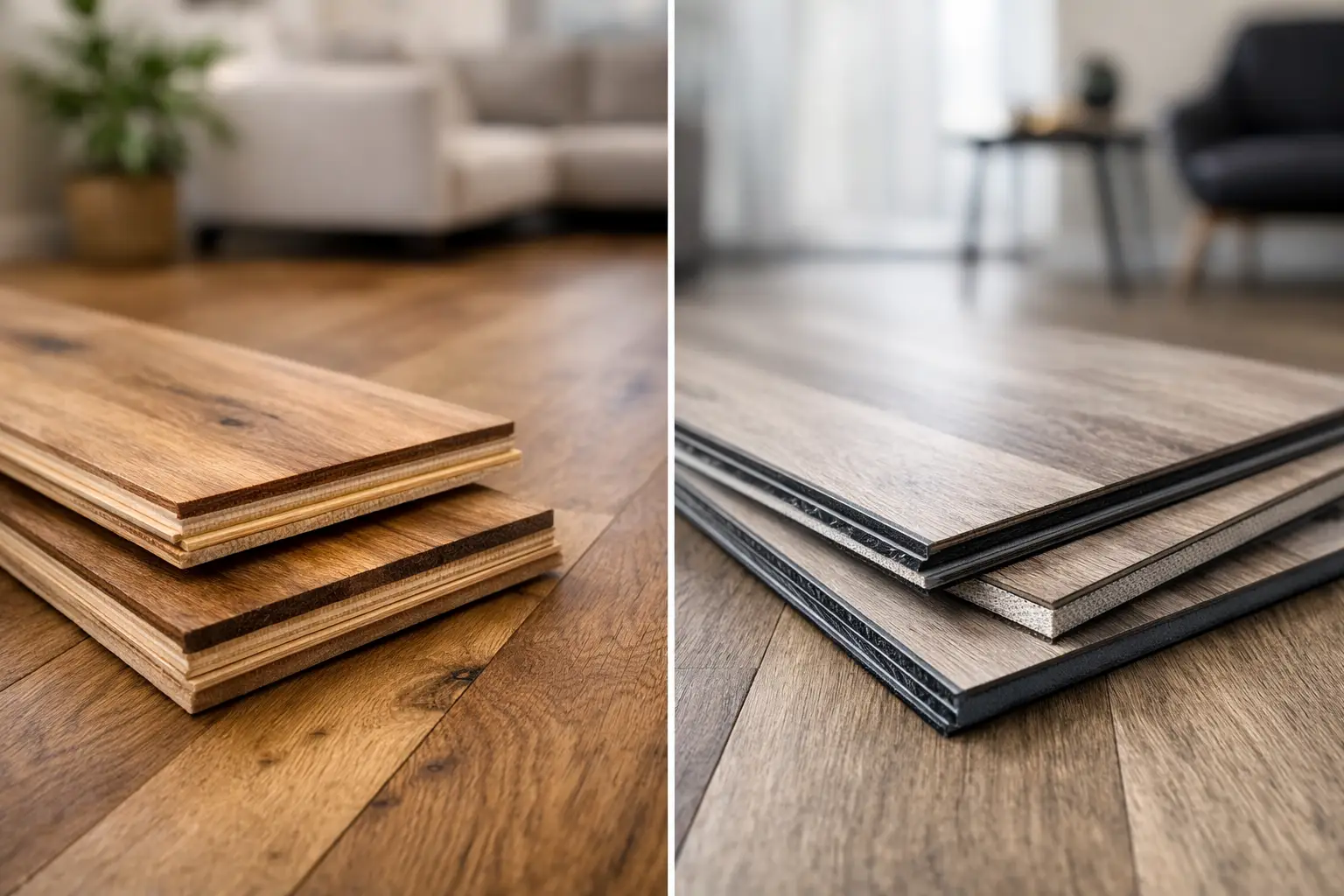
The first decision is whether the floor will be floated or direct stuck. Some engineered boards are designed for a floating installation over underlay, while others can be glued directly to the slab using an approved adhesive. Some products allow both. The right option depends on the board construction, the slab condition, acoustic requirements, finished floor height and the manufacturer instructions.
A floating floor can be faster and more forgiving on certain projects, especially where minor slab movement or apartment acoustic underlay requirements come into play. A direct stick installation usually gives a firmer feel underfoot and can reduce hollow sound, but it demands a very well-prepared subfloor. Neither method is automatically better. The product specification should lead the decision, not guesswork.
Start with the concrete, not the flooring
Before any boards come inside, the slab needs to be checked properly. New concrete must be fully cured, and old slabs still need testing. Concrete can hold residual moisture long after it looks dry, especially in cooler areas, ground floors and properties with limited ventilation.
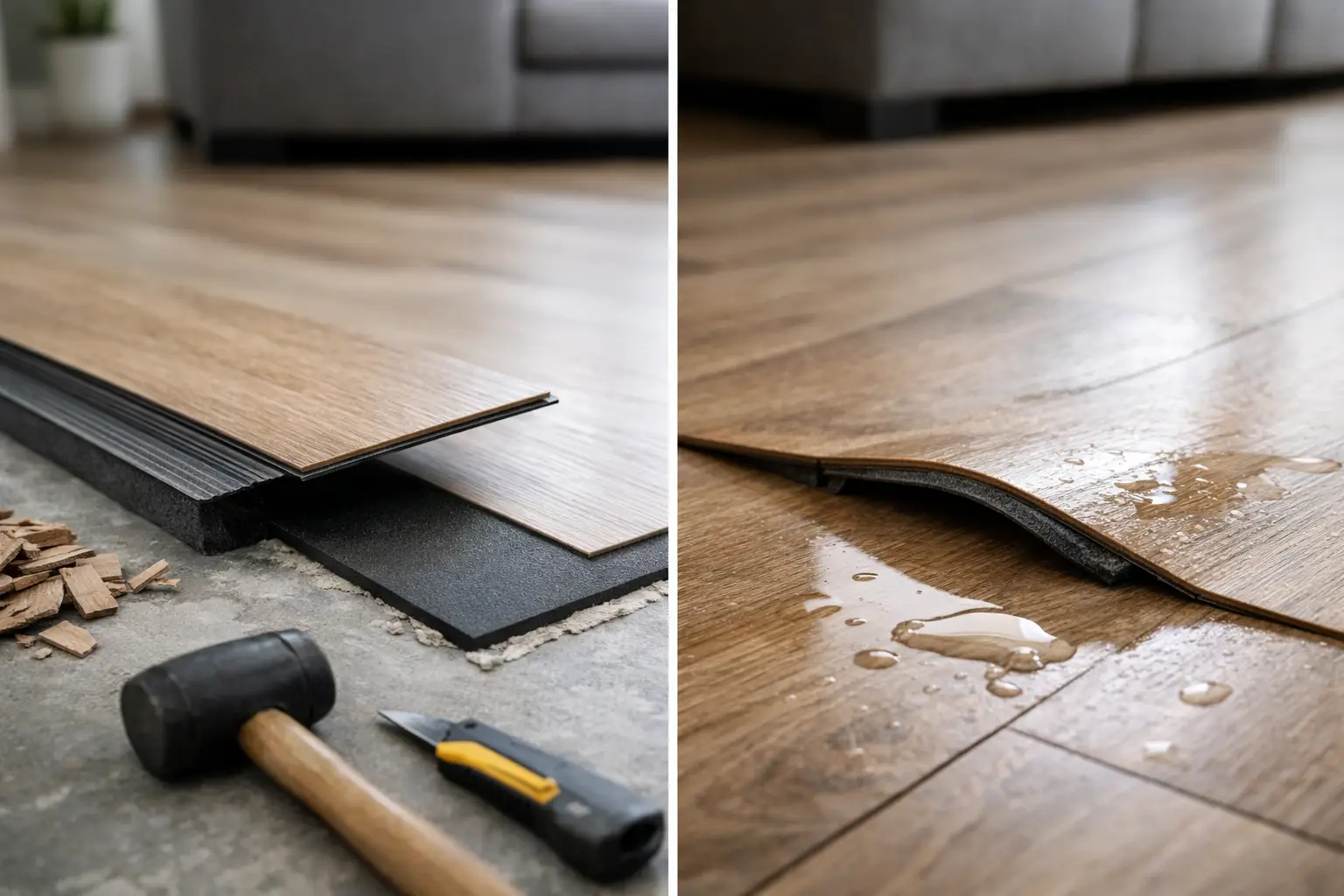
Moisture testing is essential. Relying on appearance is one of the most common installation mistakes. If moisture is above the allowed level for the flooring system, the slab may need a moisture barrier or extra time to dry, depending on the product and site conditions. Skipping this step can void warranties and create expensive problems later.
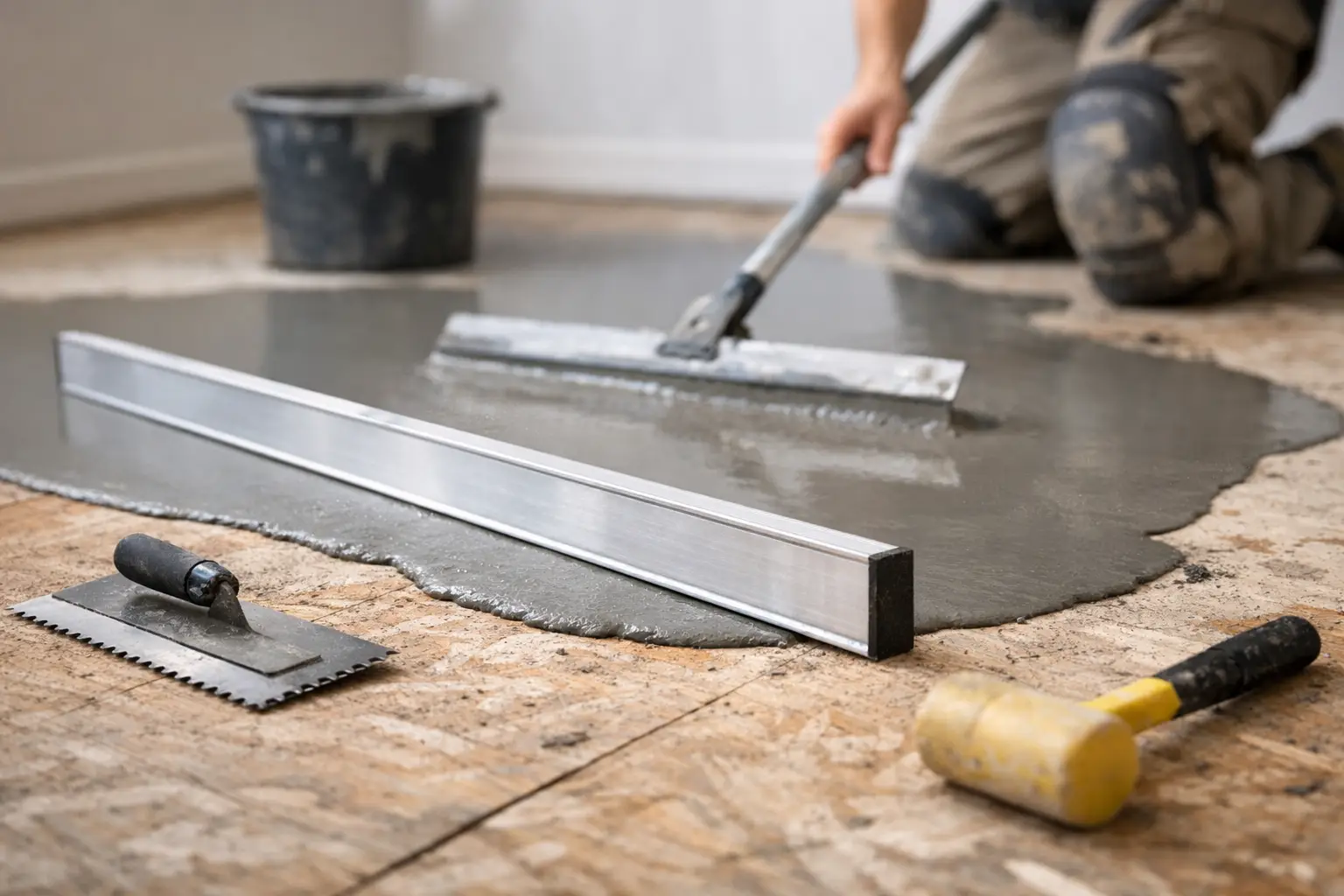
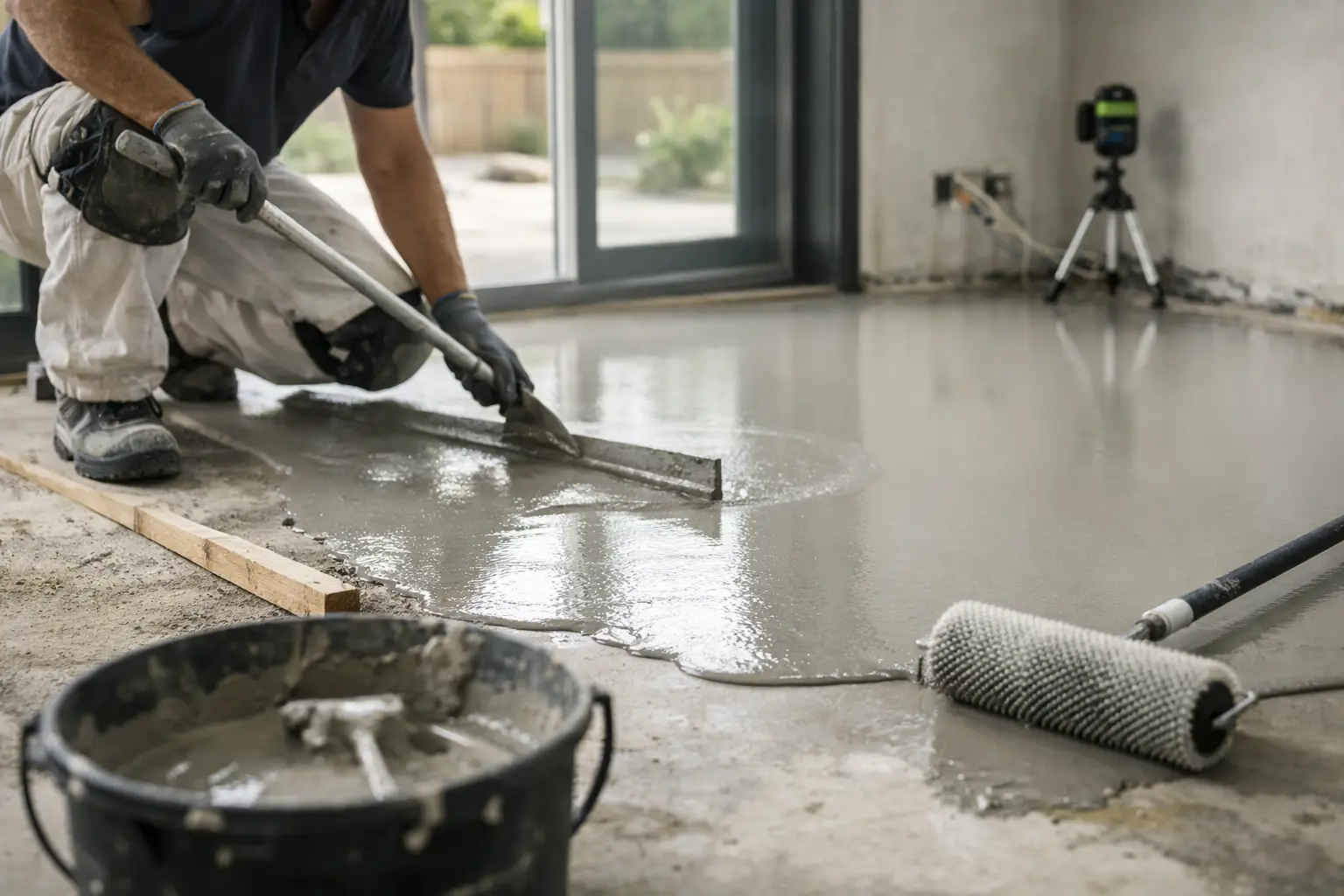
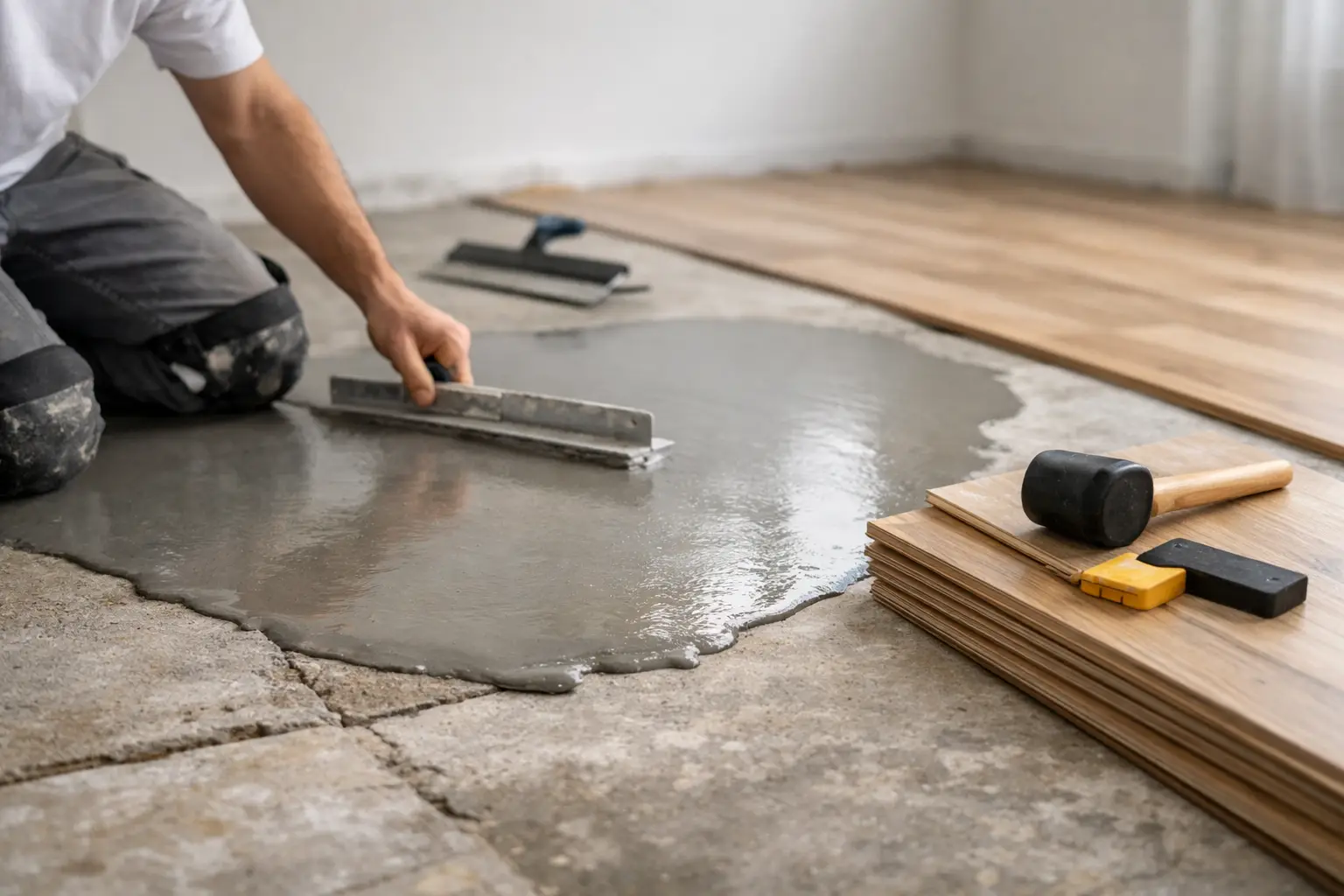
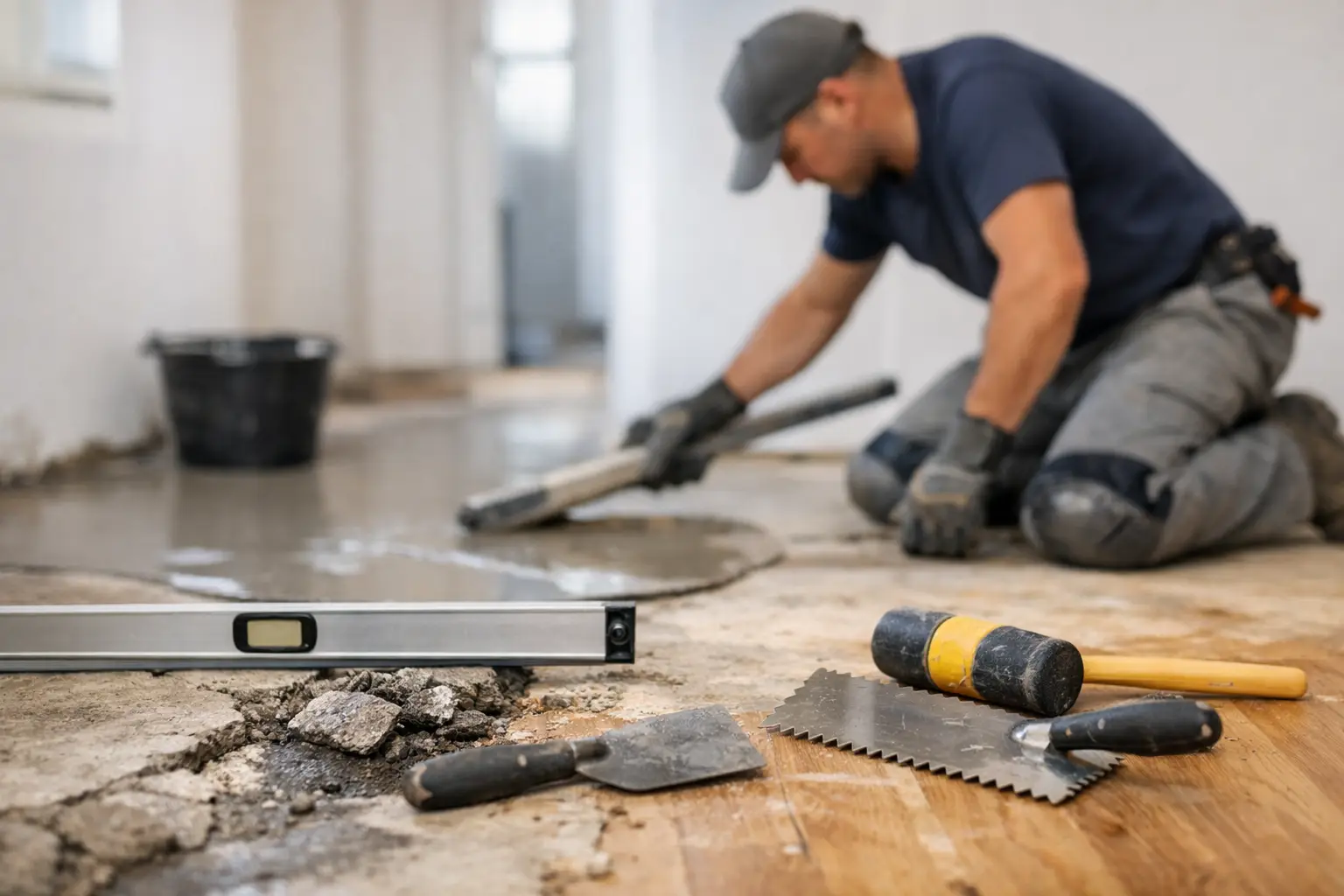
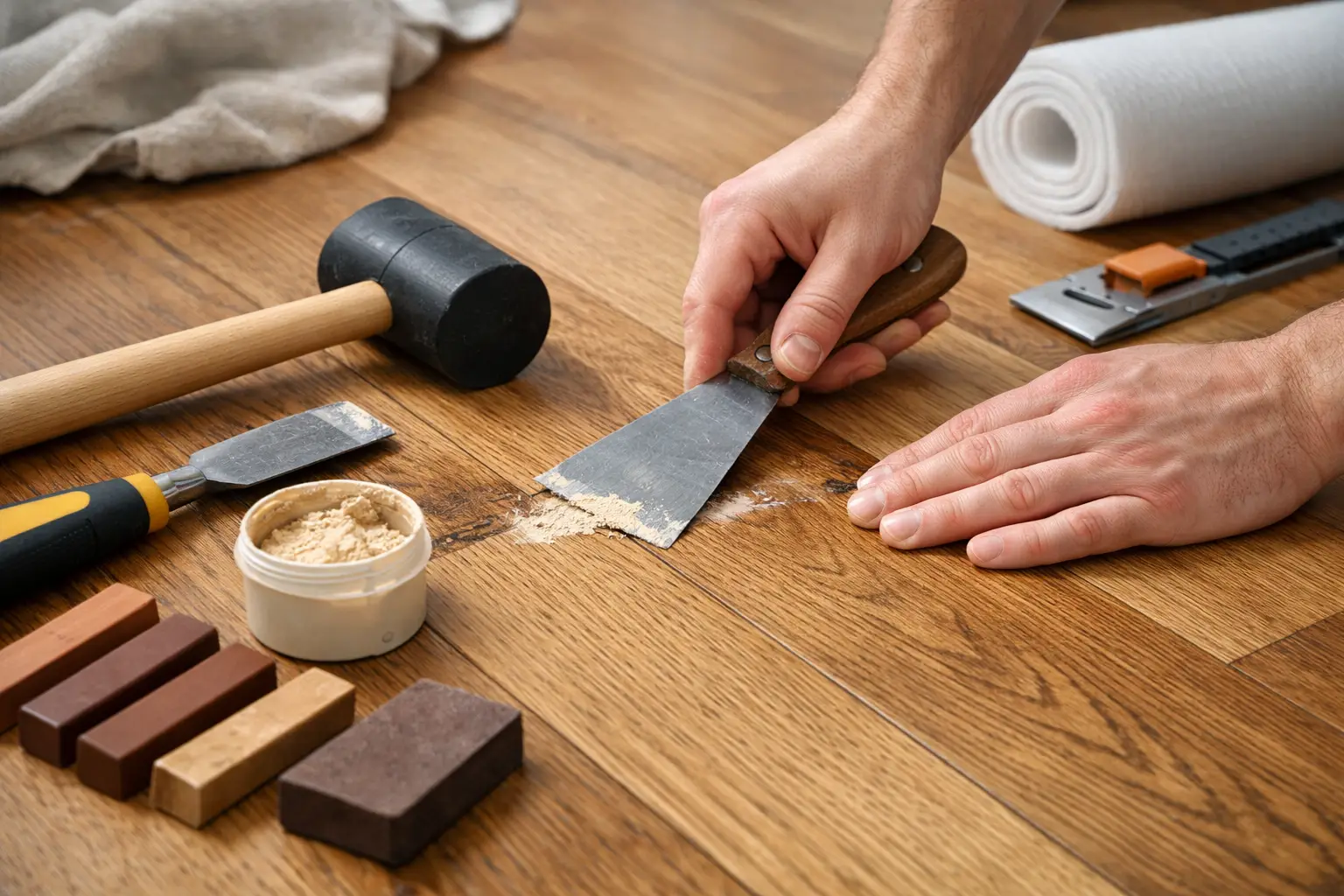
Flatness matters just as much. Most engineered flooring products have a tolerance for how much variation is allowed across the slab. If there are dips, high spots or old adhesive residue, those issues must be addressed first. Grinding high areas and using a quality self-levelling compound on low areas is standard practice when the slab is out of tolerance. This is where many DIY jobs go wrong. The boards might lock together, but they will not perform properly if the base is uneven.
The slab also needs to be clean and sound. Dust, paint, contaminants and loose material can interfere with underlay adhesion, moisture barriers or flooring glue. A proper mechanical clean is often necessary, not just a quick sweep.
Acclimatisation and site conditions
Engineered timber should be delivered into a stable environment, not a building site that is still wet or open to the weather. Windows should be in, wet trades should be finished and indoor conditions should be close to normal living conditions. Depending on the product, acclimatisation requirements can vary. Some engineered floors need time on site before installation, while others are installed straight from sealed packaging under controlled conditions.
This is another point where installer experience matters. Blindly leaving boards in a room for days is not always the right move. The manufacturer instructions and room conditions need to guide the process.
Tools and materials you will likely need
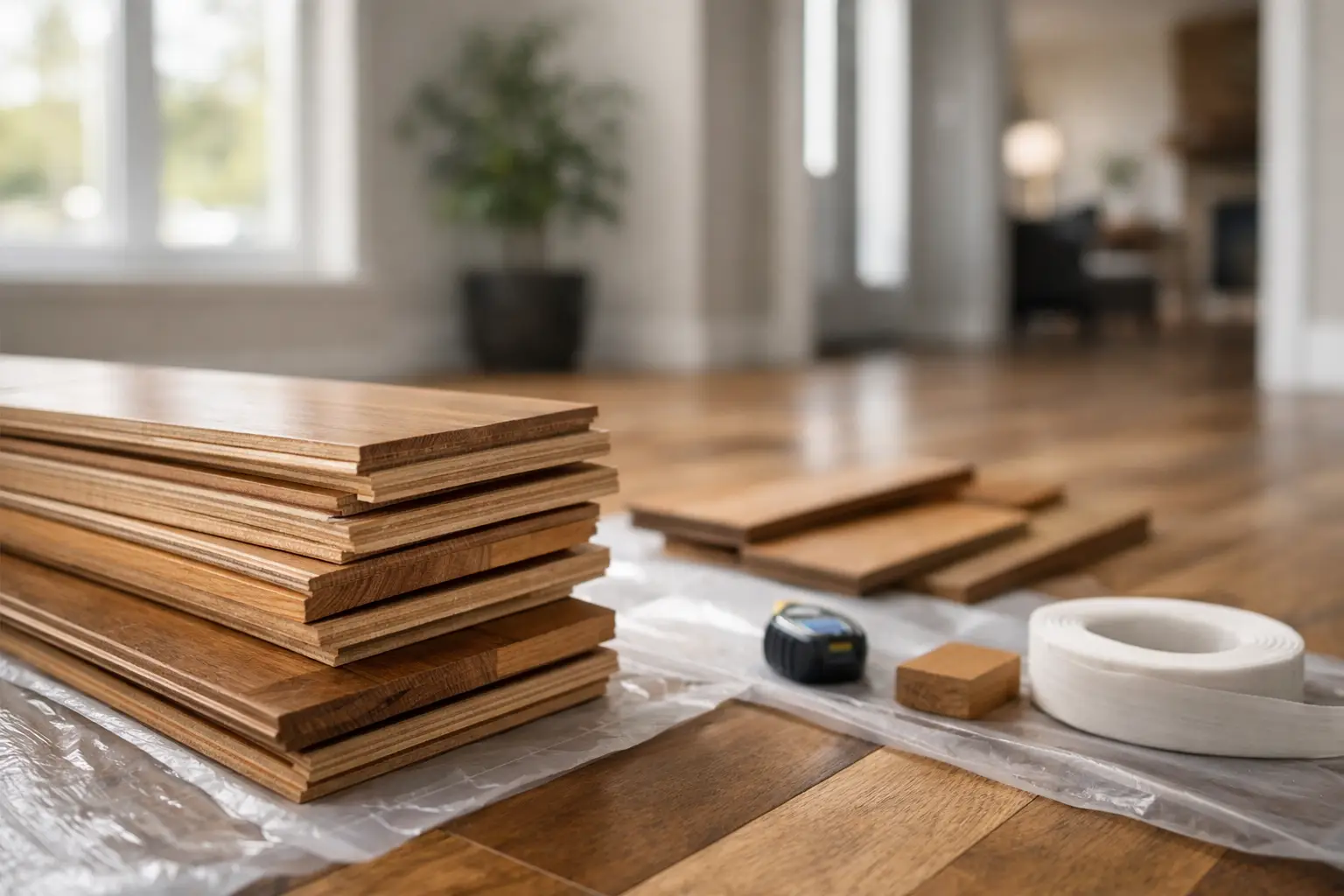
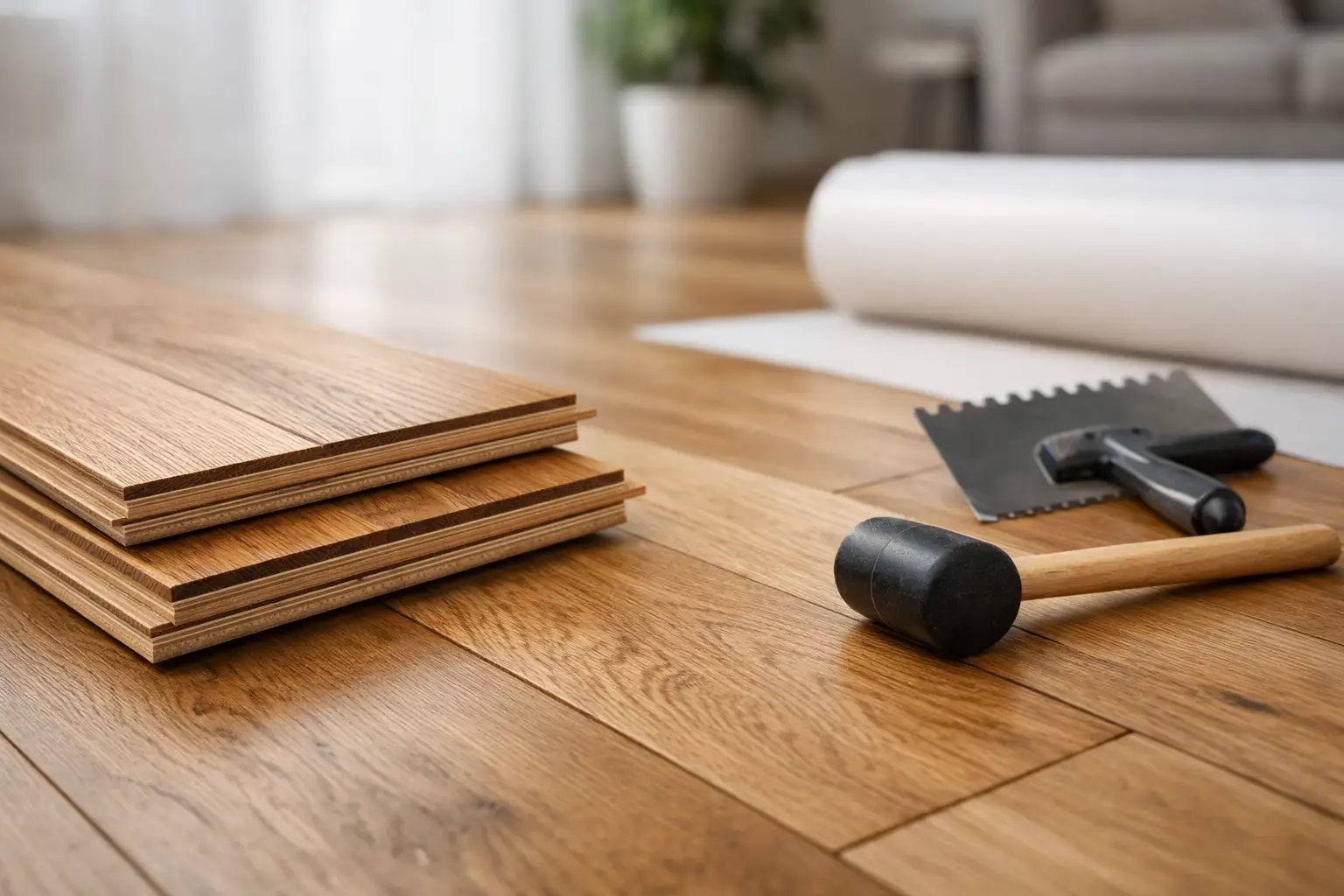
If you are planning how to install engineered hardwood flooring on concrete yourself, keep the tool list realistic. You will generally need moisture testing equipment, a straight edge, levelling products if required, underlay or adhesive depending on method, spacers, tapping block, saw, measuring tools and trims. For direct stick jobs, adhesive type is critical. Not every flooring glue is suitable for engineered timber or concrete slabs.
It is worth saying plainly – the board is only one part of the system. Underlay, primer, moisture barrier, leveller and adhesive all need to be compatible with the product and slab.
Installing a floating engineered floor over concrete
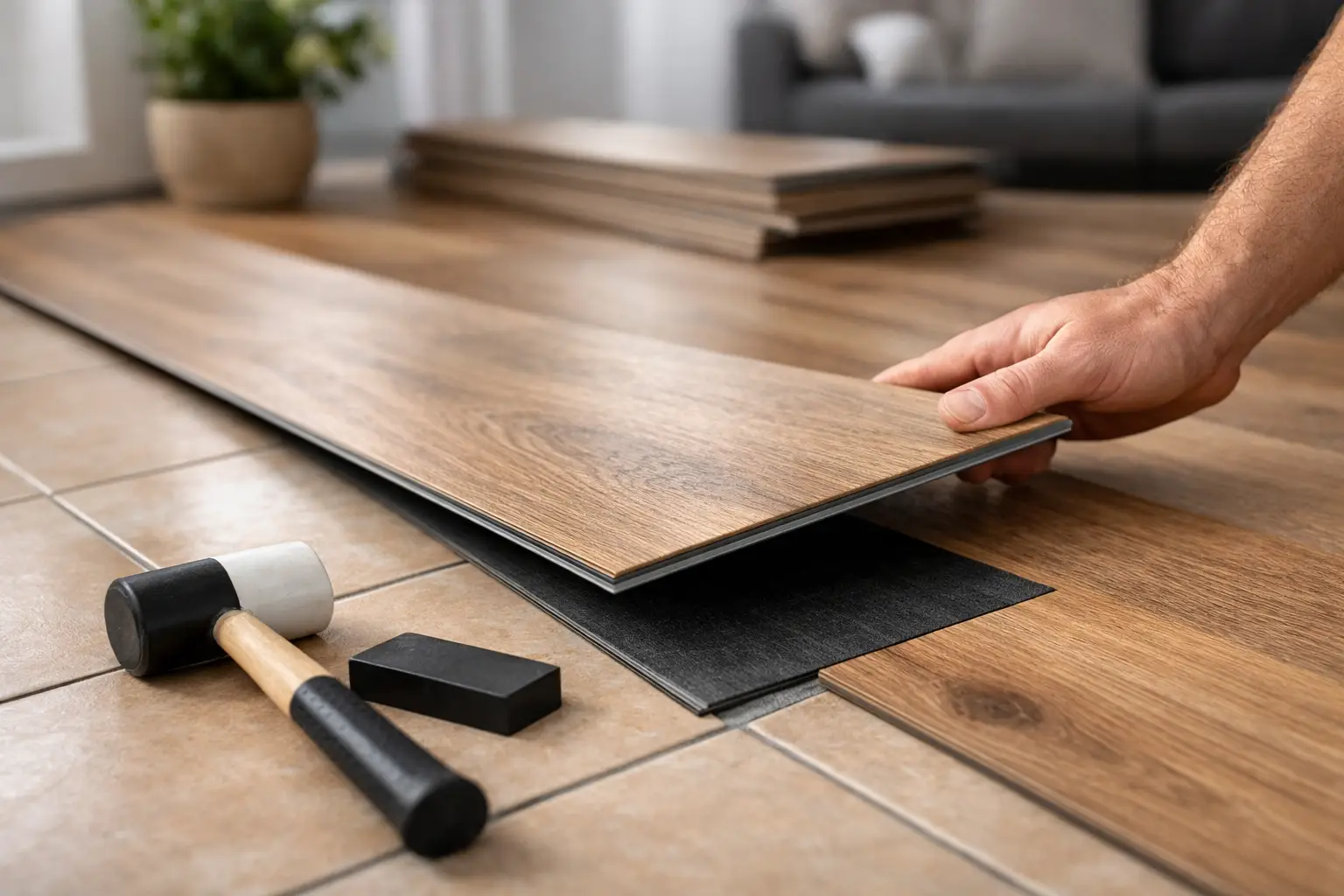
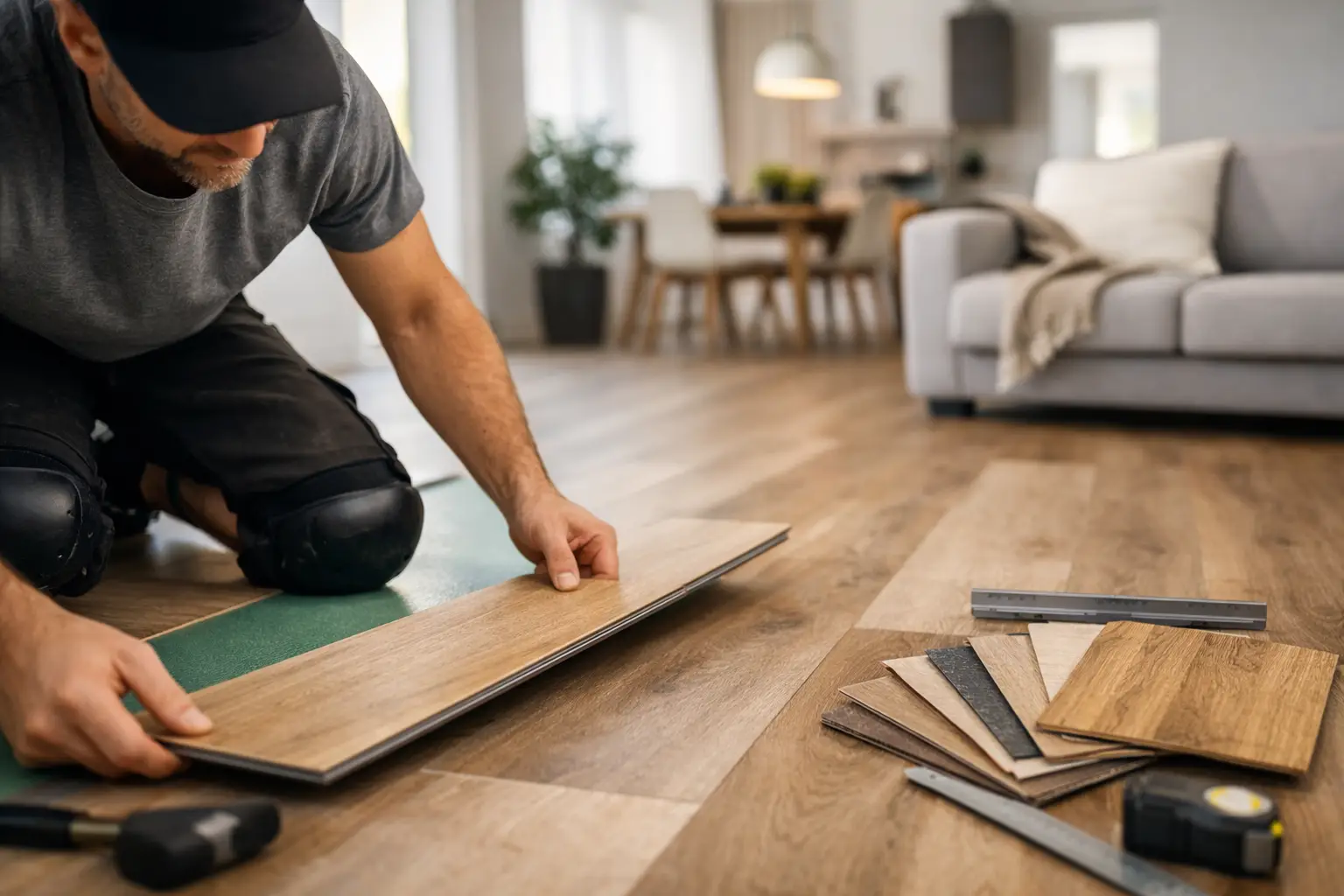
For a floating installation, the slab must first be tested, levelled and cleaned. If the system requires a moisture barrier, that goes down first. Then the correct acoustic or foam underlay is installed in line with the product and site requirements.
Boards are usually laid parallel to the longest wall or in the direction that best suits the room layout and natural light. A perimeter expansion gap must be left around walls, kitchen cabinetry, columns and fixed objects. This gap allows the floor to move naturally with seasonal changes.
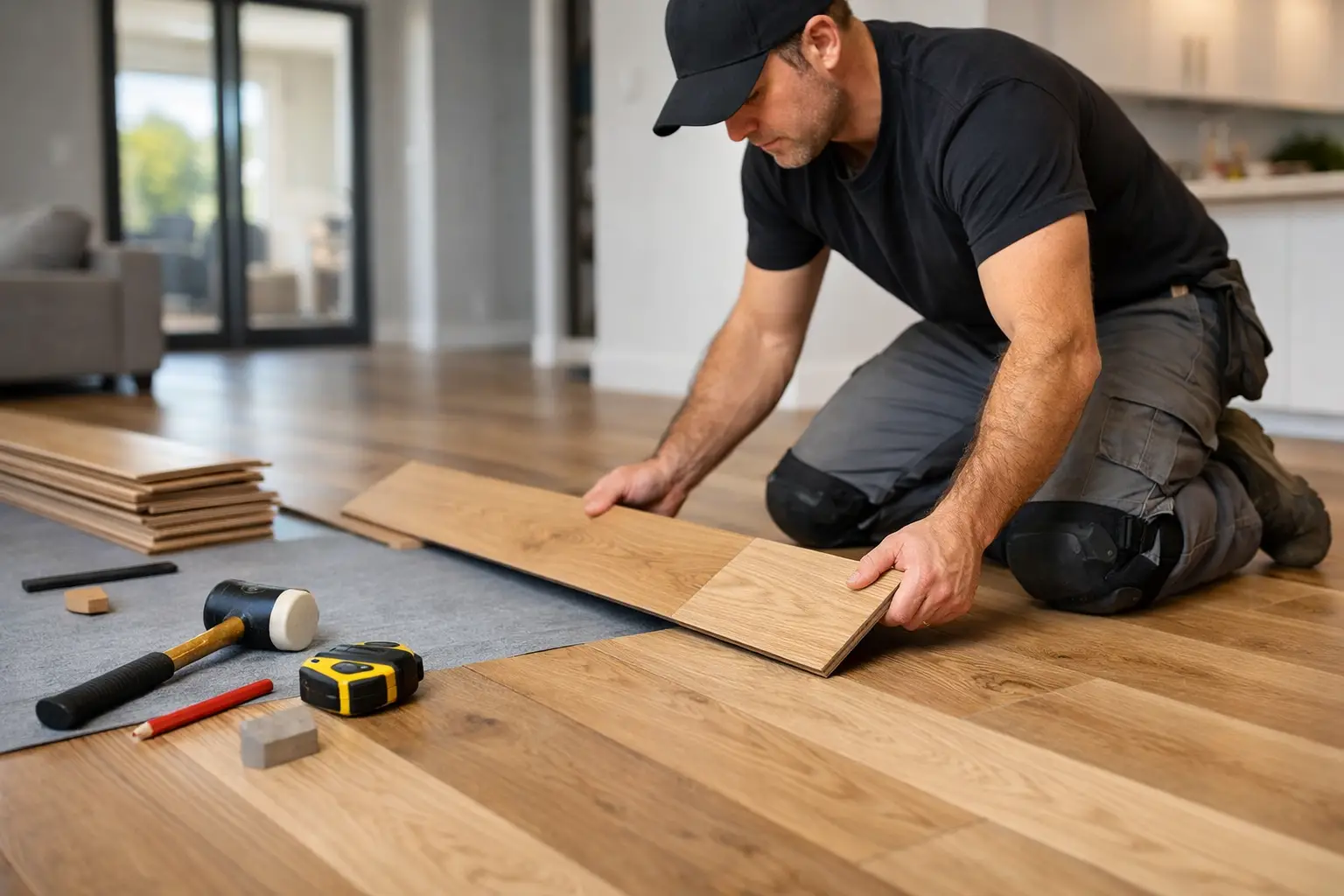
The first row sets up the whole floor, so it needs to be straight. Boards are clicked or locked together according to the profile, with end joints staggered for strength and appearance. As the installation continues, rows should be checked regularly to make sure they stay aligned and tight.
Door jambs are typically undercut so the boards can slide neatly underneath, giving a cleaner finish than cutting around architraves. At the perimeter, skirting or scotia is used to cover the expansion gap, depending on the finish you want and whether existing skirting is being removed.
Floating floors are often practical, but they are less forgiving of poor slab preparation than many people think. If the concrete is not flat enough, movement and noise can become an issue.
Direct stick installation on concrete
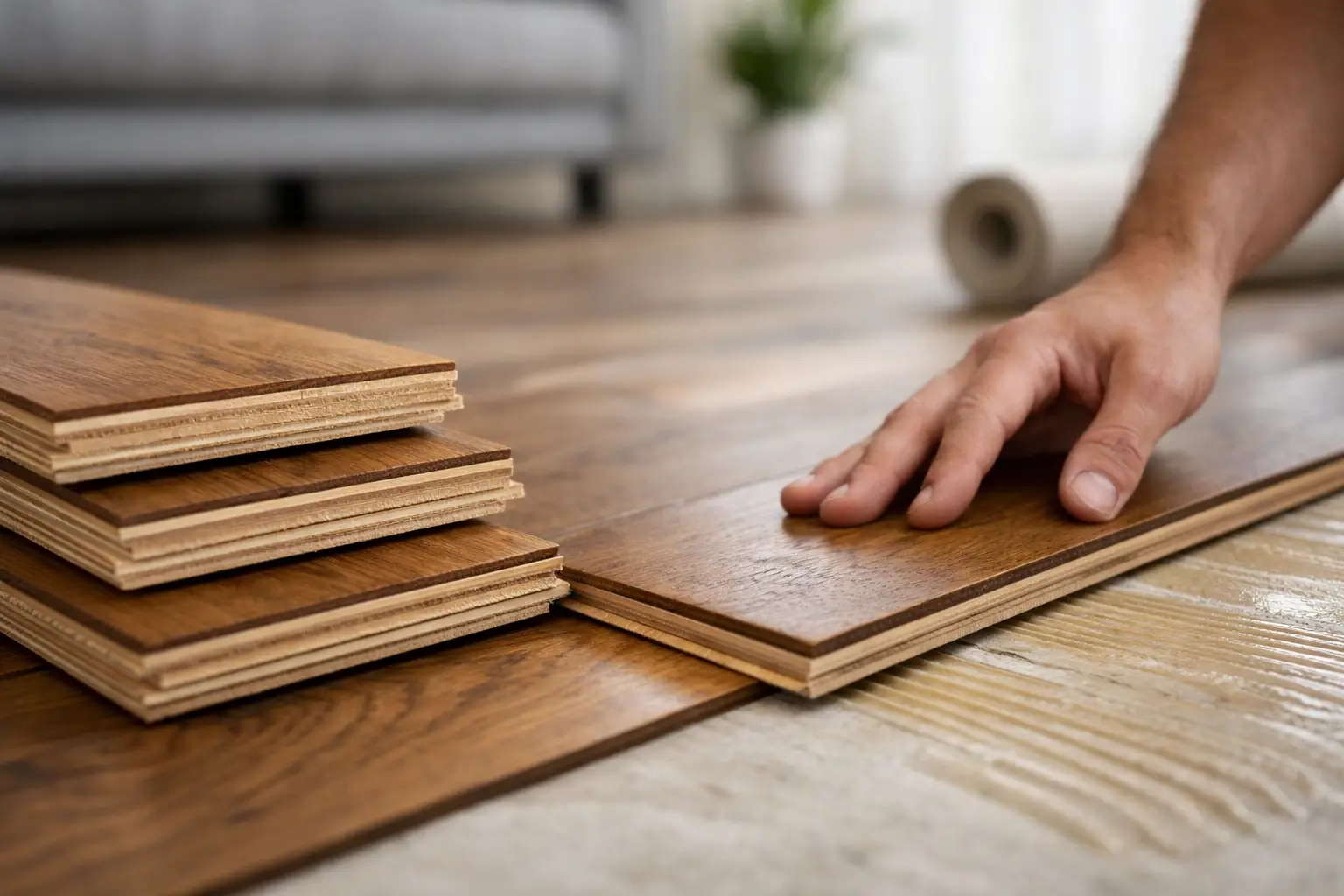
A direct stick installation starts with the same essentials – moisture testing, levelling and cleaning – but the tolerance for errors is even tighter. If the slab needs priming or a moisture suppression system, that must be done correctly before any adhesive is applied.
The floor is set out carefully so board widths at walls remain balanced and the visual line through the room is clean. Adhesive is spread in manageable sections using the correct trowel notch. Too much glue too early and it can skin over. Too little and bond strength can be compromised.
Boards are then placed into the adhesive, tapped together and checked for full contact. Some systems require rolling or weighted pressure to ensure proper transfer. Excess adhesive should be cleaned immediately from the board surface. Once the floor is down, it needs curing time before heavy foot traffic or furniture placement.
Direct stick floors can feel more solid and premium, especially with wider boards, but the slab has to be right. On larger residential or commercial jobs, this method is often best handled by professionals with proper prep equipment and product knowledge.
Common mistakes to avoid
The biggest mistakes are usually made before installation starts. Ignoring slab moisture, assuming the concrete is level, using mismatched materials or failing to leave expansion gaps can all cause trouble. Another common issue is installing too early, before the building is weather-tight or before internal humidity settles.
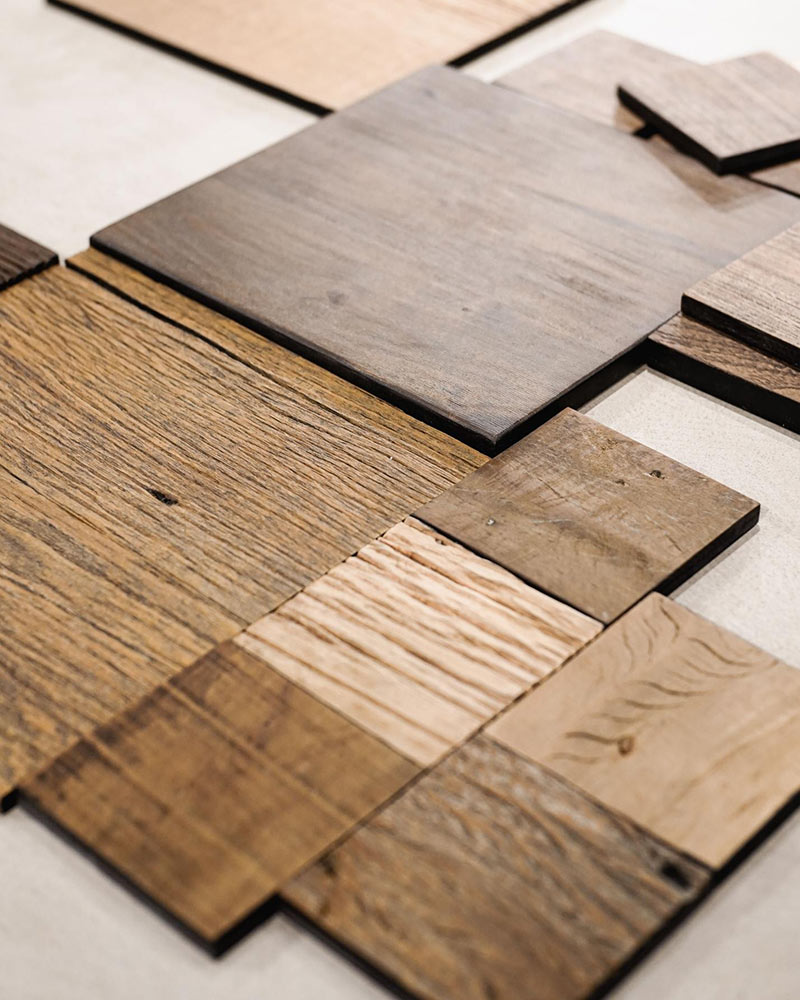
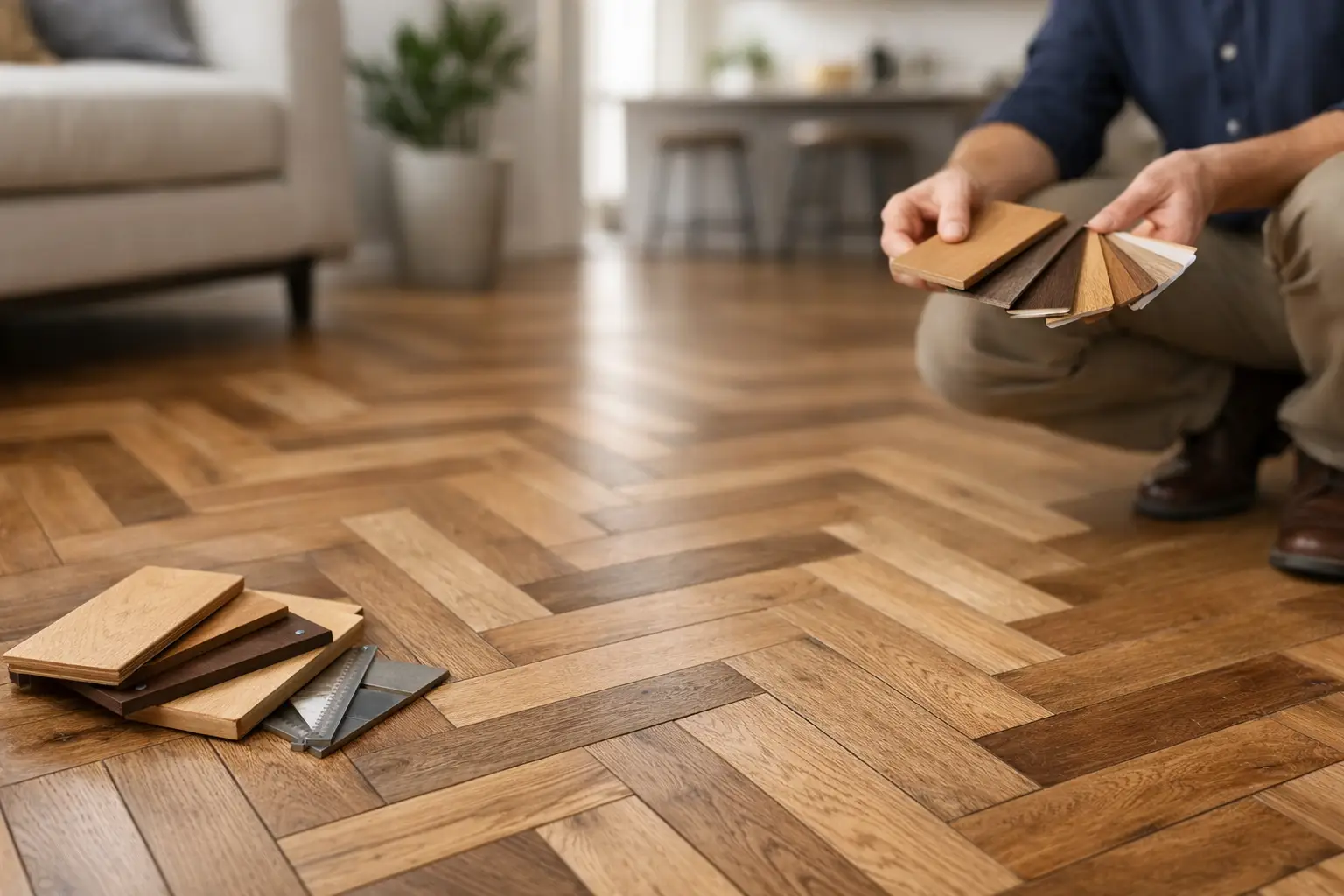
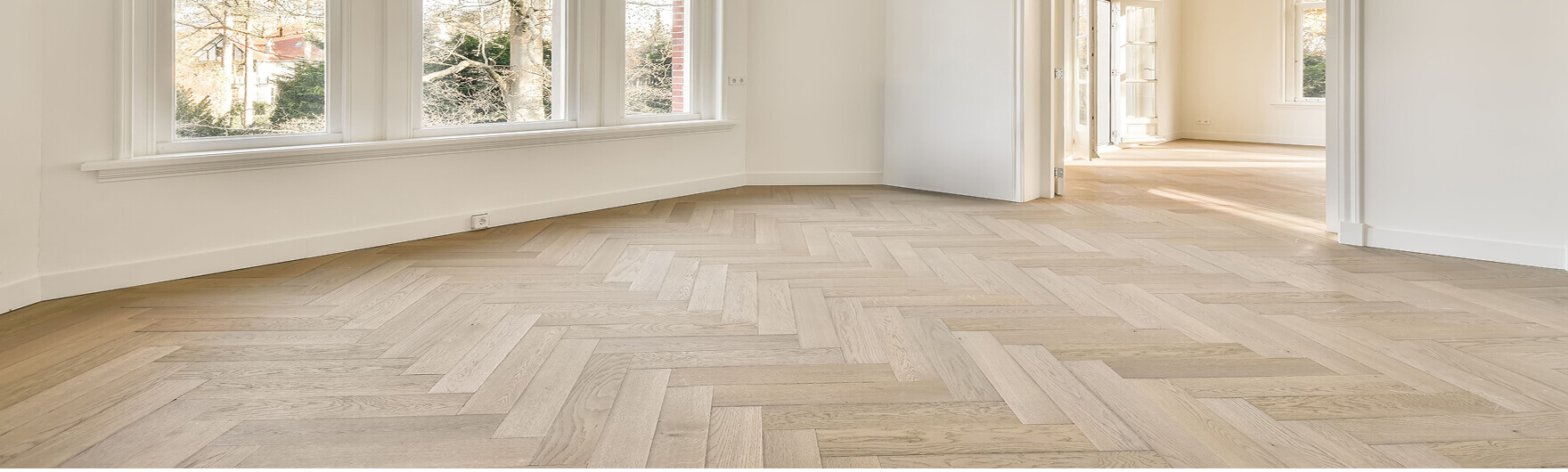
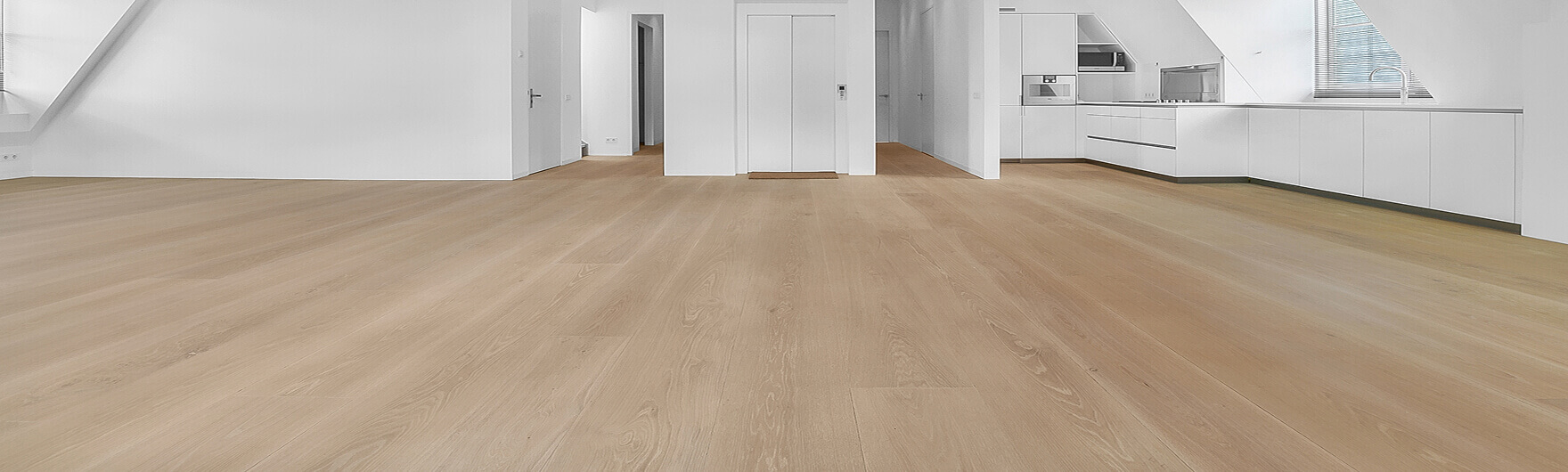
Product choice can also work against you. Extra-wide engineered boards, herringbone formats and premium oak finishes look excellent, but they are less tolerant of lazy preparation. The better the board, the less sense it makes to cut corners underneath it.
When professional installation makes more sense
Some confident renovators can manage a straightforward floating floor in a well-prepared room. But if the slab is uneven, moisture readings are borderline, the layout is complex or the product is premium, professional installation usually pays for itself.
That is especially true when subfloor preparation is involved. Levelling compounds, moisture mitigation systems and direct stick adhesives are not areas where trial and error is cheap. A team with real installation experience can spot issues early, recommend the right method and deliver a result that looks right and lasts.
At Melbourne Quality Timber Flooring, that practical approach matters because the advice is shaped by former installers, not just showroom sales. For homeowners weighing up product options and installation methods, that can save a lot of second-guessing.
The finish matters as much as the fit
Once the floor is installed, the final details lift the result. Trims need to be neat, transition points should be safe and visually clean, and furniture should not be dragged straight onto a fresh floor. If the product allows rugs, cleaning products and furniture pads should all be chosen with timber finishes in mind.
A well-installed engineered floor over concrete should feel stable, look consistent and sit quietly in the room. You should not be noticing bounce, drumming or visible movement in the first place.
If you are planning to install engineered hardwood flooring on concrete, treat the slab as the project, not the background. Get the moisture right, get the level right, and the boards have a fair chance to do what you paid for.