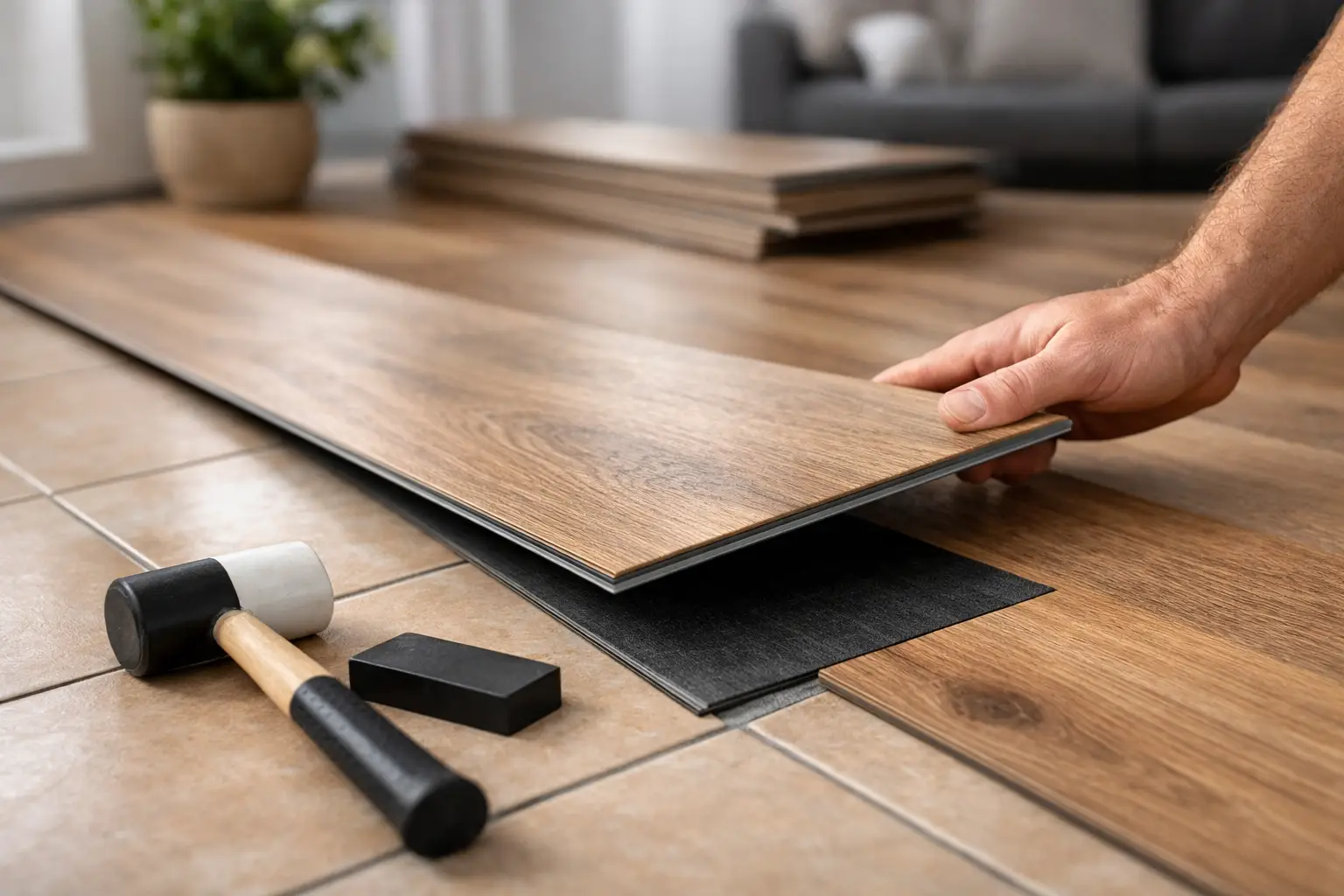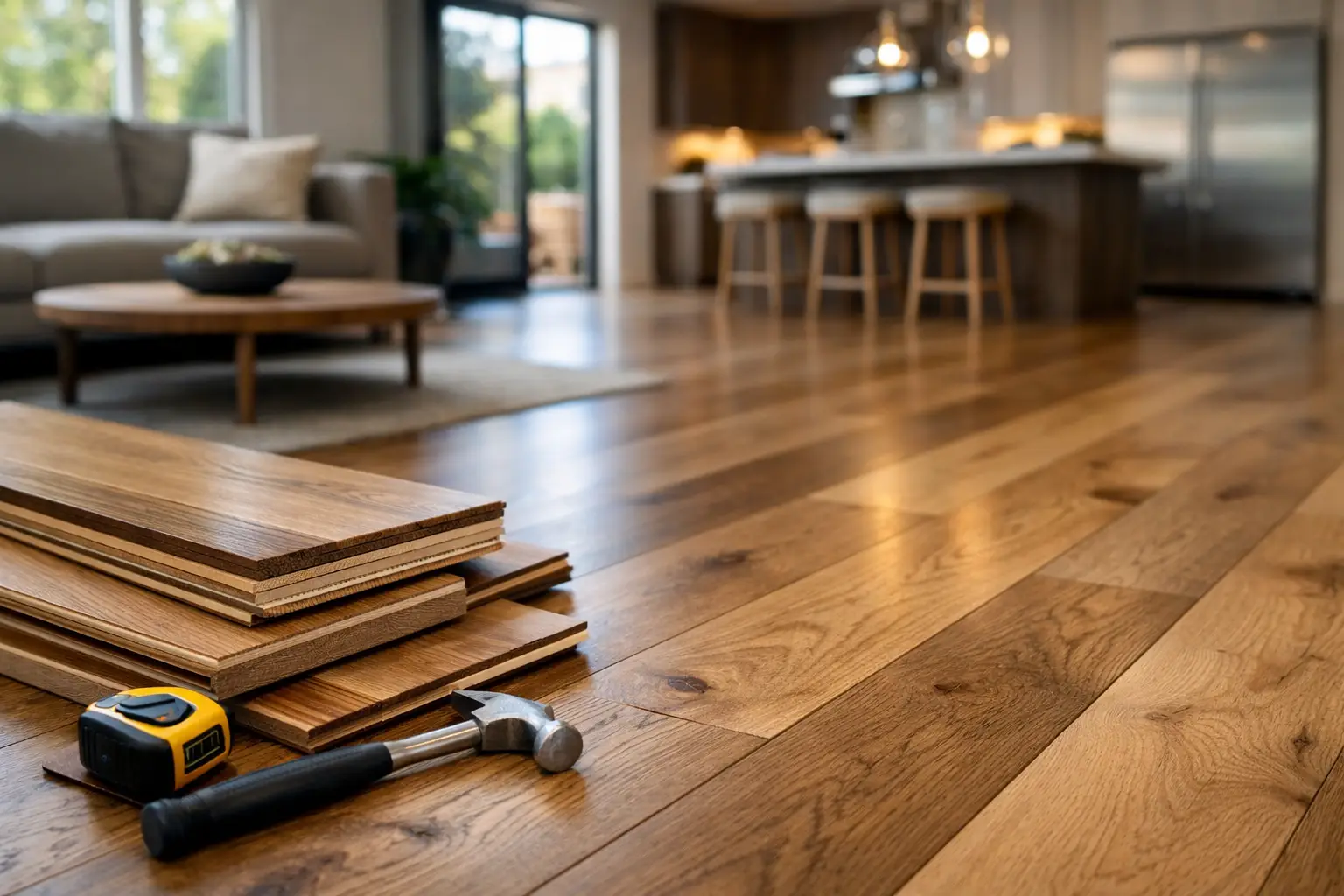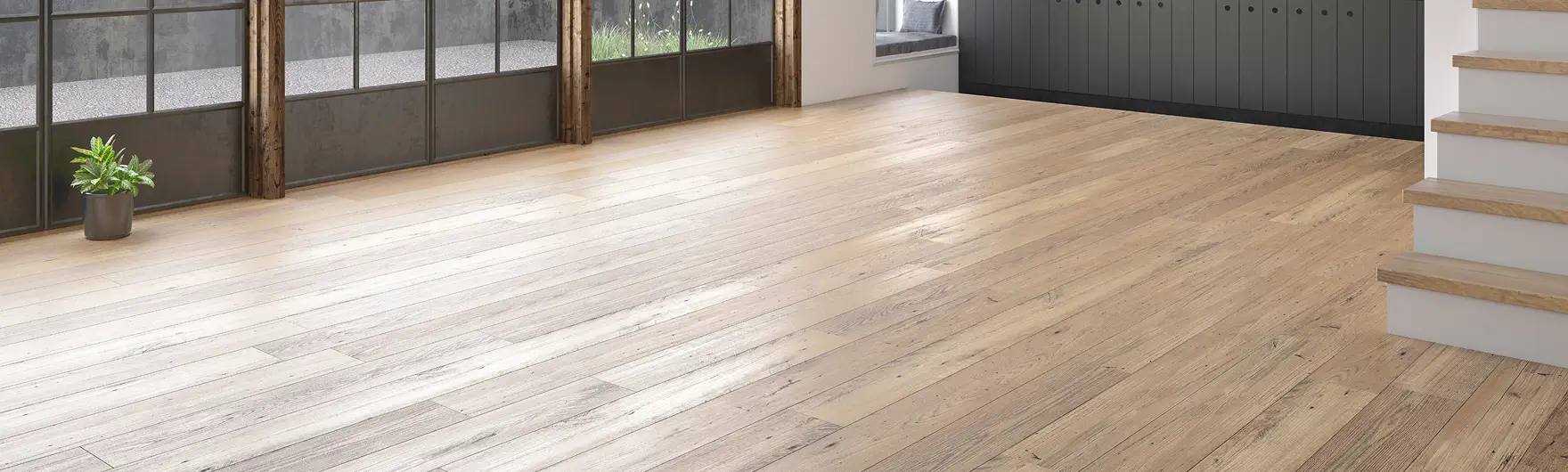
A floor can look perfect in a showroom and still be the wrong choice for your home. That happens all the time with hybrid flooring Melbourne buyers choose on appearance alone, without thinking about subfloor condition, room use, moisture, or how the boards will actually sit once installed.
Hybrid flooring has earned its place in Melbourne homes for good reason. It gives you the timber-look style many people want, with practical performance that suits busy households, apartments, investment properties and many commercial spaces. But not every hybrid floor is equal, and the result depends just as much on preparation and installation as it does on the board itself.
Table of Contents
Why hybrid flooring suits Melbourne homes
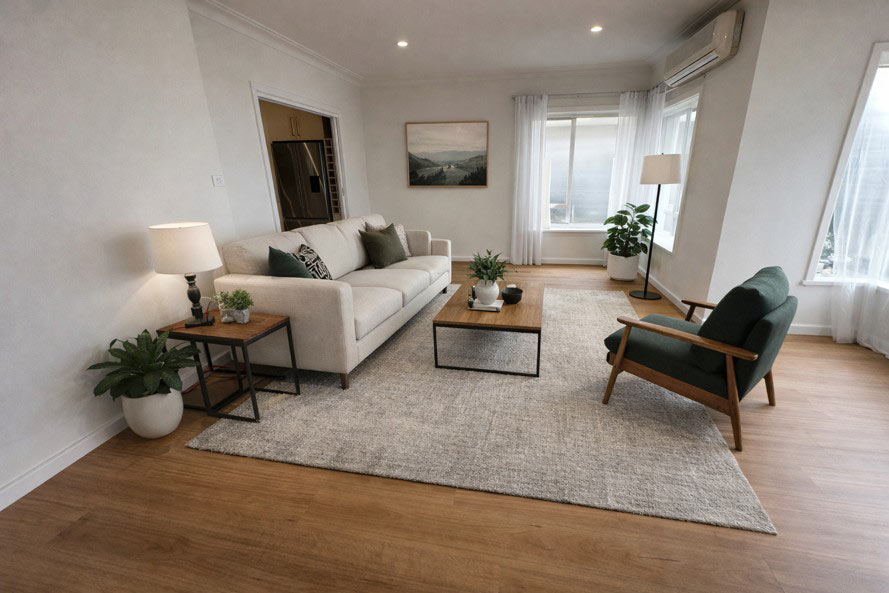
Melbourne homes ask a lot from a floor. You might have strong sun through large windows, wet weather at the back door, kids running through living zones, or an apartment where acoustics matter as much as appearance. Hybrid flooring is popular because it handles many of those real-world demands better than traditional timber in the right setting.
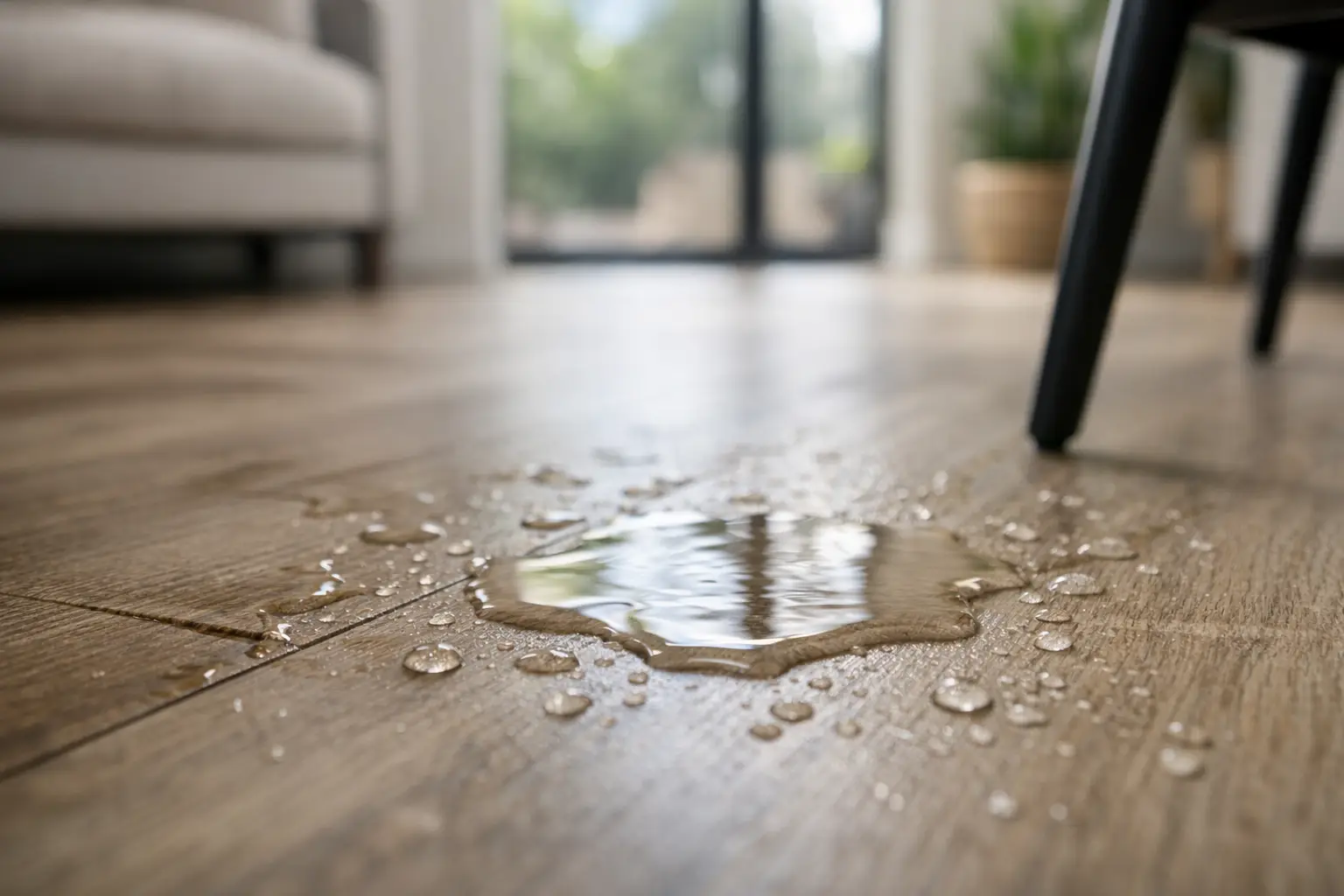
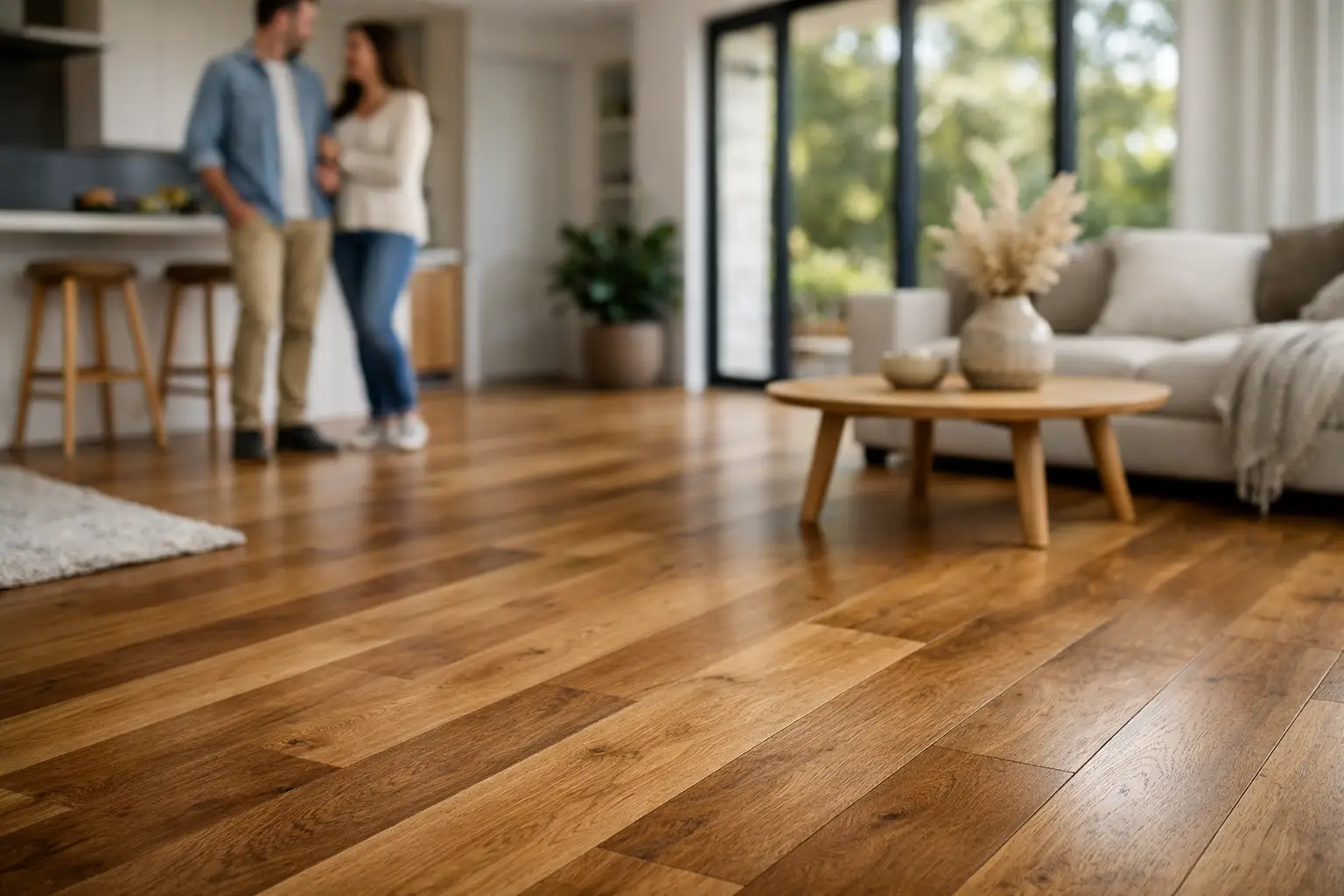
A quality hybrid board is built for stability, water resistance and day-to-day durability. That makes it a strong option for kitchens, open-plan living areas, hallways and rental properties where easy maintenance matters. It also gives you a broad range of colours and finishes, so you can get the look of European oak, warm timber tones or modern lighter boards without the same level of upkeep some natural products require.
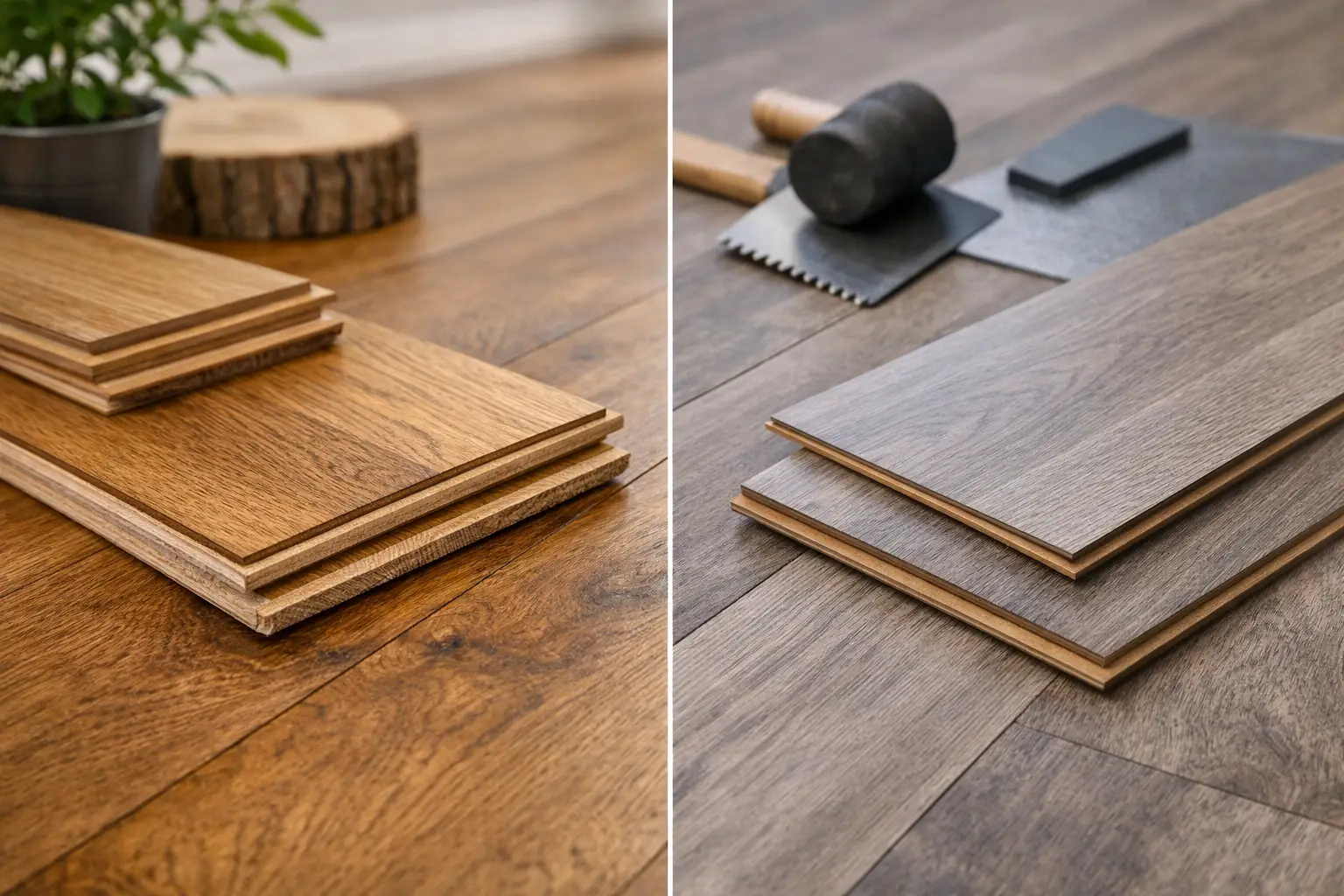
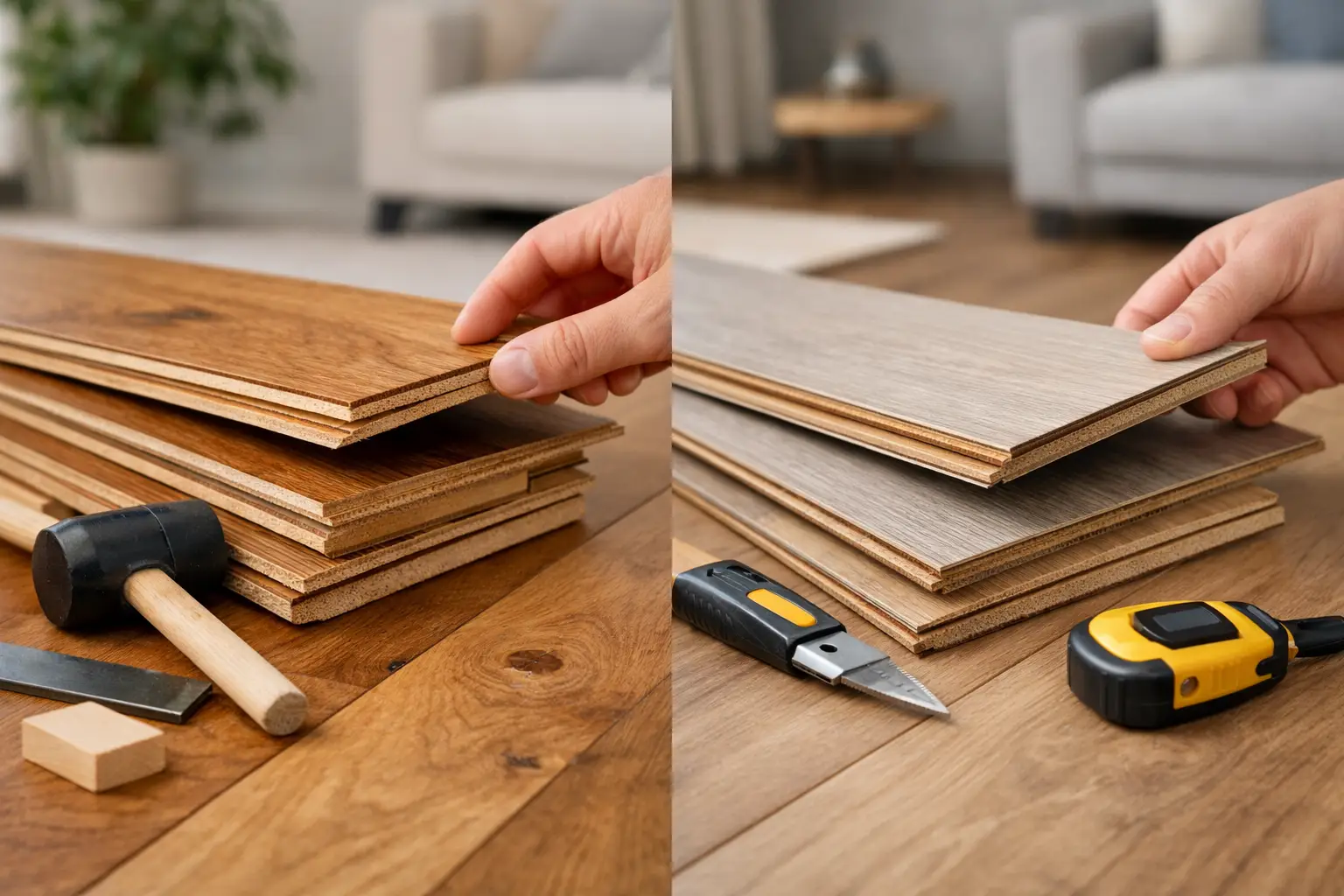
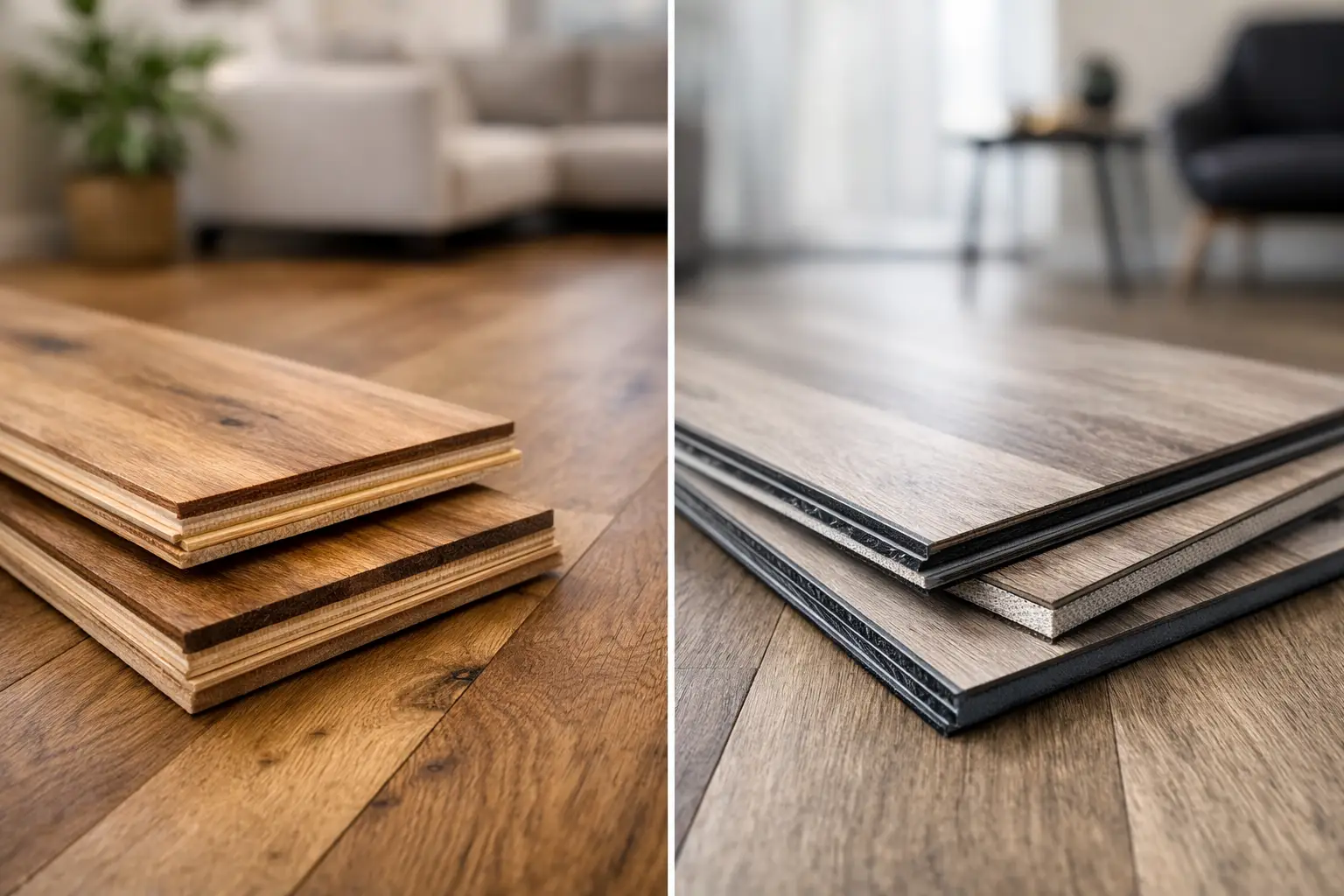
That said, hybrid is not a one-size-fits-all answer. If a client wants a floor with the natural variation and long-term refinishing potential of real timber, engineered timber may be the better fit. If they need the most budget-conscious solution for a low-impact area, laminate might be worth comparing. The right recommendation depends on the property, the budget and how the space is used.
What to look for in hybrid flooring Melbourne suppliers offer
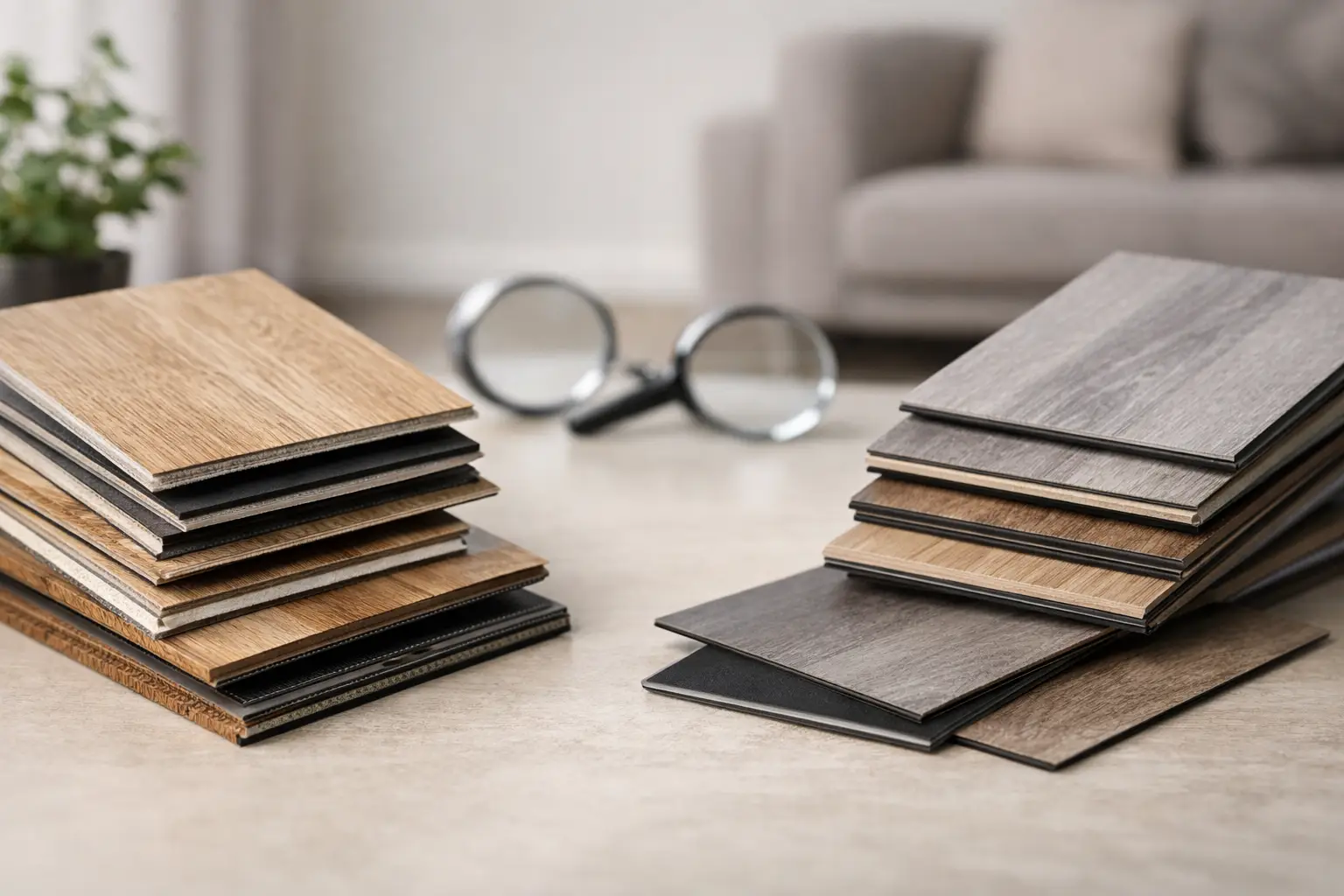
The biggest mistake people make is assuming all hybrid flooring is basically the same. It is not. On paper, many products can sound similar. In practice, the difference shows up in how the boards lock together, how they handle subfloor irregularities, how realistic the surface looks, and how they perform after a year or two of normal use.
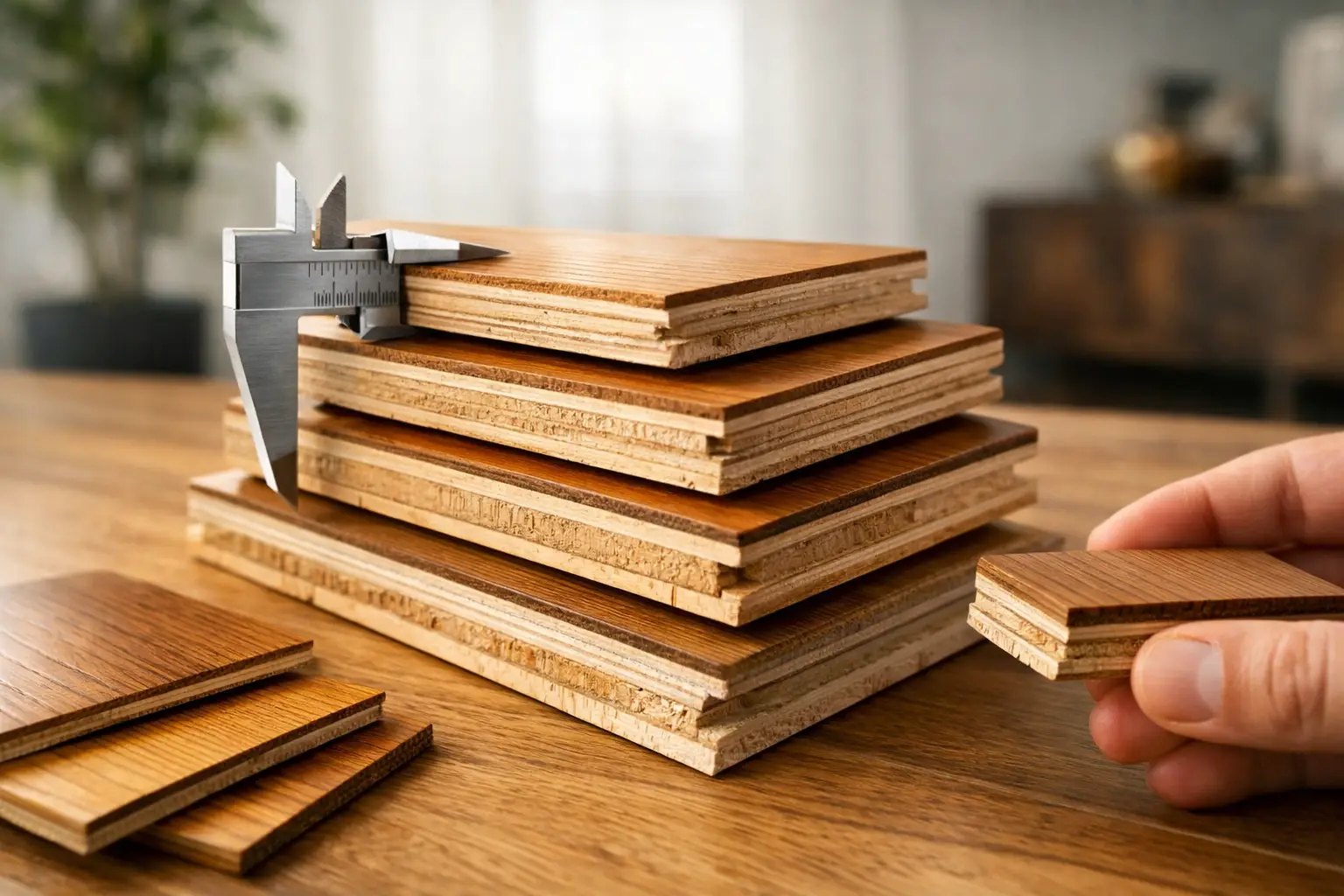
A good hybrid floor starts with a stable core and a wear layer suited to the traffic level of the space. For a family home with pets and kids, scratch resistance and easy cleaning will matter. For a commercial fit-out or a high-traffic investment property, board durability and installation quality move even higher on the list.
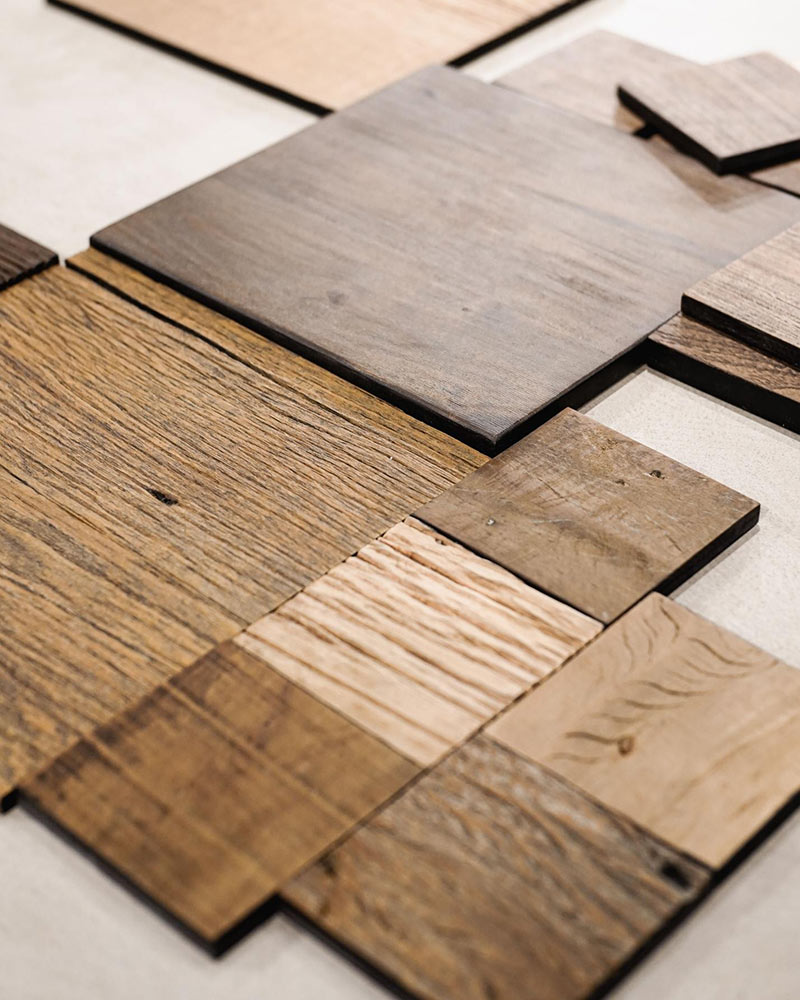
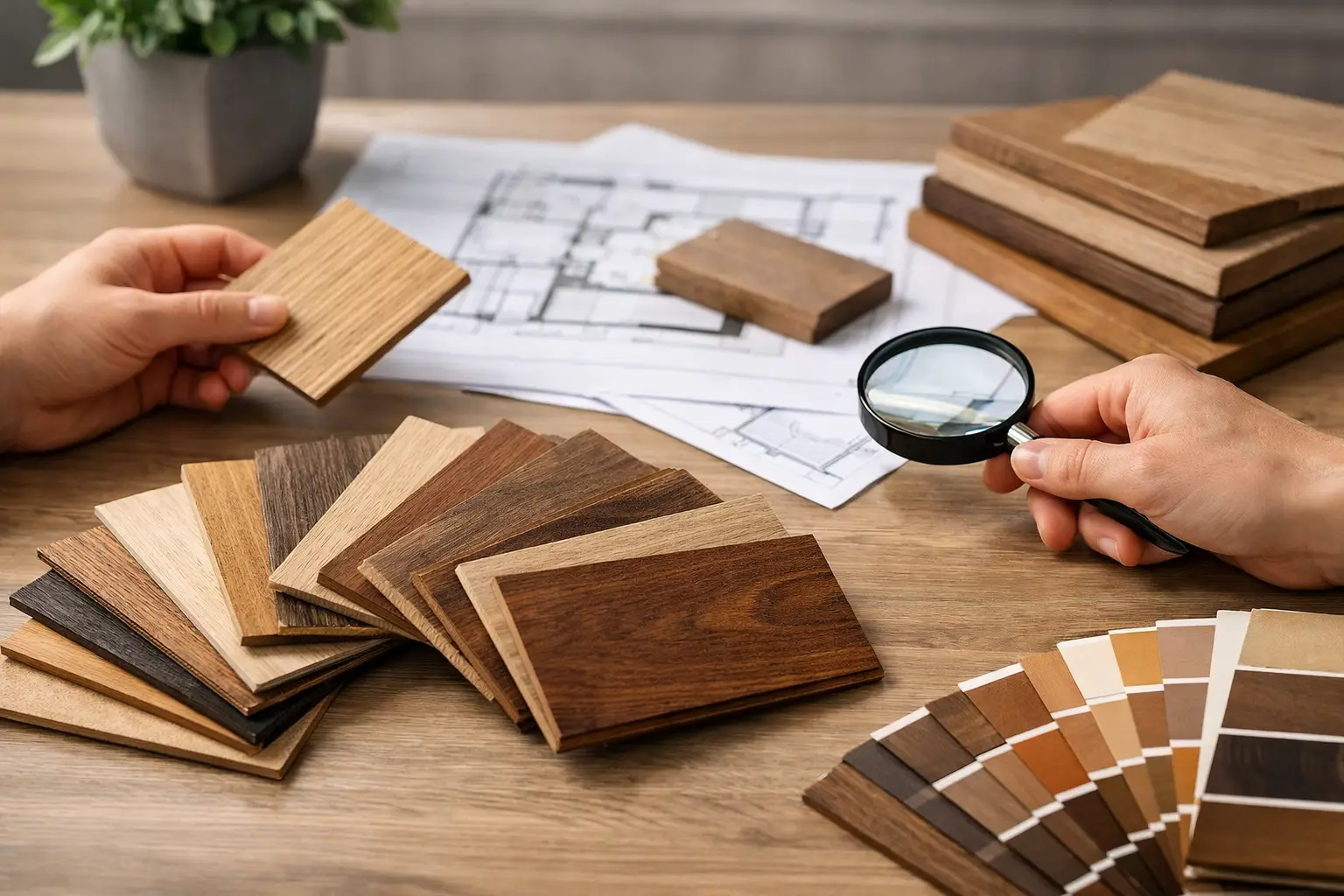
The visual side matters too. Better products tend to have more convincing timber grain, lower pattern repetition and more refined surface finishes. That sounds cosmetic, but it affects whether the floor still looks premium once it is laid across a full room rather than viewed as a single sample board.
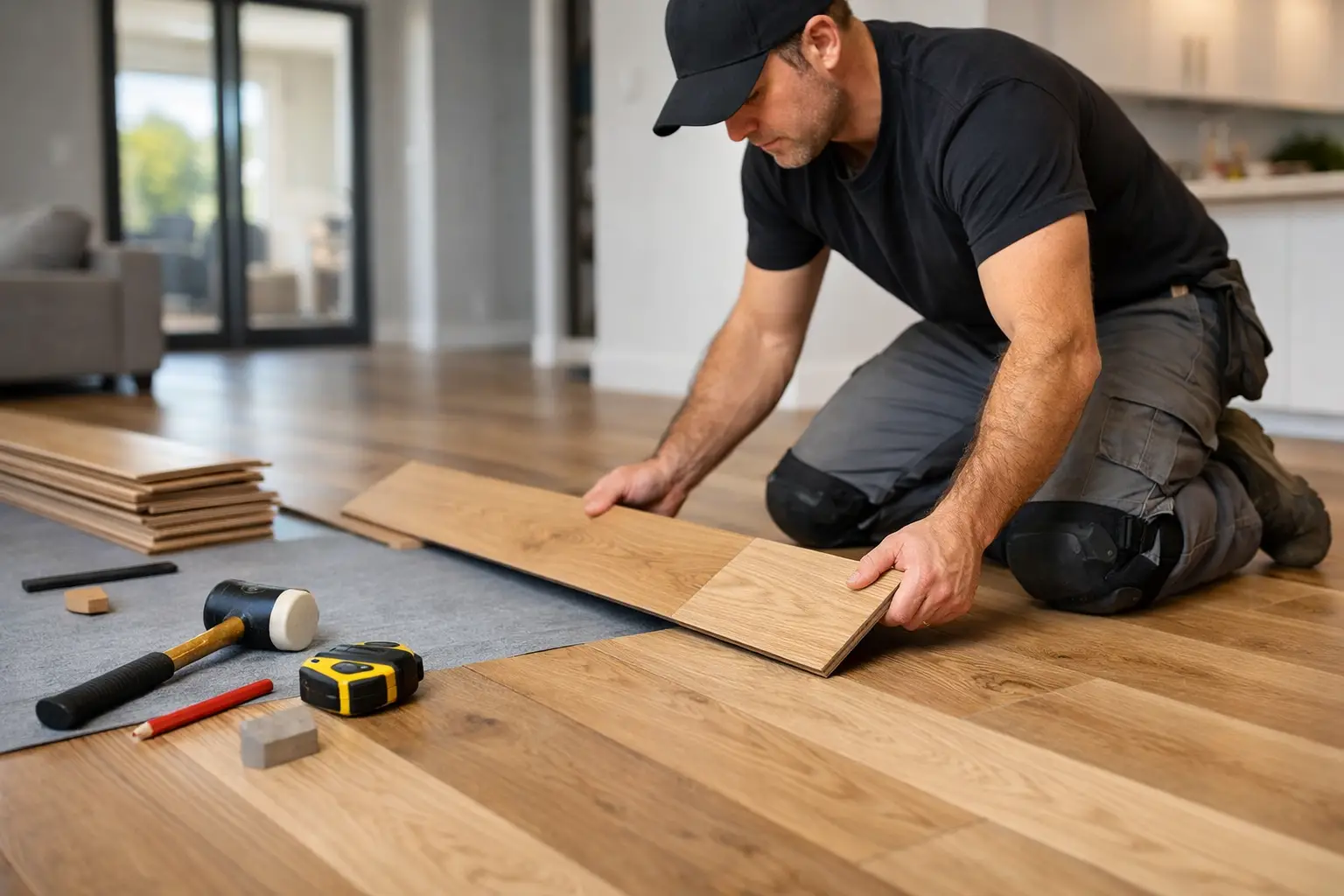
It also helps to look beyond the product brochure. Ask how the floor performs over existing subfloors, whether levelling may be required, and what expansion allowance is needed. These are the practical details that often decide whether the installation ends up looking clean and lasting well.
Subfloor preparation matters more than most people realise
If there is one area where good flooring jobs separate themselves from poor ones, it is subfloor preparation. A quality board laid over a bad subfloor is still a bad job.
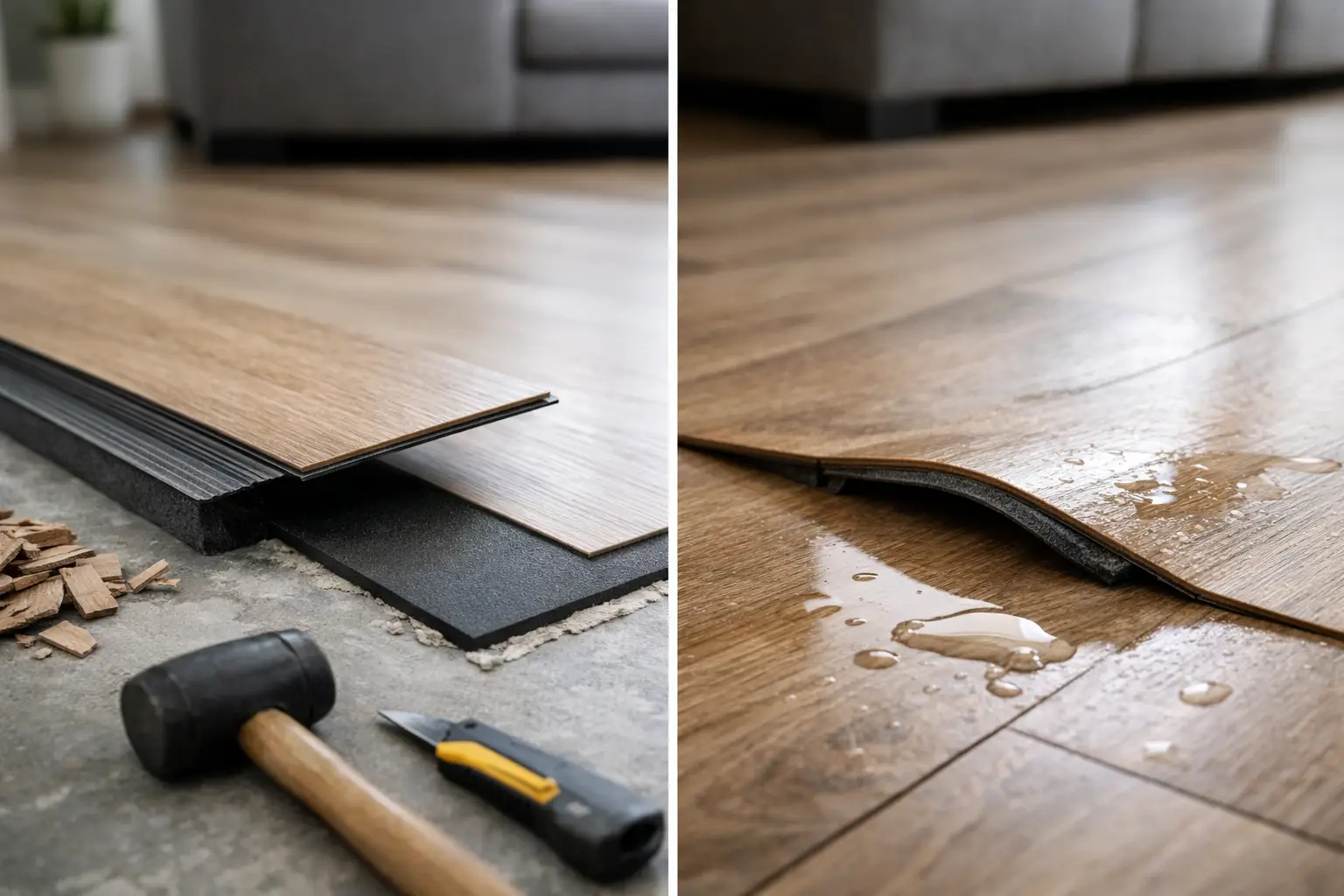
Hybrid flooring is often sold as forgiving, and to a point it is. But that does not mean it can hide significant unevenness or moisture issues. If the subfloor is out of level, you may end up with movement underfoot, noisy sections, peaking joints, or a locking system that comes under stress. Over time, those issues can turn a new floor into a callback.
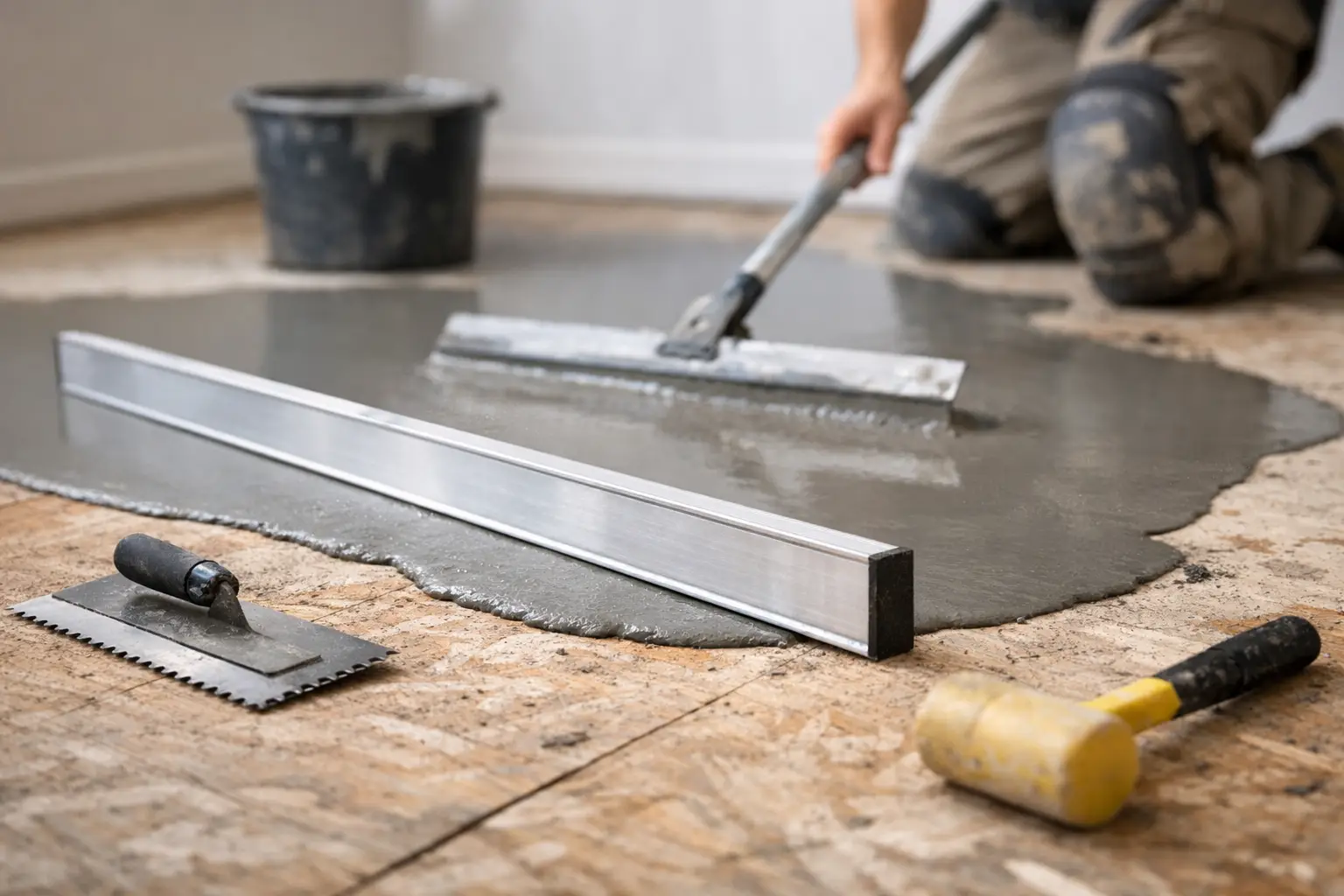
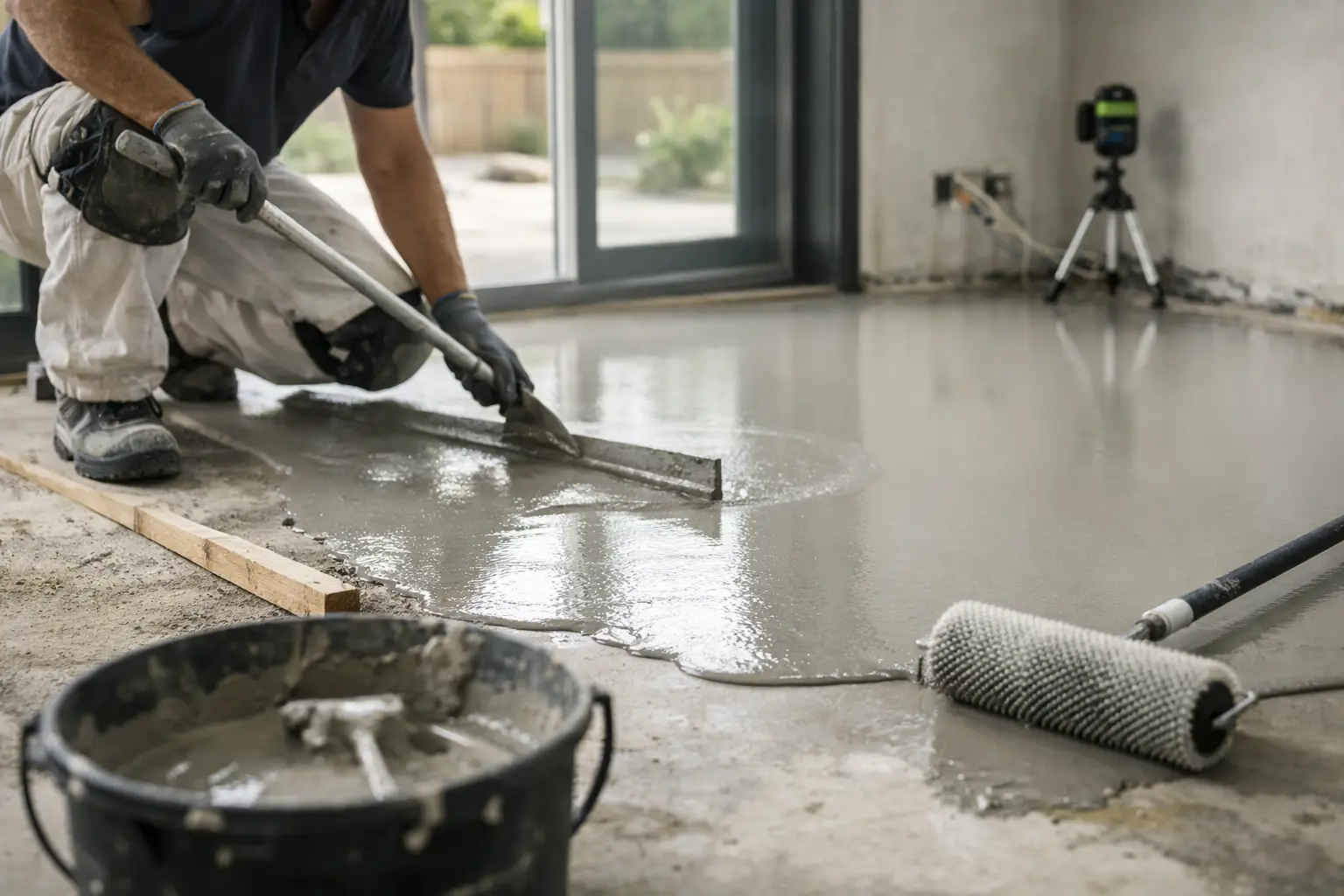
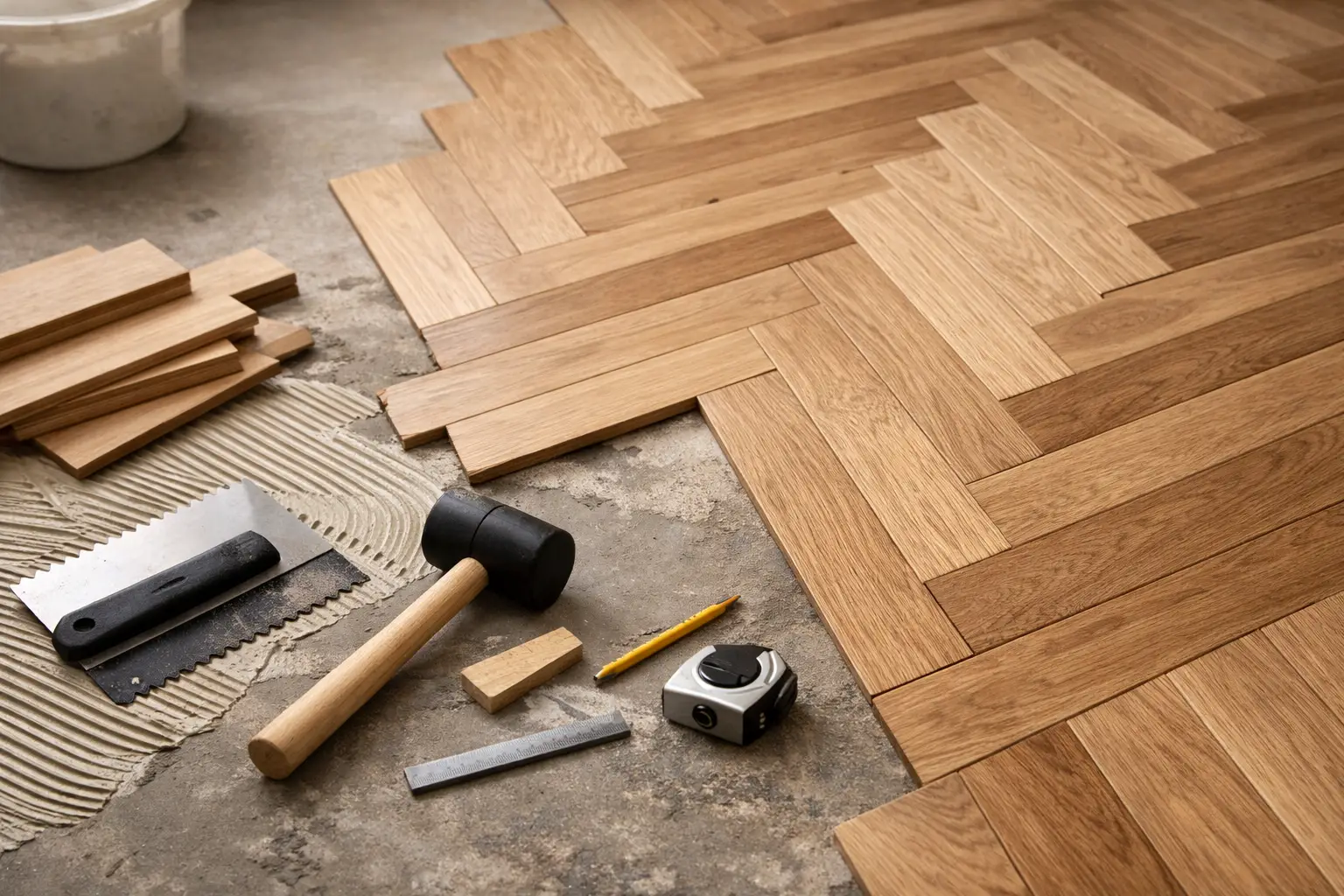
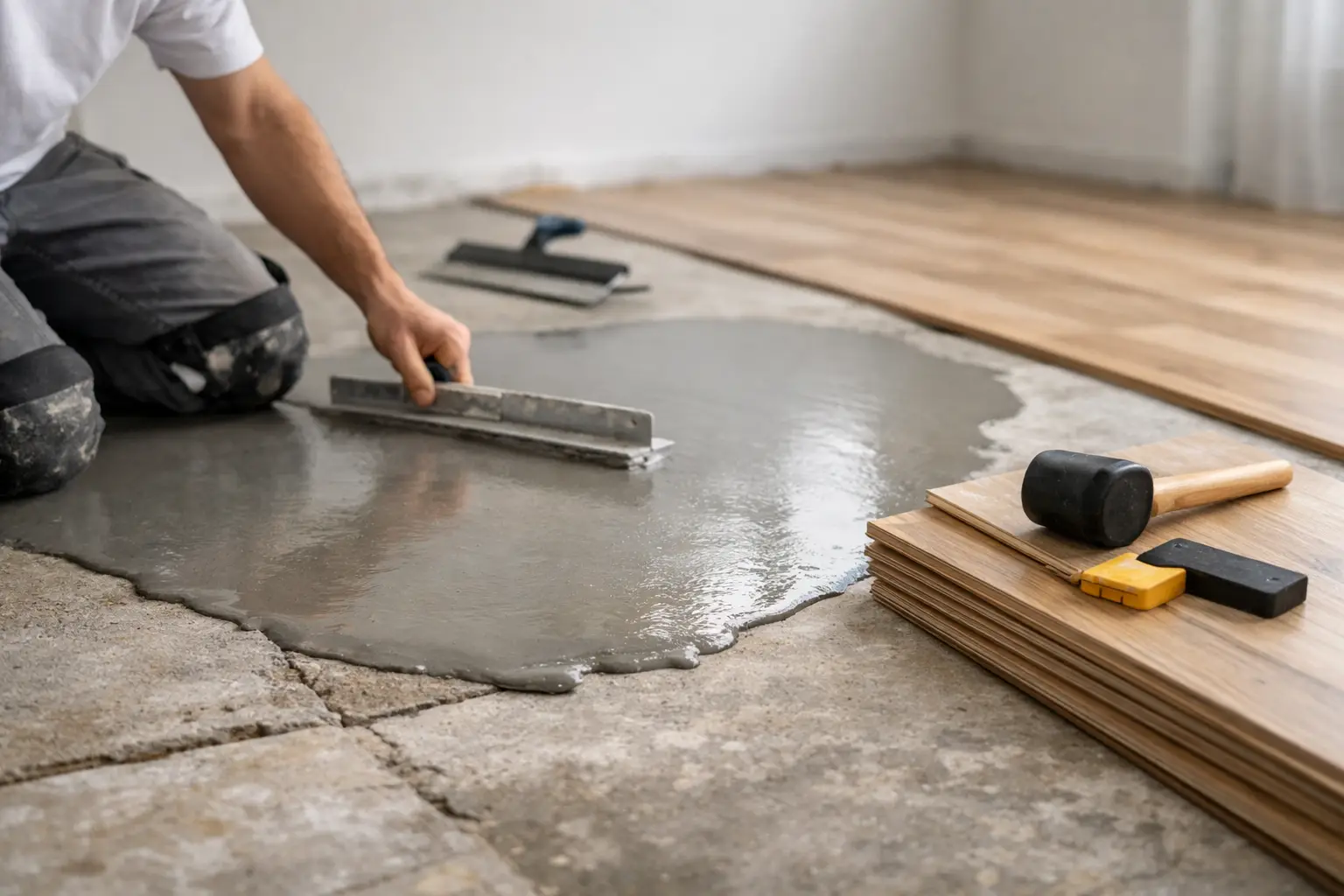
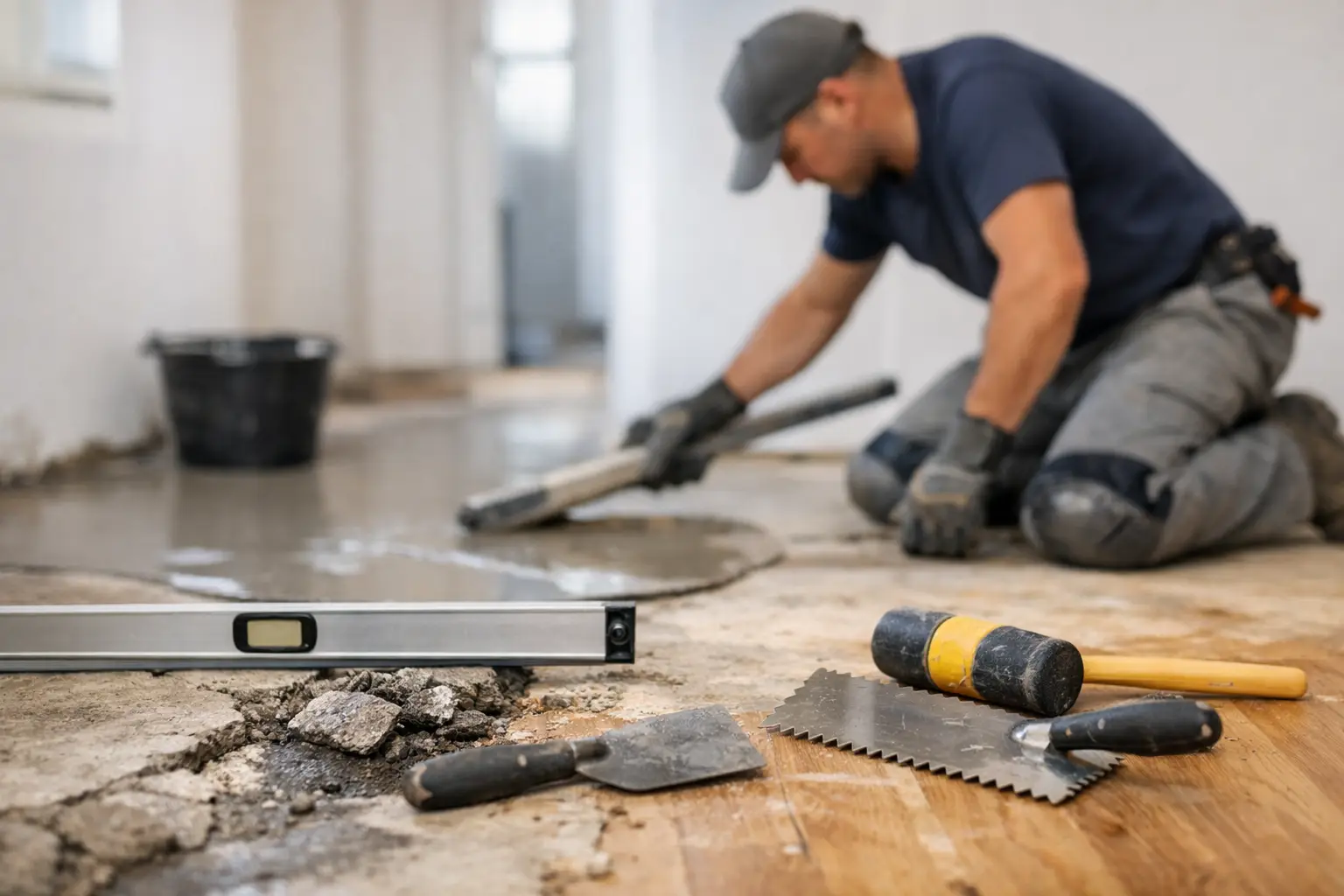
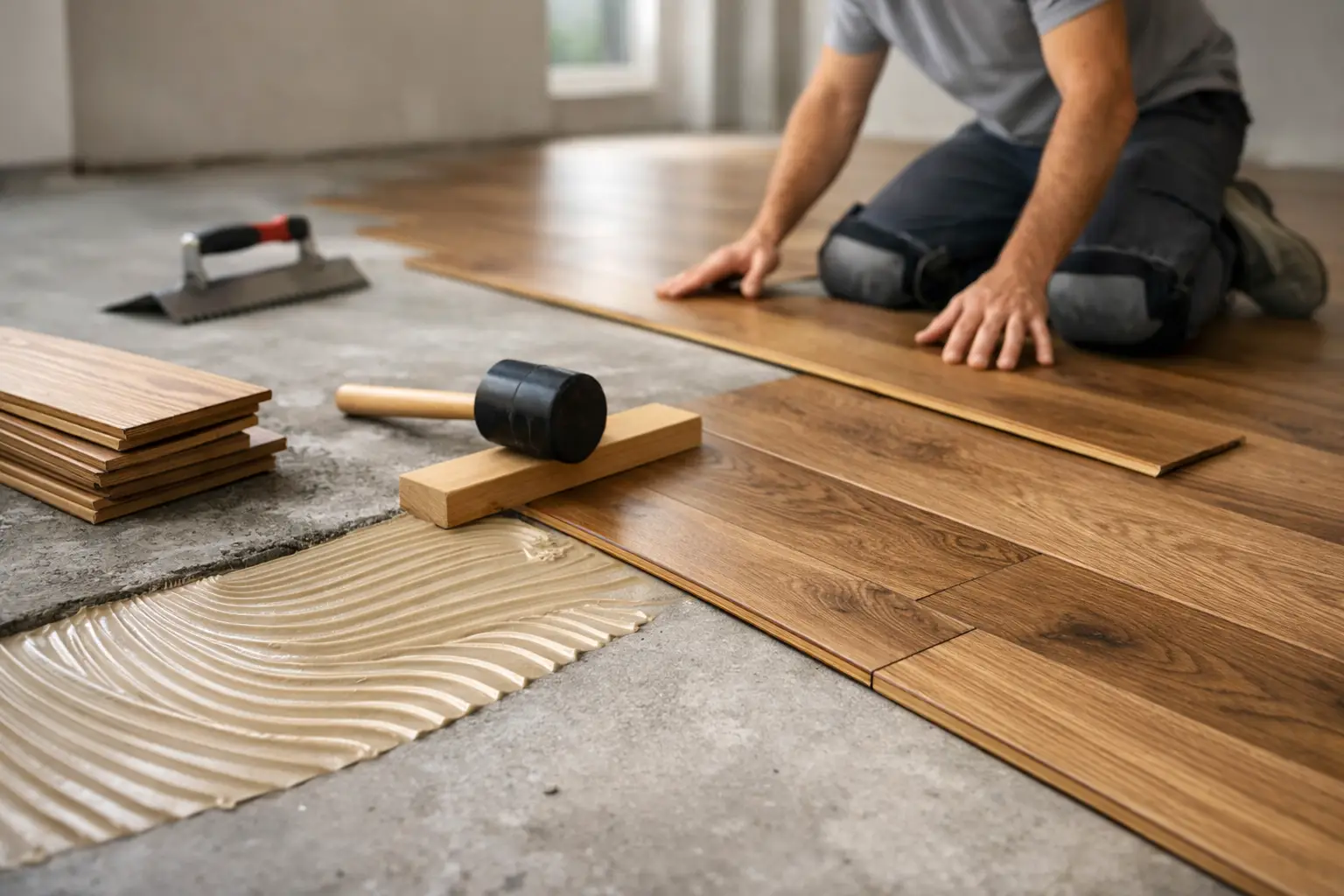
This is why proper site assessment matters. Concrete slabs may need moisture testing and levelling. Existing floors may need removal, repair or smoothing. In many cases, a self-levelling compound is the right step before installation, especially where you want a flatter, more stable result across larger areas.
It is not the glamorous part of the job, but it is the part that protects the finish you are paying for. A floor should feel solid underfoot, not just look good on day one.
Choosing the right hybrid floor for each room
Not every room places the same demands on flooring, so product choice should reflect that.
In kitchens and living areas, hybrid flooring is often a strong choice because it balances appearance with practicality. These spaces see regular foot traffic, furniture movement and the occasional spill, so durability and water resistance are genuine benefits. In hallways and entry points, a tougher-wearing finish becomes even more important.
Bedrooms are a bit more flexible. Some buyers still prefer hybrid here for continuity throughout the home, while others compare it with engineered timber or carpet depending on the feel they want underfoot. In apartments, acoustic requirements can also shape the decision, particularly in multi-storey buildings where underlay and compliance need attention.
Bathrooms and laundries need a more careful conversation. Some hybrid products are marketed heavily for wet areas, but installation details, product specifications and site conditions all matter. This is where broad claims can get people into trouble. It is better to assess the actual room and system rather than assume any hybrid floor will suit any wet zone.
The difference between retail advice and installer advice
Flooring is one of those categories where product knowledge and installation knowledge should never be separated. A board might suit your style, but if it is not right for your subfloor, room layout, or traffic levels, the advice has missed the mark.
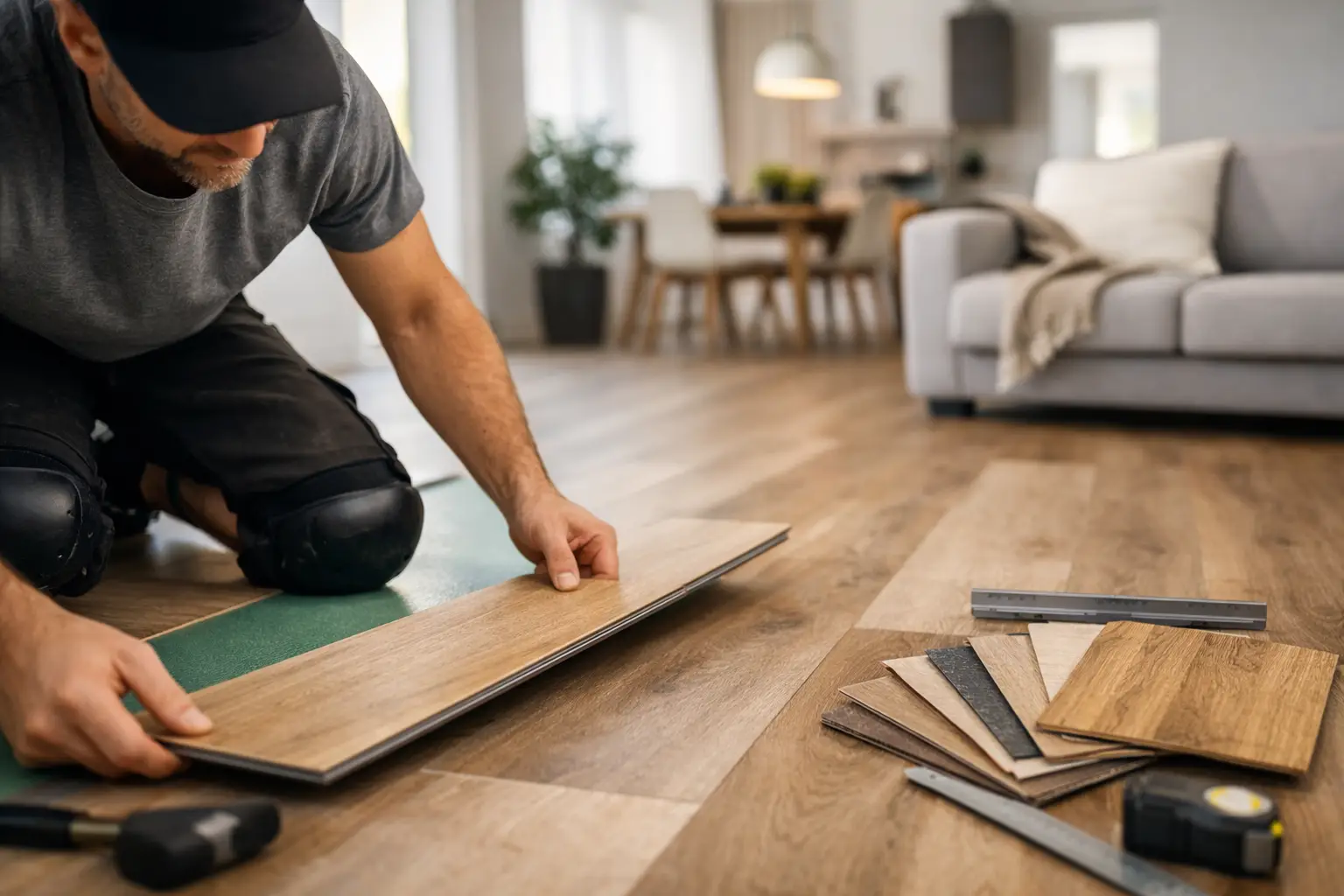
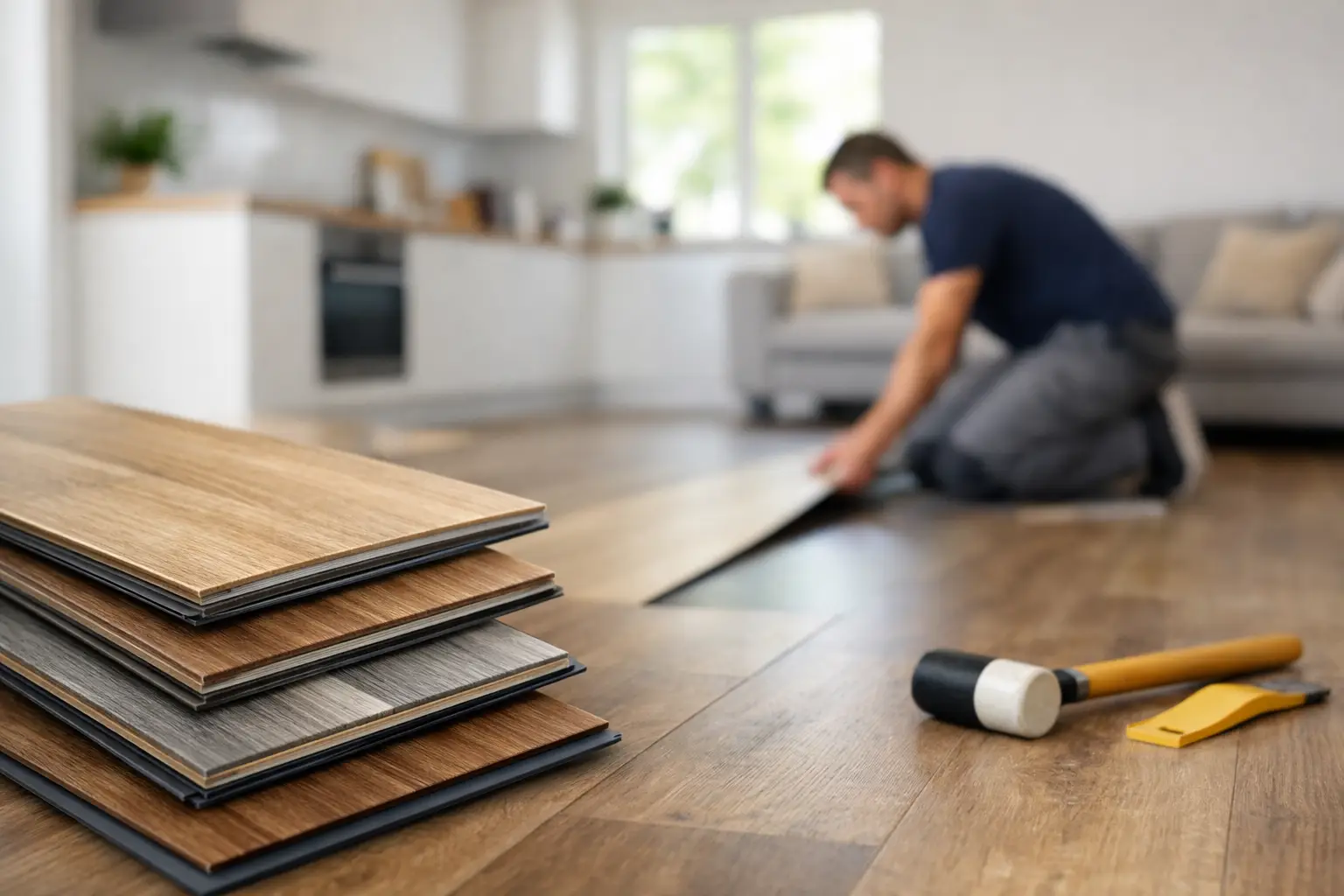
That is why trade-led guidance matters. Former installers tend to look at things a showroom-only salesperson may skip over. They think about expansion, transitions, slab condition, door clearances, heavy island benches, and whether the selected board will work well across the entire floorplan. That practical view usually saves clients money and frustration later.
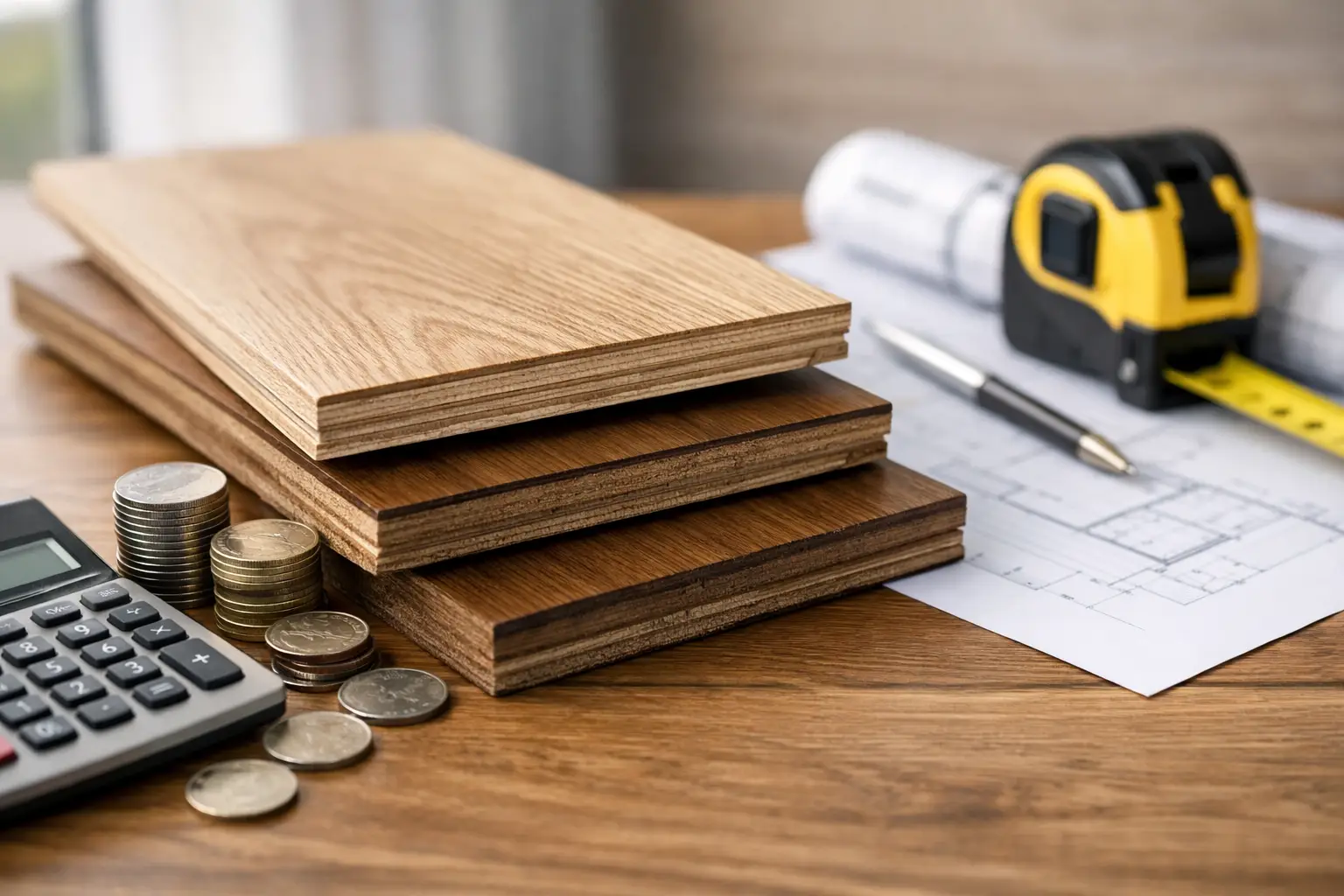
This is also where a proper measure and quote has real value. It is not just about confirming square metres. It is a chance to identify prep work, flag access issues, recommend suitable products and explain where the budget should actually go. Sometimes the best advice is not to spend more on the board, but to spend properly on preparation.
Style still matters – and hybrid has come a long way
Practical performance gets people interested in hybrid flooring, but appearance is still what makes them commit. The good news is hybrid products have improved significantly in recent years.
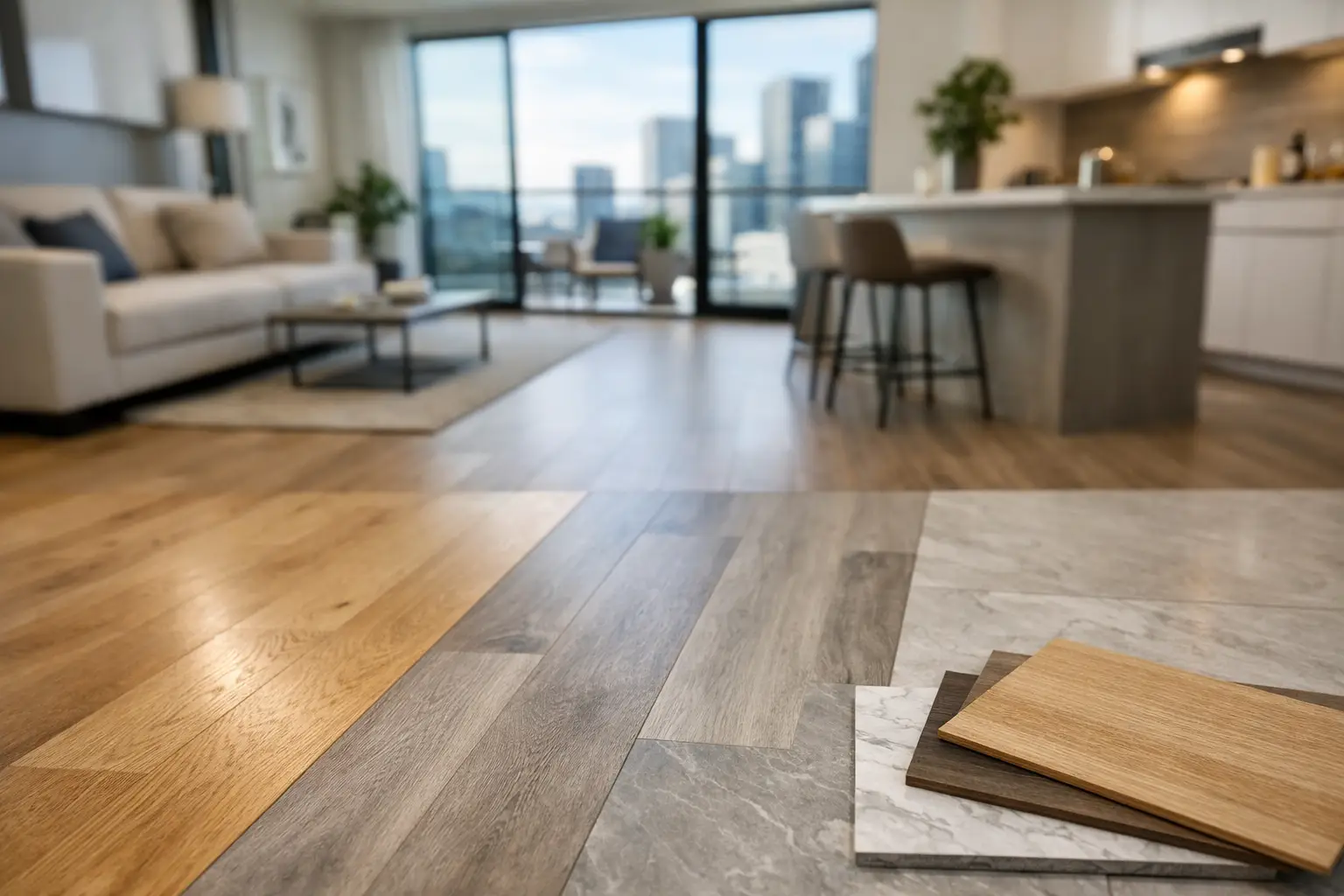
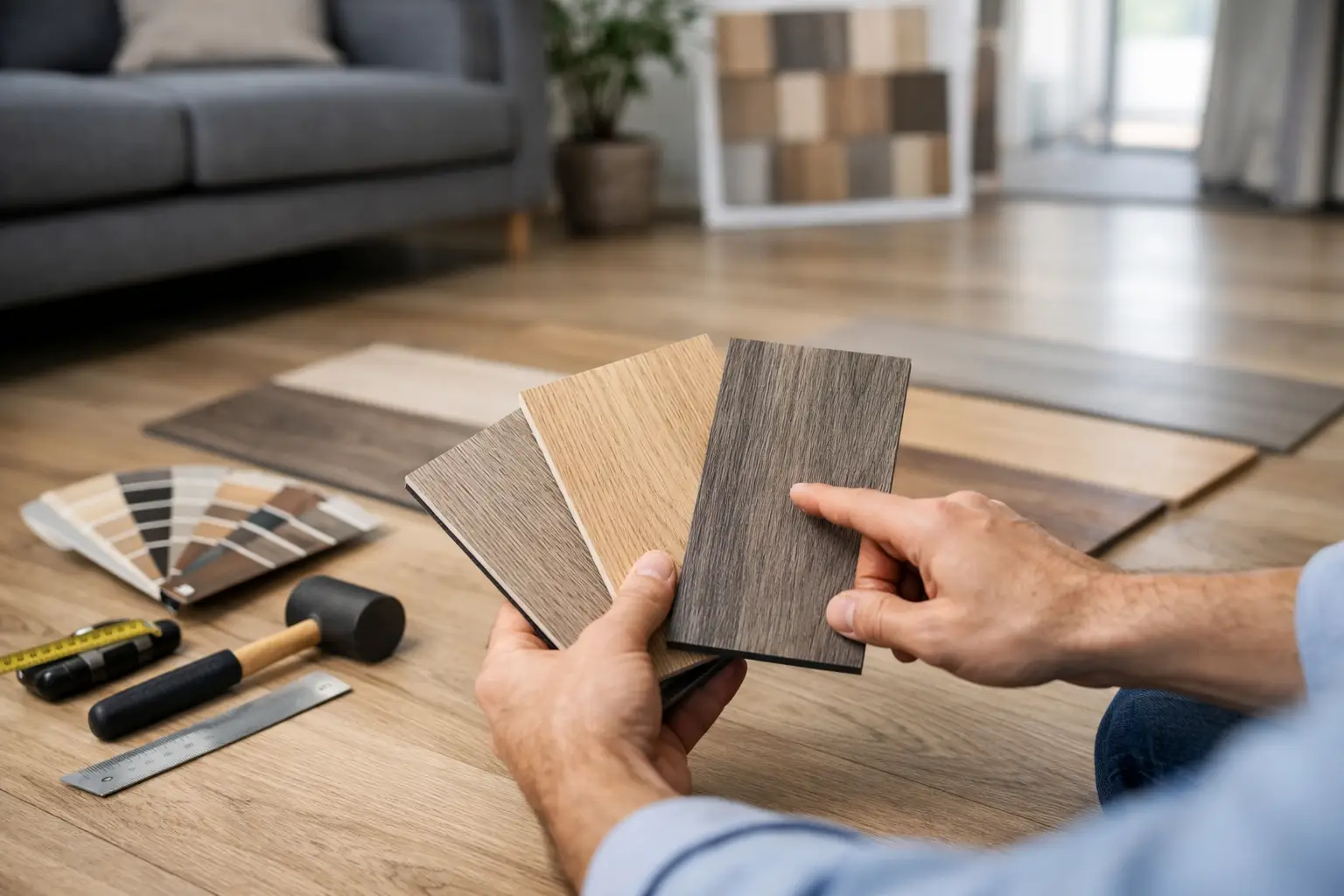
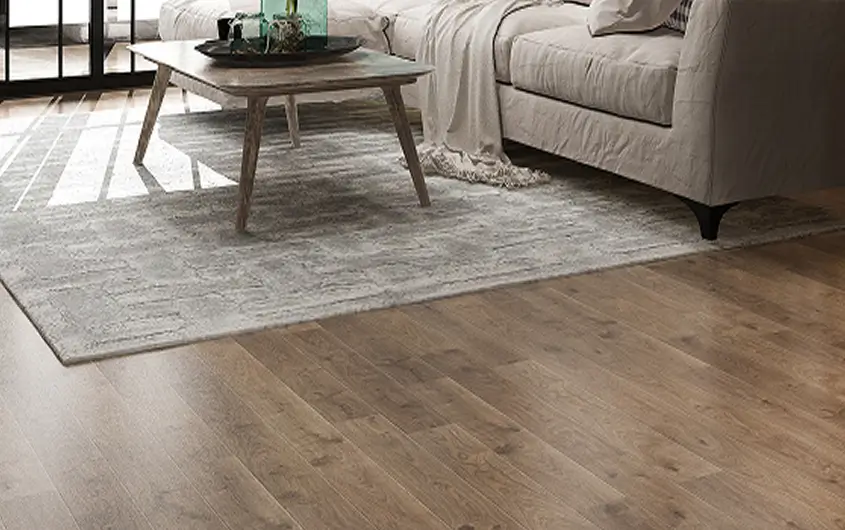
Today, there are hybrid options with convincing oak-inspired colours, matte finishes and larger board formats that suit modern Melbourne interiors. Lighter tones can open up apartments and smaller rooms. Mid-tone oaks work well in family homes because they hide day-to-day dust better than very dark floors. Warmer timber looks can soften newer builds that otherwise feel too stark.
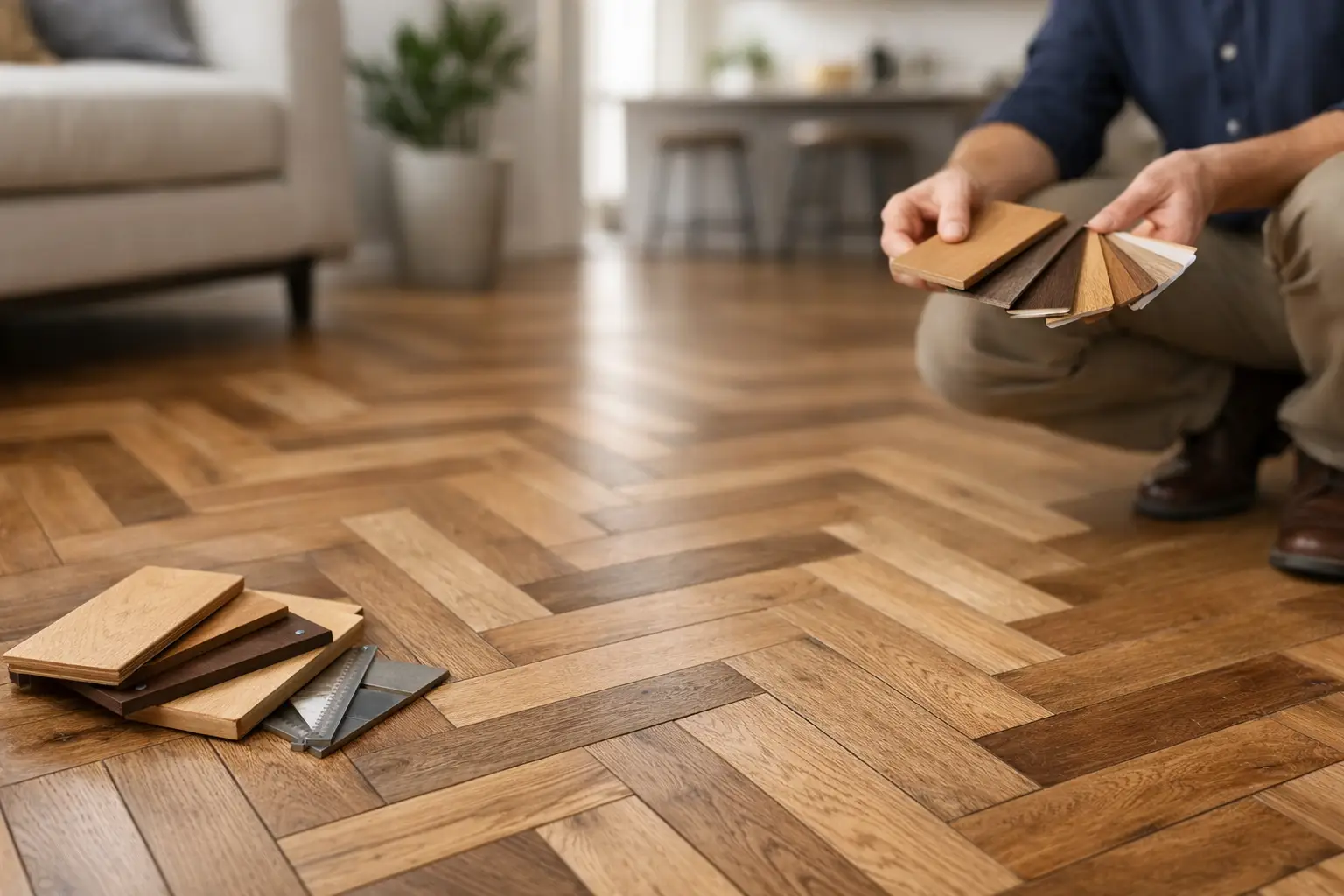
The best choice often comes down to the fixed elements in the property. Cabinetry, wall colour, natural light and even the amount of street dust coming in through entrances can all affect what will work long term. A floor should not just look good in a sample rack. It should make sense in your actual home.
When hybrid flooring is the right choice
Hybrid is a strong option if you want a timber-look floor that is low maintenance, durable and suitable for active living areas. It makes sense for families, investors, apartment owners and commercial clients who want a balance of style and practicality.
It can also be a smart choice when natural timber is not ideal for the environment or the budget. But if your priority is the authenticity, prestige and repairability of a real timber surface, another flooring category may suit you better. Good advice should make that clear rather than pushing one product for every job.
At Melbourne Quality Timber Flooring, that is the point of the consultation – matching the floor to the property instead of forcing the property to fit the product.
A good flooring decision usually comes down to three things: choosing a product that suits the space, preparing the subfloor properly, and having it installed by people who know what can go wrong before it does. Get those right, and your floor will not just photograph well – it will live well too.