If you have been comparing flooring options and keep circling back to timber, chances are you have asked: what is engineered timber flooring, and is it actually worth it? It is a fair question, because engineered timber sits in that sweet spot between natural timber appeal and practical day-to-day performance. For many homes, it gives you the look people want without some of the movement issues that come with traditional solid boards.
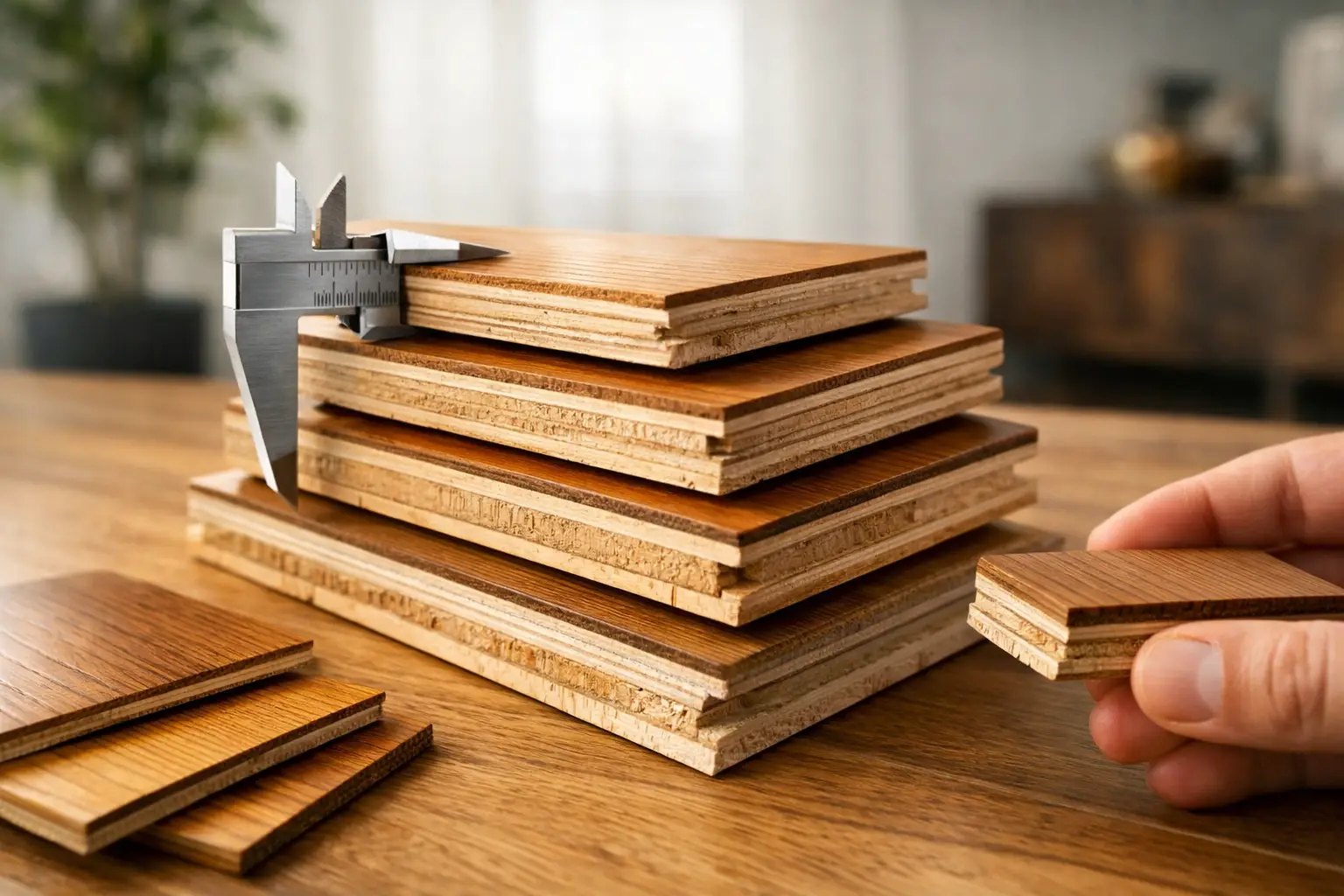
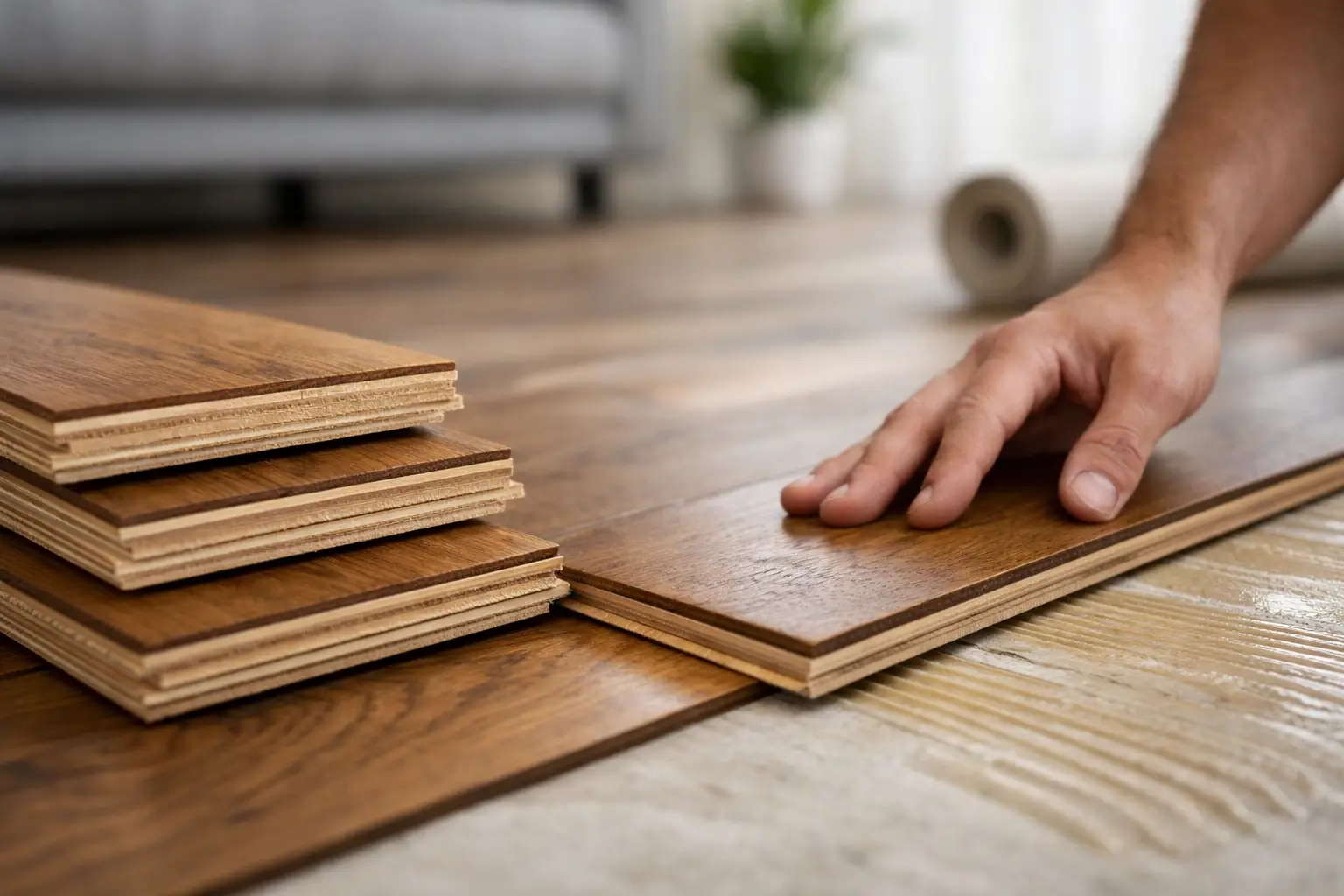
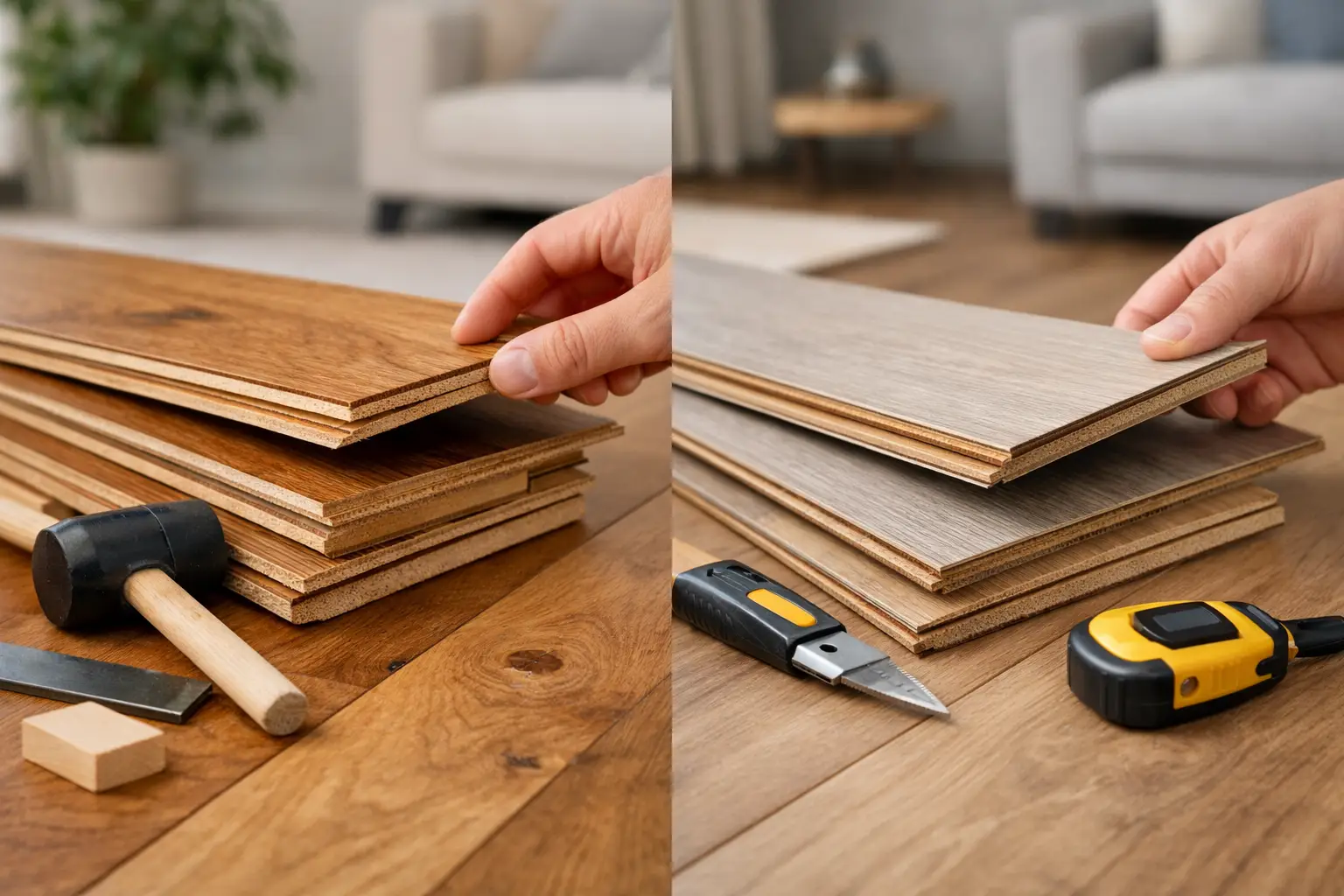
At a glance, engineered timber flooring is real timber flooring made from layers. The top layer is genuine hardwood veneer, while the core beneath is built from stable timber or plywood layers bonded together. That construction is the whole point. It is designed to look like solid timber on the surface while handling temperature and moisture changes more reliably in typical Australian homes.
Table of Contents
What is engineered timber flooring made from?
The easiest way to understand engineered timber is to think about it in two parts: the visible surface and the structural base.
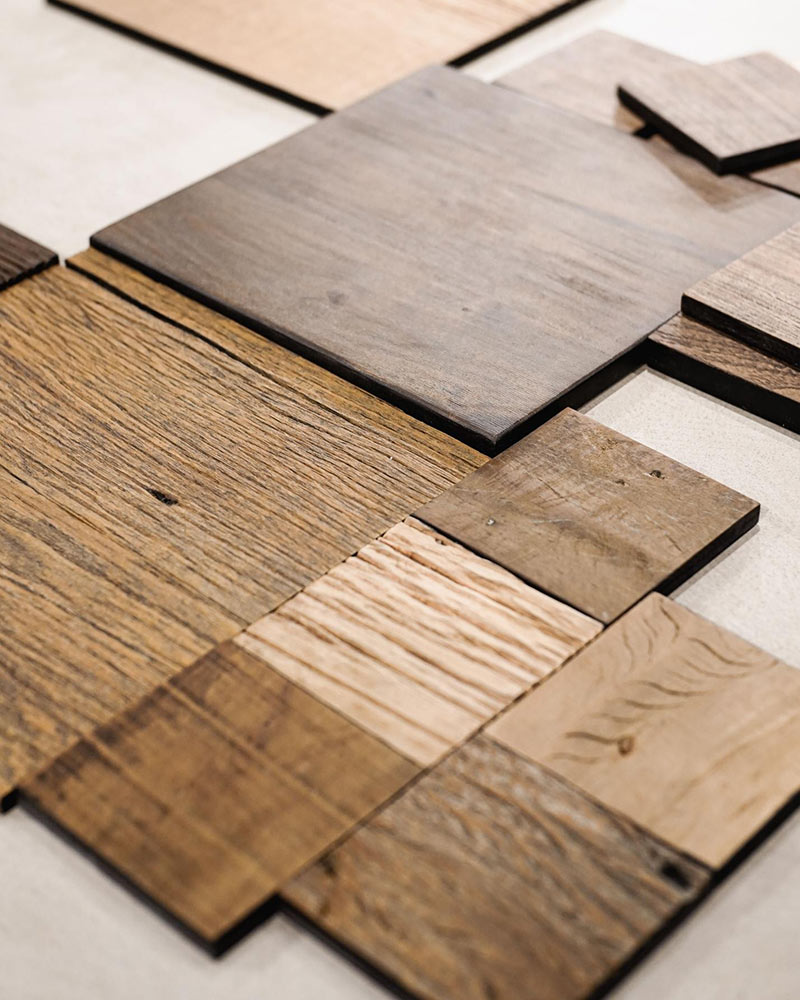
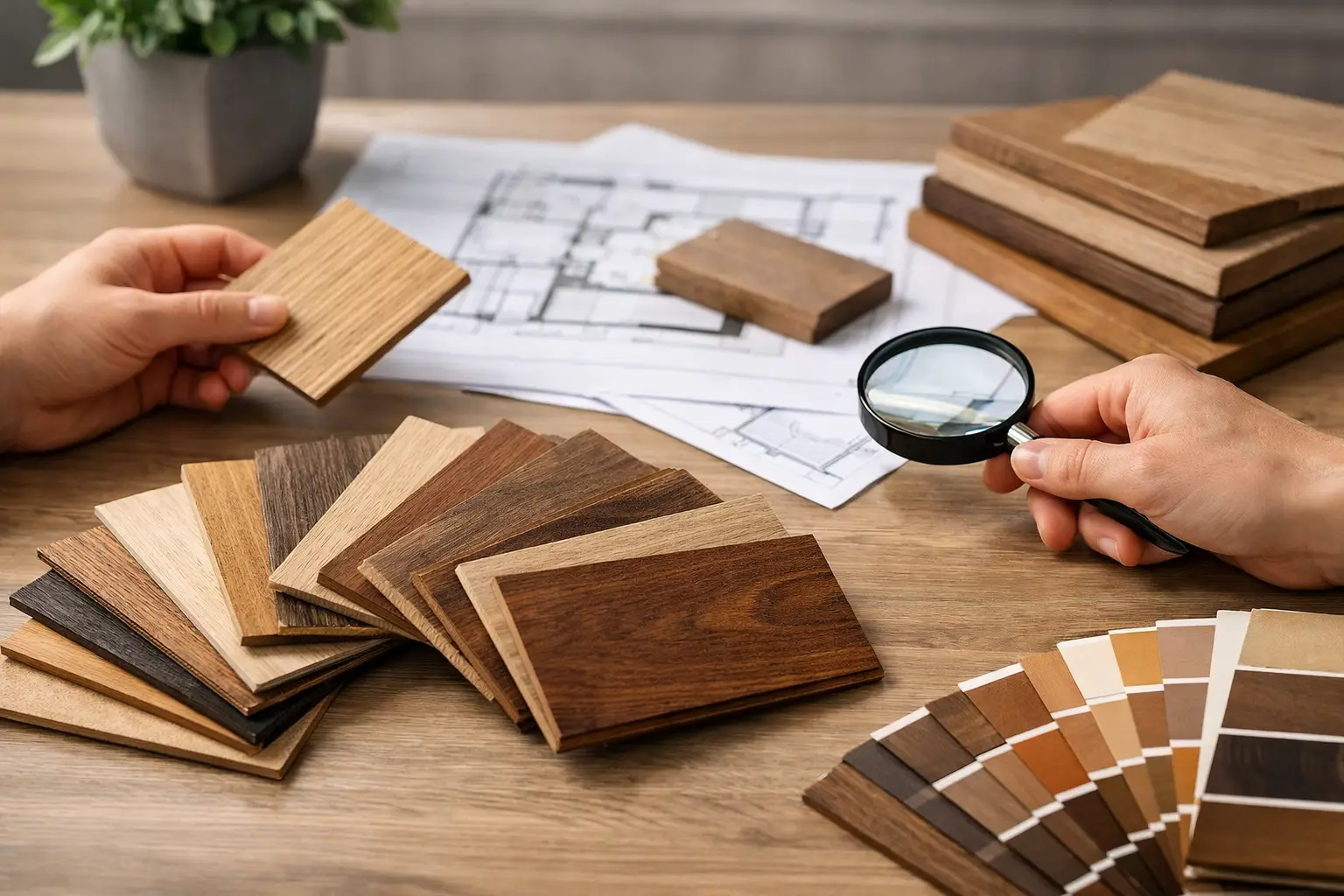
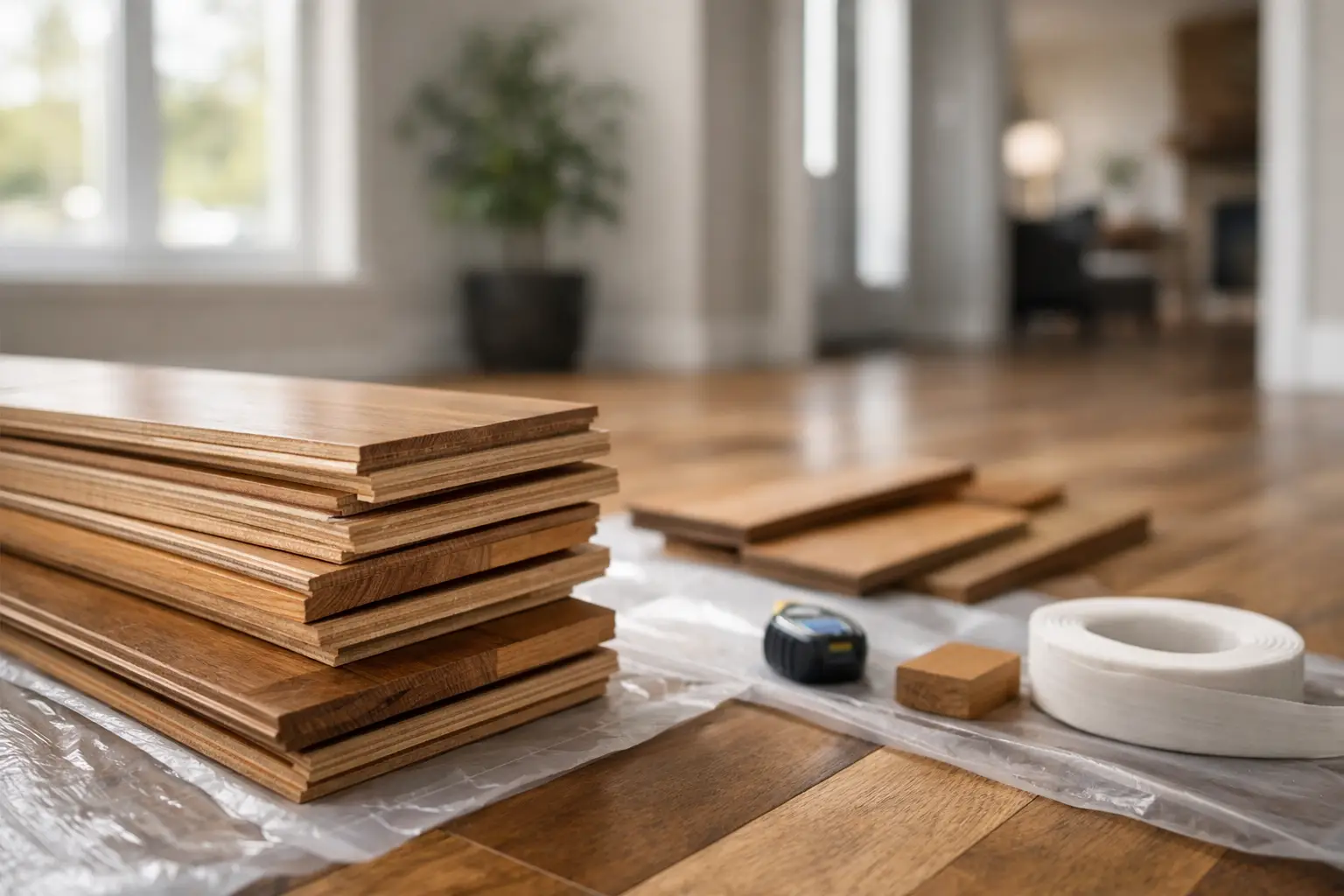
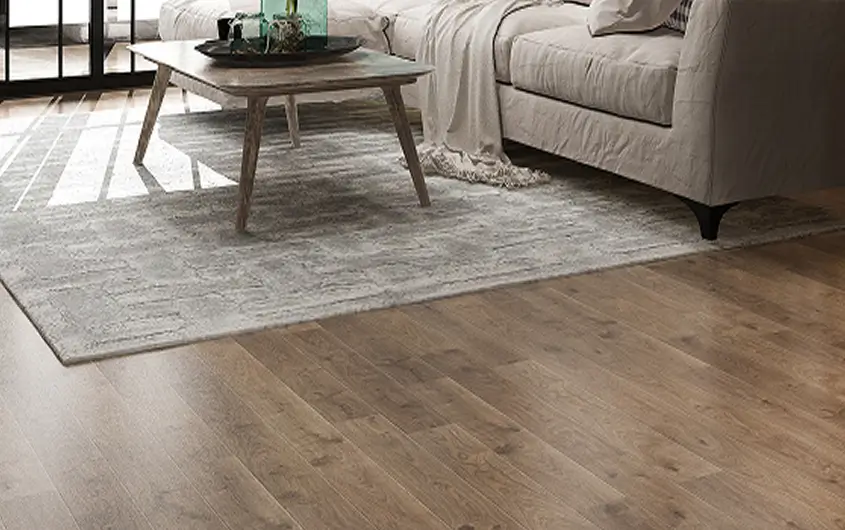
The surface, often called the wear layer or veneer, is real hardwood. This is the part you see and walk on. It can be made from popular species such as European oak and finished in a wide range of colours, textures and matt levels. Because it is genuine timber, you still get the natural grain variation, knots and character that make timber flooring appealing in the first place.
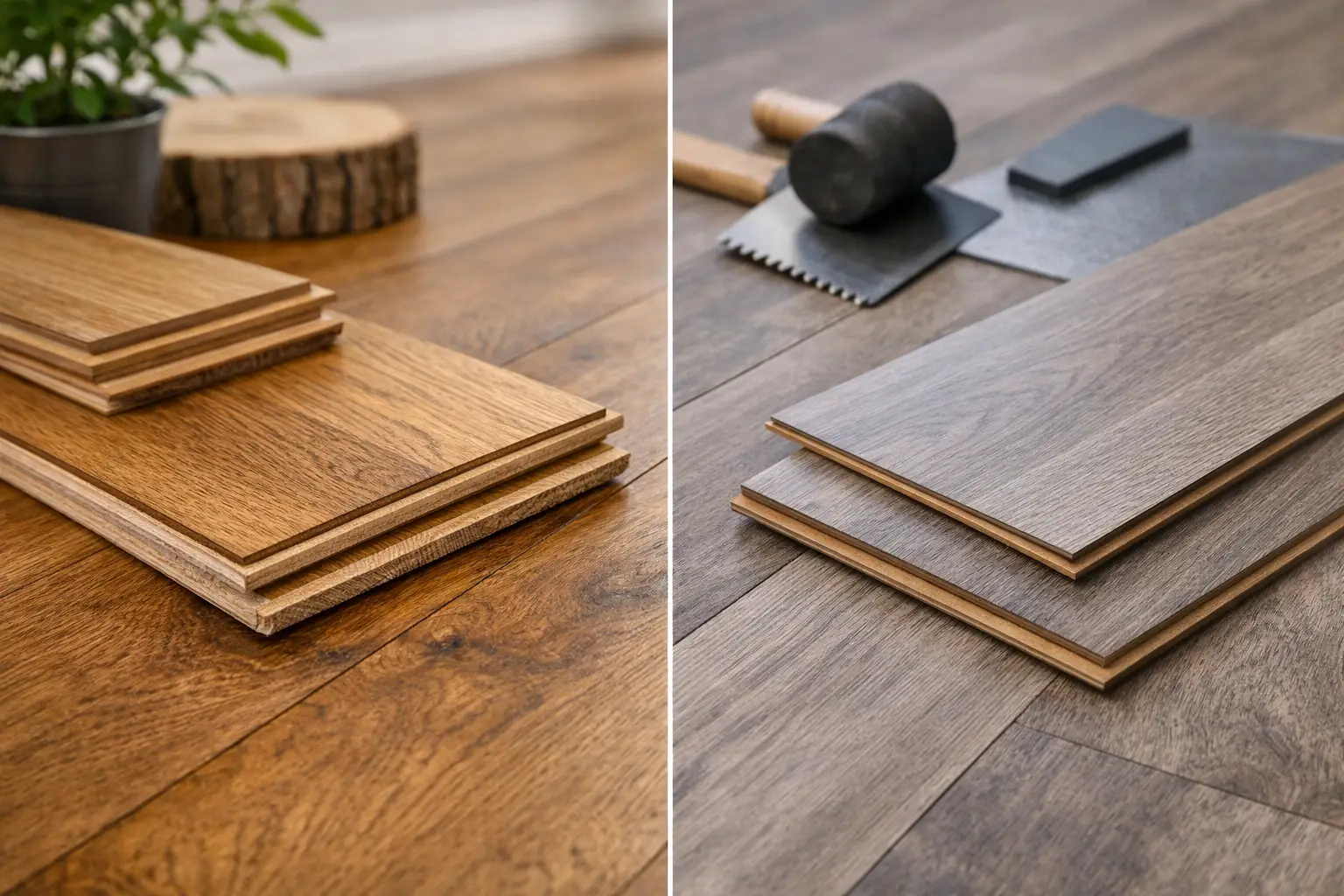
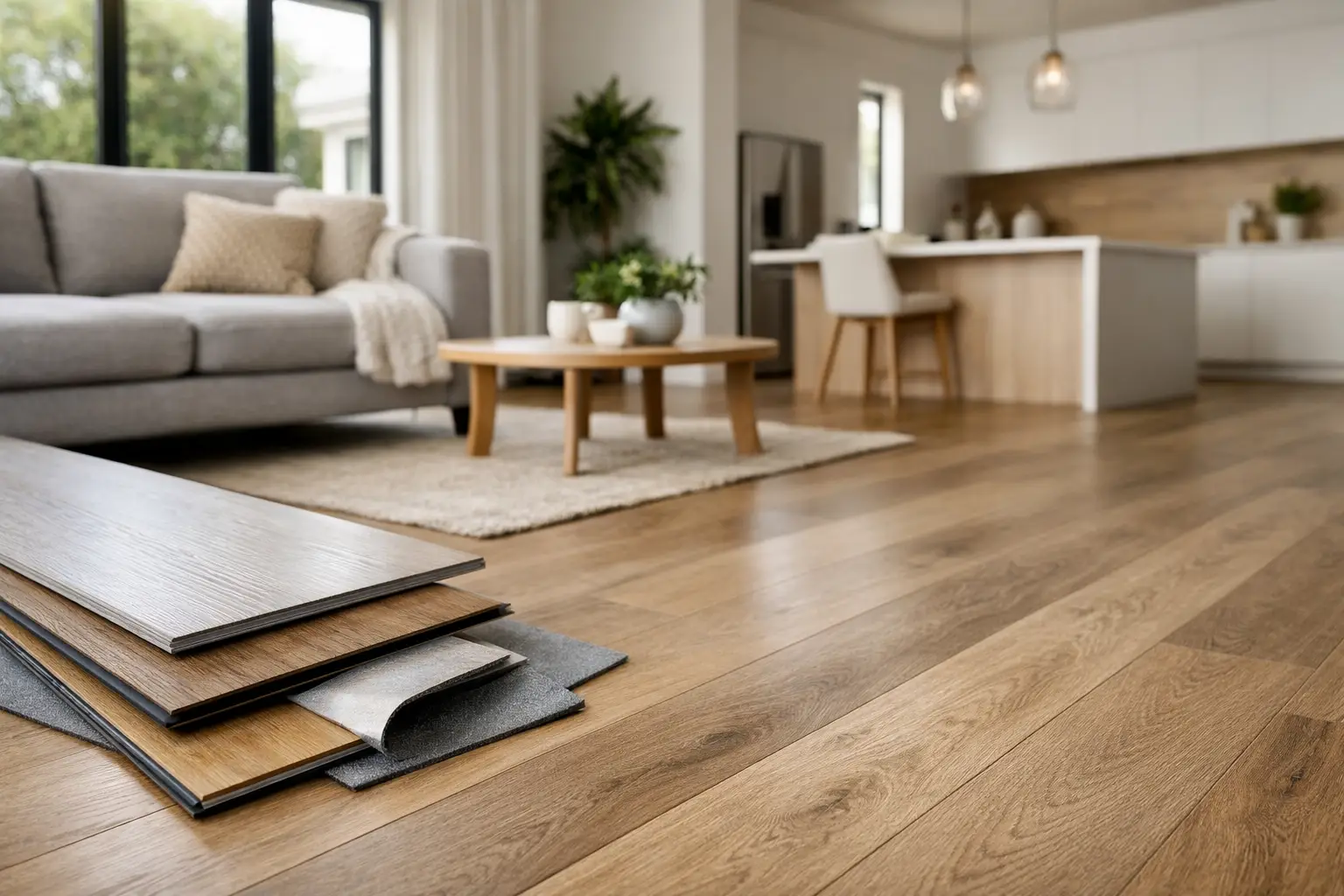
Under that top layer sits a multi-layered core. Depending on the product, this core may be made from hardwood, softwood, plywood or high-density fibreboard. The layers are arranged to improve stability, which helps reduce expansion and contraction compared with a single slab of solid timber.
That is the key difference. Solid timber is one piece of timber from top to bottom. Engineered timber is a real timber surface supported by a layered base built for stability.
Why people choose engineered timber flooring
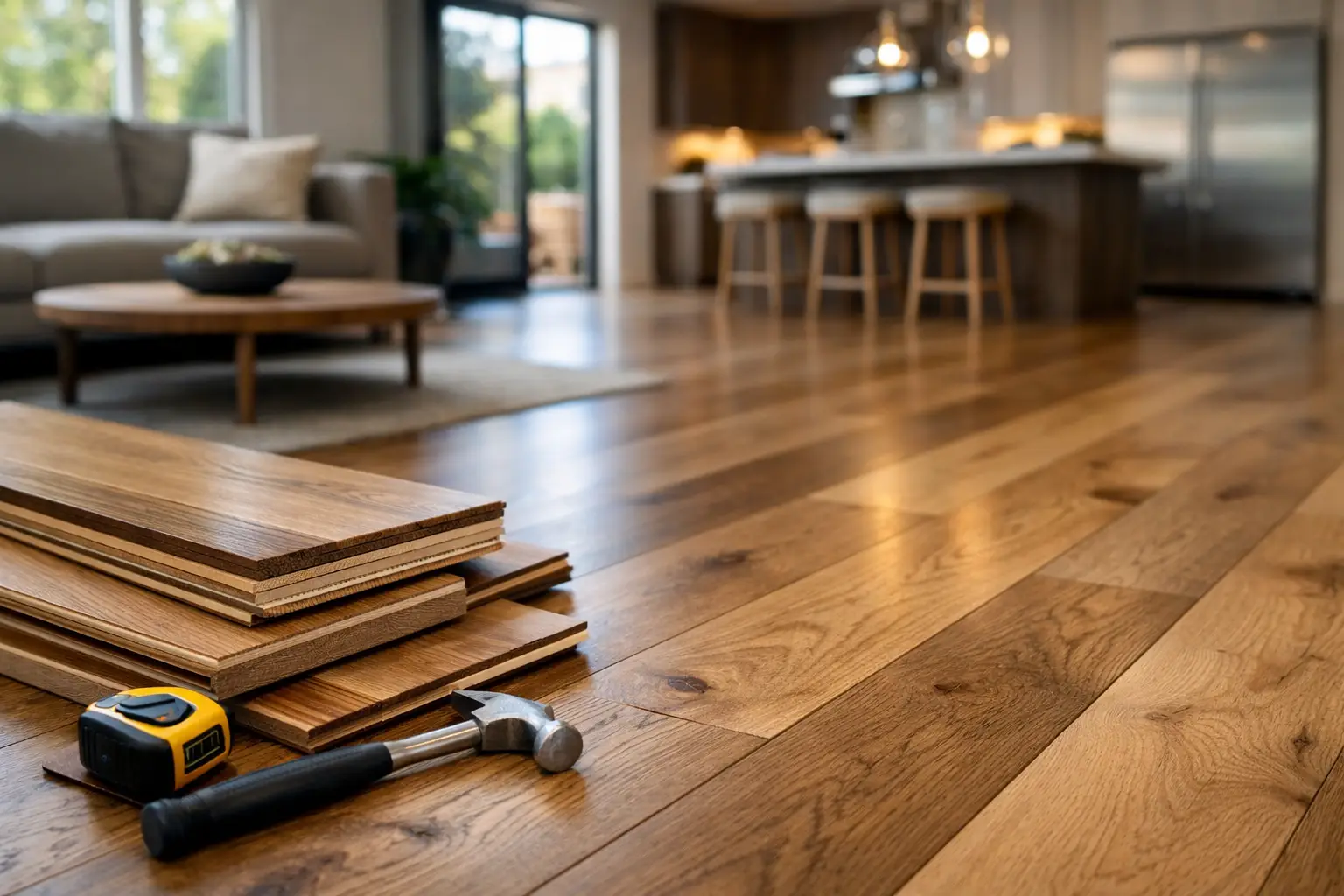
For most buyers, the drawcard is simple. You get an authentic timber finish with a construction that is generally more suited to modern interiors, concrete slabs and changing indoor conditions.
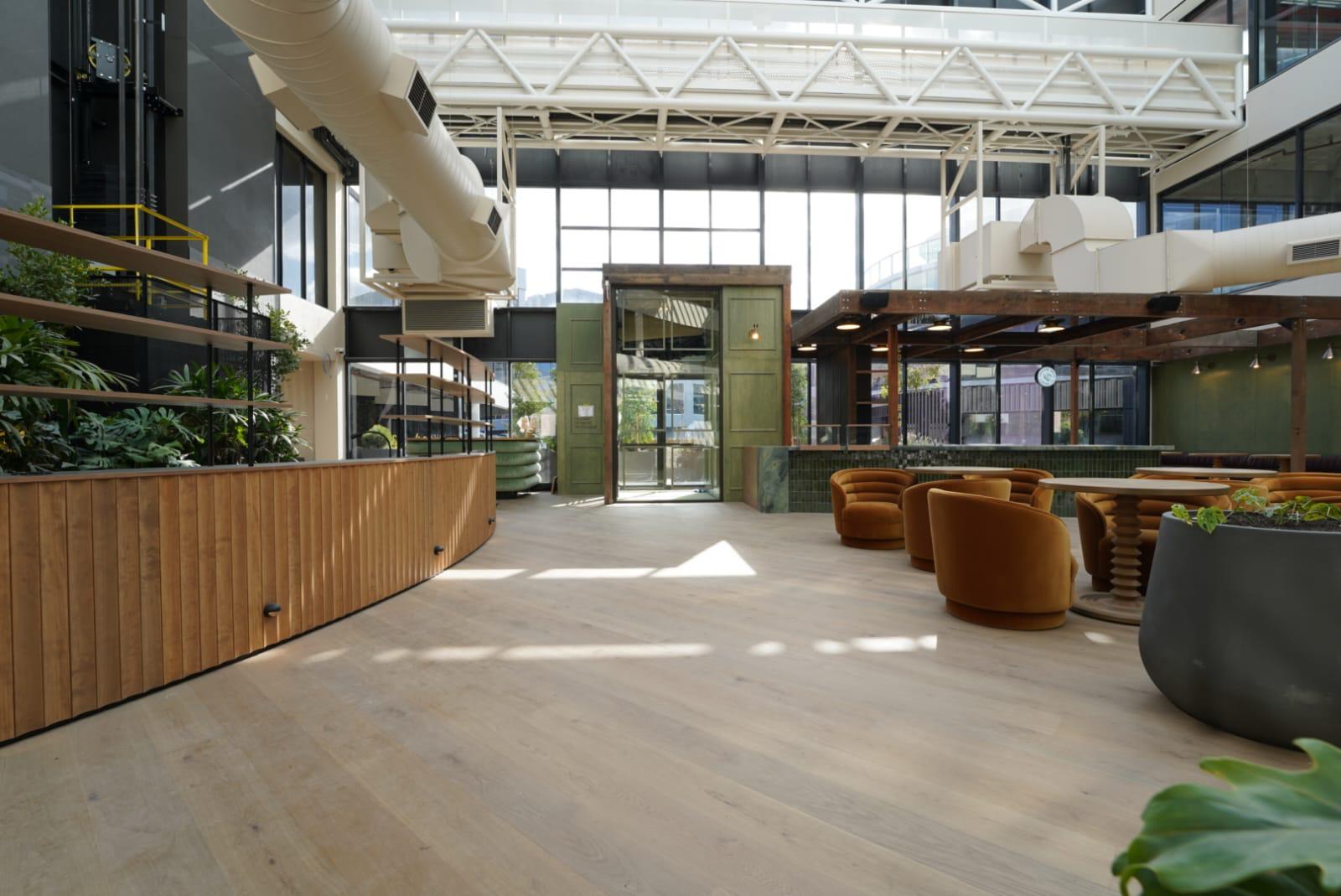
In practical terms, engineered timber flooring often works well in living areas, bedrooms, apartments and renovation projects where floor height, subfloor type or seasonal movement need careful consideration. It can also suit wider board formats more comfortably than some solid timber products, because the layered construction helps manage movement.
That does not mean it is indestructible. Timber is still timber. It can still mark, scratch or react to moisture if the product is poor quality or the installation is not done properly. But when the right board is matched to the right space, engineered timber can be a very smart long-term choice.
How engineered timber compares with solid timber
This is where a lot of confusion starts, because both options use real wood and both can look excellent once installed.
Solid timber has the traditional appeal of a full-thickness hardwood board. It can often be sanded and refinished more times over its lifespan, depending on thickness. For some projects, especially high-end custom homes or heritage work, that matters.
Engineered timber, though, usually makes more sense for buyers who want a premium timber look with fewer installation and stability issues. It tends to be less reactive than solid timber, especially when installed over concrete or in homes with heating and cooling running year-round. In many cases, it is also quicker and more predictable to install.
The trade-off is that not all engineered boards are equal. A thicker wear layer generally gives you a better-quality product and may allow for refinishing in future, while a very thin veneer can limit that option. The core construction matters too. Cheap engineered boards can look fine in a sample piece and disappoint once they are on the floor.
Where engineered timber flooring works best
Engineered timber is one of the more versatile flooring categories, but it still needs to suit the room, subfloor and level of wear.
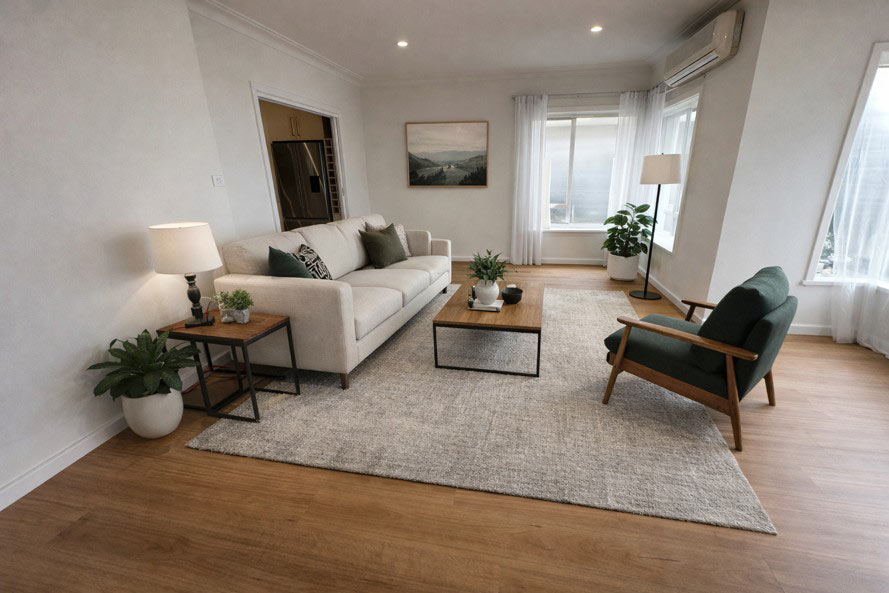
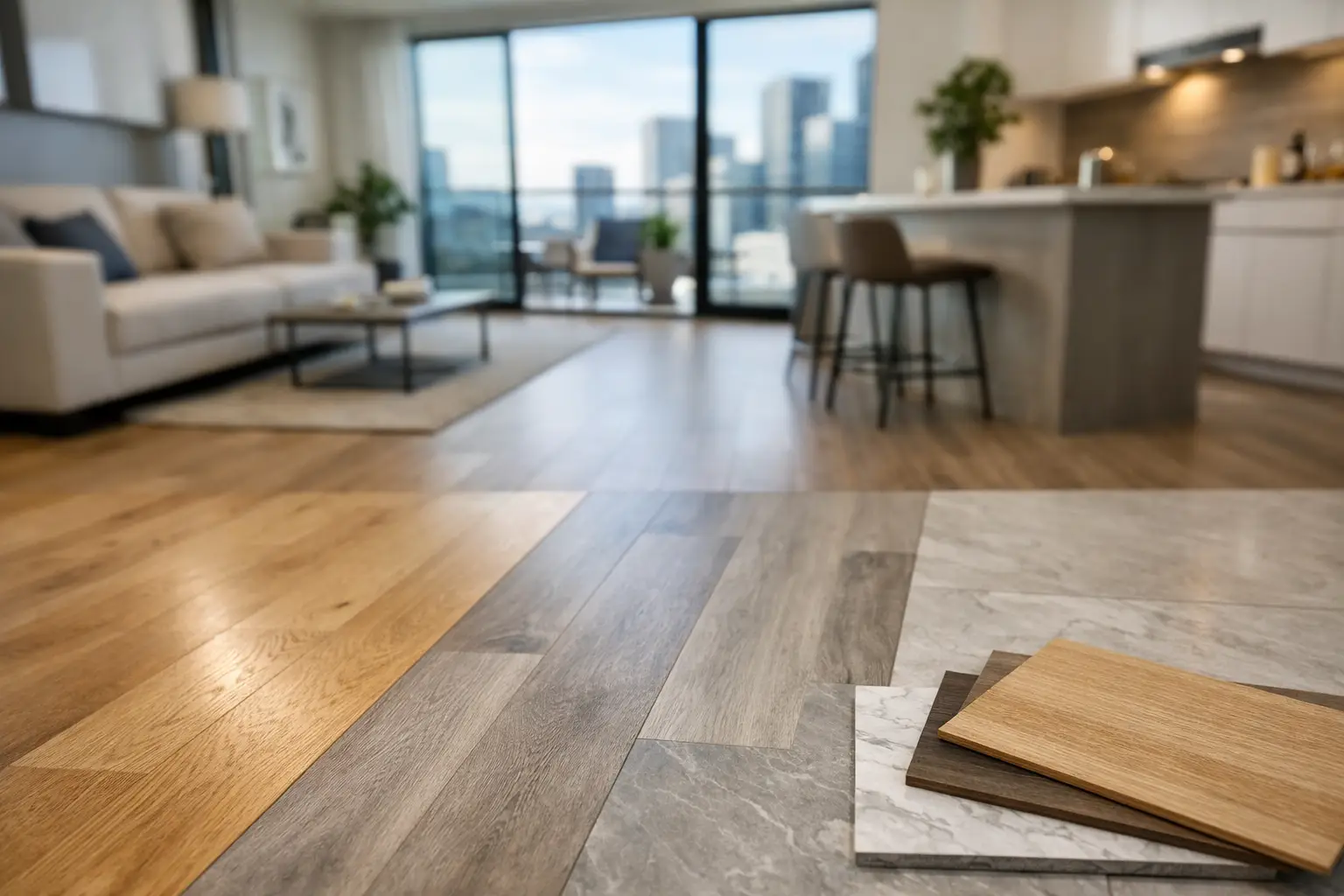
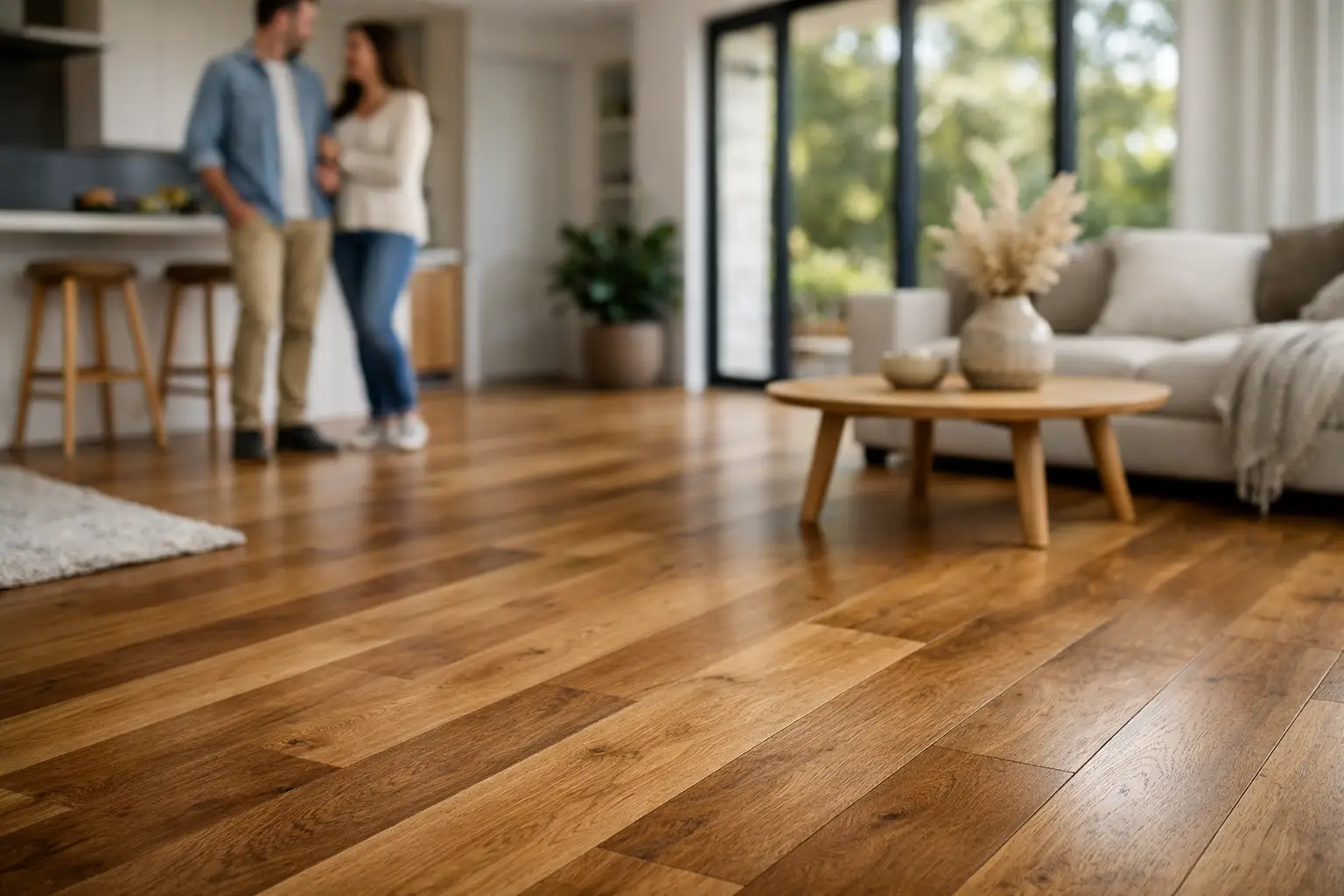
It is a popular option in open-plan homes where owners want warmth and a more natural finish than laminate or hybrid. It also suits apartments because it can often be installed over concrete slabs and may work within body corporate acoustic requirements when the right underlay and system are used.
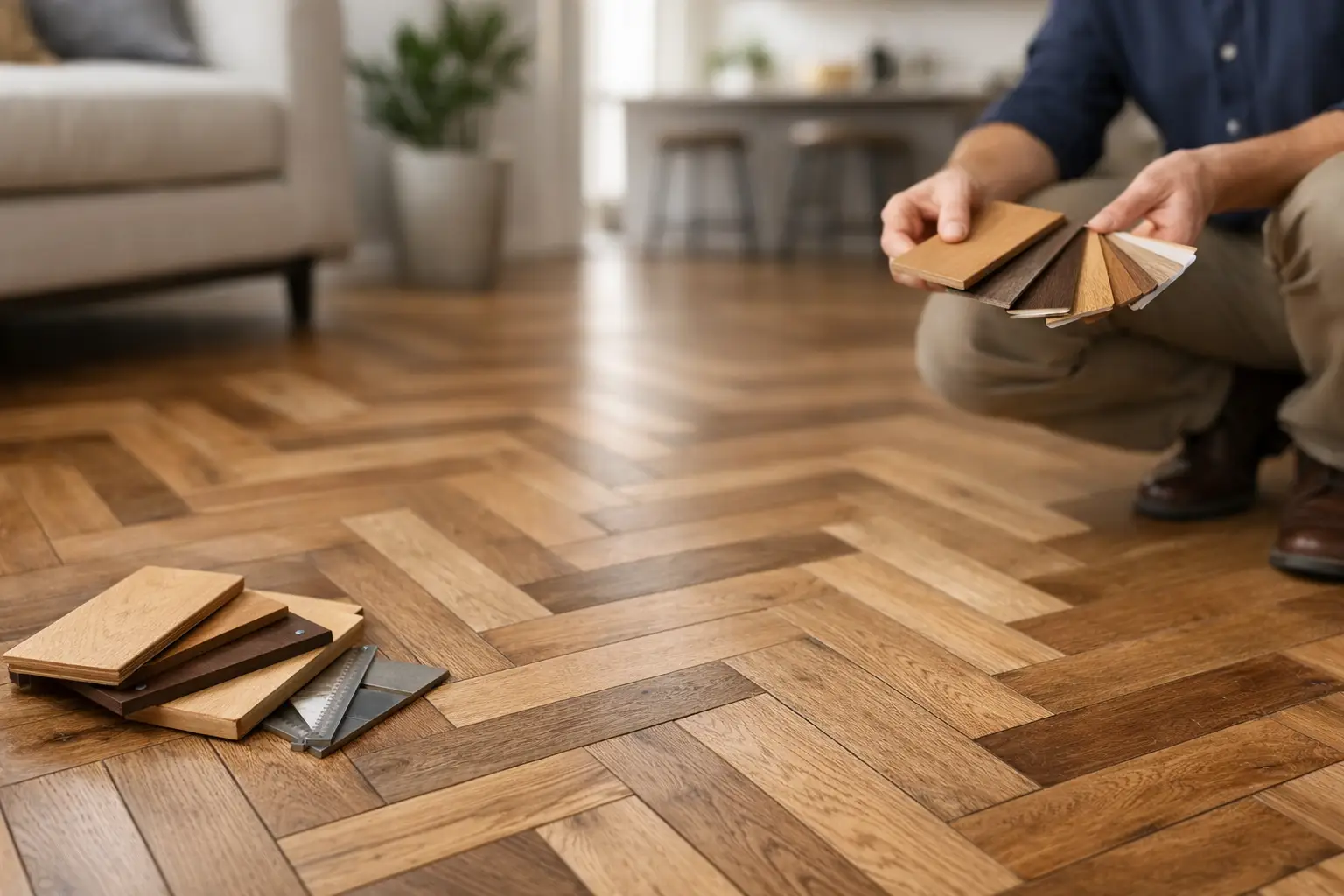
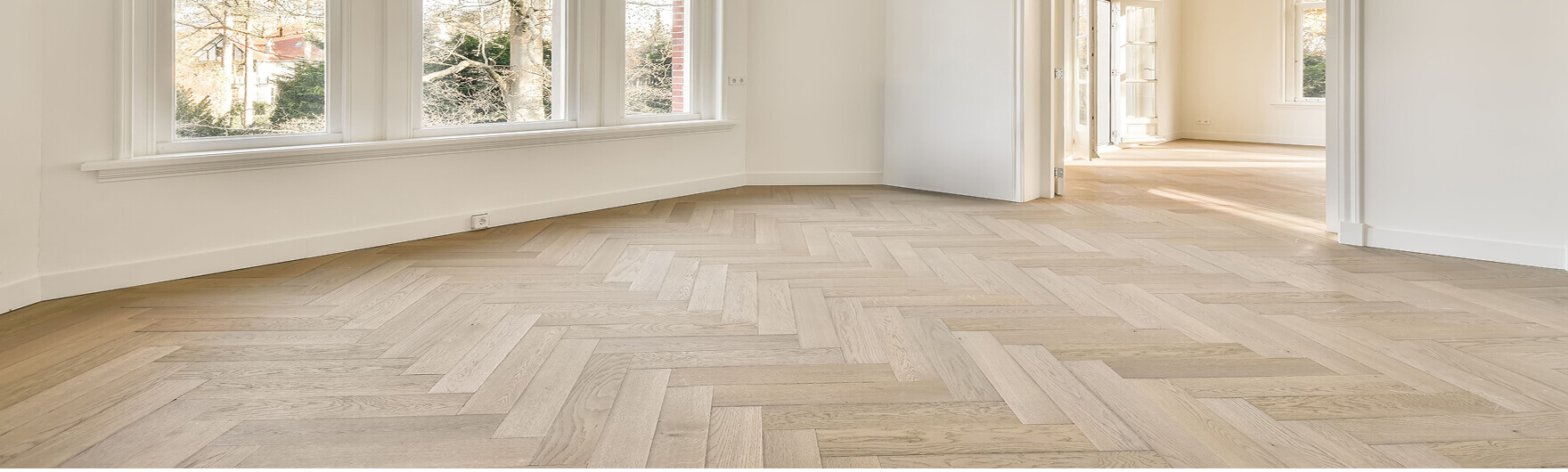
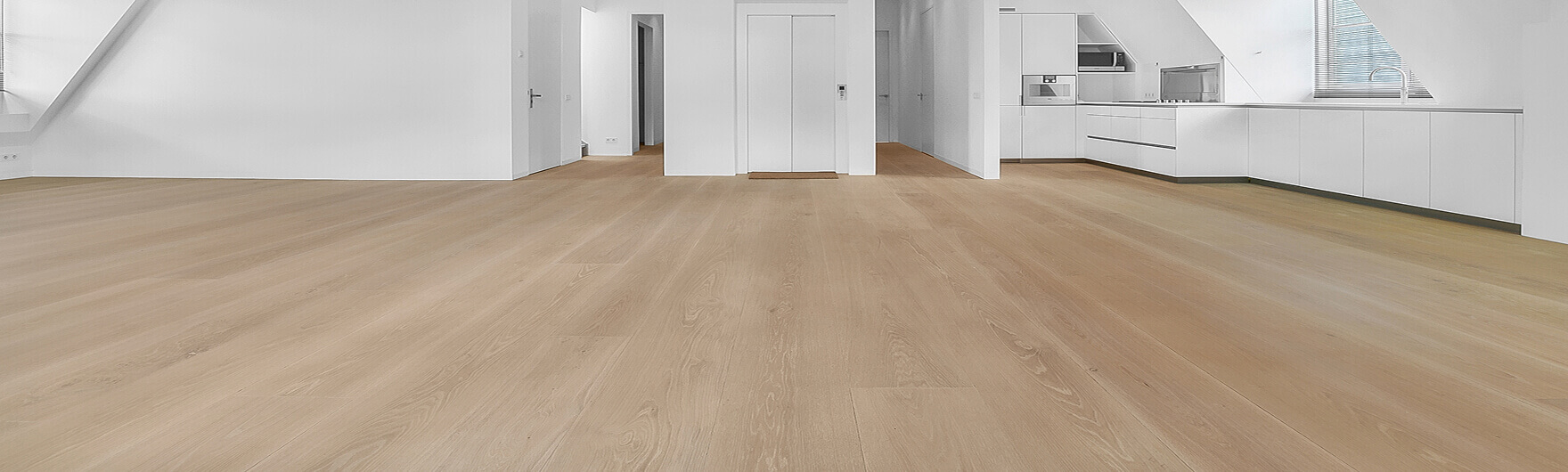
For renovators, it can be a practical way to achieve a premium look without the same installation complexity as solid timber. Wider boards, long plank styles and herringbone designs are all available in engineered formats, which gives buyers more design flexibility.
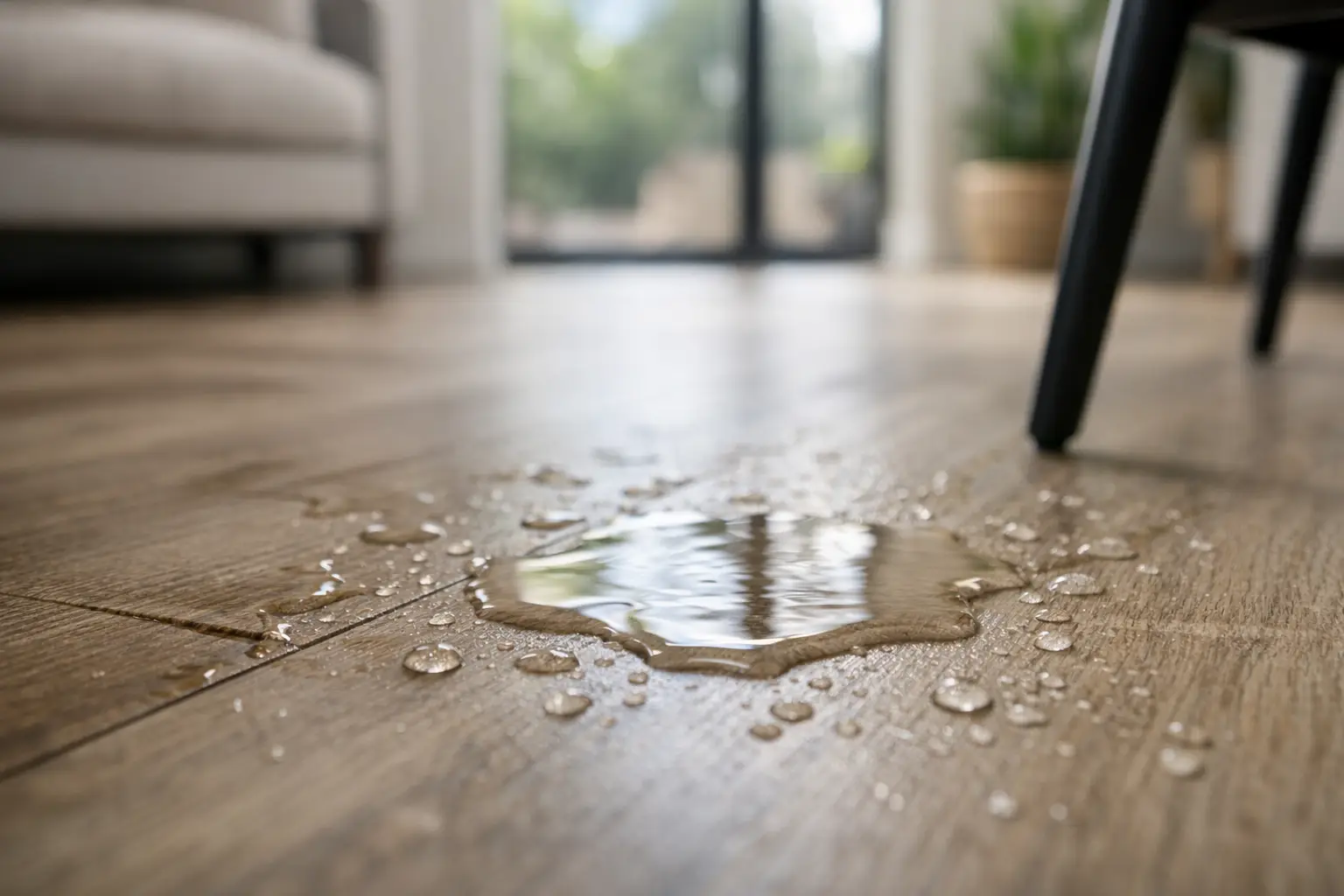
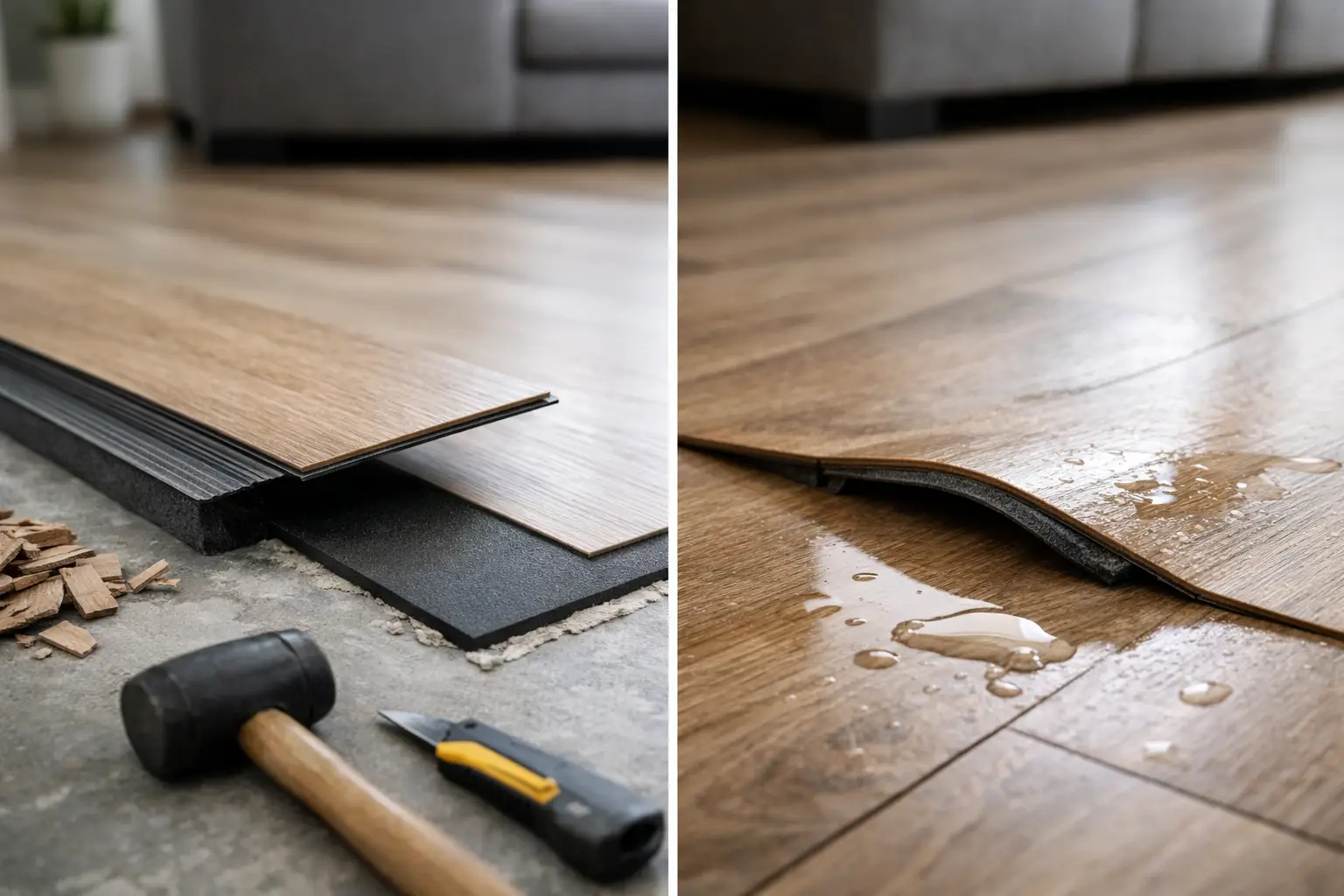
Where it needs more caution is in wet areas or spaces with regular standing water. Engineered timber handles normal indoor humidity better than solid timber, but it is not a waterproof floor. Laundries, bathrooms and some commercial settings may call for a different product altogether.
Installation matters more than most people realise
A good board can still fail on a bad subfloor. That is one of the biggest reasons people end up disappointed with timber flooring.
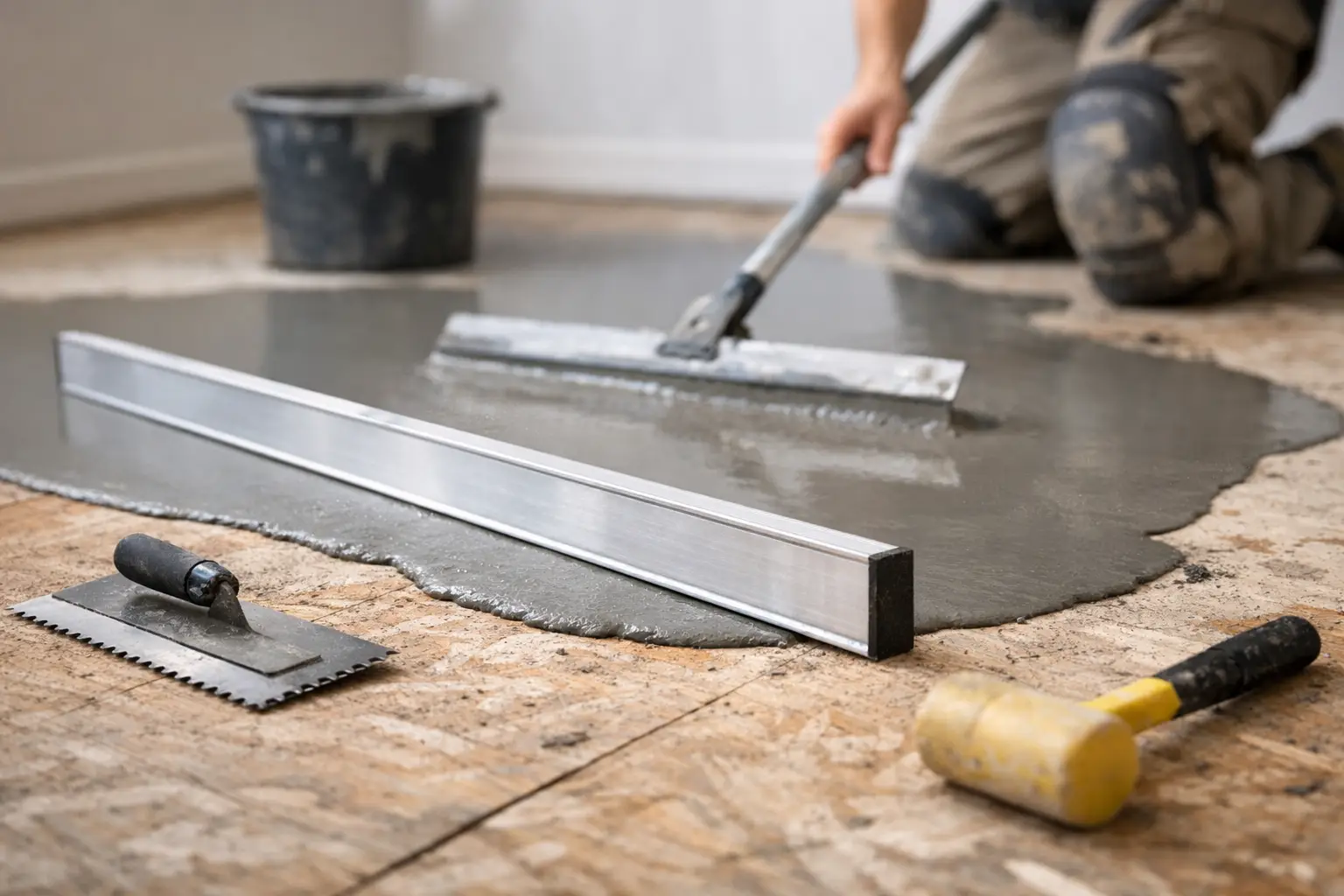
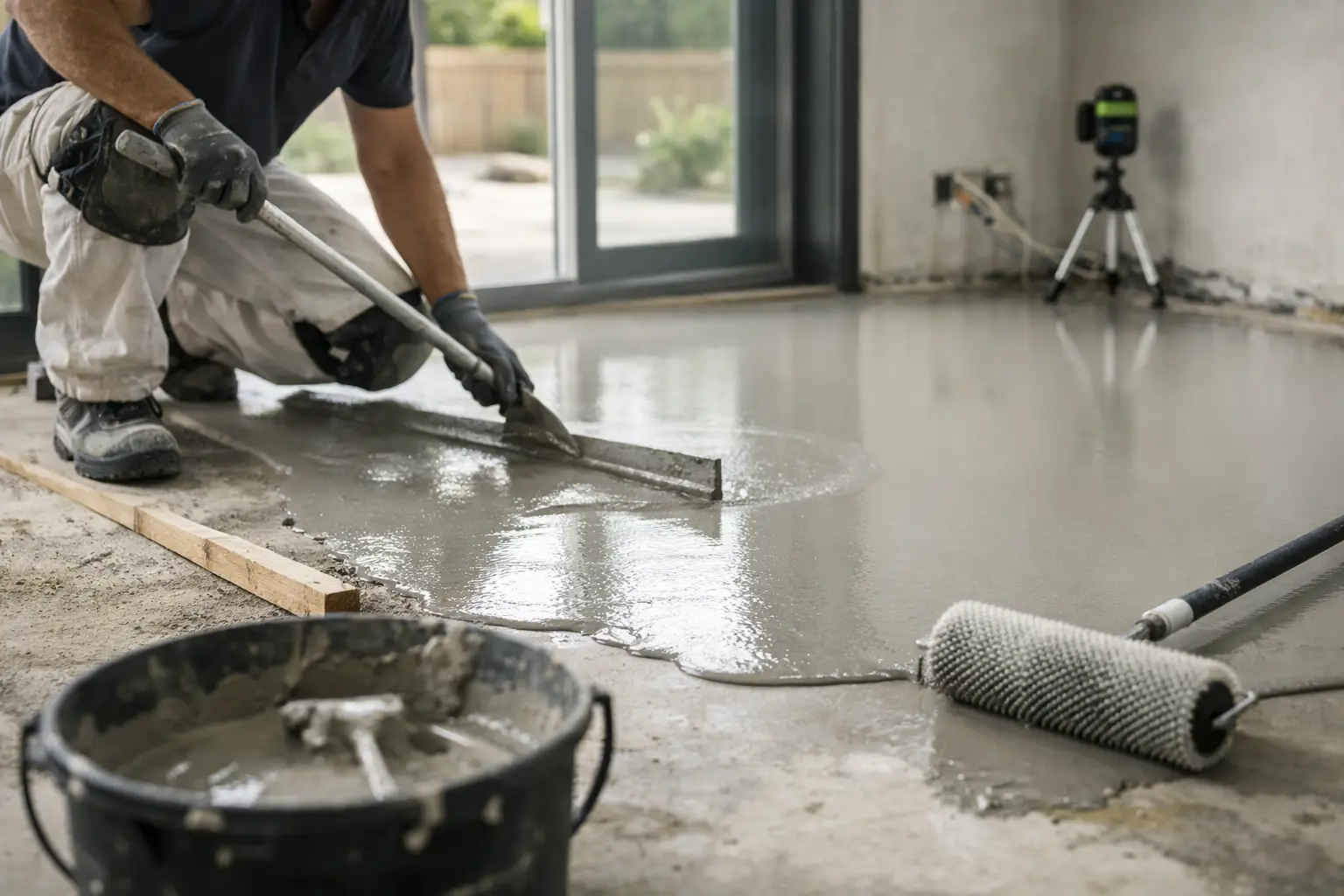
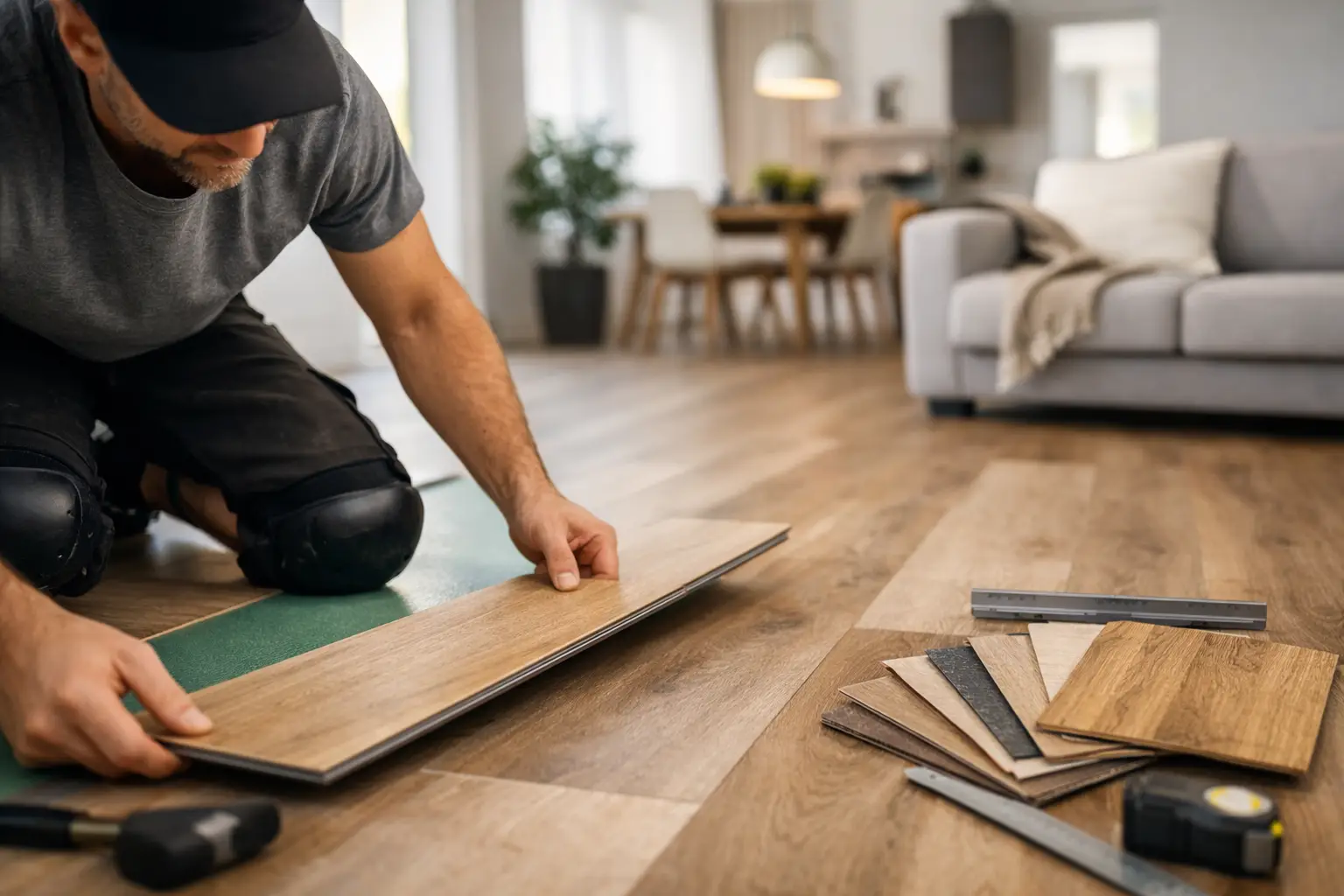
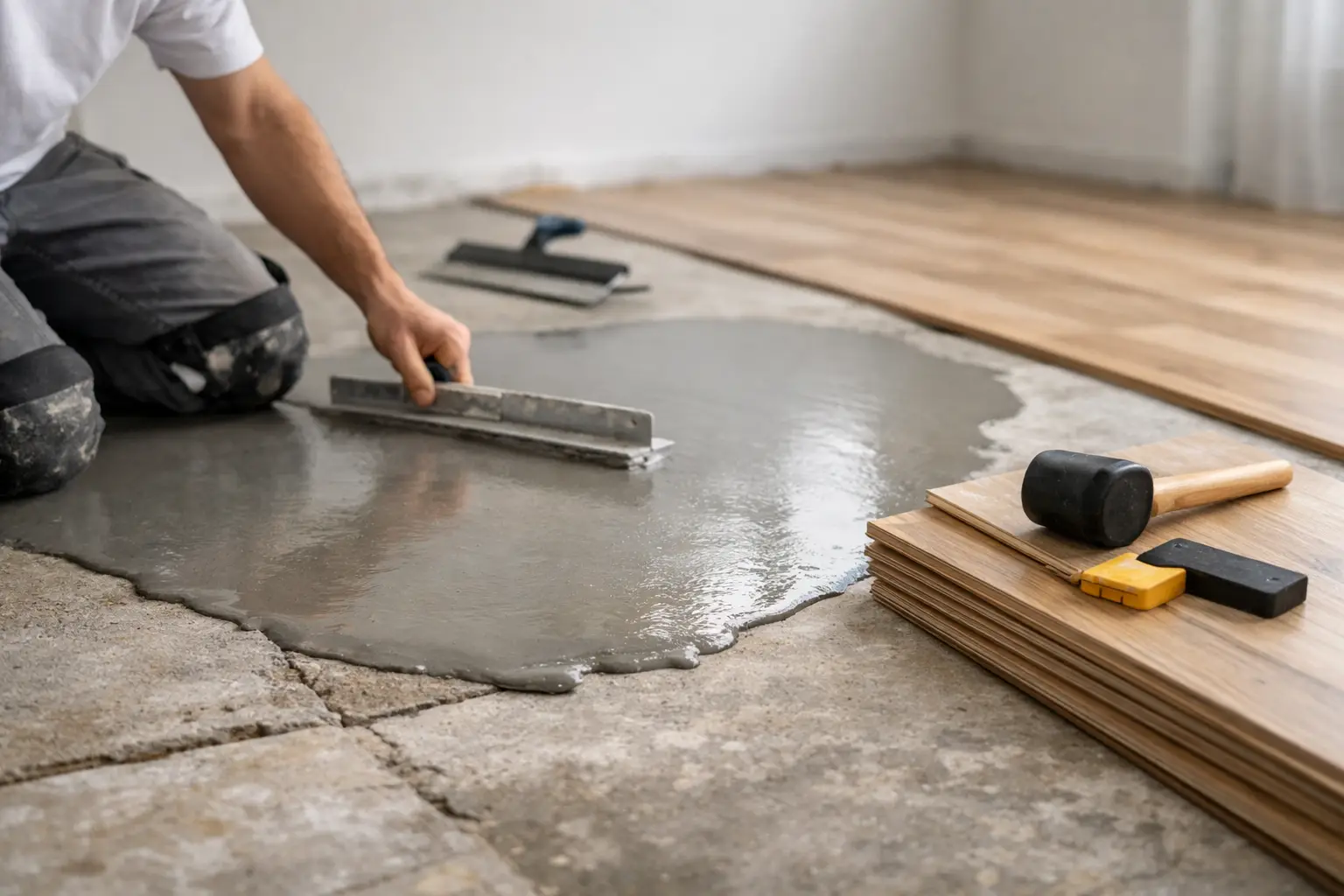
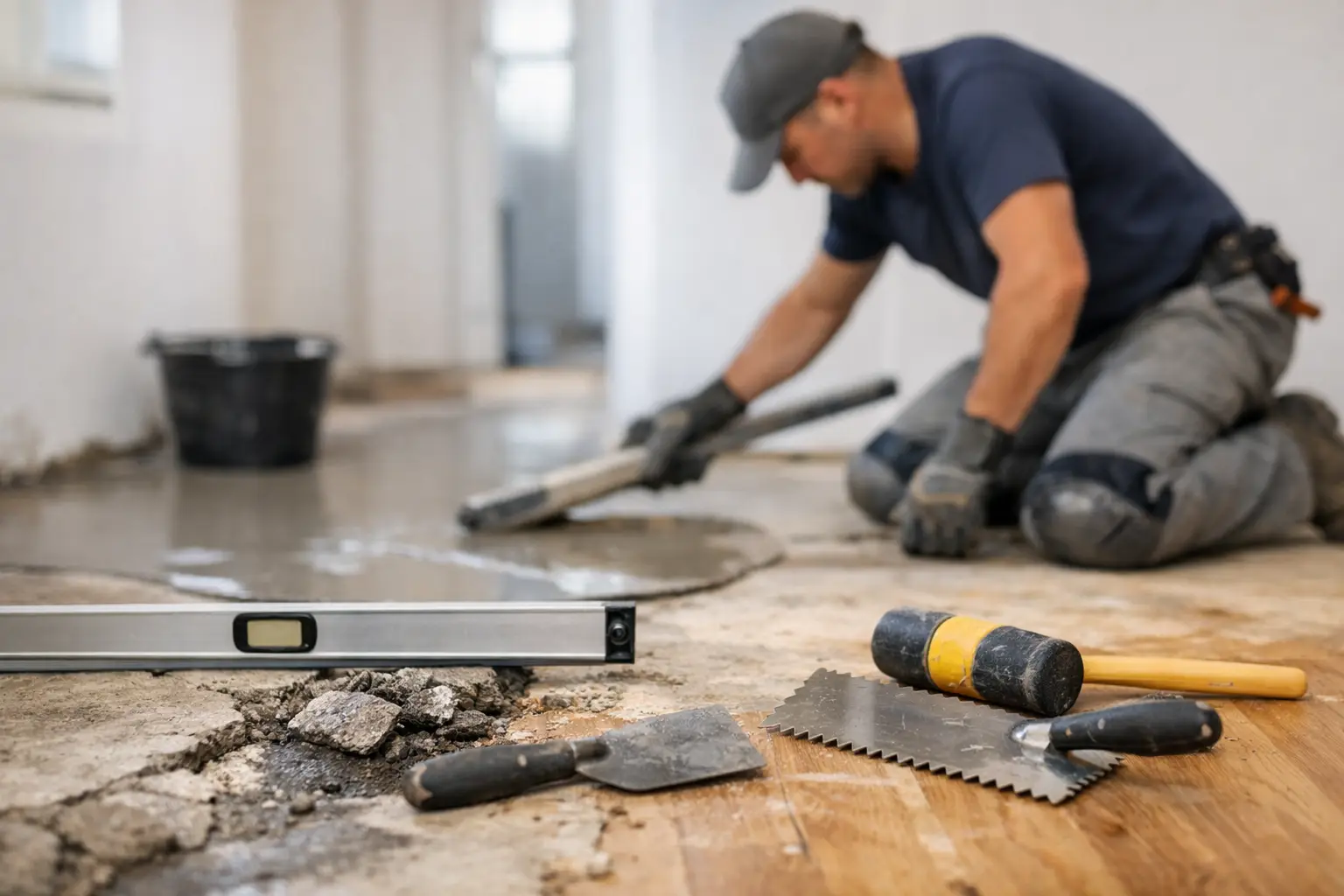
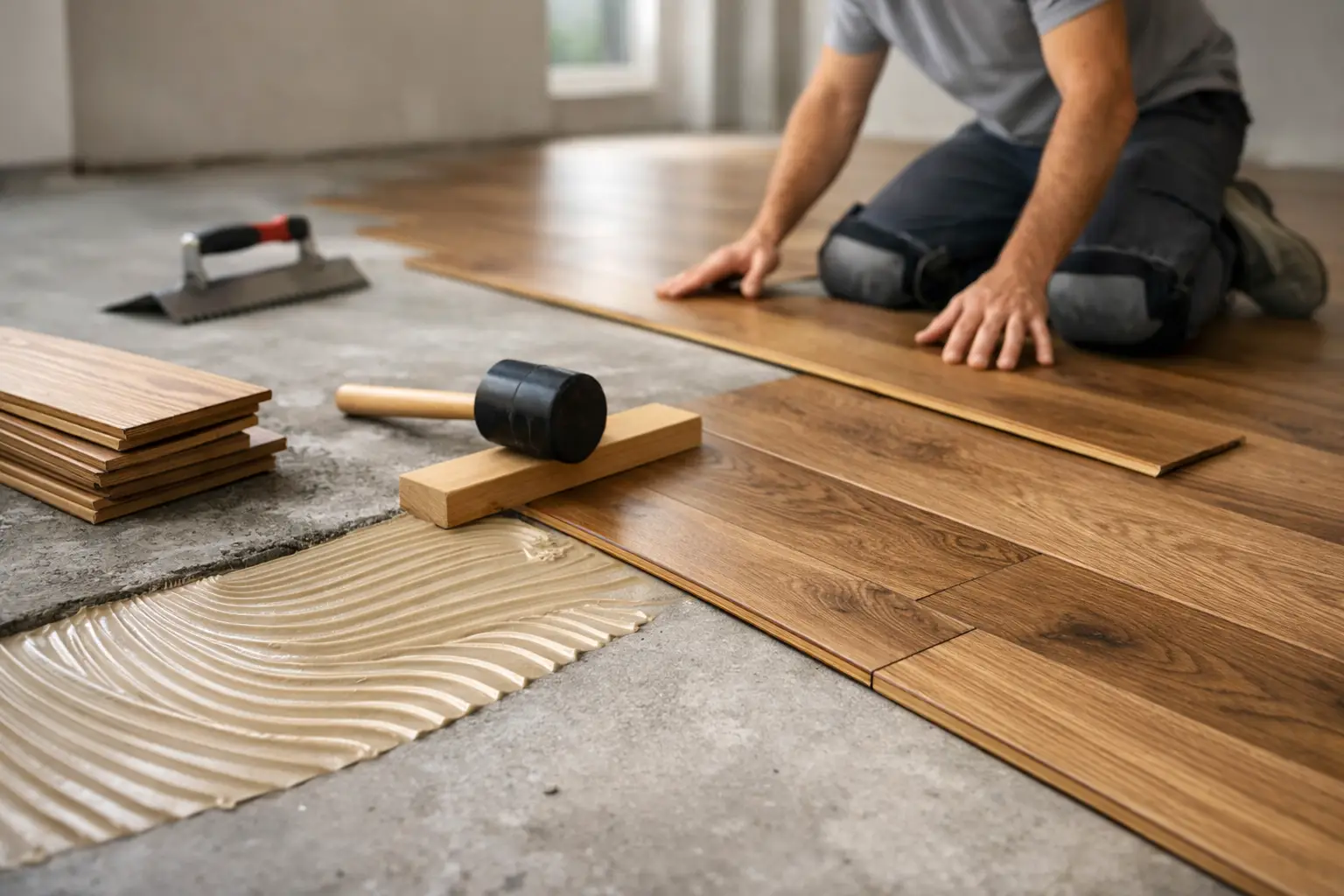
Engineered timber flooring usually needs a flat, dry and properly prepared base. If the slab is uneven, damp or rushed through installation, the result can be movement, hollow spots, peaking or visible imperfections. This is why experienced installers pay close attention to subfloor preparation instead of treating it as an afterthought.
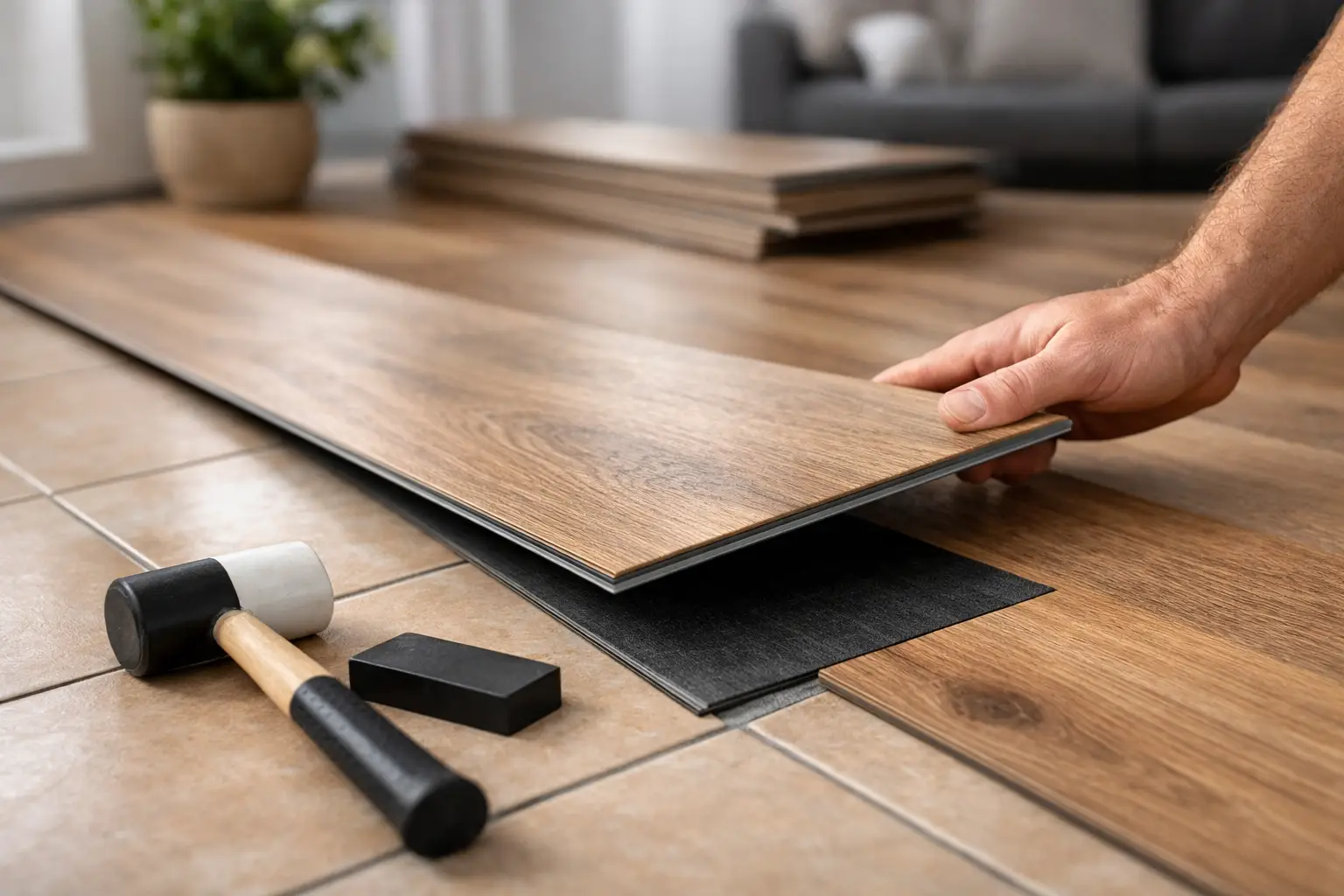
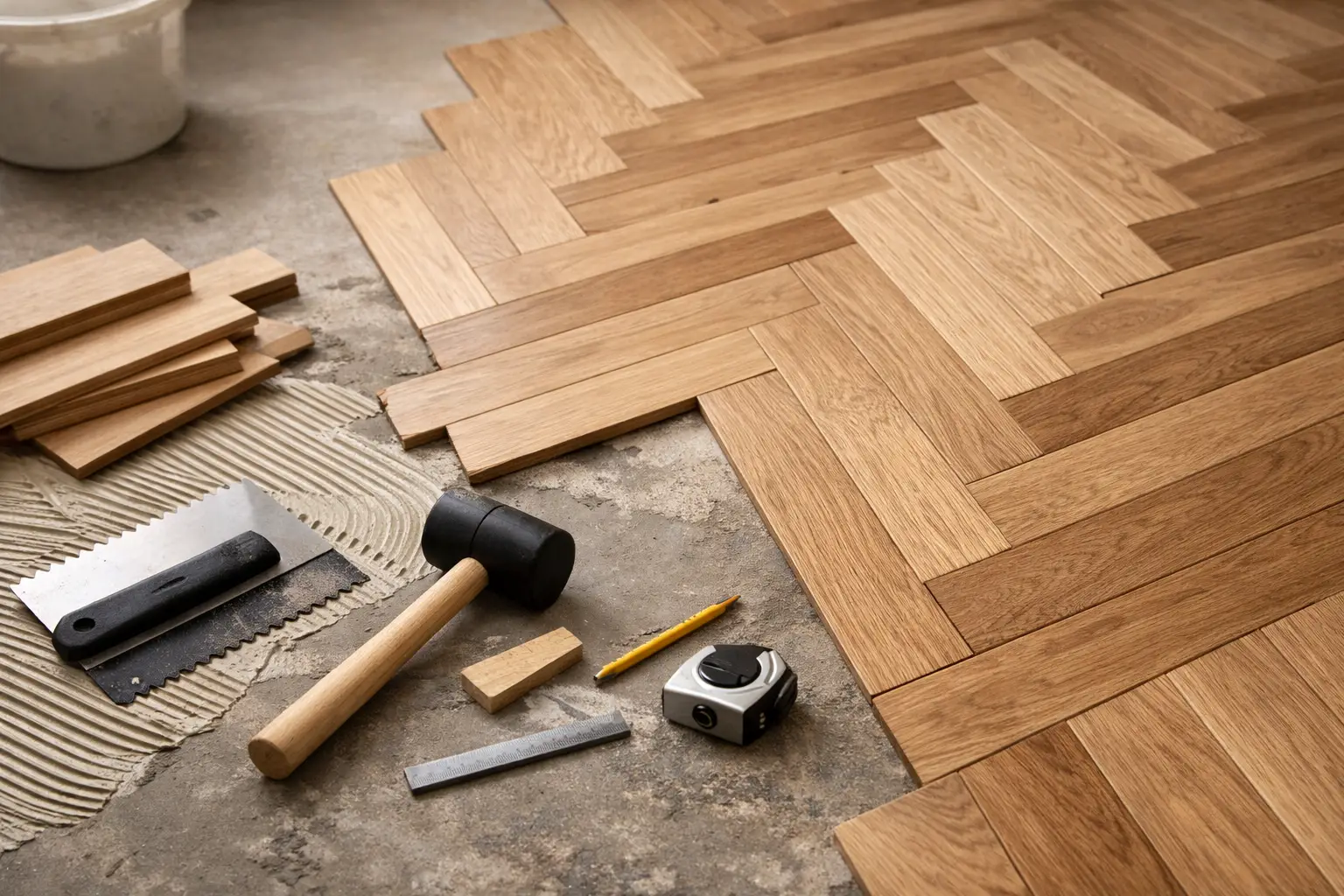
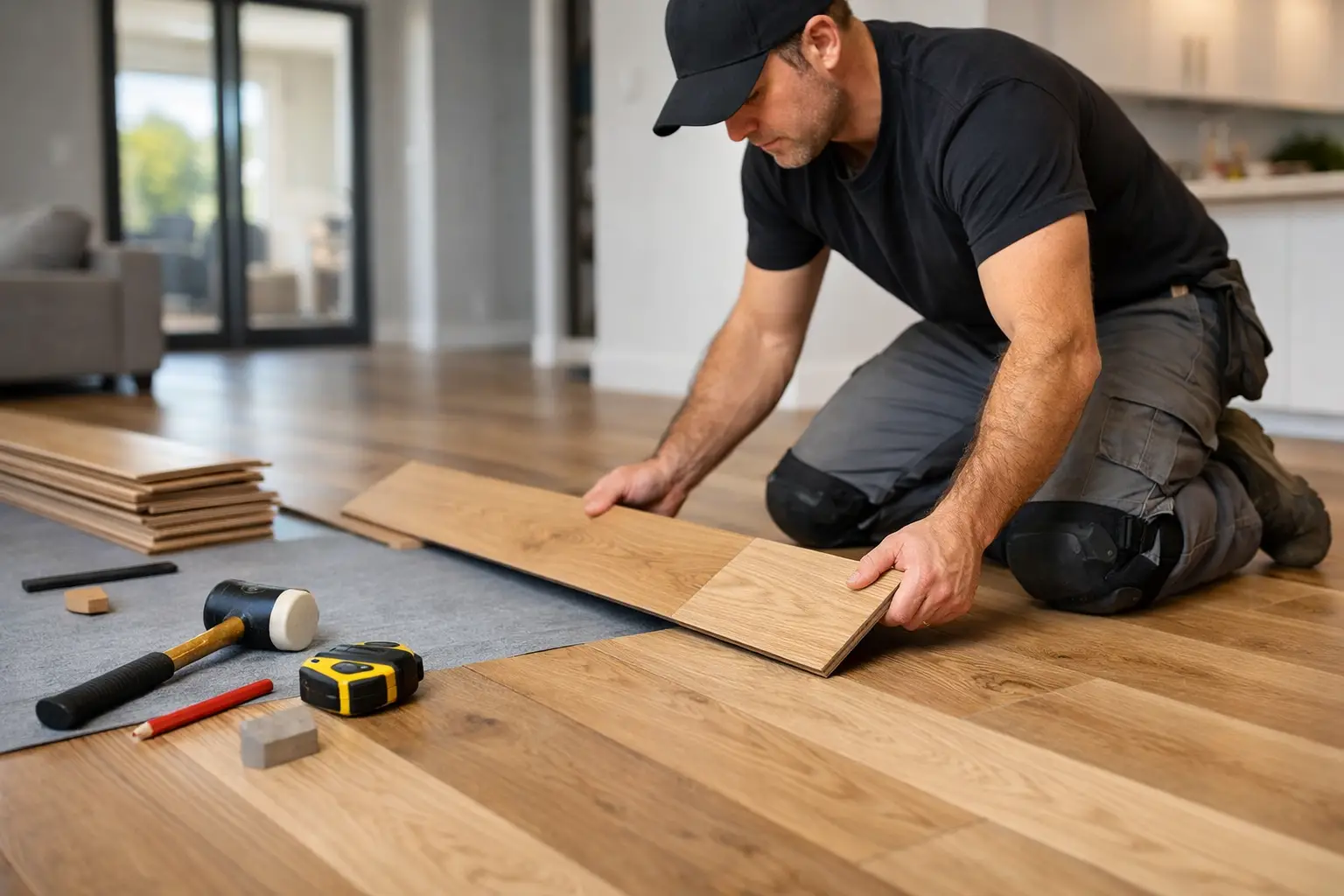
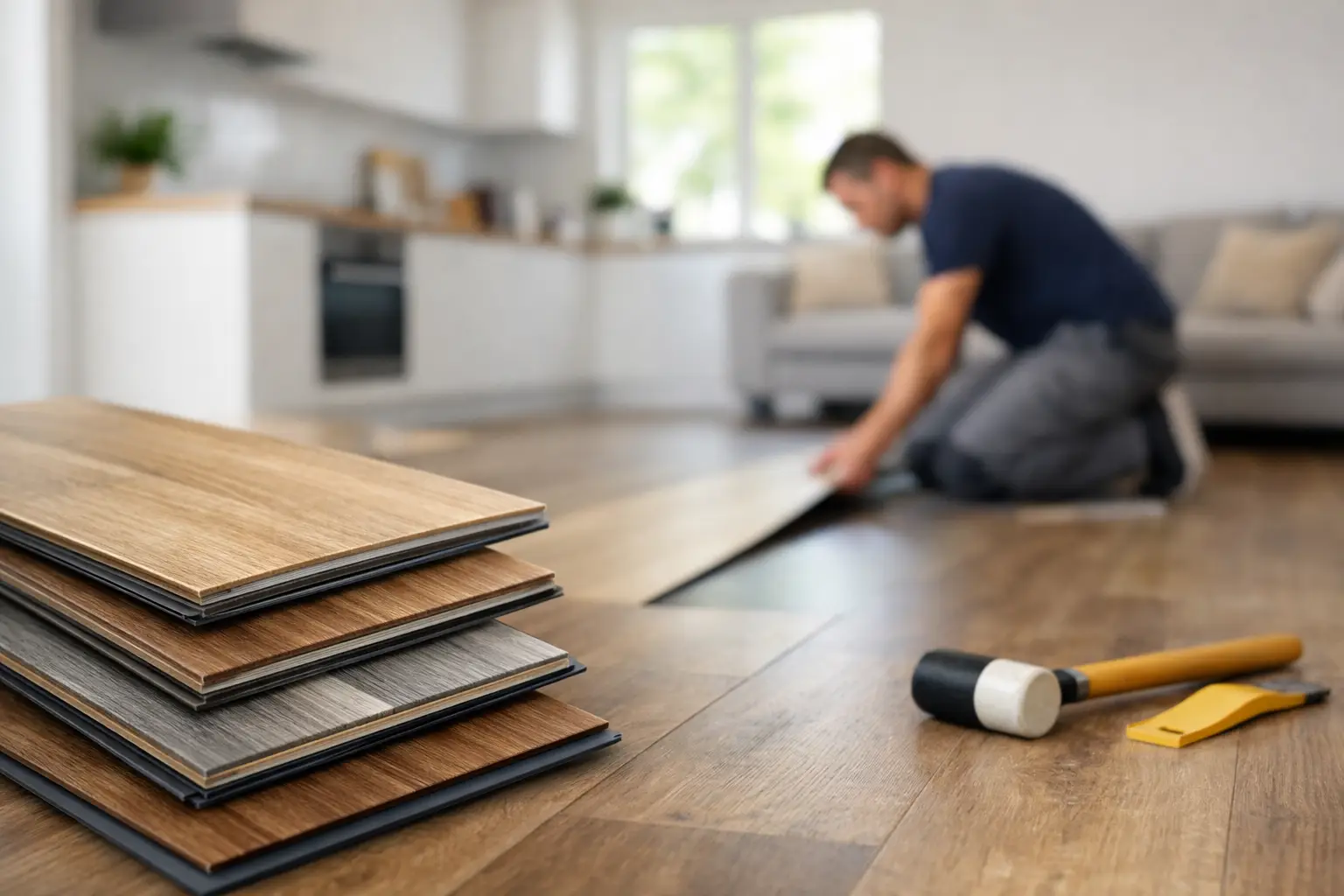
Depending on the product and site conditions, engineered timber may be direct stick installed, floated or installed in parquetry and herringbone patterns with more specific methods. Each approach has pros and cons. Direct stick can give a firmer feel underfoot and may suit premium installations, while floating systems can be faster in some situations. The right choice depends on the board, the subfloor and the performance required.
This is also why practical advice matters. Former installers tend to spot issues early, whether that is moisture risk, floor levelling requirements, door clearance or transitions to tiles and carpet. Those details affect the final result far more than a showroom sample does.
What to look for when buying engineered timber flooring
If you are comparing products, do not just look at colour and price. Start with the construction.
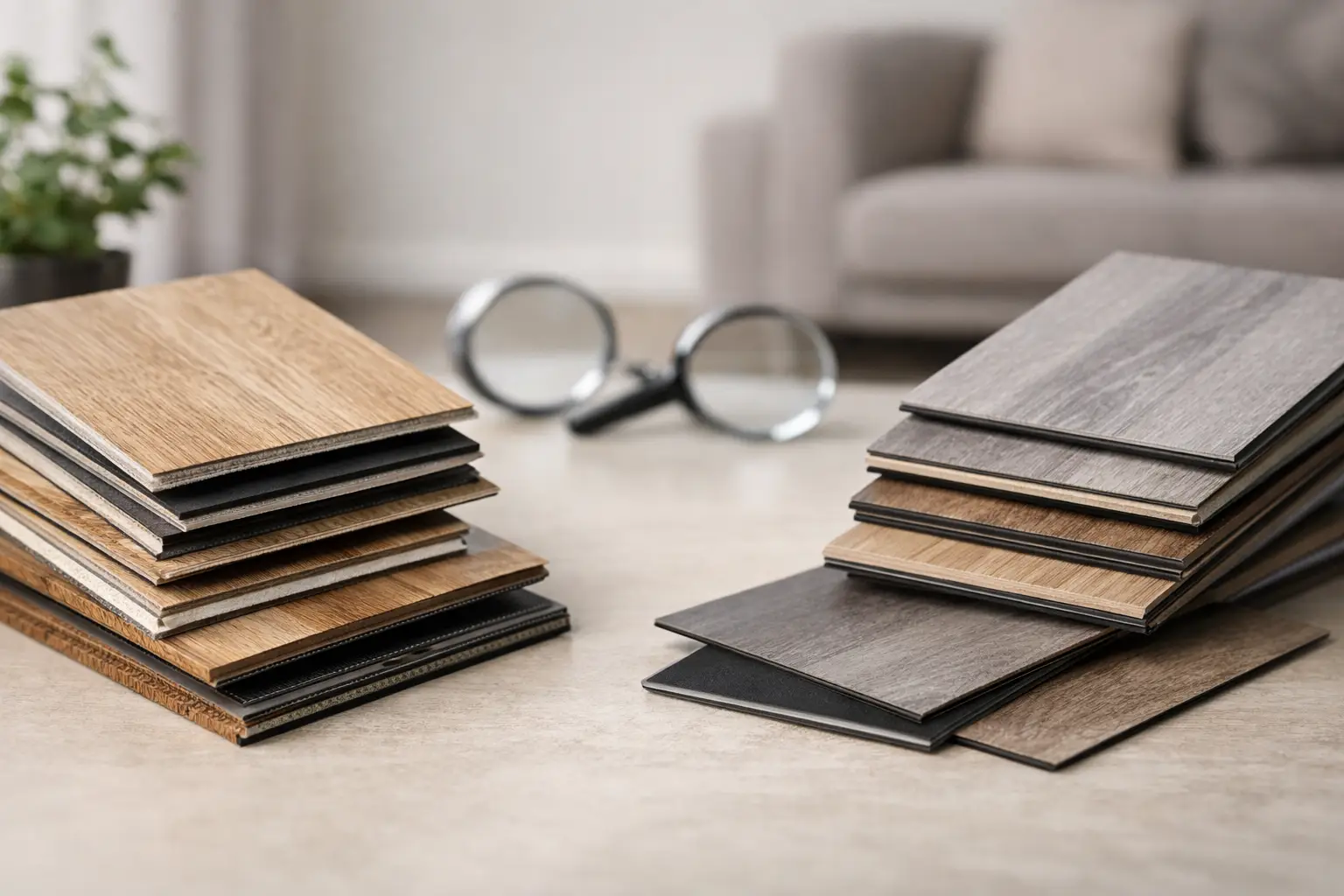
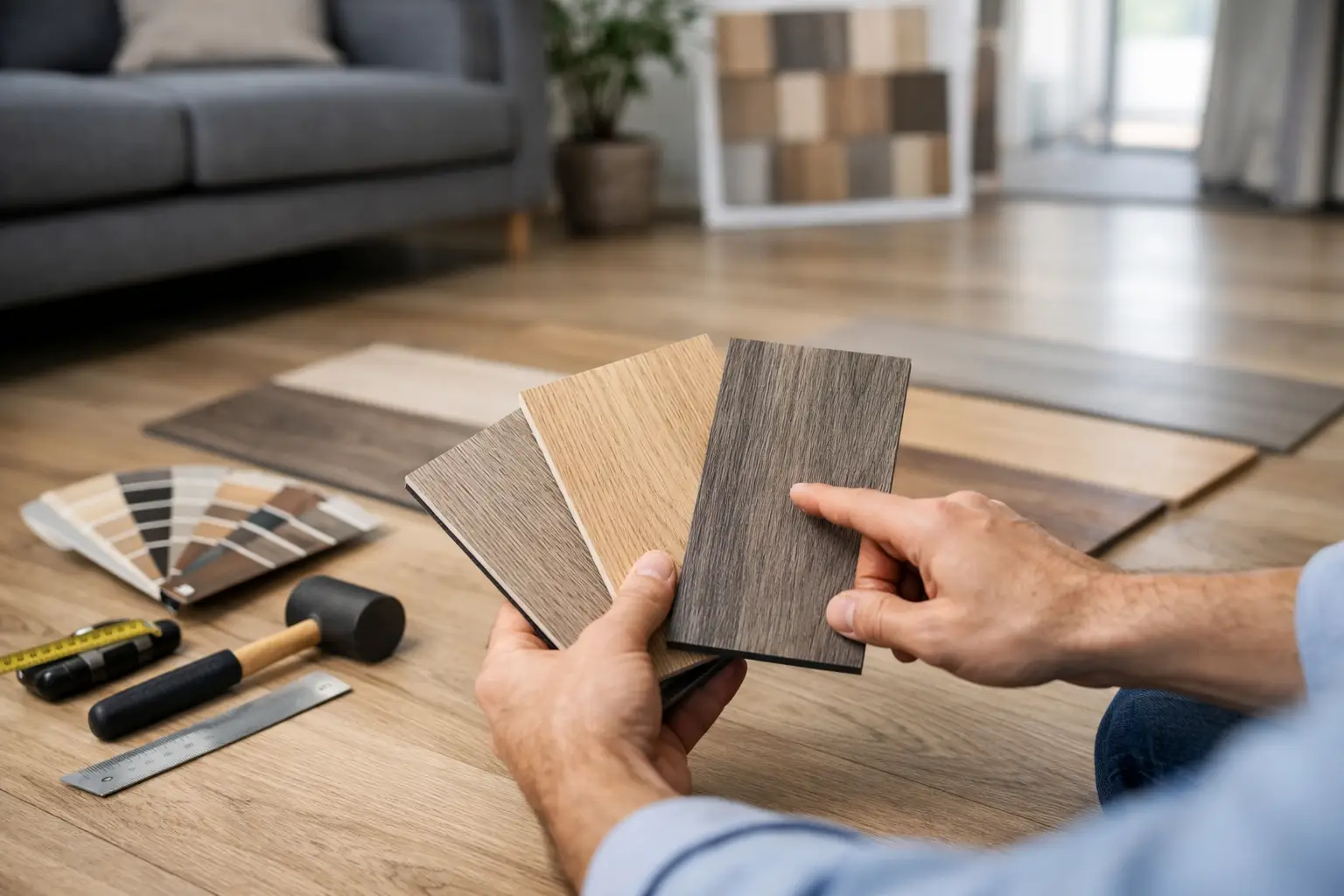
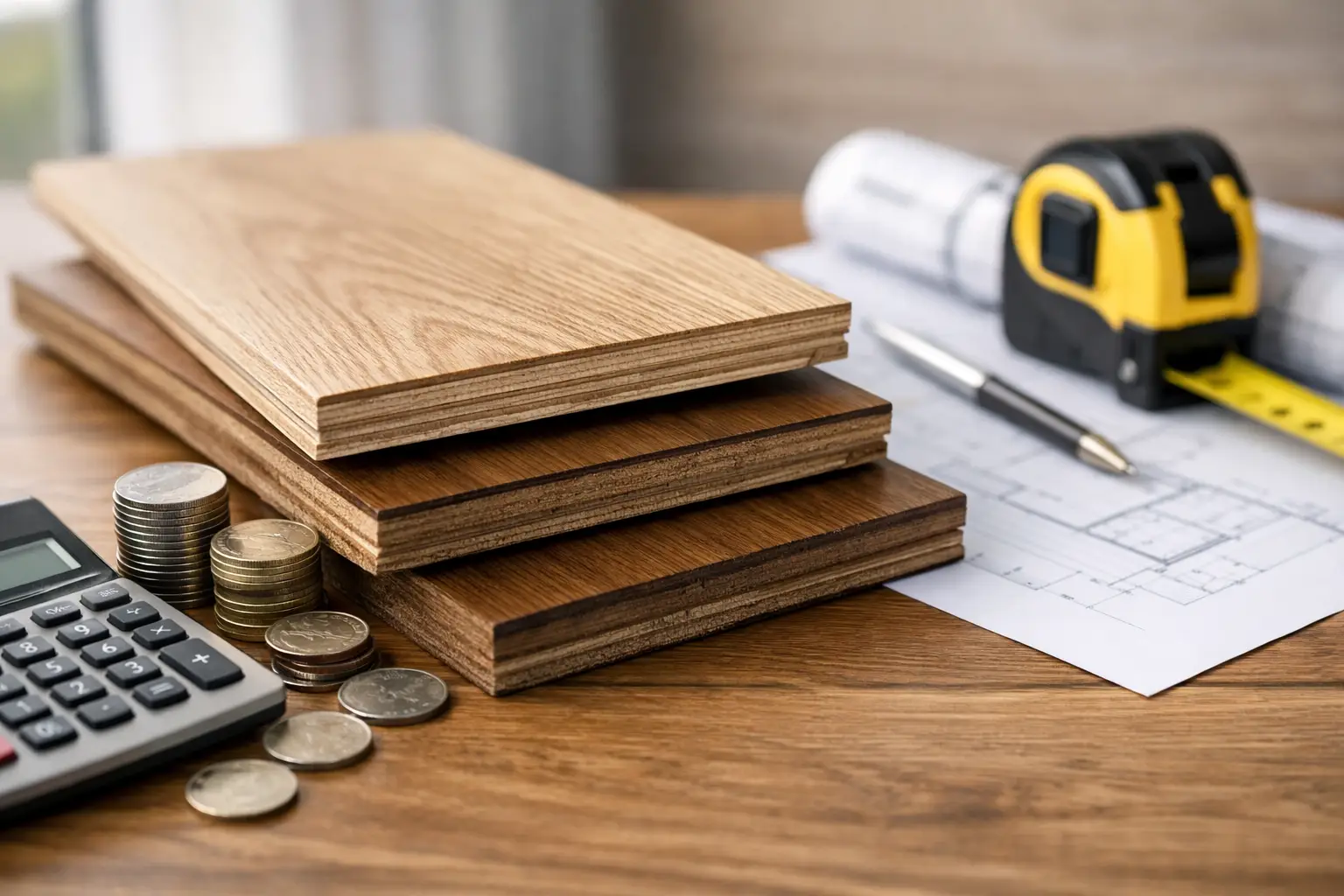
Ask about the wear layer thickness, the total board thickness, the core material and the coating system. A quality UV-cured matt finish, for example, can help with daily wear and make maintenance simpler. Also ask whether the product is suitable for your subfloor and installation method.
Board dimensions matter too. Wide, long planks can look impressive, but they place more demand on subfloor flatness and installation accuracy. If you are considering herringbone, make sure the product is made for that format rather than adapted as an afterthought.
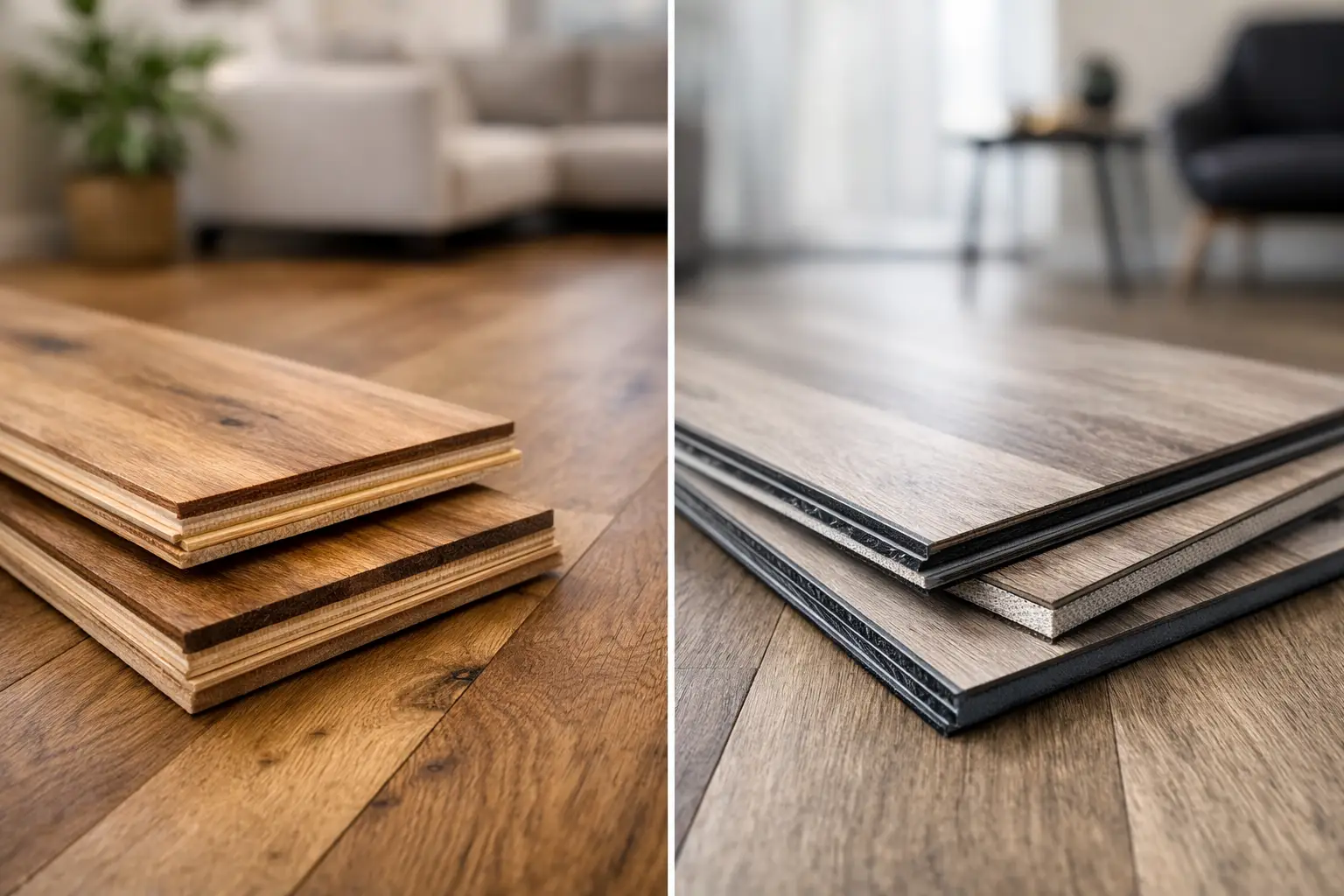
Then there is the lifestyle fit. Homes with kids, pets or heavy foot traffic need realistic expectations. Engineered timber is durable, but it is still a timber surface. If scratch resistance is your top priority, a hybrid floor may deserve a look as well. If natural appearance matters most, engineered timber usually has the edge.
Maintenance and lifespan
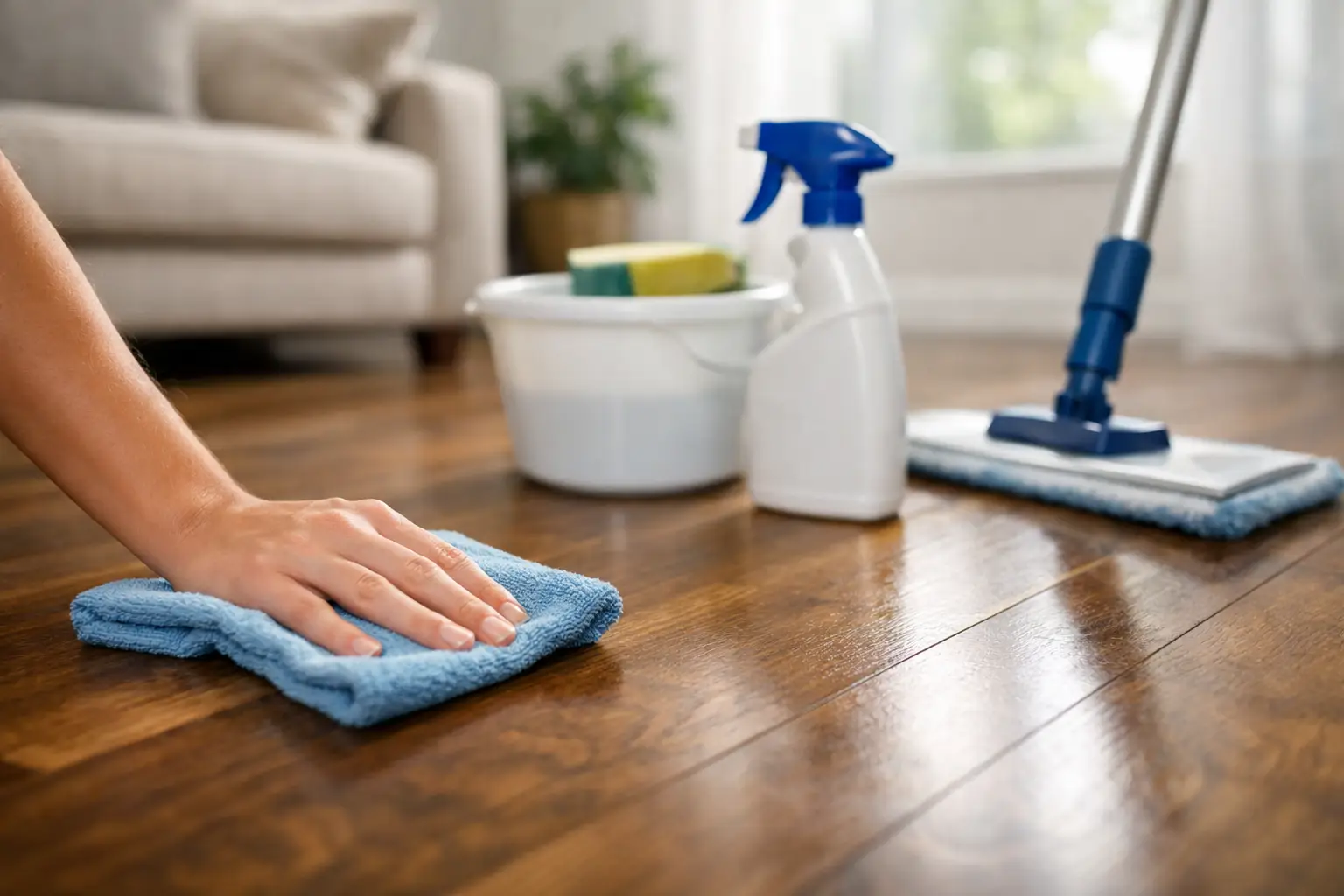
One reason engineered timber remains popular is that it is relatively straightforward to live with. Regular vacuuming or sweeping, prompt cleanup of spills and a suitable timber floor cleaner will usually cover the basics. Felt pads under furniture and a few entry mats go a long way.
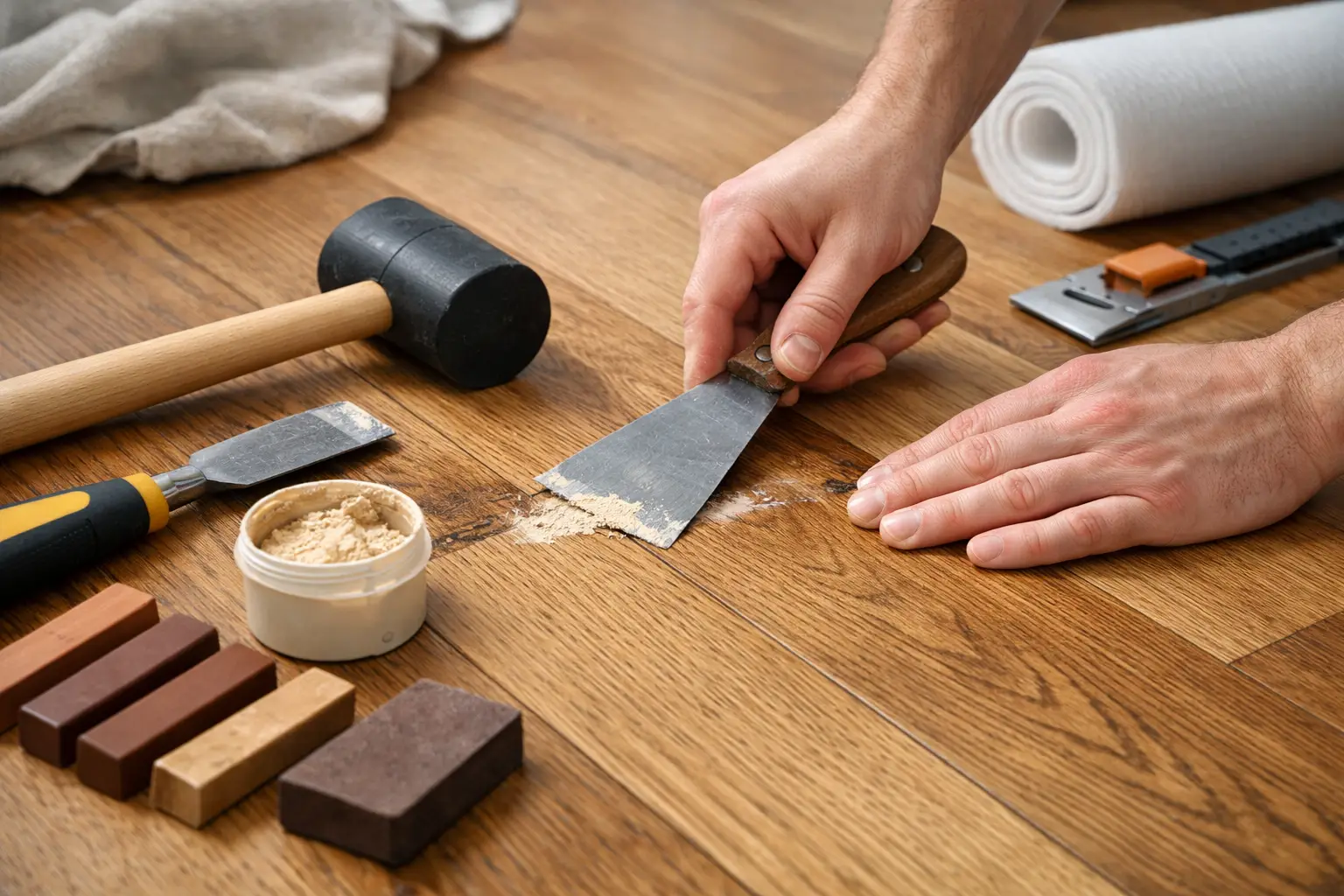
Its lifespan depends on product quality, wear layer thickness, usage and care. A well-made engineered floor installed correctly can last for many years and continue to look excellent. Some higher-quality options may also be lightly sanded and refinished, but that depends on the thickness of the top timber layer, so it should never be assumed.
That is another area where honest guidance matters. Not every engineered floor should be sold as a lifetime floor, and not every home needs the most expensive board in the showroom. The best result usually comes from matching the product to the property rather than overpromising on performance.
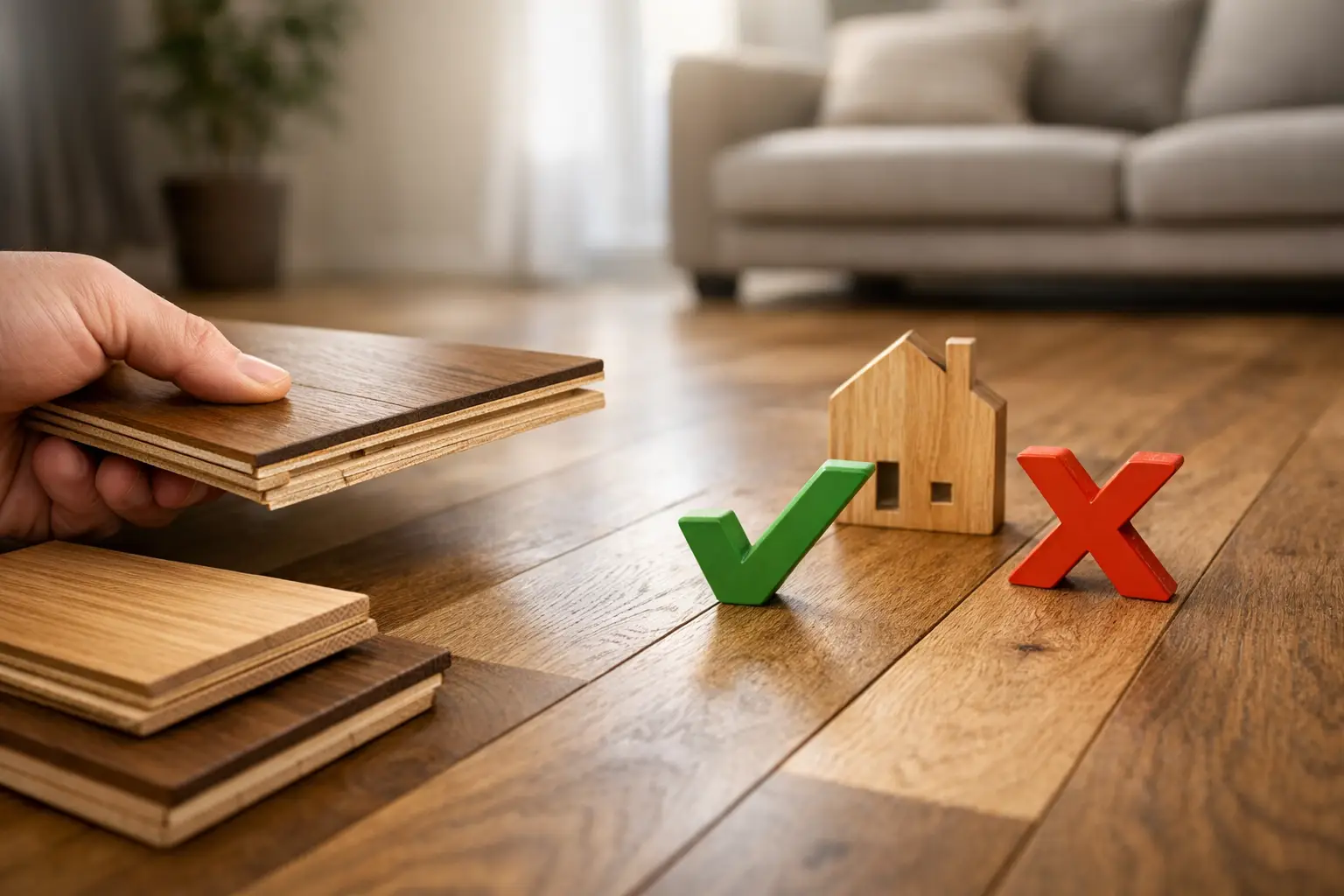
Is engineered timber flooring right for you?
If you want a real timber floor with more stability than solid timber and a more premium finish than laminate or many hybrids, engineered timber is often the right place to start. It suits buyers who care about natural grain, warmth and resale appeal, but also want a floor that works with the realities of modern construction and renovation.
It may be especially well suited if you are installing over concrete, updating an apartment, choosing a wide-board European oak look or planning a herringbone design. It may be less suitable if the area is regularly wet or if you need the hardest-wearing surface possible for a busy commercial setting.
The best way to think about it is this: engineered timber flooring is not a compromise product. When chosen well, it is a purpose-built flooring solution that combines real timber beauty with a more stable construction. And if you are making a long-term decision for your home or project, that balance often matters more than chasing the cheapest board or the most sales-heavy pitch.
A good floor should look right on day one, but it should also still feel like the right choice years later.