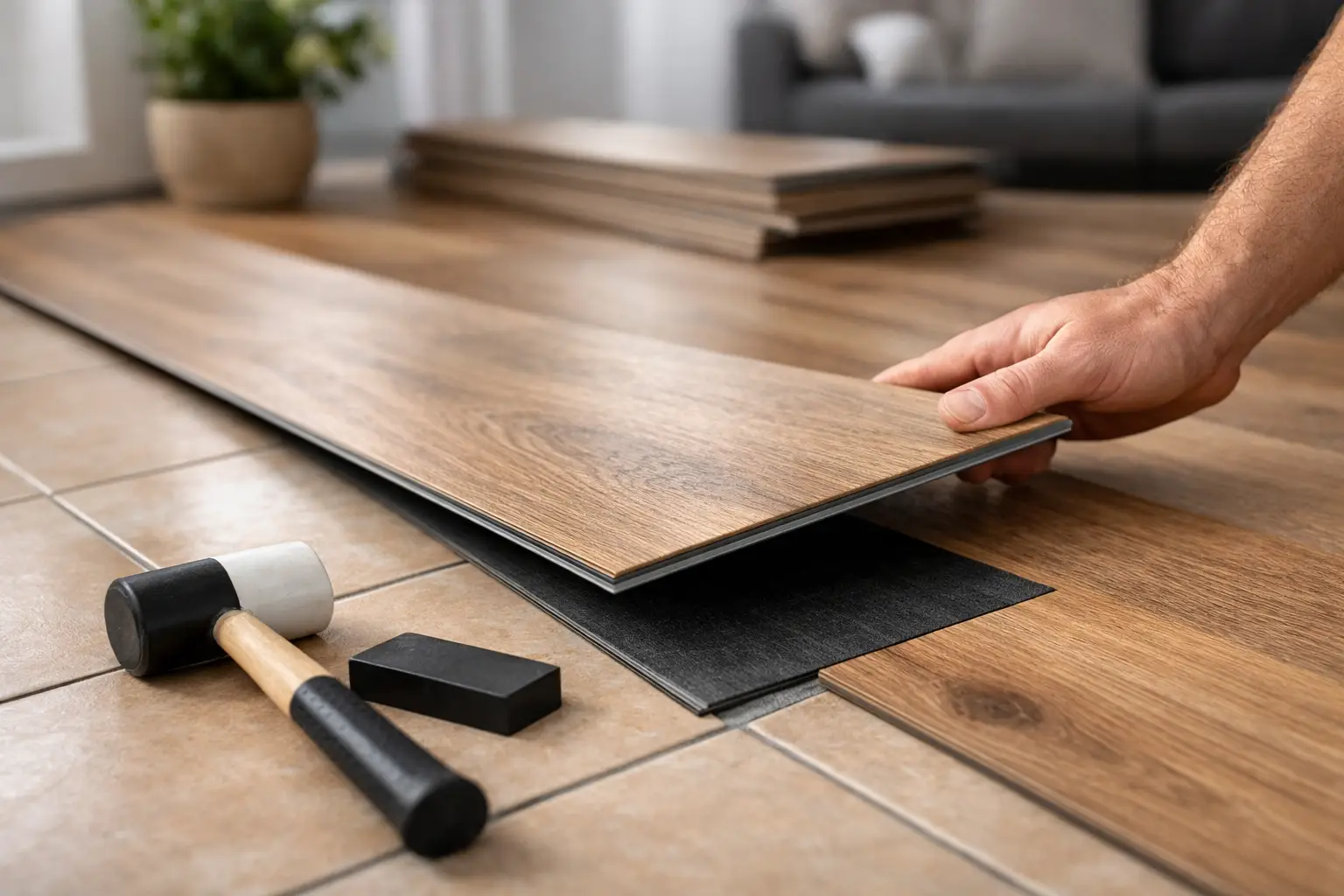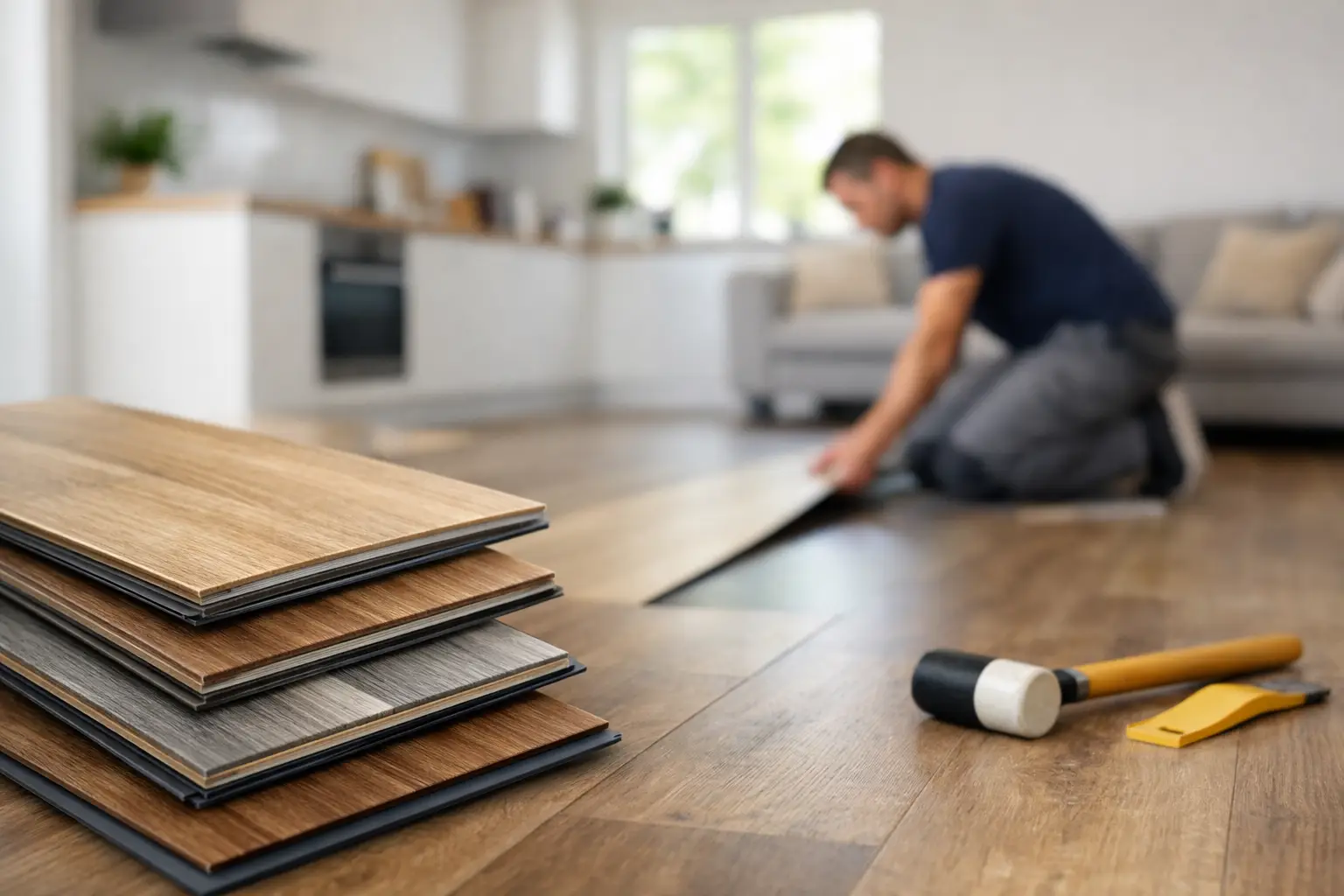
You can spot a flooring quote that skips the important details a mile away. A board might look great in a sample, but if you do not know the thickness, the wear layer, and what sits underneath it, you are not really comparing like for like. When people ask how thick is engineered timber flooring, the honest answer is that it varies – and the right thickness depends on the board construction, the subfloor, and how the room will be used.
Table of Contents
How thick is engineered timber flooring in practice?
Most engineered timber flooring sits somewhere between 10mm and 21mm thick. In many homes, the most common options are around 12mm, 14mm or 15mm, but premium boards can go thicker depending on the core construction and top veneer.
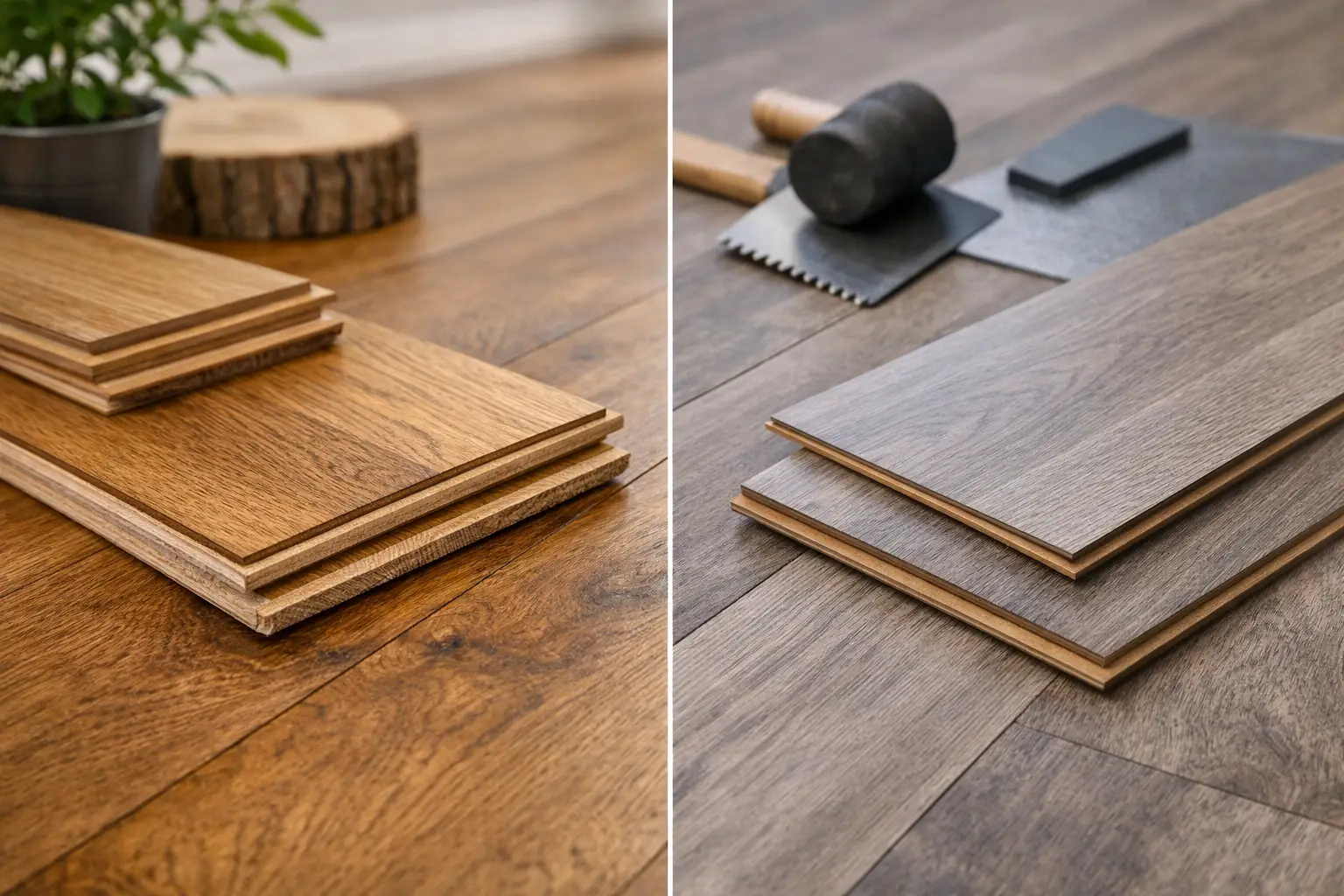
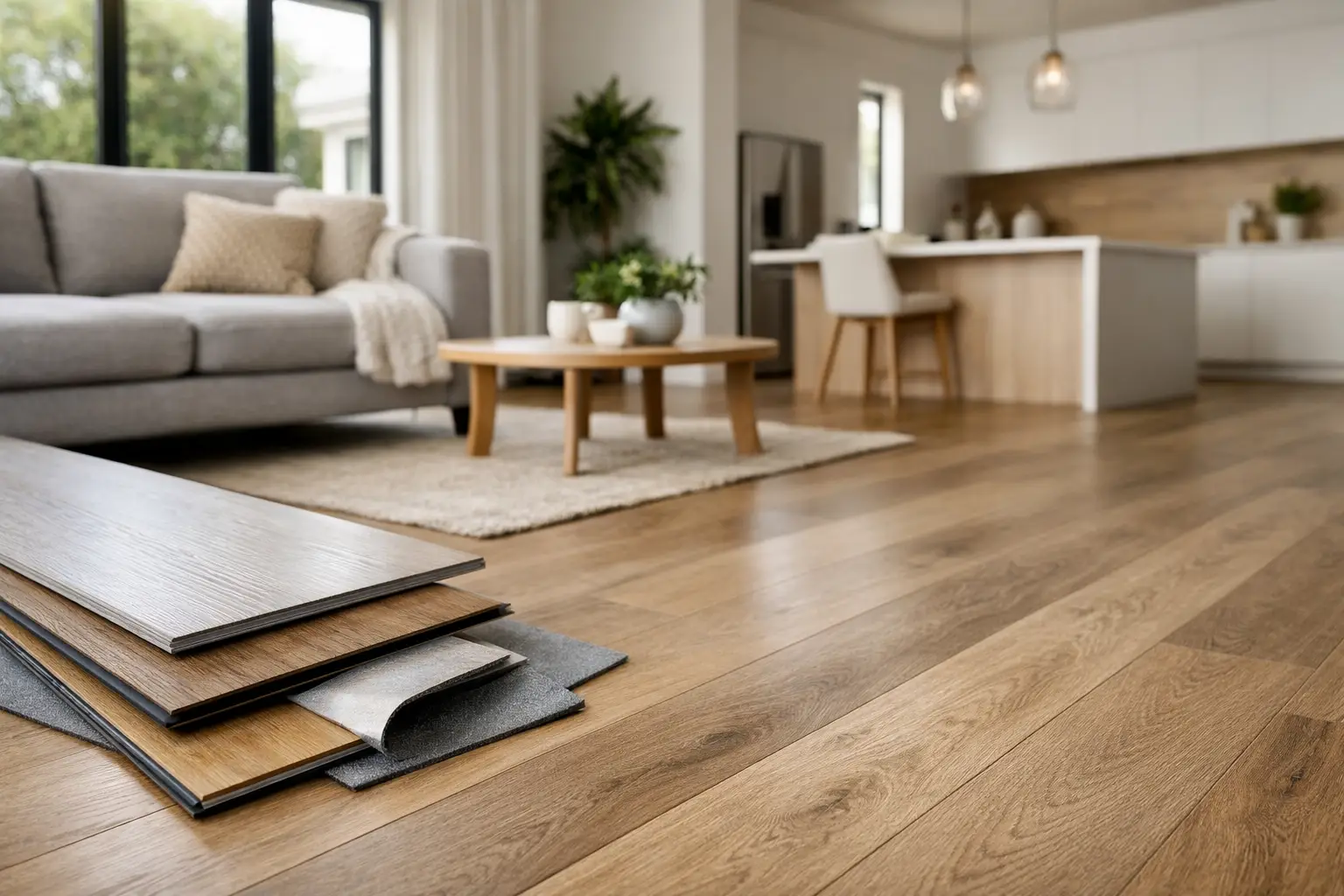
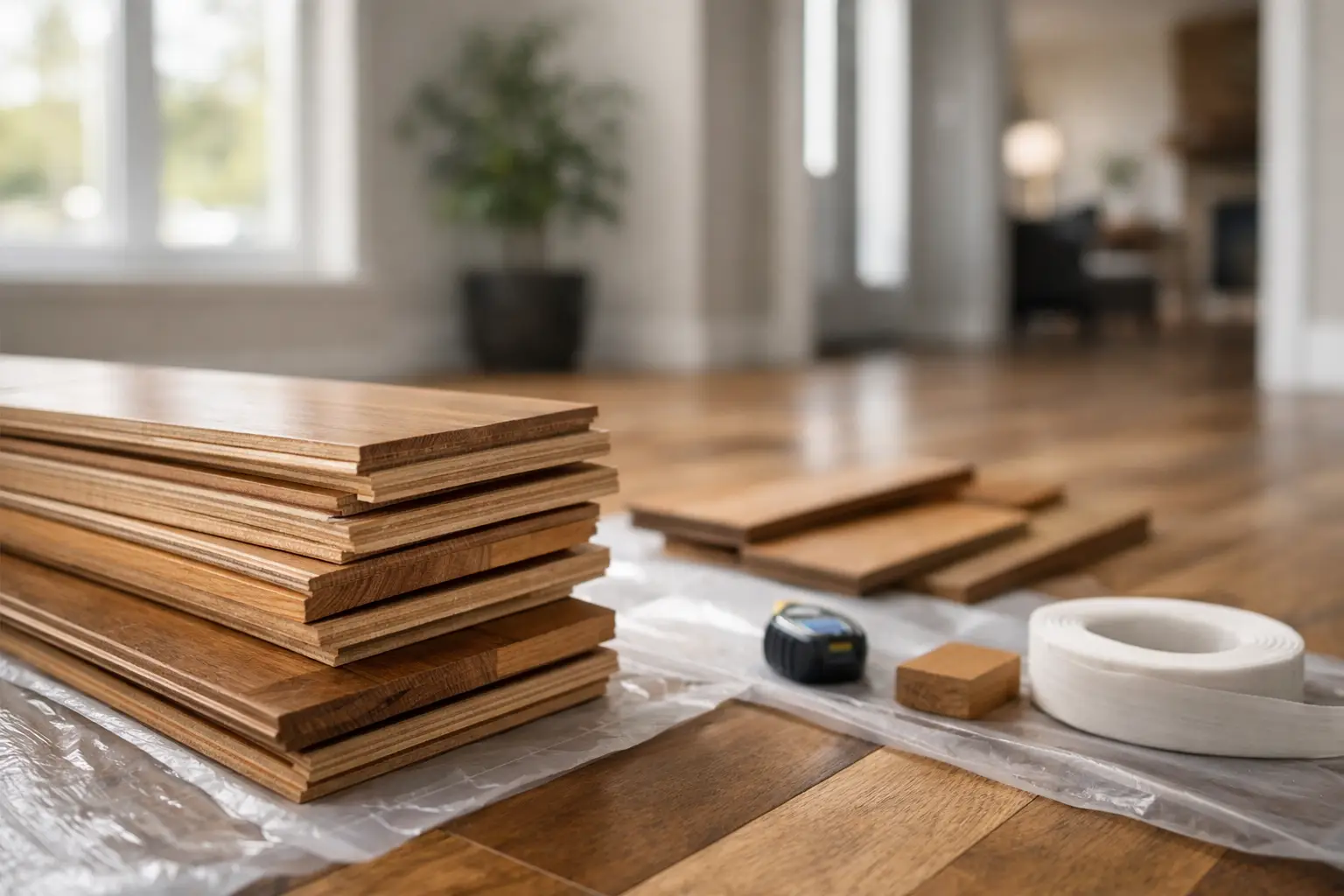
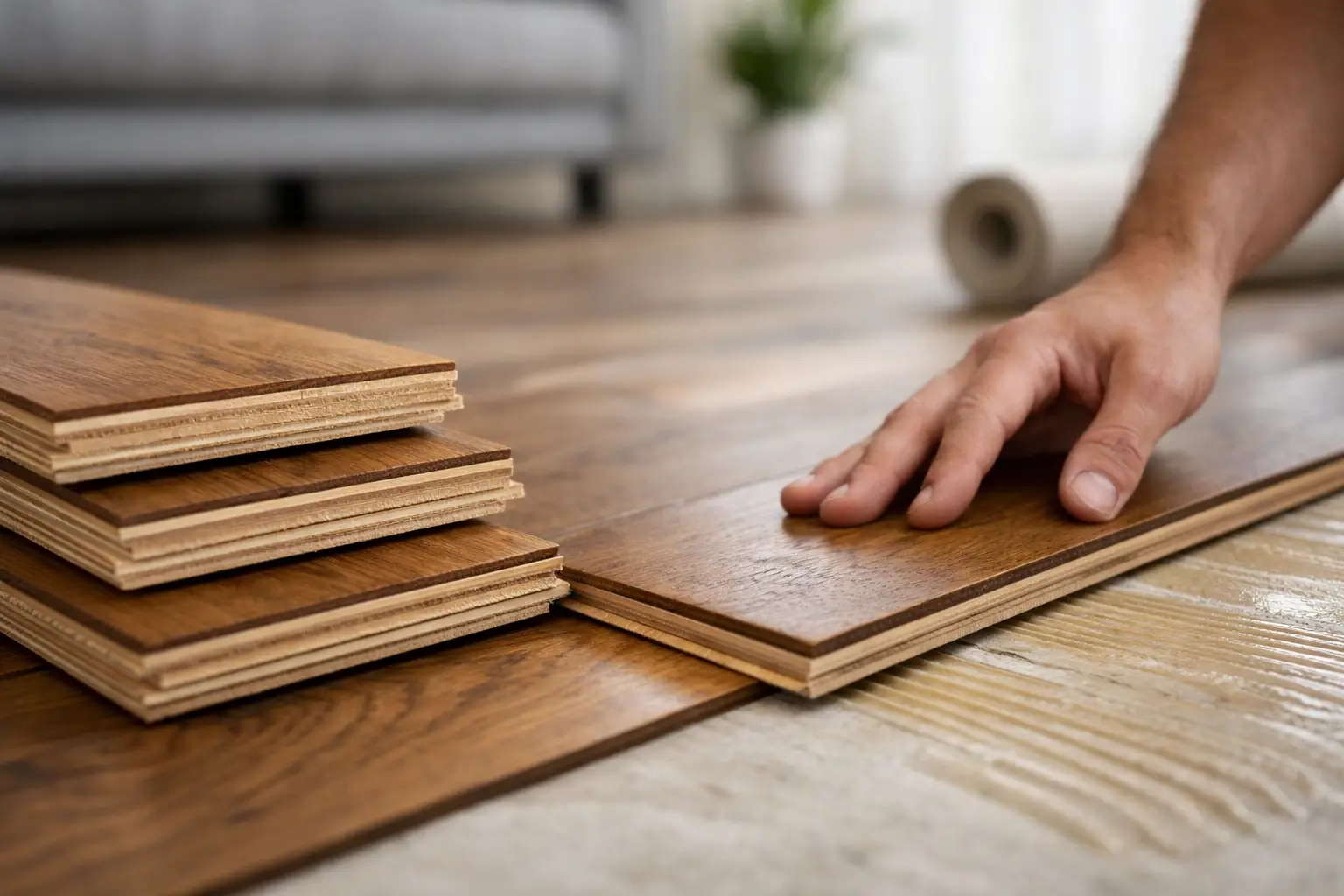
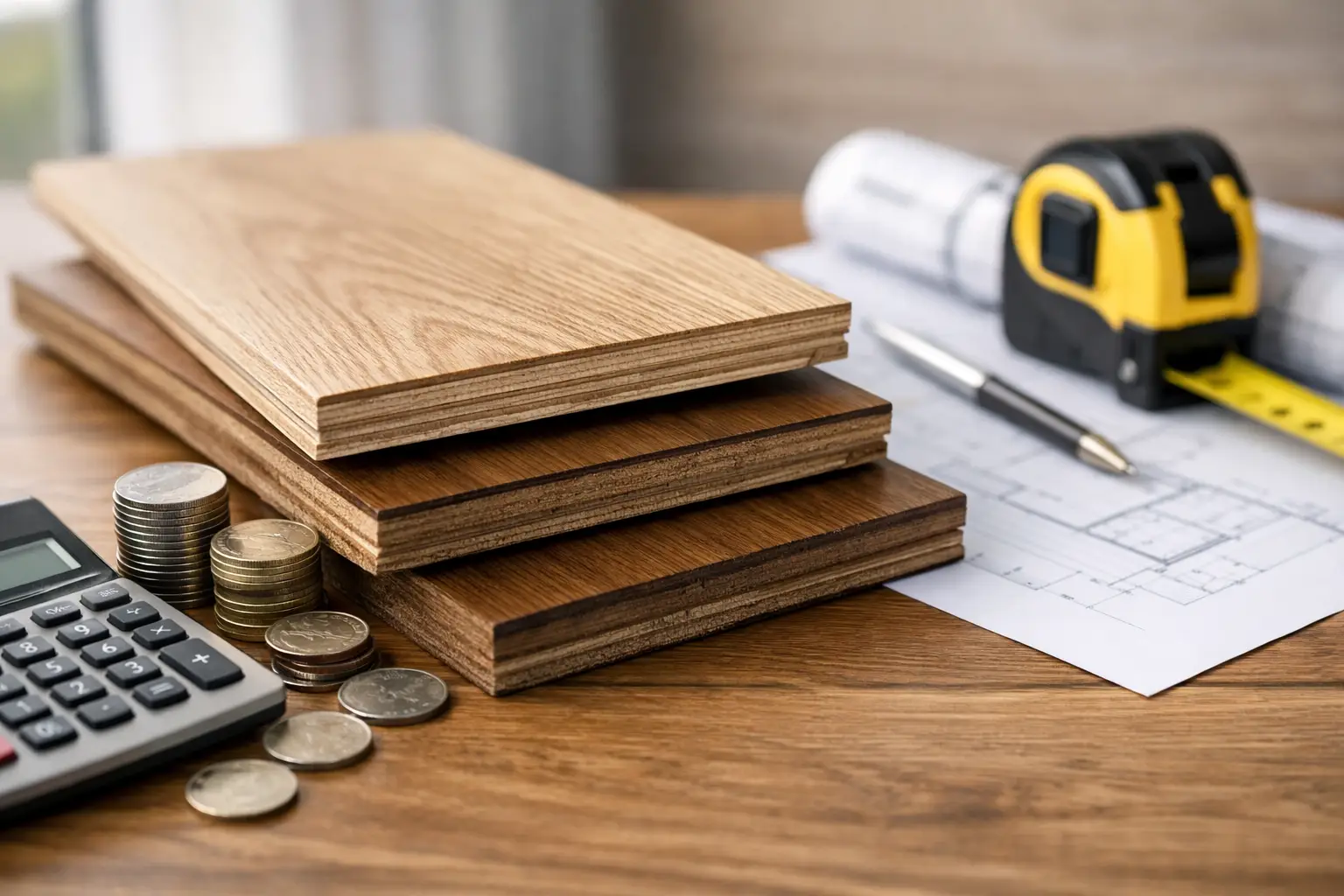
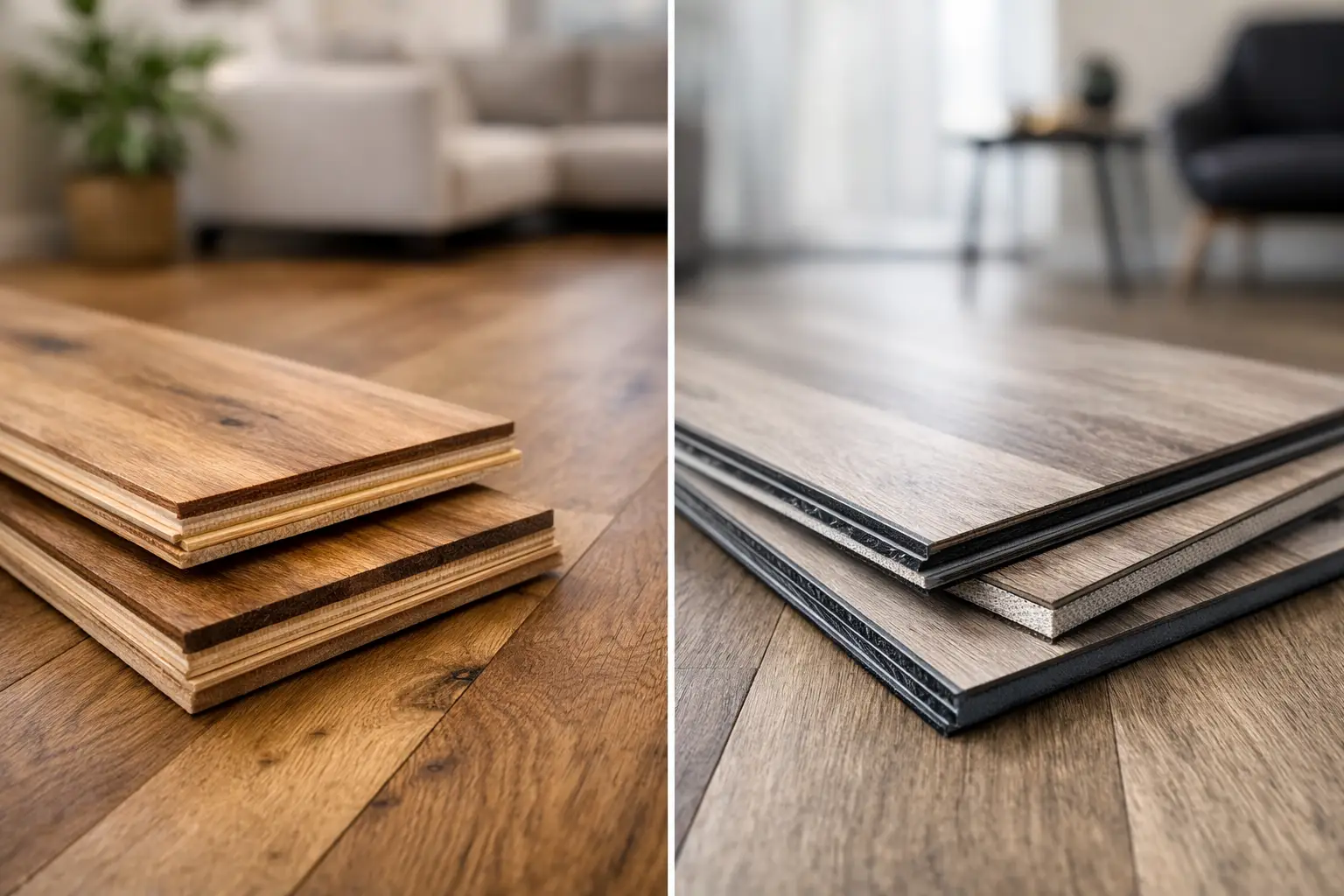
That total thickness includes more than just the real timber surface. Engineered boards are built in layers. On top, you have the hardwood veneer, often European oak or another decorative timber species. Beneath that, you have a stable core made from plywood, hardwood layers, or high-density fibreboard depending on the product. So when you compare two boards that are both 14mm thick, they may still perform quite differently if the top layer and core are not built to the same standard.
This is where a lot of buyers get caught out. They focus on the total board thickness but miss the wear layer, which is the part that affects longevity and refinishing potential.
Thickness is only half the story
If you are choosing engineered timber, the number printed on the box does matter, but it should never be looked at on its own. A thinner board with a better core and a decent wear layer can outperform a thicker board built to a lower standard.
The wear layer is the top layer of genuine hardwood that you see and walk on. That layer might be around 2mm on entry-level products, while better-quality engineered timber often offers 3mm, 4mm or even 6mm. The thicker the wear layer, the more forgiving the floor can be over time, especially if minor sanding or restoration is needed later.
For most residential projects, a quality board with a sensible overall thickness and a strong wear layer will give you the balance you actually want – stability, comfort underfoot, and long-term value. Going for the thickest board available is not always necessary, and sometimes it creates other issues with floor height transitions, doors, stairs, and adjoining finishes.
Common engineered timber flooring thicknesses
10mm to 12mm
This range is often used where floor height is limited or where you need a lower-profile option for apartments and renovation work. It can be a practical choice, but it needs to be a well-made product. If the wear layer is too thin or the core is basic, it may not hold up as well in busier areas.
That does not mean 10mm or 12mm is poor by default. It just means the quality of construction matters more, because there is less room for compromise.
13mm to 15mm
This is a very common sweet spot for engineered timber flooring. It gives you a more substantial feel underfoot, usually allows for a better wear layer, and suits a wide range of residential installations. For many homeowners, this thickness range delivers the best mix of appearance, durability, and install flexibility.
If you are after a premium oak board for living areas, bedrooms, hallways or open-plan spaces, this is often where the strongest options sit.
18mm to 21mm
Thicker engineered boards are generally selected for higher-end projects, certain commercial settings, or jobs where a more solid feel is preferred. These boards can look and sound more substantial, and they may include a thicker hardwood top layer as well.
That said, thicker is not automatically better for every property. These products can affect finished floor heights more noticeably, and they may require more planning around skirtings, thresholds and appliances.
What thickness should you choose?
The best thickness comes down to where the floor is going and what is happening beneath it.
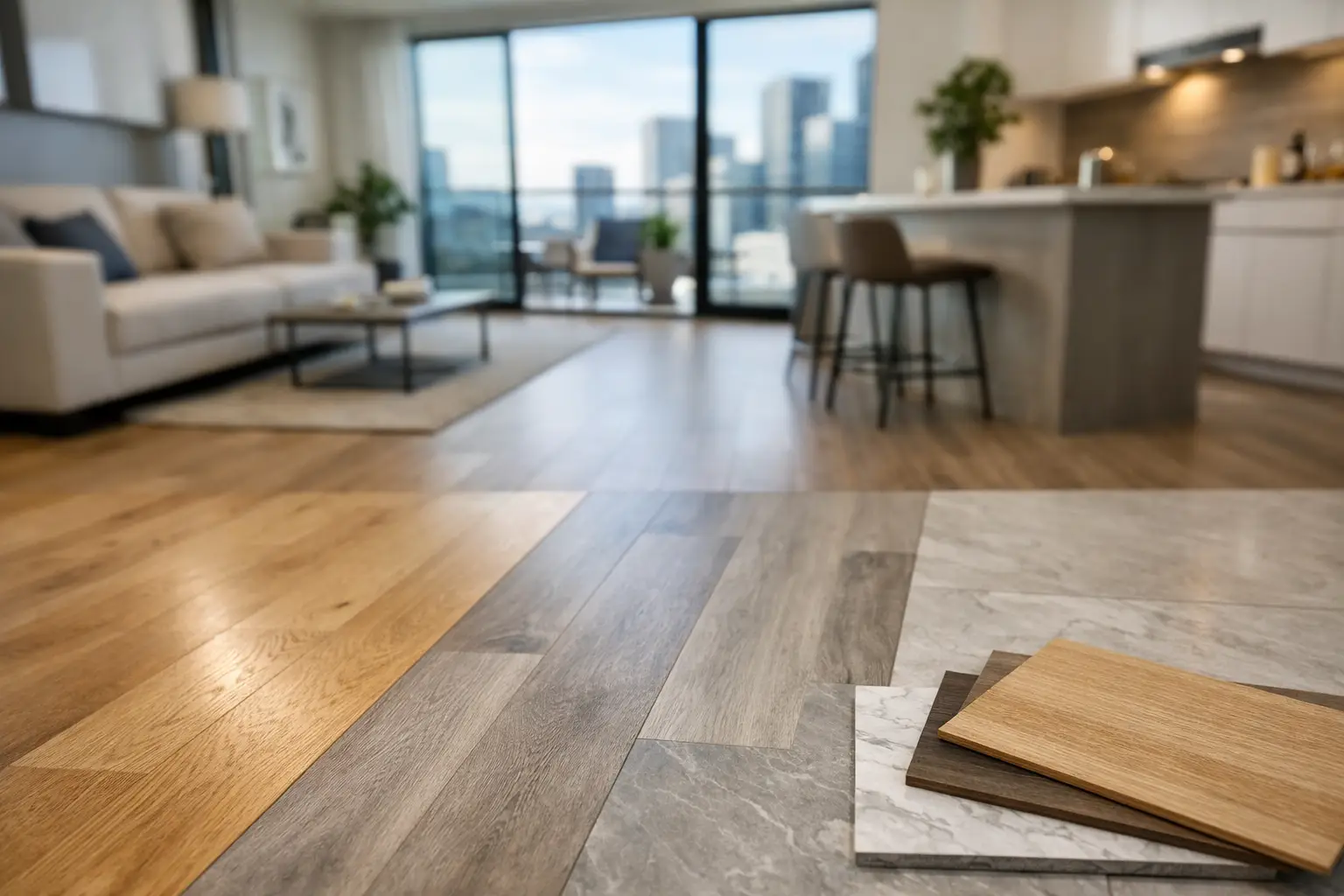
If you are renovating an apartment, floor height can be a major issue. Even a few extra millimetres can affect entry doors, balcony thresholds, and transitions into tiled areas. In that case, a slimmer engineered board may be the smarter choice, provided the product quality stacks up.
If you are fitting out a family home and want a durable, premium finish with a good amount of visual depth, a 13mm to 15mm board often makes sense. It tends to offer a stronger build without creating too many headaches elsewhere in the project.
For commercial spaces or larger premium homes, thicker boards can work well, especially if the design brief calls for a more substantial plank and the subfloor conditions are properly assessed.
This is why flooring should never be sold as a one-size-fits-all product. The right answer depends on the room, the subfloor, and how the finished floor level interacts with the rest of the property.
How subfloor preparation affects thickness decisions
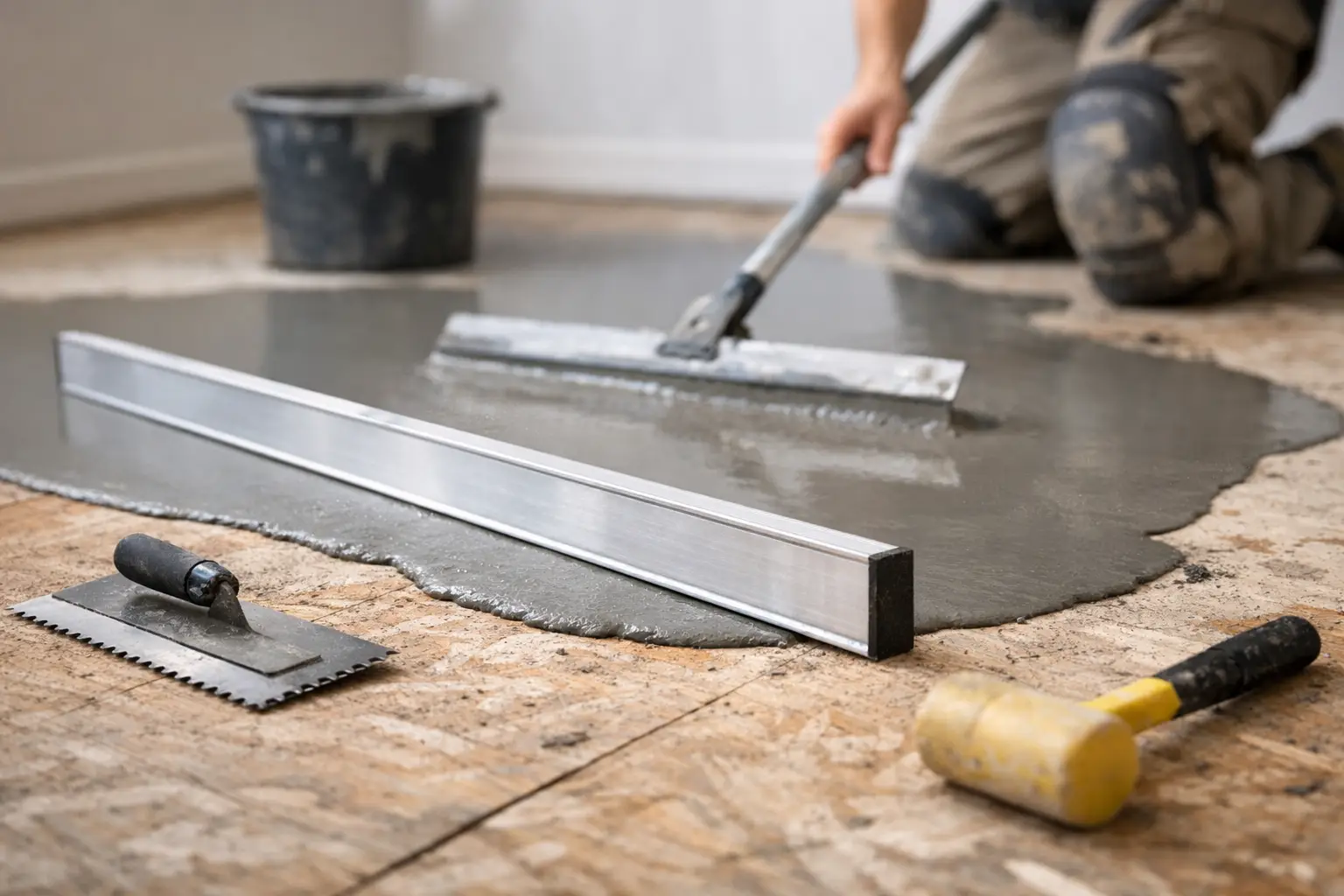
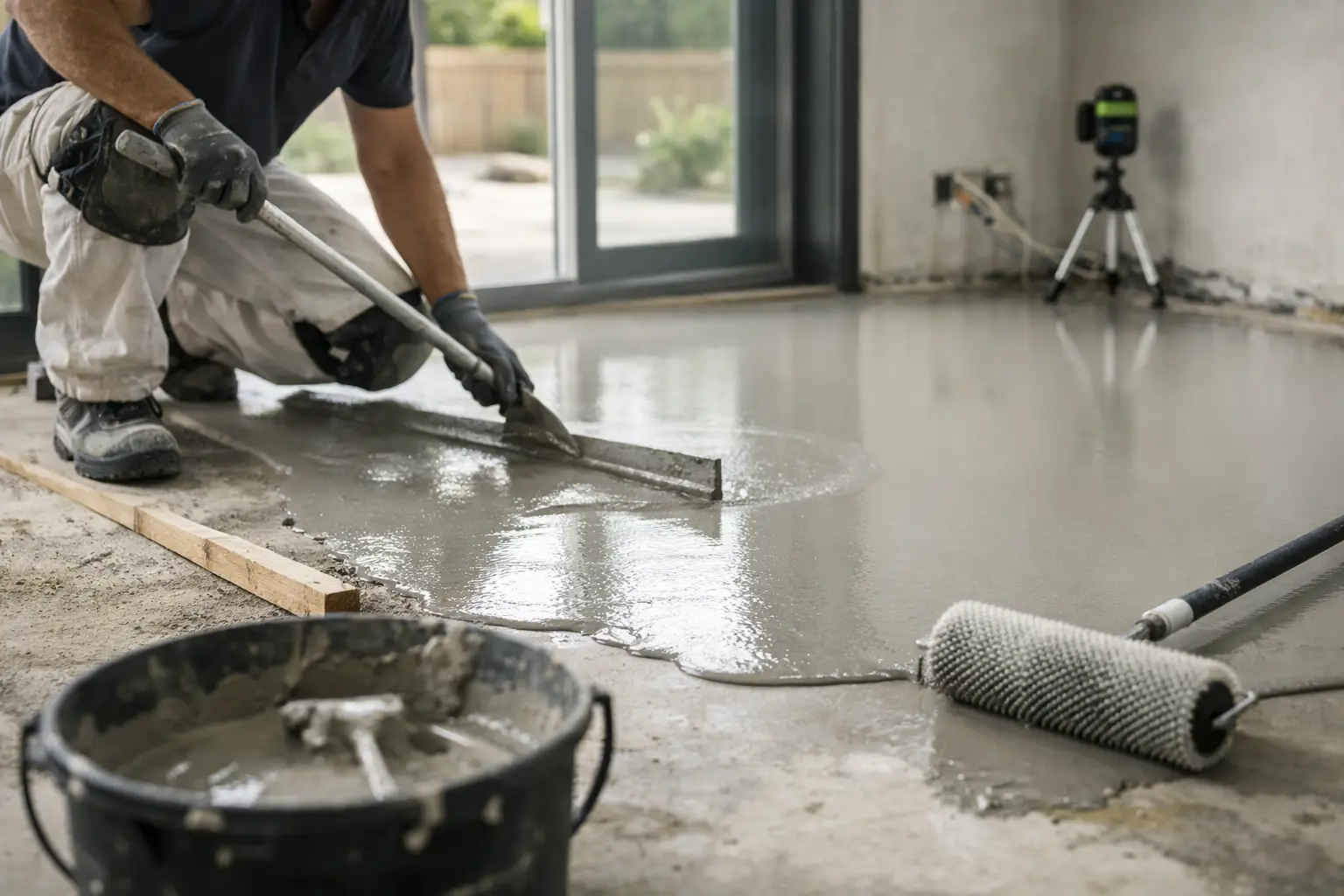
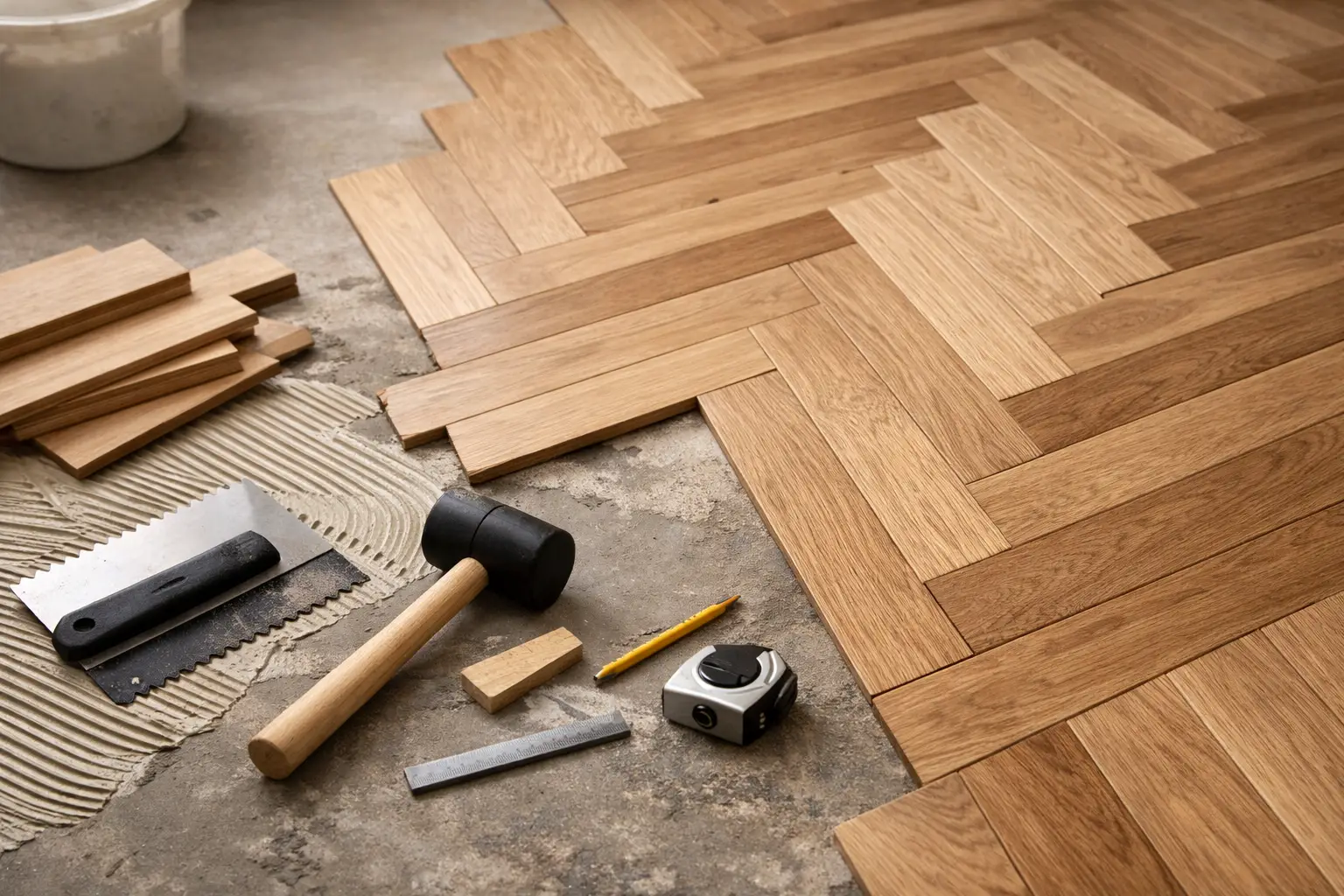
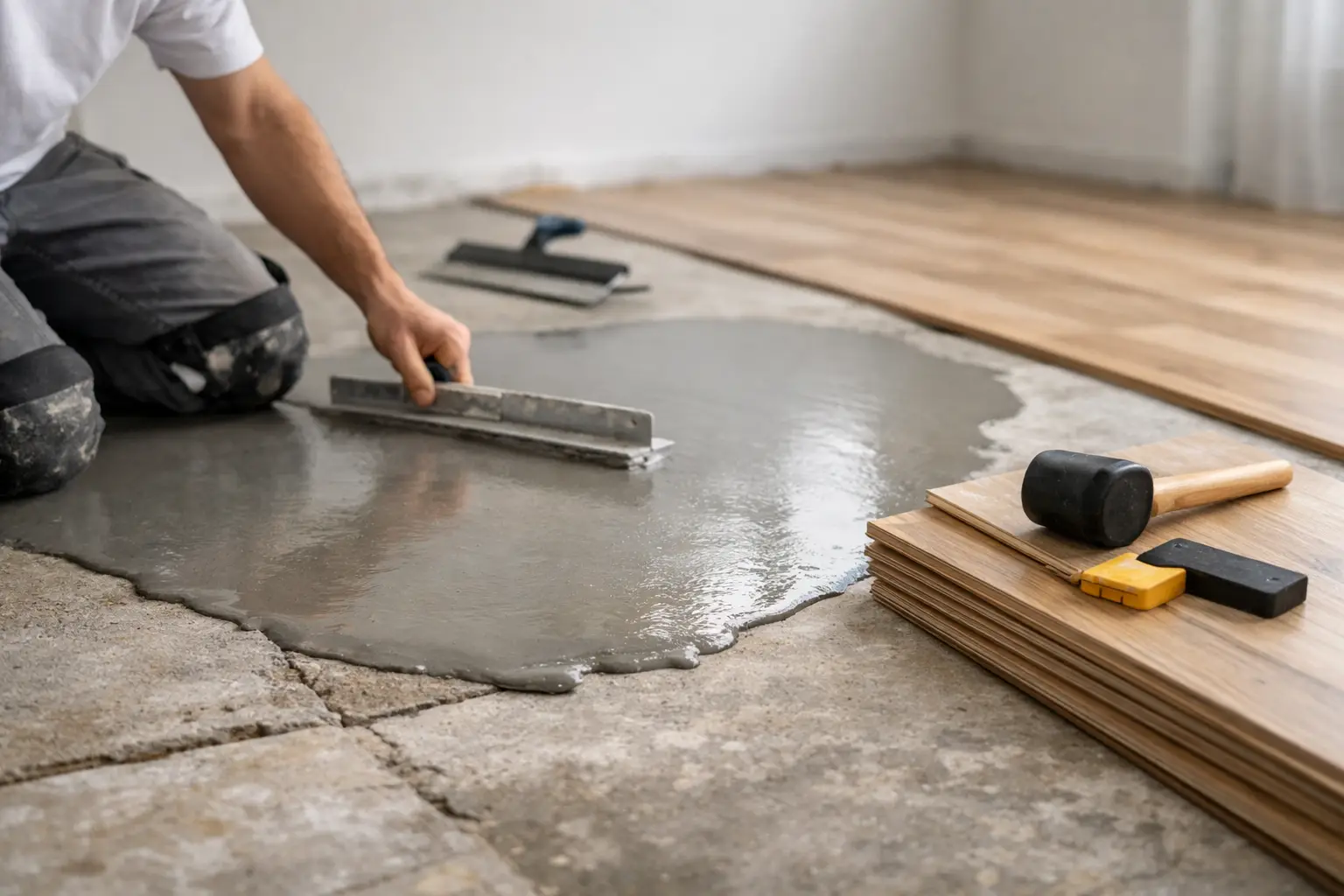
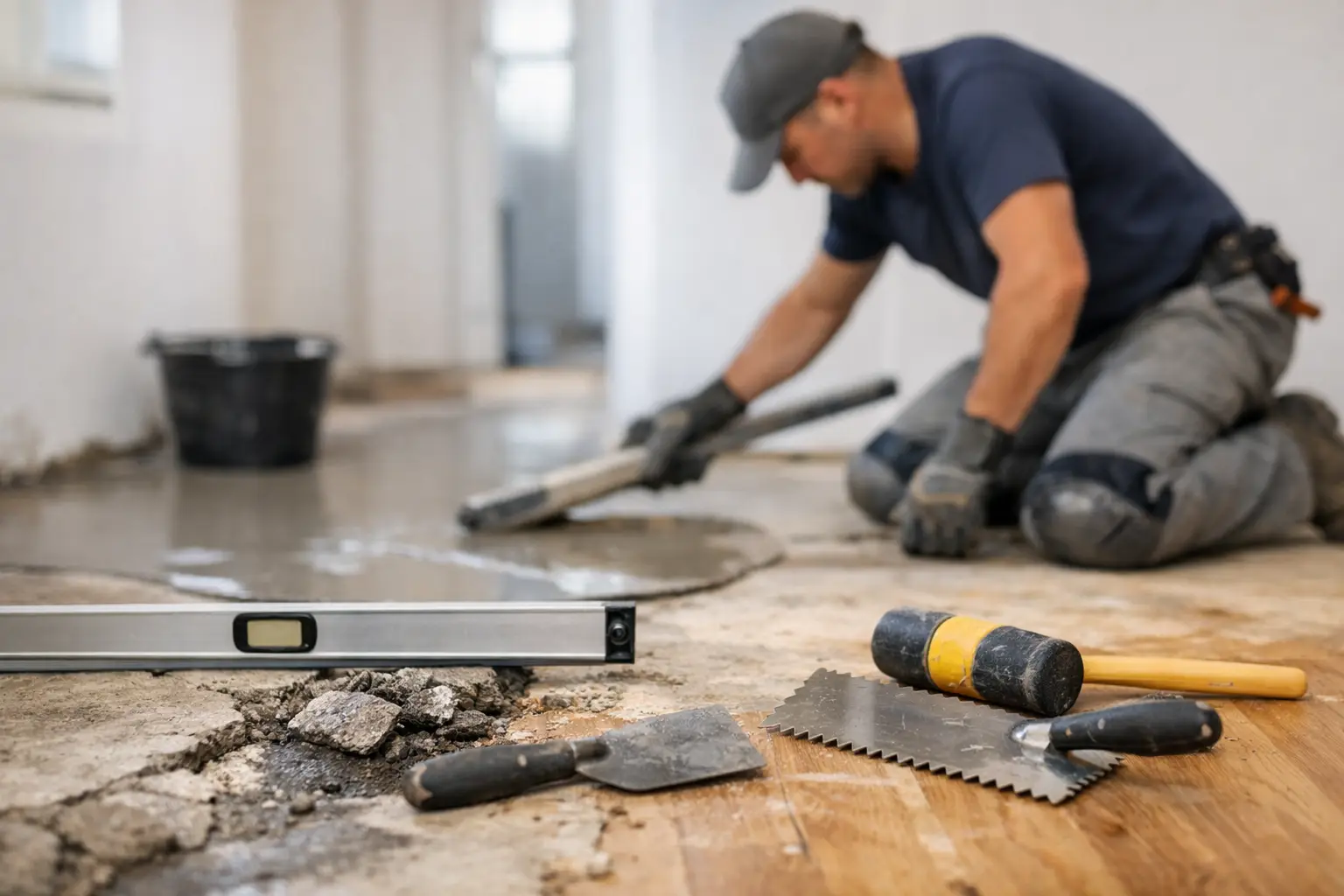
One of the biggest mistakes in flooring is treating board thickness like it will solve a bad subfloor. It will not. Even a premium engineered board can fail early if it is laid over an uneven or poorly prepared base.
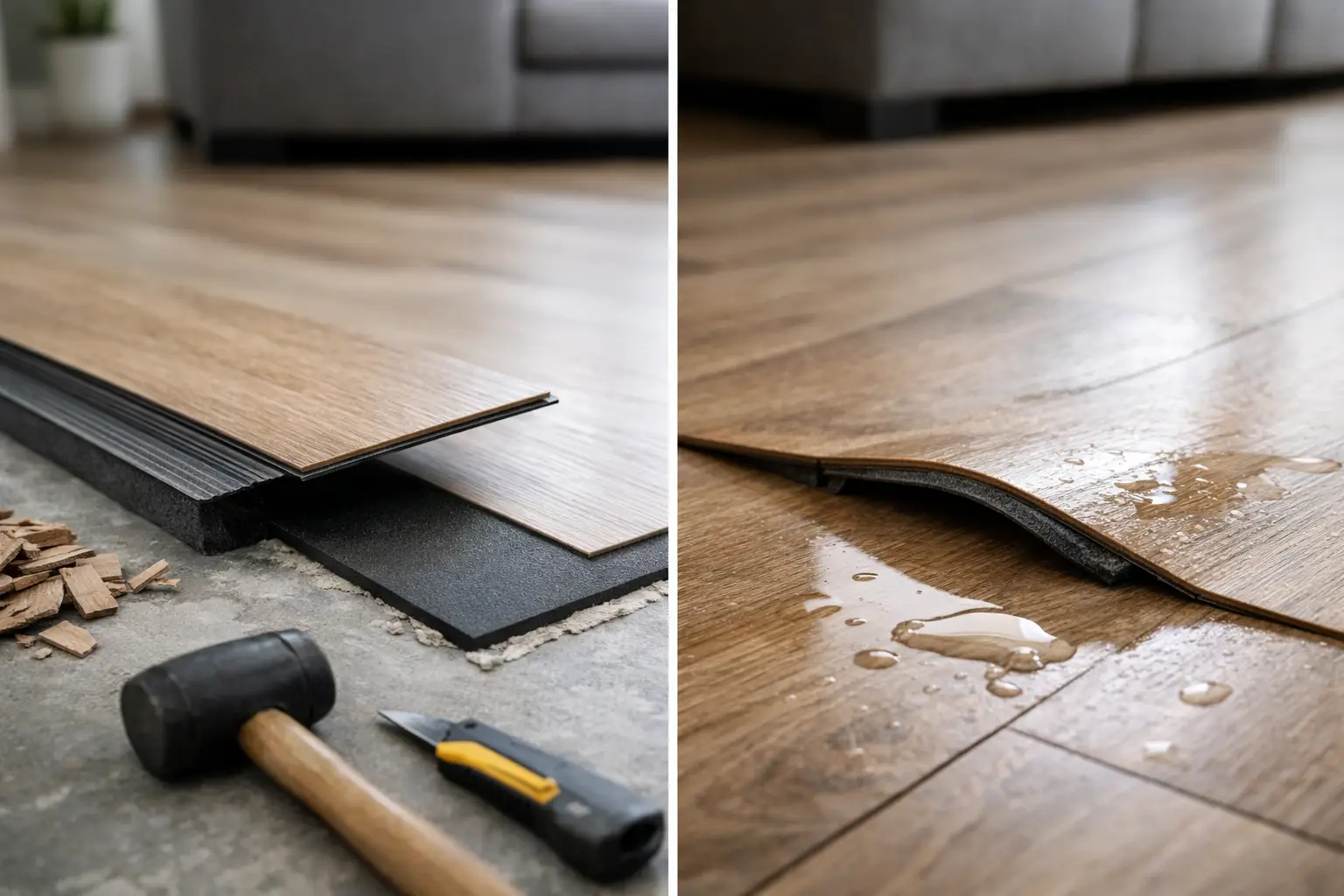
If the subfloor has highs and lows, movement, moisture issues or surface inconsistency, the board thickness becomes secondary to proper preparation. You might hear people assume a thicker board will somehow bridge imperfections better. In reality, poor prep usually shows up later as movement, hollow spots, peaking, or premature wear.
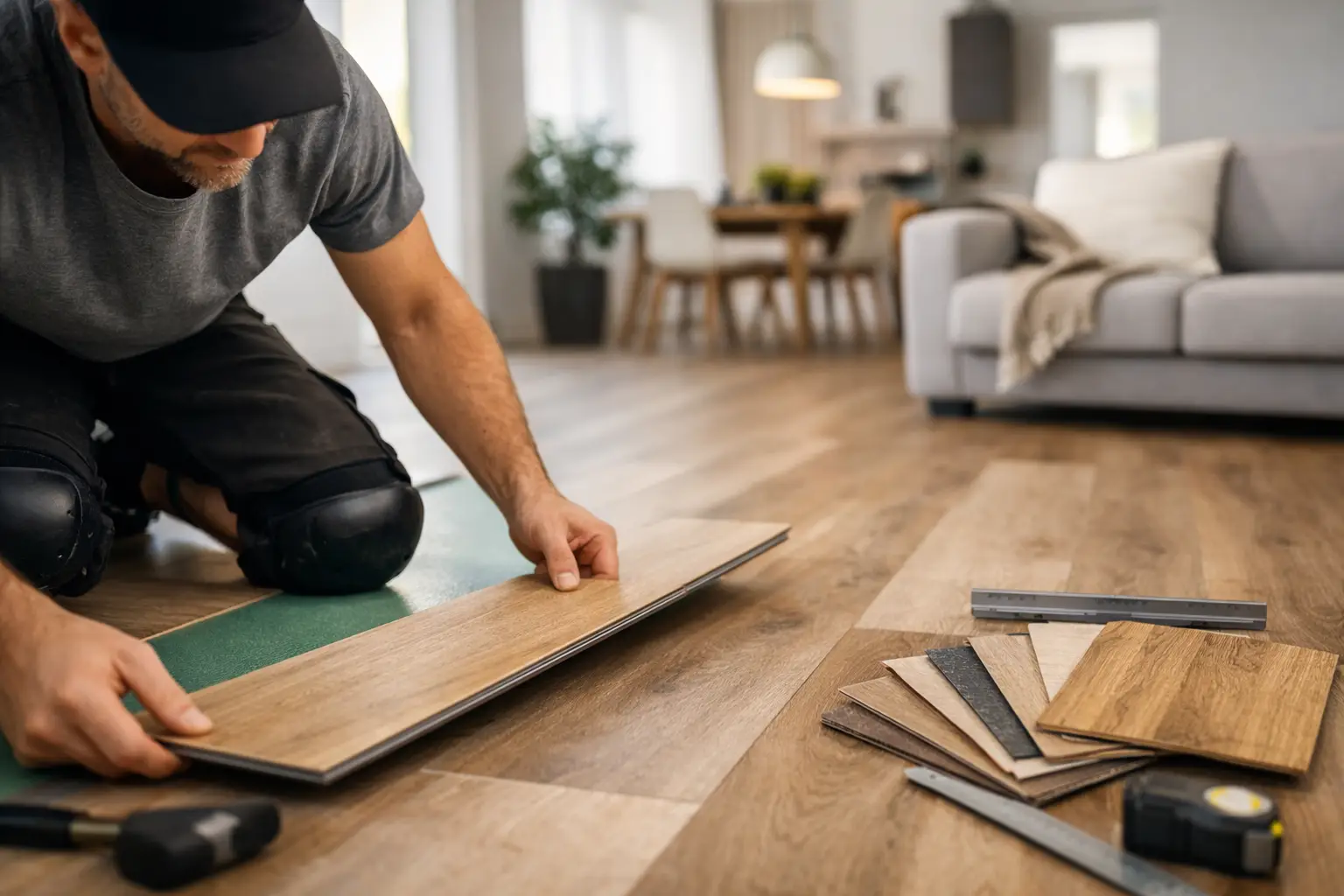
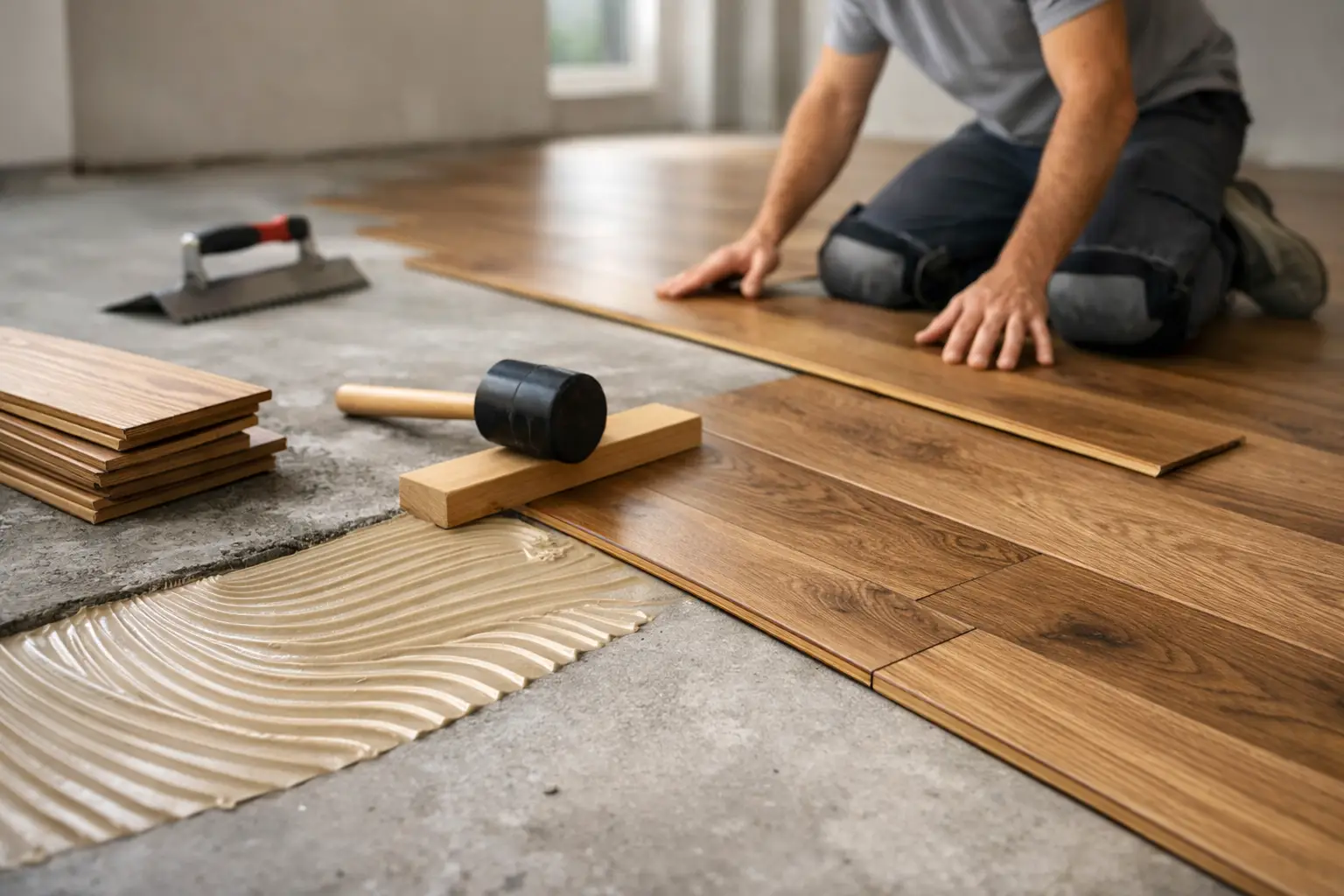
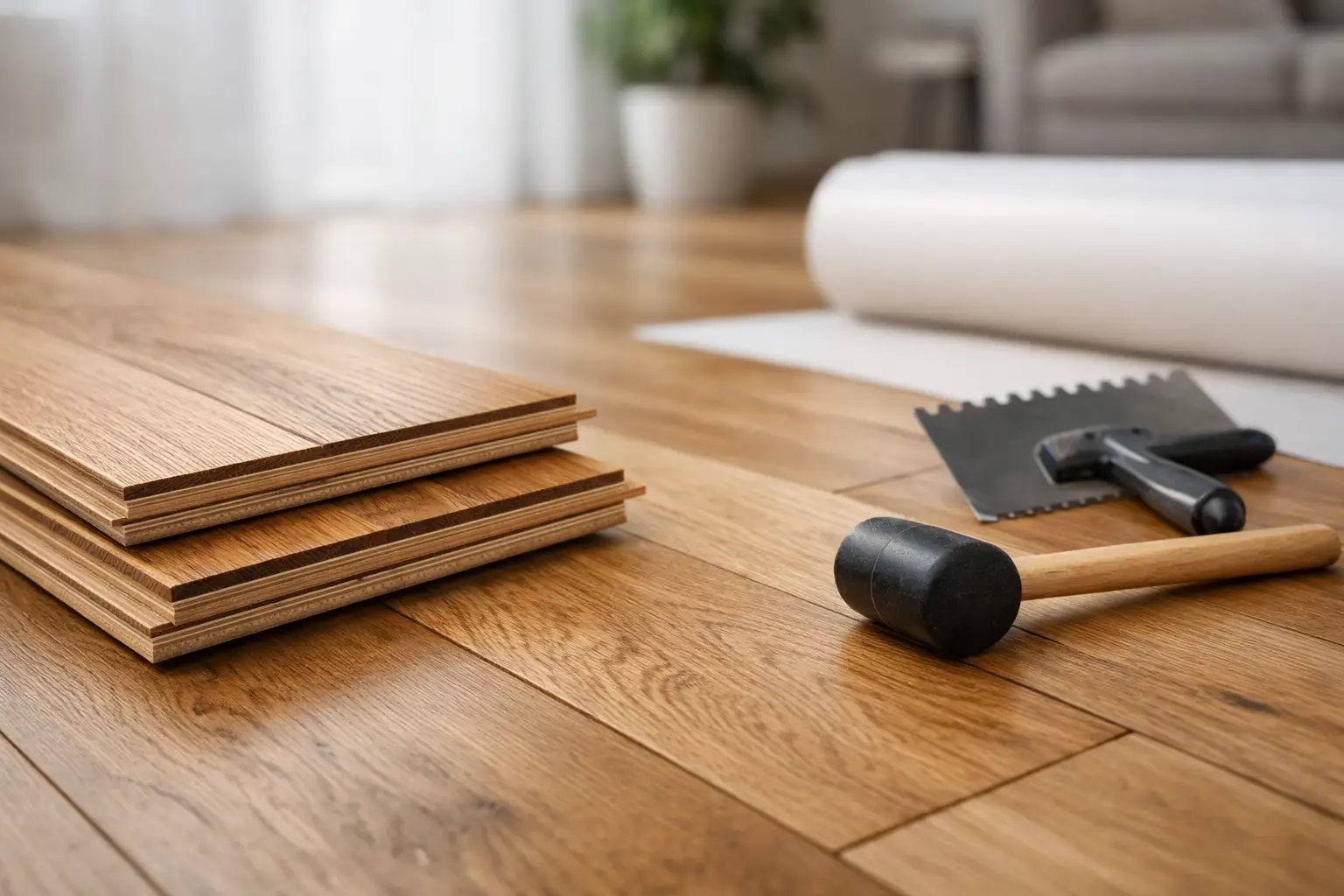
That is why experienced installers focus first on assessment and levelling. A properly prepared subfloor gives the flooring the best chance to perform as intended, whether the chosen product is 12mm or 15mm.
How thick is engineered timber flooring compared with solid timber?
This is a common comparison, especially for buyers who like the look of traditional hardwood flooring but want better stability.
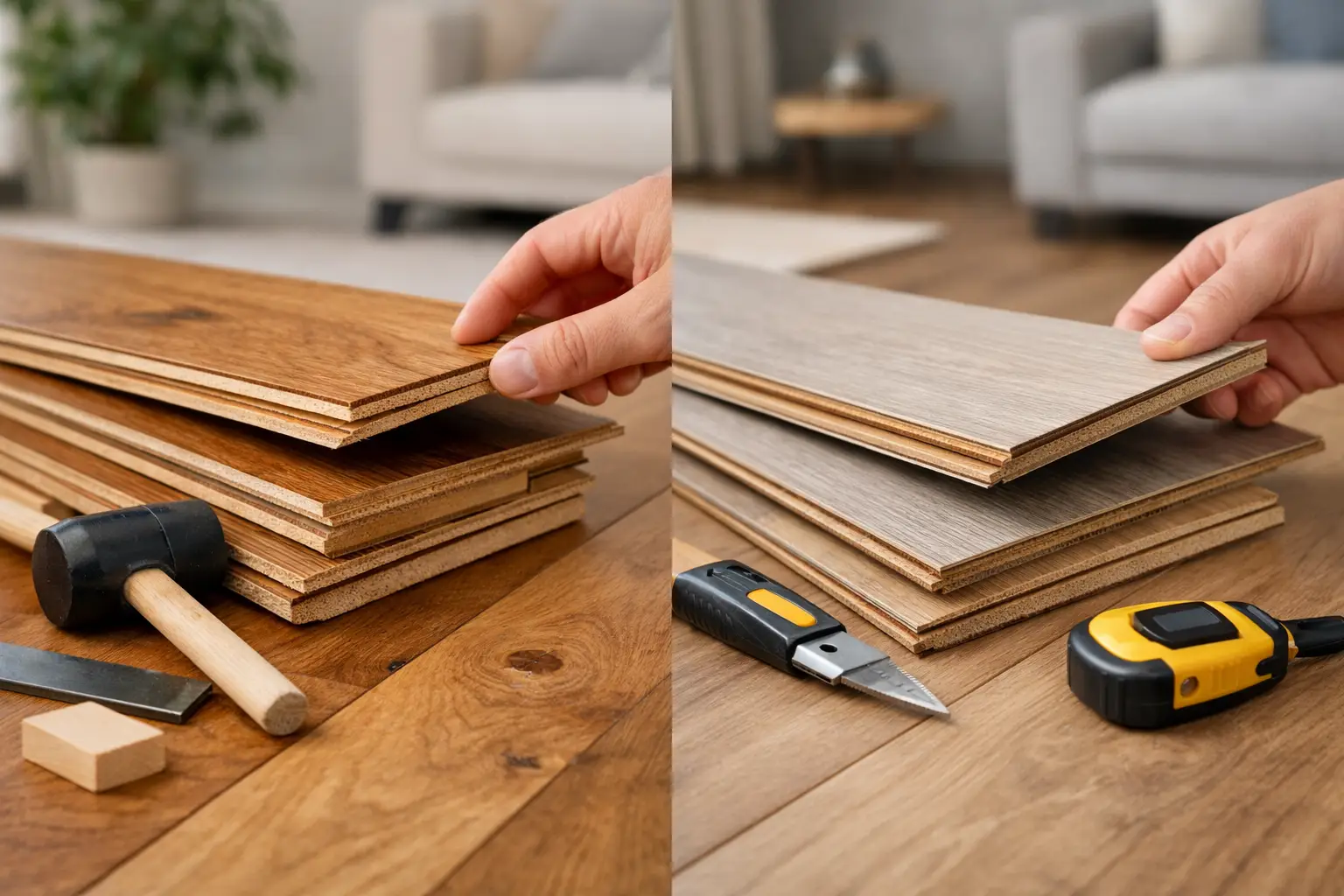
Solid timber boards are usually thicker overall, often around 18mm to 19mm or more, because they are made from one piece of hardwood. Engineered timber flooring is generally thinner, but its layered construction gives it better dimensional stability in many environments. That means it tends to handle temperature and moisture variation more reliably than solid timber, especially in modern homes.
For many Melbourne properties, that stability is a genuine advantage. Heating, cooling, changing seasons and slab construction all put pressure on natural materials. Engineered timber is designed to manage that movement better, provided the product and installation method are right for the site.
Does thicker engineered timber flooring last longer?
Sometimes, but not always.
A thicker board can last longer if that thickness includes a better wear layer and stronger overall construction. But if the extra thickness is mostly in the core and the surface veneer is still minimal, the long-term benefit may be less than expected.
Durability comes from a combination of factors: the species and hardness of the top layer, the board construction, the finish, the subfloor prep, and the quality of installation. Daily use matters too. A quiet guest room places different demands on a floor than a busy kitchen, retail space or hallway.
That is why practical advice beats generic advice every time. The best flooring decision is not about chasing the thickest product on the shelf. It is about choosing the board that suits the property and will actually perform well over the long term.
Questions worth asking before you buy
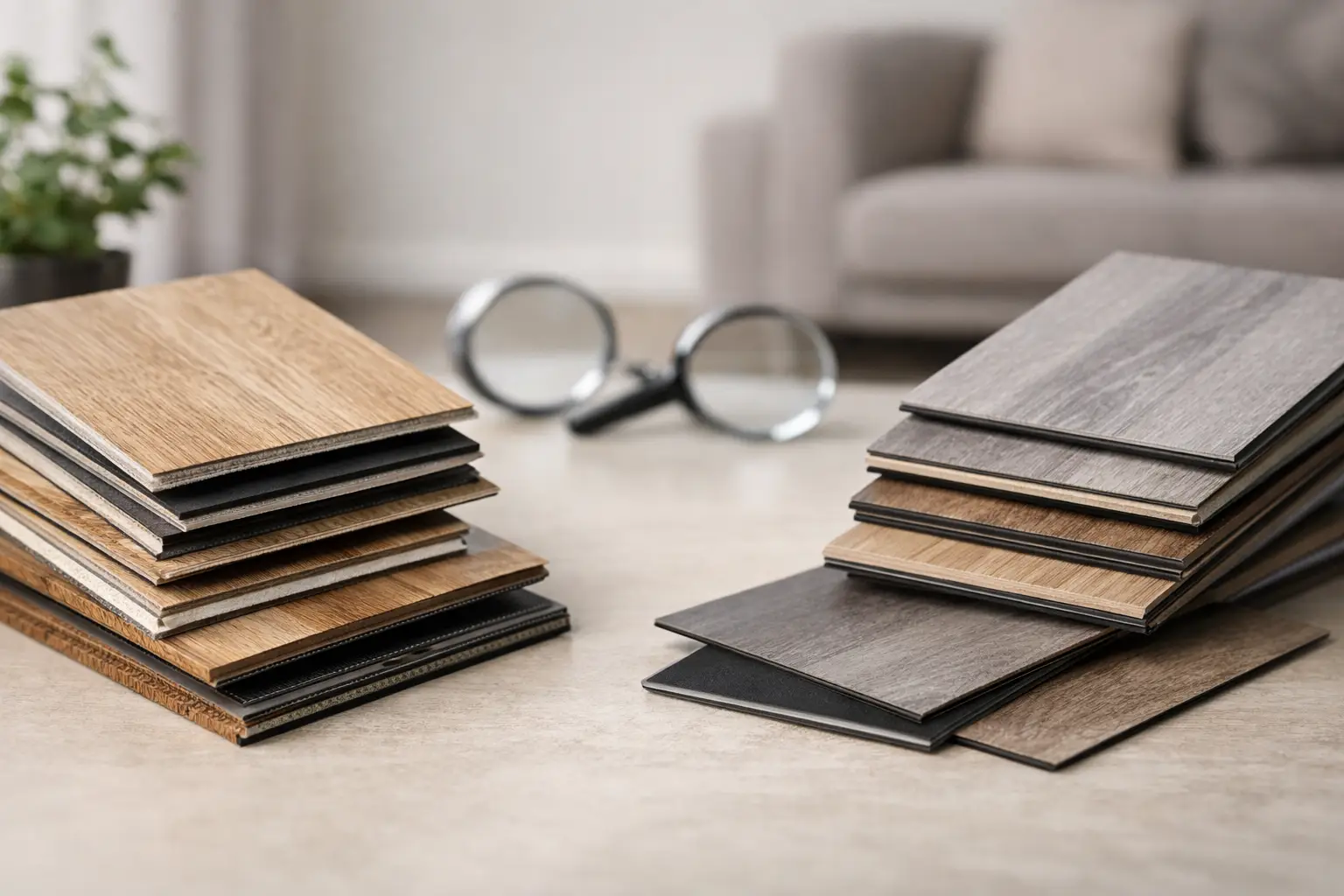
Before choosing a product, ask what the total thickness is, how thick the wear layer is, what the core is made from, and whether the board is suitable for your subfloor and traffic level. Also ask how the finished height will affect adjoining floors, doors and trims.
Those questions tell you far more than the sample board alone ever will. They also make it easier to separate premium engineered timber from cheaper lookalikes dressed up with clever marketing.
At Melbourne Quality Timber Flooring, that is usually where the better decisions start – not with a sales pitch, but with the practical details that affect the finished result.
If you are comparing engineered timber options, think beyond the number on the spec sheet. The right thickness should feel like it belongs in the space, work with the subfloor, and still look the part years after the install is done.