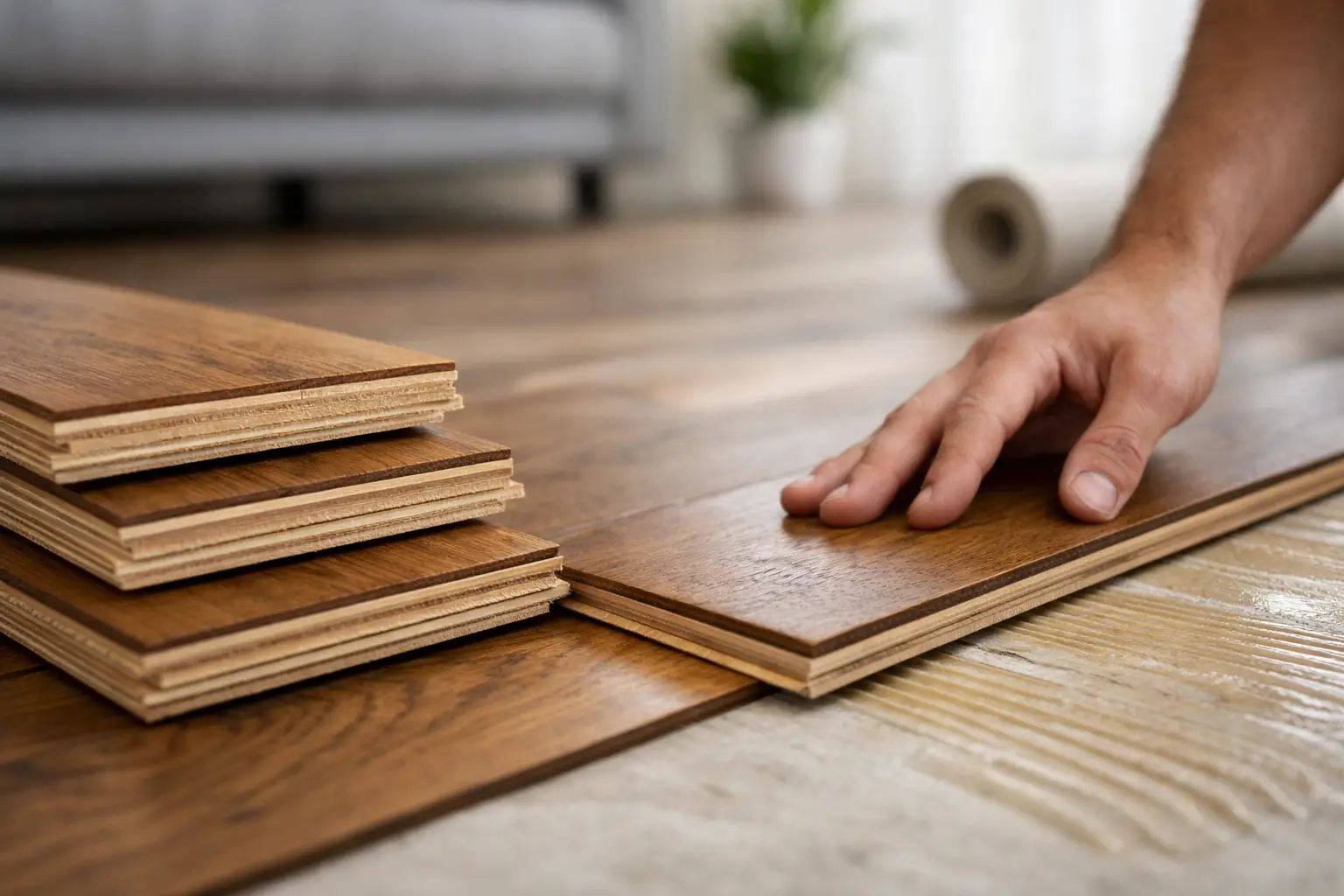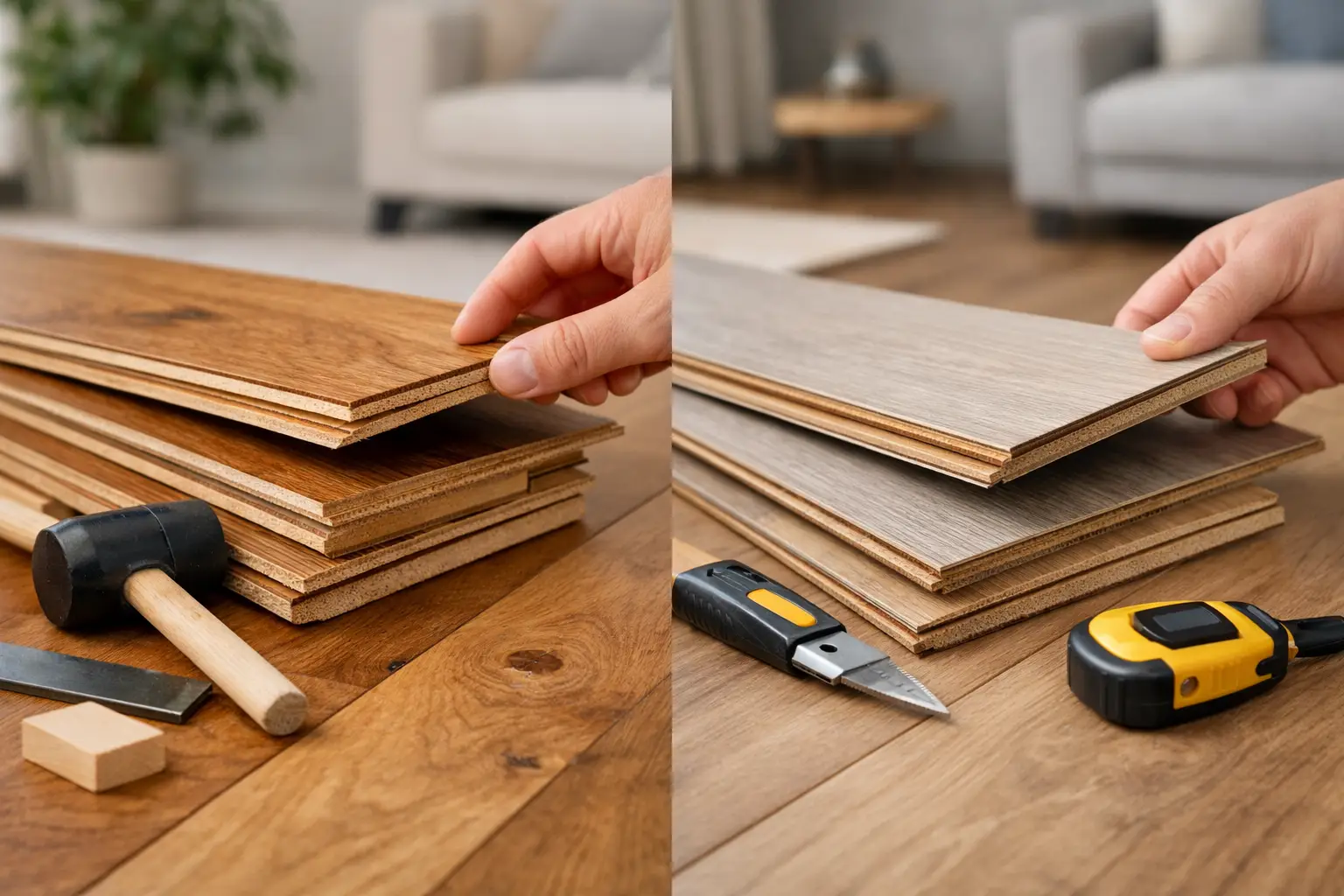
Picking a floor sounds simple until you are standing in a showroom holding six samples that all look identical under fluorescent lighting. At Melbourne Quality Timber Flooring, we walk homeowners back from costly missteps every week. This guide covers the mistakes that trip people up most often, so your new floor still looks right in ten years, not just on installation day.
Table of Contents
Key Takeaways
- Choosing by sample board alone almost always leads to disappointment once the full floor is laid.
- Skipping proper subfloor preparation is the single biggest cause of early flooring failure.
- Melbourne’s shifting climate genuinely affects which flooring performs well long term.
- Certification labels matter more than marketing language when judging sustainability claims.
- Budgeting for installation and preparation, not just materials, avoids nasty surprises.
Mistake One: Choosing By Sample Board Alone
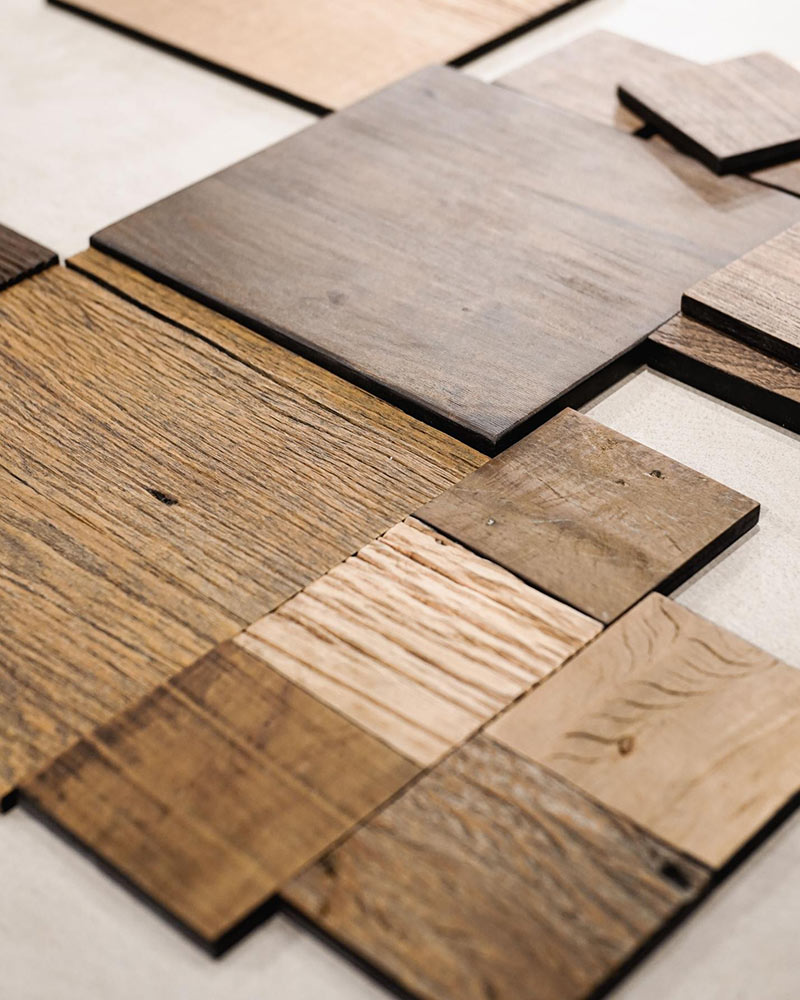
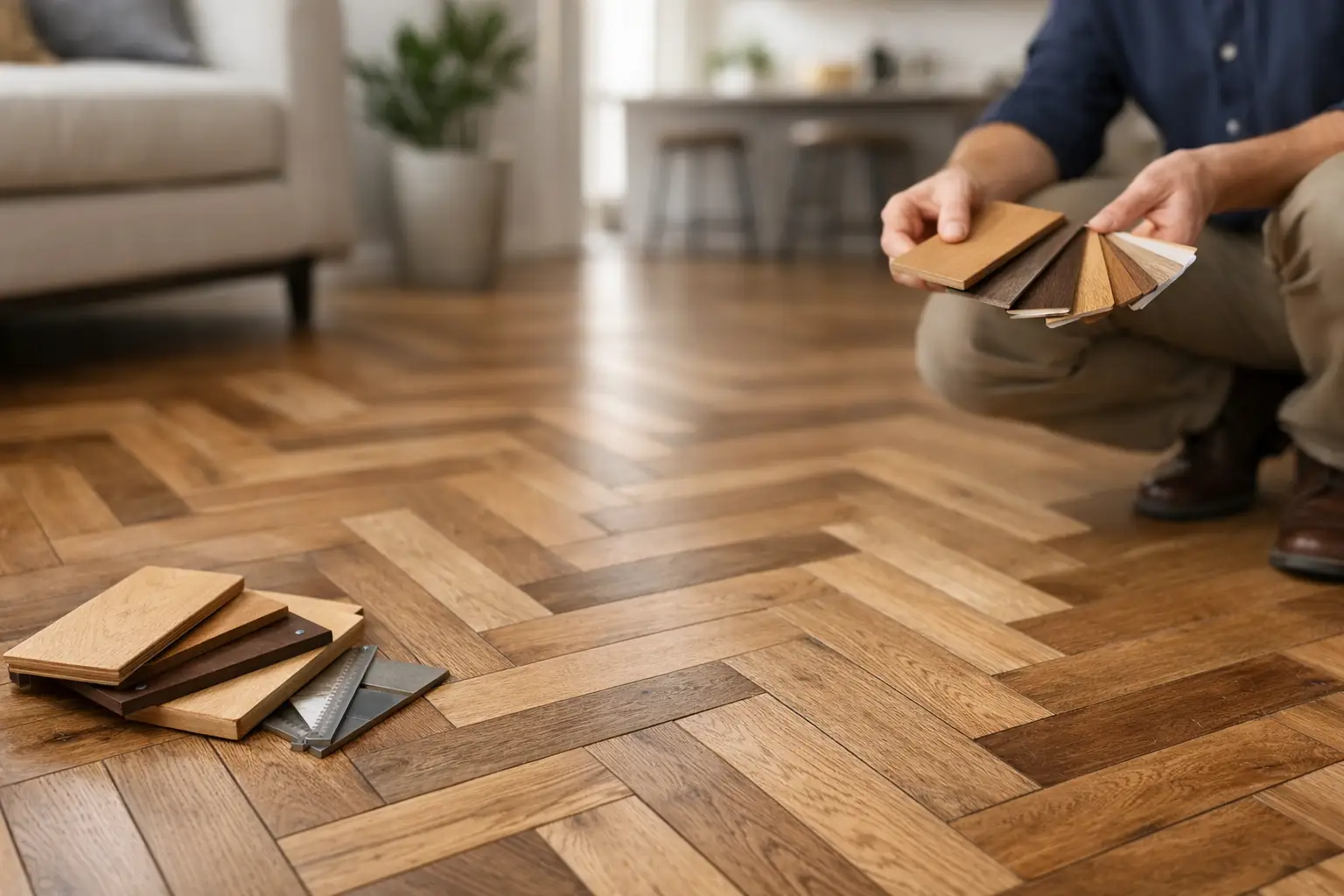
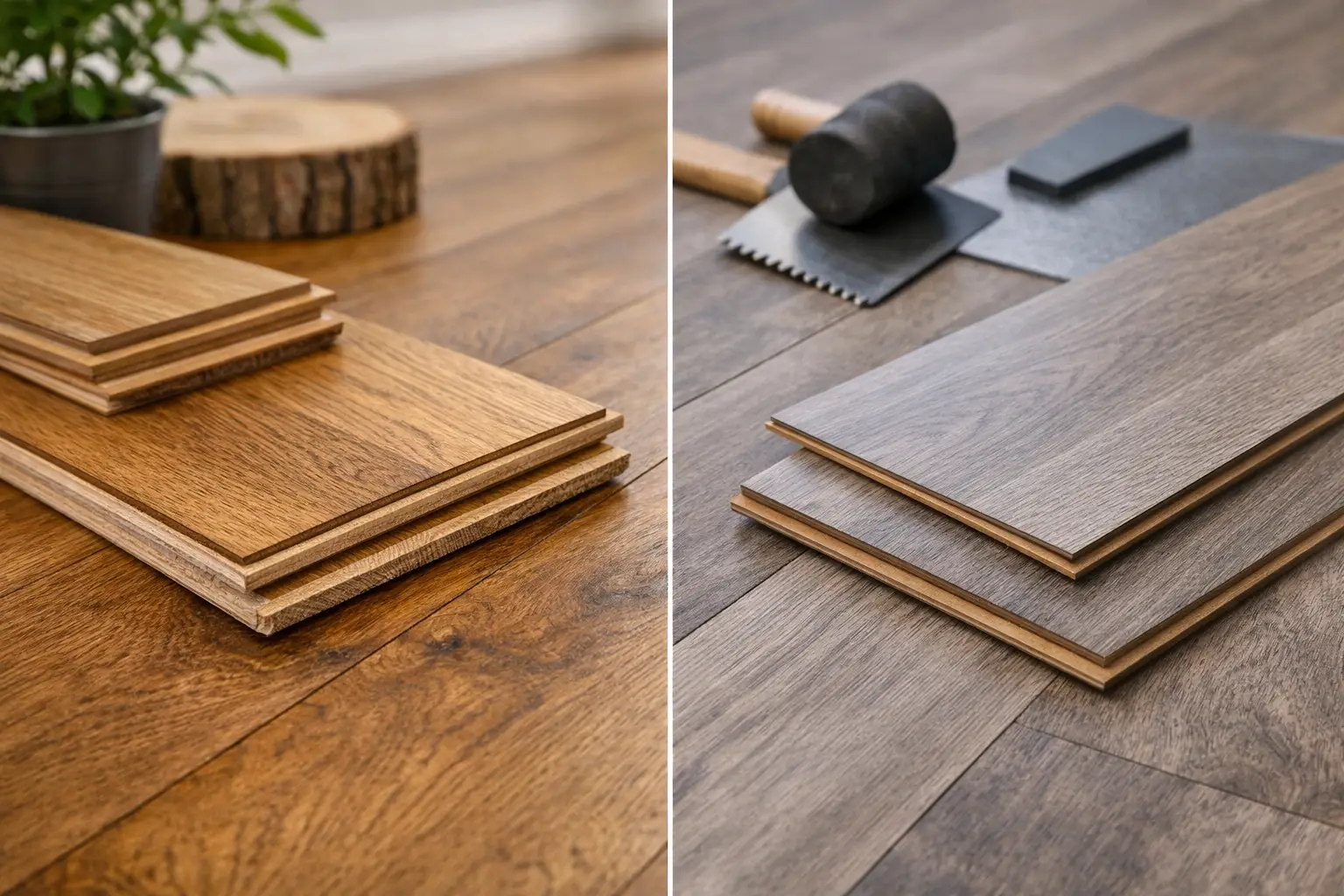
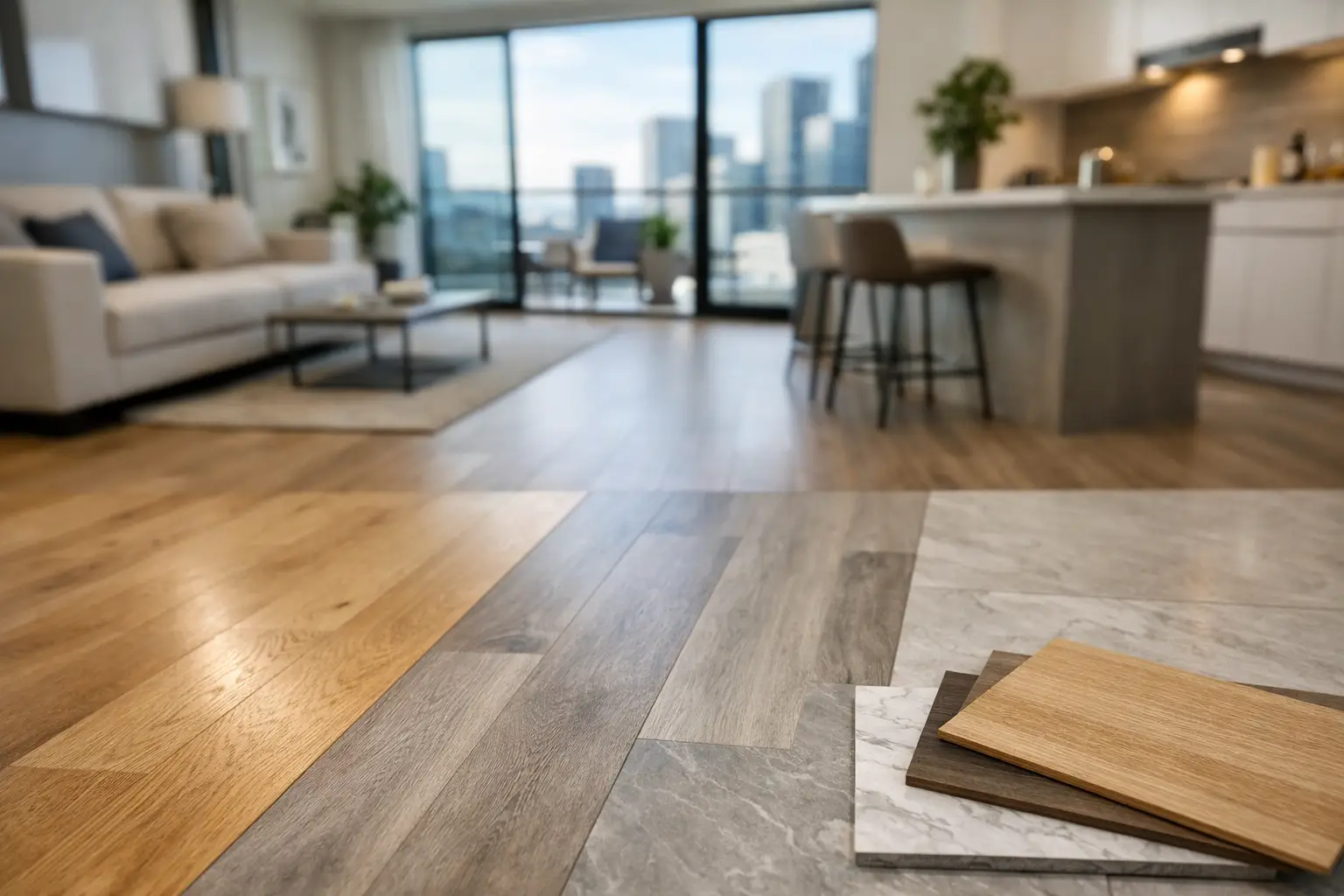
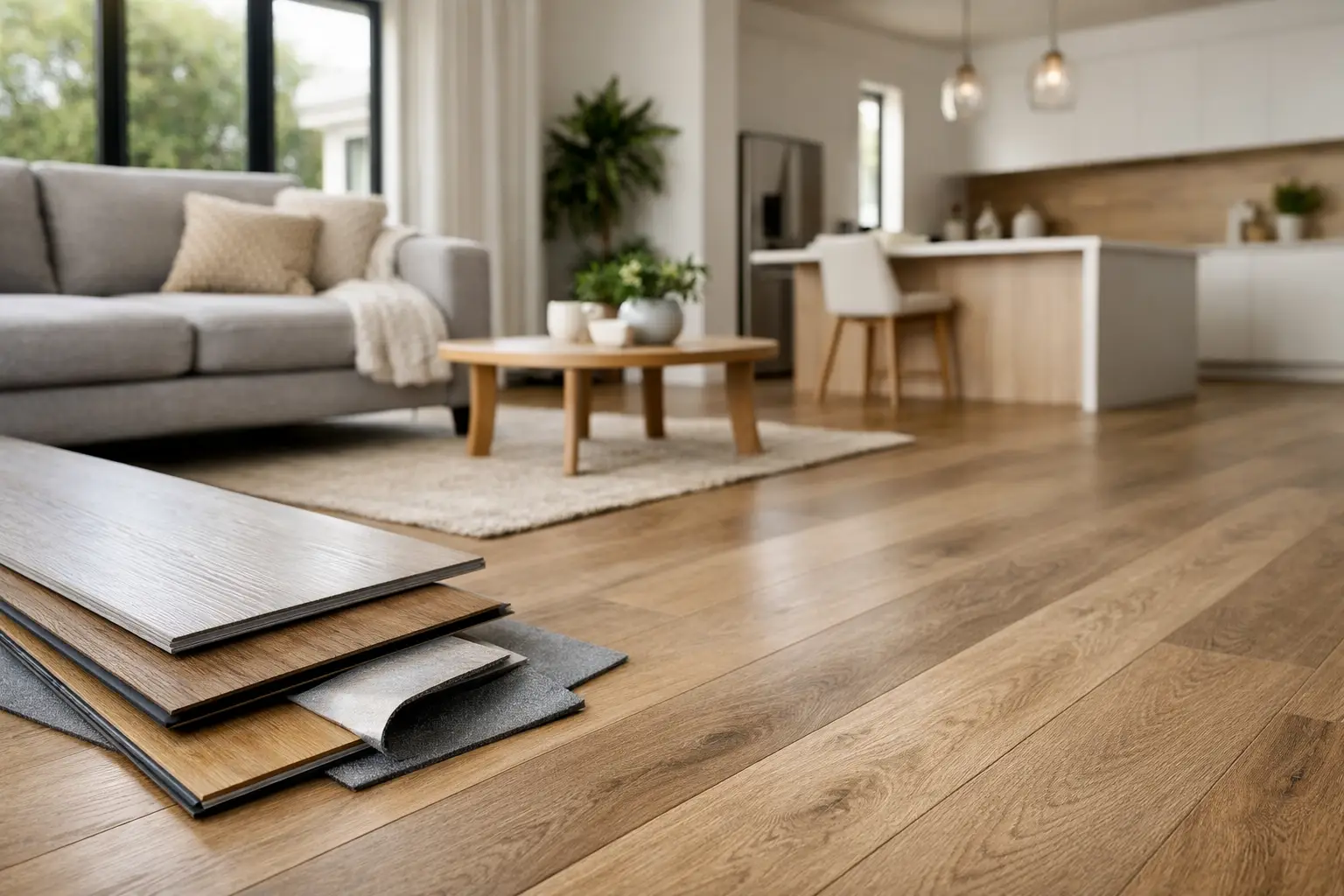
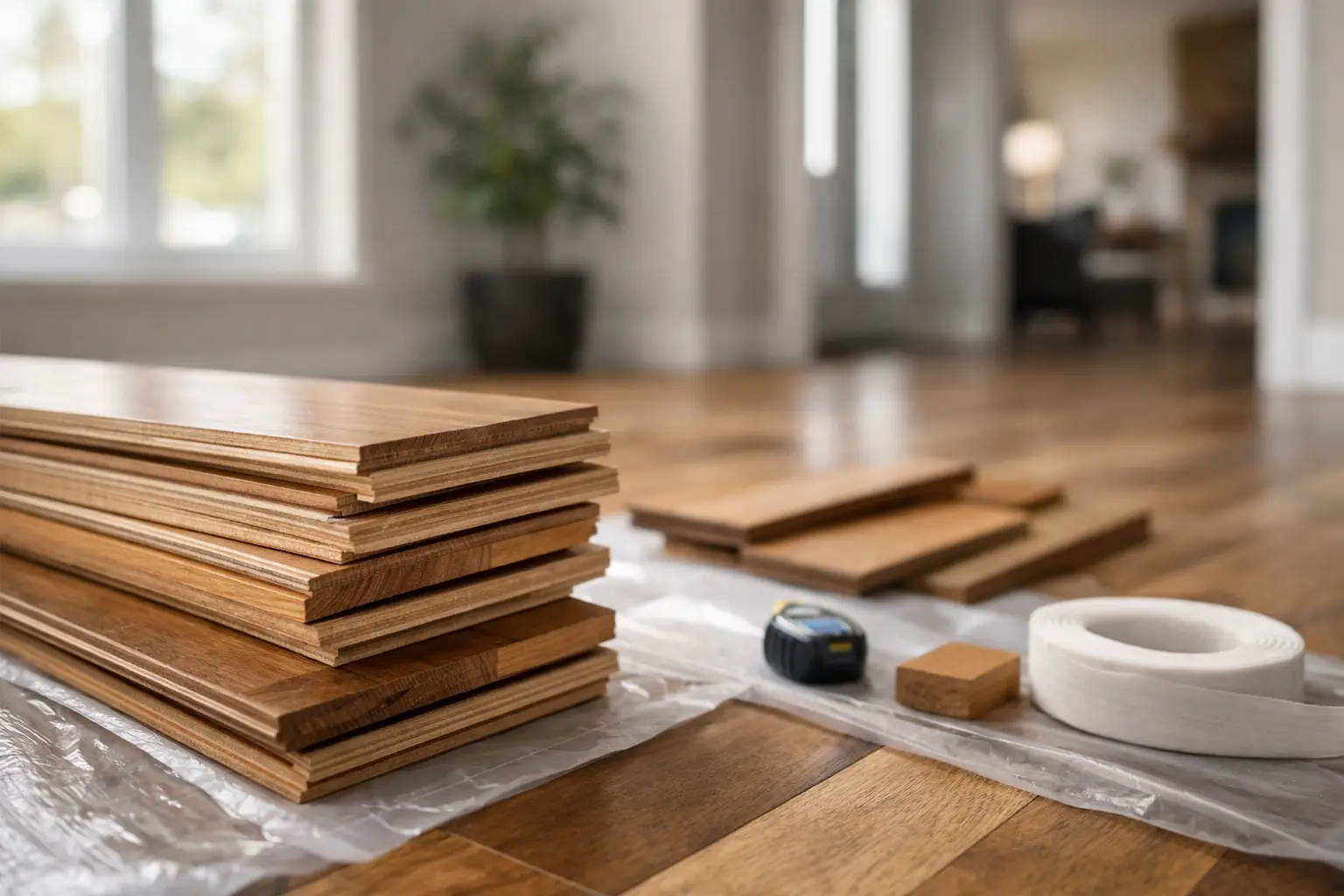
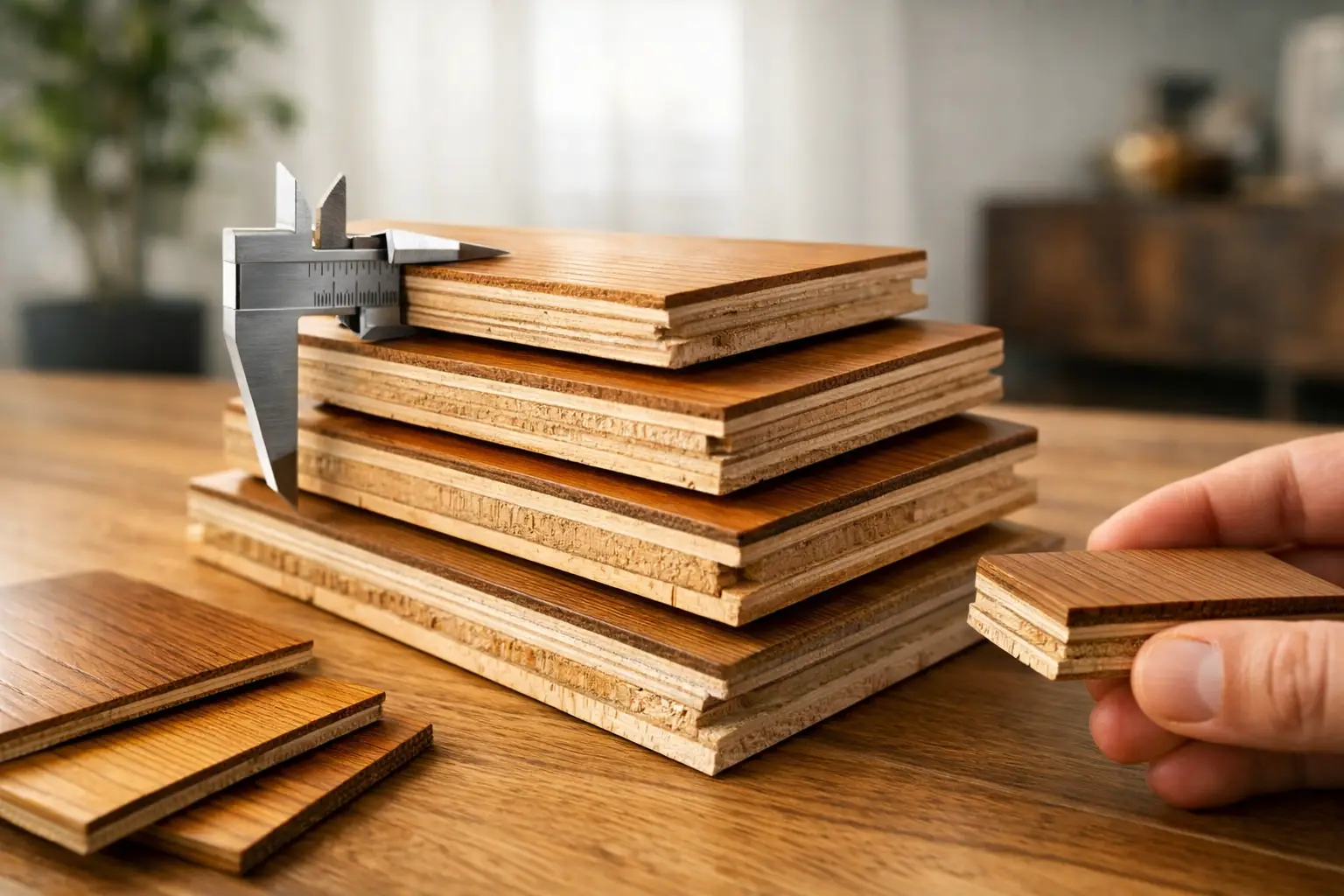
A small sample under showroom lighting rarely tells the whole story. Colour, grain and sheen can look noticeably different once a full floor is laid under natural light in your own home. It pays to take samples home, look at them morning and evening, and place them near existing furniture or cabinetry before committing. Houzz Australia’s rundown of renovation lessons people wish they had learned earlier makes a similar point about flooring specifically, noting that costs and expectations can blow out quickly once a full room is involved rather than a small swatch. It is also worth remembering that timber, in particular, varies naturally from board to board, so a single sample can never fully represent how an entire floor of the same species will look once it is down.
Mistake Two: Ignoring The Subfloor
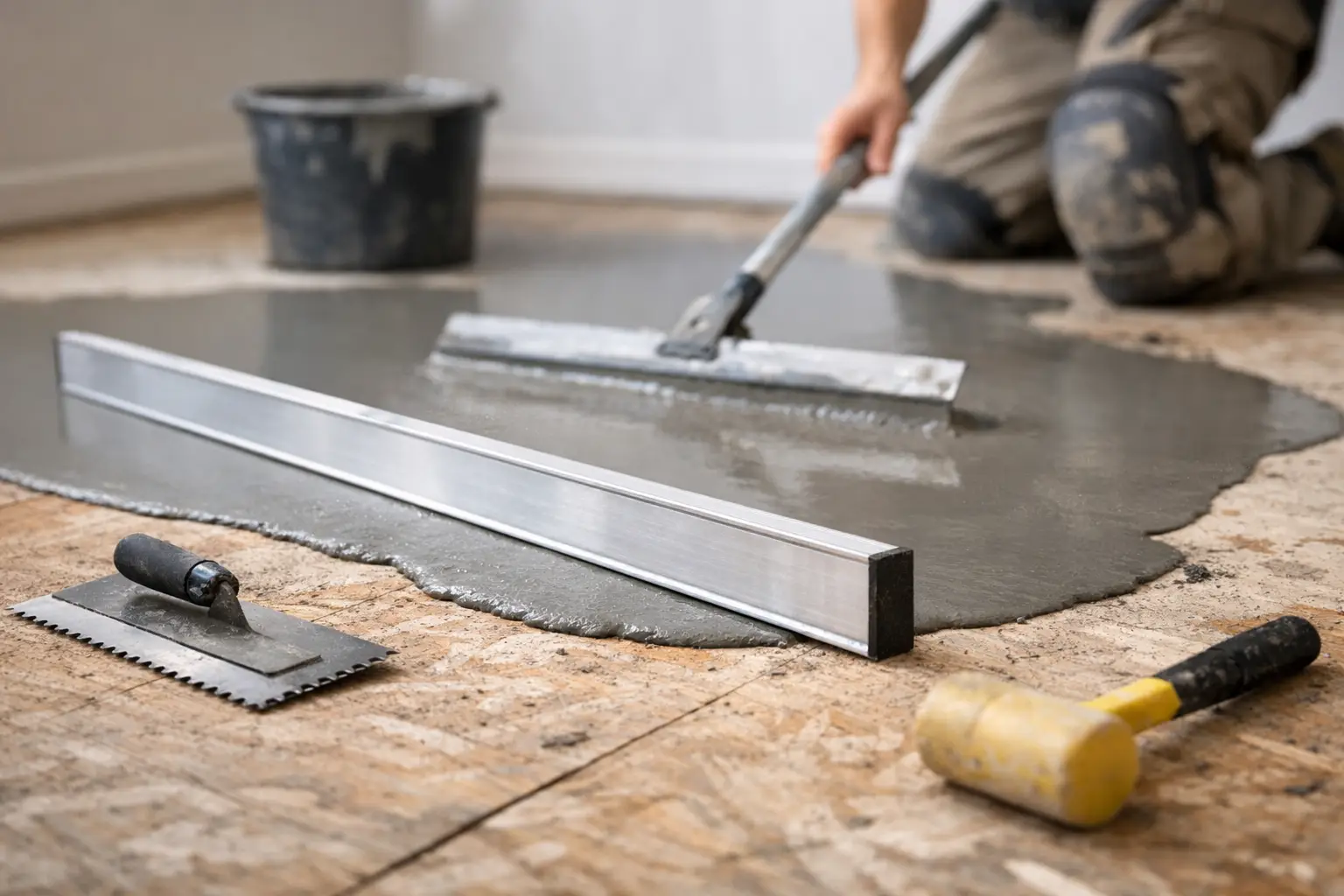
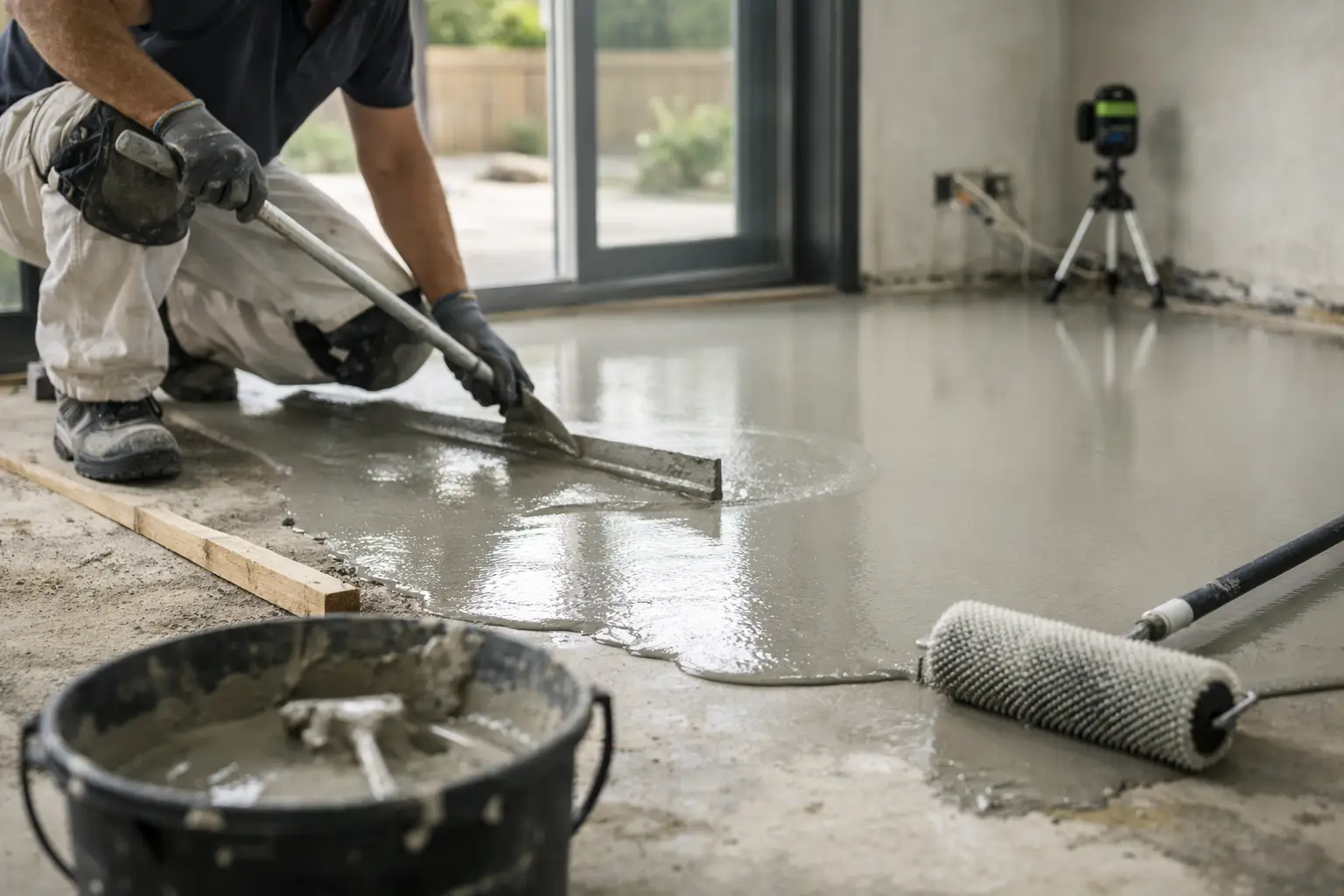
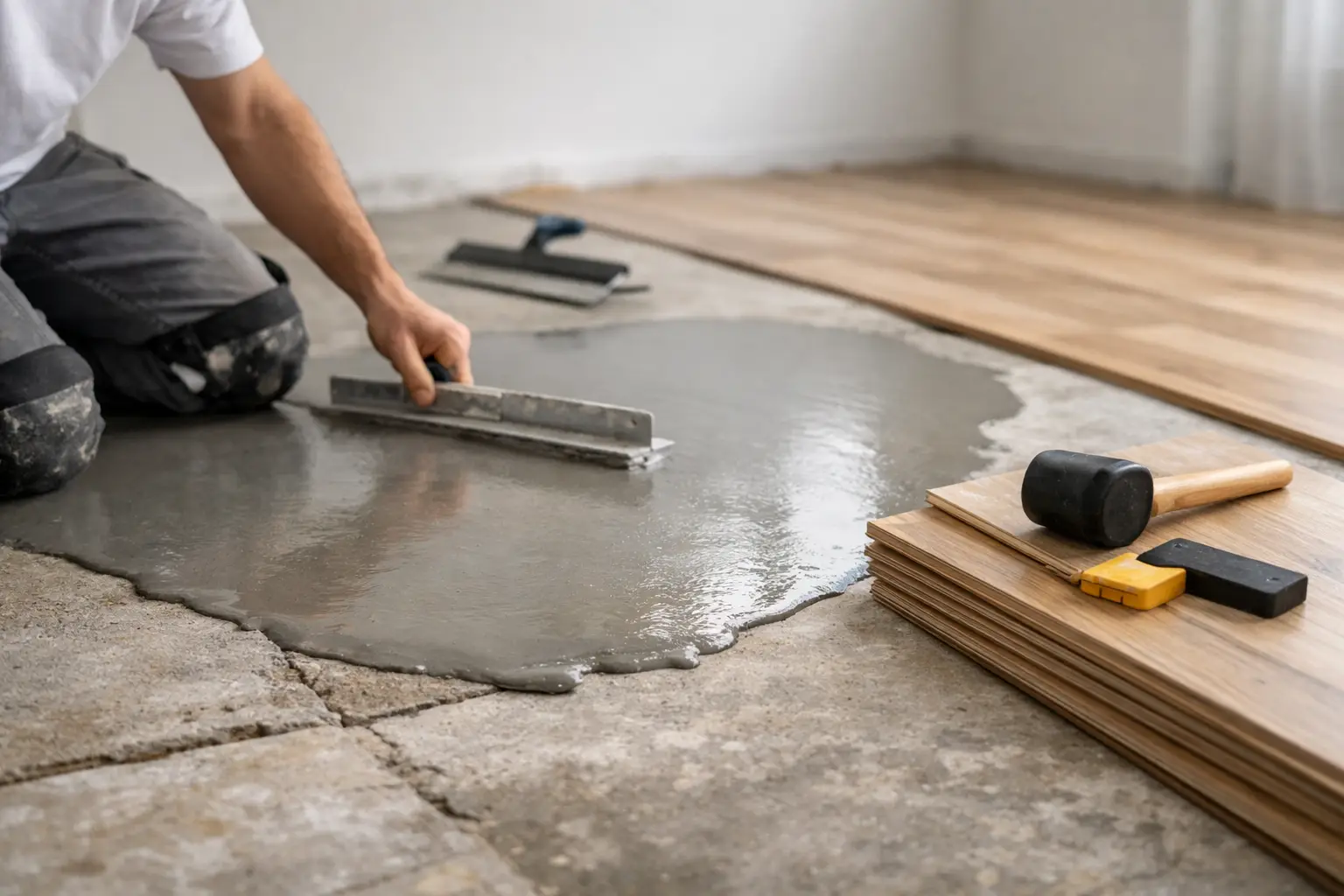
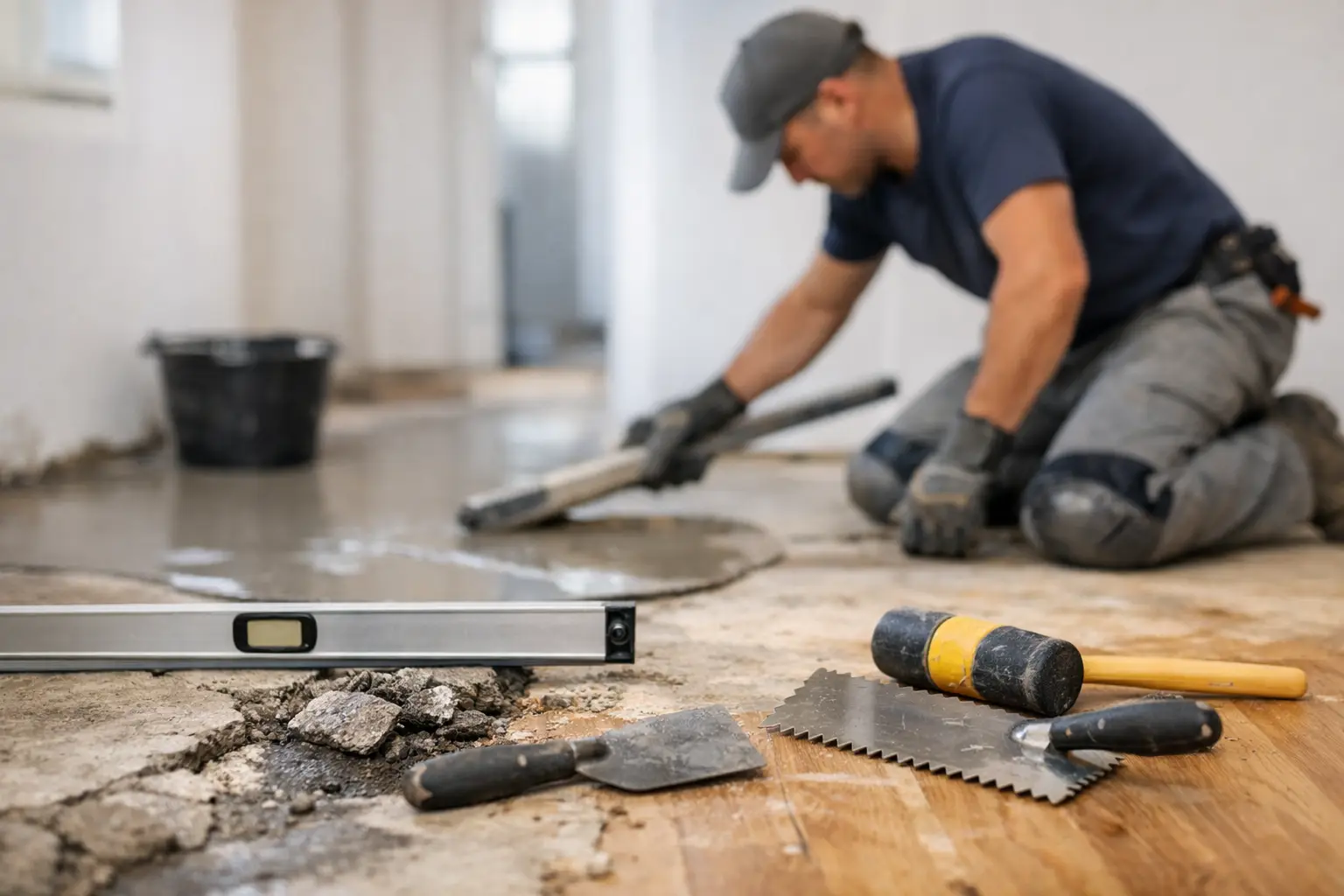
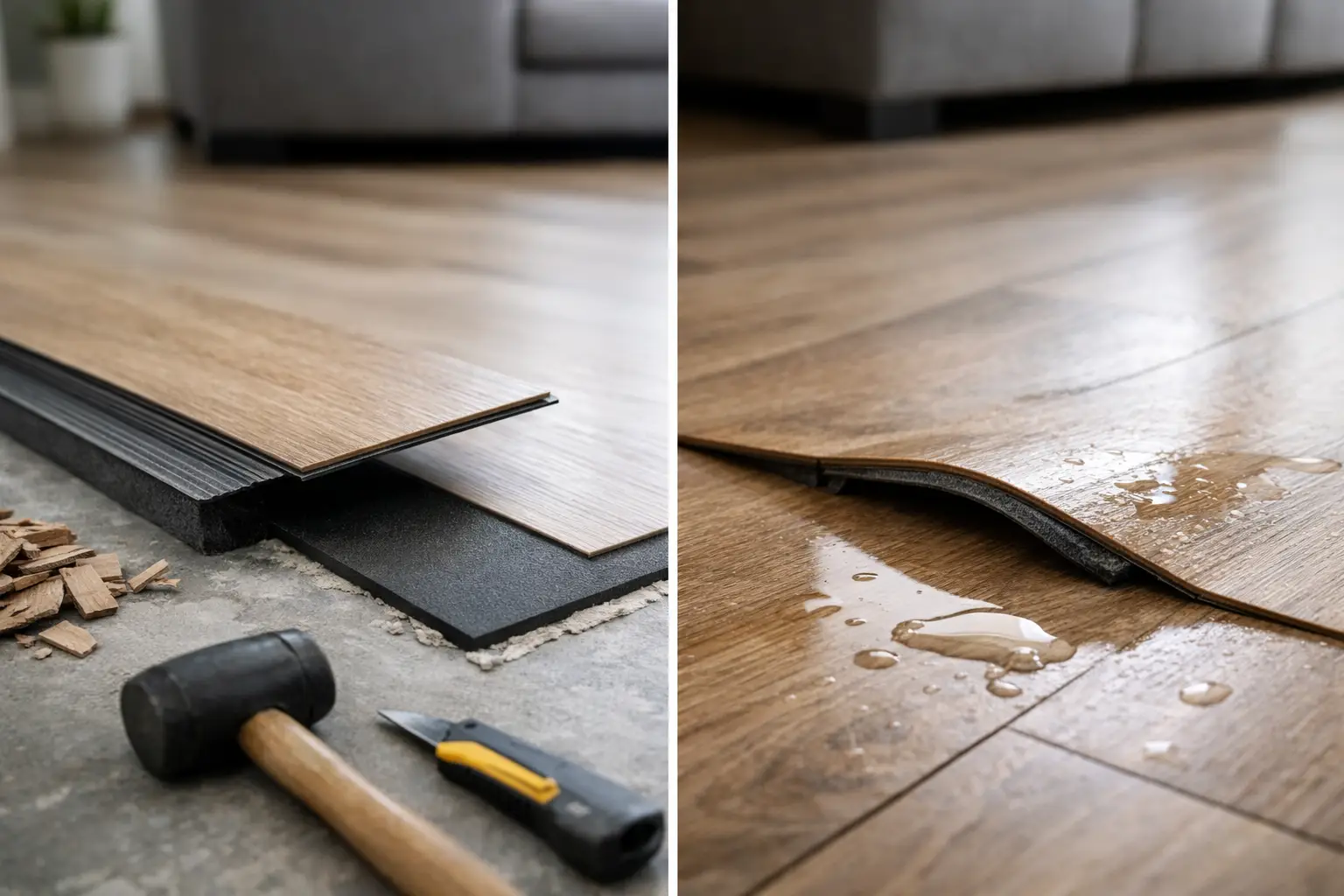
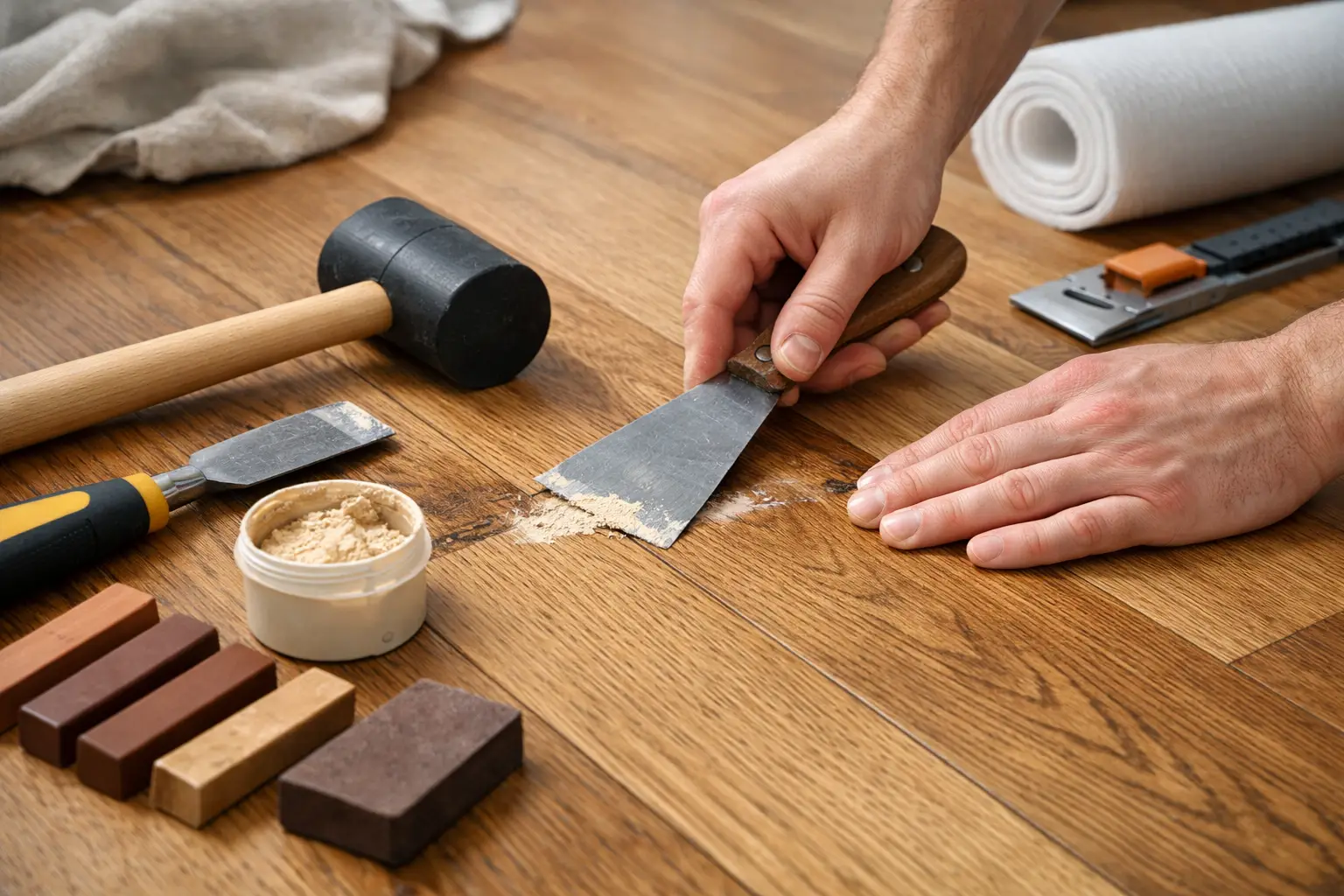
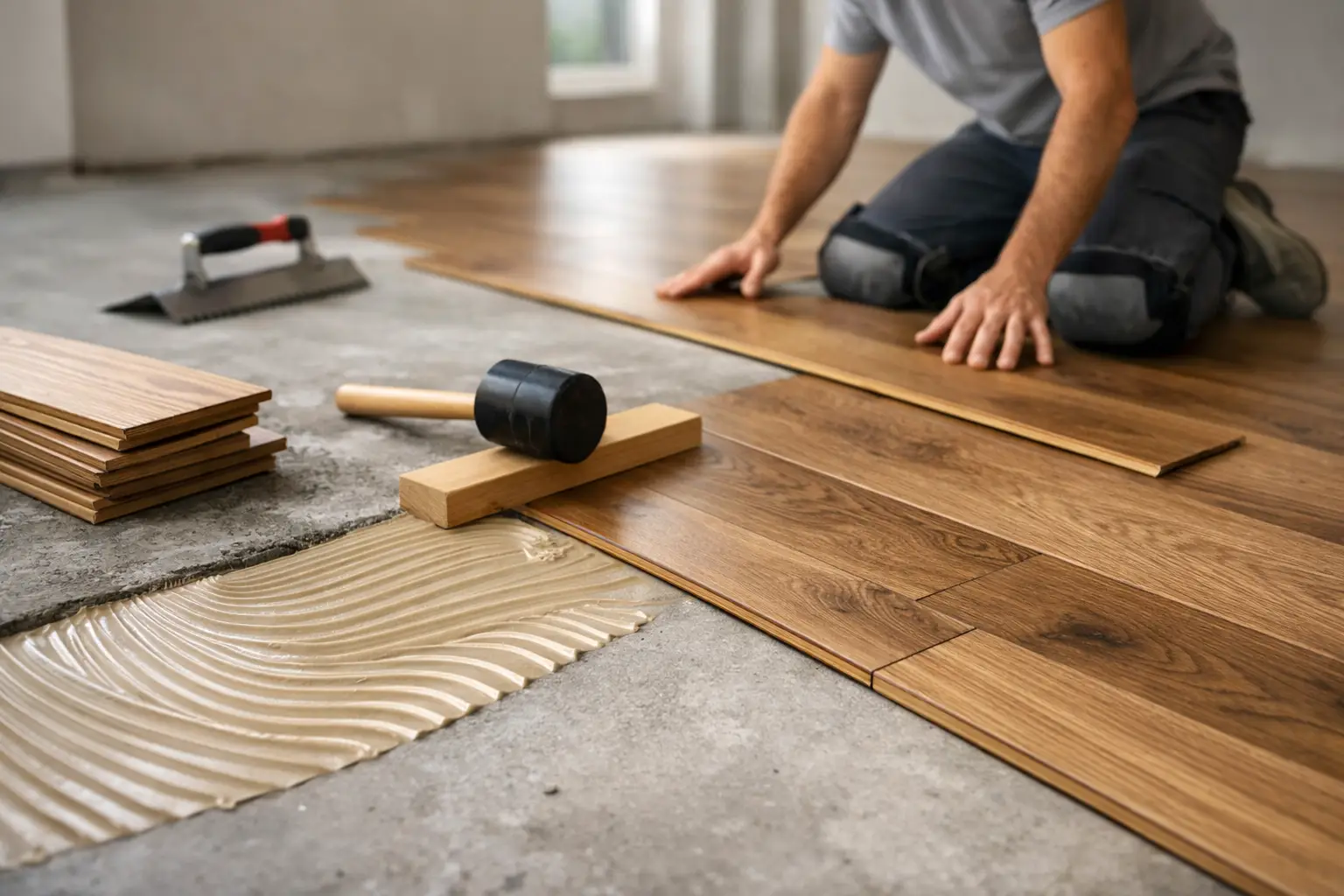
This is the mistake we see most often, and it is entirely avoidable. A subfloor that is uneven, damp or structurally unsound will undermine even the best flooring product, leading to squeaks, gaps, or premature wear within a year or two. Proper preparation, including levelling compound where needed, is not an optional extra. It is the difference between a floor that lasts decades and one that needs replacing far sooner than it should.
- Uneven subfloors cause hollow spots, creaking and visible movement underfoot.
- Excess moisture in concrete slabs can warp timber and hybrid products alike.
- Skipping preparation to save money almost always costs more later in repairs.
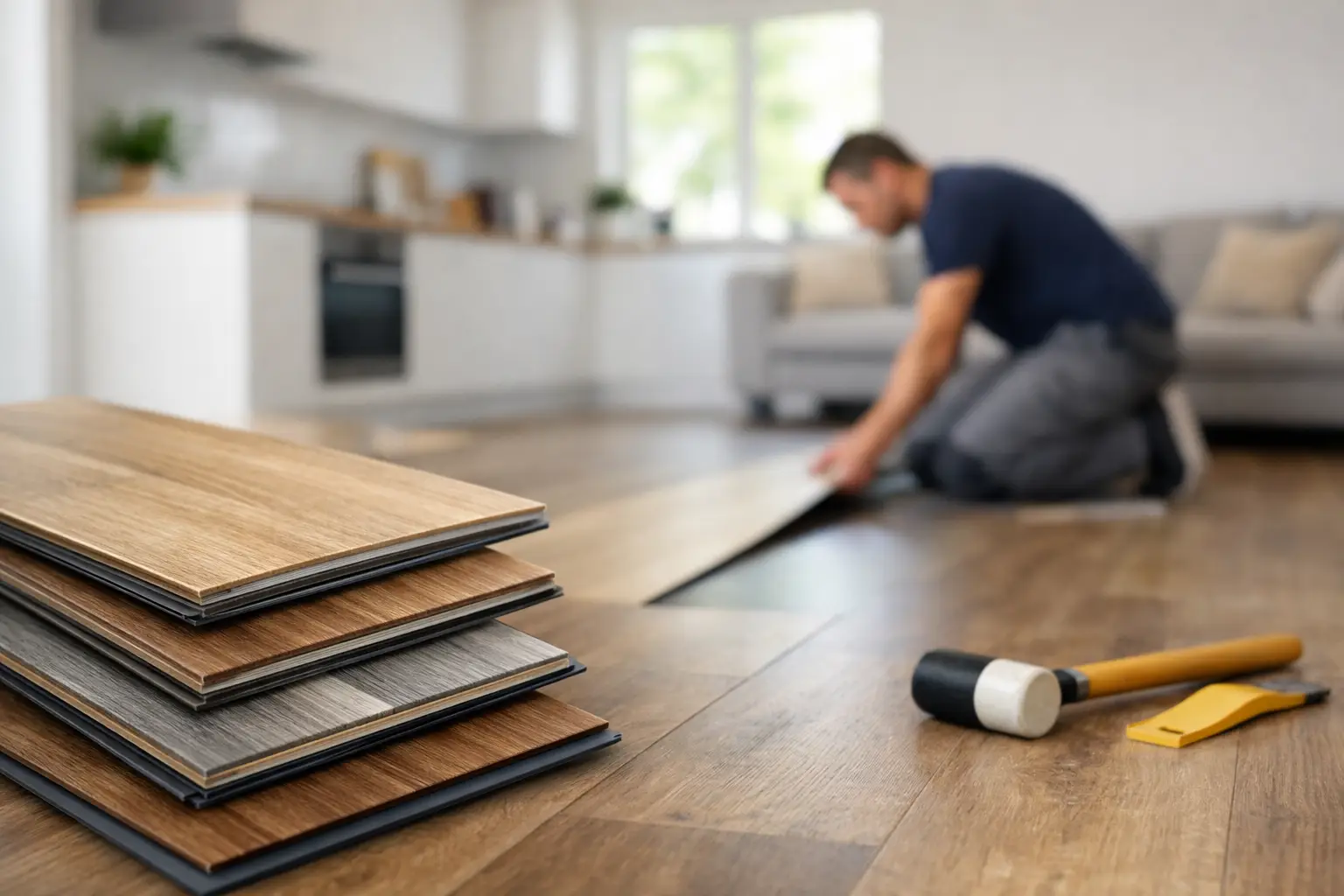
Range of services at Melbourne Quality Timber Flooring includes proper subfloor assessment and levelling as standard, since we would rather diagnose a problem before installation than explain it afterwards.
Mistake Three: Not Accounting For Melbourne’s Climate
Melbourne’s weather does not do anyone favours when it comes to flooring longevity. According to the Bureau of Meteorology’s climate data for the city, temperatures swing meaningfully across the seasons, and humidity varies considerably through the year. Timber is a hygroscopic material, meaning it absorbs and releases moisture depending on the surrounding air, so a floor chosen without that in mind can expand, contract or cup over time. Consider best flooring options which handle these swings best.
Mistake Four: Overlooking Certification And Sustainability
Sustainability claims on flooring packaging are not always what they seem. The Forest Stewardship Council notes that genuine certification tracks timber from a responsibly managed forest all the way through the supply chain to the finished product, which is a meaningfully higher bar than a vague sustainability claim on a brochure. The Green Building Council of Australia similarly points to third party certification as the difference between a product genuinely built for a lower environmental footprint and one simply marketed that way. If sustainability matters to you, ask for the certification, not just the assurance.
Mistake Five: Underestimating The Full Cost
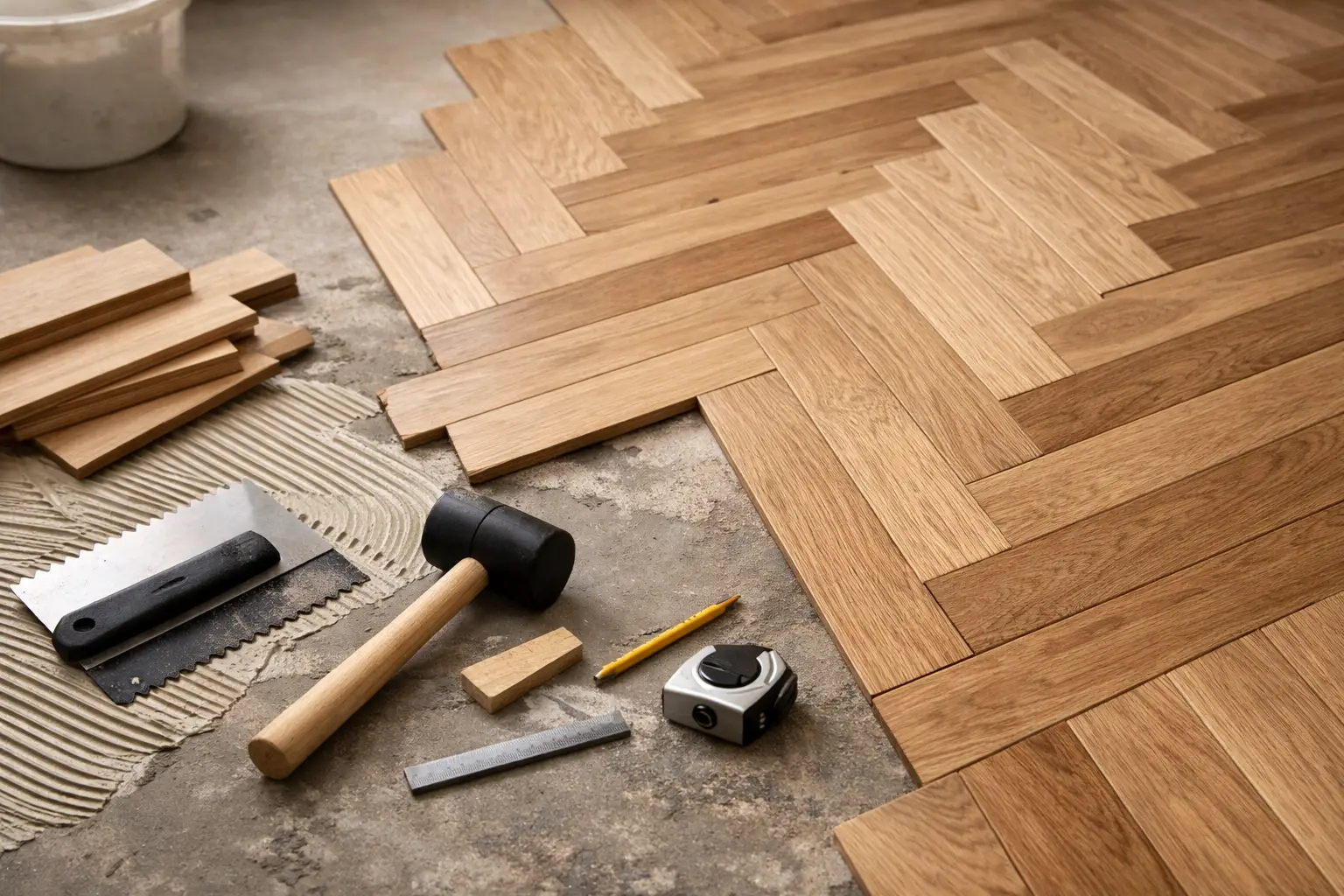
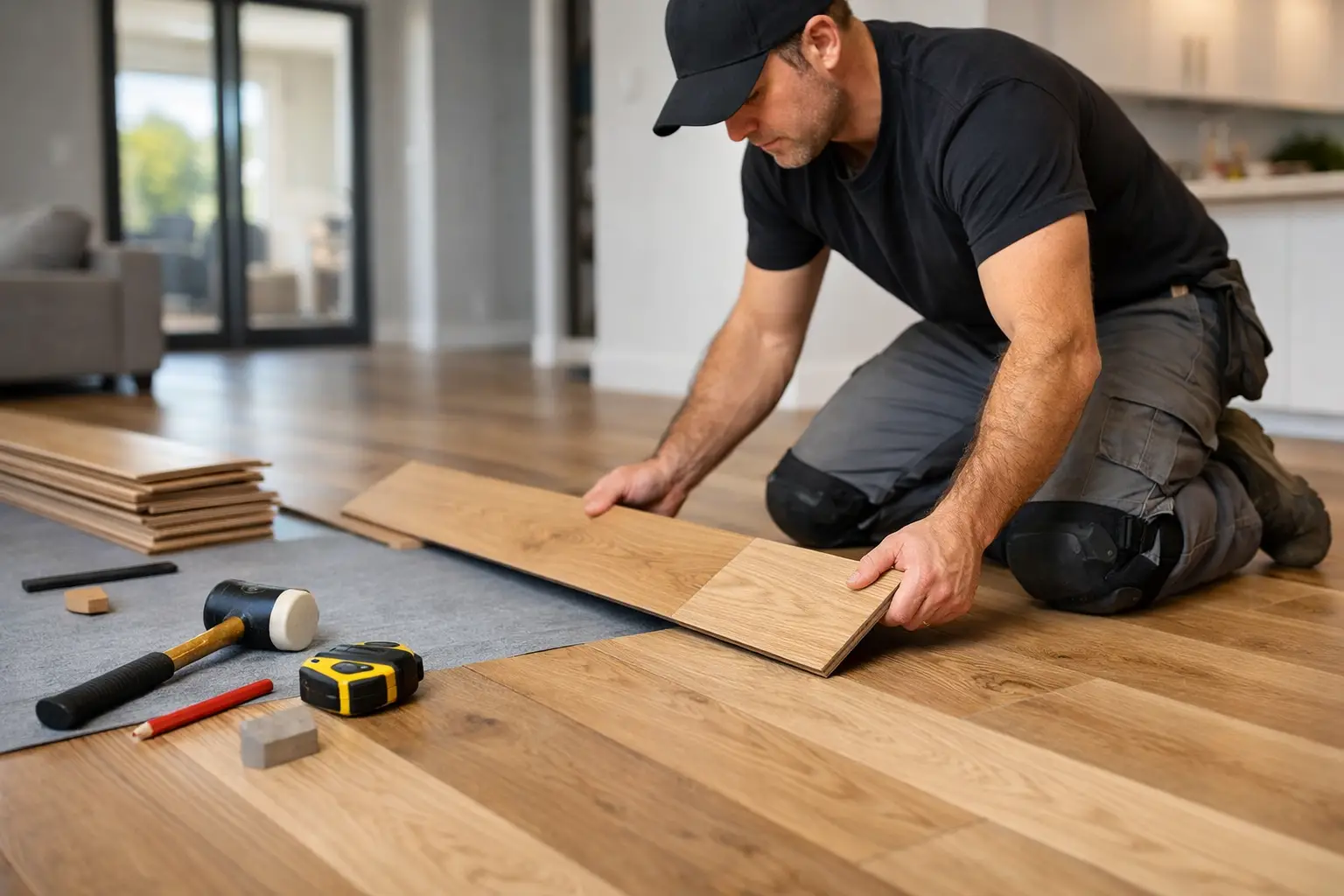
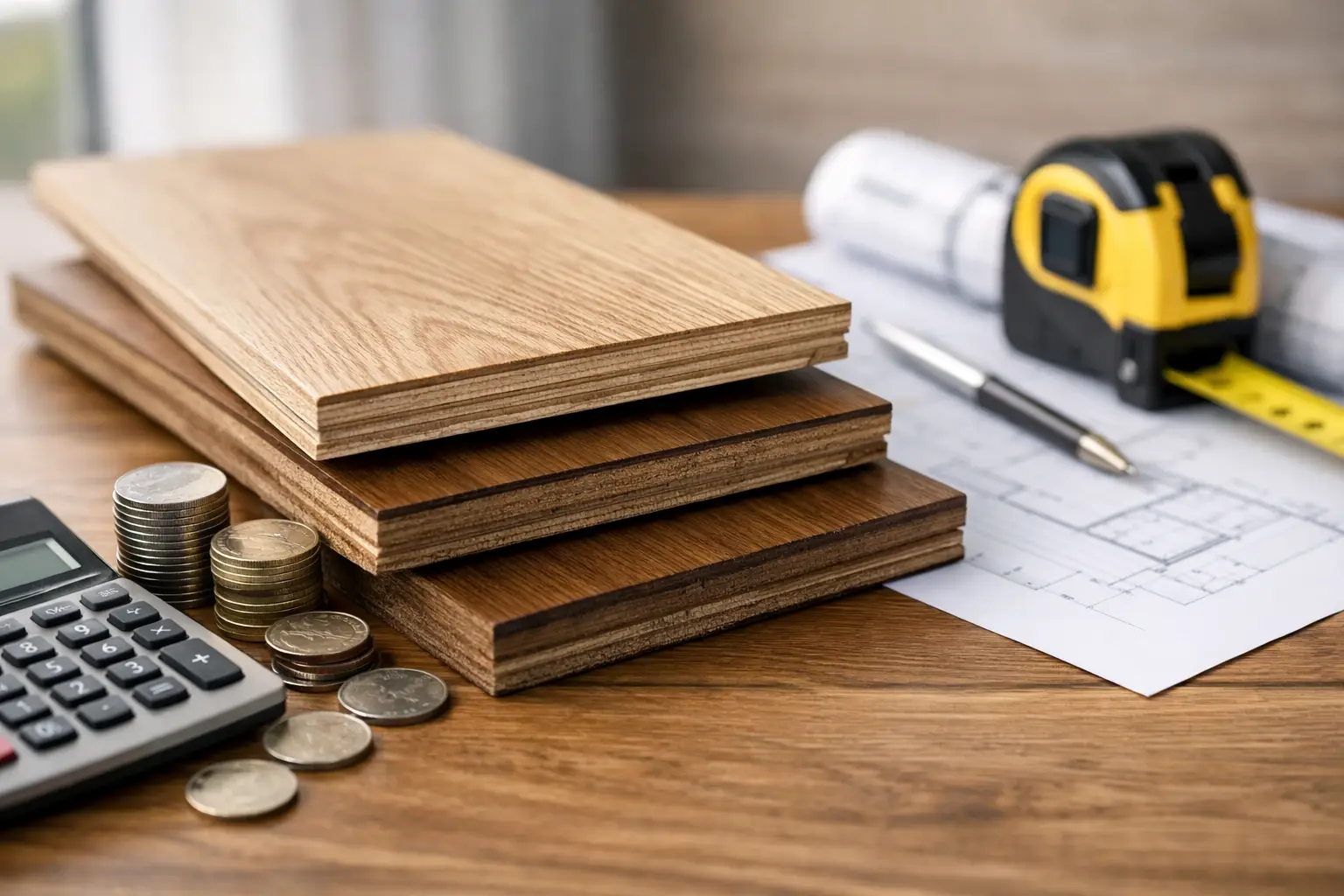
Materials are only part of the budget. Installation, subfloor preparation, carpet or tile removal, and skirting replacement can all add up beyond the headline price per square metre. Domain’s coverage of common renovation mistakes highlights budgeting as one of the most frequent trip ups across renovation projects generally, and flooring is far from immune to that pattern. Getting a detailed, written quote before committing avoids the unpleasant surprise of a final bill that looks nothing like the estimate you budgeted around. A quote that only lists a price per square metre for materials, with no mention of labour or preparation, should always prompt a follow up question rather than a signature.
- Ask whether the quote includes subfloor preparation, not just the flooring itself.
- Confirm whether removal of existing flooring is included or charged separately.
- Get everything in writing before work begins, not as a verbal estimate.
Mistake Six: Picking The Wrong Product For The Room
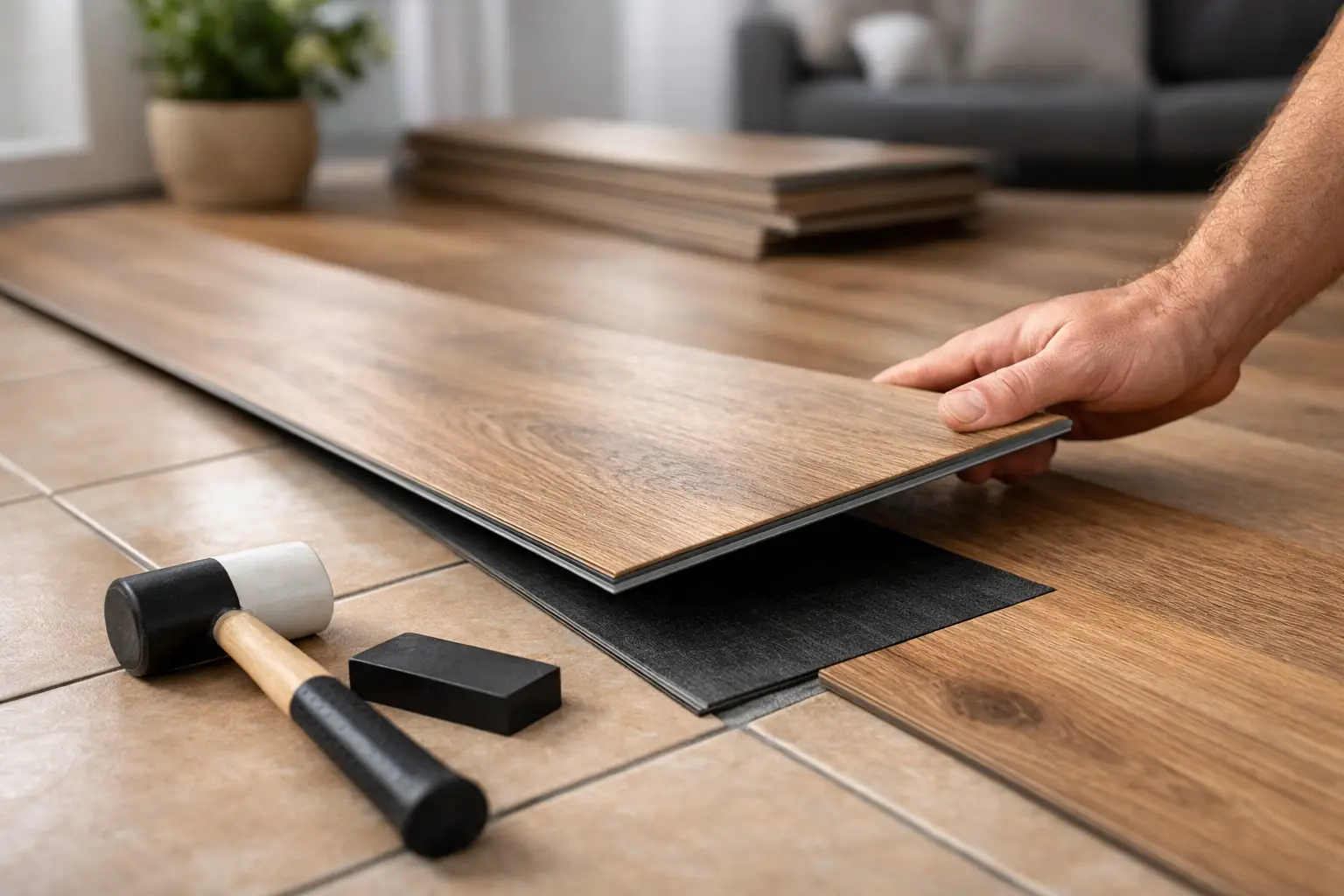
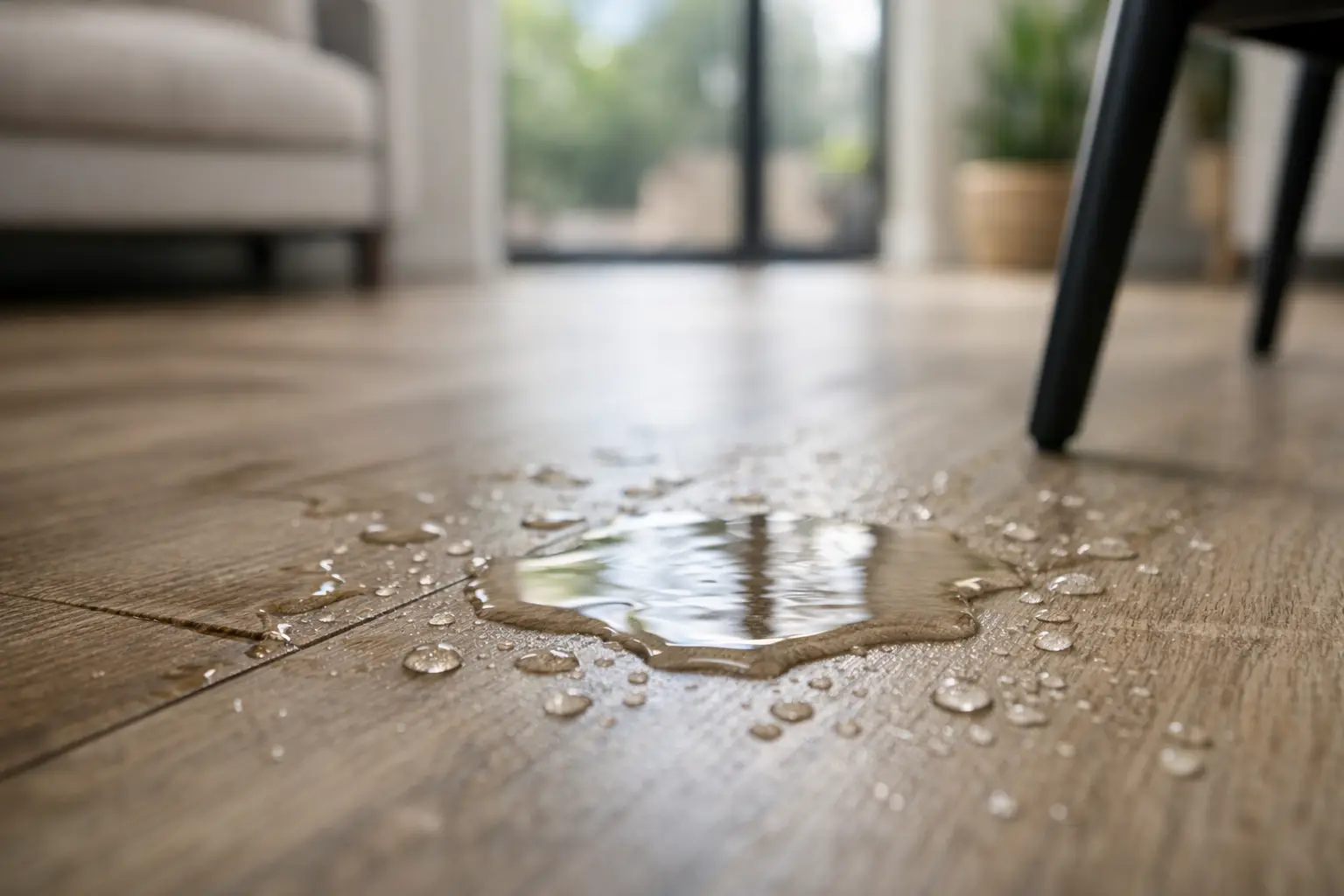
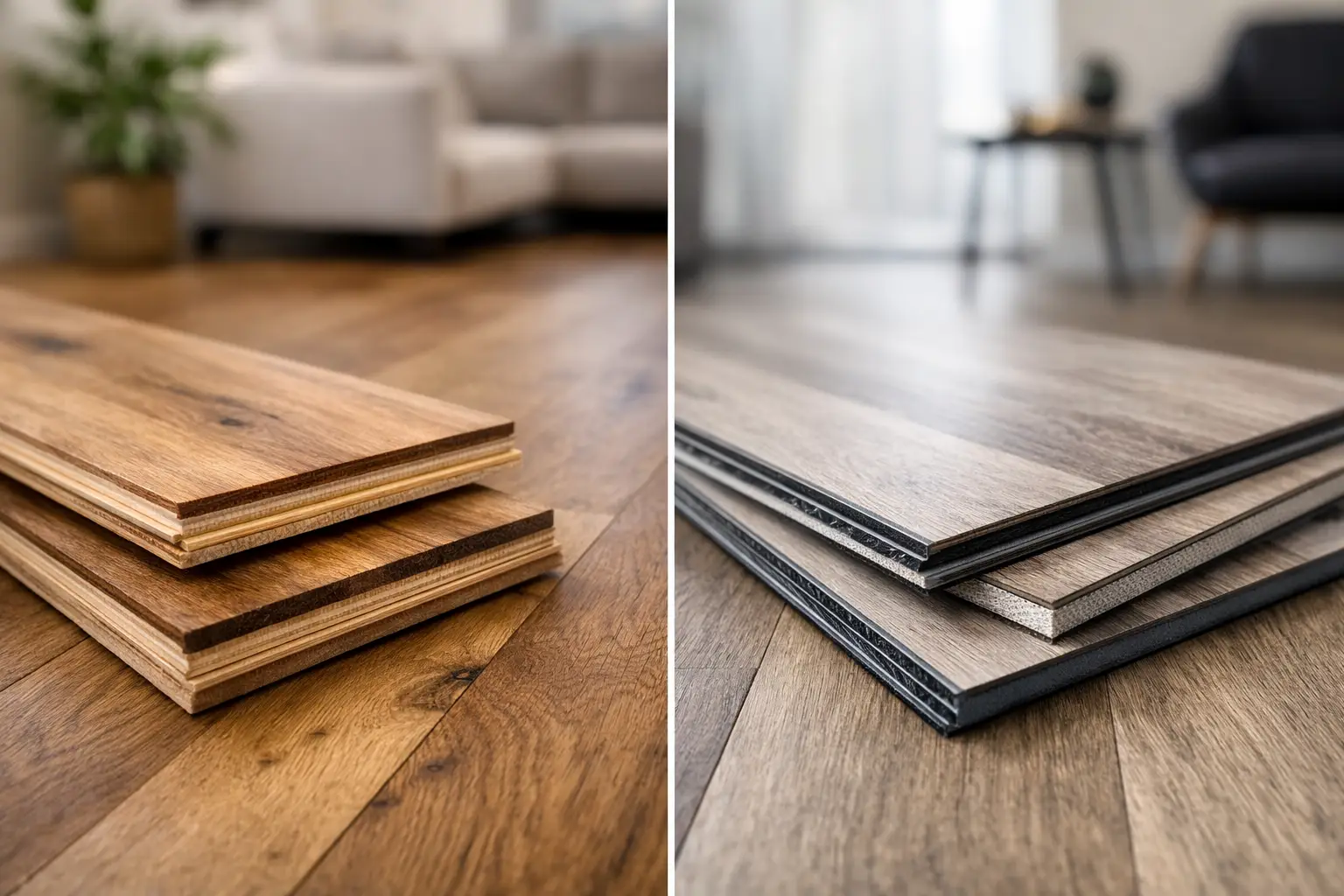
Not every flooring type suits every space. A beautiful solid timber floor is a poor choice for a laundry, while a fully waterproof hybrid product might be overkill for a formal living room that rarely sees moisture. Matching the product to how a room actually gets used, rather than how it looks in isolation, avoids a mismatch that becomes obvious within a year. Industry guidance from the Australasian Timber Flooring Association reinforces this, noting that moisture content and in service conditions should genuinely shape product choice rather than aesthetics alone. Even within a single home, it is common and entirely sensible to use different flooring types room by room, rather than forcing one product to perform well everywhere.
A Quick Checklist Before You Commit
- View samples in your own home under natural light, not just showroom lighting.
- Ask specifically how the subfloor will be assessed and prepared.
- Consider Melbourne’s climate and how the product handles humidity swings.
- Request certification details if sustainability genuinely matters to your decision.
- Get a full, written quote covering preparation, installation and removal.
- Match the flooring type to the room’s actual daily use, not just its appearance.
Conclusion
Choosing flooring well comes down to a handful of details most people never think to check. If you would like an honest assessment of your space before you commit to a product, contact us and our team will help you get it right the first time.
FAQs:
Why does subfloor preparation matter so much for new flooring?
An uneven or damp subfloor undermines even premium flooring, causing early wear, gaps or movement underfoot.
Should I choose flooring based on a small sample alone?
No, take samples home and view them in natural light before committing to a full room.
How does Melbourne’s climate affect flooring choice?
Humidity and temperature swings can cause timber to expand or contract, so product choice should account for this.
What should a flooring quote actually include?
A proper quote should cover materials, installation, subfloor preparation and any removal of existing flooring.
Are sustainability claims on flooring always reliable?
Not always, genuine certification from bodies like FSC is a more reliable indicator than general marketing language.
Can the same flooring type suit every room in a house?
Not usually, wet areas and high traffic zones often need different products to formal, low traffic living spaces.