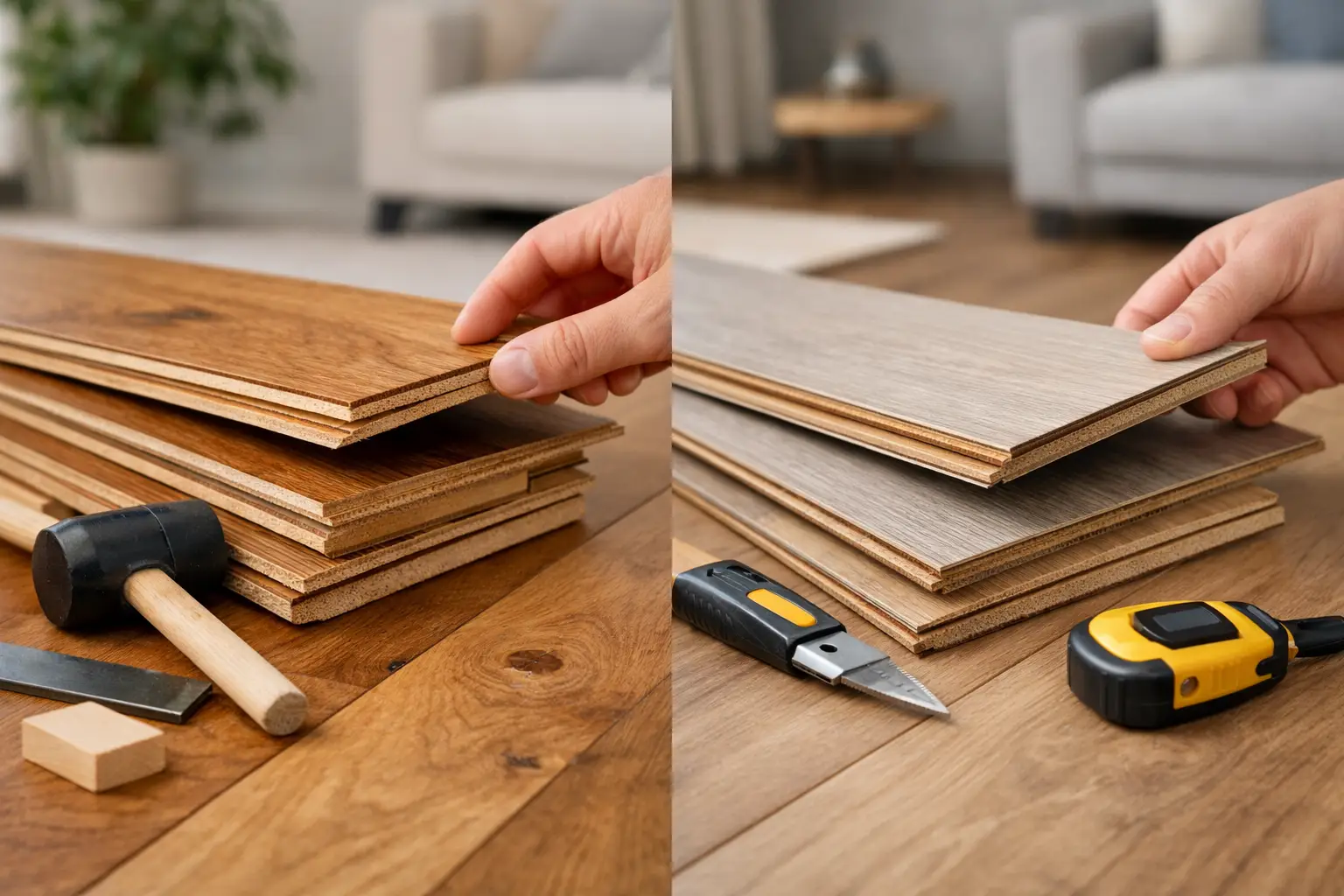
An apartment floor has to do more than look good. It needs to handle daily wear, keep noise down for the people below, suit the subfloor, and in many cases meet strata requirements. That is why the best flooring for apartments is rarely a one-size-fits-all answer. The right choice depends on how you live, what the building allows, and how well the floor is prepared before installation.
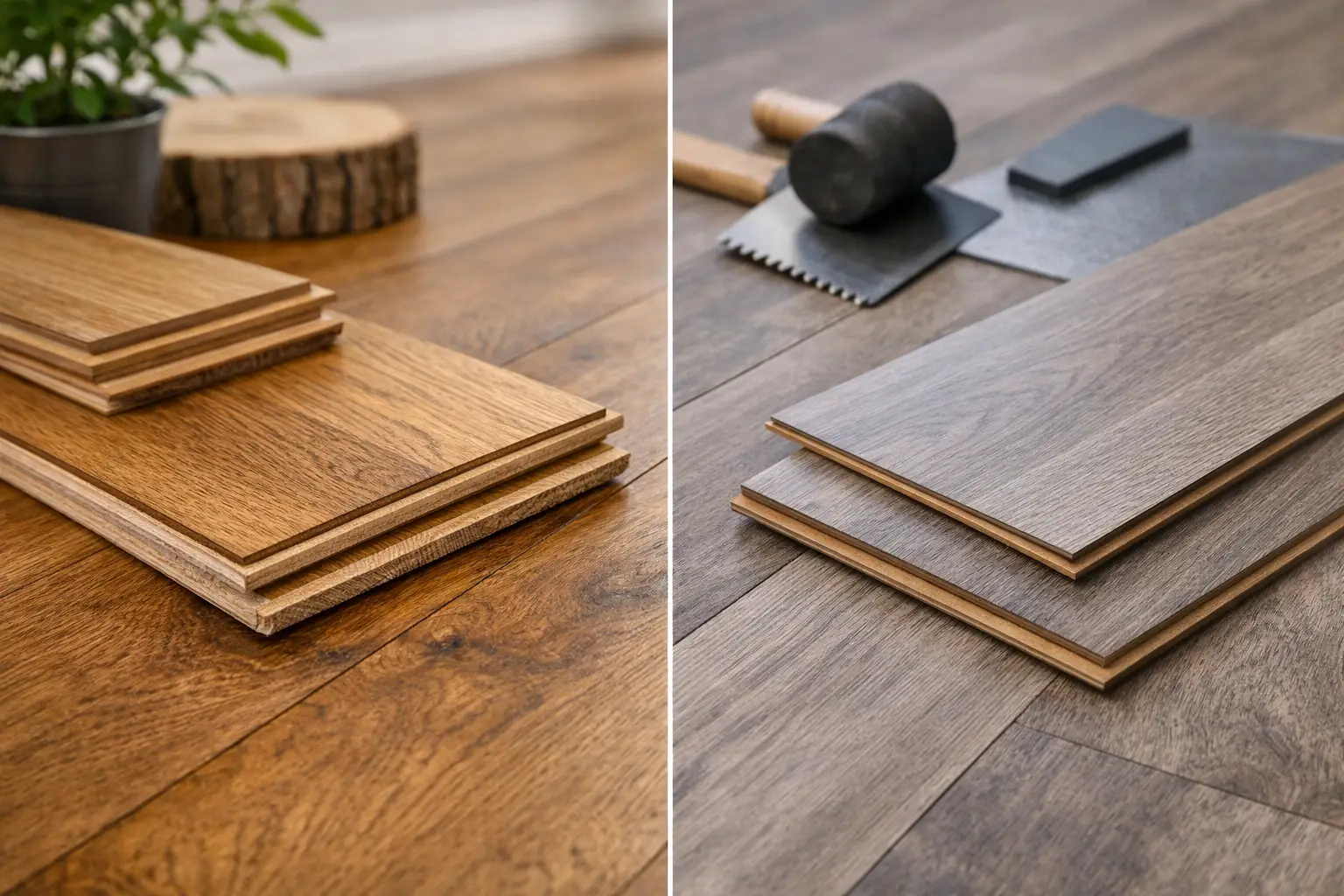
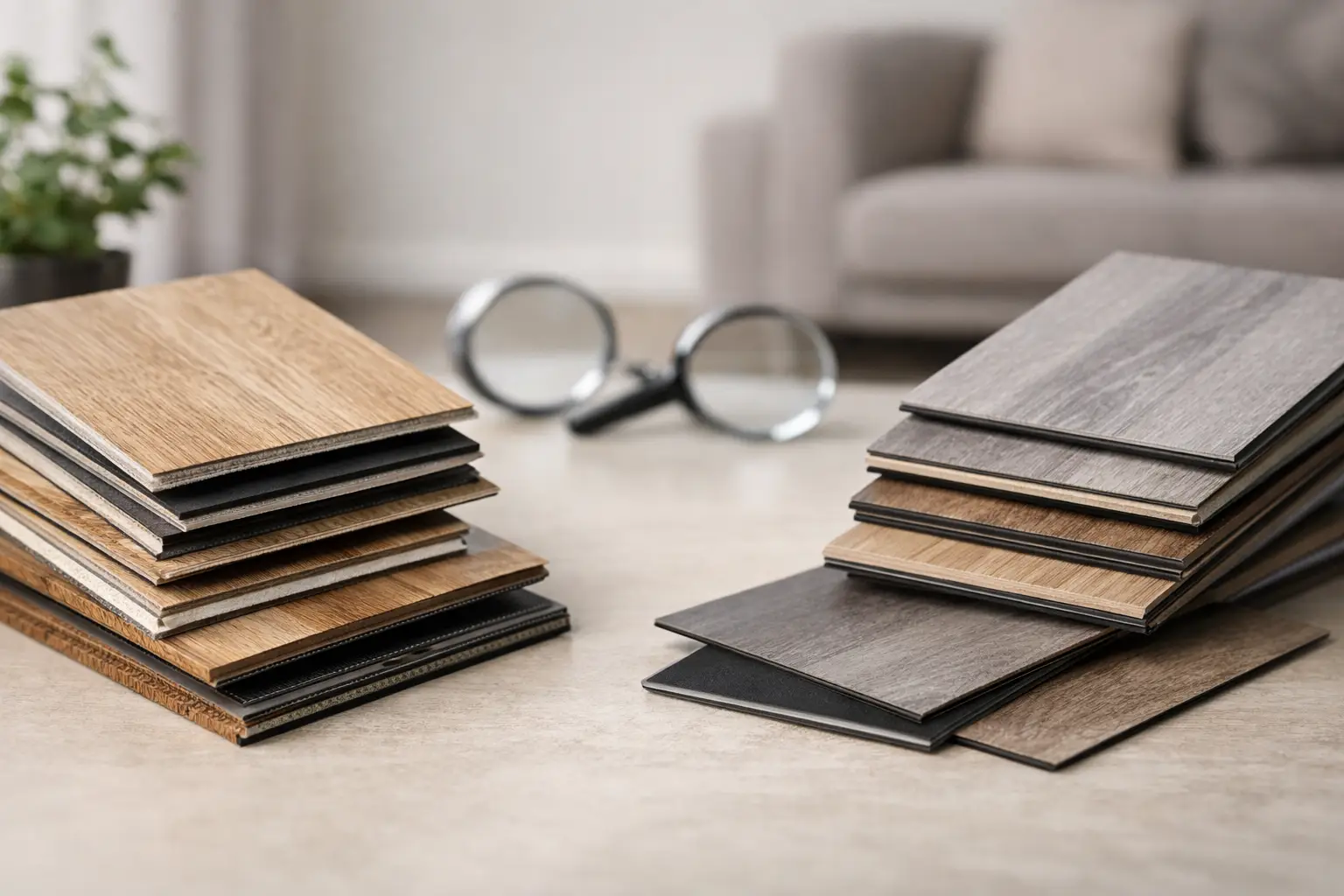
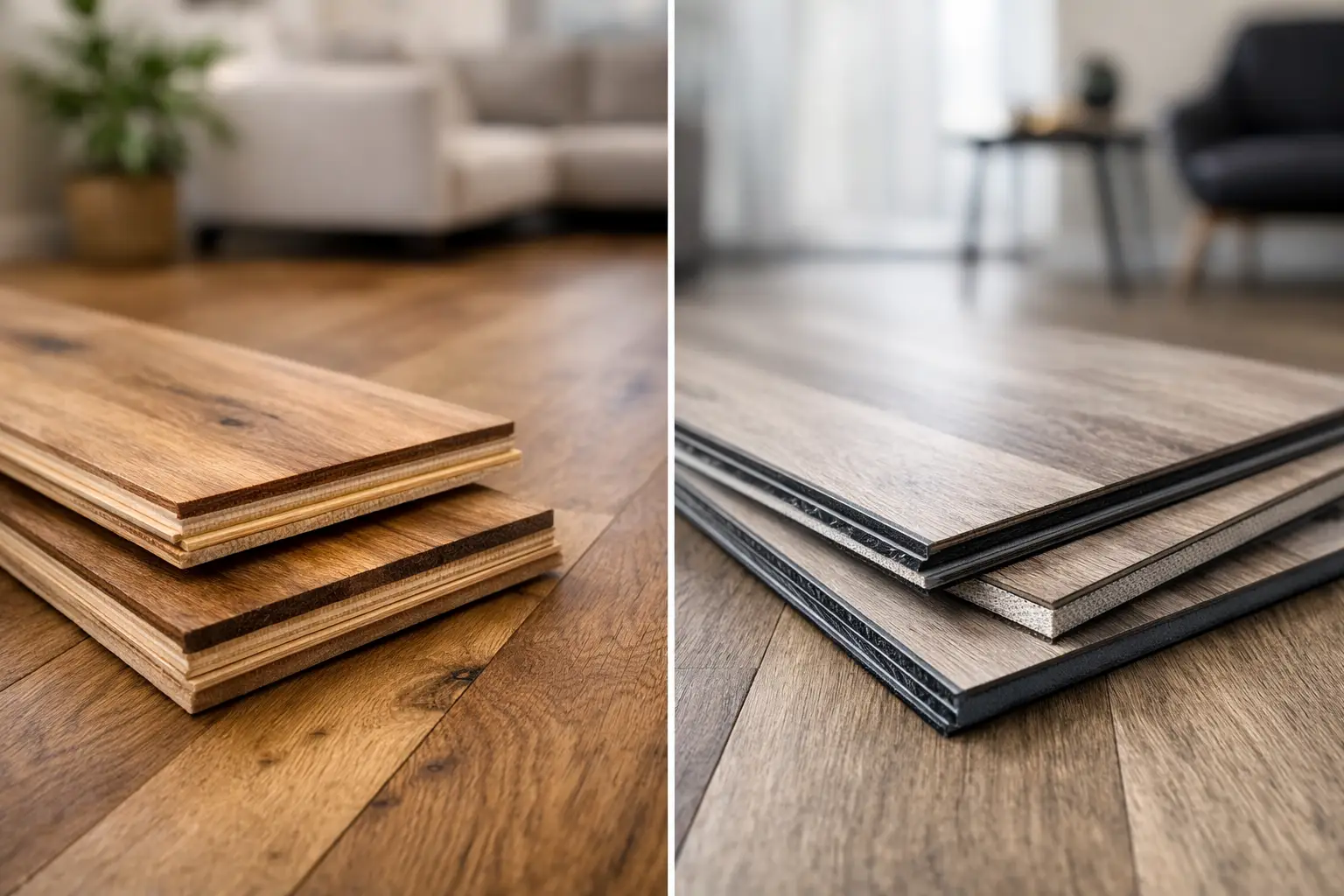
For most apartment owners, the shortlist usually comes down to hybrid flooring, laminate, and engineered timber. All three can work well, but they perform differently once you factor in acoustics, moisture, foot traffic, and long-term value. If you are renovating to live in the property, your priorities may be comfort and appearance. If you are fitting out an investment, durability and maintenance often come first.
Table of Contents
What makes the best flooring for apartments?
In a house, you can often get away with choosing mainly on style. In an apartment, there are more technical considerations. Noise transfer is a major one. Hard flooring can increase impact sound if the wrong underlay is used or if the floor is installed over an uneven base. Strata approval can also affect what products are suitable, especially in older buildings with stricter acoustic requirements.
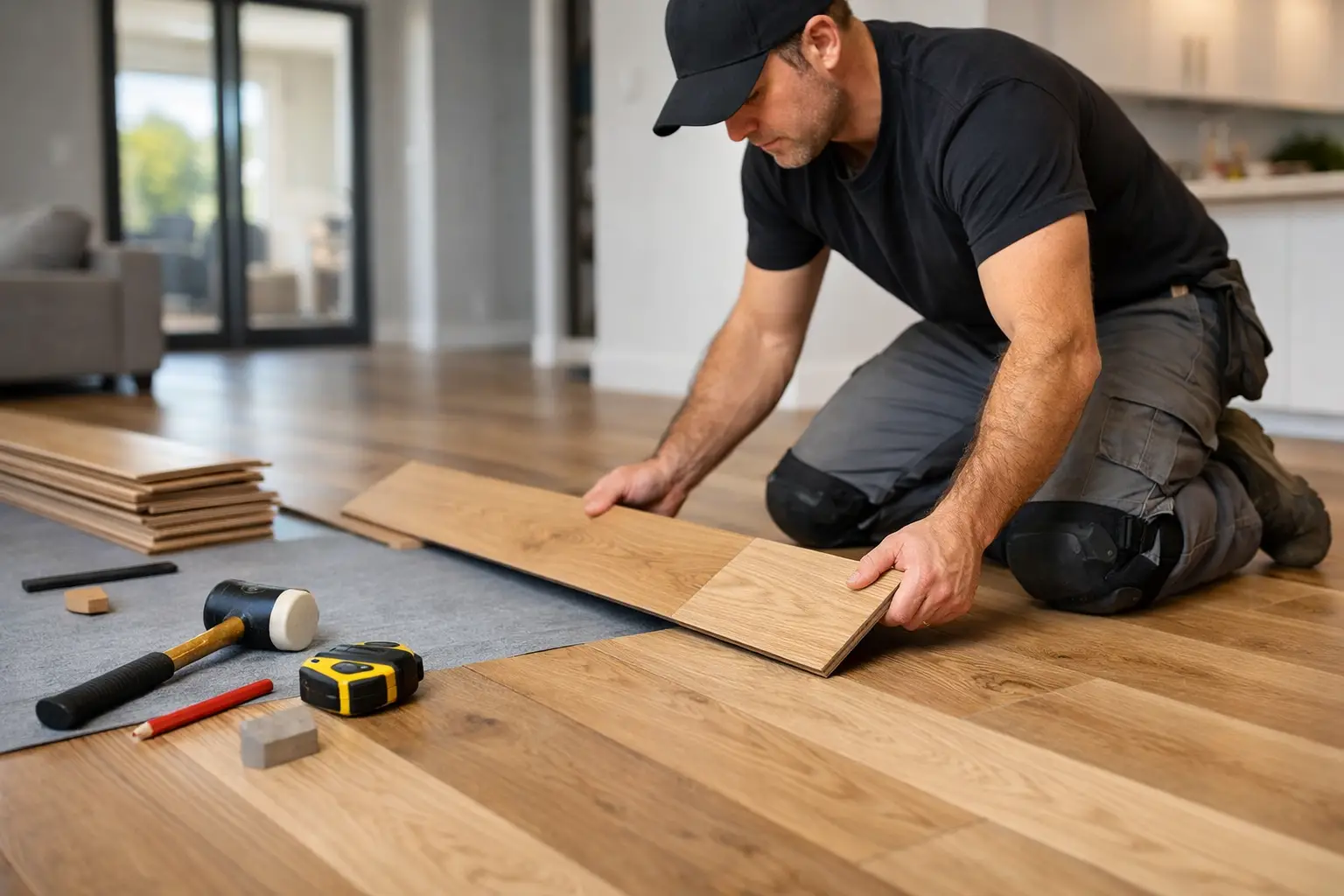
Subfloor condition matters more than many buyers expect. Concrete slabs in apartments are not always perfectly level, and even small variations can affect how floating floors sit and sound underfoot. A premium board installed over a poor base can still feel hollow, move too much, or wear badly at the joins. Good results start underneath the floor, not just on top of it.
Then there is practicality. Apartments often have compact kitchens, living zones that open straight to balconies, and less separation between wet and dry areas. That means the best flooring choice needs to cope with everyday spills, shifting temperatures, and heavier use in concentrated spaces.
Hybrid flooring for apartments
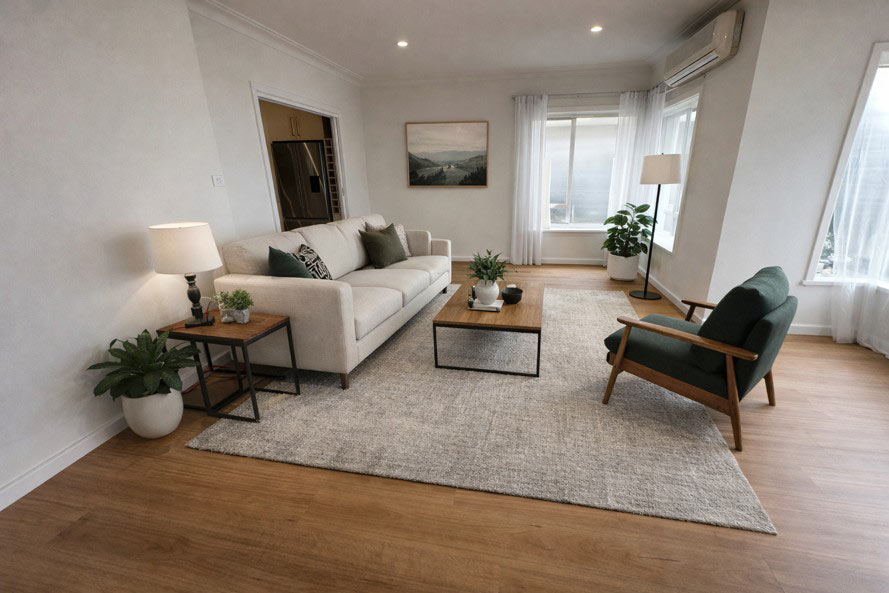
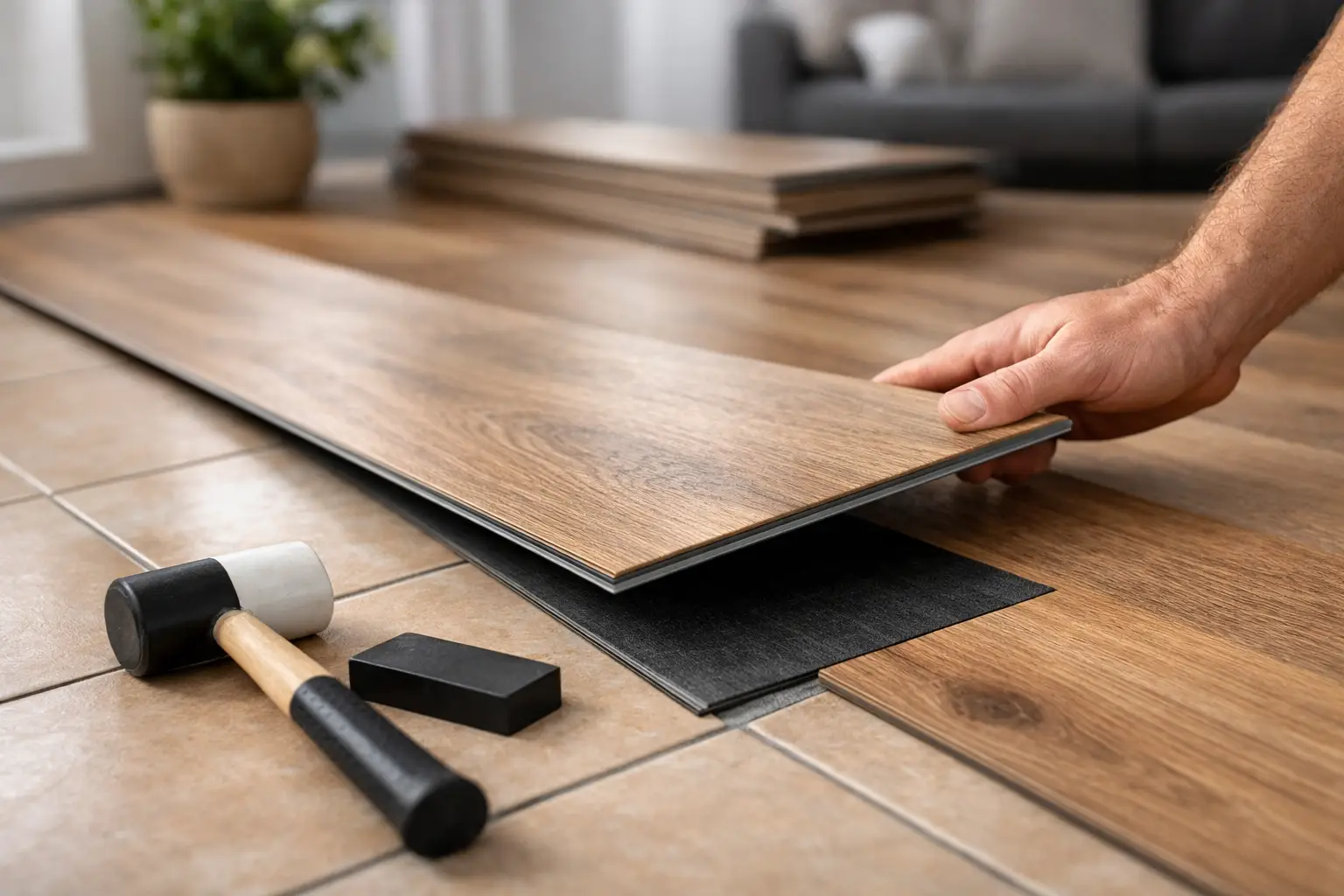
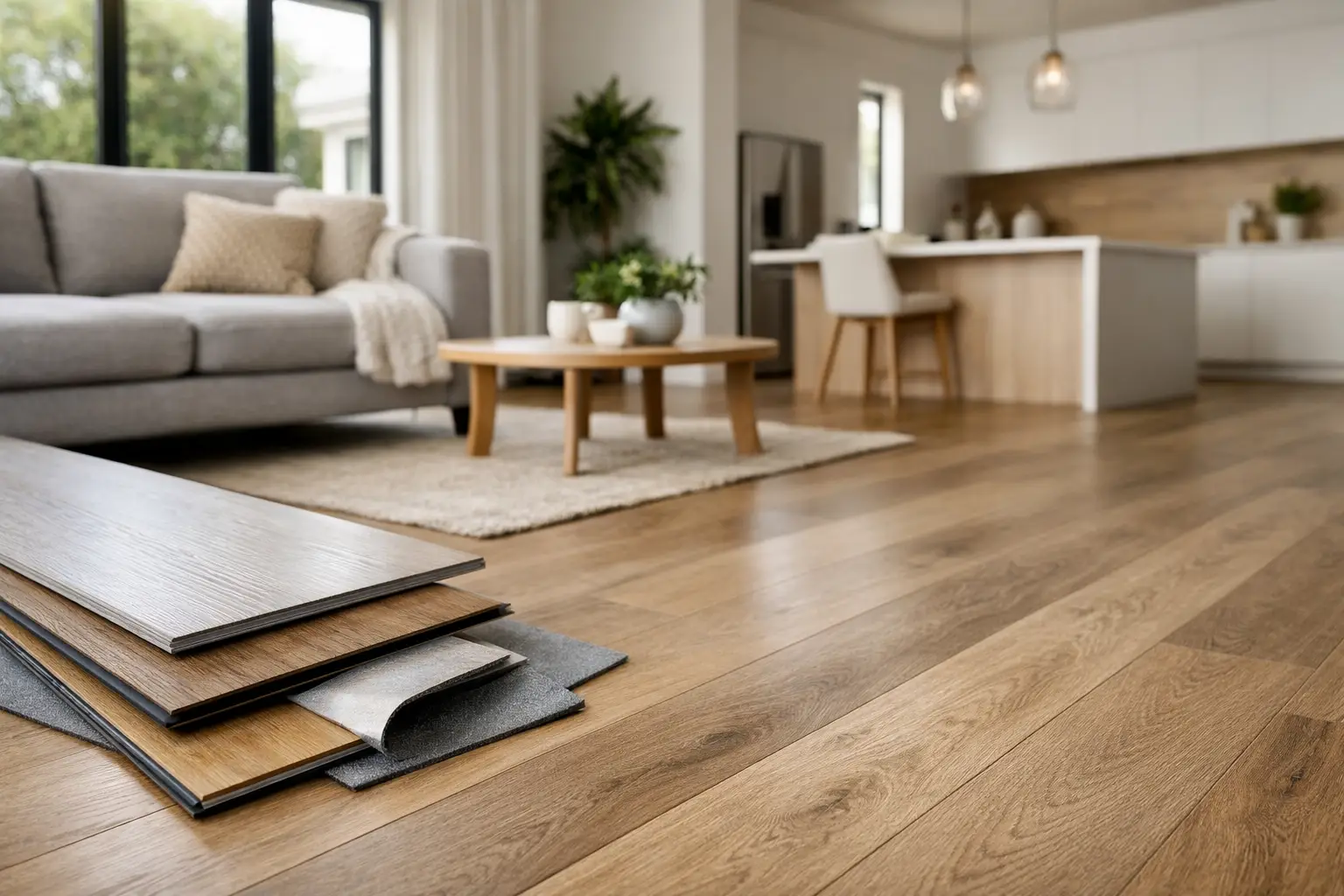
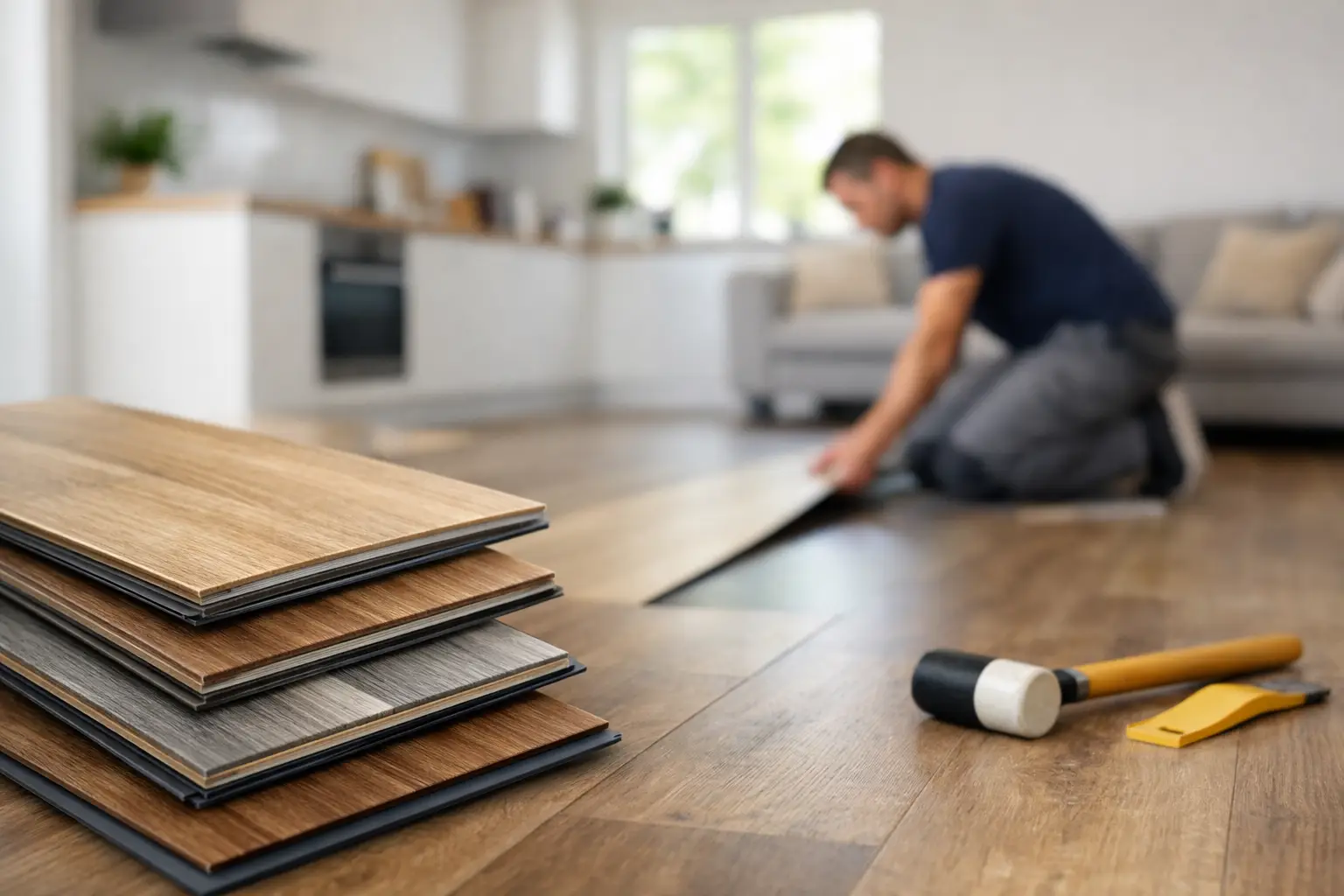
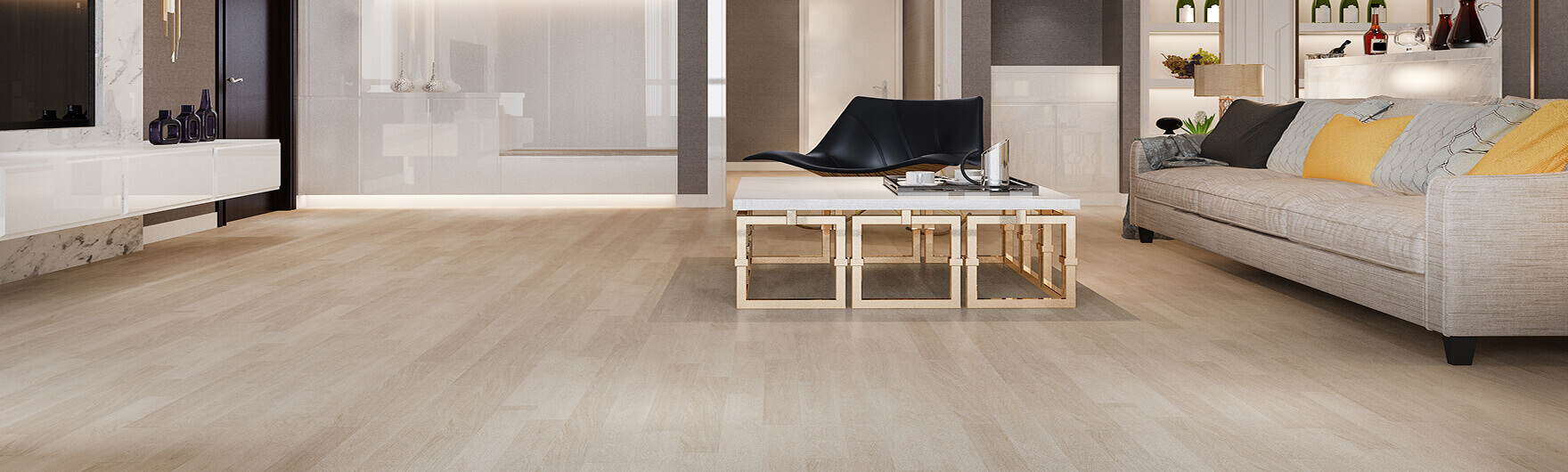
Hybrid flooring is one of the strongest all-round options for apartment living. It is popular for good reason. It offers strong water resistance, solid scratch performance, and a timber-look finish that suits both modern and classic interiors. In practical terms, that makes it a smart choice for busy households, rentals, and apartments where kitchen and living spaces run together.
Another advantage is stability. A quality hybrid board handles changes in temperature and general day-to-day use well, which is useful in apartments that get strong afternoon sun or rely heavily on heating and cooling. It also tends to be easier to maintain than real timber, especially for owners who want a clean, low-fuss finish.
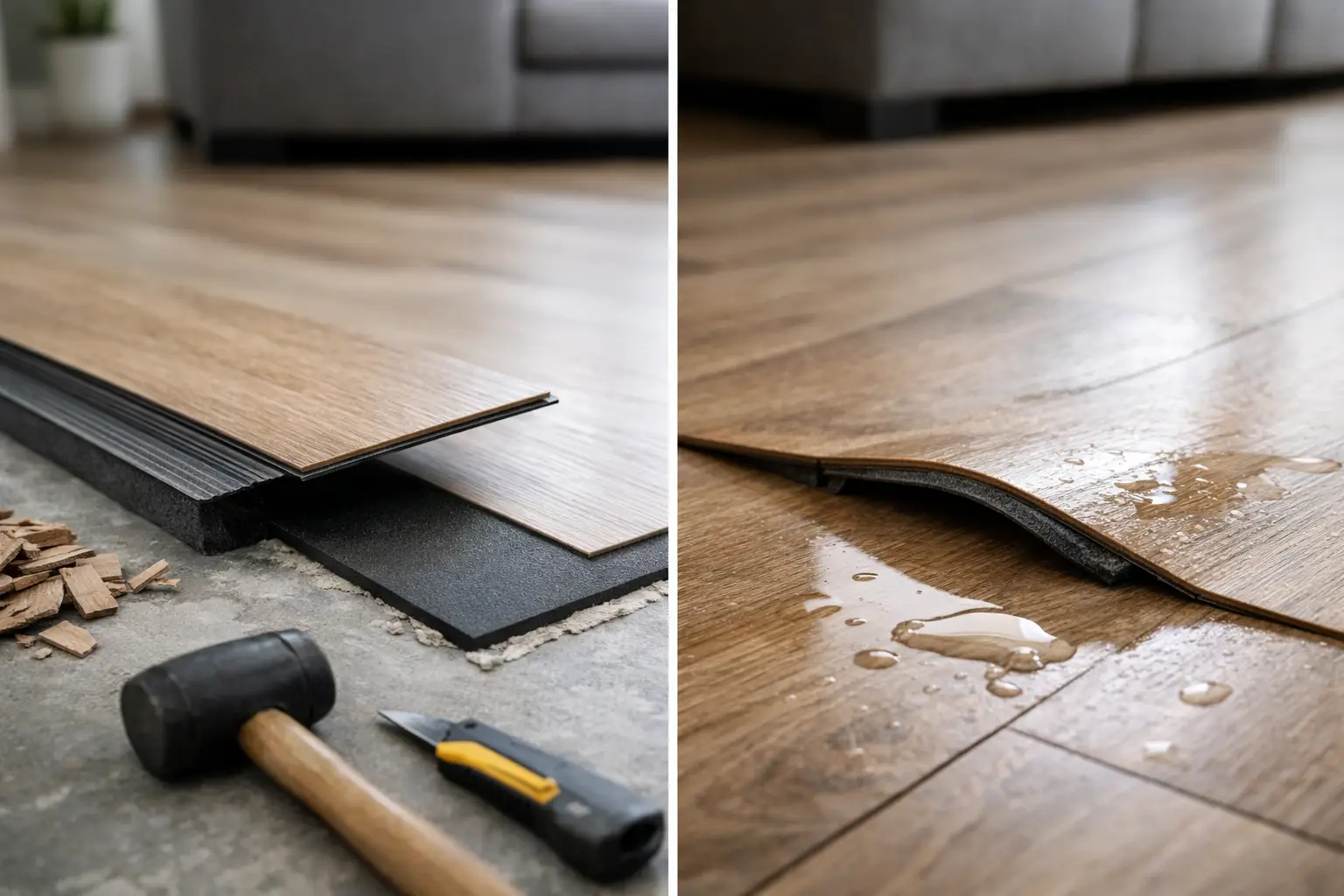
The trade-off is that not all hybrid flooring feels the same underfoot. Lower-grade products can sound harder or more hollow if the underlay and subfloor preparation are not right. Acoustic performance also varies by product, so it is worth checking whether a specific range meets your building’s requirements rather than assuming all hybrid boards will do the job.
Laminate flooring for apartments
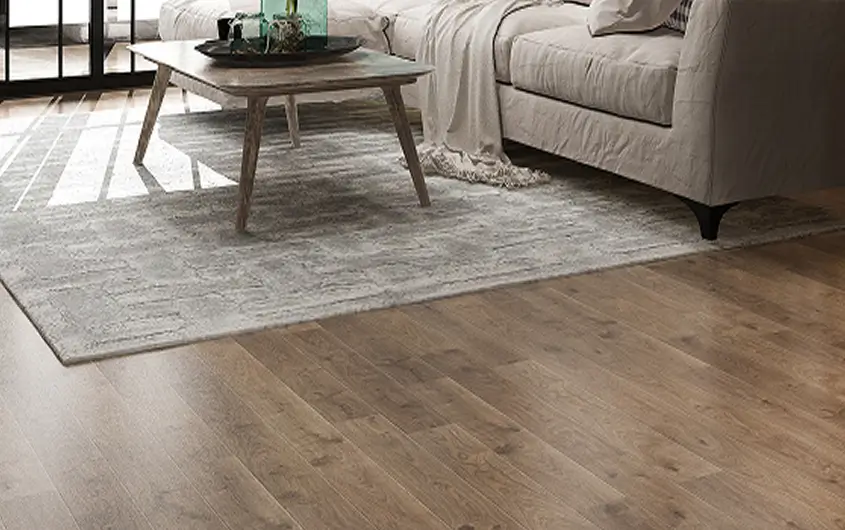
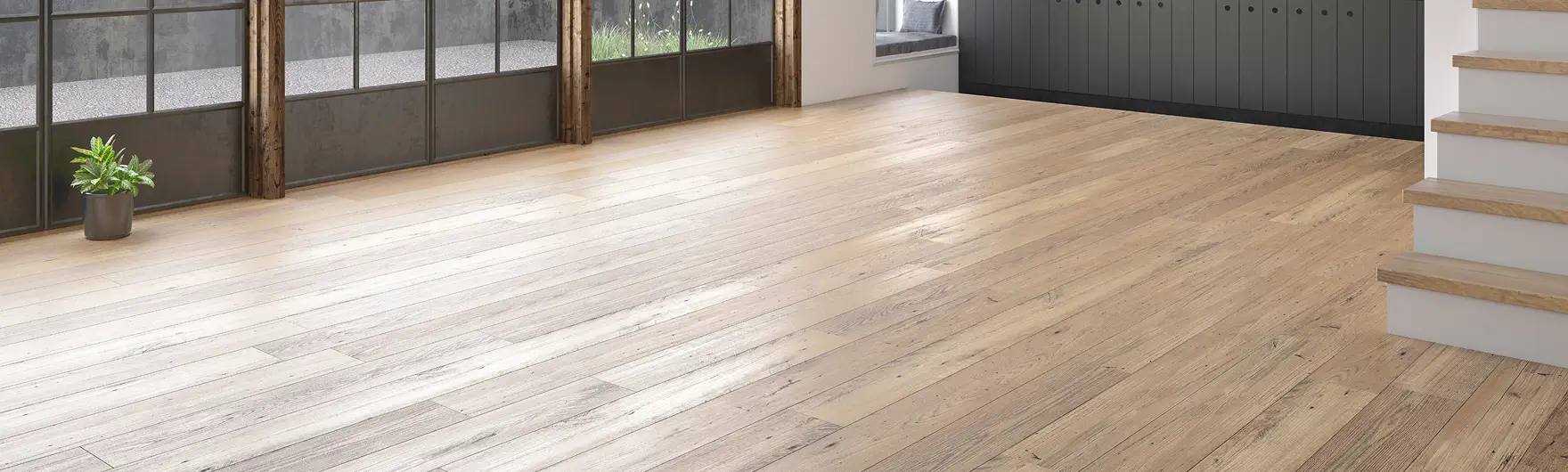
Laminate remains a very good option when budget matters but appearance still counts. Modern laminate flooring has come a long way from the glossy, artificial look people often remember from years ago. Better ranges now offer convincing timber grain detail, matte finishes, and good wear layers for everyday living.
For apartment owners, laminate can be a sensible middle ground. It is generally more affordable than engineered timber, and it holds up well against foot traffic, chairs, and general household use. If you are updating an investment property or renovating before sale, laminate can deliver a strong visual improvement without pushing the budget too far.
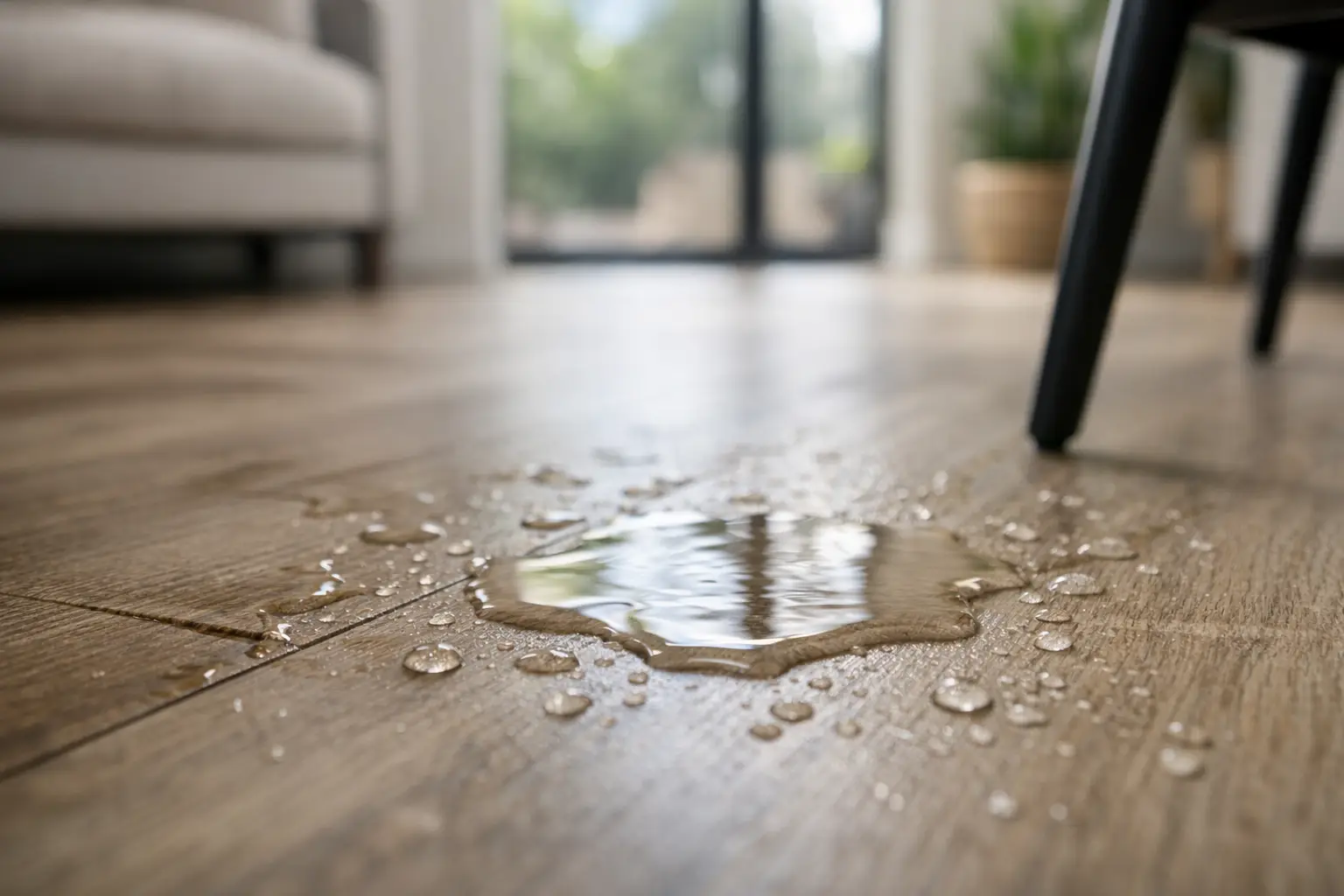
Where laminate needs more caution is moisture. While some newer products offer improved water resistance, laminate is still less forgiving than hybrid in areas where spills or dampness are common. In an apartment, that may matter around kitchens, entry points, or if you have pets. Acoustic performance also comes down heavily to the underlay and the quality of installation.
Engineered timber for apartment owners
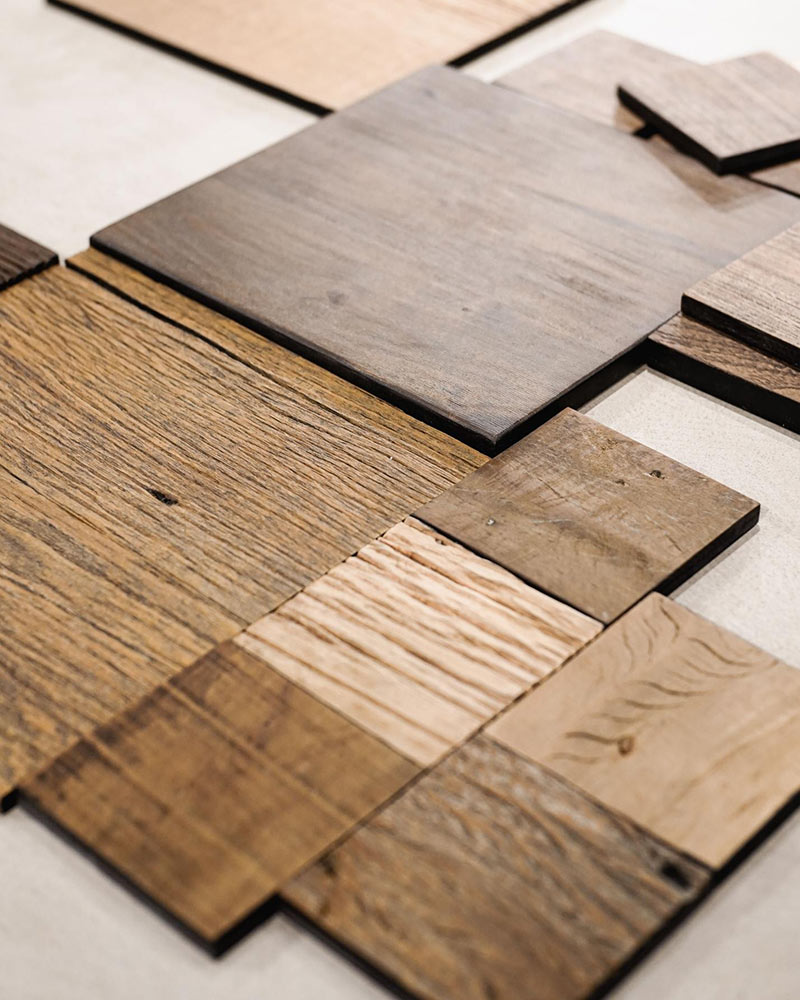
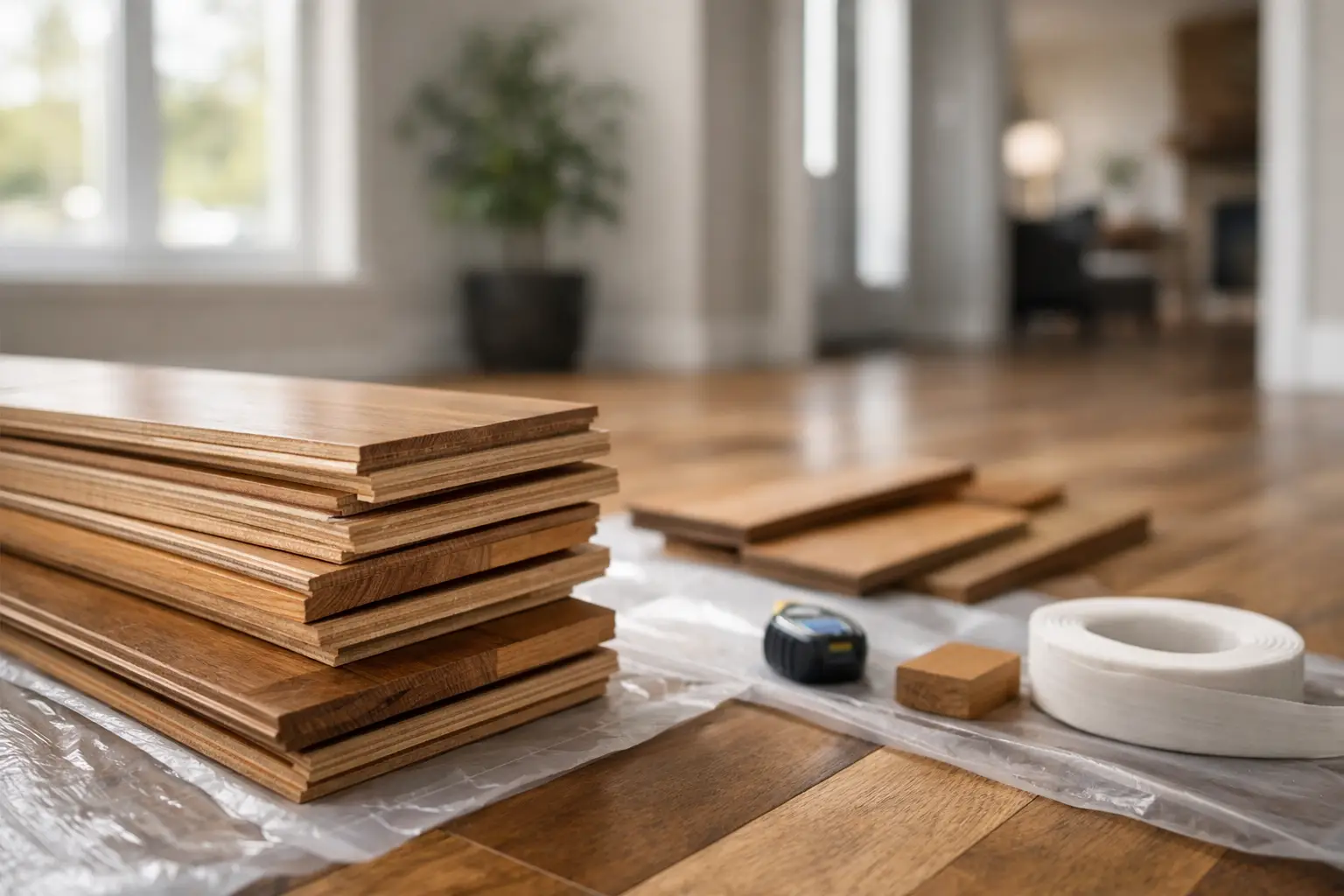
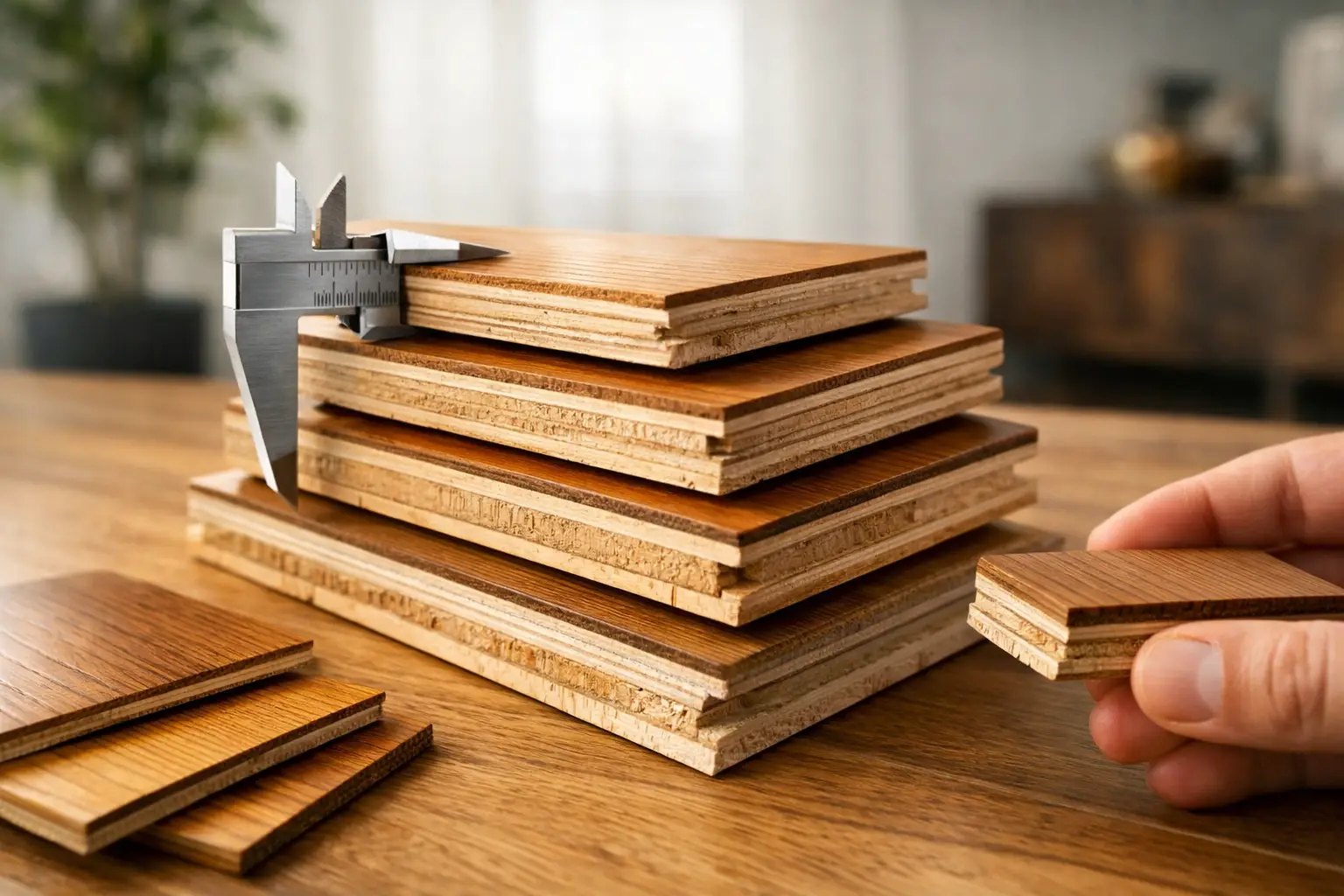
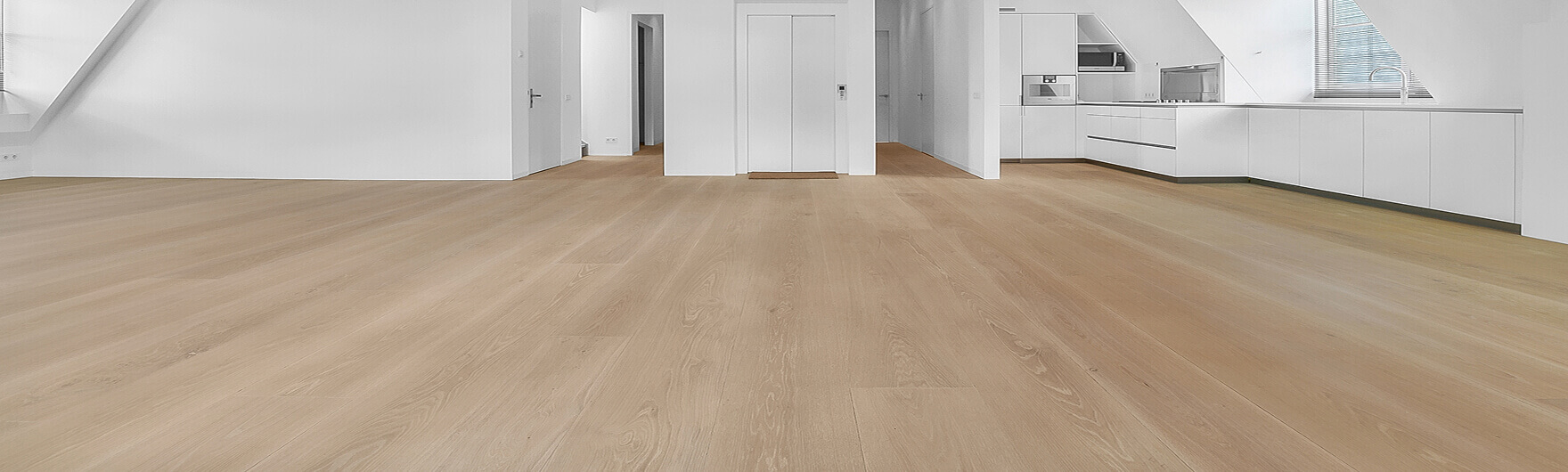
If appearance is the priority, engineered timber is hard to beat. It gives you a real timber surface, natural variation from board to board, and a more premium feel than laminate or standard hybrid options. In apartments where owners want warmth, character, and long-term appeal, engineered timber is often the standout choice.
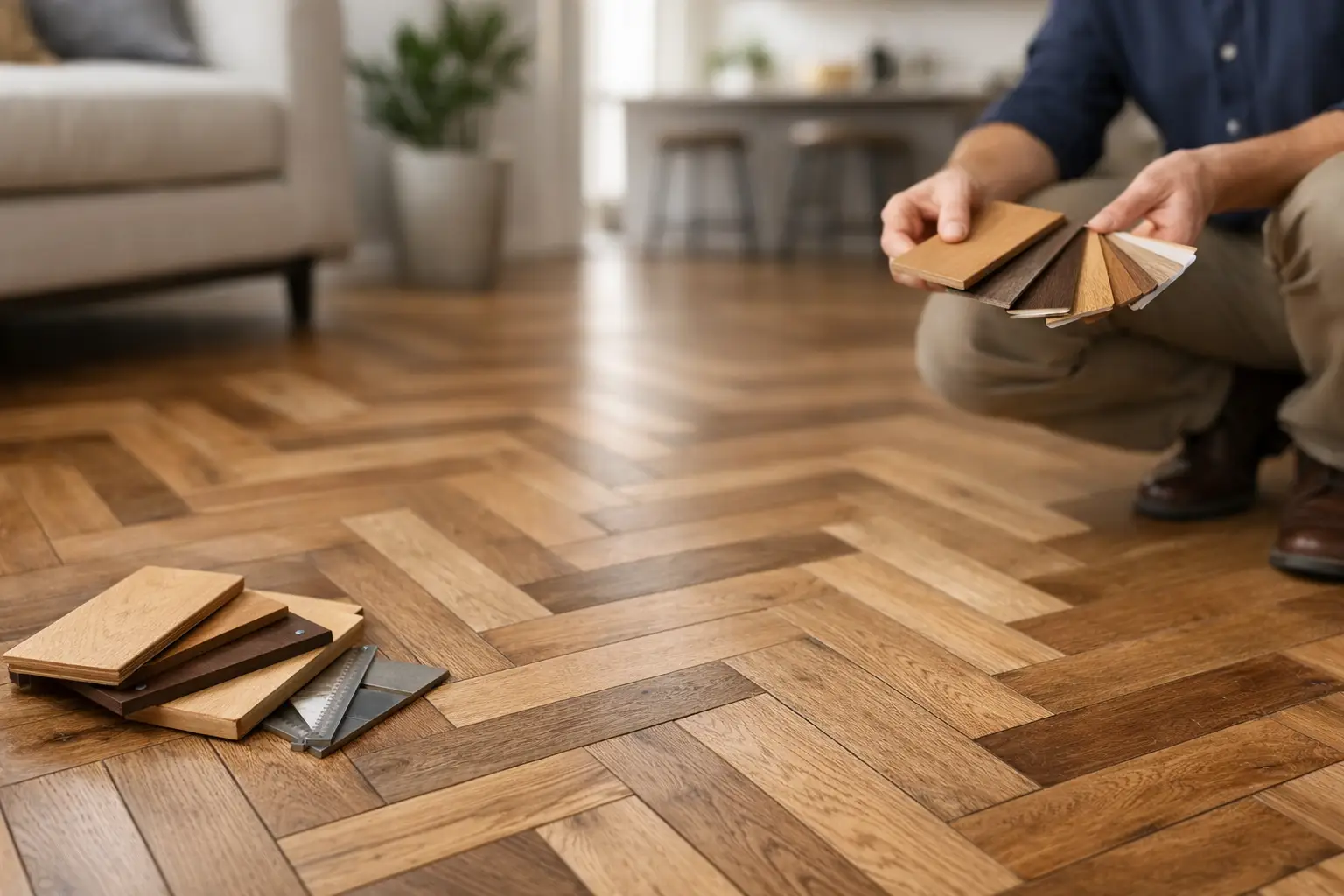
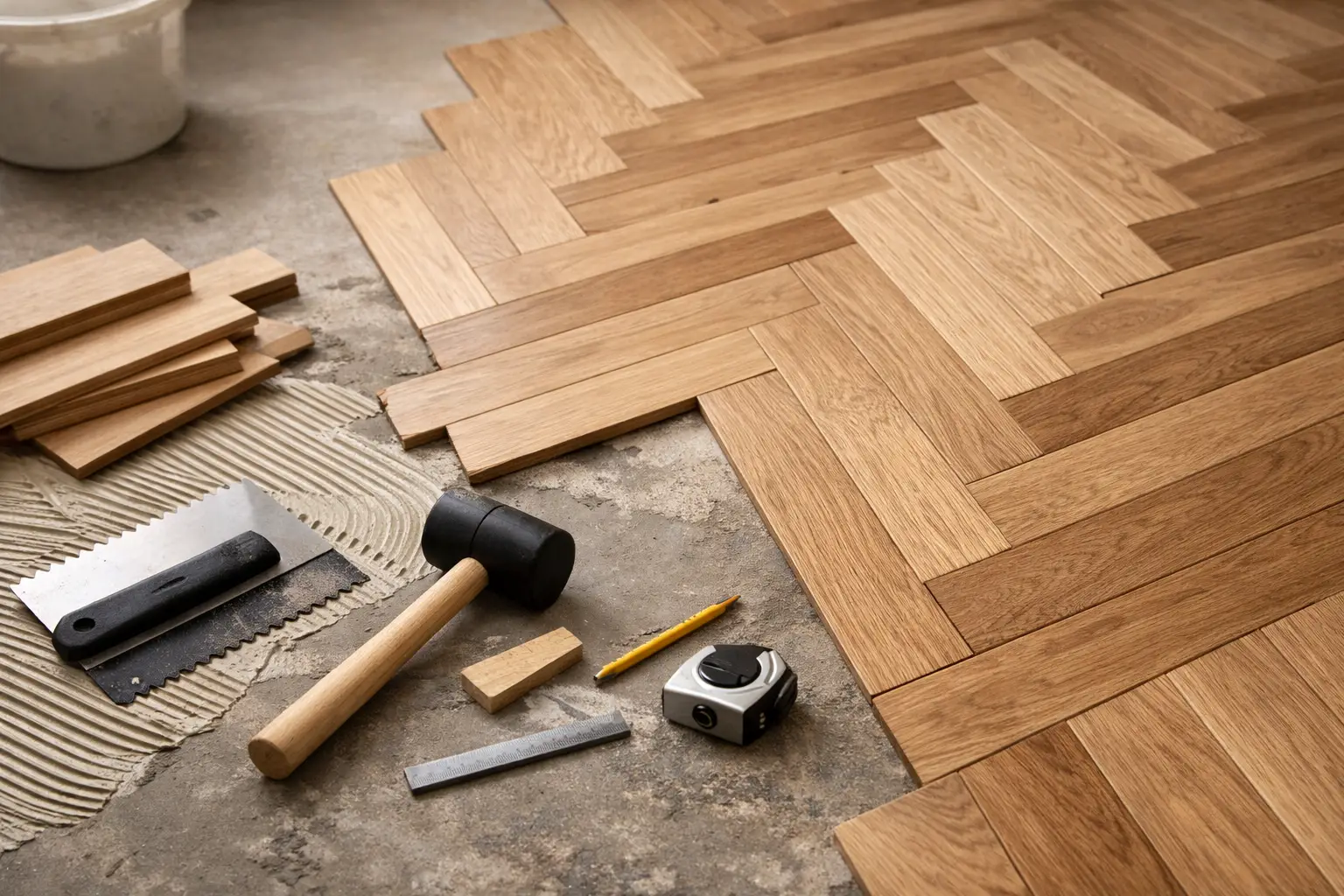
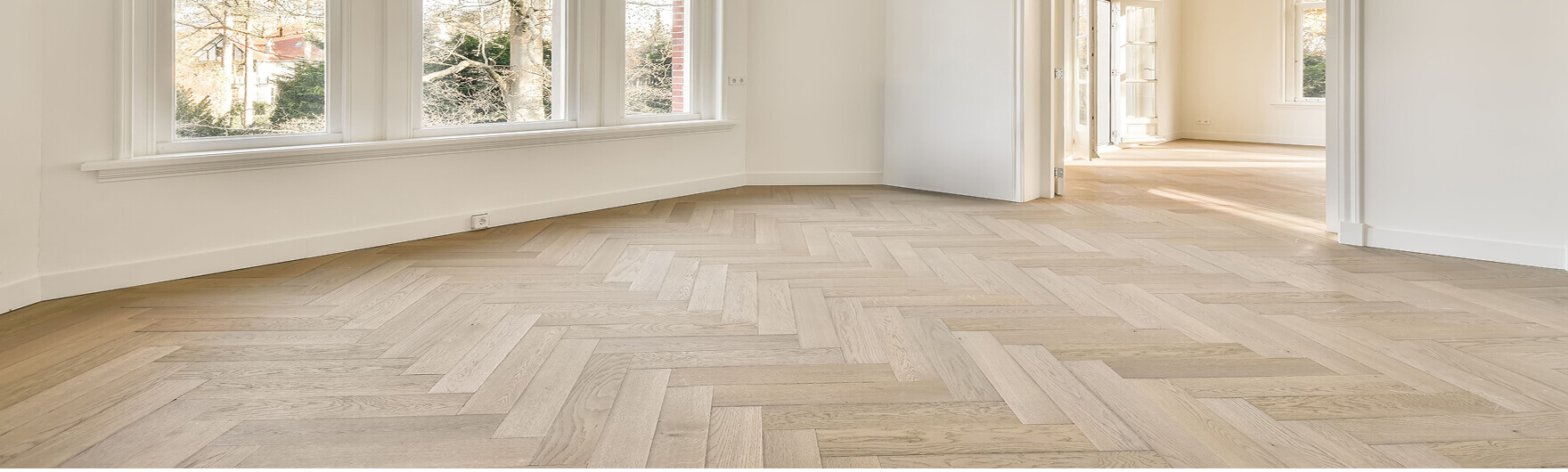
This is especially true in owner-occupied properties where the flooring is part of a broader design plan. European oak tones, wider boards, and herringbone layouts can completely change the feel of an apartment, making it look more substantial and better finished. In the right space, engineered timber adds genuine value rather than just surface-level improvement.
That said, it is not automatically the best flooring for apartments in every case. Engineered timber is usually a bigger upfront investment, and some products are more sensitive to moisture and movement than hybrid alternatives. It also needs the right subfloor conditions and installation method to perform properly. If the slab is uneven or the acoustic requirement is strict, the system underneath becomes just as important as the boards themselves.
Best flooring for apartments with pets, tenants or heavy wear
If the apartment is a rental, has young kids, or sees plenty of daily traffic, practicality should lead the decision. In those cases, hybrid flooring often comes out on top because it balances appearance with resilience. It is easier to live with, easier to clean, and generally better suited to the rougher side of real life.
Laminate can also work well in these settings, particularly when budget is a key factor. The main question is whether the apartment layout or household habits create a higher moisture risk. If they do, hybrid is usually the safer call.
Engineered timber suits owners who are prepared to look after it and want a more refined finish. It can absolutely work in an apartment, but it is usually chosen for lifestyle and design reasons rather than pure durability.
Don’t overlook acoustic underlay and subfloor preparation
This is where many apartment flooring projects go wrong. Buyers spend weeks comparing colours and board widths, then treat underlay and preparation as an afterthought. In apartment settings, that is backwards.
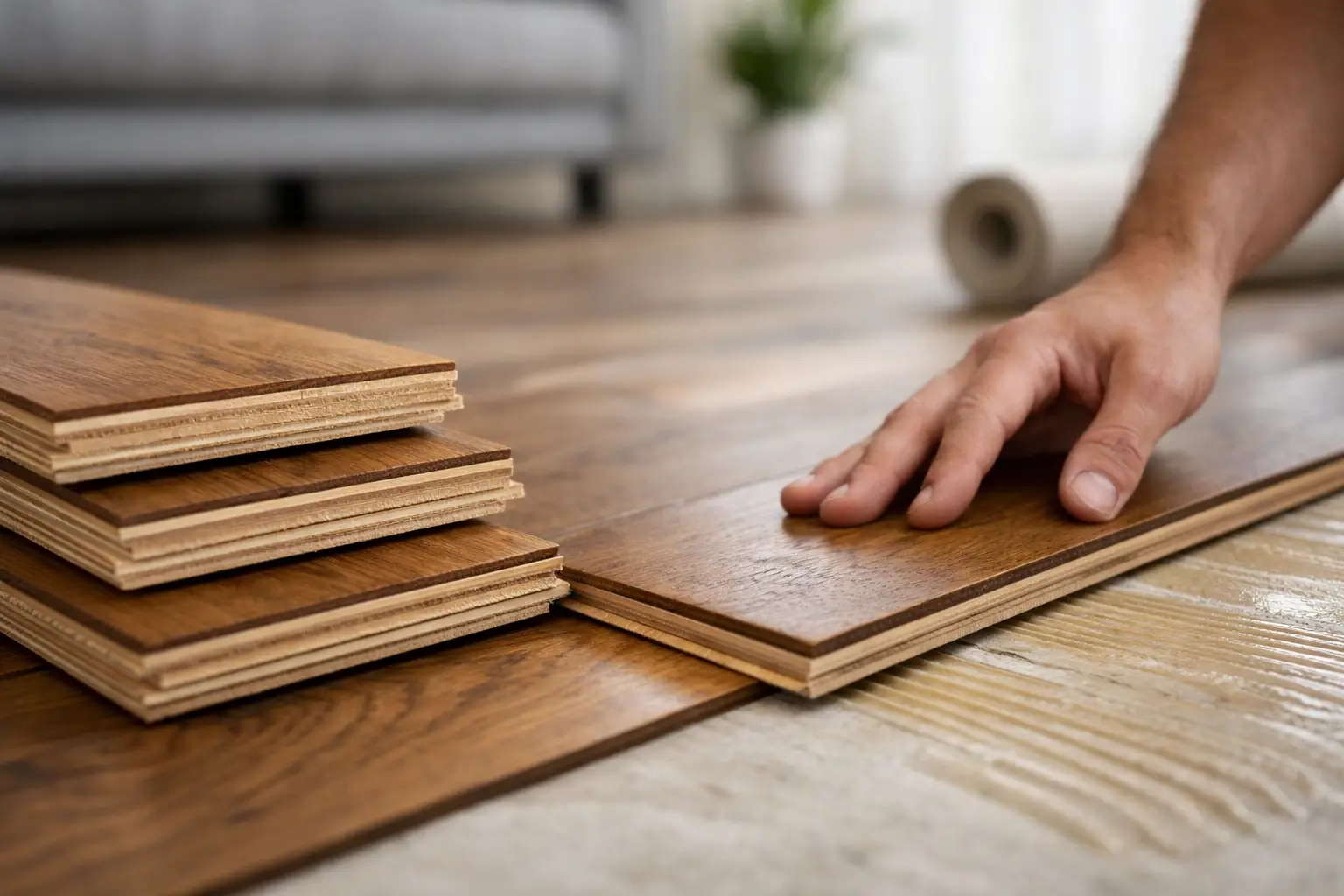
Acoustic performance often depends on the full flooring system, not just the visible board. A quality product may still fail to meet expectations if it is paired with the wrong underlay or installed over an unprepared surface. The same goes for comfort. If you want a floor to feel solid underfoot and stay that way, the slab needs to be assessed properly.
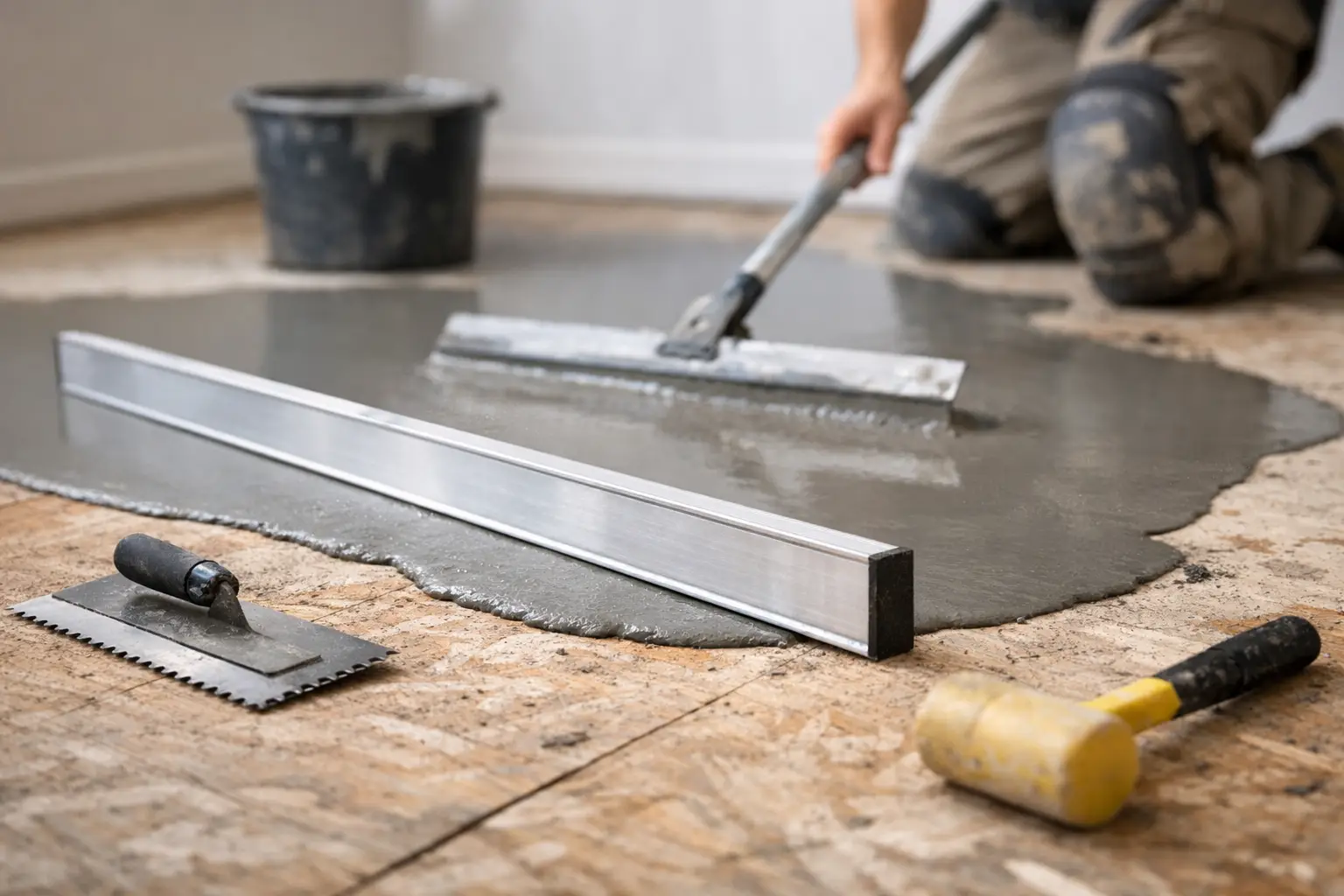
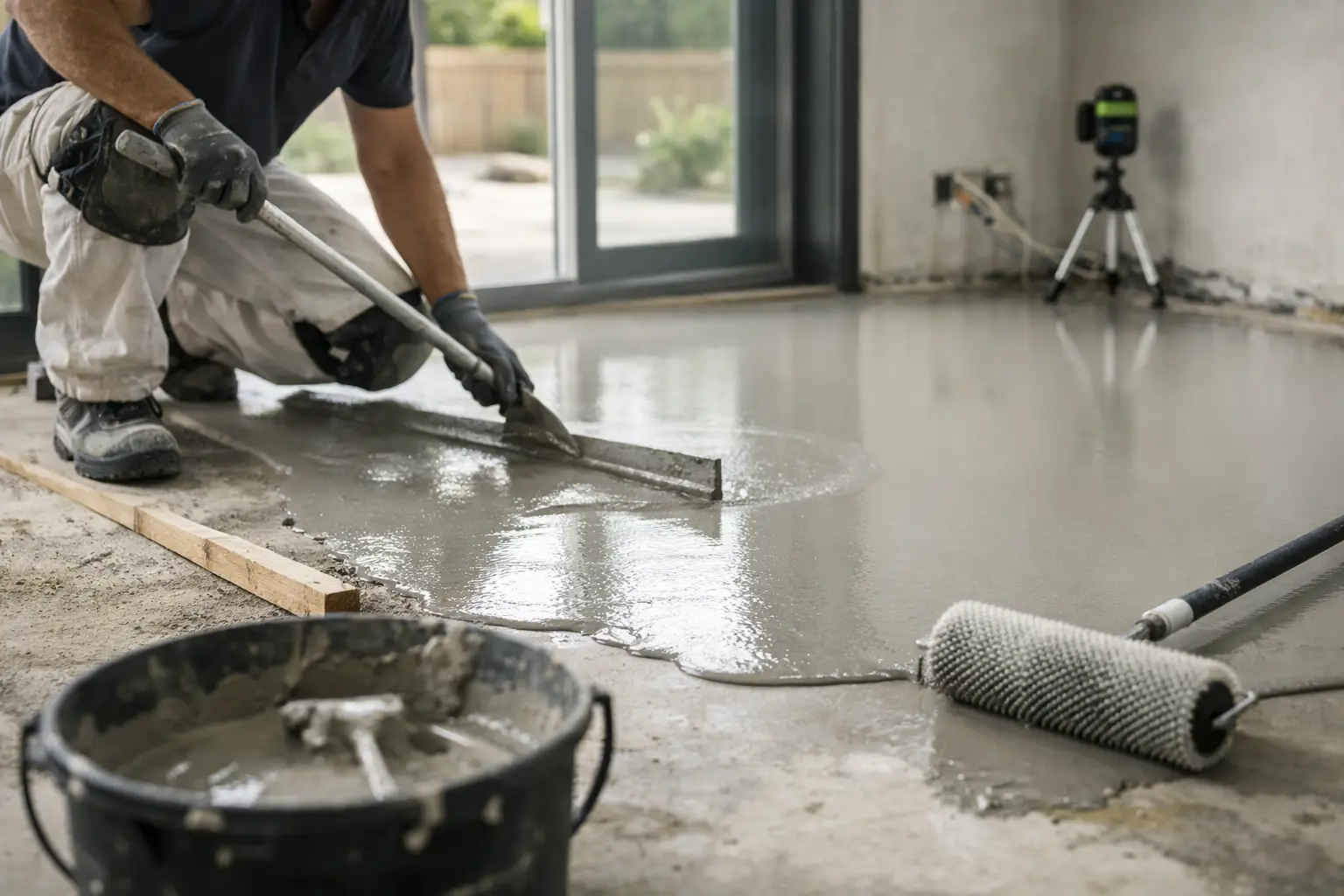
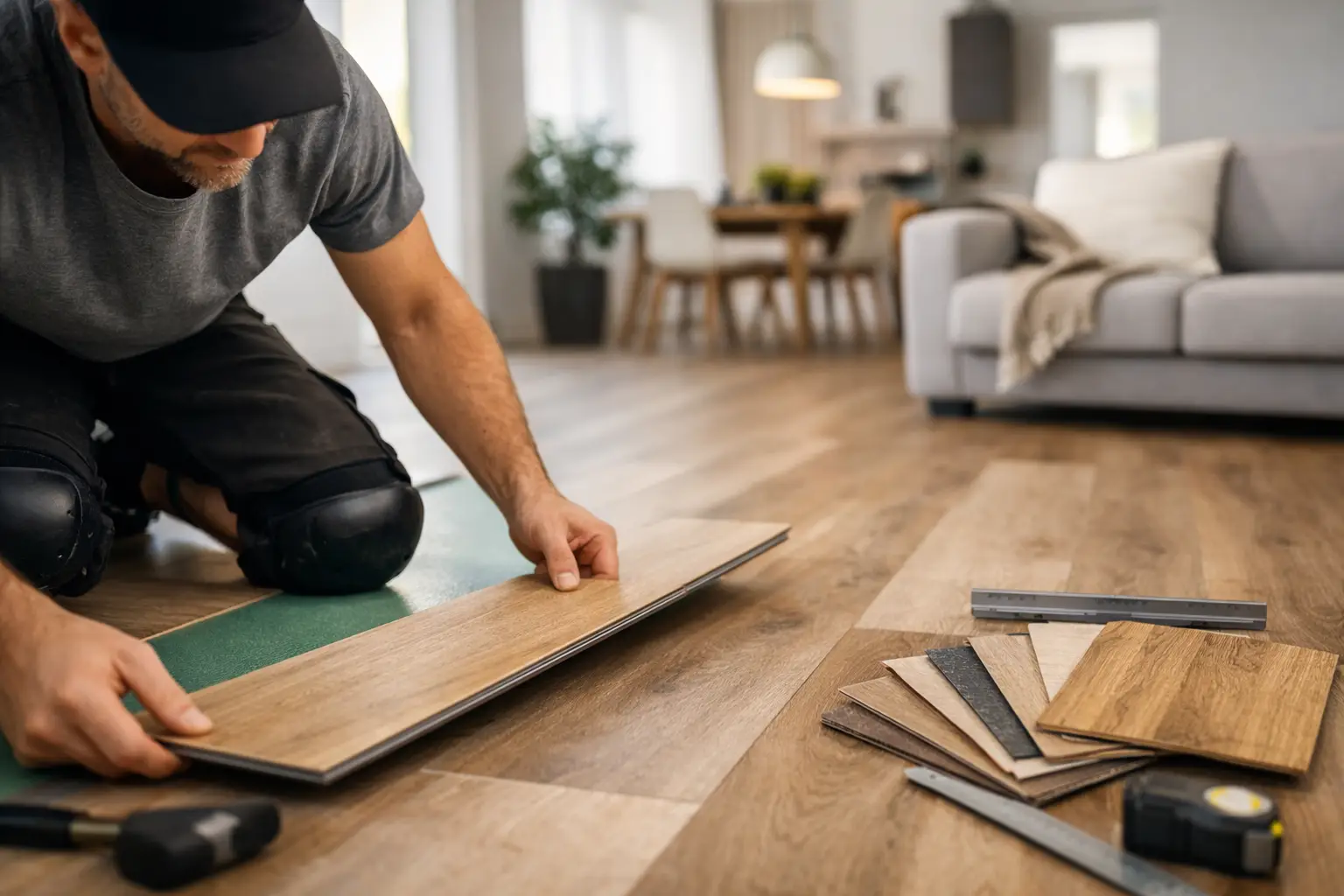
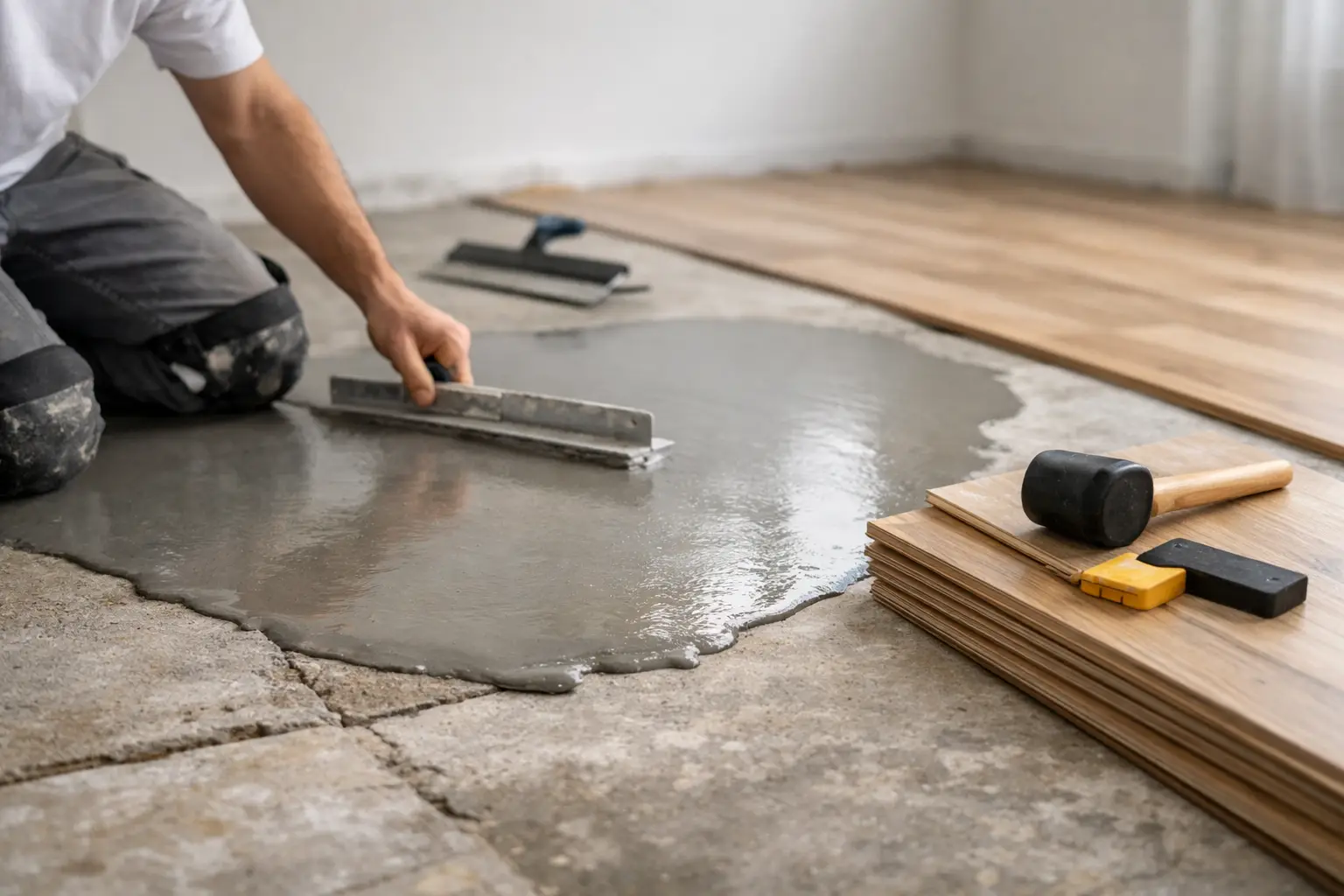
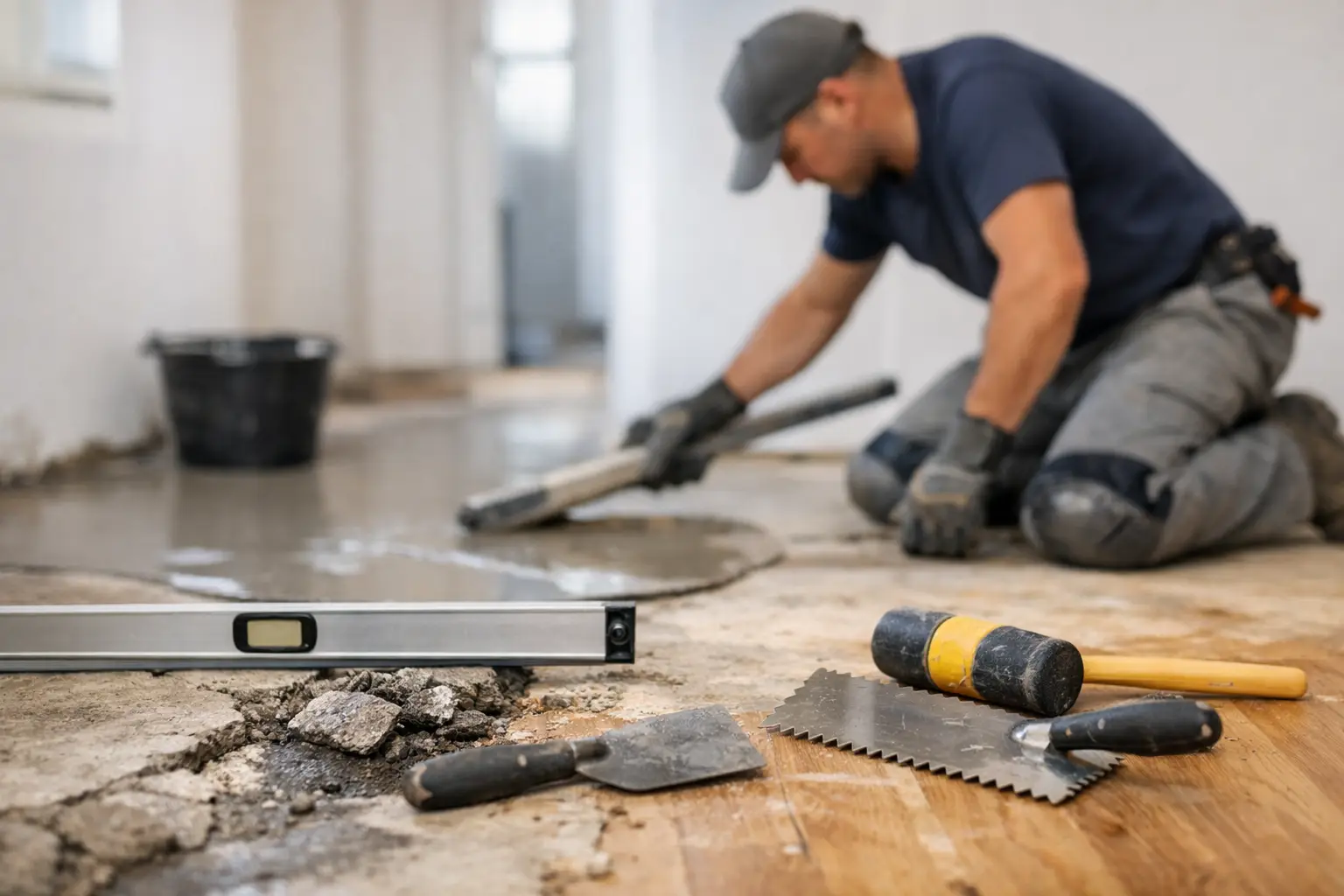
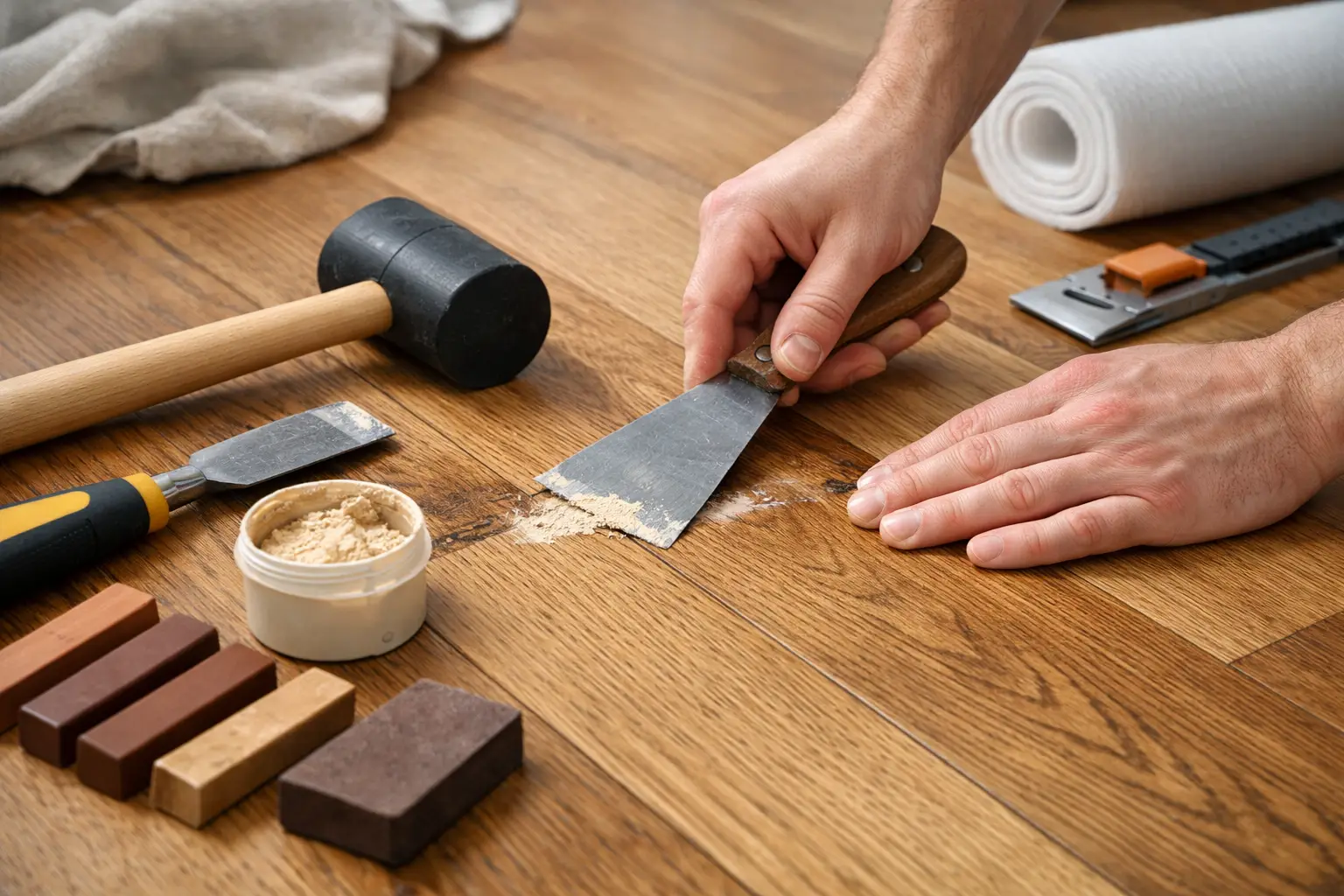
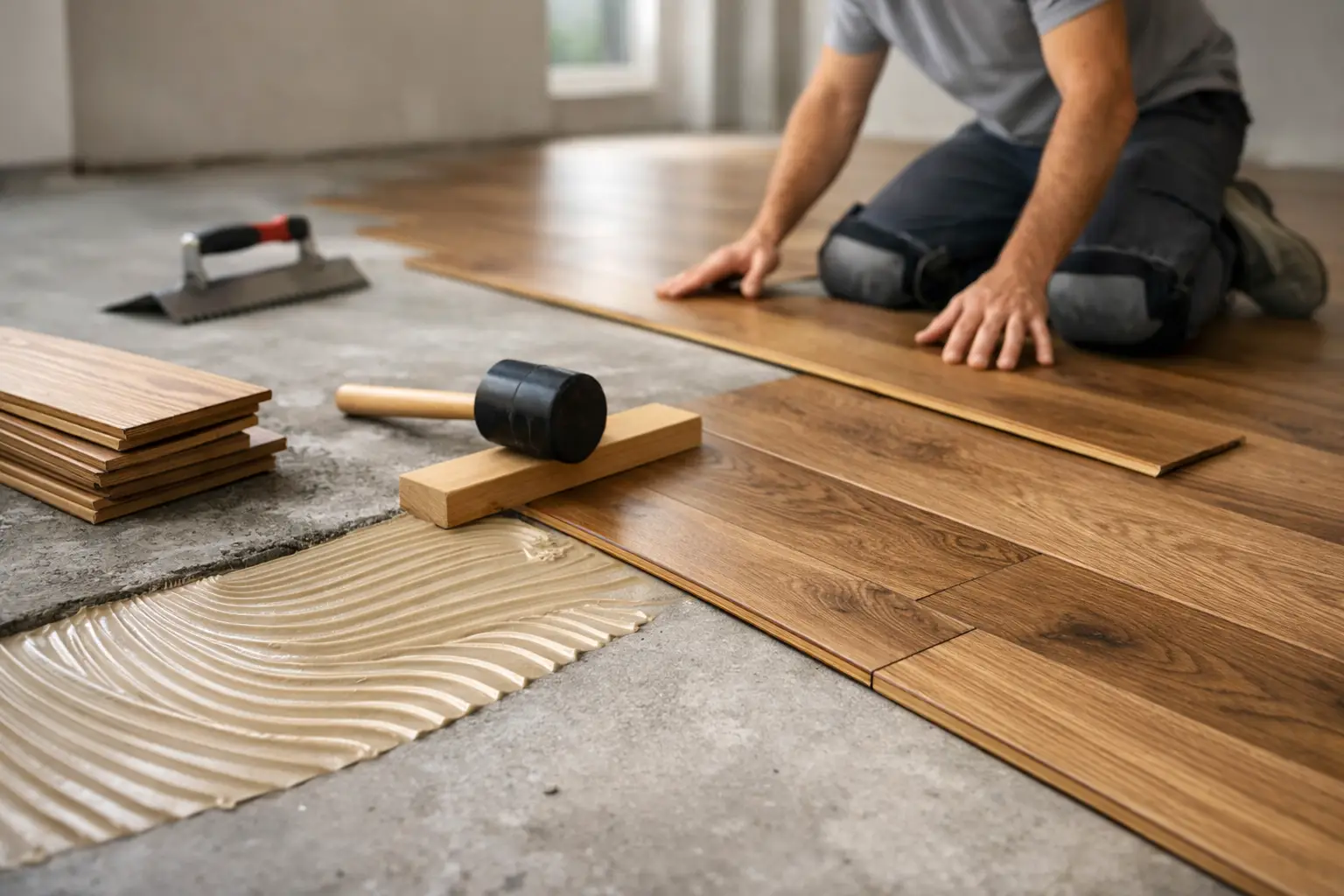
Professional preparation can involve grinding high spots, filling low areas, or using self-levelling compounds to create a flatter, more stable base. That step helps prevent movement, noise, and premature wear. It is one of the clearest differences between a floor that looks good on day one and one that still performs properly years later.
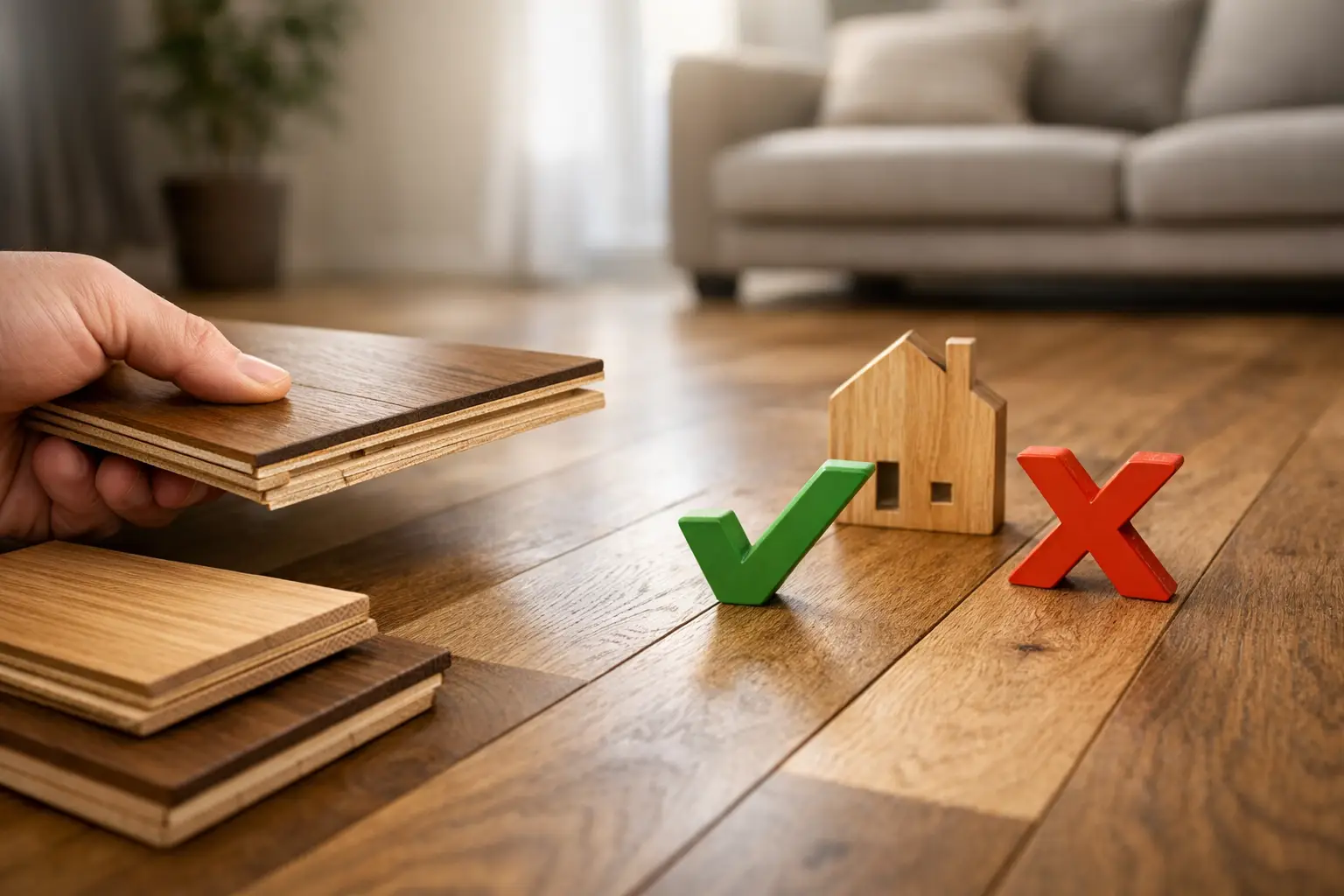
So, which option is right?
If you want the most practical all-rounder, hybrid flooring is often the best pick. It suits apartment living, handles moisture better than laminate, and offers strong value across style and durability.
If you want a cost-effective upgrade that still looks sharp, laminate is worth considering. It can be an excellent result when installed well and used in the right setting.
If you want the most premium finish and are aiming for a higher-end outcome, engineered timber is the leading option. It brings warmth and authenticity that timber-look products can only imitate, but it needs the right conditions and the right advice.
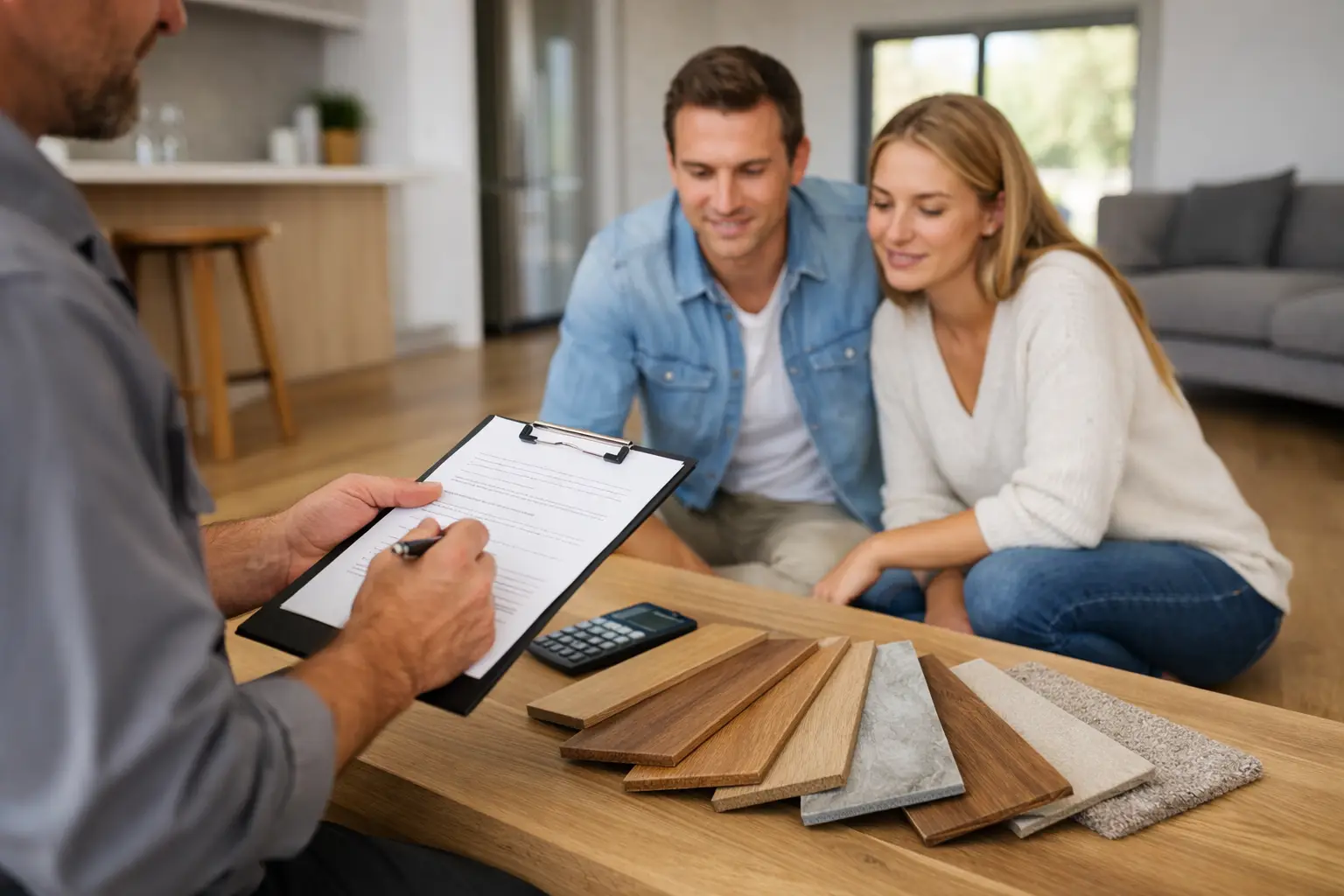
For apartment owners in Melbourne, especially in buildings with strata requirements or older concrete subfloors, it pays to get guidance from people who understand installation as well as product selection. That is where a trade-informed approach matters. At Melbourne Quality Timber Flooring, the difference is not just the range of products. It is knowing what will actually work in the space, what the subfloor needs, and what will give you a durable finish without unpleasant surprises later.
The best apartment floor is the one that suits the building, suits your lifestyle, and is installed on a base that is properly prepared. Get those three things right, and the result will feel better every day you walk on it.