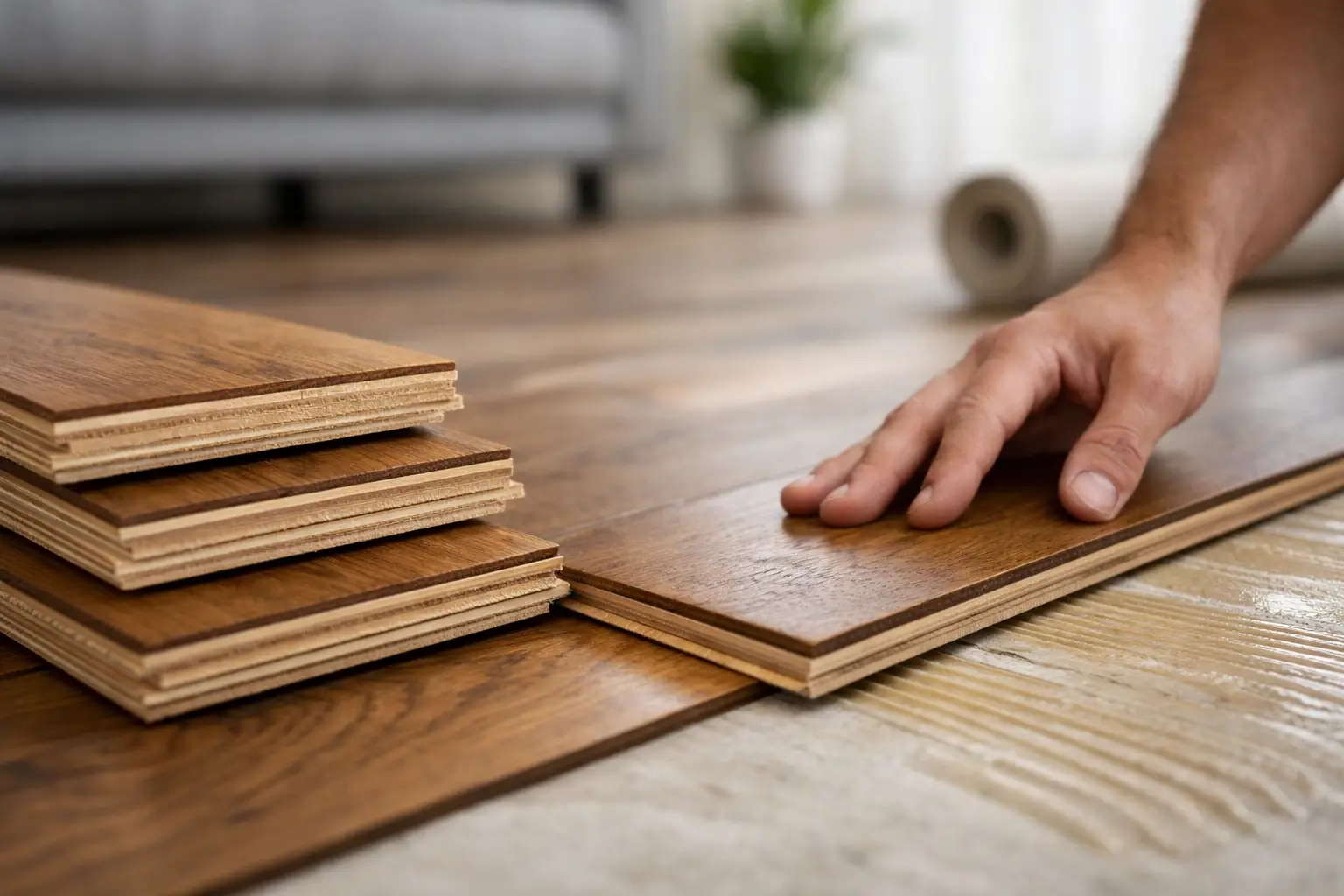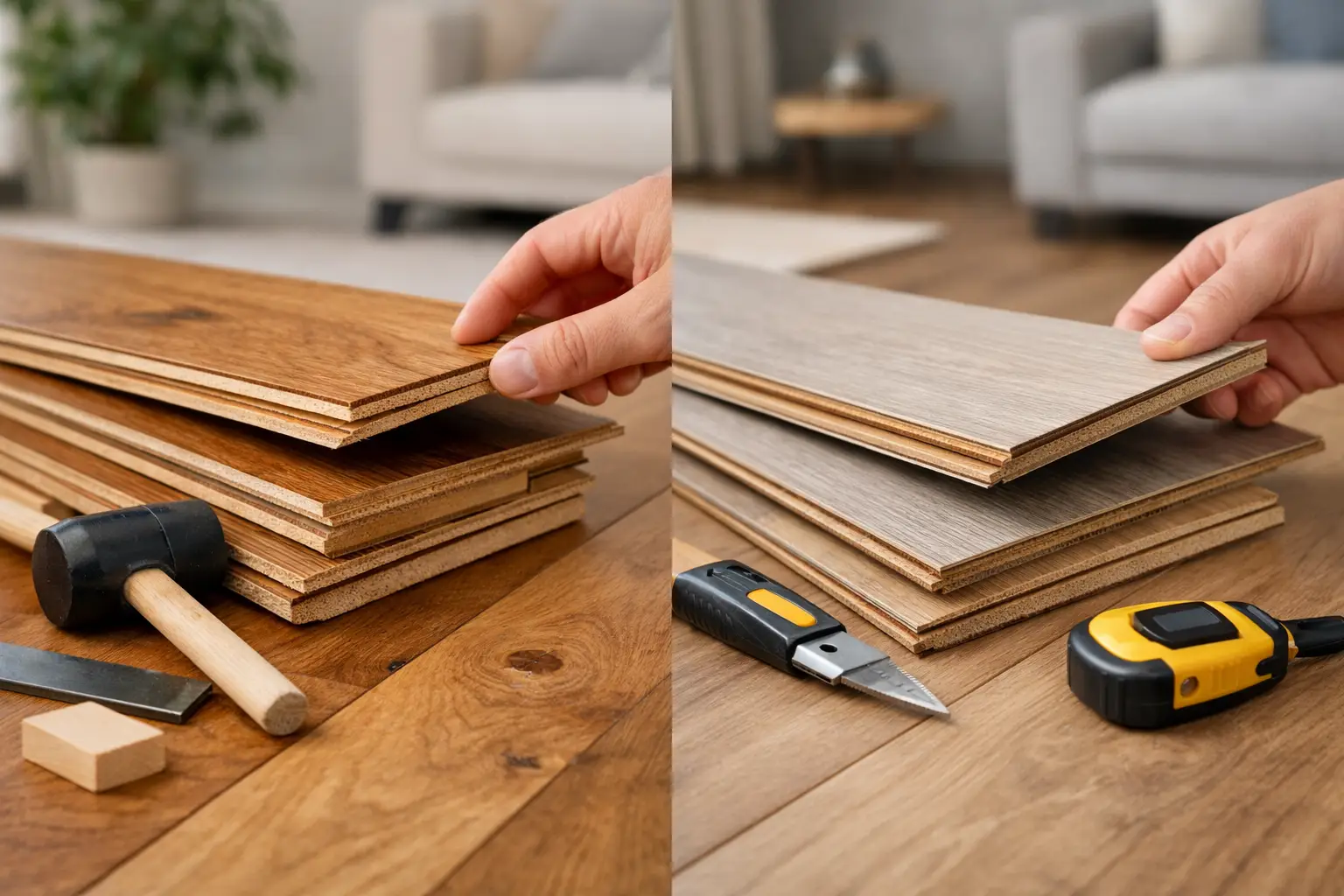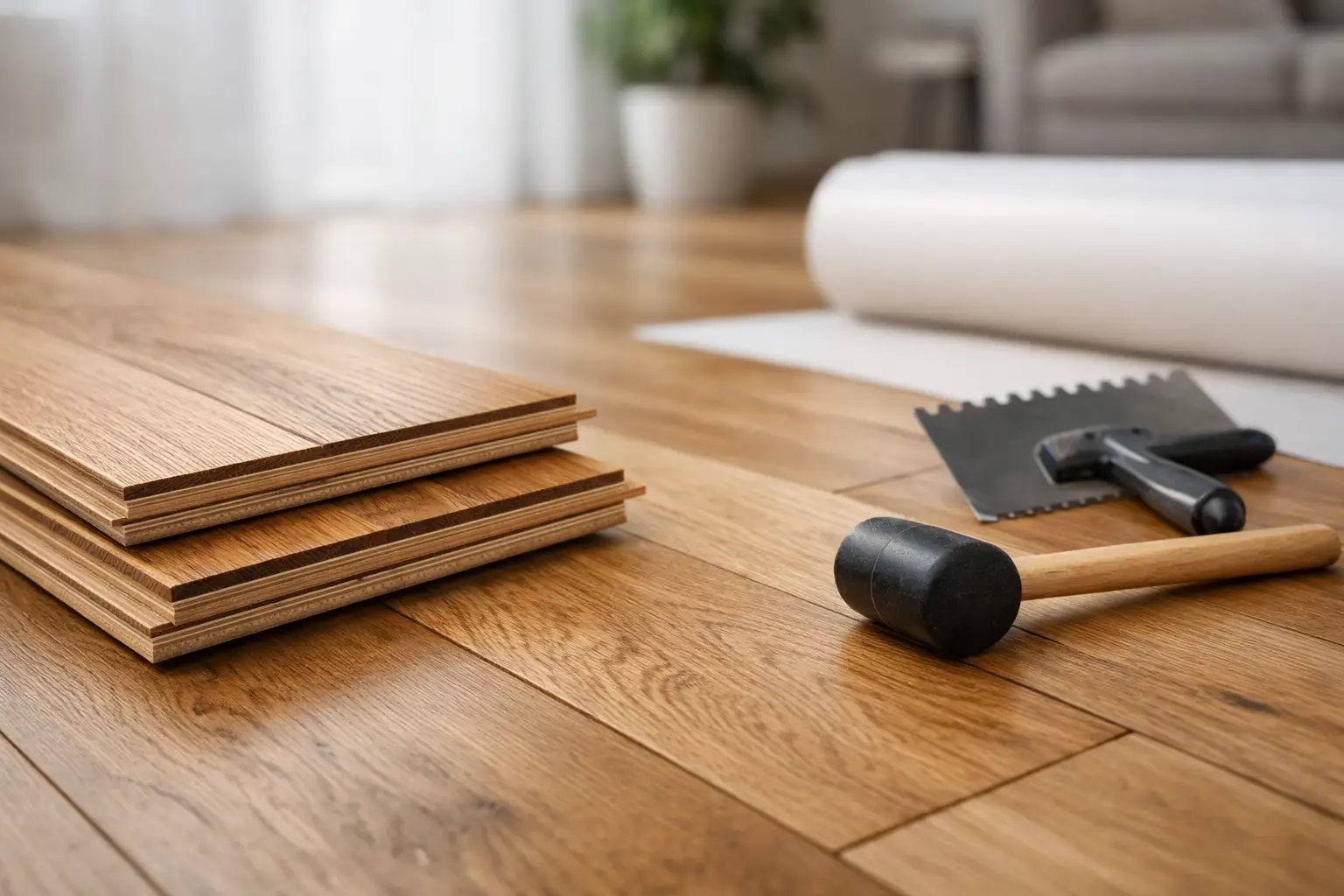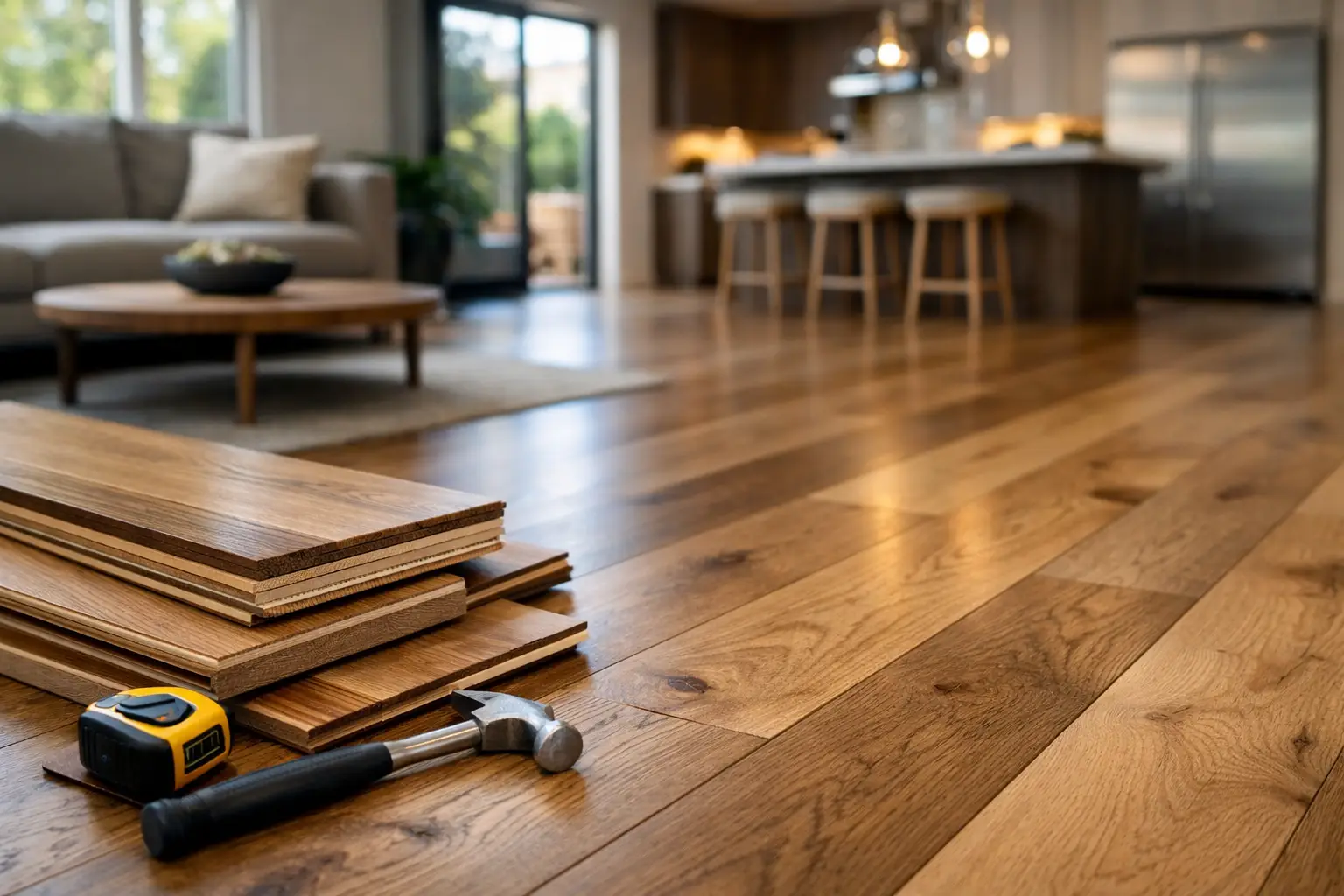
A floor can look perfect in a showroom and still fail in your home. That usually comes down to one thing: installation. When people search for flooring installation Melbourne services, they are often comparing colours, finishes and prices. Fair enough. But the result you live with for the next 10 to 20 years depends just as much on what happens underneath the boards as the boards themselves.
That is where a lot of flooring jobs go wrong. A rushed measure, poor levelling, the wrong product for the space, or an installer treating every subfloor the same can lead to movement, gaps, hollow spots or early wear. Good flooring is not just supplied. It is assessed, prepared and fitted properly.
Table of Contents
What good flooring installation in Melbourne really involves
Melbourne homes are not all built the same, and that matters. Some properties have ageing timber subfloors. Others have concrete slabs with moisture concerns, minor undulation or previous floor coverings that leave behind adhesive and damage. Apartments bring acoustic requirements. Renovations often involve transitions between old and new floor heights.
A proper installation starts with understanding those conditions before any product is locked in. That means measuring accurately, checking the subfloor, identifying any preparation needed and matching the flooring type to the room, traffic level and lifestyle. If that sounds basic, it should be. But it is also the step many cheaper quotes skip or underestimate.
The best outcomes usually come from companies that treat installation as a technical trade, not just a final add-on. If the advice is coming from people with real fitting experience, the recommendations tend to be more practical and a lot less generic.
Why subfloor preparation matters more than most people think
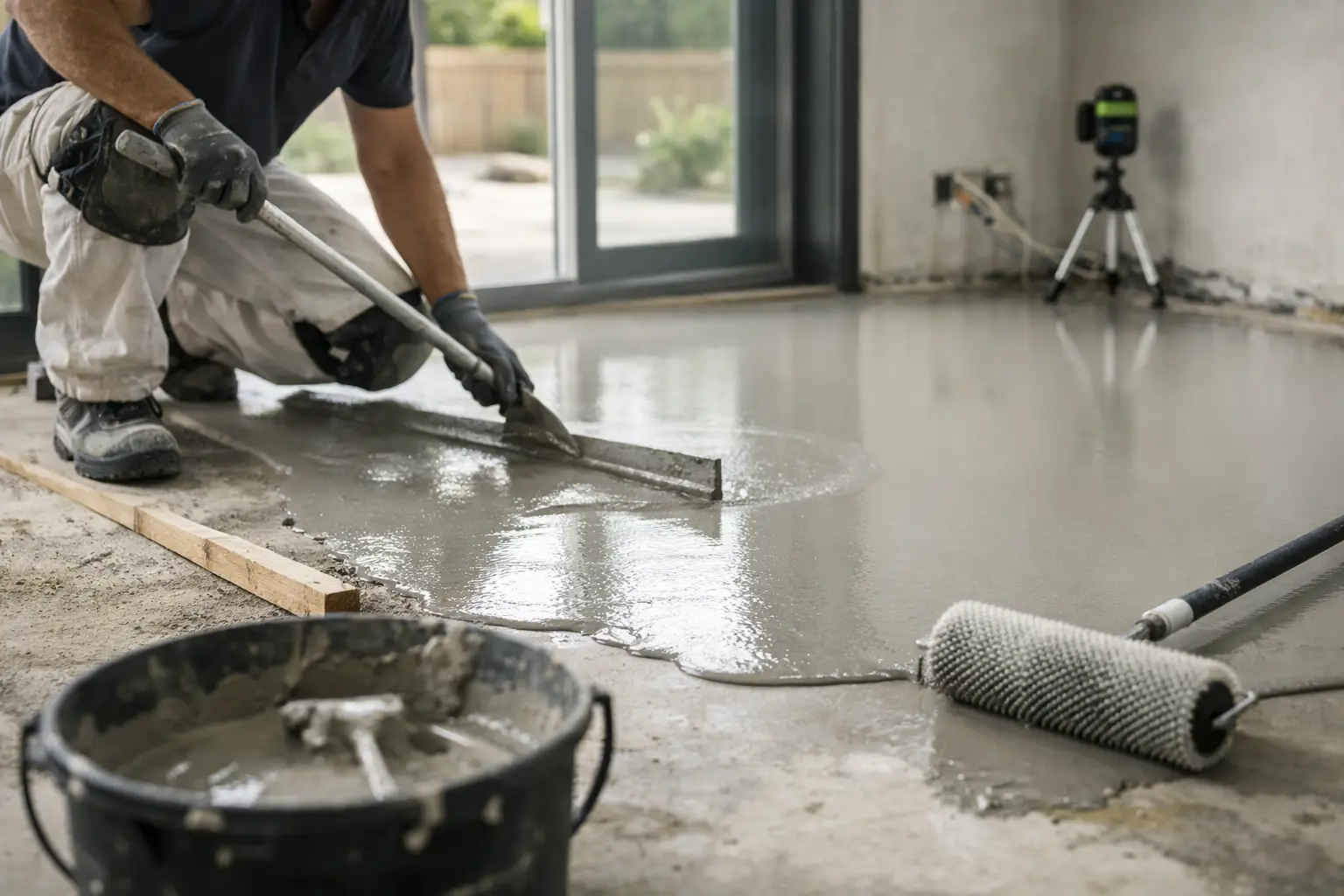
If there is one part of flooring installation Melbourne clients should never gloss over, it is subfloor preparation. You will not see it once the job is complete, but you will notice the consequences if it is done badly.
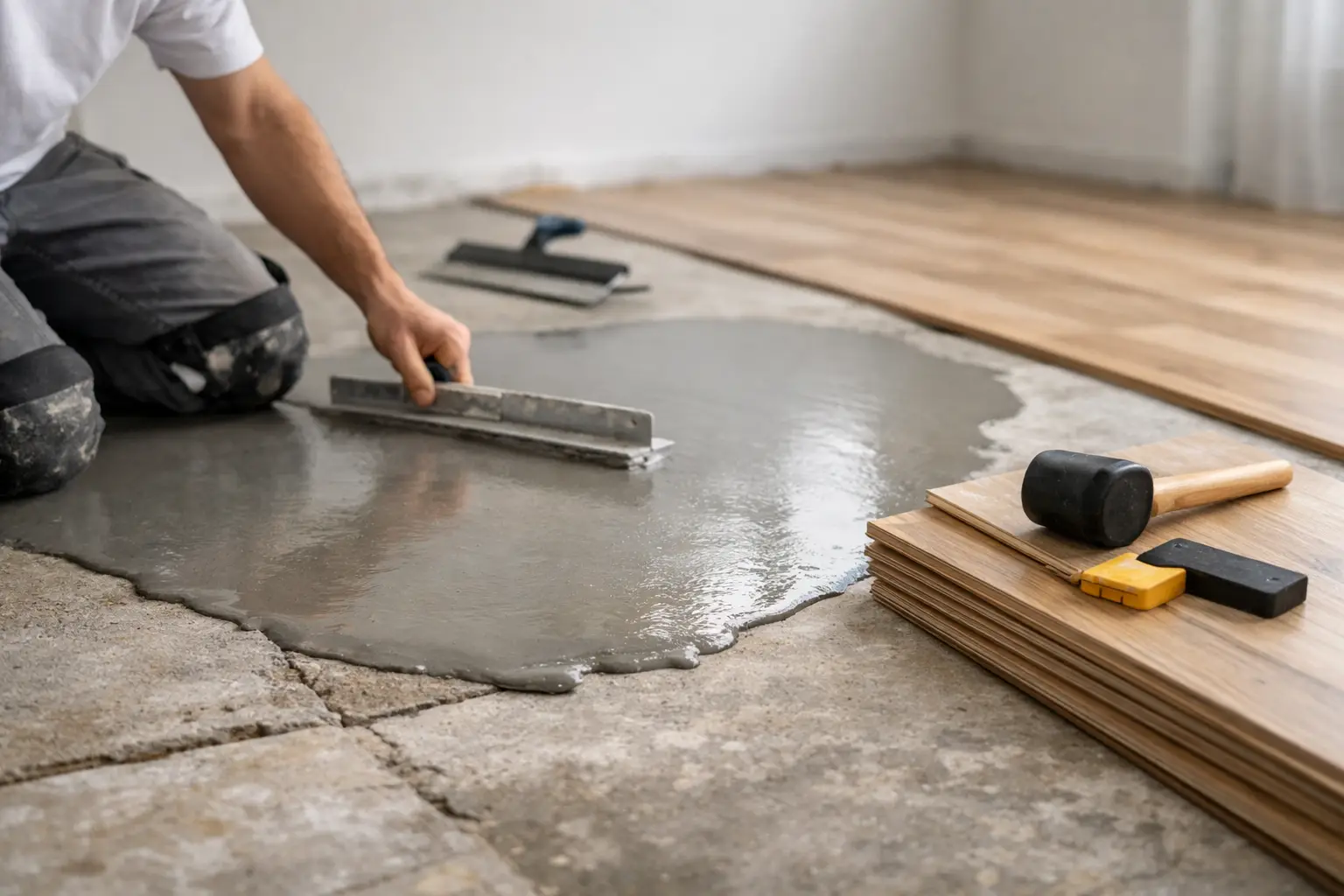
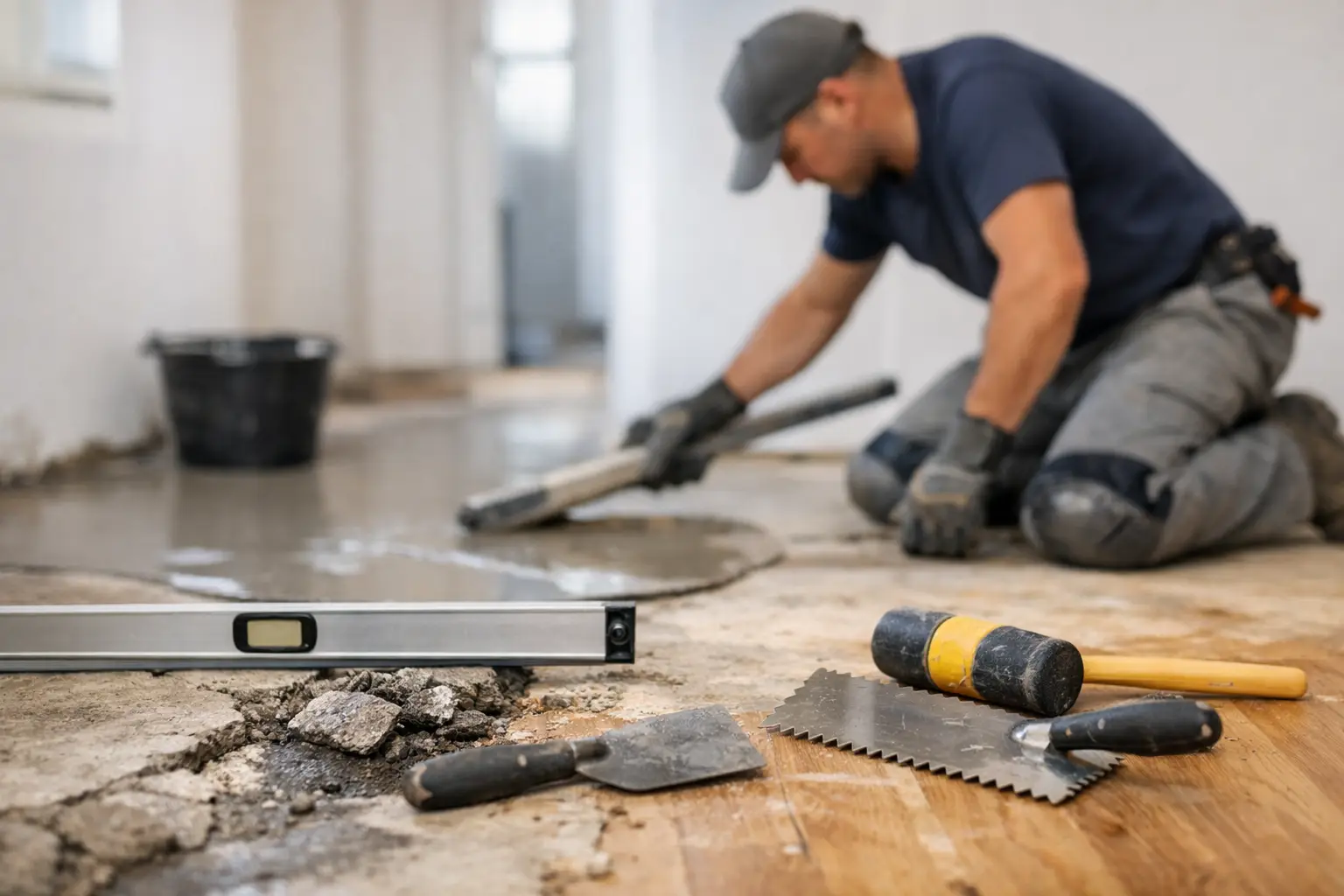
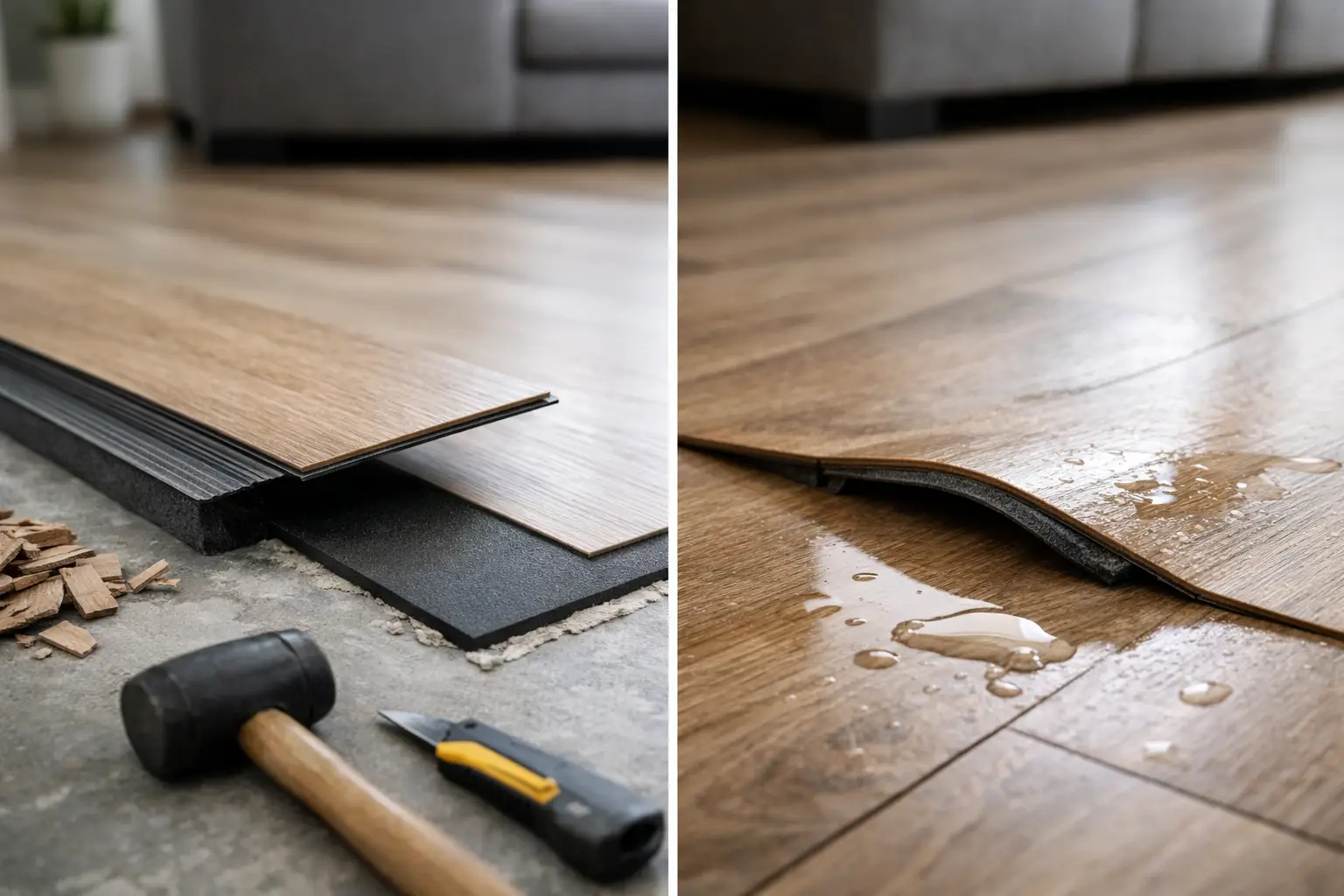
An uneven subfloor can create movement underfoot, strain locking systems and cause visible imperfections across the finished surface. On hard flooring products like hybrid, laminate and engineered timber, even small irregularities can affect long-term performance. The floor might still go down, but that does not mean it should.
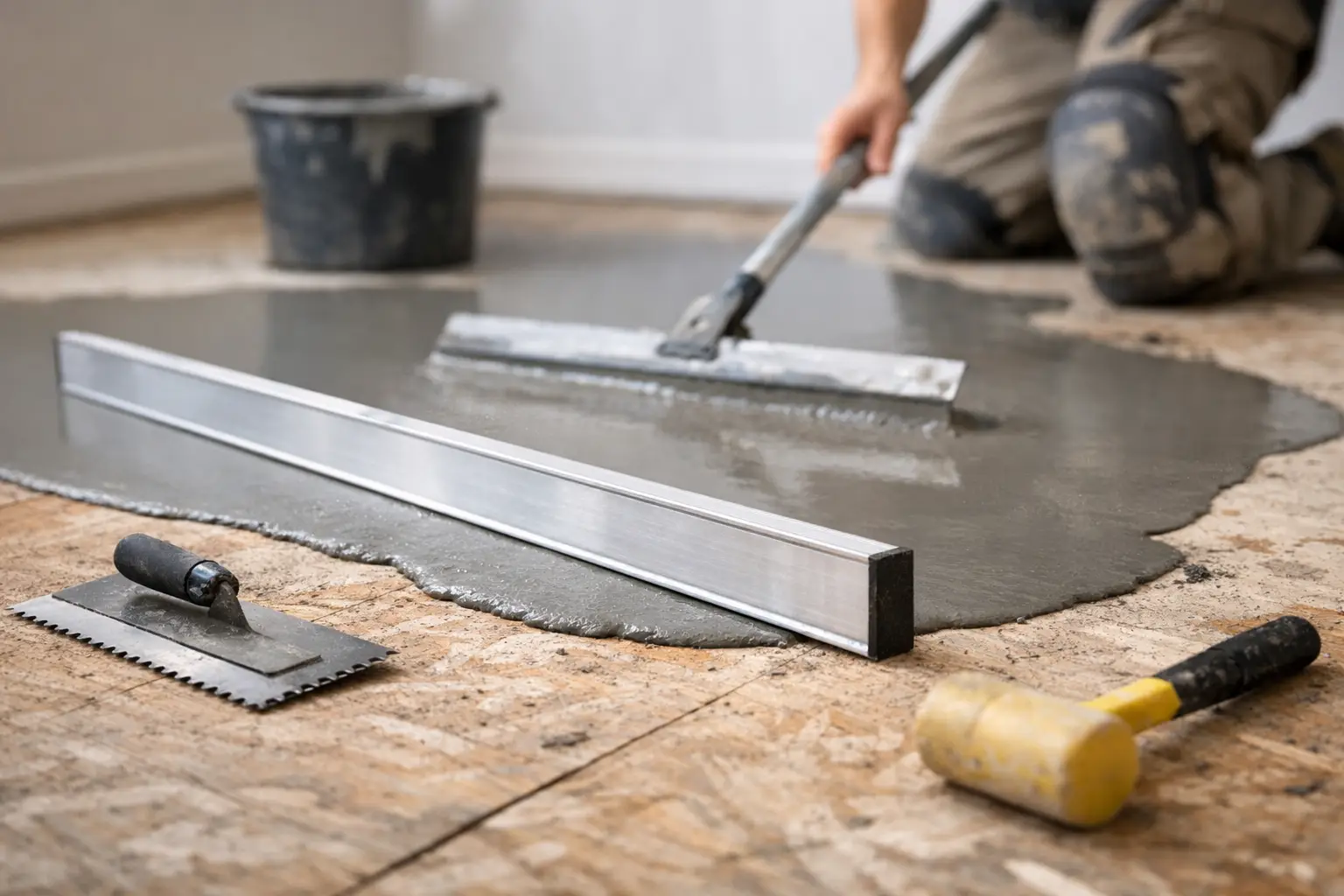
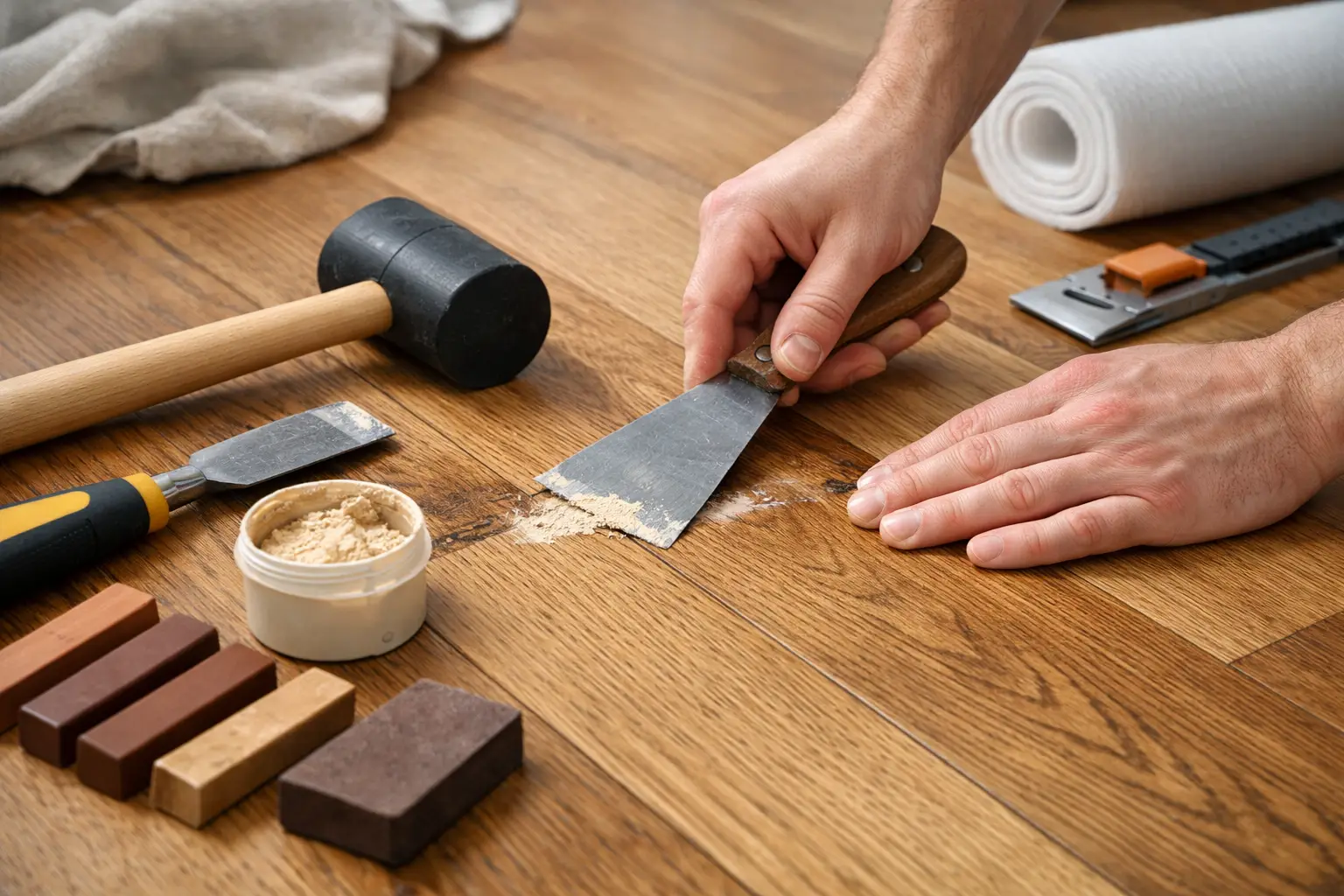
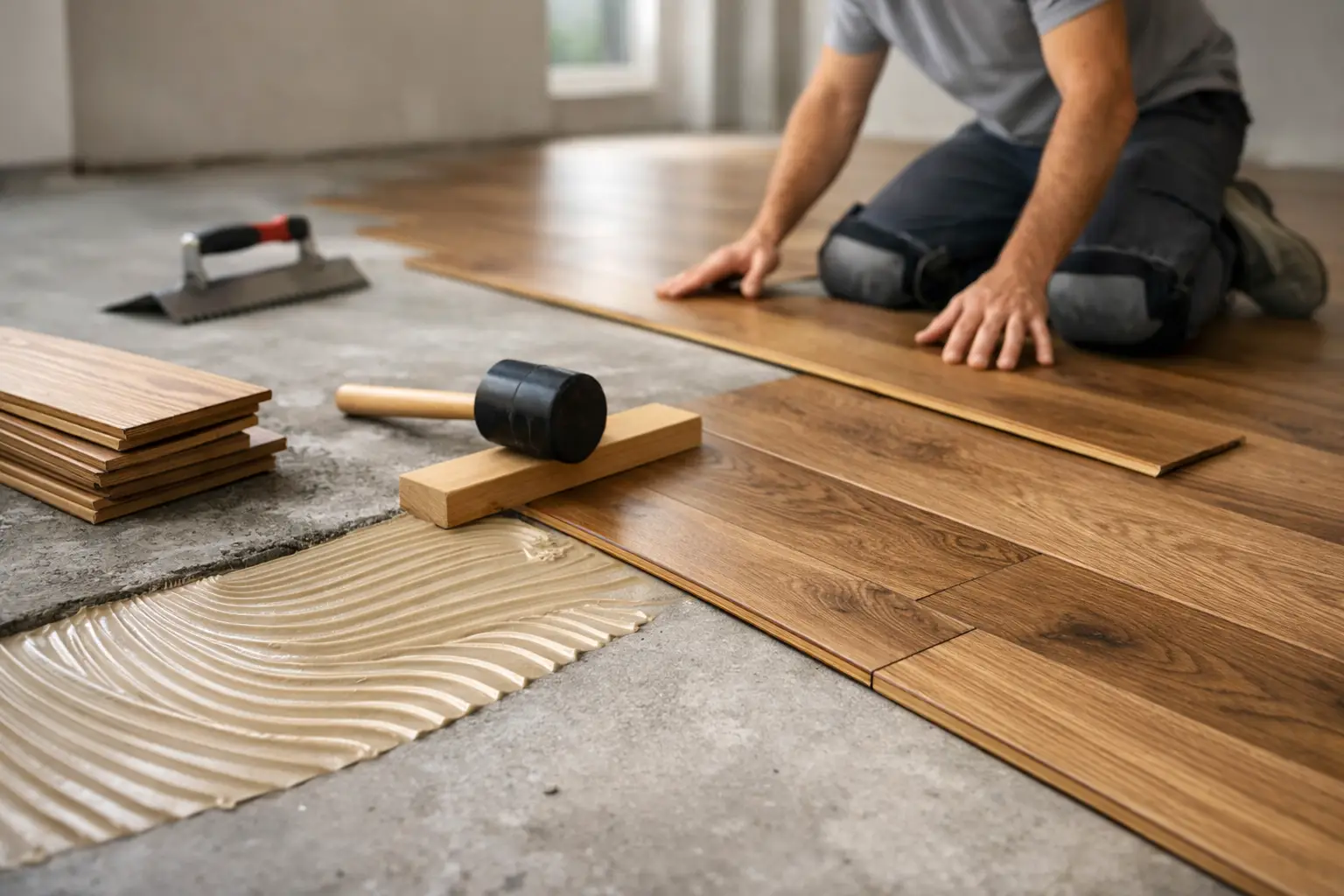
This is why professional preparation matters. In many cases, levelling compounds are not optional. They are the difference between a floor that feels solid and one that sounds hollow or starts shifting early. The same goes for moisture assessment, grinding high spots, removing residue and making sure the surface is fit for the product being installed.
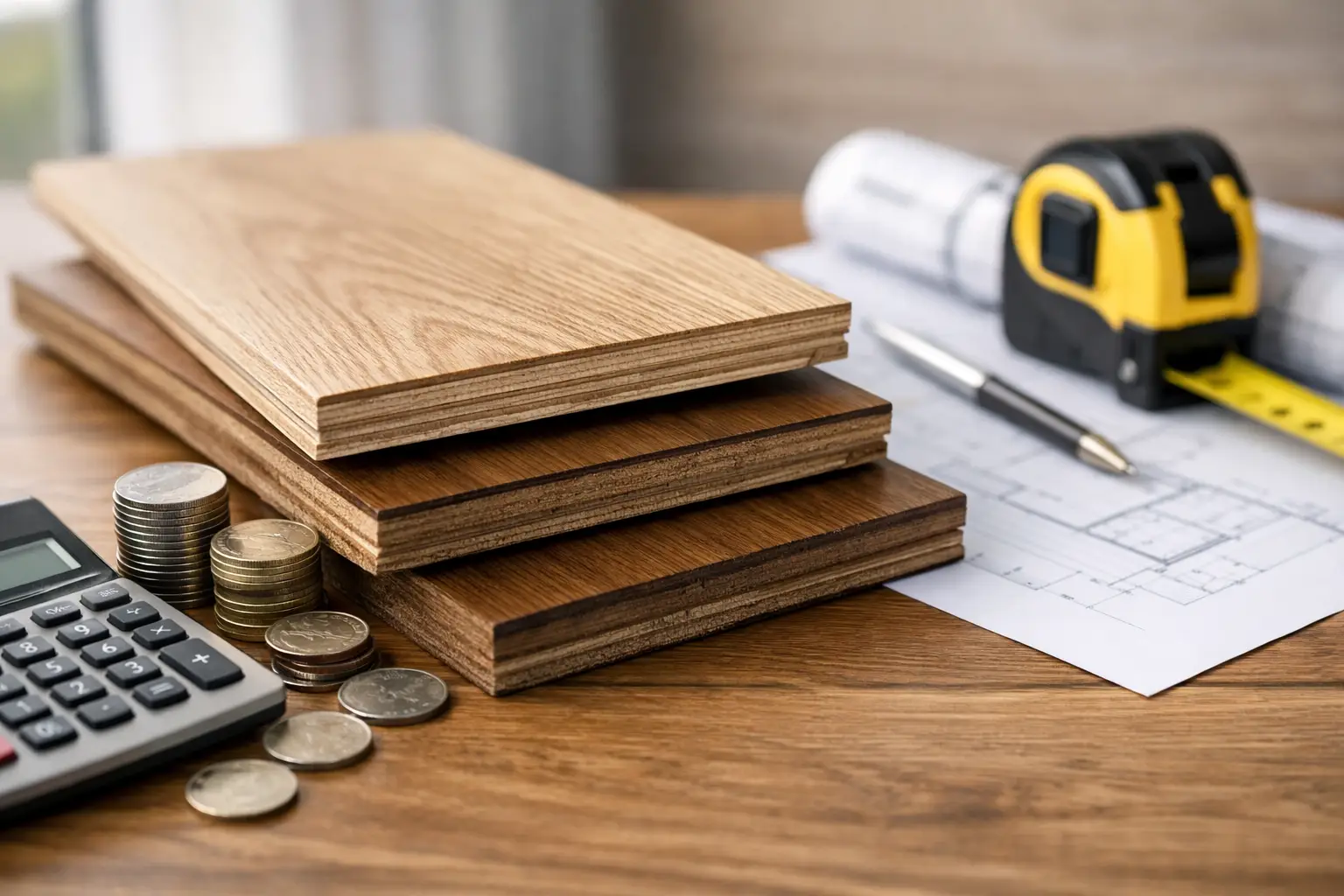
There is a cost to proper prep, and that can make a cheaper quote look attractive at first. But flooring failures are expensive to fix because the labour is in the removal and reinstallation, not just the product. It is usually far more economical to do the prep properly the first time.
Choosing the right product for your space
Not every flooring product suits every room or property. A good installer should help narrow the choice based on how the floor will actually be used, not just what looks best under showroom lighting.
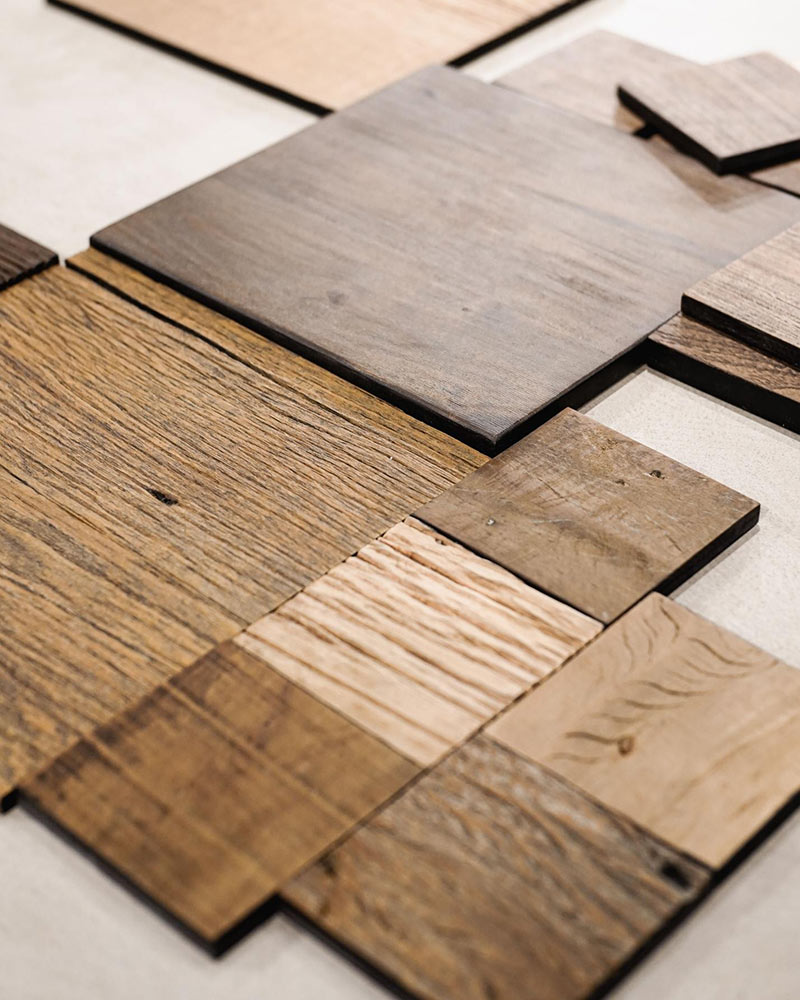
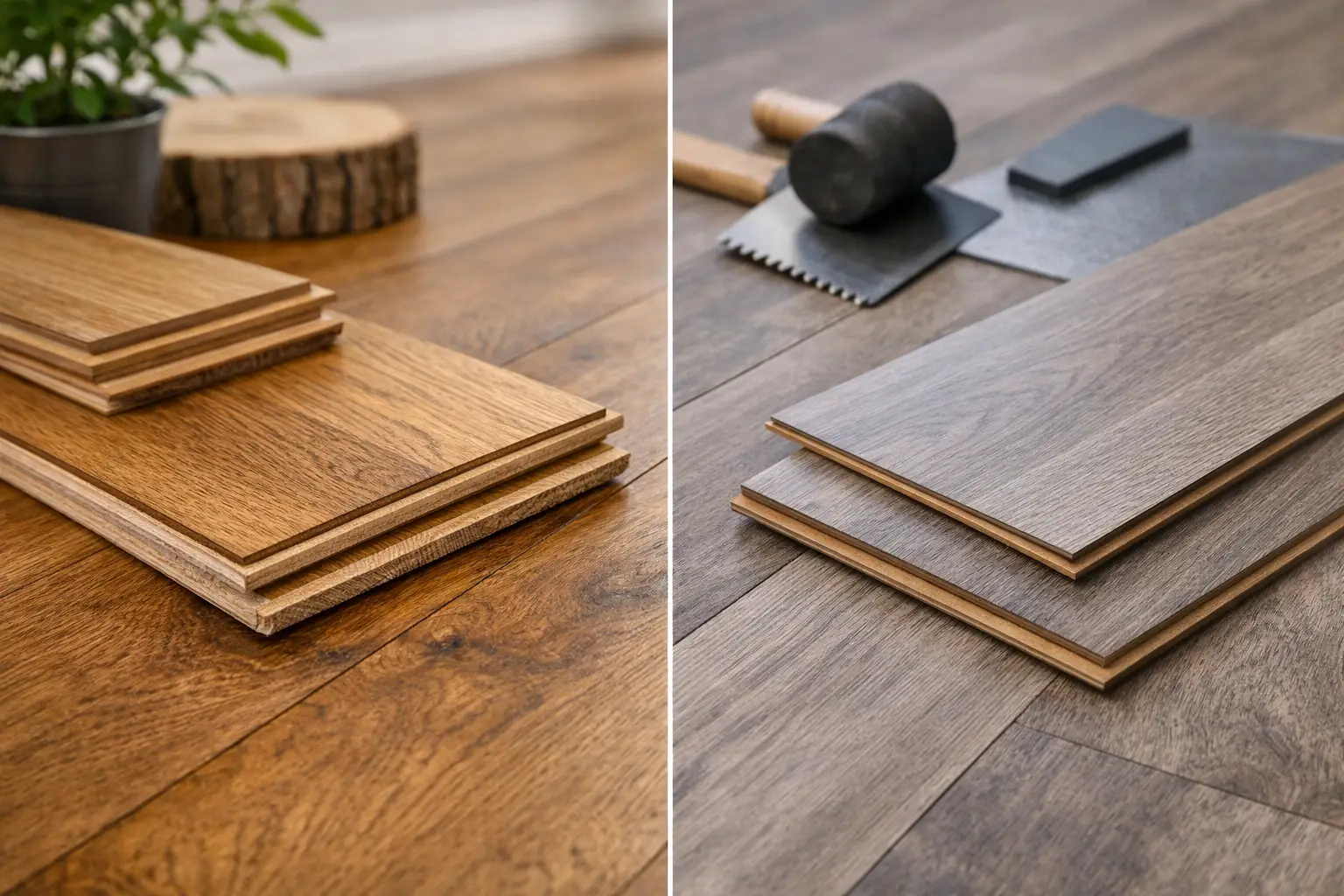
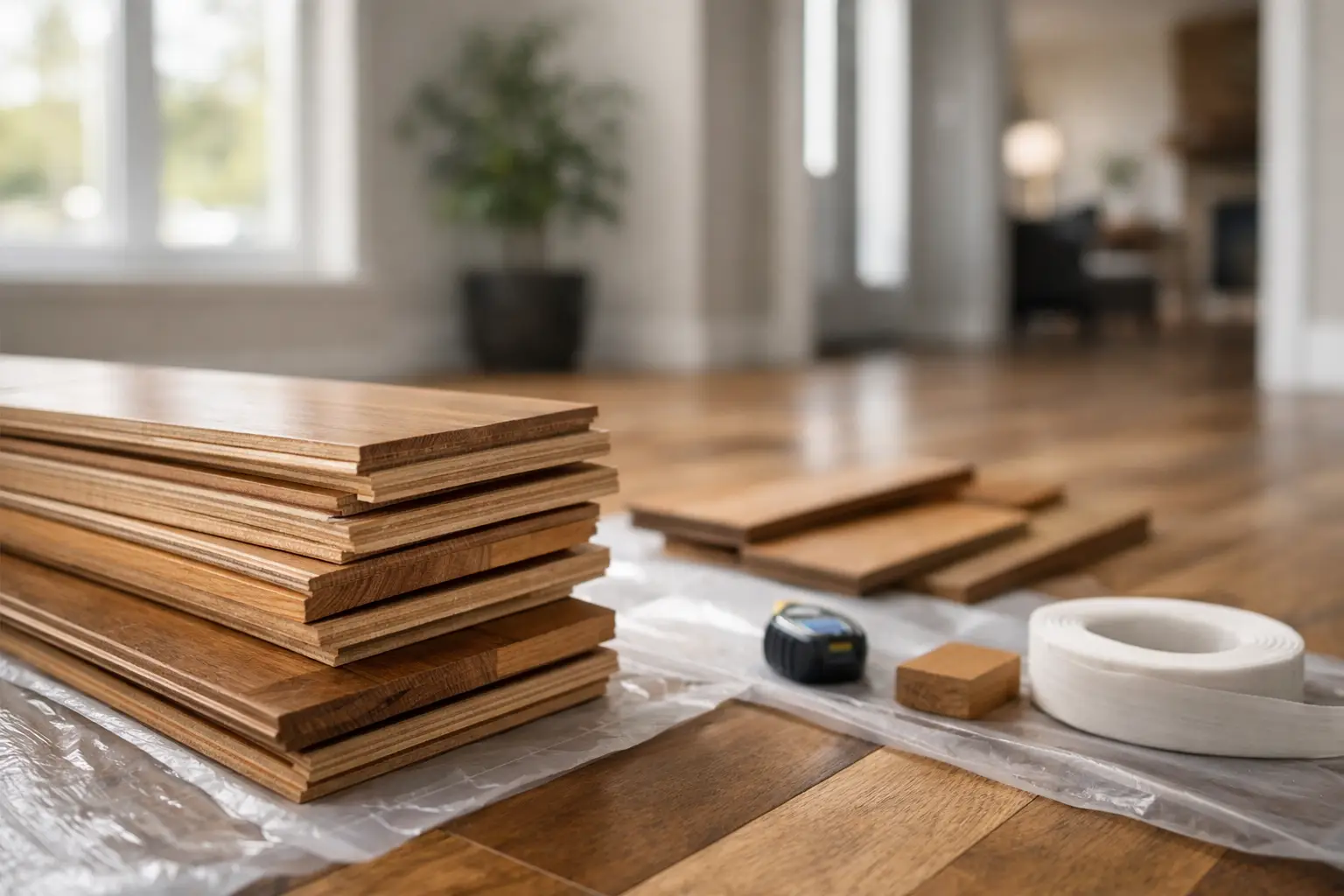
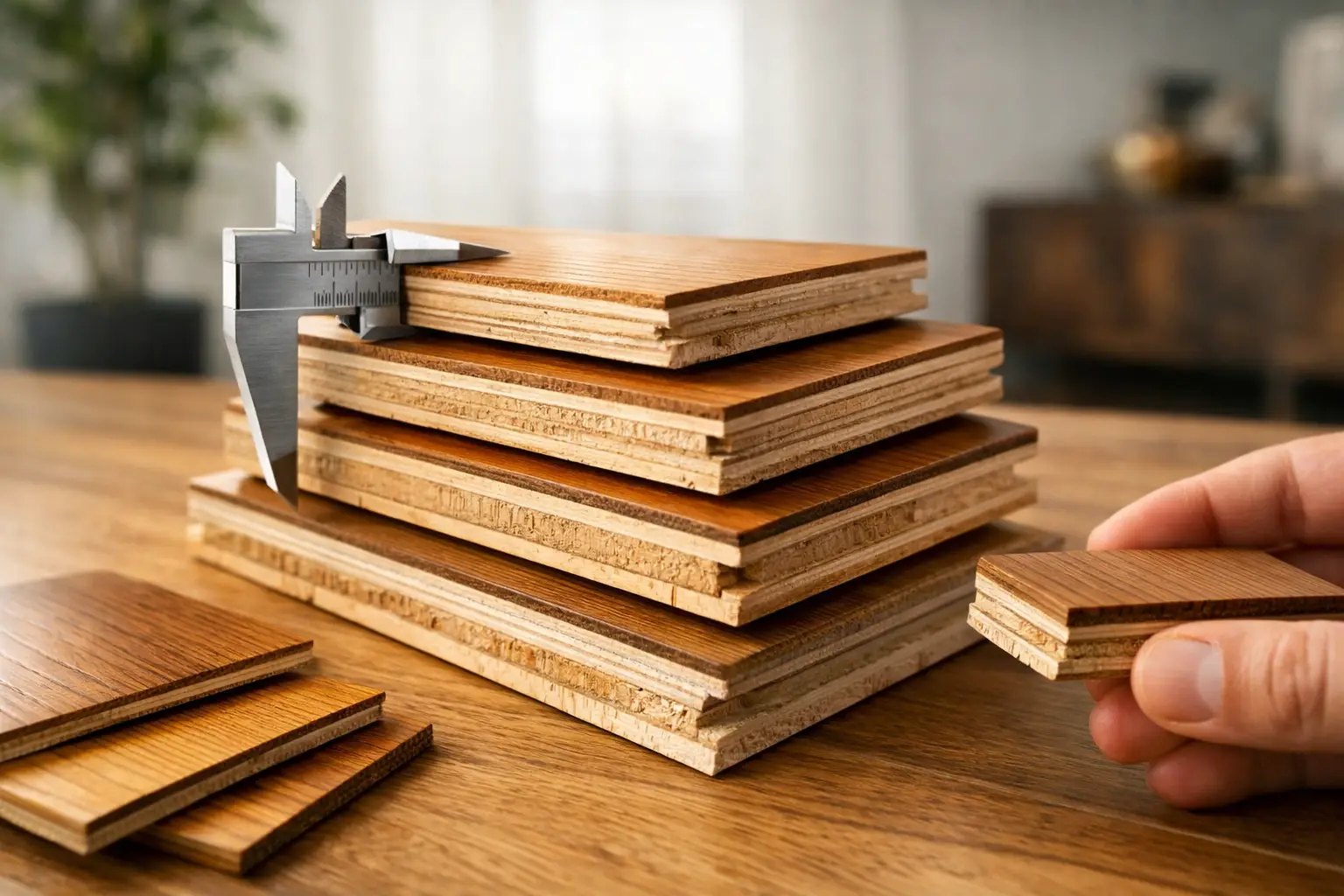
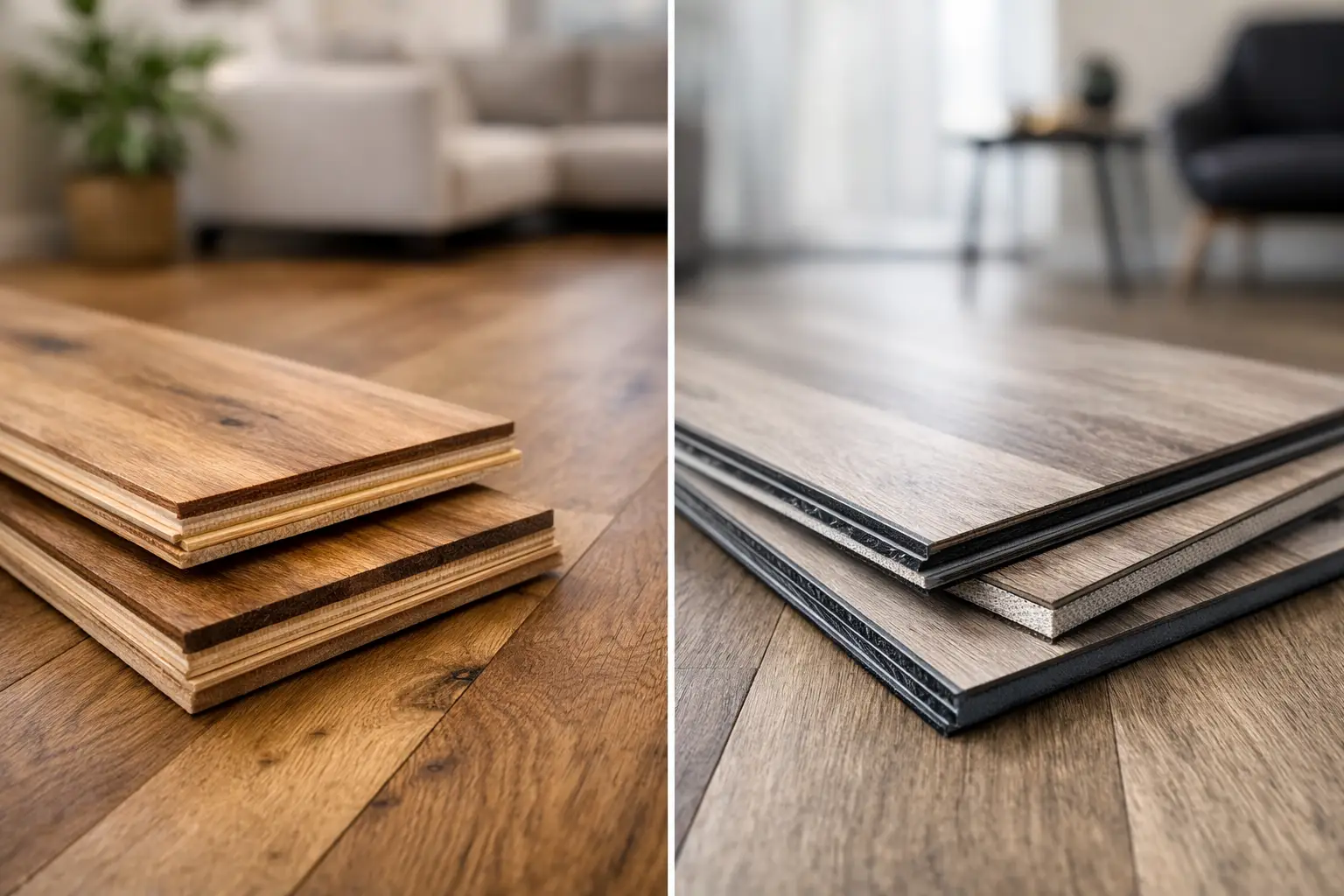
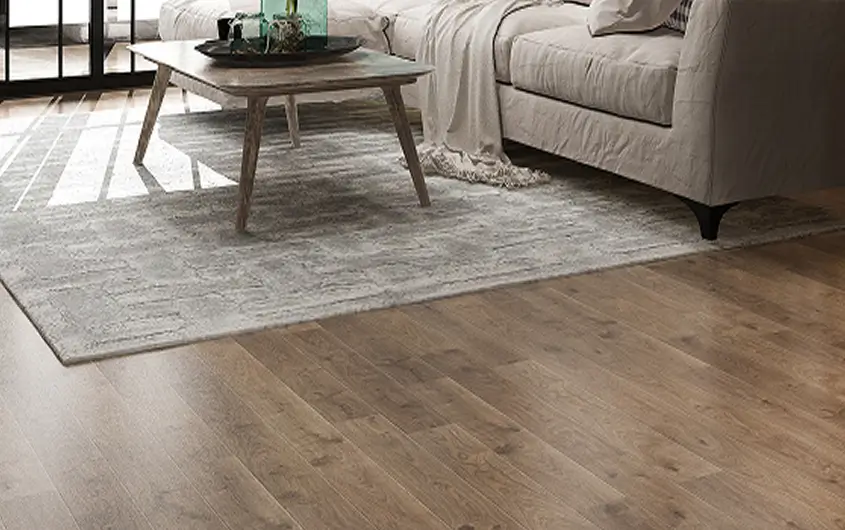
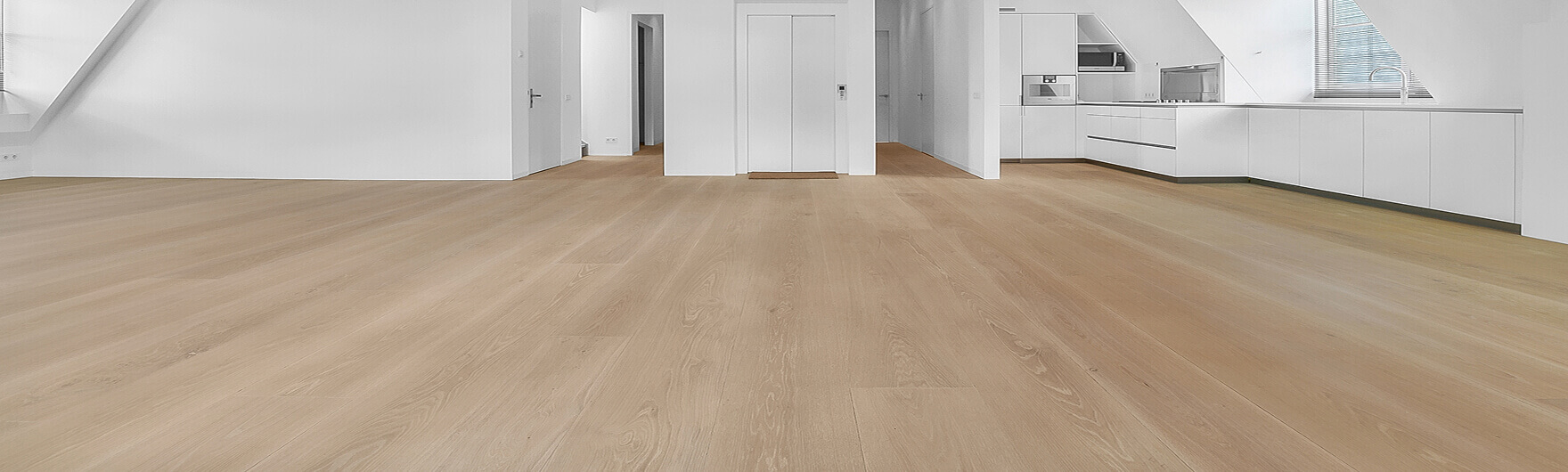
Engineered timber is often the right fit when you want the warmth and character of real timber with greater stability than solid hardwood. It suits many living areas and premium residential settings, especially where clients want a natural finish and a more refined look.
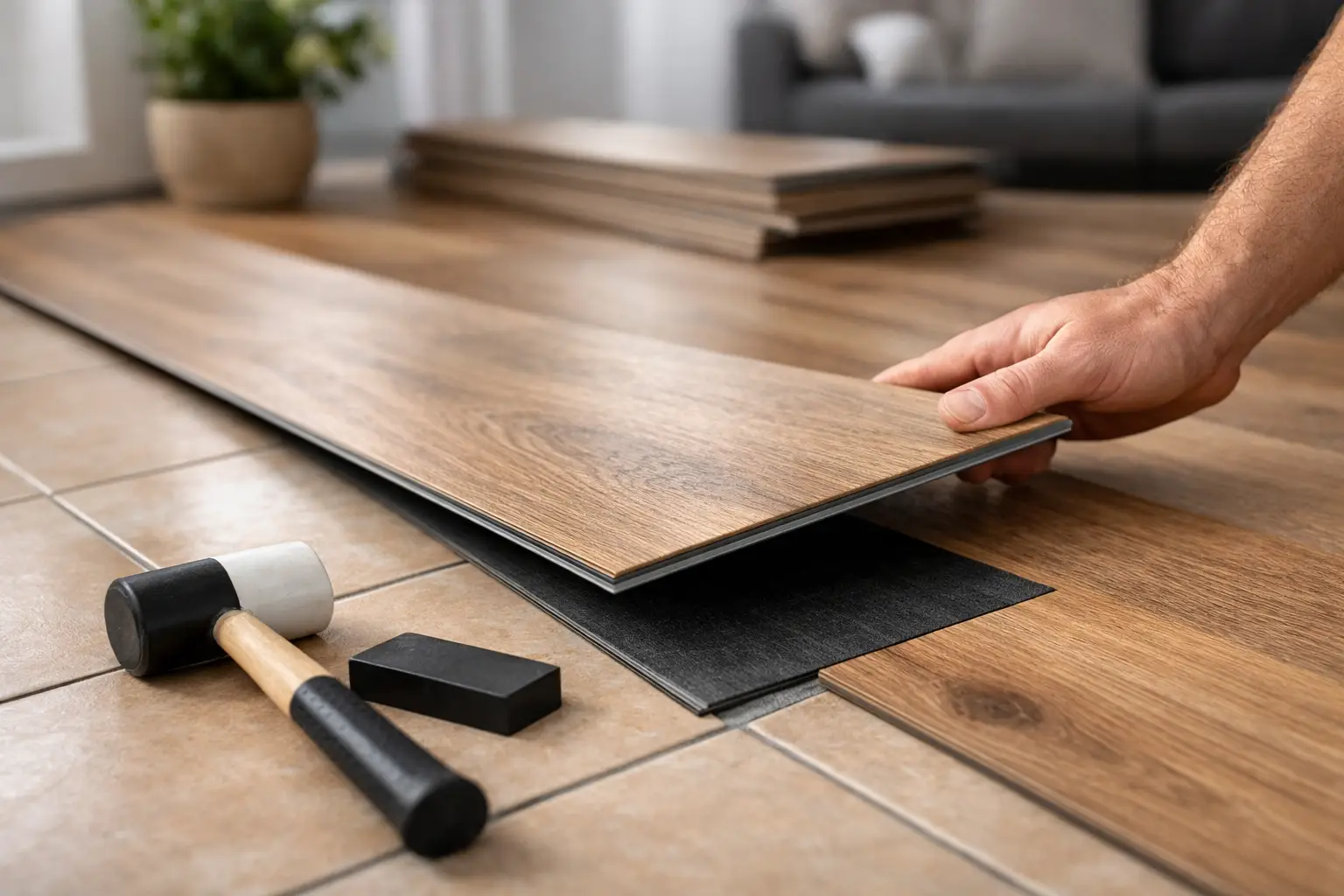
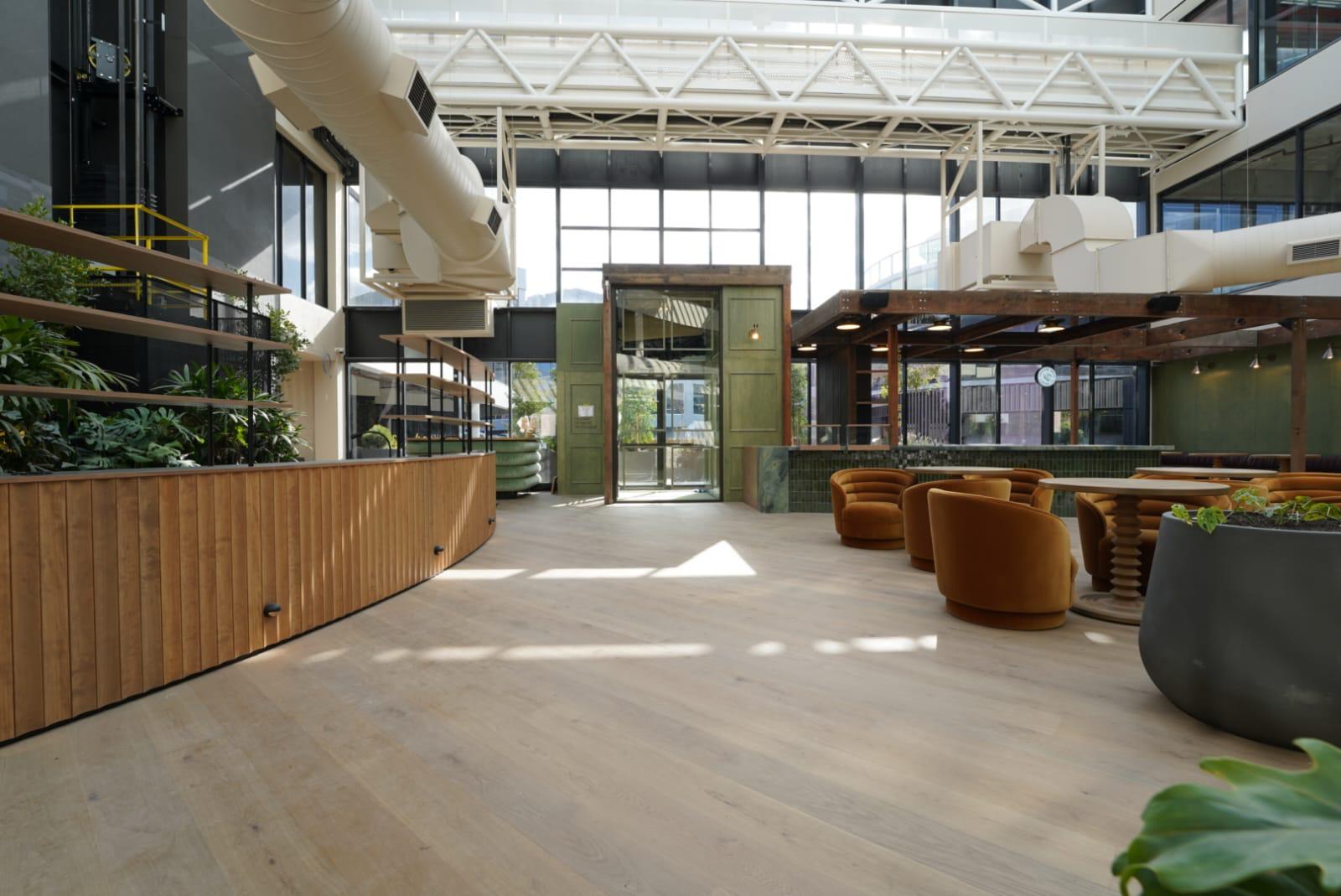
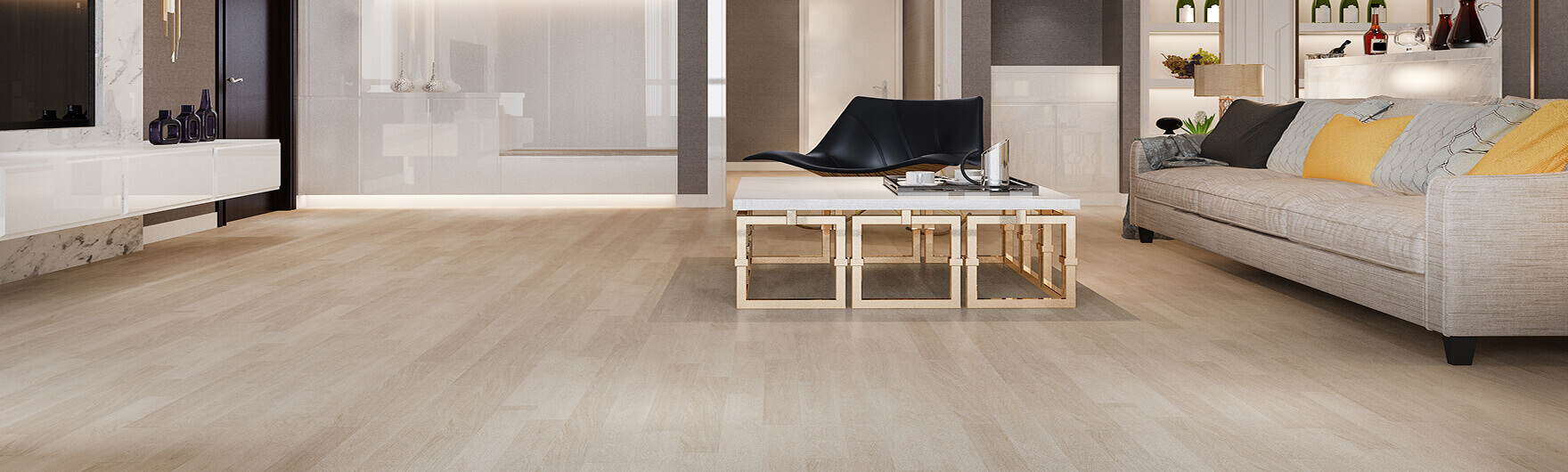
Hybrid flooring is popular for a reason. It handles busy households well, offers strong water resistance and comes in a wide range of timber-look finishes. For families, investors and commercial spaces, it is often a practical option that balances appearance, durability and maintenance.
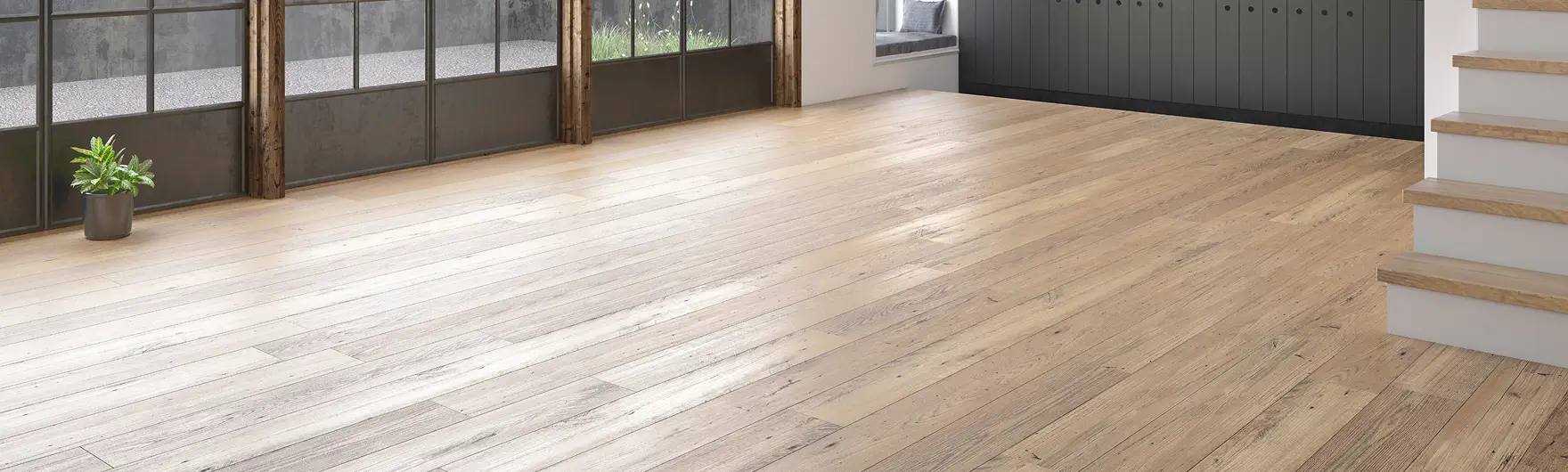
Laminate still has a place too. A quality laminate floor can deliver strong wear resistance and good value, especially in lower-risk dry areas. But product quality varies, and so does installation quality, so this is not the category to buy on price alone.
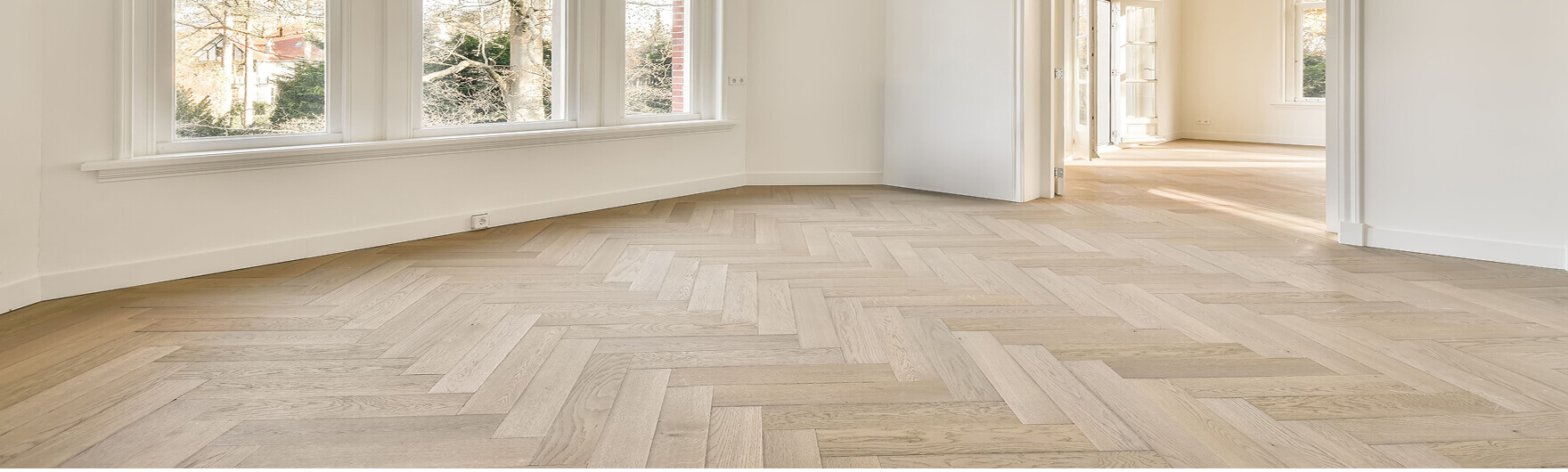
Herringbone deserves its own mention because it changes the installation process completely. It is visually striking and works beautifully in entranceways, living rooms and higher-end interiors, but it requires tighter planning, more precise layout work and a higher level of fitting accuracy. If a quote for herringbone seems suspiciously cheap, there is usually a reason.
Flooring installation Melbourne homeowners should ask about
A quote should tell you more than the square metre rate. It should make clear what is included, what has been allowed for, and what might change once the subfloor is properly inspected.
Ask how the subfloor will be assessed. Ask whether levelling, grinding, moisture checks or removal of existing flooring are included. Ask who is doing the installation and whether the recommendation is based on the product or the property. These are not awkward questions. They are the questions that protect your budget and your result.
It is also worth asking how transitions, trims, stairs and door clearances will be handled. These details can affect both appearance and cost. A neat installation is often defined by how well the edges and junctions are finished, not just the open floor area.
For apartments and some commercial settings, acoustic requirements may also shape the product and underlay choice. Again, this is where practical guidance matters. The right floor on the wrong underlay can still become a problem.
Cheap quotes, hidden costs and where jobs blow out
Price matters. Everyone has a budget. But flooring is one of those trades where the cheapest quote can end up being the most expensive path.
Sometimes a low quote excludes prep and leaves it to be added later. Sometimes it uses lower-grade accessories or underlays. Sometimes the product itself looks similar on the surface but performs very differently over time. And sometimes the job is simply underquoted because the installer is hoping to sort the details out on site.
That does not mean the highest quote is automatically the best either. It means you need to compare scope, not just price. A fair quote should reflect the actual work required for a lasting installation. If one company has taken the time to measure properly, inspect conditions and explain likely prep, that usually tells you something about how they approach the job.
The value of installer-led advice
There is a real difference between being sold a floor and being guided into the right floor. Showrooms can be helpful for inspiration, but product knowledge on its own is not enough. Installation knowledge changes the quality of the advice.
A former installer will often spot issues that a pure salesperson will miss. They are more likely to explain why one product suits your subfloor better than another, why a certain board length may work better in your layout, or why spending a bit more on preparation could save you replacing sections later.
That kind of advice is especially useful when the decision is not straightforward. Maybe you want a European oak look but need something more forgiving for pets and kids. Maybe you are renovating an investment and need a strong visual result without overspending. Maybe you love herringbone but the room shape or slab condition makes another format more sensible. Honest guidance matters in those moments.
What a smoother installation process looks like
The best flooring projects tend to follow a clear process. First comes product selection based on the property, not guesswork. Then a proper site measure and quote. After that, any prep requirements are identified early so there are fewer surprises when the job starts.
Once installation day arrives, the work should feel methodical. The subfloor is prepared to suit the product. Layout is planned. Finishing details are handled carefully. And the end result should look clean, feel solid and make sense for the way the space is used.
That is the standard Melbourne Quality Timber Flooring aims for – not just a good-looking surface on handover day, but a floor that performs properly over time.
If you are comparing options, keep your focus on the full job, not only the board you like most. The right flooring choice is important, but the real value sits in choosing people who know how to make it last.