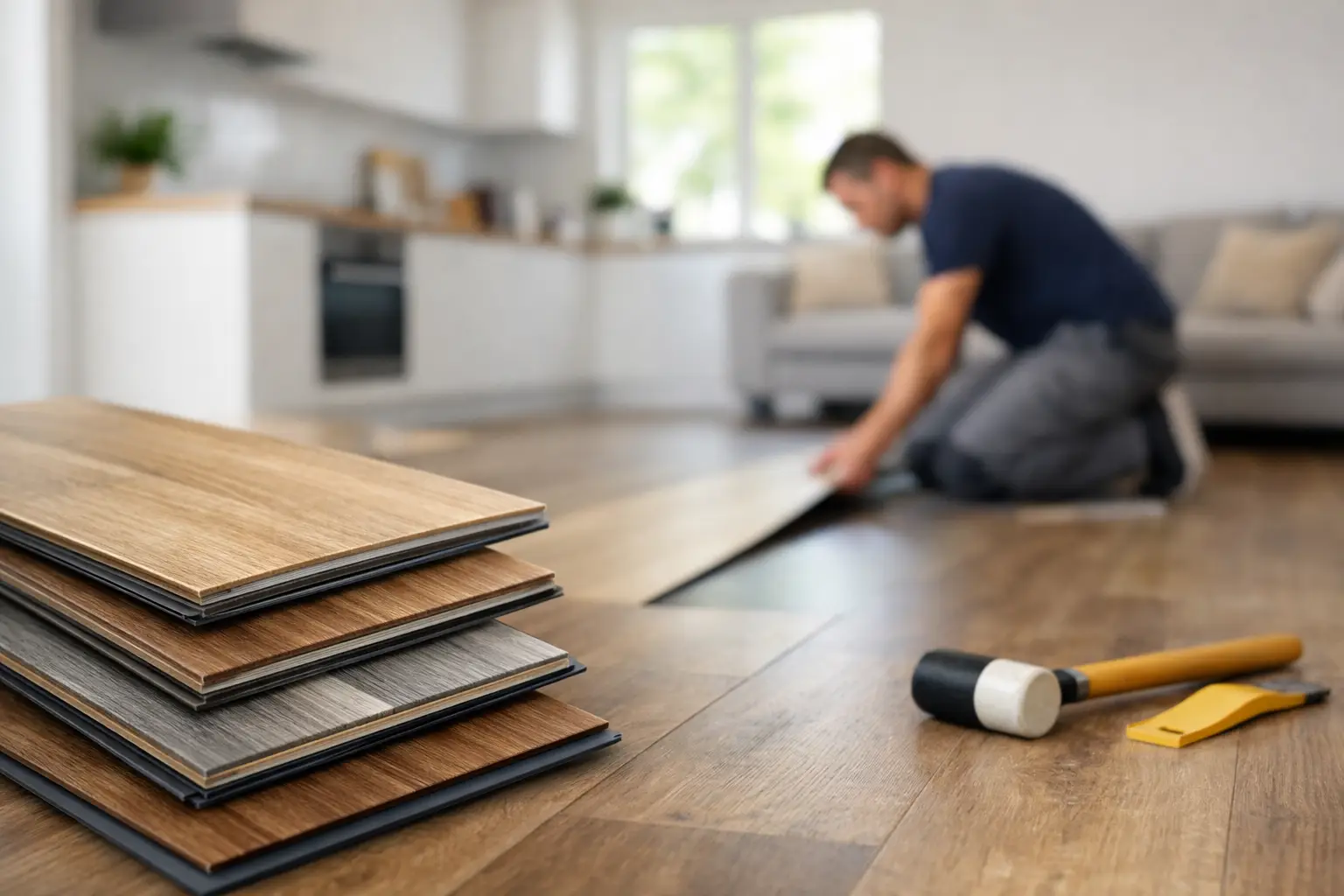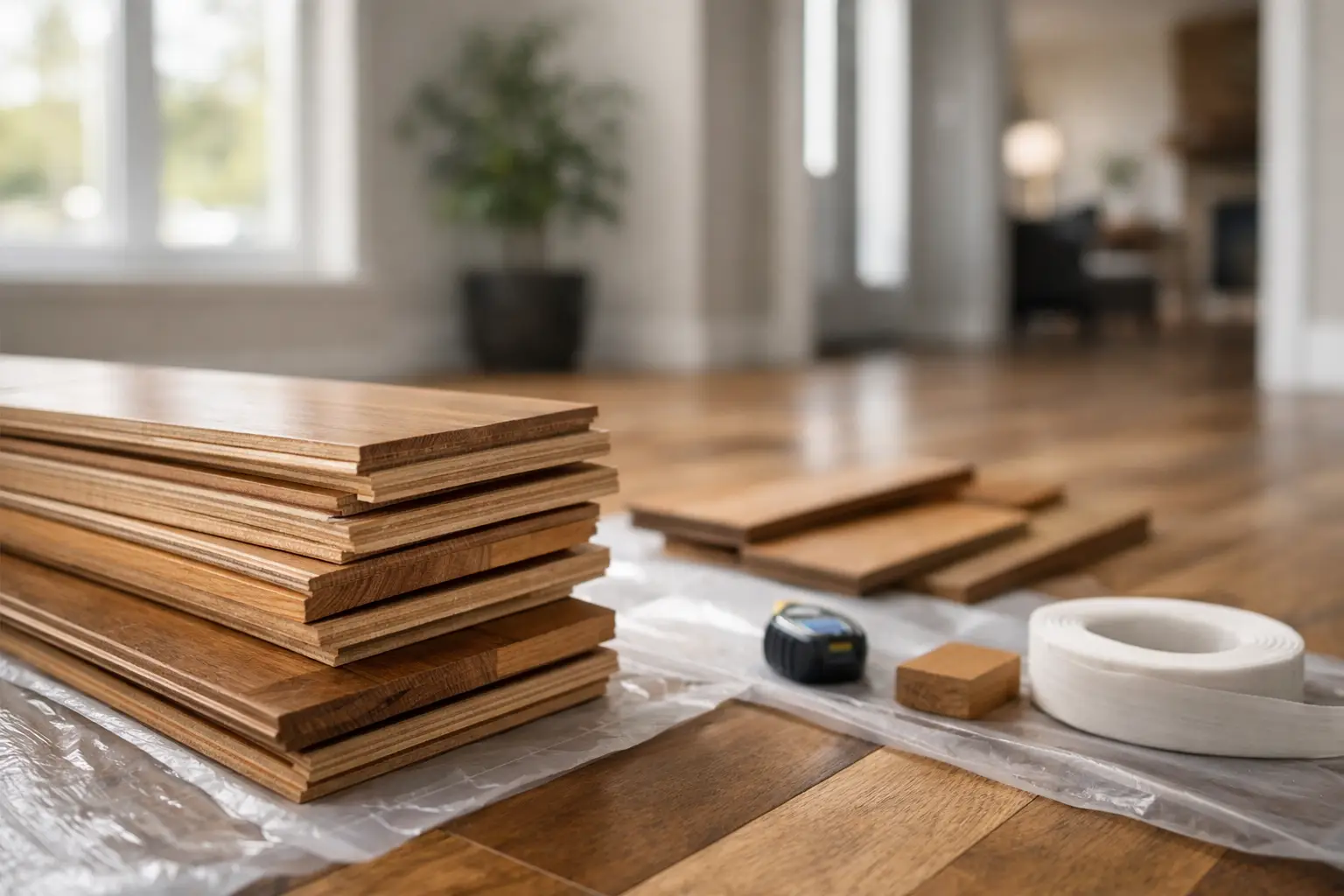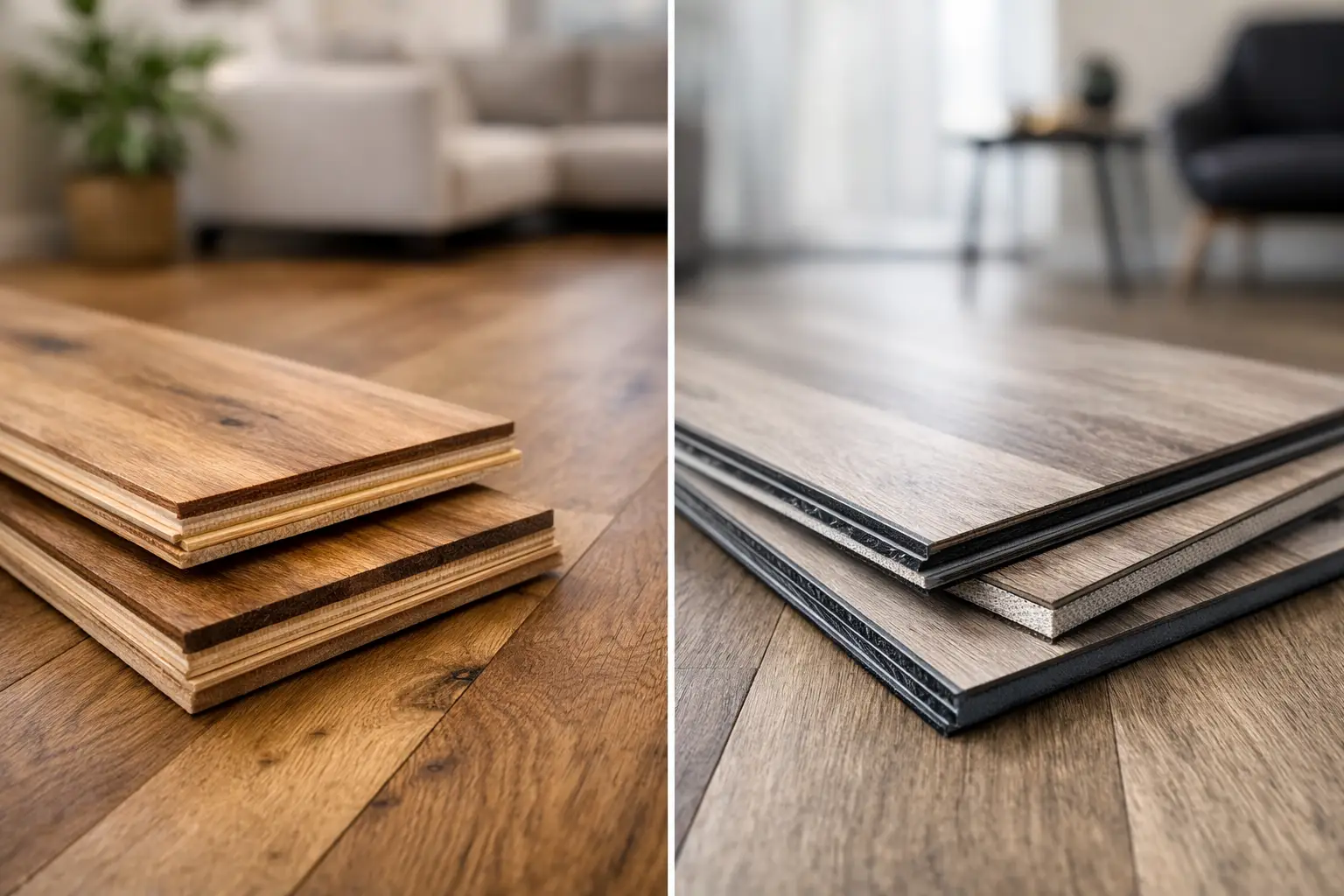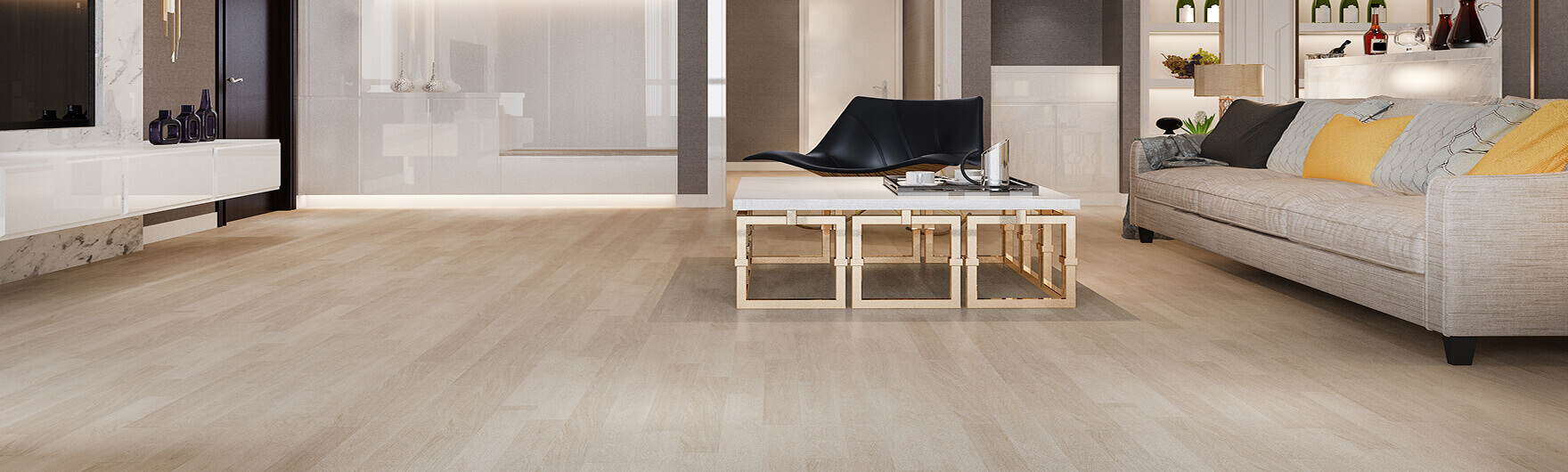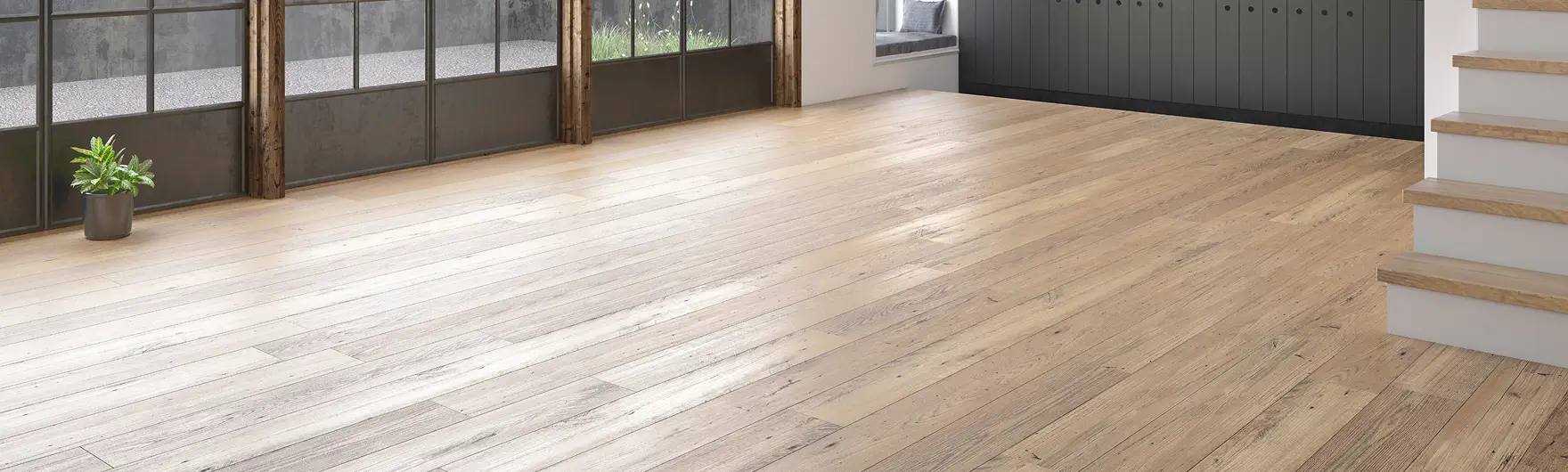
Choosing new flooring is one of the bigger decisions you’ll make in a home renovation.
Get it right and your floors will look great and perform well for decades. But with
engineered timber, hybrid, laminate, and herringbone all on the table, knowing where
to start can feel overwhelming.
This practical guide walks you through the key questions to ask before you choose —
so you can make a confident, informed decision for every room in your Melbourne home.
Table of Contents
Step 1: Think About How the Room Gets Used
The single most important factor in choosing flooring is understanding how a room
actually gets used day-to-day. A flooring product that’s perfect for a quiet master
bedroom may be completely wrong for a busy kitchen or a household with dogs.
Ask yourself:
- Is this a high-traffic area — hallway, living room, kitchen?
- Is moisture or humidity a risk — bathroom, laundry, kitchen?
- Are there pets or young children in the home?
- Will heavy furniture be sitting on this floor?
- Is comfort underfoot a priority — bedroom, home office?
Your answers to these questions will immediately narrow down which products are suitable
and which aren’t.
Step 2: Match the Product to the Room
Kitchens and Bathrooms
Waterproofing is non-negotiable in wet areas.
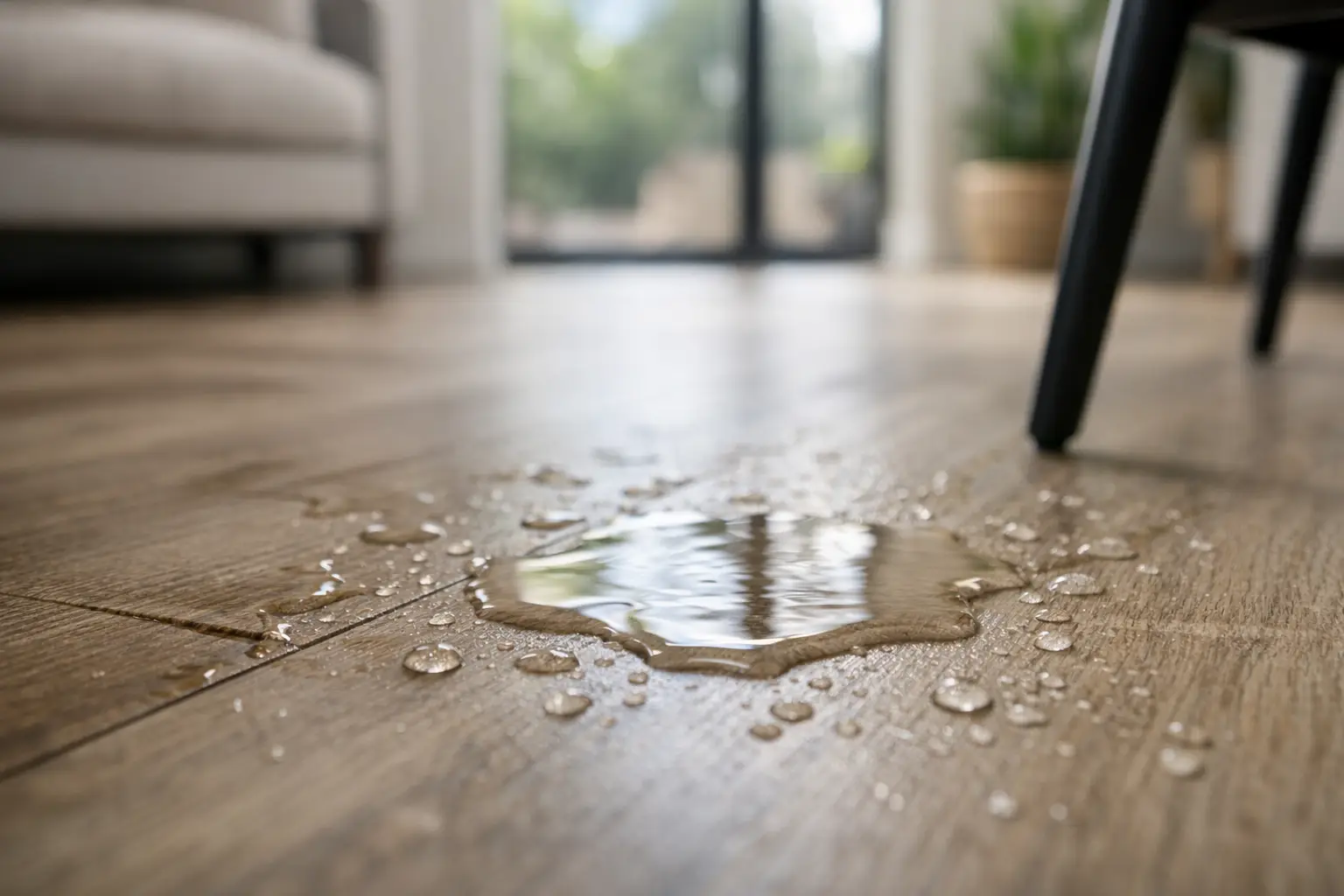
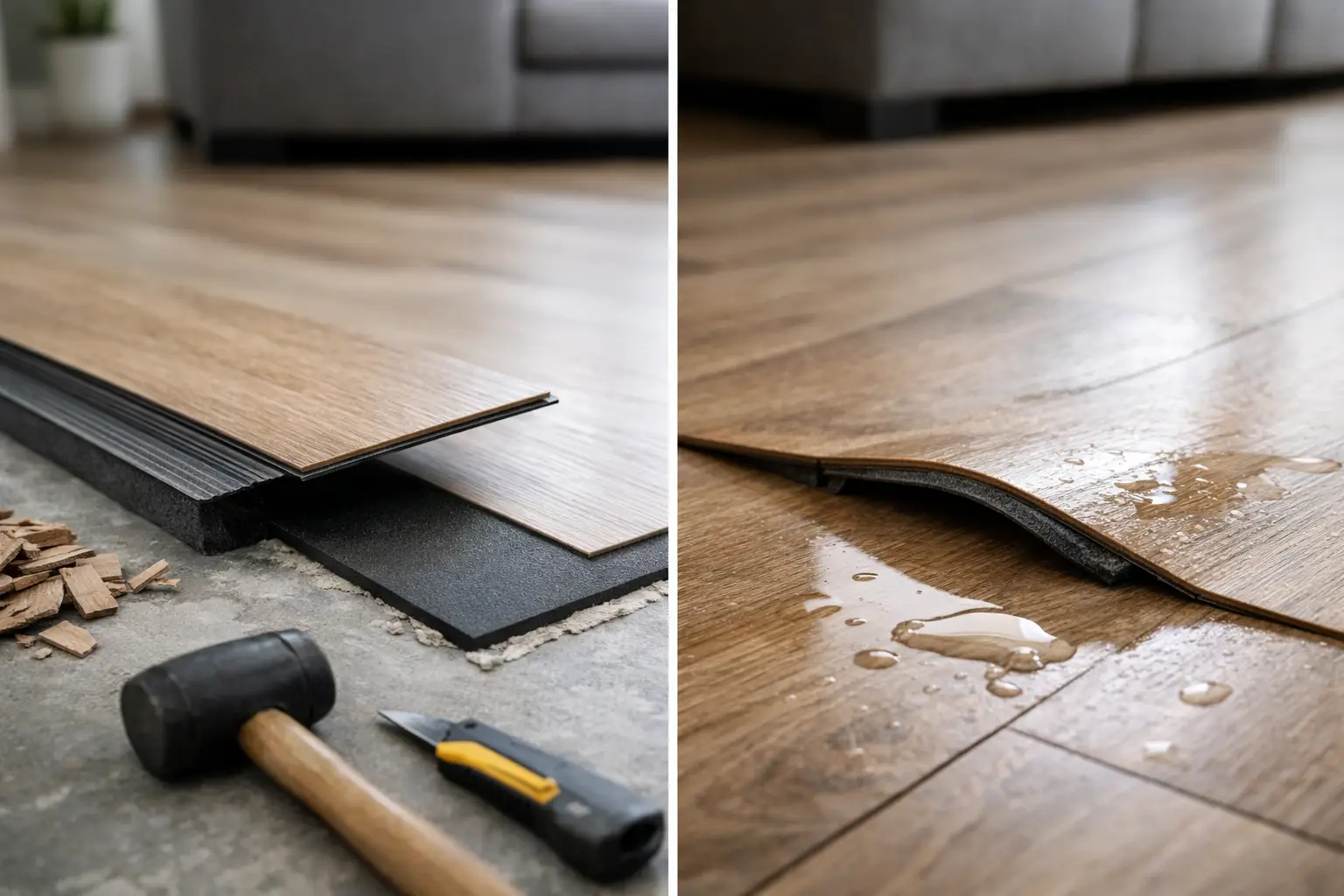
Hybrid flooring is the clear choice here — its 100% waterproof SPC core means
spills, splashes, and steam won’t cause swelling or damage. It’s also easy to mop clean
and resistant to the temperature fluctuations that occur in these rooms.
Living Areas and Dining Rooms
These are the rooms where aesthetics matter most, and where you have the most
flexibility.
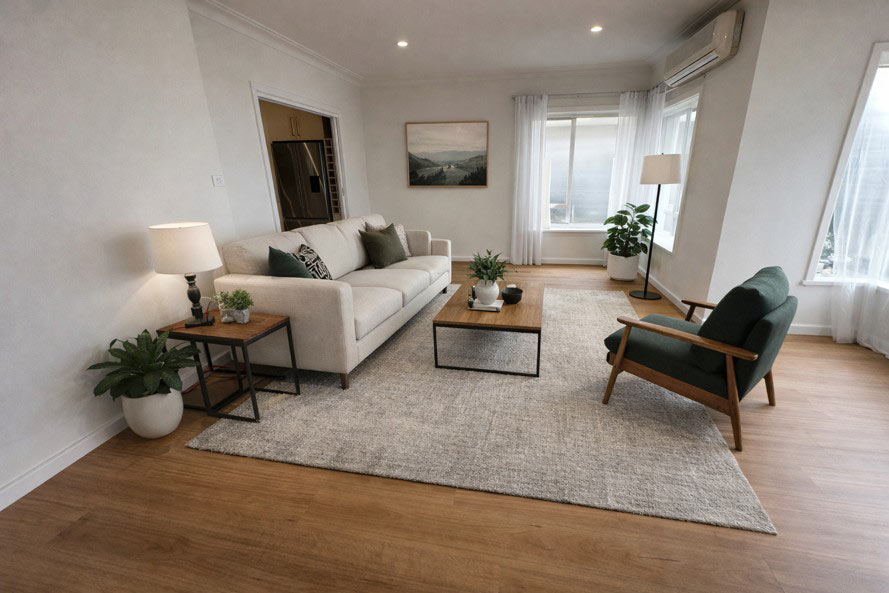
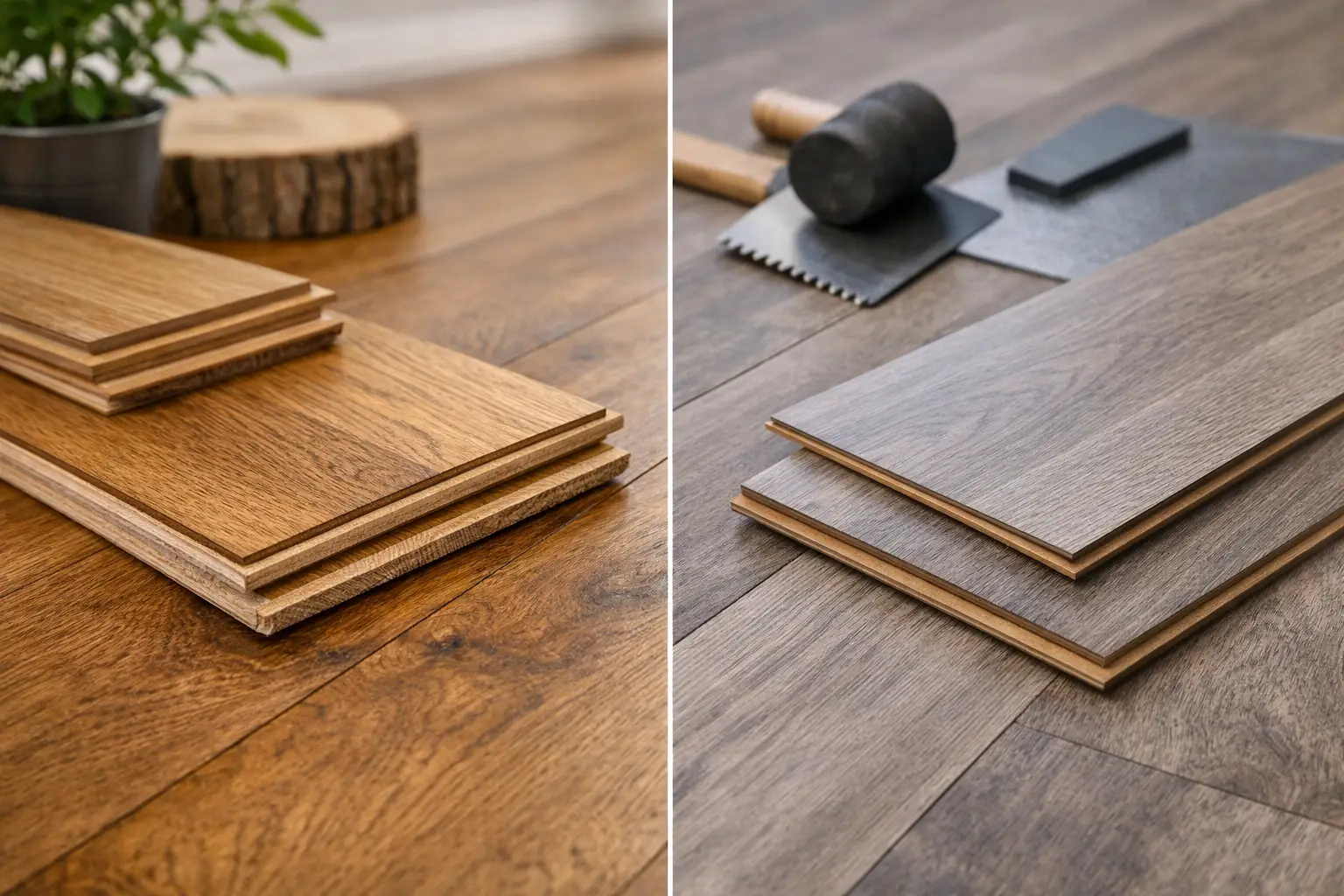
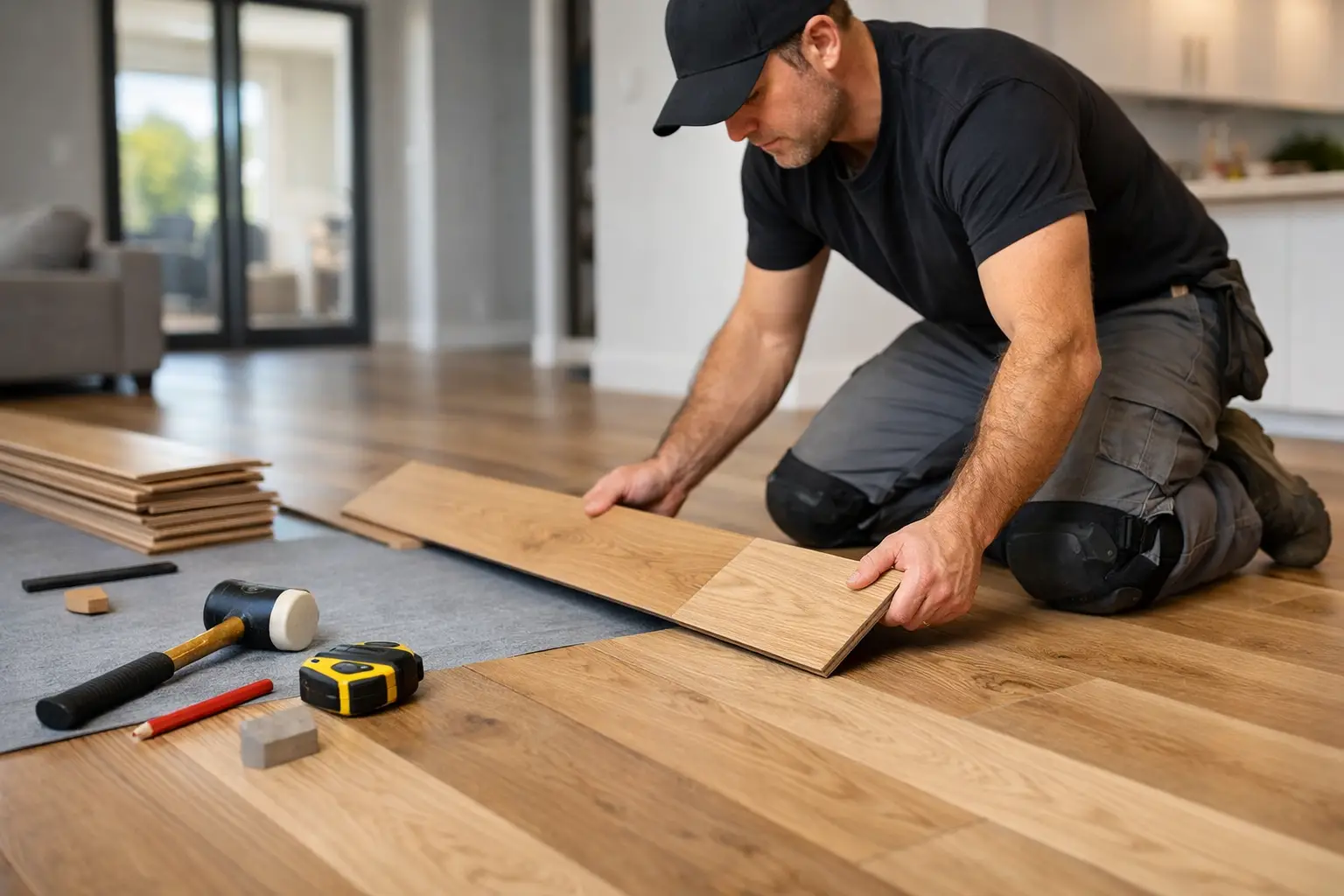
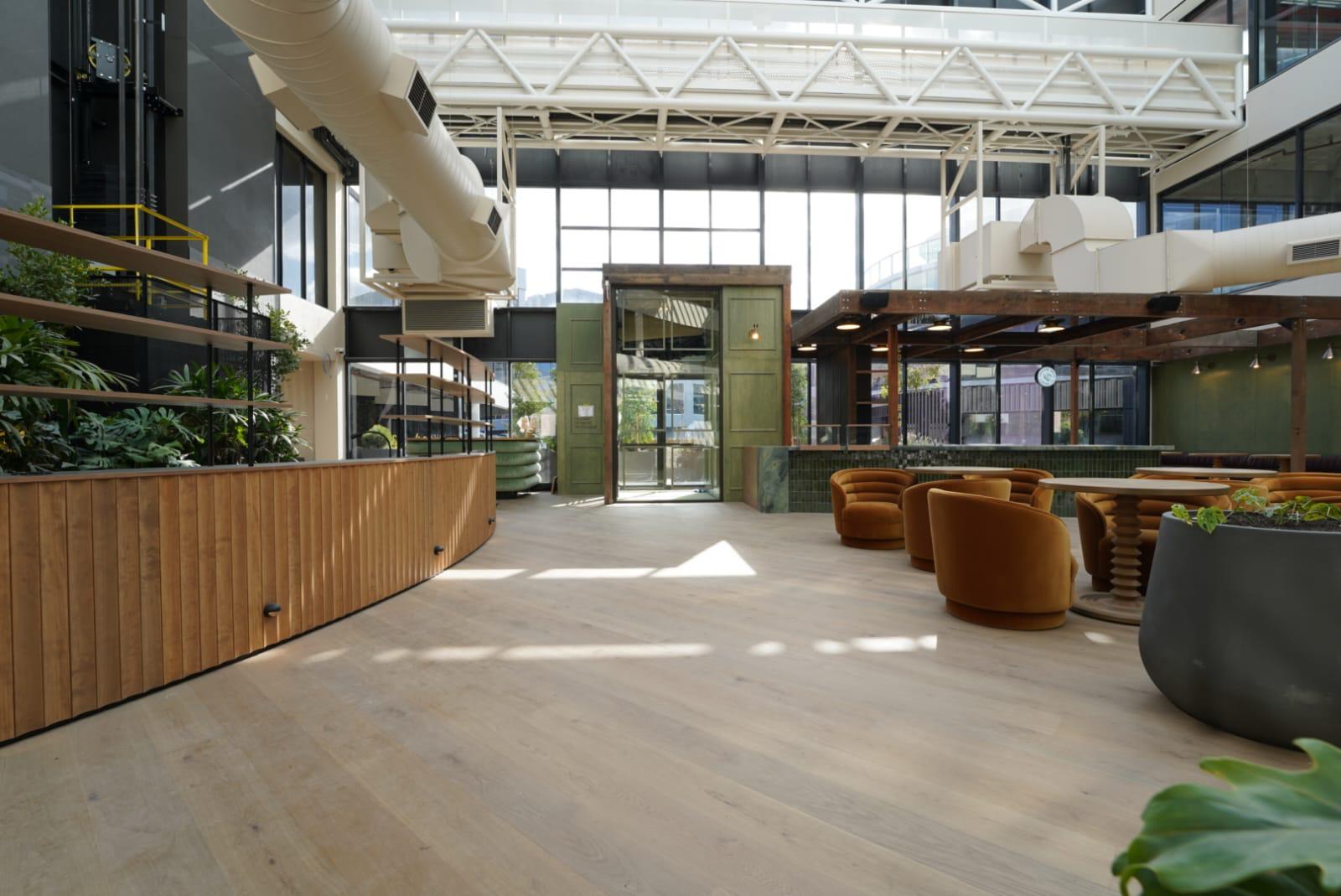
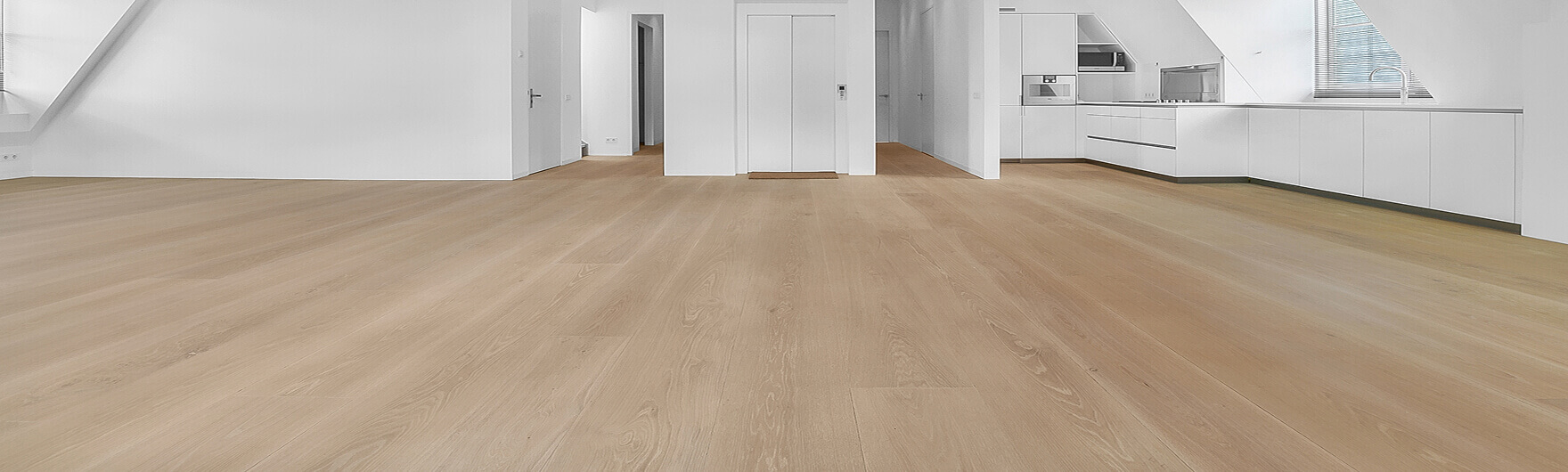
Engineered timber flooring is a popular choice for Melbourne living areas — it brings
natural warmth and character that works beautifully in both period homes and modern
interiors. Hybrid flooring is also an excellent option if you want waterproofing and
scratch resistance throughout an open-plan space.
Bedrooms
Bedrooms see less foot traffic and no moisture risk, so you have more options.
Engineered timber and laminate both work very well here. If warmth and comfort
underfoot are priorities, engineered timber’s natural surface is hard to beat. If
budget is a consideration, a quality laminate in a bedroom is a smart and practical
choice.
Hallways and Stairs
High traffic and scratch resistance are the priorities in hallways. Hybrid flooring’s
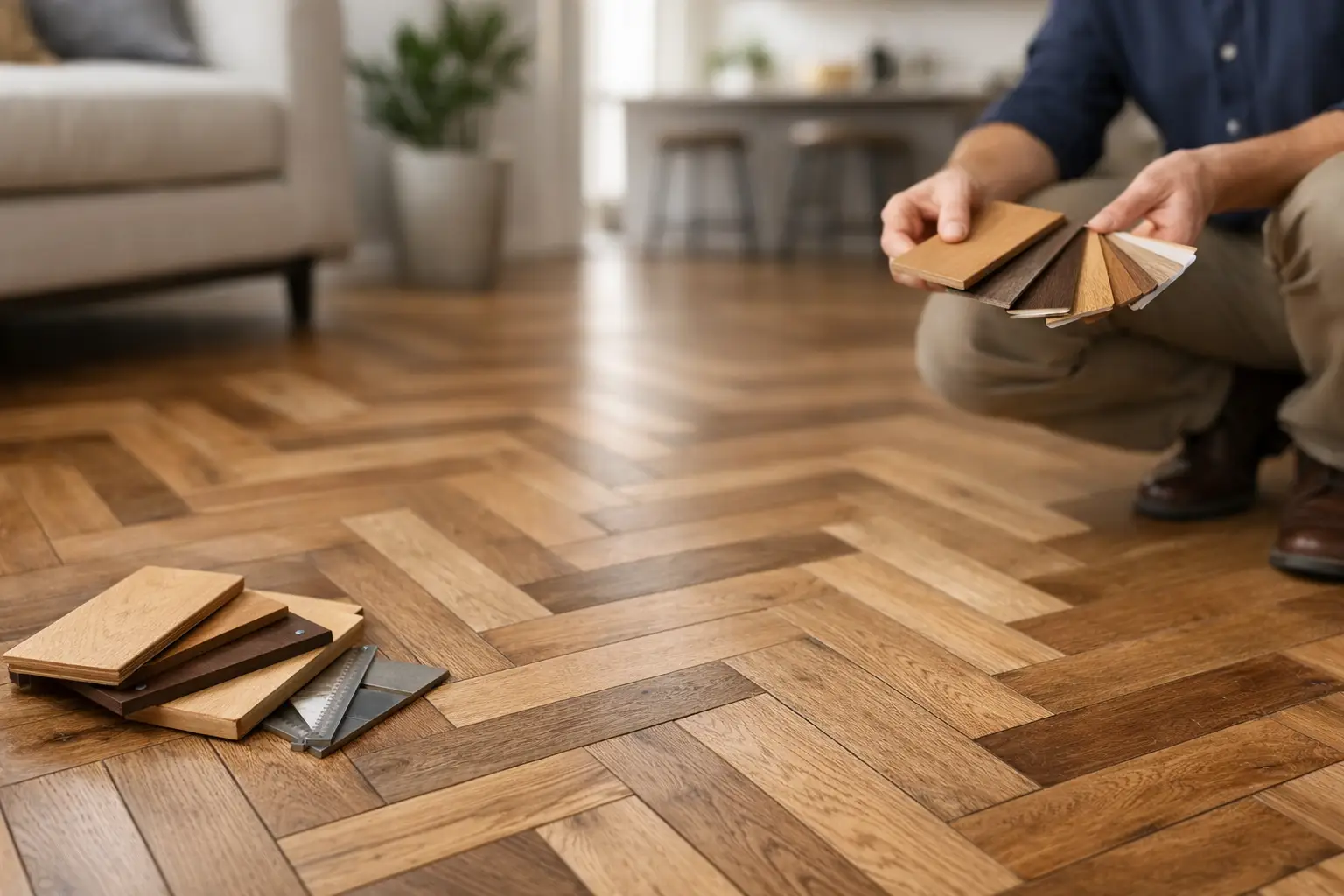
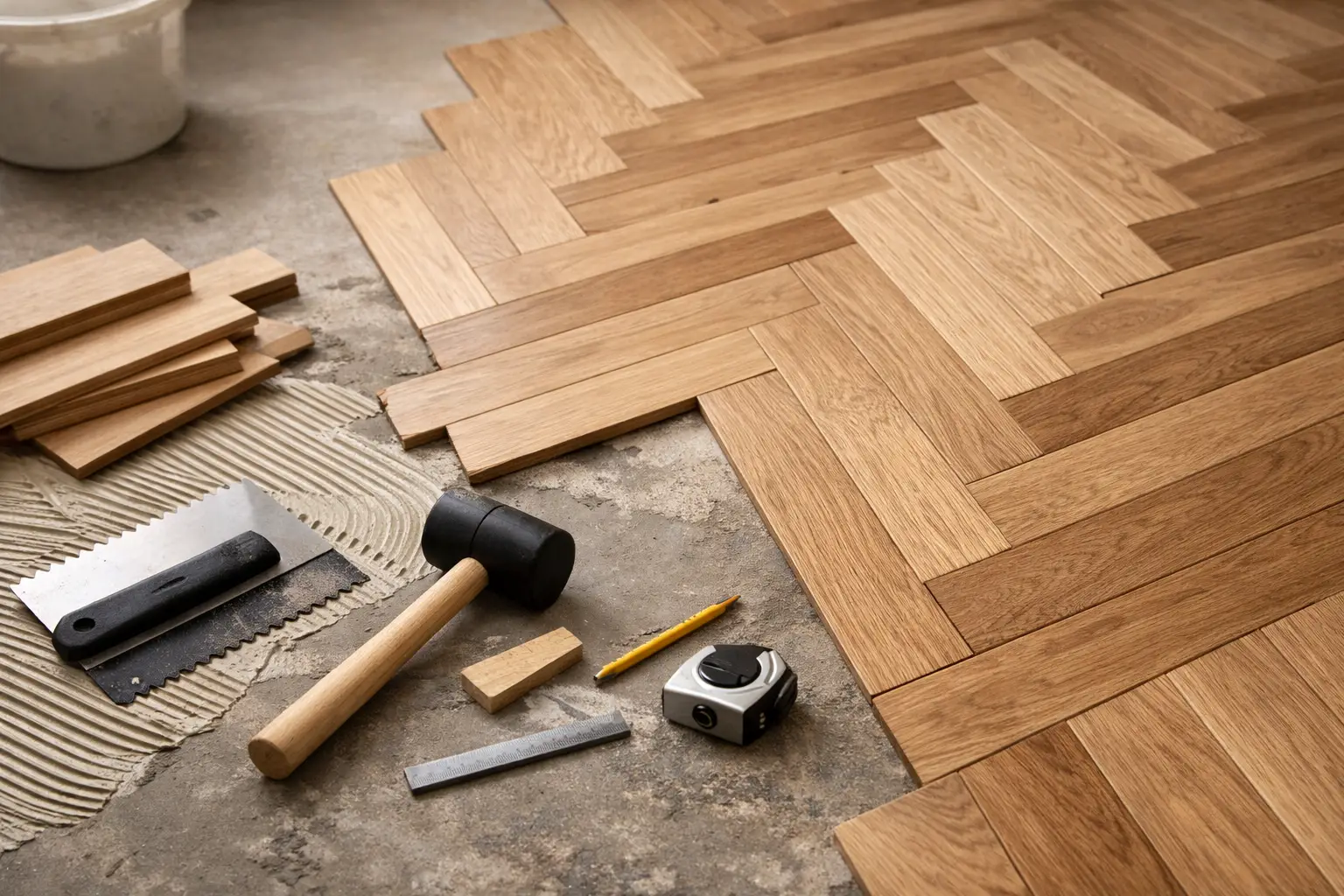
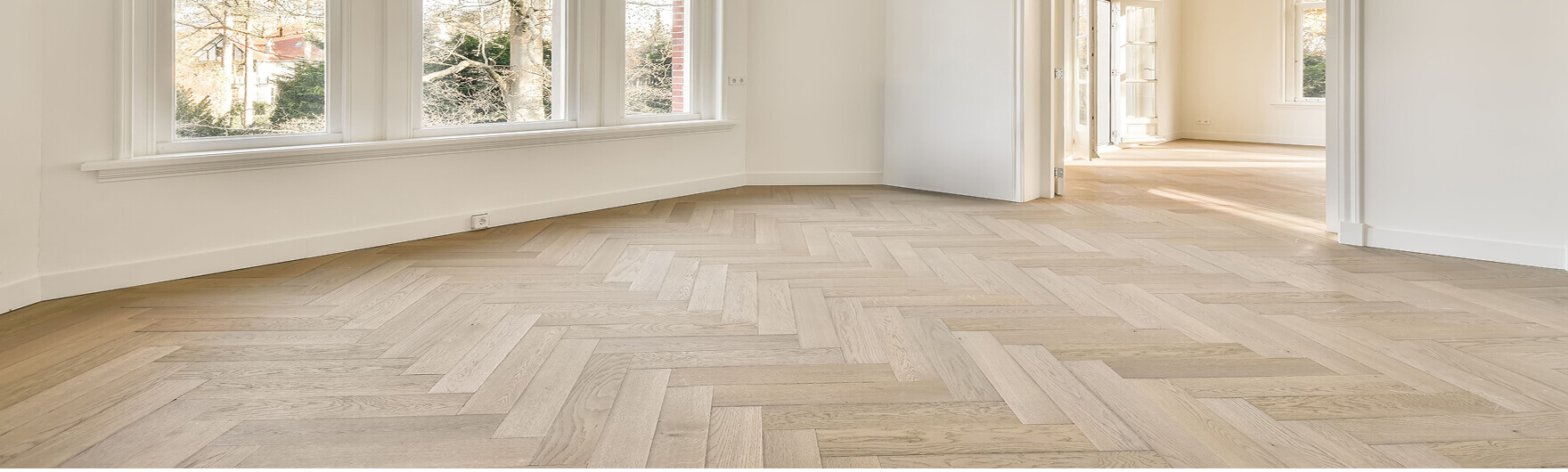
rigid core handles constant foot traffic without showing wear. For herringbone-patterned
hallways — a popular choice in Toorak, South Yarra, and other inner Melbourne suburbs
— our engineered herringbone range adds a strong visual statement to an often-overlooked
space.
Step 3: Consider Melbourne’s Climate
Melbourne’s weather puts flooring through its paces. Summers can be hot and dry;
winters cool and damp. This cycle of expansion and contraction affects natural
materials more than synthetic ones.
- Hybrid flooring is the most climate-stable — its synthetic core doesn’t move with humidity or temperature changes at all
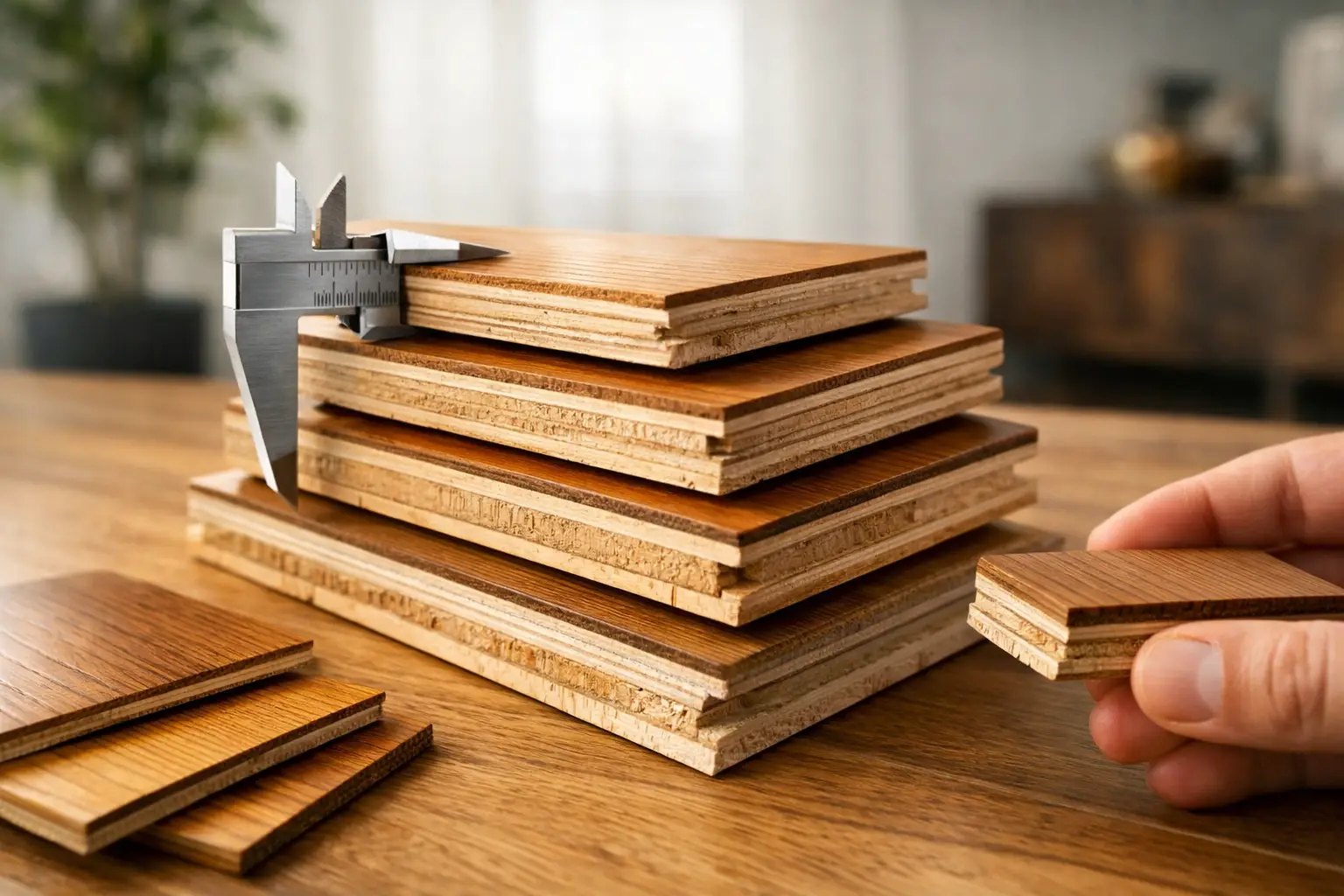
- Engineered timber handles Melbourne’s climate significantly better than solid timber, thanks to its layered plywood construction
- Laminate performs well in stable interior environments but can be susceptible to moisture over time
If your home is in Melbourne’s west — areas like Sunshine or Tarneit — where summer
temperatures are regularly higher than inner-city suburbs, thermal stability is
especially worth considering when comparing products.
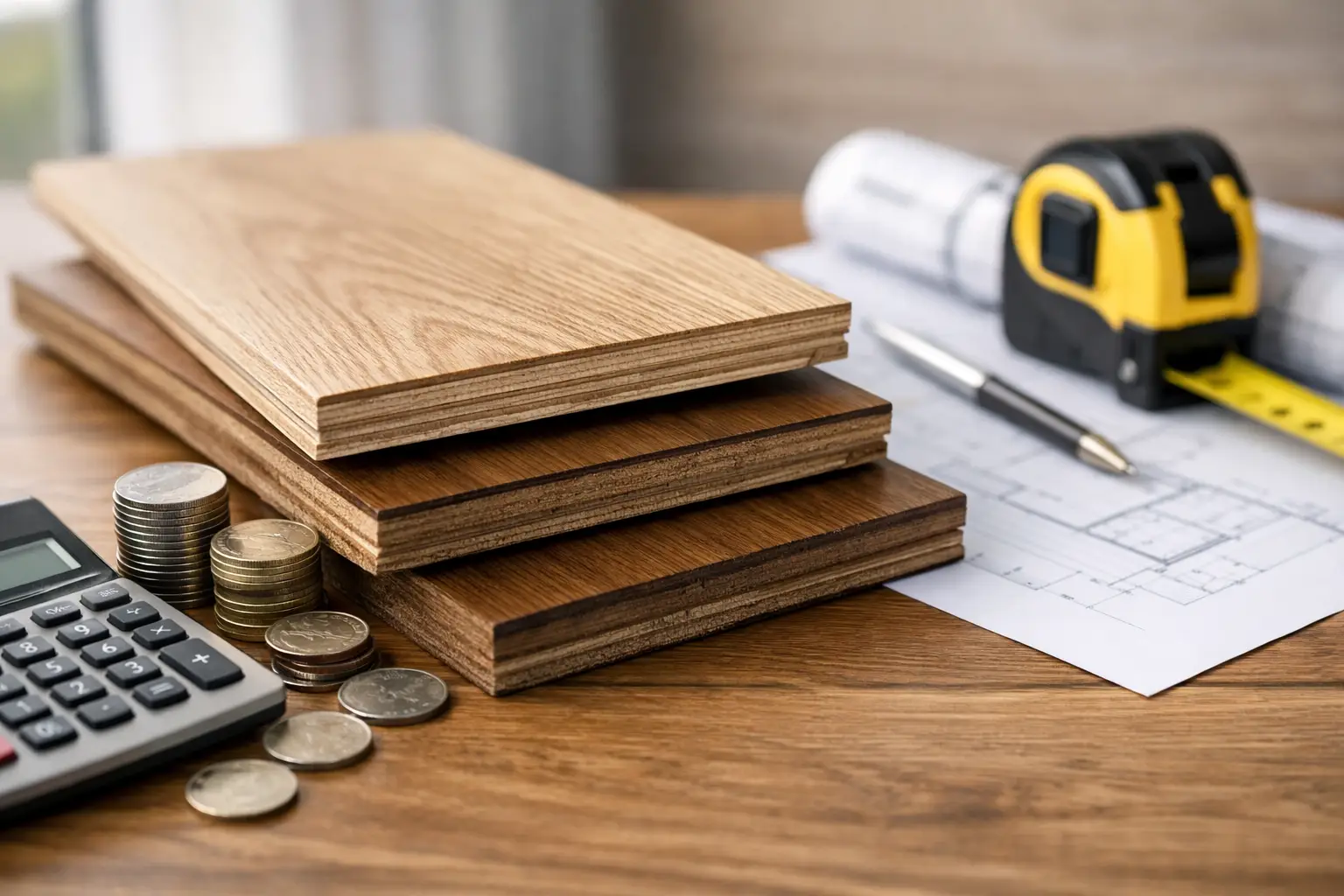
Step 4: Set a Realistic Budget
Flooring costs in Melbourne vary significantly depending on the product. Here’s a
general guide:
- Laminate: $20–$50 per m² (materials) + $18–$30 per m² (installation) — most affordable entry point
- Hybrid: $30–$50 per m² (materials) + $18–$30 per m² (installation) — best value for whole-home use
- Engineered timber: $70–$130 per m² (materials) + $40–$70 per m² (installation) — premium natural look and feel
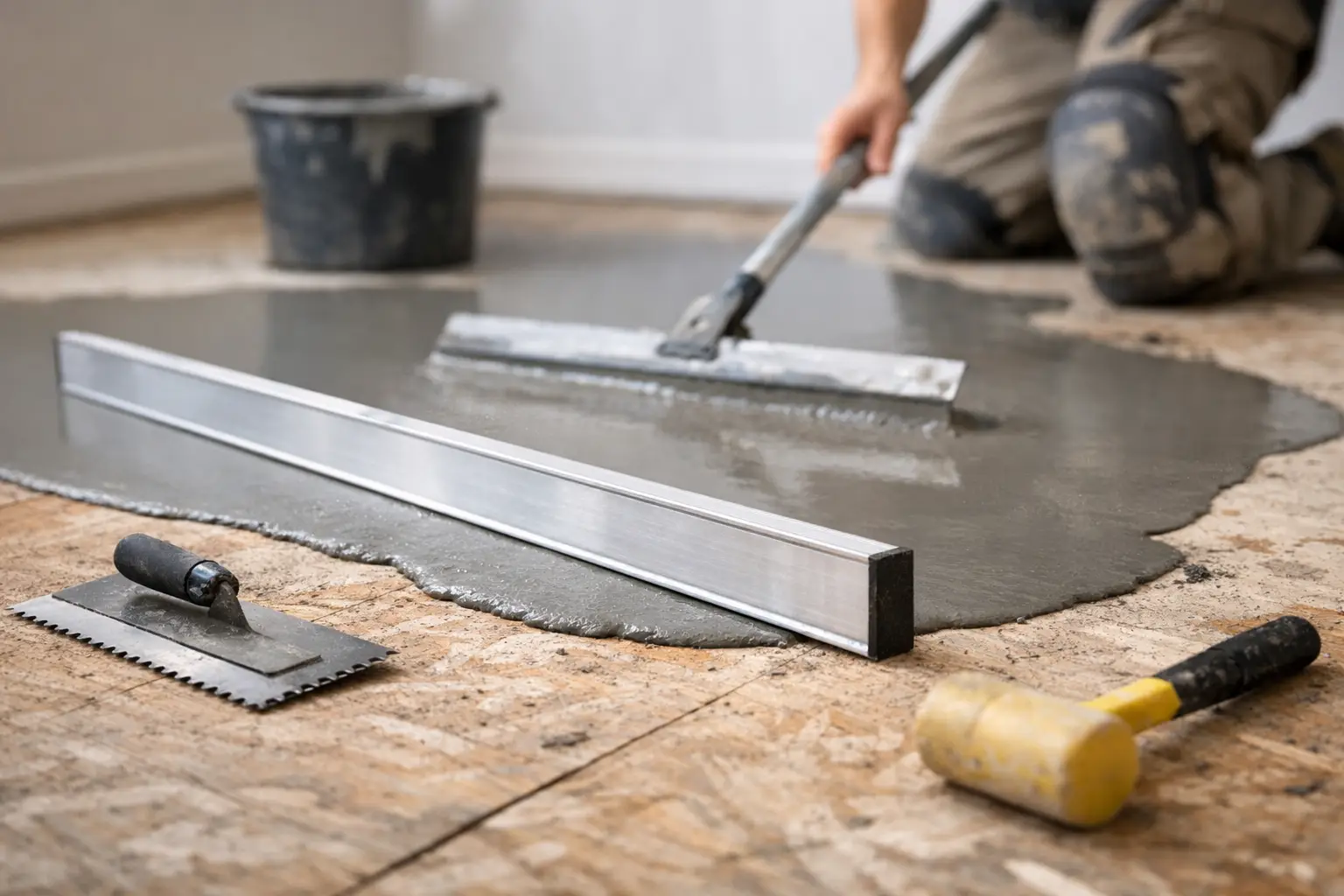
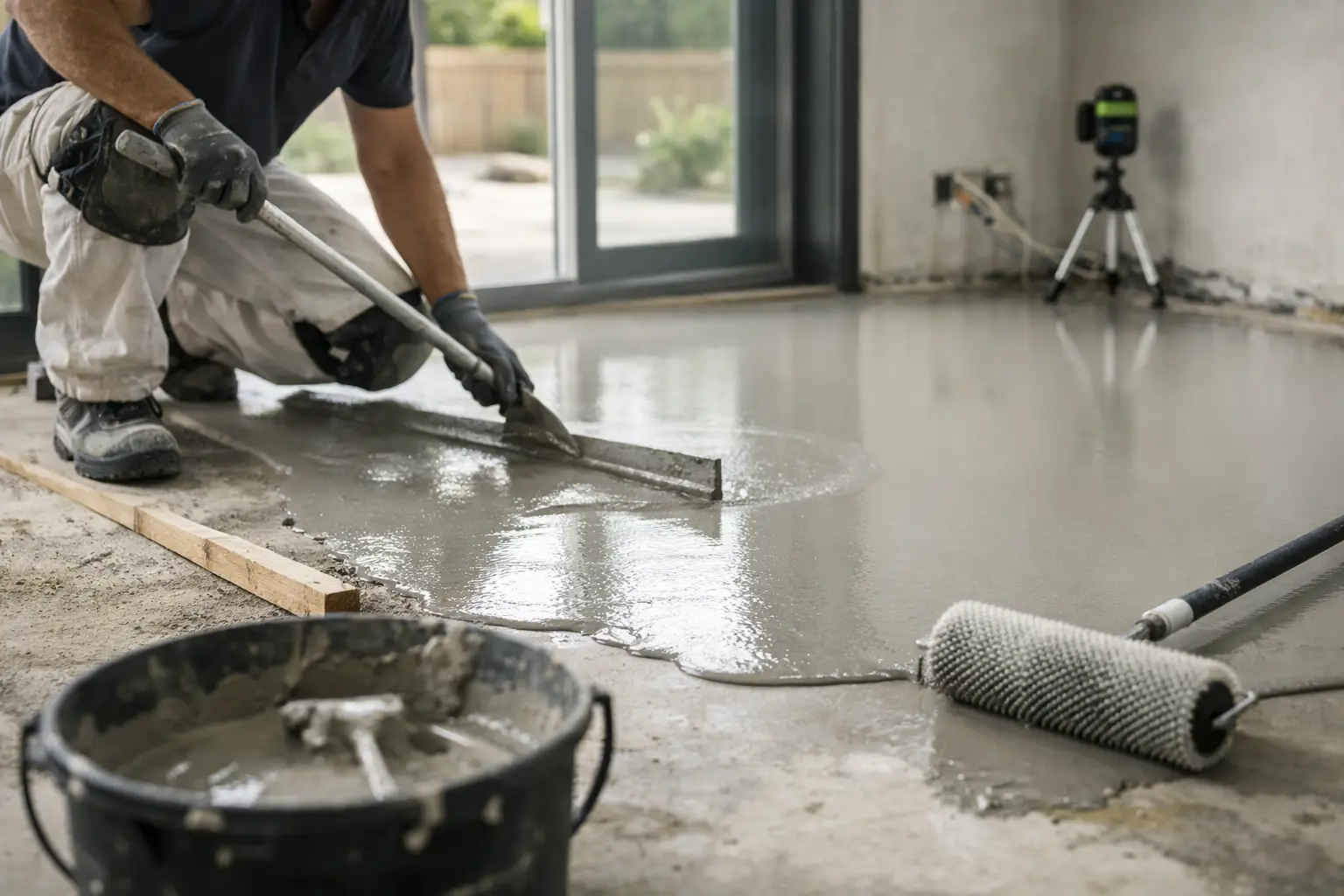
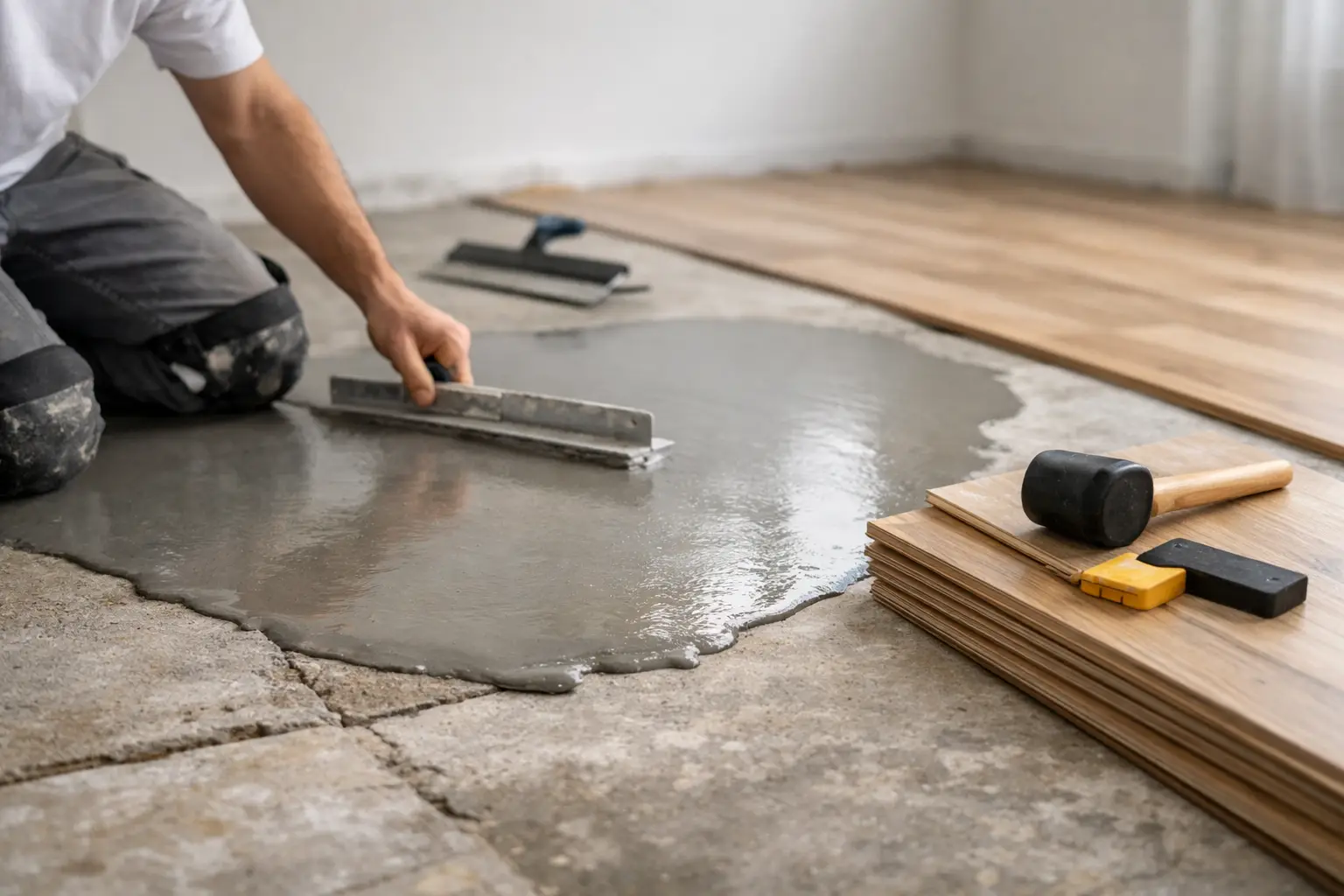
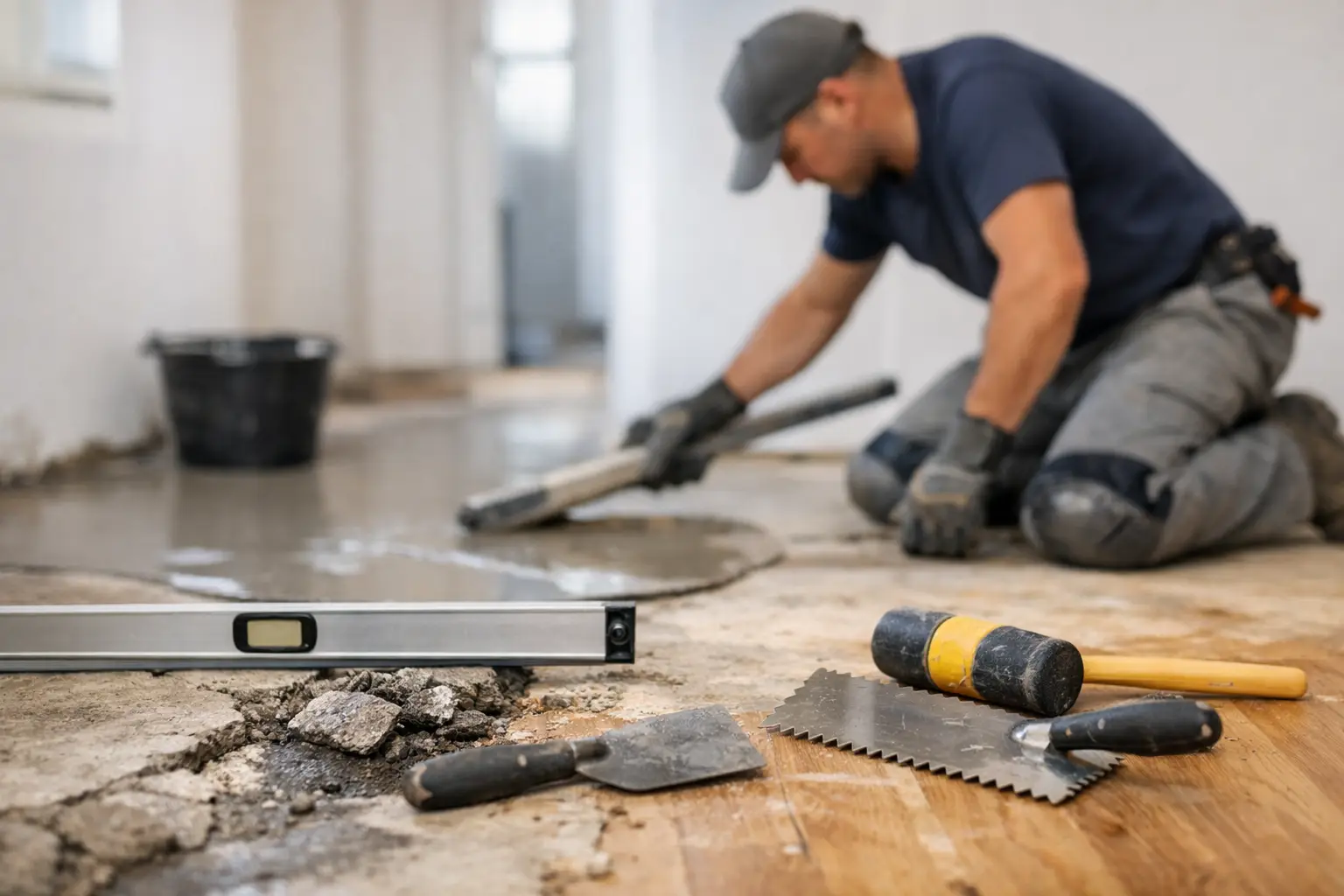
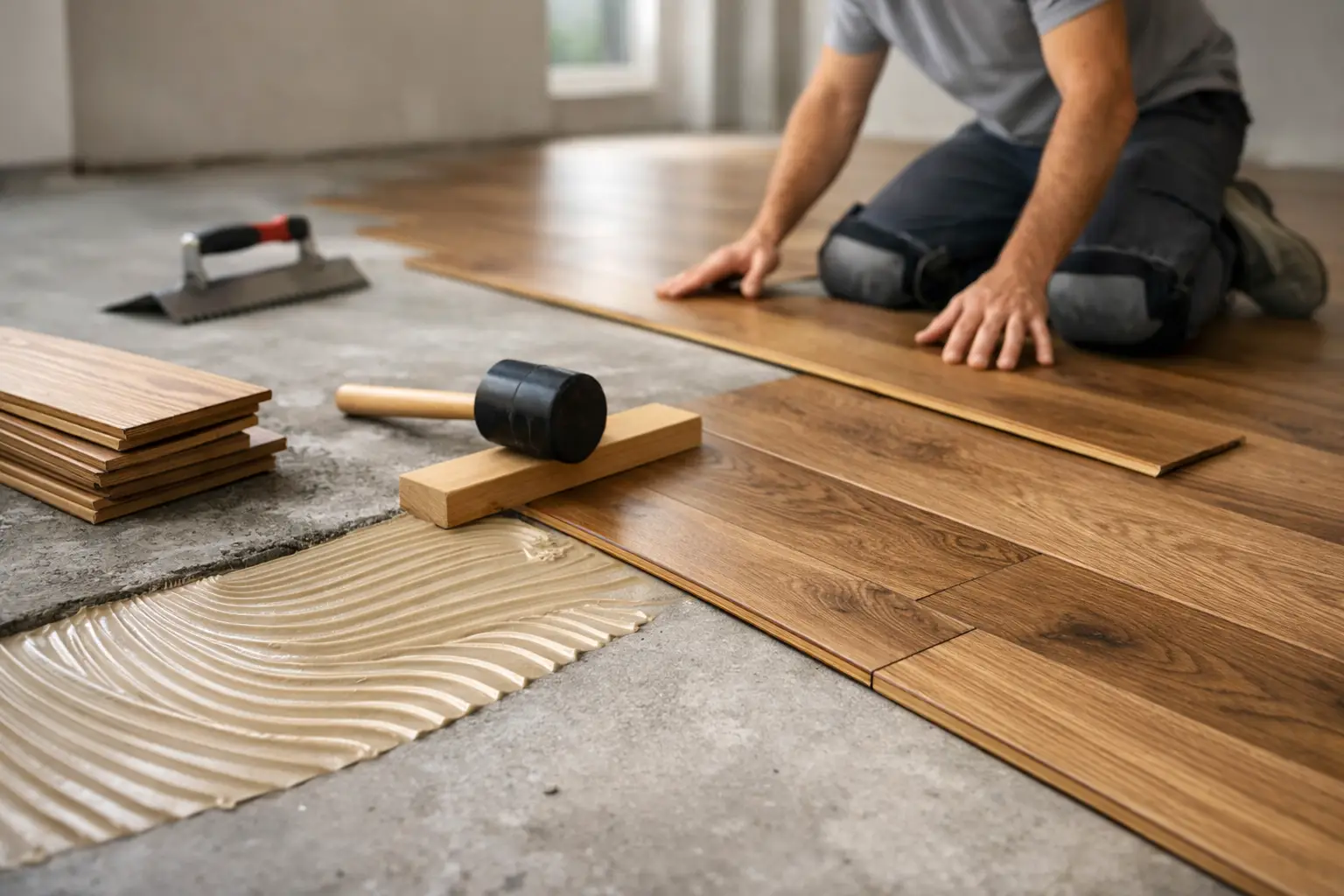
Don’t forget to factor in subfloor preparation, removal of existing flooring, and
skirting boards — these can add meaningfully to the total project cost. Always get a
detailed, itemised quote before committing.
Step 5: Think About the Long Term
The cheapest floor upfront isn’t always the cheapest floor over time. Consider:
- Lifespan — engineered timber can last 25–30+ years; quality hybrid flooring typically 20–25 years with proper care
- Refinishing — engineered timber can be lightly sanded and resealed, extending its life; hybrid and laminate cannot
- Maintenance costs — all three options are low-maintenance compared to carpet or solid timber, but hybrid is the easiest of the three
- Resale value — quality timber flooring consistently adds perceived value to Melbourne homes, particularly in the inner suburbs
Step 6: See It in Person Before You Decide
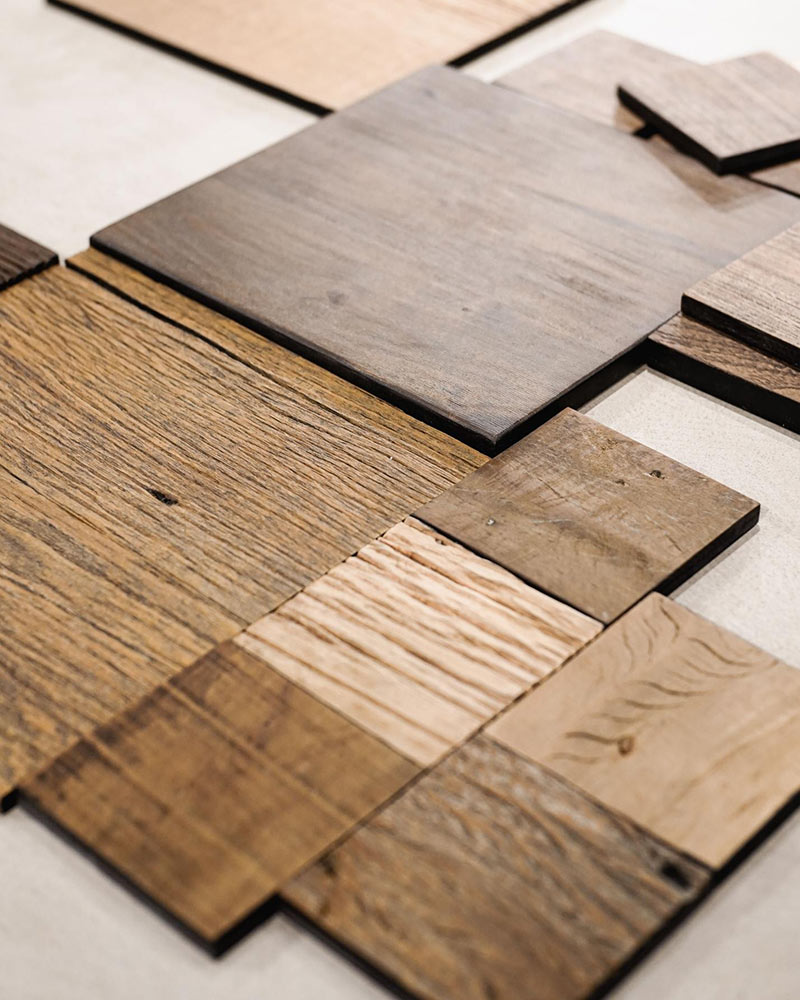
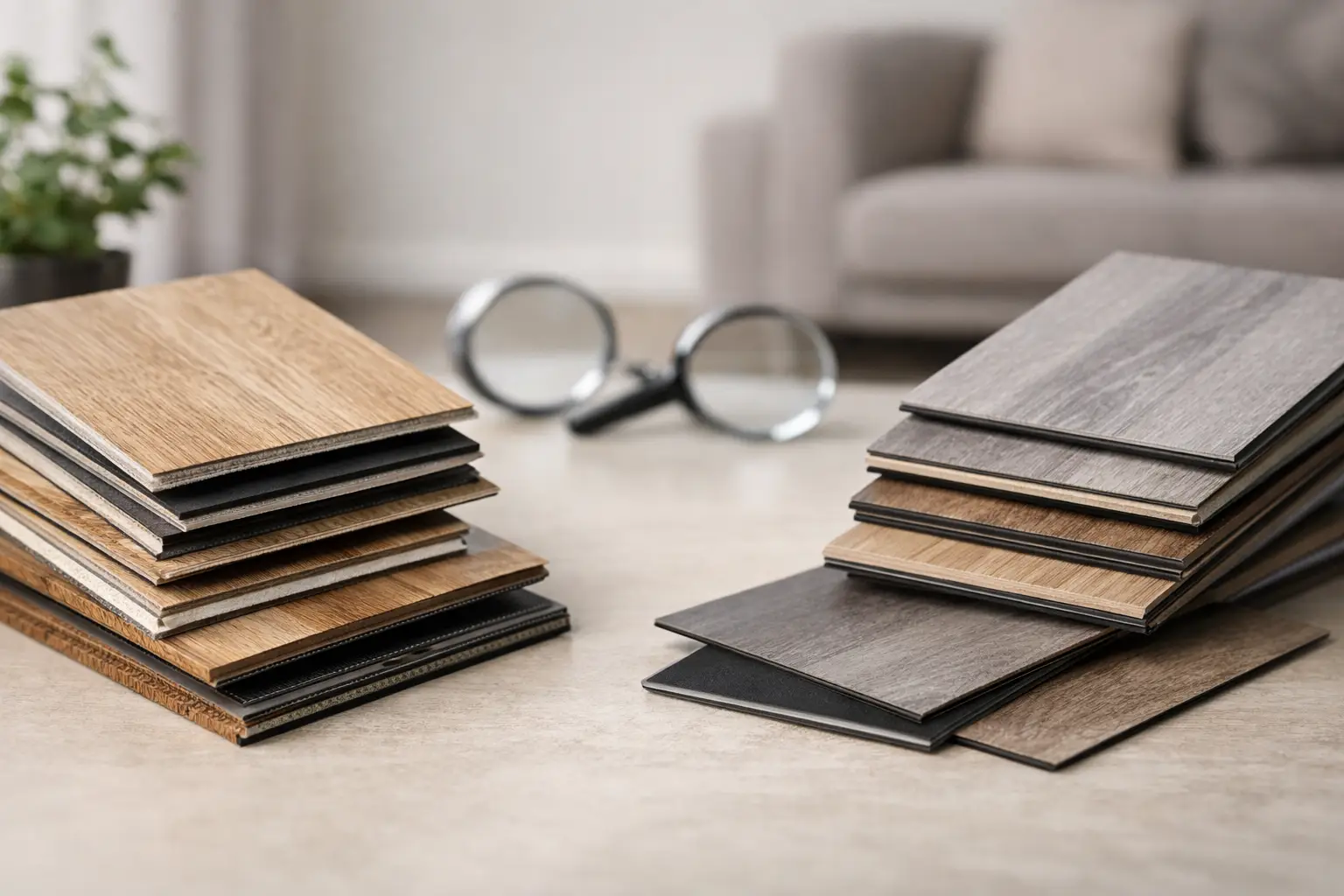
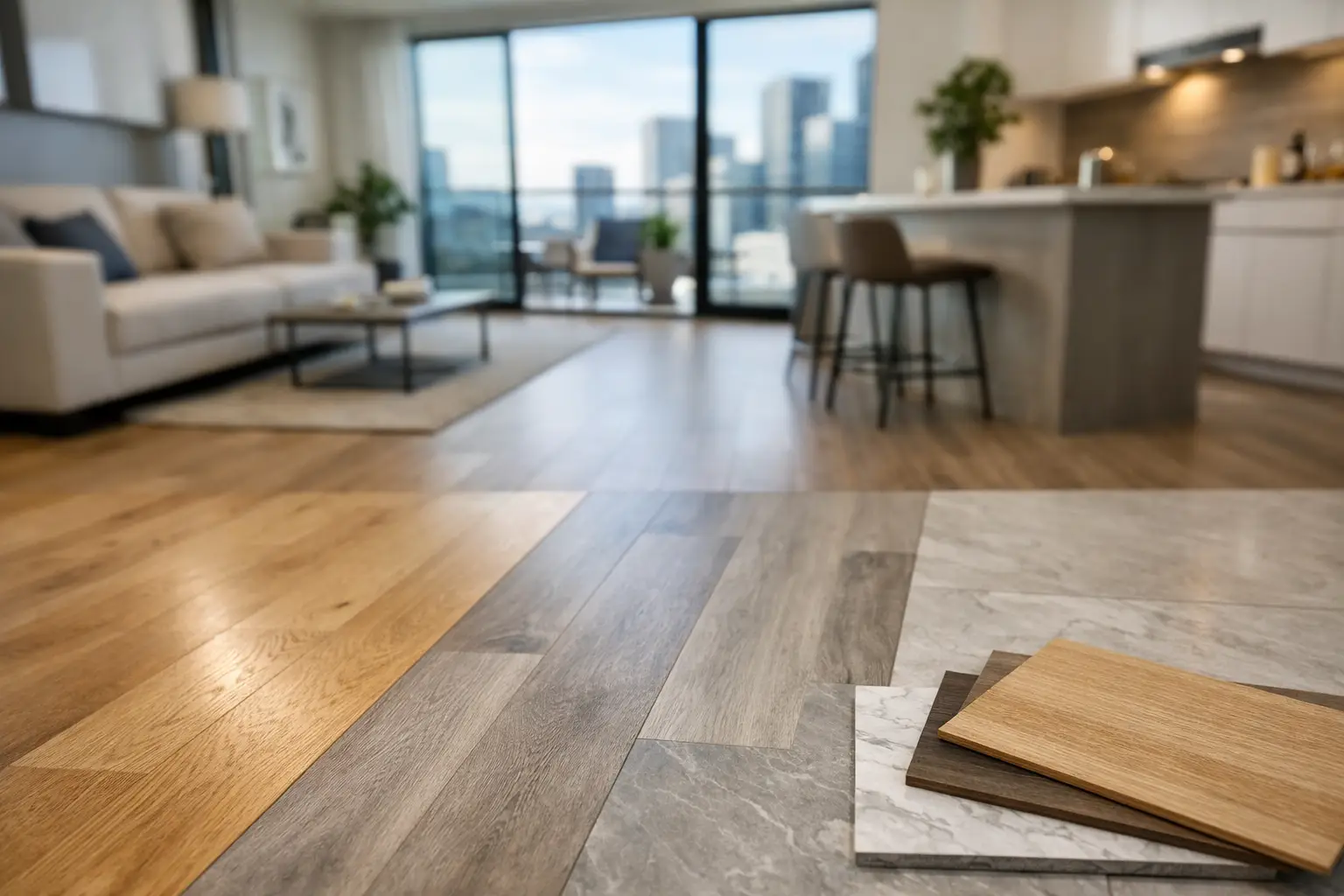
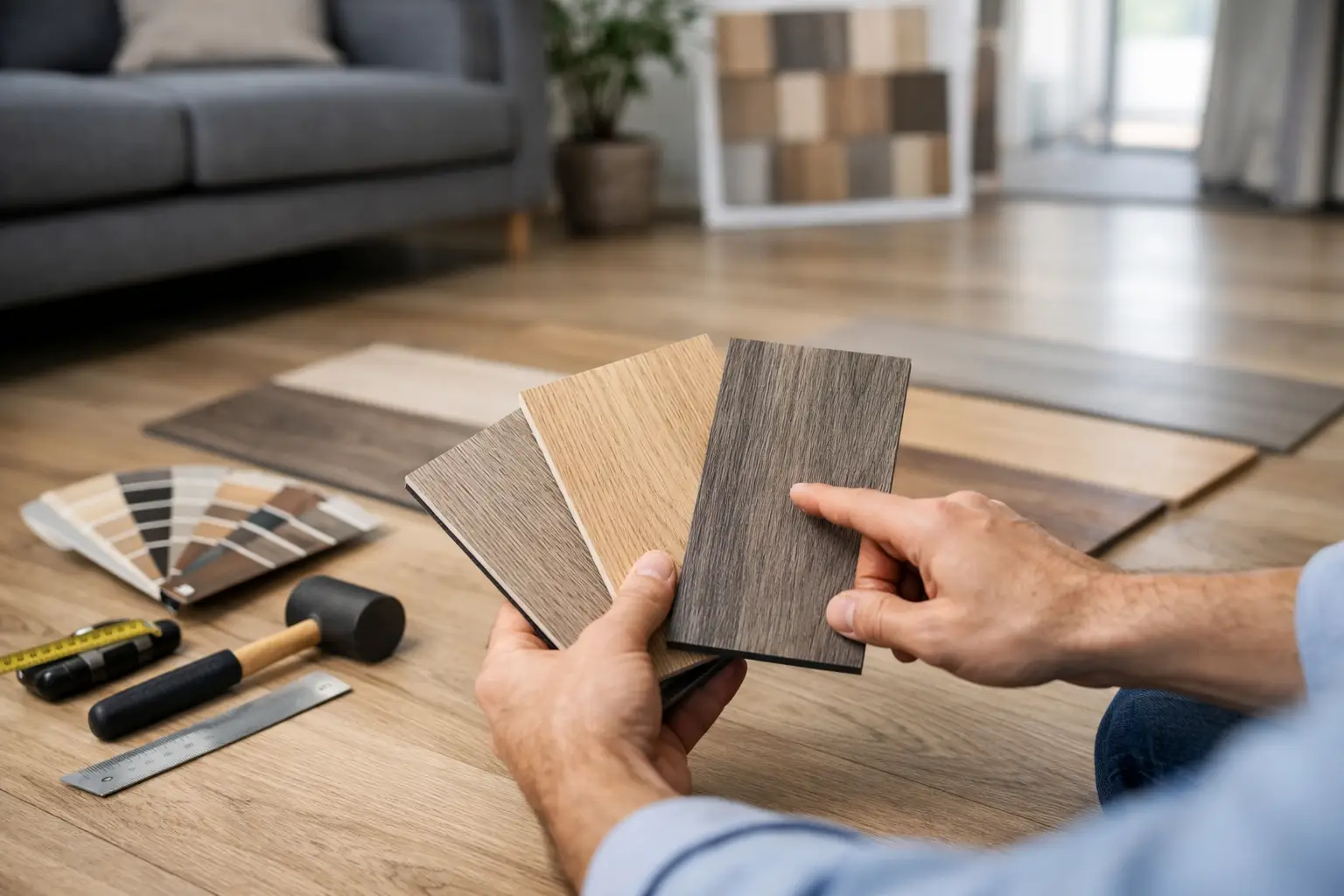
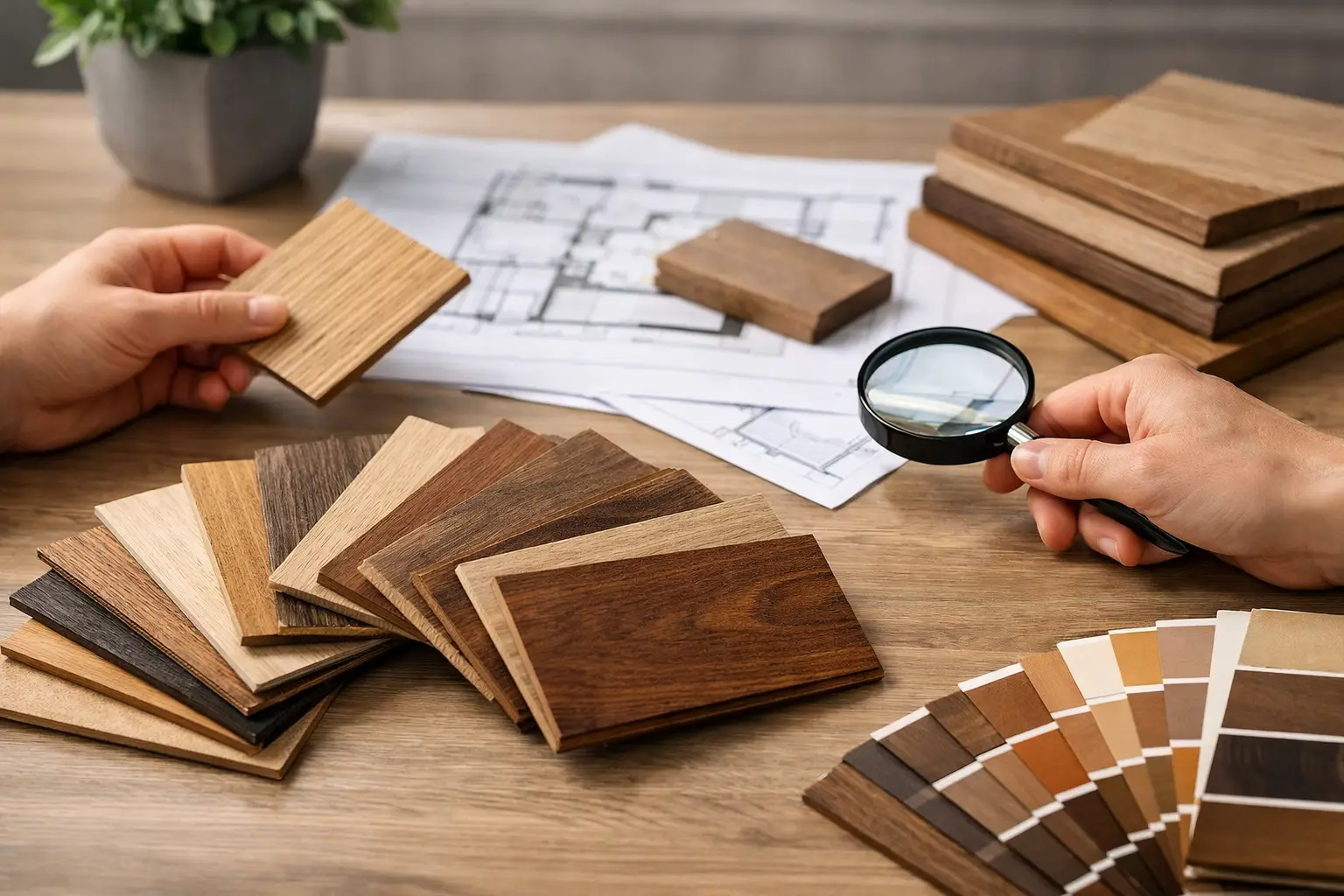
Photos online can be deceiving — colours, textures, and finishes look different under
showroom lighting versus natural light in your home. Before making a final decision,
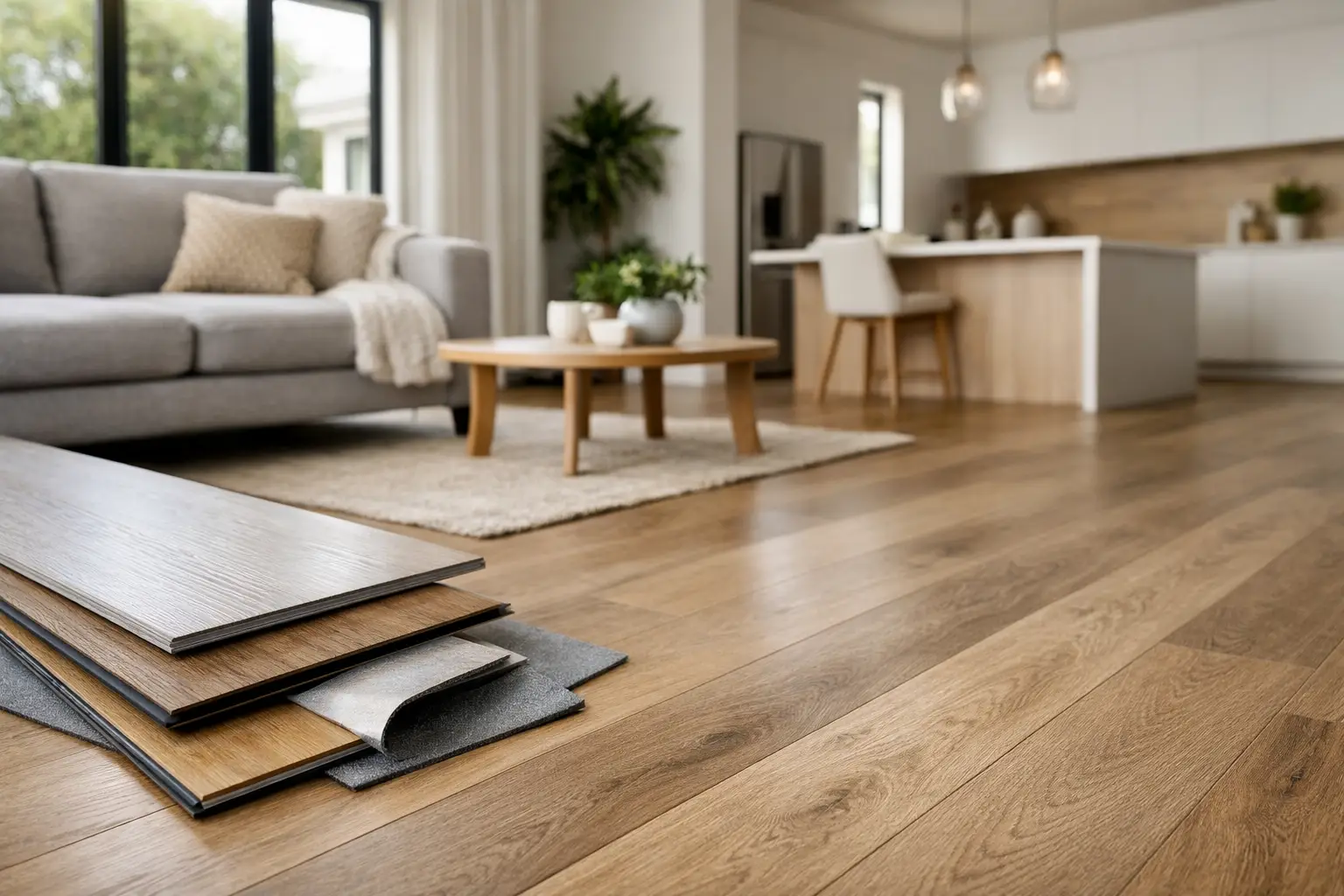
it’s worth visiting a showroom to see and feel the products side by side.
At Melbourne QTF’s Ravenhall showroom, you can browse our full range of engineered
timber, hybrid, laminate, and herringbone flooring, and speak with our team about
what’s right for your specific home and subfloor conditions.
Still Not Sure? Talk to the Experts
The Melbourne QTF team works with homeowners across Melbourne — from Toorak and
Hawthorn to Sunshine and Hoppers Crossing — every day. We can visit your home for a
free measure, assess your subfloor, and give you a straight recommendation based on
your rooms, lifestyle, and budget. No upselling, no pressure.
Get in touch today for a free measure and obligation-free quote.