How to Prepare Uneven Subfloor Properly

Home > How to Prepare Uneven Subfloor Properly

A floor can look premium in the showroom and still fail in a home or commercial space if the base underneath is wrong. If you are asking how to prepare uneven subfloor before installing engineered timber, hybrid or laminate flooring, the short answer is this: don’t guess, and don’t skip the prep. Small height differences, dips, ridges and weak patches can lead to movement, hollow spots, peaking joints and wear that shows up much earlier than it should.

Subfloor preparation is where a long-lasting installation really starts. It is also the part many people underestimate because the problems are often hidden until the new floor is down. By then, fixing it is slower, more expensive and a lot more frustrating.

Why uneven subfloors cause real problems

Most floating and fixed flooring products are made to work within specific subfloor tolerances. That means the base needs to be flat enough, sound enough and dry enough for the product to perform as intended. Flat does not always mean perfectly level, but it does mean there should not be abrupt highs and lows across the surface.

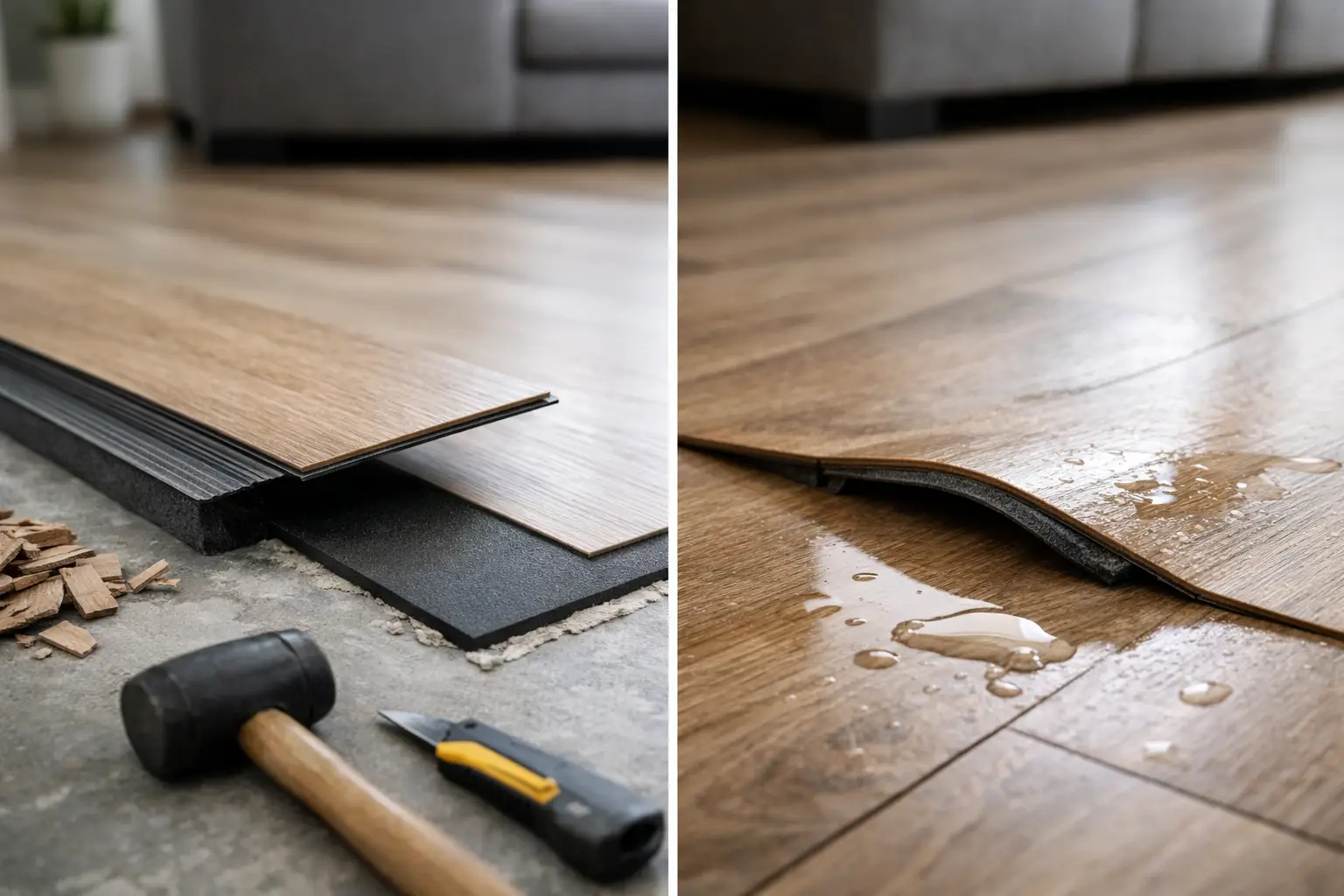
When the subfloor is uneven, the flooring above it has to bridge gaps or sit on pressure points. In practical terms, that can create bounce underfoot, creaking, cracked locking systems and boards that don’t sit tightly together. With timber-based products, poor prep can also make natural seasonal movement harder to manage.

For homeowners, the issue usually shows up as noise, visible irregularity or a floor that simply doesn’t feel solid. For builders and commercial clients, it can turn into a defect call-back that should have been prevented on day one.

How to prepare uneven subfloor: start with the right assessment

Before anyone reaches for levelling compound or a grinder, the first job is to understand what type of subfloor you are dealing with. Concrete and timber subfloors behave differently, and the preparation method needs to match.

On a concrete slab, unevenness might come from poor finishing, settlement, old adhesive build-up, cracking or patched areas from previous renovations. On a timber subfloor, the cause could be bowed joists, loose sheet flooring, water damage or simple age-related movement.

This is also where trade experience matters. A floor that looks only slightly out can still be outside product tolerance when checked properly with a straightedge. Good installers don’t rely on a quick visual check. They measure the highs and lows, identify soft spots, and look at moisture and structural condition at the same time.

If the issue is structural, levelling over the top is not a real solution. You need to fix the cause first.

Check flatness, not just level

Many people confuse level with flat, but flooring products care more about flatness. A room can slope slightly and still be suitable if the surface is consistently flat. What causes trouble is sudden variation across short distances.

Using a long straightedge helps show where the ridges and dips are. This step tells you whether the floor needs grinding, filling or full levelling. It also helps determine whether the chosen flooring product is still suitable, because some boards are more forgiving than others.

Check moisture before any prep begins

Moisture testing is not optional, especially on concrete. A beautifully levelled slab that still has excess moisture can damage timber-based flooring, affect adhesives and cause long-term issues that levelling alone will not solve.

In Melbourne properties, ground-floor slabs, older homes and renovation sites can all present moisture risks. Any preparation plan should consider both flatness and moisture together rather than treating them as separate jobs.

Preparing an uneven concrete subfloor

Concrete is common in apartments, modern homes and many commercial spaces. It is also one of the more straightforward subfloors to correct when the problem is surface variation rather than structural movement.

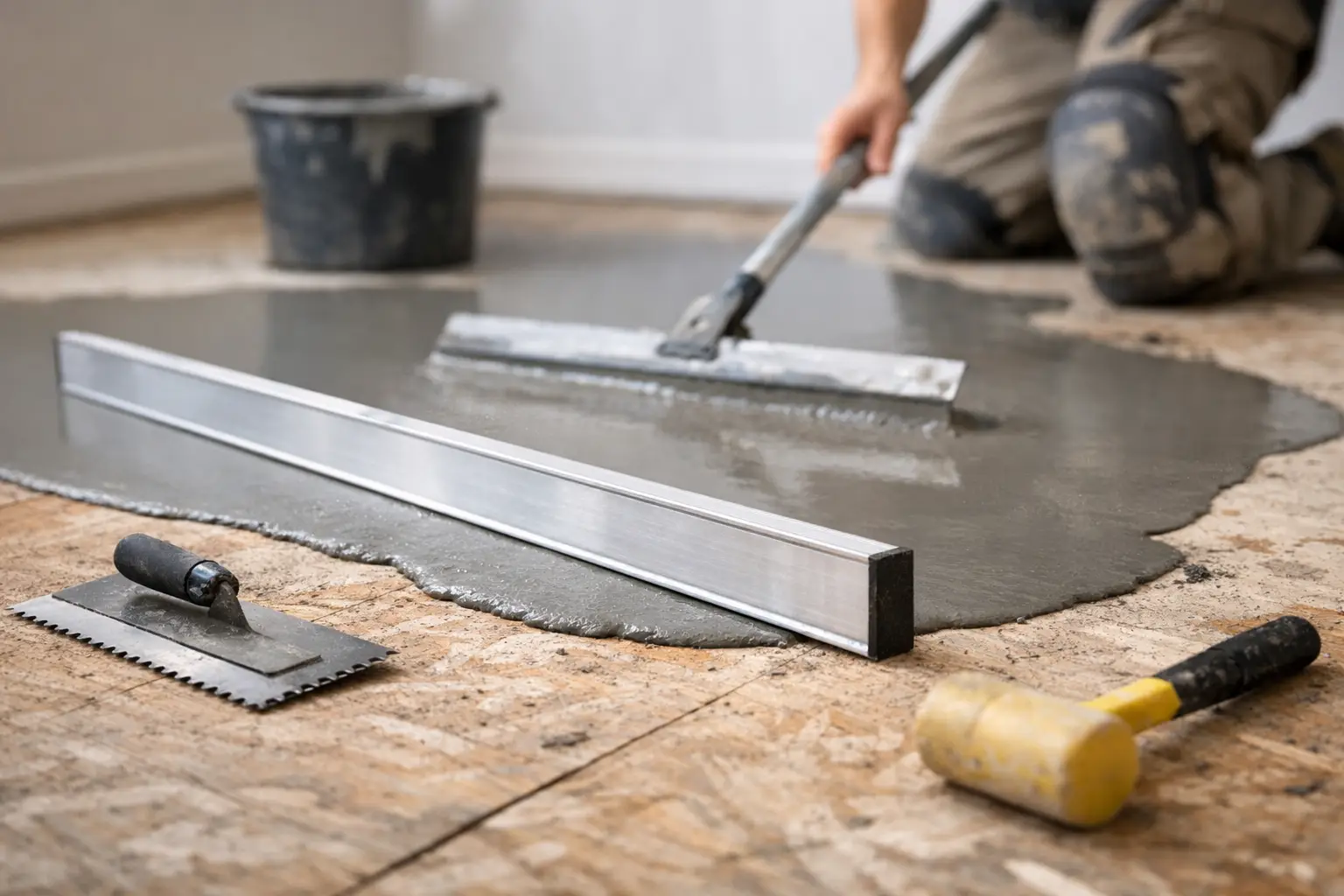
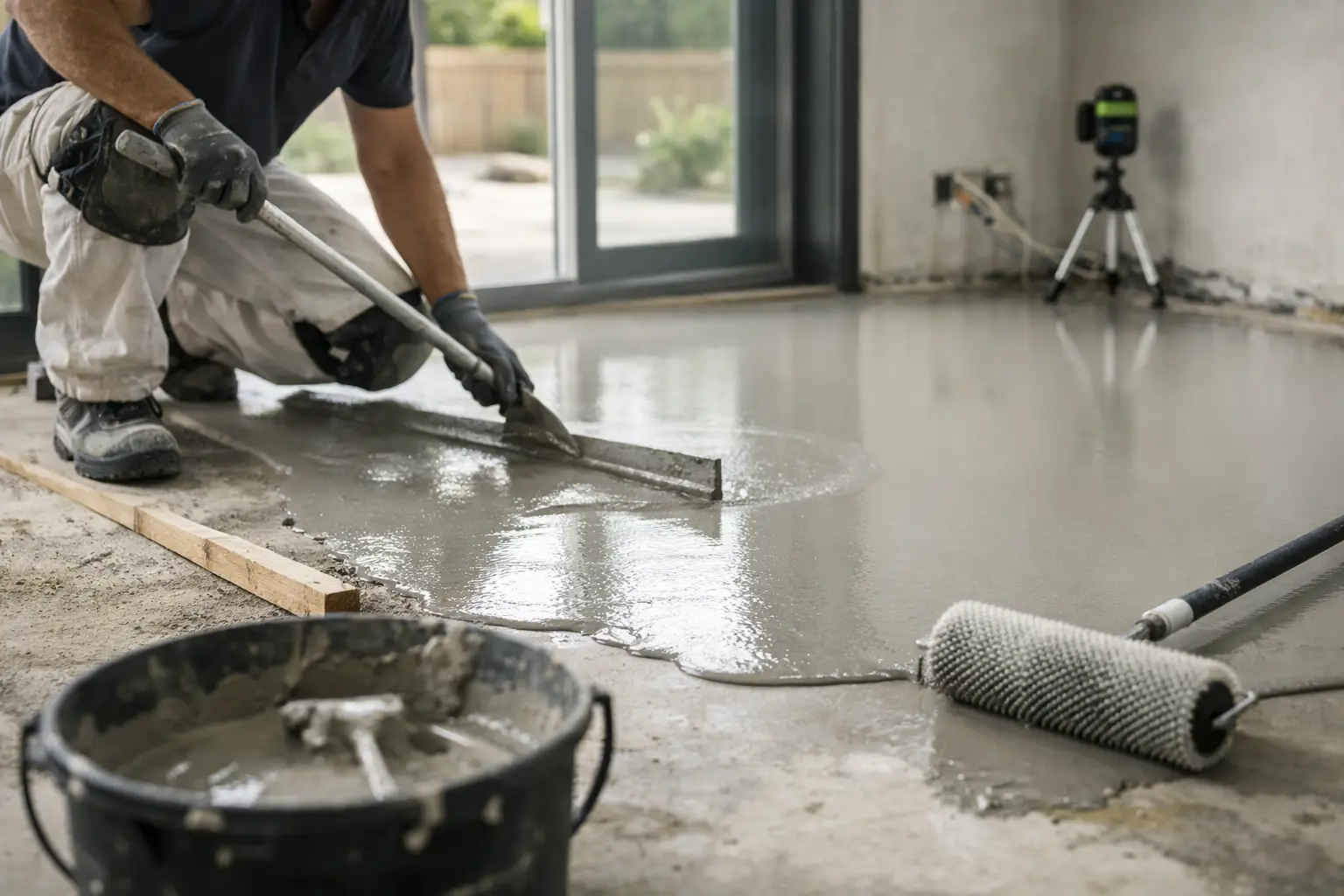
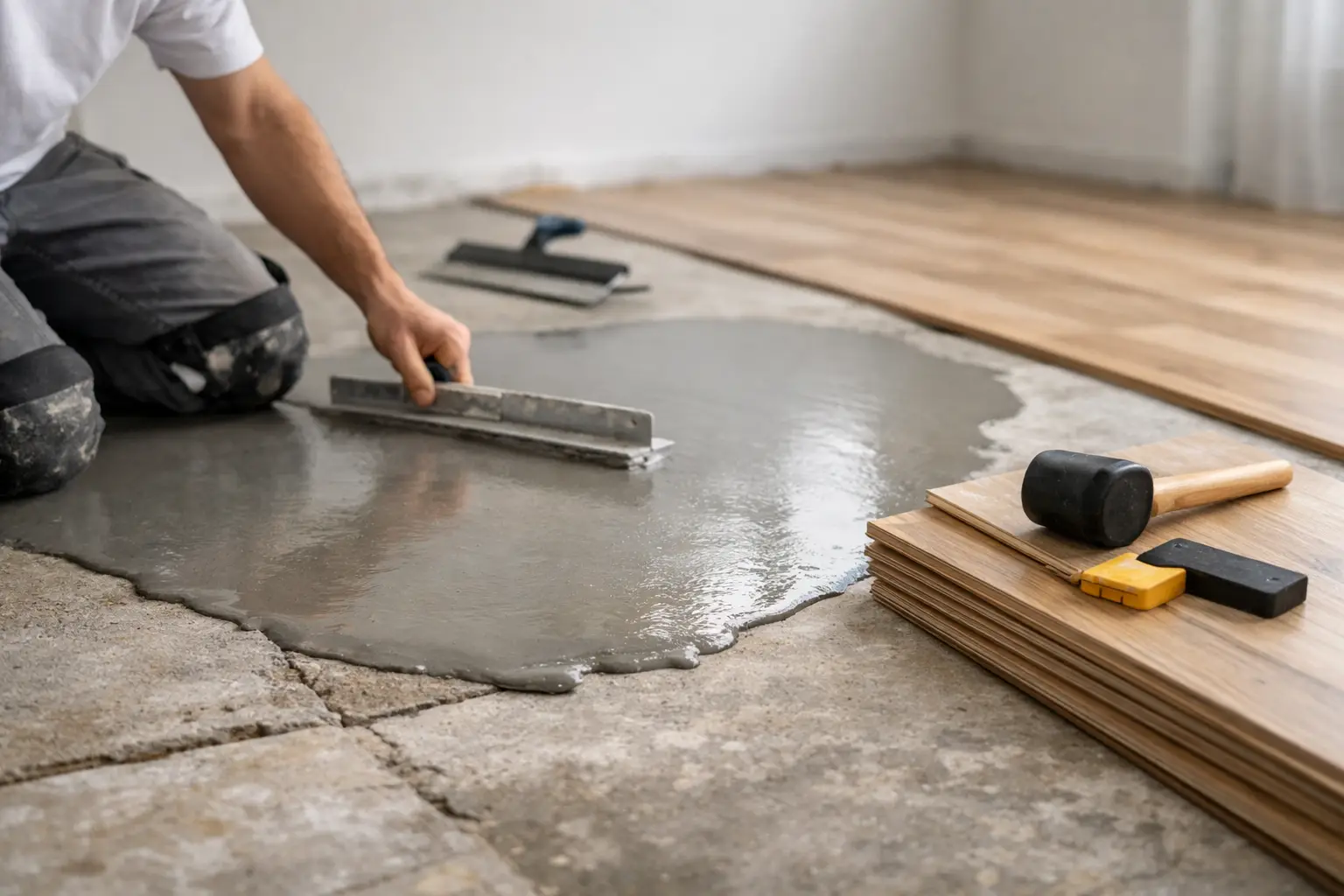
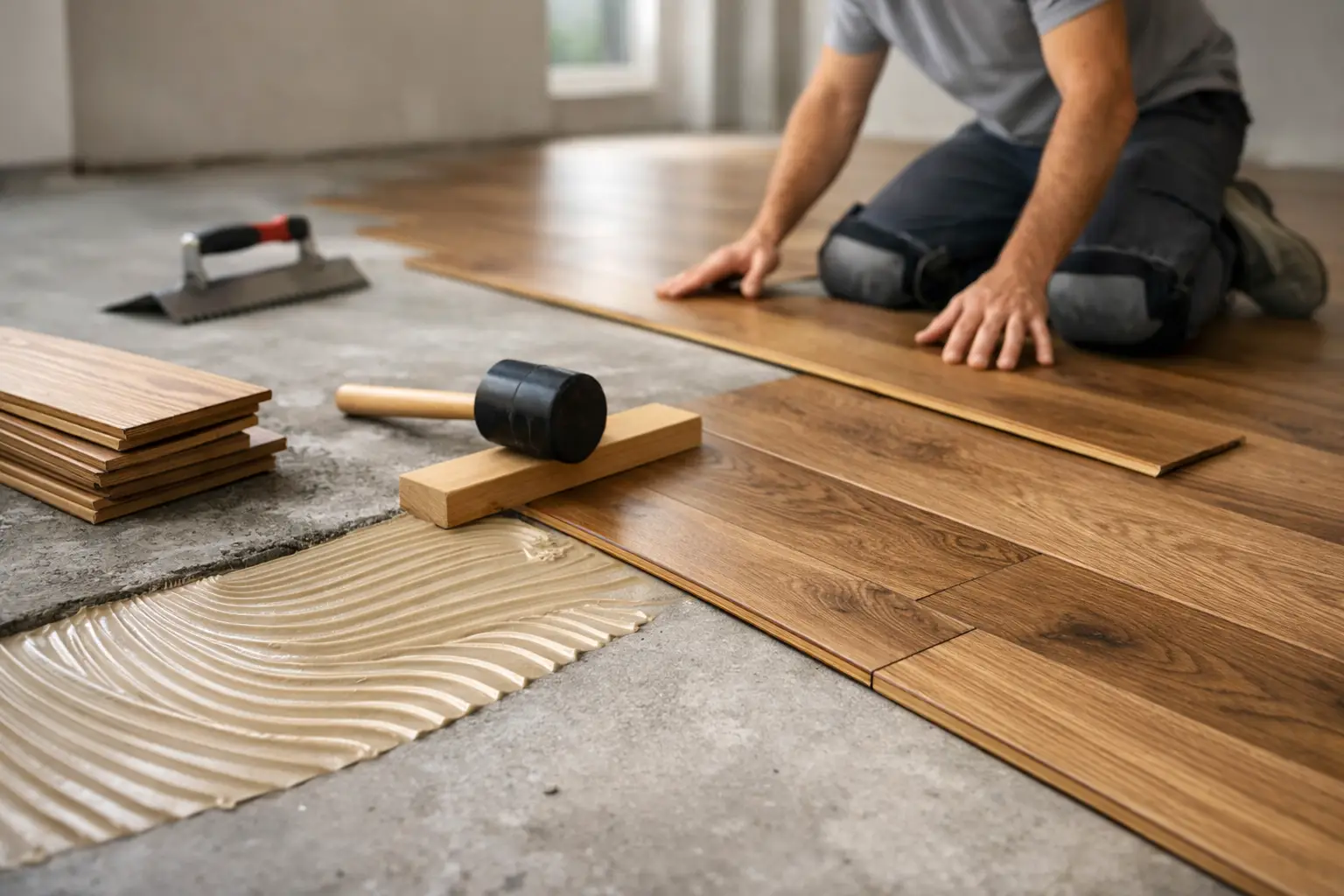
The first step is cleaning the slab properly. Dust, paint, adhesive residue and loose material need to be removed so any repair product can bond correctly. After that, high spots are usually ground back. Low spots are then filled or, where variation is more widespread, a self-levelling compound is applied across the area.

This is where product choice matters. Not all levelling compounds perform the same way, and the wrong one can break down, powder or fail to bond. At Melbourne Quality Timber Flooring, correct subfloor preparation is a major part of achieving a stable result, which is why professional-grade products such as Cemimax self-levelling compound are often used where appropriate.

The goal is not simply to make the slab look smoother. It is to create a flat, stable and compatible base for the flooring system going on top.

When grinding is enough and when it is not

If the slab only has a few raised points, grinding may be all that is needed. This is common around old patch lines, rough trowel marks or minor transitions between rooms.

If there are broader depressions or multiple areas of variation, grinding alone will not solve it. In that case, filling isolated sections or applying levelling compound over a larger zone is usually the better option. It depends on the extent of the issue, the flooring type and the finished floor height available.

Preparing an uneven timber subfloor

Timber subfloors need a different approach because the movement may be coming from the structure underneath, not just the top surface. If the sheets or boards are loose, they need to be re-fixed. If sections are swollen, delaminated or damaged, they may need replacing before any overlay or flooring installation begins.

Sometimes the unevenness is in the joists rather than the sheet flooring itself. That can mean packing, re-sheeting or more substantial carpentry work. Simply pouring a levelling product over a moving timber base is not always suitable.

For sheet timber subfloors, sanding down high joints may help in minor cases. For more pronounced variation, installers may use underlay systems, fibre cement underlay or replacement sheeting depending on the floor covering being installed. Again, there is no single answer that fits every job.

Match the preparation method to the flooring

Different flooring products have different tolerances and installation methods. That affects how precise the subfloor preparation needs to be.

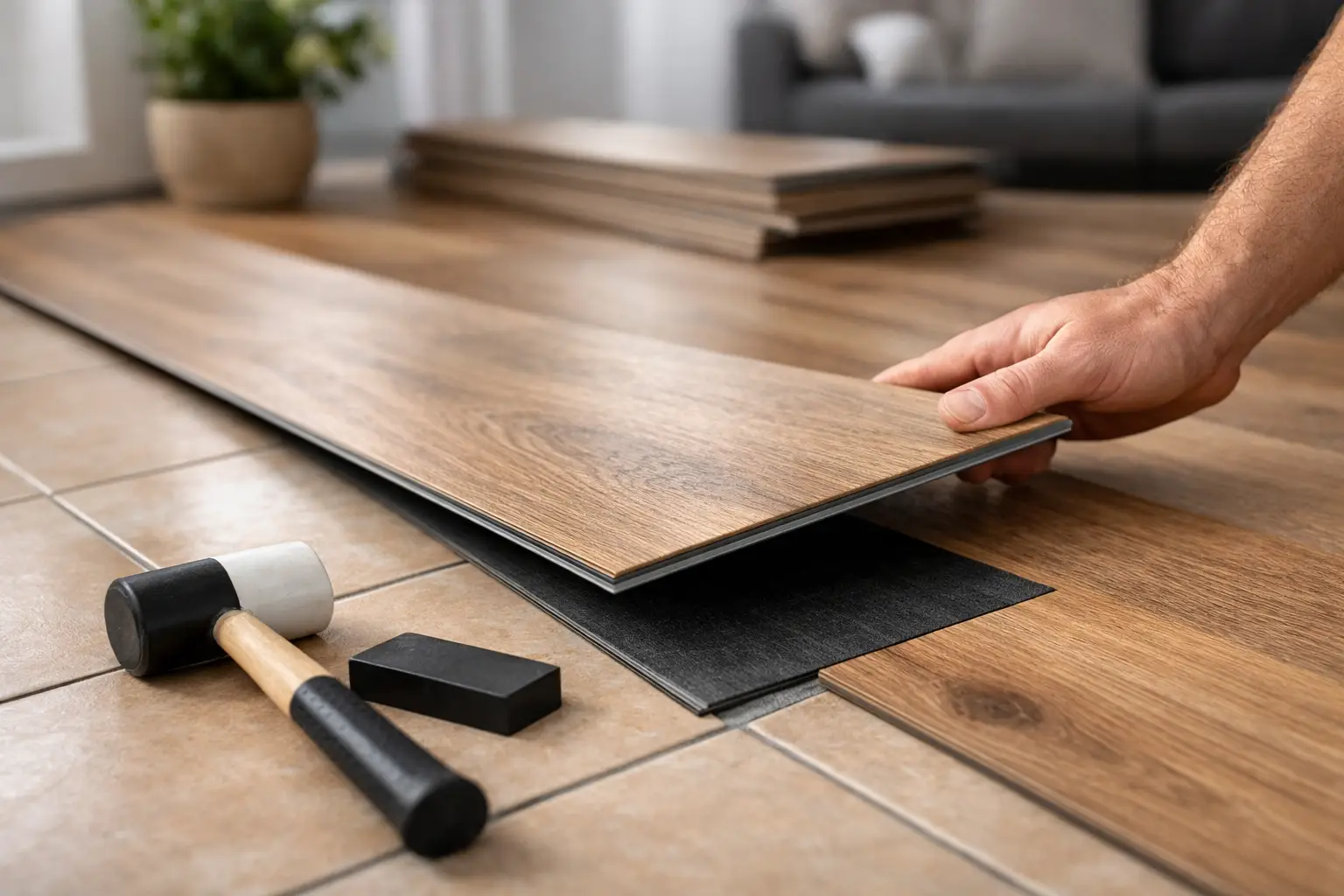
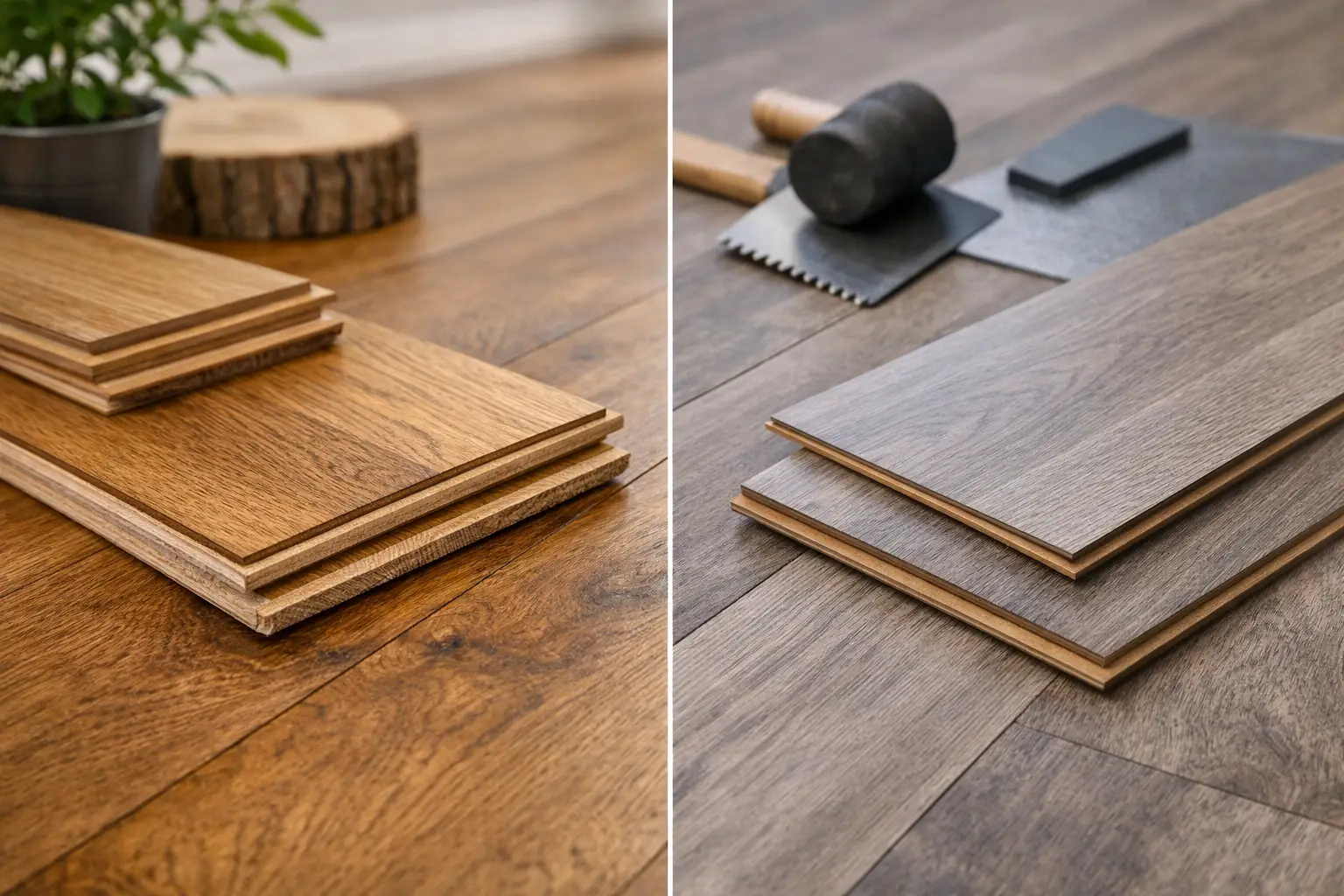
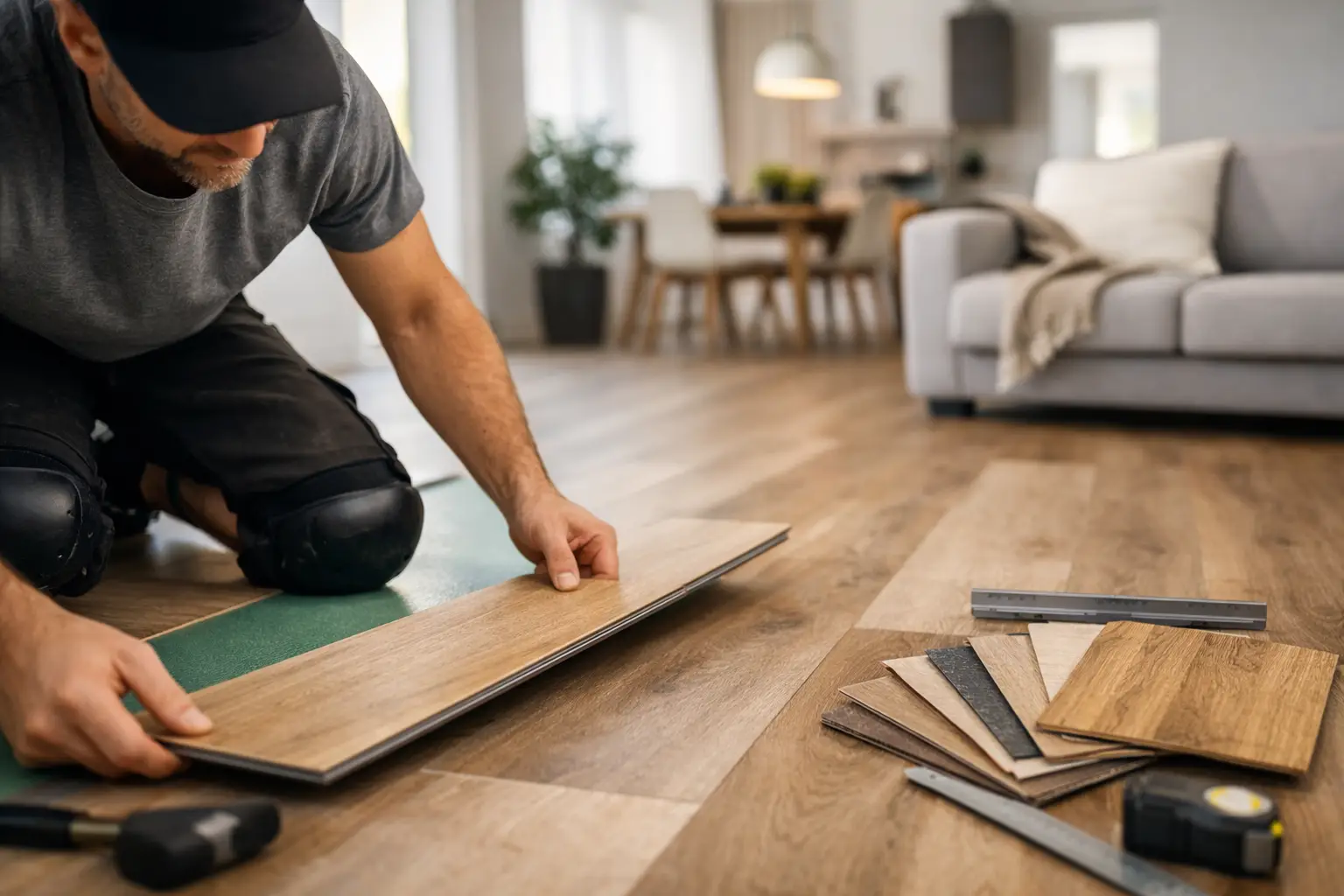
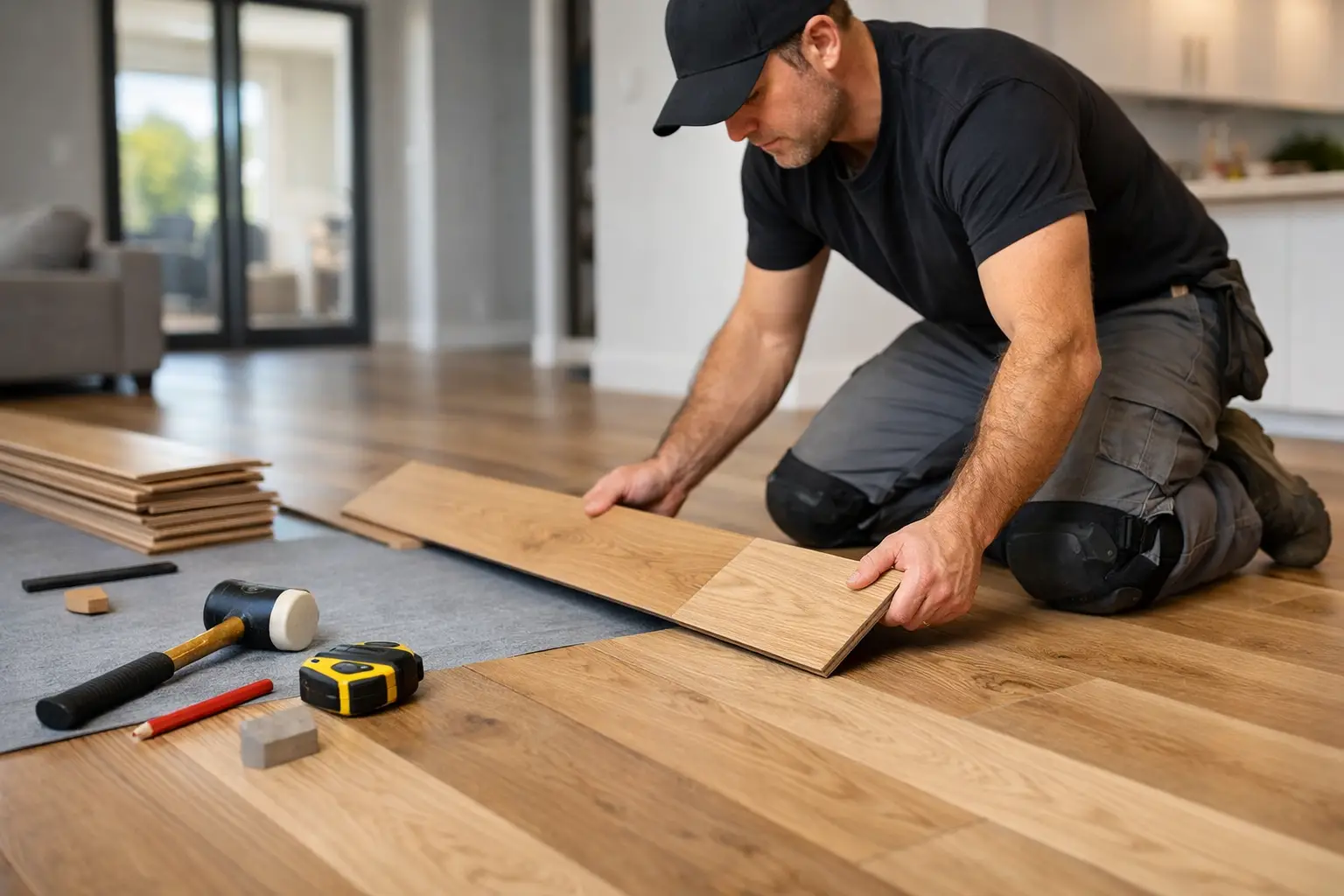
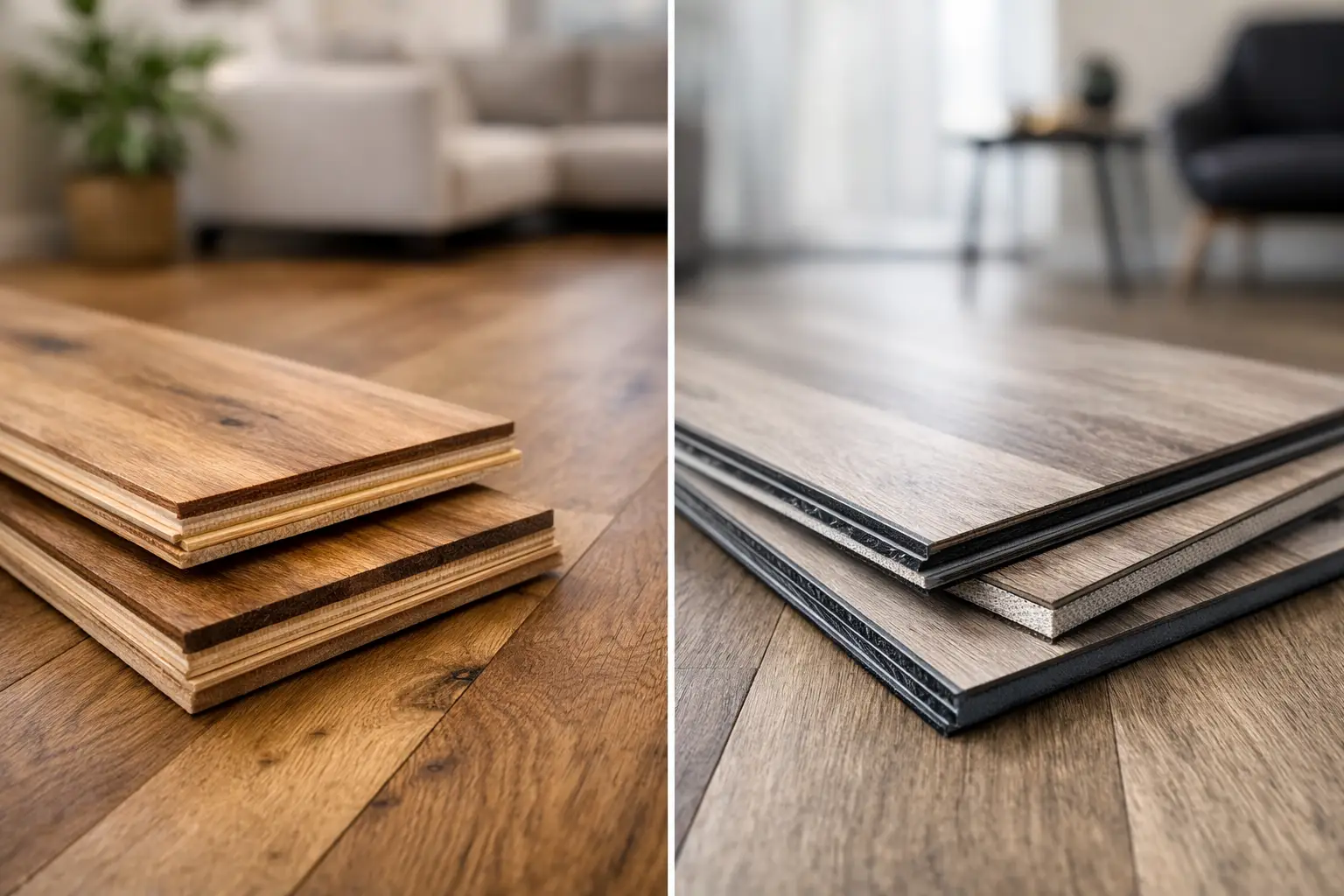
Engineered timber often demands tighter control because the boards are usually longer and more visible once installed. Any irregularity beneath them can show up as movement or an inconsistent finish. Hybrid flooring is often marketed as forgiving, but that should not be taken to mean it can hide poor prep. Laminate can also suffer from joint stress and drummy sound if the base is not flat enough.

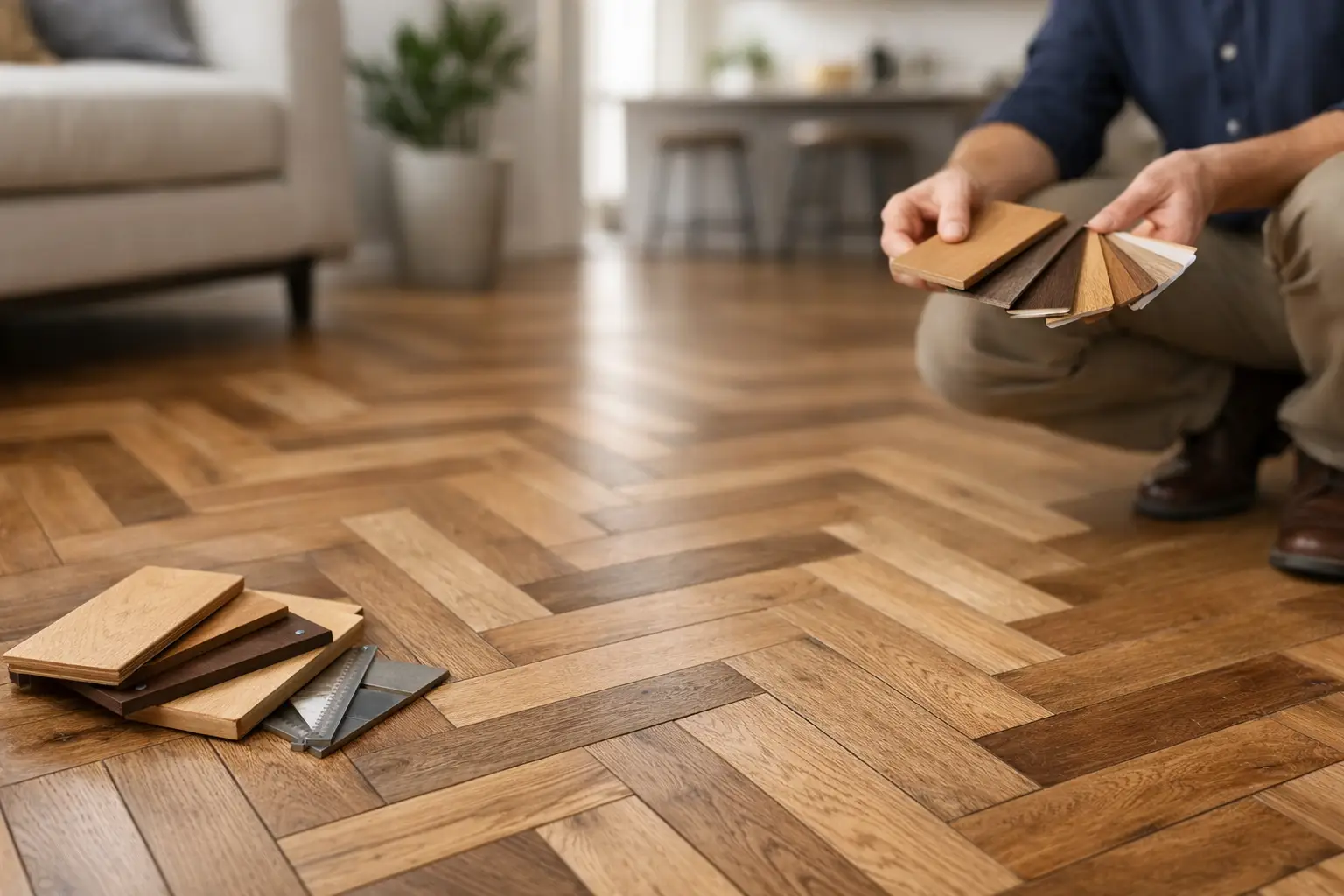
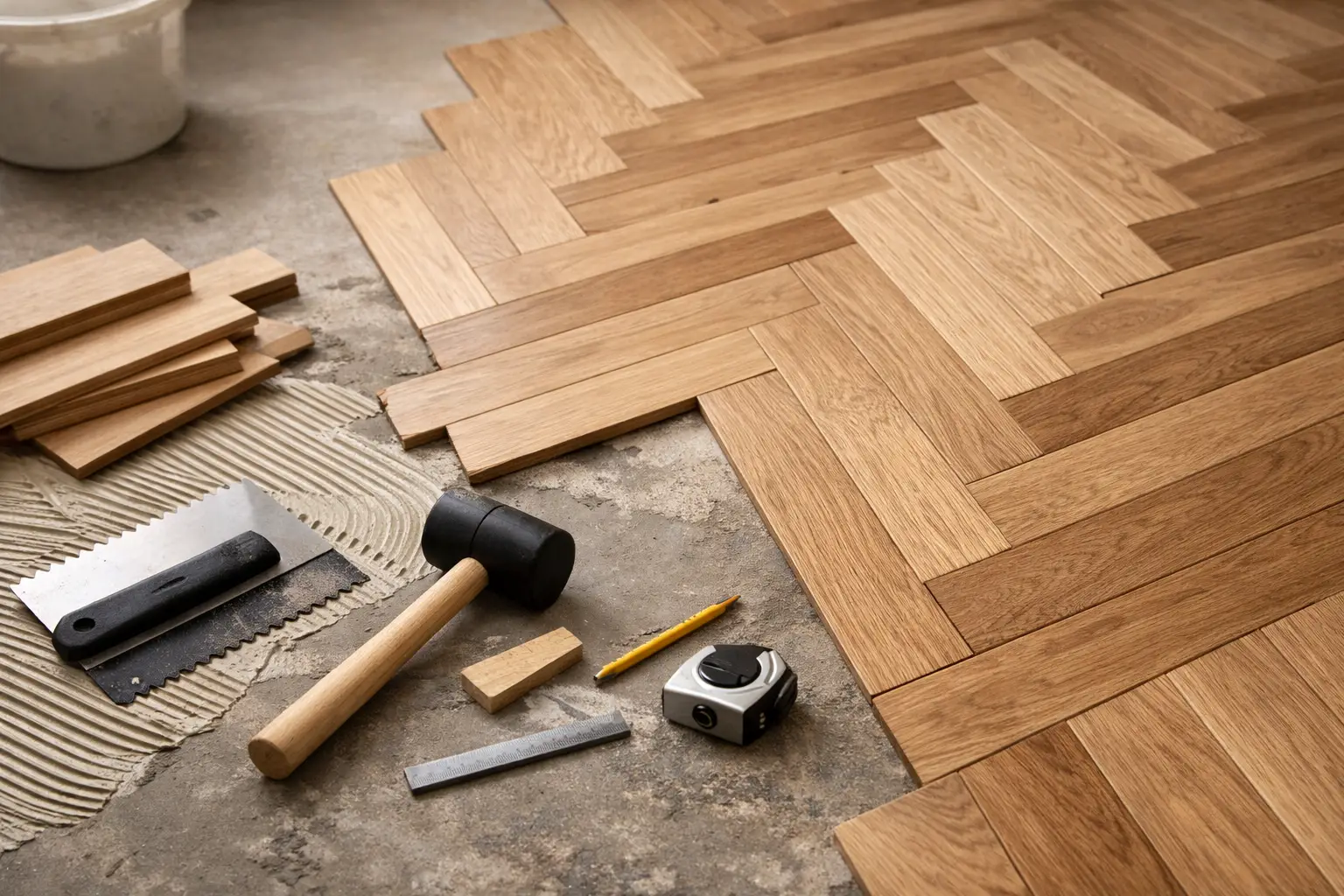
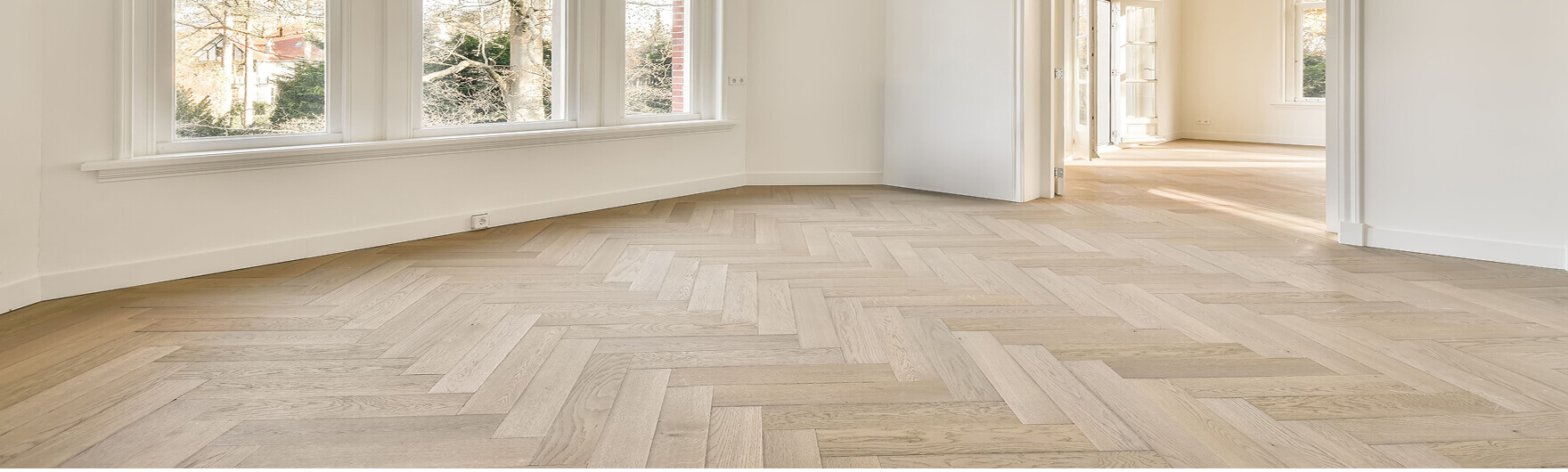
Herringbone layouts are even less forgiving. Because the pattern relies on accurate board alignment, any subfloor inconsistency can affect both the look and the fit. This is one reason premium flooring jobs should always start with a serious site assessment.

Common shortcuts that cause expensive problems

One of the most common mistakes is trying to use underlay to compensate for an uneven subfloor. Underlay has a purpose, but it is not there to hide dips and humps. If the base is out, the flooring system above it is still likely to move.

Another shortcut is spot-filling without properly checking the whole room. You fix one obvious dip, install the floor, and then the next low or high point creates noise or board stress elsewhere. Rushing curing times is another issue. Levelling products need proper drying before flooring goes down, particularly when moisture-sensitive materials are involved.

There is also the question of product suitability. Some cheaper flooring products leave less margin for error. If the locking system is weaker or the board construction is less stable, subfloor accuracy becomes even more critical.

When to call a professional

If the unevenness is minor and you have the right tools and product data, some prep work is manageable. But if you are dealing with multiple rooms, visible slab variation, moisture concerns, timber subfloor movement or a premium finish such as European oak or herringbone, professional assessment is the safer path.

A proper installer looks beyond the floor covering and works backwards from the site conditions. That is what protects the investment. Former installers tend to spot issues early because they have seen what happens when preparation is rushed or underestimated.

For property owners, that usually means fewer surprises during installation and a better result once the floor is finished. For commercial spaces, it means less downtime and a lower chance of defects after handover.

What good subfloor preparation should achieve

When the job is done properly, the finished subfloor should be clean, sound, flat and suitable for the chosen flooring product. It should also align with the required floor height, transition details and moisture conditions of the site.

That may sound basic, but it is the difference between a floor that feels solid and performs well for years, and one that starts showing problems far too early. A premium board can only do so much if the base underneath has been ignored.

If you are planning new flooring, treat the subfloor as part of the product, not as an afterthought. The nicest finish in the room still relies on what is underneath it.

Related Blog

How to Choose Hybrid Flooring Properly

How to Choose Hybrid Flooring Properly

The fastest way to waste money on new floors is to choose by sample board...

How to Choose Timber Flooring

How to Choose Timber Flooring

You can usually spot a flooring mistake within five seconds of walking into a room....

Hybrid Flooring Melbourne Homeowners Trust

Hybrid Flooring Melbourne Homeowners Trust

A floor can look perfect in a showroom and still be the wrong choice for...

Timber Flooring Melbourne Homeowners Trust

Timber Flooring Melbourne Homeowners Trust

A floor can look perfect in a showroom and still fail in a real Melbourne...

Hybrid Flooring Disadvantages Explained

Hybrid Flooring Disadvantages Explained

You usually hear about hybrid flooring when someone wants the look of timber without the...

Hybrid Flooring Explained for Melbourne Homes

Hybrid Flooring Explained for Melbourne Homes

You do not usually notice a floor until it starts causing problems. Boards move, joins...

How to Repair Engineered Timber Flooring

How to Repair Engineered Timber Flooring

A scratched board near the kitchen, a chipped edge by the hallway, or a section...

How to Clean Engineered Hardwood Flooring

How to Clean Engineered Hardwood Flooring

A lot of engineered timber floors get blamed for problems that actually come down to...

How to Acclimate Engineered Hardwood Flooring

How to Acclimate Engineered Hardwood Flooring

A floor can look perfect on delivery day and still fail a few weeks after...

How to Install Engineered Hardwood Flooring on Concrete

How to Install Engineered Hardwood Flooring on Concrete

Concrete catches people out. It looks flat, solid and ready to go, but it is...

How Thick Is Engineered Timber Flooring?

How Thick Is Engineered Timber Flooring?

You can spot a flooring quote that skips the important details a mile away. A...

Why Choose Engineered Hardwood Flooring?

Why Choose Engineered Hardwood Flooring?

A floor can look perfect in a showroom and still be the wrong choice once...

What Is Engineered Hardwood Flooring Pros and Cons?

What Is Engineered Hardwood Flooring Pros and Cons?

A lot of flooring problems start before anyone lays a single board. The wrong product...

What Is Engineered Hardwood Flooring vs Laminate?

What Is Engineered Hardwood Flooring vs Laminate?

You can usually tell when someone has been talked into the wrong floor. They come...

What Is Engineered Timber Flooring?

What Is Engineered Timber Flooring?

If you have been comparing flooring options and keep circling back to timber, chances are...

Best Engineered Timber Flooring Australia

Best Engineered Timber Flooring Australia

A lot of people start by asking for the best engineered timber flooring Australia has...

Engineered Timber Flooring Prices Explained

Engineered Timber Flooring Prices Explained

The gap between a cheap floor and a floor that still looks good in ten...

Engineered Timber Flooring vs Hybrid

Engineered Timber Flooring vs Hybrid

You can spot the wrong flooring choice months after install - boards sounding hollow underfoot,...

Laminate Flooring Experts

How to Choose the Right Flooring for Your Melbourne Home

Choosing new flooring is one of the bigger decisions you'll make in a home renovation.Get...

Shopping centre entry in Hawthorn with direct stick engineered flooring installation by Melbourne QTF

Flooring For Rental Properties Melbourne

If you own a rental property in Melbourne, flooring is one of the most importantdecisions...

Hybrid Flooring Melbourne

Engineered Timber vs Hybrid Flooring: Which Is Right for Your Melbourne Home?

If you've started researching new flooring for your Melbourne home, chances are you'vecome across two...

Hybrid Flooring Melbourne

Herringbone Flooring Melbourne: The Complete Guide to Pattern, Style & Installation

Herringbone flooring has made a serious comeback — and it's not hard to see why....

Hybrid Flooring Melbourne

Why Choose Hybrid Flooring?

When it comes to selecting the right flooring for your Melbourne home, hybrid floors have...

Flooring Melbourne

How to Clean Your Floors (Laminate, Hybrid & Engineered Timber)

Keeping your floors clean doesn't just make your home look fresh—it also protects them from...

Engineered Flooring Melbourne

Engineered Flooring: The Complete Guide for Your Home

What Is Engineered Flooring? Engineered flooring is a type of wood flooring designed to replicate...

Laminate Flooring Melbourne

Why Choose Laminate Flooring for Your Home or Business

When it comes to selecting the perfect flooring, homeowners and business owners alike want something...

See Why Our Clients Trust Us
Real Stories, Real Success!

Google Review

Timber Flooring Melbourne — Frequently Asked Questions

How much does timber flooring cost in Melbourne?

The cost of timber flooring in Melbourne depends on the type of flooring you choose. As a general guide:

  • Laminate flooring: $20–$50 per m² for materials, plus $18–$30 per m² for installation
  • Hybrid flooring: $30–$50 per m² for materials, plus $18–$30 per m² for installation
  • Engineered timber: $70–$130 per m² for materials, plus $40–$70 per m² for installation

Additional costs such as subfloor levelling, carpet removal, and skirting board replacement may apply. We offer free on-site measures and quotes — contact Melbourne QTF today for an accurate estimate tailored to your project.

Both are popular choices, but they suit different needs:

Engineered timber features a real hardwood veneer bonded over a plywood core. It looks and feels like solid timber but is more dimensionally stable, meaning it handles Melbourne’s temperature and humidity fluctuations better. It can be sanded and refinished once or twice, extending its lifespan significantly.

Hybrid flooring is a fully synthetic product combining a rigid stone-plastic composite core with a vinyl wear layer. It is 100% waterproof, highly scratch resistant, and ideal for households with pets, children, or wet-prone areas like kitchens and laundries.

Not sure which is right for you? Our team are former installers who can walk you through the best option for your home and budget.

Yes — in most cases, both engineered timber and hybrid flooring can be installed directly over existing tiles or concrete slabs. The key requirement is that the subfloor is flat, clean, and structurally sound.

Where subfloors are uneven, we use Cemimax self-levelling compound to create a perfectly flat surface before installation. This step is critical for long-lasting results and is something many cheaper operators skip.

Our team will inspect your subfloor during the free measure and recommend the correct preparation method for your specific situation.

For busy households with pets or children, we recommend hybrid flooring as the top choice. Here’s why:

  • 100% waterproof — spills and accidents wipe up with no damage
  • Highly scratch and dent resistant wear layer
  • Easy to clean with a damp mop
  • Built-in underlay for comfort underfoot and noise reduction

Laminate flooring is another excellent budget-friendly option with strong scratch resistance, though it is not fully waterproof. For a more premium look, some of our engineered timber ranges also offer enhanced coatings suited to active family homes.

Come into our Ravenhall showroom or book a free consultation and we’ll help you find the perfect match.

Floating installation means the boards click together and sit over an underlay without being fixed to the subfloor. It is faster to install, easier to replace individual boards if damaged, and is the standard method for hybrid and laminate flooring.

Glue-down installation involves adhering each board directly to the subfloor using a flexible flooring adhesive. It is the preferred method for engineered timber, particularly in high-traffic areas or when installing over concrete. It produces a more solid, stable feel underfoot with less movement and noise.

Our team will recommend the right method based on your subfloor type, the flooring product you select, and your budget. Both methods are available across our full product range.

Keeping your new floor looking great is straightforward with a few simple habits:

  • Sweep or vacuum regularly to remove dust and grit that can scratch the surface
  • Wipe up spills immediately, especially on laminate which is not fully waterproof
  • Use a barely damp mop with a pH-neutral timber floor cleaner for deeper cleaning
  • Place felt pads under furniture legs to prevent scratching
  • Use a doormat at entrances to reduce the amount of dirt and grit tracked in
  • Avoid steam mops — the heat and moisture can damage both the boards and adhesive

Engineered timber floors can be lightly sanded and recoated if they develop surface scratches over time, giving them a renewed look. Hybrid and laminate boards are not refinishable but are highly resistant to everyday wear.

Yes — absolutely. We offer free on-site measures and obligation-free quotes for all flooring projects across Melbourne. One of our team will visit your property, assess your subfloor, discuss your flooring options, and provide a detailed written quote with no pressure and no hidden costs.

You can also send us your floor plan by email if you’d like a ballpark figure before we visit. Contact us today on 03 8352 0641 or fill in the form on our contact page to get started.
We service all Melbourne suburbs. Based in Ravenhall in Melbourne’s west, we specialise in the western corridor including Hoppers Crossing, Caroline Springs, Deer Park, St Albans, Sunshine North, Werribee, Tarneit, Point Cook, Cairnlea, and Albion.

We also regularly install flooring across Melbourne’s inner-city and eastern suburbs including South Yarra, Toorak, Hawthorn, Kew, Camberwell, Brighton, and Melbourne CBD.

No job is too far — get in touch and we’ll confirm coverage for your area.

    This site is protected by reCAPTCHA and the Google Privacy Policy and Terms of Service apply.

    Get in Touch

    Located in Ravenhall, Melbourne QTF provides premium timber flooring Melbourne-wide, specialising in the western suburbs including Hoppers Crossing, Caroline Springs, Avondale Heights, Cairnlea, Deer Park, Albion, Sunshine North, St Albans, and Werribee.

    We also service inner-city and eastern suburbs including Melbourne CBD, South Yarra, Toorak, Hawthorn, Kew, Camberwell, and Brighton, delivering high-quality timber flooring in Melbourne to homes and businesses across the city.

    To learn more about our timber flooring products or to discuss your project, contact our team today or visit our Ravenhall showroom.

    Opening Hours

    Monday - Friday 9am - 5pm

    Scroll to top