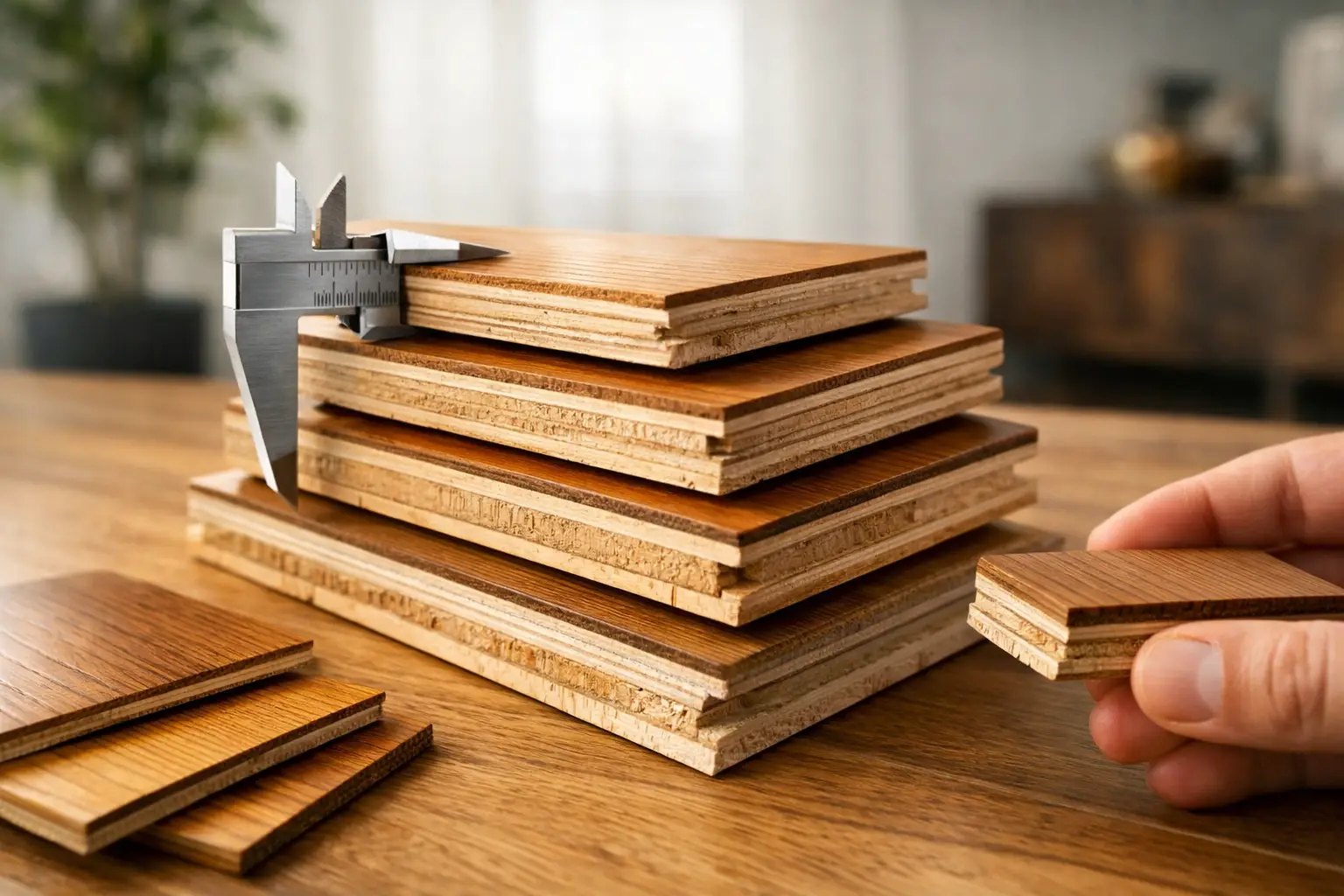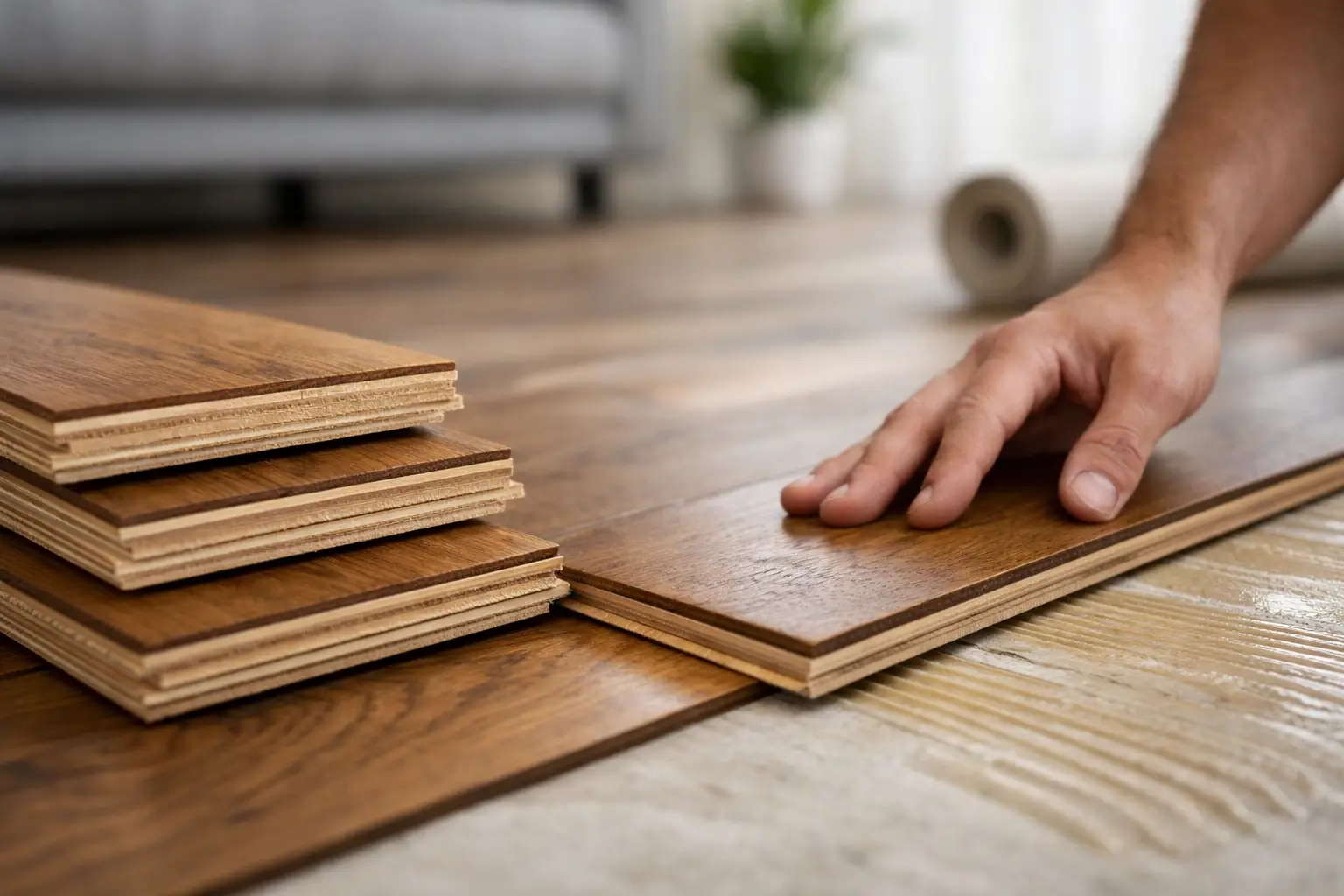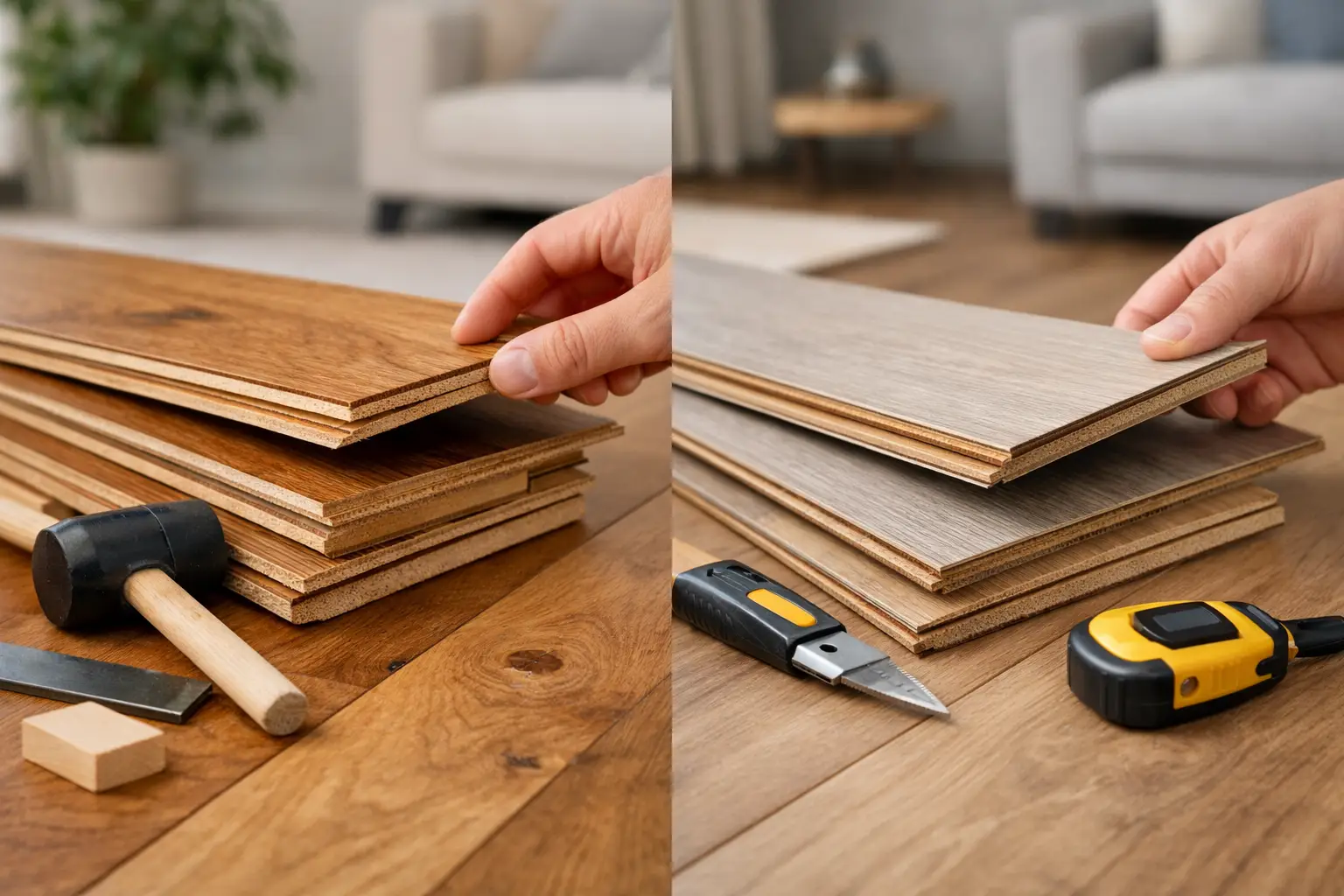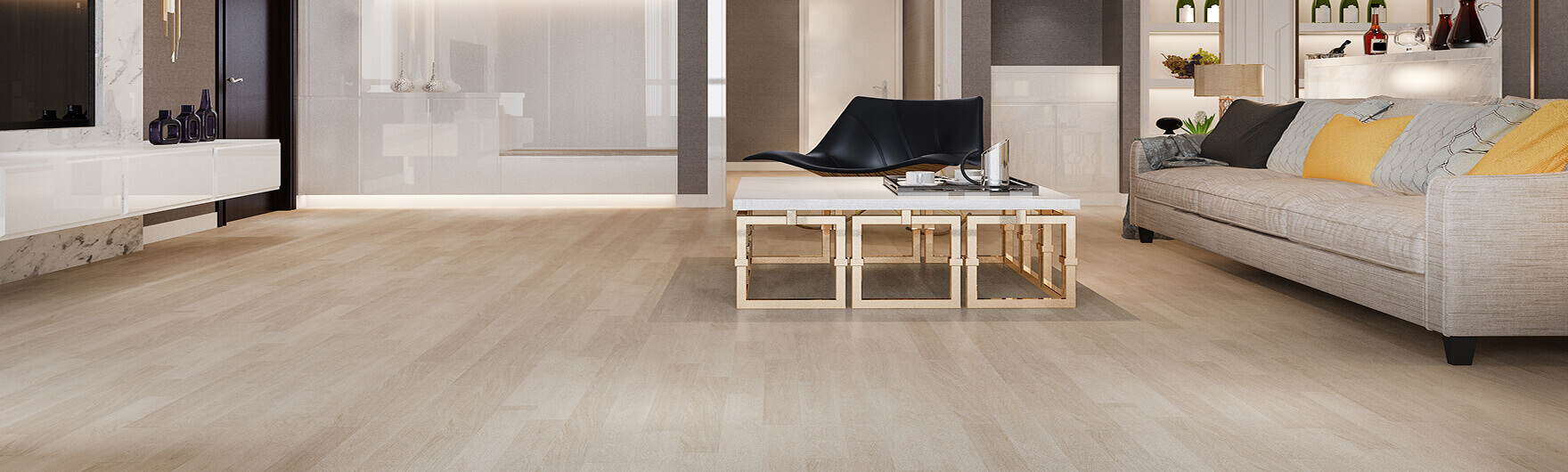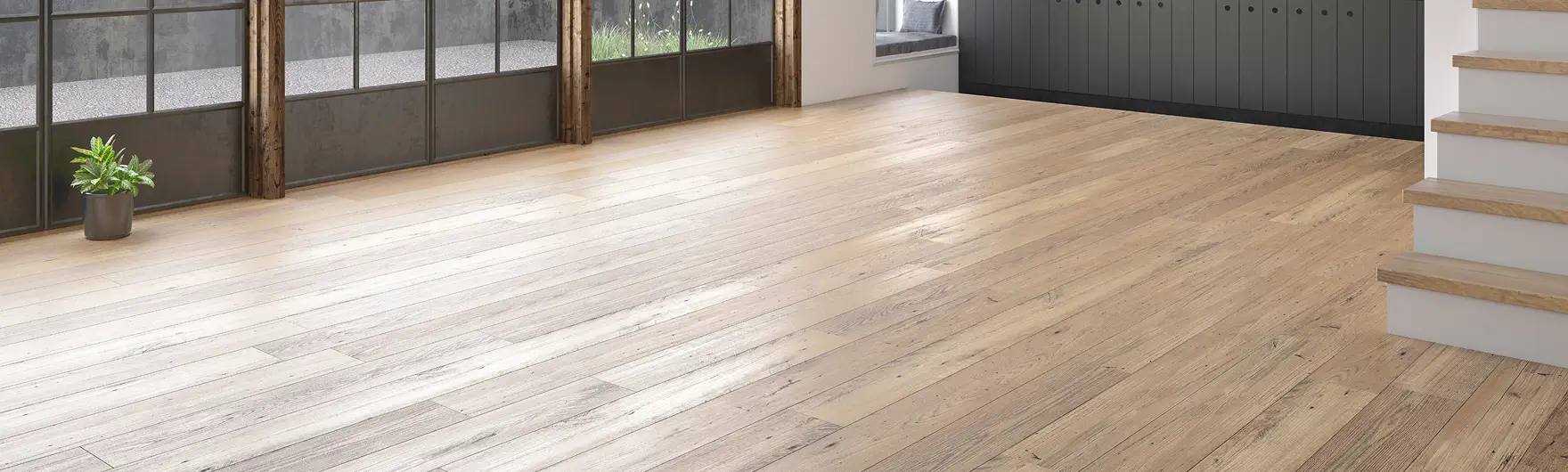
You usually hear about hybrid flooring when someone wants the look of timber without the maintenance worries. Fair enough – it has become a popular option for busy homes, apartments and light commercial spaces. But hybrid flooring disadvantages deserve just as much attention, because the wrong product in the wrong room can leave you with movement, noise, edge damage or a finish that simply does not feel as premium as expected.
Hybrid flooring is not a bad floor. In the right setting, it can be practical, water-resistant and good value. The issue is that it is often sold as a one-size-fits-all solution, and that is where problems start. A floor should be chosen around the space, the subfloor and the way the property is used – not just the sample board in the showroom.
Table of Contents
The main hybrid flooring disadvantages to know
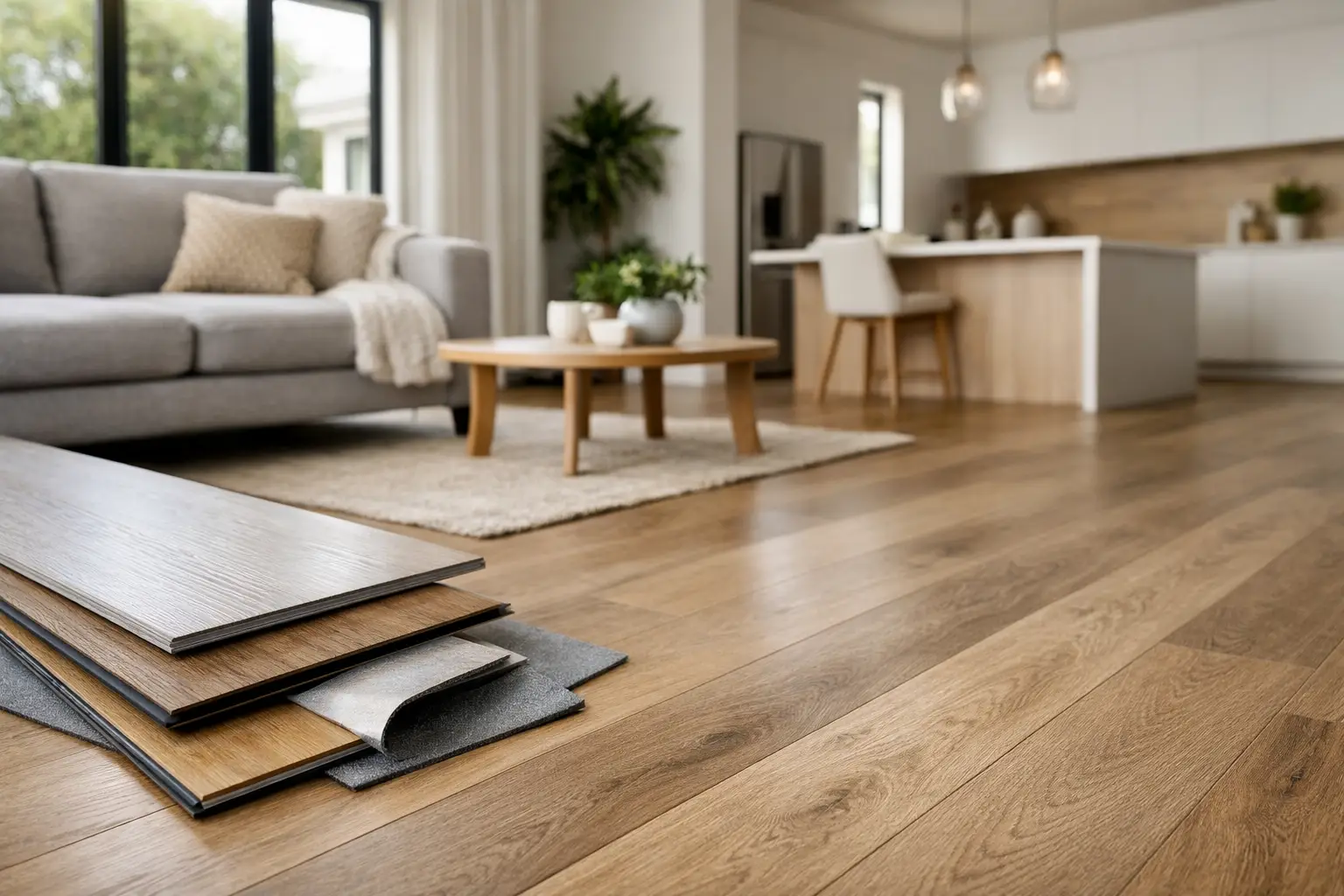
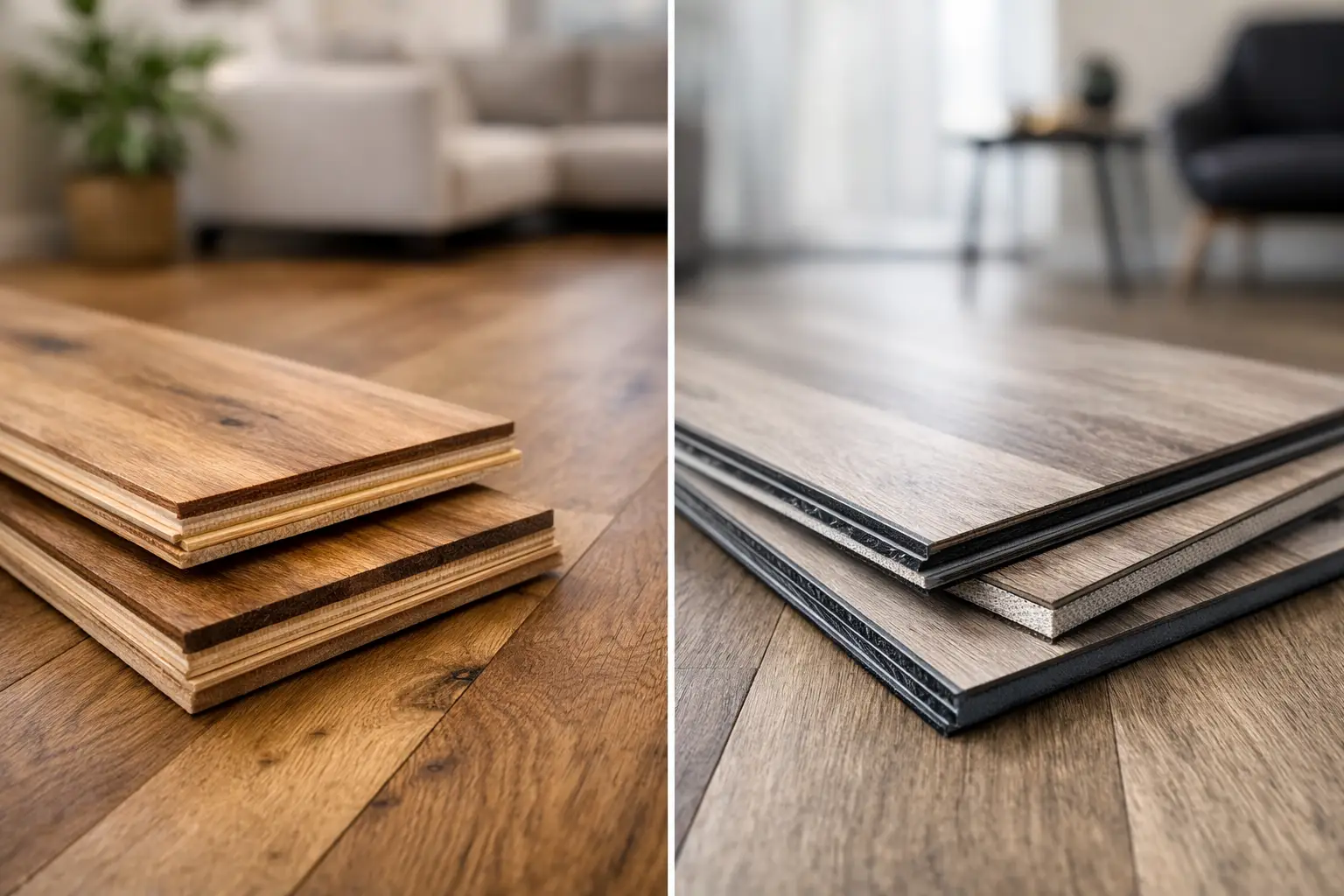
The biggest drawback with hybrid flooring is that it sits in the middle of the market. That can be its strength, but it can also be its weakness. It borrows features people like from laminate and vinyl, yet it does not always outperform either in every category.
One of the most common complaints is underfoot feel. Hybrid flooring can be harder and less natural to walk on than engineered timber. If you are expecting the warmth, acoustic softness and character of real timber, hybrid may feel a bit flatter and more synthetic. It can still look sharp once installed, but there is a difference between a timber-look product and a timber product.
Noise is another issue that catches people out. Depending on the board construction, the underlay and the condition of the subfloor, hybrid floors can produce a hollow or clicking sound underfoot. In apartments and multi-level homes, that matters. A floor might look great in photos but become annoying in day-to-day use if every step echoes more than expected.
Temperature movement is also worth taking seriously. Hybrid products are designed to handle some moisture, but that does not mean they are immune to expansion and contraction. In areas with large windows, strong direct sun or fluctuating internal temperatures, boards can move, peak or gap if the product selection and installation details are not right.
Where hybrid flooring can fall short
A lot of hybrid flooring disadvantages show up once the product is installed, not while it is being chosen. That is why site assessment matters.
It can be less forgiving on uneven subfloors
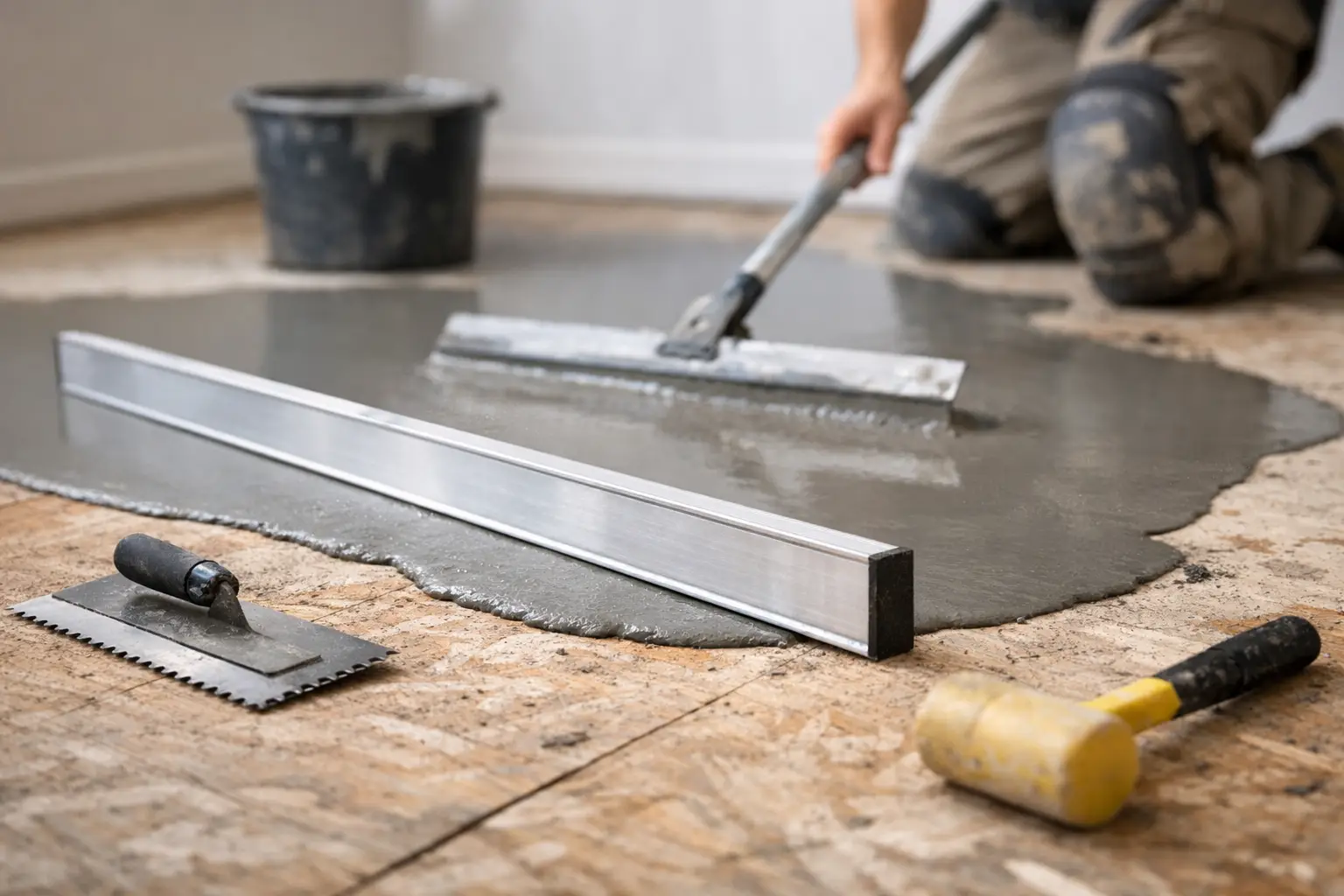
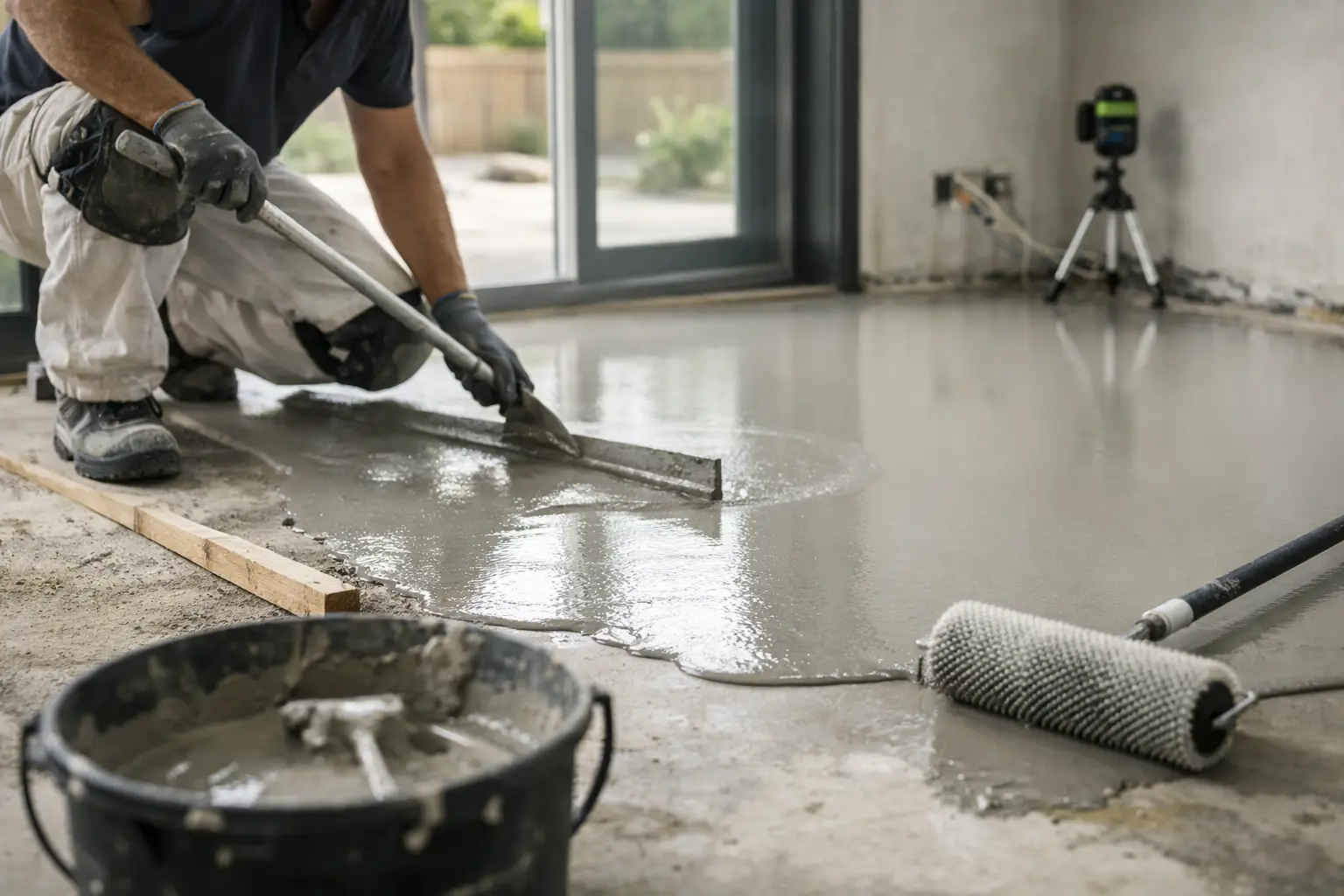
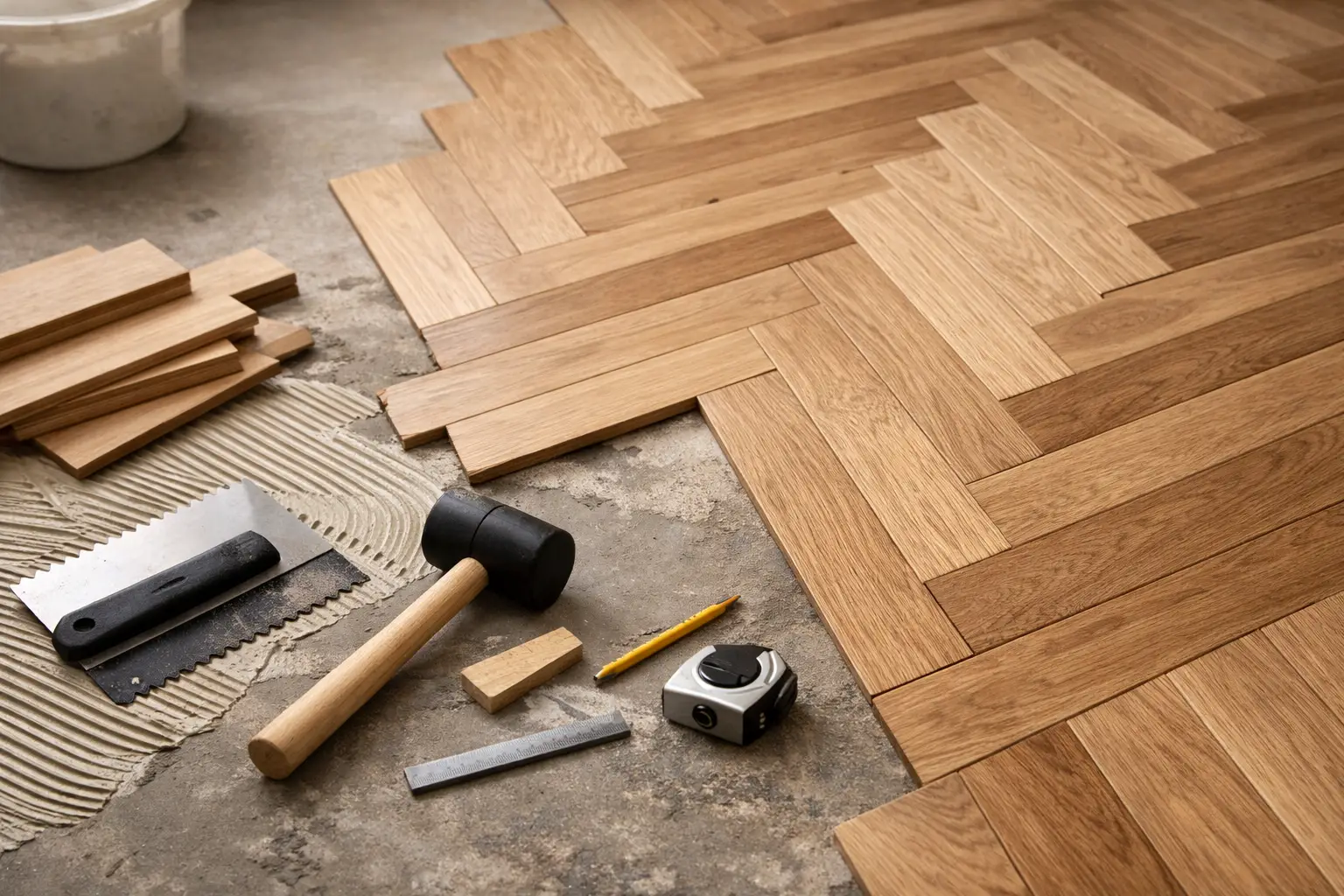
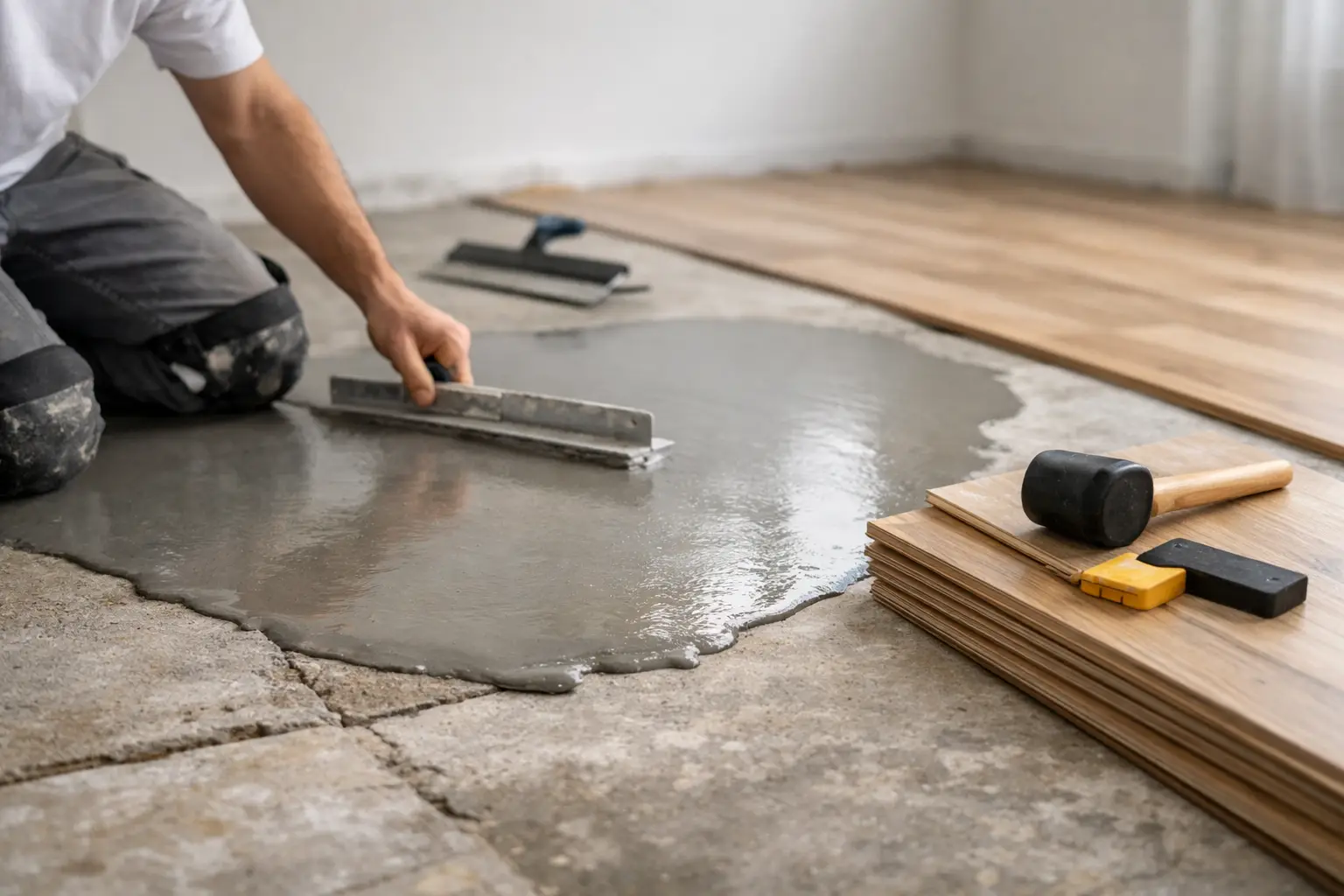
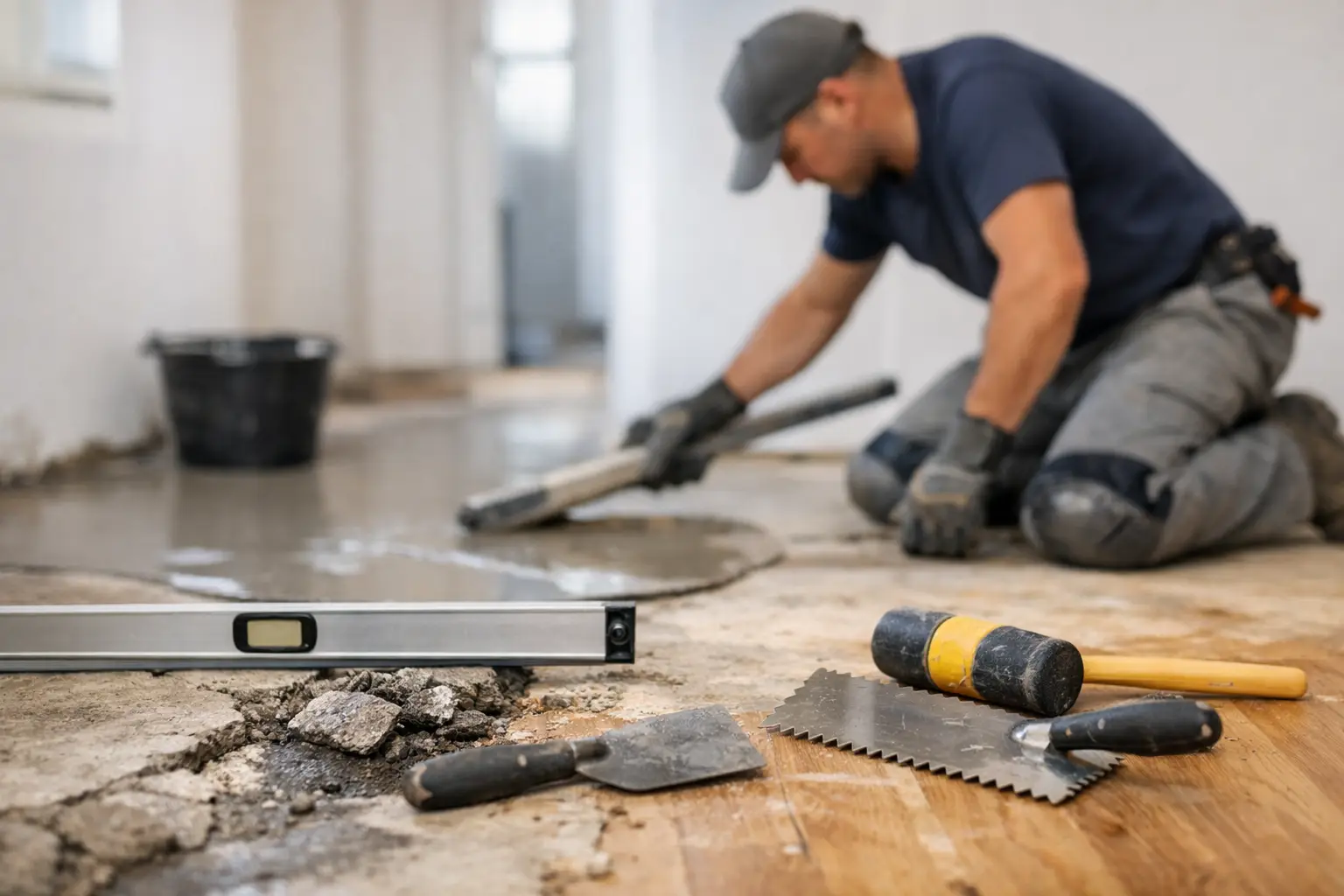
Many people assume floating floors will hide a rough slab or an older subfloor. They will not. Hybrid flooring still relies on a properly prepared, level base. If there are high spots, dips or loose areas underneath, the boards can flex, separate at the joints or sound hollow.
This is one of the biggest causes of flooring failure. The product gets blamed, but the real issue is often preparation. In practical terms, a cheaper quote that skips proper levelling can cost more later.
The boards can chip at the edges
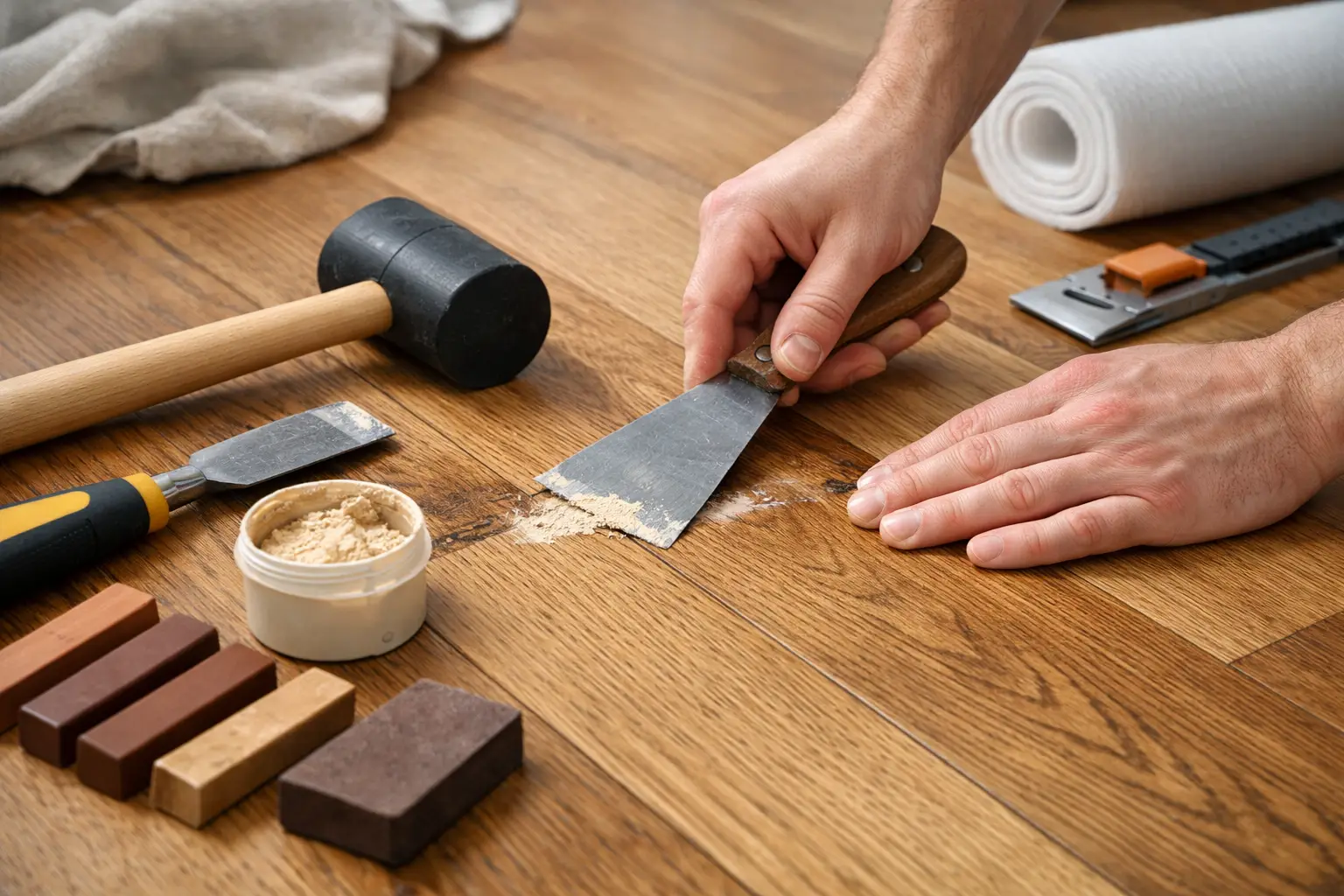
Hybrid flooring is marketed as durable, and in many homes it performs well. Even so, edge chipping can happen, especially in high-traffic areas or if heavy furniture is dragged across the surface. Once the edges are damaged, the floor can lose that clean, continuous look very quickly.
This is particularly noticeable with lighter colours and boards with a more defined bevel. Small damage tends to stand out more than people expect.
It does not always suit premium interiors
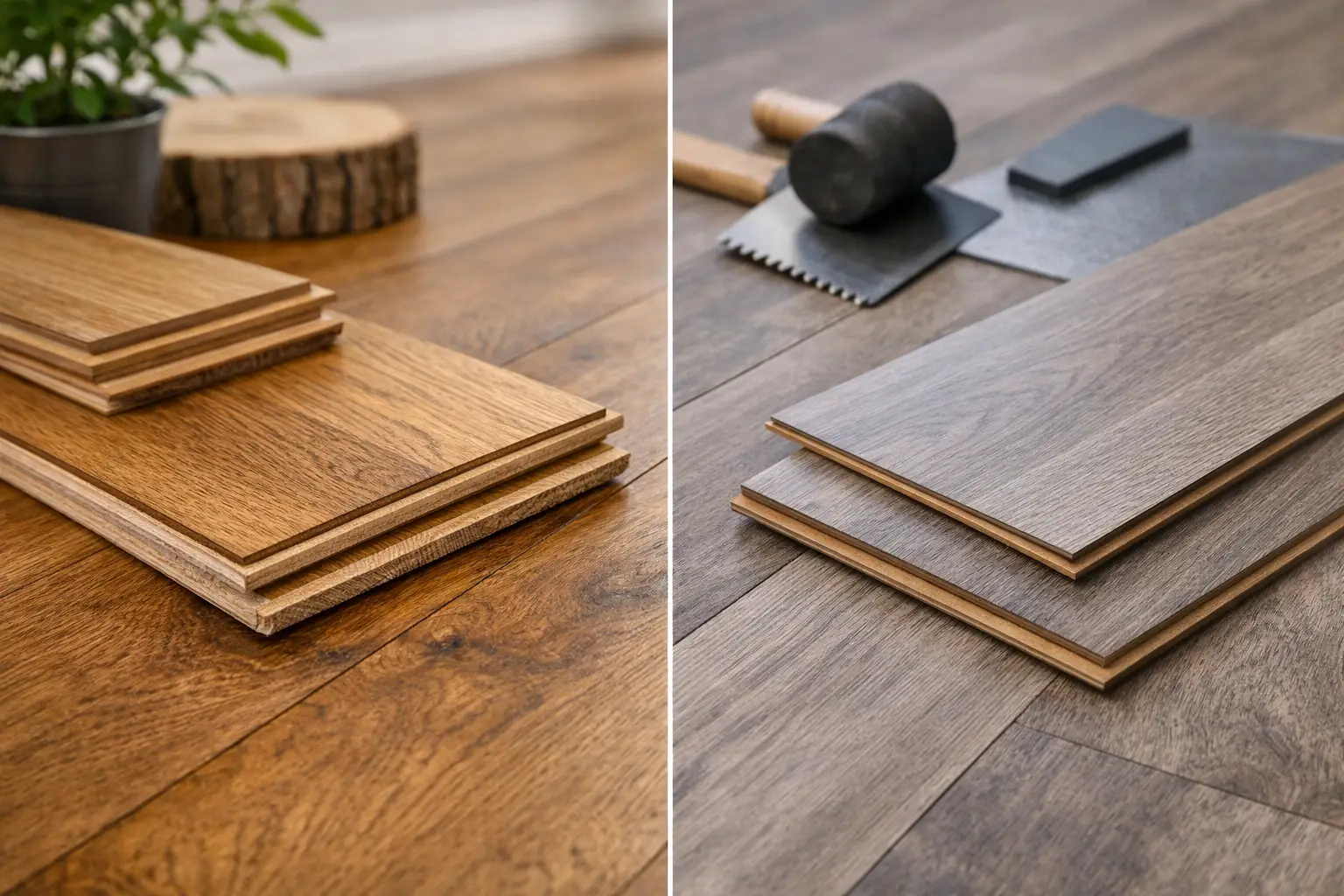
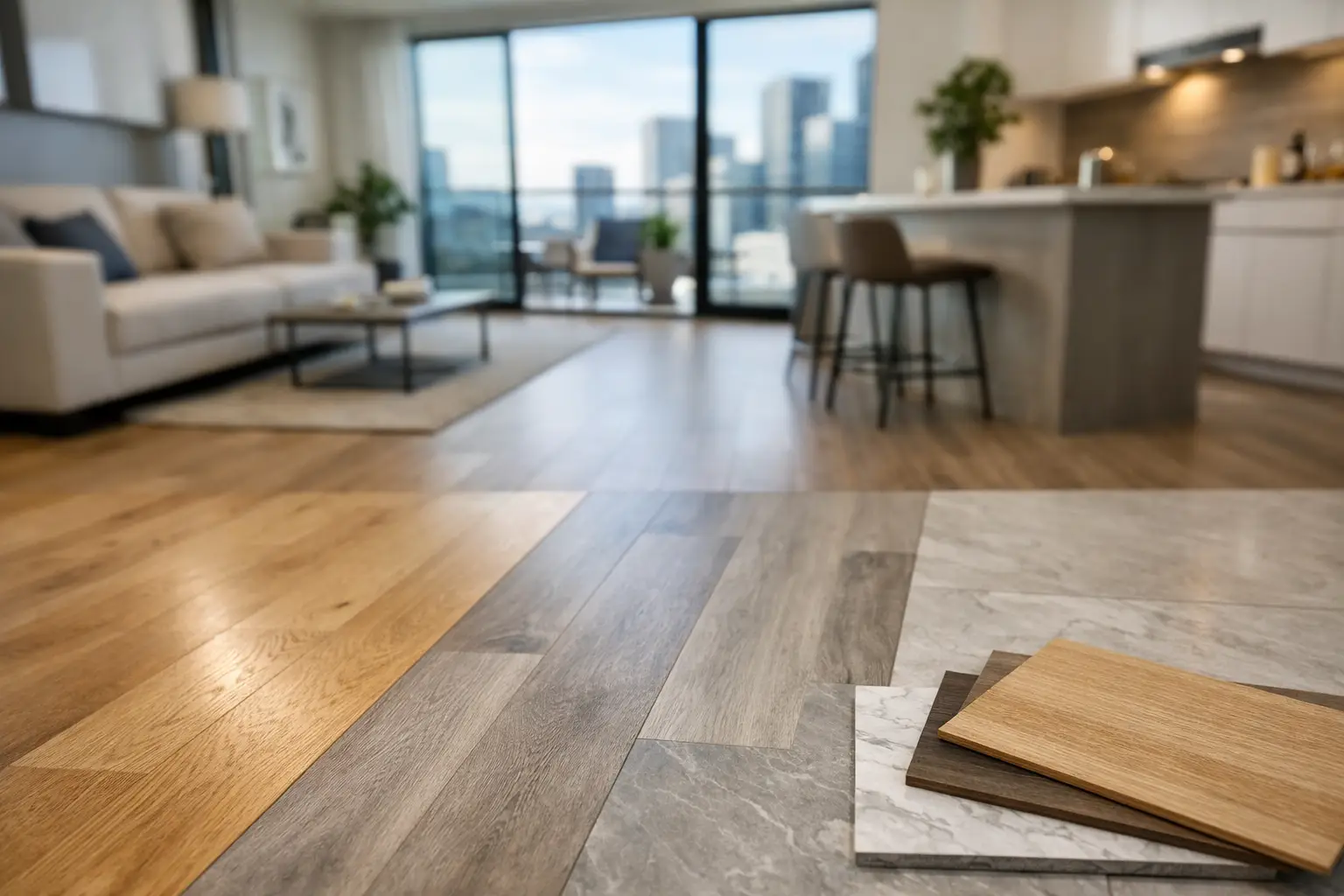
If you are renovating a higher-end home or aiming for a true European oak feel, hybrid may not deliver the same depth and authenticity as engineered timber. Print technology has improved a lot, but there is still a visible difference in grain variation, texture and overall finish quality.
That does not mean hybrid looks cheap. It means expectations need to match the product category. For many buyers, especially those focused on value and practicality, that trade-off is perfectly acceptable. For others, it becomes a regret point.
Moisture resistance is not the same as waterproof in every situation
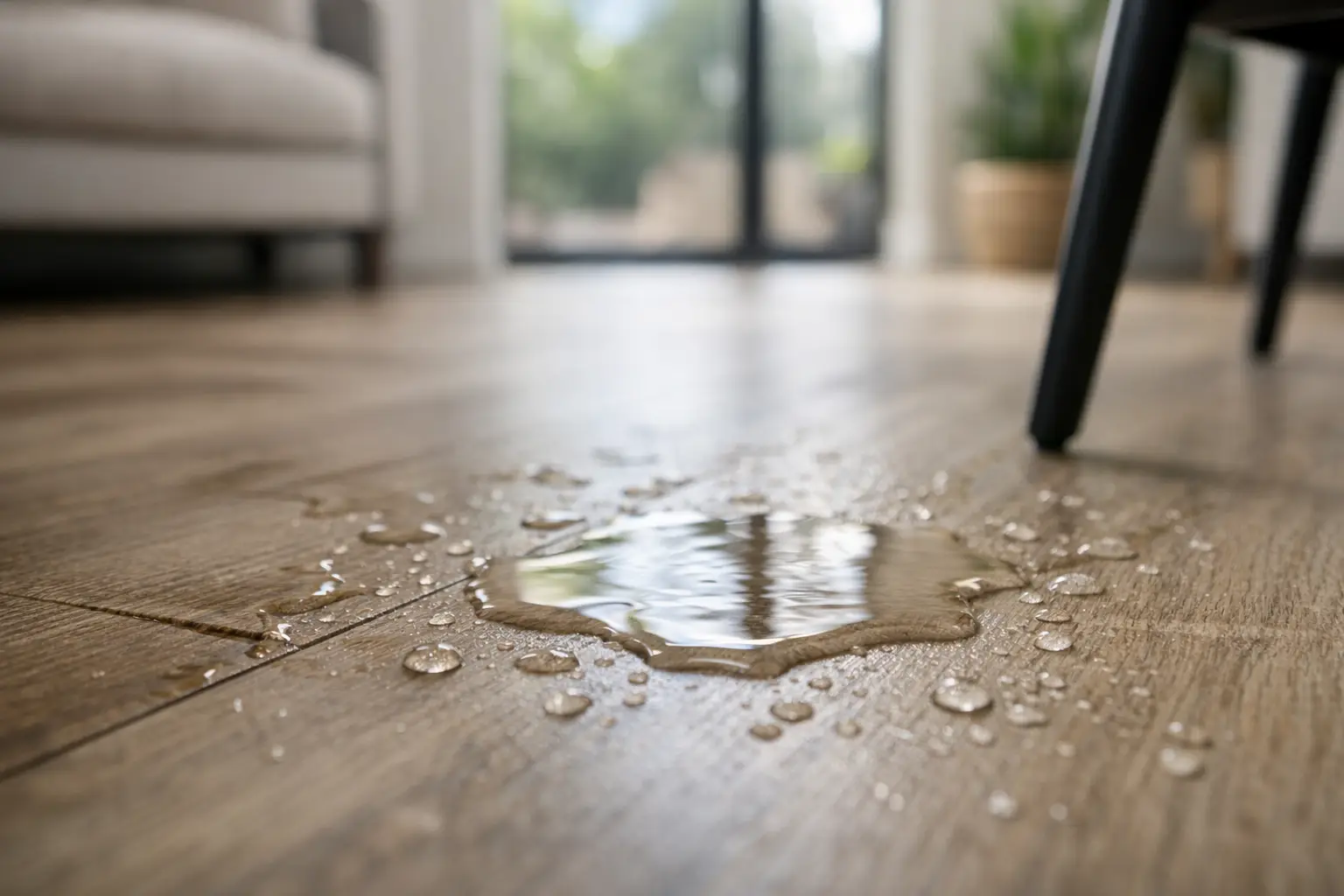
One of the most misunderstood parts of hybrid flooring is water resistance. Yes, hybrid is often chosen for kitchens, laundries and family homes because it handles spills better than traditional laminate or some timber products. But that should not be mistaken for complete invincibility.
Standing water, repeated wet mopping, plumbing leaks and moisture trapped underneath the floor can still create problems. Water can affect the joins, the perimeter areas and the subfloor below. In apartments, ground-floor rooms or properties with known moisture issues, this is where proper advice matters more than marketing claims.
The product might cope with the spill on top, but if the slab underneath has moisture problems, the whole system can still be at risk. That is one reason experienced installers spend so much time checking site conditions before recommending a floor.
Hybrid flooring disadvantages in busy households
For family homes, hybrid flooring often makes sense. It is easier to maintain than some timber options and generally holds up well to daily use. Still, there are a few trade-offs worth being honest about.
Pets can scratch any floor, and hybrid is no exception. Some ranges are better than others, but no hard floor is completely scratch-proof. Dog nails, moving chairs and grit tracked in from outside can all leave marks over time. If the household is very active, it is worth choosing a wear layer and finish that suits real traffic rather than just the look of the sample.
Heavy furniture is another point. Floating floors need room to move, so large joinery, kitchen islands or oversized furniture pieces can create issues if installed incorrectly around them. This is not always a product fault. It is more about understanding how floating systems work and planning the installation properly.
Why installation quality matters so much
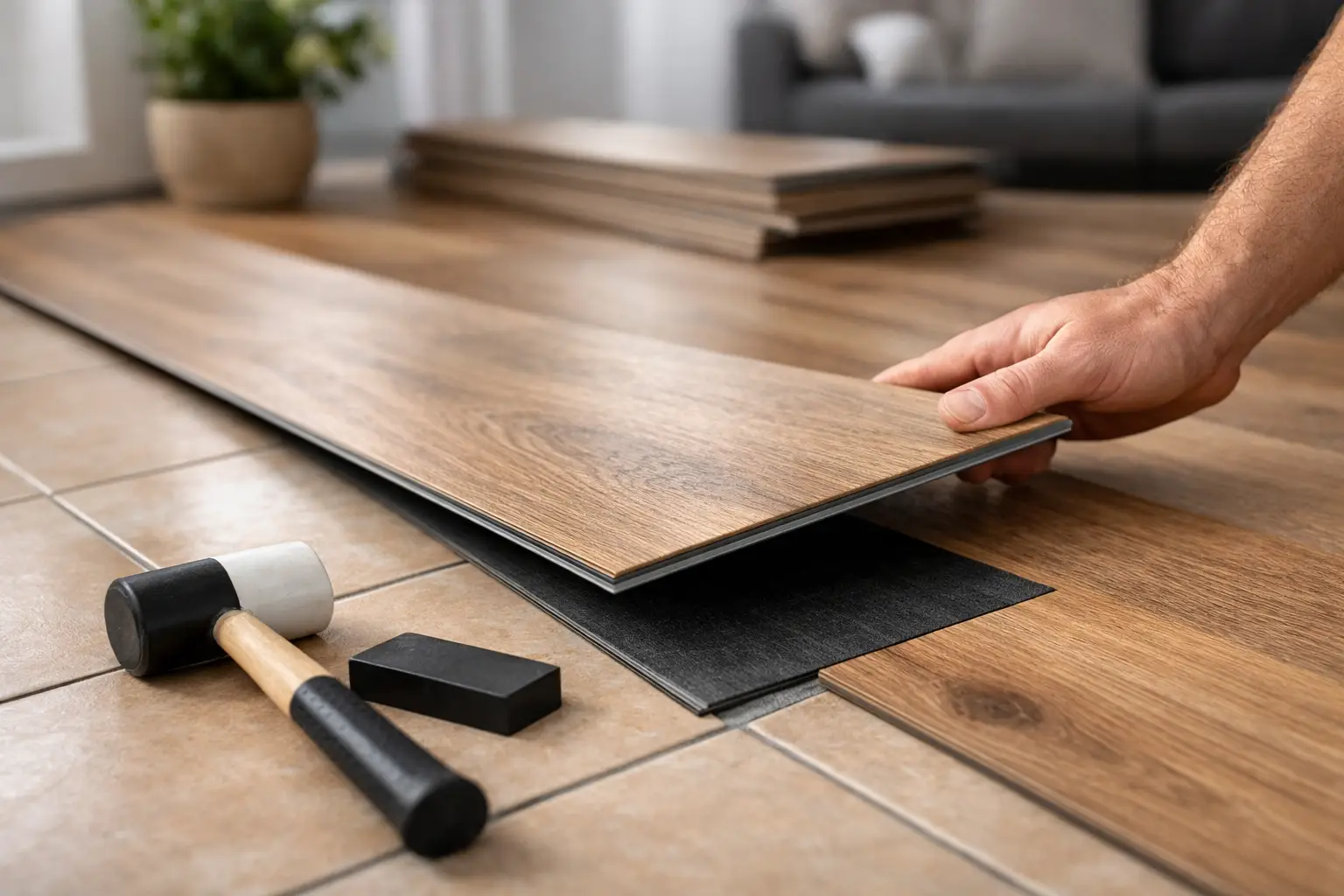
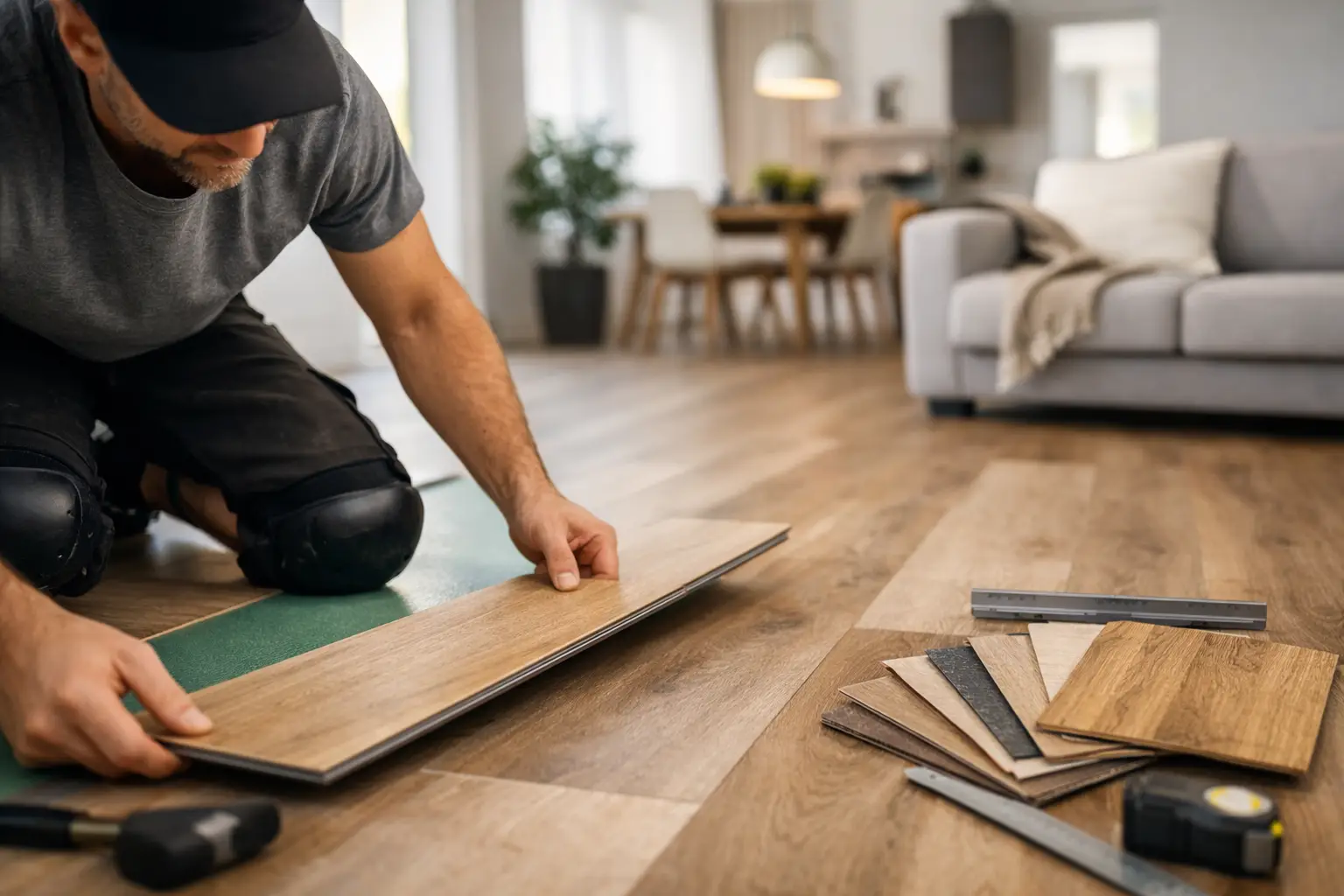
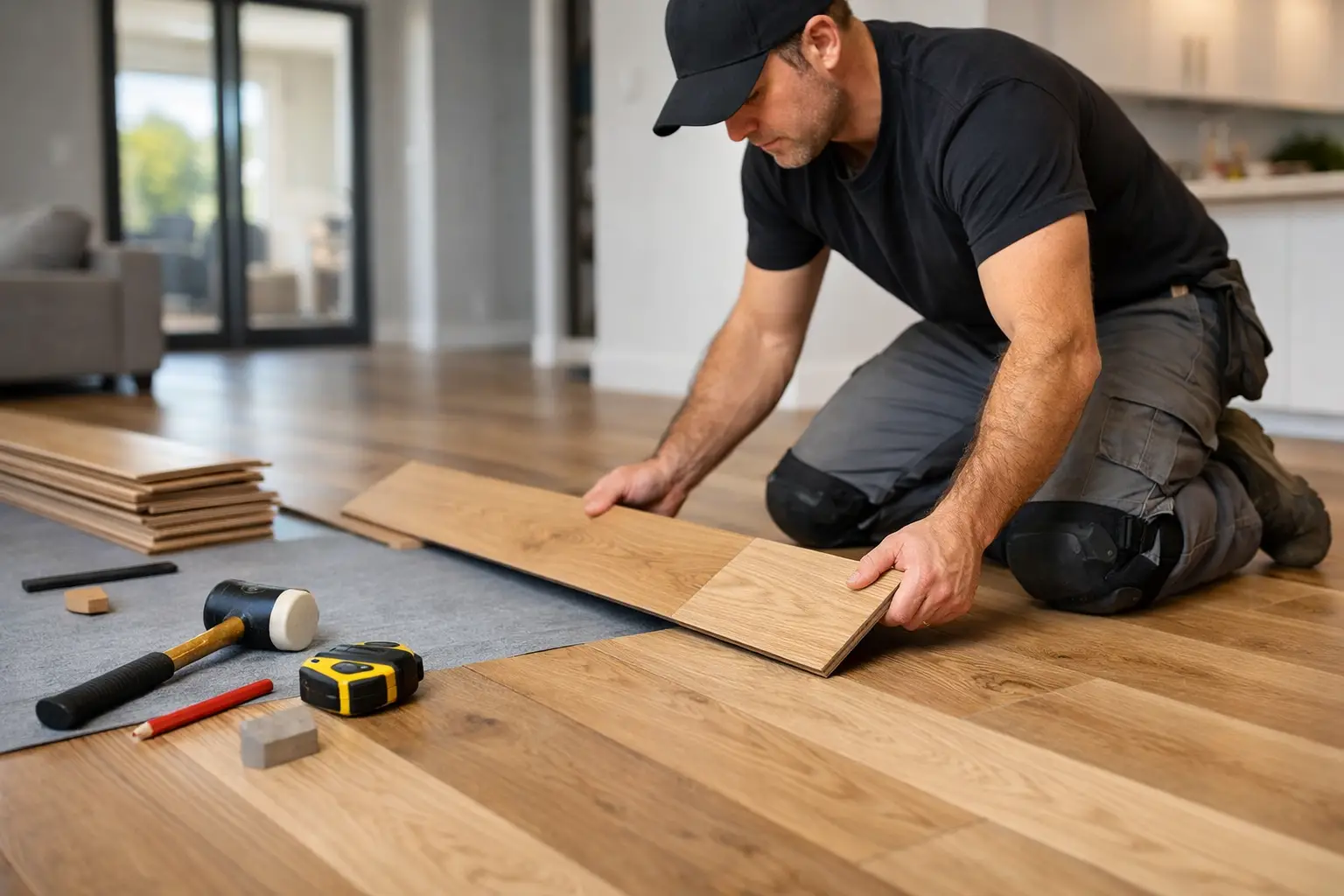
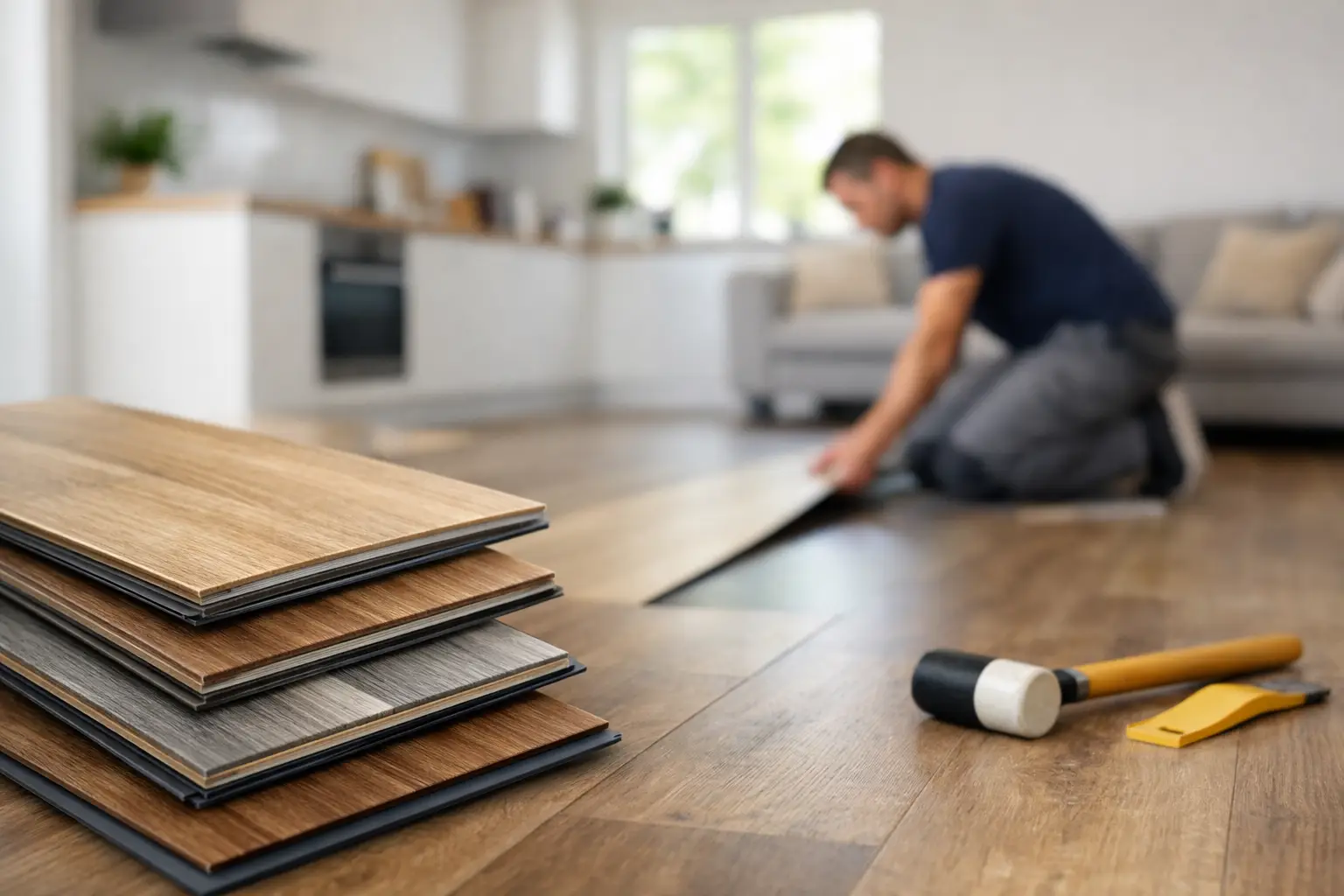
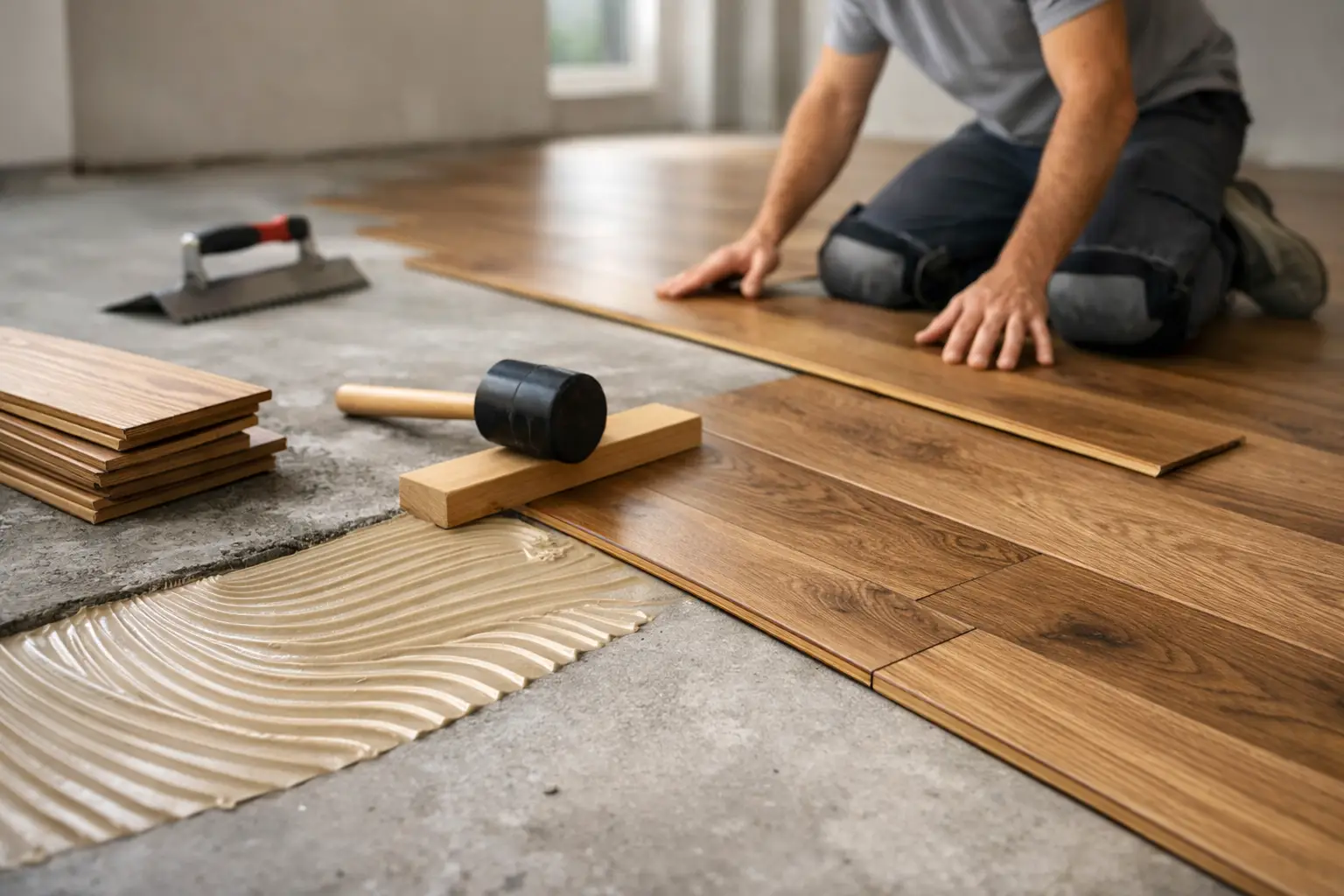
With hybrid flooring, the margin for error is smaller than many people think. Poor expansion gaps, rushed trimming, uneven subfloors and incorrect transitions can all lead to failure. When that happens, homeowners often assume hybrid itself is the problem, when the bigger issue was the install method.
This is where trade-informed advice makes a real difference. Former installers tend to look at flooring differently from pure retail sales staff. They know where movement happens, what certain subfloors will do over time, and which rooms need more preparation than others.
At Melbourne Quality Timber Flooring, that practical side matters because product selection and installation are treated as part of the same job. A board can only perform as well as the floor underneath it.
How to decide if the disadvantages are deal-breakers
The right question is not whether hybrid has disadvantages. Every flooring type does. The better question is whether those disadvantages matter in your property.
Hybrid may still be a strong choice if
You want a practical timber-look floor, need better water resistance than laminate, and prefer a lower-maintenance option than real timber. It also works well when budget matters and the subfloor can be prepared properly.
You may want to consider other options if
You are chasing a more premium finish, want the authentic feel of real wood underfoot, have major subfloor issues, or your rooms get intense direct sunlight for long periods. In those cases, engineered timber or another product category may simply suit the space better.
There is also the question of project type. A rental upgrade, a family home renovation and a high-end architectural fit-out all have different priorities. The best floor for one can be the wrong floor for another.
The smartest way to avoid common problems
Most hybrid flooring disadvantages can be reduced with better planning. That starts with choosing the right range for the environment, checking the slab or subfloor properly, and making sure the installation method matches the site conditions.
It also helps to be realistic about what hybrid is. It is a very useful category, but it is not engineered timber at a lower price. It is its own product, with its own strengths and compromises. If you buy it for what it genuinely does well, you are far more likely to be happy with the result.
A good flooring decision should still make sense after the furniture goes back in, the afternoon sun hits the room and the family starts using the space properly. That is the point where honest advice pays off most.