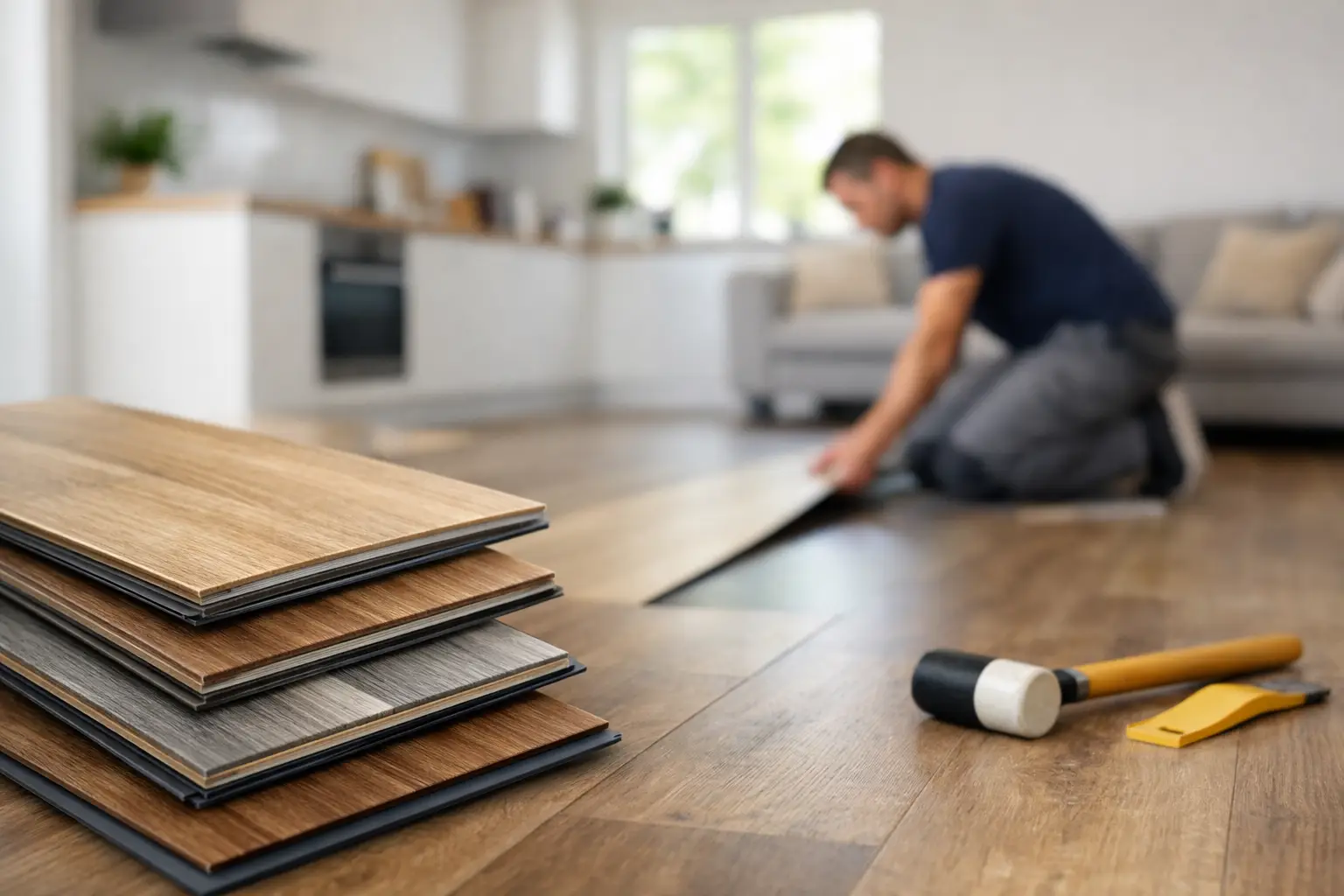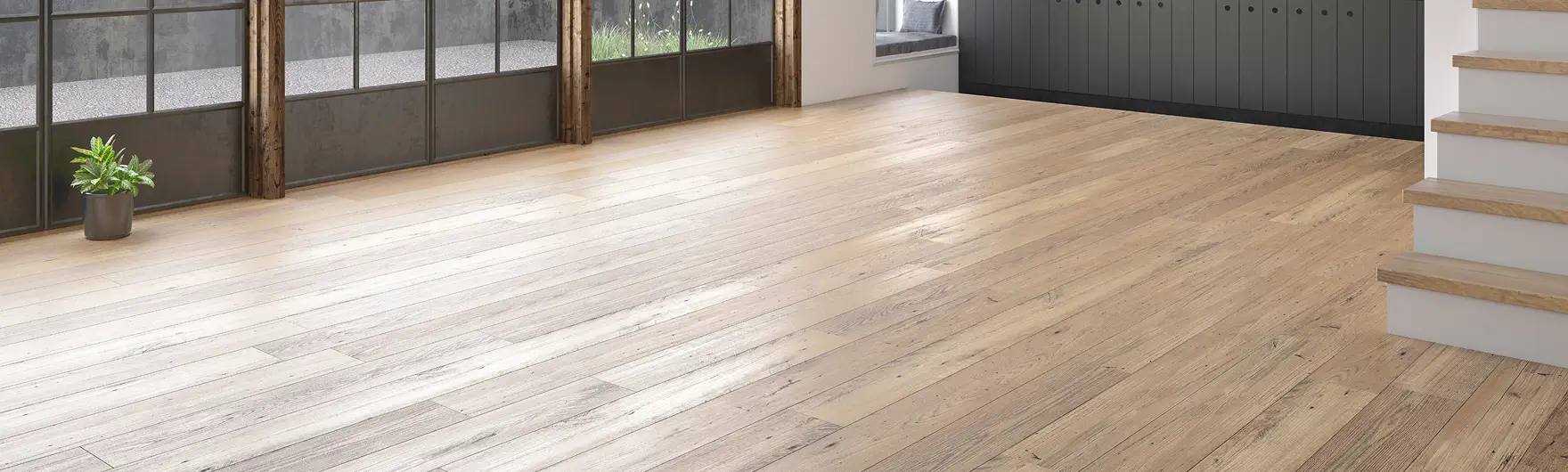
A lot of flooring problems start before anyone lays a single board. The wrong product gets chosen for the space, the subfloor is uneven, or someone assumes all timber floors behave the same. If you have been searching for what is engineered hardwood flooring pros and cons, the real answer is not just about looks. It is about how the floor is built, how stable it is, and whether it suits the way you live.
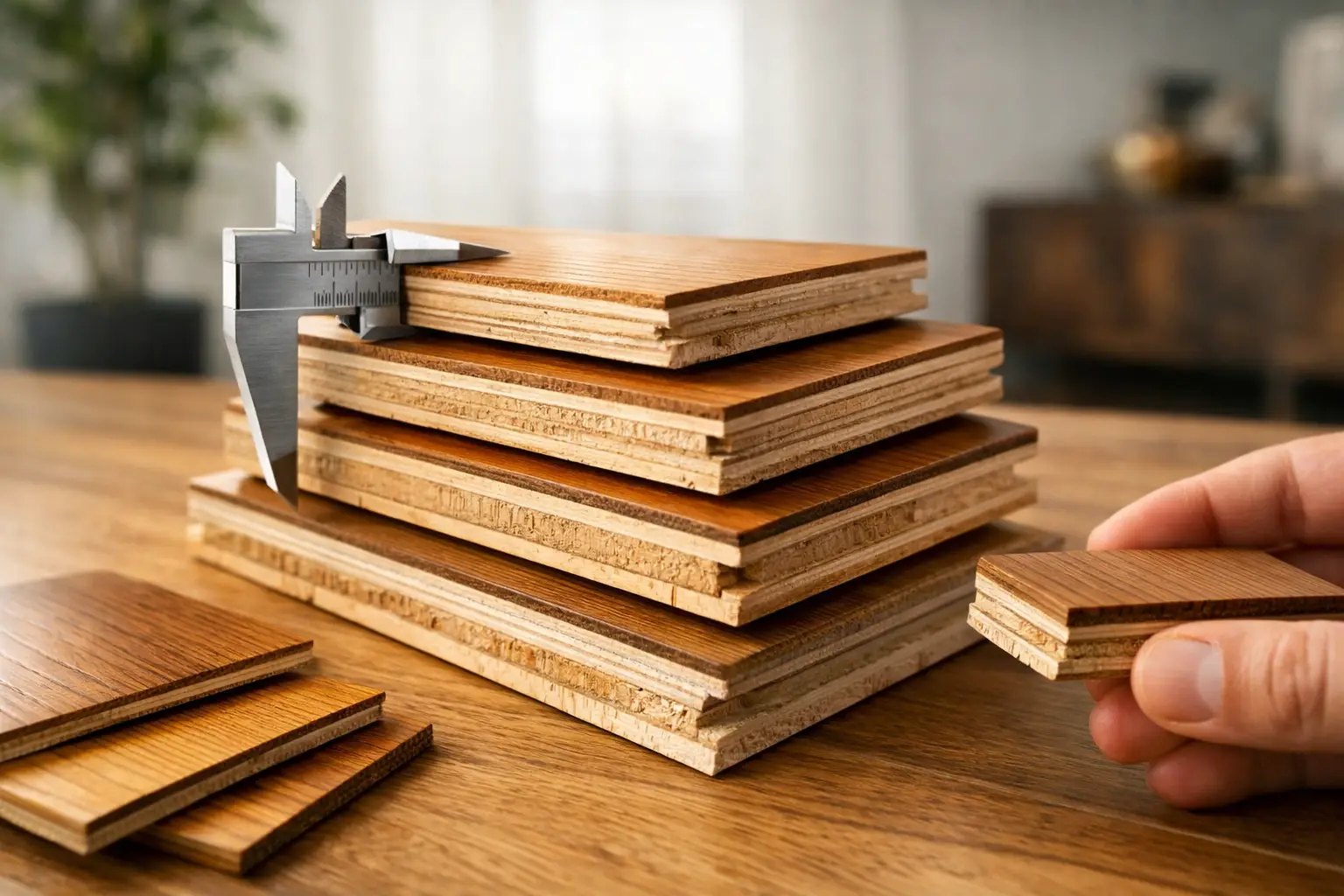
Engineered hardwood flooring is a timber product made from layers. The top layer is real hardwood, often oak or another premium species, and beneath that sits a multi-layer core designed to improve stability. Unlike solid timber, which is one piece of wood all the way through, engineered boards are built to better handle changes in temperature and humidity. That construction is the reason so many homeowners, unit owners and renovators consider it when they want a genuine timber finish without some of the movement issues that come with solid boards.
Table of Contents
What is engineered hardwood flooring?
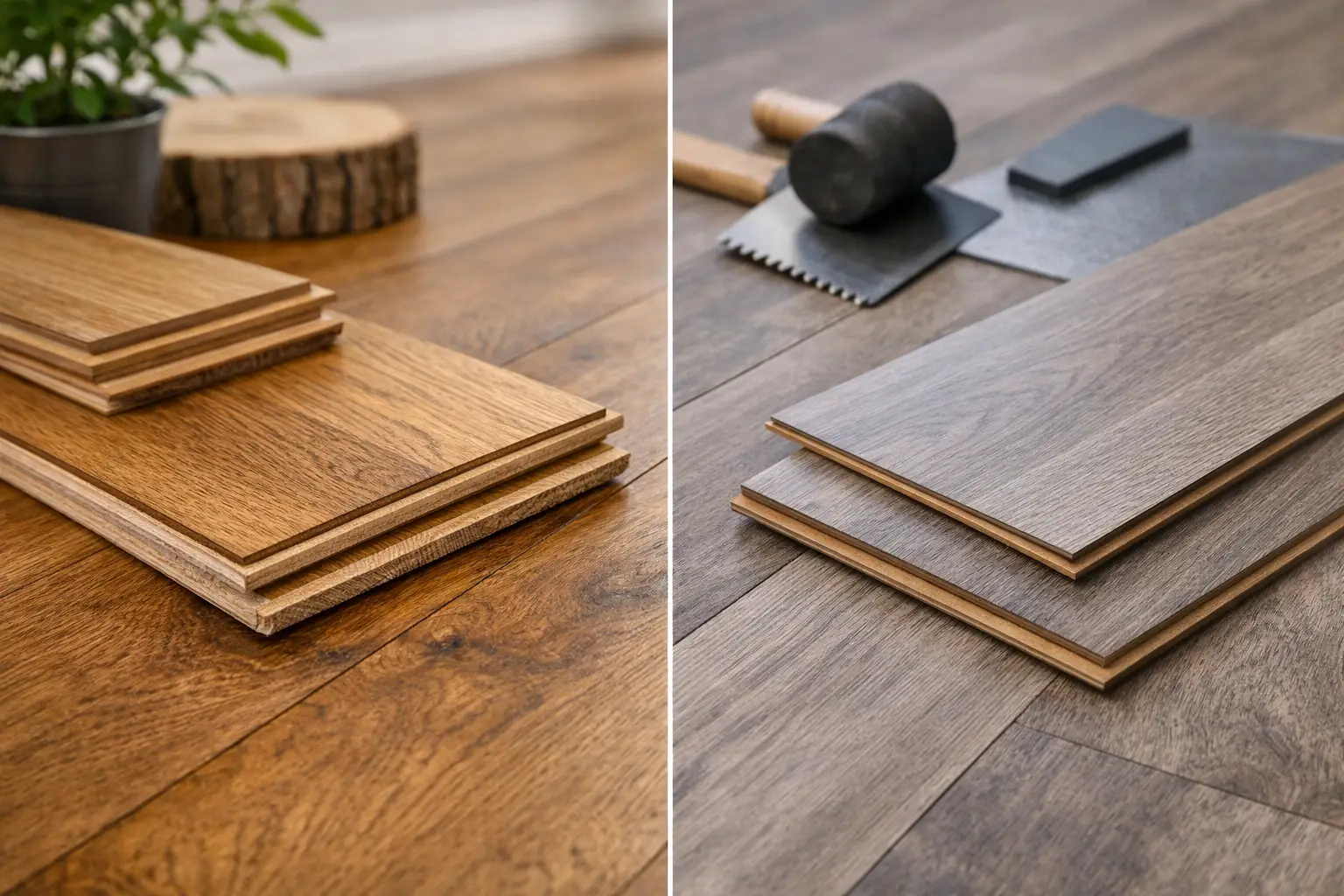
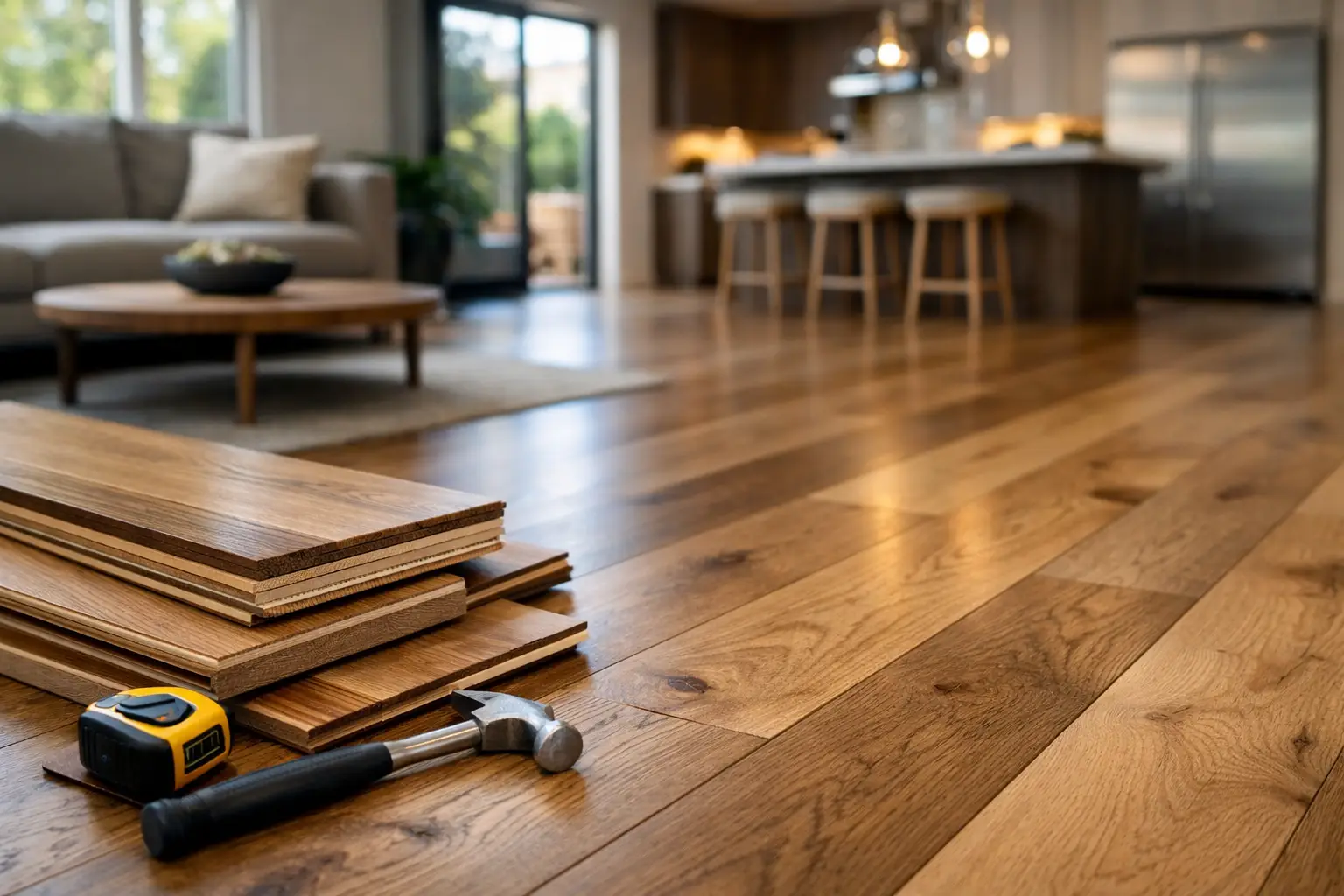
At a glance, engineered hardwood looks much like solid timber once it is installed. You still get the grain, variation and warmth of real wood because the wear layer on top is genuine timber. What changes is the structure underneath.
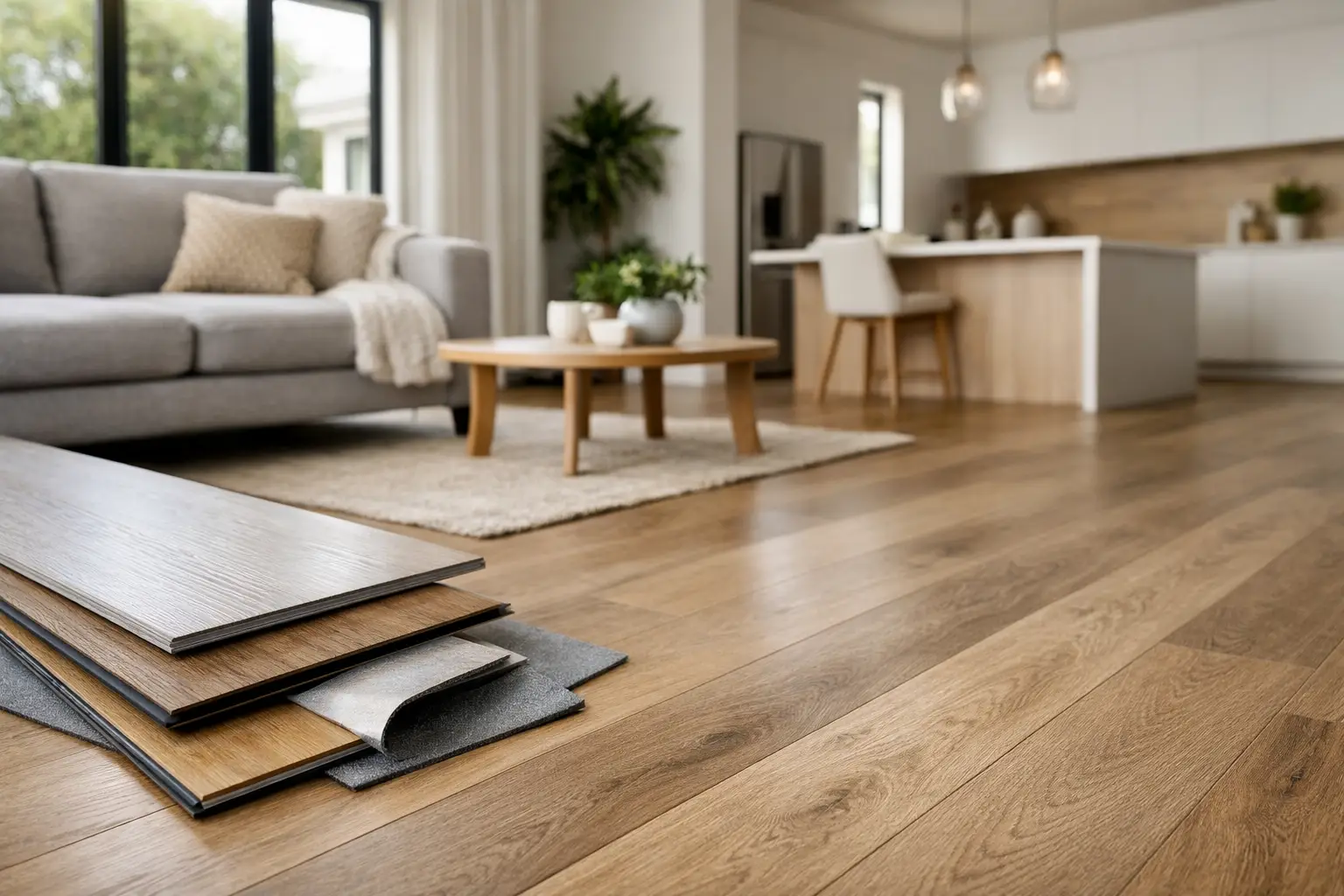
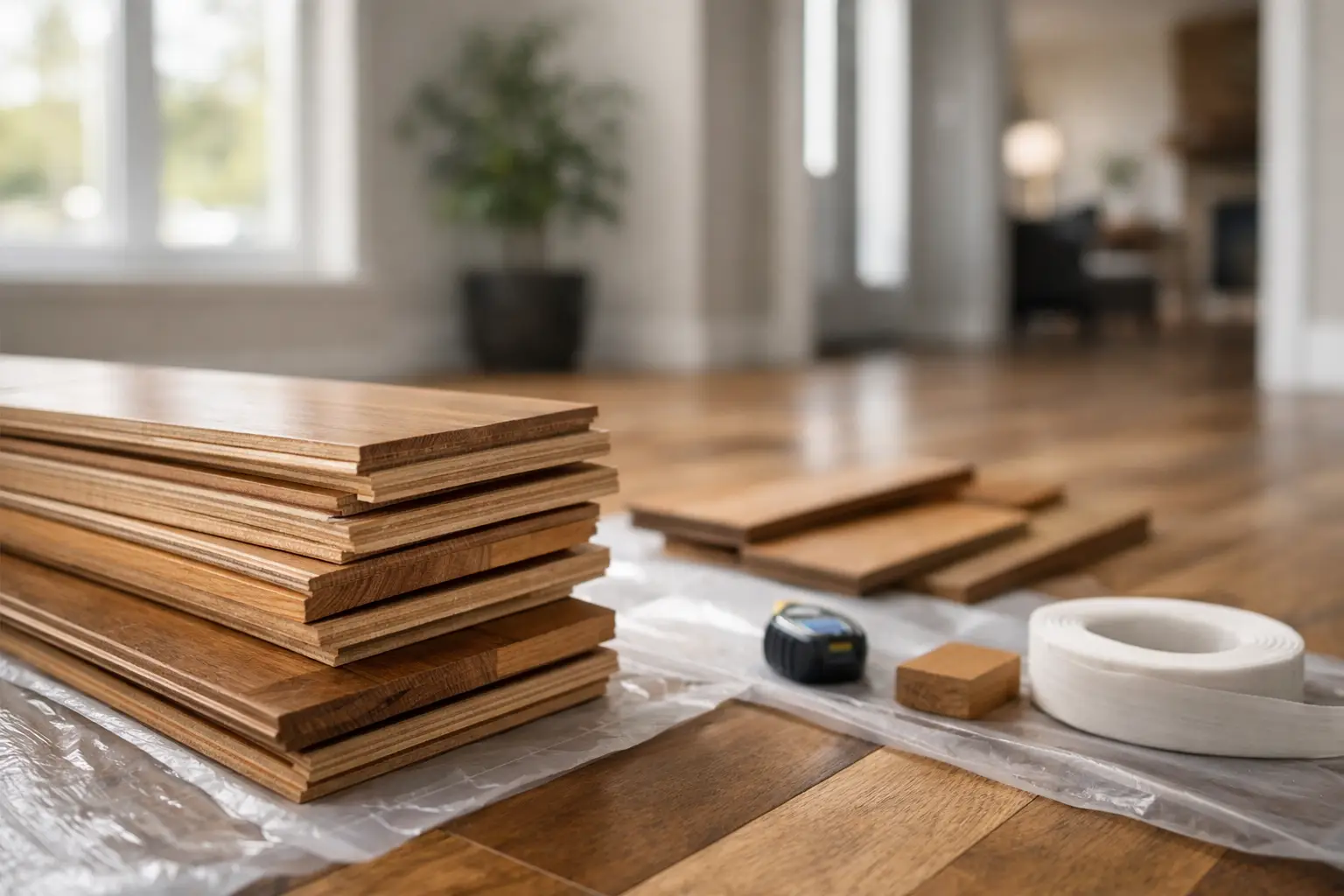
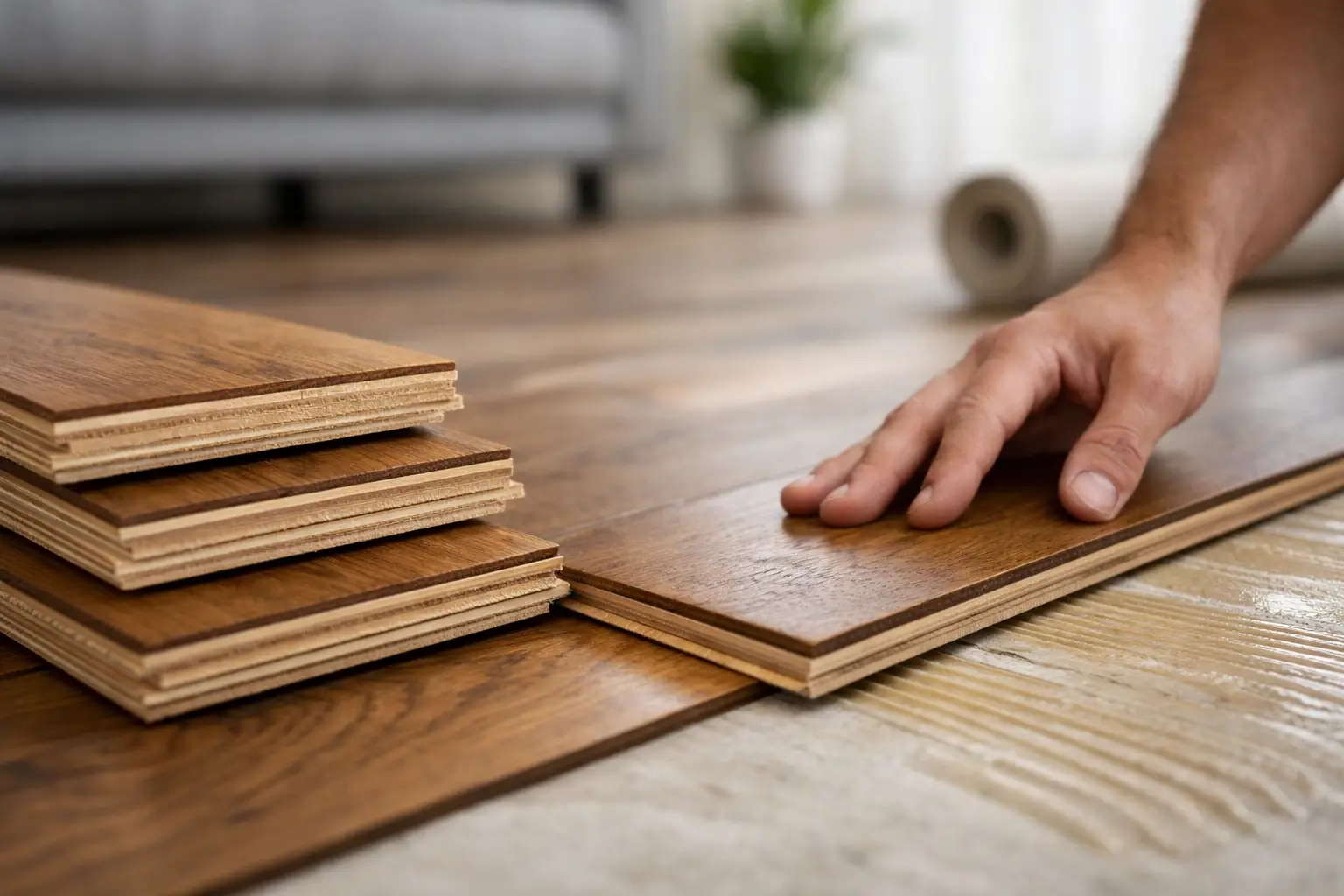
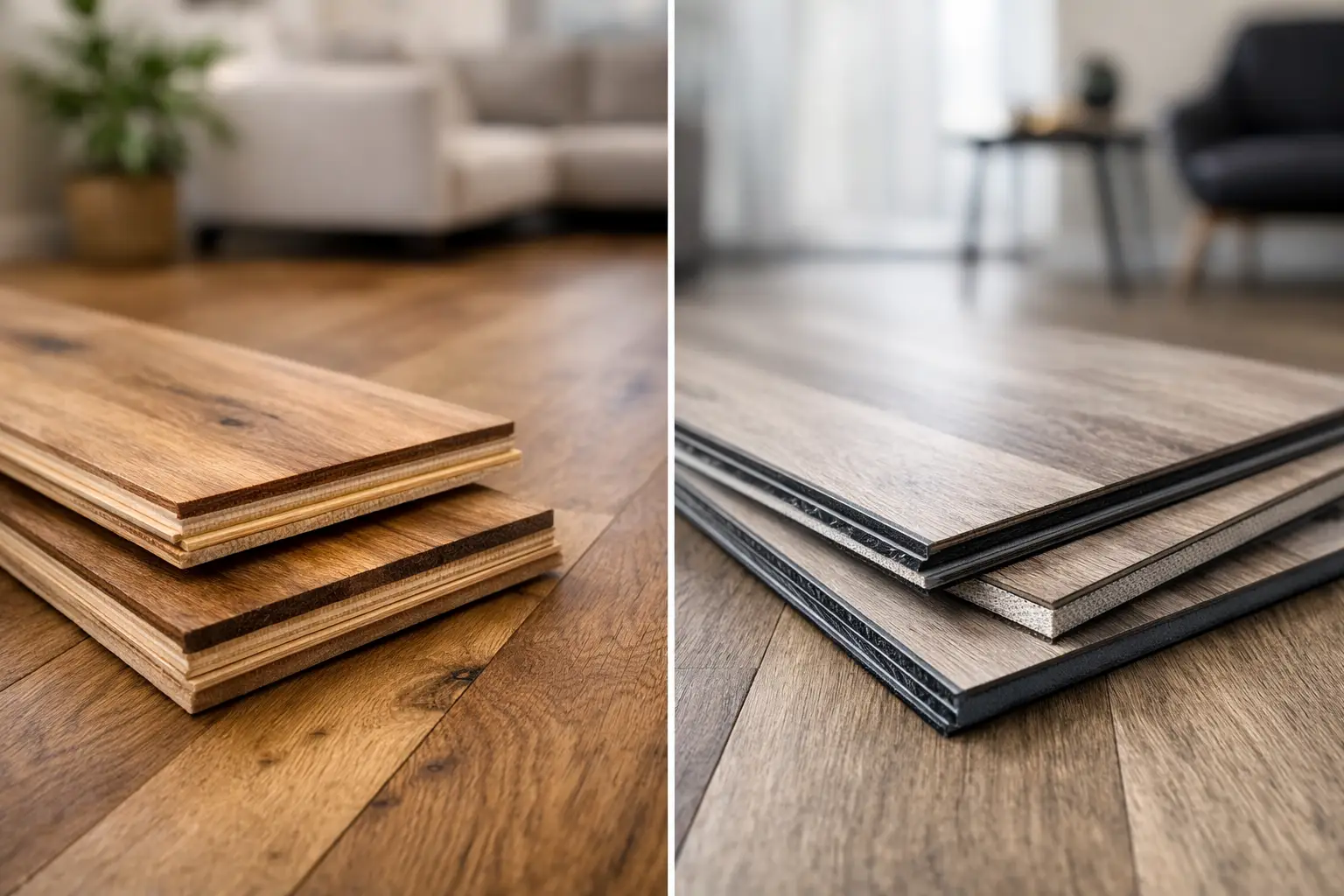
Most engineered boards have a hardwood veneer on top and a core made from plywood, hardwood layers or high-density fibreboard. Those layers are bonded in a way that helps reduce expansion and contraction. In practical terms, that means the floor is generally more stable than solid timber, especially in homes where indoor conditions shift across the year.
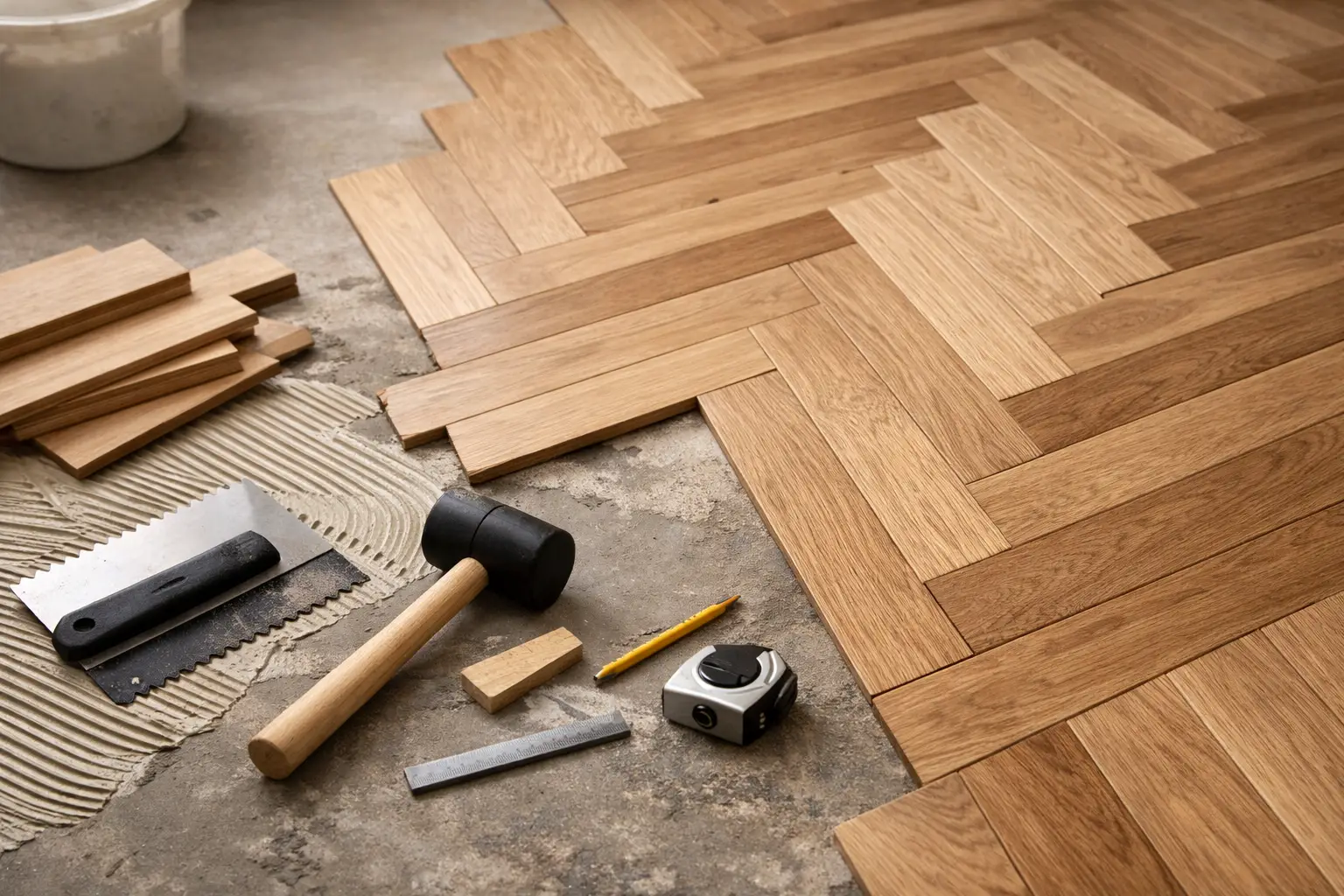
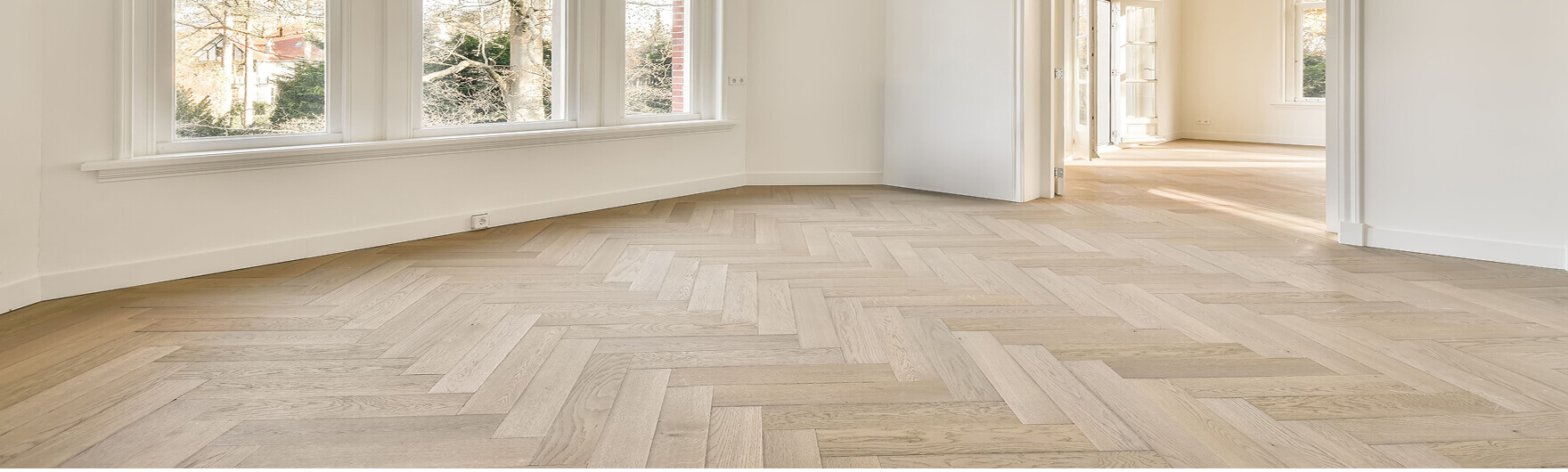
That stability is a big reason engineered timber is often used in modern builds, apartments and renovations. It can suit slab construction, can work well over properly prepared subfloors, and is available in a wide range of board widths, colours and finishes. If you want the look of European oak, smoked finishes or herringbone patterns, engineered timber usually gives you more design flexibility than people expect.
What is engineered hardwood flooring pros and cons in real homes?
The biggest advantage of engineered hardwood is that it gives you a real timber surface with better dimensional stability than solid timber. For many households, that makes it a practical middle ground between premium appearance and everyday performance.
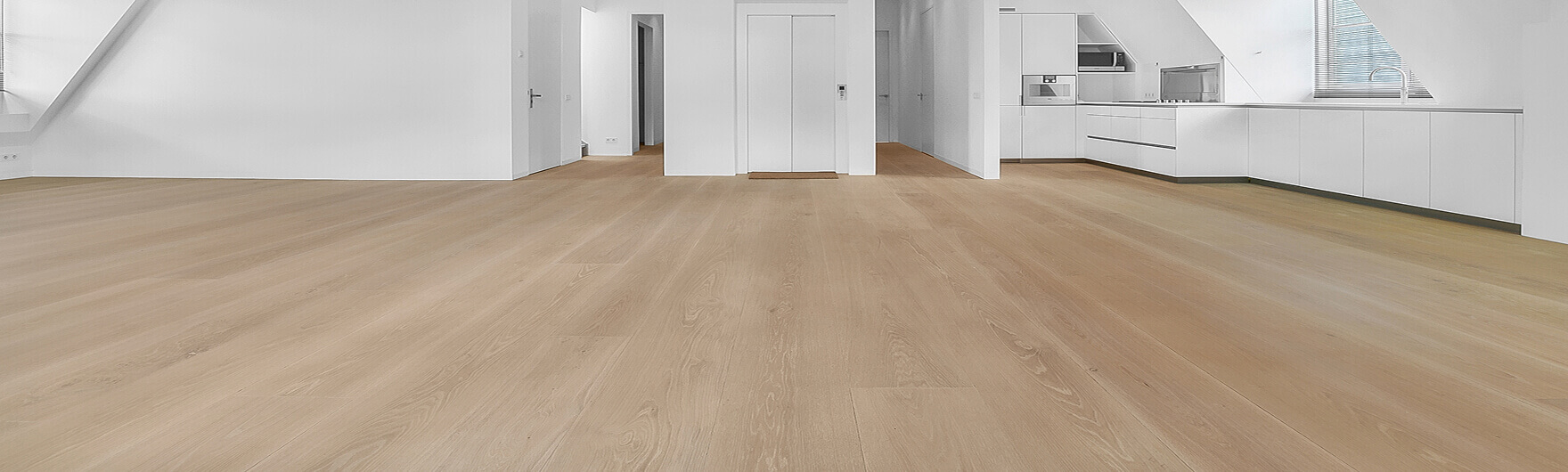
On the pro side, engineered timber is versatile. It suits a broad range of interiors, from family homes to higher-end commercial spaces, and it offers a more authentic finish than laminate or many printed surfaces. Because the top layer is real timber, each board has natural character. That matters if you want a floor that feels like timber rather than simply resembling it.
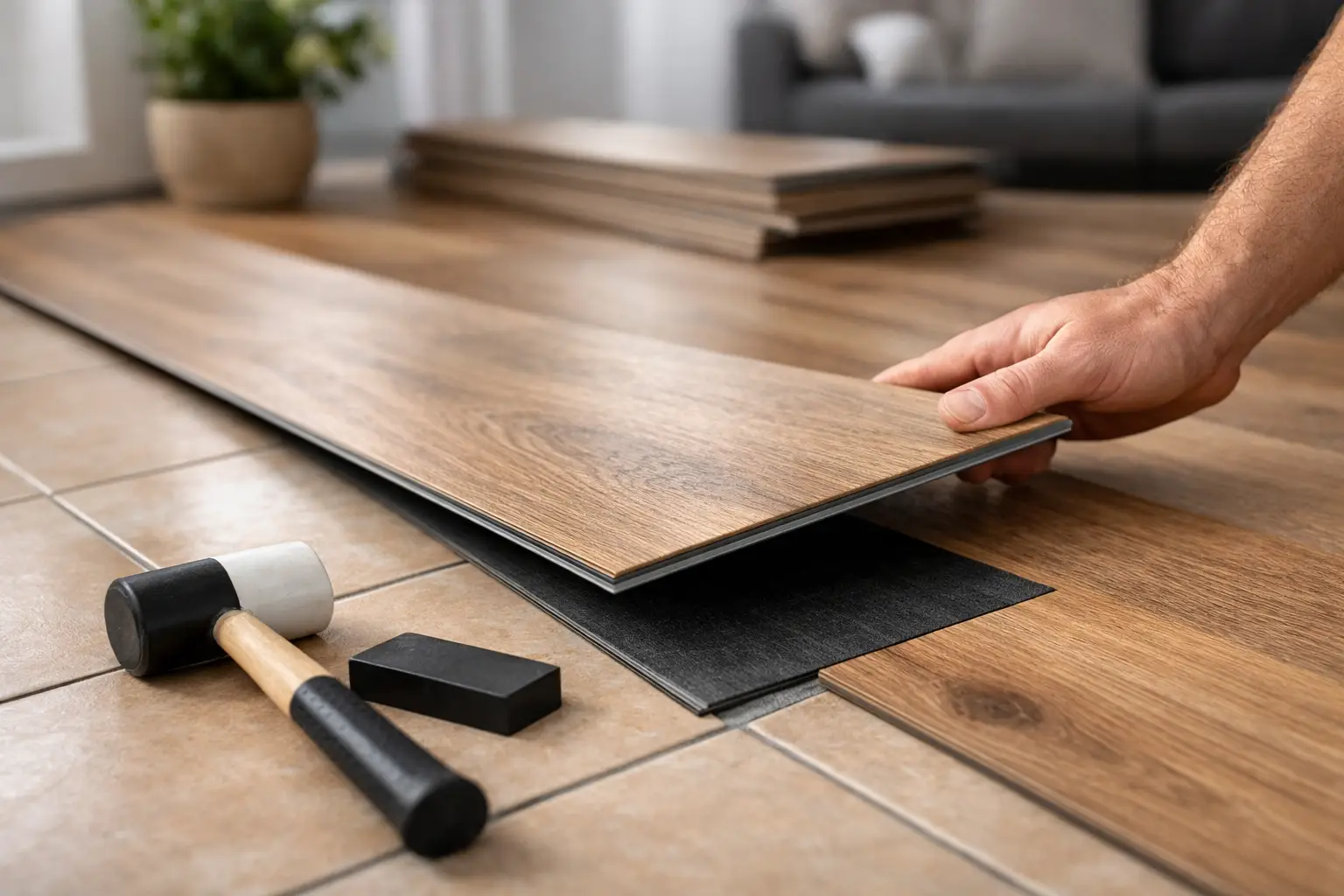
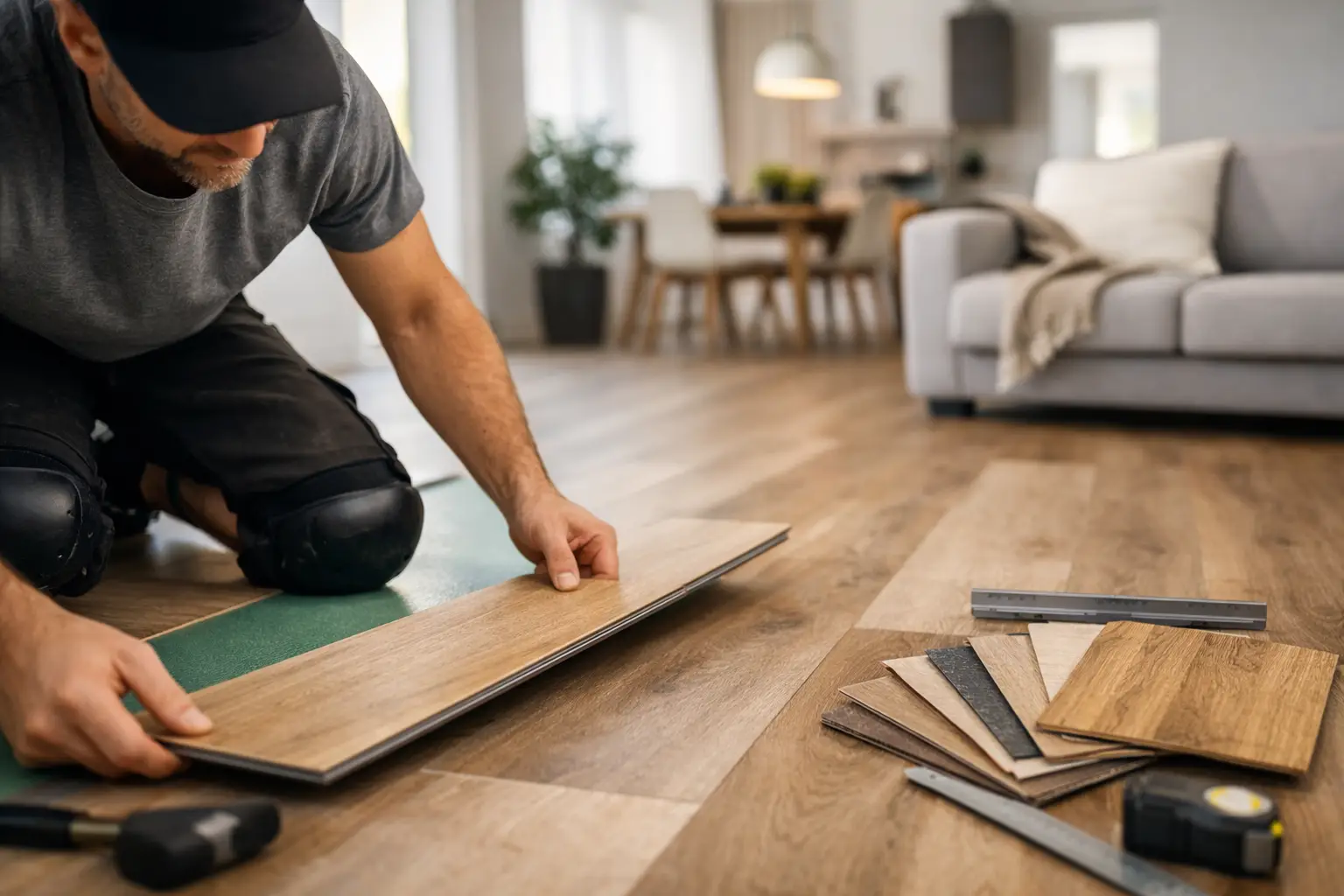
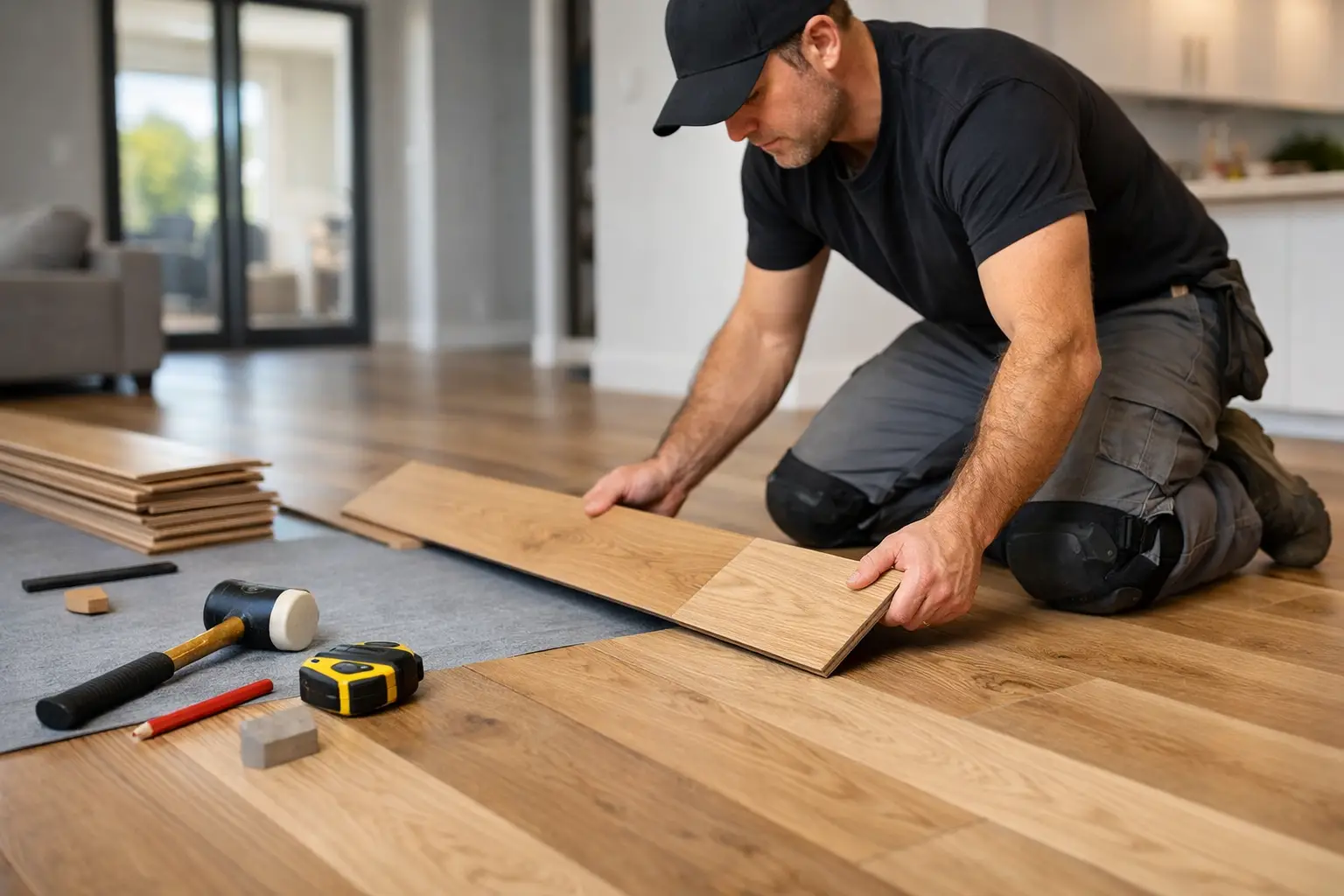
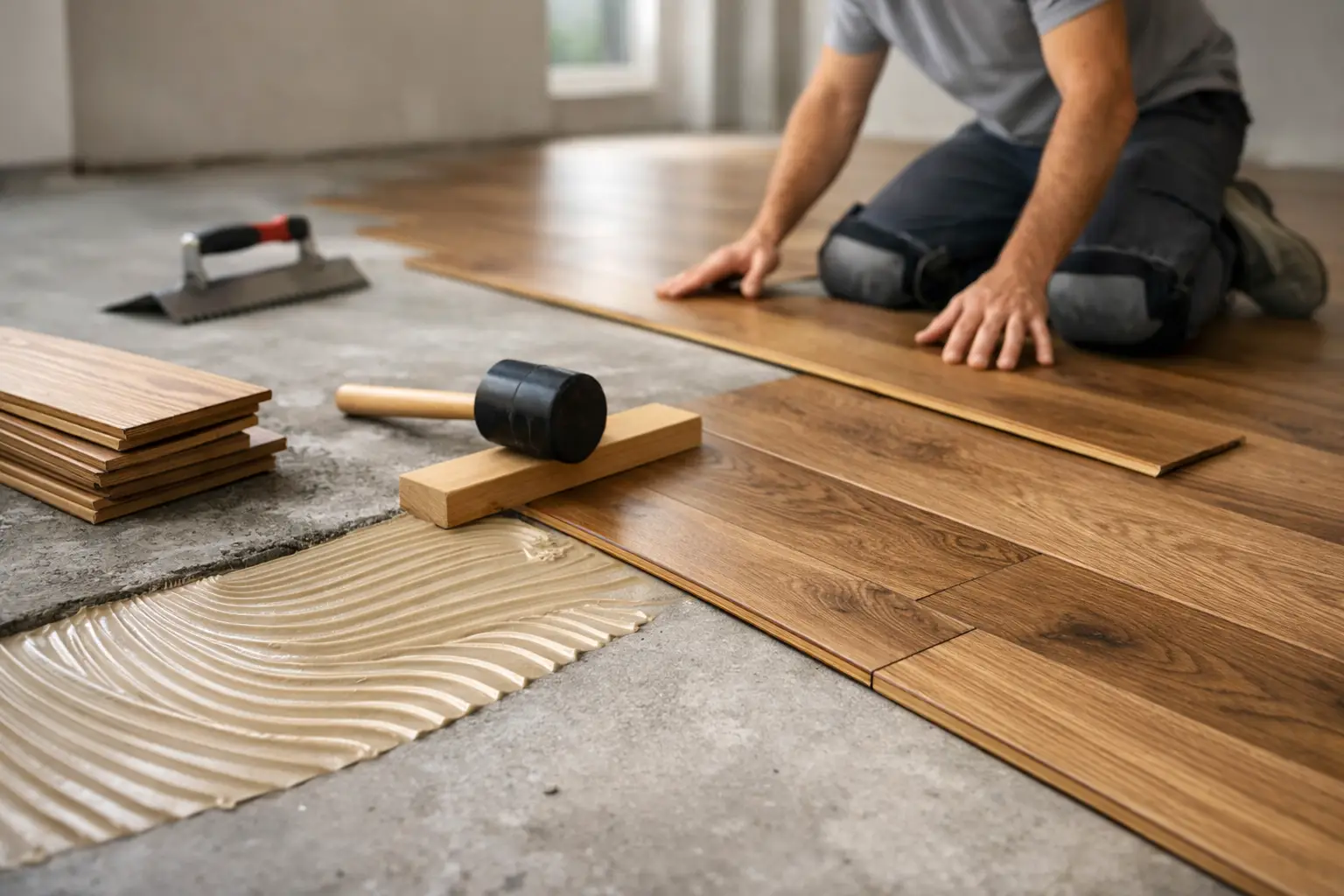
It can also be more installation-friendly than solid timber, depending on the product and the subfloor. Some ranges are designed for direct stick installation, while others may allow floating methods. In many Melbourne properties, especially those with concrete slabs, that flexibility is useful. When paired with proper subfloor preparation, engineered timber can deliver a clean finish and solid underfoot feel.
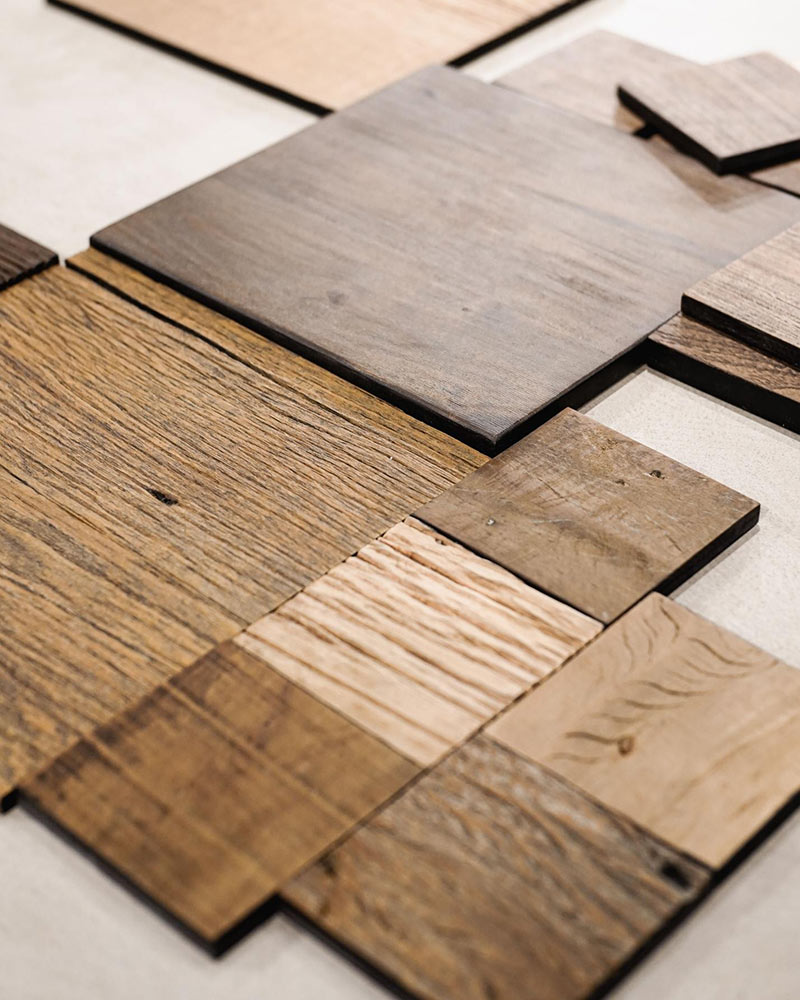
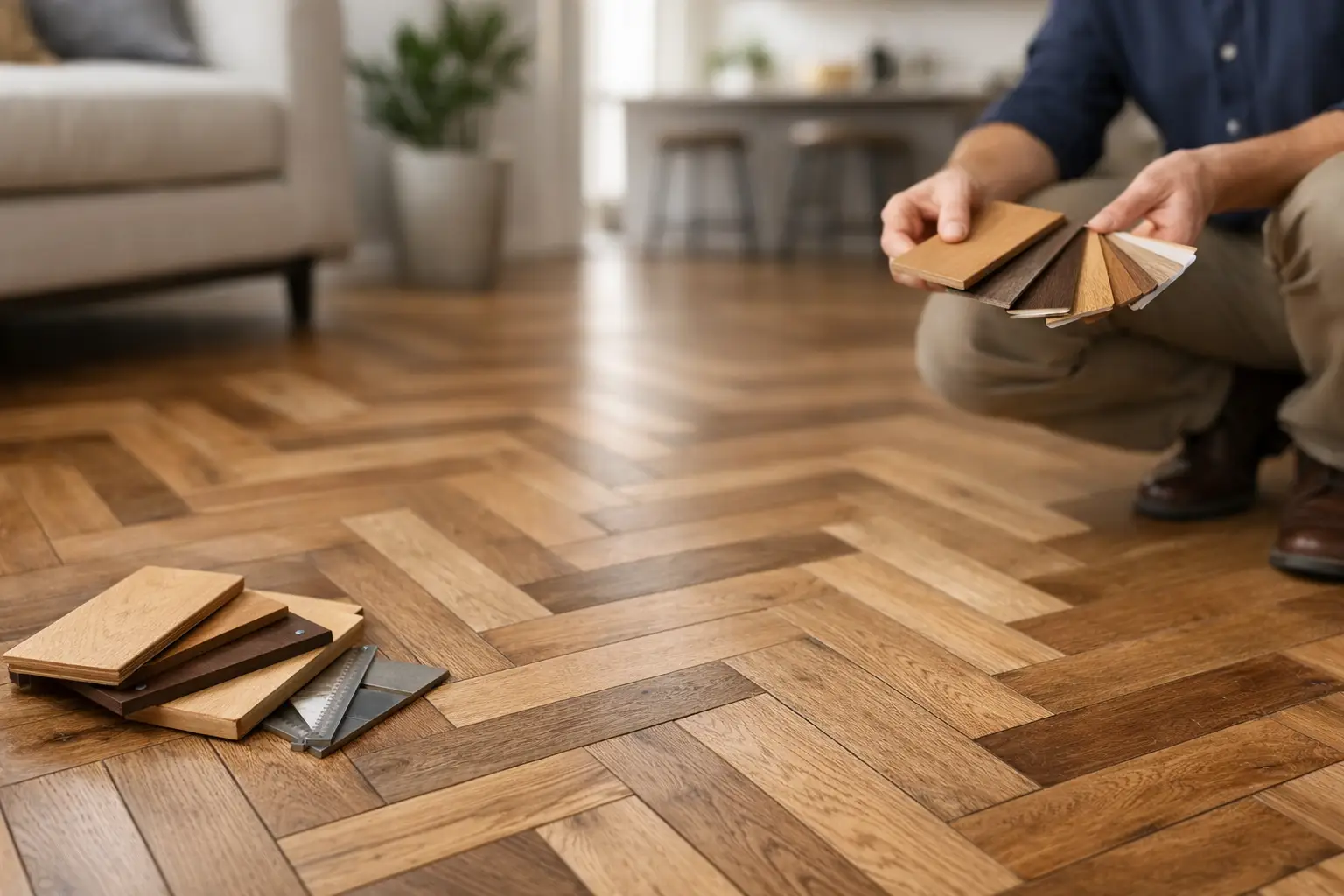
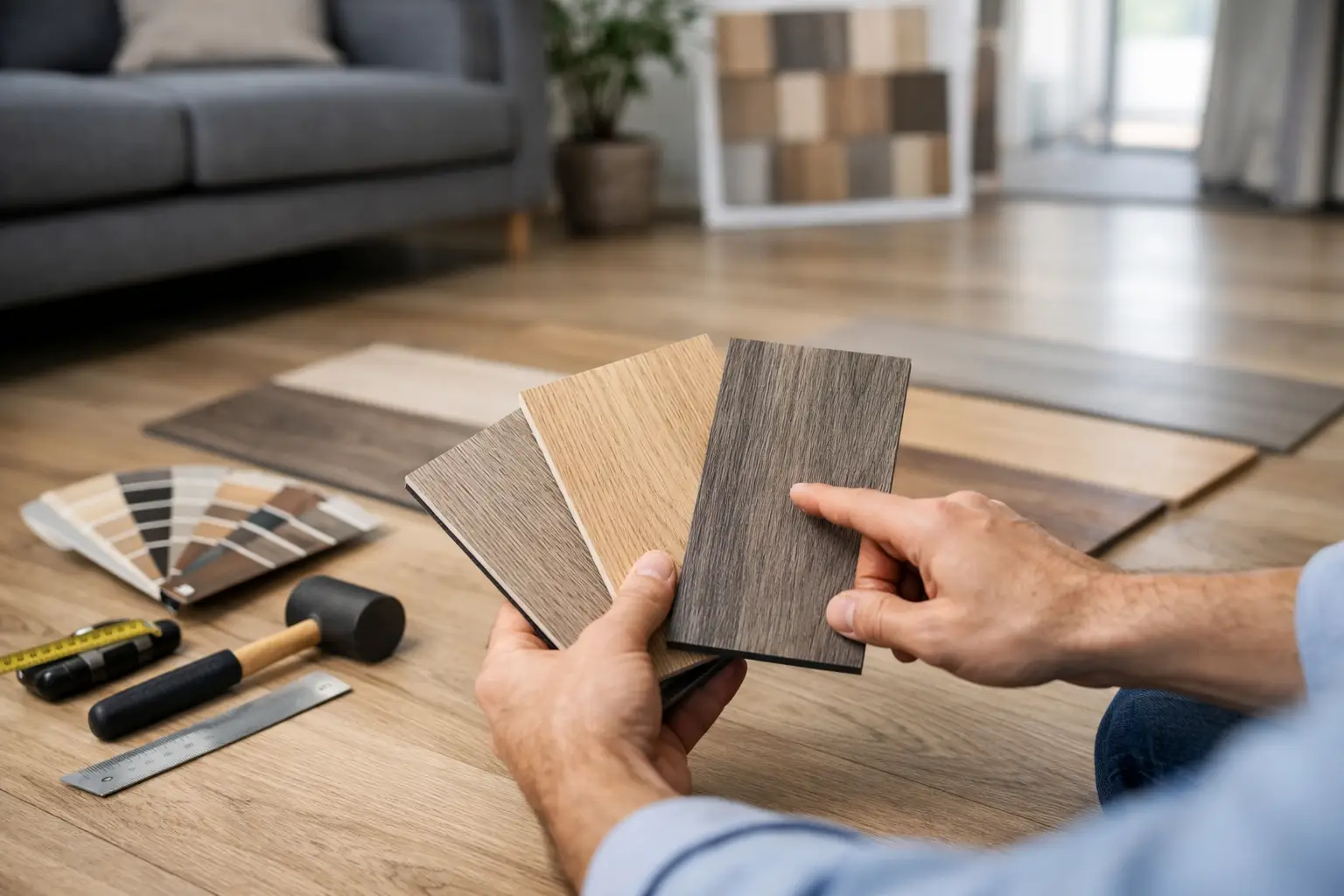
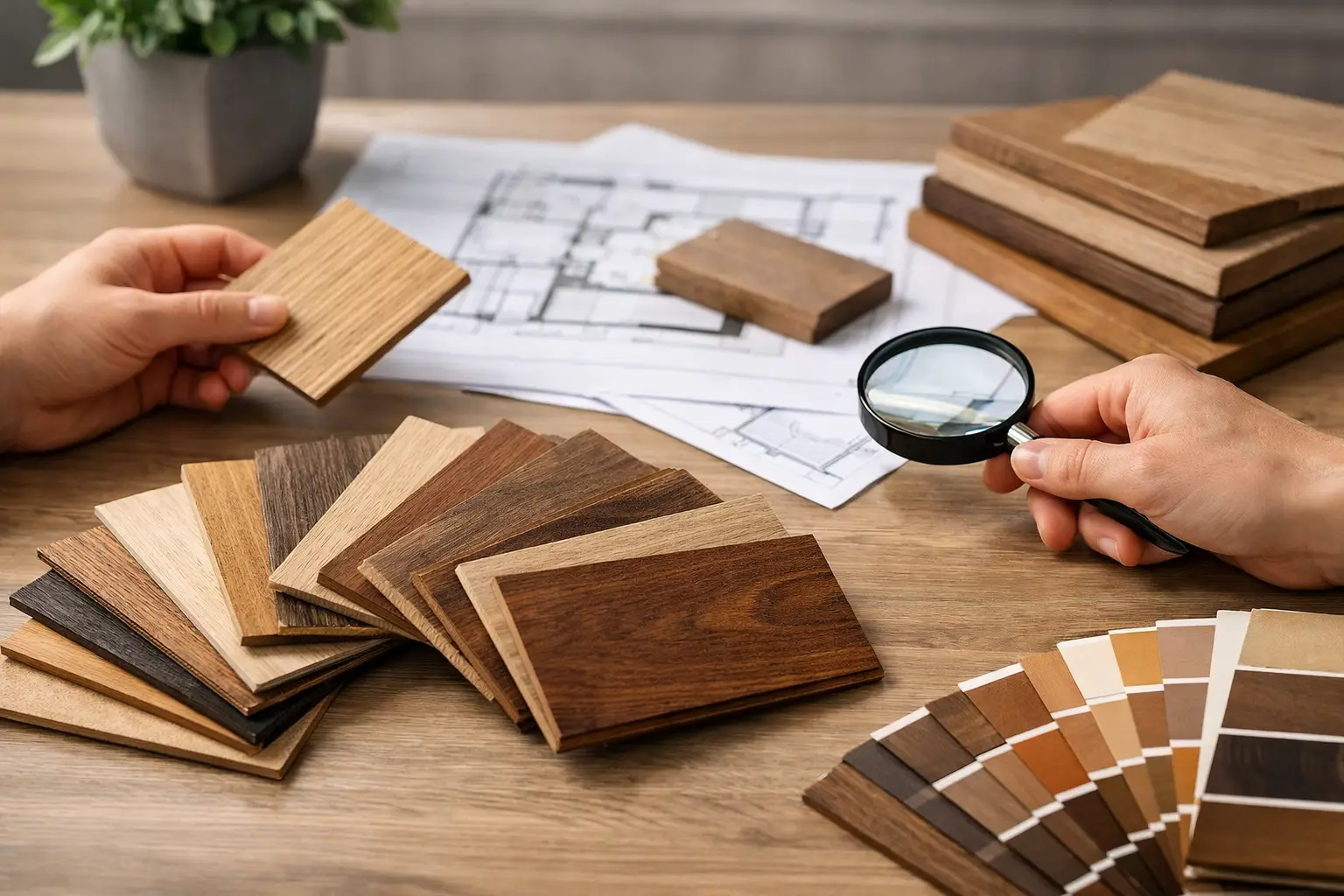
Another strong point is its range. You are not limited to one narrow timber look. Engineered products now come in wide planks, matte finishes, brushed textures and classic patterns like herringbone. That allows homeowners to achieve a premium look without moving into the price bracket of some traditional solid timber options.
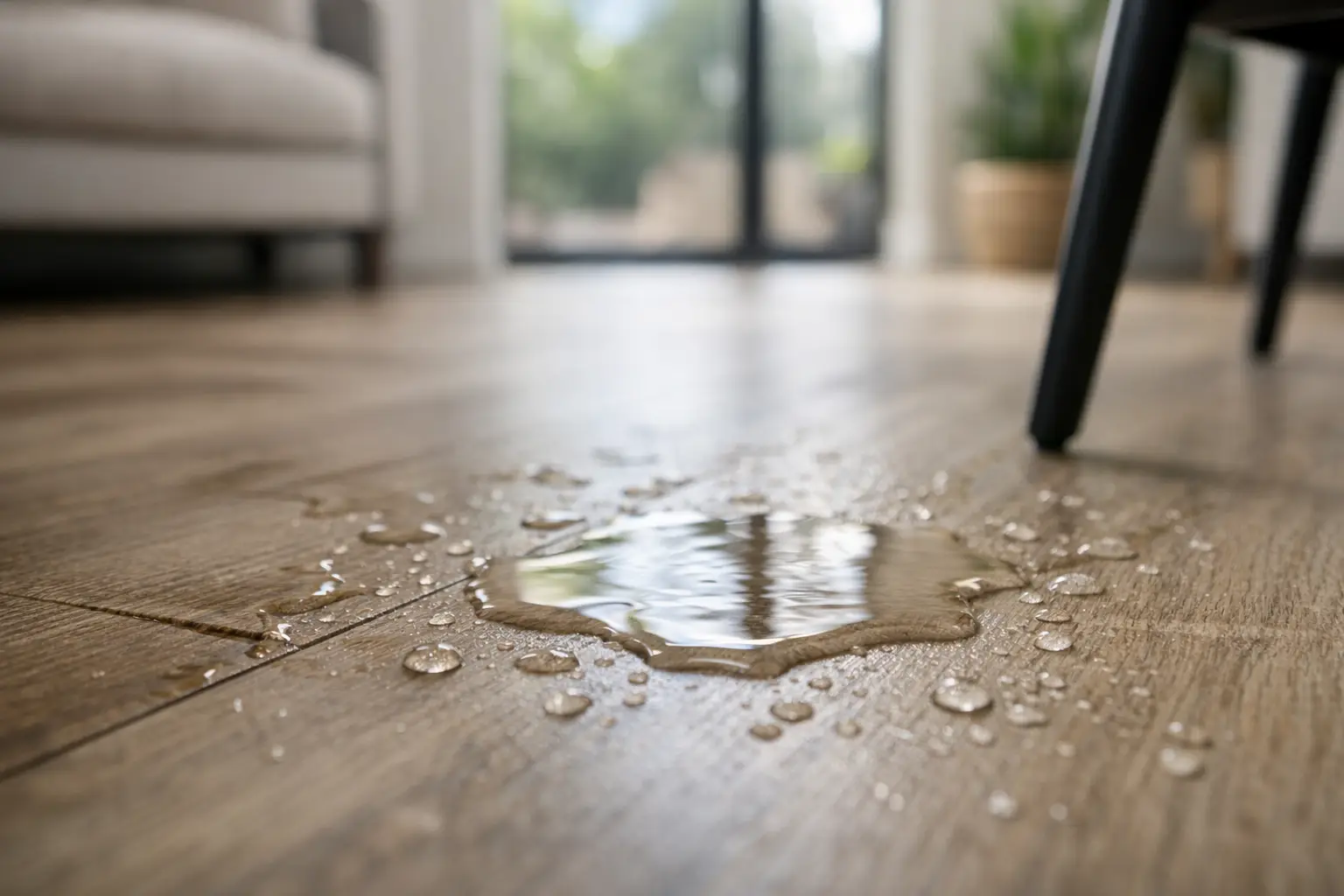
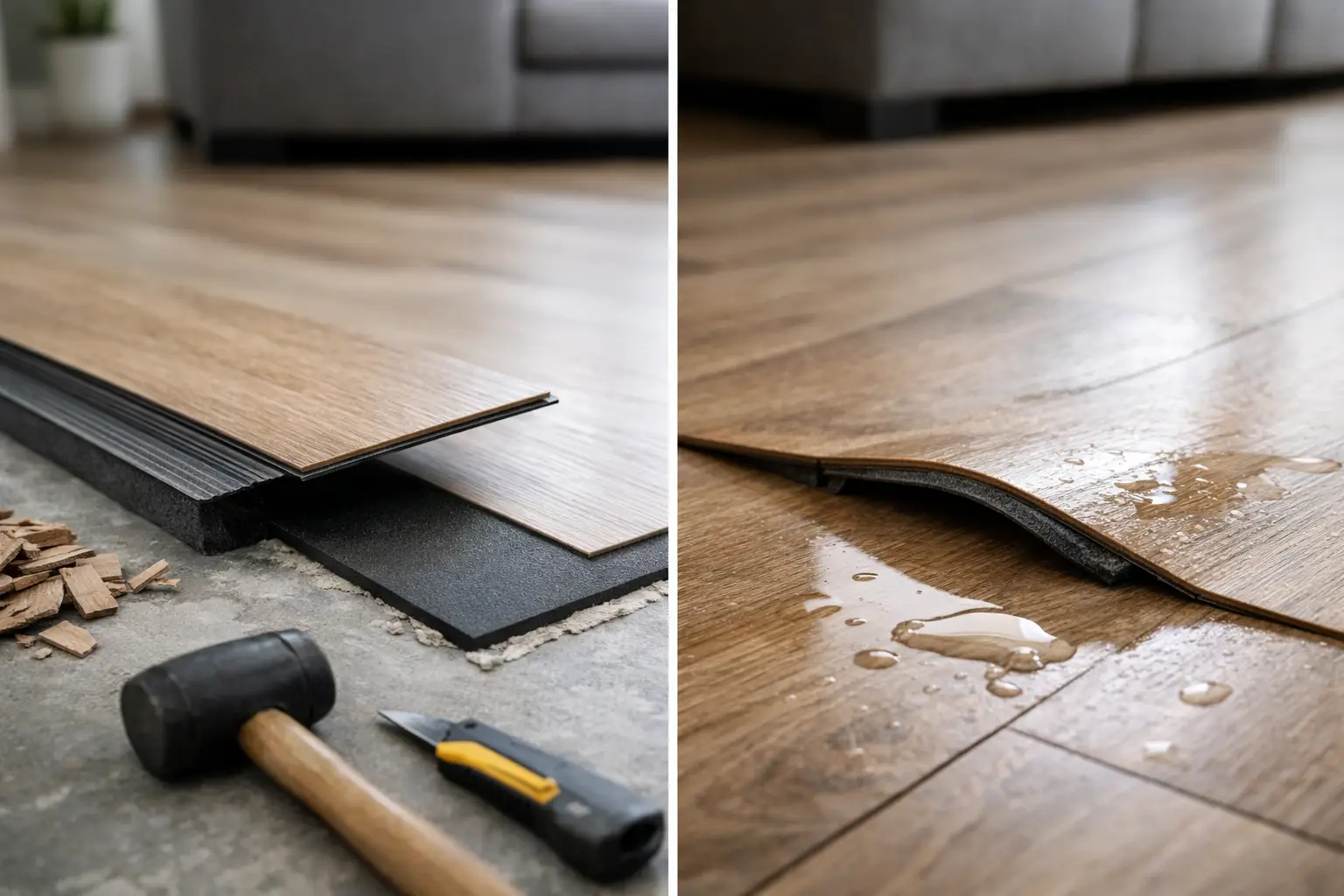
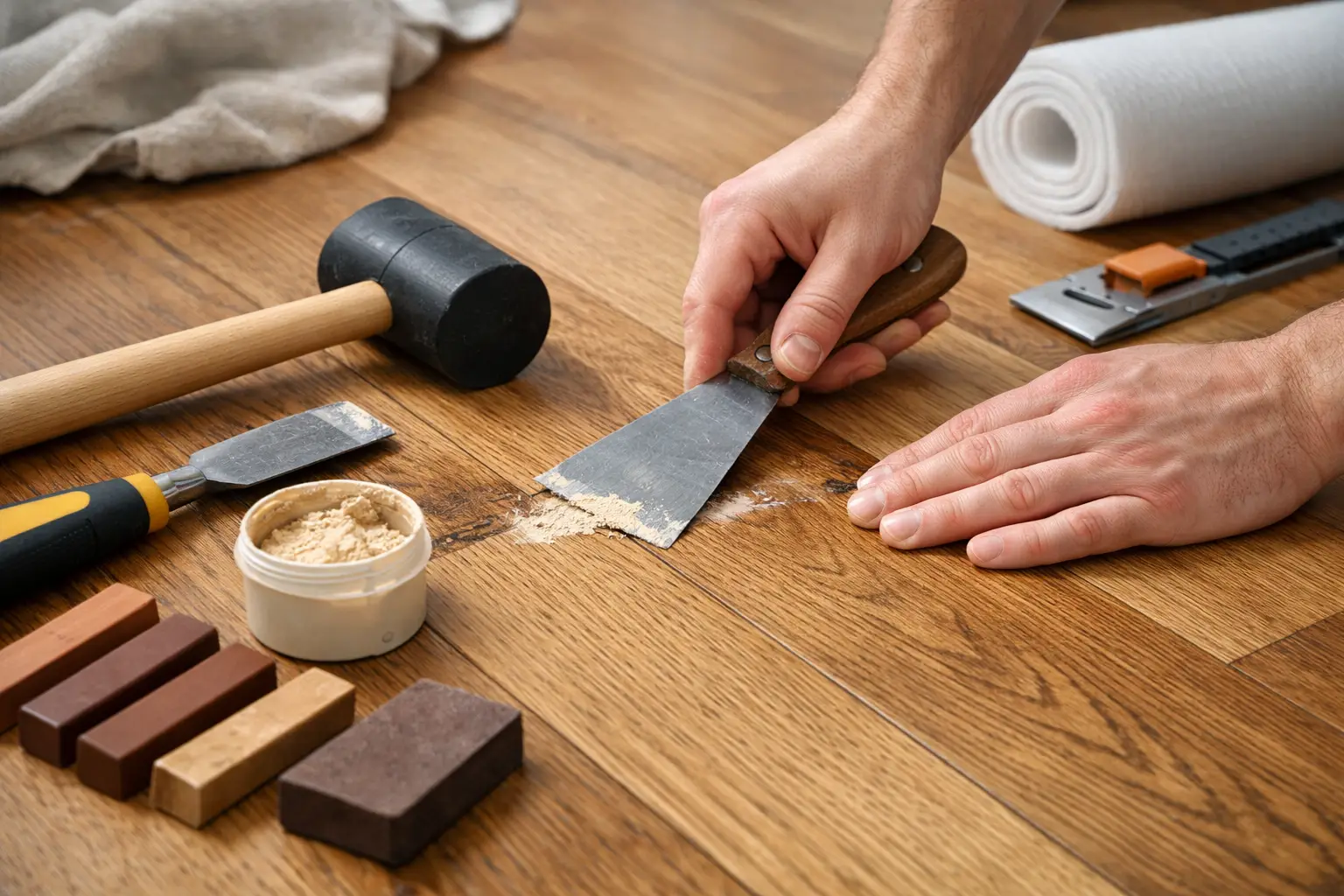
The cons are just as important. Engineered timber is still timber, so it is not immune to scratches, dents or moisture damage. If you have large dogs, heavy furniture or a busy household, the finish will matter. A hard-wearing coating helps, but no timber floor is completely worry-free.
The wear layer also affects long-term value. Some engineered boards have a thick top layer that may allow sanding and refinishing in the future. Others have a thinner veneer and fewer restoration options. Two floors can look similar in a showroom but perform very differently over time. That is why board construction matters just as much as appearance.
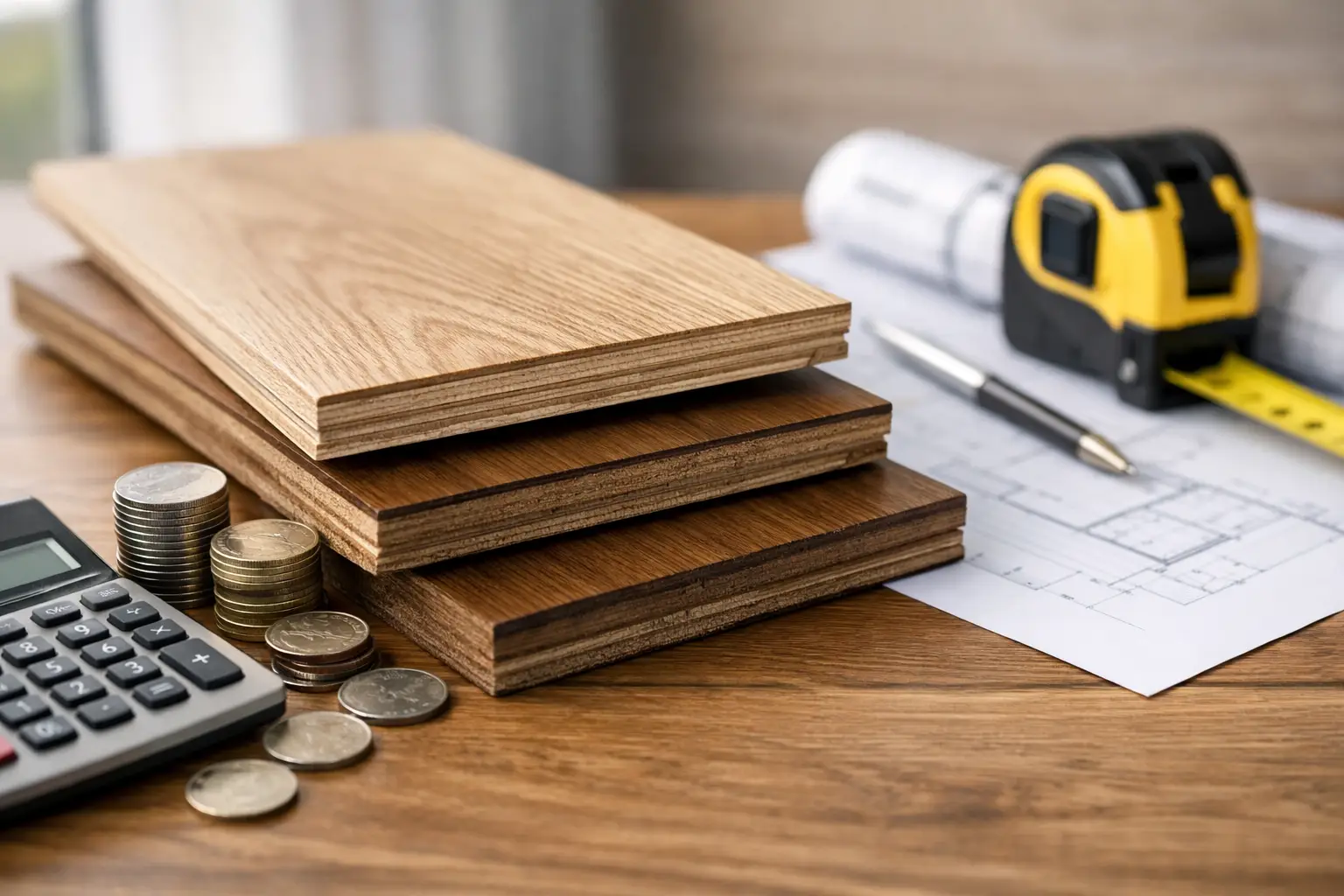
Cost can be another trade-off. Engineered timber usually sits above laminate and many hybrid products on price. For buyers focused purely on budget, it may not be the cheapest path. But for buyers chasing real timber aesthetics and better stability, it often represents good value.
Where engineered timber works well – and where it may not
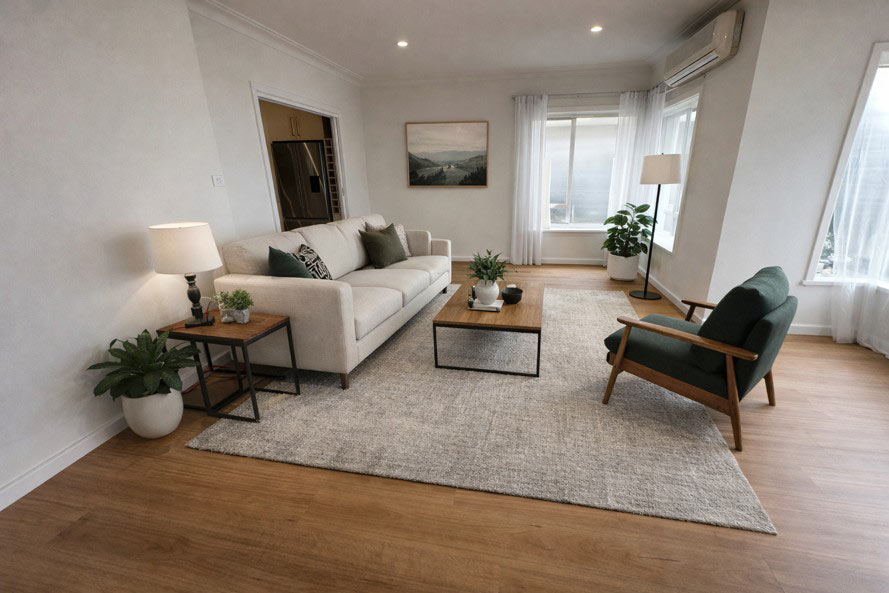
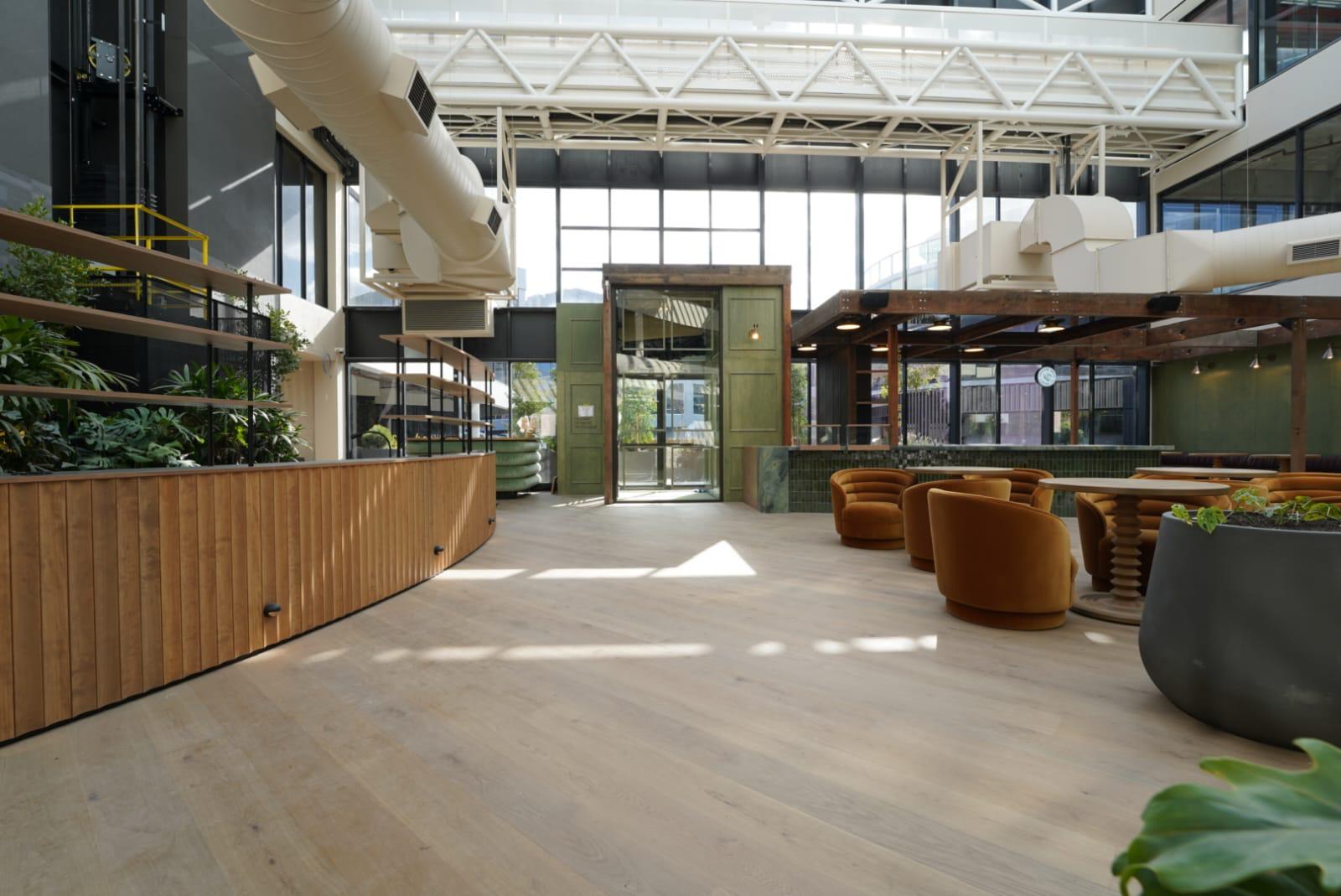
Engineered hardwood performs best in dry internal areas where you want the warmth and prestige of real timber. Living rooms, bedrooms, hallways and open-plan spaces are common choices. It is especially popular in renovations where homeowners want to lift the look of the property without the unpredictability that can come with traditional solid boards.
It can also be a strong option in apartments, where acoustic requirements, slab construction and access all influence the flooring decision. In those settings, product choice and installation method need to be handled carefully rather than guessed.
Where people can go wrong is assuming engineered timber suits every room. It is not usually the first recommendation for wet areas or spaces with regular standing water. Kitchens can be suitable if the right precautions are taken and spills are cleaned quickly, but laundries and bathrooms are generally better suited to products designed for higher moisture resistance.
Sun exposure is another factor. Like other timber floors, engineered boards can fade or change colour over time if they receive strong direct sunlight. That is not a defect so much as a natural characteristic of timber, but it is something worth planning for if your home has large windows or bright north-facing areas.
Installation matters more than most buyers realise
A premium board will not perform well over a poor subfloor. This is one of the biggest gaps between showroom advice and real flooring advice. Former installers know that lumps, moisture issues and weak preparation can undermine even an expensive engineered product.
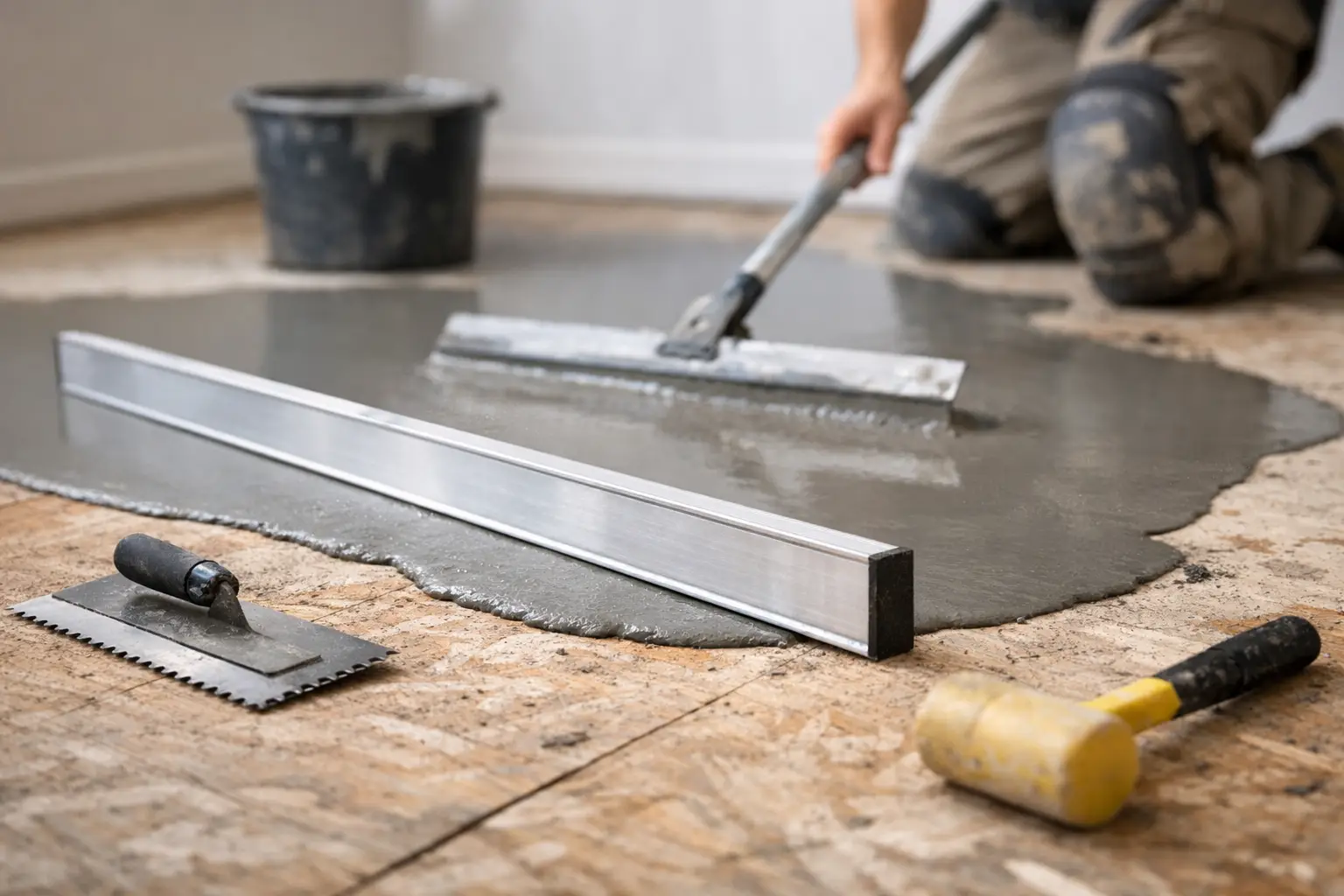
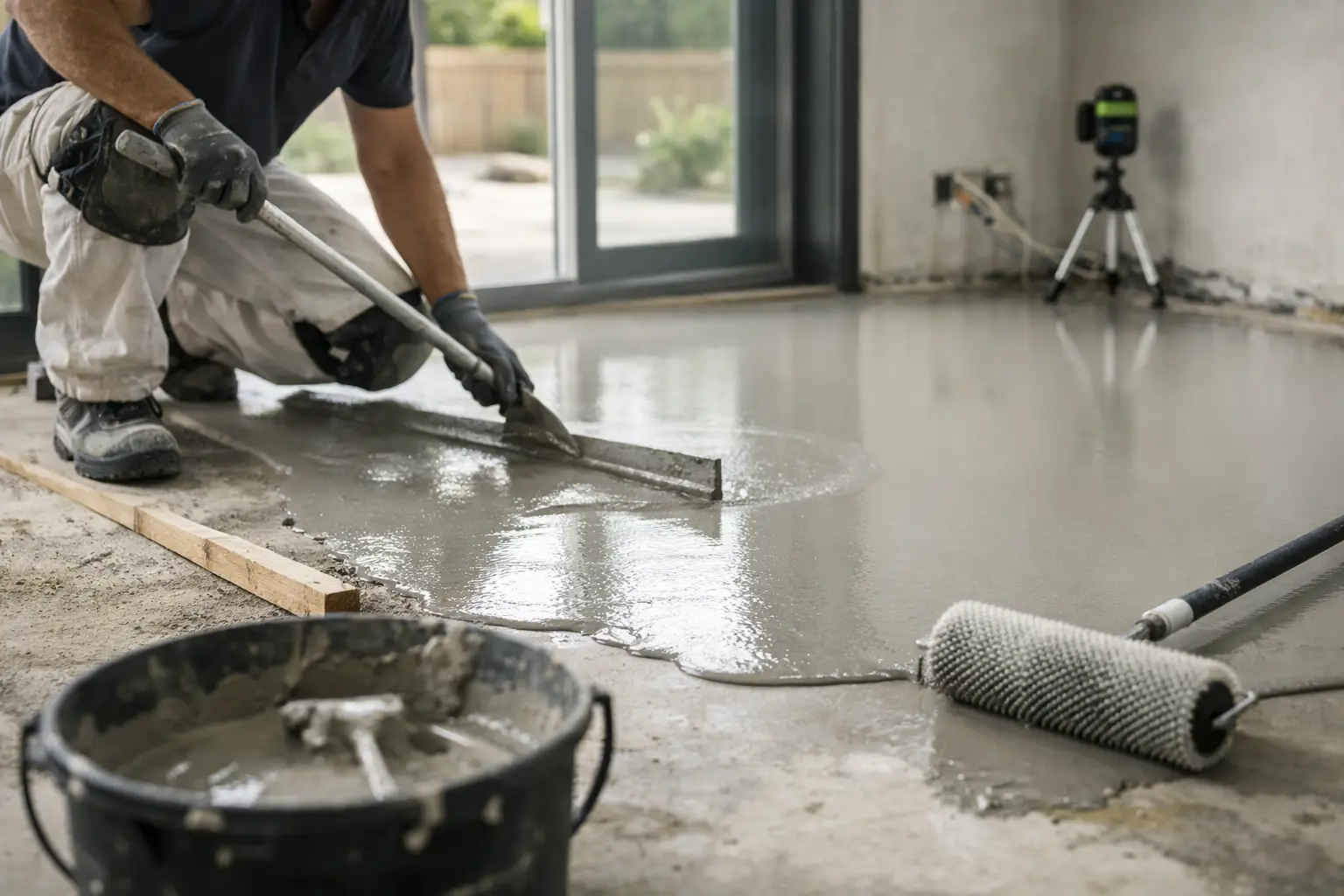
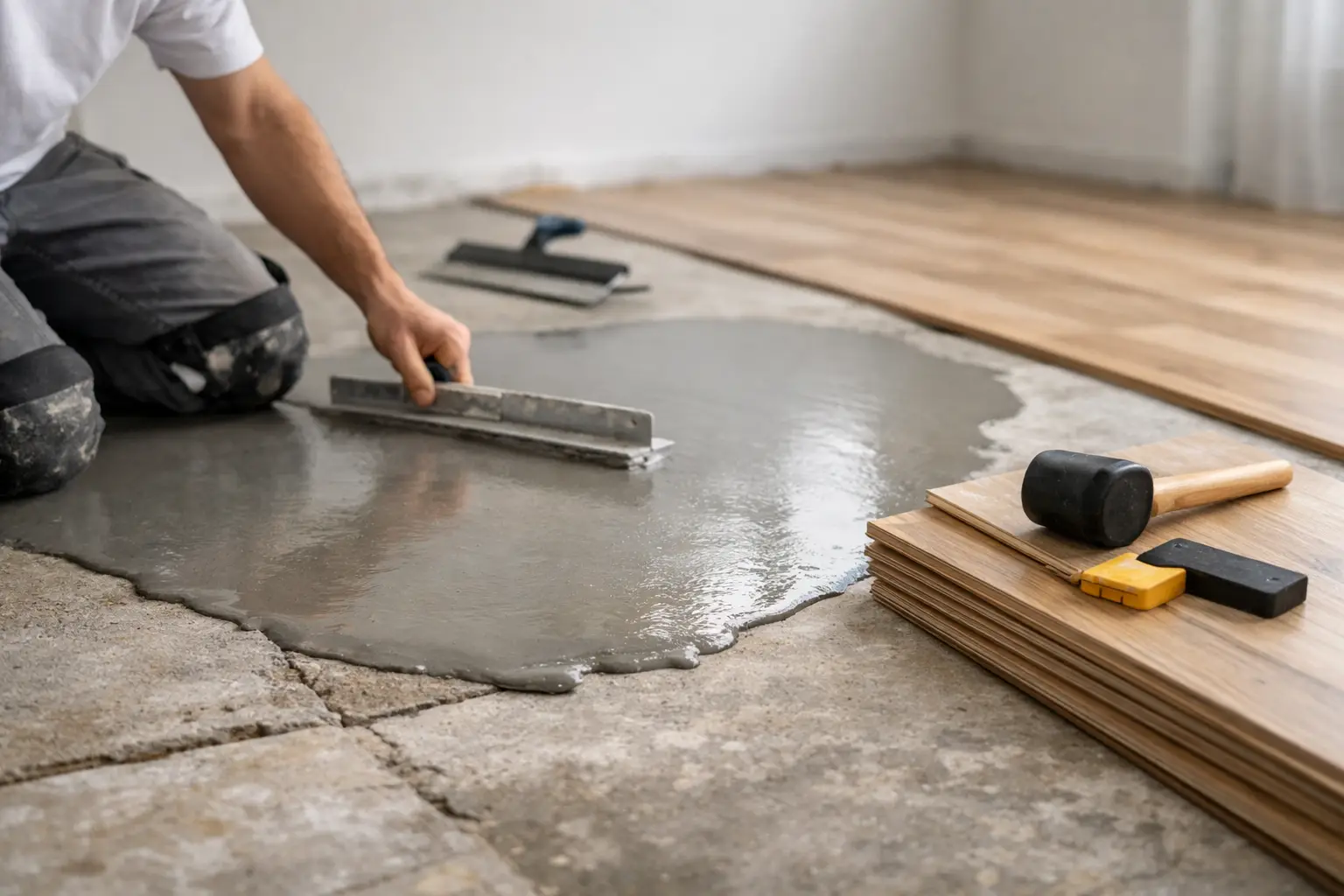
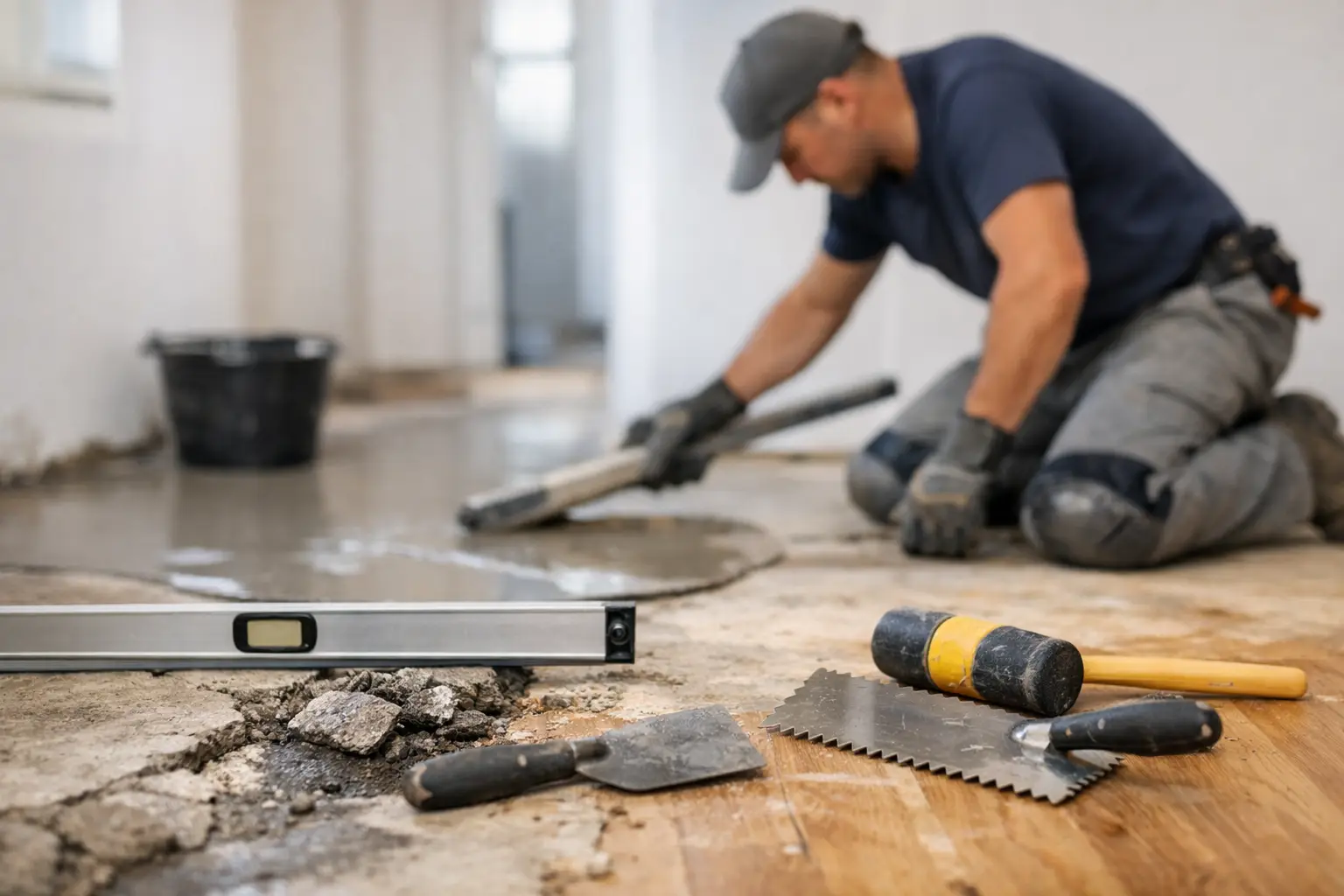
Subfloor condition affects how the floor sits, sounds and wears. If the base is uneven, you may end up with movement, hollow spots, gaps or premature wear. On concrete, moisture testing and levelling are not optional extras. They are part of getting the floor right. In many projects, proper use of self-levelling compound is what creates the clean, stable base the flooring needs.
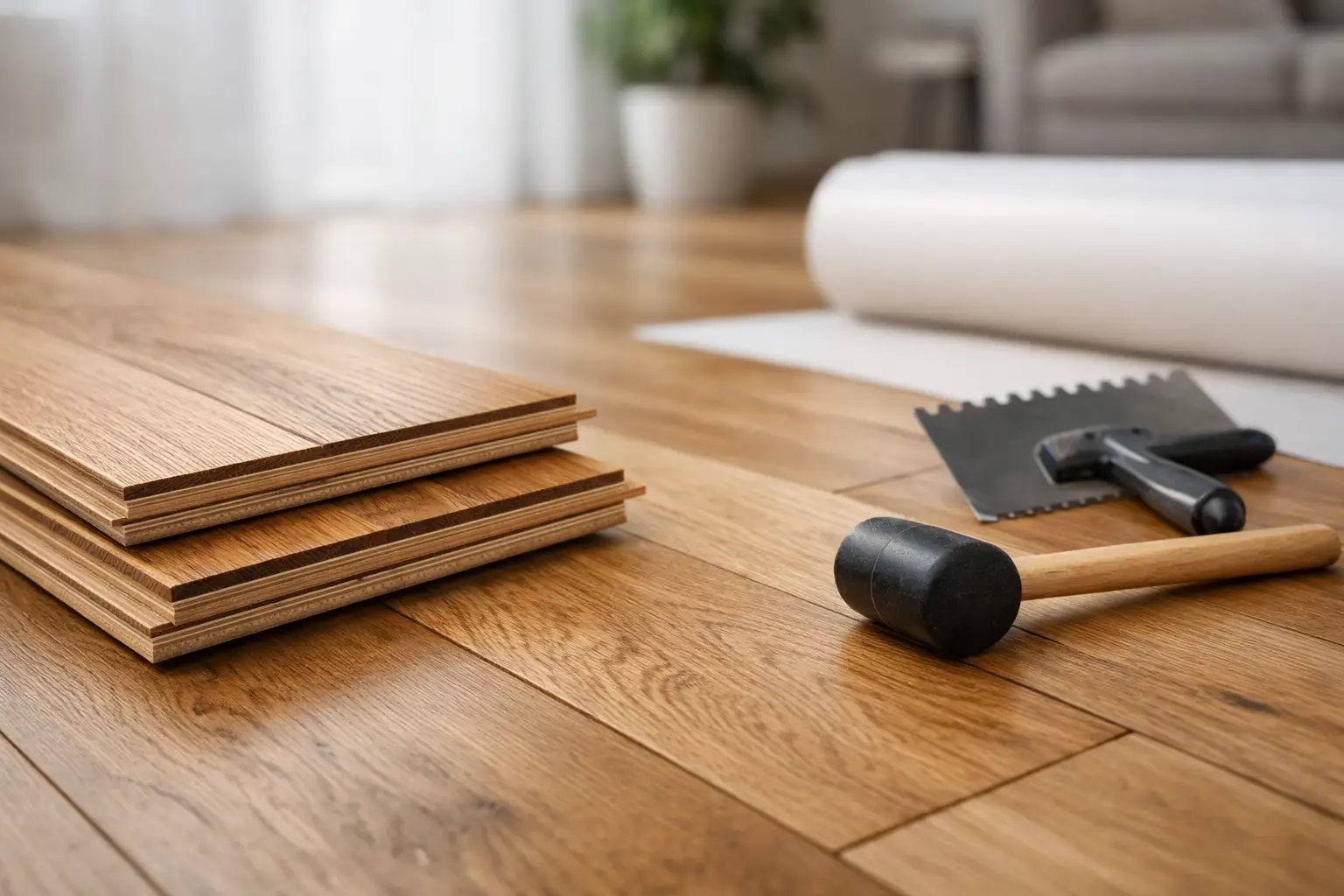
Installation method matters too. Direct stick installation often gives engineered timber a more solid feel underfoot and can be better for sound and overall finish, but the right approach depends on the product, the subfloor and the site conditions. There is no one-size-fits-all answer, which is why practical guidance matters more than generic sales talk.
How engineered hardwood compares with other flooring options
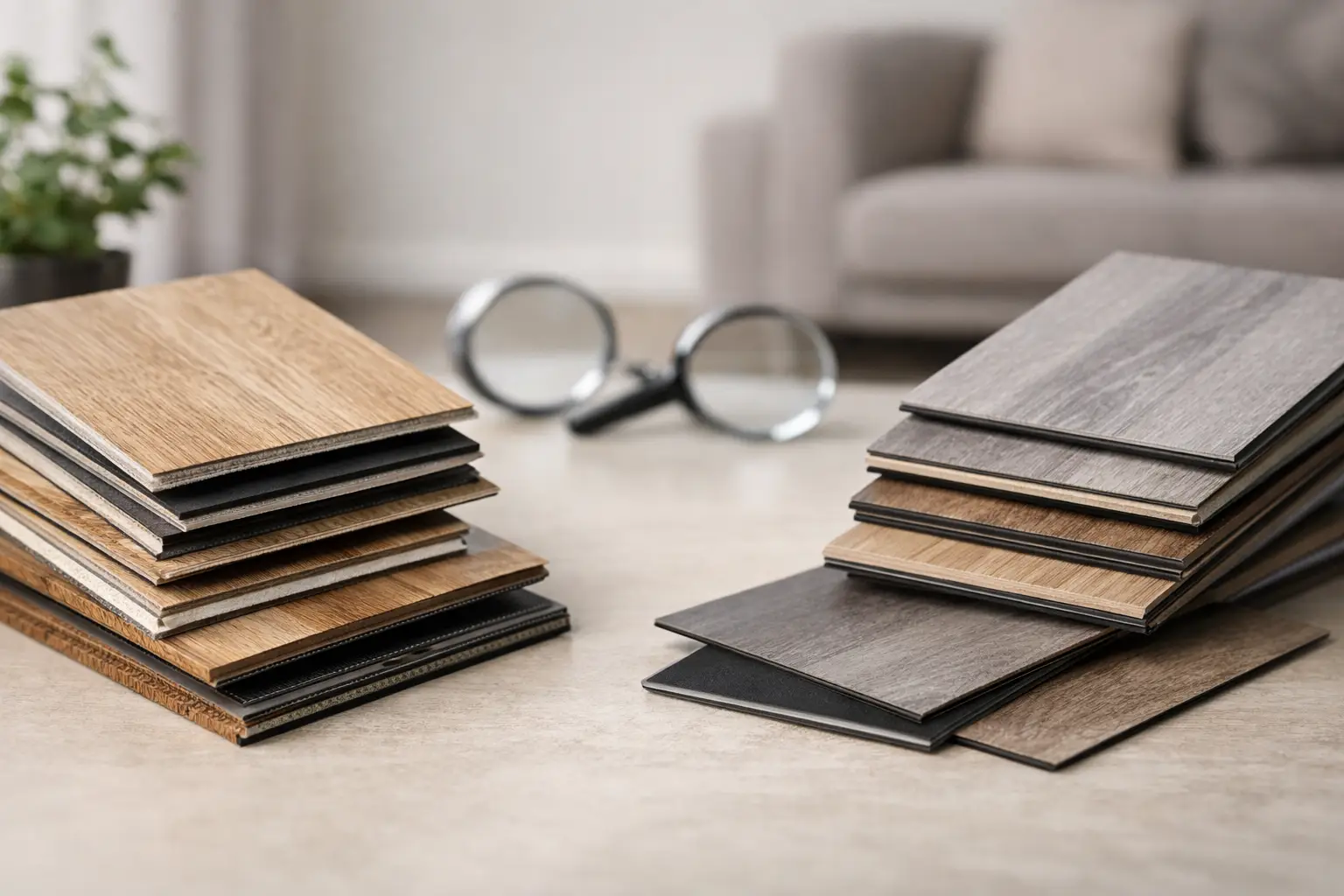
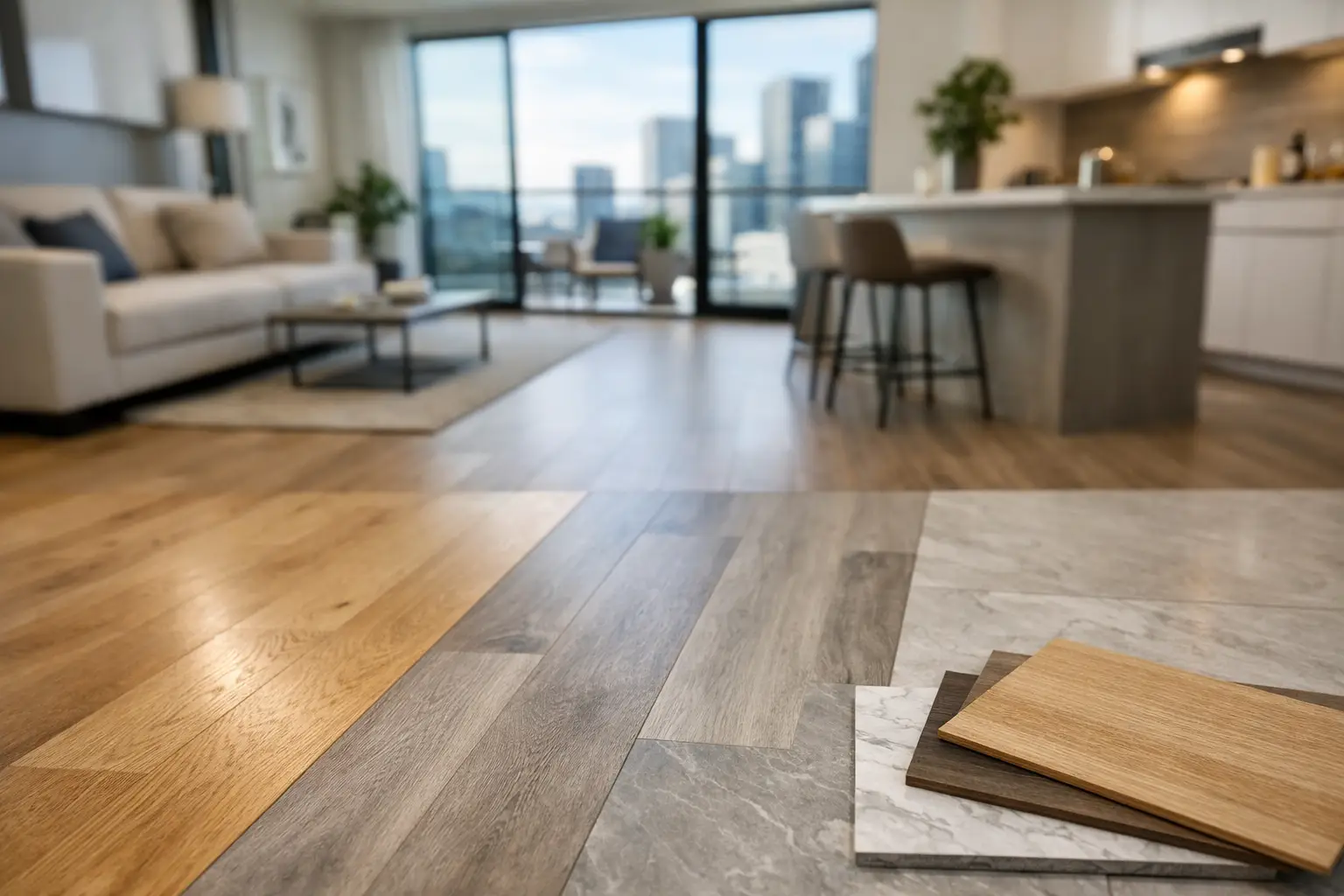
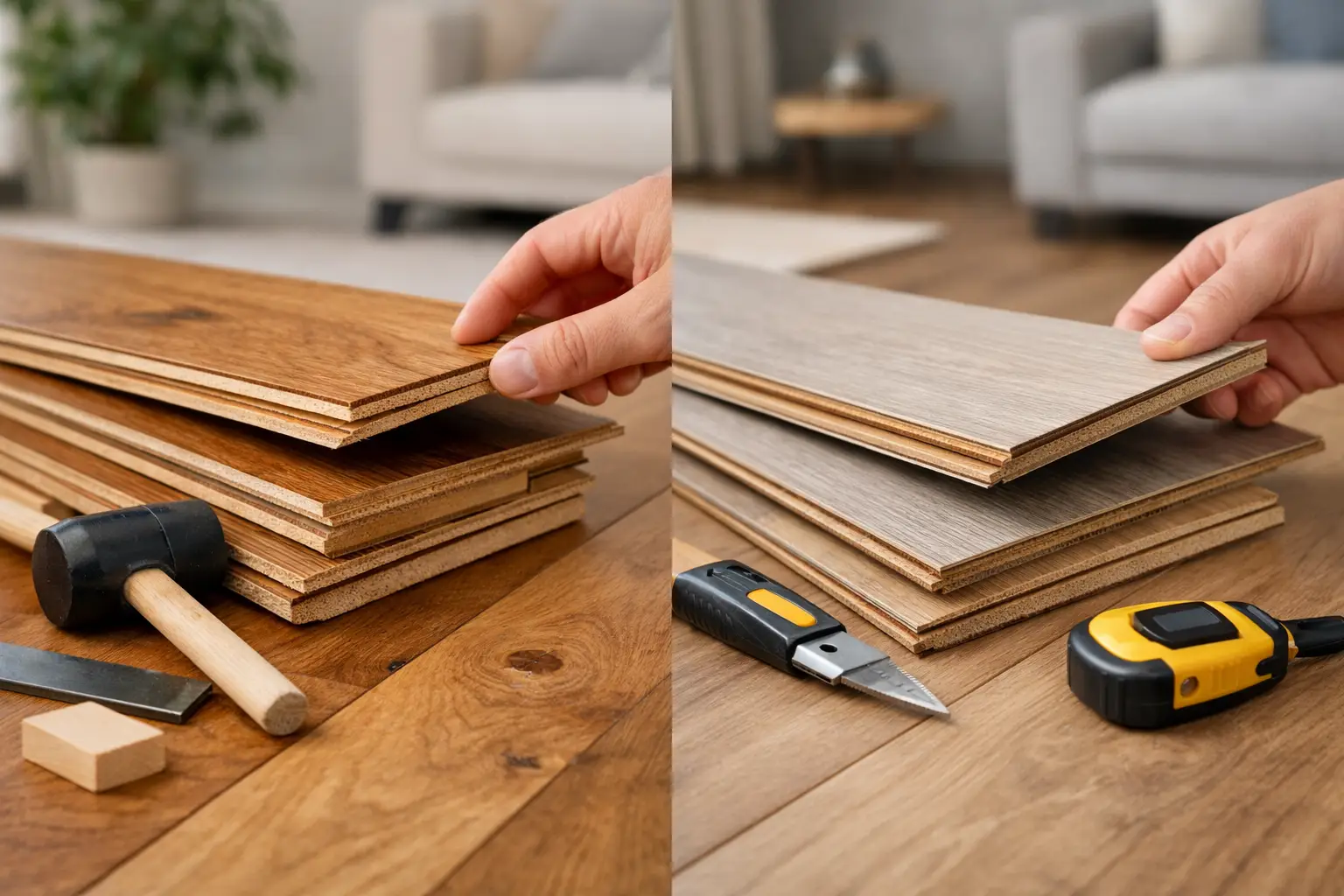
If you are weighing up timber-look products, engineered hardwood sits in a different category from laminate and hybrid. Laminate has a printed surface rather than real wood, while hybrid is designed with stronger water resistance and resilience in mind. Both can be excellent choices in the right setting, but they do not give you the same authentic timber face as engineered flooring.
Compared with solid timber, engineered flooring is typically more stable and often easier to adapt to modern construction. Solid timber still has appeal for buyers who want maximum sanding potential and traditional full-thickness boards, but it can be more sensitive to site conditions and movement. For many homes, engineered timber is the more practical timber option.
That does not mean it is automatically the best option for every client. If the property is an investment, the budget is tight, or water resistance is the top concern, another product may be a better fit. Good advice starts with how the floor will be used, not with what has the highest margin.
Who should choose engineered hardwood flooring?
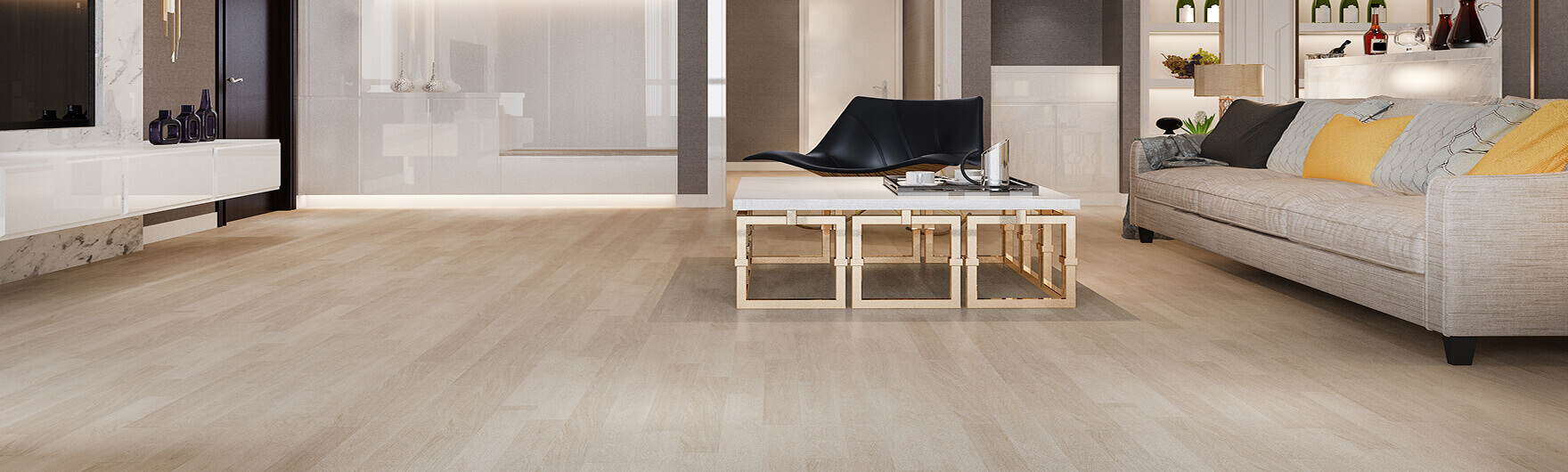
Engineered hardwood is usually a smart choice for buyers who want a genuine timber finish, care about design, and are prepared to invest in proper installation. It suits people who want warmth, texture and a more premium result than standard timber-look alternatives.
It is also well suited to homeowners who understand that flooring is a long-term decision. The right board, installed over the right subfloor, can add real value to the way a space looks and feels. But if you need maximum water resistance or the lowest upfront spend, it may not be the strongest fit.
The best flooring decisions come from balancing appearance, performance and site conditions. That is where trade-informed advice makes a difference. A floor should not just look good in a sample board. It should suit the home, the subfloor and the people living on it every day.
If engineered timber is on your shortlist, slow down long enough to look past the surface. Ask how thick the wear layer is, what the core is made from, how the boards will be installed and what preparation the subfloor needs. Those details are usually what separate a floor that still looks great years later from one that becomes an expensive lesson.