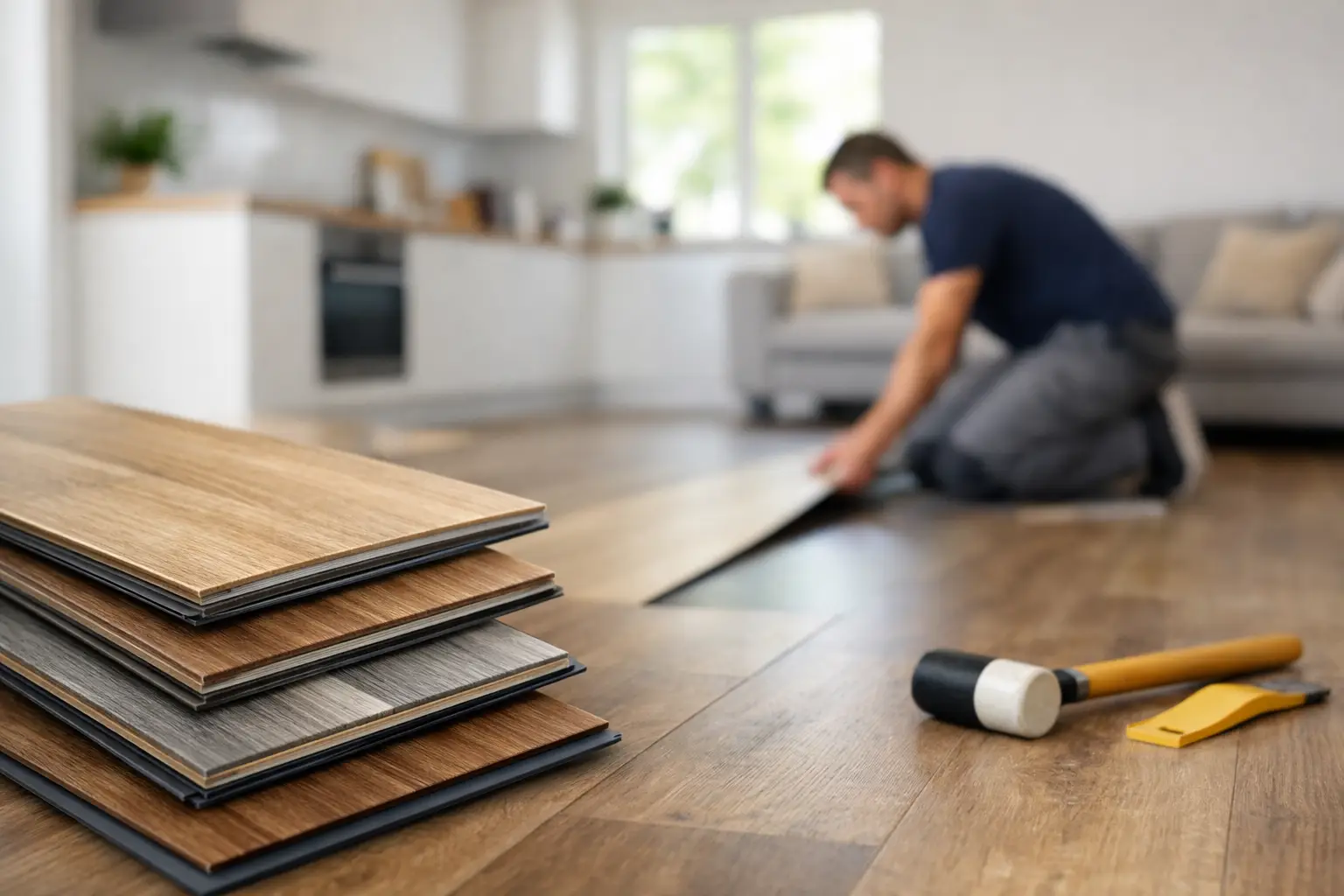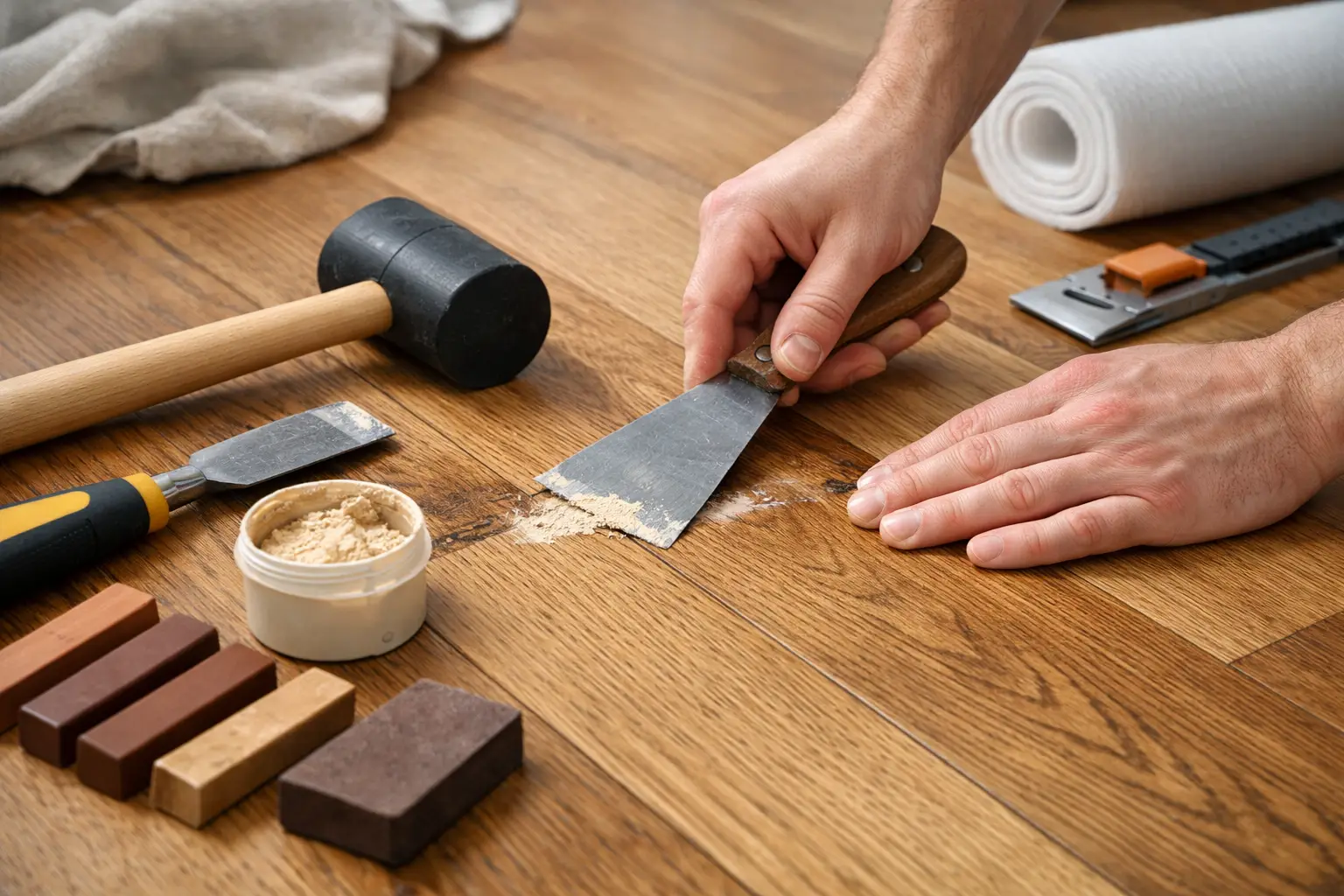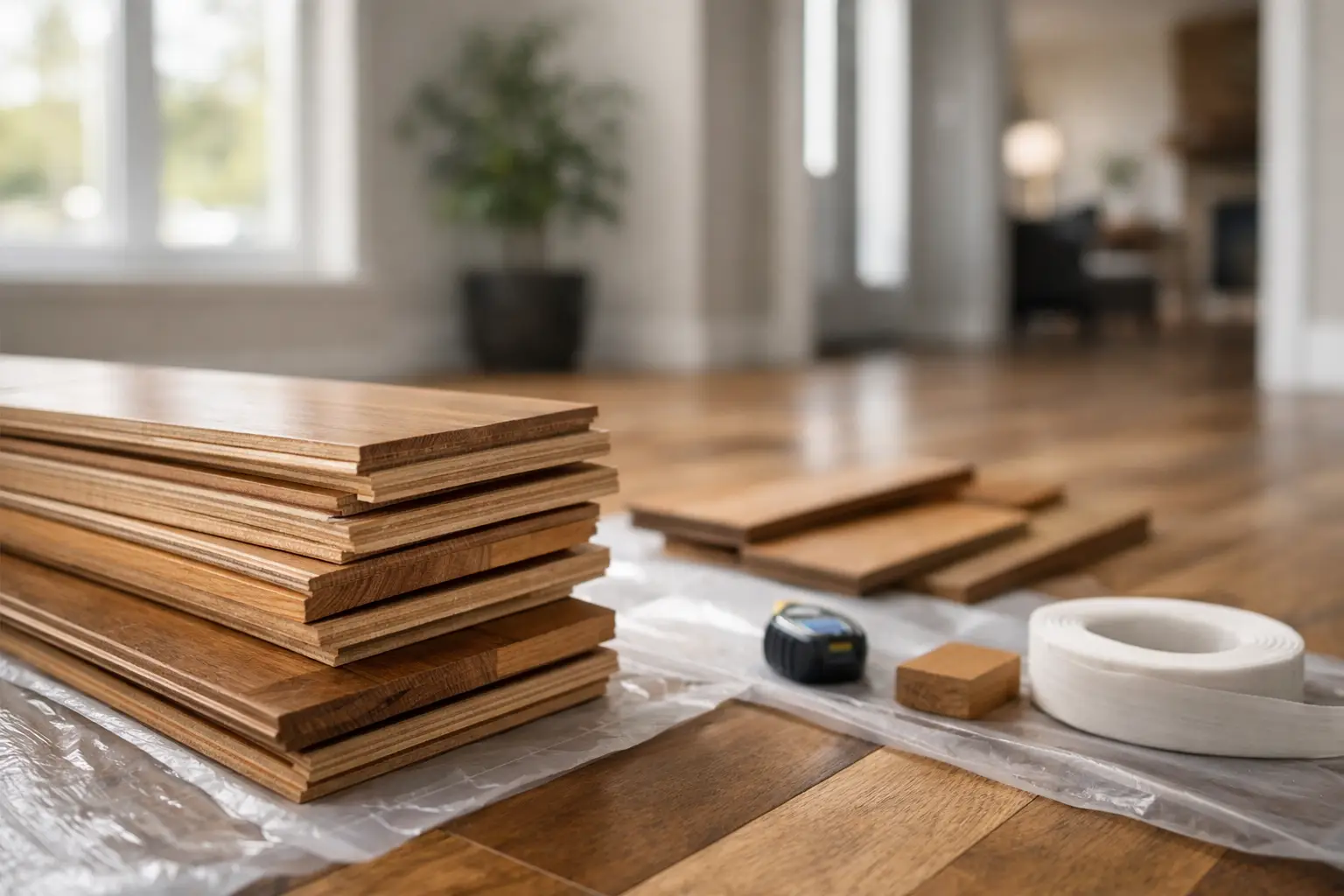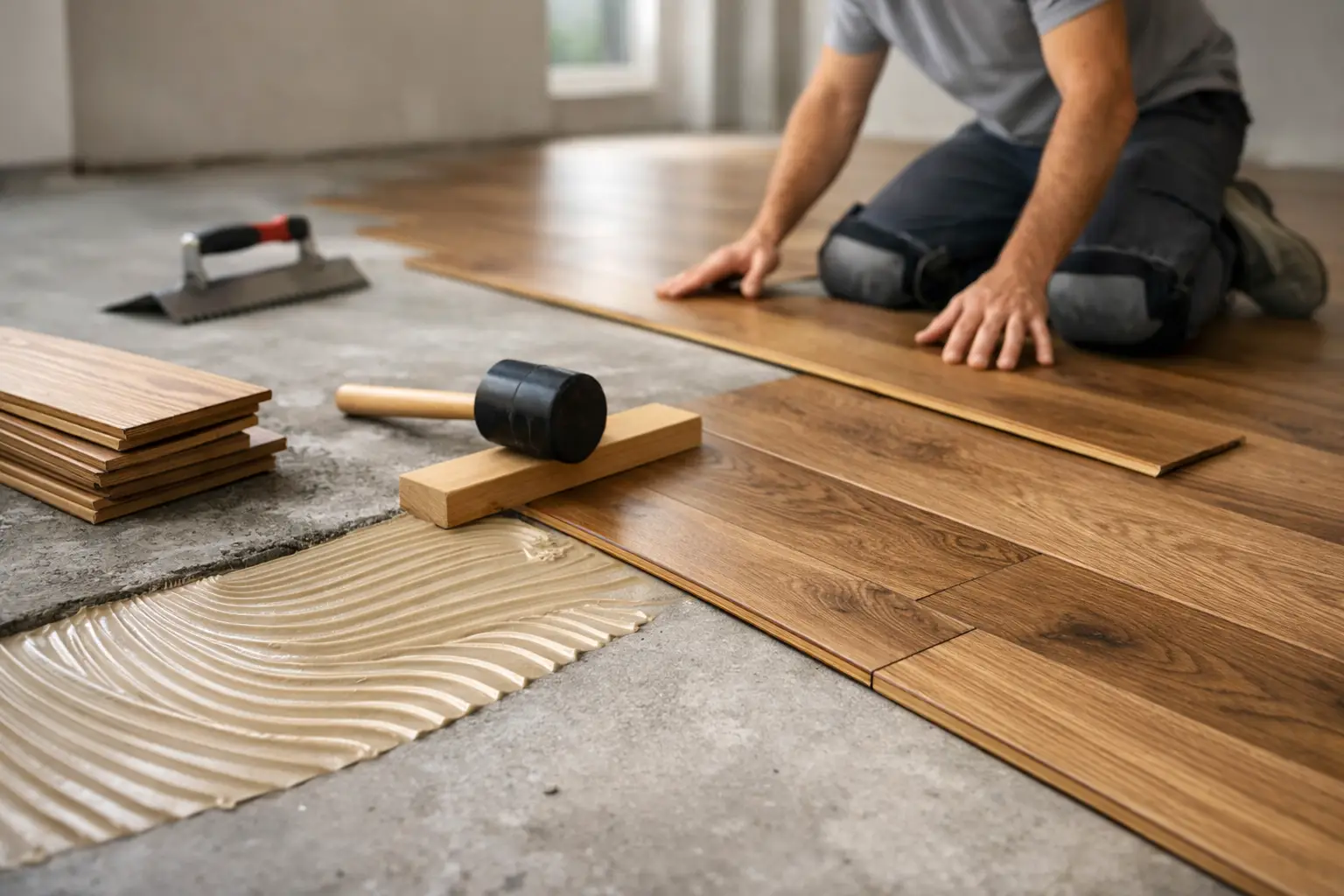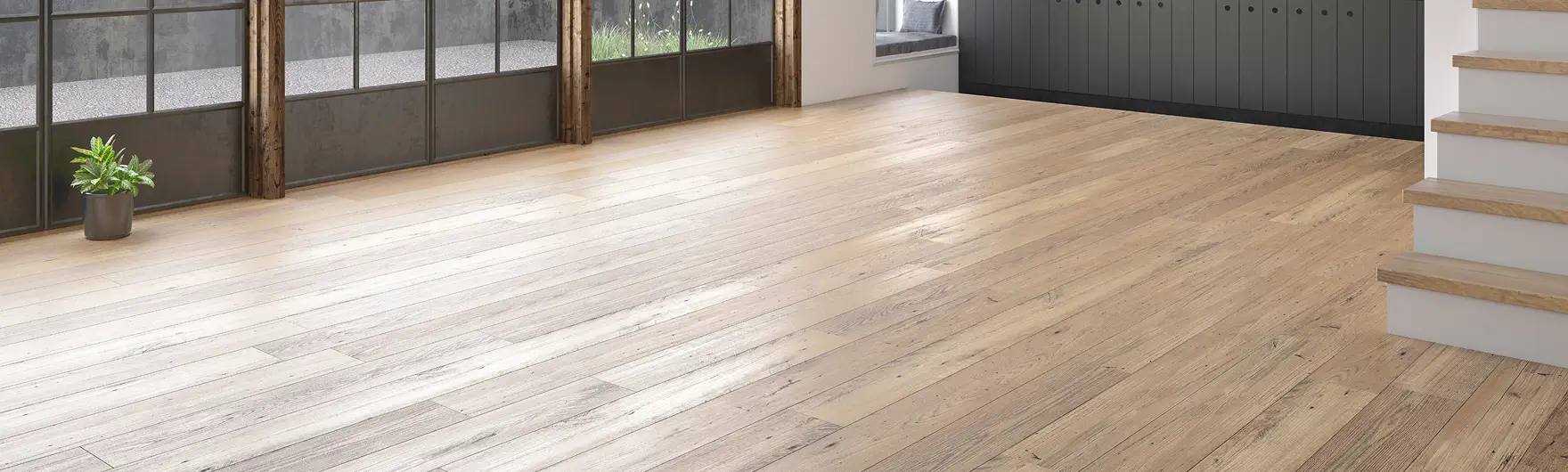
A lot of people start by asking for the best engineered timber flooring Australia has available, but that question only gets useful when you tie it to the room, the subfloor and how the floor will actually be used. A beautiful European oak board can look perfect in a showroom and still be the wrong choice for a busy family home, a high-rise apartment or a commercial fit-out if the construction and installation method do not suit the site.
That is where many flooring decisions go off track. Buyers compare colours and price tags, but the long-term result usually comes down to board stability, wear layer quality, surface finish and subfloor preparation. If you want a floor that looks sharp now and still performs well years later, those details matter more than marketing language.
Table of Contents
What defines the best engineered timber flooring in Australia?
The best engineered timber flooring in Australia is not simply the most expensive product on the rack. It is the board that balances appearance, structural stability, finish quality and suitability for Australian conditions.
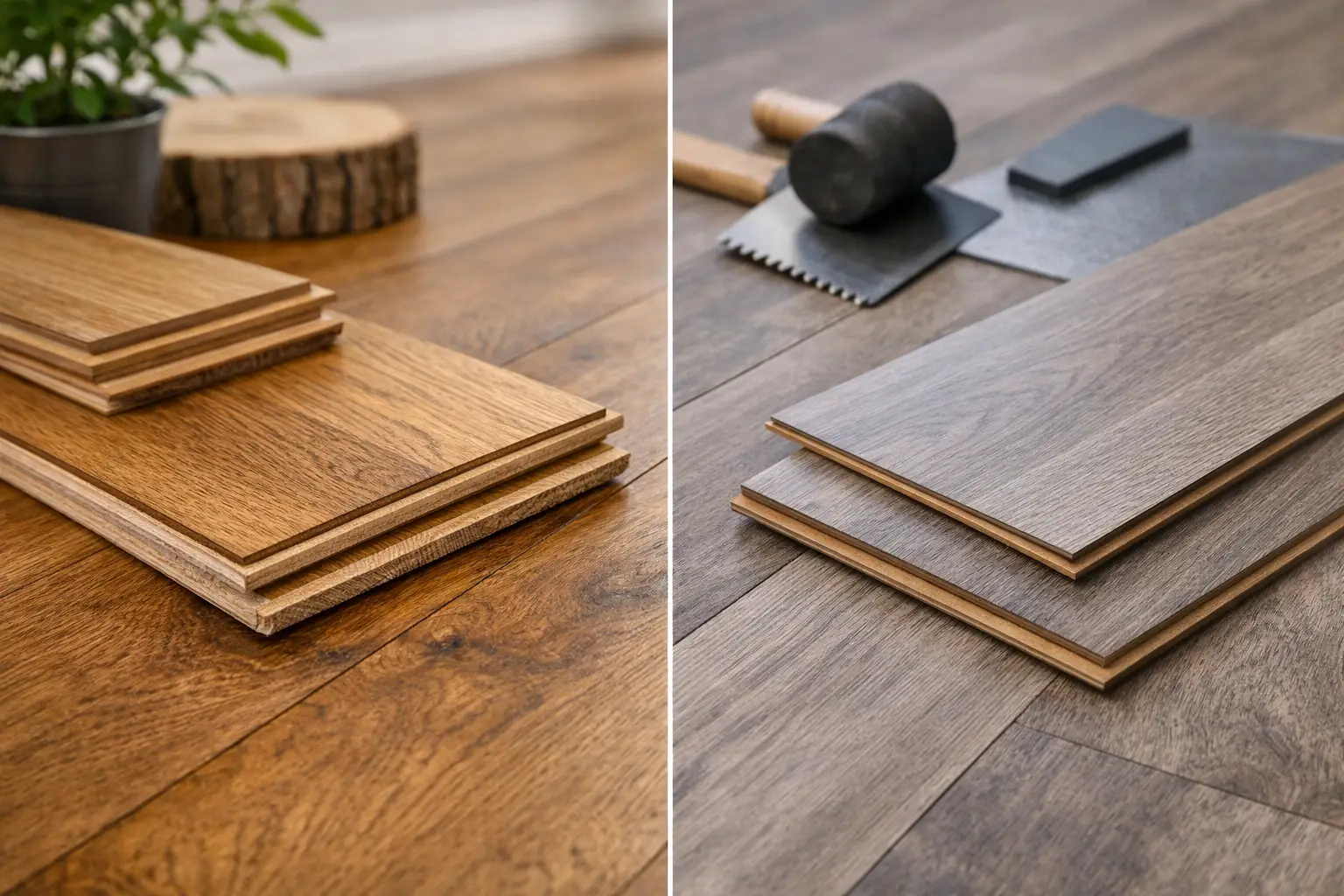
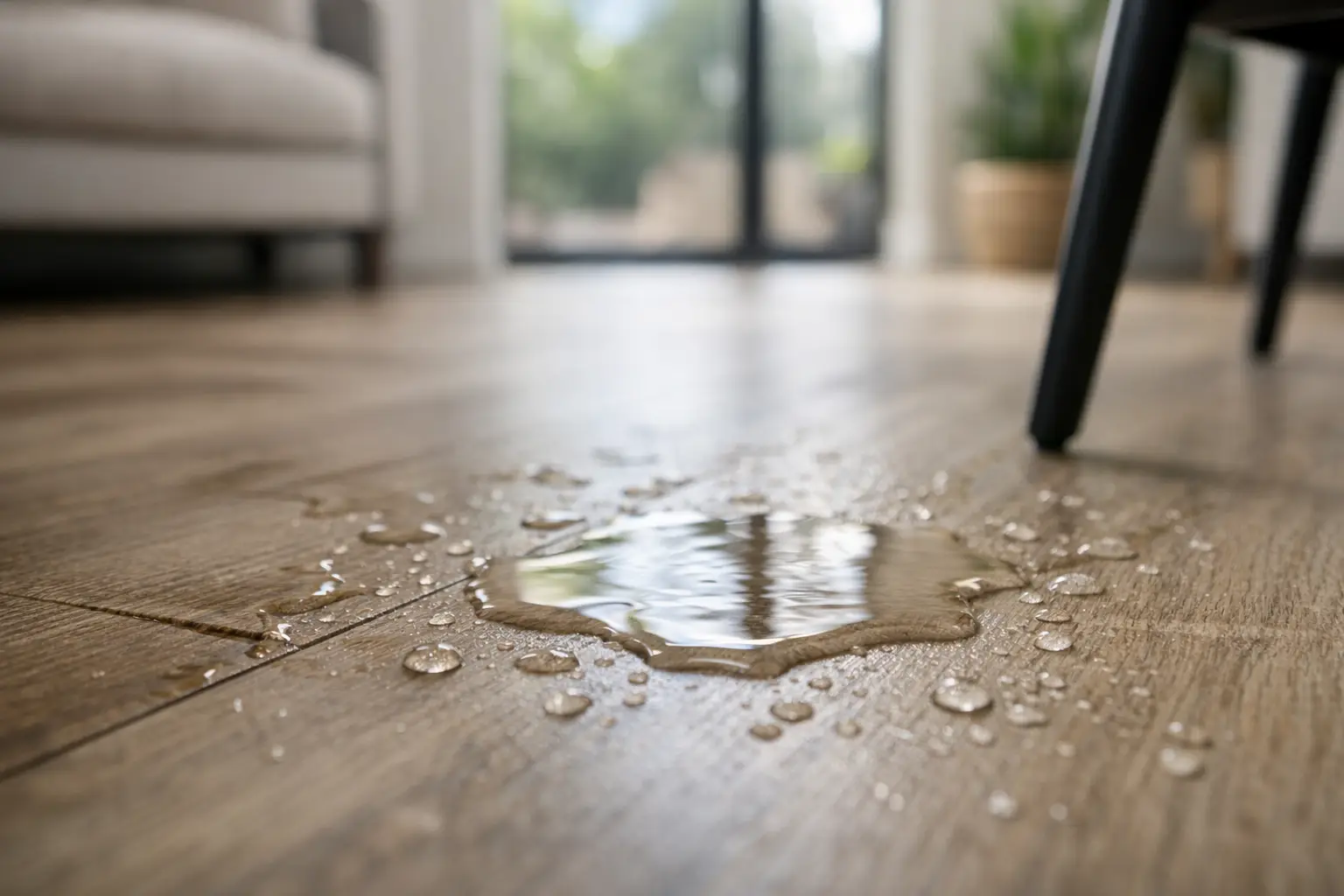
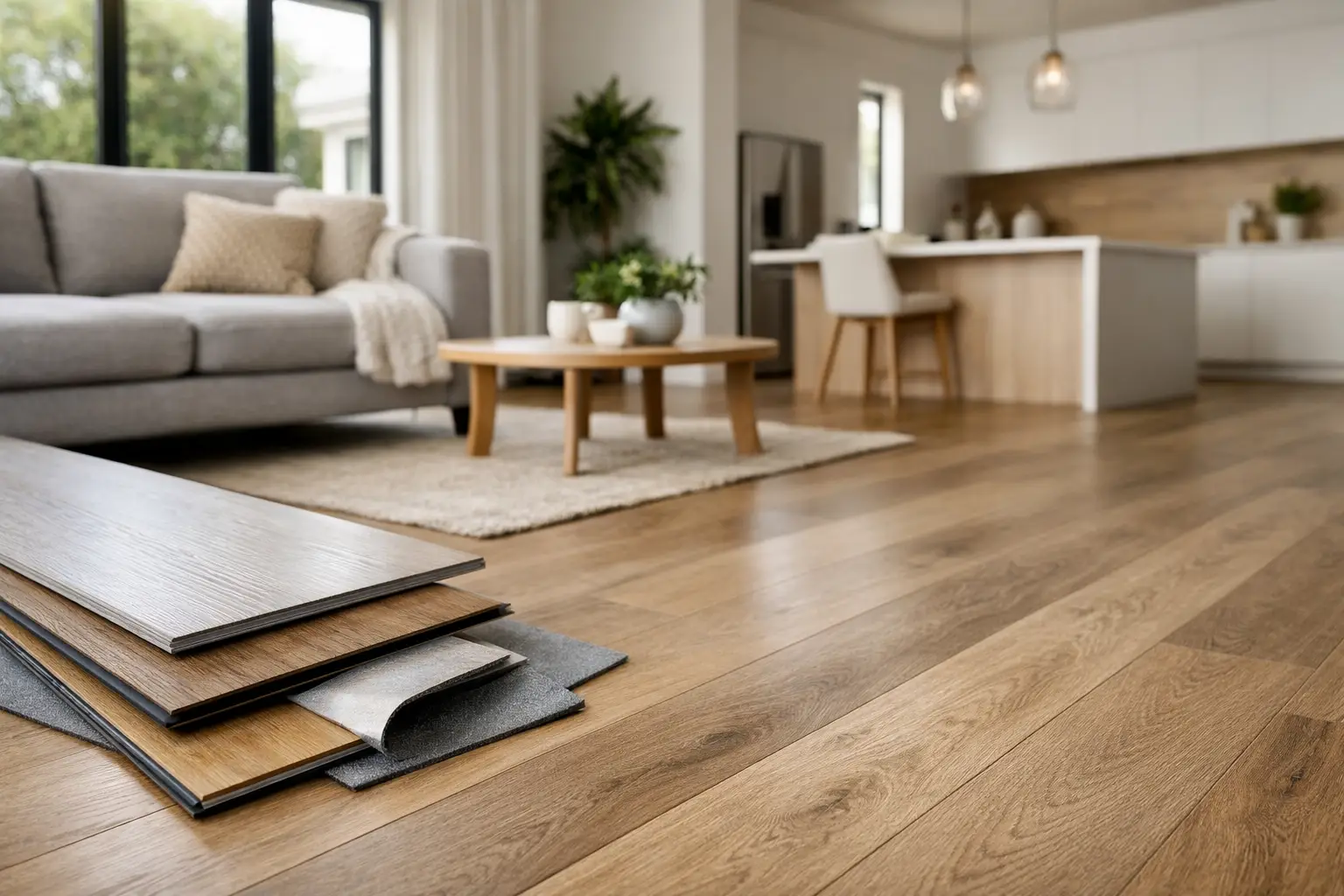
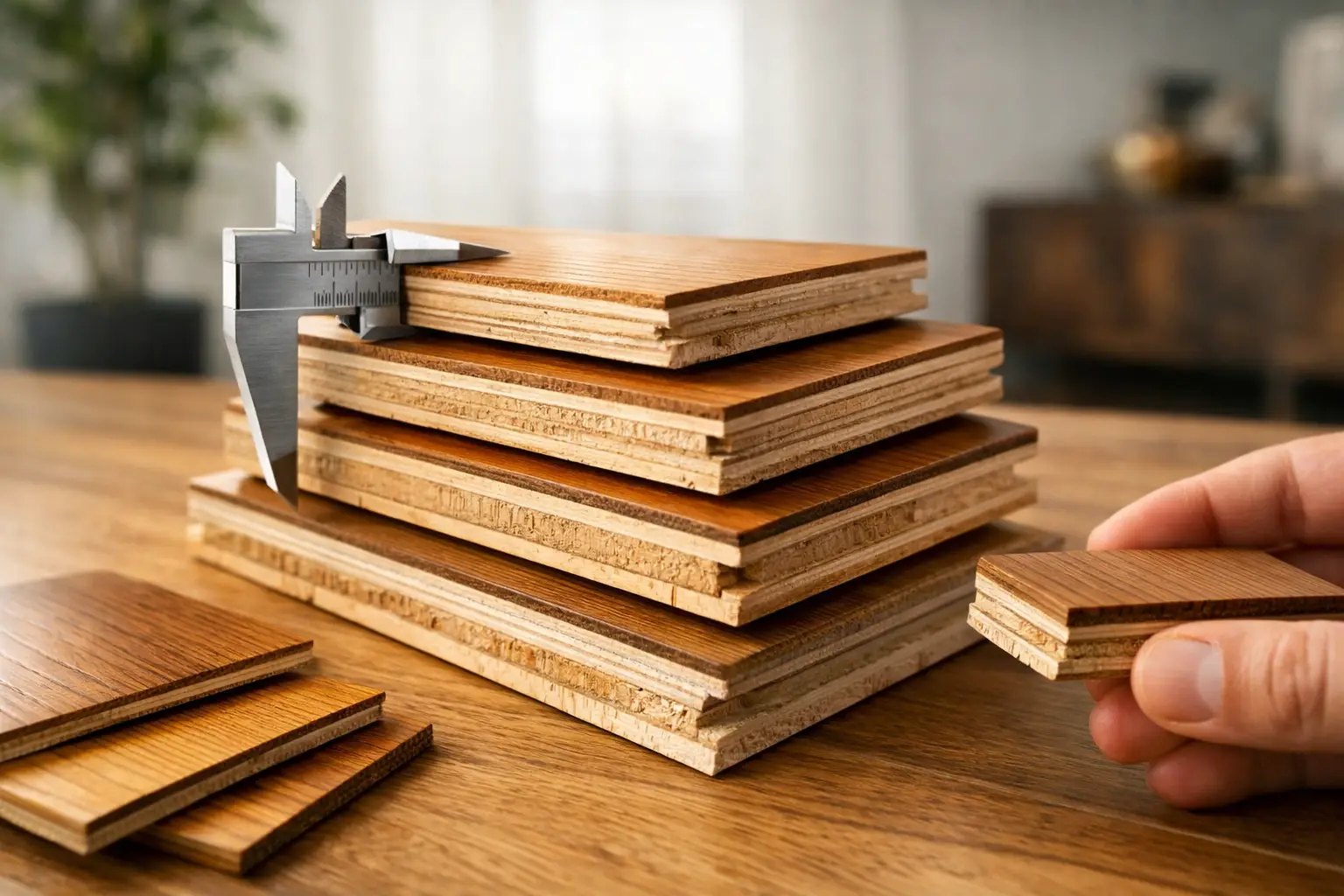
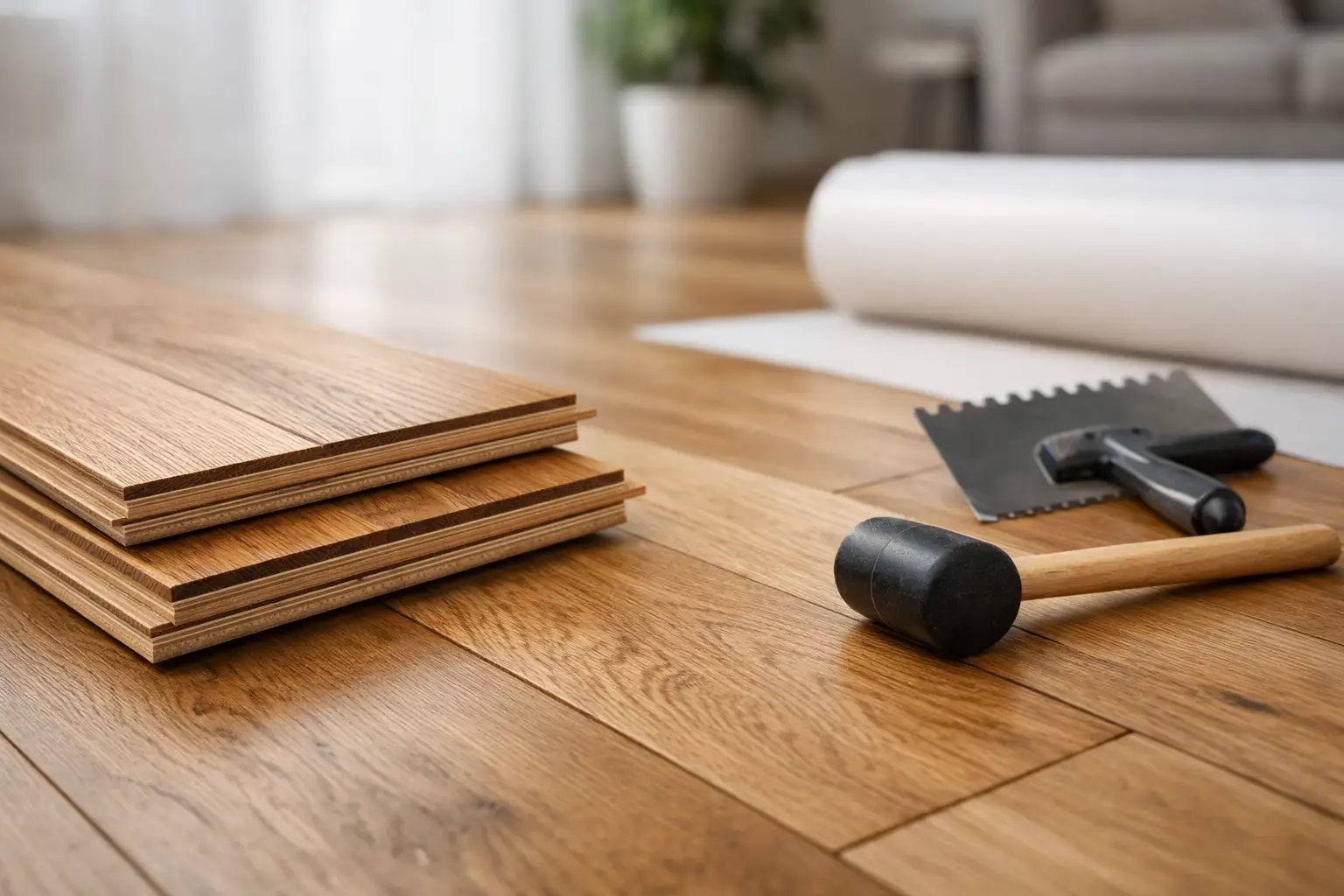
Engineered timber is made with a real timber top layer over a multi-layer core. That construction gives it better stability than solid timber in many environments, especially where temperatures and indoor moisture levels shift through the year. In practical terms, a good engineered board is less likely to move excessively, gap badly or create avoidable installation headaches when it has been specified properly.
The top layer matters because it affects both appearance and lifespan. A quality wear layer gives the floor a more authentic timber look and, depending on the product, may allow for light sanding in the future. Thicker is not automatically better for every job, but a decent wear layer is usually a sign you are buying a more serious product rather than a short-term cosmetic option.
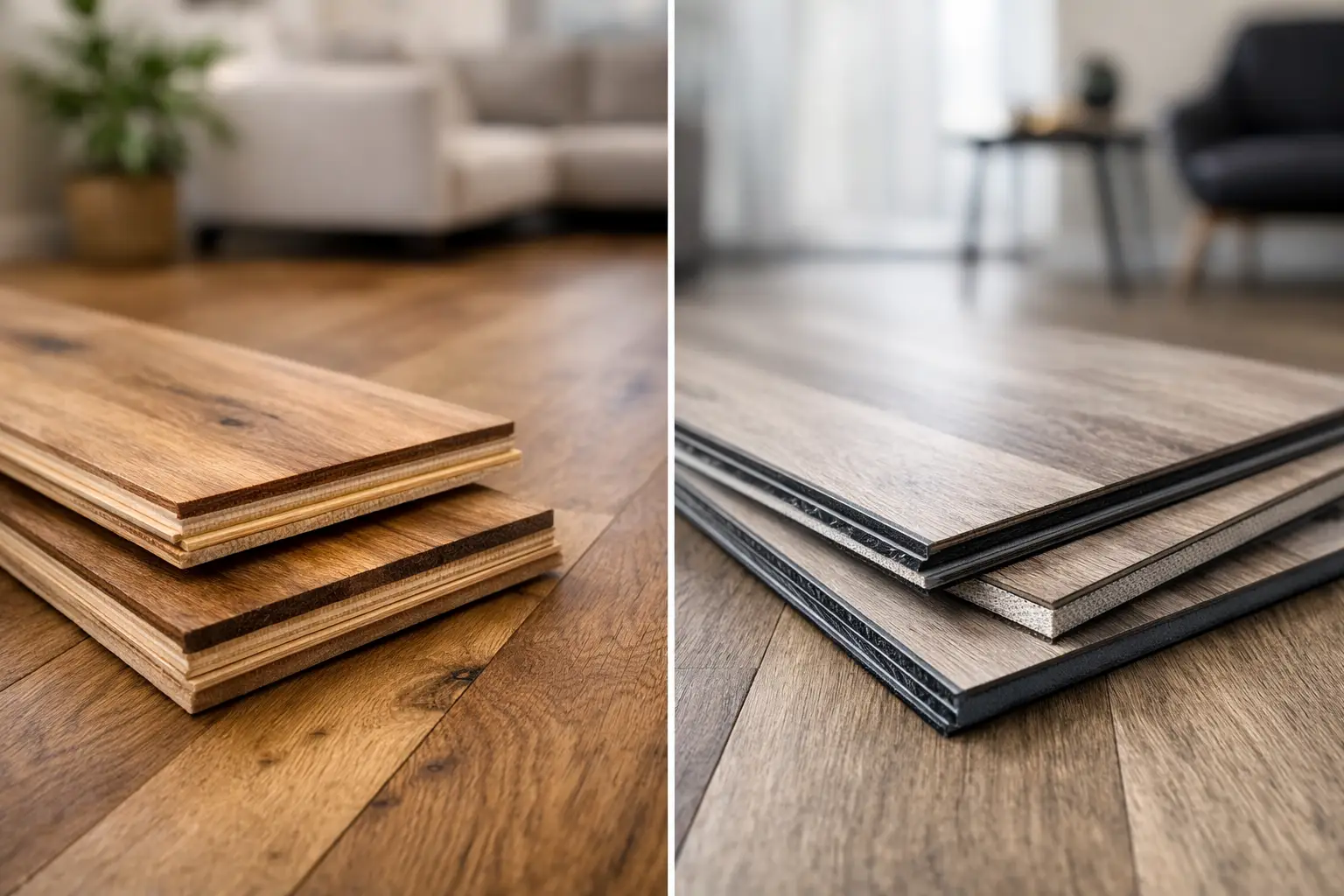
The core construction matters just as much. A stable hardwood ply or high-quality multi-layer construction will generally outperform cheaper boards with inconsistent manufacturing. If a floor is poorly made, no stain colour or matte finish will save it once movement starts showing through.
Best engineered timber flooring Australia buyers should compare first
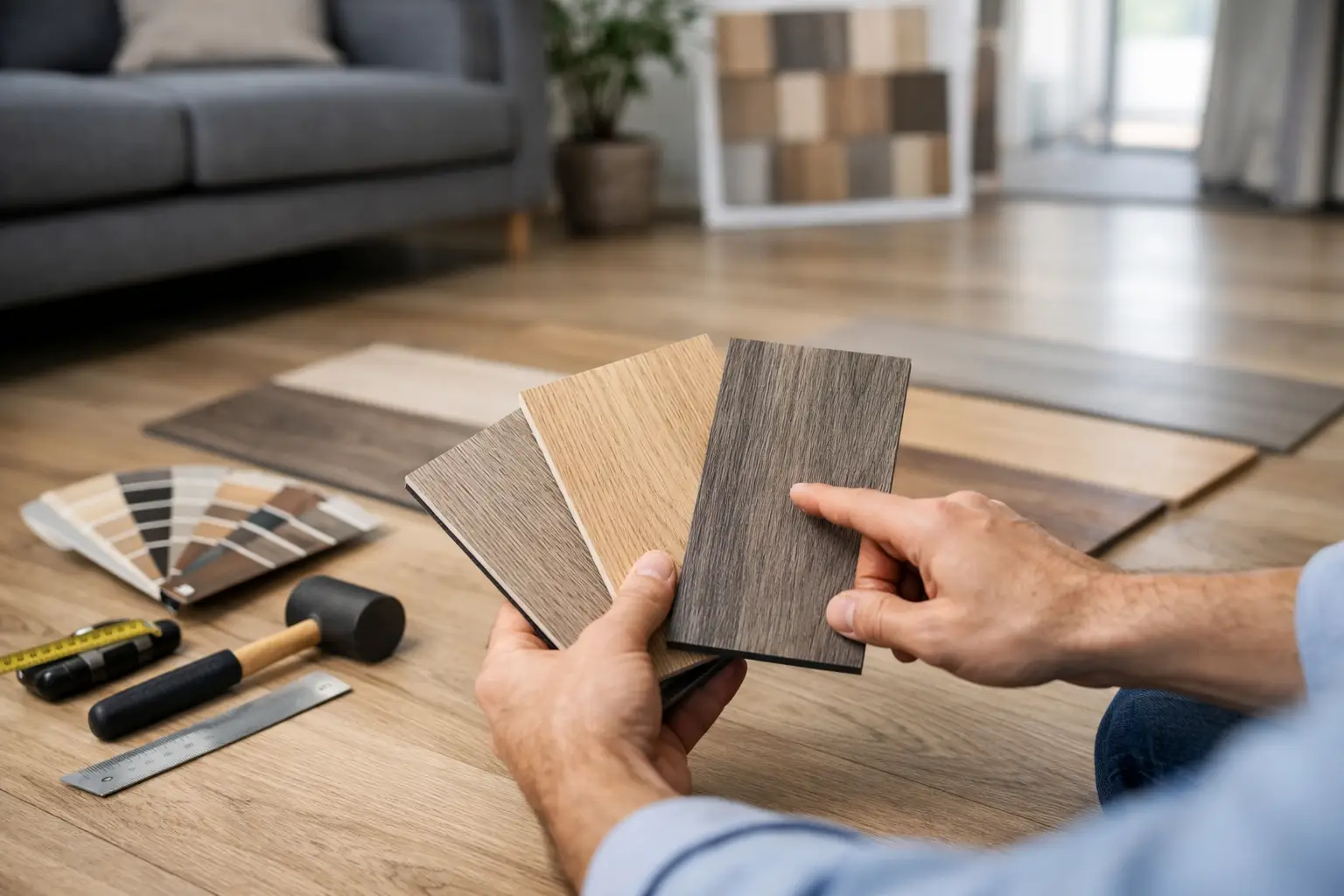
When customers compare engineered timber, they often focus on species and colour first. Fair enough – you have to live with the look every day. But if you want to make a sound decision, compare the technical side at the same time.
Start with board thickness and wear layer. Thicker boards can offer a more solid feel underfoot, but they also need to work with existing doors, skirting and transitions. A board that is too thick for the space can create extra costs you did not budget for.
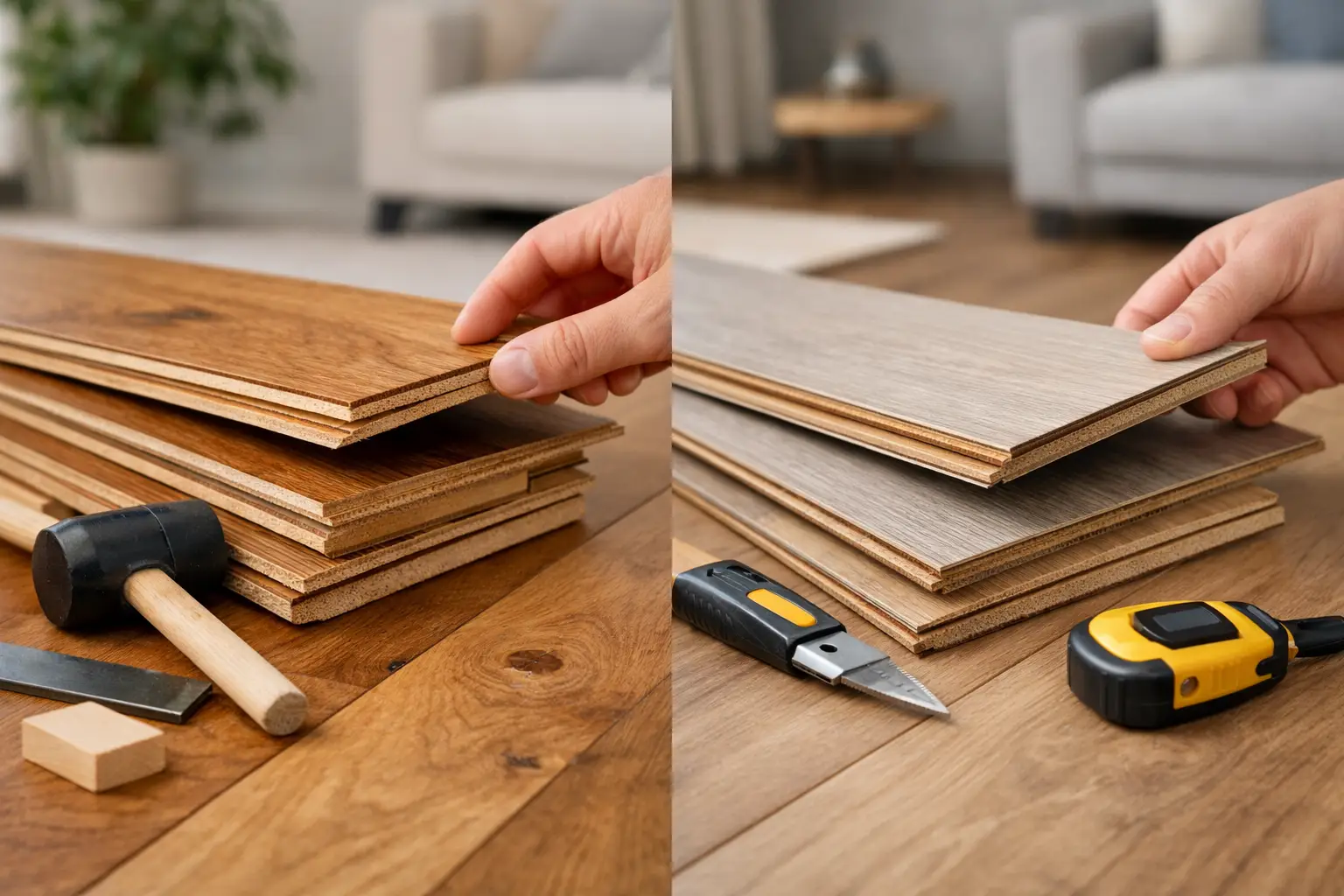
Next, look at the finish. UV lacquered and matte finishes are popular because they give a clean, low-sheen look that suits modern Australian interiors. Oiled finishes can look excellent as well, but they may require a different maintenance approach. There is no universal winner here. It depends on whether you want the easiest day-to-day care or a more natural finish with a bit more character.
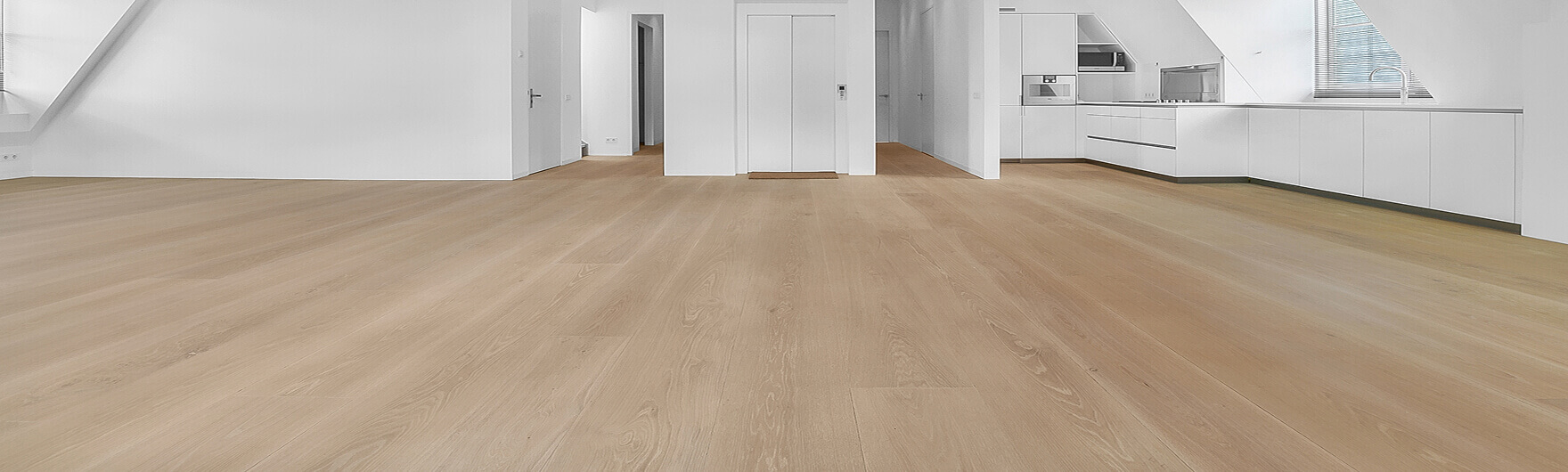
Board width also changes the result. Wide boards create a more open, premium look, especially in larger spaces. In smaller rooms or older homes, narrower boards can sometimes feel more in proportion. Wide boards also place more demand on product stability and subfloor flatness, so they need to be chosen carefully.
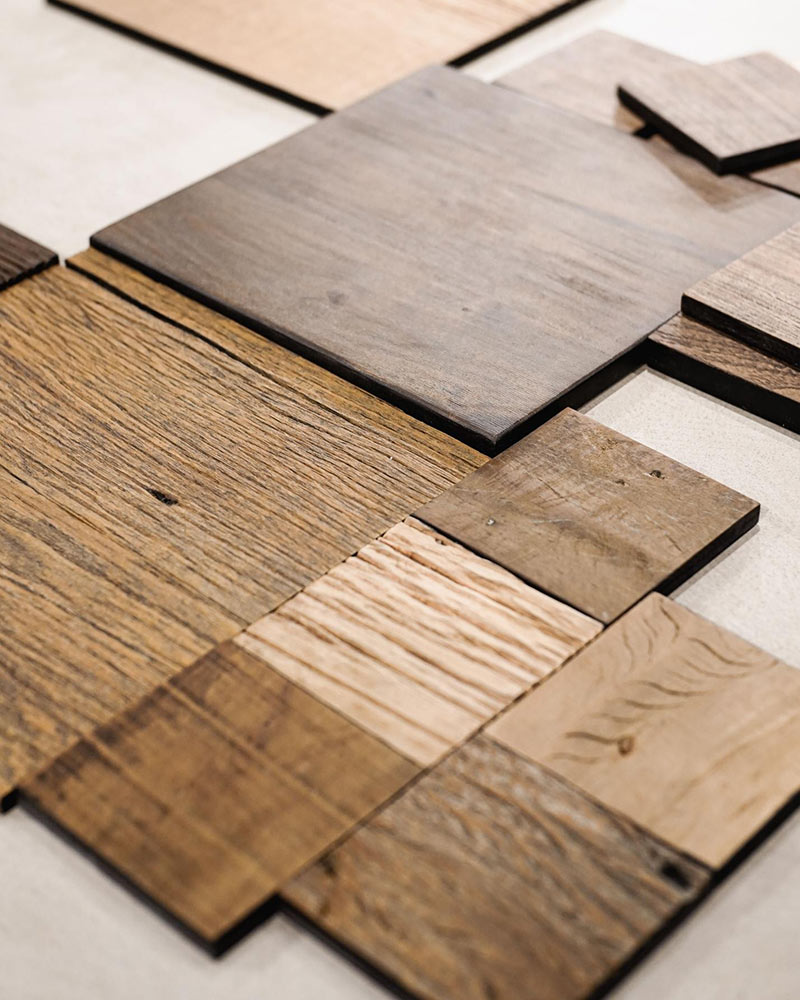
Then there is grade. Cleaner grades give you a more uniform look, while rustic grades show more knots, variation and natural movement in the timber. Neither is better. It comes down to whether you want a refined finish or something with more texture and personality.
Why subfloor preparation matters more than most people think
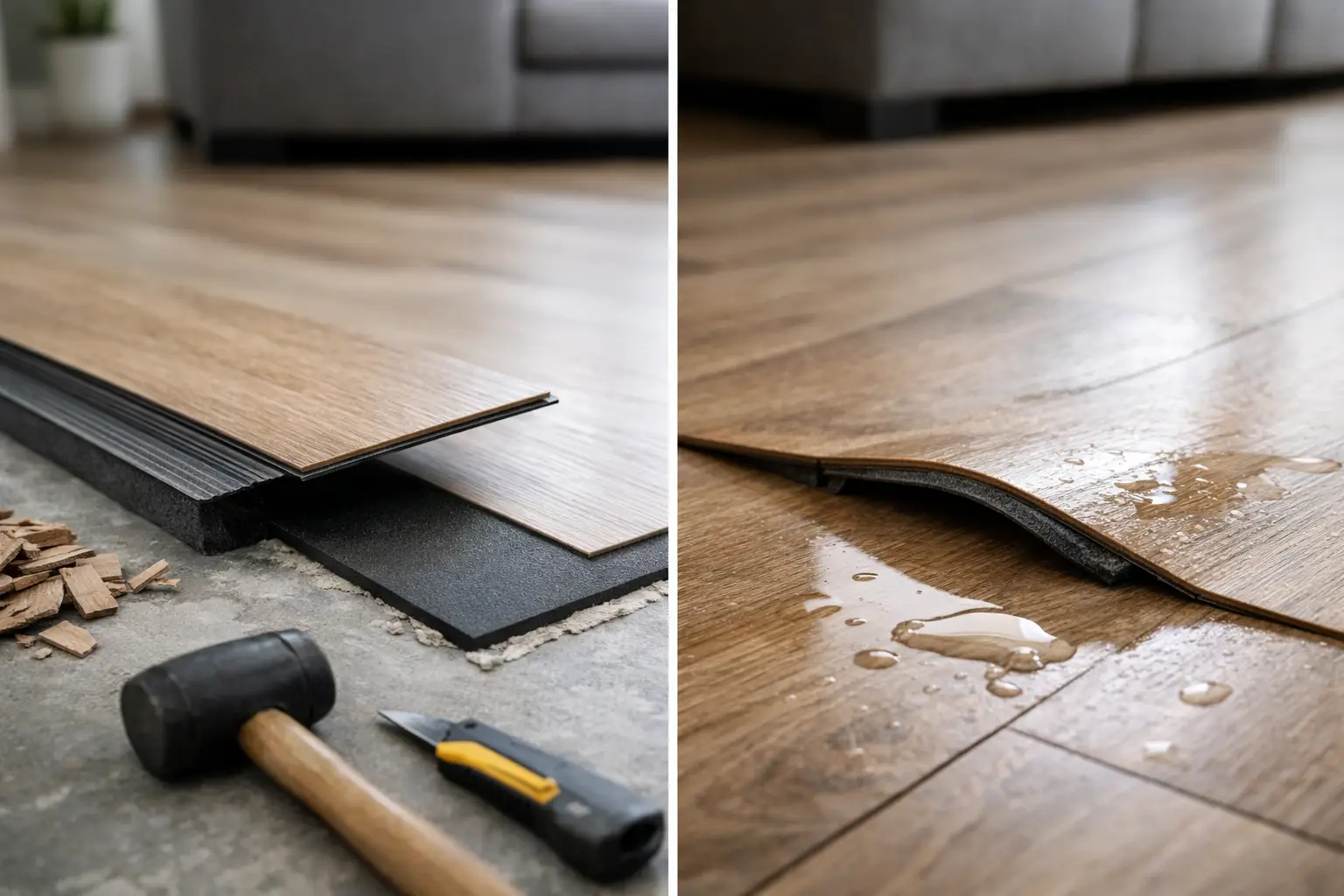
A premium engineered timber product installed over a poor subfloor can still fail. That is one of the biggest realities in flooring, and it is often the least understood part of the job.
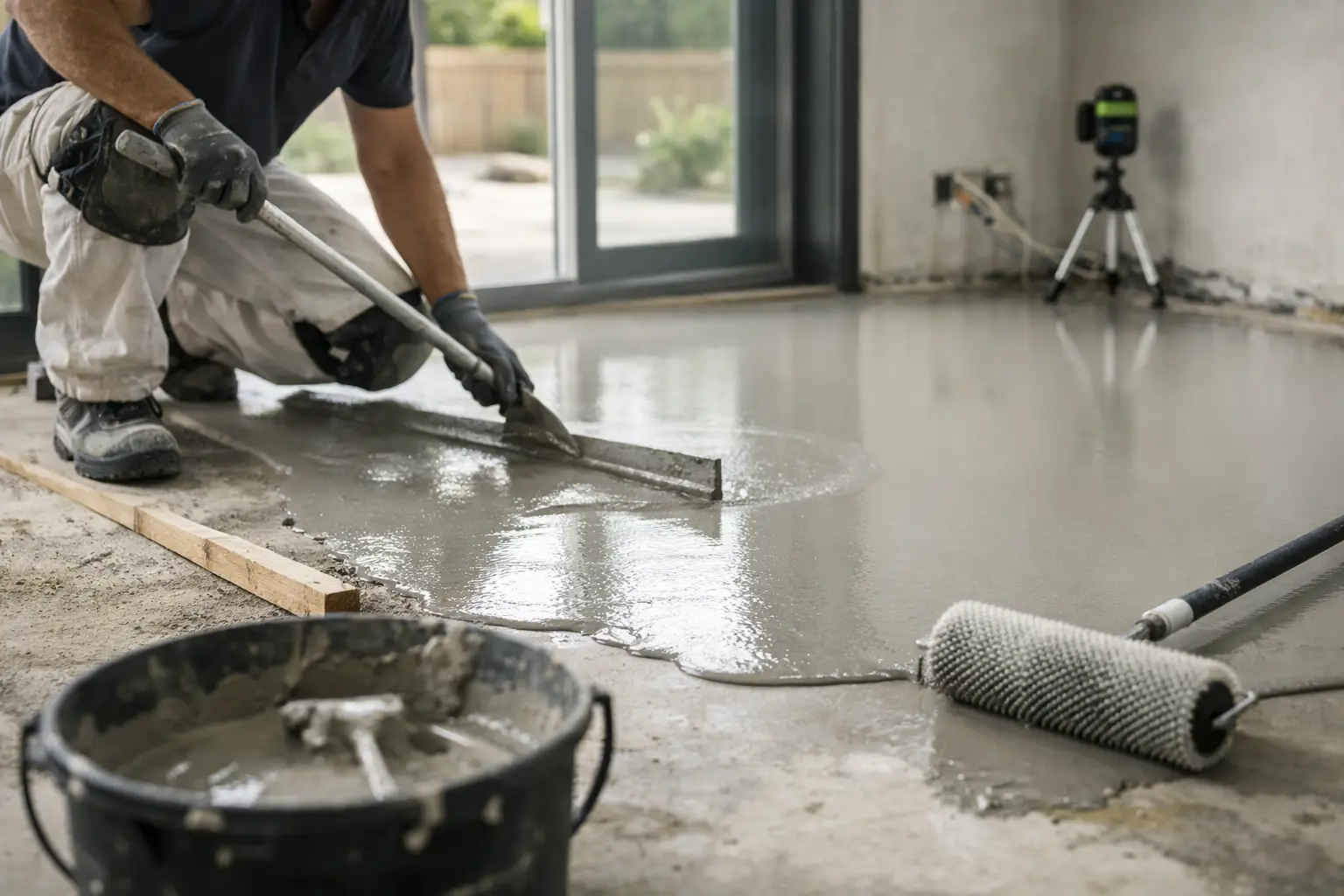
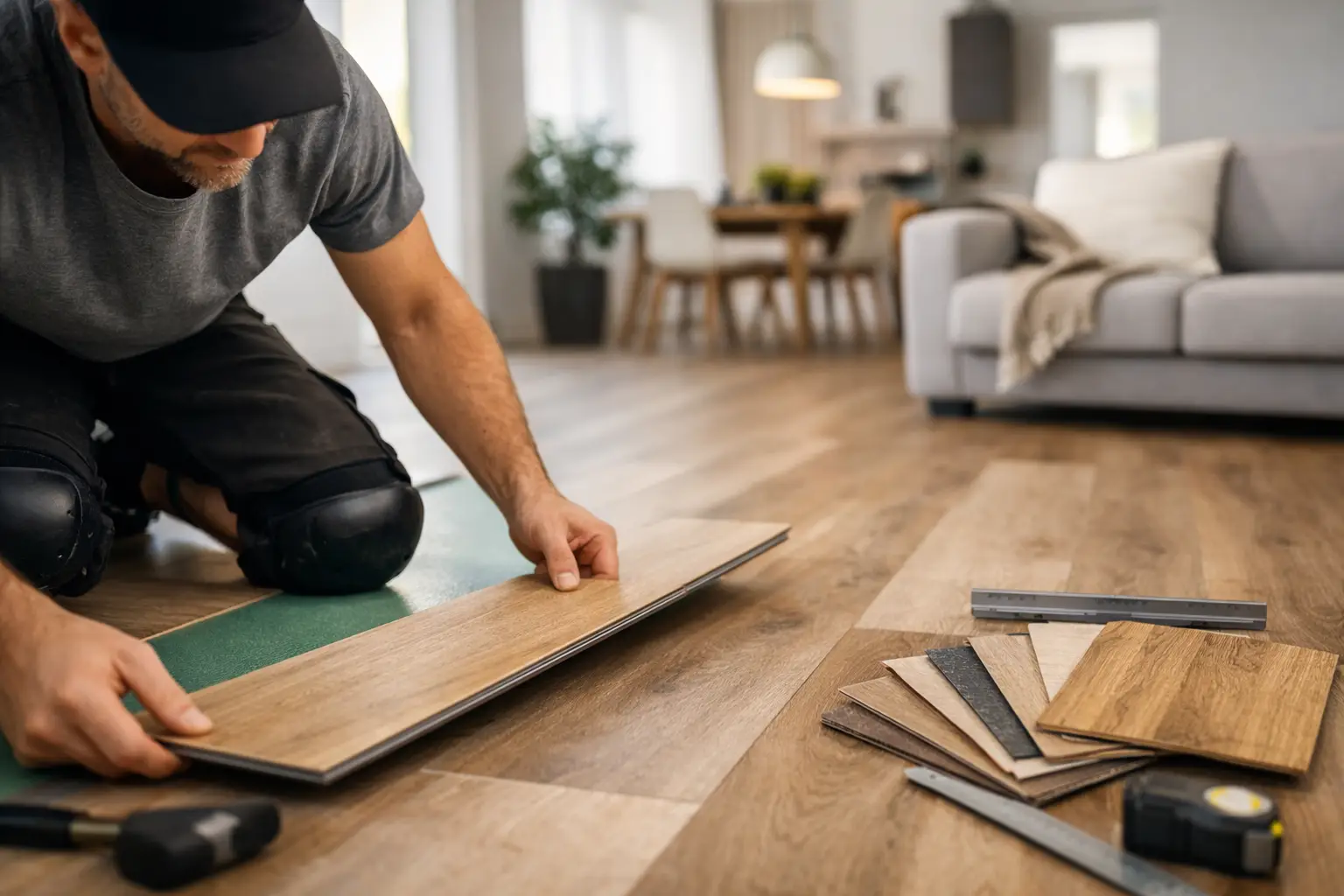
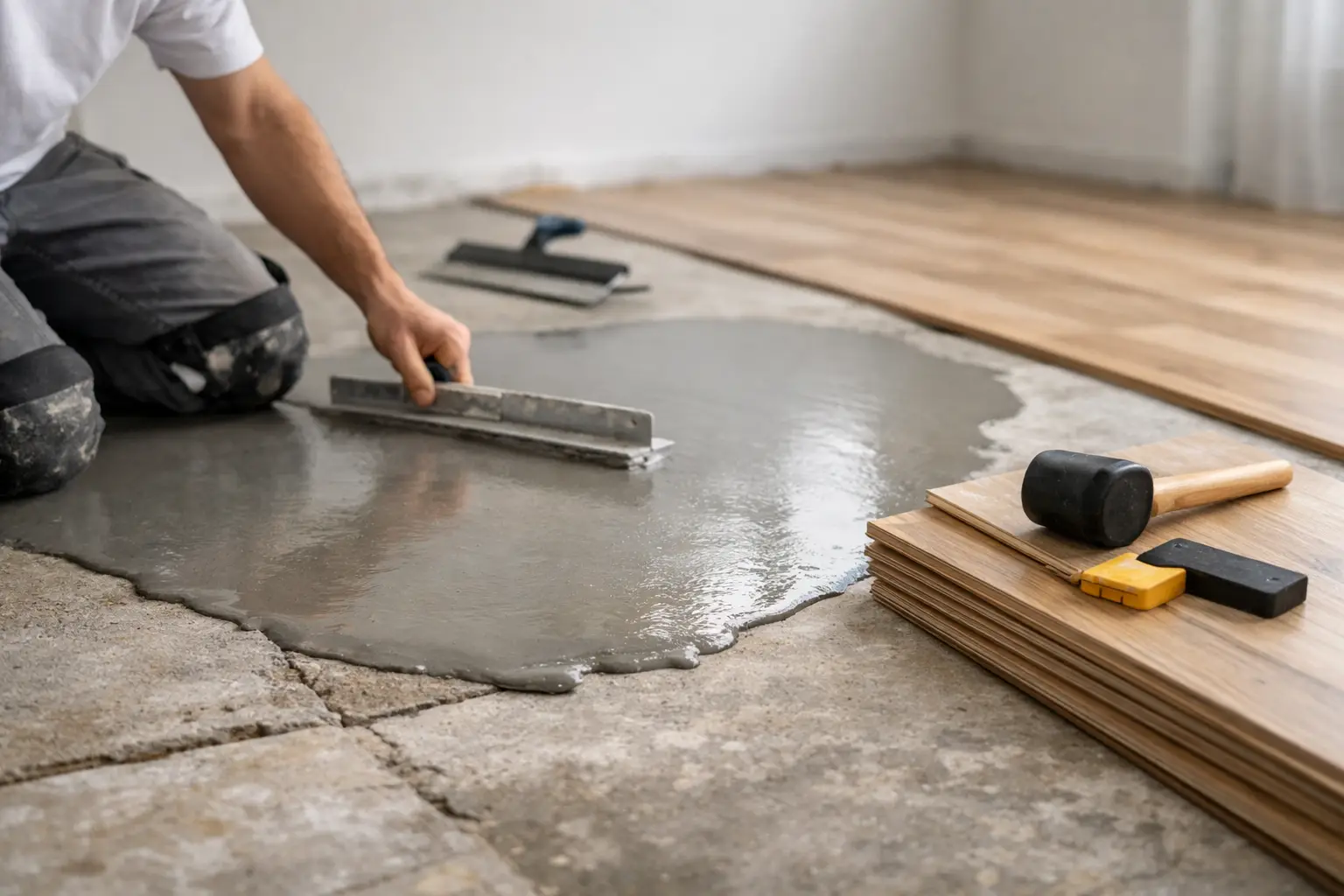
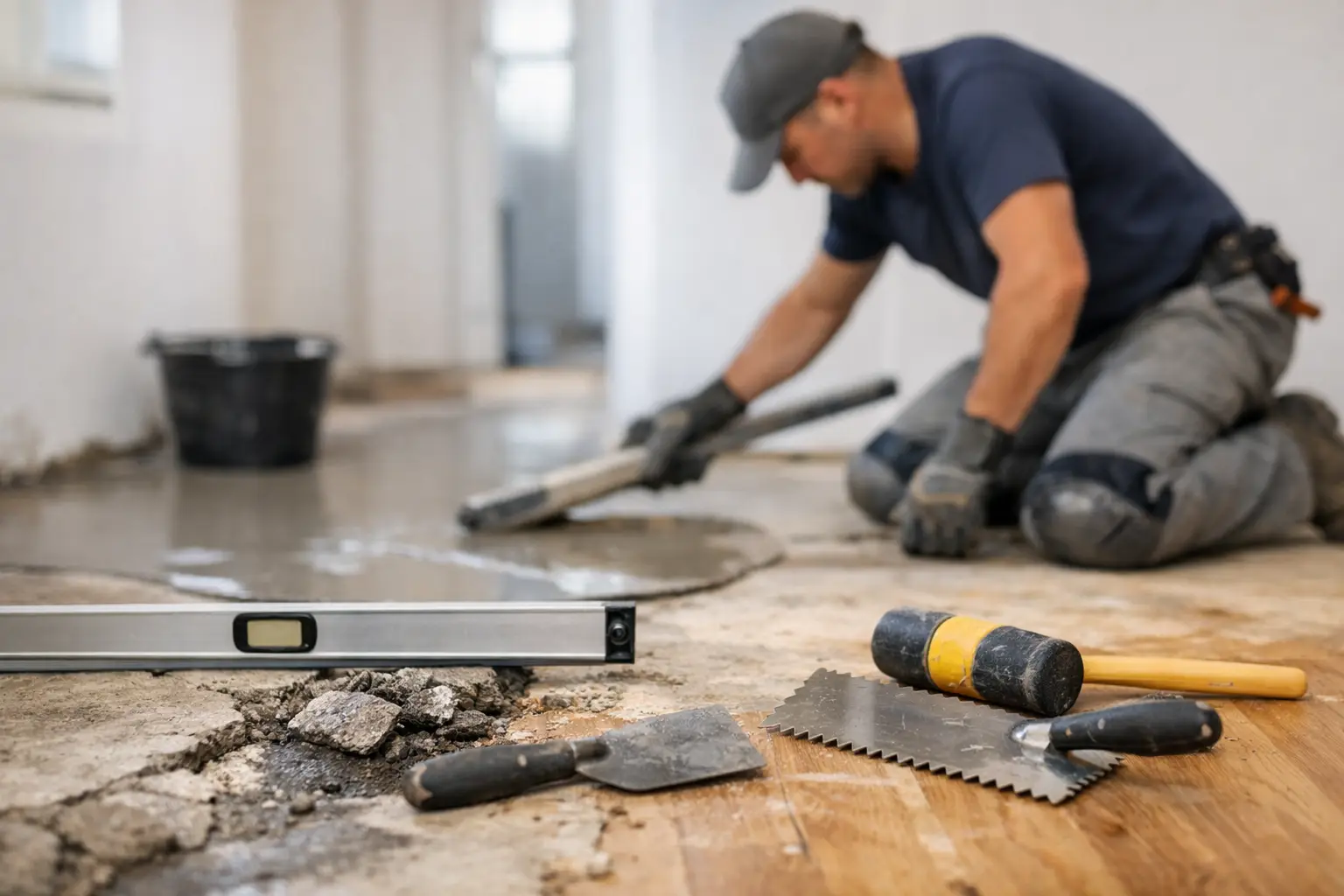
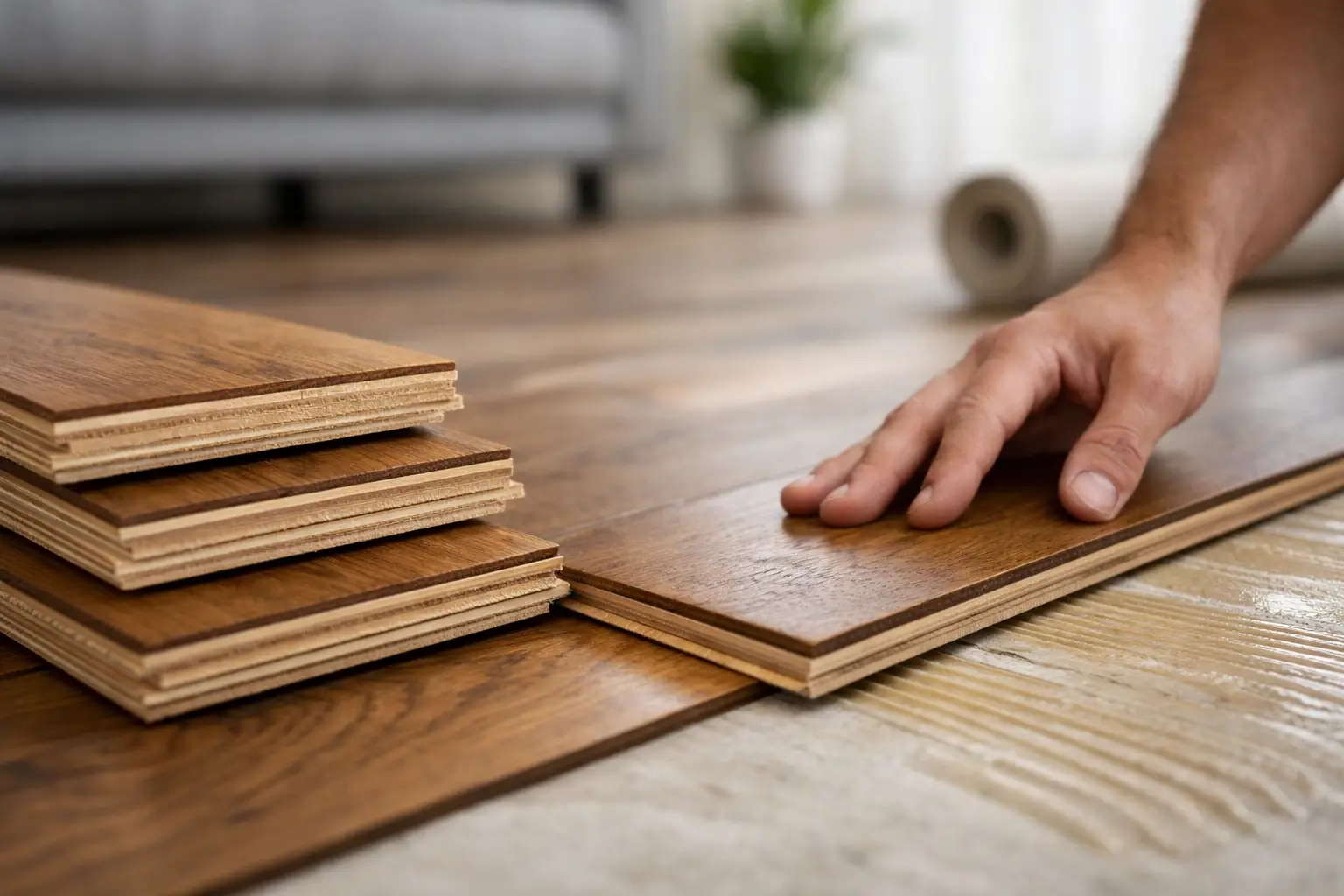
If the subfloor is uneven, weak or not properly prepared, you can end up with movement, hollow spots, premature wear and a finish that never looks quite right. This is why experienced installers spend time assessing moisture, level tolerance and the condition of the existing base before recommending a product or installation method.
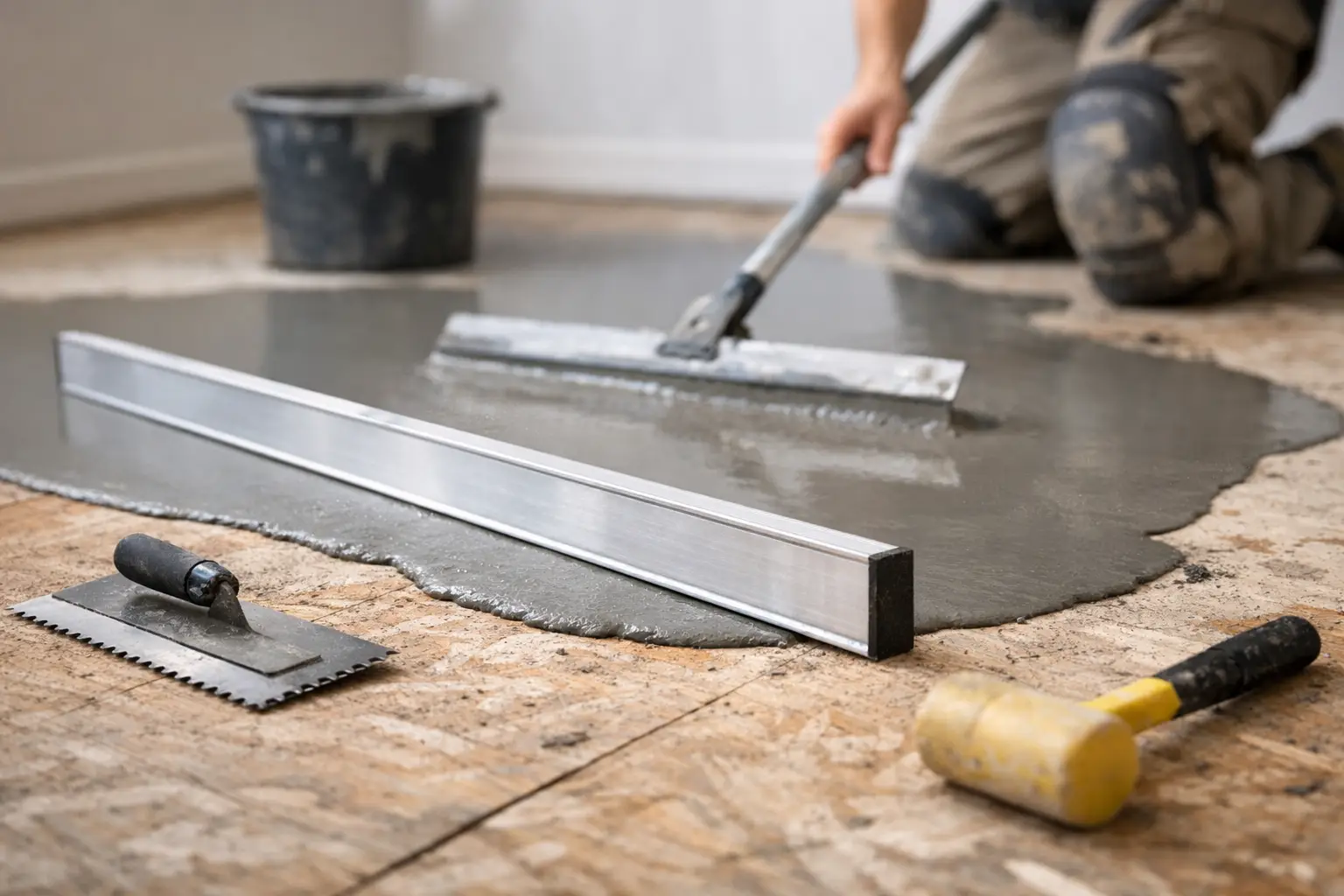
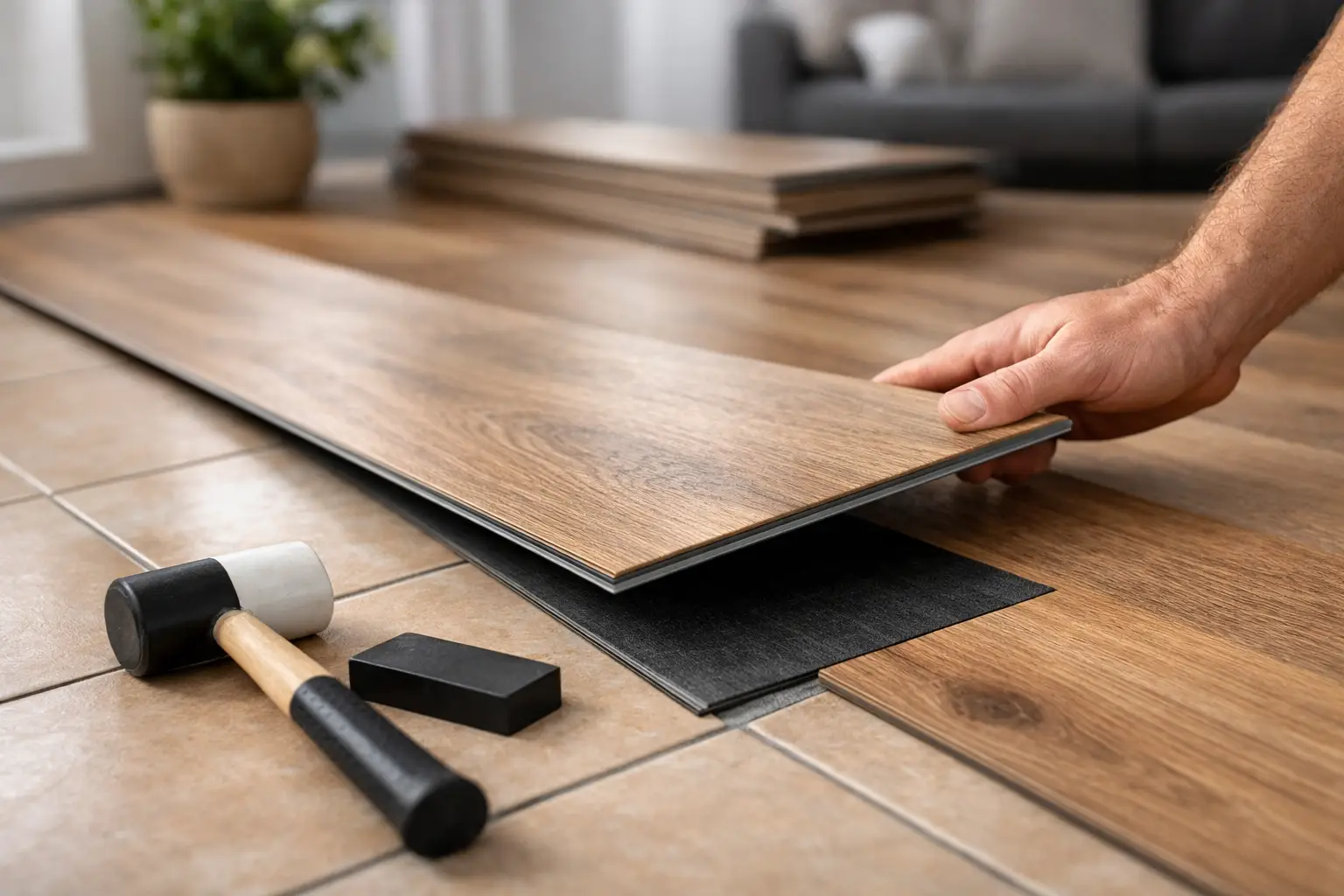
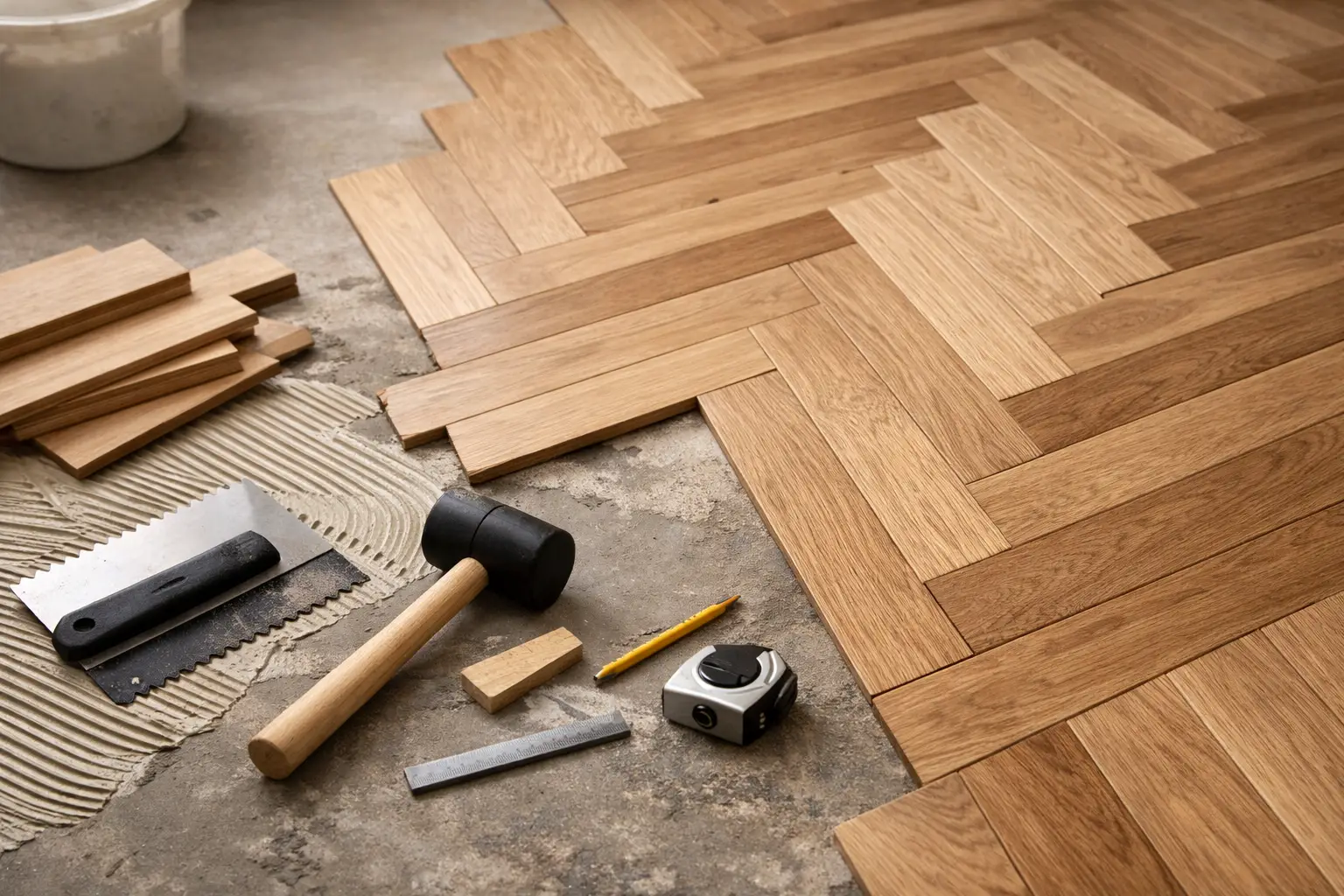
For many projects, self-levelling work is not an optional extra. It is the step that allows the finished floor to perform properly. A flatter, properly prepared subfloor supports better board contact, cleaner installation and a more durable result. Skipping that stage to save money often creates a more expensive problem later.
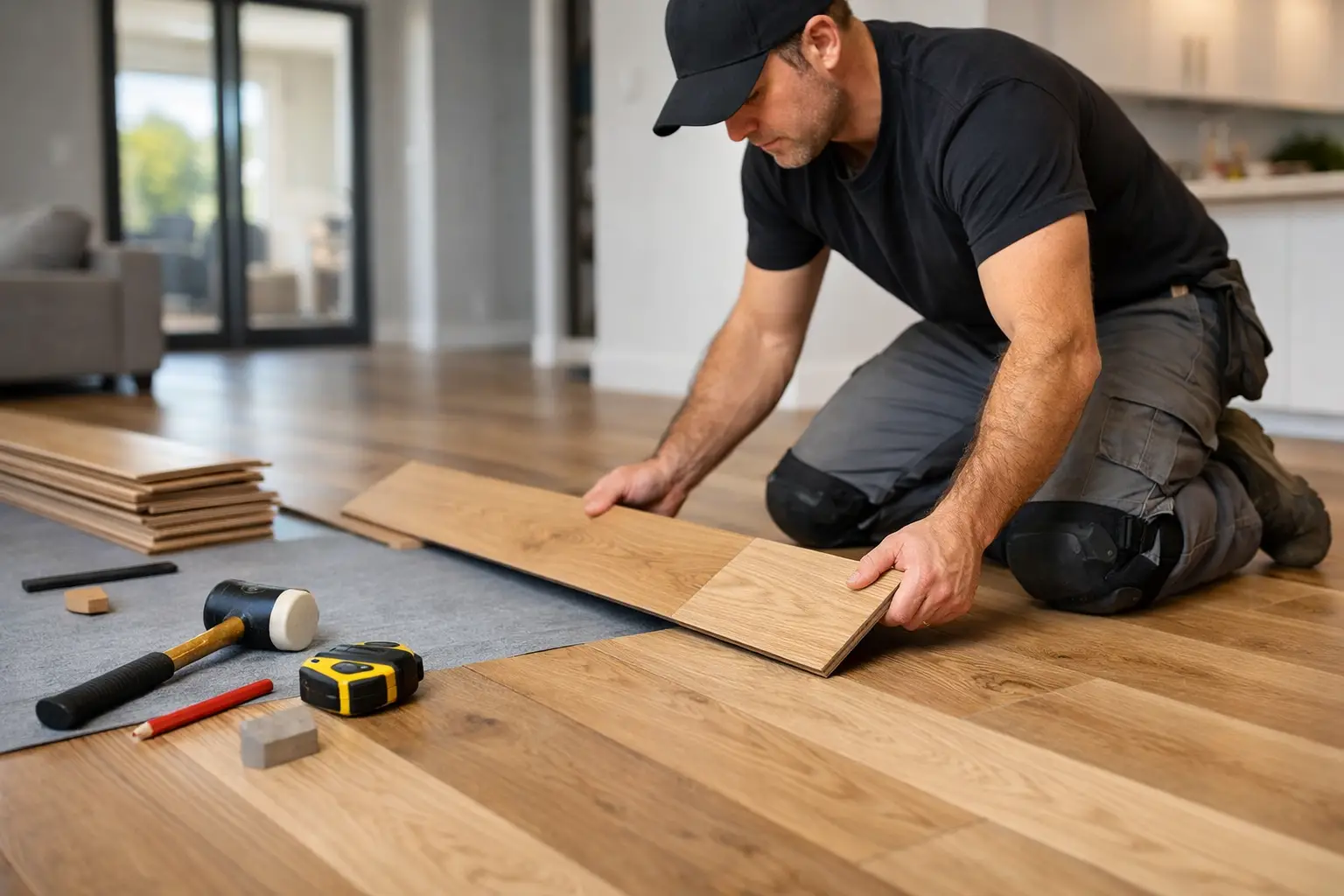
This is also why trade-led advice is worth more than showroom talk. Someone with installation experience will usually spot site issues early and explain what needs to happen before the first board goes down.
The right floor depends on the property type
A detached family home, an inner-city apartment and a commercial tenancy do not all need the same engineered timber product. The best choice depends on traffic, acoustics, subfloor type and the level of wear the space is likely to see.
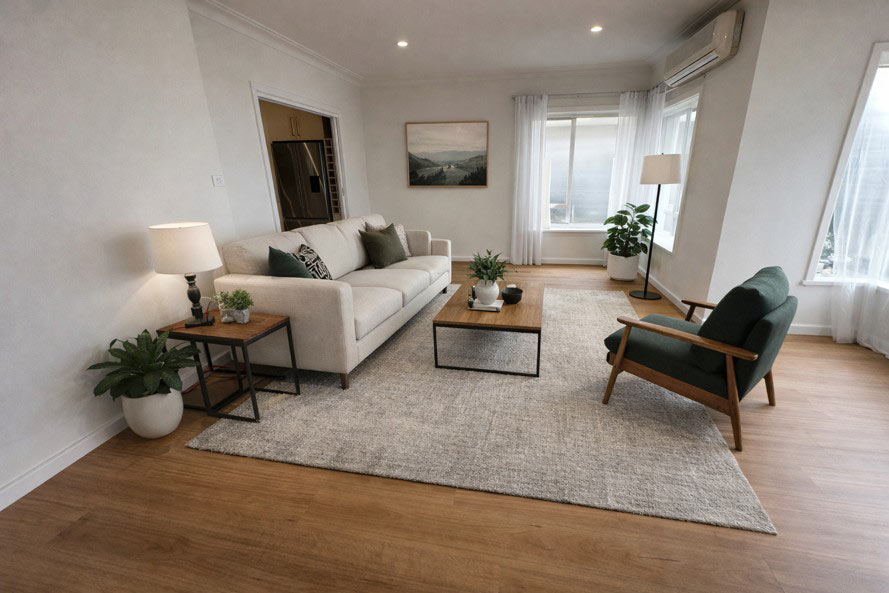
In family homes, scratch resistance and easy maintenance usually sit near the top of the list. Households with pets, kids or a lot of foot traffic tend to benefit from lower-sheen finishes and colours that hide everyday dust and marks a bit better.
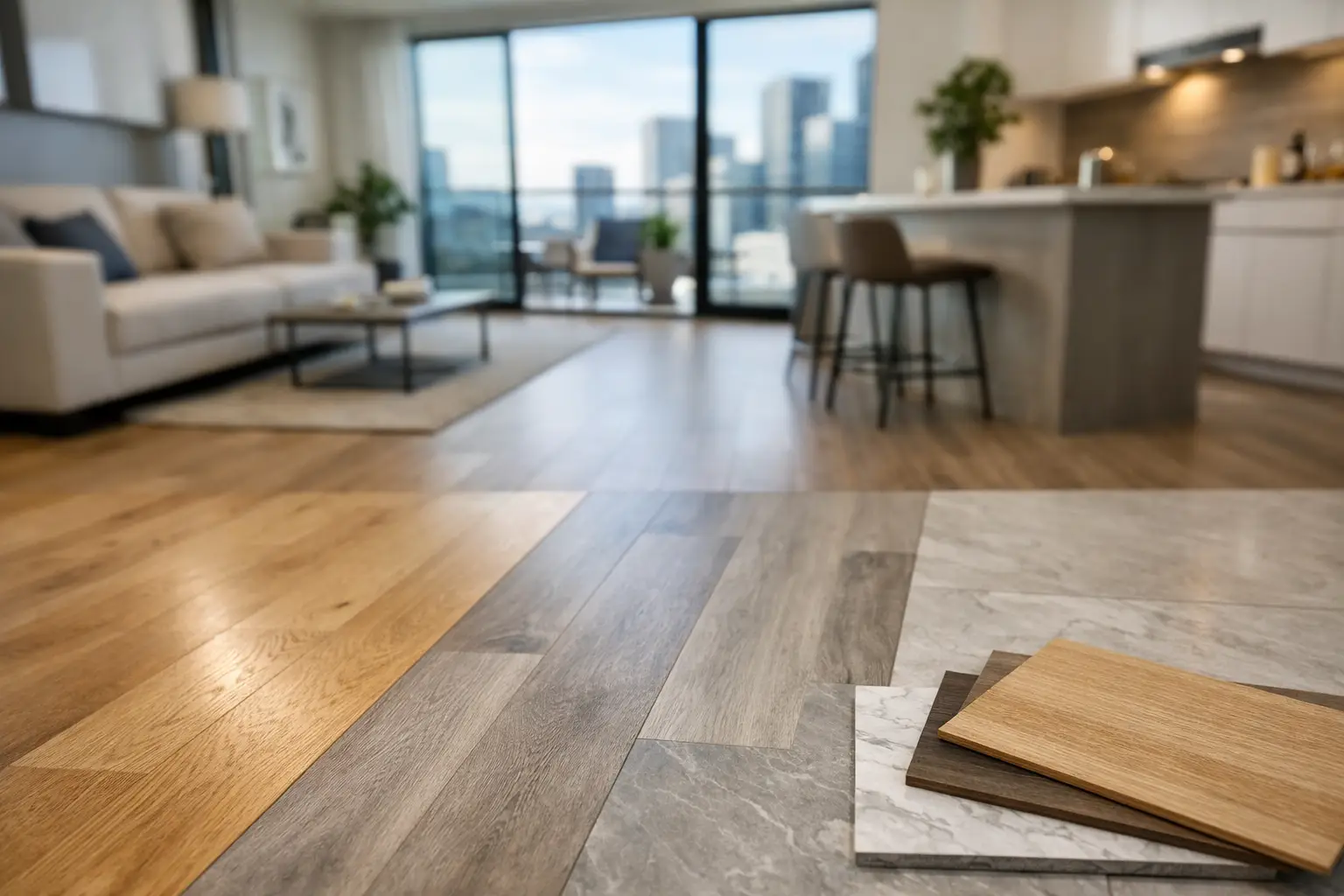
In apartments, acoustic performance can be just as important as appearance. Body corporate requirements may affect underlay selection, installation method and the type of board that can be used. This is an area where early advice can save a lot of back-and-forth.
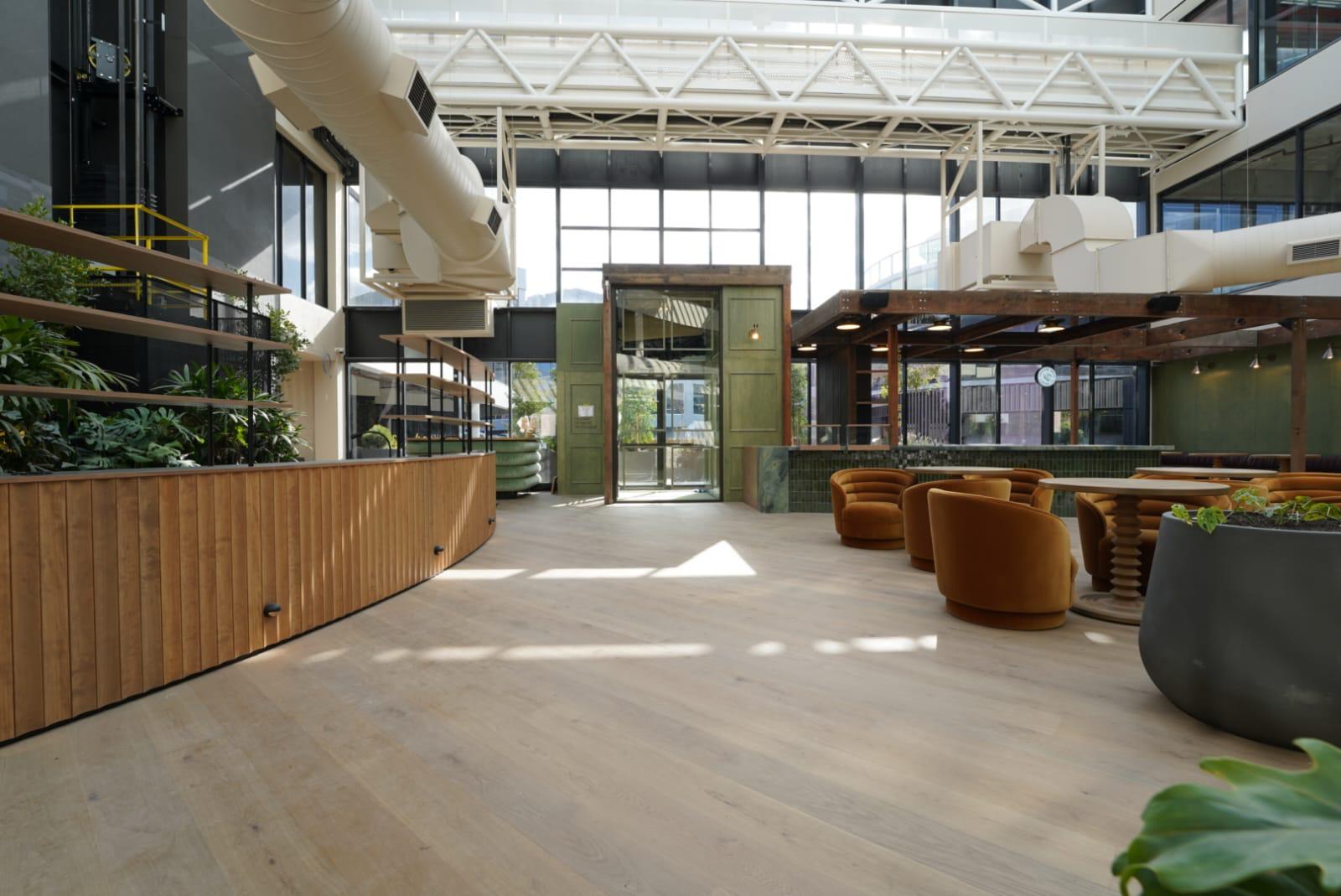
In commercial spaces, durability and consistency are usually the key concerns. The floor has to look professional, but it also needs to cope with traffic, furniture movement and tighter installation timelines. Some engineered timber products are far better suited to this than others.
Popular looks and what they say about quality
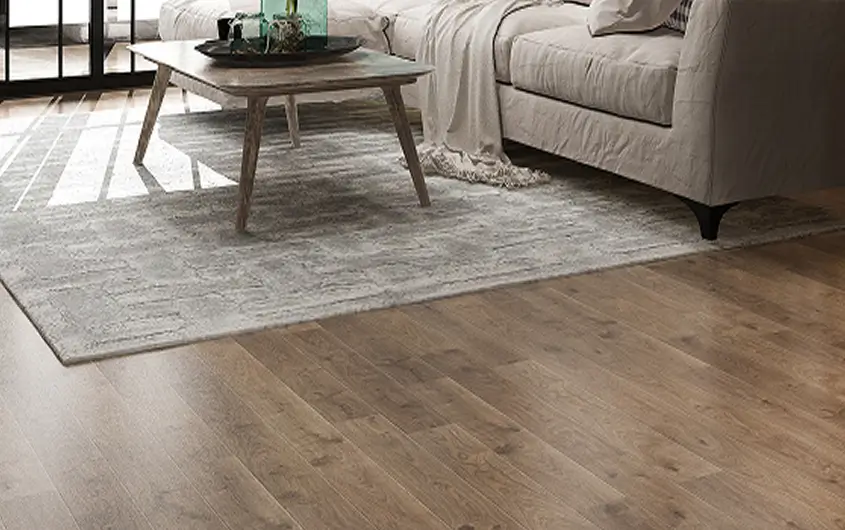
European oak remains one of the strongest choices for buyers who want a premium engineered timber floor. It offers a classic grain pattern, broad colour flexibility and a finish that works across both contemporary and traditional interiors. That popularity is well earned, but it also means there is a wide range in quality between products that look similar at first glance.
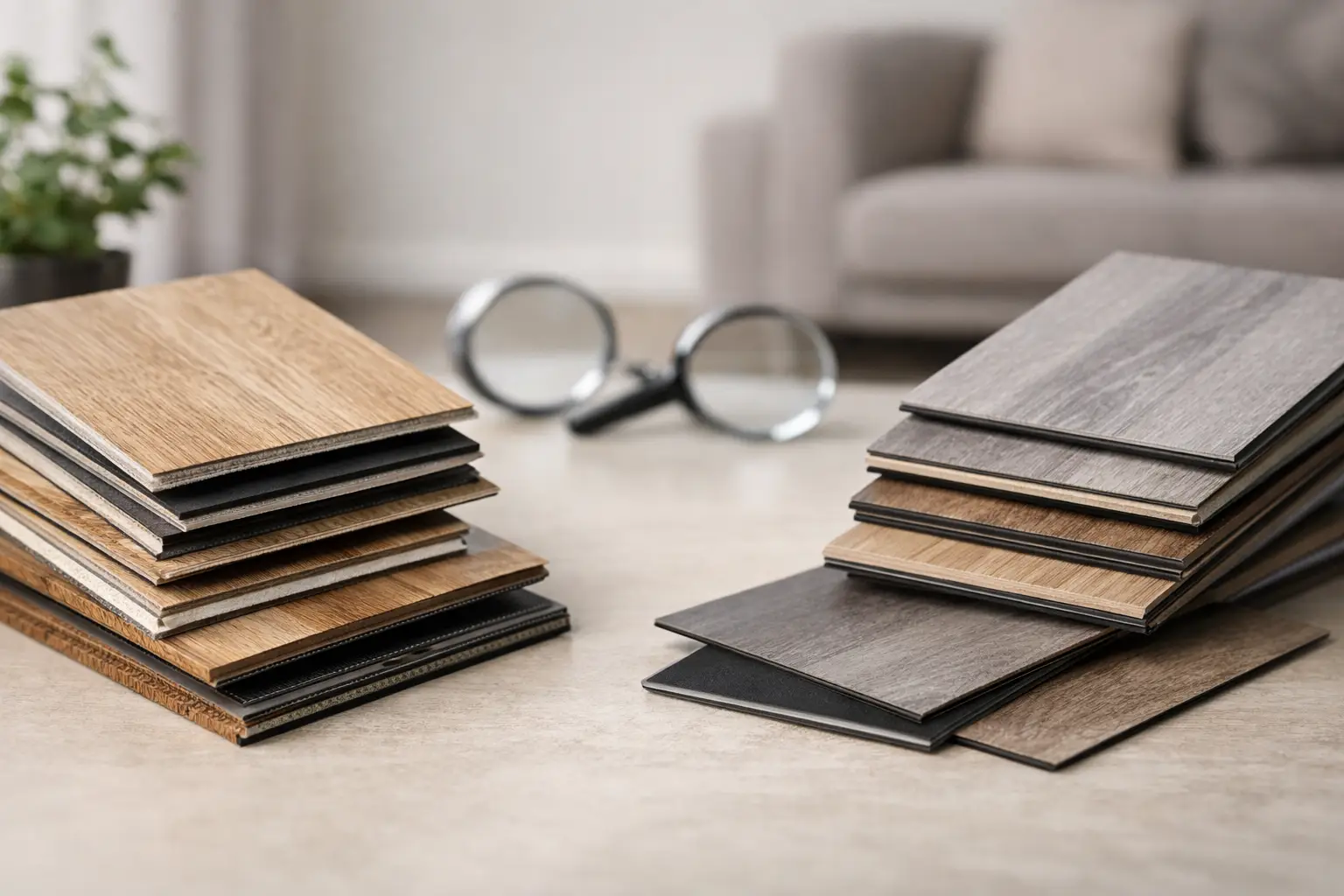
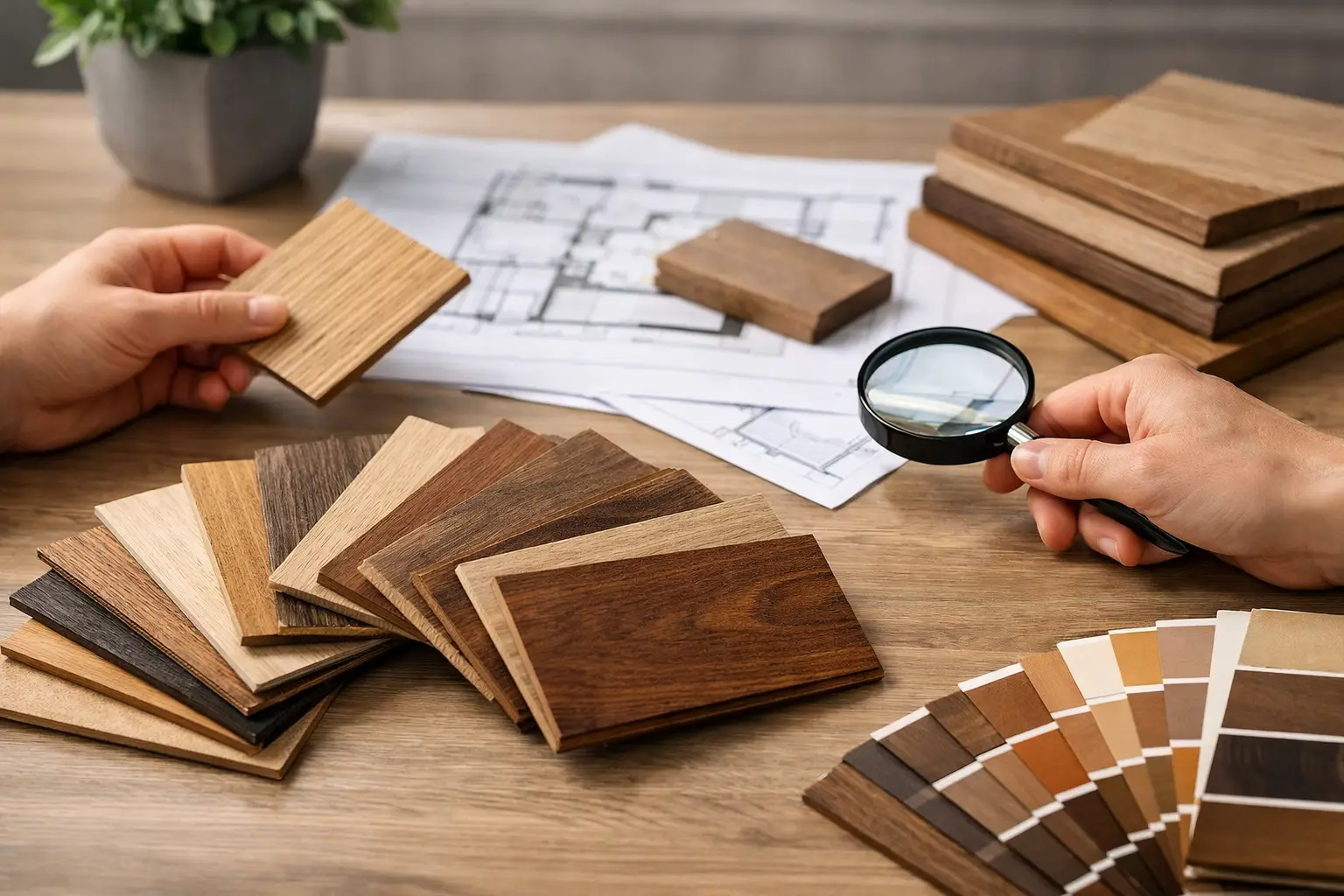
This is where samples alone are not enough. Two boards may share a similar colour, but differ heavily in core construction, coating quality and machining accuracy. Cleaner locking systems, better consistency across batches and a more reliable factory finish usually point to a better overall product.
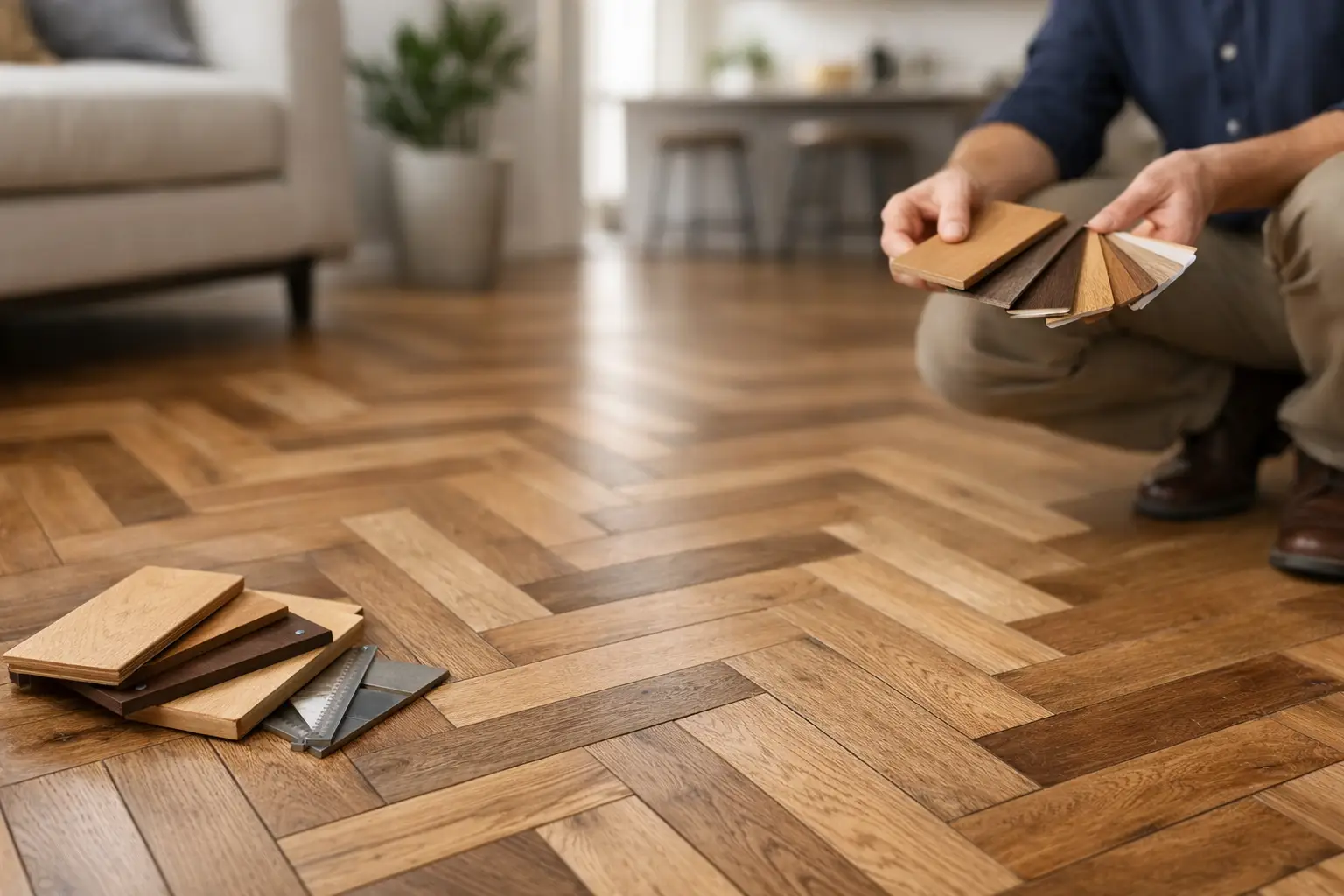
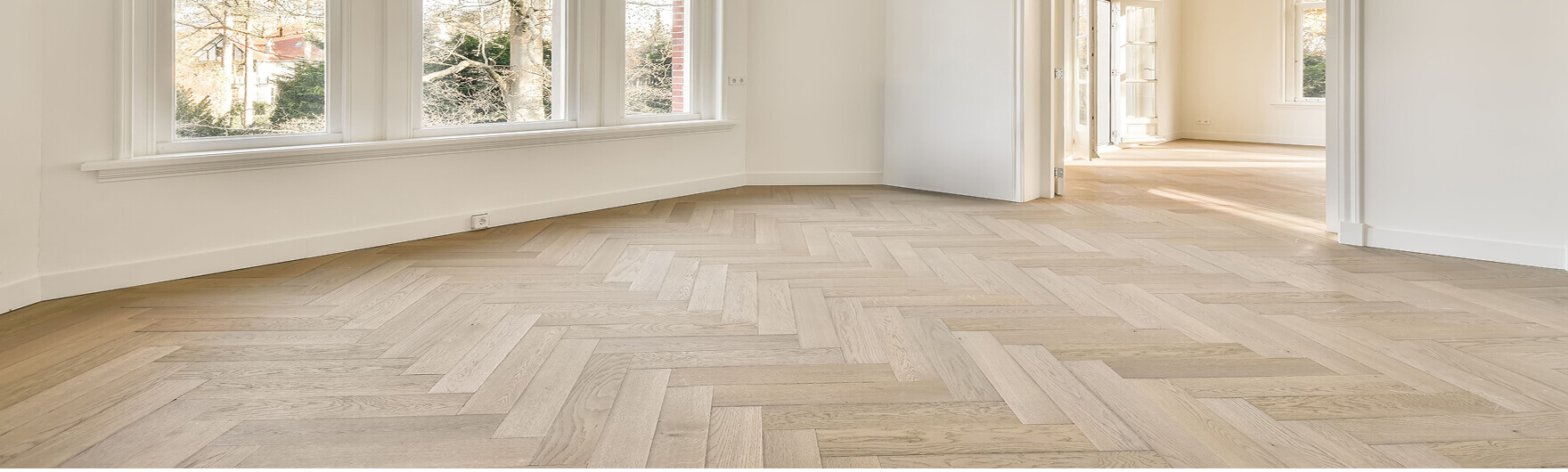
Herringbone is another format that continues to attract attention, particularly in feature areas and higher-end renovations. It can look outstanding, but it is less forgiving than standard plank installation. The product quality and installation accuracy need to be there, or the pattern will highlight every inconsistency.
How to avoid buying the wrong engineered timber floor
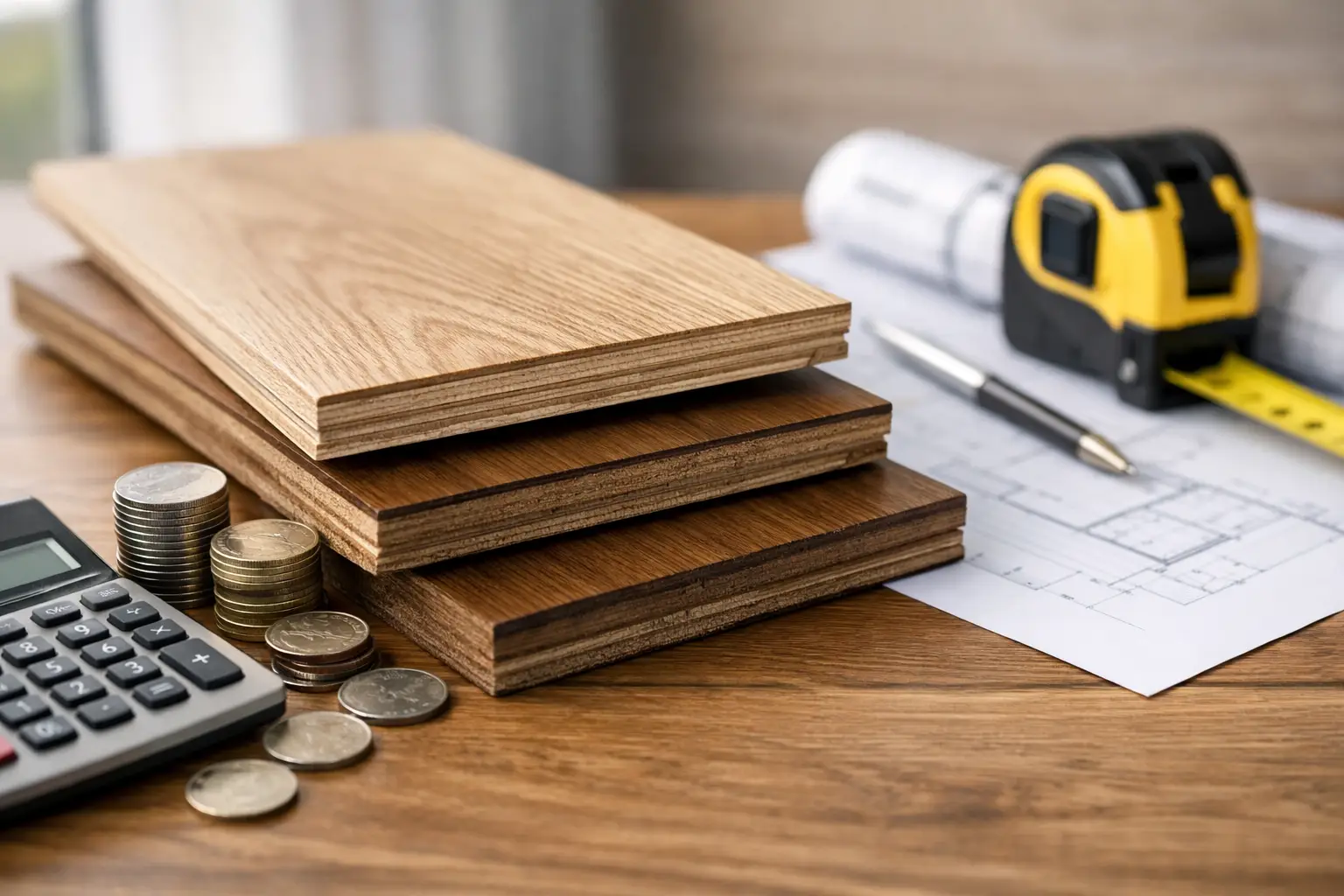
One of the most common mistakes is choosing based on price per square metre alone. Lower upfront cost can be attractive, especially during a renovation, but it rarely tells the full story. You need to account for preparation, installation complexity, longevity and how well the product suits the actual space.
Another mistake is assuming all engineered timber performs the same because the boards look similar on display. They do not. Manufacturing quality varies, and that difference becomes obvious once the floor is exposed to real-world use.
It also pays to ask who is giving the recommendation. Advice from former installers is usually more practical because it factors in the realities of moisture, slab condition, levelling work and fit-off detail. That is a major advantage for customers who want a floor that performs as well as it photographs.
For buyers in Melbourne, this is particularly relevant in renovations where old subfloors, apartment requirements and mixed-property conditions can all affect the final specification. A company like Melbourne Quality Timber Flooring approaches the process from both the product and installation side, which helps narrow down the right option faster and with fewer surprises.
So what is the best engineered timber flooring Australia offers?
The honest answer is that the best engineered timber flooring Australia offers is the one that suits your site, your style and your expectations for wear. Look for a well-made board with a genuine timber wear layer, stable core construction, a finish that fits your lifestyle and an installation plan that starts with proper preparation.
If you get those four things right, you are far more likely to end up with a floor that still feels like a good decision years from now. The smartest place to start is not with the cheapest sample or the trendiest colour, but with advice grounded in how the floor will actually live in your space.