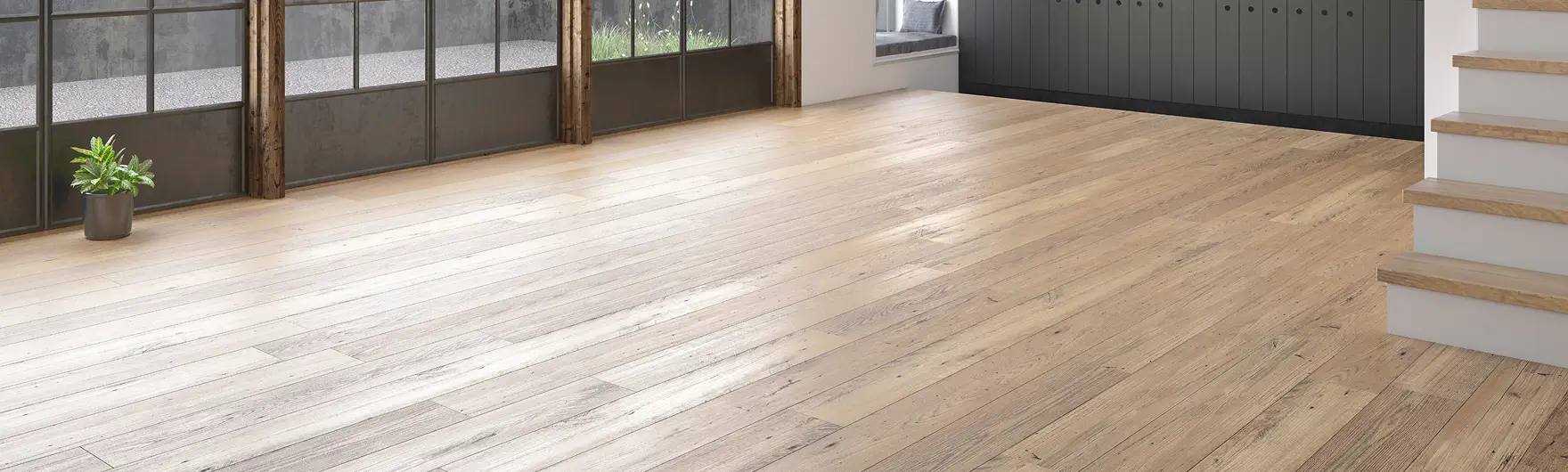
The gap between a cheap floor and a floor that still looks good in ten years usually shows up in the quote. That is why engineered timber flooring prices are worth looking at properly, not just as a square metre figure on a sample board. If you are comparing options for a home, apartment or commercial fit-out, the real cost comes down to product quality, subfloor condition and how the floor is installed.
Engineered timber is popular because it gives you the look and feel of real timber with more stability than solid boards. It suits modern homes, renovations and many apartments where height, acoustics and subfloor movement all need to be considered. But the price range can be wide, and there is usually a reason for that.
Table of Contents
What do engineered timber flooring prices usually include?
When people talk about price, they often mean different things. One supplier may advertise product only. Another may include underlay. Another may quote supply and installation but leave out subfloor levelling, trims or floor preparation. That is where confusion starts.
In most cases, engineered timber flooring prices can be broken into three parts: the boards themselves, installation labour and preparation work. If the subfloor is flat, dry and ready to go, the final figure stays more predictable. If it needs levelling, moisture management or old flooring removal, the price moves quickly.
This is why a proper measure and quote matters. A showroom sample can tell you what the floor looks like, but it cannot tell you what your slab, existing tiles or uneven subfloor will cost to deal with.
Product cost depends on more than the species
A lot of buyers start by asking whether oak is more expensive than Australian species or vice versa. Species matters, but it is only one part of the price.
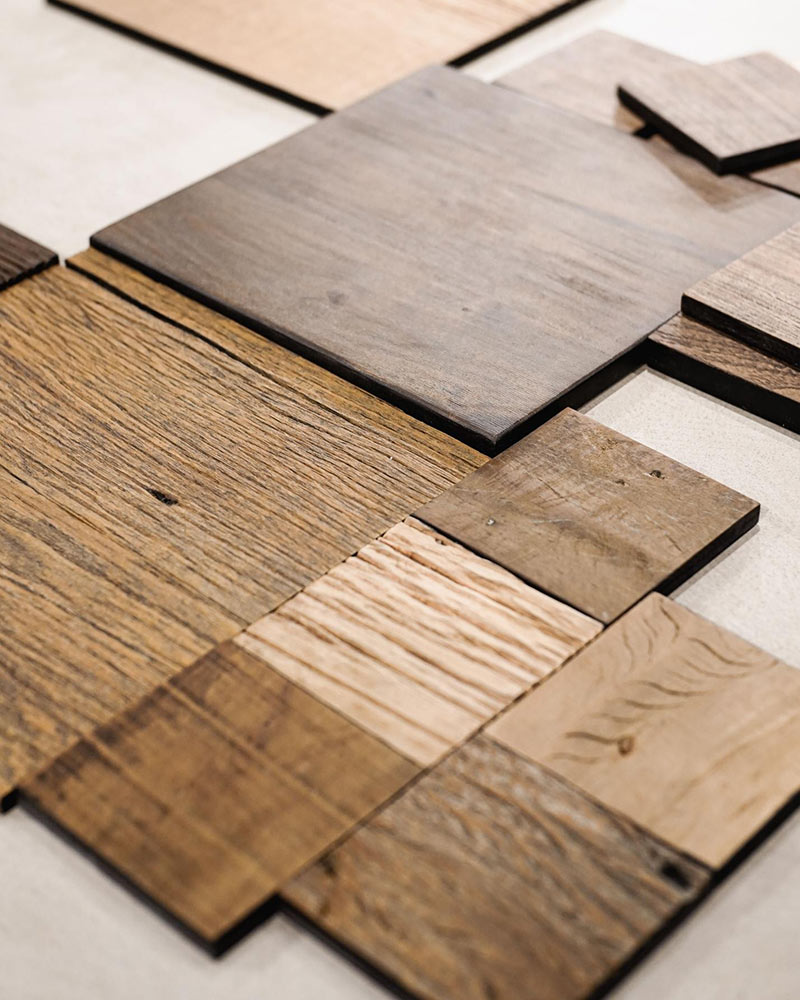
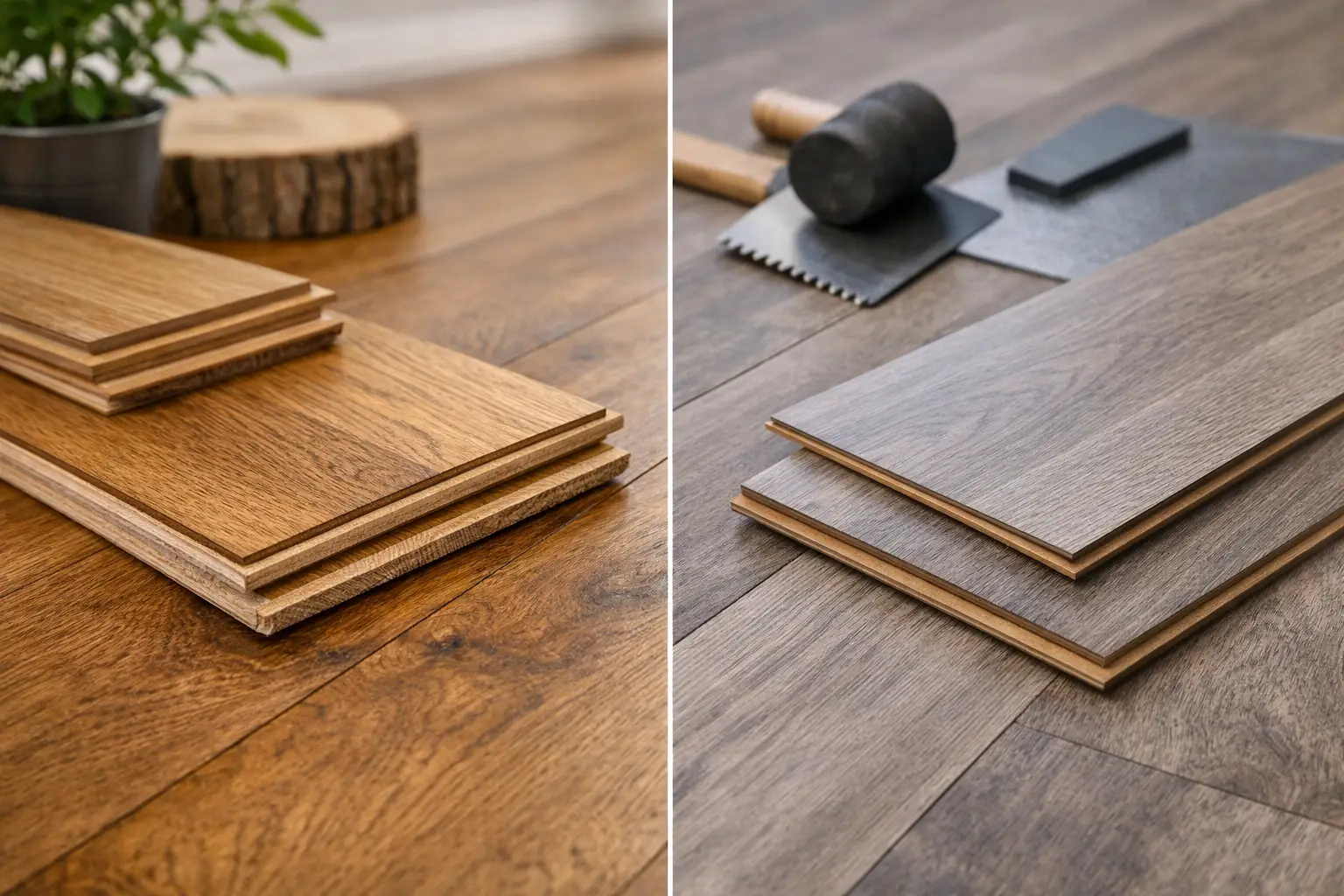
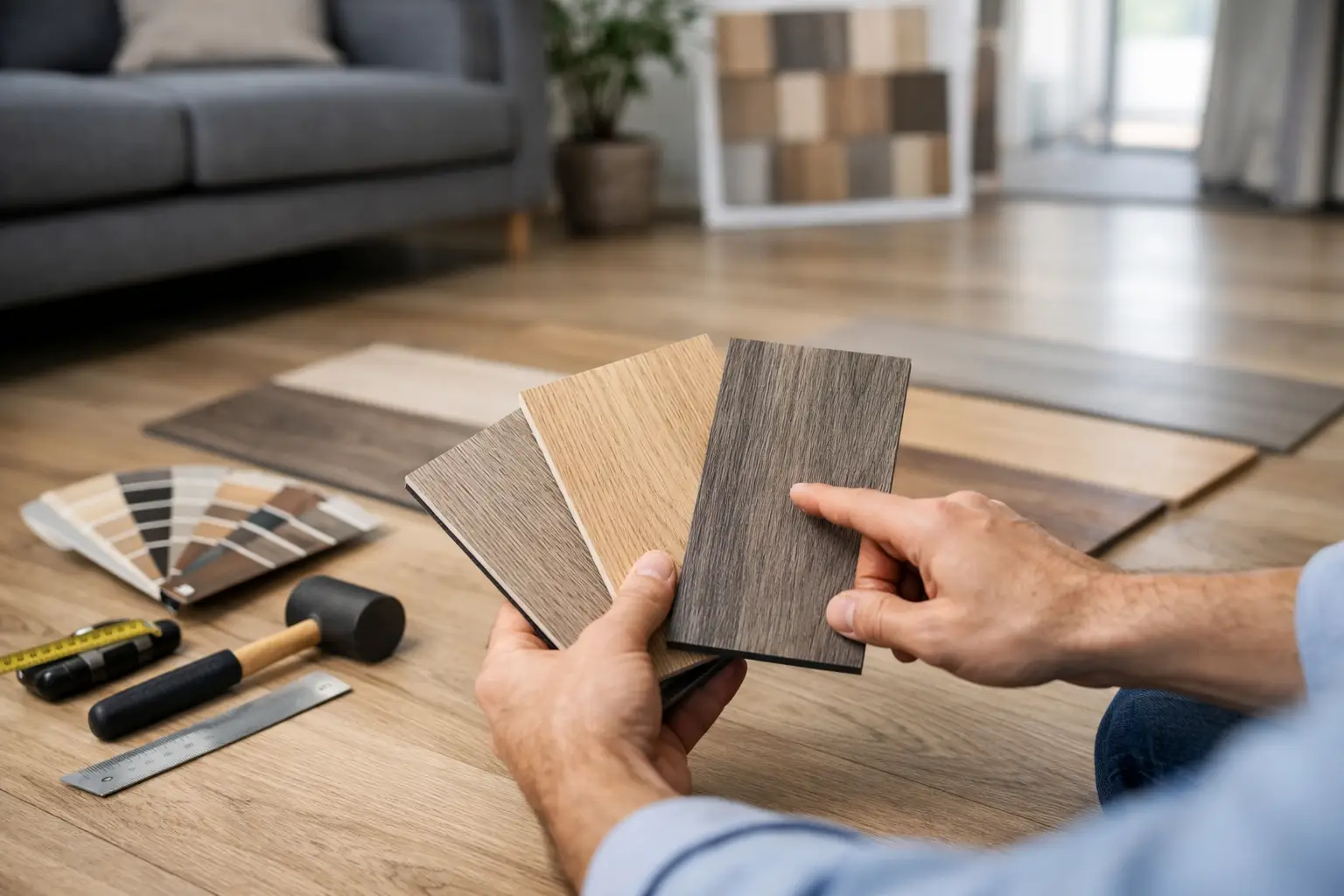
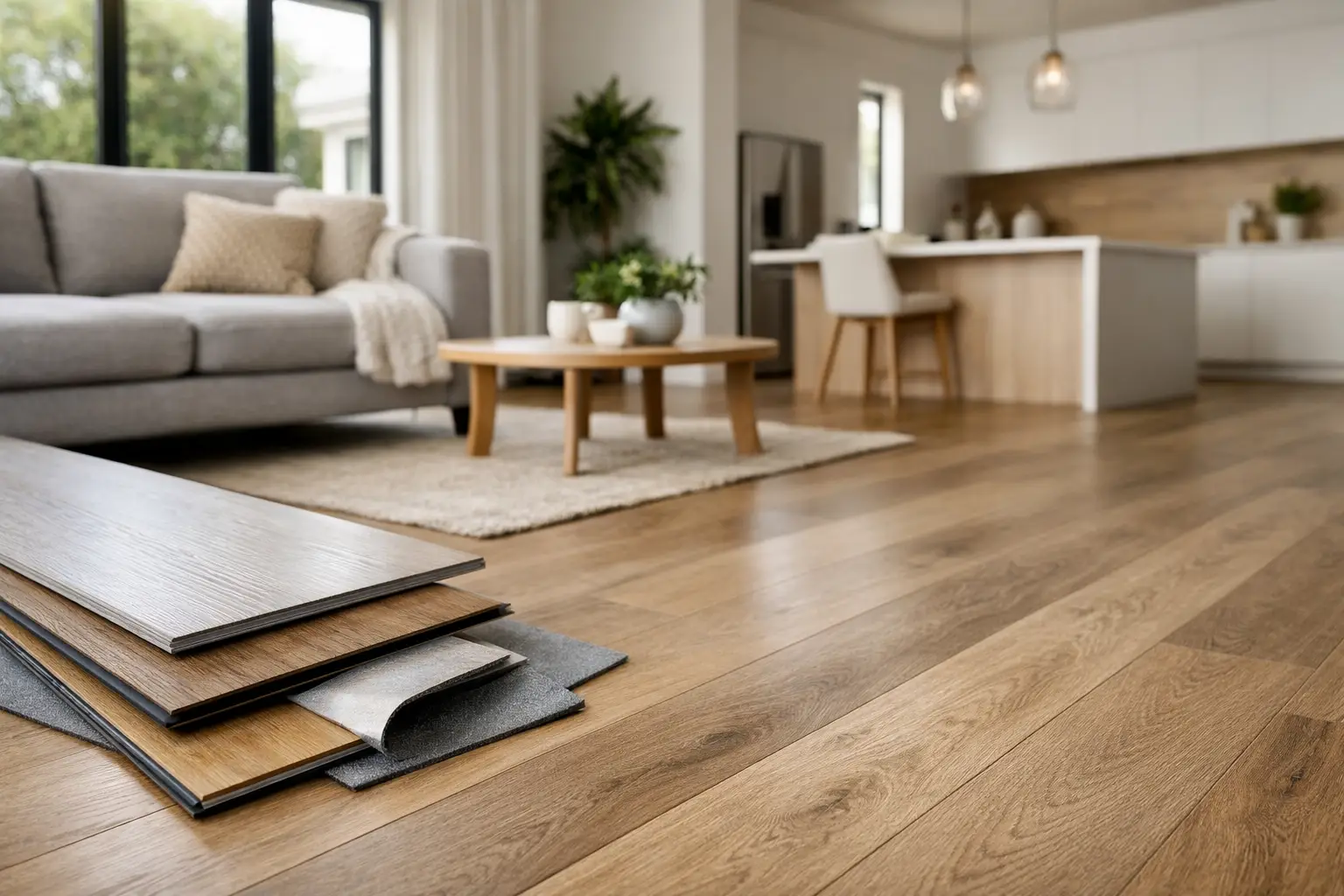
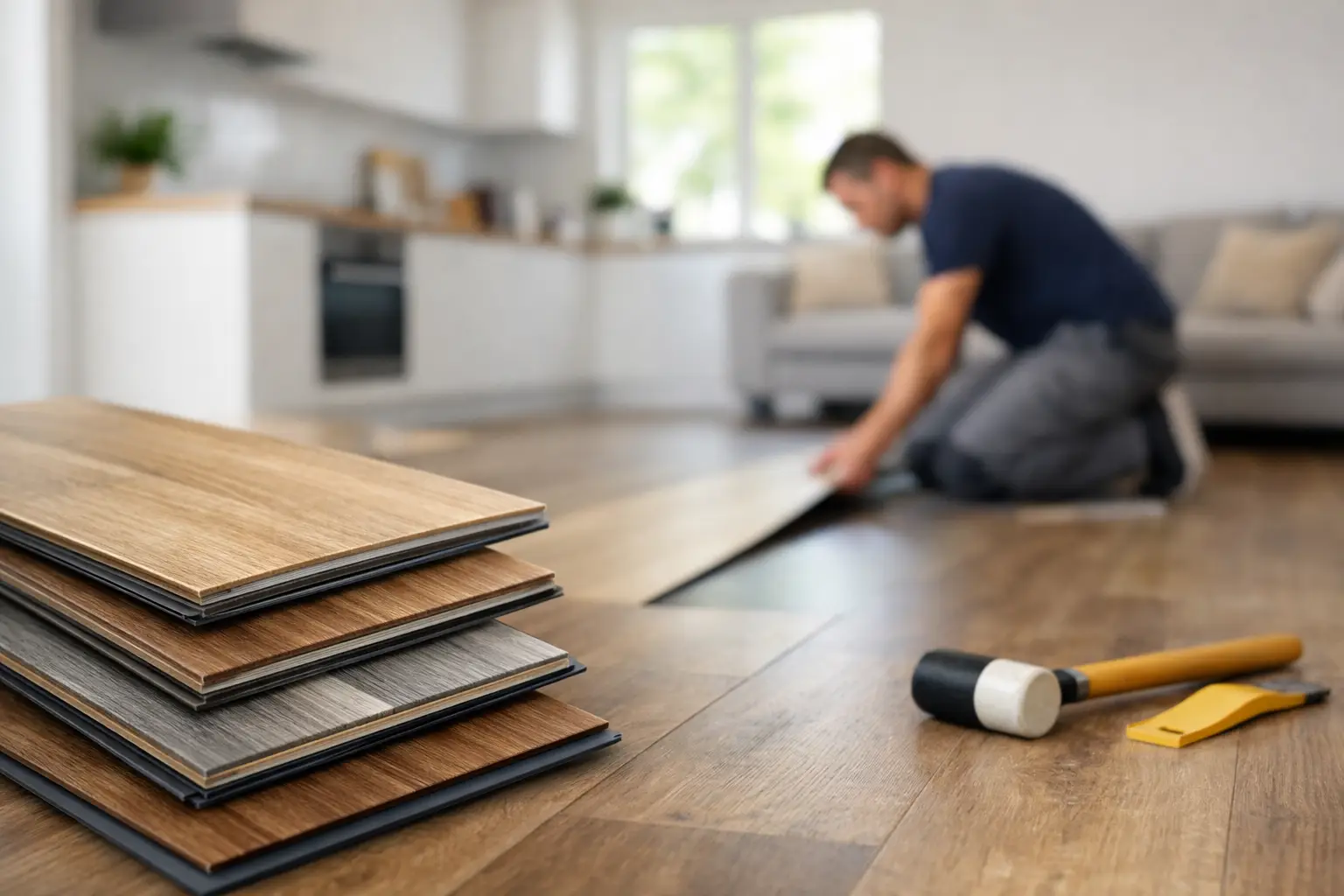
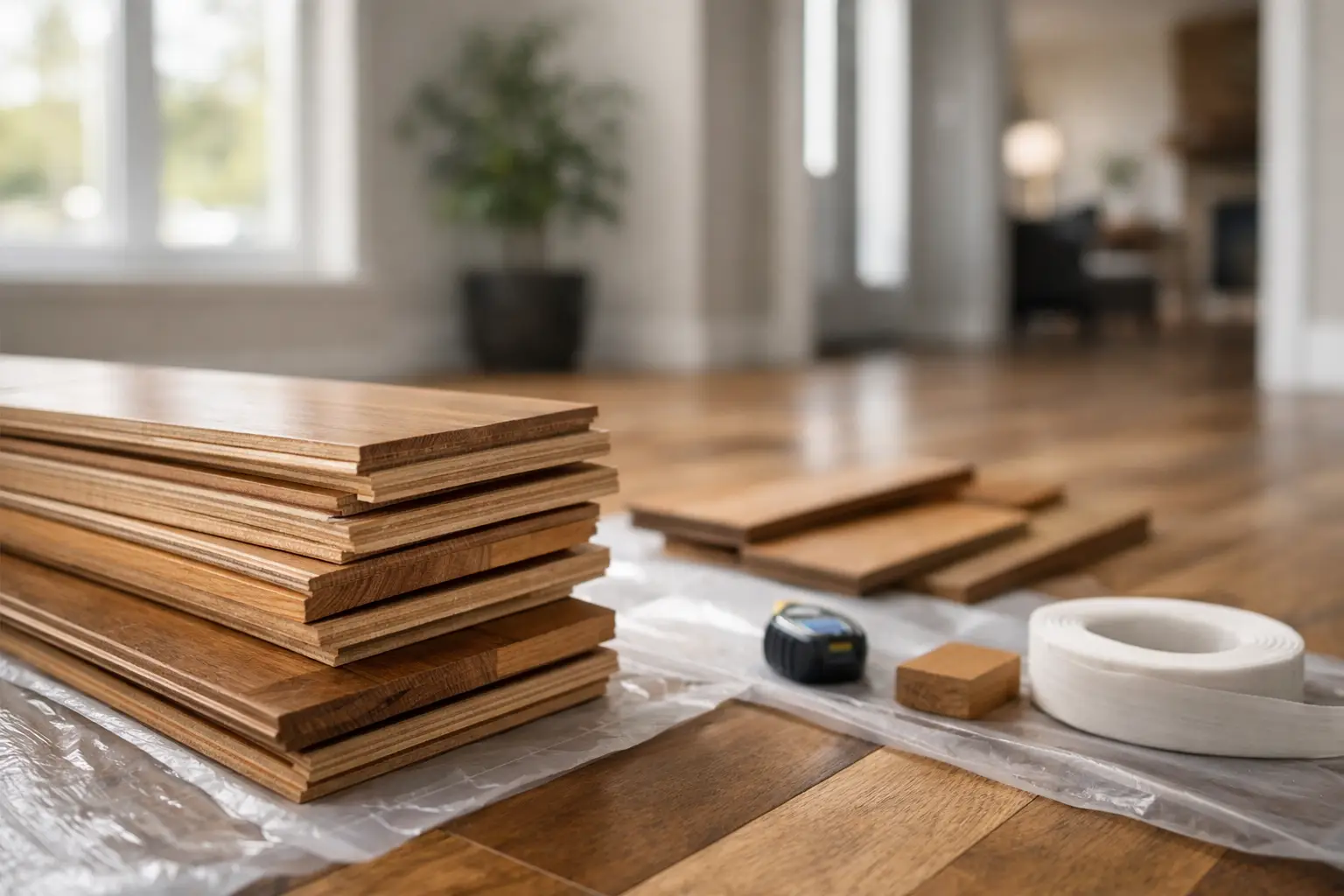
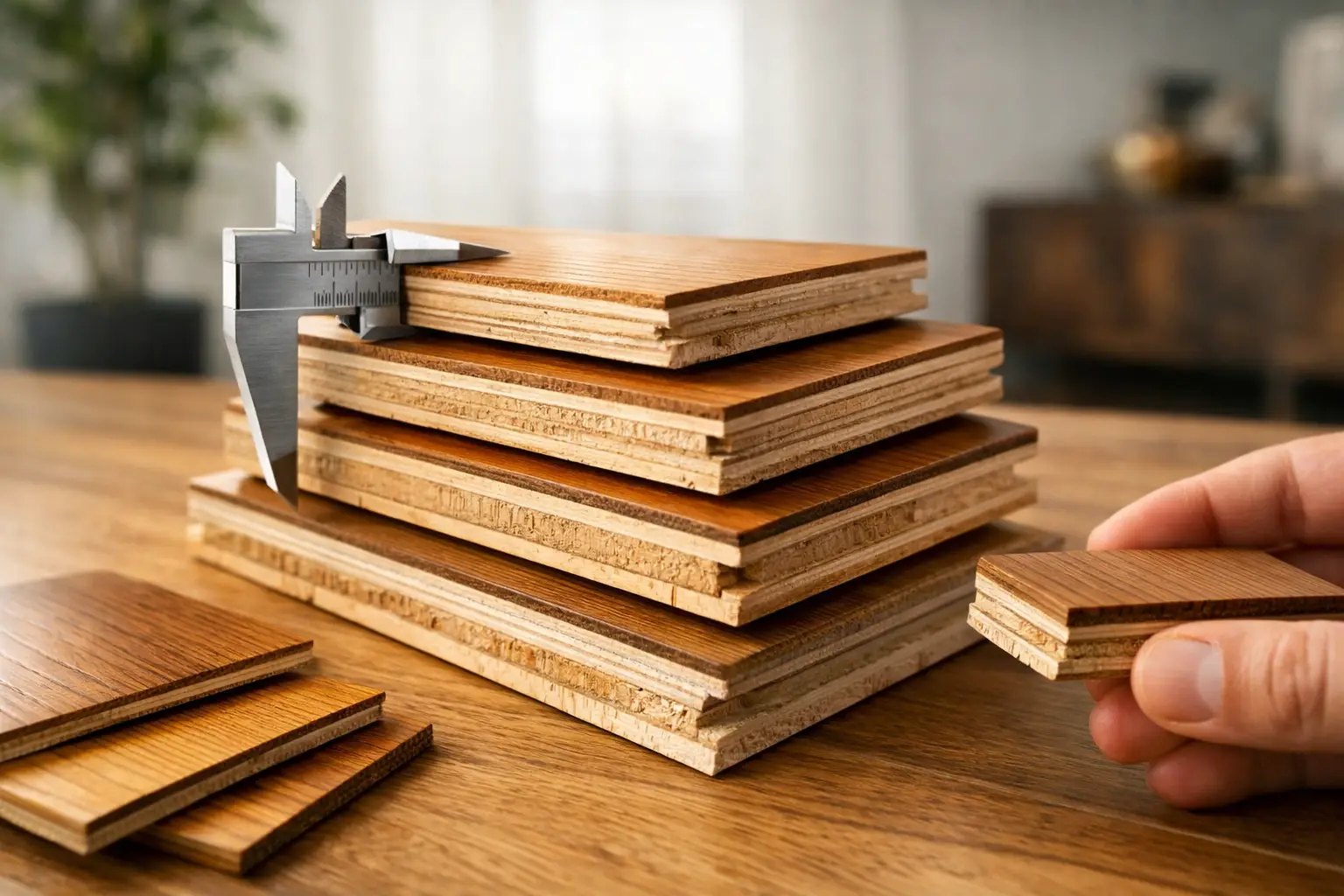
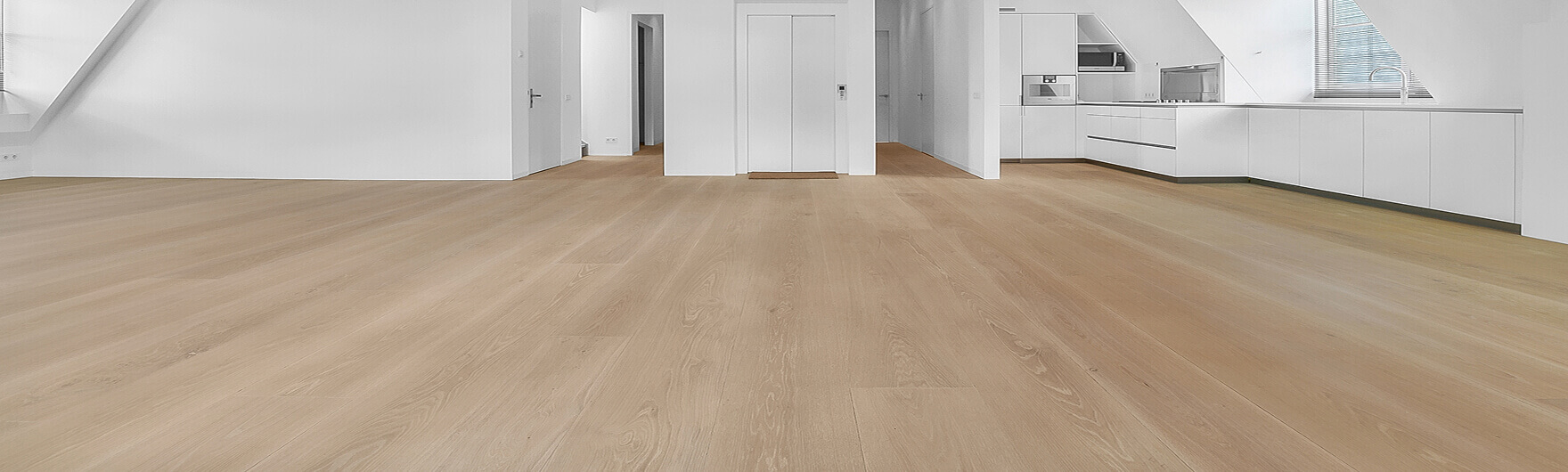
Board dimensions make a difference. Wider and longer boards usually cost more because they create a more premium look and require tighter manufacturing tolerances. The veneer or wear layer also matters. A thicker top layer generally gives you a better-quality product and, in some cases, more refinishing potential down the track.
Core construction plays a role too. Not all engineered boards are built the same way. Higher-quality products tend to have more stable cores, better bonding and more consistent machining. That means easier installation, fewer issues with movement and cleaner joins across the floor.
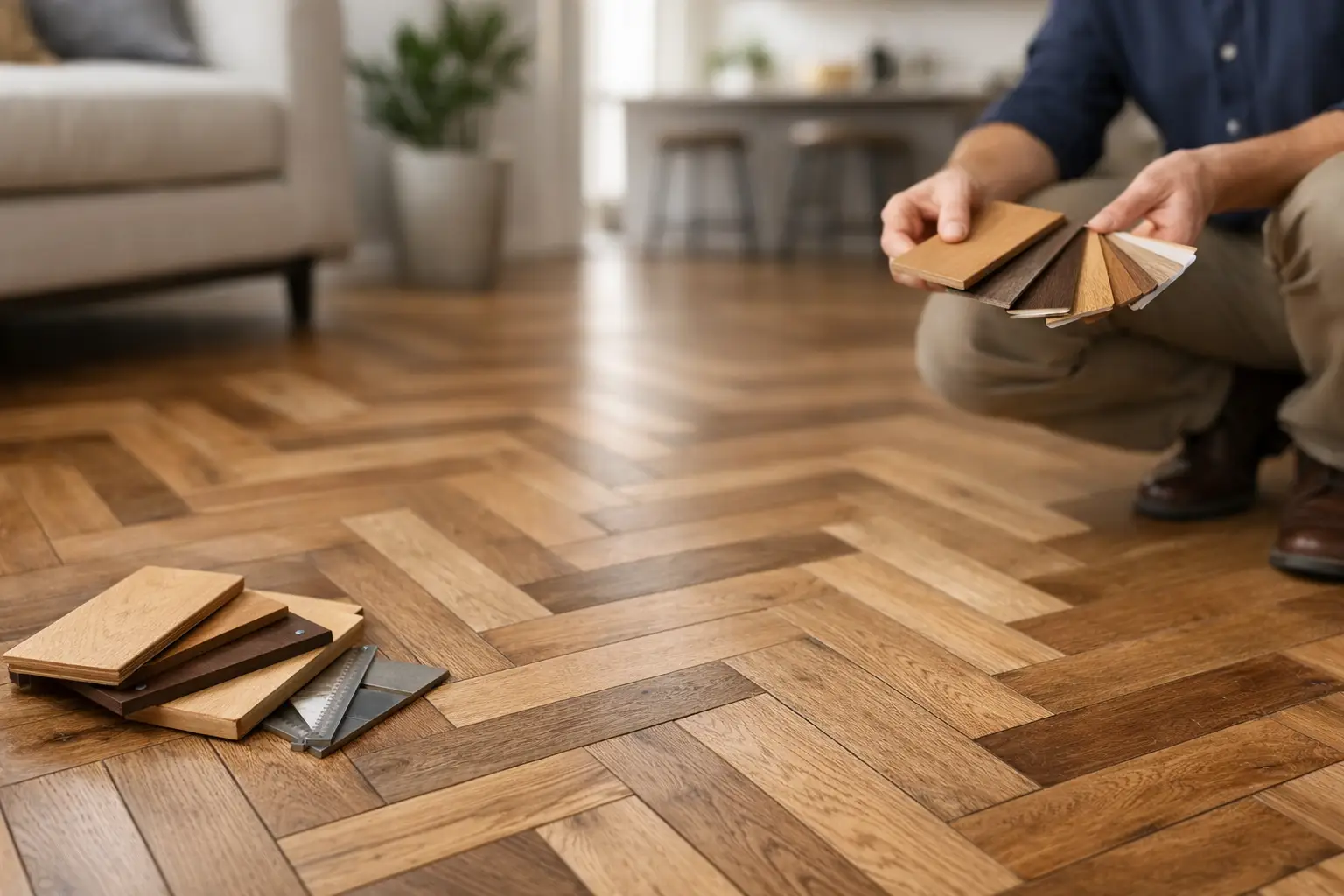
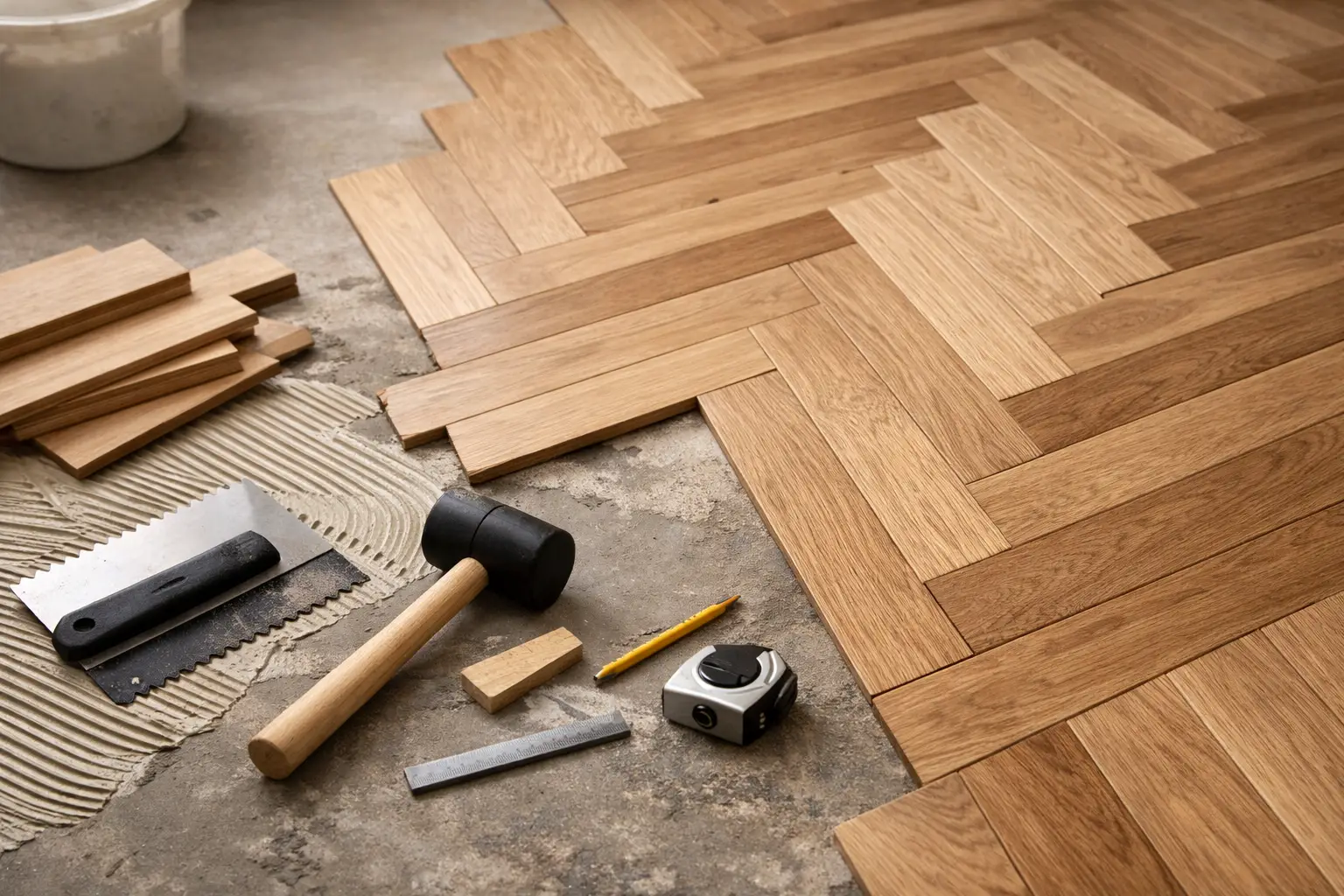
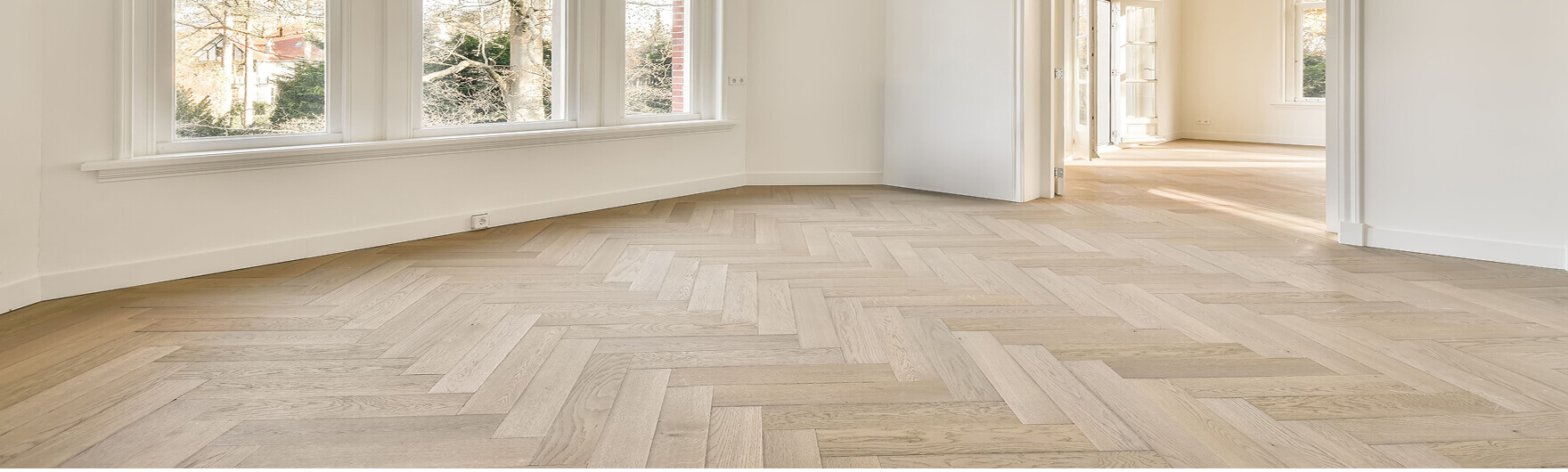
Finish is another factor. Brushed, matte, smoked, stained and UV-cured finishes can all affect cost. Herringbone and other patterned formats sit higher again because the product itself is more specialised and installation is more labour-intensive.
Why cheap engineered timber often costs more later
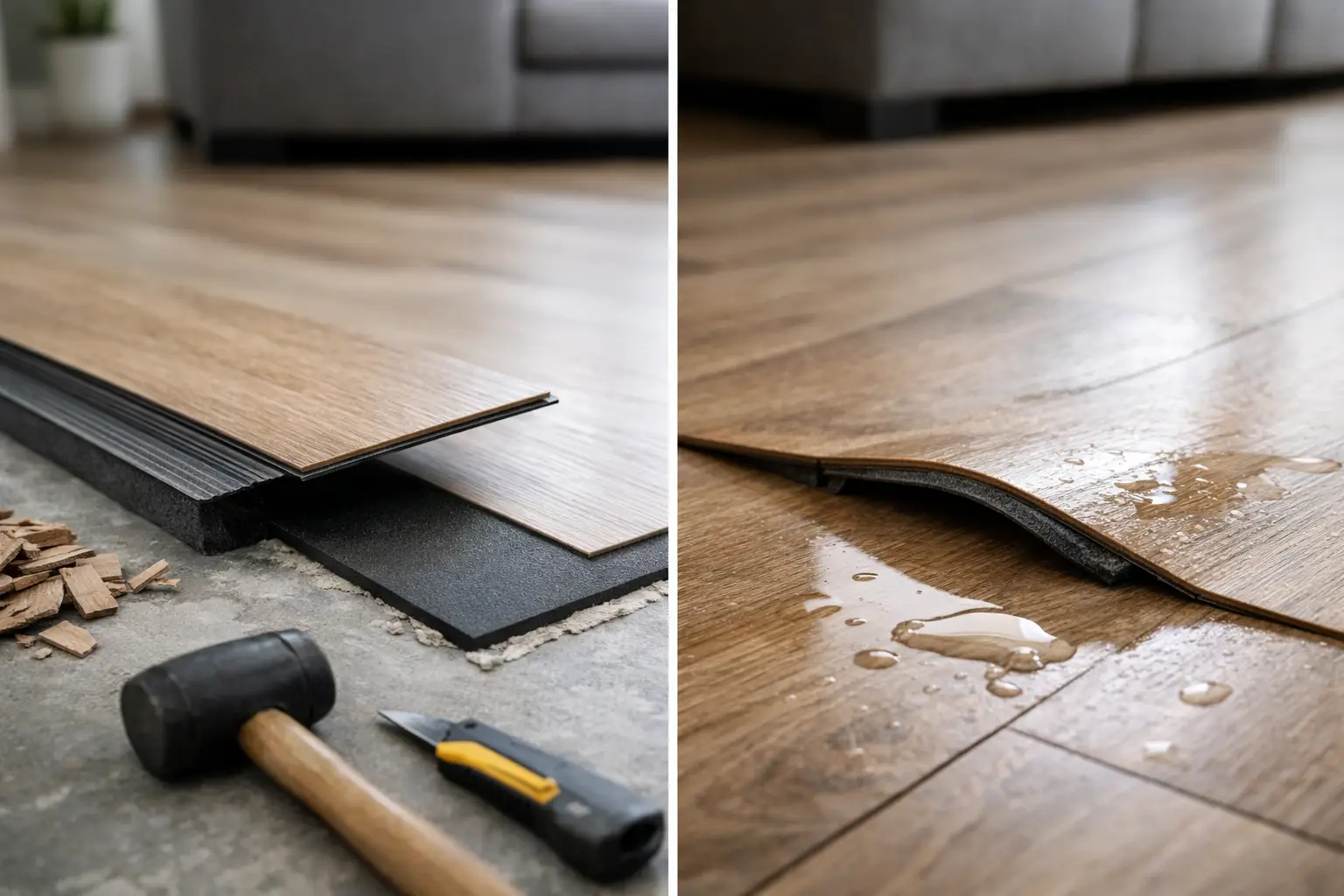
A low square metre rate can look attractive at the start, especially if you are trying to keep a renovation on budget. But with timber flooring, cheap products often create problems that do not show up until after installation.
Lower-grade boards can have inconsistent sizing, weaker locking systems or less stable construction. That can slow the job down, increase wastage and affect the final finish. In day-to-day use, you may also notice more denting, surface wear or movement if the product is not suited to the space.
That does not mean the most expensive option is always the right one. It means value sits in the balance between product quality, suitability and proper installation. A well-made mid-range board installed correctly can be a better outcome than a premium-looking floor laid over a poor subfloor.
Installation costs vary with the site
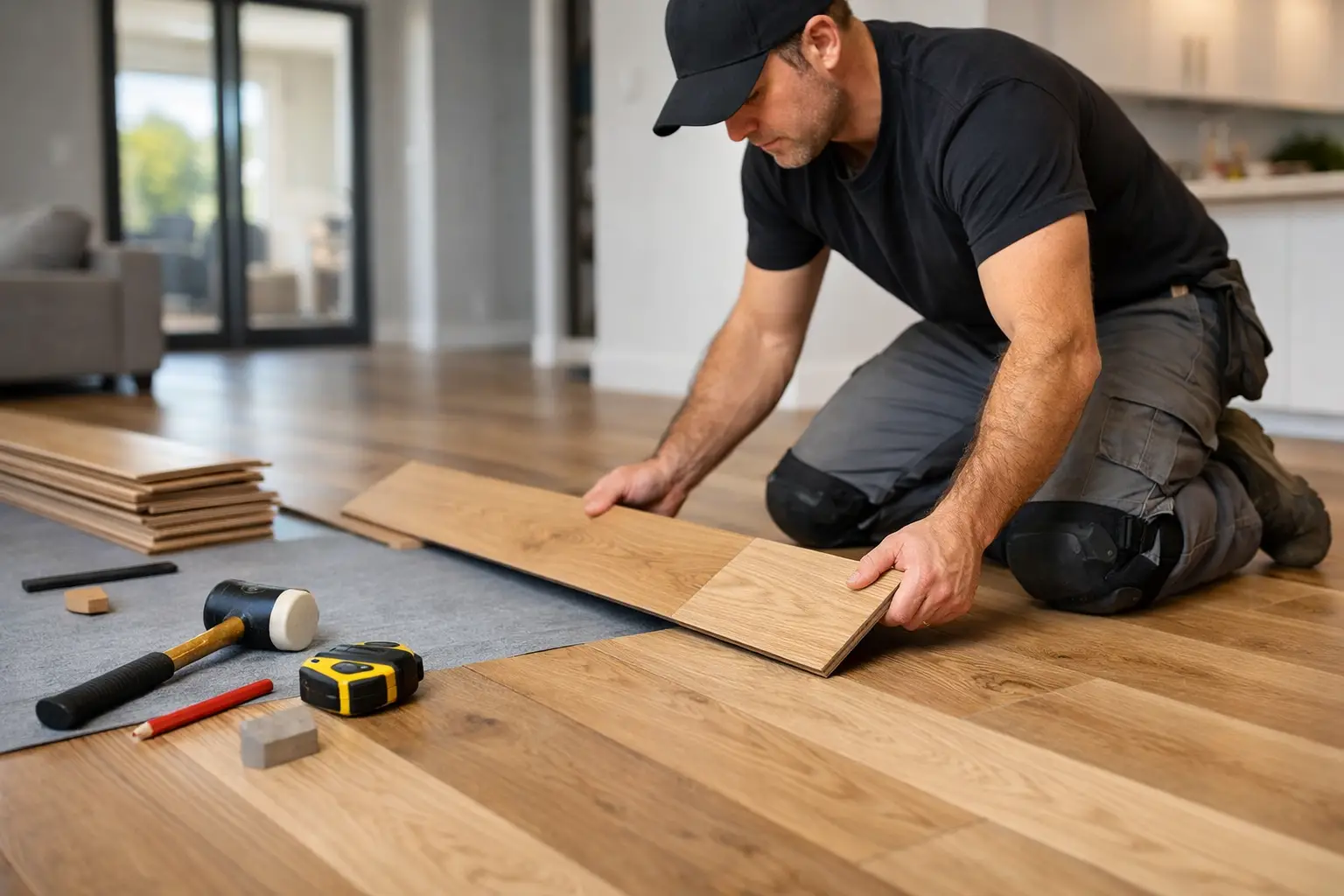
Installation is not a fixed number across every property. A straightforward open-plan area is different from a home with tight hallways, lots of cuts, stair details or a patterned layout.
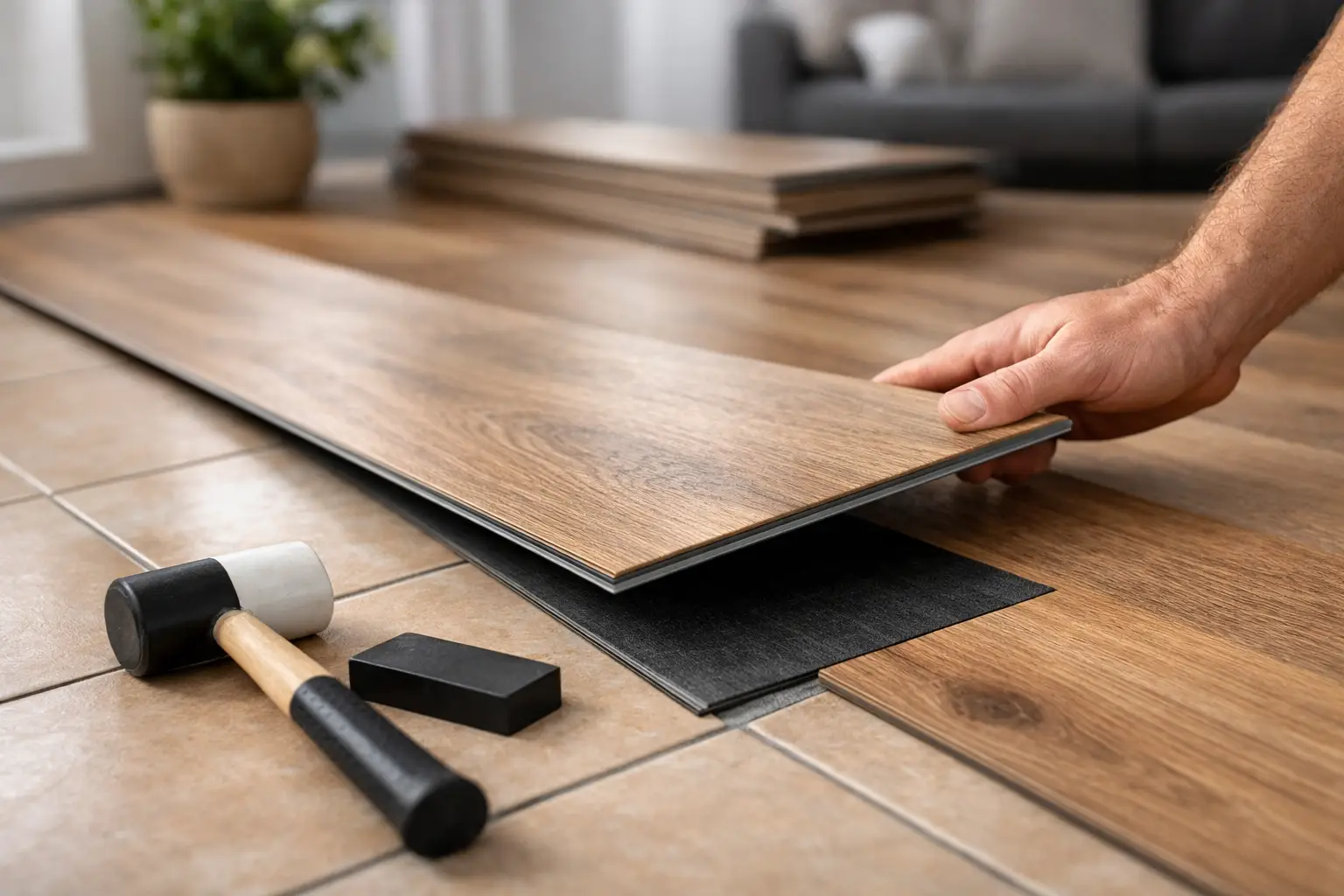
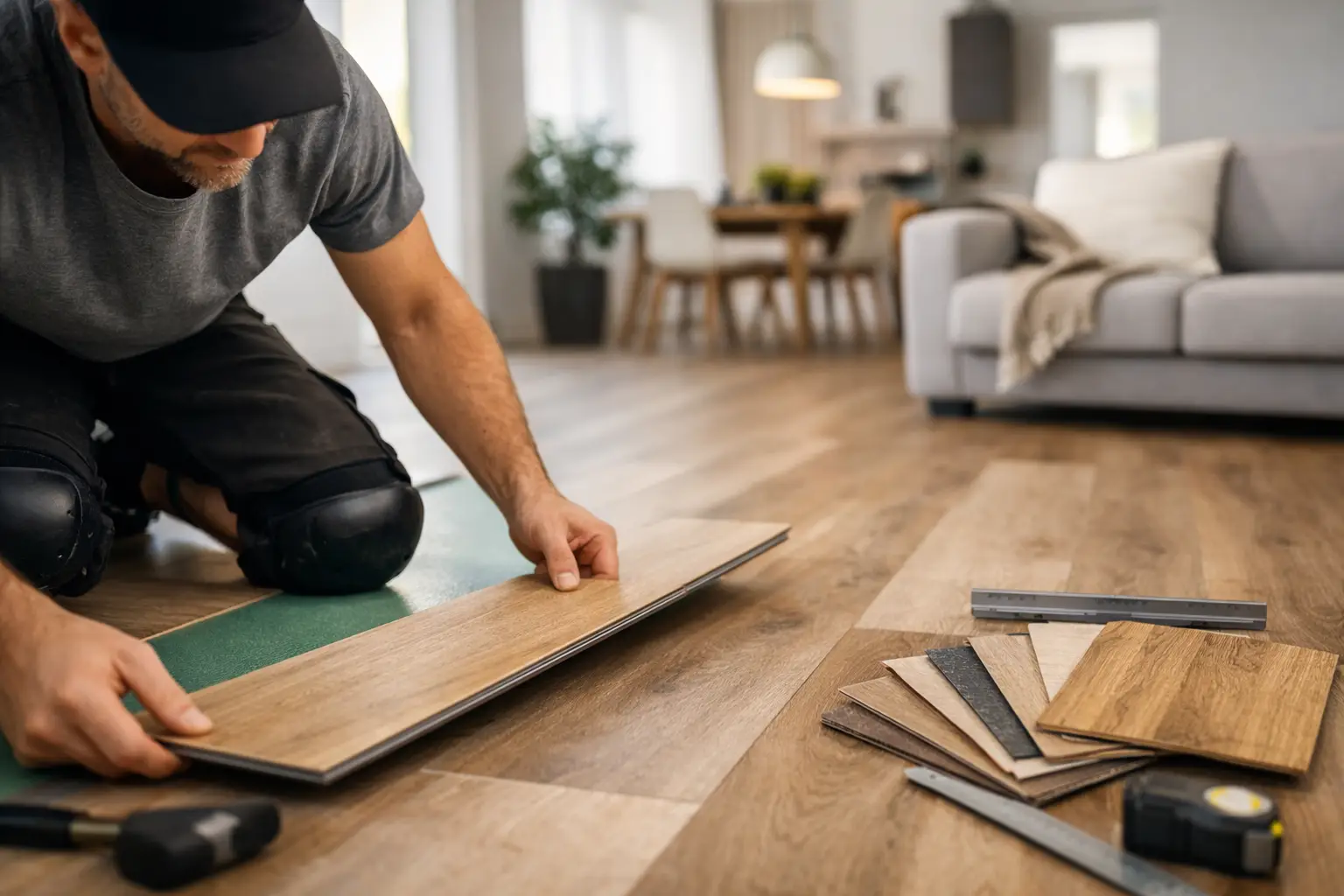
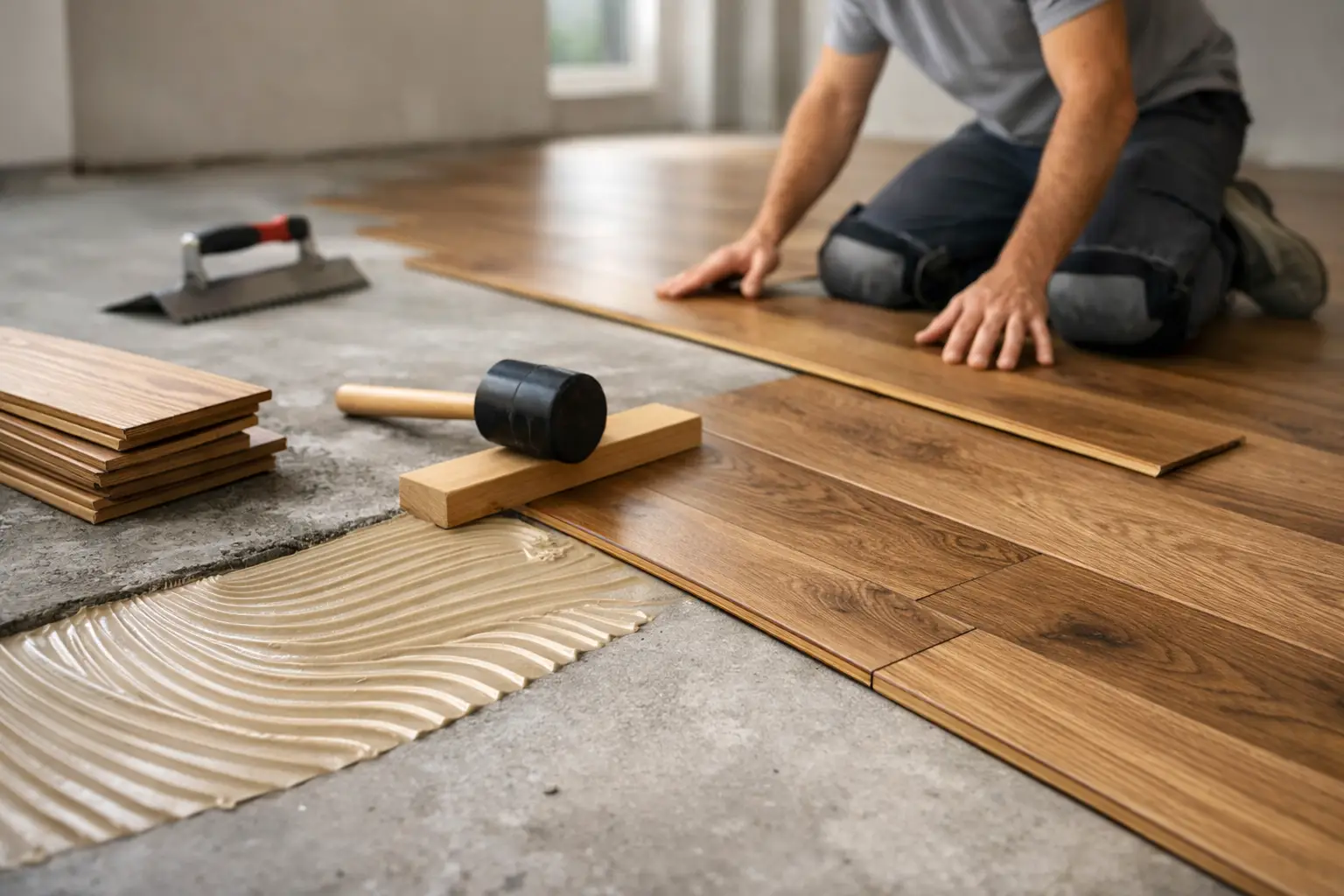
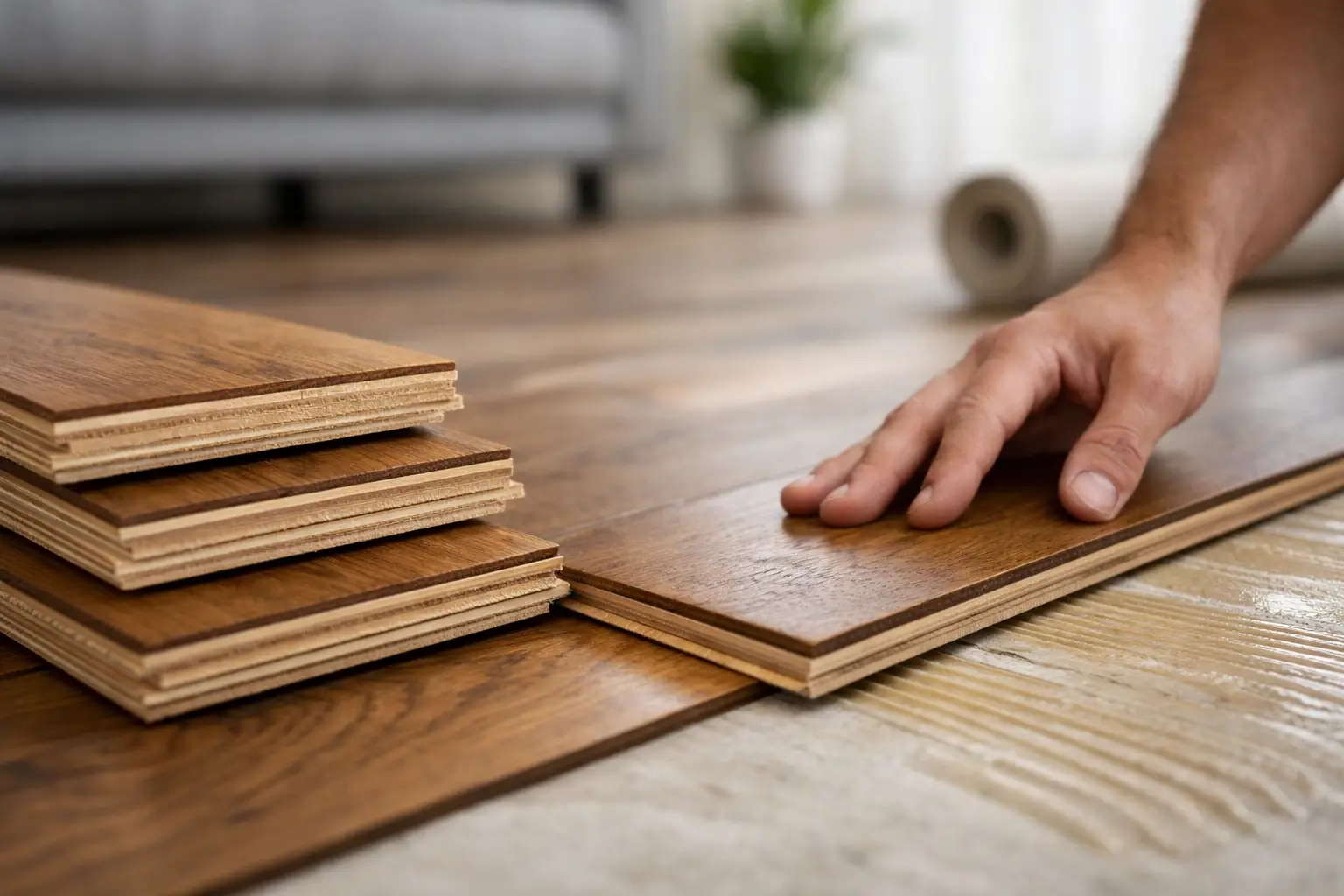
Floating installation is often more cost-effective than a direct stick method, but it is not always the best choice. Some spaces benefit from glue-down installation for a firmer feel underfoot, better acoustics or improved stability. Apartments in particular may have body corporate or acoustic requirements that affect the system used.
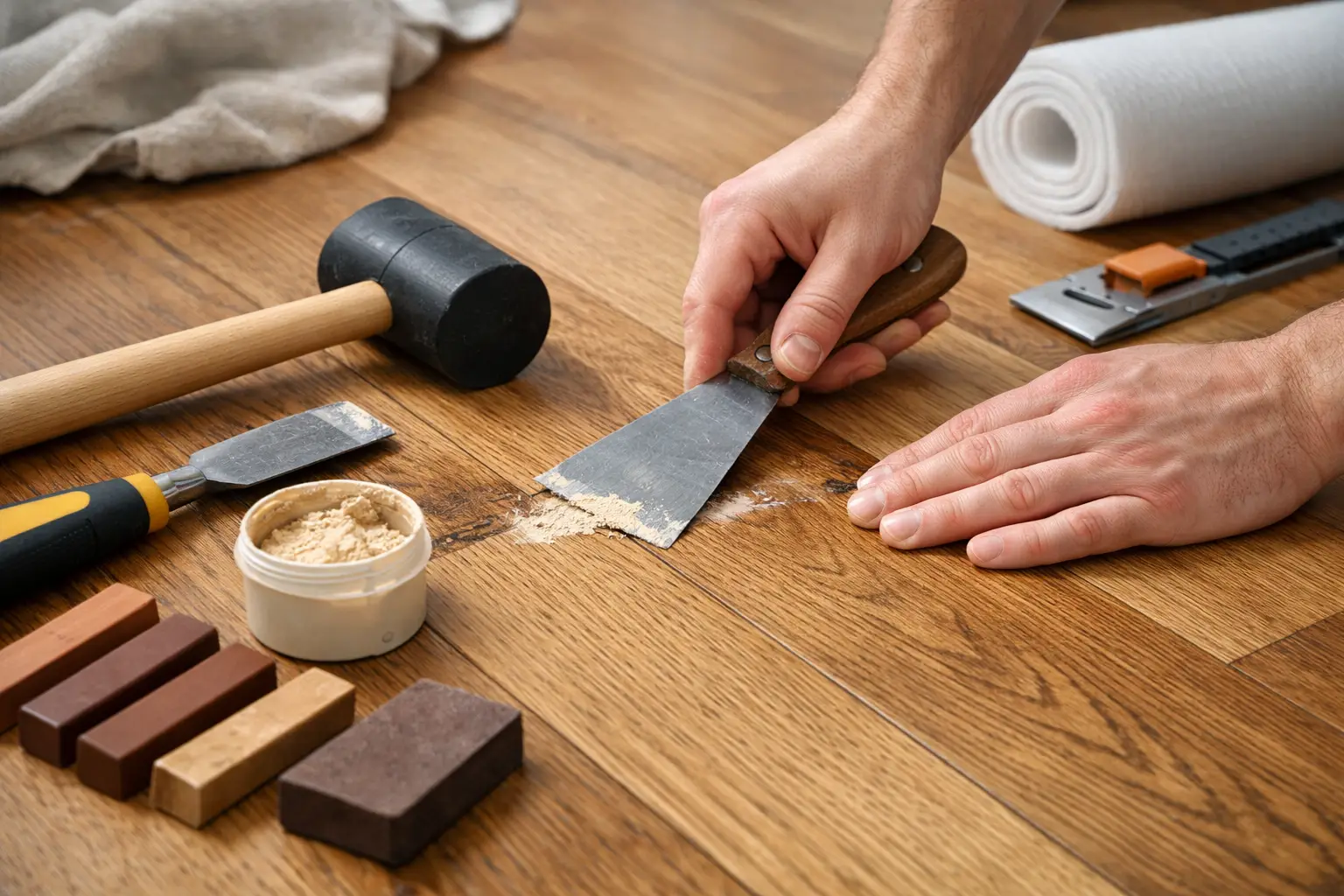
Existing floor coverings also matter. Pulling up carpet is different from removing tiles. If the old surface leaves adhesive residue or damage underneath, more preparation may be needed before the new flooring can go down.
Access can add time as well. A ground-floor living room with clear entry is one thing. A multi-storey apartment with restricted lift access is another. These details may not be obvious when you first compare quotes, but they affect labour and logistics.
Subfloor preparation is where many quotes fall apart
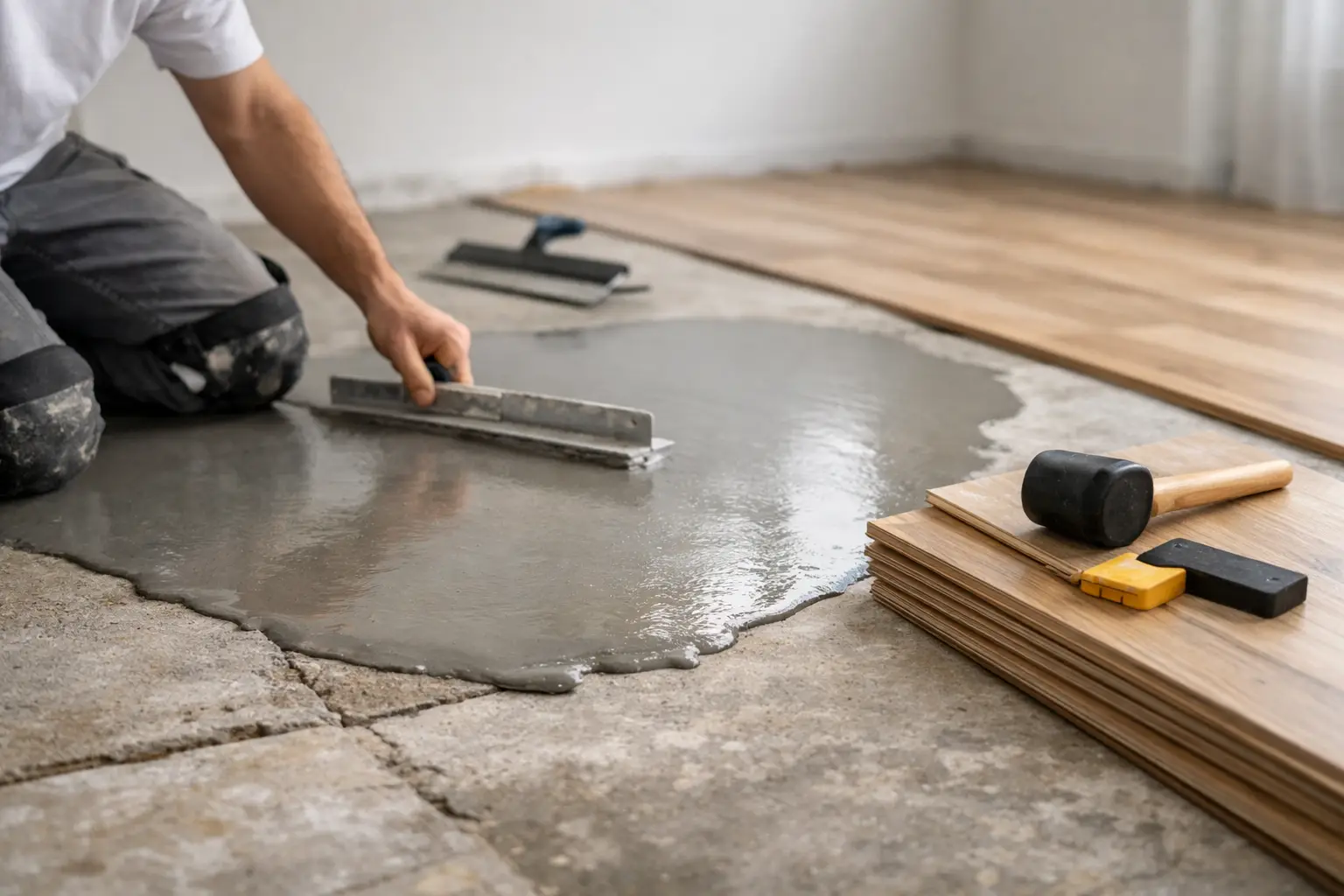
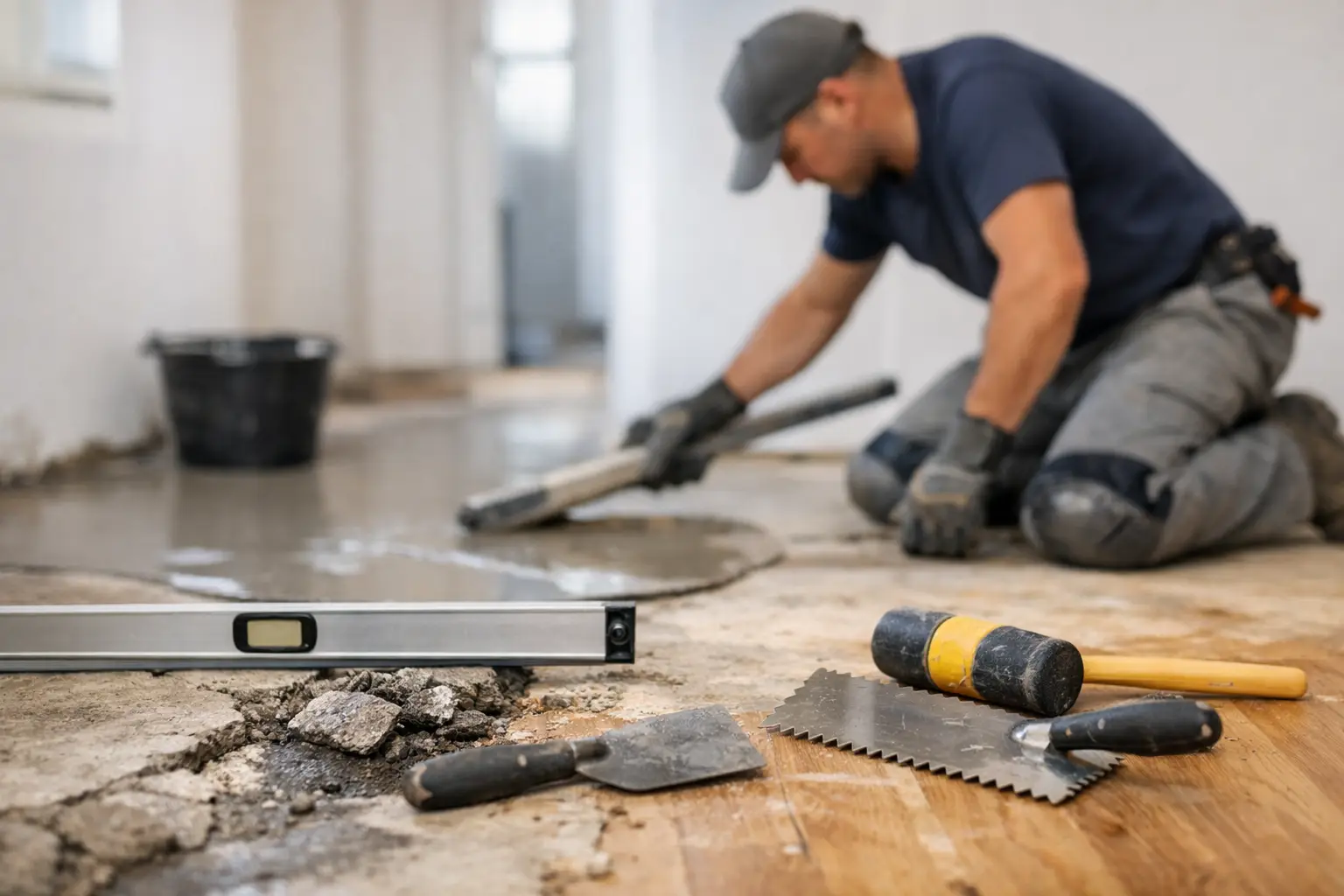
If there is one area people underestimate, it is preparation. Yet this is one of the biggest factors behind both cost and long-term performance.
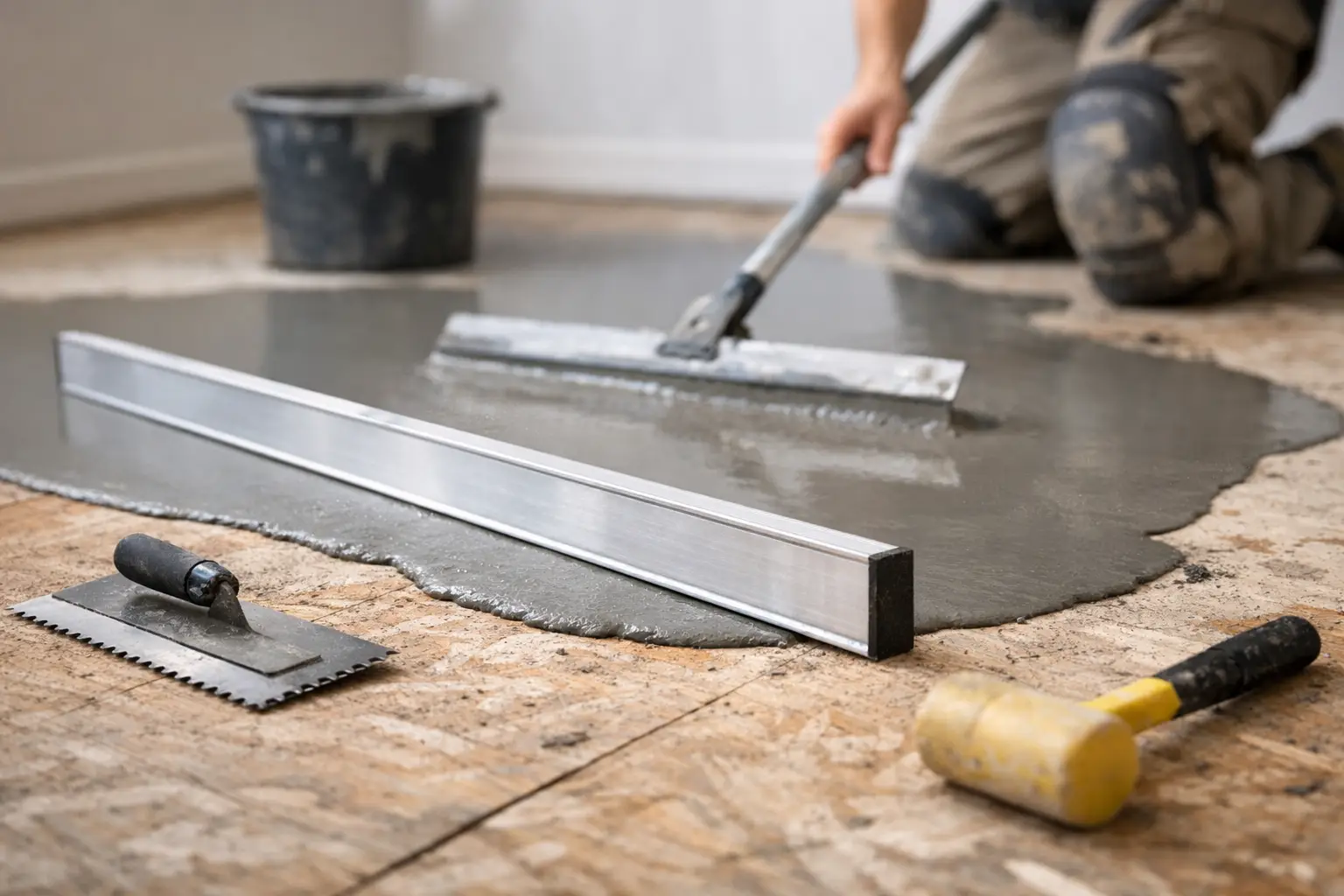
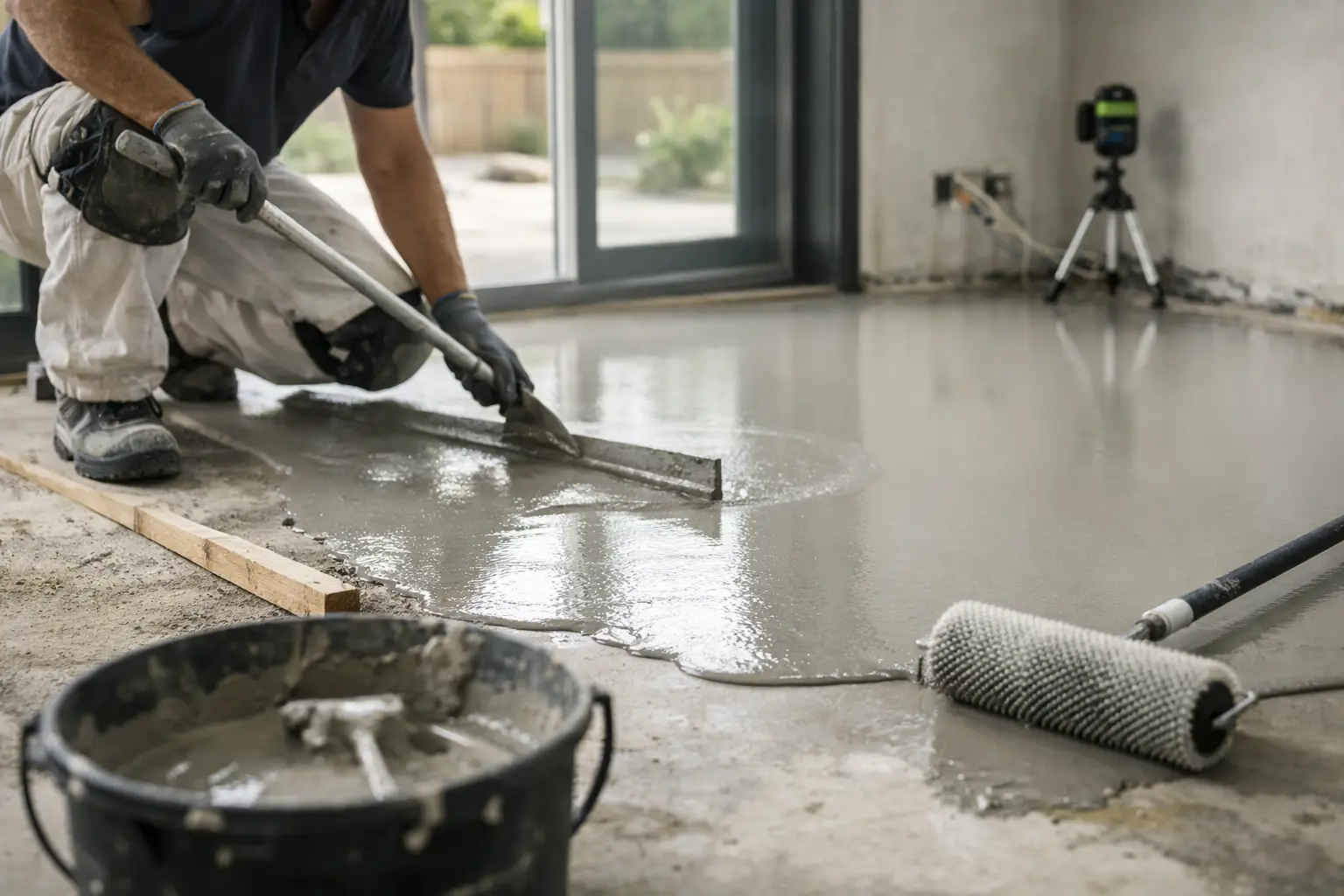
Engineered timber needs a suitable subfloor. That means level, stable and dry enough for the installation method. If the slab is uneven, the boards may flex, separate or wear unevenly over time. If moisture is ignored, you risk bigger failures.
That is why preparation should never be treated as an optional extra just to make a quote look cheaper. Proper levelling compounds, moisture checks and site assessment are part of getting the result right. In our experience, flooring problems are often blamed on the product when the real issue started underneath it.
For Melbourne properties, this is particularly relevant because subfloors vary so much between newer builds, older homes and apartment developments. A polished quote on paper means very little if it skips the preparation needed for a durable finish.
Comparing engineered timber flooring prices properly
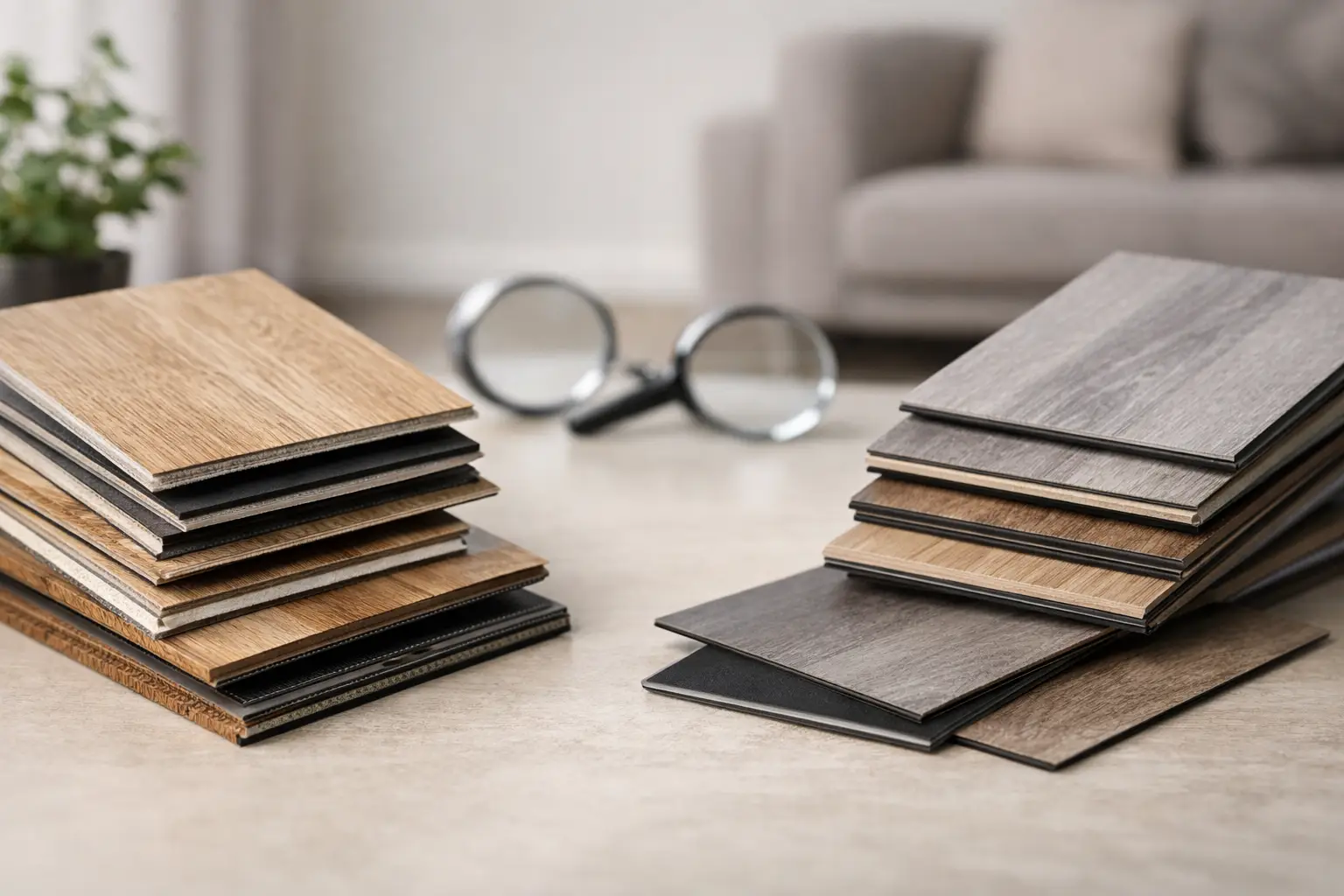
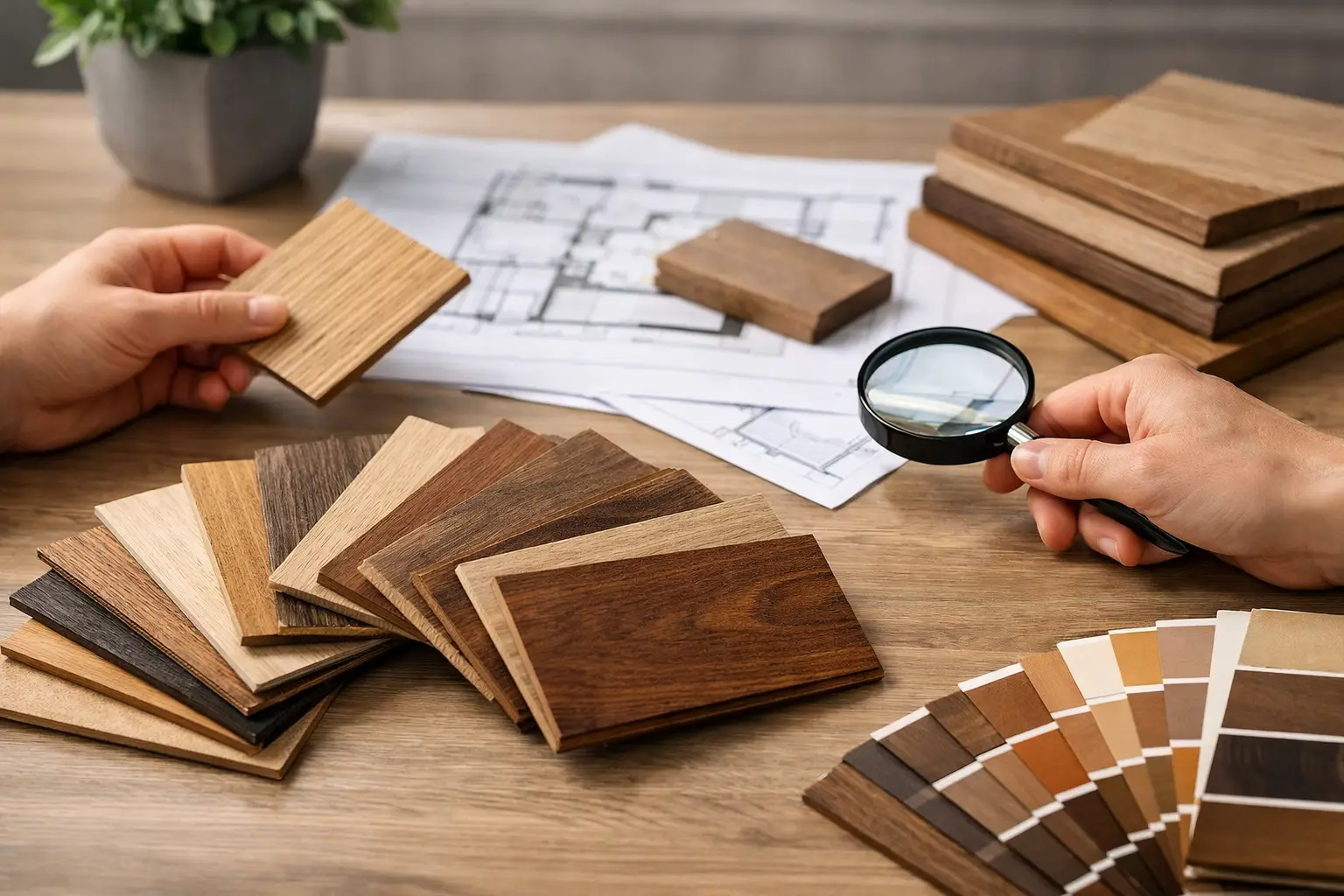
If you are choosing between suppliers, compare like for like. Ask what is actually included in the figure and what is not. A useful quote should be clear about product range, board size, installation method, trims, underlay if required, removal of existing flooring and subfloor preparation.
It is also worth checking who is guiding the recommendation. A salesperson can tell you what is popular. Someone with installation experience can usually tell you what will work in your property and what could cause trouble later. That difference matters when you are deciding between a floating floor over a slab, a glue-down system on concrete or a feature layout like herringbone.
The best quote is not always the lowest. It is the one that is honest about the work involved and suitable for the site.
Price ranges and what they usually reflect
Without seeing the site, it is hard to attach one exact number to engineered timber. Still, most buyers want a realistic sense of the market.
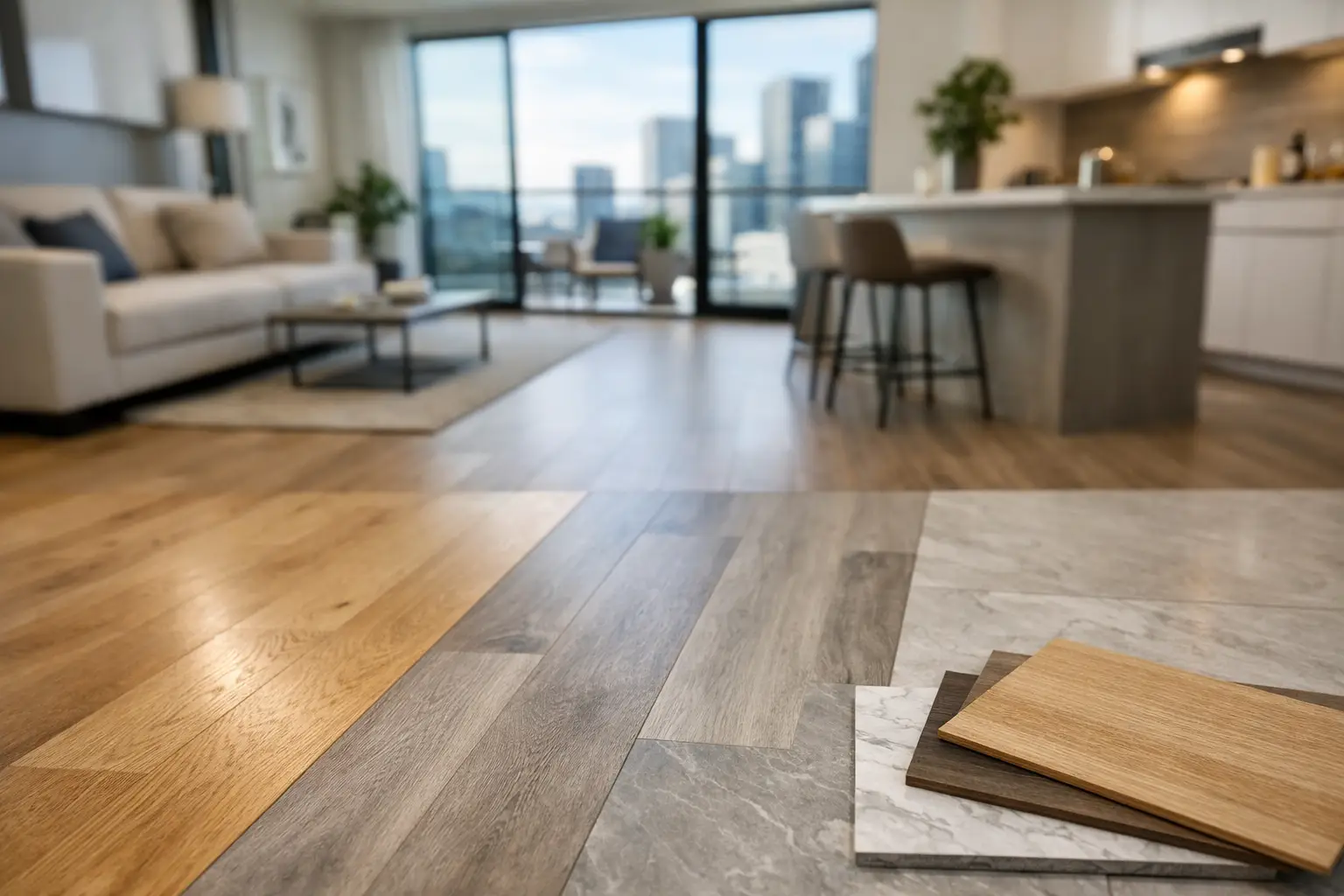
Entry-level engineered timber tends to sit at the lower end because of thinner wear layers, smaller board sizes or more basic finishes. Mid-range options usually offer better construction, broader colour choices and a more refined appearance. Premium ranges often include larger-format European oak boards, designer finishes and more stable manufacturing.
Once installation and preparation are added, the final project cost can vary significantly. That is why supply-only pricing often tells only half the story. If one quote is dramatically lower than the others, it is worth checking whether preparation, trims, stair work or moisture management have been left out.
Where the best value usually sits
For most homeowners, best value is not the cheapest floor in the room. It is the floor that suits the way the property is used and holds up well over time.
Families with children and pets may be better off choosing a more durable finish rather than chasing the widest board in the range. Apartment owners may need to prioritise acoustic performance and installation method. Investors often want a floor that looks premium without pushing into the highest-end bracket. Commercial clients may focus more on wear resistance, stability and efficient installation.
This is where practical advice matters. At Melbourne Quality Timber Flooring, the strongest outcomes usually come from matching the right board to the site rather than selling on appearance alone. Former installers tend to look at a room differently. They notice the slab, the transitions, the likely problem areas and the finish details that affect how the floor performs once people start living on it.
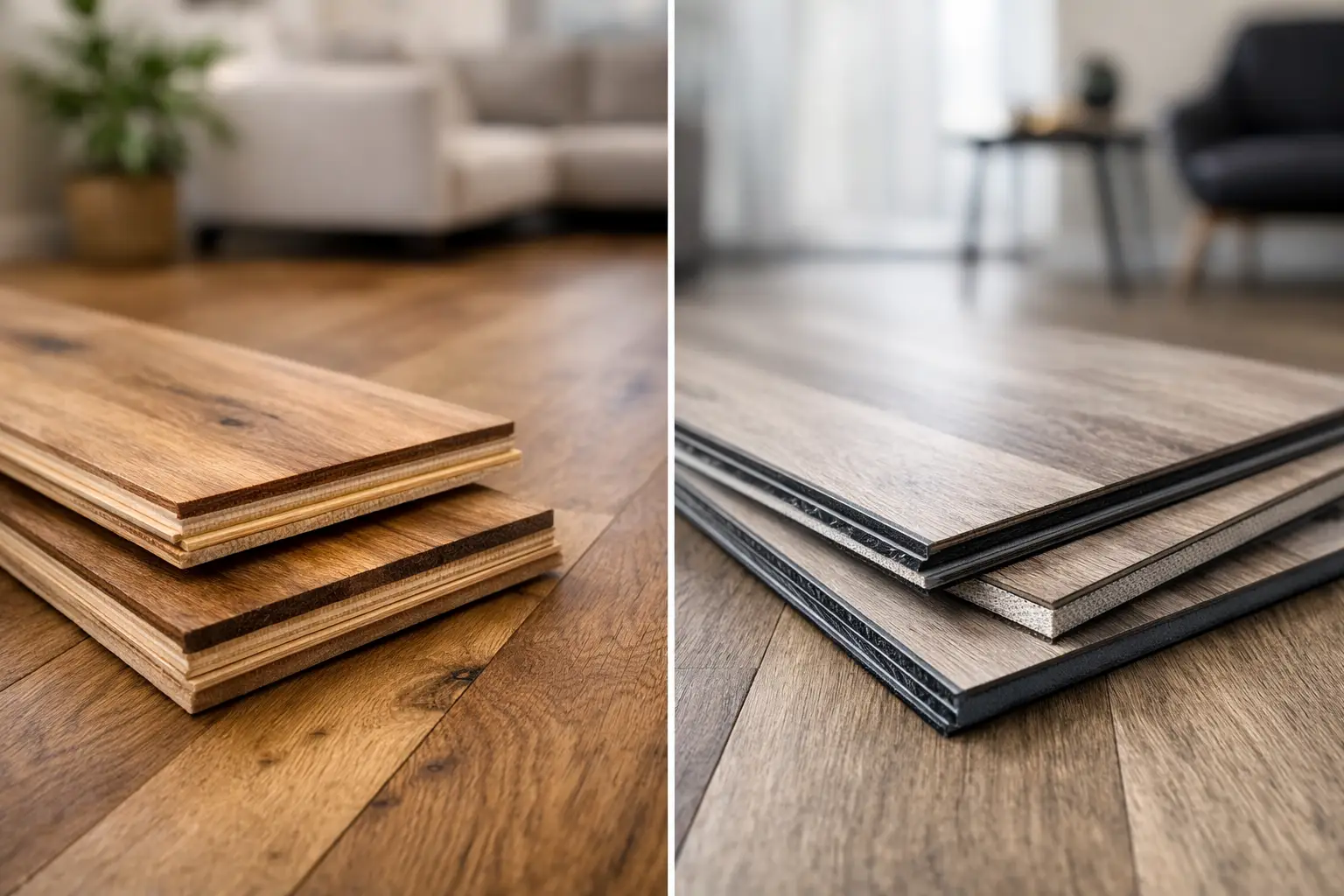
Should you choose engineered timber over hybrid or laminate?
This is often part of the pricing conversation. If engineered timber is sitting above hybrid or laminate in the quote, the next question is whether it is worth it.
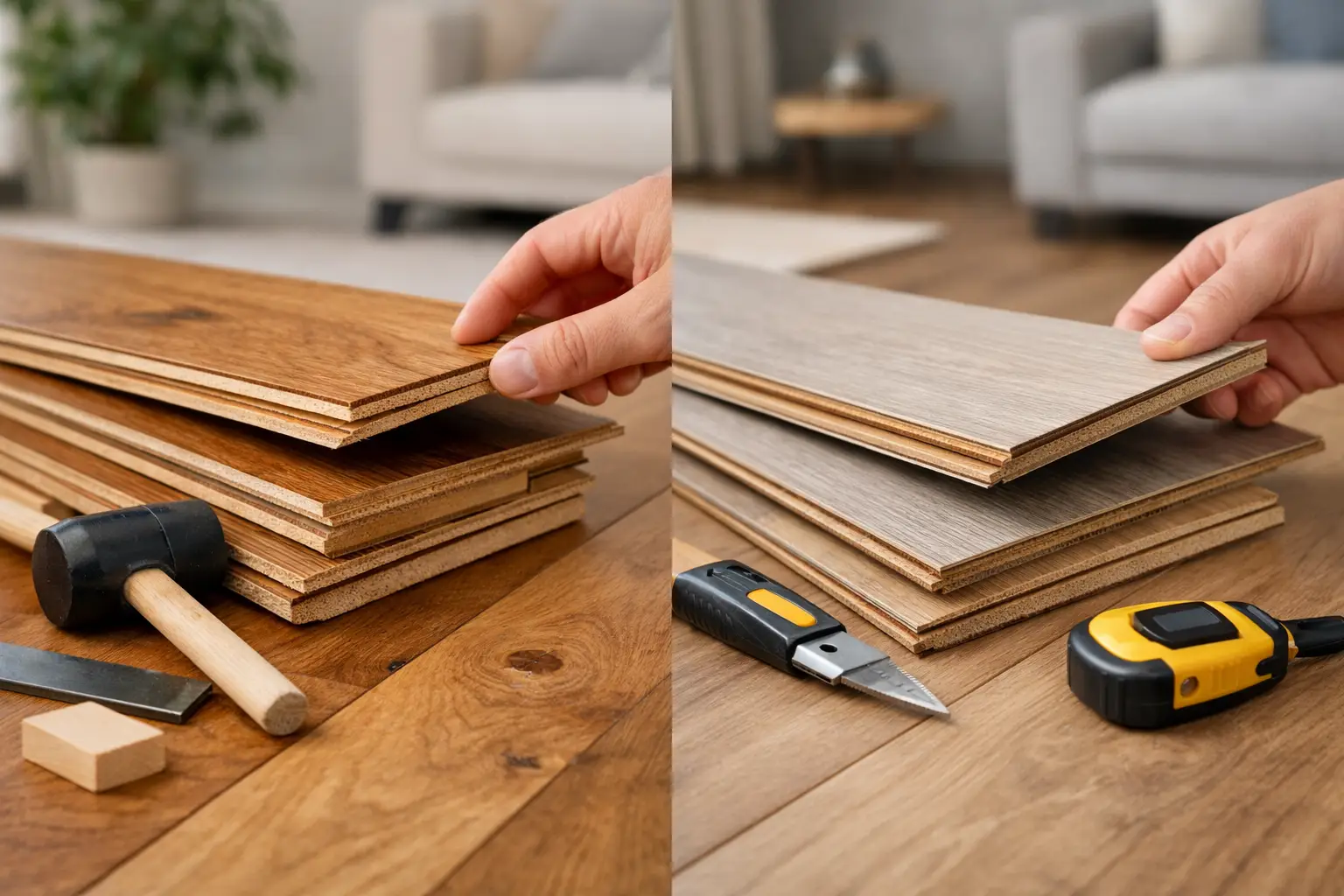
That depends on what you want from the floor. Engineered timber gives you real timber underfoot and the visual depth that comes with a natural veneer. It generally appeals to buyers who want a premium finish and are willing to invest in it. Hybrid and laminate can be strong alternatives in the right setting, particularly where budget, moisture exposure or scratch resistance are the bigger priorities.
There is no single right answer. The better question is which product fits your space, your budget and your expectations over the next several years.
When you look at engineered timber flooring prices, try to read past the headline rate. A good floor is not just bought by the box. It is chosen with the site in mind, prepared properly and installed the right way the first time.